The Number That Spoiled The Party
You bought a pickup advertised to tow a small mountain, hitched up your trailer, and then discovered a much less glamorous number on the door jamb: payload capacity. Suddenly, that enormous tow rating doesn’t look quite so enormous. So which limit really matters? Unfortunately, you have to respect them all.
Tow Rating Gets The Headlines
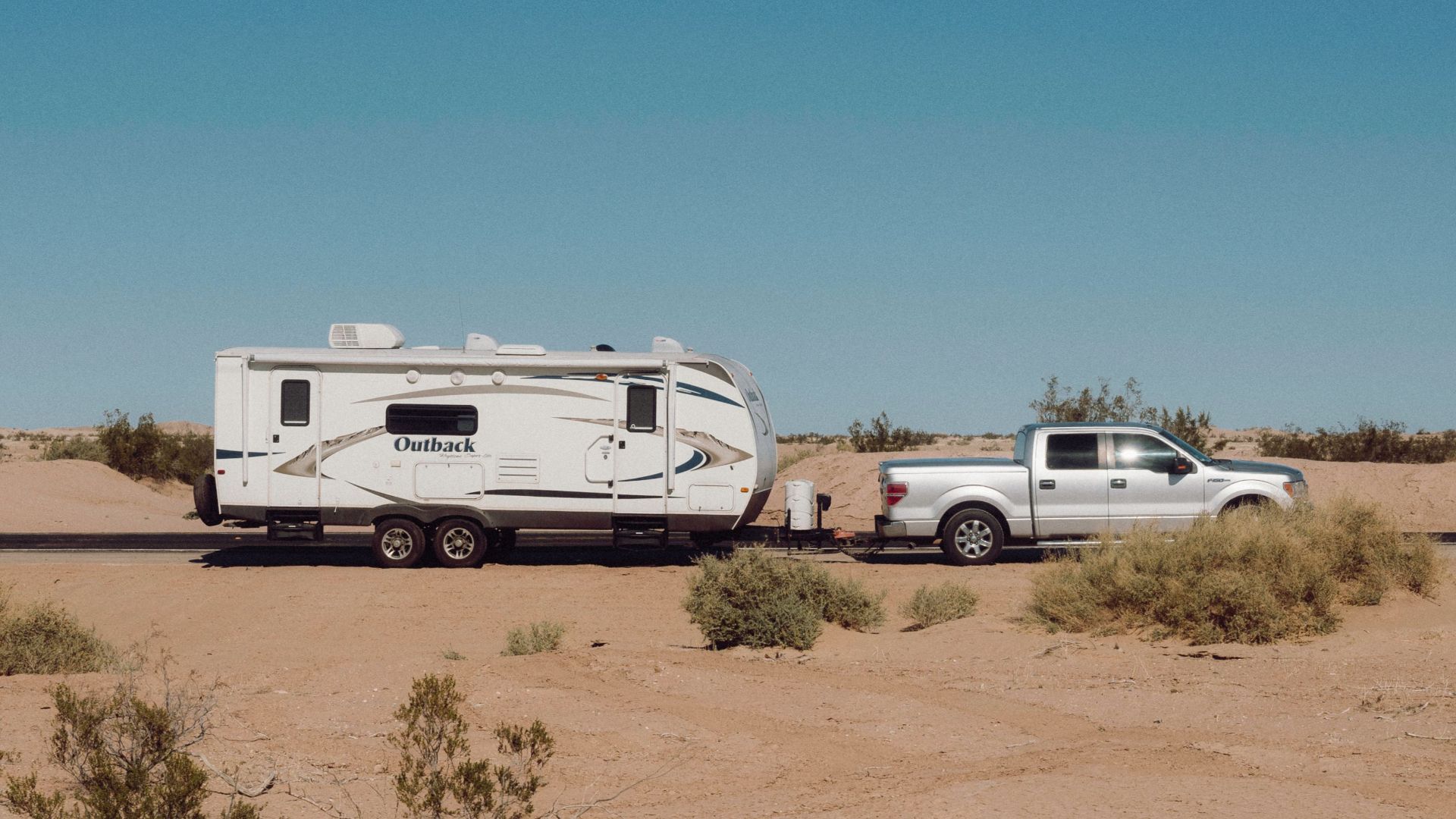
Maximum towing capacity is the number automakers love putting in commercials. It tells you the heaviest trailer the truck can theoretically pull when properly equipped. A modern half-ton claiming 12,000-plus pounds sounds mighty impressive, especially to anyone who remembers when trucks rode like farm equipment and considered cupholders optional.
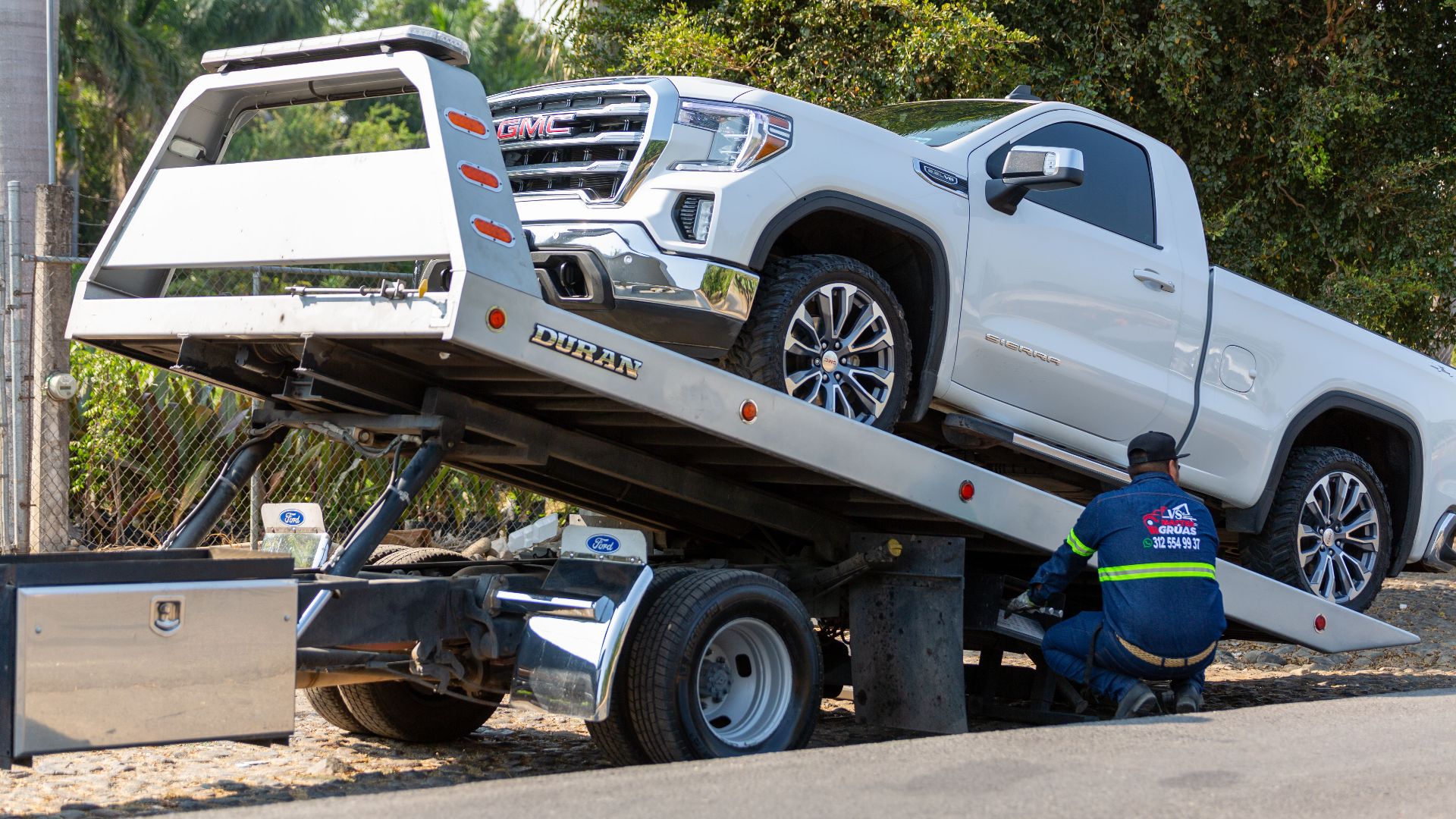
Payload Is The Quiet Troublemaker
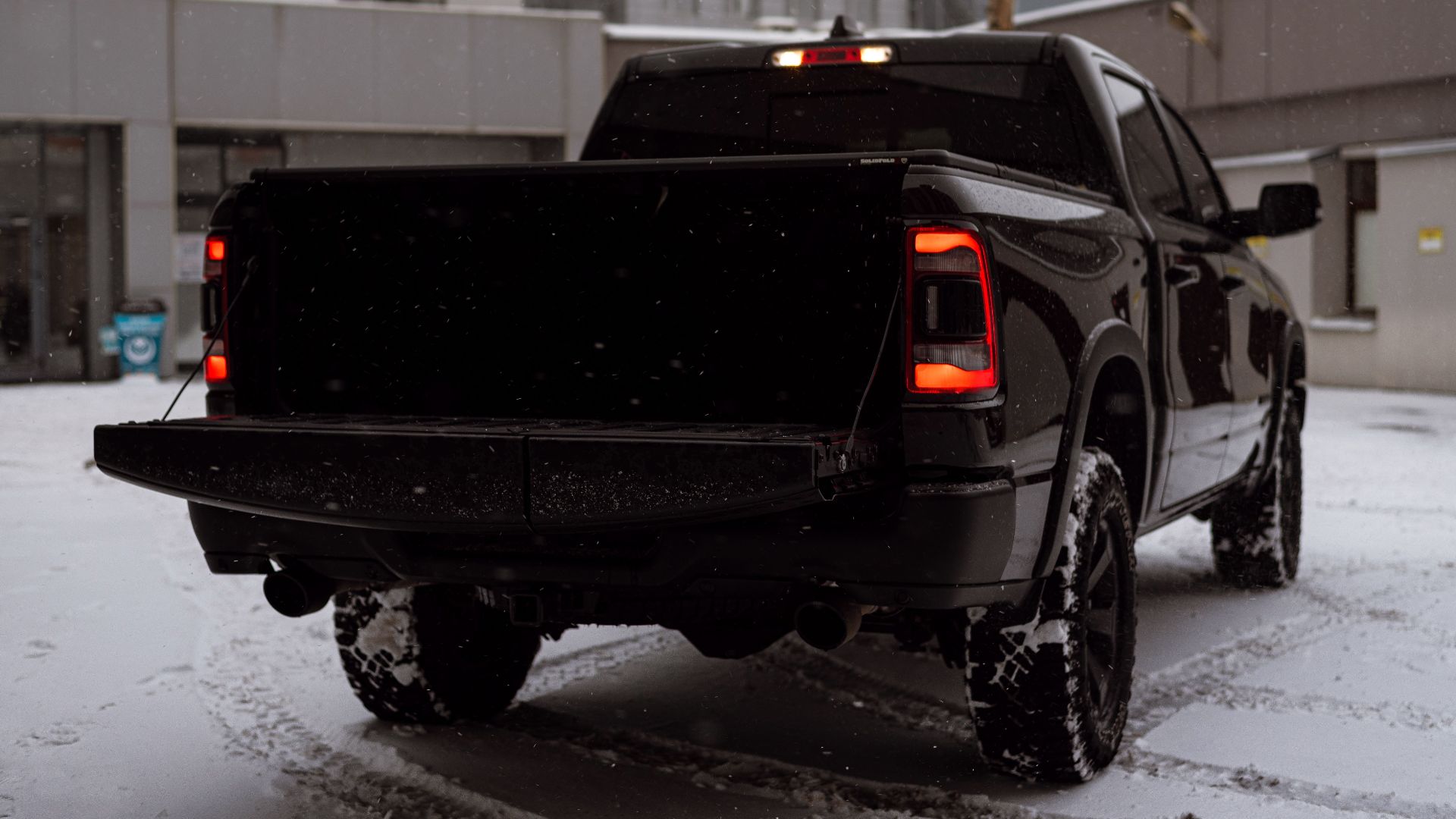
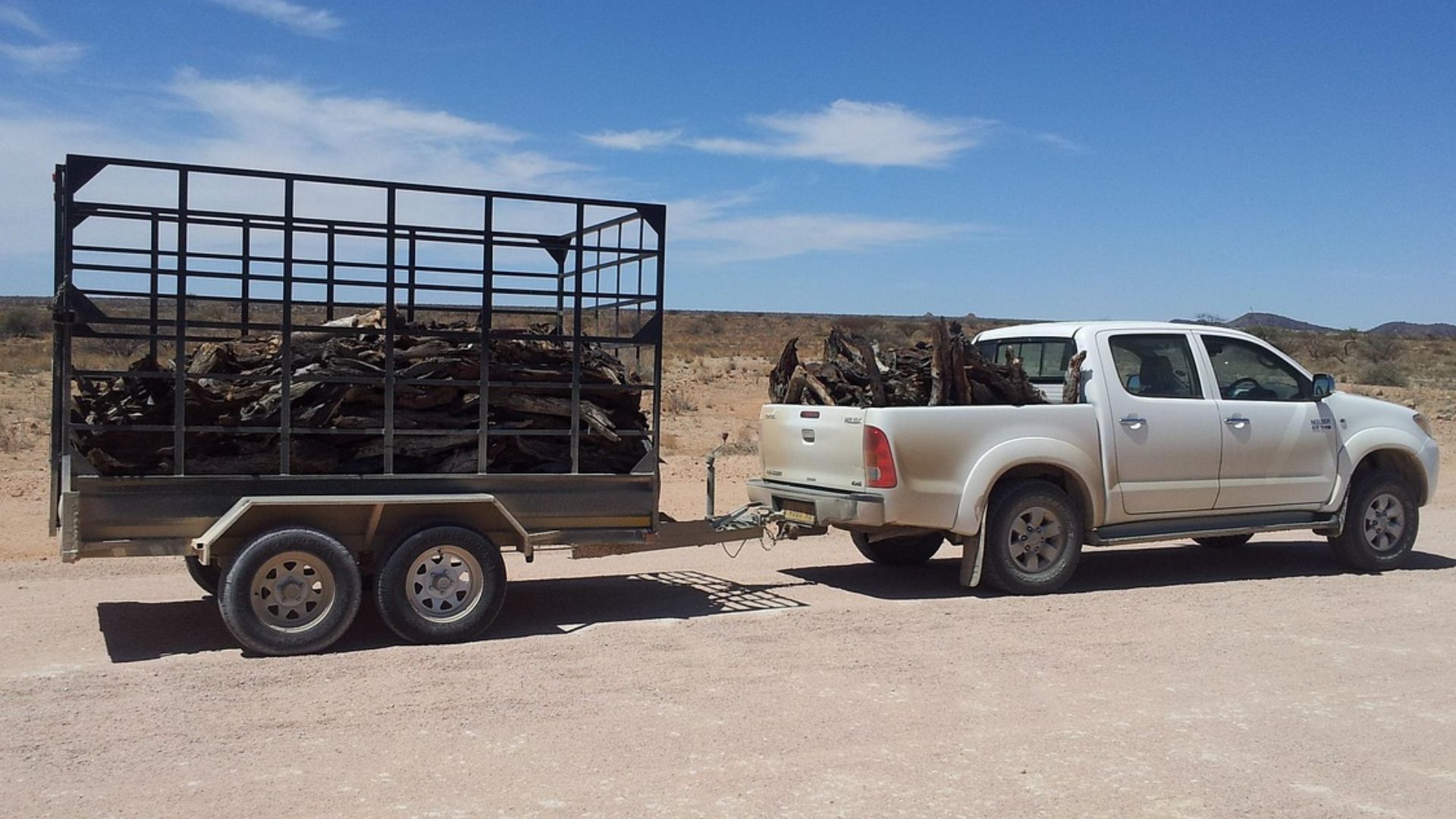
Payload capacity measures how much weight the truck itself can carry. That includes passengers, luggage, tools, coolers, camping supplies, accessories, and—crucially—the downward weight your trailer puts on the hitch. For many recreational towers, payload becomes the limit long before maximum towing capacity does.
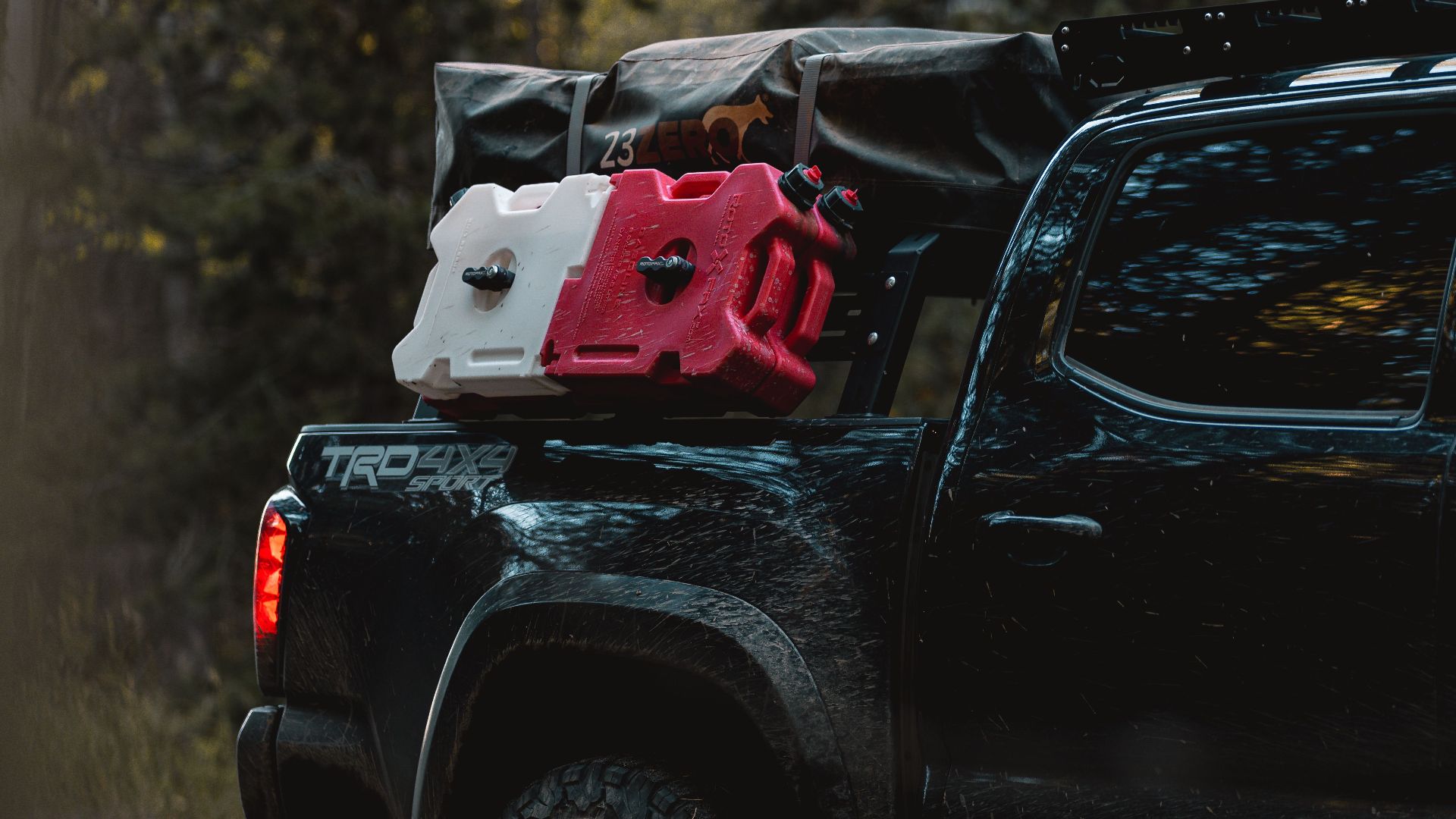
Why Trailer Weight Lands In The Truck
A trailer doesn’t simply float behind your pickup like a balloon on a string. Part of its weight presses downward on the hitch. With a conventional travel trailer, that tongue weight commonly represents roughly 10% to 15% of the trailer’s loaded weight, depending on the trailer and how it is loaded.
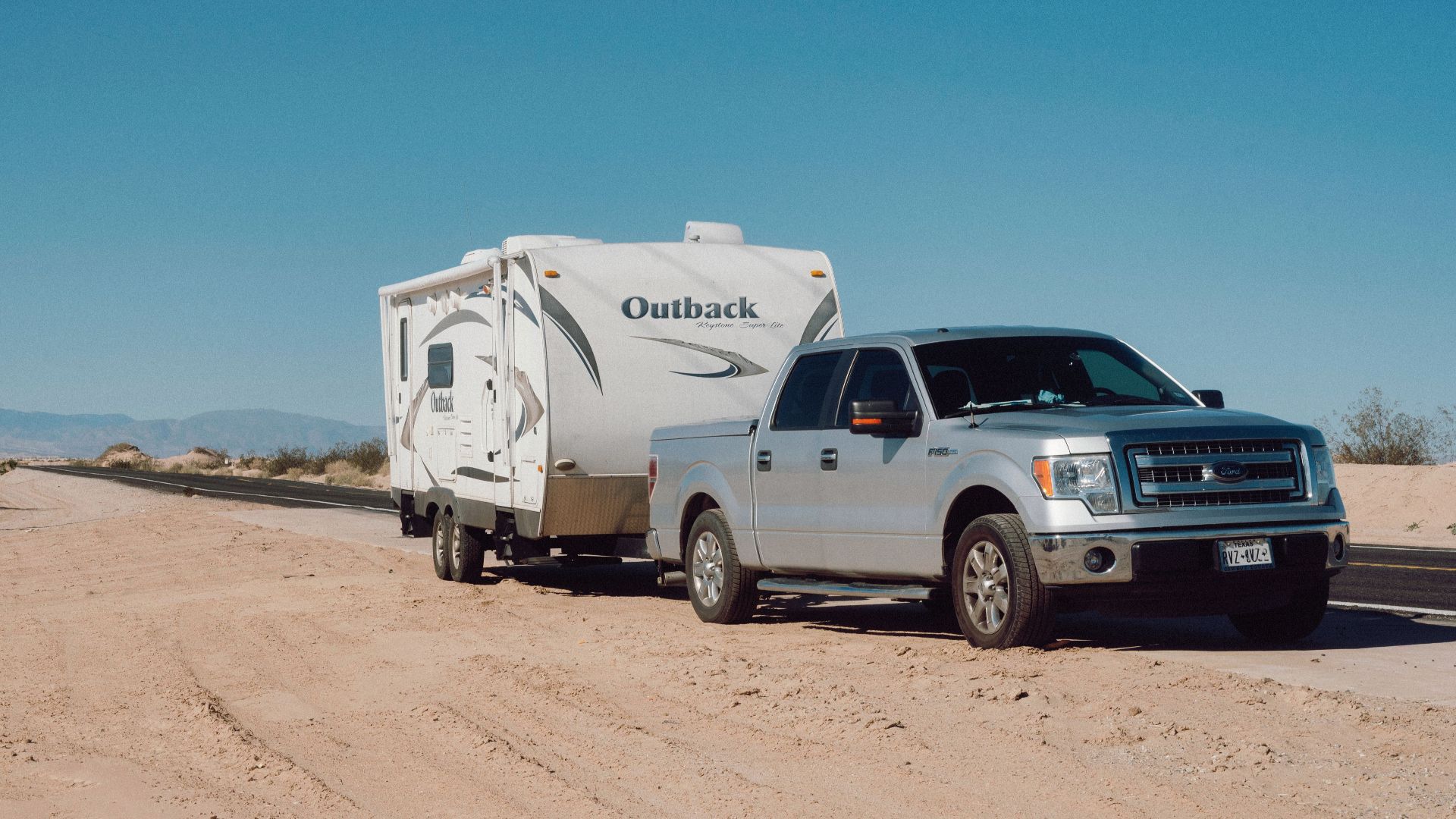
A Little Math Changes Everything
Suppose your trailer weighs 8,000 pounds when packed for vacation. At 12.5% tongue weight, approximately 1,000 pounds could be pressing on the truck. If your pickup only has 1,600 pounds of available payload, most of your carrying capacity has vanished before anybody climbs aboard.
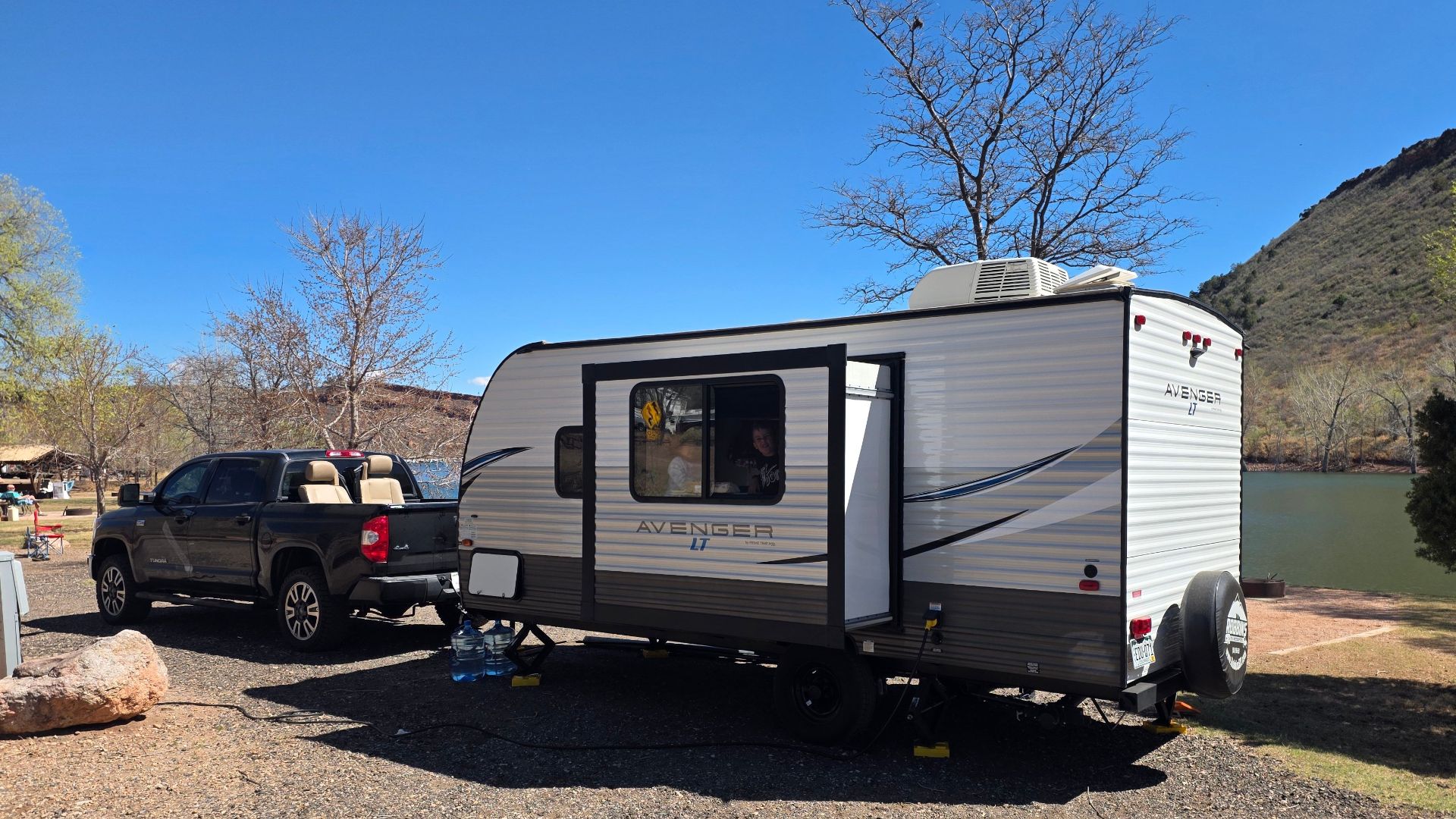
Then The Family Gets In
Add two adults, perhaps another passenger, and suddenly several hundred more pounds are aboard. Throw in the dog, cooler, camp chairs, firewood, tools, and the mysterious collection of objects that accumulates in every truck bed, and your remaining payload can disappear remarkably quickly.

Payload Varies Between Trucks
Here’s where truck shopping becomes tricky. Two pickups that look virtually identical can have considerably different payload capacities. Engines, four-wheel drive, luxury equipment, larger wheels, cab styles, and other options add weight to the truck itself. More truck weight often means less capacity left for your stuff.
Check The Actual Door Sticker
Forget what the brochure says for a moment. Open the driver’s door and look for the vehicle certification and tire-loading labels. One typically tells you the maximum combined weight of occupants and cargo for that particular truck. That truck-specific number is far more useful than a maximum figure advertised for the model line.

Maximum Tow Ratings Need Context
That giant towing figure usually applies only to certain configurations. The heroic number in the advertisement might belong to a two-wheel-drive truck with the right axle ratio, towing package, cab configuration, and relatively little additional weight. Your heavily optioned crew cab may have a noticeably different rating.
GVWR Matters Too
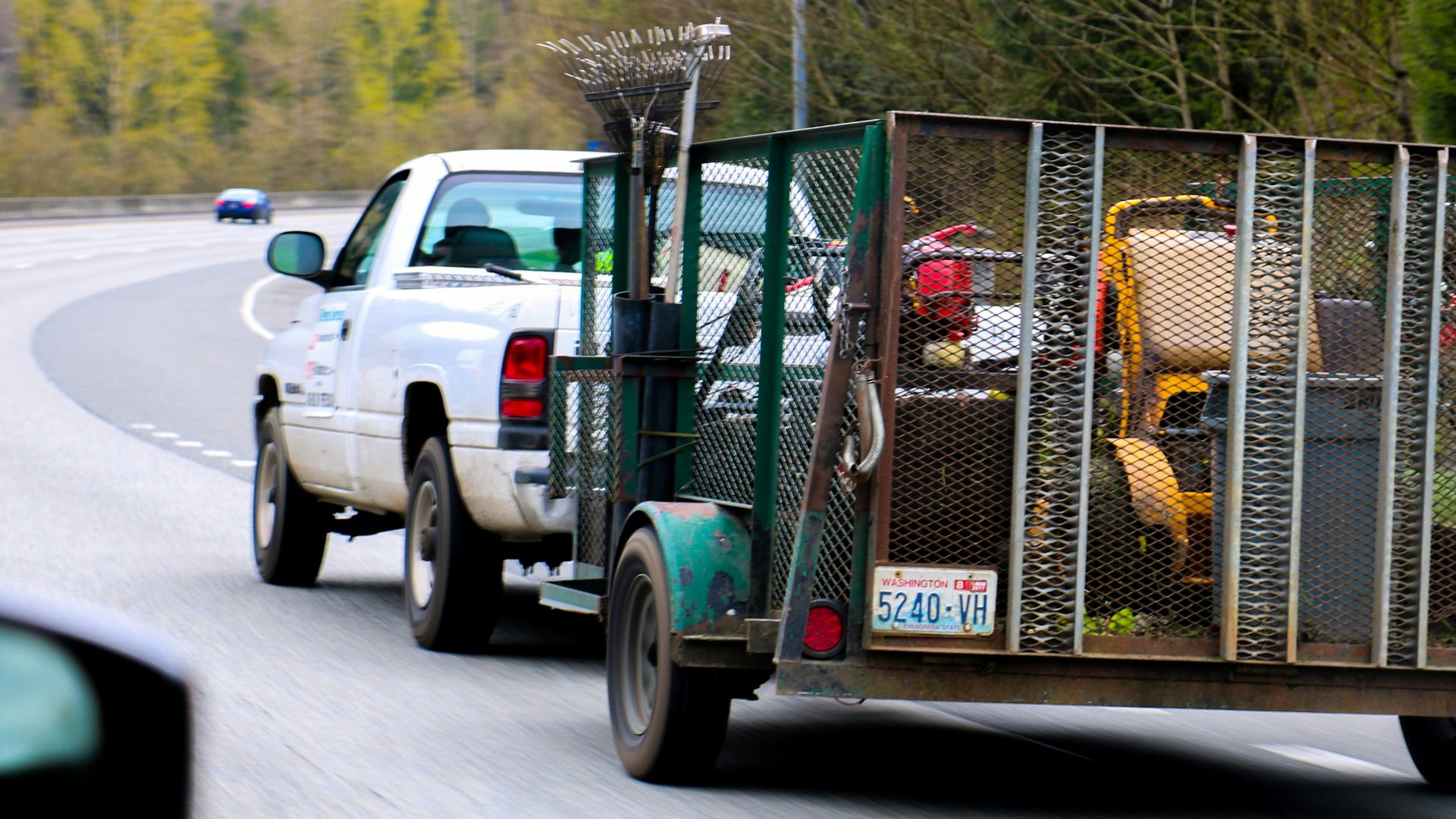
GVWR stands for Gross Vehicle Weight Rating. It represents the maximum allowed weight of the loaded truck, including the truck itself, passengers, cargo, accessories, and hitch load. Put your pickup on a scale fully loaded, and its actual weight should remain below this rating.
Know Your GAWR
Gross Axle Weight Rating is another acronym worth learning. Your truck has limits for the front and rear axles. A heavy trailer can put substantial additional weight toward the rear of the pickup, meaning you could potentially exceed the rear axle rating even when another calculation still appears acceptable.
Then There Is GCWR
Gross Combined Weight Rating covers the loaded truck and loaded trailer together. Think of it as the maximum weight of the whole road-going combination. Staying under the trailer’s individual rating is not enough if your truck and trailer together exceed what the manufacturer allows.

Payload Often Wins The Race
For many half-ton pickup owners towing travel trailers, payload capacity is the first number they run out of. That’s why someone can have a truck rated to tow an impressively heavy trailer yet discover that a much lighter trailer still pushes the loaded pickup beyond its permitted carrying capacity.
Fifth-Wheels Raise The Stakes
Fifth-wheel trailers usually transfer considerably more weight into the truck bed than conventional trailers put on a bumper-style hitch. That pin weight can consume payload with astonishing speed. This is one reason serious fifth-wheel shoppers frequently end up considering three-quarter-ton or one-ton trucks despite impressive half-ton tow ratings.
Hitch Ratings Matter Too
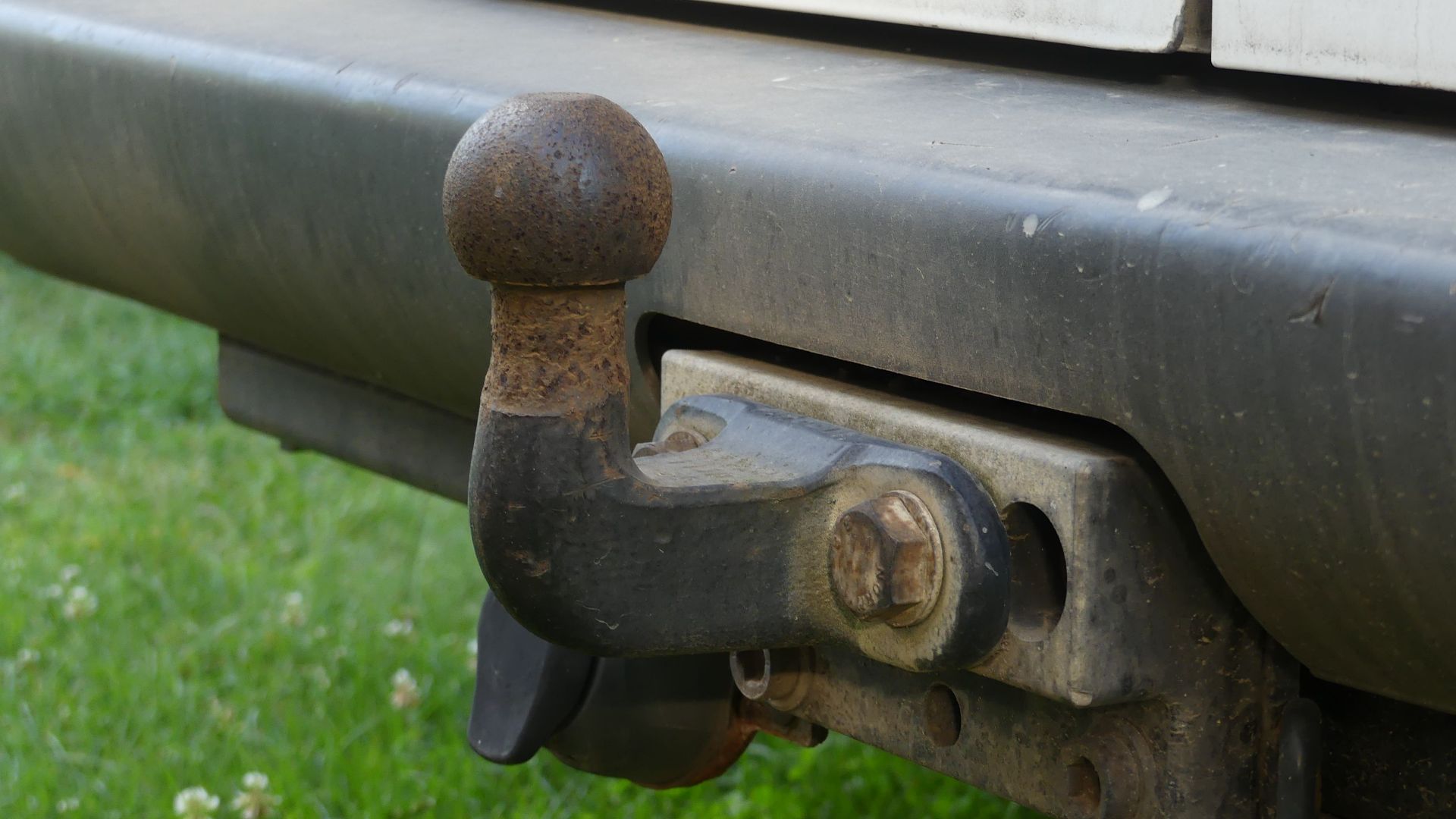
Your receiver hitch has limits of its own. Manufacturers may specify maximum trailer weight and tongue weight, sometimes with different limits depending on whether a weight-distribution hitch is used. The strongest truck in the world doesn’t magically make an underrated hitch stronger, so check that equipment as well.
The Trailer Has Limits
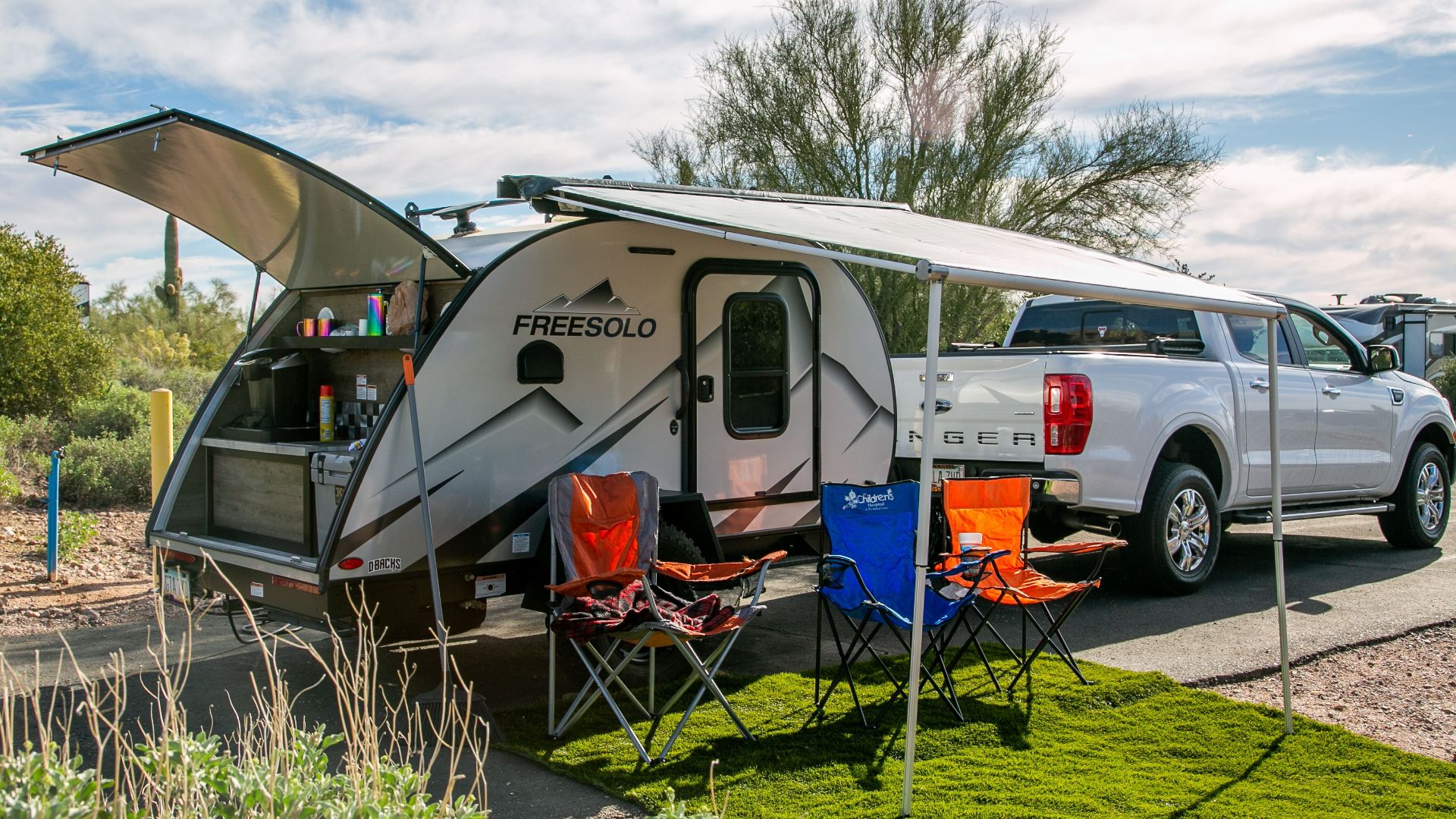
While examining truck stickers, don’t forget the trailer. It has its own GVWR, axle ratings, tire capacities, and cargo-carrying limits. Loading a trailer above those figures can create problems even if your pickup remains comfortably within its own ratings. Safe towing requires both vehicles to stay within bounds.
Dry Weight Can Be Misleading
Trailer advertisements frequently emphasize “dry weight,” meaning the trailer before you fill it with vacation necessities. Add batteries, propane, food, clothing, dishes, water, outdoor equipment, and all those things you swear you’ll leave at home next time, and the actual weight can rise substantially.
Water Is Surprisingly Heavy
Fresh water weighs roughly 8.3 pounds per U.S. gallon. A 50-gallon tank therefore carries more than 400 pounds when full. Depending on tank placement, that weight can also alter tongue or pin weight. If you routinely travel with water aboard, calculate using the trailer as you really use it.

Accessories Count Against Capacity
Remember the equipment you added after buying the pickup. Bed covers, toolboxes, running boards, auxiliary tanks, aftermarket bumpers, and other accessories aren’t weightless. Depending on how payload is defined and calculated for your specific vehicle, added equipment can reduce how much useful carrying capacity remains.
Weight-Distribution Hitches Aren’t Magic
A weight-distribution hitch can improve how tongue load is shared between the tow vehicle and trailer axles, helping restore proper handling and front-axle loading. What it cannot do is magically erase weight or increase the manufacturer’s ratings. Physics remains stubbornly unimpressed by expensive towing accessories.
Go Visit A Truck Scale
The most useful towing accessory may be a scale ticket. Load your truck and trailer exactly as you would for a trip—people, fuel, supplies, everything—and visit a certified public scale. Actual axle and combined weights turn confusing assumptions into numbers you can compare directly with your ratings.

Weigh The Truck First
If possible, weigh the loaded truck without the trailer, then weigh the entire combination. With appropriate scale measurements, you can determine how much weight the trailer adds to the truck and how weight is distributed across the axles. Real measurements beat driveway guesswork every single time.
Leave Yourself Some Breathing Room
Operating exactly at every maximum rating may technically fit the numbers, but it gives you little flexibility for extra cargo or changing conditions. Many experienced towers prefer some margin. A truck that isn’t constantly working at its limits often feels more composed, especially on hills, in wind, or during emergency maneuvers.
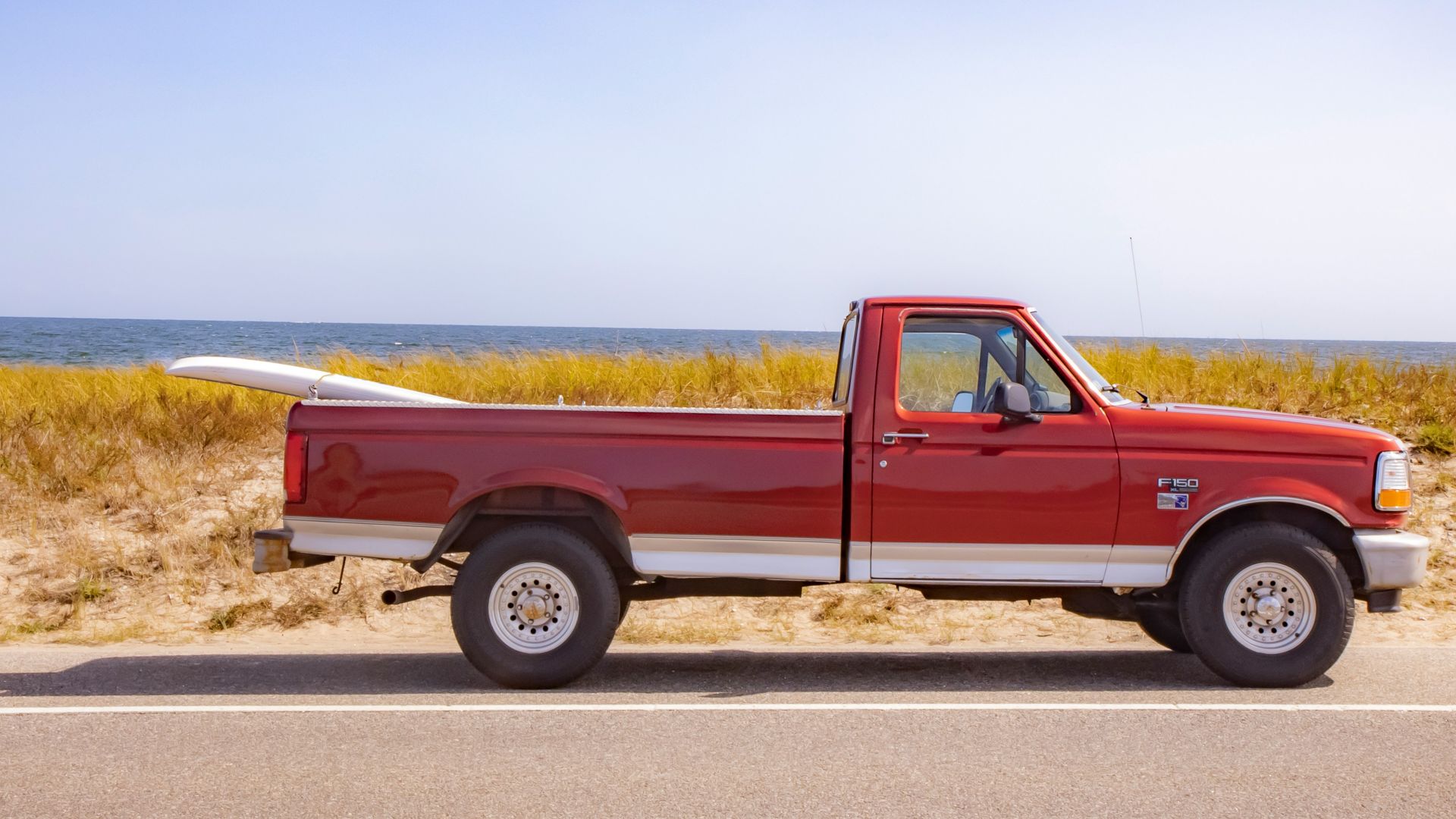
Bigger Trucks Buy Capacity
Moving from a half-ton to a properly configured heavy-duty pickup can dramatically increase payload capacity. That doesn’t mean everybody needs a one-ton dually to pull the family camper. It simply means buyers with heavier trailers should compare payload, axle ratings, and towing specifications instead of shopping by tow rating alone.
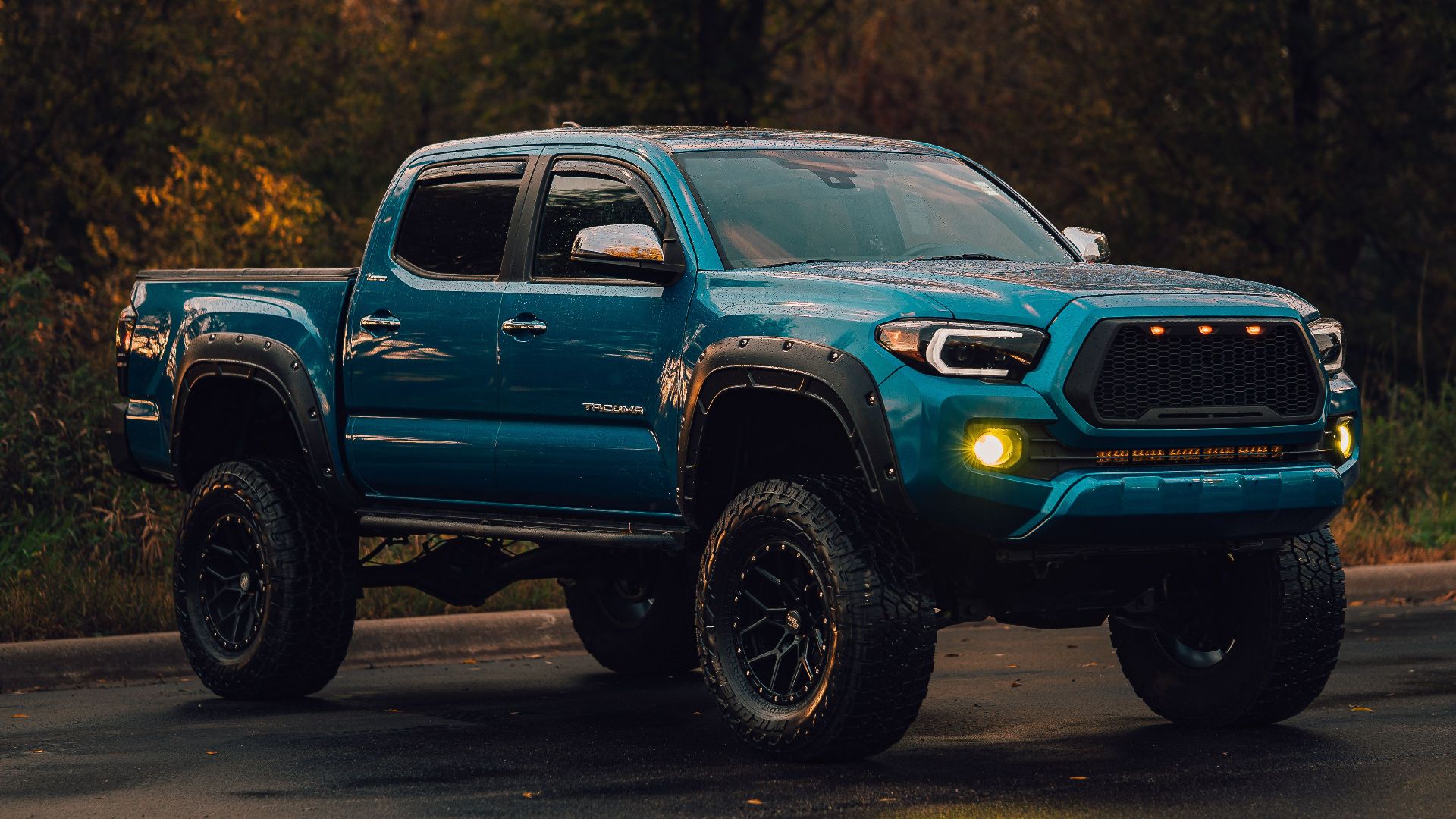
Shop For The Trailer First
If you haven’t purchased the truck yet, knowing your intended trailer’s realistic loaded weight can save headaches. Estimate tongue or pin weight, passenger weight, and truck cargo first. Then choose a pickup configuration with enough capacity. Working backward from your towing needs beats discovering the problem after signing the paperwork.

Don’t Trust The Sales-Pitch Calculator
A salesperson saying, “Yep, this’ll tow it,” isn’t the same thing as working through the actual ratings. Ask for the truck’s payload label, towing guide information, GVWR, axle ratings, and hitch specifications. A few minutes with a calculator is considerably cheaper than replacing an almost-new pickup.

So Which Number Matters More?
There isn’t one champion number. Tow rating tells you how heavy the trailer may be, while payload determines how much weight can be placed in the truck. In real-world recreational towing, however, payload is frequently the restriction owners hit first. The lowest applicable limit effectively becomes the one running the show.
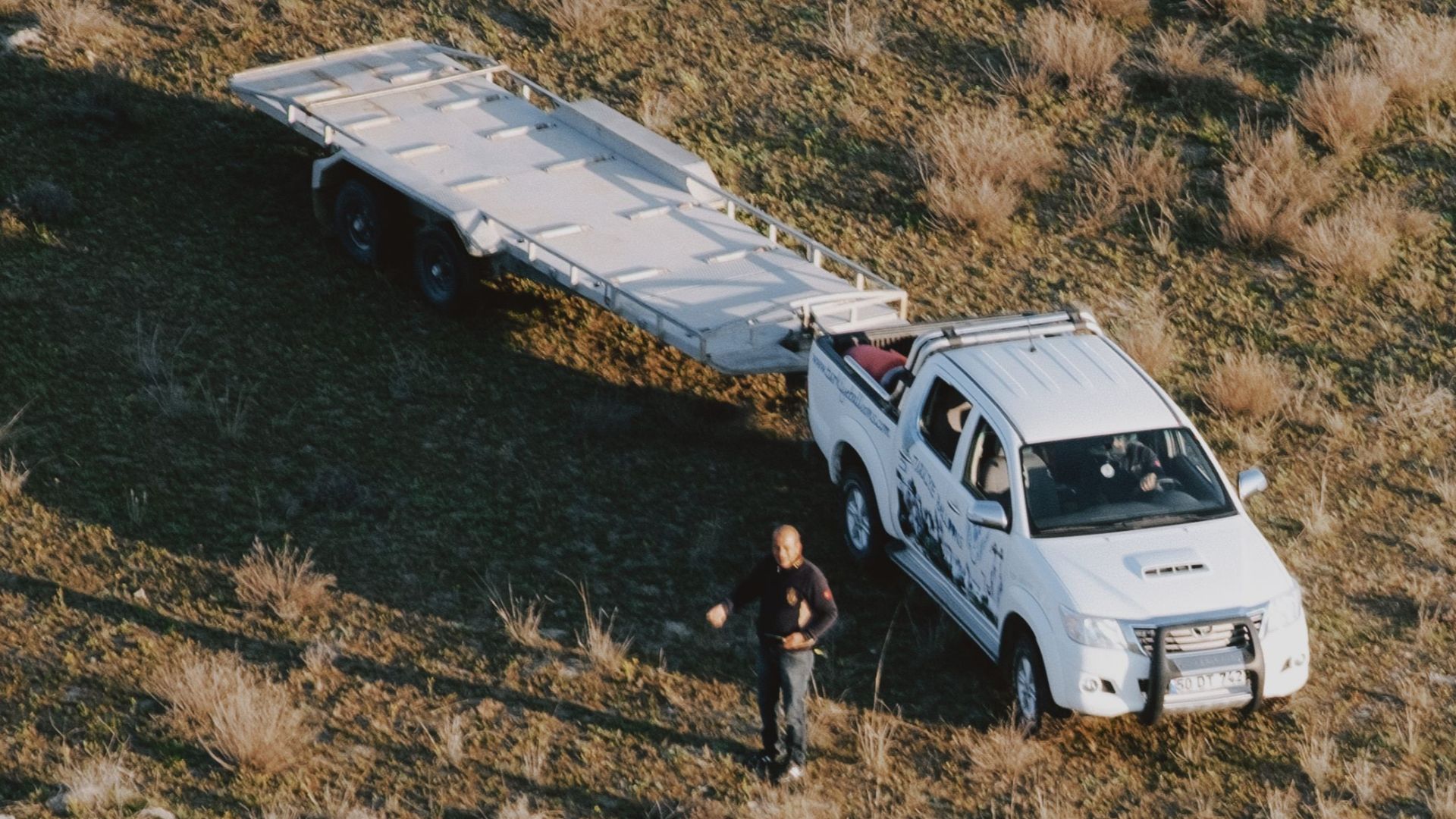
Your Truck Didn’t Betray You
Your pickup probably isn’t weak, and you didn’t necessarily buy the wrong vehicle. Modern towing specifications simply involve more than one impressive headline number. Check payload, GVWR, GCWR, axle ratings, hitch limits, and loaded trailer weight together. Once everything fits, you can enjoy towing instead of doing arithmetic beside the campground entrance.
You May Also Like:
Cars That Made It Past 1 Million Miles—And Believe It Or Not, Some Still Had Their Original Engines
The 25 Greatest Bikes In Billy Joel’s Legendary Motorcycle Collection