Whatever Happened To Rolling Down Your Window?
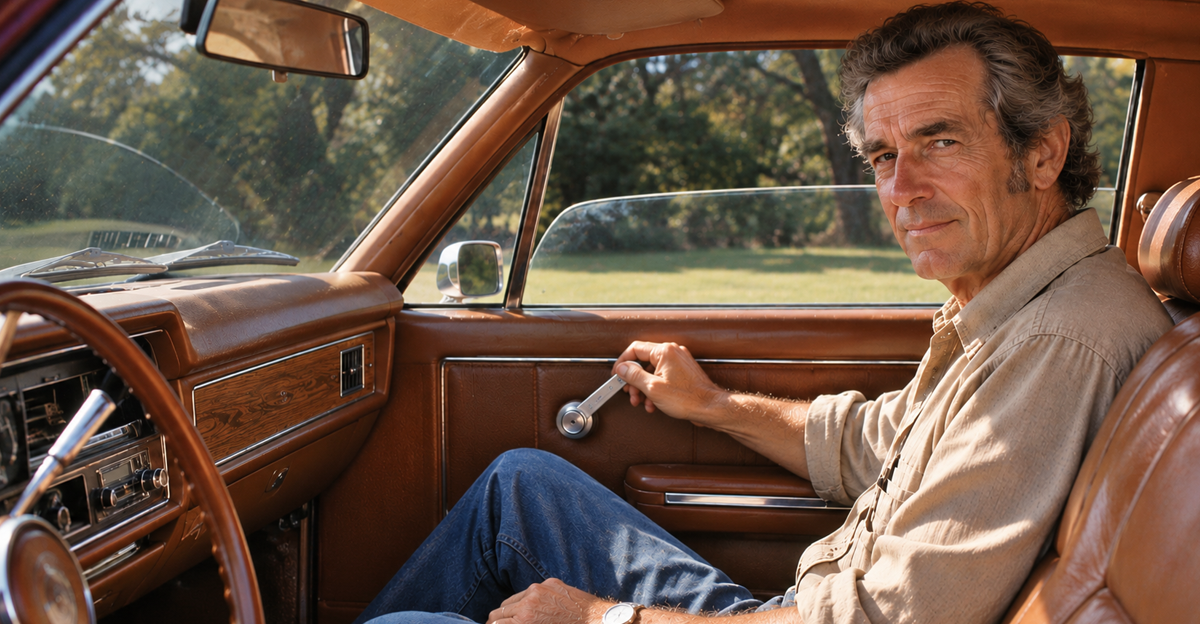
Remember reaching for that little handle and cranking your car window down? Power windows became common decades ago, yet some automakers stubbornly kept hand cranks around until surprisingly recently. Now, one company is actually bringing them back.
Were manual windows better than we realized, or are they one car feature best left in the past?
Power Windows Are Older Than You Think
Power windows might seem like a modern convenience, but they've been around since 1940. Luxury automakers were experimenting with powered glass long before most Americans encountered the technology. It would take decades before pressing a button replaced turning a handle in ordinary family cars.
Packard Helped Start It All
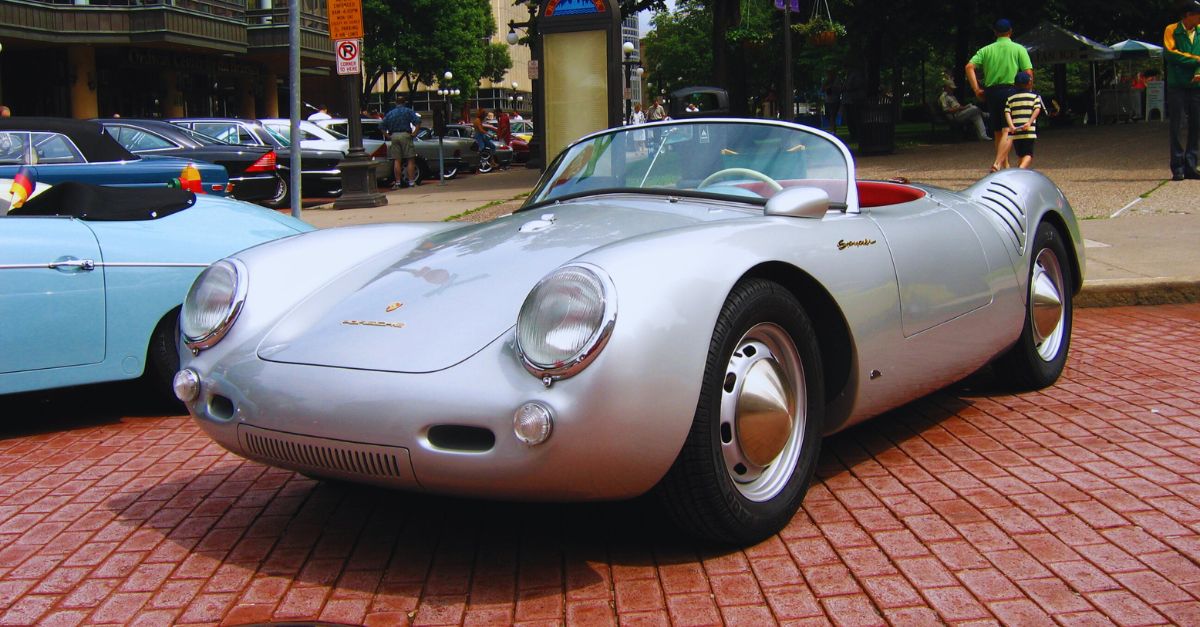
Packard was an early pioneer, offering hydraulic power windows on its prestigious 180 series. Unlike modern electric systems, Packard's mechanism relied on hydraulic pressure to move the glass. It was sophisticated equipment intended for wealthy buyers, not something you'd find in an inexpensive family sedan.
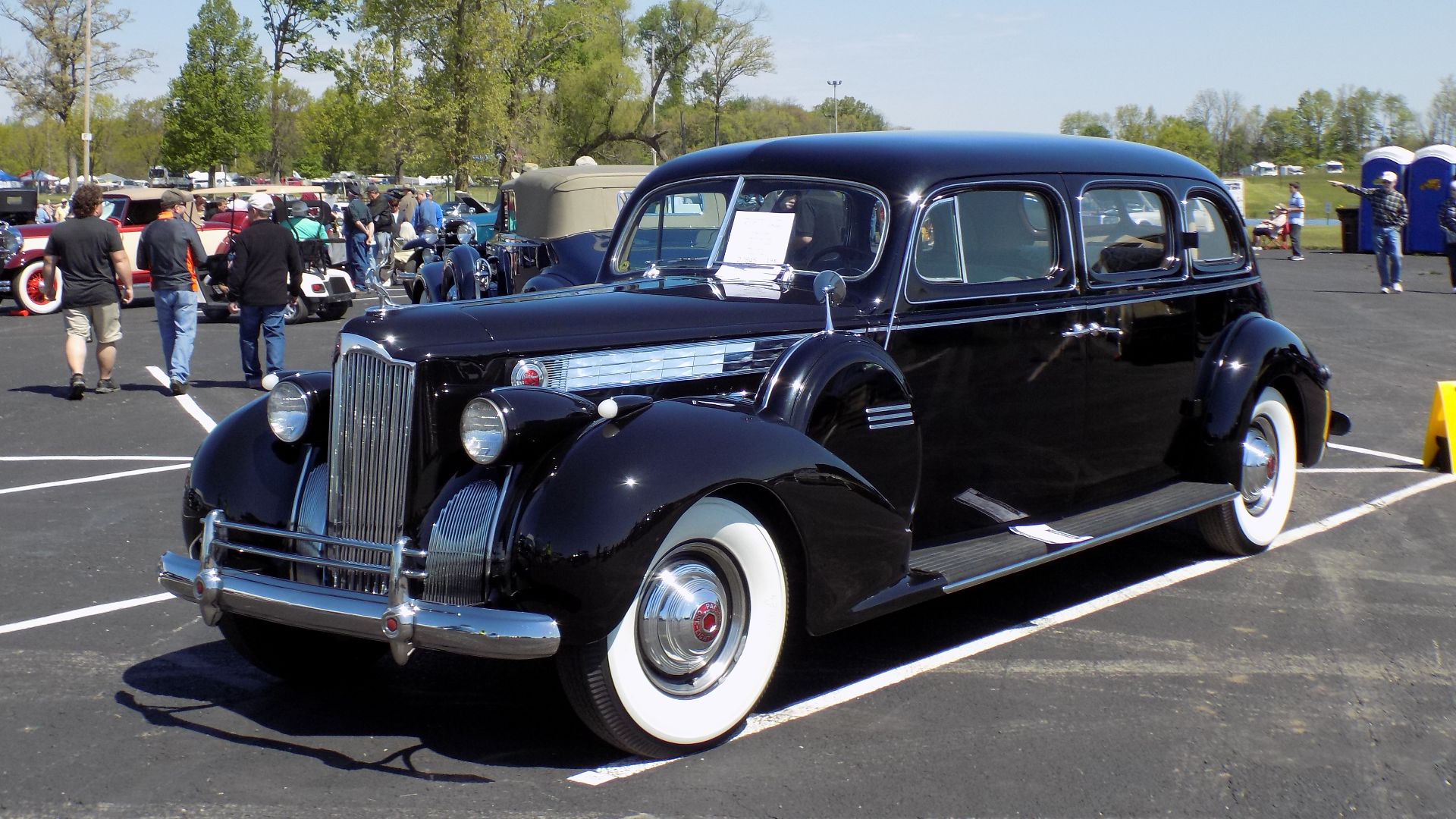 Greg Gjerdingen from Willmar, USA, Wikimedia Commons
Luxury Buyers Got The Convenience First
Powered windows gradually became a desirable feature on luxury automobiles, helping manufacturers distinguish expensive models from cheaper alternatives. Cadillac, Lincoln, and other premium brands embraced the technology as expectations changed. Meanwhile, millions of ordinary drivers continued opening their windows by hand.
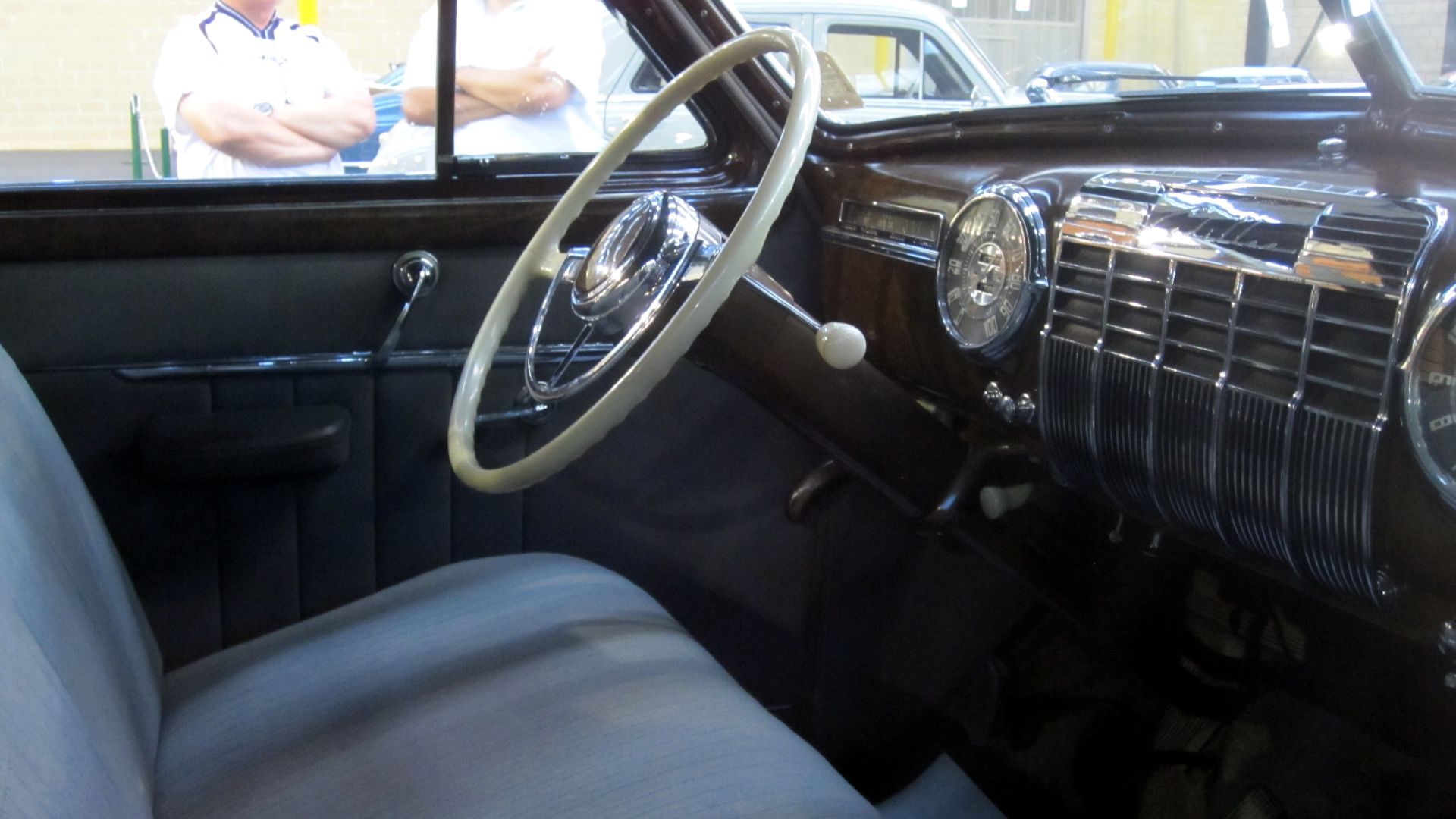 Spanish Coches, Wikimedia Commons
How Those Little Handles Actually Worked
A traditional window crank operates a mechanical regulator hidden inside the door. Turning the handle moves the glass along its tracks using gears and supporting mechanisms. Different vehicles employed different regulator designs, but the basic principle remained remarkably simple.
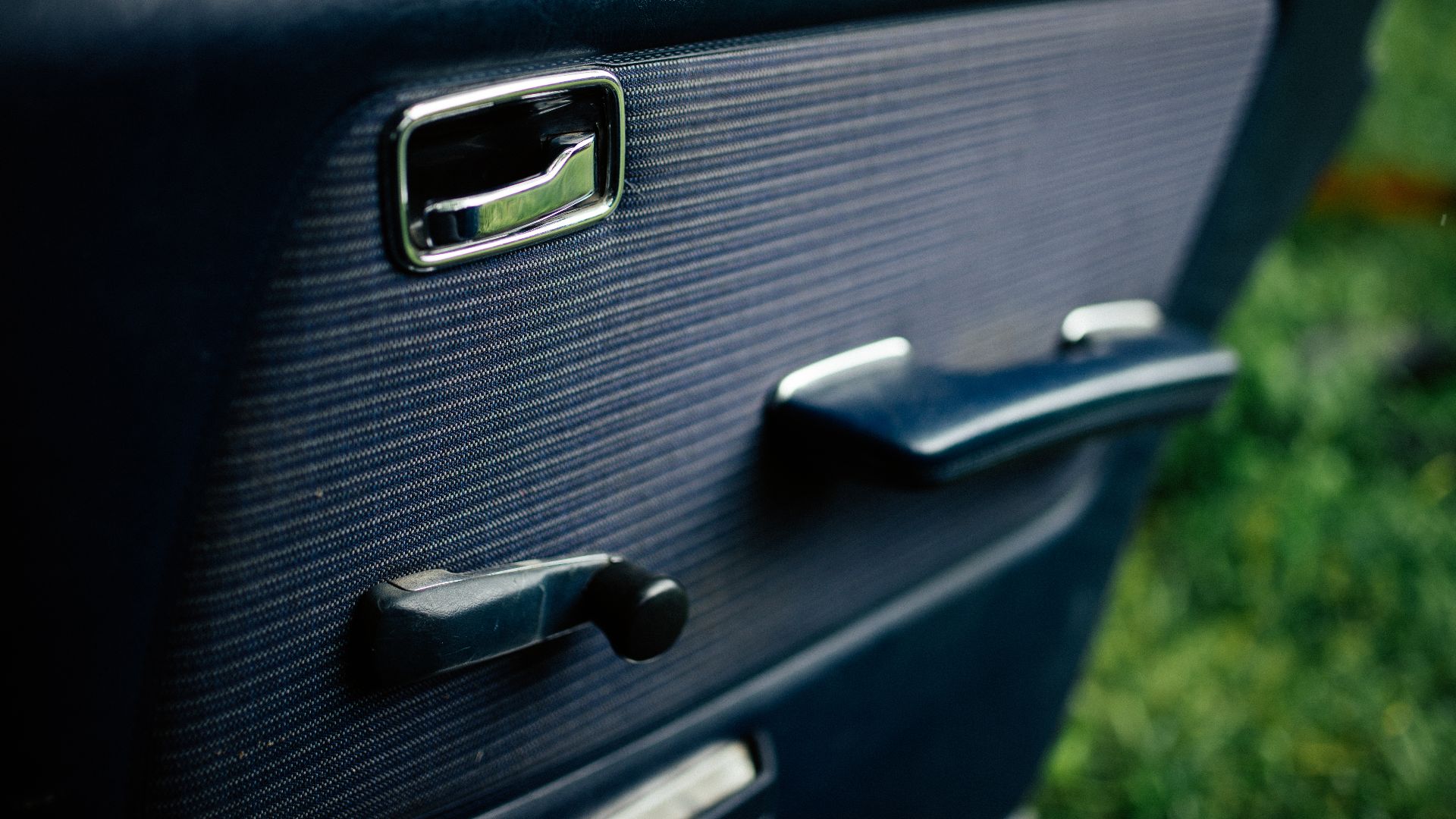 Shixart1985, Wikimedia Commons
The Price Difference Actually Mattered
Power windows once added noticeable expense to vehicles marketed around their affordable starting prices. Keeping manual windows on entry-level trims allowed manufacturers to advertise a lower price. Buyers who wanted extra convenience could pay more, while budget-conscious drivers kept their hand cranks.
Reaching Across The Car Was Another Story
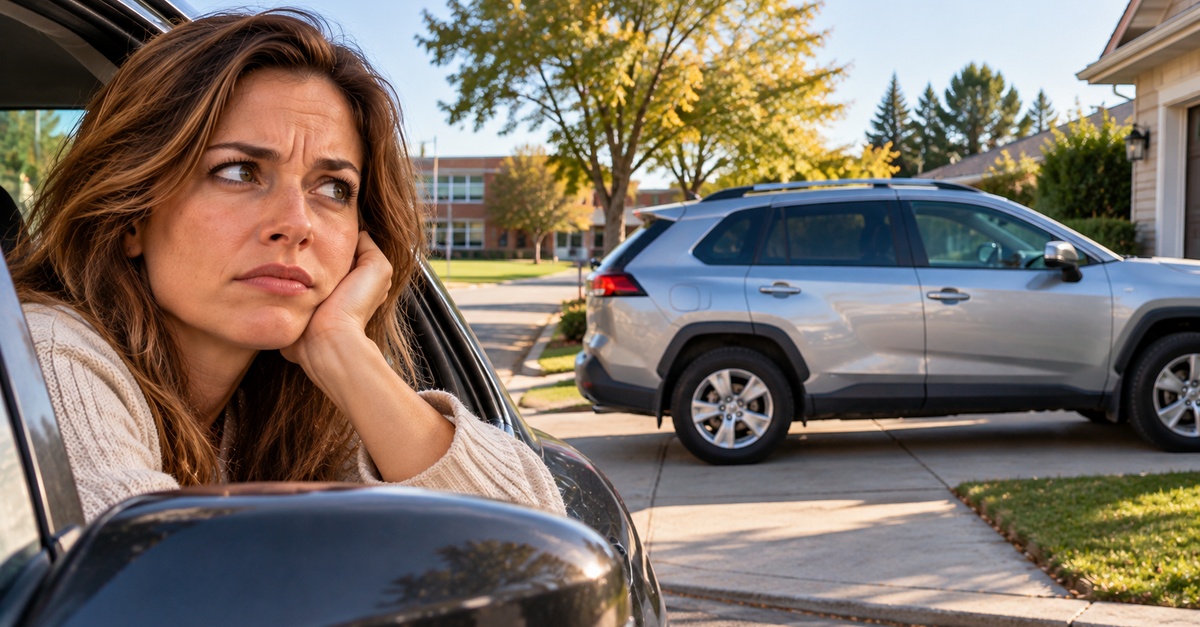
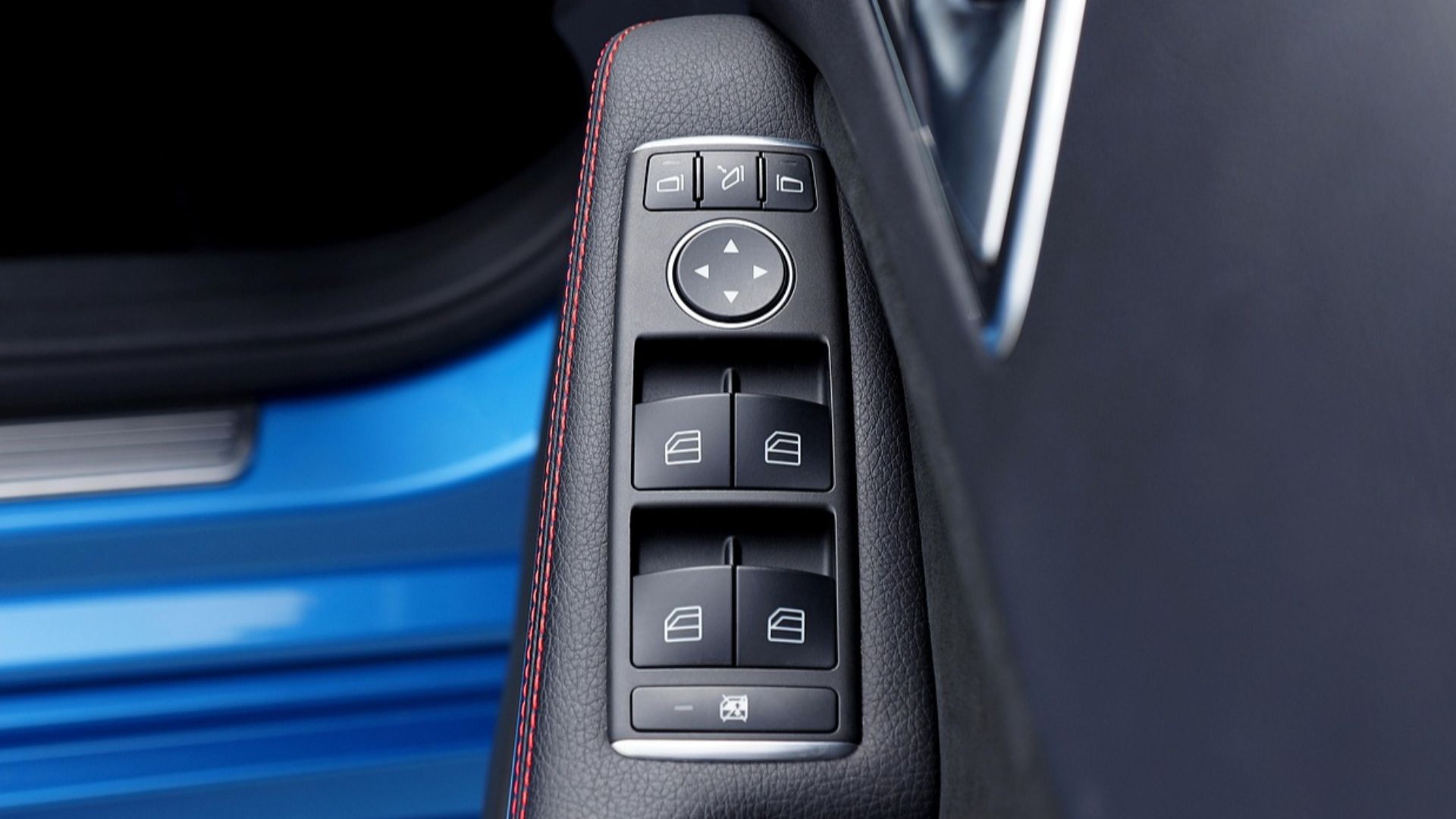
Manual windows worked well when you were sitting beside them, but operating the passenger window was less convenient. Power windows let drivers control multiple windows without leaning across the cabin. In four-door vehicles, that advantage was particularly noticeable when rear passengers wanted fresh air.
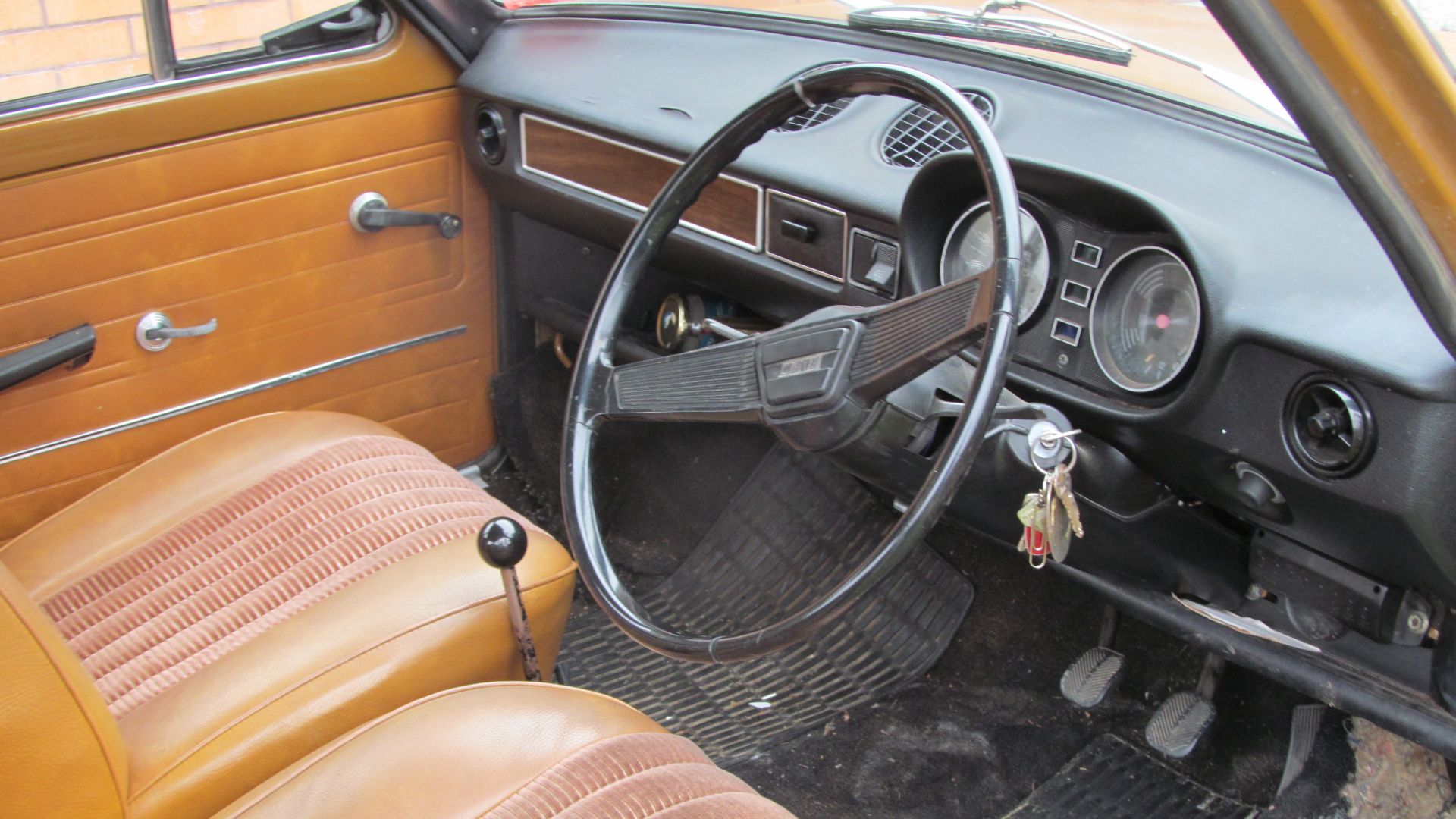 Riley from Christchurch, New Zealand, Wikimedia Commons
Parents Appreciated The Extra Control
For parents with young children, power windows eventually offered an important safety feature. Many vehicles included a lockout switch that prevented children from operating the rear window controls. This gave parents one less thing to worry about when traveling with curious little passengers.
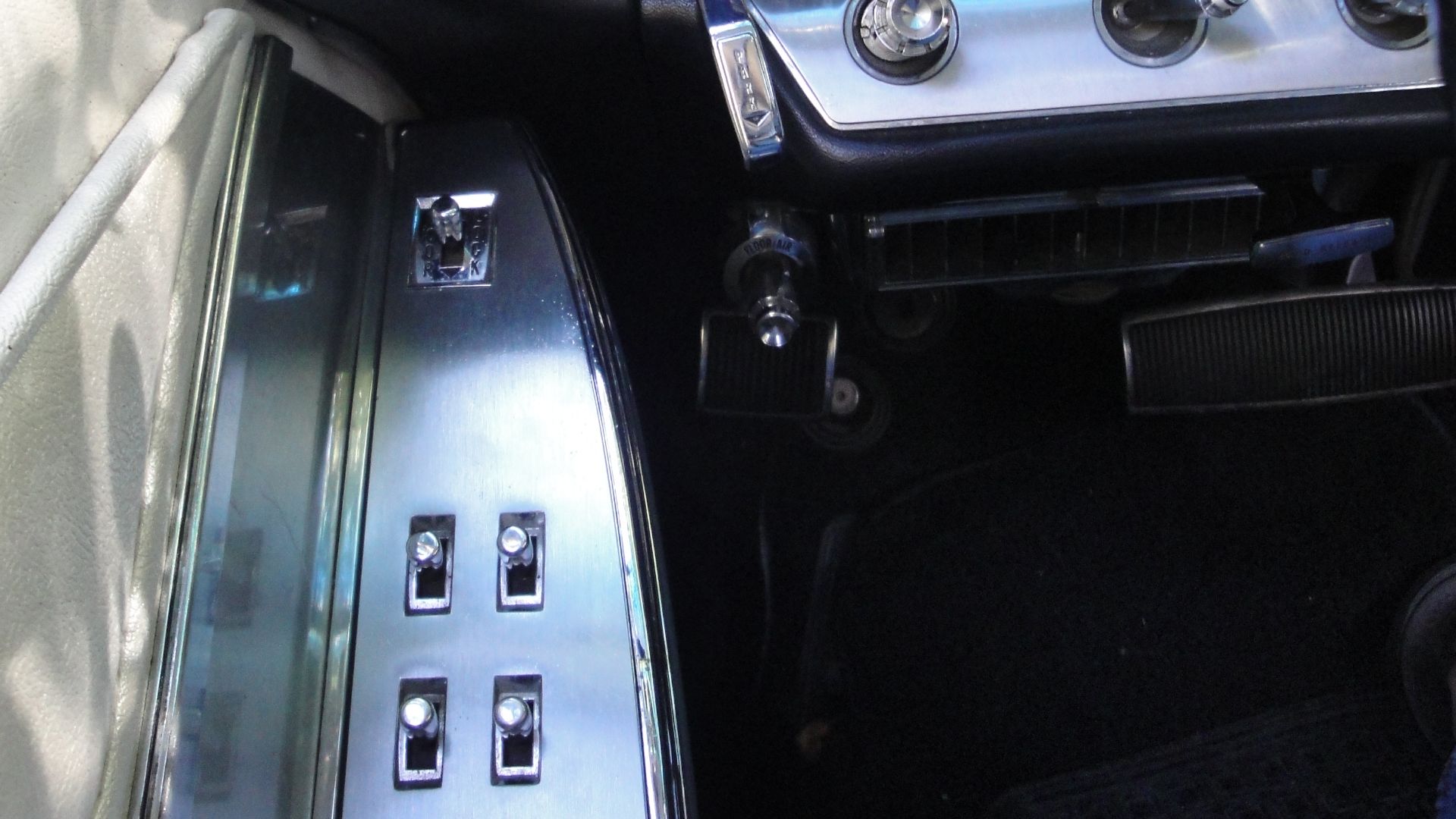 Greg Gjerdingen from Willmar, USA, Wikimedia Commons
Fewer Parts Meant Fewer Problems
Manual windows had no electric motors or switches to fail, making them relatively straightforward to maintain. Their mechanical regulators could still wear out, but there were fewer electrical components to troubleshoot. For drivers keeping older vehicles on the road, that simplicity was a genuine advantage.
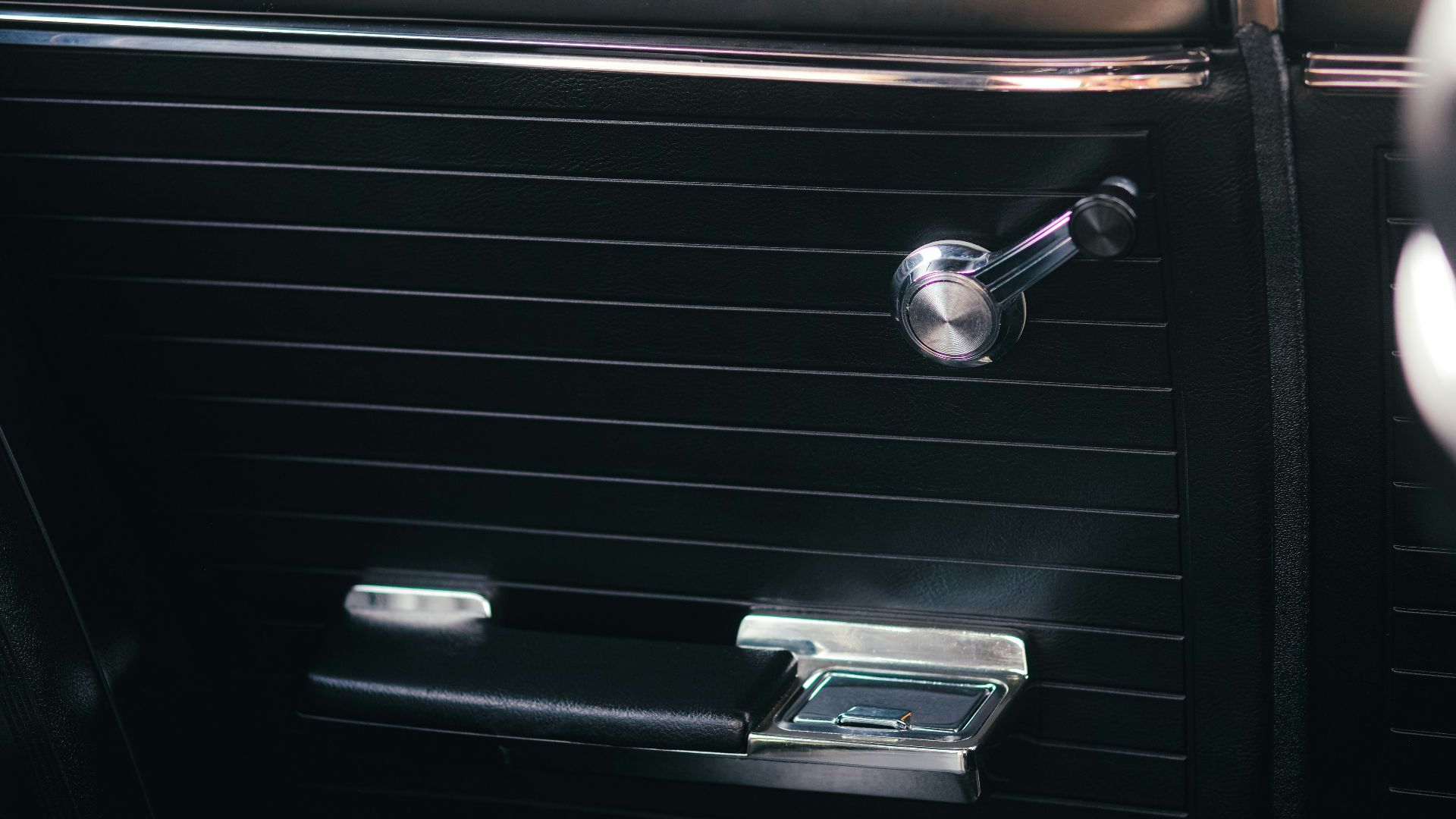
You Didn't Even Need A Battery
Manual windows had another useful advantage: they worked without electrical power. You could open or close them with a completely dead battery, something most electric windows couldn't do. That made hand cranks handy when a vehicle was parked for extended periods or experiencing electrical trouble.
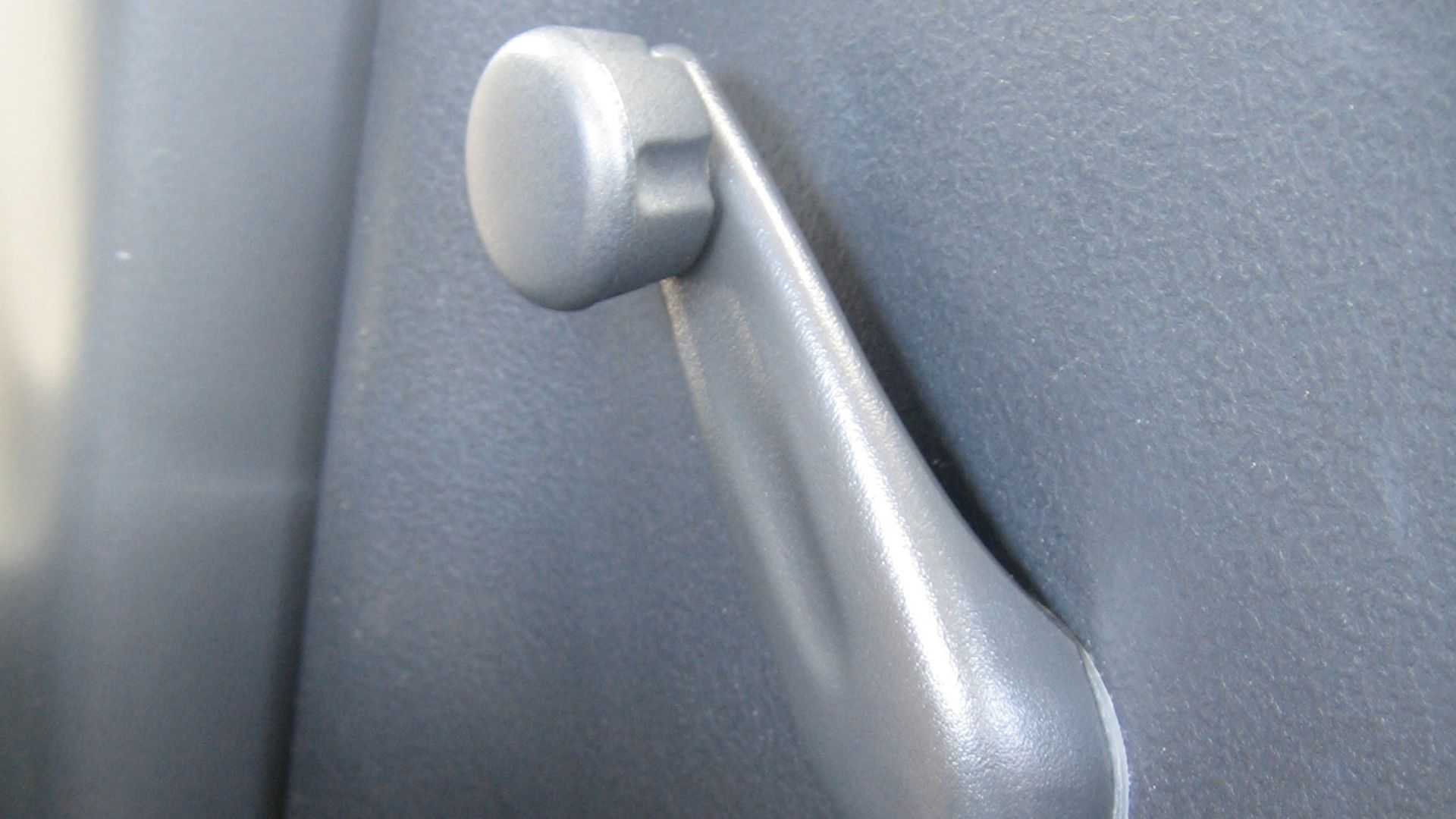 Takeshi Suzuki, Wikimedia Commons
Work Trucks Kept The Crank Alive
Commercial pickups helped manual windows survive long after they became uncommon in passenger cars. Businesses buying entire fleets could save money by choosing basic trucks without expensive convenience features. This tradition continued well into the 2020s, with some of America's best-selling pickups still offering hand cranks.
The Ford F-150 Still Had Them In 2021
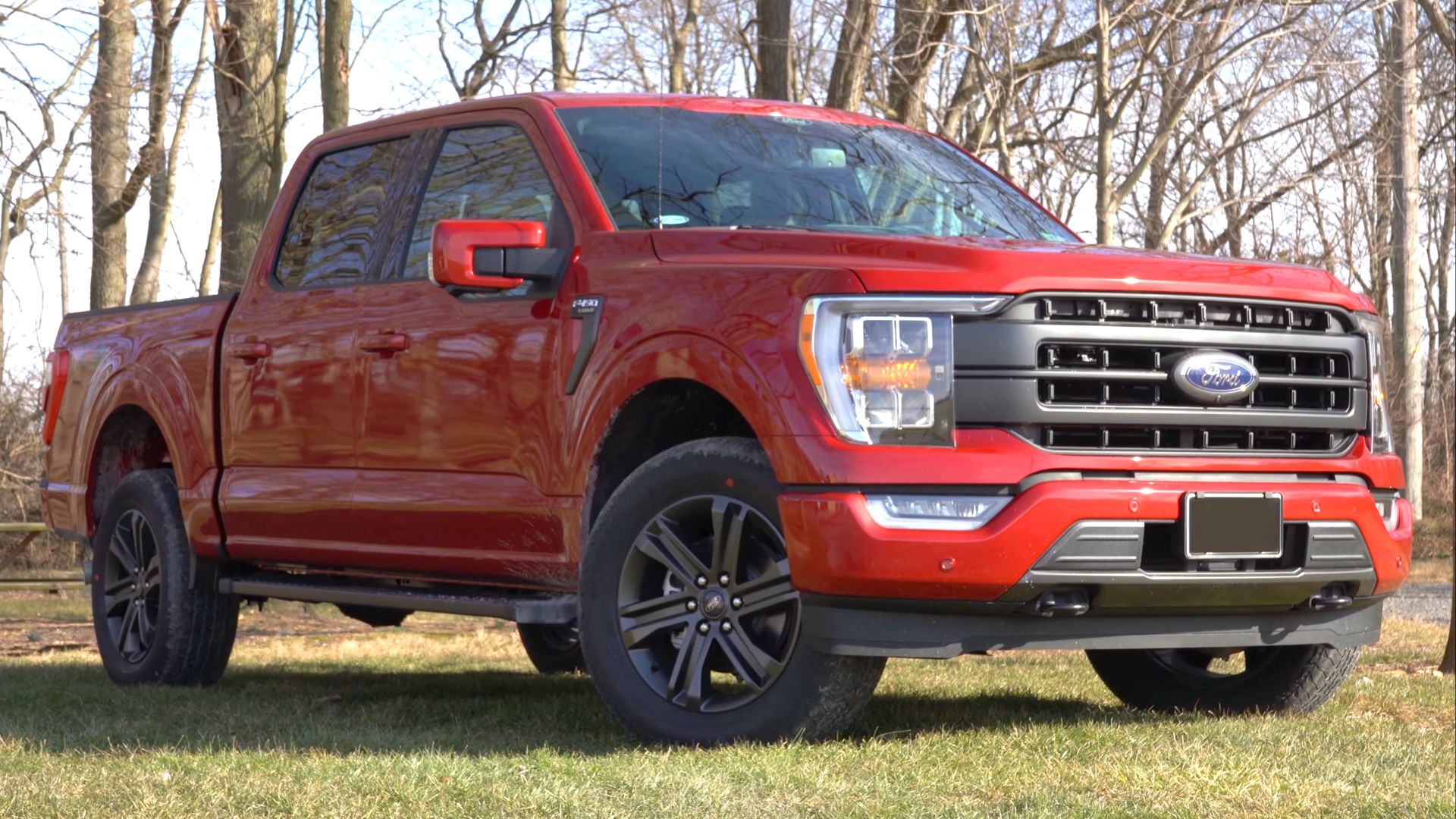
Even the redesigned 2021 Ford F-150 offered manual windows on certain XL configurations. Regular Cab and SuperCab XL models retained hand cranks, while the SuperCrew received power windows. Buyers choosing an XLT or higher trim also got electric controls, showing how closely window equipment was tied to configuration.
Chevrolet Kept Them In The Silverado
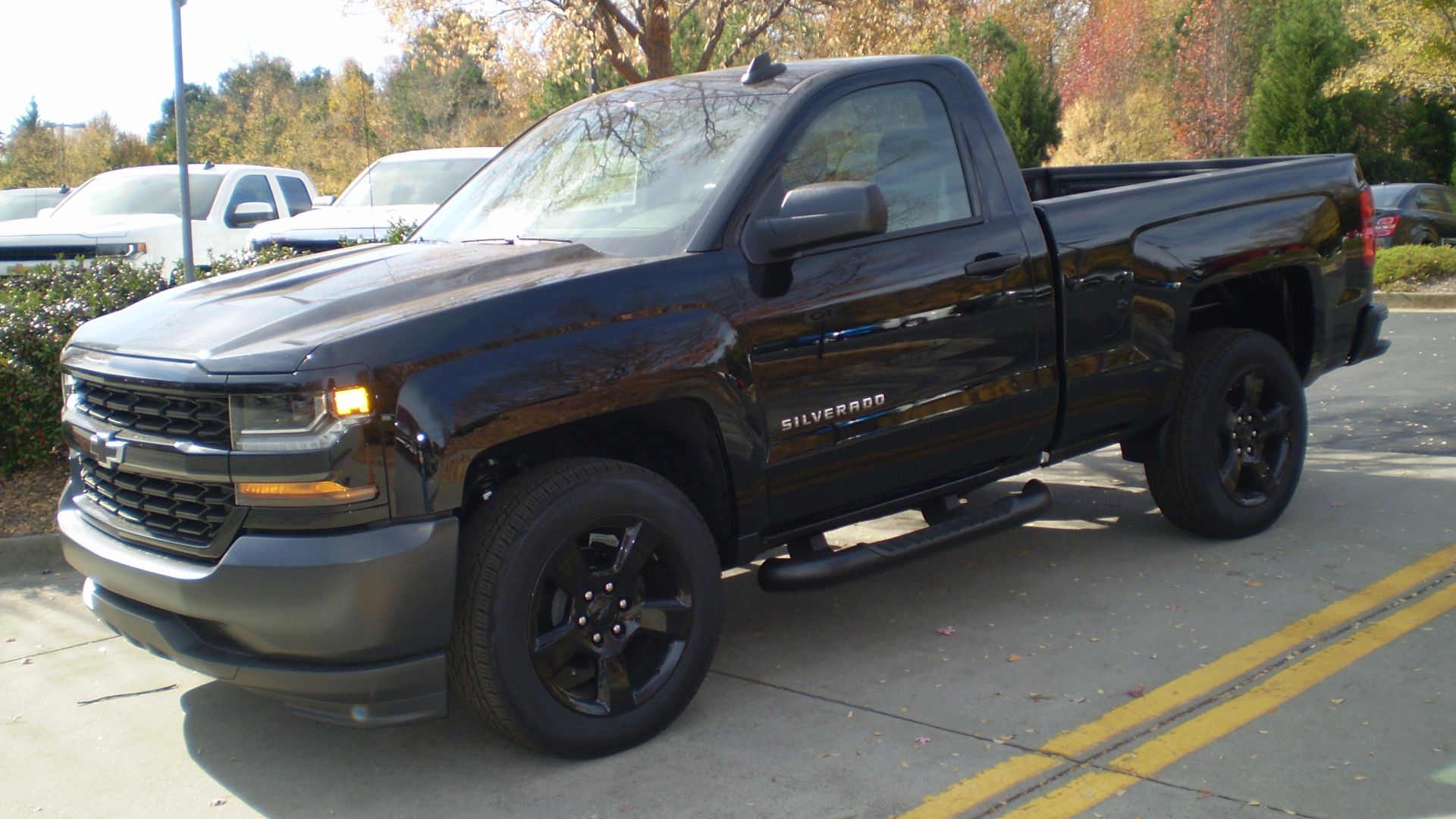
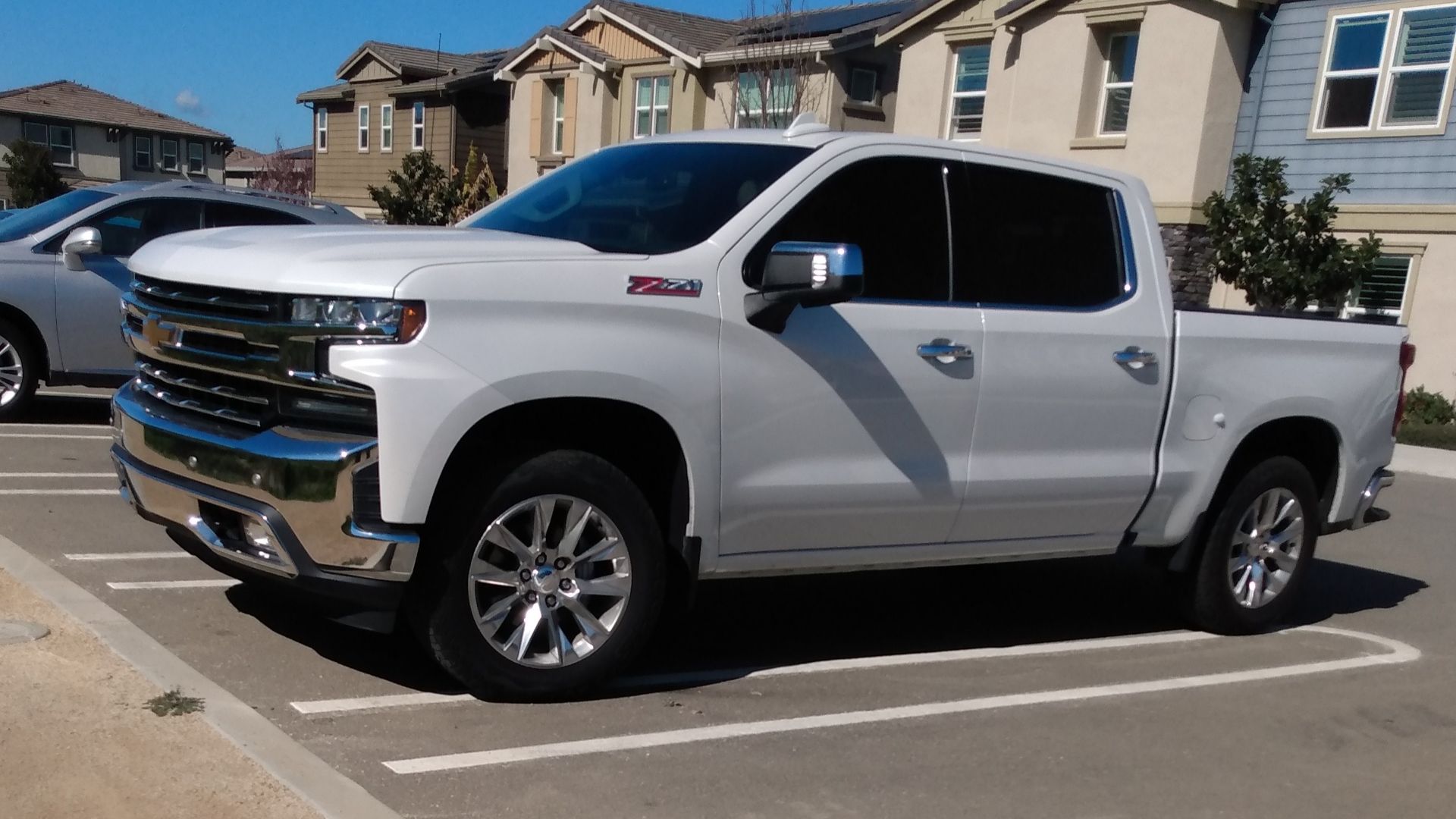
The Chevrolet Silverado was another surprisingly late holdout. In 2021, the basic WT Regular Cab could still be ordered with manual windows, including on certain heavy-duty versions. Double Cab and Crew Cab buyers received power windows instead, making the crank increasingly exclusive to stripped-down work trucks.
 DestinationFearFan, Wikimedia Commons
Jeep Refused To Give Them Up
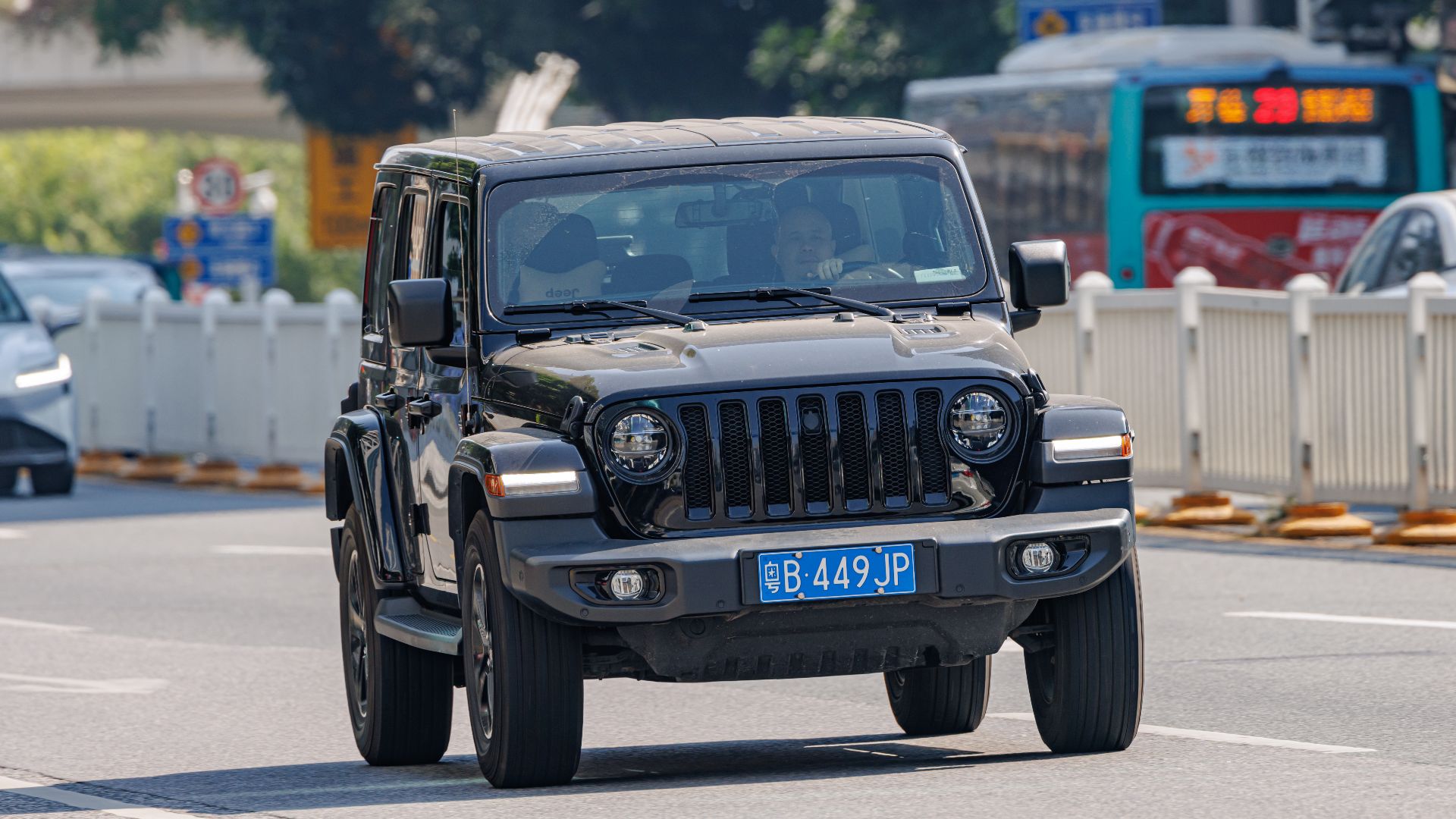
The Jeep Wrangler became one of the most recognizable survivors of manual windows. Its traditional off-road design, removable doors, and basic entry-level trims made hand cranks seem perfectly natural. While other vehicles became increasingly luxurious, Jeep continued catering to buyers who appreciated old-fashioned equipment.
 Dinkun Chen, Wikimedia Commons
The 2007 Wrangler Changed Things
When Jeep introduced the redesigned Wrangler for 2007, factory power windows became available for the first time. Buyers choosing more expensive configurations could finally enjoy a feature most passenger cars already offered. The new system was designed to work with the Wrangler's removable doors, preserving one of its signature features.
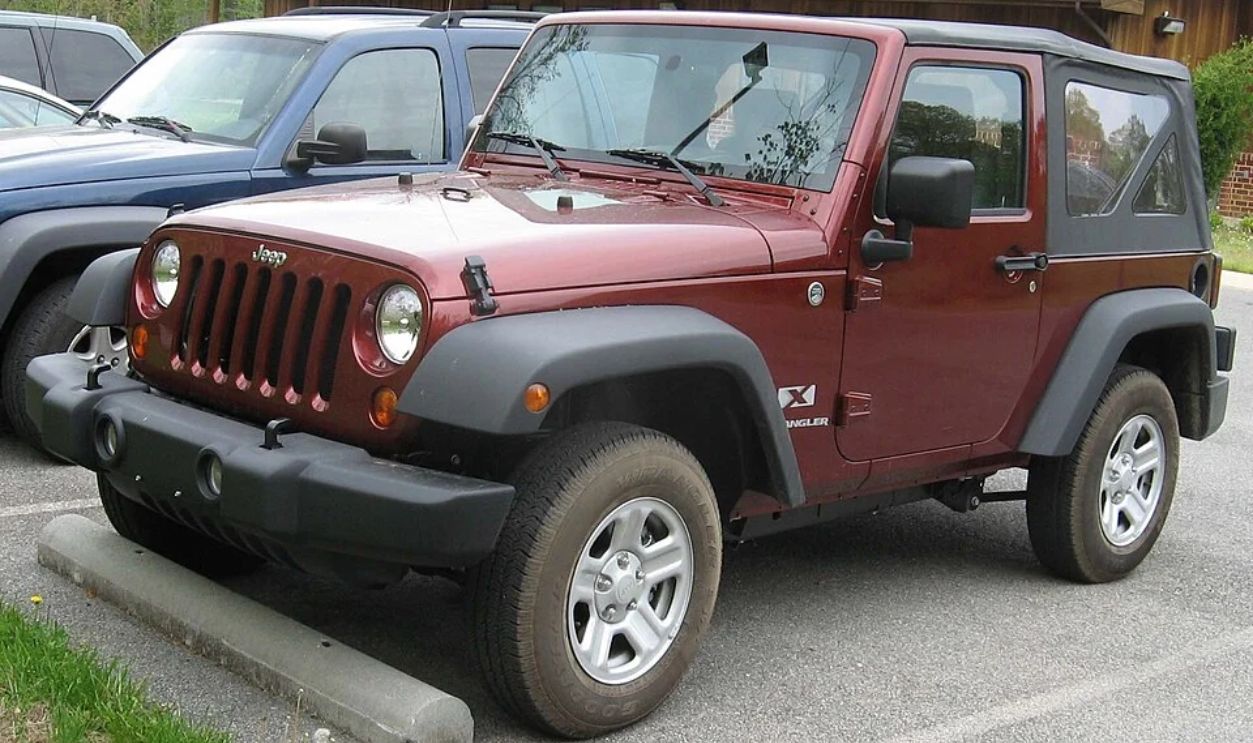
Jeep Even Put The Switches Somewhere Unusual
The Wrangler's power-window switches were mounted in the center of the dashboard rather than on the doors. This arrangement suited a vehicle whose doors could be removed for off-road adventures. It was a distinctive solution to a problem ordinary passenger cars didn't have.
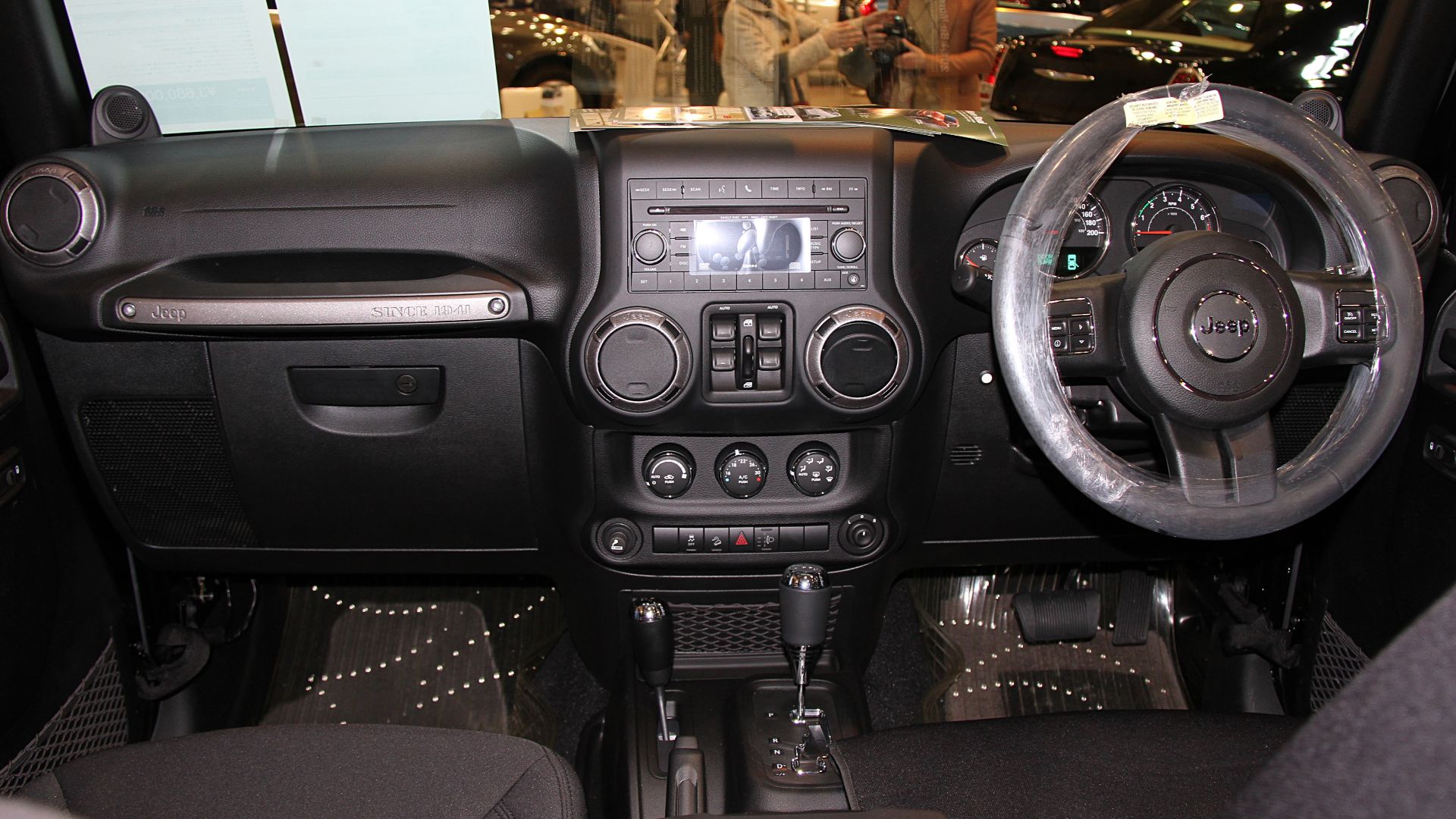
You Could Still Buy Hand Cranks In 2023
As recently as 2023, entry-level Jeep Wrangler and Gladiator models still came with manual crank windows. Buyers who wanted power windows generally had to choose additional equipment or a higher trim. By then, finding a new American-market vehicle with hand cranks had become remarkably difficult.
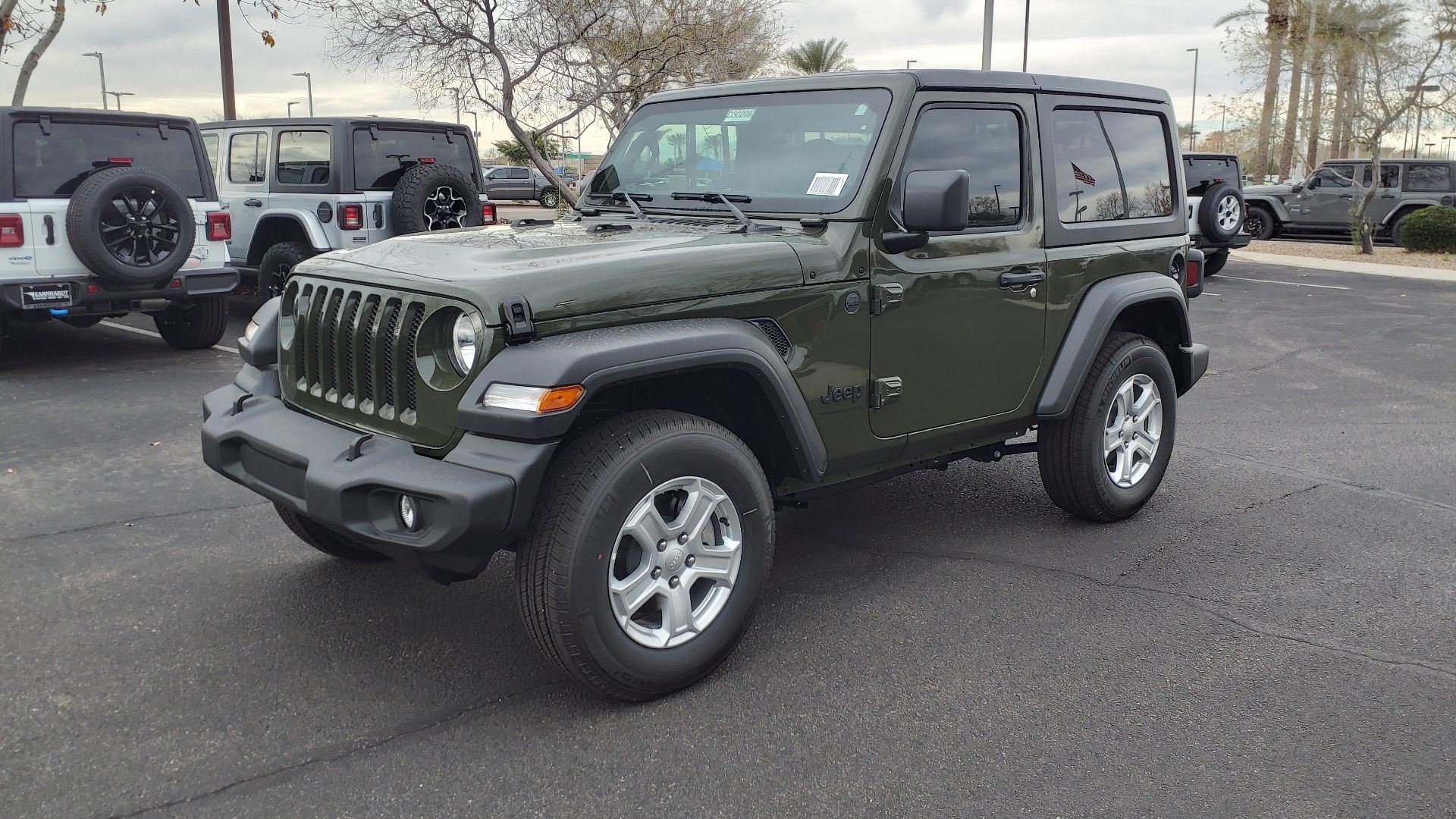
Cheap Cars Finally Went Electric
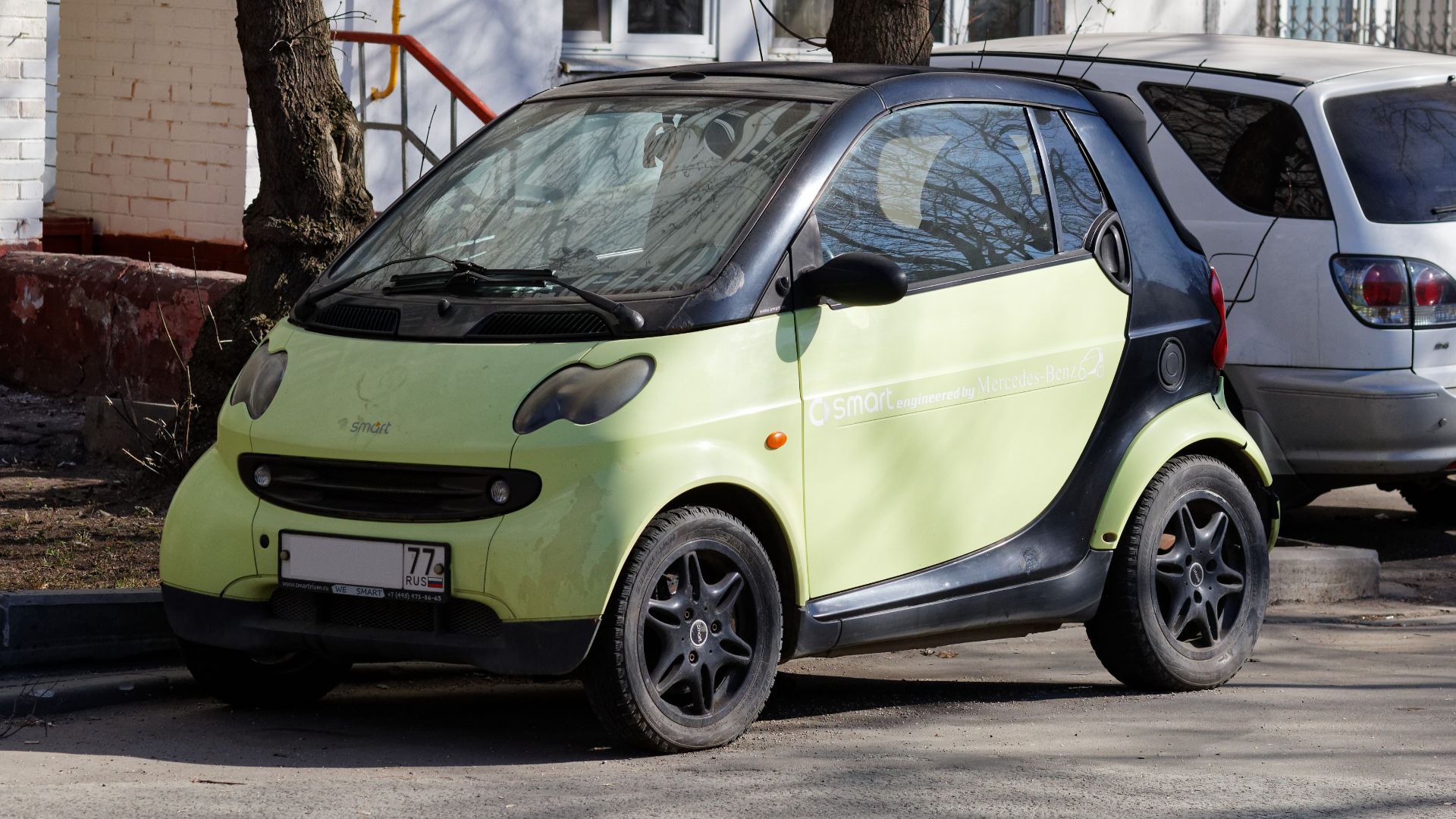
For years, inexpensive passenger cars were another familiar home for manual windows. In 2010, the Associated Press identified basic versions of the Nissan Versa and Smart Fortwo as examples of cars still lacking power windows. Even then, hand cranks were becoming unusual enough to surprise younger passengers.
 Retired electrician, Wikimedia Commons
The Chevrolet Spark Was A Late Holdout
The Chevrolet Spark was one of the last affordable American-market passenger cars to retain manual windows. Its basic LS trim still had hand cranks for 2022, while the 1LT added power windows and locks. Chevrolet ended Spark production that year, eliminating another inexpensive option for drivers who preferred manual equipment.
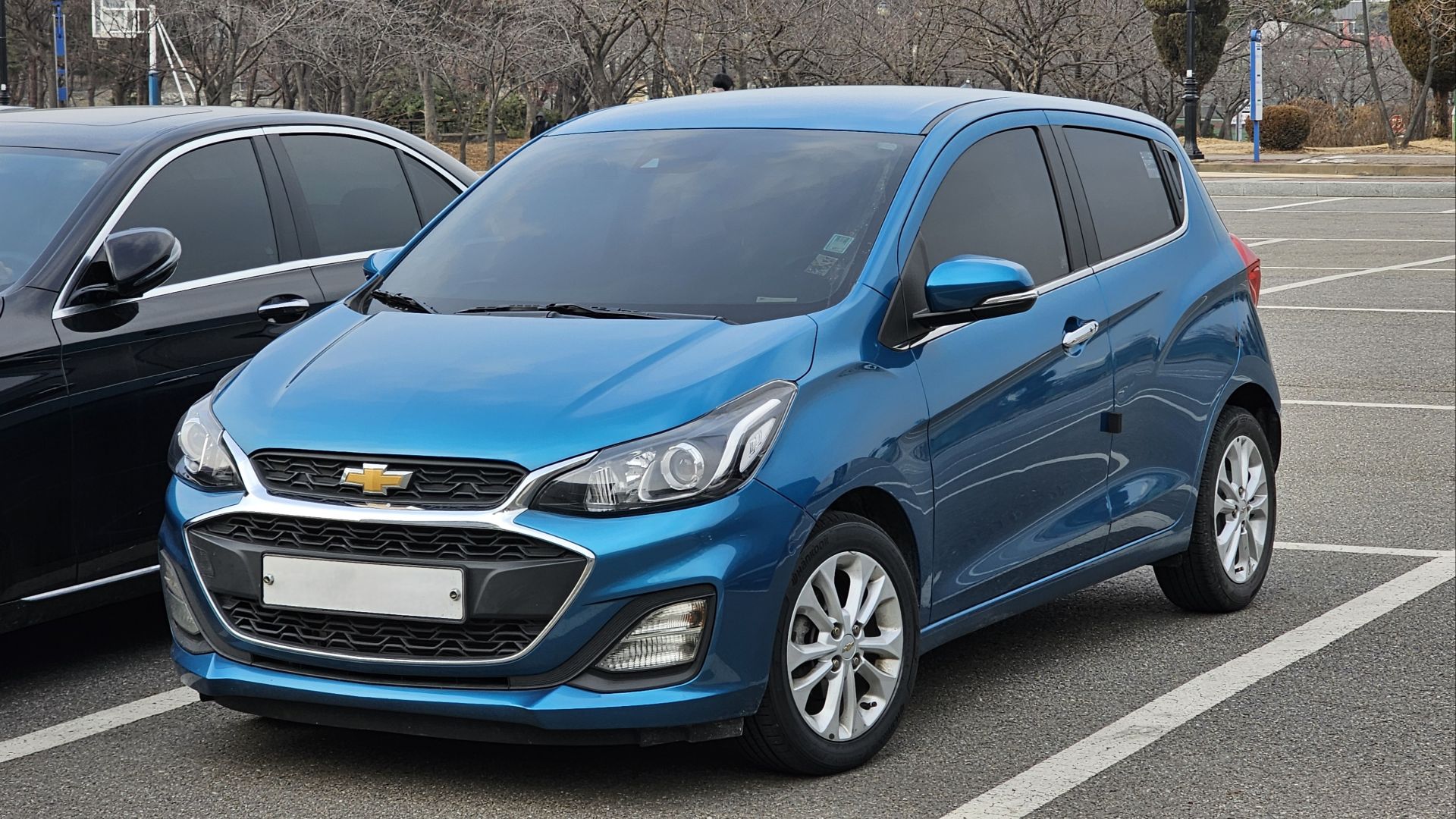 Damian B Oh, Wikimedia Commons
The Spark Had A Surprising Combination
Despite its old-fashioned windows, the 2022 Spark wasn't completely stripped of modern technology. Even the basic model offered a seven-inch infotainment touchscreen with Apple CarPlay and Android Auto compatibility. You could connect your smartphone to the dashboard while still physically cranking down the window beside you.
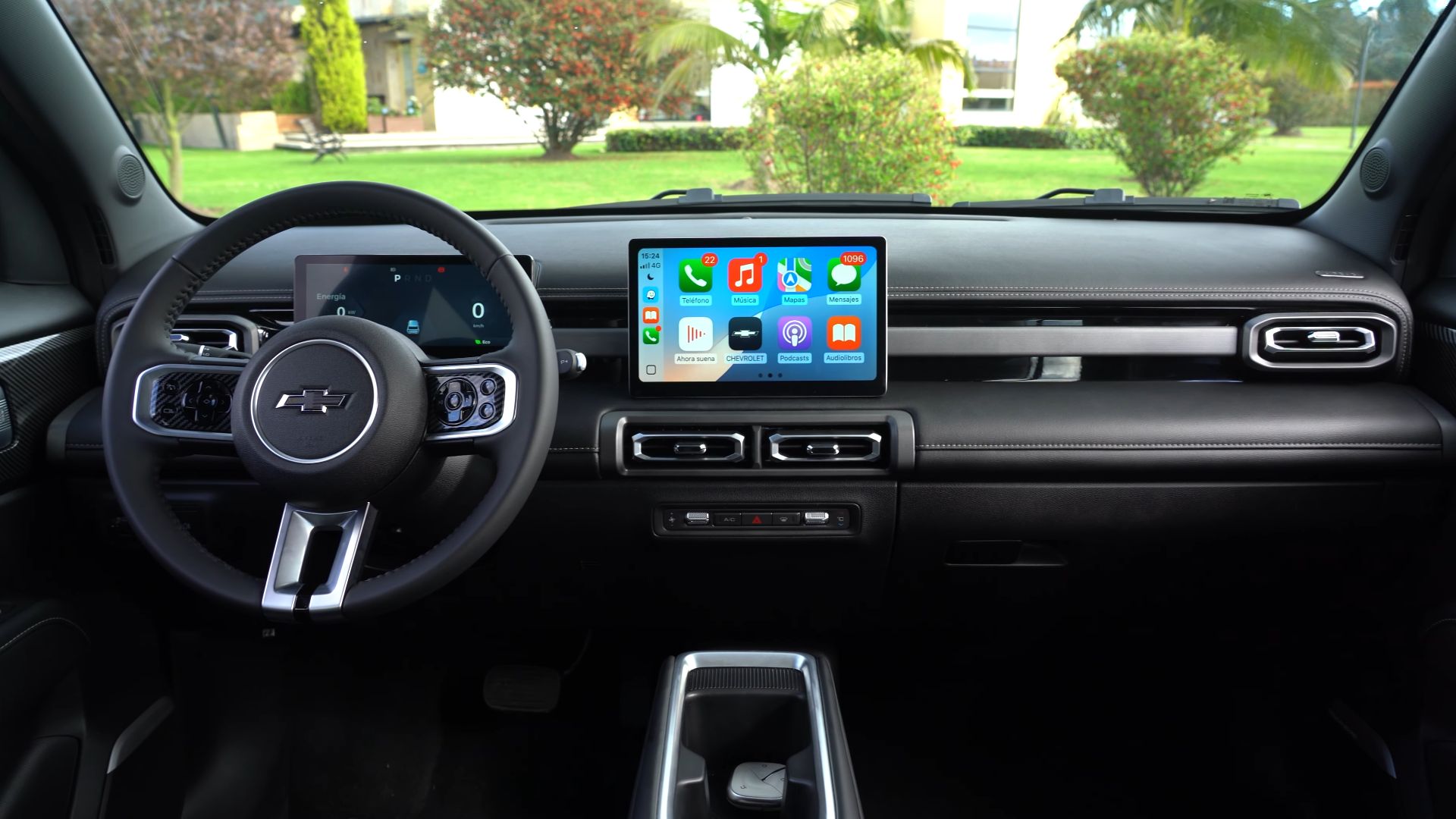 Autosdeprimera, Wikimedia Commons
Jeep Finally Retired The Crank
For the 2025 model year, Jeep made power windows and door locks standard on the Wrangler and Gladiator. The change eliminated the last new American-market vehicles still offering factory crank windows. Even the most basic Wrangler Sport now came with powered glass, ending a tradition that had survived for decades.
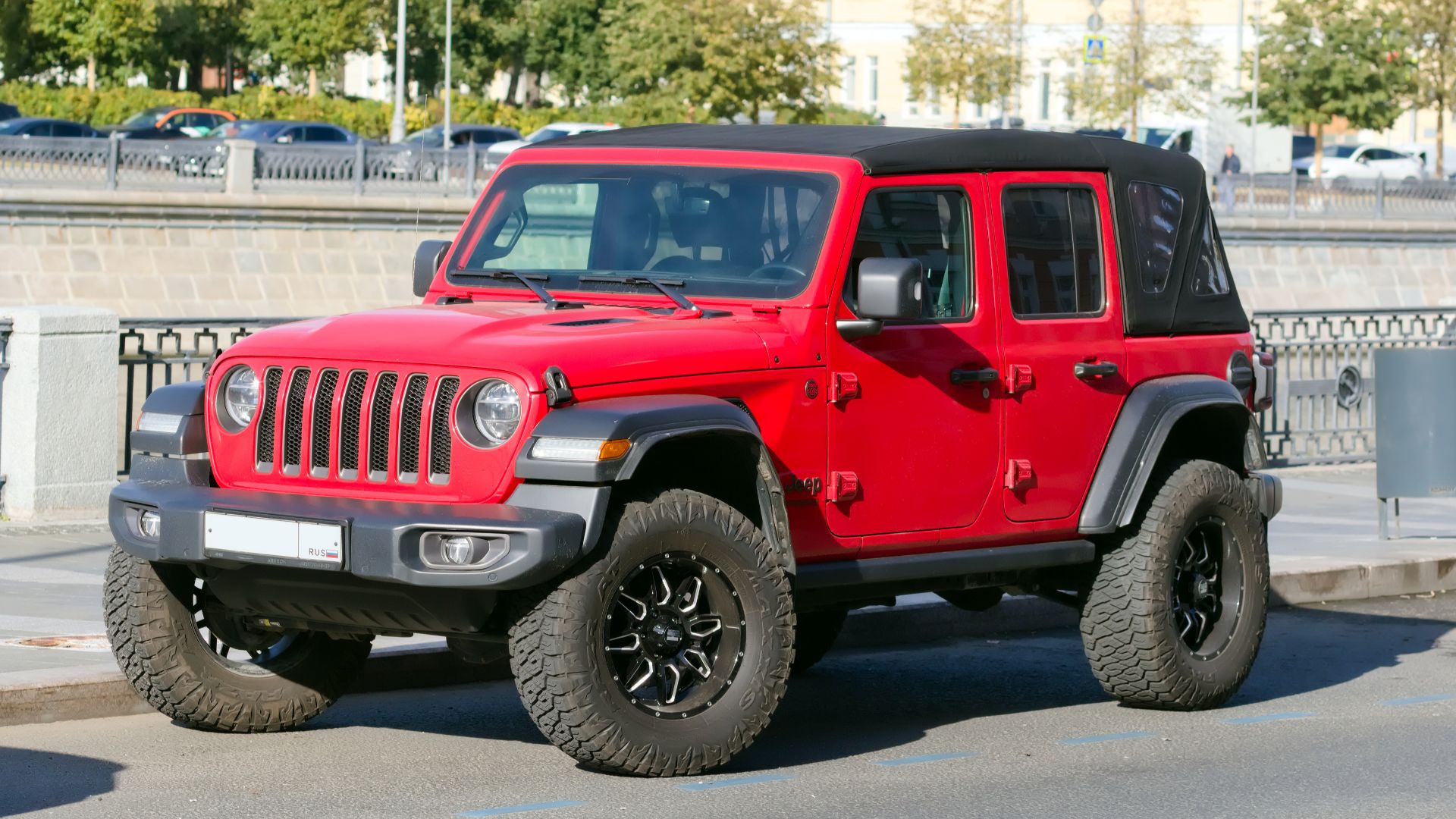 Retired electrician, Wikimedia Commons
Standard Equipment Changed Everything
By 2010, automotive manufacturing experts were already explaining why hand cranks were disappearing. Producing every car with power windows could actually be cheaper than maintaining separate manual and electric configurations. Standardizing the equipment simplified assembly and reduced the number of different parts manufacturers needed.
Manual Windows Had An Accessibility Problem
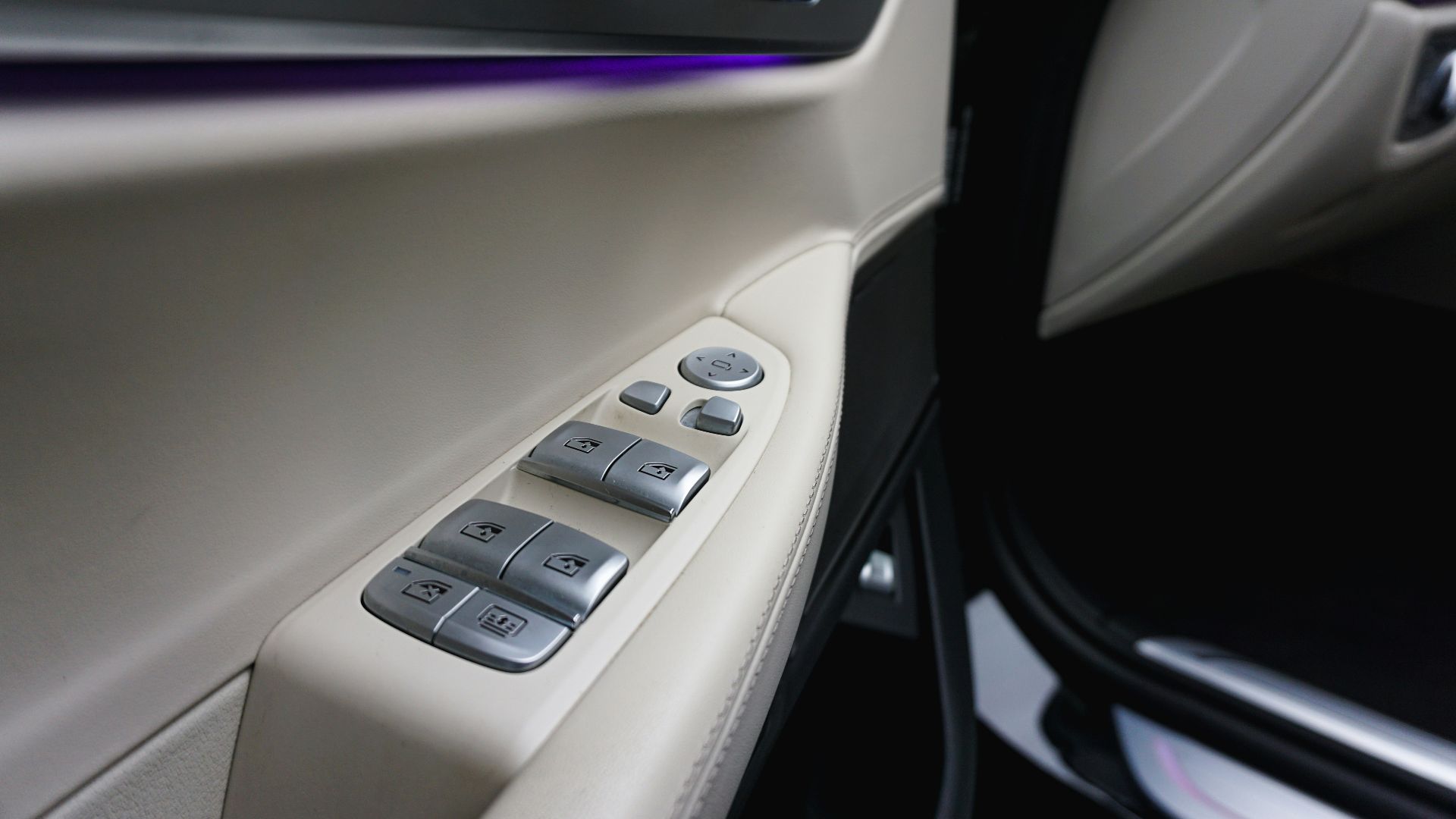
Turning a crank requires repeated hand and arm movements, which can be difficult for drivers with limited mobility. Electric switches generally require much less physical effort. For anyone who struggles to reach or operate a traditional handle, power windows represent a meaningful improvement.
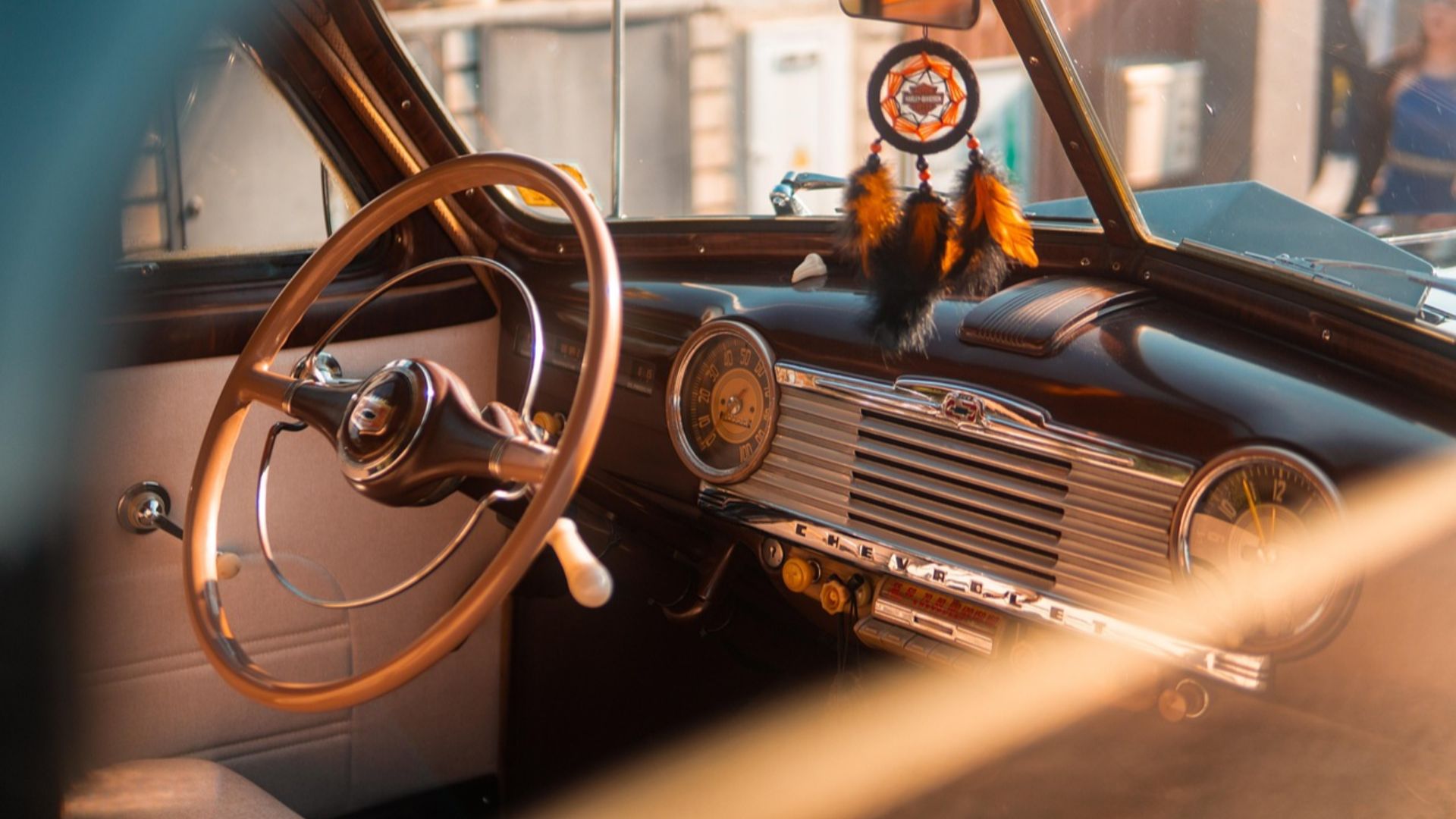
One-Touch Windows Raised Expectations
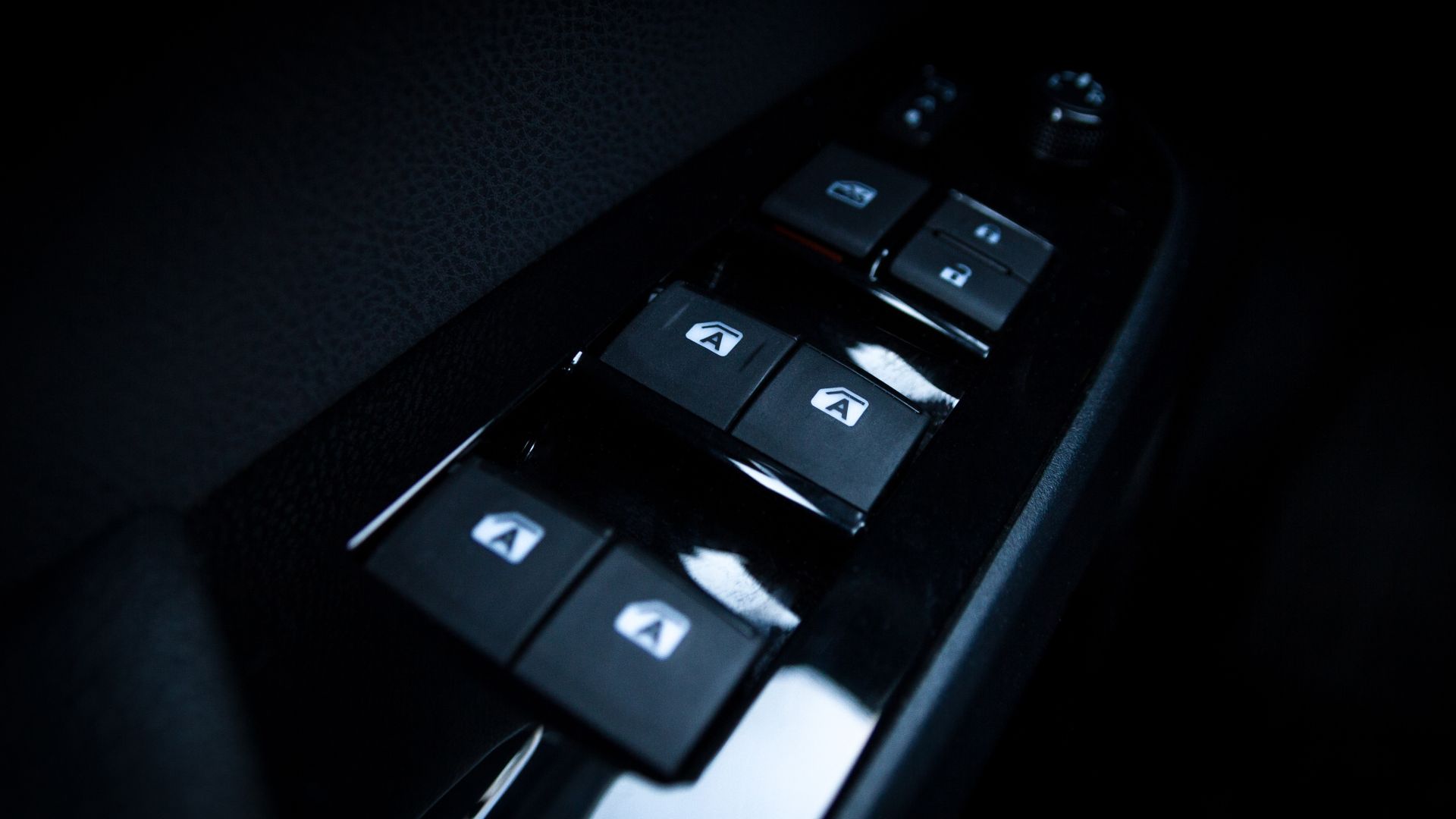
Modern power windows can do much more than simply move glass up and down. Many systems offer one-touch operation, letting you fully open or close a window without holding the switch. Some vehicles also allow windows to be operated remotely, adding convenience that manual mechanisms cannot provide.
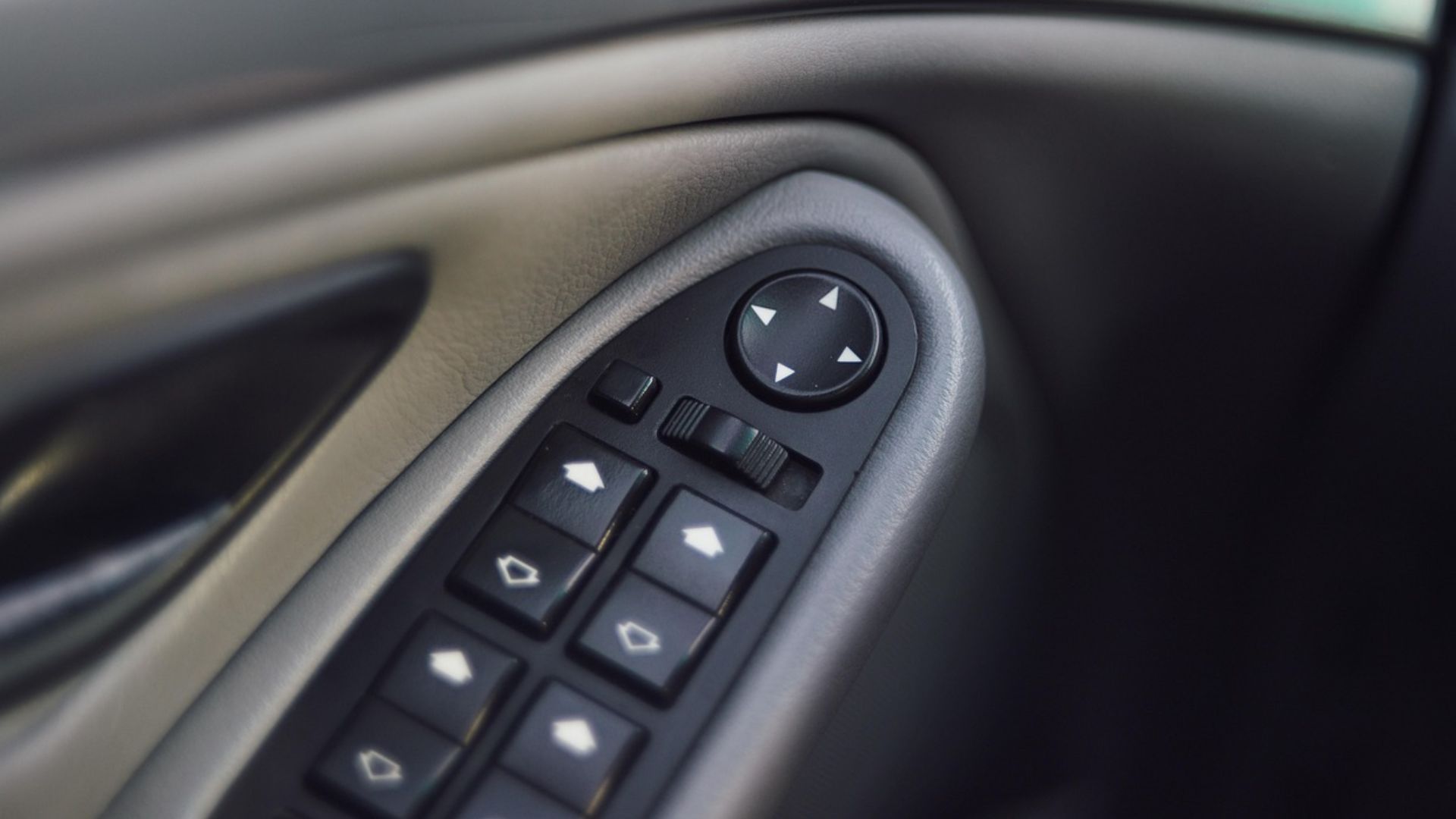
Power Windows Also Changed Safety Rules
Electric windows introduced concerns about accidental closing, particularly when children were involved. Manufacturers responded with safer switch designs, lockout controls, and automatic-reversal systems on certain windows. These features helped make powered glass safer, although drivers still need to ensure that nothing obstructs a closing window.
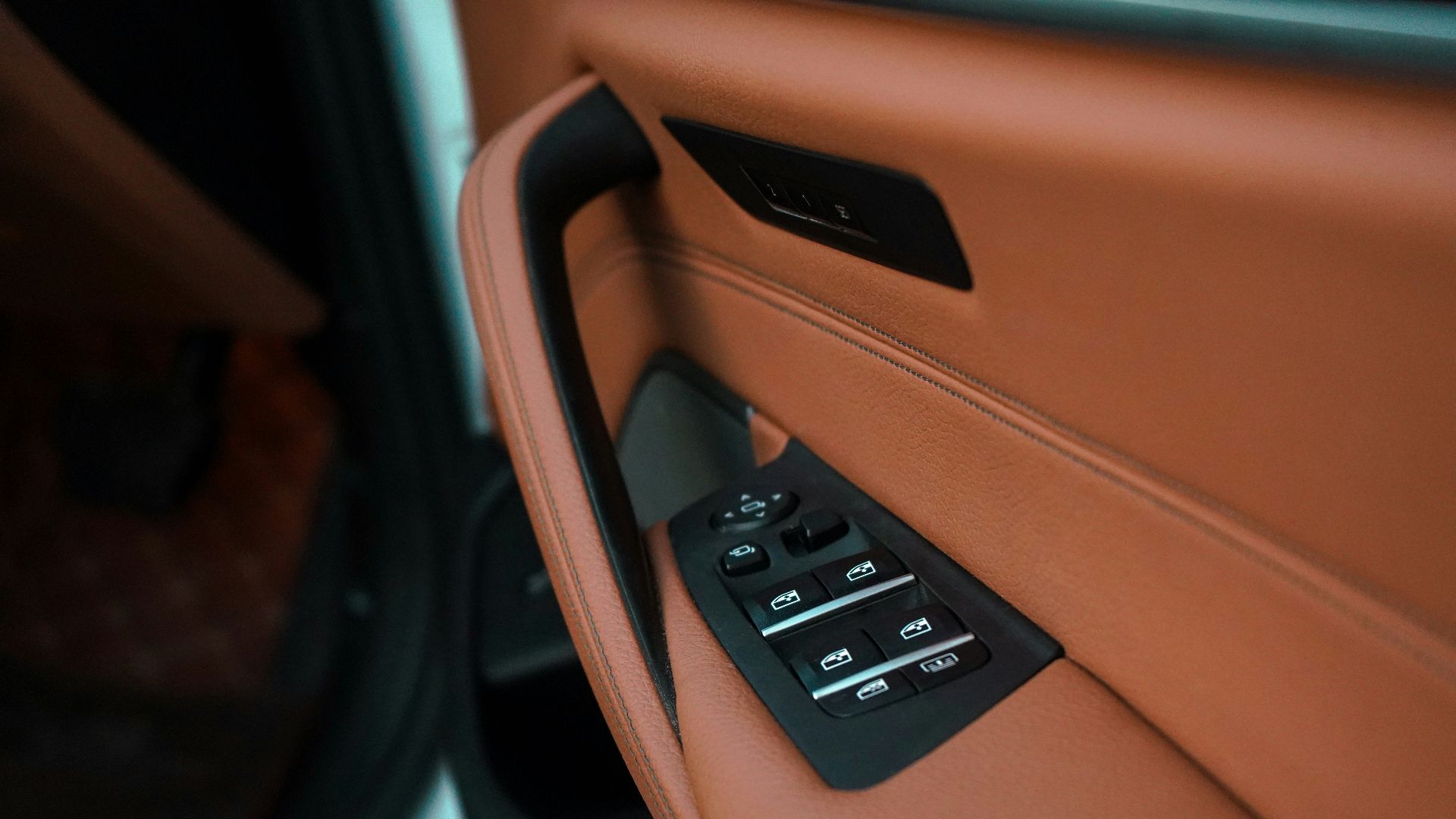
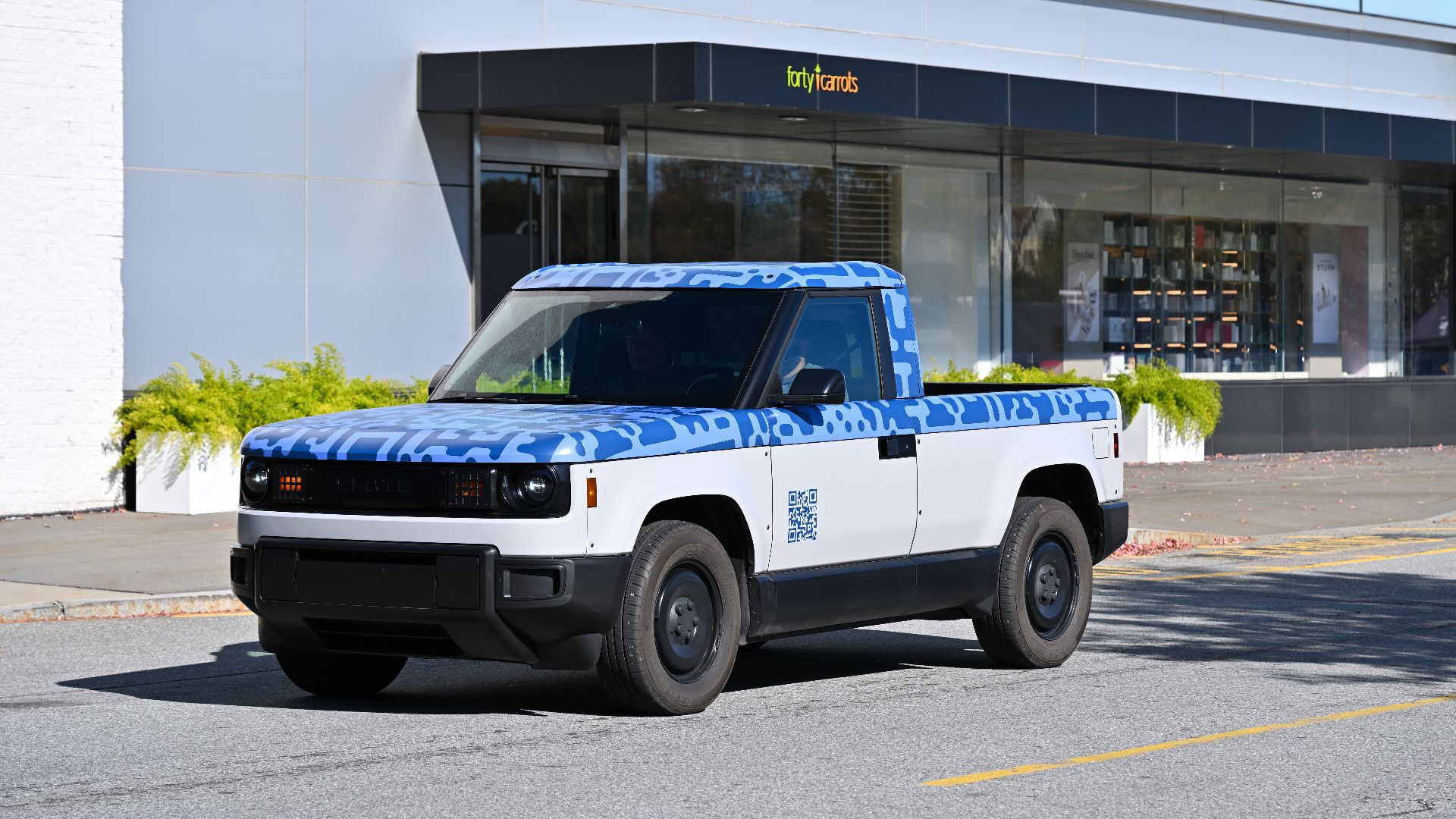
Then Slate Brought The Crank Back
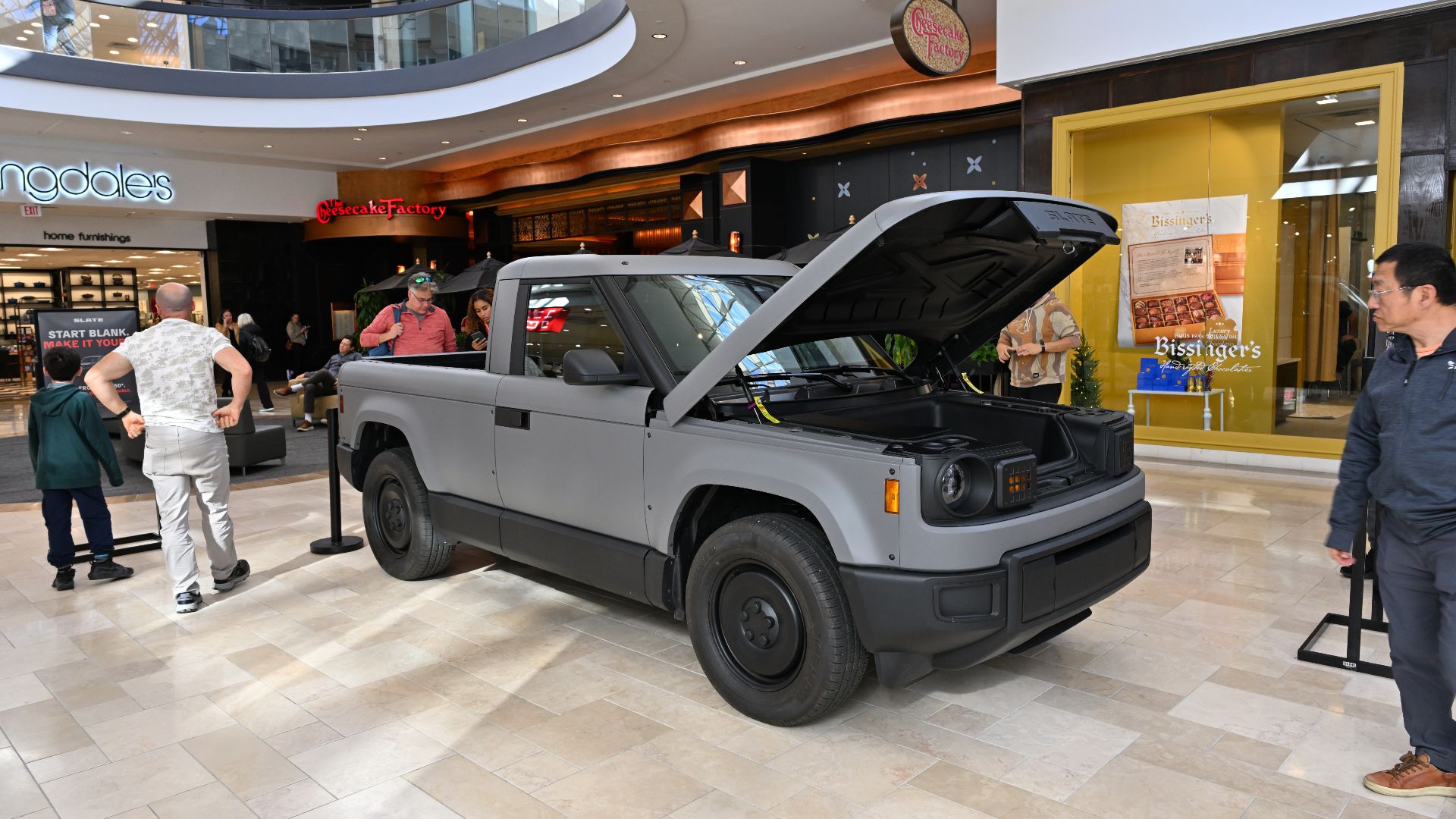
In April 2025, American startup Slate Auto unveiled an electric pickup with something almost nobody expected: manual crank windows. The minimalist truck deliberately avoided many conveniences found in modern vehicles. Suddenly, the technology that had virtually disappeared from new American cars was attracting attention again.
 4300streetcar, Wikimedia Commons
The Cranks Were No Accident
Slate's head of interior design, Aaron Gould, confirmed in March 2026 that manual windows had been planned from the beginning. The company even worked on making the handles feel satisfying to operate. Interestingly, Gould also said Slate was considering power windows as a possible future accessory, suggesting buyers might eventually get a choice.
 4300streetcar, Wikimedia Commons
Should Manual Windows Make A Comeback?
Manual windows survived for decades because they were affordable, straightforward, and useful in vehicles where convenience wasn't the priority. Modern power windows eventually won over most drivers, but Slate's electric pickup suggests the old-fashioned approach still has an audience.
If you could save some money on your next vehicle by choosing hand cranks, would you actually want them back?
You May Also Like:
Drivers Still Miss Front Bench Seats, So Why Did Automakers Abandon Them?