One RV Can Create A Surprisingly Big Family Argument
An inherited RV can carry a lot of memories, which makes decisions about it harder than decisions about an ordinary vehicle. One sibling may want to keep taking family trips, another may want their share of the money immediately, and somebody else may suggest everyone simply share it. All three ideas can work in the right circumstances, but the worst option is leaving the RV sitting indefinitely while insurance, storage, registration, and maintenance bills continue piling up.
First, Find Out Who Actually Owns It Right Now
Before deciding what to do with the RV, determine who legally controls it. It may still belong to your parents’ estate, pass through a trust, transfer to a named beneficiary, or ultimately be distributed among several heirs. State vehicle-title rules vary, and the executor may need to complete the ownership transfer before anybody can legally sell, register, or retitle it. Don’t assume possession of the keys means the siblings already jointly own the vehicle.

Look At The Title Before The Will
The estate plan matters, but so does the RV’s existing title. There may be a surviving co-owner, transfer-on-death beneficiary, lienholder, or trust listed on the paperwork. Those details can change how ownership passes. Some states also use different procedures for motorhomes and towable trailers. Gather the title, registration, loan records, death certificates, will or trust, and any executor documents before anyone starts negotiating percentages.

Check Whether There’s Still A Loan
An RV worth $80,000 with a $65,000 loan attached is a very different inheritance from an $80,000 RV owned free and clear. Contact the lender through the executor and get the payoff amount. The estate may need to satisfy the lien before transferring a clear title, or a buyer’s funds may be used during the sale. Don’t divide the RV’s estimated market value among siblings without first subtracting what is still owed.

Get A Realistic Value Before Taking Sides
Everyone’s opinion will be distorted if one sibling thinks the RV is worth $100,000 and another thinks it would barely bring $50,000. Get several estimates. Look at comparable dealer listings, recent private-sale asking prices, trade-in offers, and, for a valuable rig, consider paying for an independent appraisal. Agreeing on an approximate market value gives you a neutral starting point for a sale or family buyout.

Sentimental Value And Market Value Are Different Things
Your parents may have spent $140,000 on the RV and taken unforgettable trips in it, but neither fact determines what it’s worth today. RVs generally depreciate, and condition, age, mileage, maintenance history, brand, and current demand all affect resale value. A sibling who wants to preserve the memories is allowed to value it emotionally, but the others shouldn’t have to value their inheritance using the same sentimental number.
Price The Cost Of Keeping It For A Year
Before anyone says, “Let’s just keep it,” create a one-year ownership budget. Include insurance, registration, storage, maintenance, tires, winterization, inspections, roadside assistance, routine servicing, and a repair reserve. If it’s a motorhome, include engine and chassis maintenance. If it’s a trailer, remember the tow vehicle may create separate costs. Sharing an RV is much less appealing when nobody has discussed the annual bill.
Storage Can Become The First Argument
Where exactly will the RV live? If one sibling has enough property to store it for free, will they expect compensation for providing the space? If commercial storage is necessary, who pays the monthly fee? Outdoor storage can also expose an RV to sun, weather, pests, and deterioration, while covered or indoor storage generally costs more. Decide this before “we’ll figure it out later” turns into one sibling housing a 35-foot problem indefinitely.
Insurance Needs To Match The New Owners
Your parents’ insurance arrangements shouldn’t simply be left running forever without checking them. Notify the insurer of the death and ask what coverage applies while the estate is being settled. Once ownership transfers, the carrier needs to know who owns and operates the RV and how it will be used. A motorhome generally needs liability coverage to be driven, while towable-trailer insurance works differently because the towing vehicle typically provides road liability.

Sharing It Requires More Than Adding Drivers
If three siblings jointly own the RV, tell the insurance company exactly that. Don’t assume everyone is automatically covered simply because everyone inherited an ownership interest. Ask which drivers must be listed, whether household location matters, where the RV is primarily garaged, and whether different siblings can keep it at different addresses. Insurance becomes much more complicated when ownership, storage, and driving are spread among several households.

One Sibling Buying Out The Others Is Often The Cleanest Compromise
If one person genuinely loves the RV and the others mostly want their share of the inheritance, a buyout can solve the disagreement without selling the vehicle outside the family. Agree on a fair market value, subtract any outstanding loan or agreed estate costs, and calculate each heir’s interest. The sibling keeping the RV then pays the others for their shares and takes responsibility for future expenses.

Don’t Pick The Buyout Number Out Of Thin Air
A family discount is fine if everyone genuinely agrees to one, but it should be explicit. Otherwise, use an appraisal or multiple market estimates. If the RV is worth $75,000 and three siblings have equal interests, giving it to one sibling for $30,000 creates an obvious economic imbalance unless everyone intentionally agrees to that arrangement. Put the valuation and payment terms in writing so nobody remembers the deal differently later.

Financing The Family Buyout Needs Care
The sibling who wants the RV may not have enough cash to pay everyone immediately. That can lead to suggestions such as “I’ll pay you over five years". Be cautious about turning siblings into informal lenders. If installment payments are necessary, have an attorney or financial professional document the debt, payment schedule, interest if applicable, security interest, and what happens after missed payments.

Selling It May Be Financially Simpler
If nobody wants to take responsibility for the RV long term, selling it and dividing the net proceeds can be the cleanest answer. The executor may be able to sell it while it remains an estate asset, depending on the will and state probate rules, or the heirs may sell after title transfer. Compare dealer purchase offers, consignment arrangements, and private-sale values before choosing convenience over price.
Decide Whether Maximizing Price Is Worth The Work
A private sale could bring more money than a dealer offer, but it also means cleaning the RV, photographing it, advertising, answering inquiries, arranging showings, handling test drives, verifying payment, and completing title paperwork. Consignment can reduce that workload for a fee. If siblings are already struggling to cooperate, accepting a slightly lower but uncomplicated offer may be worth considering rather than spending months fighting over how to obtain the last few thousand dollars.

Don’t Ignore The Tax Basis
Inherited property generally receives a tax basis tied to its fair market value around the date of the owner’s death, subject to federal rules and exceptions. That matters if the RV is sold later. If its value at inheritance was $70,000 and it sells soon afterward for roughly the same amount, there may be little taxable gain. Keep records establishing the inherited value instead of assuming your parents’ original purchase price remains the relevant number.

A Later Sale Can Produce A Taxable Gain Or Loss
If the RV increases in value after inheritance and is sold for more than its applicable basis, the difference may create a taxable capital gain. Inherited property is generally treated as held long term for federal capital-gains purposes regardless of how quickly it is sold. Loss treatment can be more complicated depending on how the property was held and used, so significant sales should be discussed with a tax professional.

Sharing Sounds Fair Until Everyone Wants July
Keeping the RV jointly can work, but only if the siblings treat it more like a jointly managed asset than a casual family possession. Decide how trips are scheduled and what happens when two families want Memorial Day weekend, July Fourth, or the same summer vacation dates. A shared calendar with booking deadlines and an agreed rotation for premium dates prevents the most predictable fights.
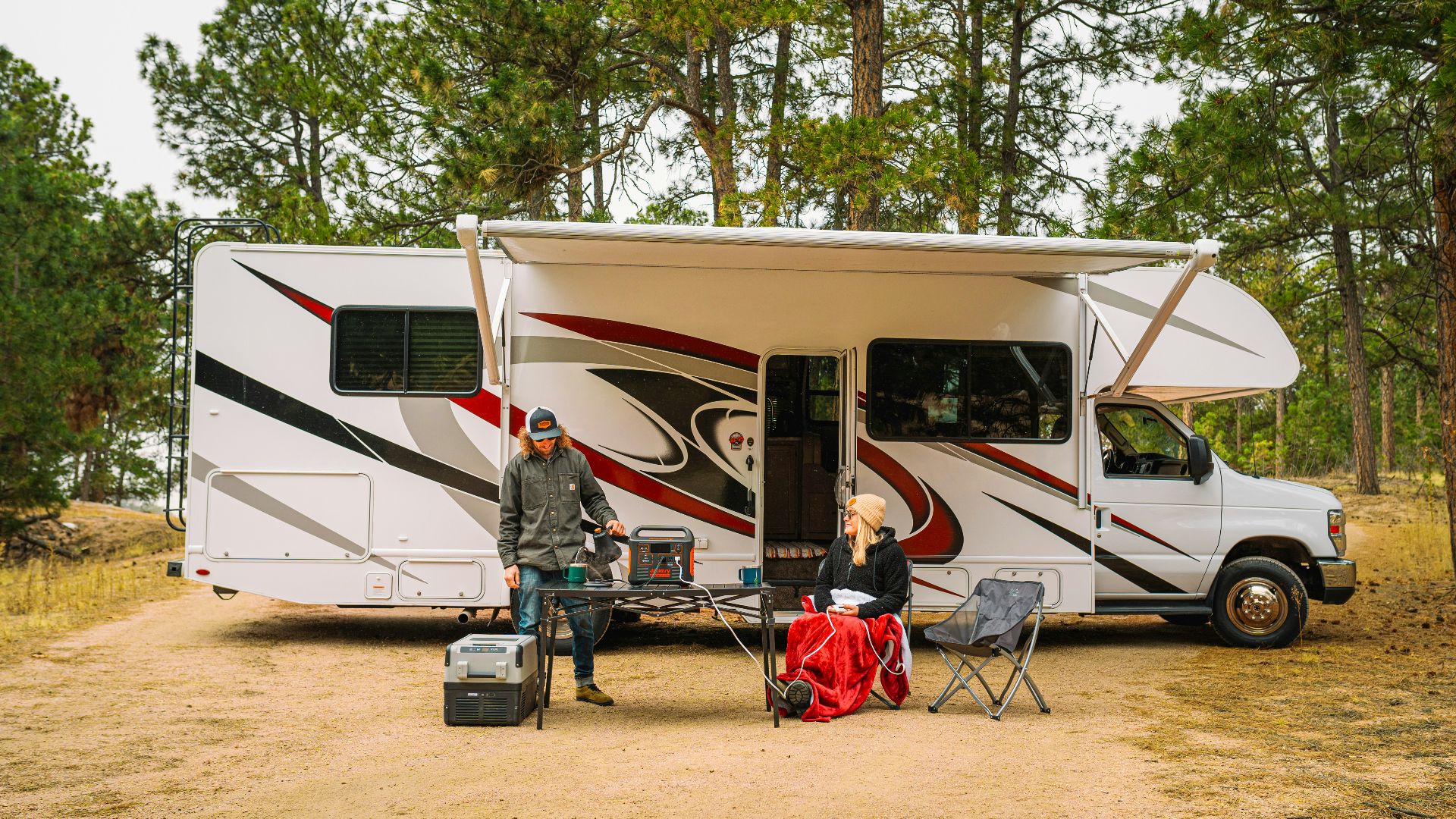 Jackery Power Station, Unsplash
Decide Who Pays According To Use And Who Pays Regardless
Some costs exist whether anybody travels or not. Insurance, registration, storage, and certain maintenance expenses may reasonably be split according to ownership percentages. Fuel, campsite fees, tolls, propane, and cleaning are easier to assign to the person taking a particular trip. Repairs fall into a murkier category. Put those rules in writing rather than negotiating every bill after something breaks.

Create A Repair Threshold Before Something Expensive Fails
Suppose the RV suddenly needs an $8,000 roof repair. Can one sibling authorize it and send everyone else an invoice? Do repairs over $1,000 require unanimous approval? What happens if the repair is urgent and somebody can’t be reached? Establish a spending threshold and an emergency procedure now. Joint ownership works much better when nobody can commit everyone else to a major expense without warning.
Agree On Damage Rules Too
If one sibling backs the RV into a campground post, should everybody split the deductible equally? Probably not automatically. Decide whether the person using the RV when avoidable damage occurs pays the deductible or uncovered repair expenses. Also decide what happens with ordinary wear, tire damage, mechanical breakdowns, and maintenance discovered during someone’s trip. The more detailed the agreement, the less personal the eventual argument becomes.

Be Very Careful About Renting It Out
Someone may suggest listing the RV on a peer-to-peer rental platform to help cover expenses. That can generate income, but it changes the risk substantially. Renting an RV is generally treated differently by insurers from ordinary personal use, and some personal policies may not permit rentals. Rental platforms can provide separate protection, but owners still need to verify how that interacts with their own policy, warranties, ownership arrangement, and taxes before turning a family asset into a business.
Put A Joint-Ownership Agreement In Writing
If the siblings decide to share the RV, create a written agreement covering ownership percentages, scheduling, storage, insurance, routine expenses, repairs, cleaning, accidents, modifications, lending the RV to others, and how decisions are made. It doesn’t need to turn every weekend getaway into a corporate board meeting. It simply prevents everyone from relying on different assumptions about what “sharing” was supposed to mean.

Include An Exit Clause From The Beginning
Someone will eventually want out. Decide now what happens then. Can a sibling sell their interest to an outsider? Do the other siblings get the first chance to buy it? How will the RV be valued? Does one owner have the power to force a sale if nobody can agree? A clear exit procedure can be the difference between a useful shared RV and an asset nobody can escape five years from now.

Don’t Let Indecision Make The Choice For You
The siblings don’t necessarily have to agree that keeping, selling, or sharing the RV is emotionally “best". They need a solution everyone can financially live with. Confirm ownership, determine the real value and annual carrying costs, then compare three concrete options: sell it and divide the proceeds, let one sibling buy out the rest, or keep it under a detailed written sharing agreement. What usually causes the most trouble isn’t choosing the wrong option. It’s leaving the RV in limbo while the costs continue and resentment grows.

You May Also Like: