The Favor That Can Go Sideways Fast
If your brother doesn't have a car and needs to borrow yours for a few hours, it feels like no big deal. But if it's because his own insurance lapsed you could have a real problem, especially if he's just running errands or getting to work. That one small favor could end up affecting your coverage, your rates, and put you at genuine financial risk.
Why This Matters More Than Most People Realize
A lot of people think an uninsured person is never covered when borrowing someone else’s car. That is not always true. Insurers and state rules often treat occasional, permitted use very differently from regular use by someone in your household. So the real risk is not just whether your brother could get a ticket. It is whether your insurer could deny part of a claim, raise your rates, or question the setup if it starts to look permanent.

The Basic Rule Most Insurers Start With
The Insurance Information Institute says auto insurance generally follows the car, not the driver. If you give someone permission to use your vehicle, your liability coverage usually acts as the primary coverage if that person causes a crash. That is why your policy can end up on the hook even if you were nowhere near the wheel.

Permission Changes Everything
There is a big legal and insurance difference between borrowing a car and taking it without permission. If your brother had your okay, your insurer is much more likely to treat him as a permissive driver under your policy. If he did not, coverage can get much messier, and claim disputes can get ugly fast.
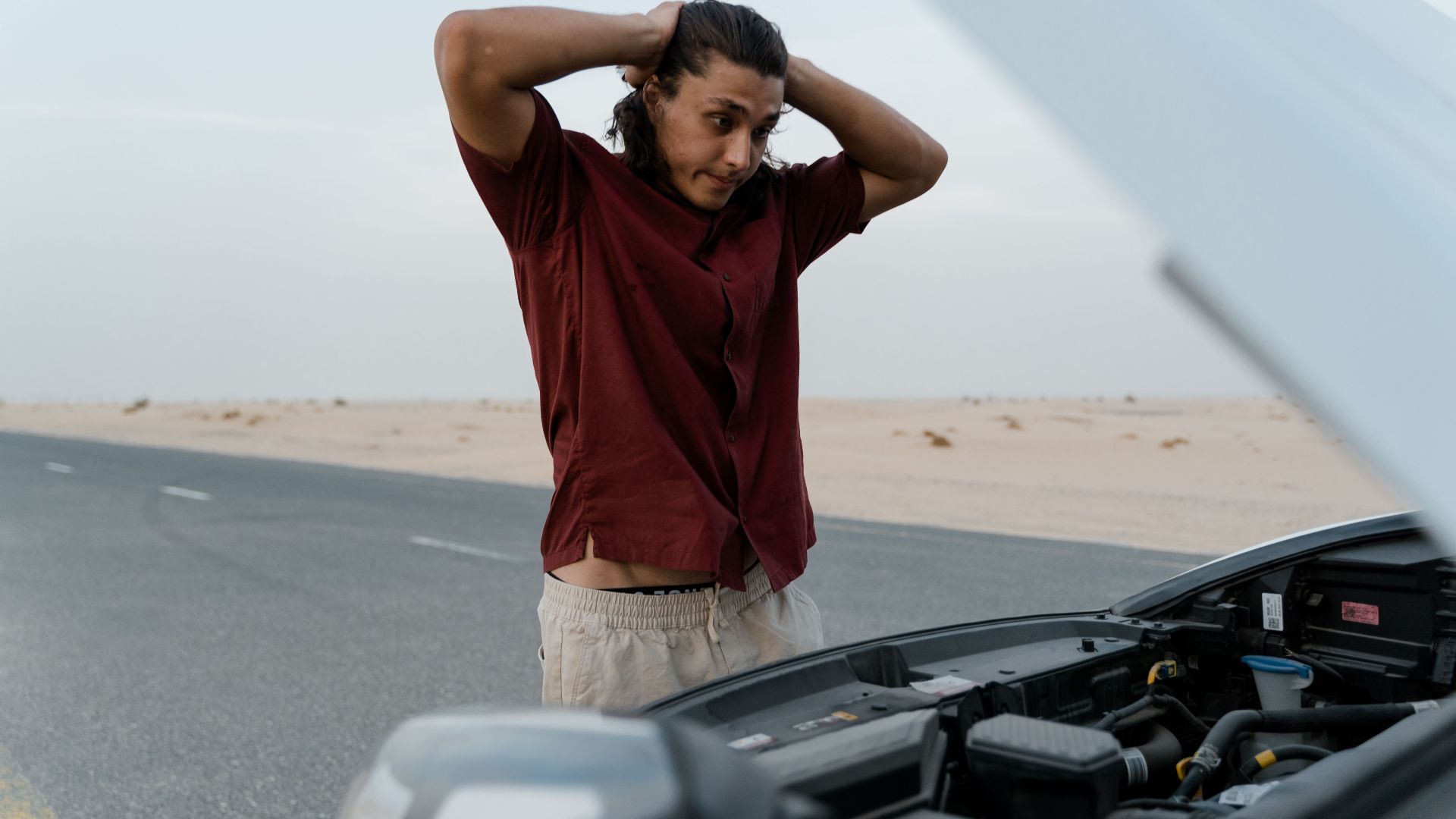
 LinkedIn Sales Solutions, Unsplash
Permissive Use Has Limits
Progressive explains that many policies extend coverage to permissive drivers, but the details depend on the policy and the insurer. Some insurers may reduce coverage for permissive users or limit certain protections. So permission may help trigger coverage, but it does not mean every part of your policy works exactly the same way as if you were driving.

When Borrowing Stops Looking Temporary
Occasional borrowing is one thing. Regular access is another. If your brother keeps using the car, your insurer may see him as a regular driver who should be listed on the policy. If he lives with you or uses the car often, not disclosing that can cause major problems if there is a claim.
Household Members Get More Attention
The National Association of Insurance Commissioners says insurers often ask about household members and regular drivers when a policy is set up. That is because people in the home usually have easy access to the car and may be part of the ongoing risk. If your brother lives with you and regularly drives your vehicle, the insurer may expect him to be listed even if he does not own the car.

A Lapse In His Own Insurance Is Still A Warning Sign
A lapse in your brother’s own coverage does not automatically mean he cannot drive your car with permission. But it still matters. A lapsed policy may suggest a higher-risk profile to underwriters. If your insurer finds out that an uninsured person has been using your car regularly, it could affect rates, eligibility, or future underwriting decisions.

Your Policy Could Be First In Line After A Crash
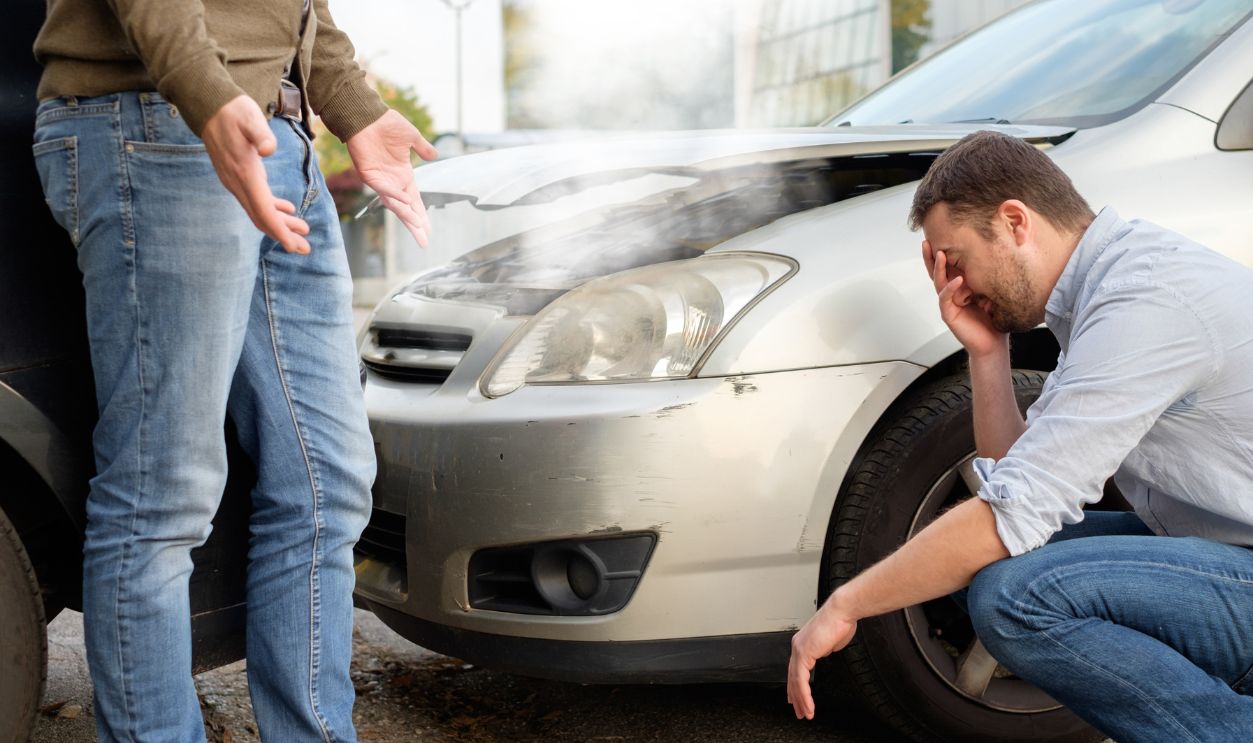
If your brother causes an accident while borrowing your car, your liability coverage is often the first coverage used, up to your policy limits. If the damage goes beyond those limits, he could be personally responsible, and his own coverage would only help if he has any that applies. If his insurance has lapsed, that backup may not exist at all.
Your Rates Could Go Up Even If You Were Not Driving
One hard truth is that a claim on your policy can affect your premiums even if someone else caused the crash while driving your car. Insurers look at the claim history tied to the vehicle and the policy. So your brother’s wreck can easily become your problem when renewal time comes.

Collision And Comprehensive Are A Separate Issue
Liability coverage is only part of the picture. Damage to your own car depends on whether you carry collision coverage, and things like theft or storm damage fall under comprehensive if you have it. A permissive driver may be covered under those parts too, but policy wording matters, so it is risky to assume.
Policy Limits Can Be The Real Problem
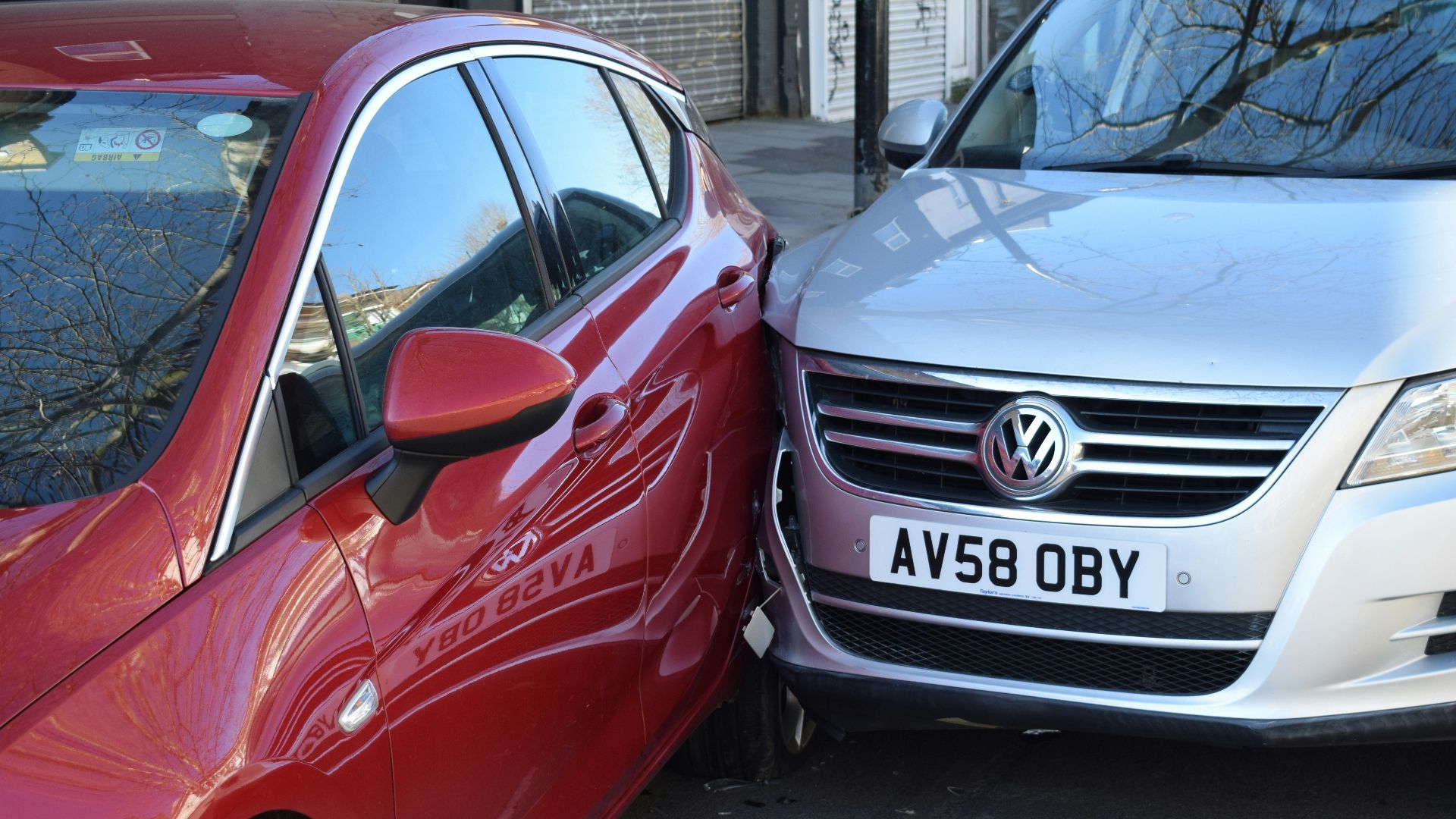
The biggest trouble often starts after a serious crash, when the bills blow past your policy limits. If your brother injures someone or totals several vehicles, your insurance may pay only up to the limits on your declarations page. After that, injured people may go after him, and in some cases they may also try to bring you in as the vehicle owner.
Negligent Entrustment Can Come Up
Vehicle owners can face legal risk under negligent entrustment rules if they knowingly lend a car to someone they know is unsafe, unlicensed, or impaired. Nolo explains that these claims can happen when an owner should have known the borrower was dangerous. An insurance lapse alone does not prove that, but if there are other warning signs, your risk gets higher.
If He Is Unlicensed, The Risk Jumps
This gets much more serious if your brother’s license is suspended, revoked, or otherwise invalid. Letting him drive in that situation can create much bigger legal and insurance problems than a simple lapse in insurance. Some policies exclude coverage in certain cases involving unlicensed drivers, and courts may not look kindly on the owner’s decision.

Excluded Drivers Are A Major Problem
Some policies list specific excluded drivers, and if your brother is one of them, that changes everything. The Insurance Information Institute warns that if an excluded driver uses the car and crashes, there may be no coverage for the loss. That could leave you facing out-of-pocket liability and repair costs far bigger than the favor was ever worth.

Business Use Can Complicate Things Fast
If your brother is borrowing the car for deliveries, rideshare, or other job-related use, do not assume your personal policy will cover it. Many standard auto policies treat business or livery use differently or exclude it altogether. What looks like a simple family favor can turn into an uncovered claim if money is involved.

State Law Still Matters
Auto insurance is regulated by each state, so the exact outcome can depend on where you live. Minimum coverage rules, owner liability laws, and insurer practices are not the same across the country. General insurance advice helps, but your state’s rules and your actual policy language are what really decide the issue.

What Florida Tells Drivers
The Florida Department of Highway Safety and Motor Vehicles says plainly that owners who lend out their vehicles can be held financially responsible for crashes caused by the person they allowed to drive. That cuts through a lot of false comfort. Handing over the keys does not mean handing over the risk.
 The Bushranger, Wikimedia Commons
What California Says About Responsibility
California’s Department of Insurance also says that insurance often follows the car and that permissive use can trigger the owner’s policy. California law has its own rules about owner liability and insurance duties as well. The larger point is that states repeatedly warn drivers not to treat borrowed-car situations lightly.
 Coolcaesar at English Wikipedia, Wikimedia Commons
Claims Adjusters Look For Patterns
After a crash, insurers do not just ask whether your brother had permission that day. They may also ask how often he drives the car, where he lives, whether he has his own set of keys, and whether he should have been listed as a regular driver. If the facts make it look like he was really an undeclared household driver, the claim may get much closer review.

Misrepresentation Can Hurt Your Coverage
Insurance applications and renewals usually require honest answers about who drives the vehicle and how it is used. If an insurer decides that you left out a regular driver or misrepresented the car’s use, that can affect how a claim is handled or what happens to the policy going forward. The exact result depends on state law and the policy terms, but it is not something to brush off.

There Is A Big Difference Between Rare And Regular
If your brother borrowed the car once after his policy lapsed so he could get to a doctor appointment, that is one situation. If he has been driving your car three or four times a week for months, that is very different. The more this starts to look like a standing arrangement, the more likely your insurer will expect him to be listed or rated on the policy.

Your Best Move Is Simple
Call your insurer before the next time you lend him the car, not after a crash. Ask whether your brother is covered as a permissive driver, whether he needs to be added to the policy, and whether any exclusions or restrictions apply if he lives with you. It is a simple call, and it is a lot cheaper than guessing wrong.

Questions To Ask On That Call
Be direct. Ask whether a relative in your household with frequent access must be listed, whether coverage is reduced for permissive users, whether your collision coverage applies if he crashes, and whether there are exclusions tied to license status or business use. Also ask whether adding him would change your premium and whether not adding him could affect a future claim.

If He Needs A Car Often, There Are Better Options
If this has turned into a habit, the long-term answer is not repeated borrowing under a cloud of uncertainty. He may need to reinstate his own policy, look into a non-owner policy if that fits, or find more reliable transportation that does not put your coverage at risk. Insurance problems usually get more expensive the longer they sit.
The Bottom Line For Car Owners
Yes, your own coverage can be put at risk if your brother keeps borrowing your car after his insurance lapses. Your policy may be primary if he crashes, your rates may go up, and frequent borrowing can raise questions about regular use or household-driver status that was never disclosed. The safest move is to check with your insurer now, before a family favor turns into a claim.