The Button Is On, So Why Is The Seat Still Hot?
Ventilated seats sound as though they should feel like air conditioning built directly into the upholstery. Then summer arrives, the cabin has been baking in the sun, and the airflow feels more like a faint breeze than a premium cooling feature. In most vehicles, that doesn’t necessarily mean the system is broken. Ventilated seats are designed mainly to reduce trapped heat and perspiration, not instantly turn scorching upholstery cold.
Ventilated Usually Doesn’t Mean Refrigerated
Most ventilated seats use small electric fans to move cabin air through perforations in the seat cushion and backrest. They generally don’t contain their own refrigerant system or produce genuinely cold air. If the air inside the vehicle is already extremely hot, the seat may initially circulate hot air.

Some Manufacturers Use The Word “Cooled”
Automakers don’t always describe these systems consistently. One company may call the feature ventilated seats, while another uses terms such as cooled seats or climate-controlled seats. Even then, the system may simply use fans rather than actively chilling the air, so the owner’s manual is the best guide to what was actually installed.

The Cabin Air Has To Cool First
When a vehicle has been parked in direct sunlight, the seats, dashboard, carpeting, and headliner all radiate stored heat. Ventilation alone can’t overcome that immediately. The feature usually becomes much more noticeable after the air conditioner has lowered the overall cabin temperature.

Dark Upholstery Makes The Challenge Worse
Black and dark-colored seats absorb more solar energy than lighter upholstery. Leather or synthetic surfaces can become painfully hot after several hours in the sun. Ventilation may help remove that heat gradually, but it won’t erase the temperature difference the moment the driver sits down.
The Seat Surface Can Be Hotter Than The Air
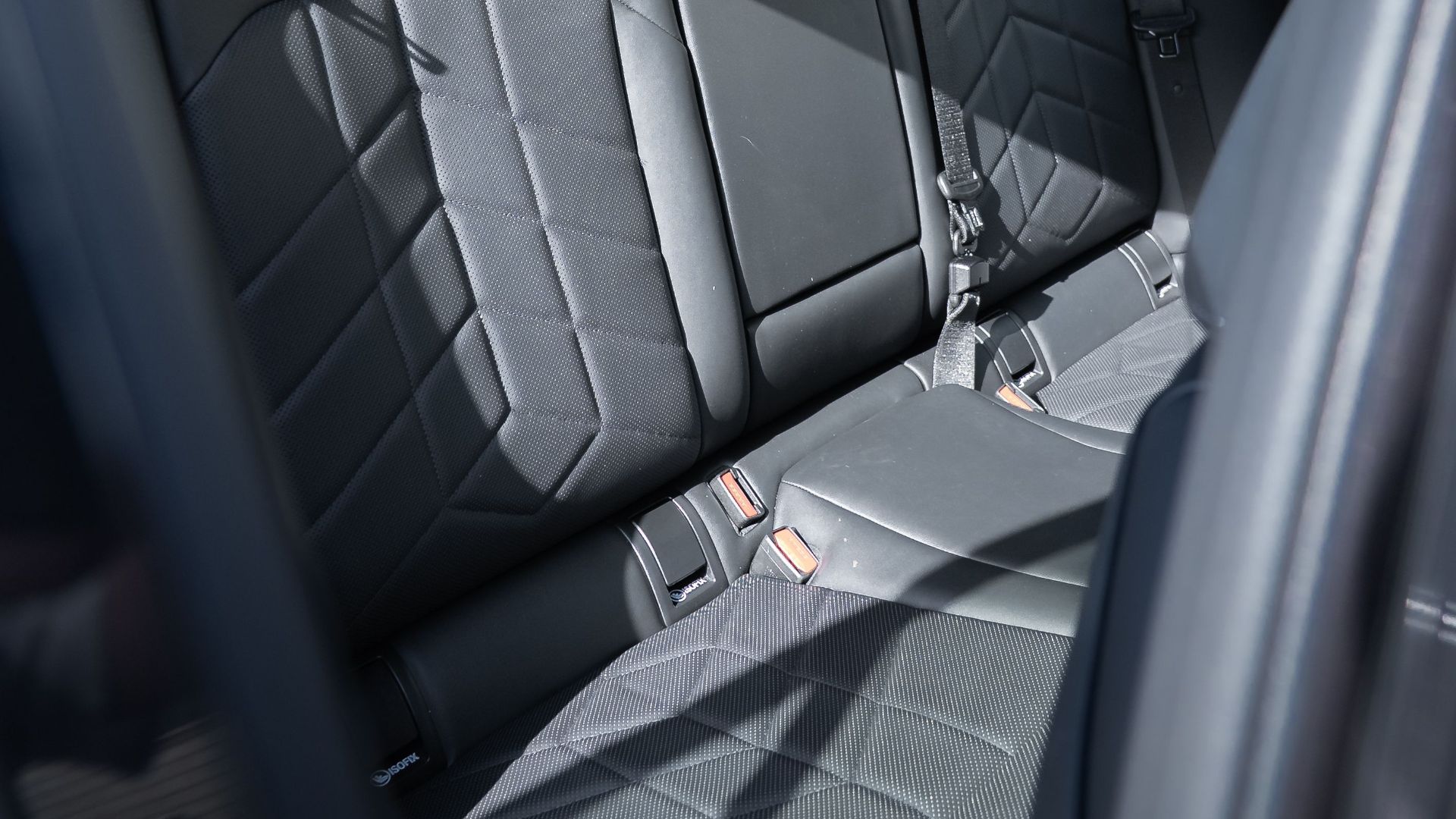
A parked cabin may already be uncomfortable, while the seat itself can feel even hotter because it has been directly exposed to sunlight. The fans must move heat away from the foam, cover, and occupant’s body. That takes time, especially when the entire seat structure has been heat-soaked.

Perforations Are Essential
Ventilated seats usually rely on tiny holes in the upholstery to allow airflow. Those perforations may be spread across only part of the cushion and seatback rather than the entire seat. The airflow can therefore feel concentrated in certain areas and almost absent in others.
Clothing Can Block The Sensation
Thick denim, jackets, padded clothing, and some synthetic fabrics make it harder to feel the airflow. The seat may technically be operating normally, but several layers of material sit between the occupant and the ventilation holes. Lightweight, breathable clothing usually makes the effect easier to notice.
Your Body Can Restrict Airflow
Sitting firmly against the seat compresses the cushioning and can partially cover the perforations. The system is trying to move air through an area pressed tightly against the occupant’s body. That’s one reason the airflow may feel stronger when you briefly lean forward or lift slightly off the cushion.

Fan Speed May Be Lower Than Expected
Many systems offer two or three ventilation levels, but even the highest setting may be deliberately subtle. Manufacturers have to balance airflow against fan noise, vibration, power consumption, and comfort. A stronger fan could feel better in extreme heat while sounding intrusive during ordinary driving.

Some Seats Pull Air Instead Of Blowing It
Ventilated-seat designs don’t all move air in the same direction. Some push air toward the occupant, while others draw warm and moist air away from the body. A system that uses suction may provide useful comfort without creating an obvious breeze, making it seem weaker than it really is.

The Main Benefit May Be Moisture Control
Ventilated seats often feel most effective during a longer drive rather than the first minute after entering the car. Moving air helps reduce the warm, damp feeling that develops between the occupant and the upholstery. The result may be a drier back and less perspiration rather than a dramatically cold seat.

They Work Best With The Air Conditioner
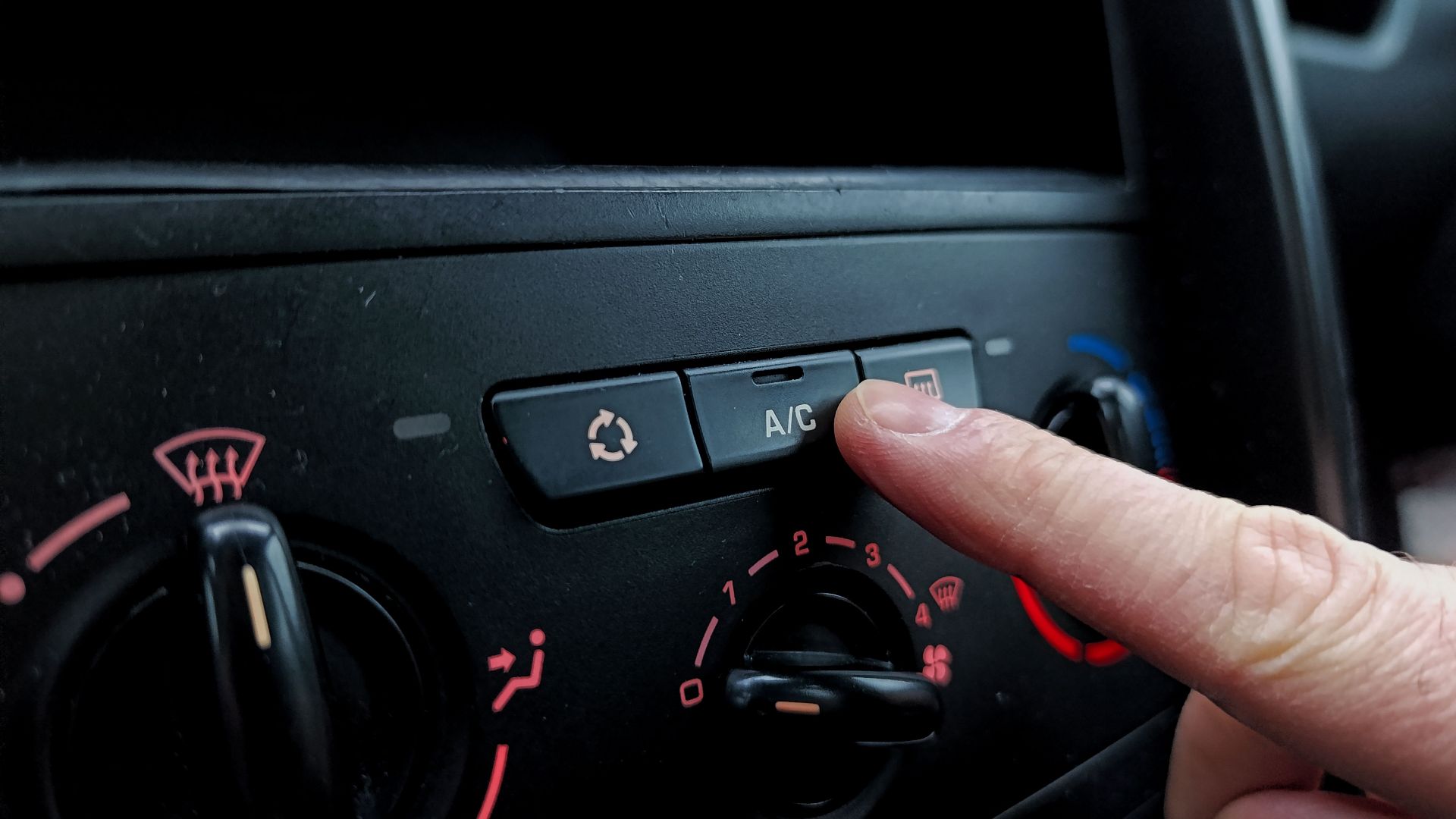
For the strongest effect, start the climate control and seat ventilation together. Once the cabin air becomes cooler, the fans can move that cooler air through or across the seat. Ventilated seats are usually a supplement to air conditioning, not a replacement for it.
Pre-Cooling Can Make A Huge Difference
Remote start or scheduled climate preconditioning allows the air conditioner to begin lowering cabin temperatures before anyone gets inside. When the seats start with cooler surrounding air, their ventilation can feel much more effective. This is especially helpful for vehicles parked outdoors during the hottest part of the day.

Releasing Trapped Heat Helps Too
Before driving away, open the doors or lower the windows briefly to let the hottest air escape. Then close the windows and switch the climate system to recirculation once the air conditioner begins producing cool air. This reduces the amount of extreme heat the seats and climate system must overcome.

A Windshield Shade Can Improve Performance
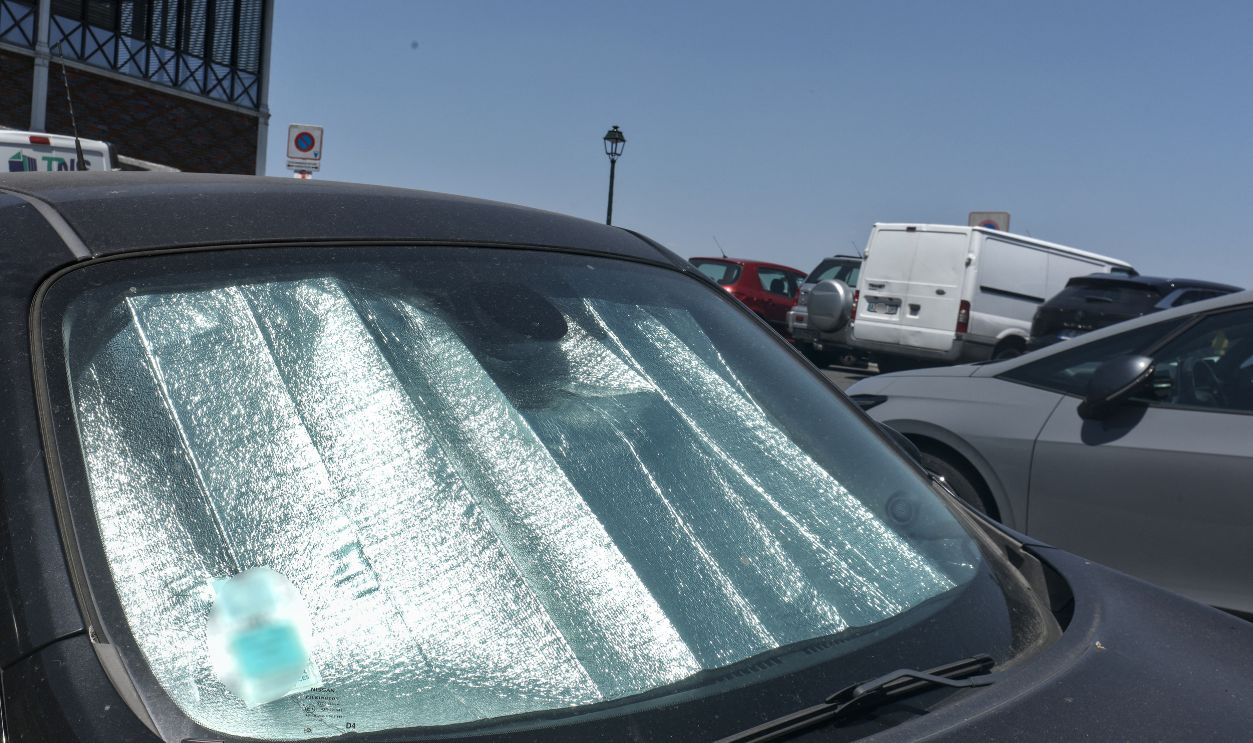
A reflective windshield shade helps prevent some solar energy from heating the dashboard and front seats. Parking in shade, closing a panoramic-roof shade, and using legal window tint can also reduce the initial heat load. The less heat stored in the seat, the sooner ventilation becomes noticeable.
Seat Covers Can Block The System
A conventional seat cover may obstruct the upholstery perforations and prevent air from reaching the occupant. Towels, cushions, protective mats, and thick aftermarket covers can cause the same problem. Any accessory used on a ventilated seat should be specifically designed to preserve airflow and remain compatible with seat-mounted airbags.
Dirt Can Clog The Perforations
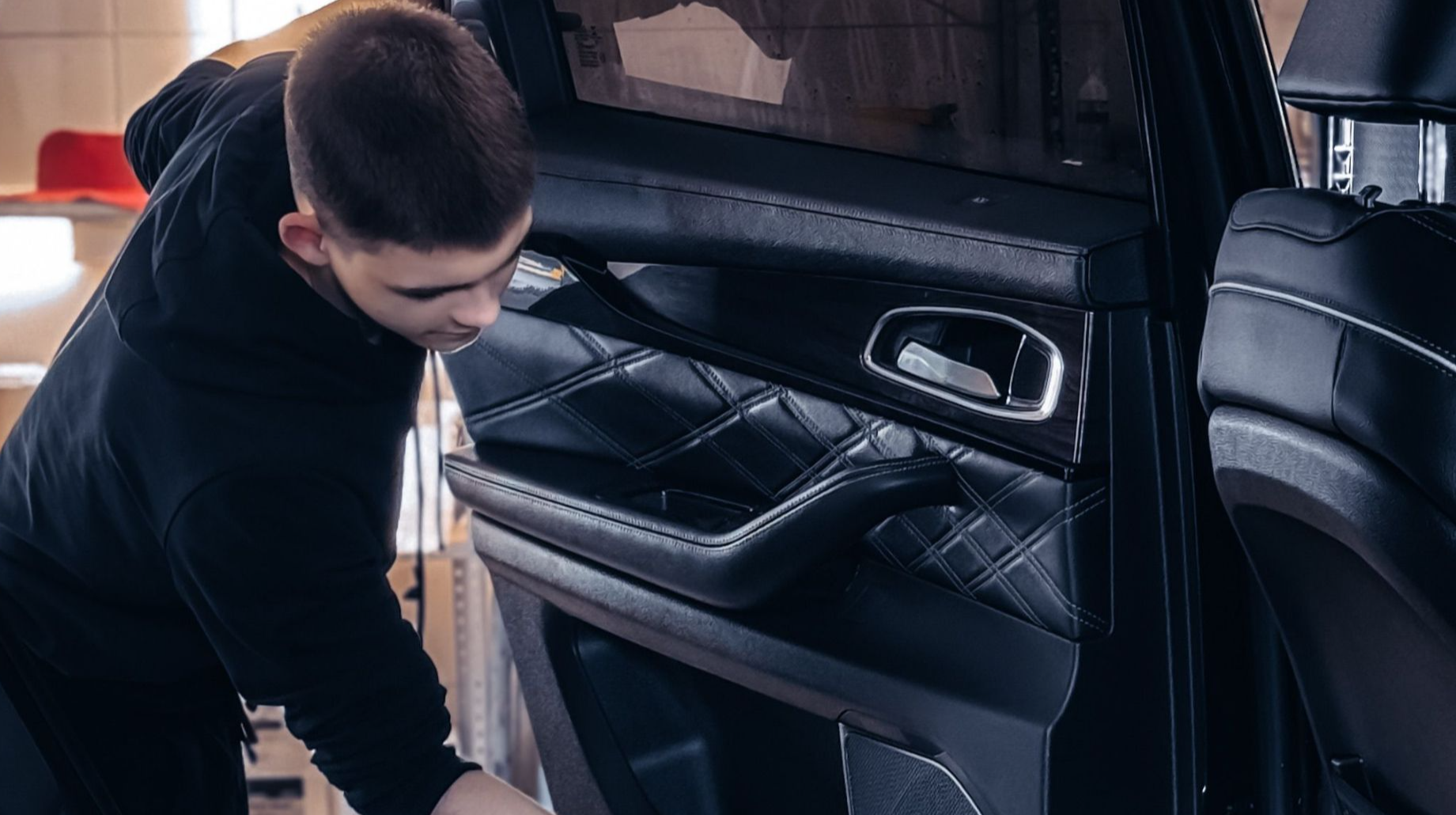
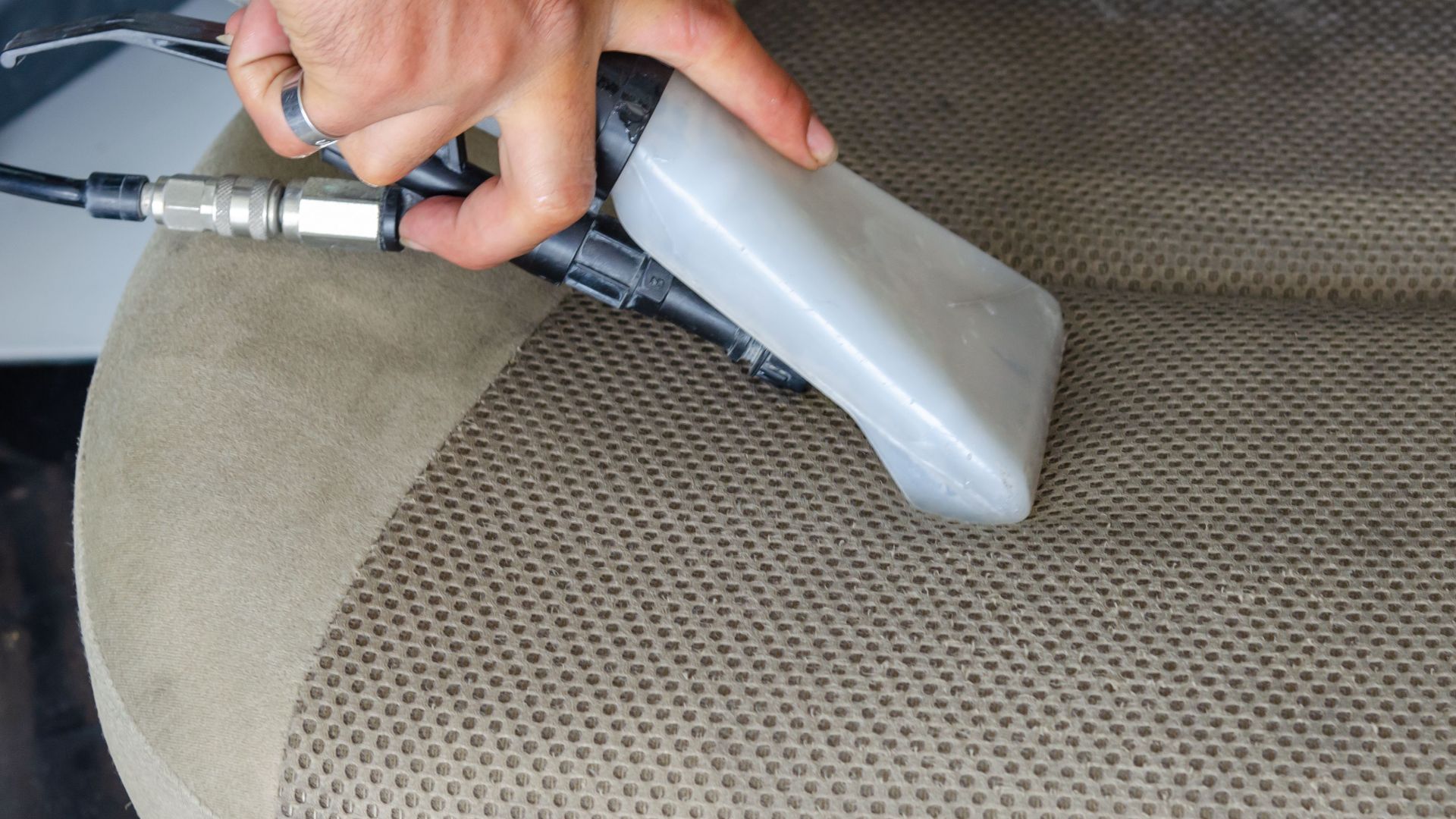
Dust, crumbs, lotions, and residue from upholstery products can gradually block the small holes in the seat surface. Cleaning the seats according to the manufacturer’s instructions may restore some airflow. Avoid heavy conditioners or cleaners that leave a coating inside the perforations.
The Intake Can Become Obstructed
Seat fans need somewhere to draw air from. Bags, loose clothing, floor mats, debris, or objects stored beneath the seat may restrict an intake opening. Check around and under the seat for anything that could be interfering, while taking care not to disturb wiring or electronic connectors.
One Area May Have A Failed Fan
Some seats use more than one fan or blower to ventilate the cushion and backrest separately. If airflow is noticeable in the back but absent from the bottom, one component may have failed. Comparing both front seats on the same setting can help reveal whether one side is operating abnormally.

Listen For A Change In Sound
Turn off the radio and climate-control fan briefly, then cycle the seat ventilation through its settings. You may hear a faint fan noise change as the level increases. No sound, no indicator light, or no difference between settings could point to a fuse, switch, wiring, control-module, or blower problem.

Automatic Settings Can Cause Confusion
Some vehicles can activate heated or ventilated seats automatically based on cabin temperature and saved preferences. The displayed level may change after startup, or the system may not behave exactly as expected when automatic climate settings are enabled. GM, for example, documents automatic ventilated-seat operation on equipped models when the relevant personalization setting is active.

The Feature May Reduce Power In Certain Conditions
Vehicle electronics sometimes limit comfort features when the battery charge is low, the electrical system is heavily loaded, or another operating condition takes priority. Start-stop operation, energy-saving modes, or remote-start programming may also affect how the seats behave. Model-specific details should be explained in the owner’s manual.
Compare It With Another Identical Vehicle
A short test in another example of the same model can answer an important question: is the feature naturally subtle, or is your seat unusually weak? Ask the dealer to demonstrate another vehicle with the same seat design. If the difference is obvious, you’ll have stronger grounds for a warranty inspection.

Ventilated Seats Have Real Advantages
When they work properly, ventilated seats can reduce sweating, make leather more tolerable in warm weather, and improve comfort during long drives. They can also help occupants feel comfortable at a slightly less aggressive air-conditioning setting. Ford and GM both offer multiple ventilation levels on equipped models, though operation varies by vehicle.

They Also Have Clear Limitations
The feature adds fans, wiring, switches, perforated upholstery, and control electronics that may eventually need repair. Airflow can be subtle, and the benefit depends heavily on cabin temperature, clothing, seat design, and individual expectations. Buyers may also have to move into a more expensive trim or option package to get it.

You Probably Misunderstood The Strength, Not The Purpose
If the seats provide some airflow and become more comfortable after the cabin cools, they’re probably doing what most ventilated seats are designed to do. They reduce trapped warmth and moisture rather than blasting refrigerated air against the occupant. However, no airflow, uneven operation, unusual noises, or a clear difference between identical seats deserves inspection. The feature can be worthwhile, but it works best as a quiet supporting player for the climate system, not as a substitute for it.

You May Also Like:
My car’s lane-centering system keeps fighting me on poorly marked roads. Can I get it uninstalled?