A Clever Idea?
You loved the idea of unlocking your new vehicle with your face instead of fumbling for keys. Then your spouse, children, or parents started borrowing it. Suddenly, managing driver profiles, permissions, and recognition settings became another technology chore. The convenience is real, but so are the frustrations.
What Facial Recognition Does
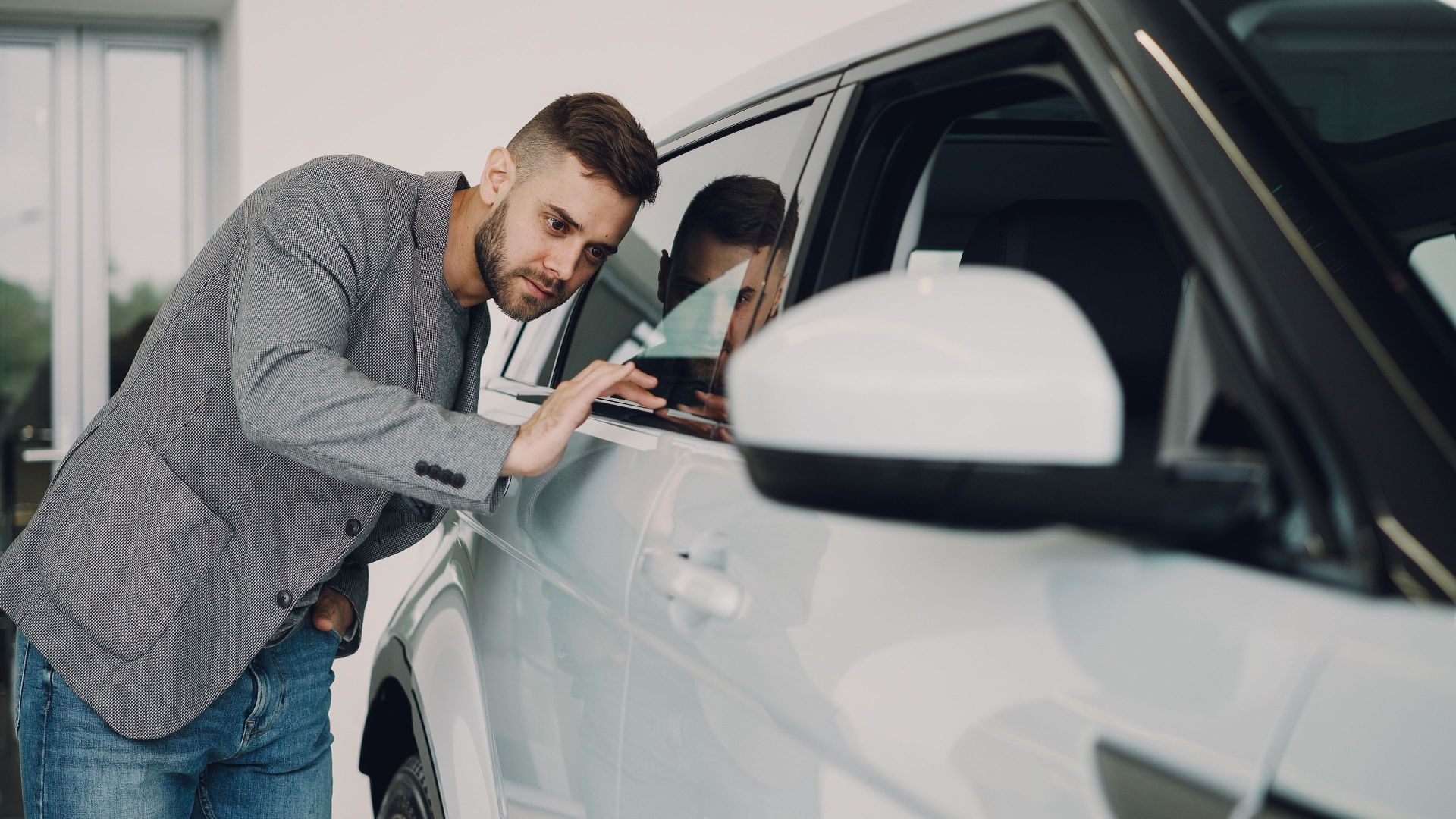
Automotive facial recognition uses cameras and biometric software to identify registered drivers. In some vehicles, it unlocks the doors. Others also load personalized settings such as seat position, mirrors, climate controls, and infotainment preferences before you even climb inside.
Only A Few Cars
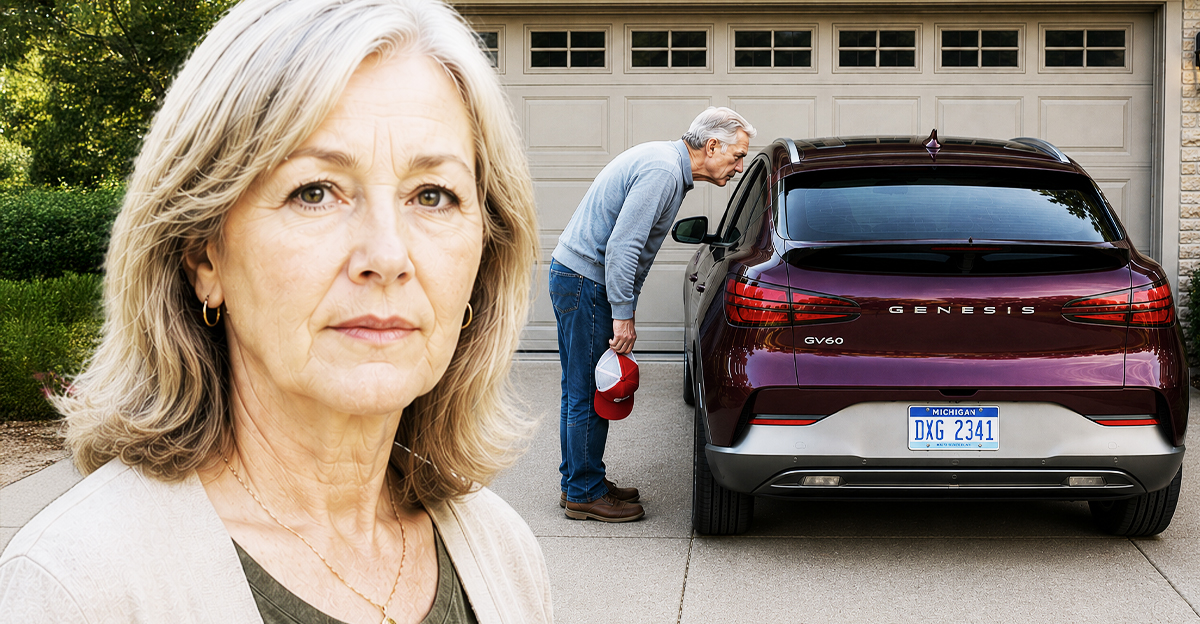
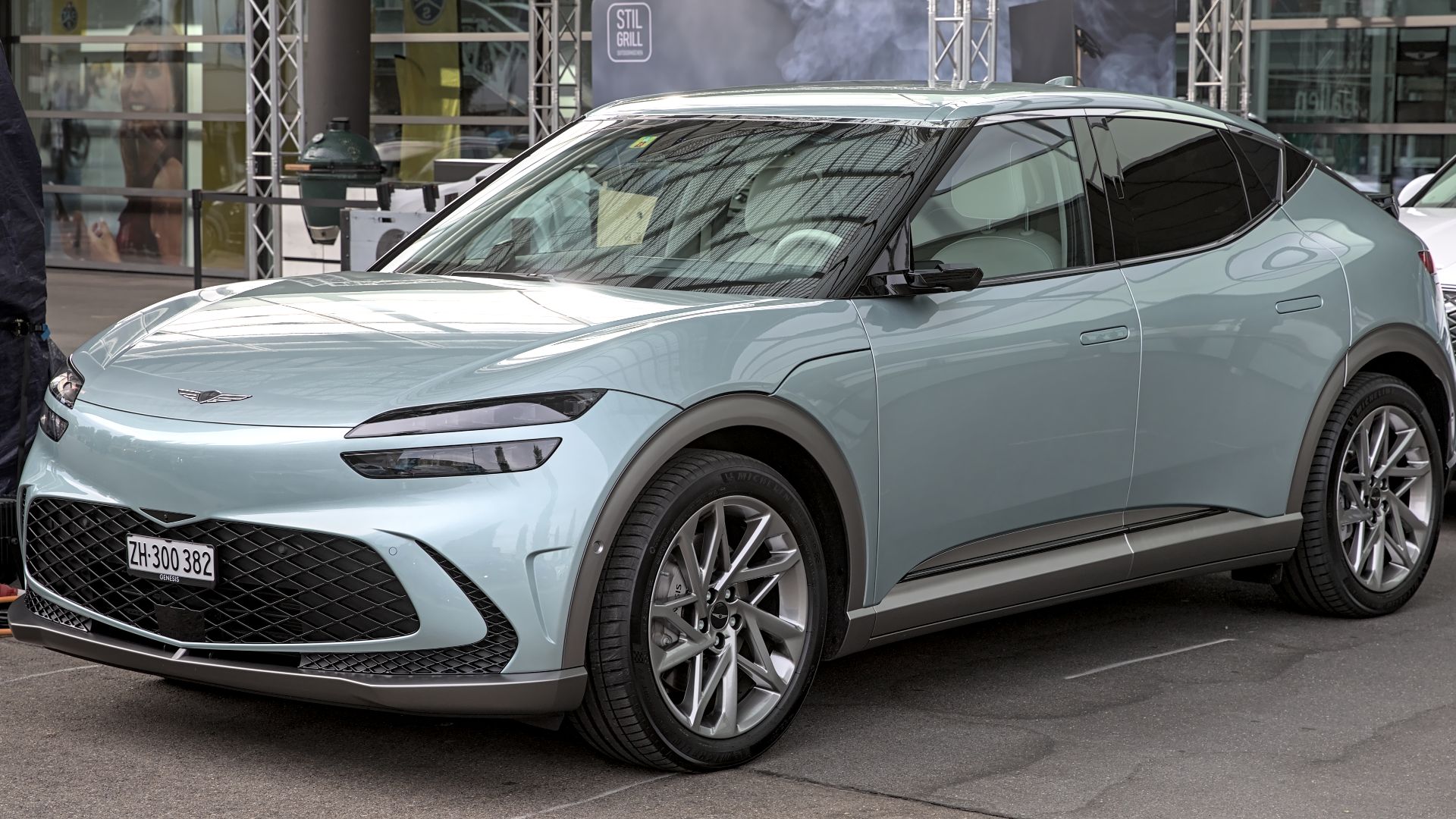
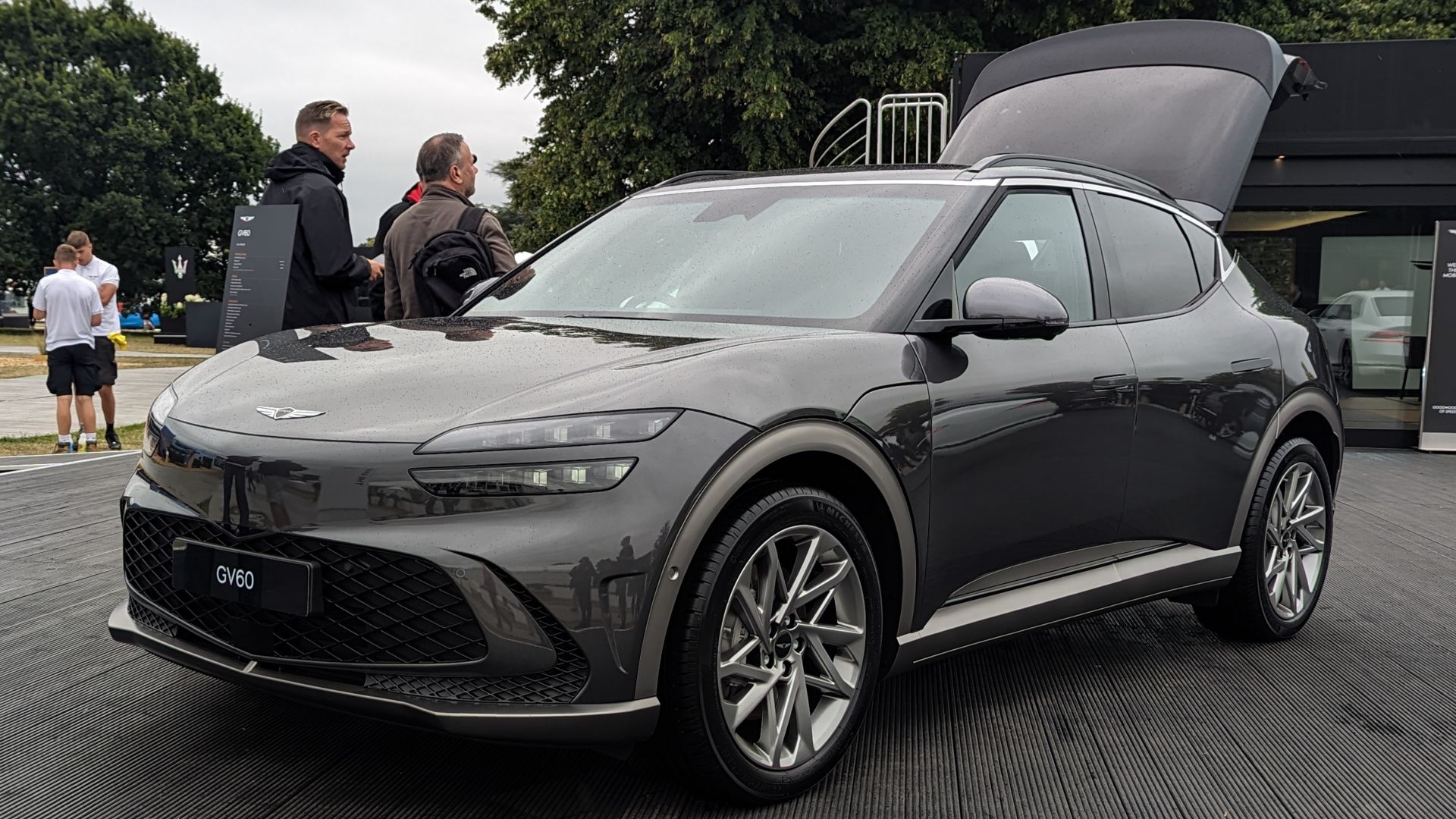
Despite the excitement surrounding biometric technology, relatively few production vehicles currently offer facial recognition. Genesis has been the most prominent manufacturer, although other automakers continue experimenting with similar systems alongside smartphone digital keys and fingerprint authentication.
 Alexander-93, Wikimedia Commons
Everyday Convenience
When everything works properly, facial recognition feels almost magical. You approach the vehicle, look toward the camera, and the doors unlock automatically. There is no need to dig through your pockets or purse searching for a key fob before heading to work.

Personalized Experience
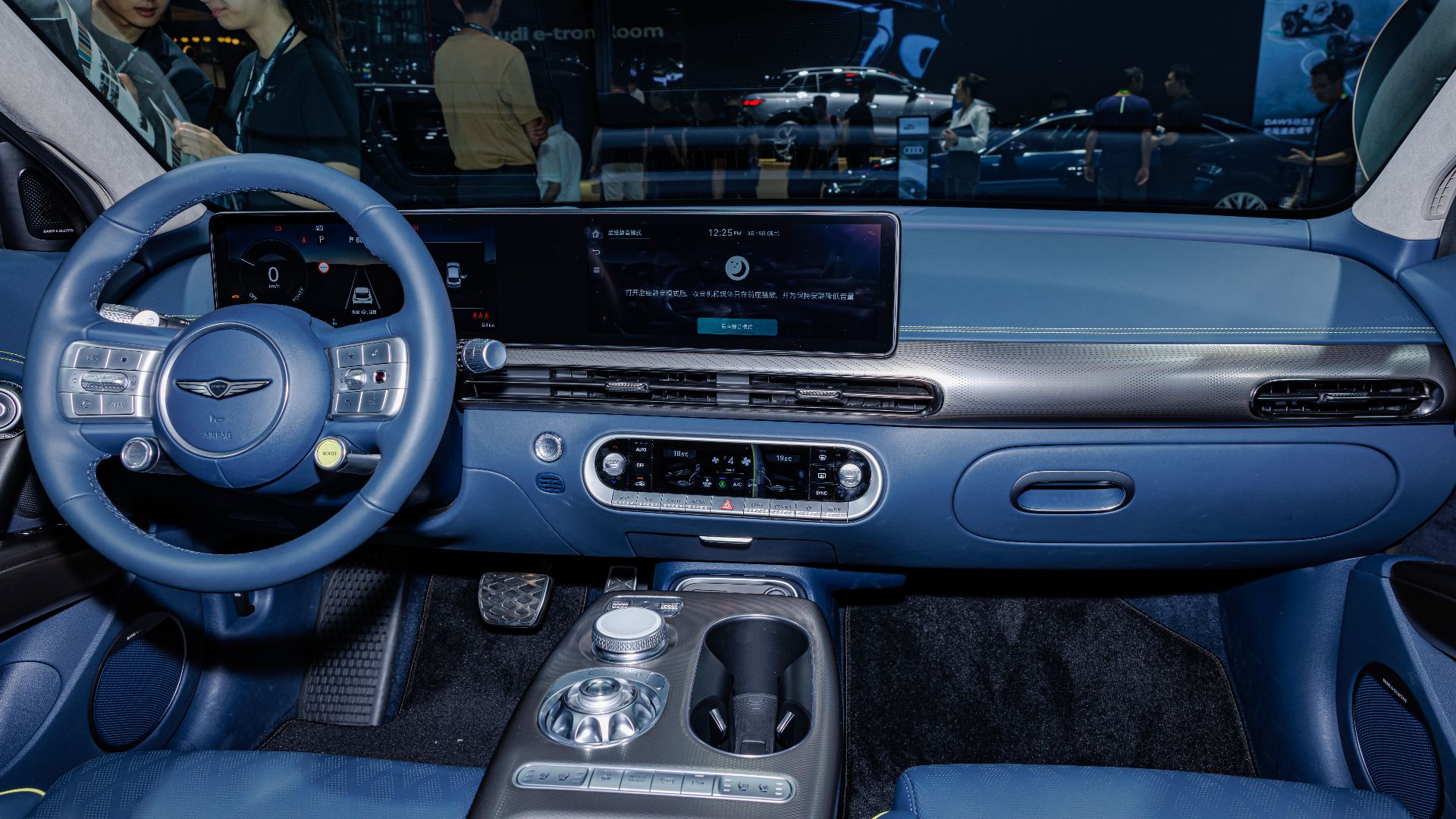
The technology goes beyond unlocking doors. Your preferred driving position, steering wheel adjustment, radio presets, navigation favorites, and climate settings can automatically load as soon as the vehicle recognizes your face. That can save time whenever multiple family members share one vehicle.
 Dinkun Chen, Wikimedia Commons
Families Complicate Things
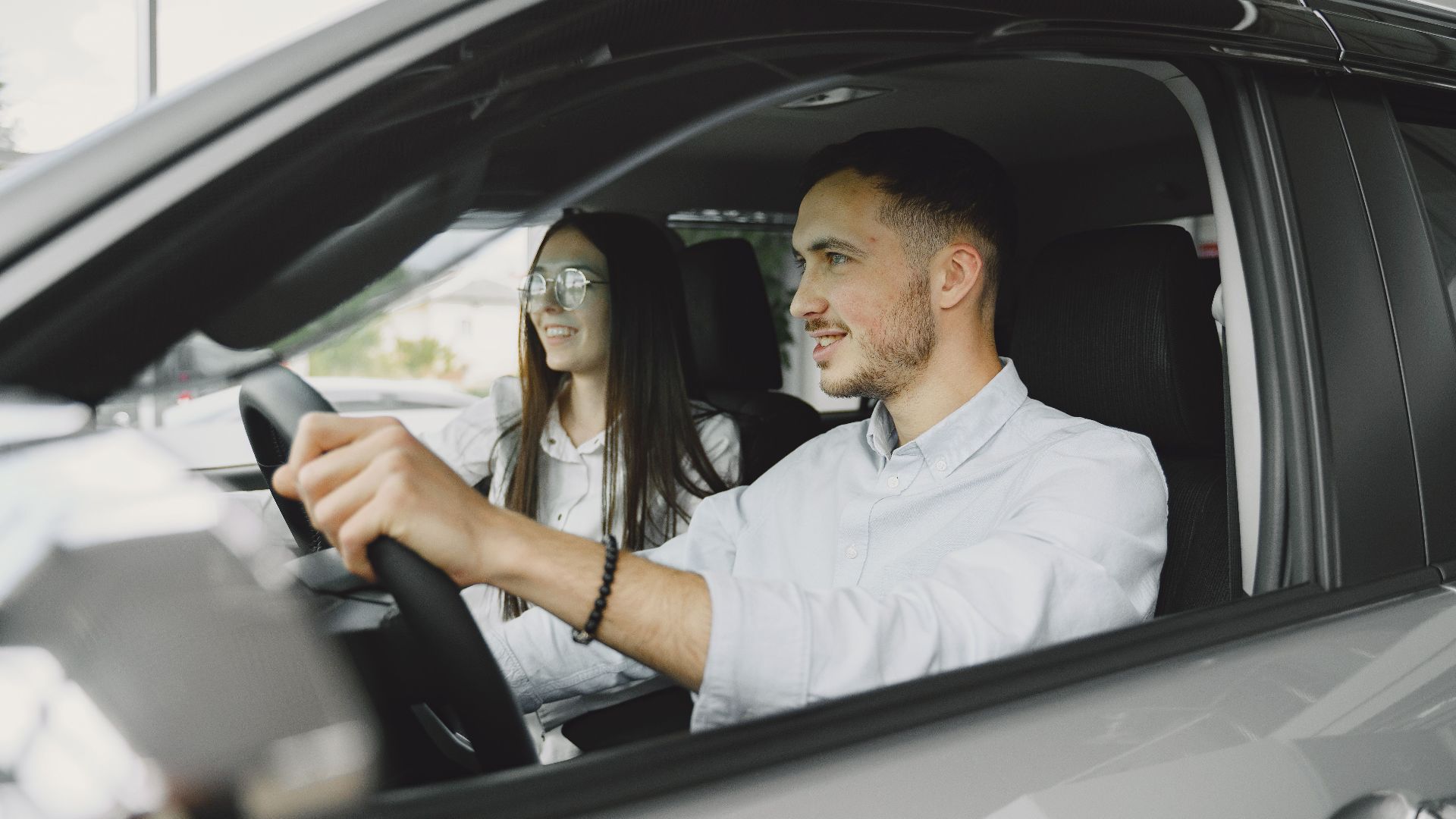
Real households are rarely as simple as marketing brochures suggest. Spouses share vehicles. Teenagers borrow them. Adult children visit during holidays. Grandparents occasionally drive. Suddenly, maintaining separate profiles and ensuring everyone is properly enrolled becomes surprisingly complicated.

Registration Takes Time
Every authorized driver must usually complete an enrollment process. The system captures multiple facial angles before creating a biometric profile. While setup generally takes only a few minutes, repeating it for several drivers can become tedious if your household frequently changes vehicles.
Weather Can Matter
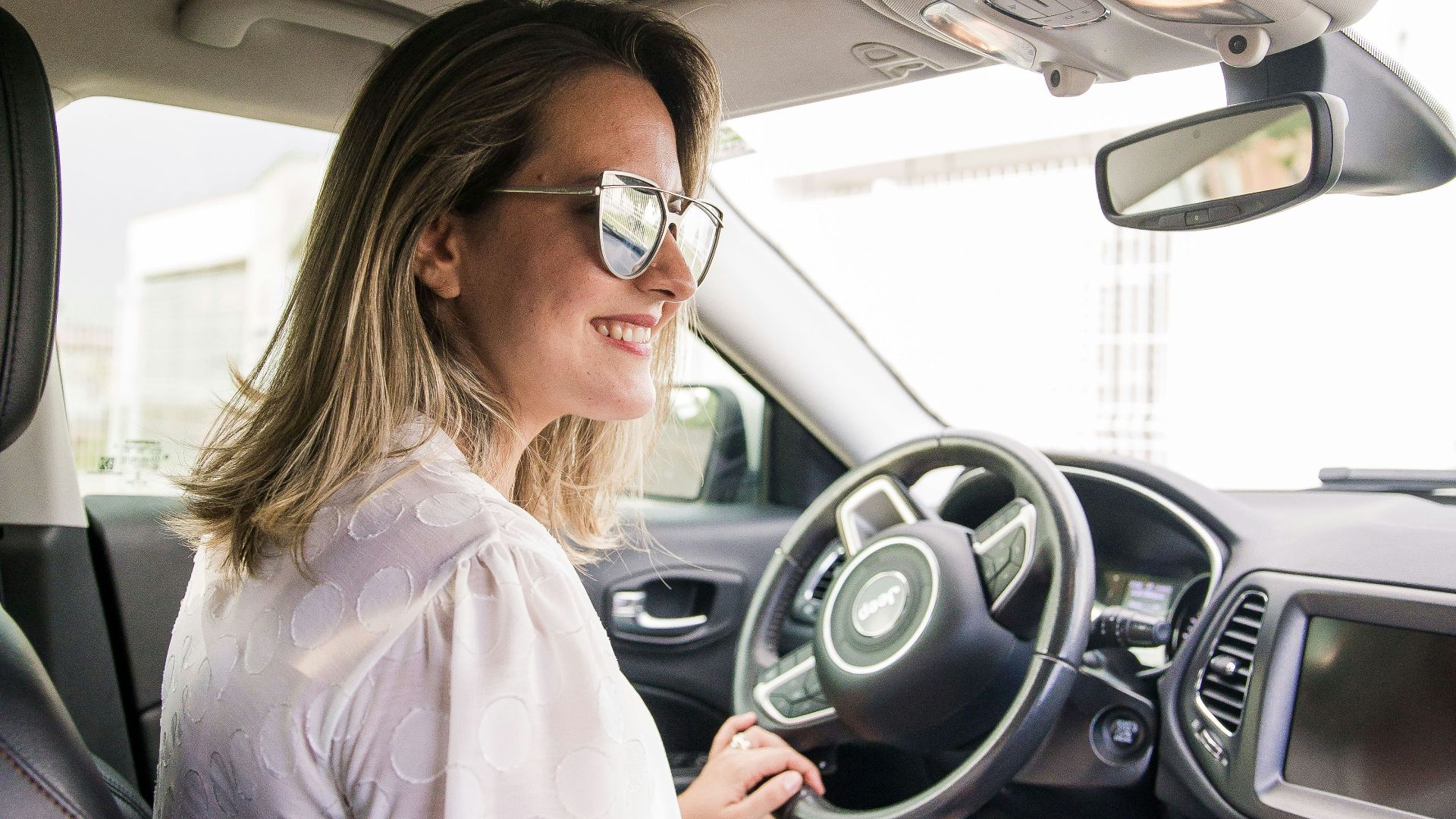
Modern systems use infrared cameras to improve recognition in darkness and varying lighting conditions. Even so, bright sunlight, heavy rain, snow, sunglasses, hats, or dramatic appearance changes can occasionally affect recognition speed or require another authentication method.

Backup Methods Remain
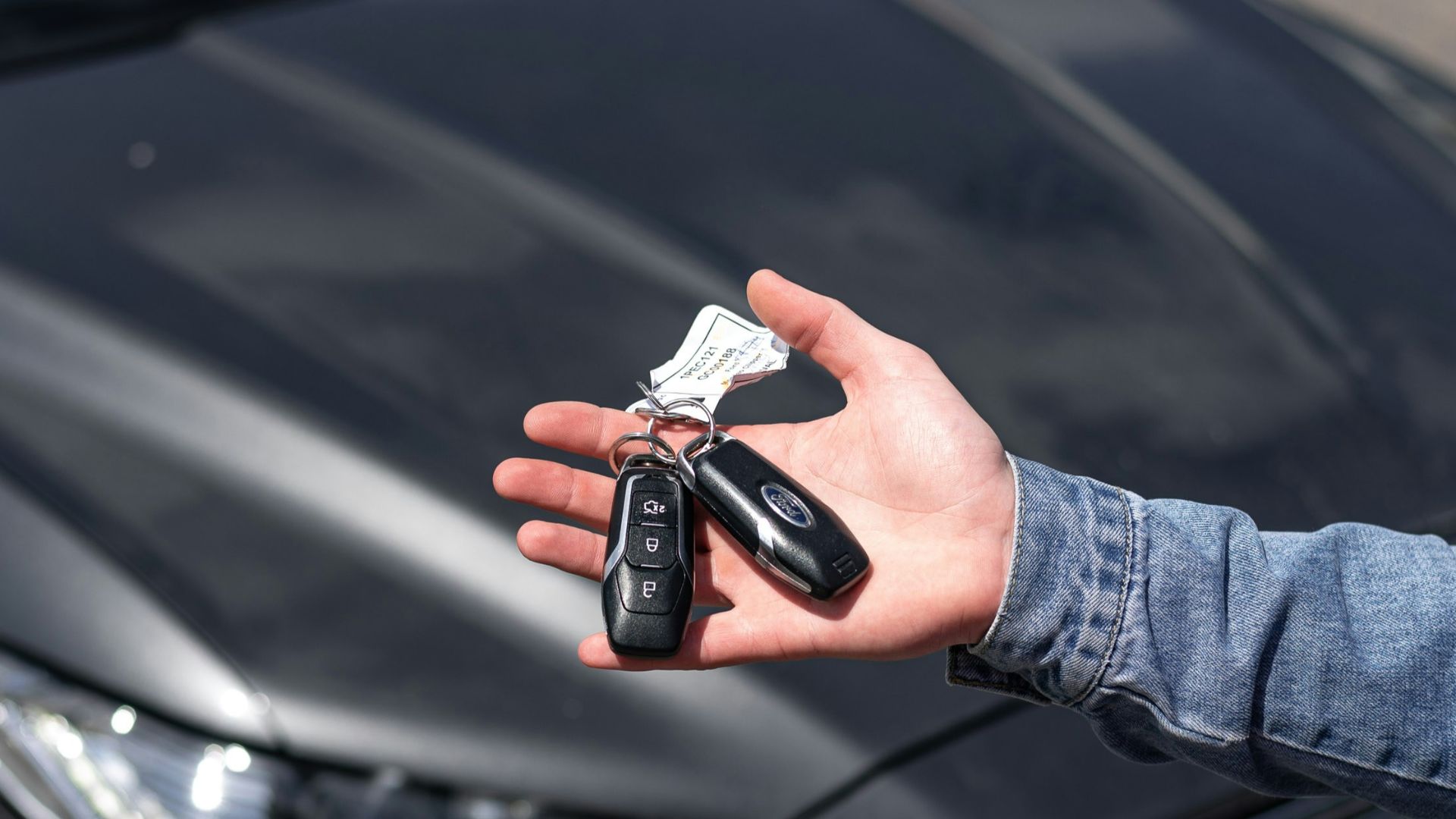
Manufacturers wisely include alternatives. Physical keys, smartphone digital keys, fingerprint readers, or traditional key fobs remain available when facial recognition cannot identify you. That redundancy keeps temporary recognition failures from leaving you stranded outside your own vehicle.
Reliability Still Varies
Many owners report that facial recognition works extremely well most of the time. Others occasionally encounter situations where the system recognizes them but still fails to unlock the doors, forcing them to rely on another access method.
Shared Profiles Confuse
Confusion often starts with driver profiles rather than facial recognition itself. Family members may accidentally overwrite seating positions, audio preferences, or navigation favorites if multiple digital access methods become associated with the wrong profile.
Borrowing Gets Awkward
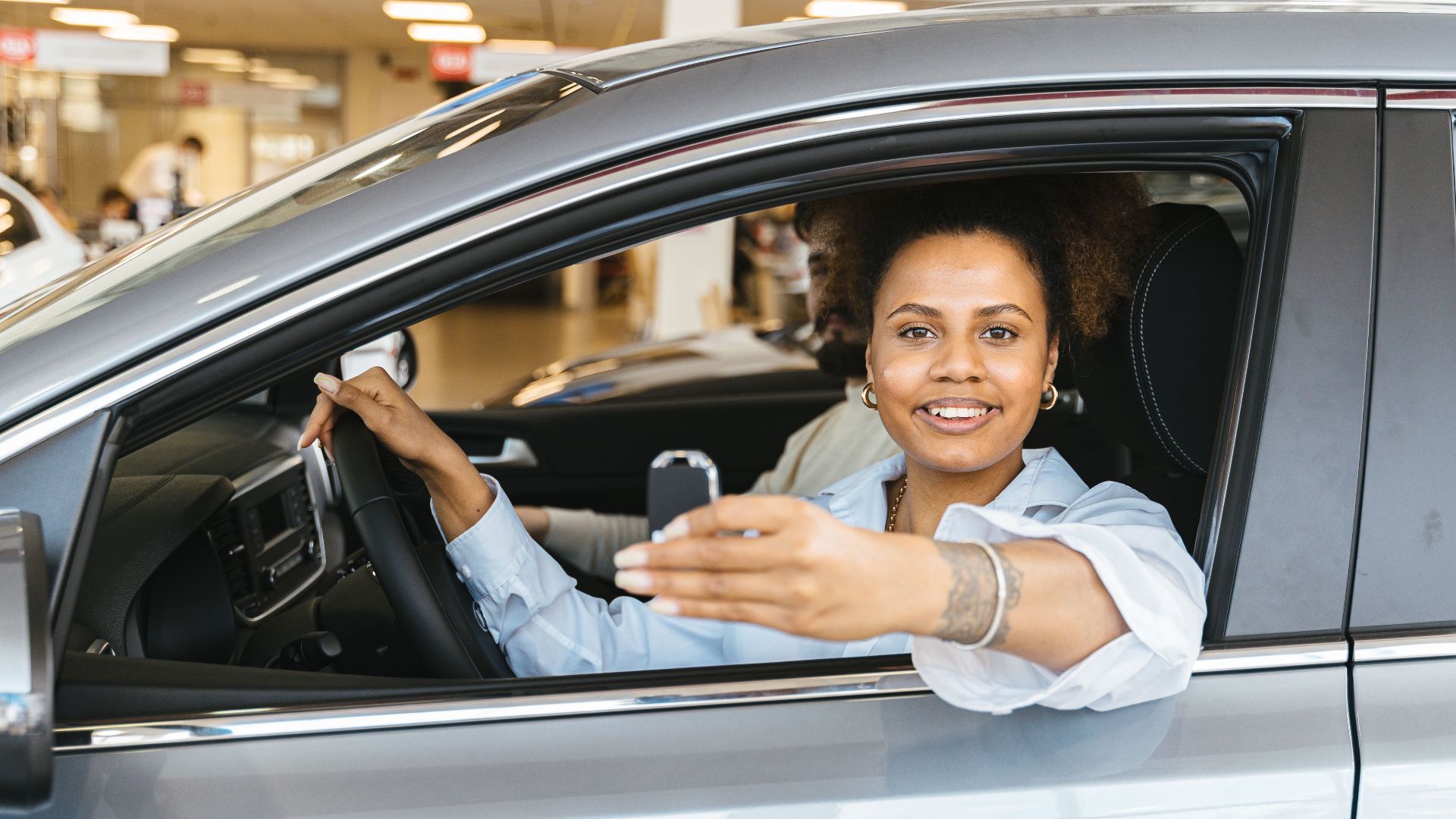
If you frequently lend your vehicle to relatives or trusted friends, facial recognition becomes less useful. You may hesitate to register occasional drivers, yet asking them to use temporary keys or guest access introduces another layer of complexity.
Privacy Questions
Unlike passwords, biometric information cannot simply be changed if compromised. Fortunately, automakers generally store encrypted biometric templates rather than ordinary photographs, but many buyers still wonder how their facial data is collected, protected, and eventually deleted.

Security Benefits
Properly implemented biometric systems can improve security by making unauthorized access more difficult than simply stealing a physical key. Combining facial recognition with fingerprint authentication or encrypted digital credentials creates several independent layers of protection.
Convenience Has Limits
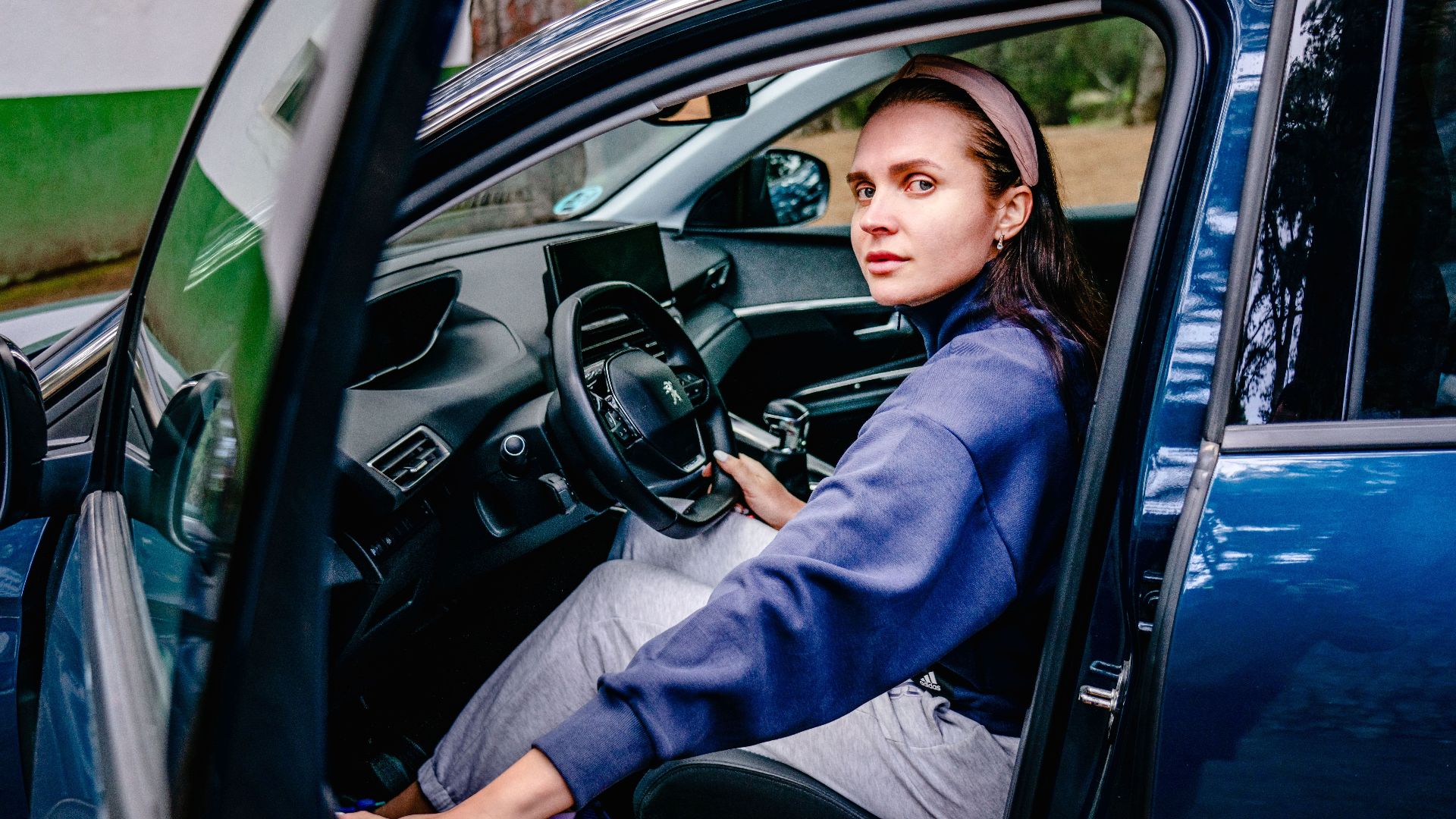
Facial recognition is wonderful when your hands are full of groceries or luggage. It is less impressive when you must repeatedly reposition yourself, remove sunglasses, or try another authentication method because the camera simply refuses to cooperate that particular day.

Software Evolves Fast
Like smartphones, modern vehicles increasingly depend upon software updates. Recognition performance, reliability, and user interface improvements may arrive long after you purchase the vehicle, meaning today's experience may improve substantially over the next several years.
Technology Changes At Lightning Speed
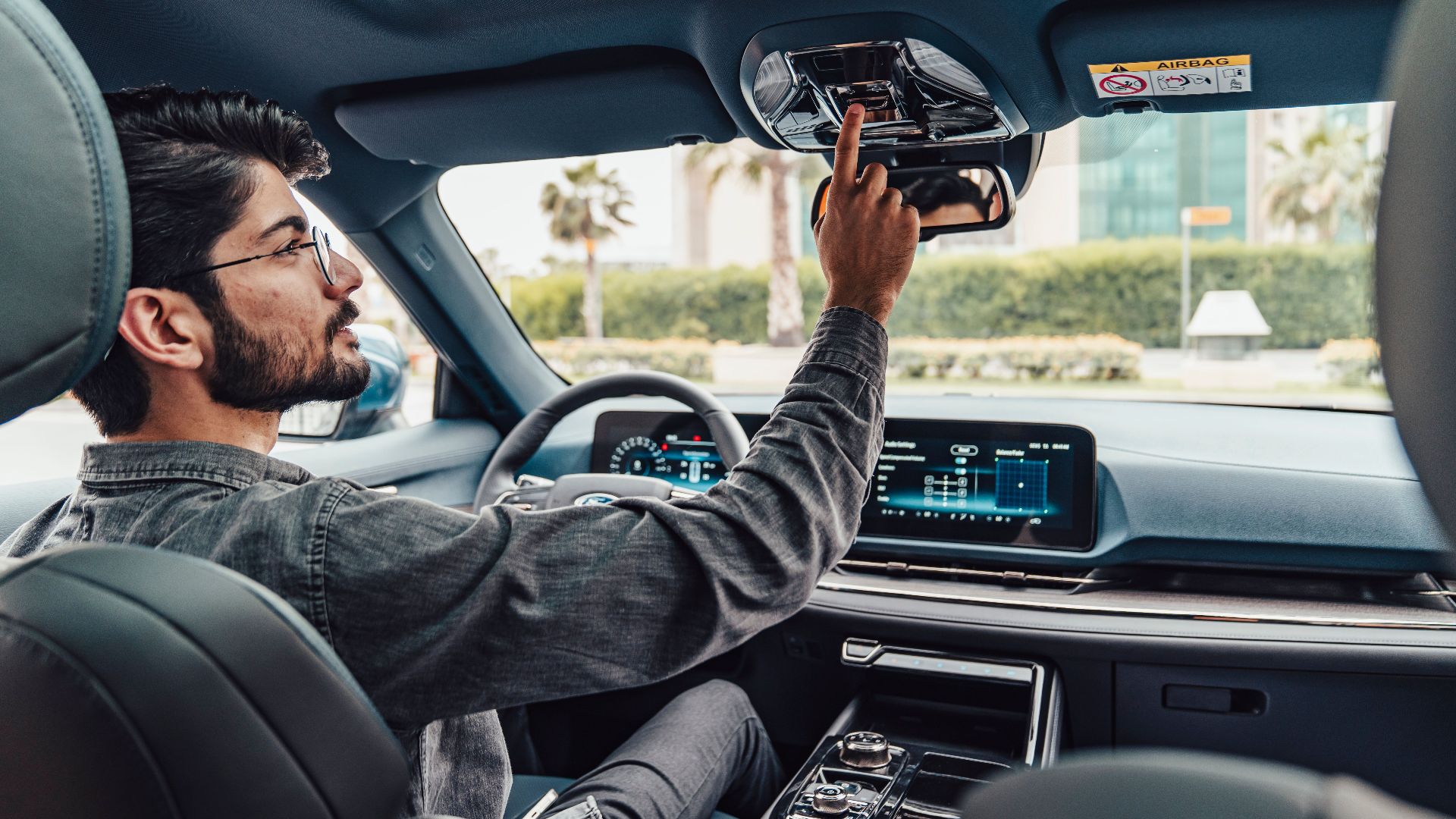
One interesting twist is that manufacturers sometimes reconsider experimental features. Even technologies that seem futuristic today can disappear in later model years if customers rarely use them or if simpler alternatives prove more practical.

Digital Keys Compete
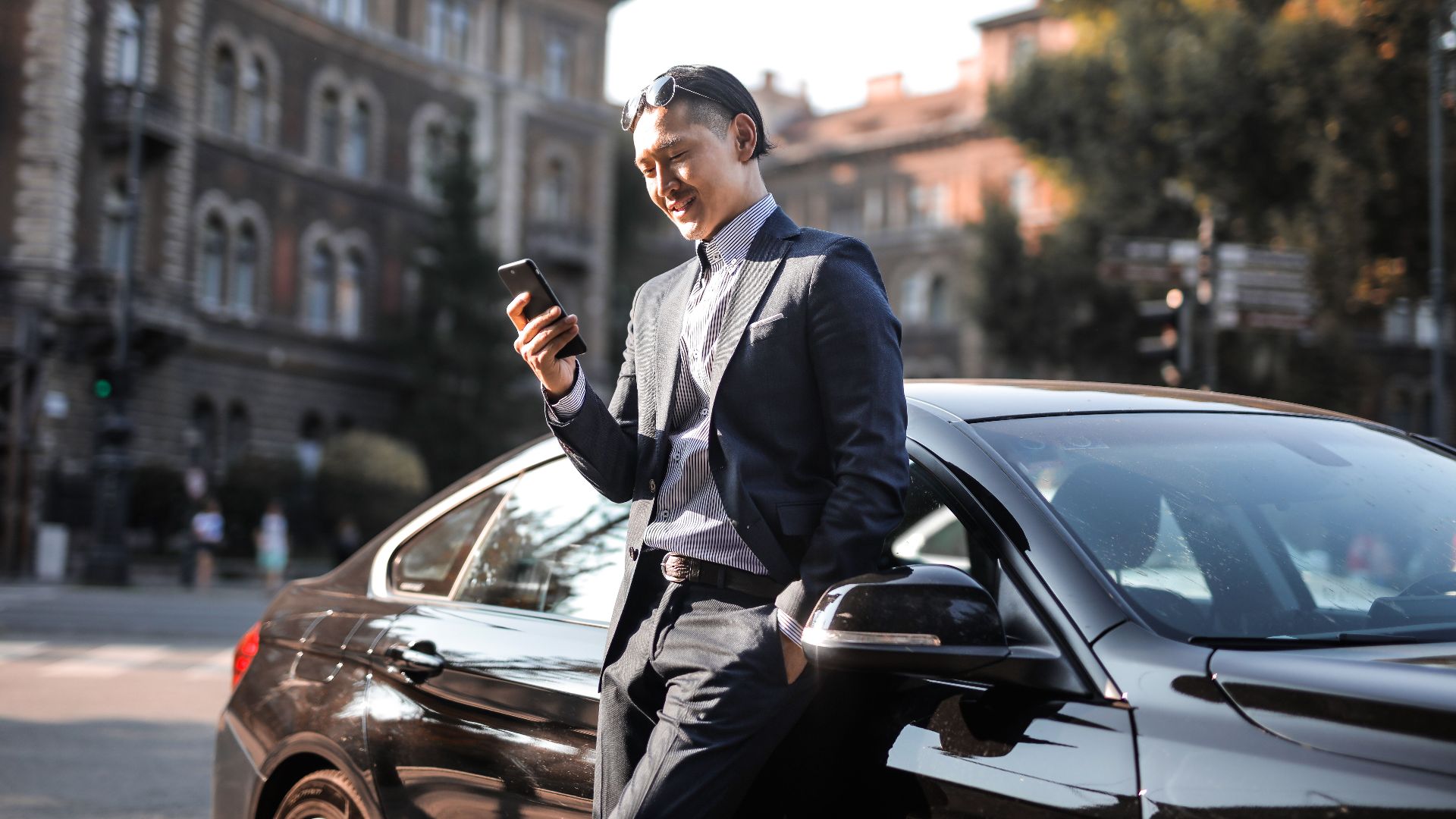
Many drivers find smartphone digital keys provide similar convenience without requiring cameras or biometric enrollment. Walking up with your phone can feel just as seamless while making temporary access easier to share with trusted family members.
Cost Vs Value
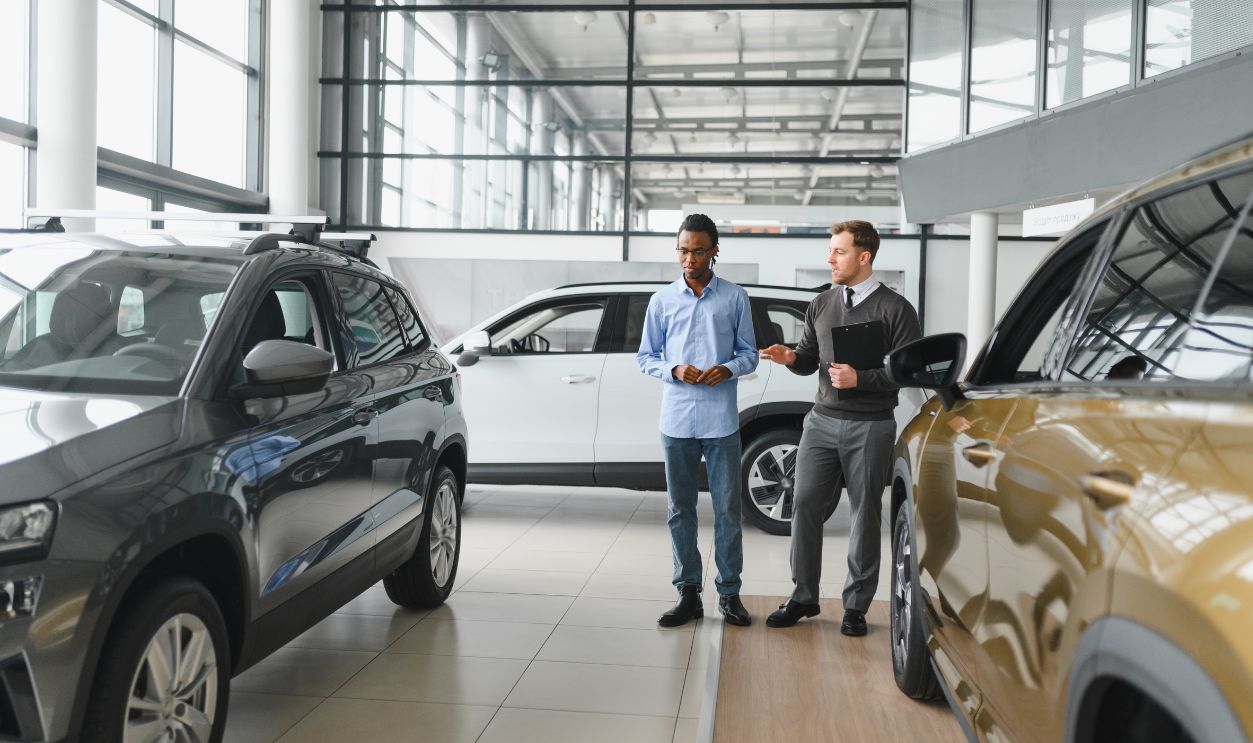
Facial recognition often appears on luxury vehicles where buyers already expect cutting edge technology. Whether it justifies paying thousands more depends upon how often you truly leave your key behind and how many people regularly share the vehicle.
 Hryshchyshen Serhii, Shutterstock
Travel Considerations
Road trips can expose unexpected complications. If one family member normally uses facial recognition while another relies on a smartphone key, switching drivers several times during a vacation may create unnecessary confusion until everyone understands the available authentication options.
Legal Questions
In the United States, facial recognition itself generally creates few legal concerns for private owners. However, questions about biometric privacy laws, data storage, software liability, and manufacturer responsibilities will likely grow as more vehicles adopt similar technology.

Future Improvements
Future systems will probably recognize drivers faster, adapt better to changing appearances, and integrate with cloud based driver profiles. Artificial intelligence may eventually distinguish between identical twins, aging faces, new hairstyles, and changing lighting with greater reliability.

Worth Buying?
If you usually drive alone, facial recognition can feel genuinely convenient. If several relatives regularly borrow your vehicle, its advantages shrink because profile management becomes another digital task competing for your attention rather than eliminating it.
Balance Convenience
Facial recognition is neither a gimmick nor a revolution. It represents another useful convenience feature that works best under the right circumstances. For many families, it will remain one helpful option among several ways to unlock and personalize a modern vehicle.

You May Also Like: