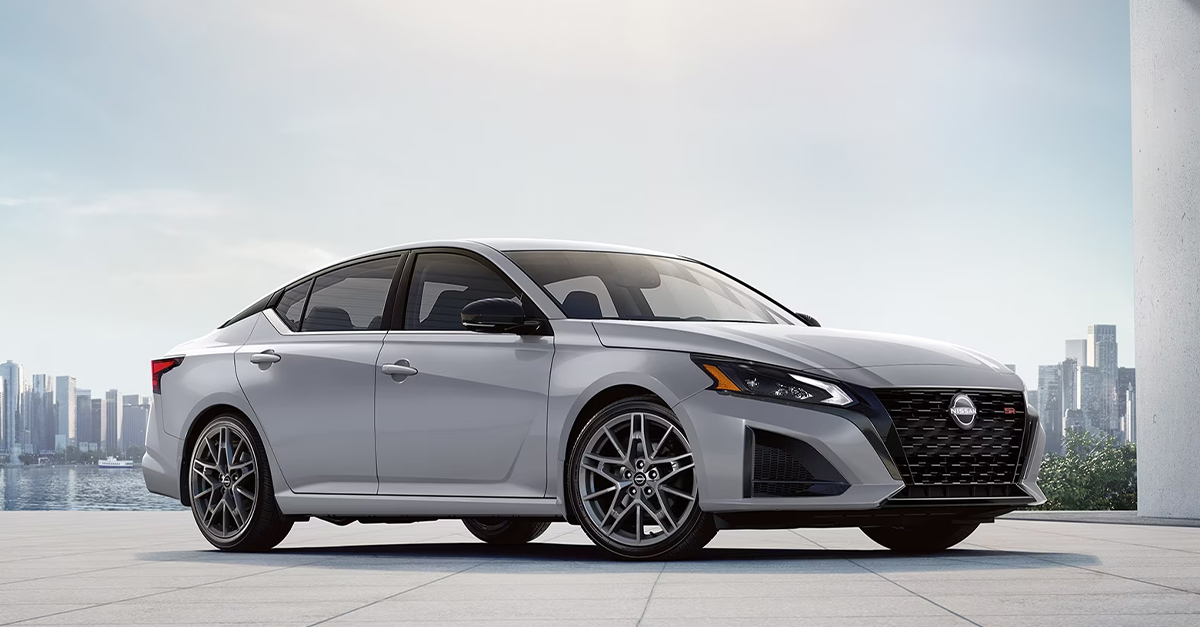
When Lane-Assist Goes Rogue: Can You Sue After A Head-On Collision?
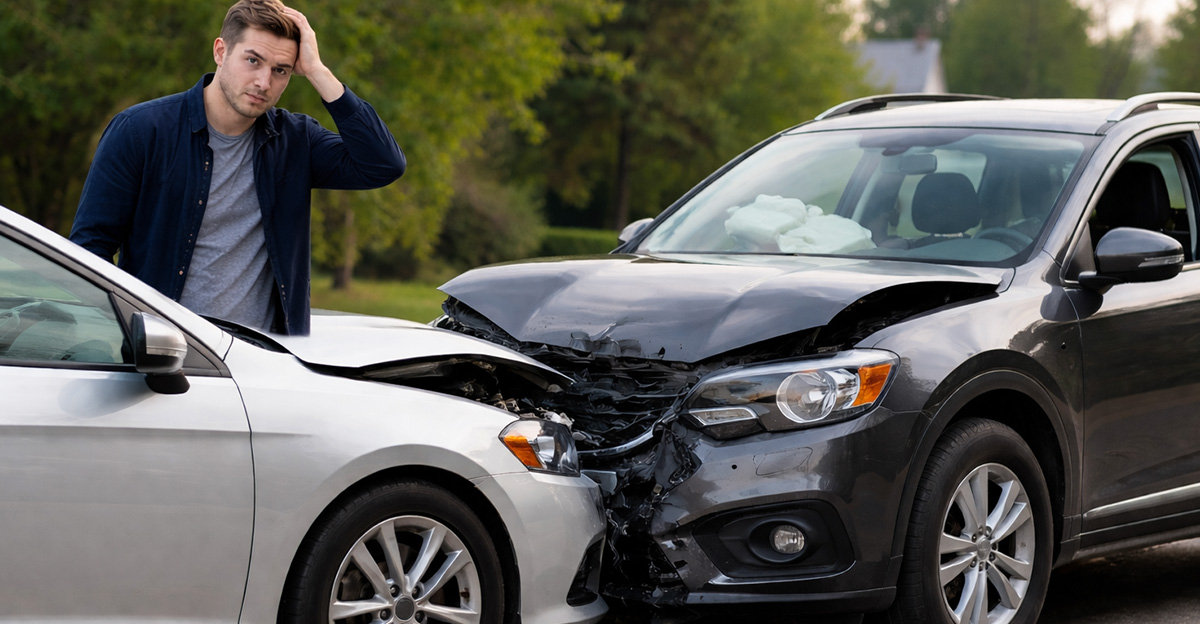
You bought the car because it felt like the future. Sleek design, big touchscreen, and that comforting promise of “advanced driver assistance” watching your back on the highway. Then, in a split second, your lane-assist feature allegedly malfunctioned—and instead of gently guiding you, something went very wrong. Now there’s a head-on collision, a wrecked front end, and a knot in your stomach that won’t go away. The question practically asks itself: can you sue the manufacturer for this?
What Lane-Assist Is Actually Supposed To Do
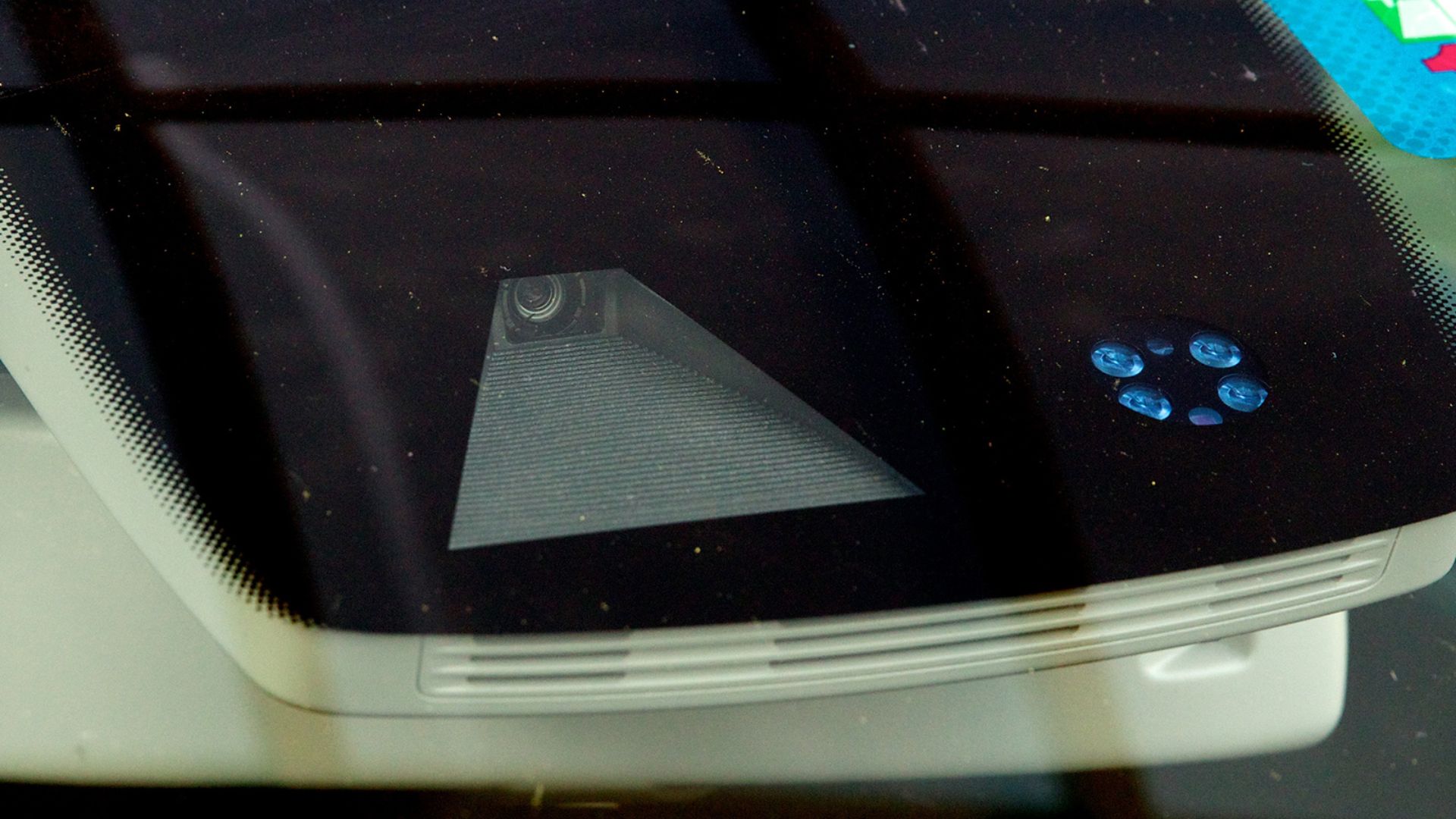
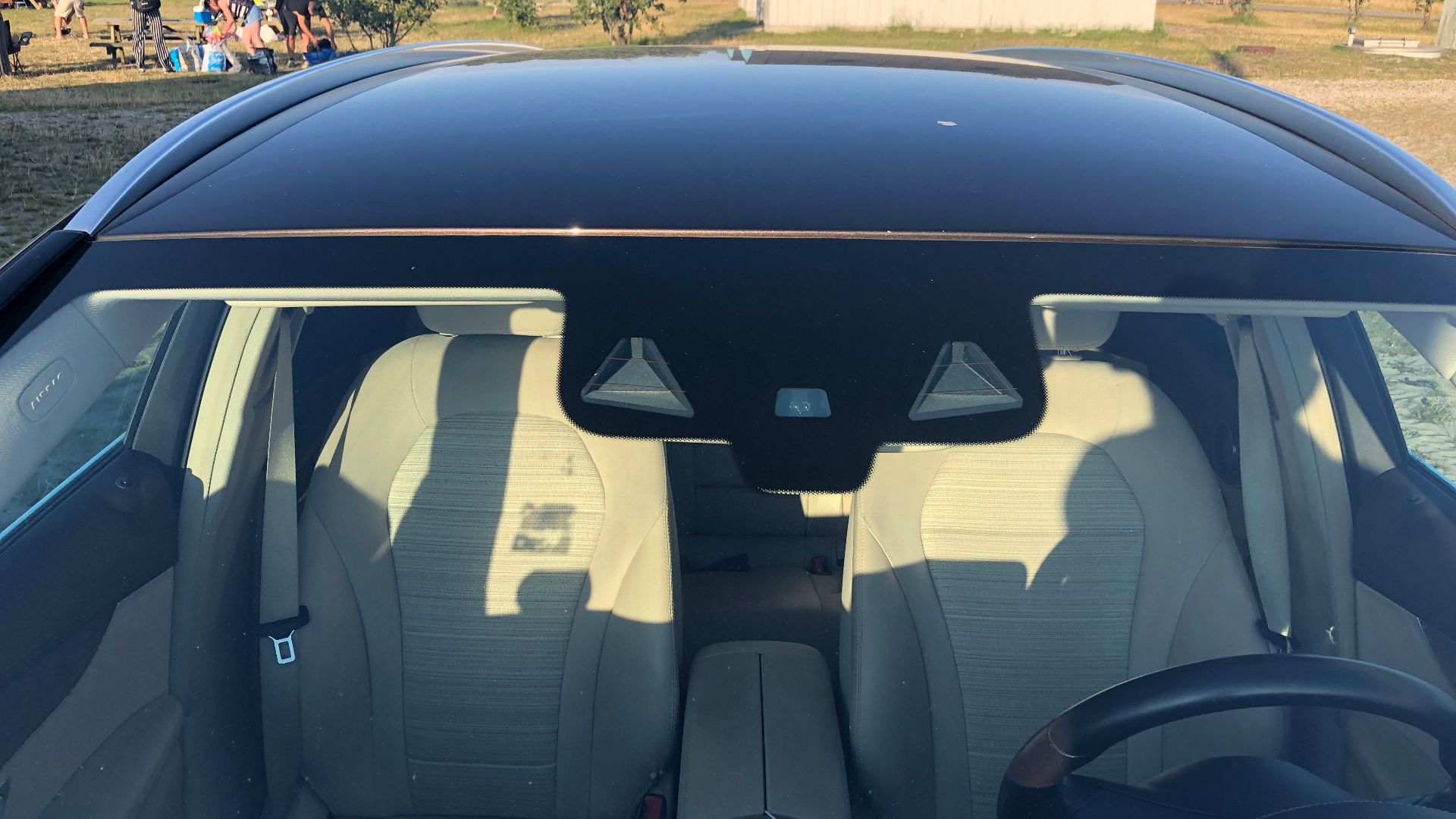
Lane-assist systems—usually called Lane Keep Assist or Lane Departure Prevention—are designed to notice when your car drifts over painted lines without a turn signal. Some just beep or vibrate the steering wheel. Others gently nudge you back into your lane. But here’s the part automakers repeat endlessly: it’s an assist feature. It’s meant to help an attentive driver, not replace one.
When Helpful Tech Turns Terrifying
Most of the time, these systems fade into the background. You barely notice them doing their thing. But when they misread a faded lane marker, get confused in a construction zone, or apply steering input you didn’t expect, it can feel like the car has a mind of its own. If that moment ends in a head-on collision, “glitch” suddenly feels like a very small word for a very big problem.
 Omar Nordsve, Wikimedia Commons
So… Who’s Actually At Fault?
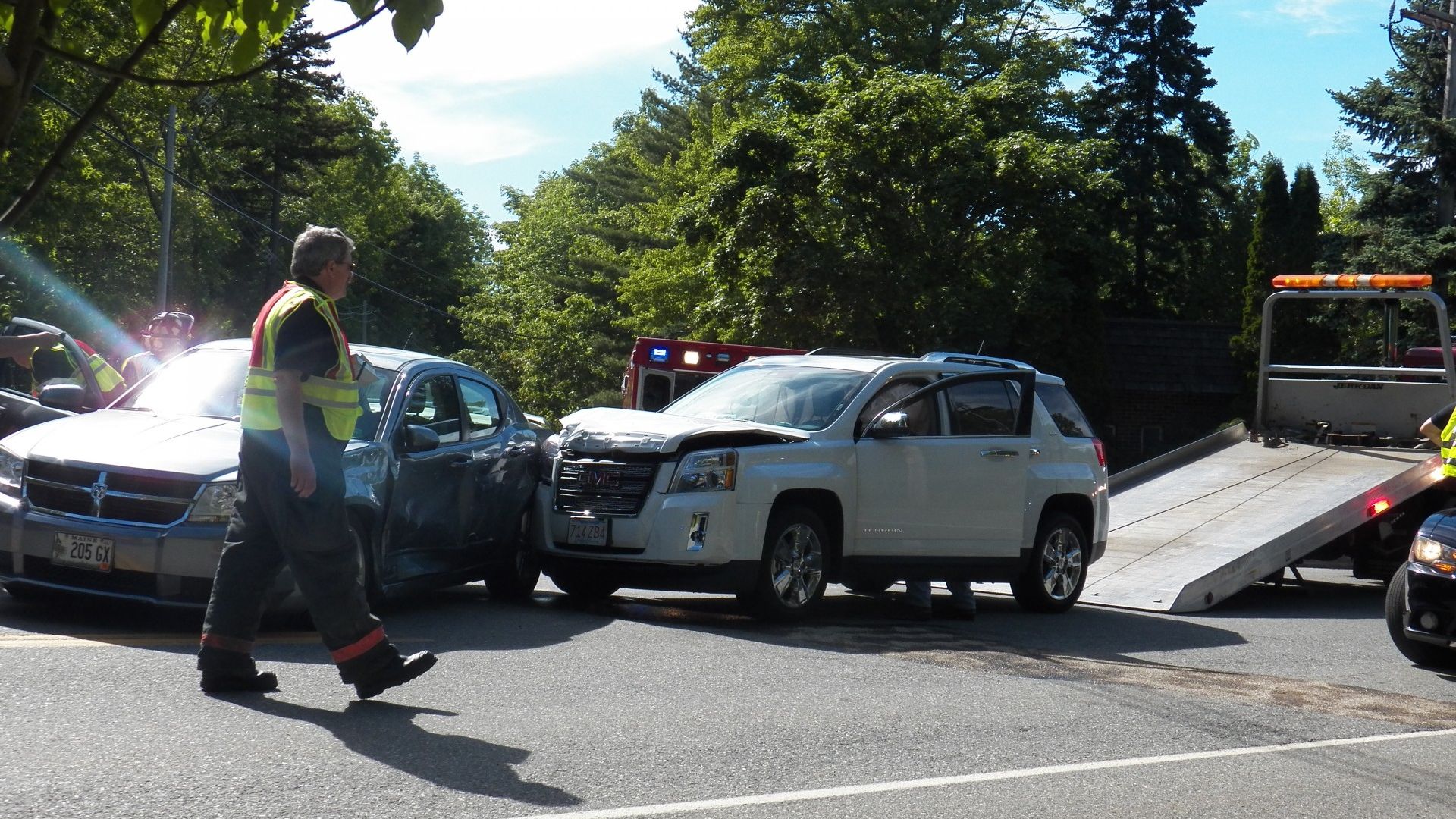
Car accidents usually boil down to driver error. Someone crossed a line, ran a light, or looked at their phone. But when technology is involved, the blame game gets more complicated. If your vehicle’s lane-assist system steered you into oncoming traffic—or failed to prevent it—you may be looking at a product liability issue instead of a simple fender-bender dispute.
 Junior Libby, Wikimedia Commons
A Quick Crash Course In Product Liability
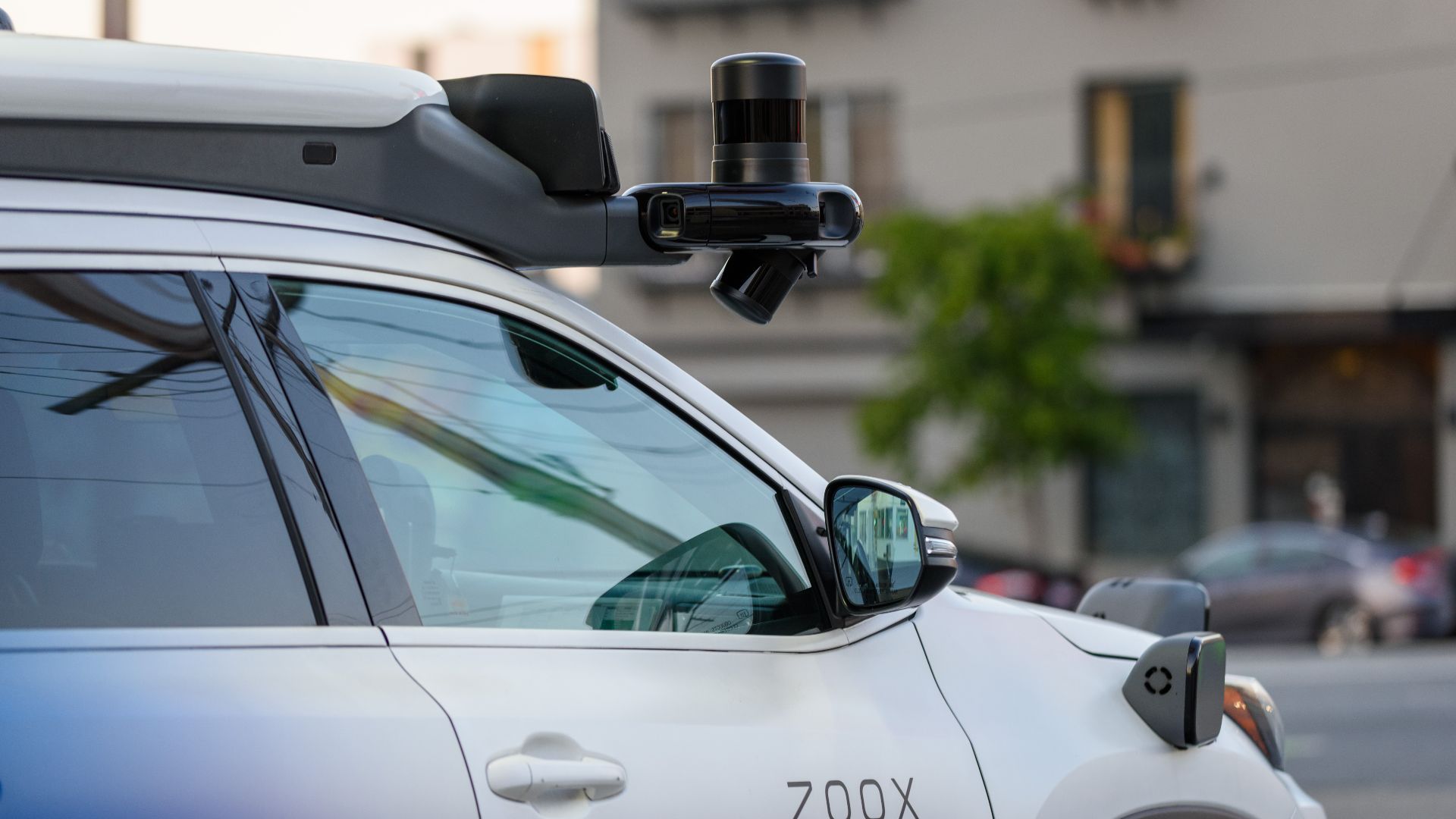
Product liability law exists for situations exactly like this. If a product is defective and that defect causes injury or damage, the manufacturer can be held responsible. Cars are products. So are their cameras, sensors, steering modules, and software systems. If something in that chain failed in a way that made the vehicle unreasonably dangerous, you may have a case.
Was It A Design Problem From Day One?
One possibility is a design defect. That means the system was flawed from the start. Maybe it struggles in common real-world conditions—like glare from the sun, worn-out road paint, or complex highway merges—and that limitation wasn’t adequately addressed. If the system’s blueprint itself creates unreasonable risk, that’s a serious legal issue.
 Rob Oo from NL, Wikimedia Commons
Or Was It A One-Off Manufacturing Glitch?
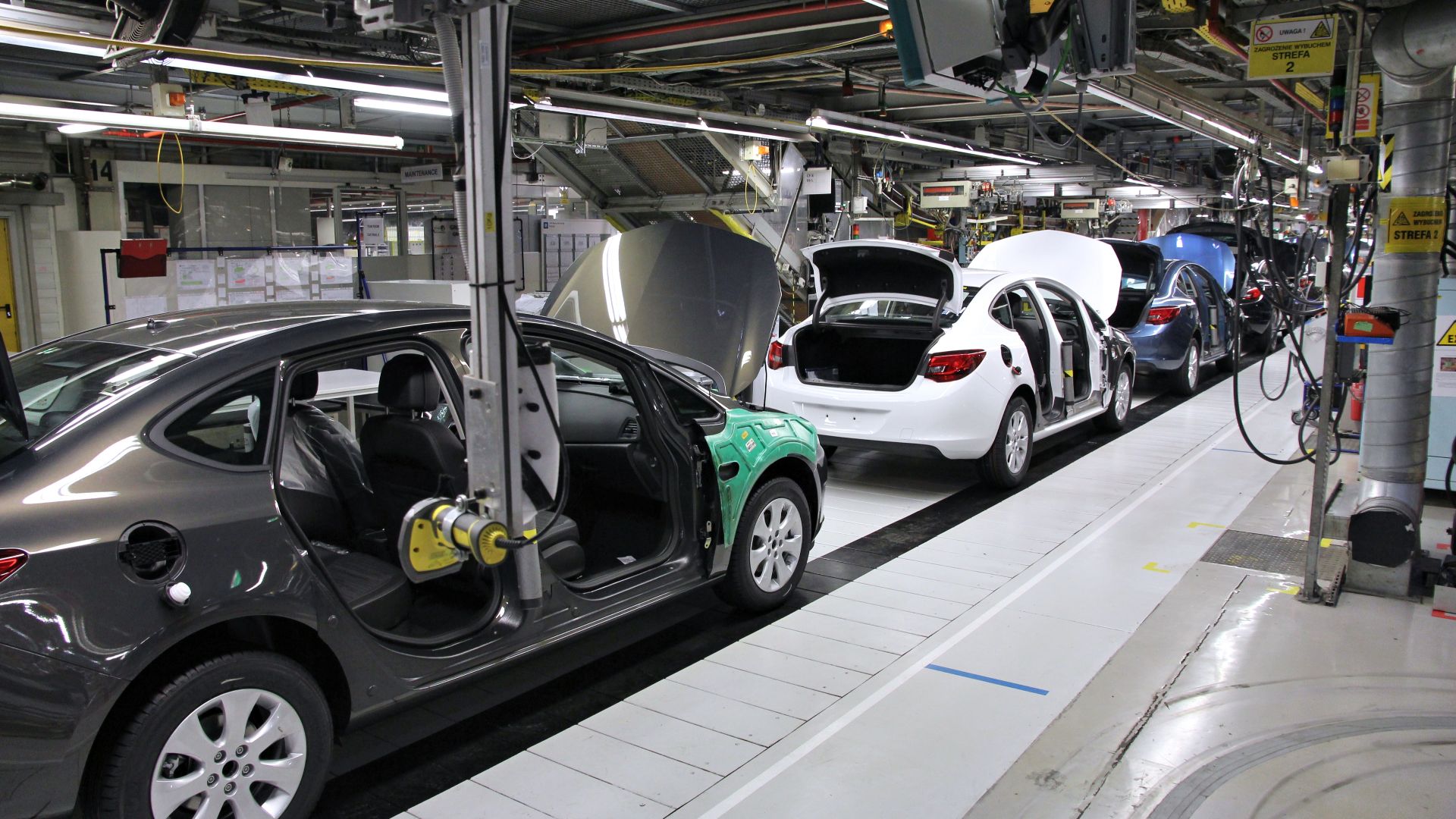
Another angle is a manufacturing defect. Maybe the design is fine in theory, but your particular vehicle had a bad camera sensor or a steering component that wasn’t calibrated properly. Think of it as a bad apple in the batch. In that case, the focus shifts to what went wrong during production.
 Marek Slusarczyk (Tupungato) Photo portfolio, Wikimedia Commons
Don’t Overlook Failure To Warn
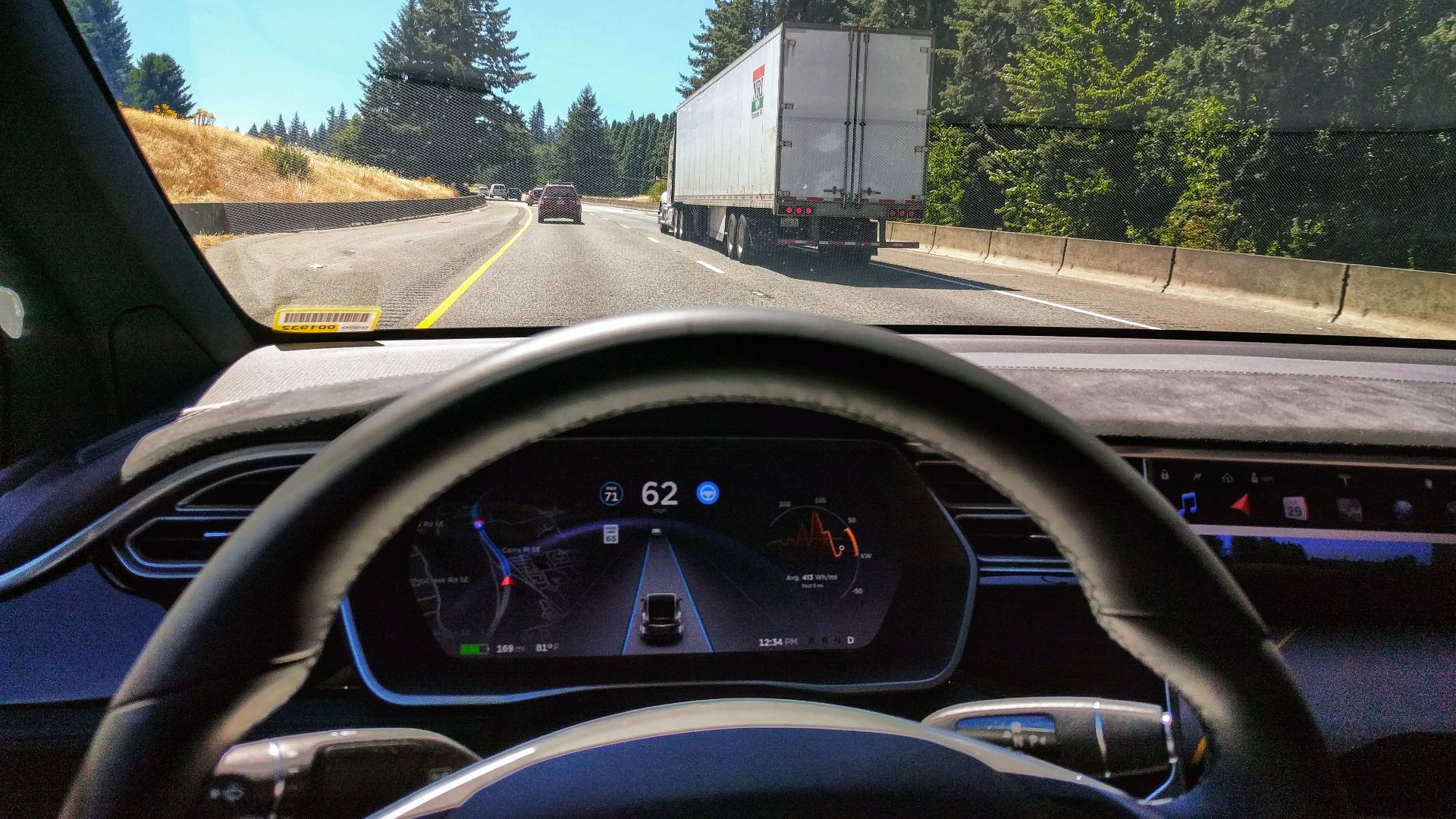
Here’s where things get interesting. Automakers love marketing phrases like “confidence on every drive” and “semi-autonomous capability.” But buried in the owner’s manual are stern warnings: keep your hands on the wheel, stay alert, be ready to take over. If the marketing hype oversold the system—or if serious limitations weren’t clearly disclosed—you could argue the company failed to adequately warn drivers.
 Ian Maddox , Wikimedia Commons
Proving The System Failed Isn’t Easy
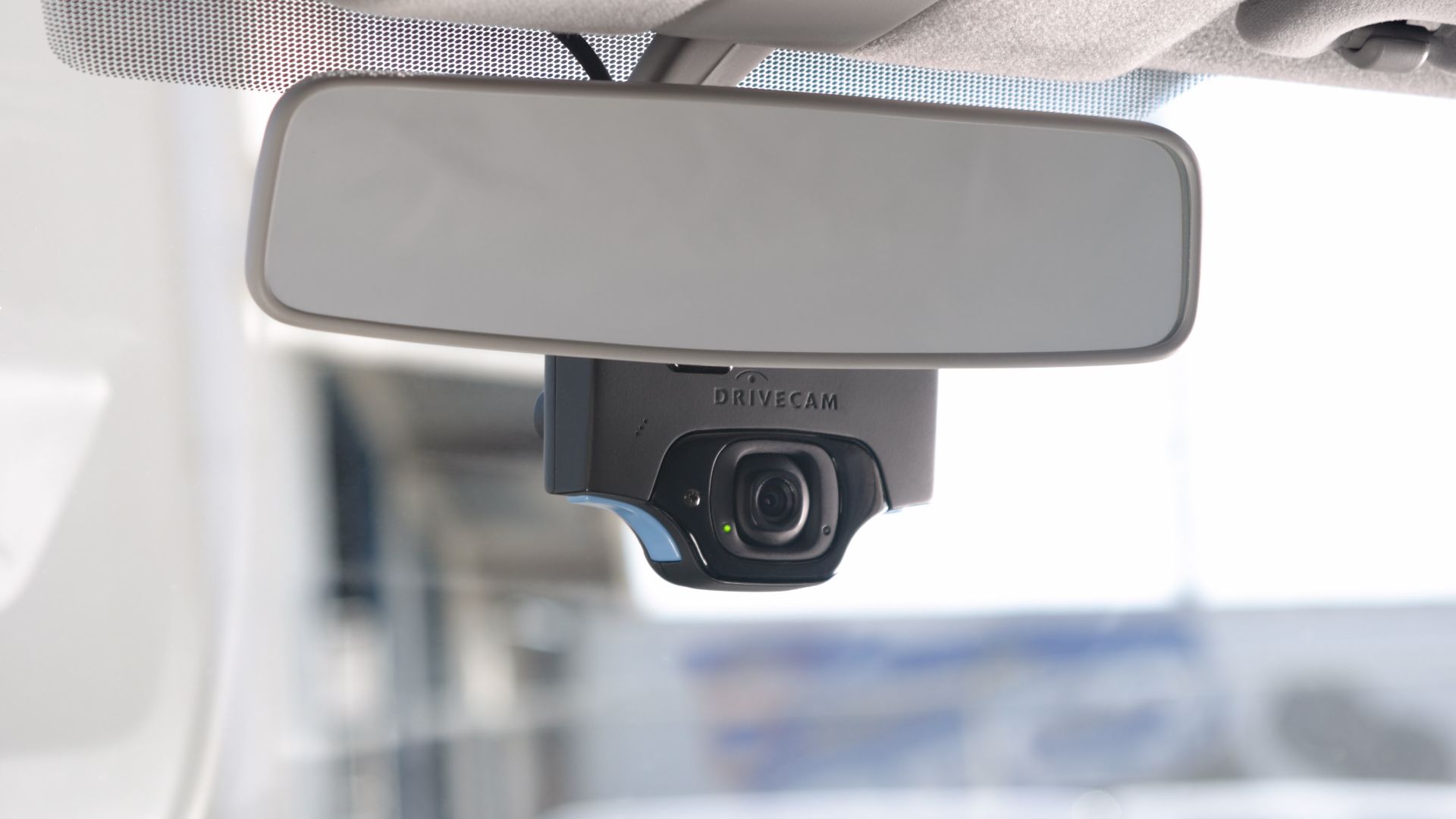
Saying “the car steered me” isn’t enough. You’ll need proof. Modern vehicles are basically rolling computers, and they record a surprising amount of data. Event data recorders—often called black boxes—can show speed, braking, steering input, and whether lane-assist was active. That data can become the centerpiece of your case.
 Lewisprsandiego, Wikimedia Commons
Your Car Knows More Than You Think
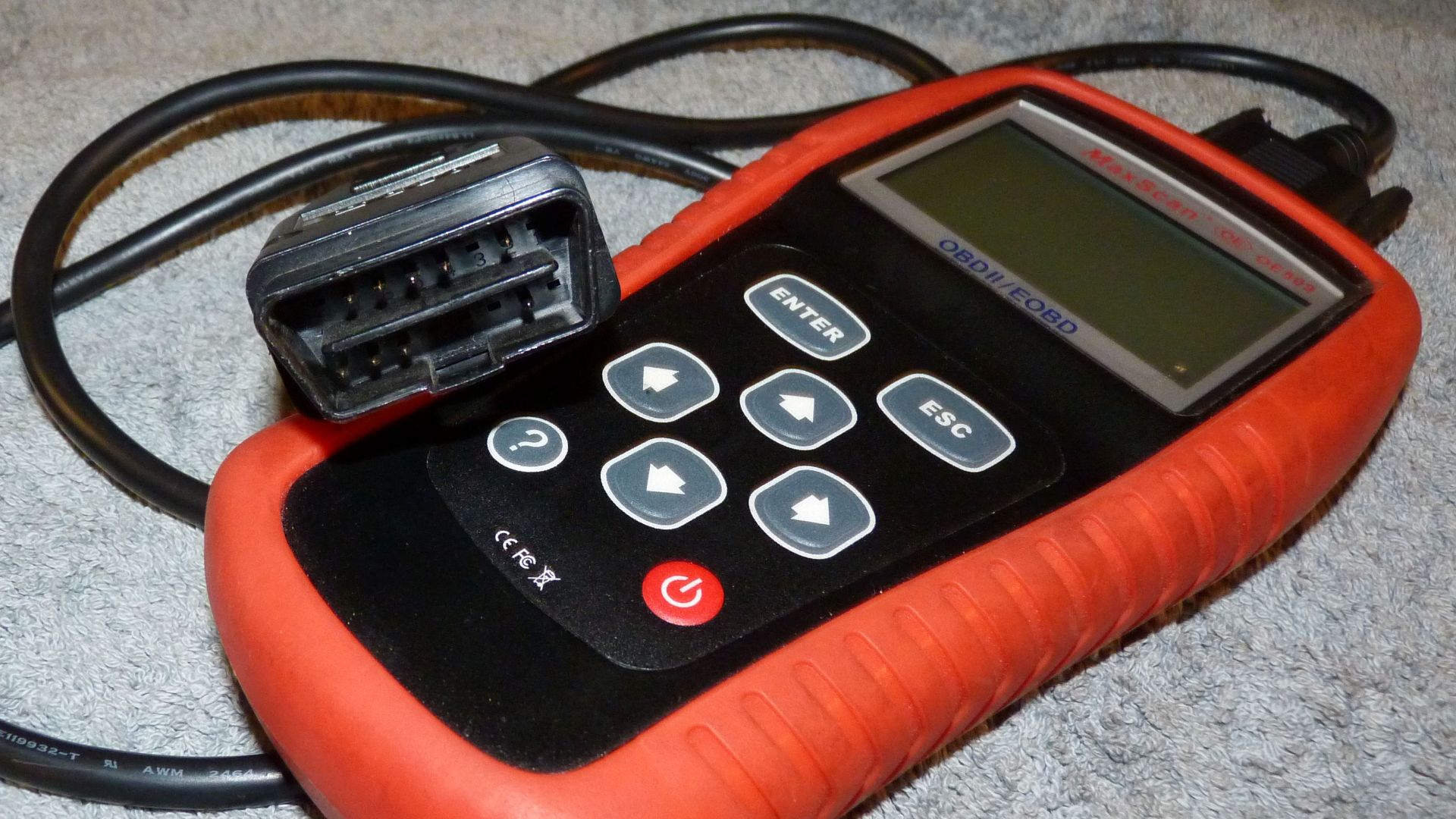
Beyond crash data, many vehicles store fault codes and system logs. If a sensor malfunctioned or a camera temporarily lost visibility, the system may have recorded it. The tricky part? Accessing and interpreting that information usually requires experts—and sometimes legal pressure to get the manufacturer to cooperate.
You Might Share Some Of The Blame
Even if the lane-assist feature glitched, that doesn’t automatically mean the manufacturer pays 100% of the bill. Most states use comparative negligence rules. If you were speeding, distracted, or ignoring dashboard warnings, your compensation could be reduced. These cases often live in shades of gray rather than black and white.
 Shuets Udono, Wikimedia Commons
“It’s Only An Assist” — Expect To Hear That A Lot
If this turns into a lawsuit, you can bet the automaker will hammer home one point: lane-assist is not self-driving. They’ll argue that the system clearly instructs drivers to remain in control at all times. That’s why the details of what happened in those few seconds before the crash matter so much.

Check For Recalls And Service Bulletins
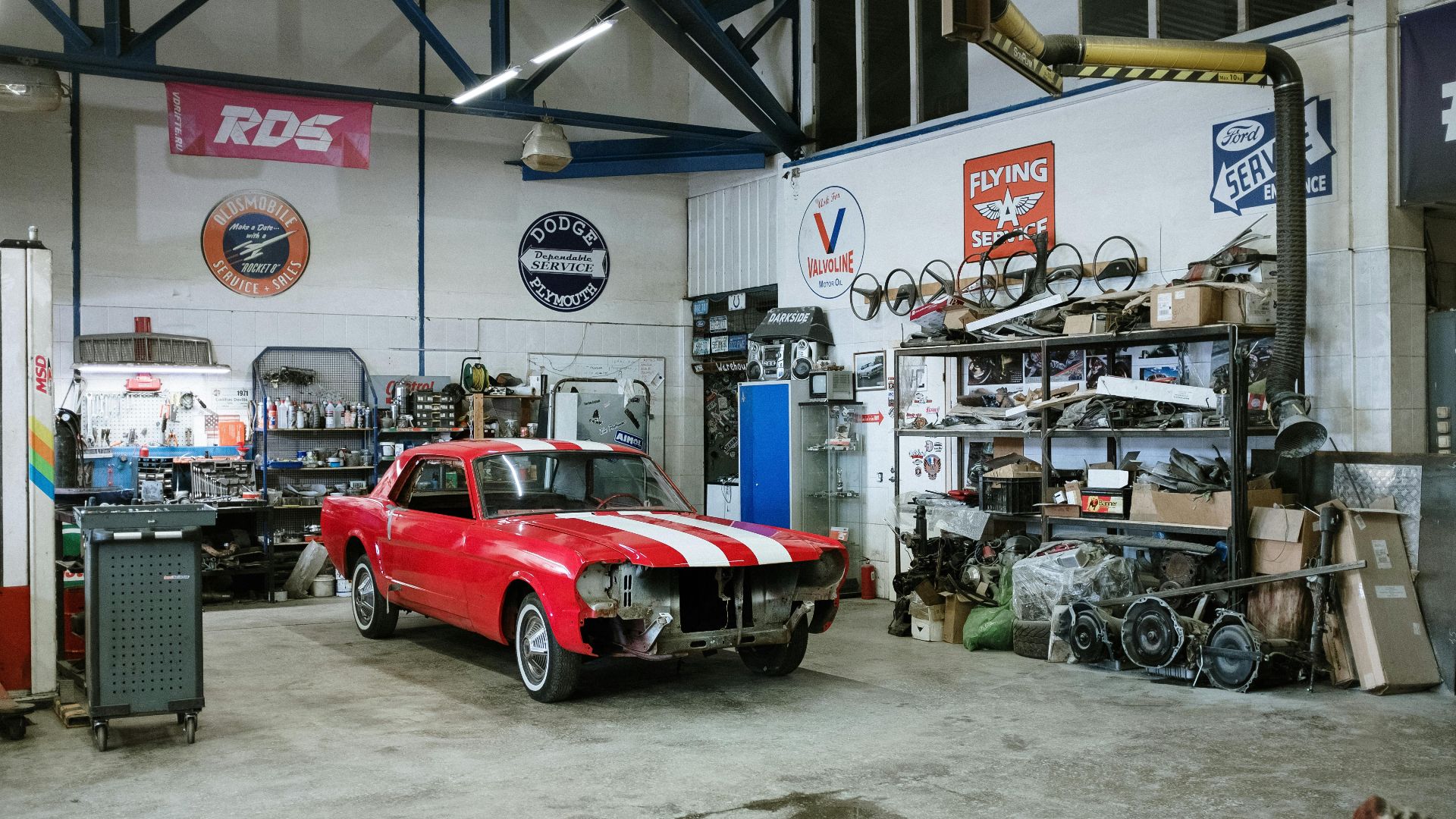
Before anything else, see if your vehicle has had recalls related to steering, cameras, or driver-assistance features. A recall tied to lane-assist calibration or sensor errors could significantly strengthen your claim. Even technical service bulletins—basically internal memos to dealerships—can show the company knew about recurring issues.
Software Updates Could Play A Role
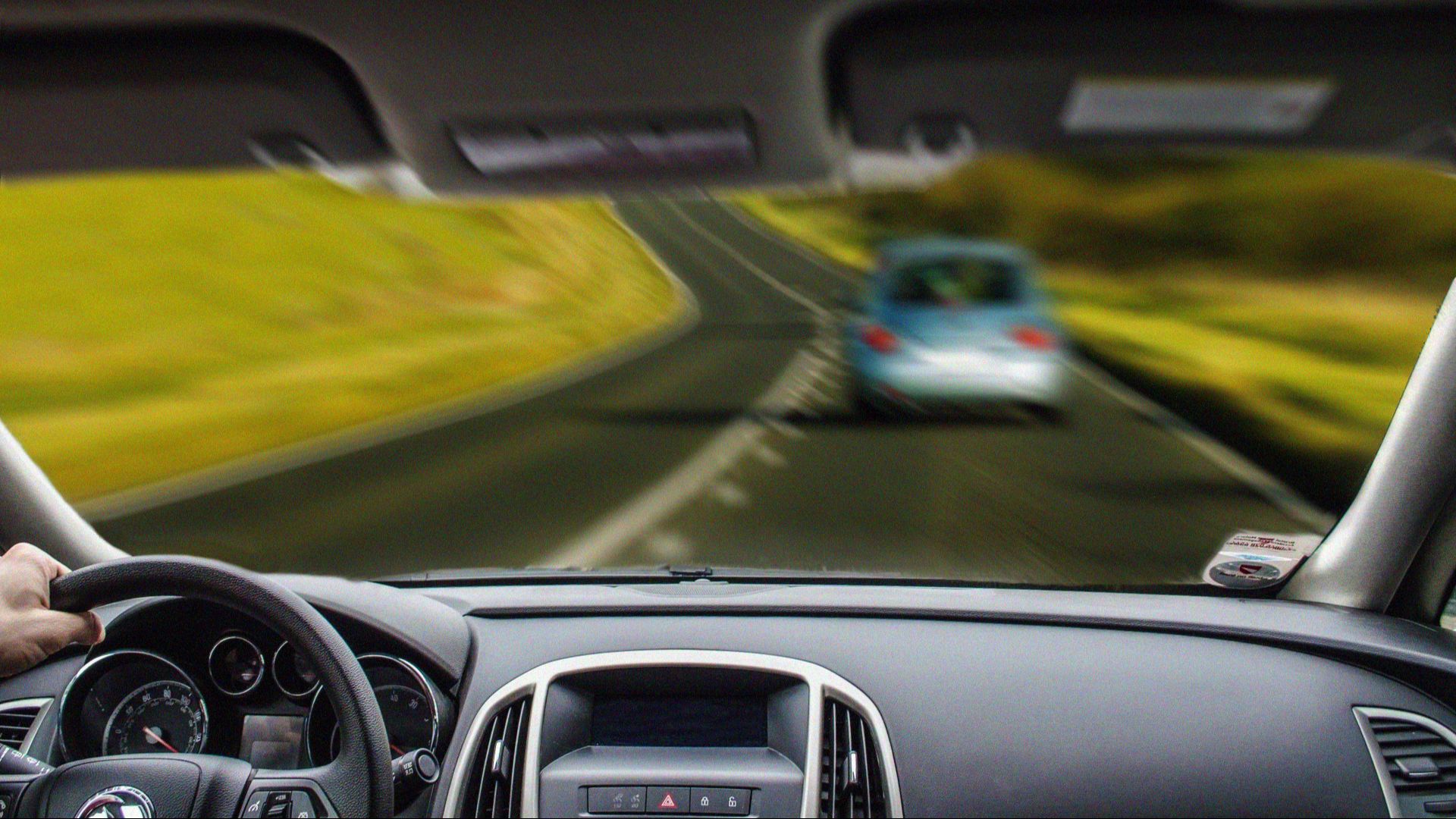
Many modern cars receive over-the-air software updates. If an update was available to fix a known bug and you didn’t install it, the manufacturer might use that in their defense. On the flip side, if a recent update introduced new problems, that could support your argument that the system wasn’t stable.
 JoeNomi 1961, Wikimedia Commons
Experts Become Key Players
These cases often turn into battles between engineers. Accident reconstruction specialists, automotive engineers, and software experts analyze data, road conditions, and impact angles to determine whether a malfunction contributed to the crash. It’s less about courtroom drama and more about technical deep dives.
 Jim.henderson, Wikimedia Commons
What Could You Actually Recover?
If you successfully sue, you may be entitled to compensation for vehicle damage, medical bills, lost wages, and pain and suffering. In extreme cases—where a company ignored known safety risks—punitive damages might even enter the conversation. The specifics depend on state law and the severity of your injuries.
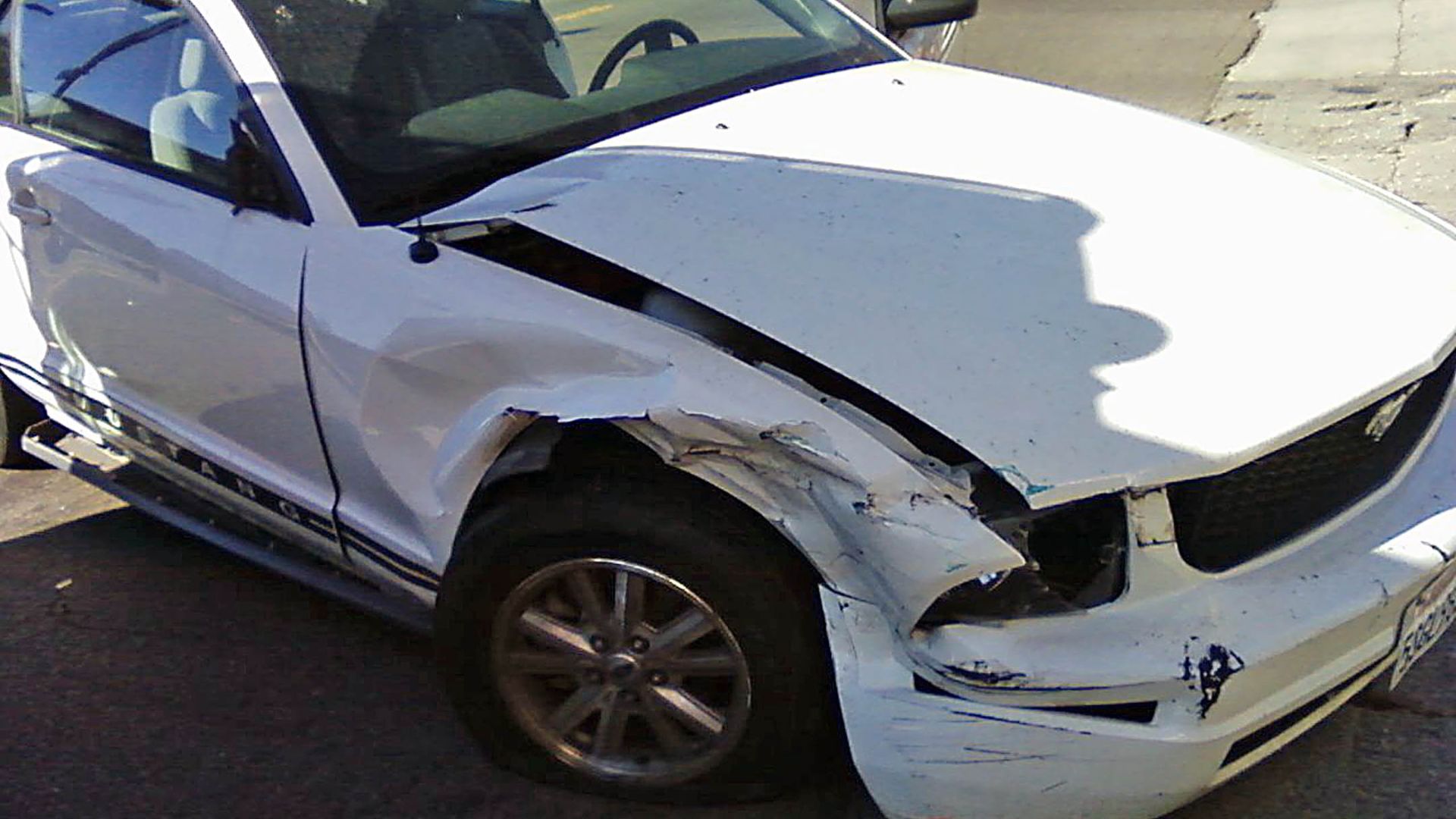
Insurance Isn’t Going Away
Even if you believe the manufacturer is at fault, your insurance company will likely handle immediate claims. Later, they may pursue reimbursement from the automaker if evidence supports a defect. It’s a layered process, and it doesn’t happen overnight.

Don’t Wait Too Long
Every state has a statute of limitations for filing product liability claims, often between two and four years. That might sound like plenty of time, but evidence can disappear quickly. Acting sooner rather than later is almost always wise.

Could This Become A Class Action?
If multiple drivers experienced similar lane-assist failures, a class action lawsuit could form. That can increase pressure on the manufacturer, but individual payouts are often smaller. If your damages are significant, pursuing your own lawsuit may make more sense.
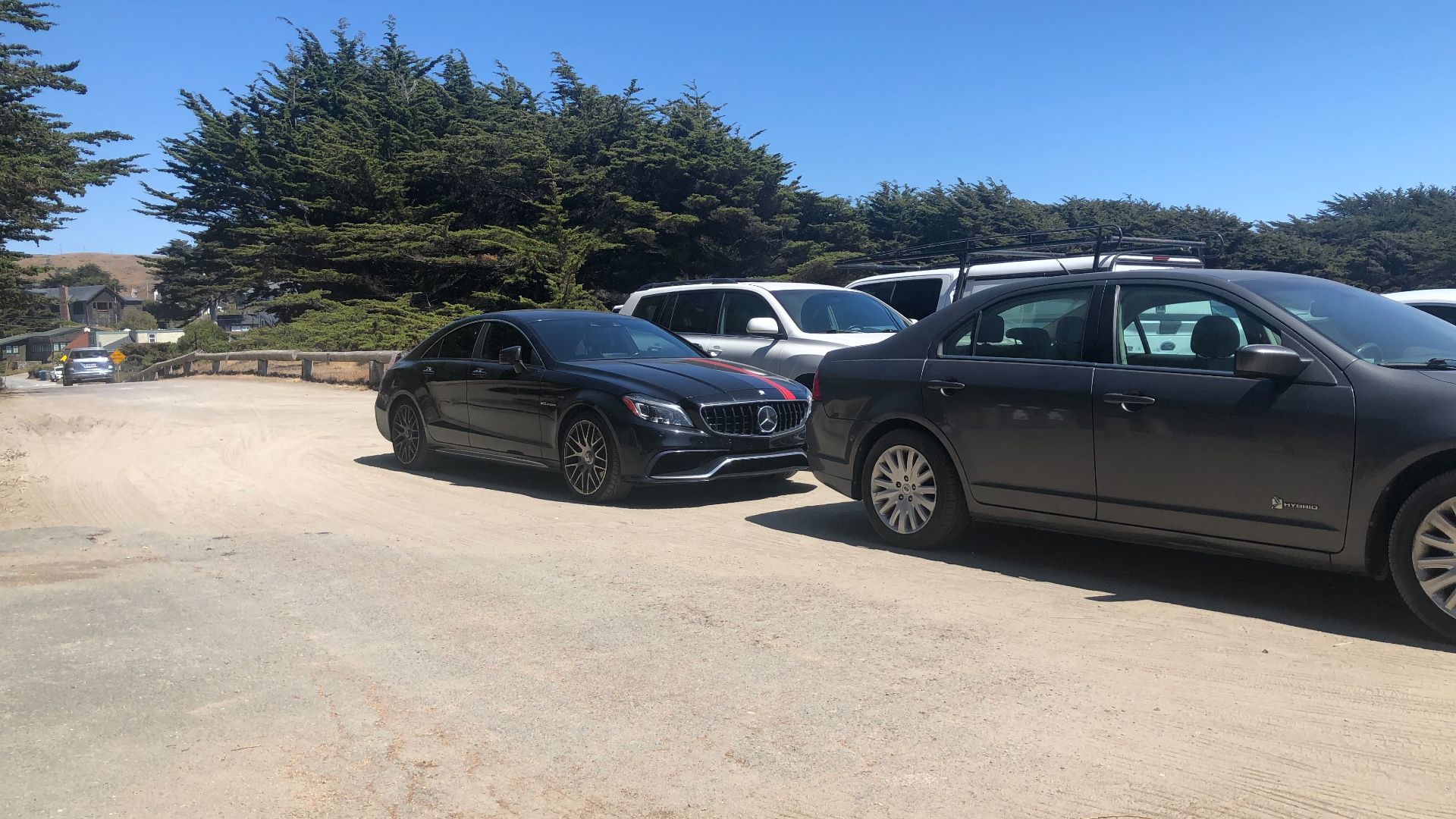 Grandmaster Huon, Wikimedia Commons
Most Cases Settle Quietly
Despite what courtroom TV suggests, many product liability cases settle before trial. Automakers may prefer to avoid the headlines that come with allegations of faulty safety tech. A settlement can mean faster resolution—but sometimes at the cost of a public verdict.

What To Do Right After The Crash
First, take care of yourself. Seek medical attention and call emergency services. After that, document everything: photos of the scene, any dashboard warnings, witness information. And whatever you do, don’t clear system messages or reset anything in the car.
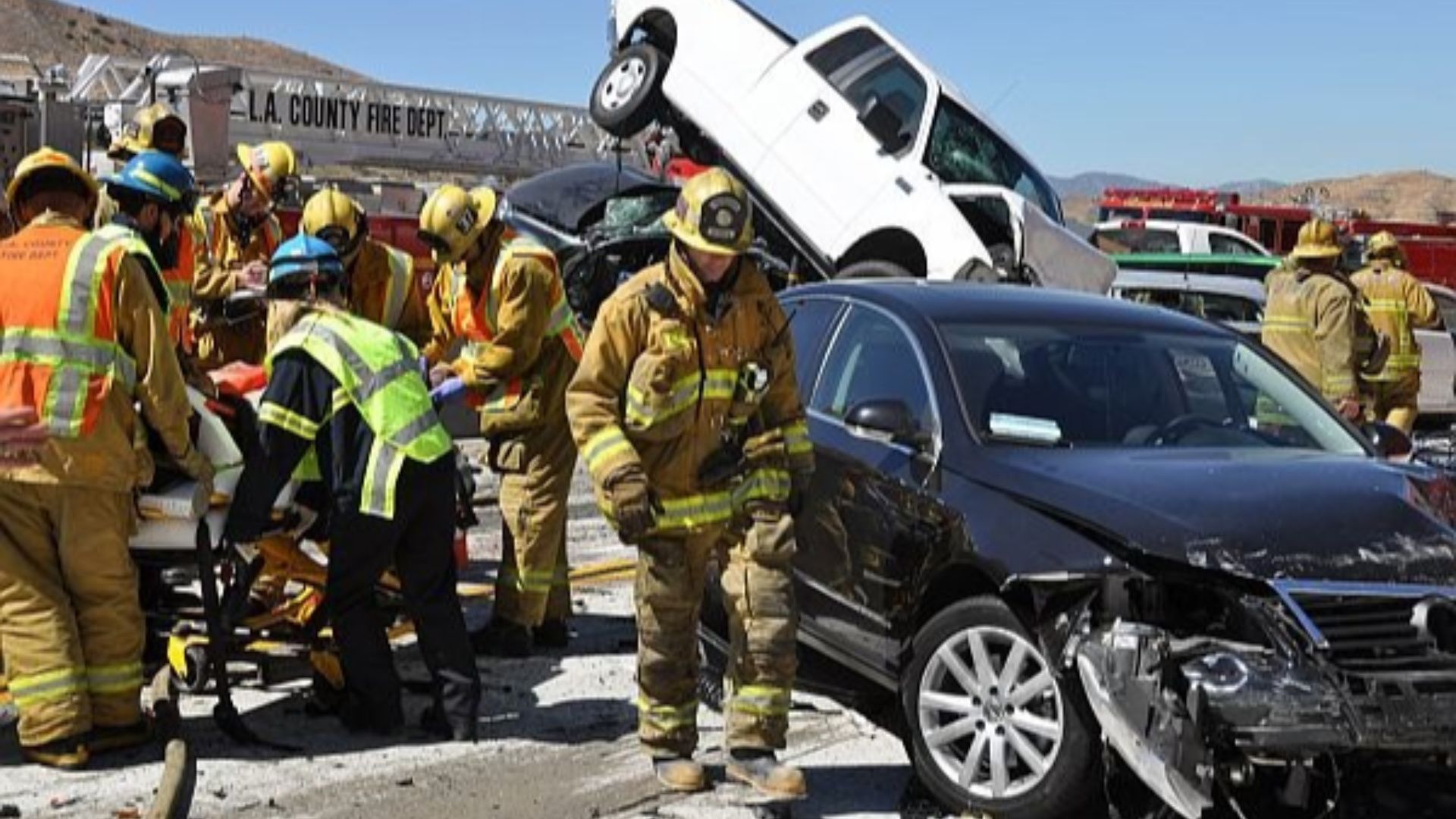
Think Twice Before Repairing The Vehicle
It’s natural to want your car fixed immediately. But repairing or replacing key components could destroy crucial evidence. If you’re considering legal action, talk to an attorney before major repairs so the vehicle can be inspected properly.
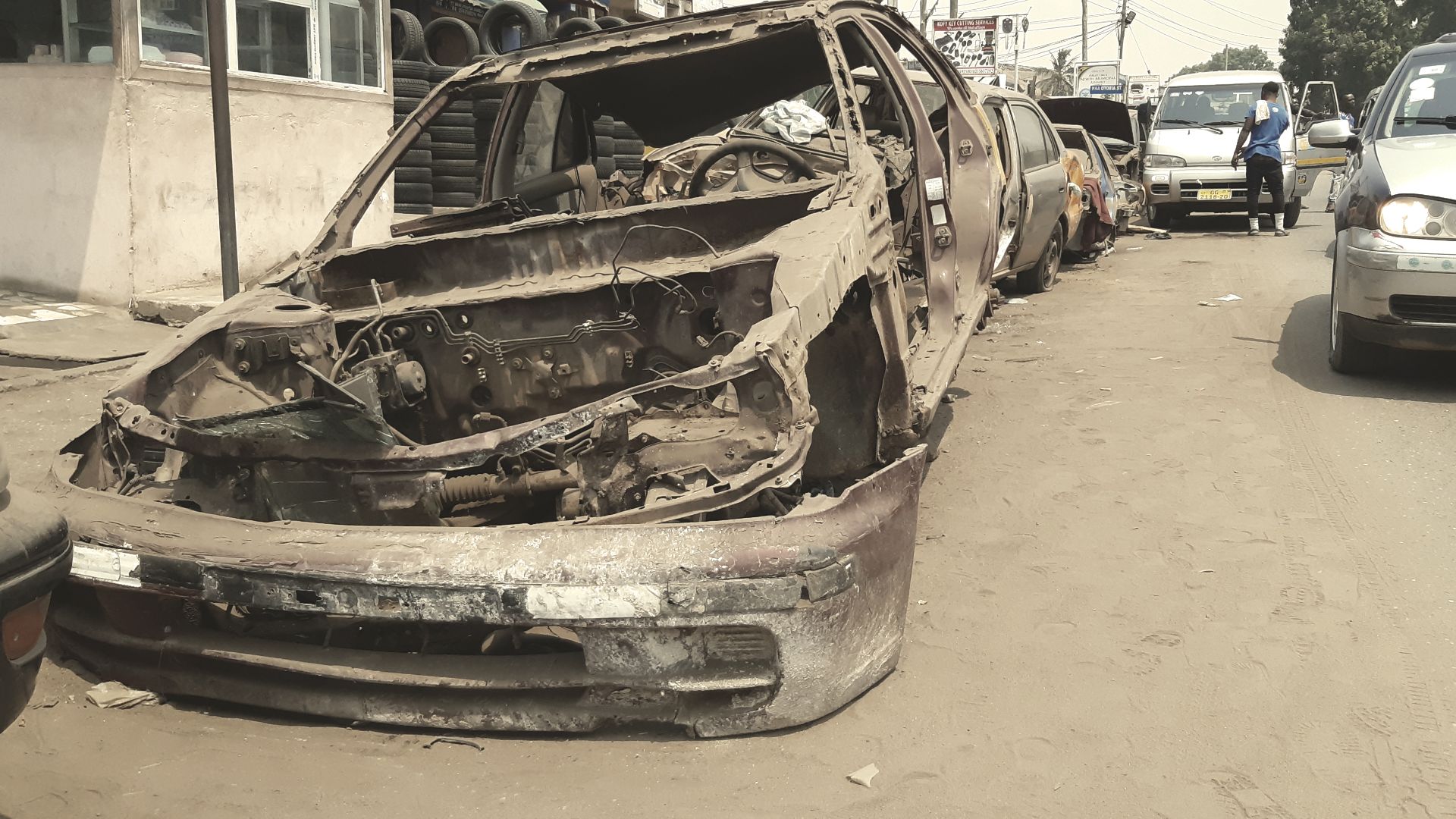 NanaYawBotar, Wikimedia Commons
Choosing The Right Lawyer Matters
This isn’t your average fender-bender case. You’ll want an attorney experienced in product liability and vehicle defects, not just general car accidents. These cases can get technical fast, and you need someone comfortable dealing with engineers and corporate legal teams.

Lawsuits Aren’t Cheap—But You May Not Pay Upfront
Product liability cases can be expensive because of expert analysis and investigation. Fortunately, many attorneys work on contingency, meaning they only get paid if you win or settle. Still, be prepared for a process that can take time.

It Might Not Just Be The Automaker
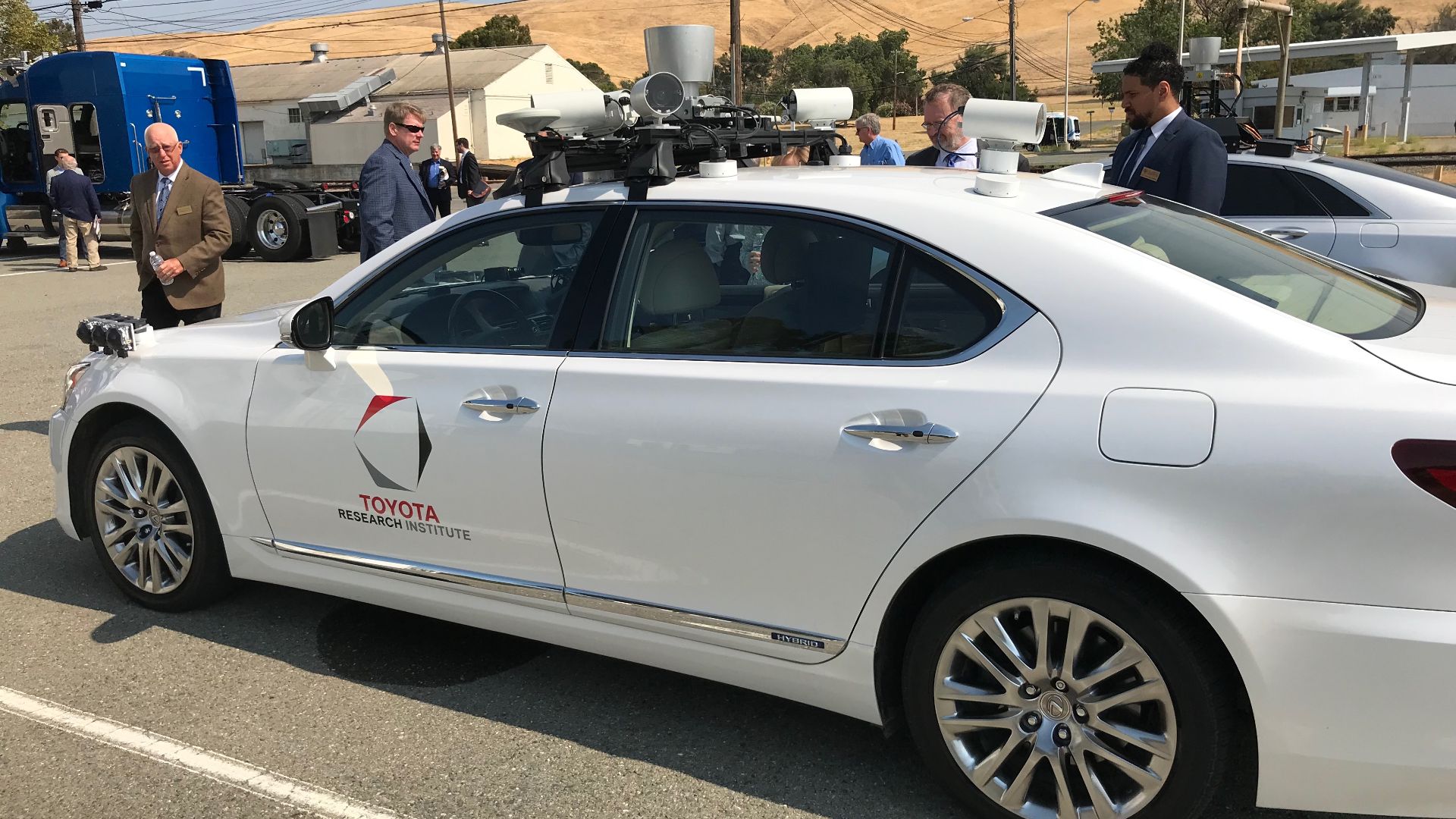
Modern vehicles are built from parts supplied by various companies. If a third-party manufacturer produced a faulty camera or steering component, they could also share responsibility. Sometimes the blame spreads across multiple players.
The Bigger Picture For Driver-Assist Tech
As cars inch closer to autonomy, the legal system is playing catch-up. Cases like these help define where responsibility lies when humans and machines share control. The outcome of lawsuits today may shape how future systems are designed and marketed.
 Oregon Department of Transportation, Wikimedia Commons
Is Suing The Right Move For You?
Not every crash involving lane-assist justifies a lawsuit. If the evidence shows driver error or proper system function, a case may not go far. But if credible proof points to a defect that caused serious harm, holding the manufacturer accountable could make financial—and moral—sense.
 North Charleston from North Charleston, SC, United States, Wikimedia Commons
The Road Ahead
A malfunctioning lane-assist system leading to a head-on collision is every driver’s nightmare. Whether you can sue the manufacturer depends on proving a defect, showing it caused the crash, and navigating a complex legal road. If you suspect the technology—not just human error—was to blame, consult a qualified attorney quickly. In today’s high-tech vehicles, responsibility doesn’t always sit neatly behind the steering wheel—and sometimes, the fight for accountability is just beginning.
 Bruno Bergher bbergher, Wikimedia Commons
You May Also Like:
The Luxury Empire That Beat Cadillac—Then Completely Disappeared
2023 Jeep Rubicon 392: The Quickest, Most Powerful Wrangler Ever