The Day Your Car Changed Itself
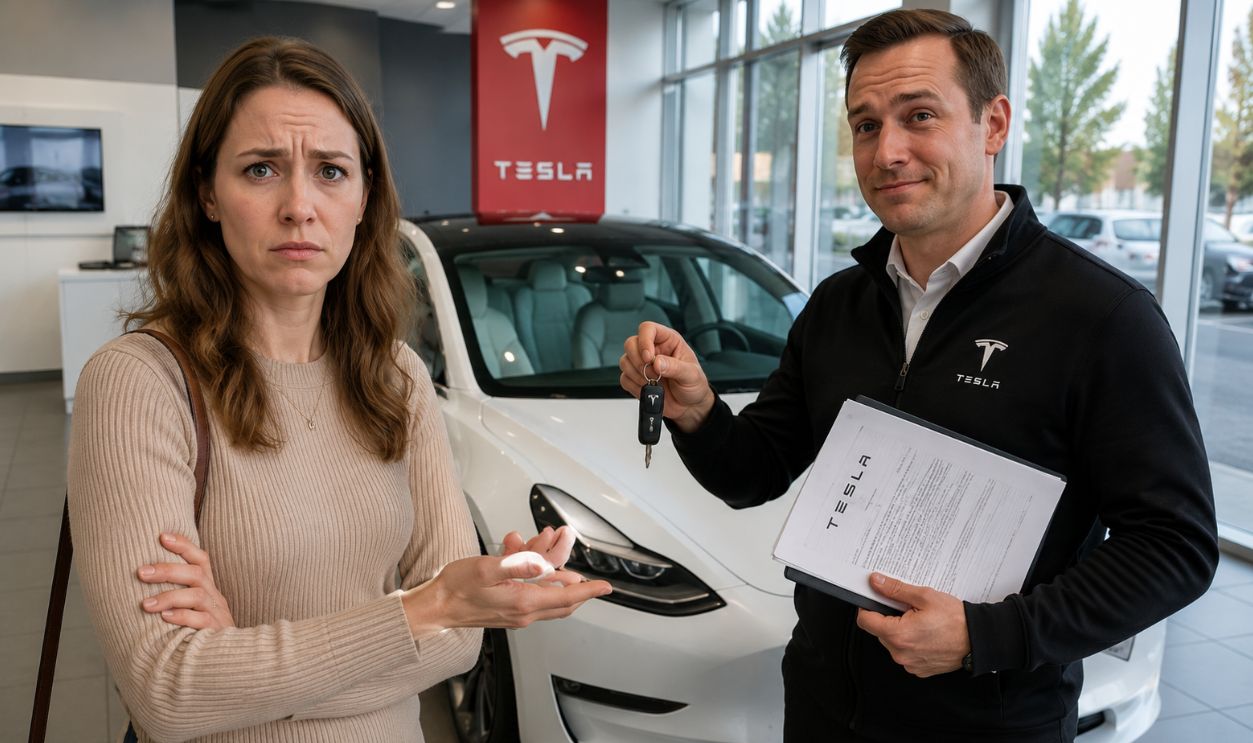
Buying a car used to feel final. You picked the trim, paid for the features, and drove home knowing what was yours. In the software-defined car era, that certainty is fading. Automakers can now change features after the sale through over-the-air updates, policy changes, and connected services. The question is: Can they legally do this?
Why This Question Suddenly Matters
Drivers started noticing that modern cars act more like phones on wheels, especially when updates add, move, or remove functions. That has led to a simple but unsettling question: If you paid for a feature when you bought the car, can the automaker later take it away or limit it?

The Short Answer Is Uncomfortable
In practice, automakers can change some parts of your car after the sale, especially software features and connected services. Whether they can legally do it without consequences depends on what was promised in the sales contract, warranty papers, subscription terms, and advertising. The harder truth is that many buyers do not realize those limits until something disappears.

Tesla Helped Create The New Normal
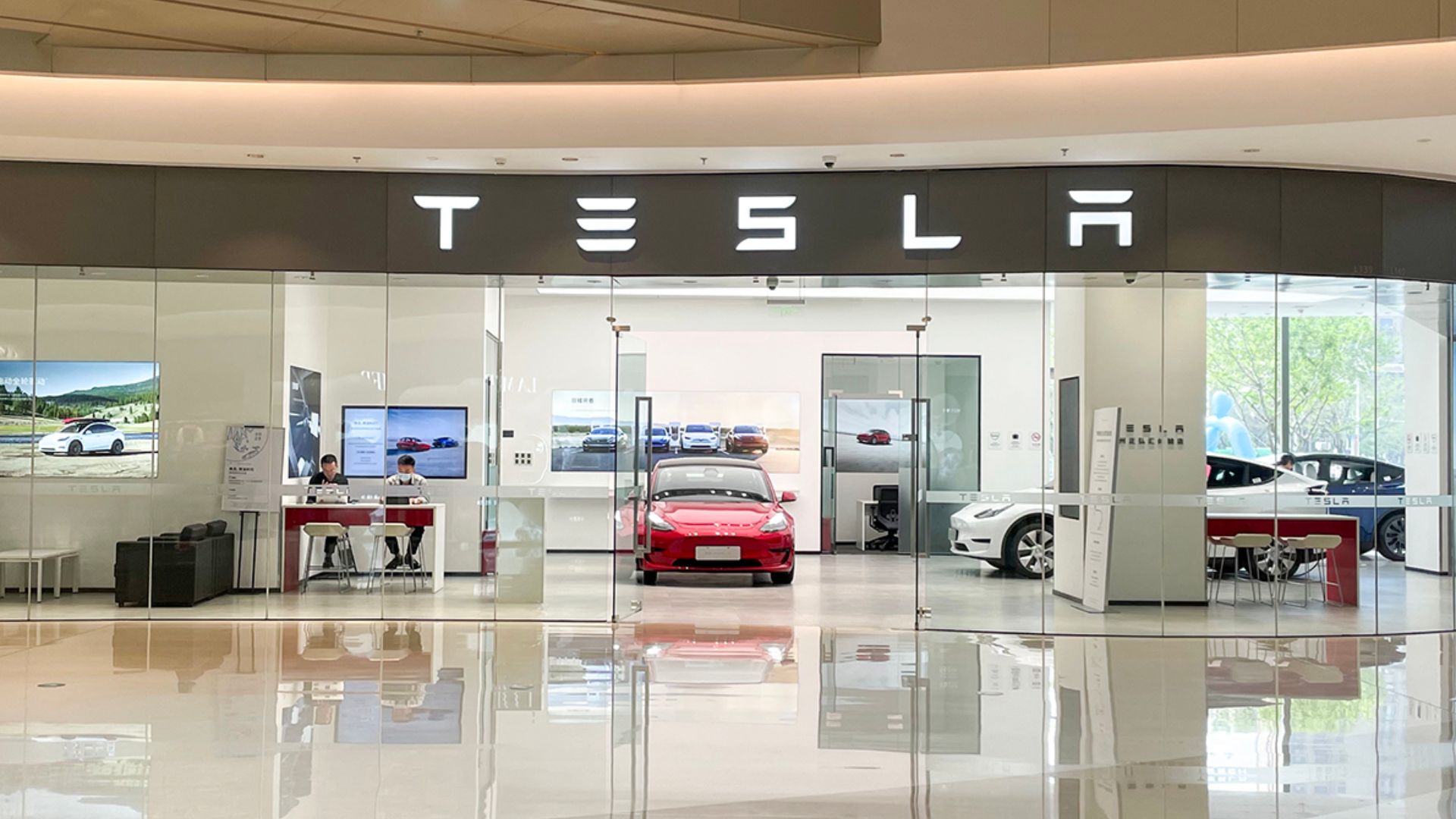
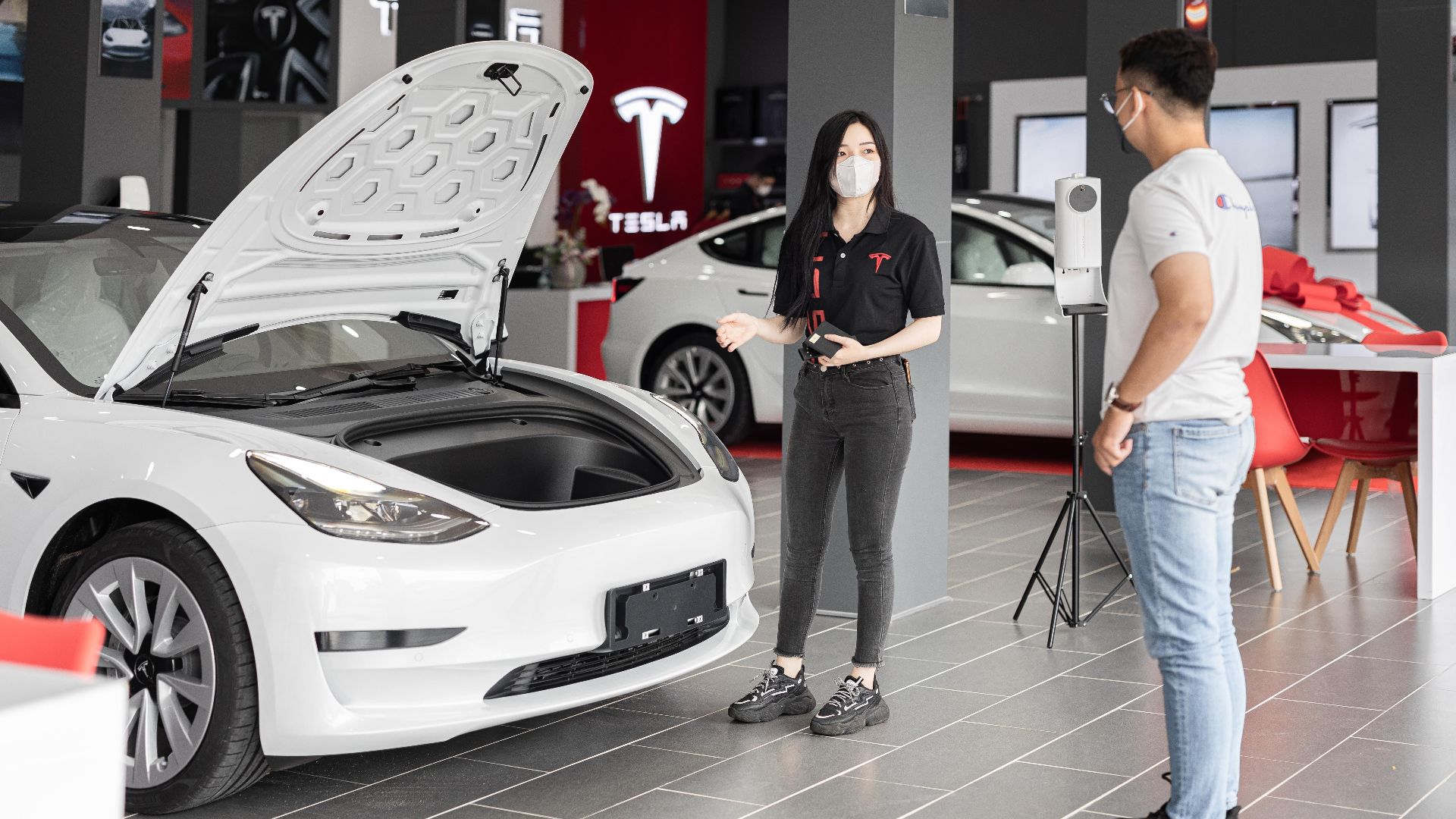
Tesla made post-sale software changes feel normal long before many rivals caught up. Its over-the-air update system became a major selling point in the 2010s because it could add range tweaks, interface changes, entertainment features, and driver-assistance adjustments remotely. That same power also showed that a carmaker could meaningfully change a vehicle after delivery.
 Windmemories, Wikimedia Commons
When Tesla Pulled Back Range By Remote Update
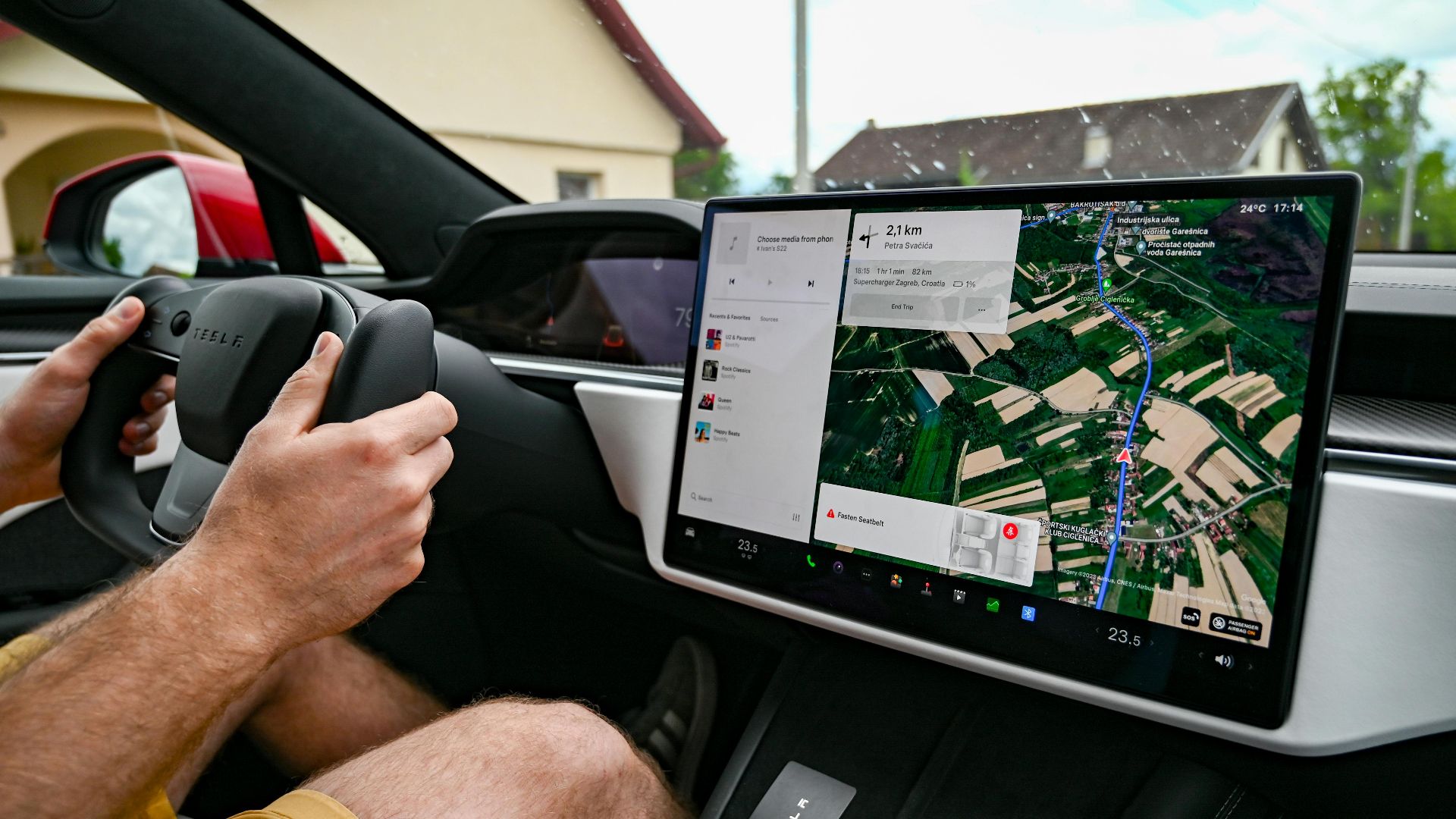
One of the most talked-about examples surfaced in 2019, when owners in the United States and Norway reported reduced displayed range after a Tesla software update. Reuters reported on May 15, 2020, that some owners linked the change to a 2019 update and filed lawsuits claiming battery capacity was reduced by software. Tesla disputed the claims, but the episode showed how quickly owners react when an update seems to take away value.
Acceleration Boosts And Unlocks Changed Expectations
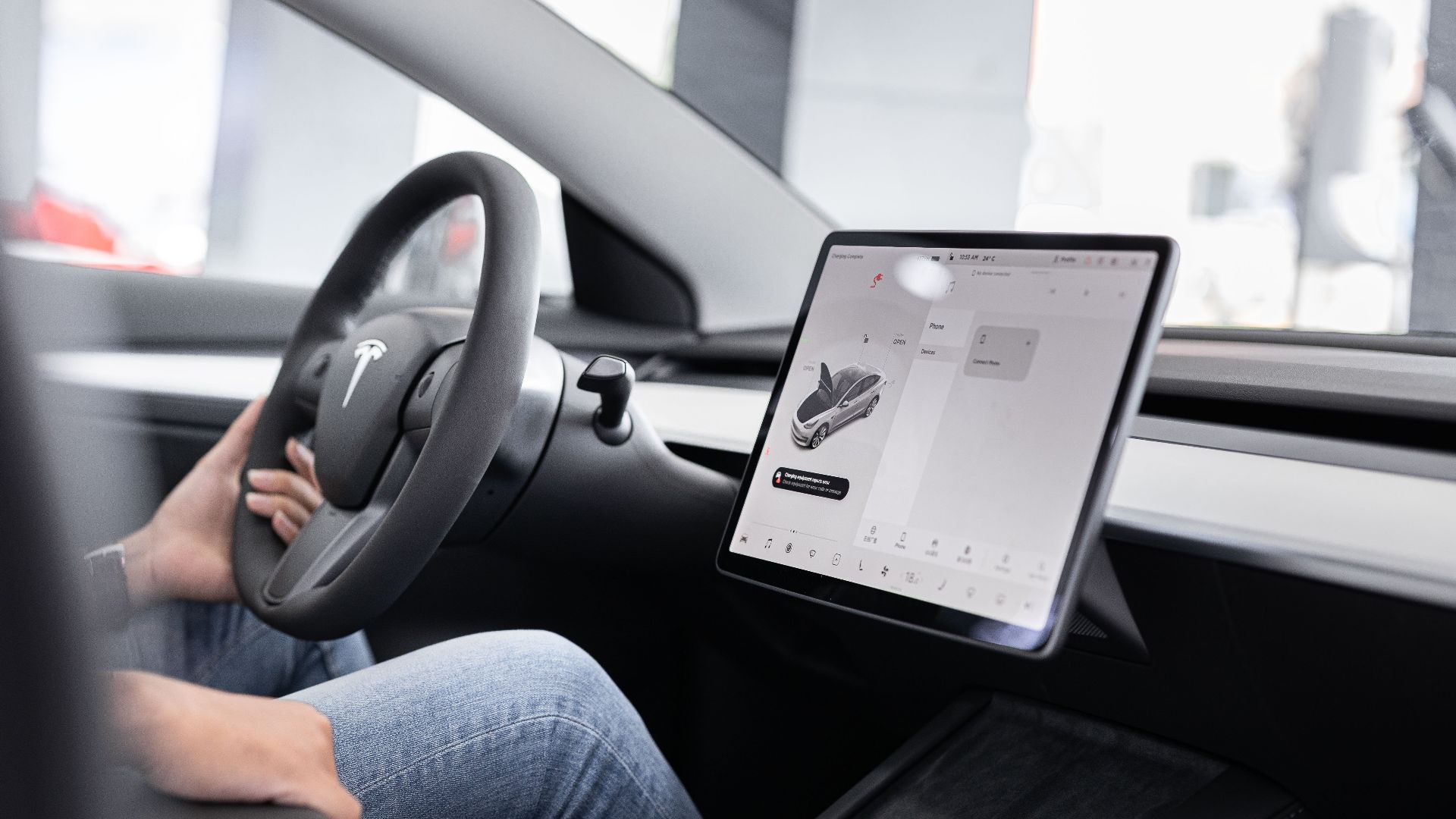
Tesla also helped normalize the idea that software can hold back hardware already built into the car. Buyers could pay later to unlock options such as acceleration improvements on some models, reinforcing the idea that ownership is no longer just about metal and motors. If software can add paid performance after purchase, owners naturally worry it can also subtract it.
BMW Turned Heated Seats Into A Flash Point
In July 2022, reporting from outlets including The Verge highlighted that BMW had been offering subscriptions for features like heated seats in some markets. The story spread fast because it hit a nerve. Drivers were not just paying for connectivity or map data. They were being asked to keep paying for hardware already installed in the car.
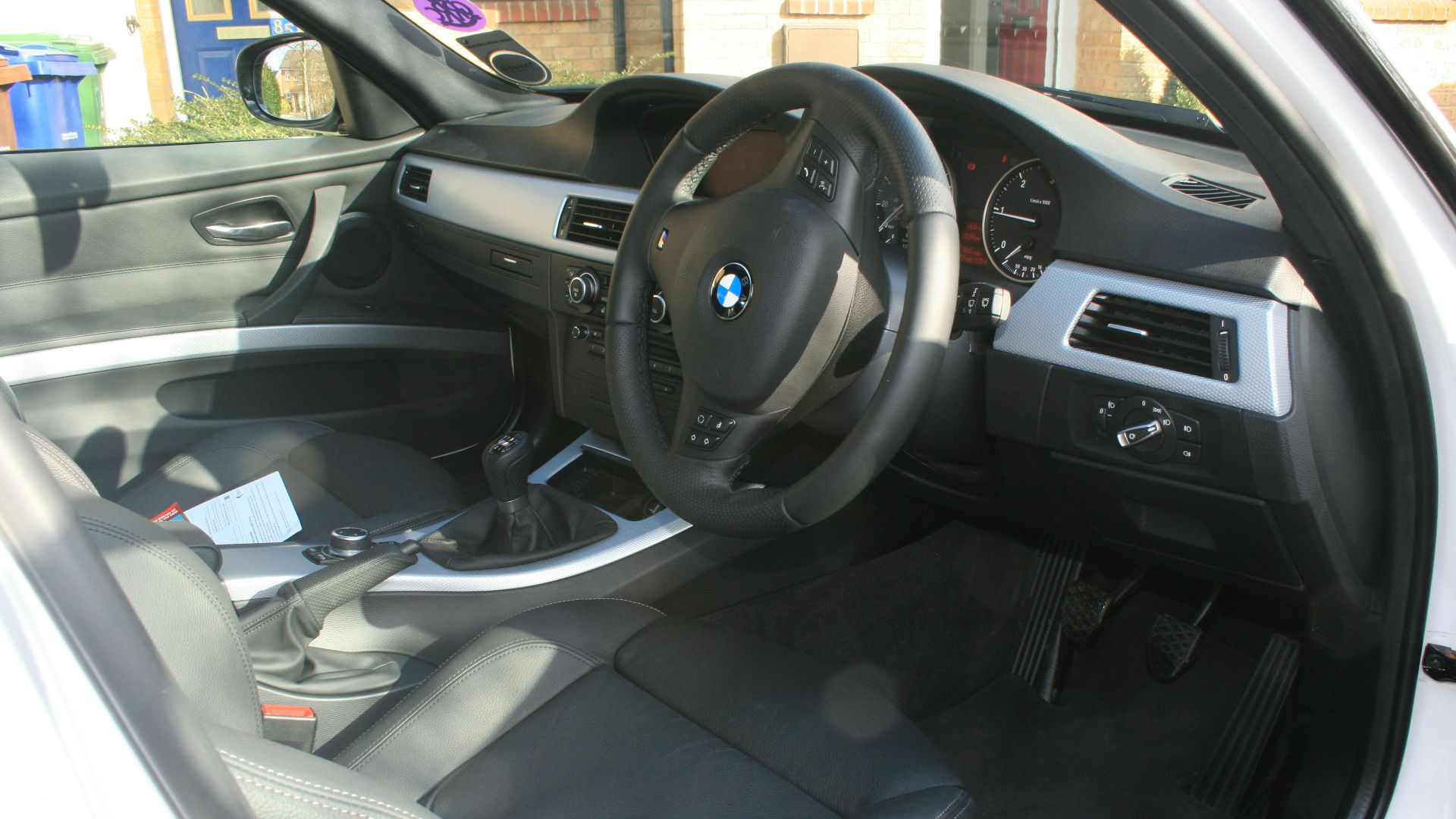 Supermac1961 from CHAFFORD HUNDRED, England, Wikimedia Commons
BMW Backed Away After The Backlash
By September 2023, BMW's board member for sales and marketing told Autocar the company had stepped back from charging subscriptions for heated seats because customers did not accept the model. That mattered because it showed consumer backlash can still shape company policy. It also revealed how quickly feature access can become a business decision instead of a fixed part of the purchase.
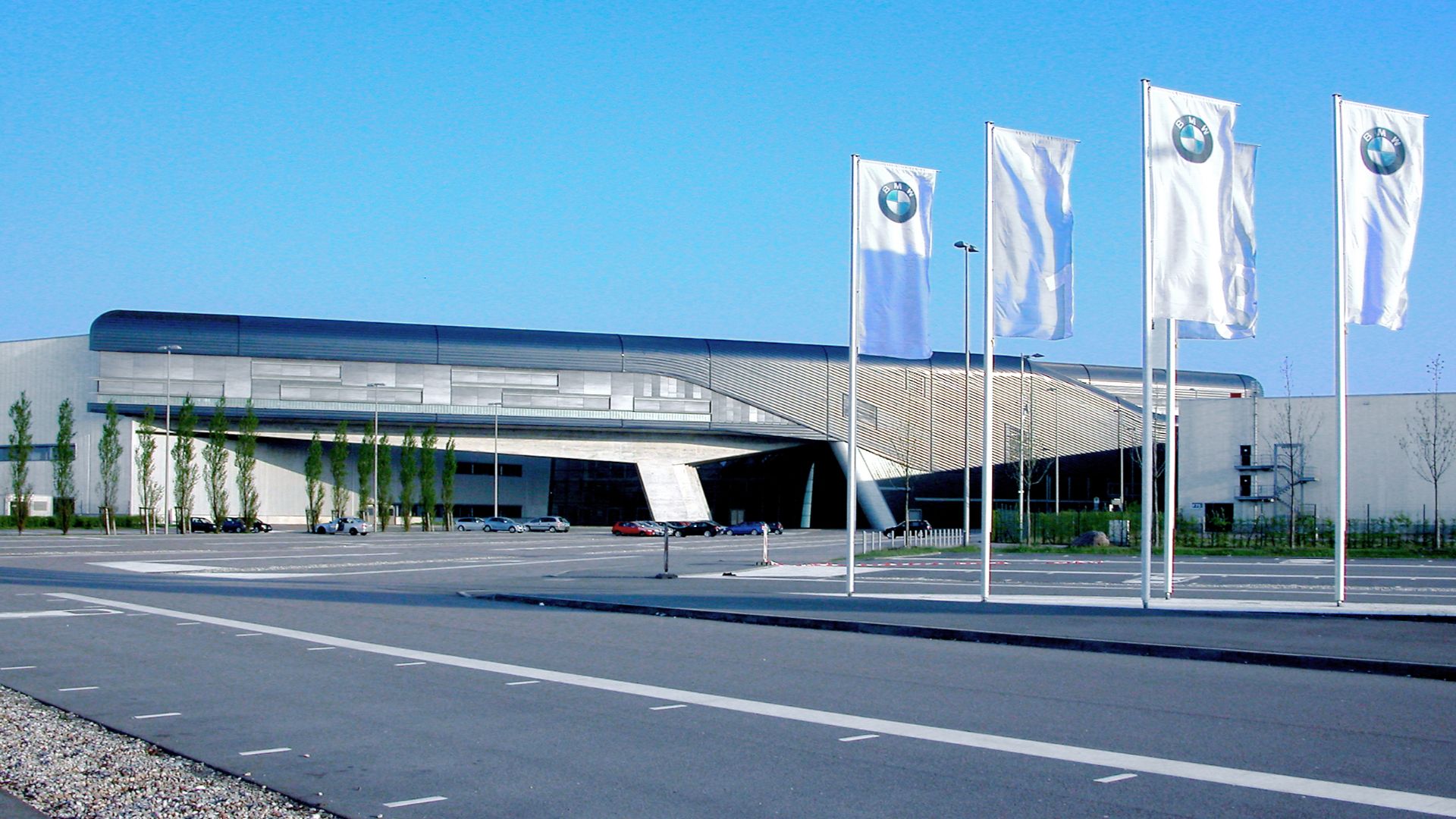 Jorg Blobelt, Wikimedia Commons
Mercedes Put Performance Behind A Paywall Too
Mercedes-Benz drew similar attention in late 2022 when it offered an annual subscription called Acceleration Increase for certain EQ models in the United States. The feature promised quicker 0-to-60 mph times through software changes. Again, the hardware was already there, but the full capability was treated as something the company could unlock or withhold.

Connected Services Are Even More Fragile
Some features are not removed by a dramatic update at all. They simply stop working when an automaker shuts down the network or backend service that supports them. That means navigation, remote access, app functions, emergency services, and infotainment features can vanish years before the vehicle itself wears out.

3G Shutdowns Exposed A Huge Weak Spot
When wireless carriers retired 3G networks in the United States, many older connected cars lost key services. The Federal Communications Commission documented the broader 3G phaseout, and automakers had to warn owners that some functions would disappear. For many drivers, this was the first clear sign that digital car features can expire even when the car still runs fine.
Volkswagen Faced A Heated Lawsuit Over Car-Net
In March 2024, the Federal Trade Commission announced a proposed settlement involving Volkswagen over Car-Net practices, including allegations tied to deceptive enrollment and collection practices. That case was not about removing a purchased feature in the usual sense, but it highlighted how much power automakers and their partners now have through connected services. The more features depend on remote platforms, the less absolute ownership feels.
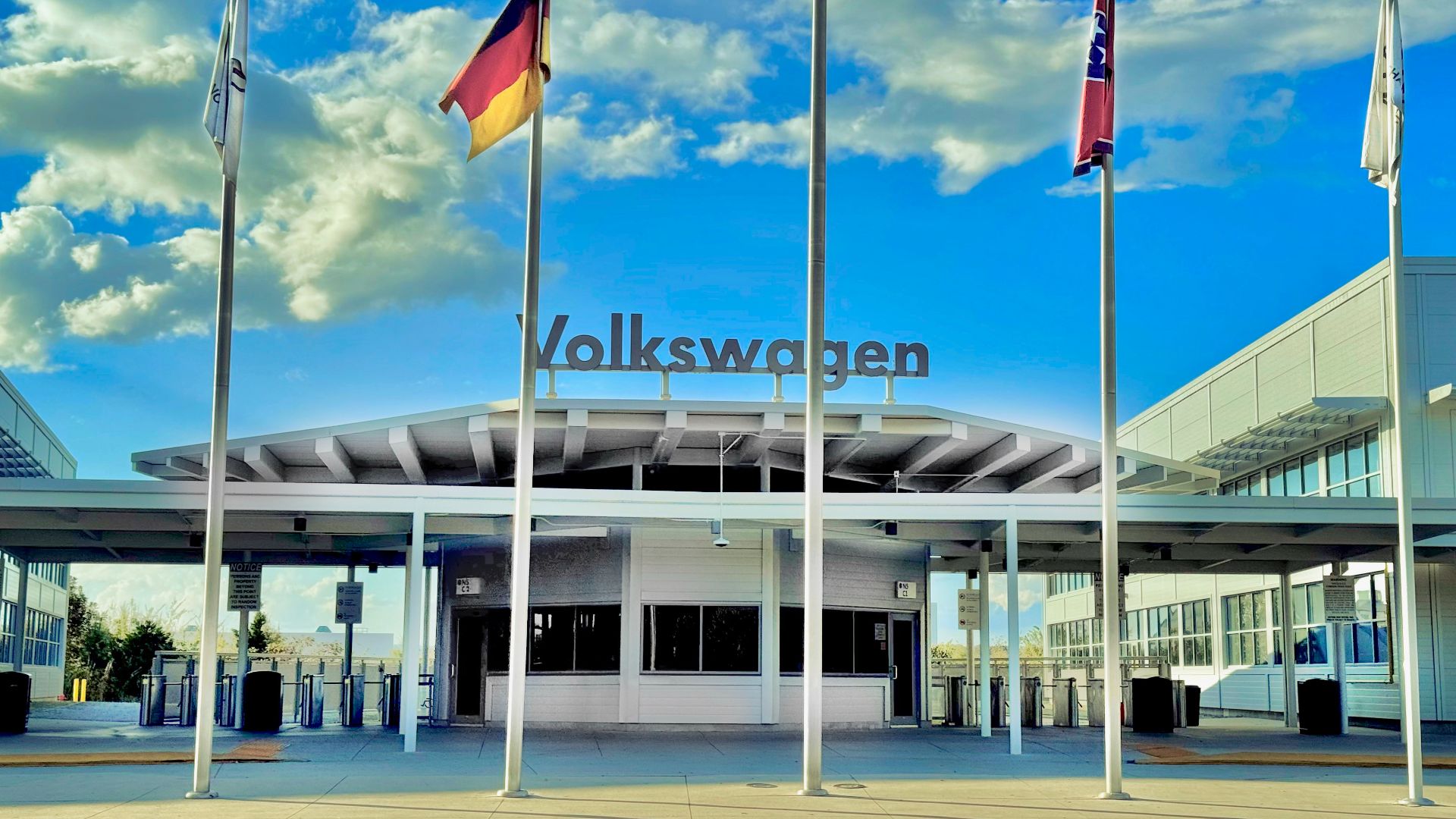 Harrison Keely, Wikimedia Commons
GM Sparked Outrage With Apple CarPlay And Android Auto
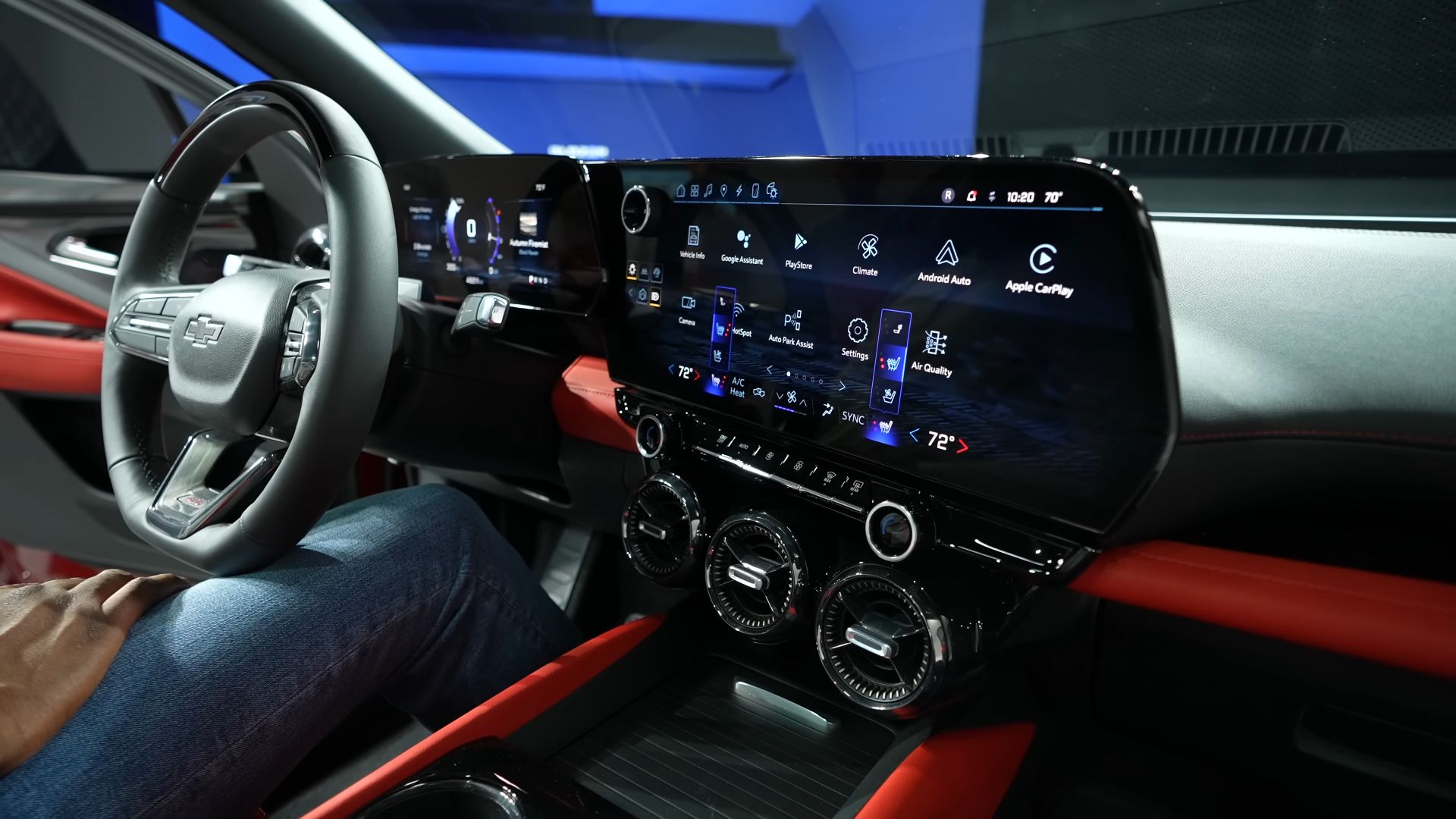
In 2023, General Motors confirmed it would phase out Apple CarPlay and Android Auto in future electric vehicles, starting with the Chevrolet Blazer EV. Reuters reported the decision in March 2023, and the reaction was immediate because phone mirroring had become a core feature for many buyers. Even though GM was mainly changing future product plans rather than deleting the feature from cars already sold, the episode showed how software choices now shape buying decisions as much as engines and seats.
 Booredatwork.com, Wikimedia Commons
Sometimes Features Disappear On Used Cars
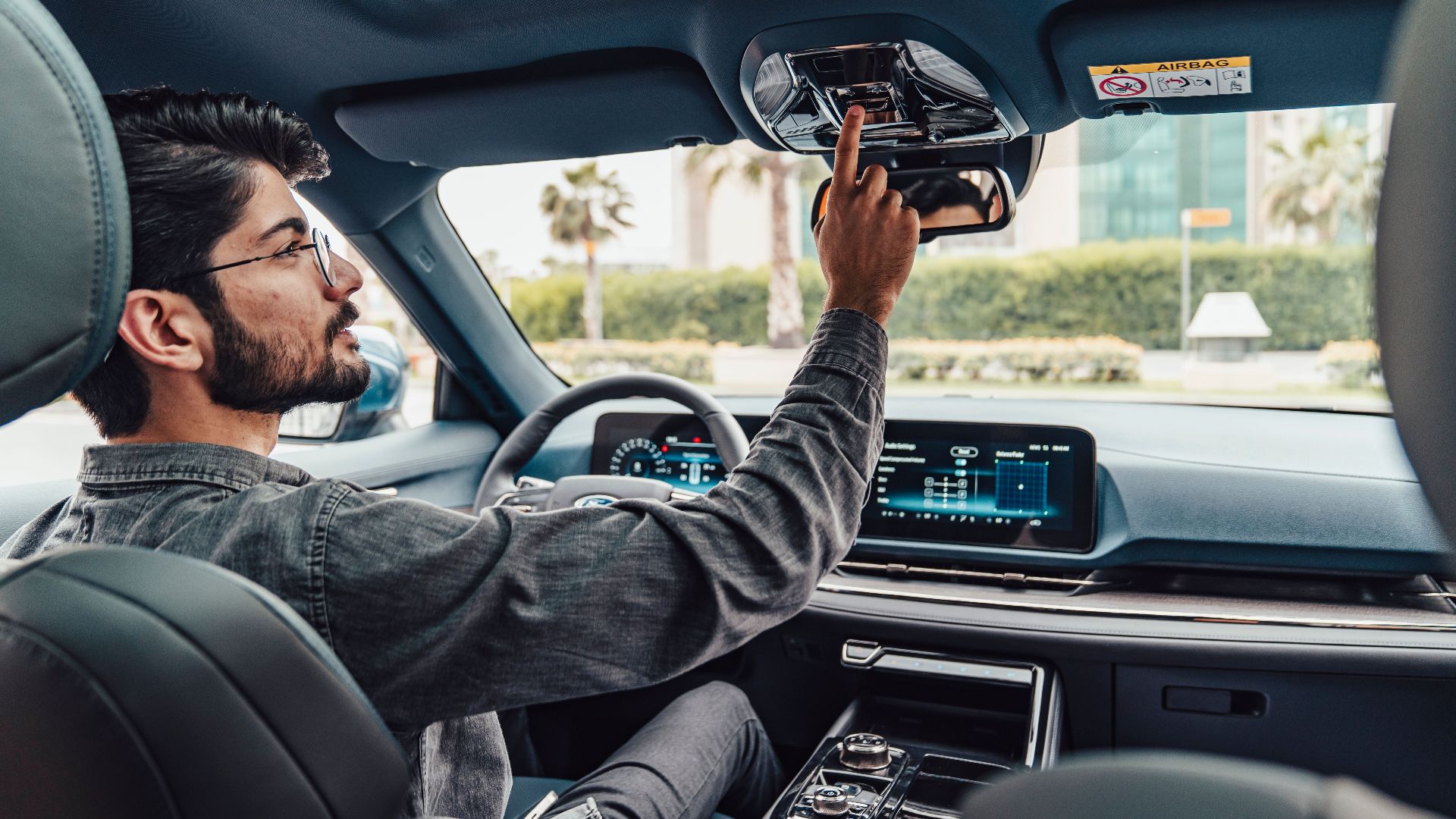
A particularly messy issue is what happens when a used car changes hands. Buyers have reported cases where software-enabled upgrades already on the vehicle were later removed or not transferred because the new owner had not paid for that digital entitlement. That creates a strange mismatch between the physical car in the driveway and the software rights tied to an account.
Tesla Was Accused Of Disabling Used-Car Upgrades
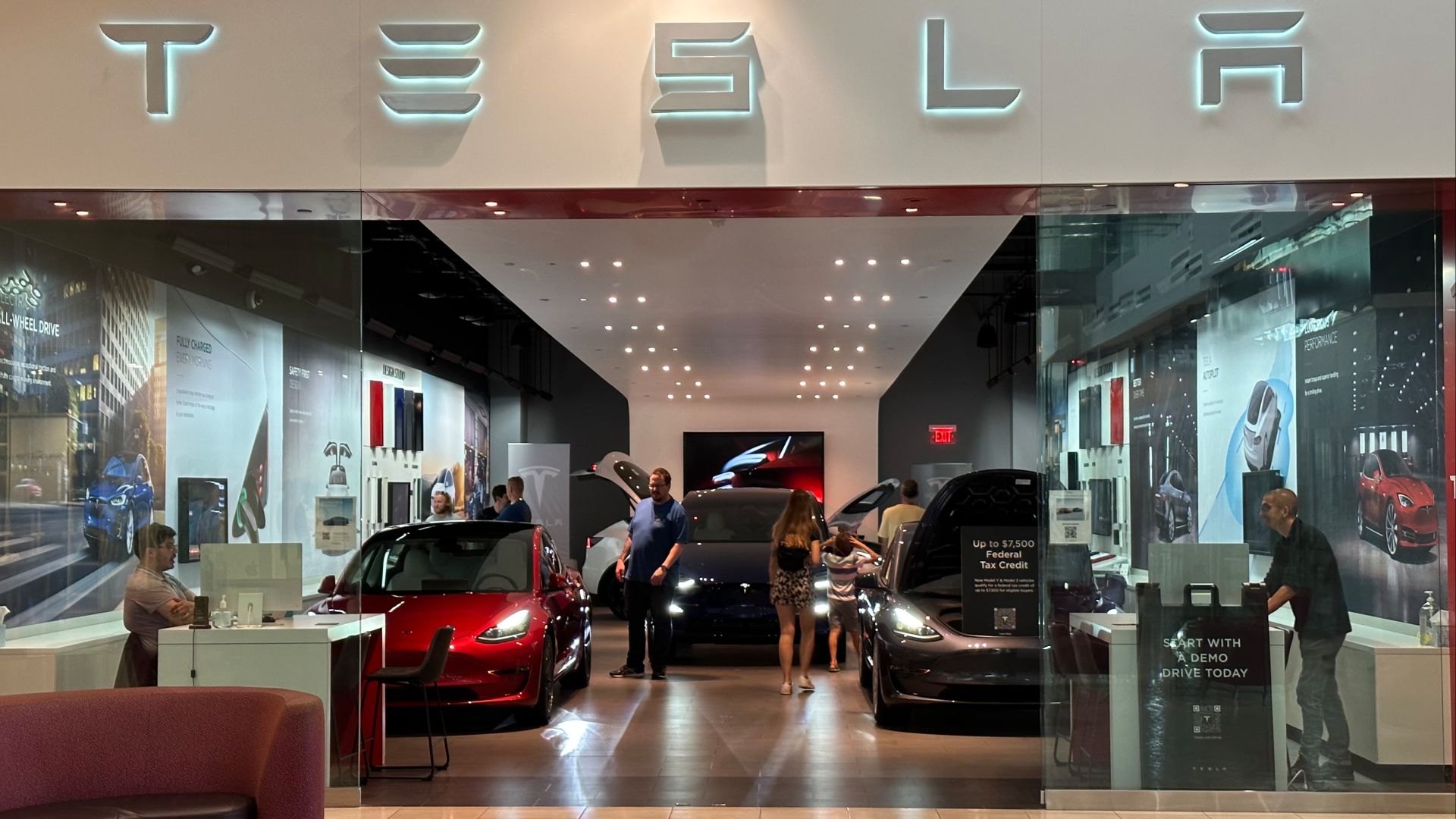
In early 2020, Jalopnik and other outlets reported owner complaints that Tesla had removed Full Self-Driving capability from a used car after the sale, saying it had been enabled in error. The story drew attention because the buyer believed the feature was included when purchased from a dealer. Tesla's position was that software entitlements can be corrected, but to consumers it looked like a feature had been taken back after money changed hands.
 Phillip Pessar, Wikimedia Commons
The Fine Print Usually Does The Heavy Lifting
Whether an automaker can legally change your car often comes down to contract language. Purchase agreements, order pages, warranties, end-user license agreements, and connected-service terms may all describe features as limited, evolving, subscription-based, or dependent on network availability. Courts and regulators tend to look closely at those documents when disputes arise.

Advertising Can Matter Just As Much As Contracts
If a feature was clearly advertised as included at the time of sale, that can strengthen a consumer's argument. Regulators and courts may consider whether the marketing created a reasonable expectation that the feature would remain available. A buried disclaimer can help a company, but it does not always erase a bold promise made in showroom materials or online listings.

Software Updates Are Not Automatically Illegal
Automakers do have legitimate reasons to change software after a sale. Safety recalls, cybersecurity fixes, emissions compliance, bug repairs, and compatibility updates can all require remote changes. The legal risk grows when an update appears to reduce performance, convenience, or functionality without a clear safety reason or without enough disclosure.
The Right To Repair Fight Connects To This
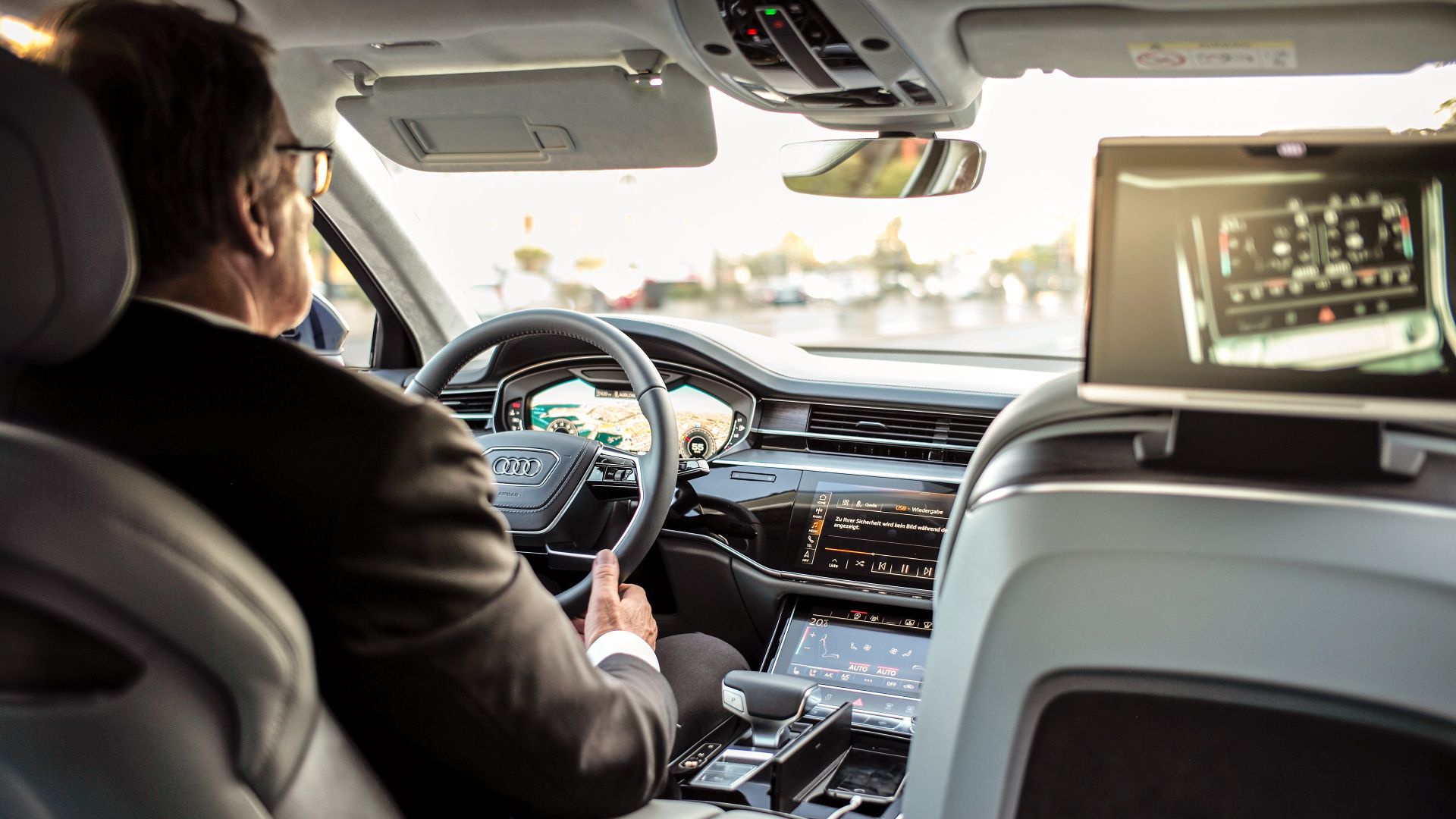
The debate over post-sale feature control overlaps with the right-to-repair movement. If manufacturers lock diagnostics, restrict parts pairing, or control software access, owners have less practical control over the vehicle they paid for. The Federal Trade Commission's 2021 report Nixing the Fix helped bring those concerns into the policy mainstream.

Massachusetts Showed How Political This Has Become
Massachusetts voters approved a right-to-repair ballot measure in 2020 focused on telematics data access for vehicles. The fight that followed involved automakers, repair groups, and regulators, and it showed how high the stakes have become in the connected-car era. Access to software and data is now part of what ownership means.
 Quintin Soloviev, Wikimedia Commons
Europe Is Wrestling With Digital Car Rights Too
The European Union has been active on digital markets, data access, and software compliance in ways that affect connected products, including cars. While there is no single simple rule saying an automaker can never remove a digital feature, the trend in Europe has been toward clearer consumer protections and transparency rules. That matters because global automakers often align policies across markets when pressure builds.

What Counts As A Feature You Actually Own
A good rule of thumb is to separate hardware, local software, and cloud-dependent services. Physical components bolted into the car feel permanent, but even they may need software authorization to work at full capability. Cloud-backed features are the least secure from an ownership standpoint because they depend on servers, accounts, and telecom networks outside your control.

How To Read The Sales Paperwork Before You Buy
Ask the dealer or seller to spell out which features are permanent, which require subscriptions, and which depend on a mobile network or app. Get that information in writing if possible. Screenshots of the original listing, Monroney label, order summary, and feature pages can become important evidence later.

What To Do If A Feature Disappears
Start by documenting what changed and when it changed. Save update notes, photos, app screenshots, purchase records, and any marketing material showing that the feature was included. Then contact the automaker and dealer in writing and ask for a clear explanation, including whether the removal was tied to a recall, a subscription term, an account issue, or a backend shutdown.

When To Escalate The Problem
If the company refuses to restore the feature or gives a vague answer, file complaints with your state attorney general, the Federal Trade Commission, and the Better Business Bureau Auto Line if your brand participates. You can also look for technical service bulletins, recall notices, and owner-forum reports to see whether others were affected. Patterns matter when regulators decide whether a practice was deceptive.

Lemon Laws Usually Are Not A Perfect Fit
Many drivers assume lemon laws will solve this kind of dispute, but those laws usually focus on substantial defects that impair use, value, or safety and that cannot be repaired within a reasonable number of attempts. A removed software feature may qualify in some cases, but often the stronger arguments are breach of warranty, deceptive advertising, or unfair trade practices. The details vary a lot by state.

Class Actions Are Possible But Slow
When many owners experience the same software-related downgrade, class action lawsuits can follow. Tesla battery range claims and other digital-feature disputes show how these cases develop, but they can take years and results vary. For an individual owner, careful documentation and direct pressure often matter more in the short term.

The Real Answer Is That Ownership Has Changed
The old idea that buying a car means total control is colliding with software licenses, subscriptions, and cloud dependency. Automakers cannot simply do anything they want without legal risk, but they have far more post-sale power than they did a decade ago. That means buyers need to read the digital fine print with the same skepticism they once saved for financing and dealer add-ons.

Yes, Automakers Can Change Your Car After The Sale
The key question is not whether they can. It is what they promised, what you agreed to, and whether the change was properly disclosed and legally justified. If you are buying a modern vehicle today, the safest assumption is that the software story is not over when you drive off the lot.