When Smart Cars Meet Stupid Weather
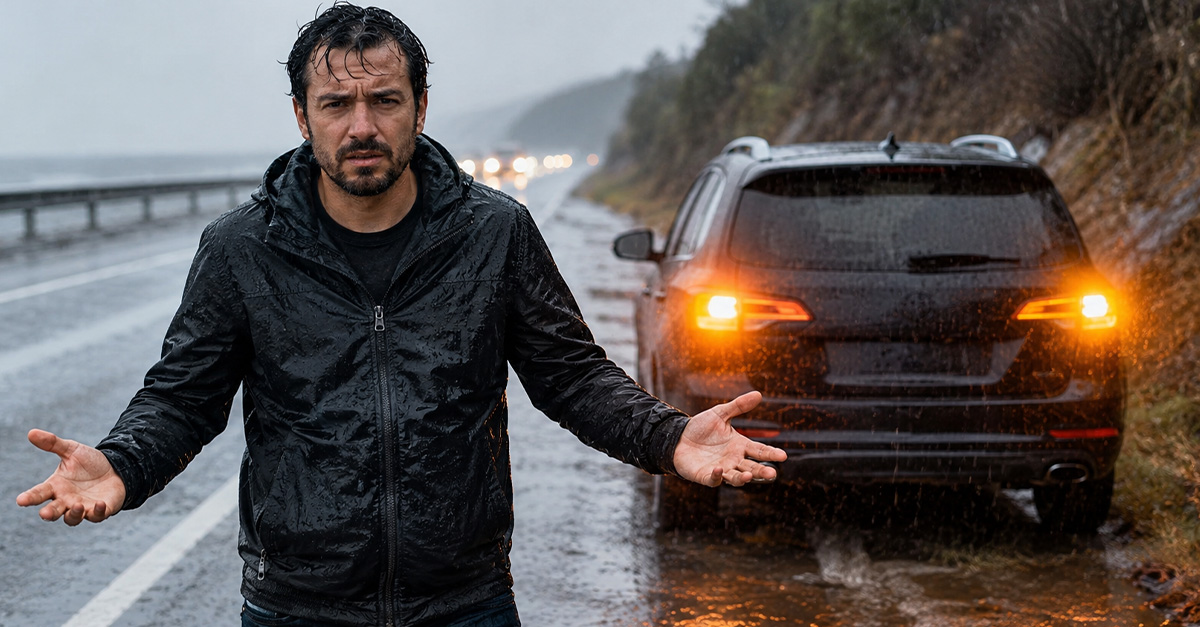
Modern luxury cars can scan blind spots, recognize lane markings, watch pedestrians, and brake before a distracted driver notices trouble. Then a snowstorm arrives, one camera gets covered in slush, and the dashboard lights up like a casino. It raises a fair question: Is this technology genuinely ready for everyday weather?
Your Car Is Not Imagining Things
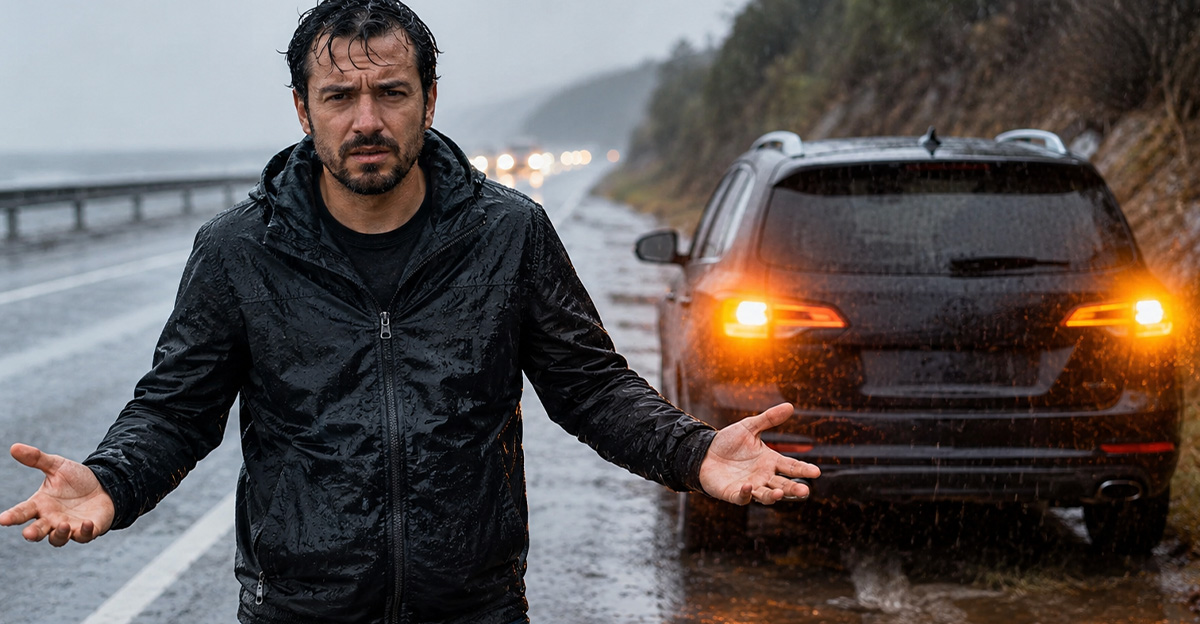
Those warnings appearing during heavy rain or snow do not necessarily mean your expensive car is defective. They often mean its sensors cannot gather information confidently enough to operate. Rather than guessing, the system disables certain functions and tells you to take complete control, which is generally the safest response.
Meet The Electronic Lookout Crew
Advanced driver-assistance systems, commonly called ADAS, may use cameras, radar units, ultrasonic sensors, and occasionally lidar. Together, they support features such as adaptive cruise control, lane-centering assistance, blind-spot monitoring, parking assistance, and automatic emergency braking. Each sensor sees the world differently, and each has its own weaknesses.
Cameras Need A Clear View
A forward-facing camera is essentially an electronic eye mounted behind the windshield. It may identify lane markings, road signs, vehicles, cyclists, and pedestrians. Unfortunately, rain, snow, fog, glare, darkness, dirty glass, and worn road markings can make that electronic eye considerably less impressive than the brochure suggests.
Snow Can Erase The Road
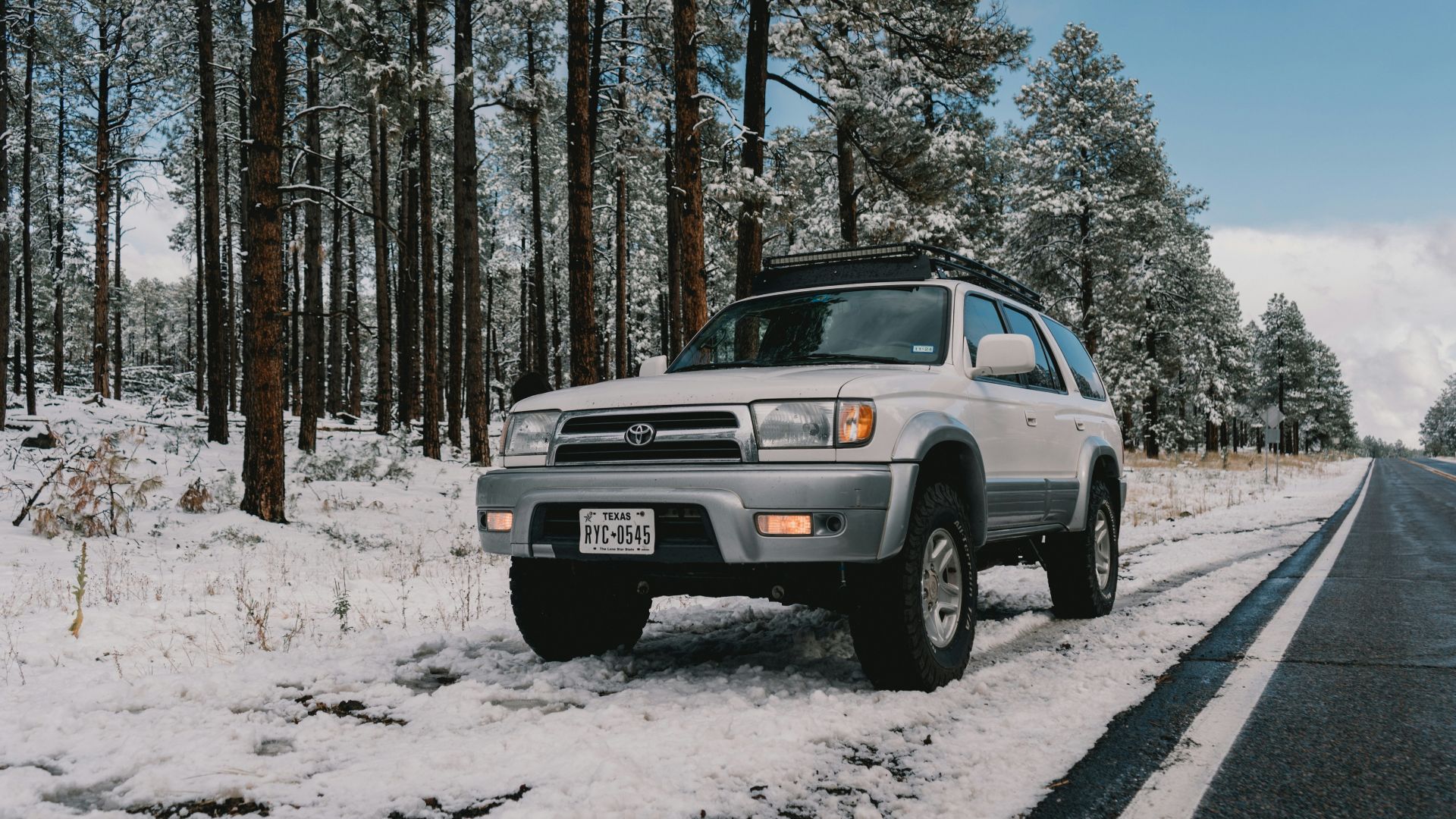
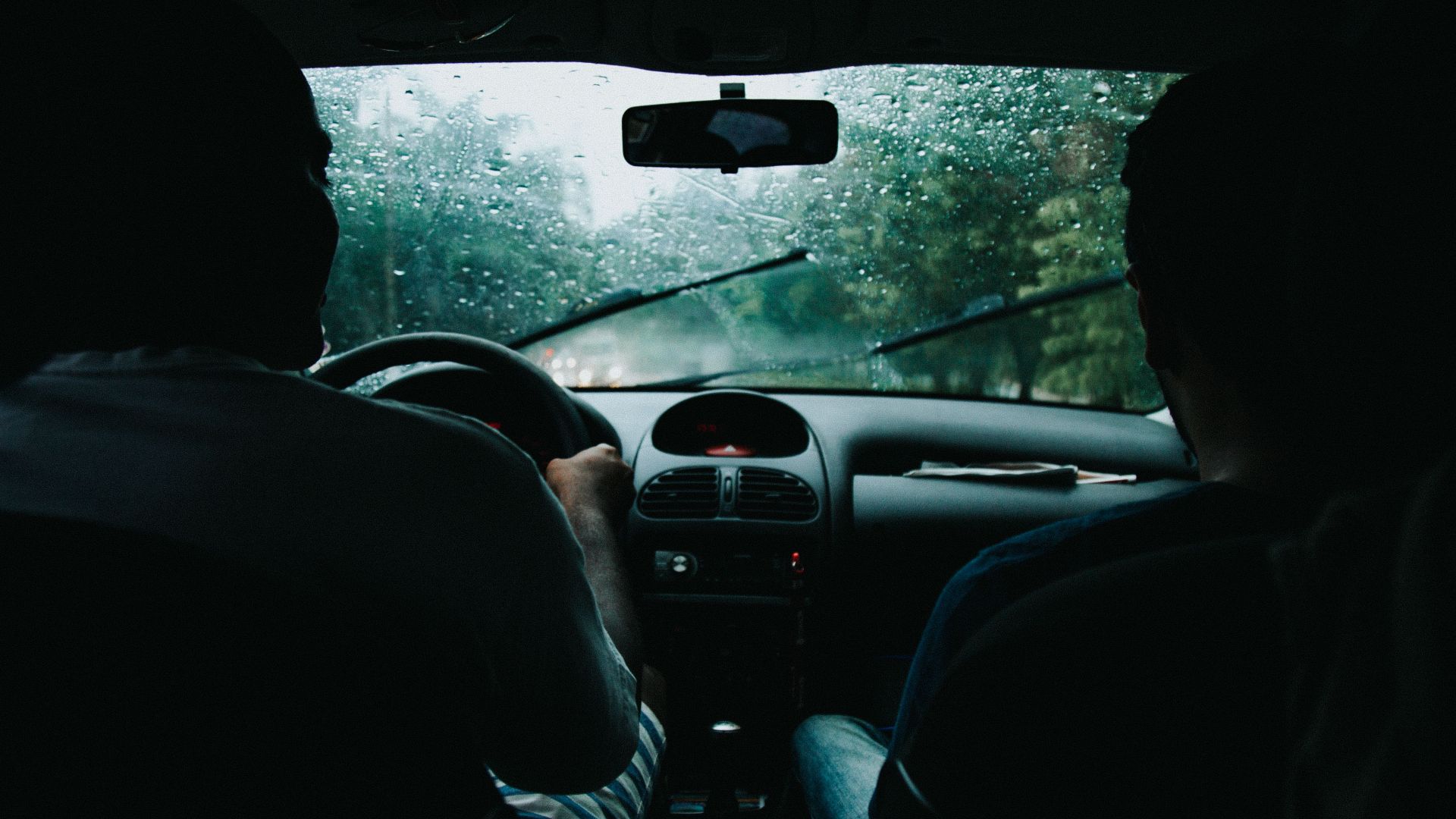
Lane-keeping systems usually need to see painted lines. When snow covers those lines, the software may have little reliable information to follow. Even humans struggle to identify lanes on a completely white road. The difference is that your car announces its confusion with a chime, a warning message, and perhaps a flashing steering-wheel symbol.
Rain Creates Visual Clutter
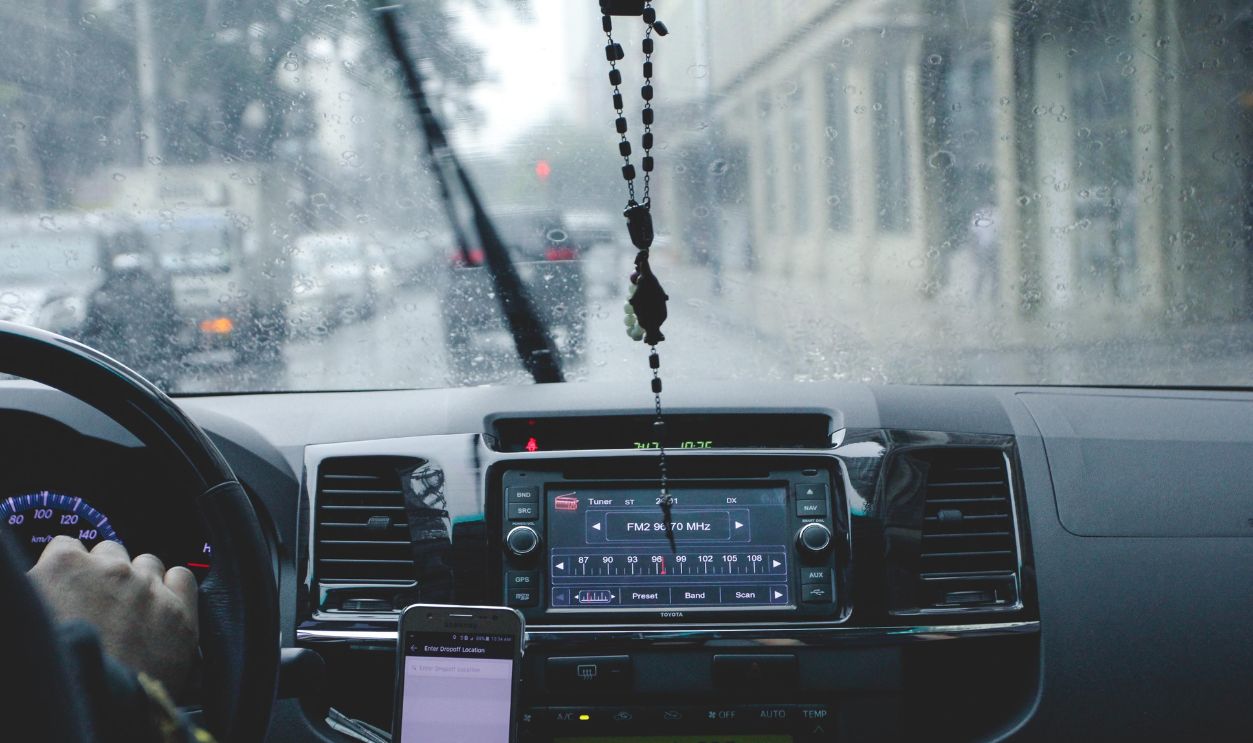
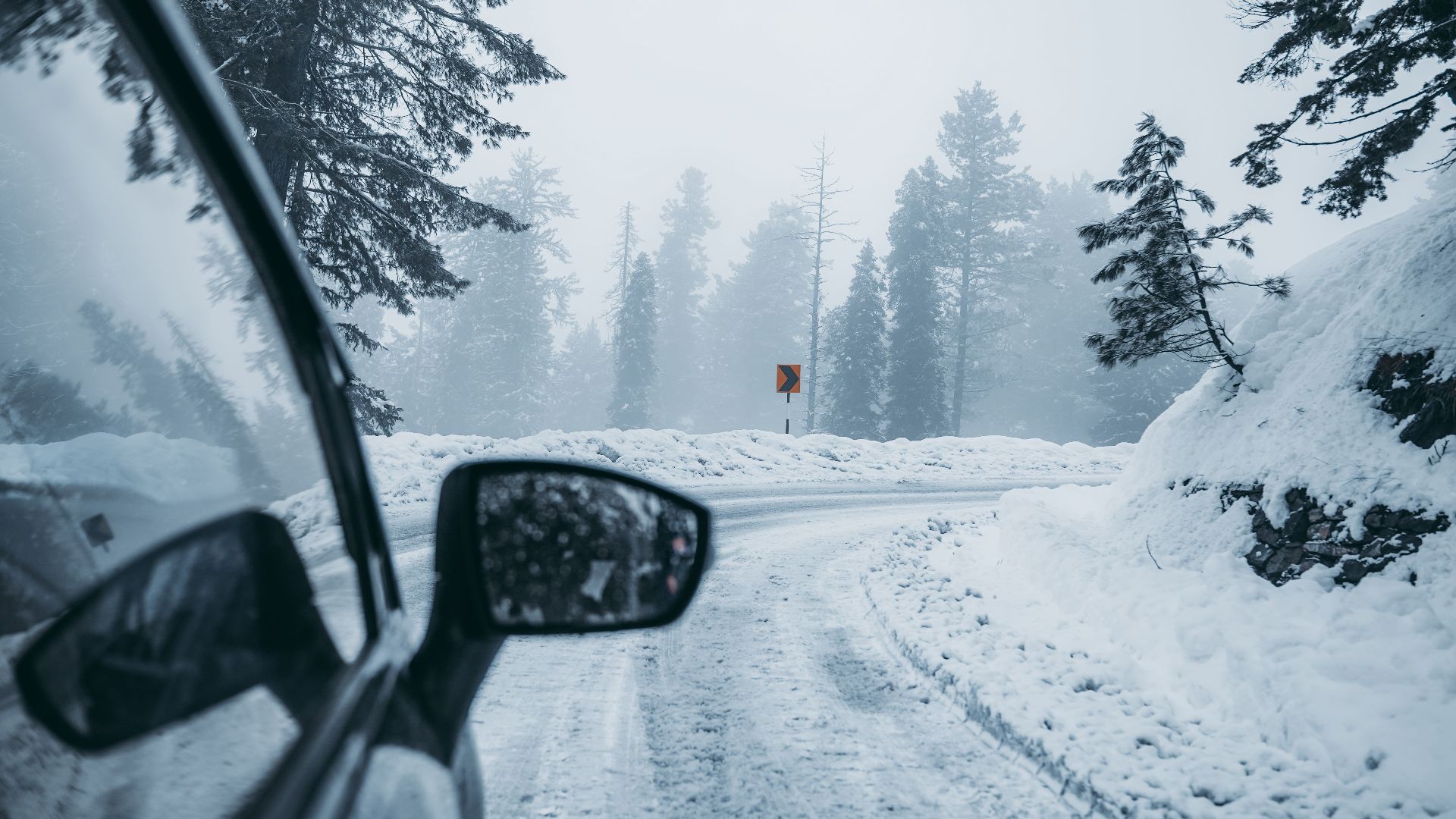
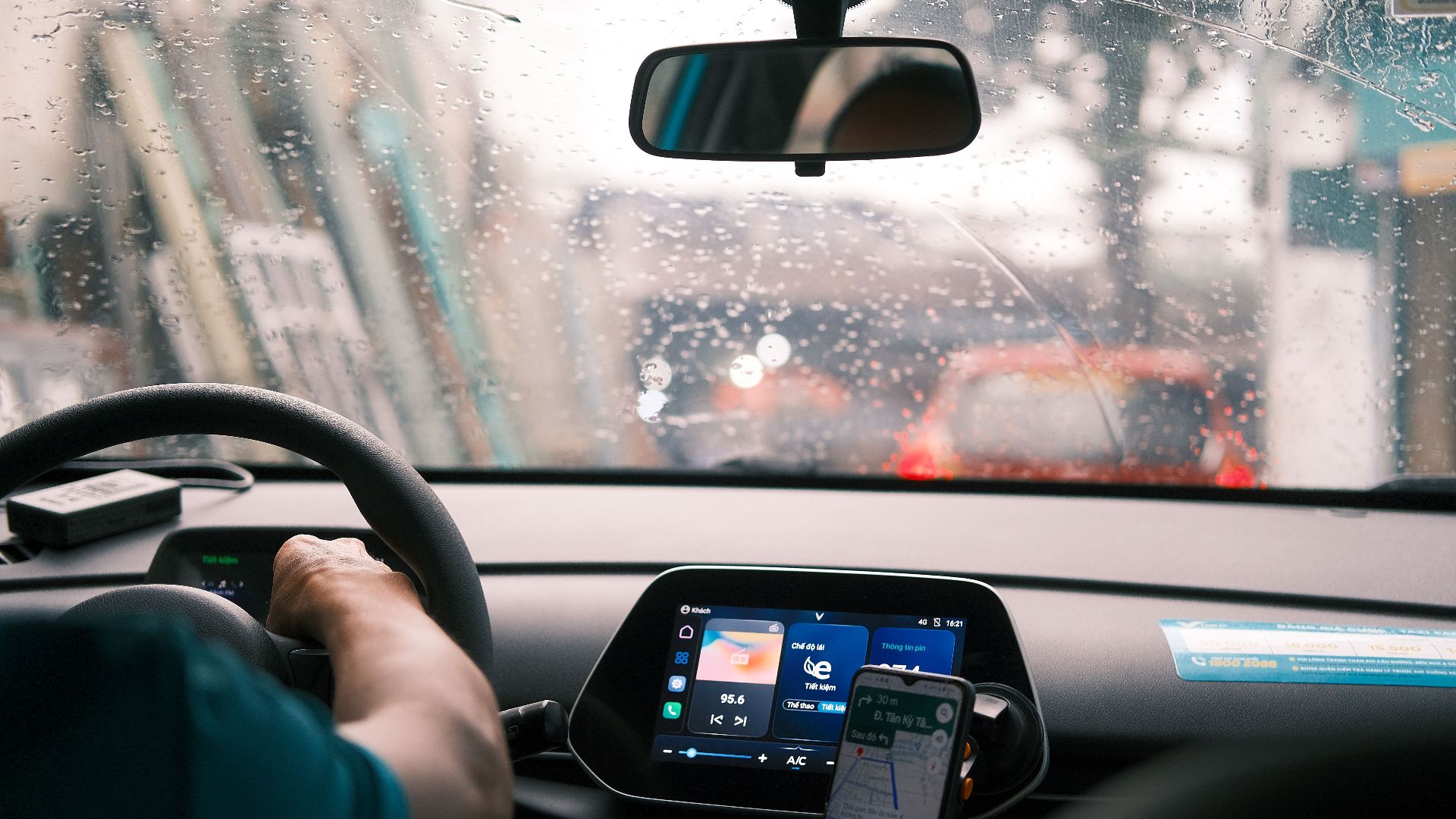
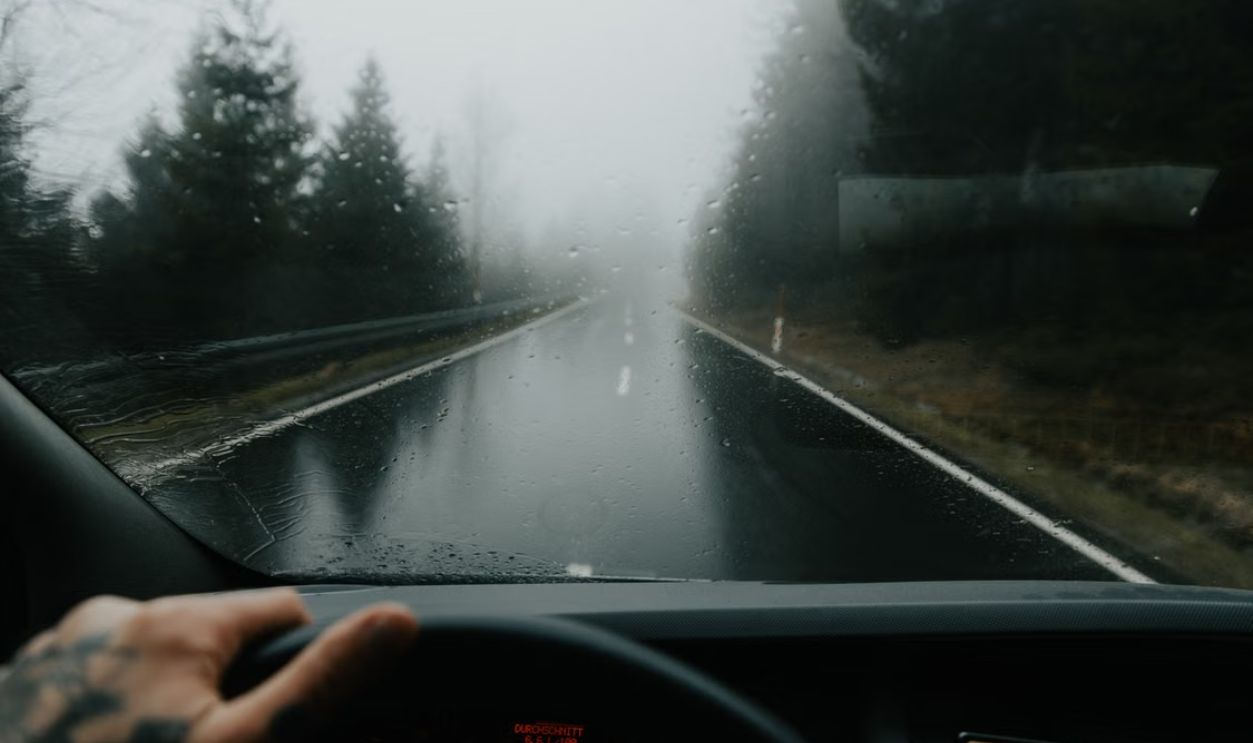
Heavy rain does more than block a camera’s view. Water droplets distort light, reduce contrast, create reflections, and hide the edges of vehicles and roadway markings. Windshield wipers help the driver, but they may not completely clear the exact area being monitored by the camera, especially during a violent downpour.
Radar Is Tougher, Not Invincible
Radar generally performs better than cameras in darkness, fog, and poor weather because it uses radio waves rather than visible light. It is especially useful for measuring the distance and speed of other vehicles. However, heavy precipitation, ice buildup, wet snow, or thick grime covering the sensor can still reduce performance.
Slush Finds Every Important Surface
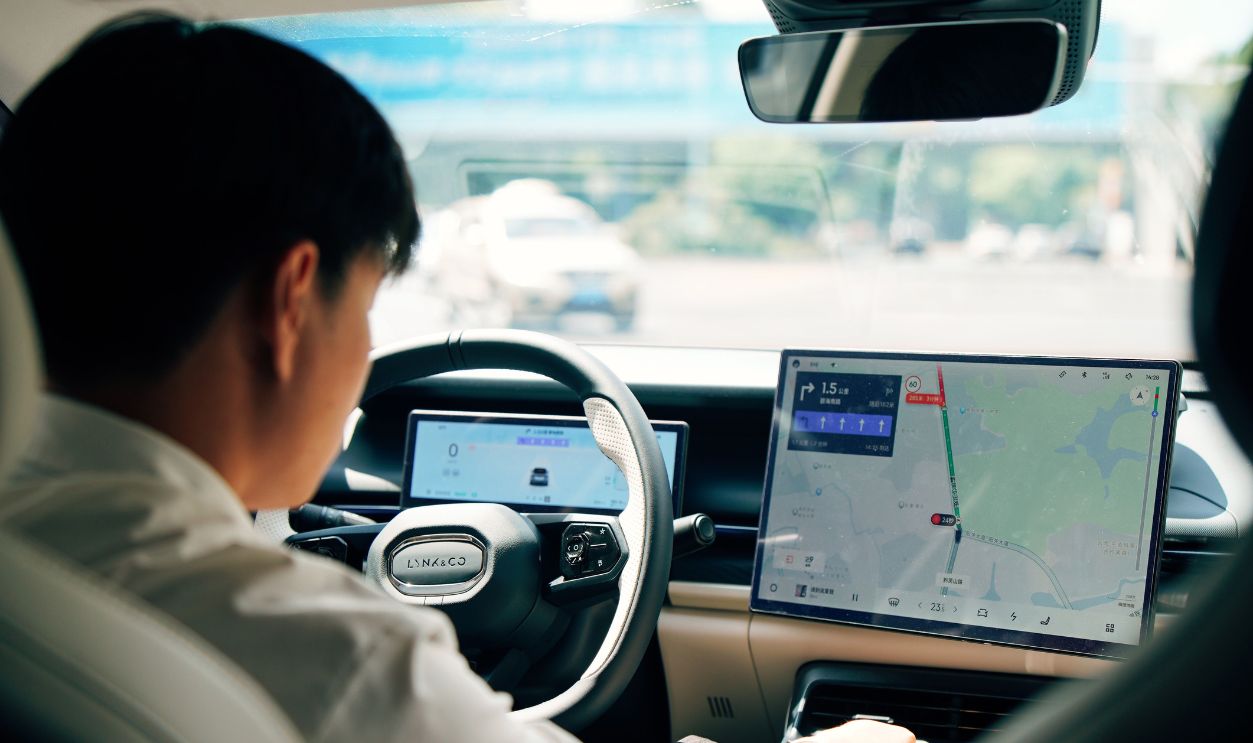
Automakers often hide radar units behind bumpers, badges, or grille panels. That looks elegant in a showroom, but those areas are magnets for road salt and slush. A relatively thin coating may interfere with the signals entering or leaving the sensor, causing adaptive cruise control or collision warnings to become temporarily unavailable.
Ultrasonic Sensors Hate Winter Grime
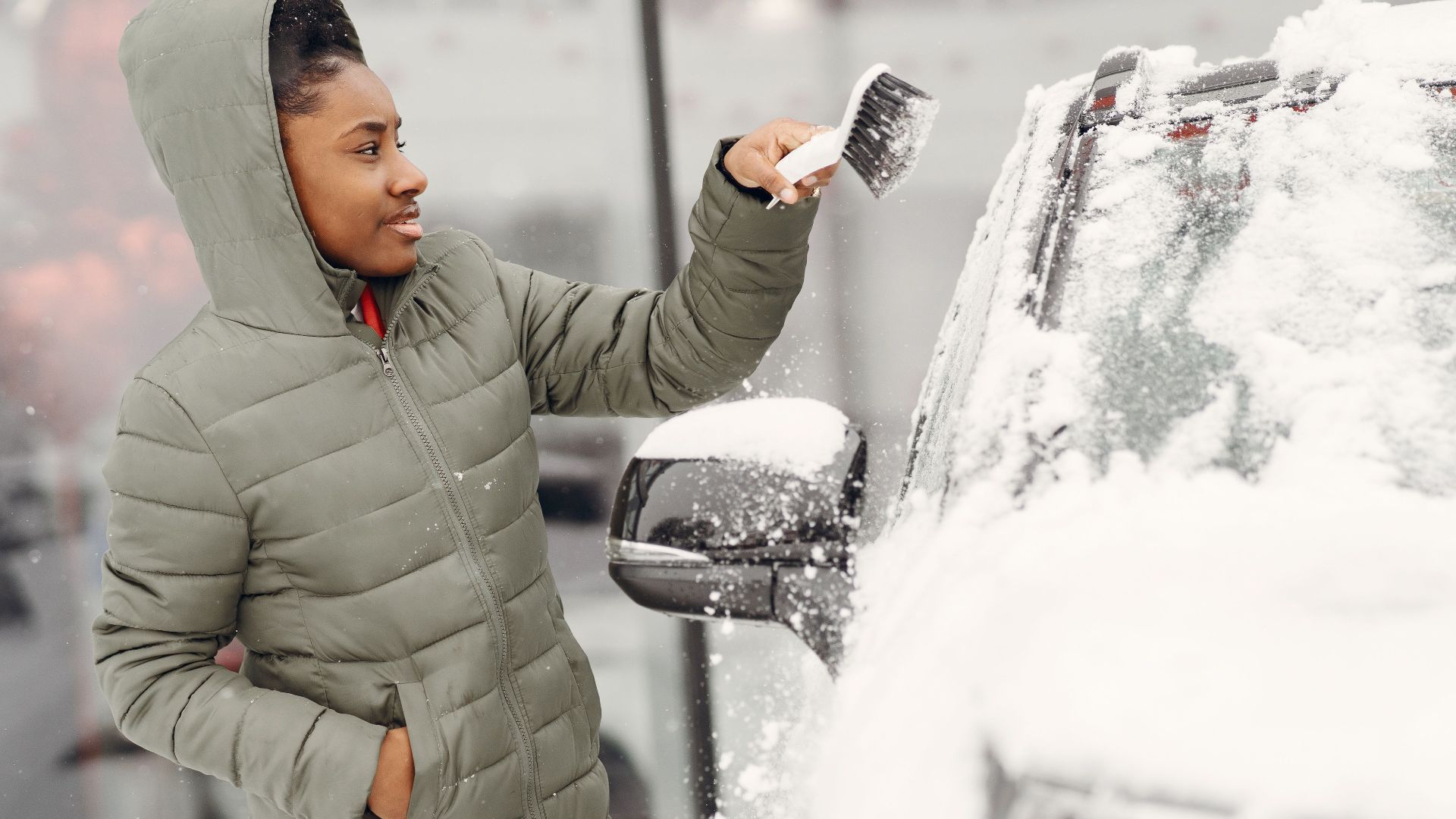
Those little circles across your bumpers are usually ultrasonic sensors. They help detect nearby objects while parking. Ice, snow, mud, wax, or road salt can cover them and produce false warnings—or no warning at all. That is why a parking sensor sometimes screams about an invisible wall after a messy winter drive.
Lidar Has Weather Problems Too
Lidar measures surroundings using pulses of light, creating highly detailed information about nearby objects. That sounds wonderfully futuristic, but airborne rain, fog, and snow can scatter those pulses. Water and dirt on the sensor’s protective surface can also interfere, making cleanliness and effective heating systems extremely important.
Sensor Fusion Is The Big Idea
Because every sensor has weaknesses, newer vehicles combine information from several sources. A camera may classify an object as a car, while radar confirms its distance and speed. This “sensor fusion” can improve reliability, but it is not magic. If several sensors are obstructed or uncertain, the entire assistance system may retreat.
The Software Must Decide Quickly
A human can see blowing snow and think, “That might be a snowbank.” A computer must analyze shapes, movement, distance, road geometry, and confidence levels in fractions of a second. If the software becomes too cautious, it may produce false alarms. If it becomes too confident, it might overlook a genuine hazard.
False Positives Can Be Frightening
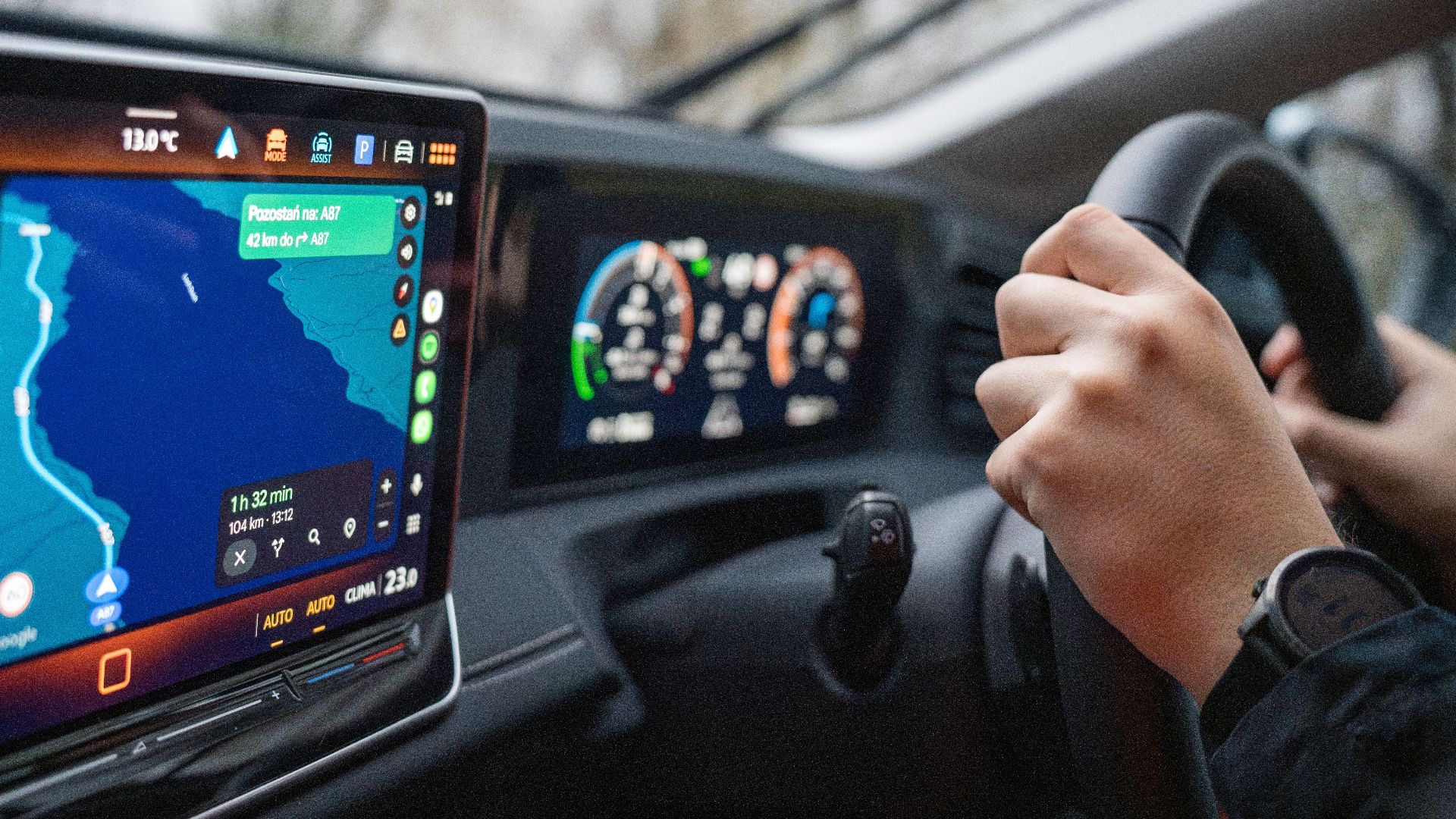
Some drivers report sudden collision warnings or unexpected braking when there is no obvious obstacle. Weather, shadows, roadside structures, metal plates, drifting snow, and oddly positioned vehicles may confuse a system. These events should not be dismissed, especially when braking is involved, but they do not automatically prove a mechanical failure.
Missed Detections Are The Greater Concern
An unnecessary warning is annoying. A warning that never arrives can be far more serious. AAA testing found that simulated rain affected both lane-keeping assistance and automatic emergency braking. In its tests, vehicles crossed lane markings during 69% of rainy lane-assistance runs, demonstrating how dramatically bad weather can challenge the technology.
The Technology Still Saves Lives
Weather limitations do not make every safety sensor a gimmick. Real-world IIHS and HLDI research has associated automatic emergency braking with substantially fewer front-to-rear crashes and injury crashes. These systems can provide a valuable extra layer of protection when conditions allow them to operate properly.
Newer Systems Are Improving
The technology is not standing still. In AAA testing published in 2024, newer vehicles avoided all forward collisions in the organization’s tests at speeds up to 35 mph, while older systems performed considerably worse. That does not guarantee perfection in a blizzard, but it shows meaningful progress between generations.
Driver Assistance Is Not Self-Driving
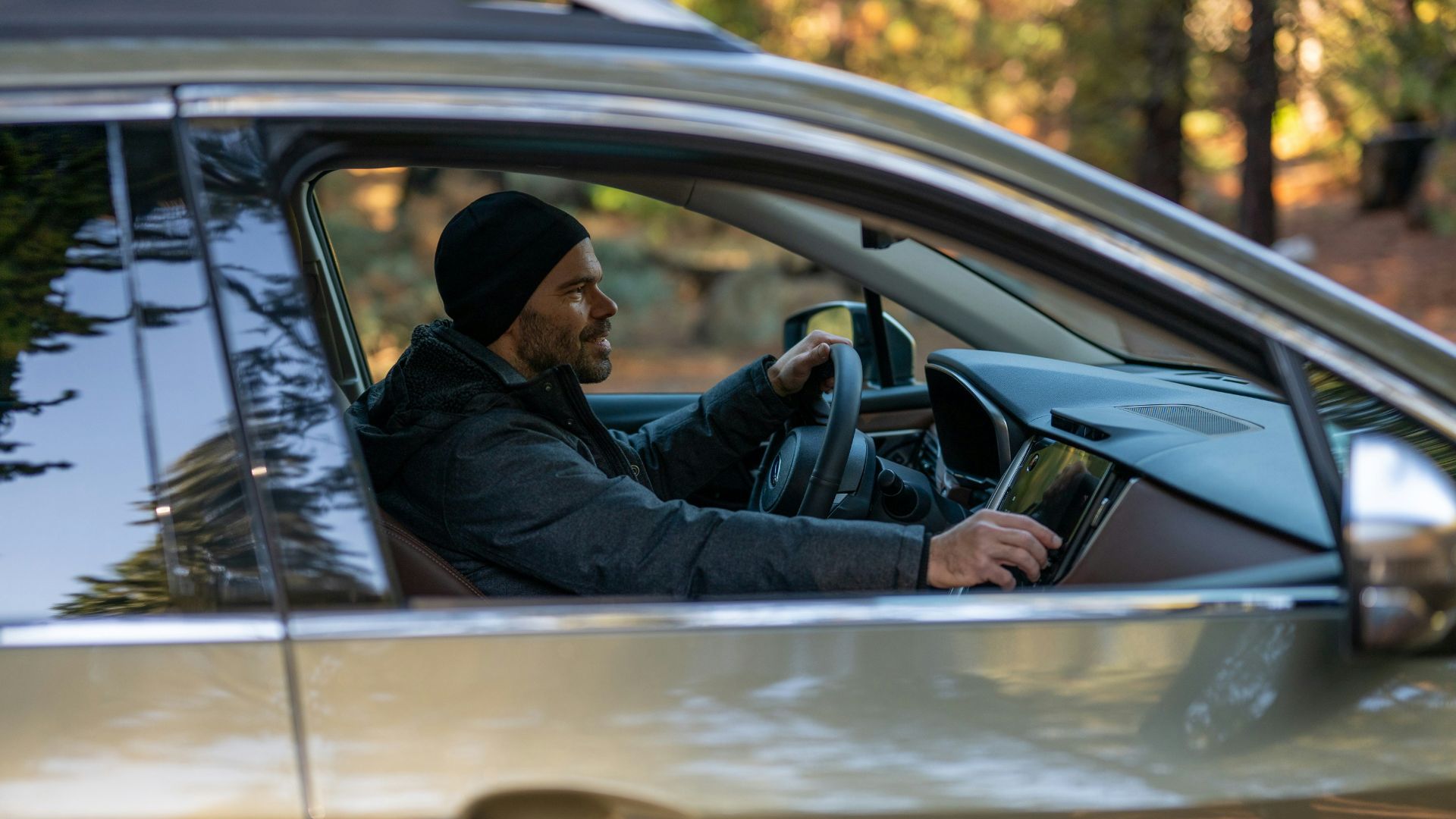
The most dangerous malfunction may occur inside the driver’s mind. Adaptive cruise control and lane centering can feel remarkably capable on a clear highway, encouraging people to trust them too much. NHTSA distinguishes between systems that merely assist drivers and technologies designed for greater automation. Most privately owned cars still require constant supervision.
The Dashboard Warning Is Useful
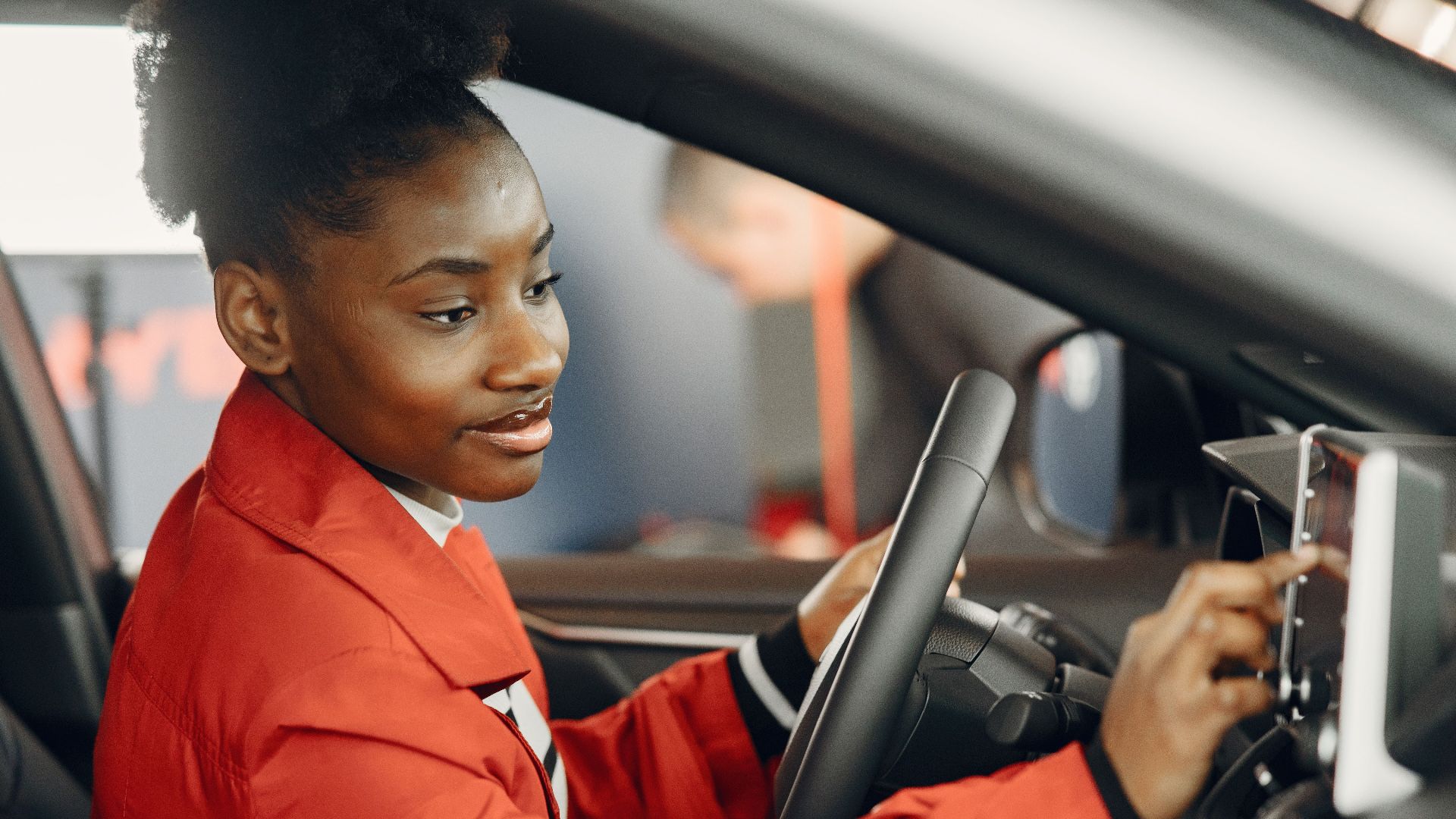
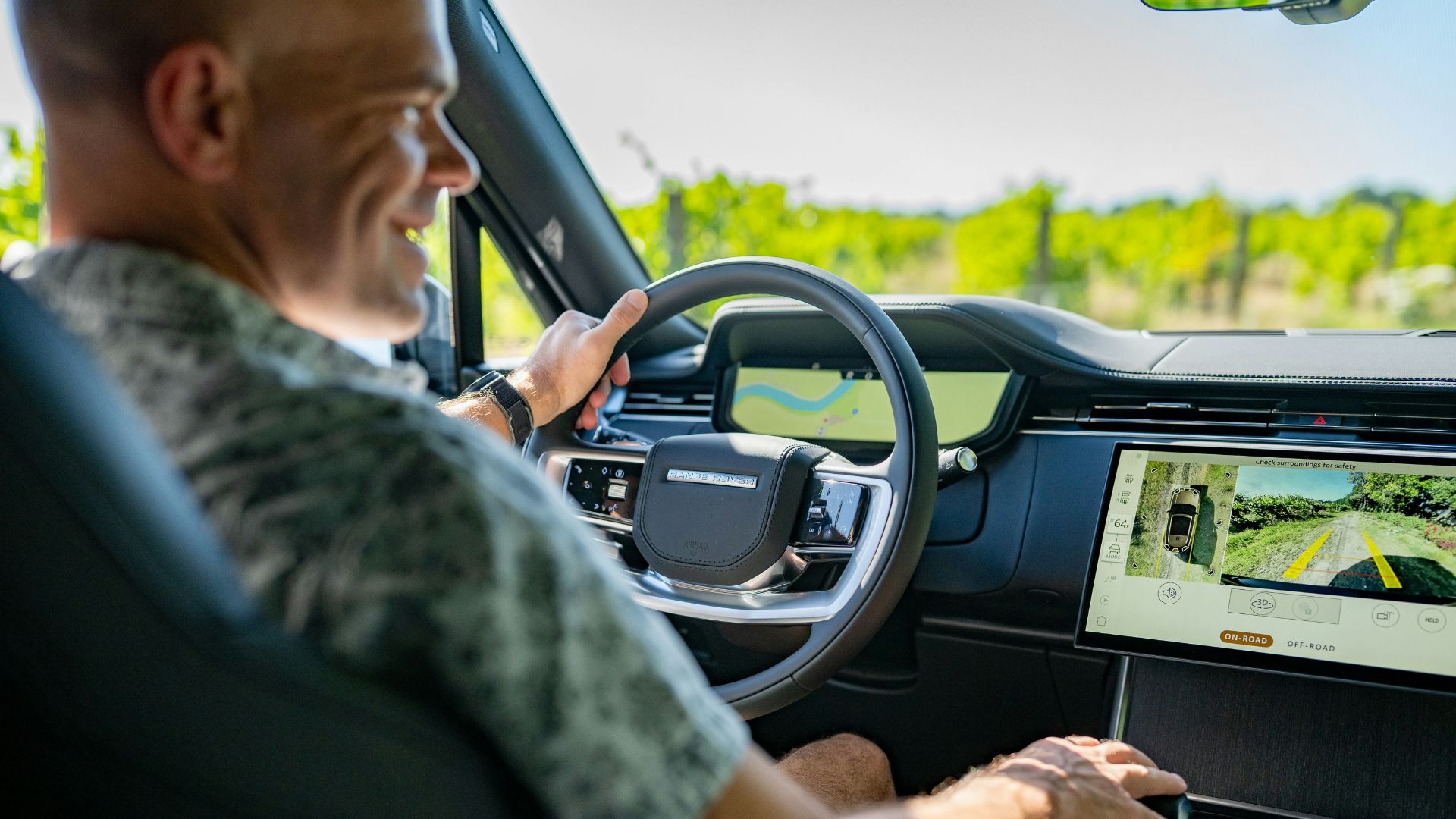
When your vehicle says a camera is blocked or driver assistance is unavailable, it is not merely complaining. The system has recognized that its information is unreliable. Treat that message as a safety notification, not a challenge to keep pressing buttons until adaptive cruise control finally agrees to activate.
Start With A Careful Cleaning
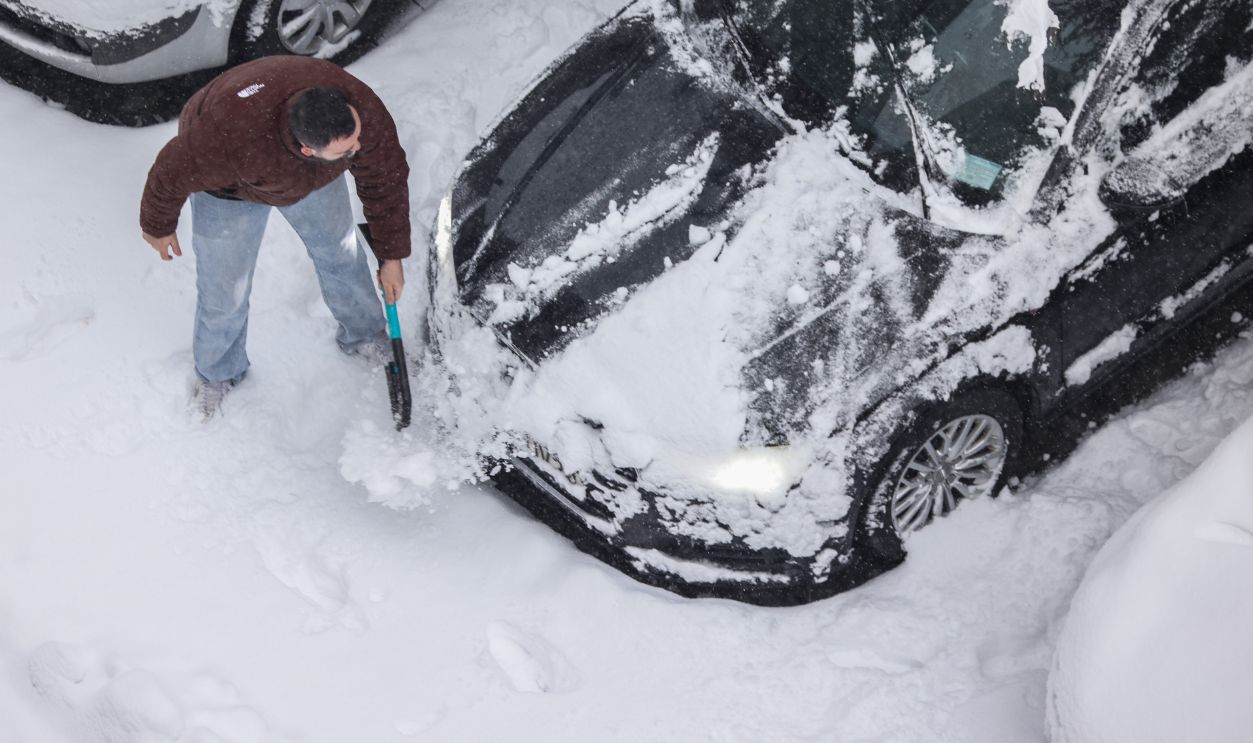
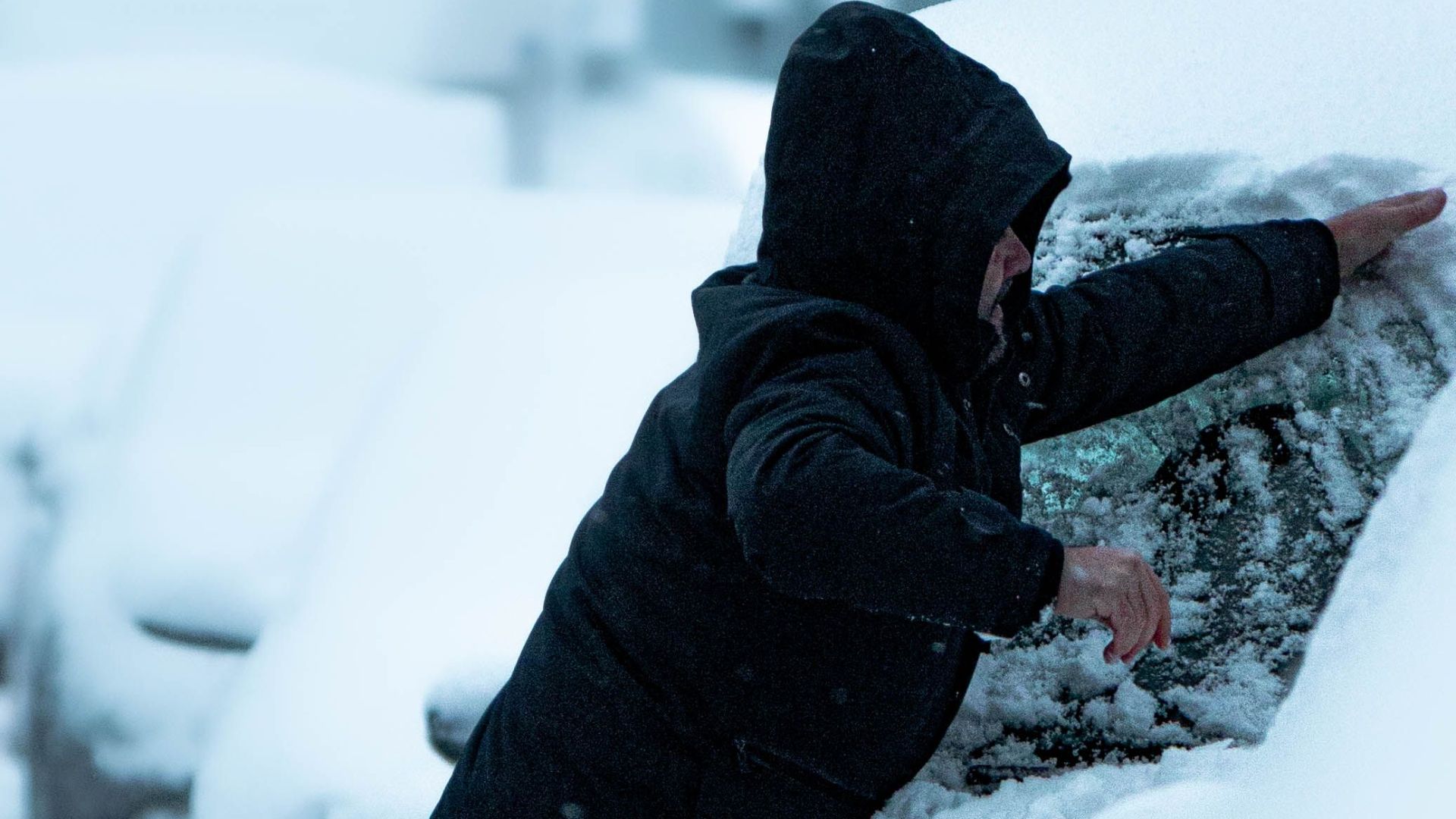
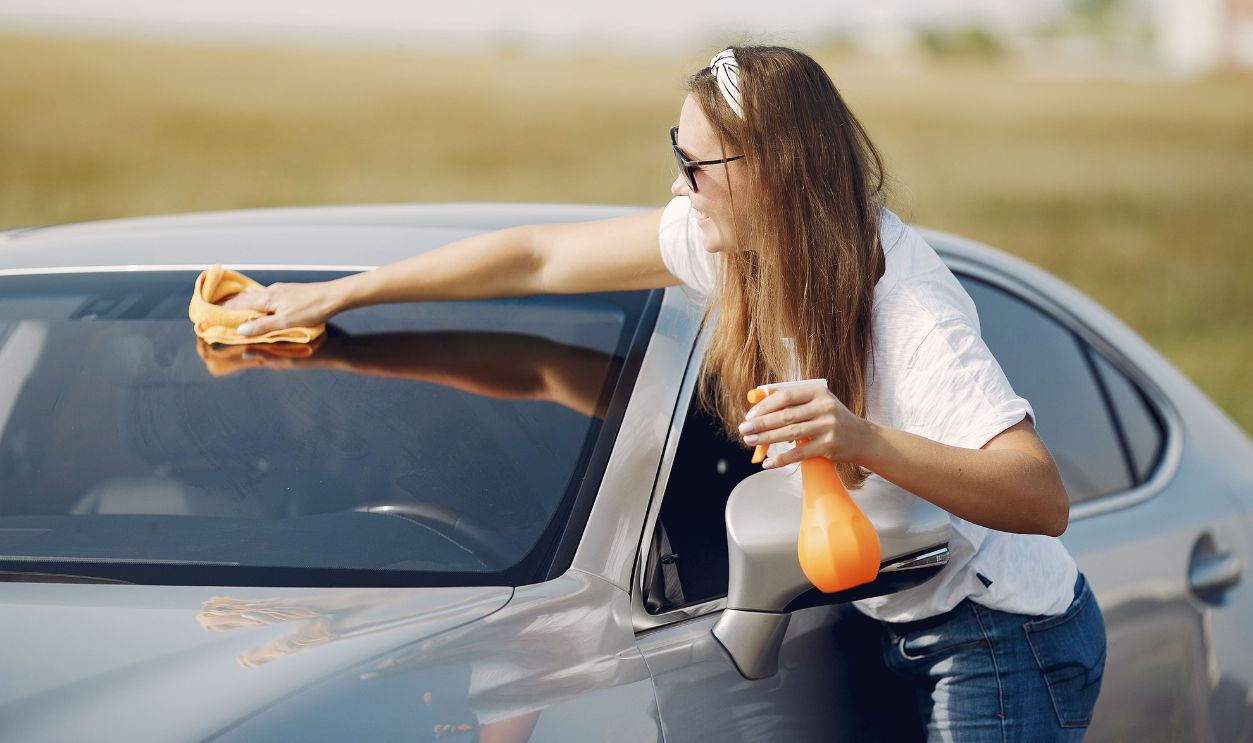
Before calling the dealership, inspect the windshield, grille, bumpers, mirror housings, and badges where sensors may be located. Remove snow and ice gently, using methods recommended in the owner’s manual. Avoid scraping camera lenses or sensor covers with hard tools, since a small scratch could become an expensive problem.
Keep The Windshield Healthy
A dirty windshield, interior haze, poorly installed tint, or lingering condensation may obstruct a camera. Even replacement glass can matter. Many camera-based systems require precise positioning and calibration after windshield replacement. Saving money with improper glass installation may leave a luxury car’s fanciest safety features behaving like nervous interns.
Repairs Can Knock Things Out Of Line
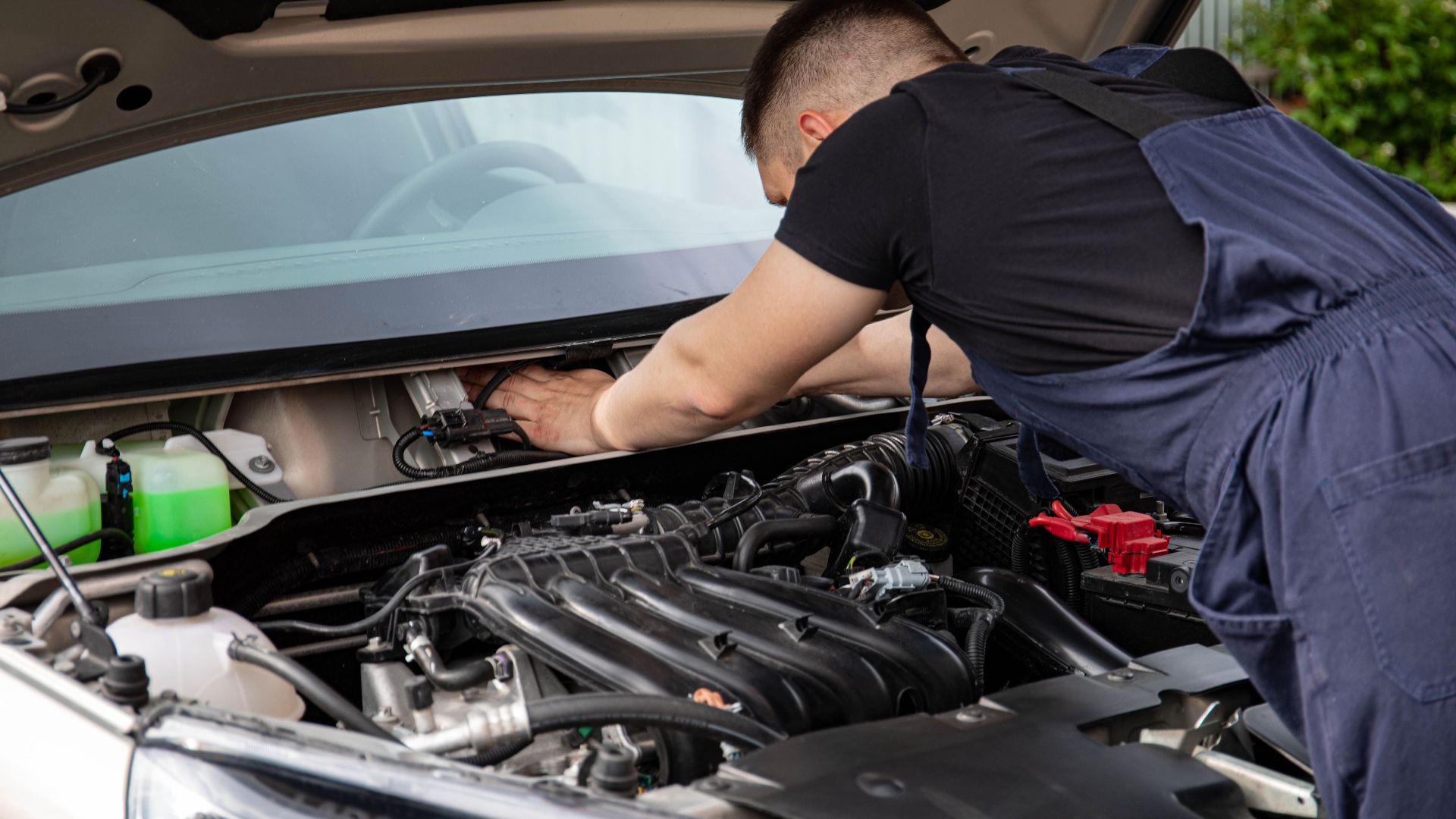
A minor bumper impact, suspension repair, wheel alignment, grille replacement, or windshield job can alter sensor positioning. ADAS hardware must often be aimed within extremely tight tolerances. A sensor can appear perfectly normal from outside while feeding inaccurate information to the software because it is pointed slightly in the wrong direction.
Calibration Is Not A DIY Guess
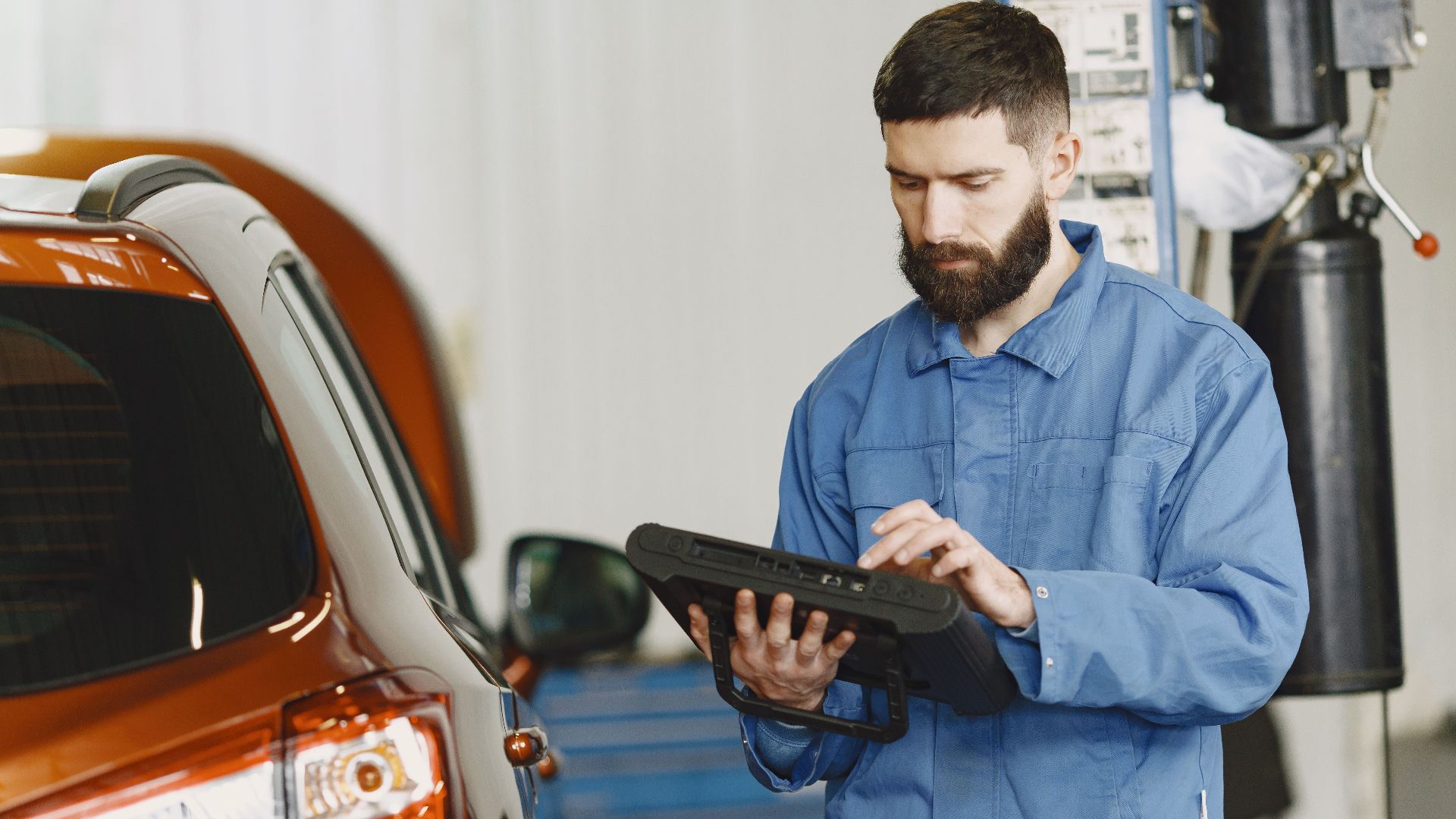
Proper calibration may require targets, measurement equipment, level flooring, controlled lighting, and manufacturer-specific software. Some vehicles also need a dynamic calibration performed while driving under particular conditions. Because these systems can influence steering and braking, this is one area where a qualified technician is preferable to an enthusiastic afternoon experiment.
Check For Updates And Bulletins
Software updates can improve object recognition, reduce false warnings, or correct known bugs. Manufacturers may also release technical service bulletins explaining recurring sensor problems. Ask the dealership to check your vehicle identification number for updates, campaigns, recalls, and documented repair procedures rather than simply clearing the warning codes.
Document Every Malfunction
Record the date, weather, speed, road type, warning message, and affected feature whenever the problem appears. Photograph the dashboard when safely parked. Video from a passenger may also help. A detailed pattern gives technicians far more to work with than saying, “It sometimes gets weird when the weather is terrible.”
Know When It Is Not Normal
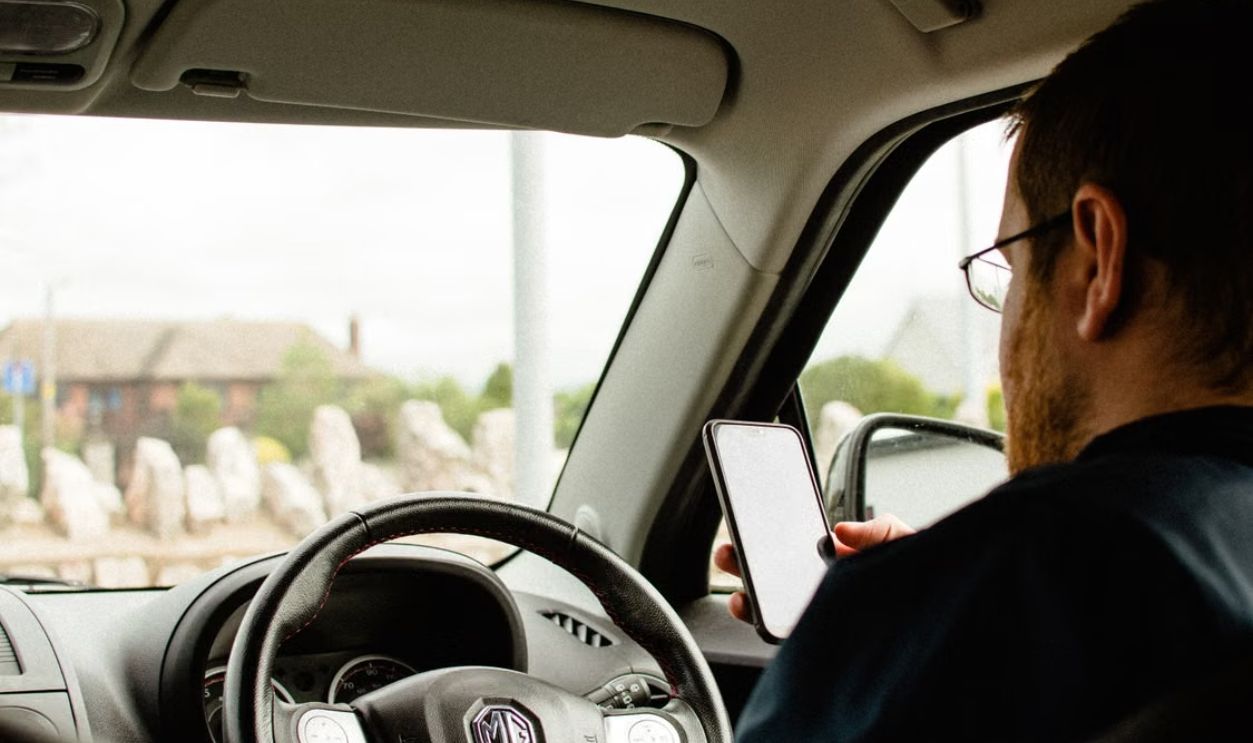
Temporary unavailability during a blizzard may be expected. Repeated phantom braking, warnings in clear weather, failures that remain after cleaning, or systems that behave unpredictably deserve professional attention. A malfunction indicator that stays on could point to damaged wiring, incorrect calibration, sensor failure, or another problem unrelated to weather.
Adjust Your Driving Before The Computer Does
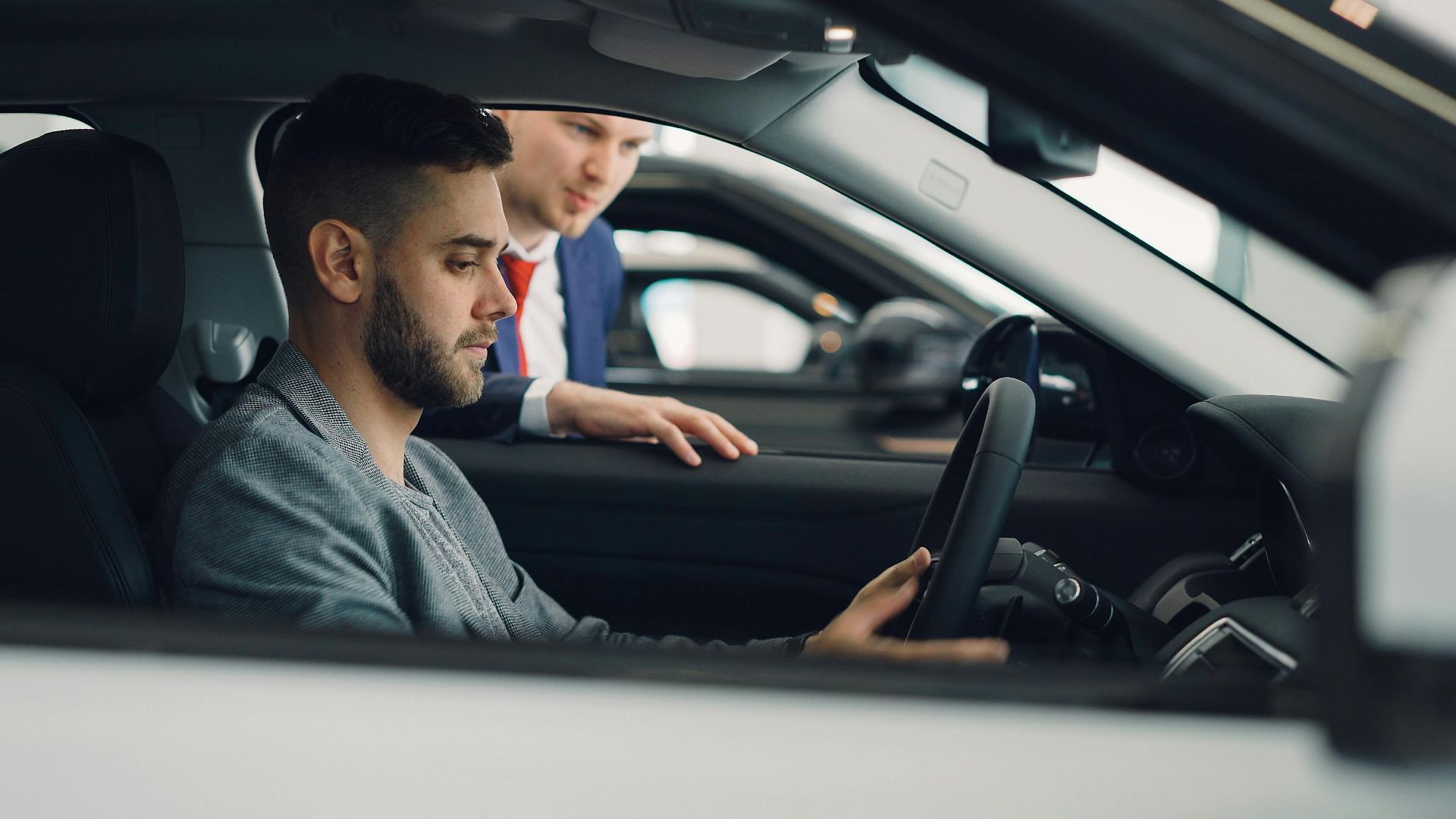
In poor weather, reduce speed, increase following distance, make gentler steering inputs, and prepare for longer braking distances. Do not depend on automatic emergency braking to overcome slippery tires or limited traction. A perfectly functioning sensor can recognize danger yet still be unable to rewrite the laws of physics.
Is The Technology Truly Ready?
It is ready to assist, but not ready to replace judgment in all conditions. Current systems can prevent crashes and reduce injuries, yet rain, snow, fog, ice, dirt, and faded roads remain difficult. The honest description is not “self-driving.” It is “highly useful assistance with a surprisingly long list of footnotes.”

Trust It—But Keep Your Hands On The Wheel
Your luxury car’s safety sensors are neither useless toys nor infallible robotic chauffeurs. They are powerful tools still learning to handle the messy world beyond the laboratory. Keep them clean, maintain them properly, heed their warnings, and stay alert. When the weather turns ugly, the smartest sensor in the vehicle must still be you.
You May Also Like: