A Hybrid That Hates Being Ignored?
You bought a hybrid partly because it promised fewer fuel stops and lower running costs. Then life happened, the car sat for a few months, and suddenly the battery seems unhappy. Does that mean hybrids are a bad match for people who barely drive? Usually, no—but electrified cars do have some storage quirks worth knowing.
First, Which Battery Is Weak?
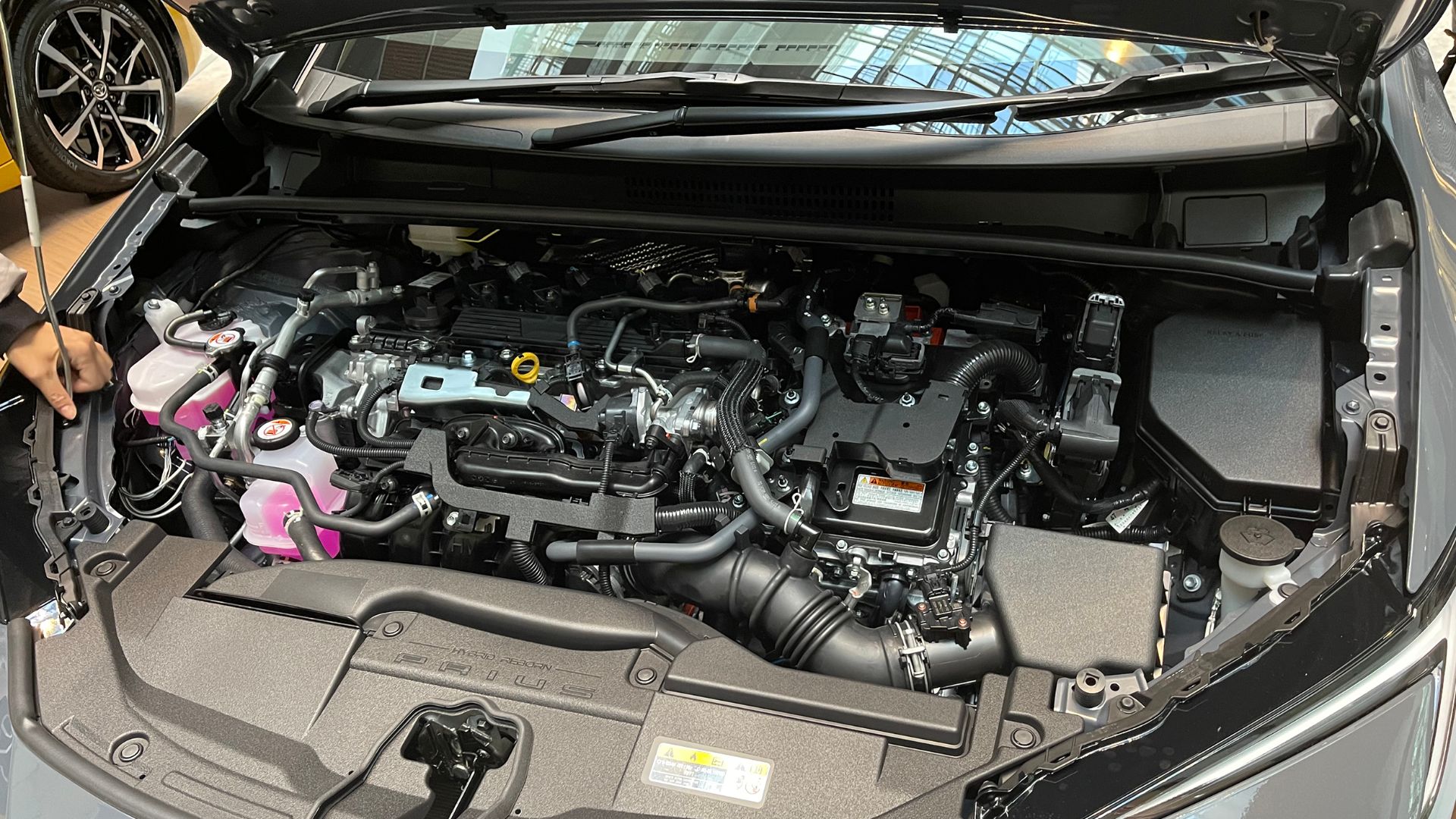
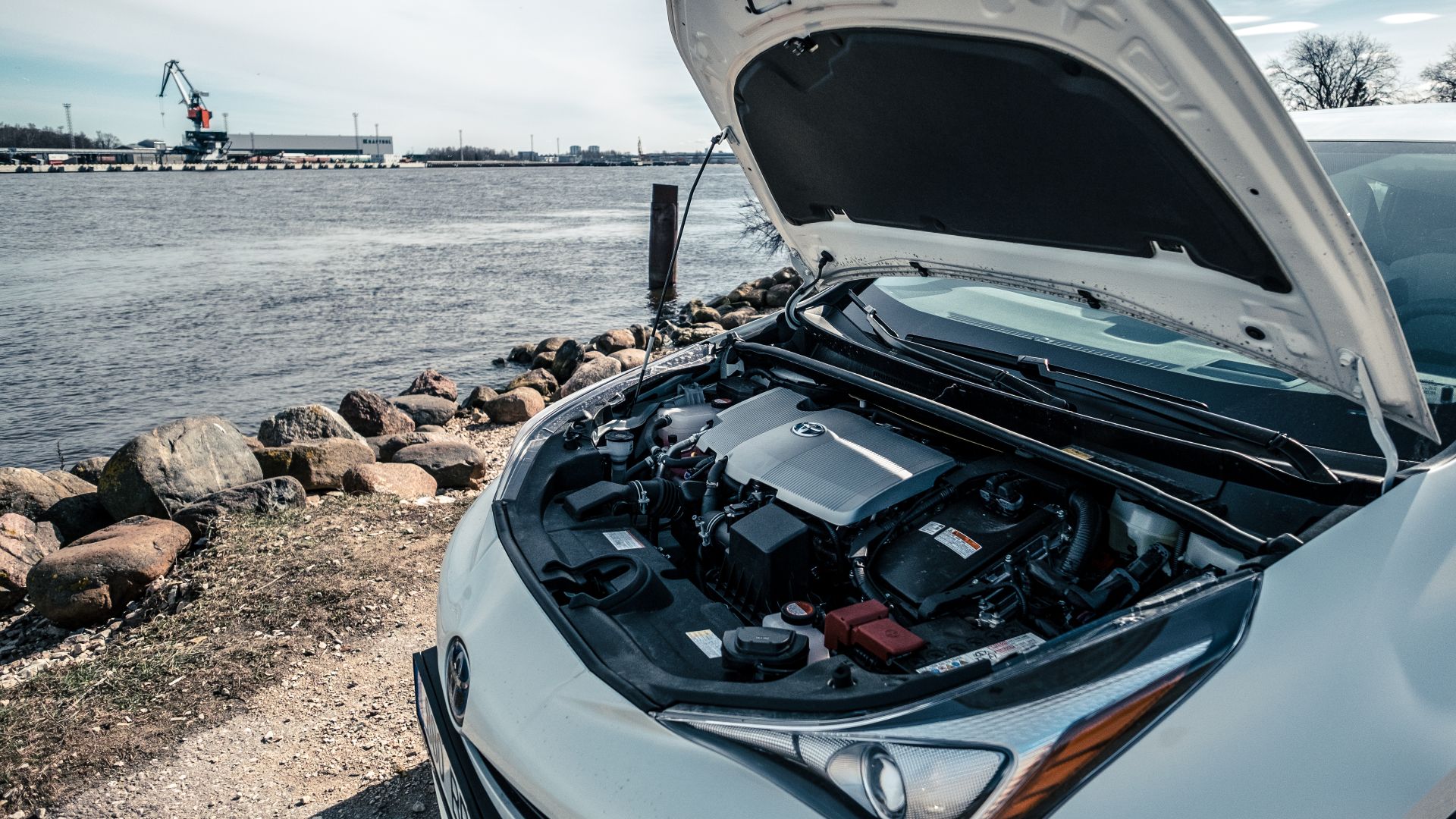
Before blaming expensive hybrid technology, figure out which battery is actually causing trouble. Most hybrids have both a high-voltage traction battery and a conventional 12-volt battery. The little 12-volt unit is often the one responsible when a long-parked hybrid suddenly refuses to wake up.
 Tokumeigakarinoaoshima, Wikimedia Commons
The Little Battery Is Often The Culprit
That 12-volt battery powers computers, locks, lights, security systems, and the electronics needed to start the hybrid system. Toyota notes that a 12-volt battery continues gradually discharging even while the vehicle is unused. If it gets too low, the hybrid system may not start at all.
 Karlis Dambrans from Latvia, Wikimedia Commons
Why Batteries Drain While Parked
Modern cars never completely go to sleep. Keyless-entry receivers, alarm systems, telematics, memory functions, and other electronics can continue drawing tiny amounts of electricity. Those loads barely matter when you drive regularly, but leave the car parked for weeks or months and they can become significant.

The Big Hybrid Battery Is Different
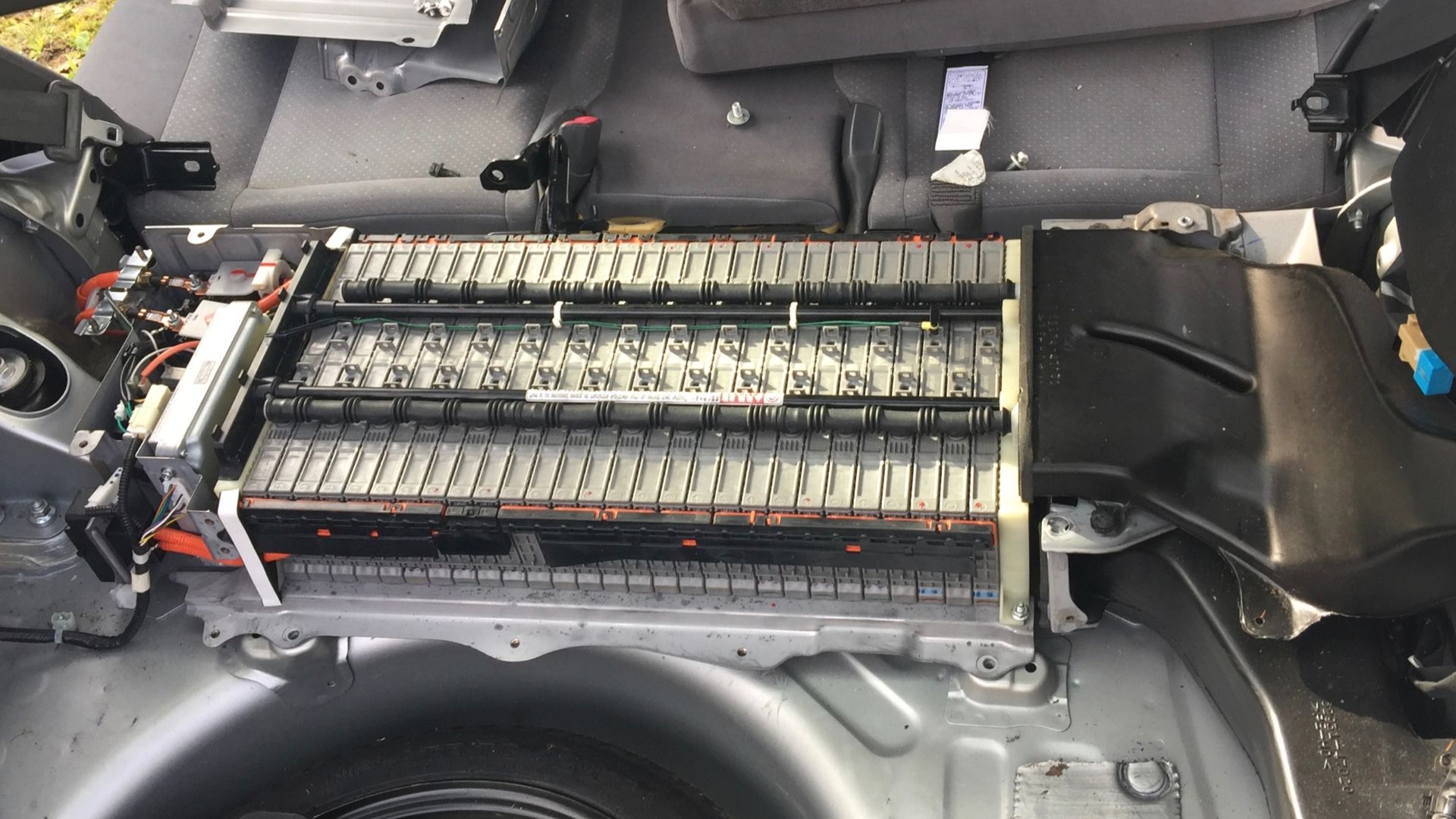
Your high-voltage battery is designed very differently from the familiar battery under the hood. It powers the electric motor and stores energy recovered during braking. It will slowly lose charge during storage too, but its behavior, charging strategy, and recommended storage routine depend heavily on the particular hybrid system.
 User:Ww2censor, Wikimedia Commons
Sitting For Months Is Not Automatically Fatal
A few months without driving does not automatically mean your expensive traction battery is ruined. Honda, for example, says the high-voltage battery in its CR-V Hybrid gradually discharges while parked and recommends driving more than 30 minutes at least once every three months to maintain its charge.
 Volodymyr Dobrovolskyy, Unsplash
Hybrids Can Work For Occasional Drivers
So, no, electrified cars are not inherently bad for low-mileage owners. Plenty of people use hybrids as second cars, seasonal vehicles, or occasional transportation. The trick is recognizing that "occasional use" and "forgetting the car exists for half a year" are two slightly different ownership strategies.
They Still Prefer Some Routine
Cars generally like to move. Driving circulates fluids, charges batteries, moves the tires, cleans surface rust from brakes, and brings mechanical components up to operating temperature. Your hybrid doesn't need a daily commute, but giving it some purposeful exercise can prevent a surprisingly long list of storage-related annoyances.
Read Your Particular Owner's Manual
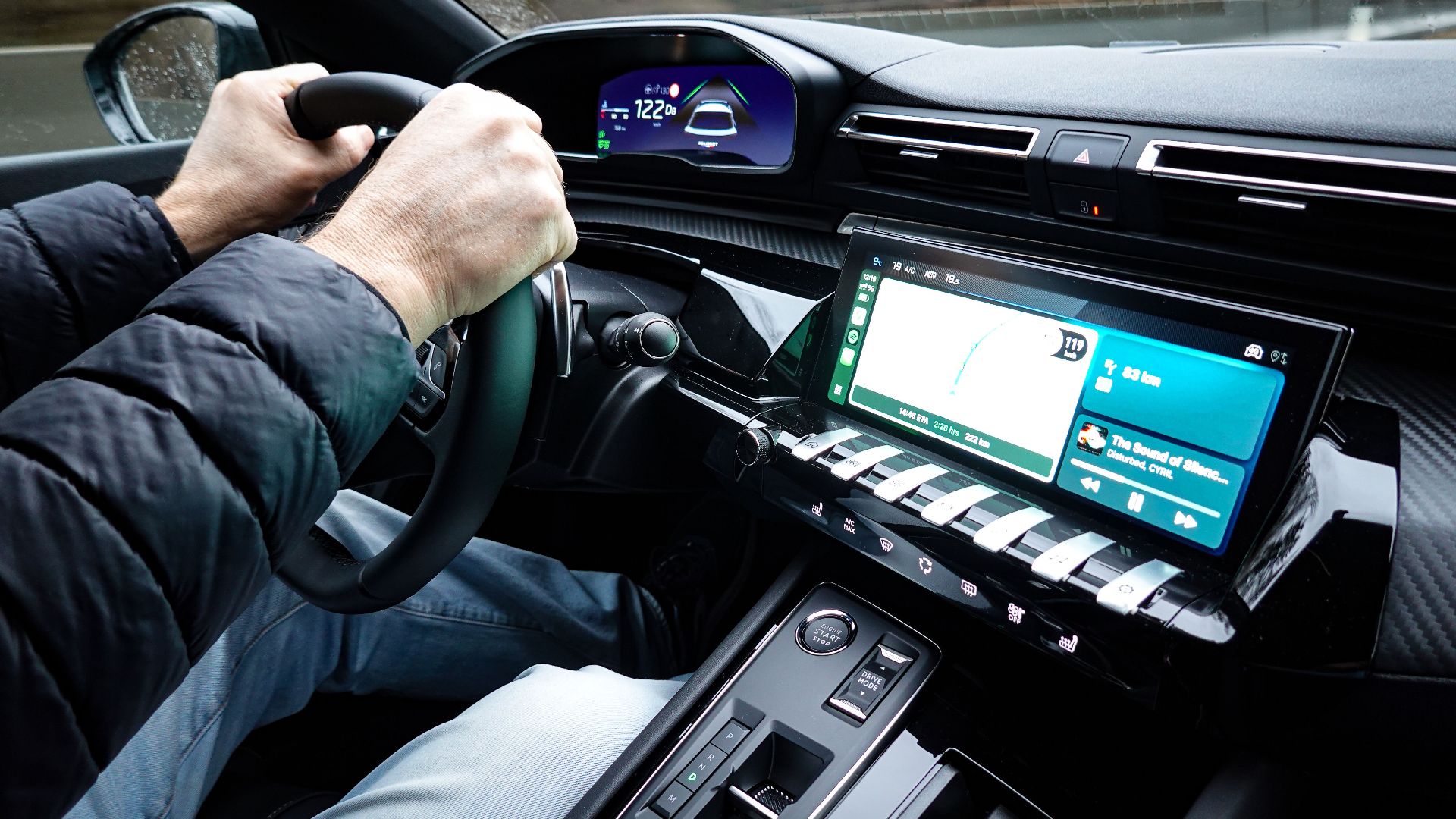
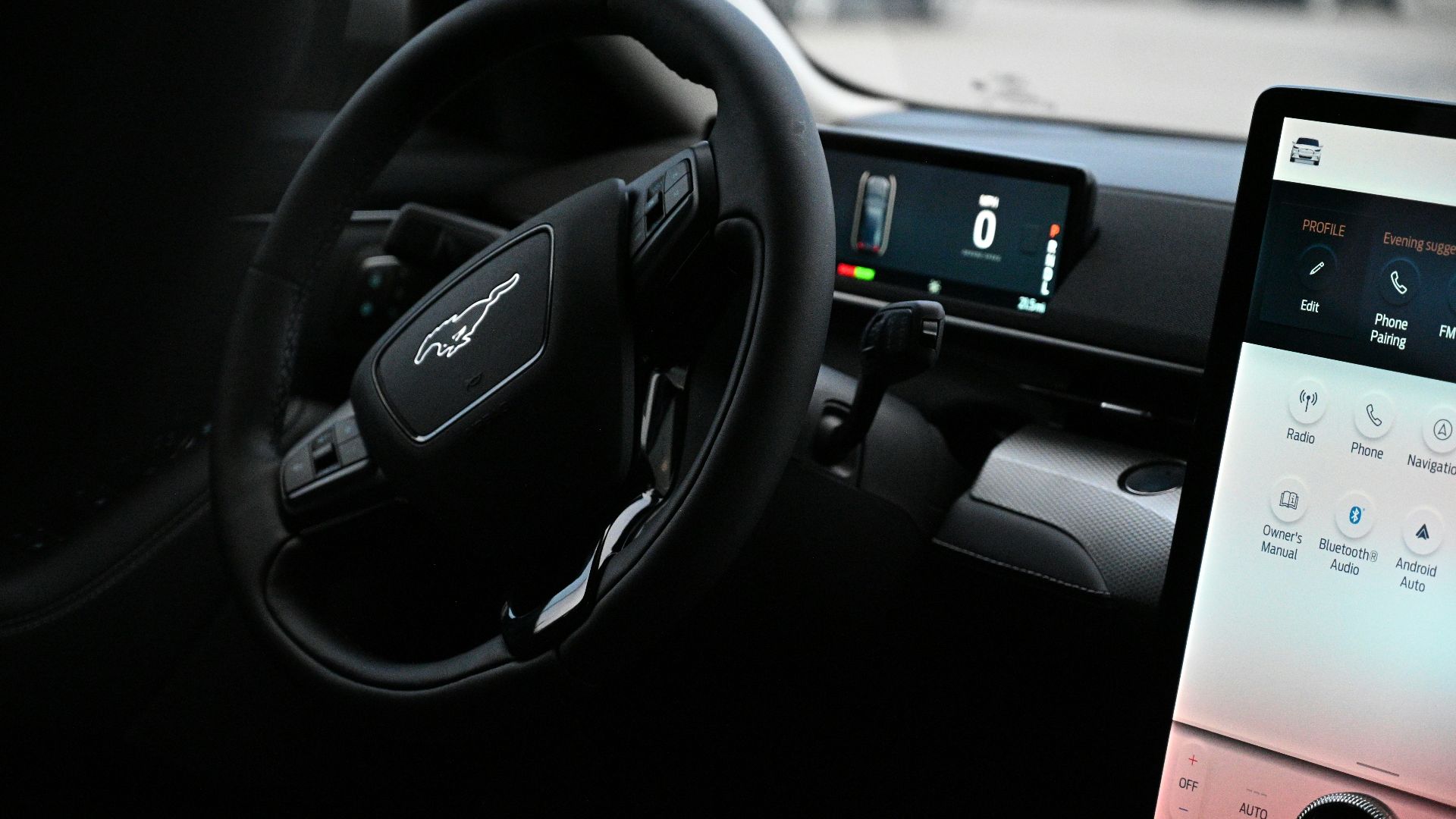
This is one situation where the thick book hiding in your glovebox deserves some attention. Storage recommendations vary substantially between manufacturers and models. Ford, for example, specifically advises owners planning storage longer than 30 days to consult their manual's vehicle-storage instructions rather than assuming one rule applies everywhere.
A Battery Maintainer May Help
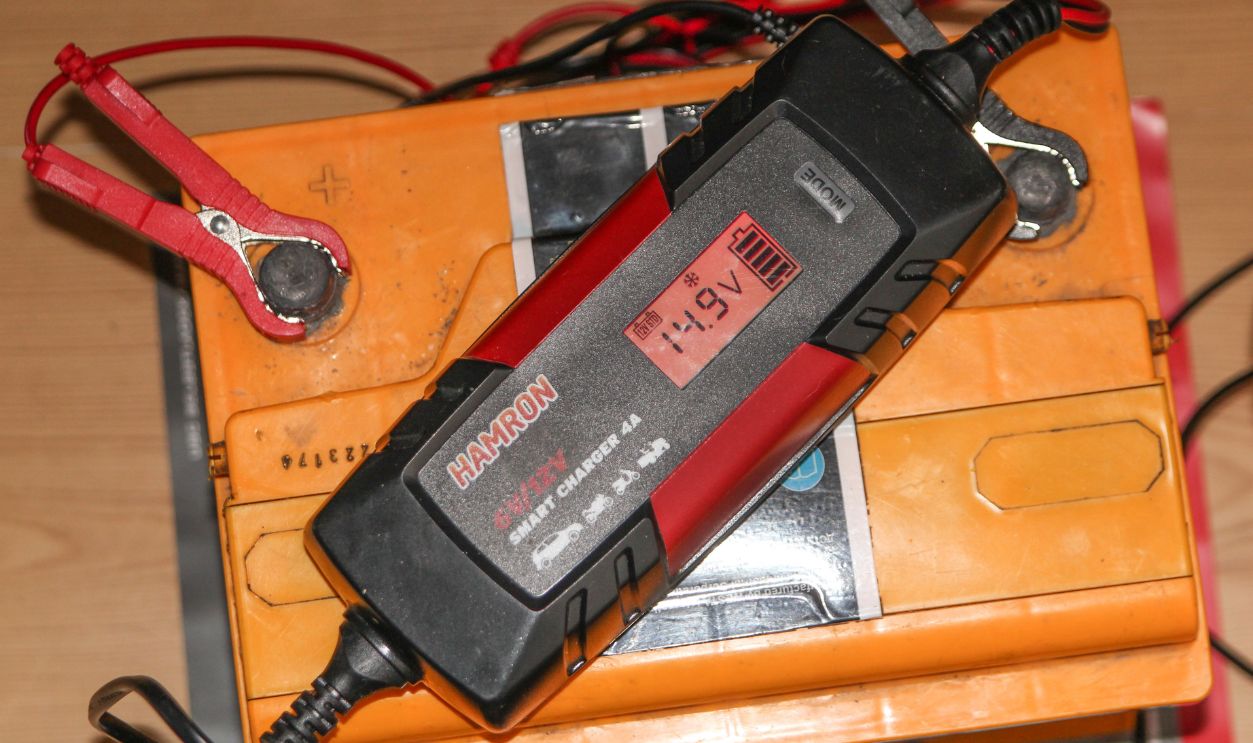
If the car spends long stretches parked, a compatible 12-volt battery maintainer can be extremely useful. Unlike repeatedly rescuing a dead battery with jumper cables, a maintainer is designed to keep an appropriate battery charged during storage. Check your manual before connecting anything, especially on vehicles with unusual battery locations or procedures.
Use The Right Equipment
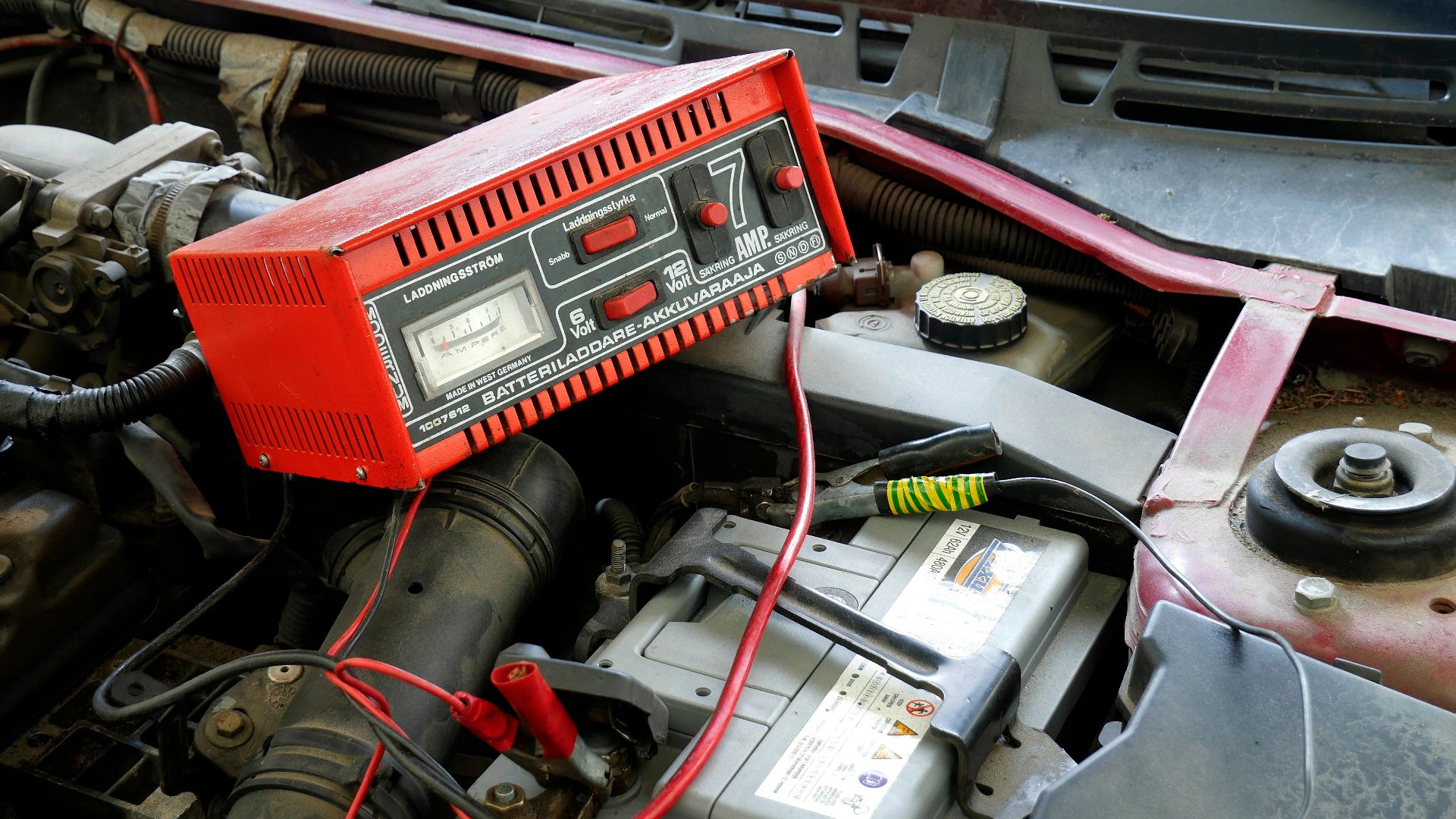
Don't simply grab whatever ancient charger is gathering dust in the garage. Modern vehicles may use AGM or other battery types requiring appropriate charging equipment. Confirm the battery specification and follow the automaker's instructions. Connecting unsuitable equipment incorrectly can turn a cheap storage problem into a considerably more expensive electrical problem.
 Santeri Viinamaki, Wikimedia Commons
Idling For Five Minutes Isn't Much Of A Workout
Starting the car occasionally and letting it idle briefly may feel responsible, but that isn't necessarily enough. Starting electronics, climate control, lights, and other systems consume power too. Several manufacturers recommend actual operating periods rather than a ceremonial five-minute driveway start. Follow your model's guidance instead of relying on folklore.
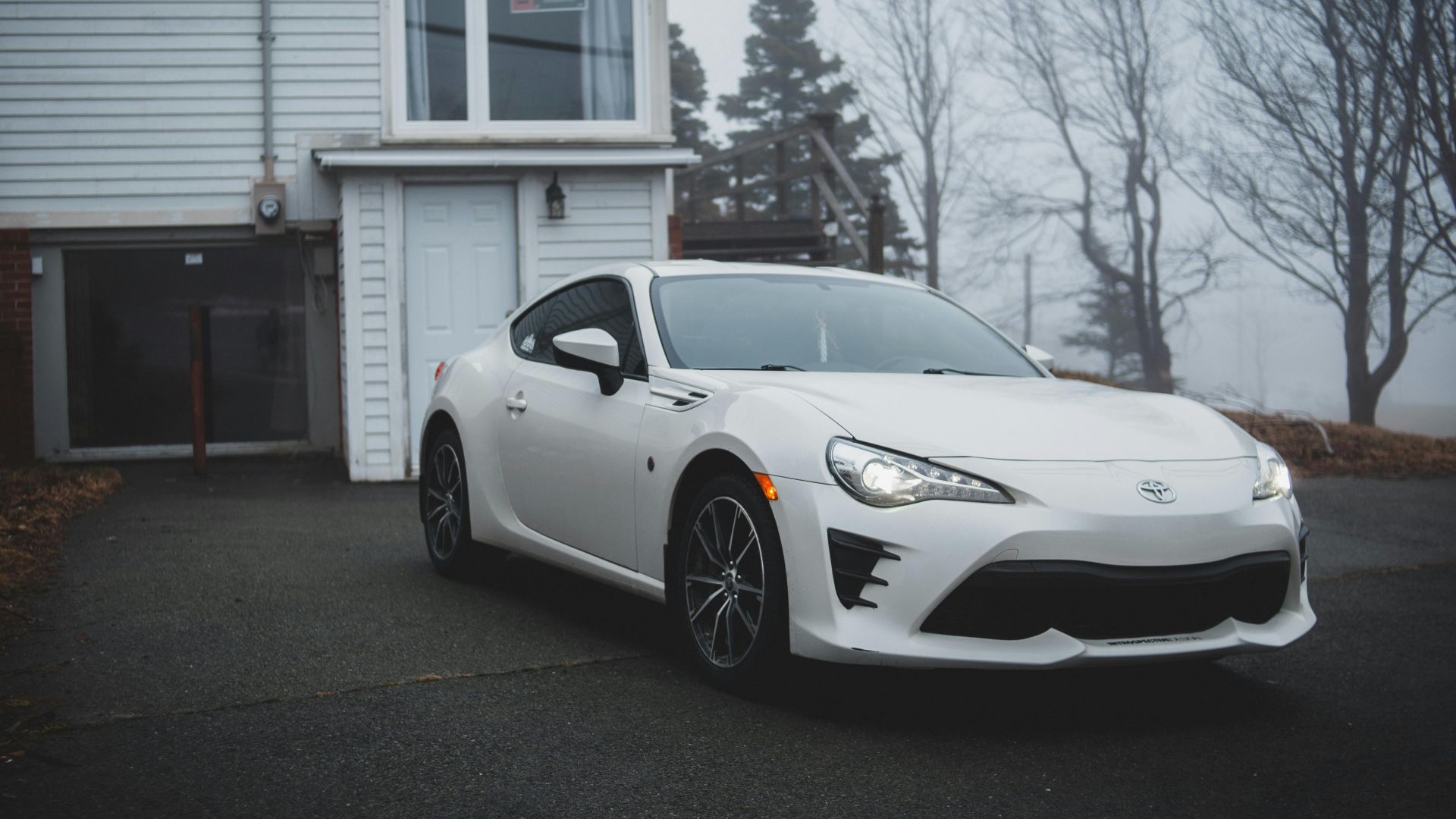
Driving Is Usually More Useful
If conditions allow, take the car for a proper drive rather than merely starting it. Toyota has advised on some hybrids that a vehicle parked for long periods should be driven at least once every several months for roughly 30 minutes or 10 miles to maintain the traction battery.
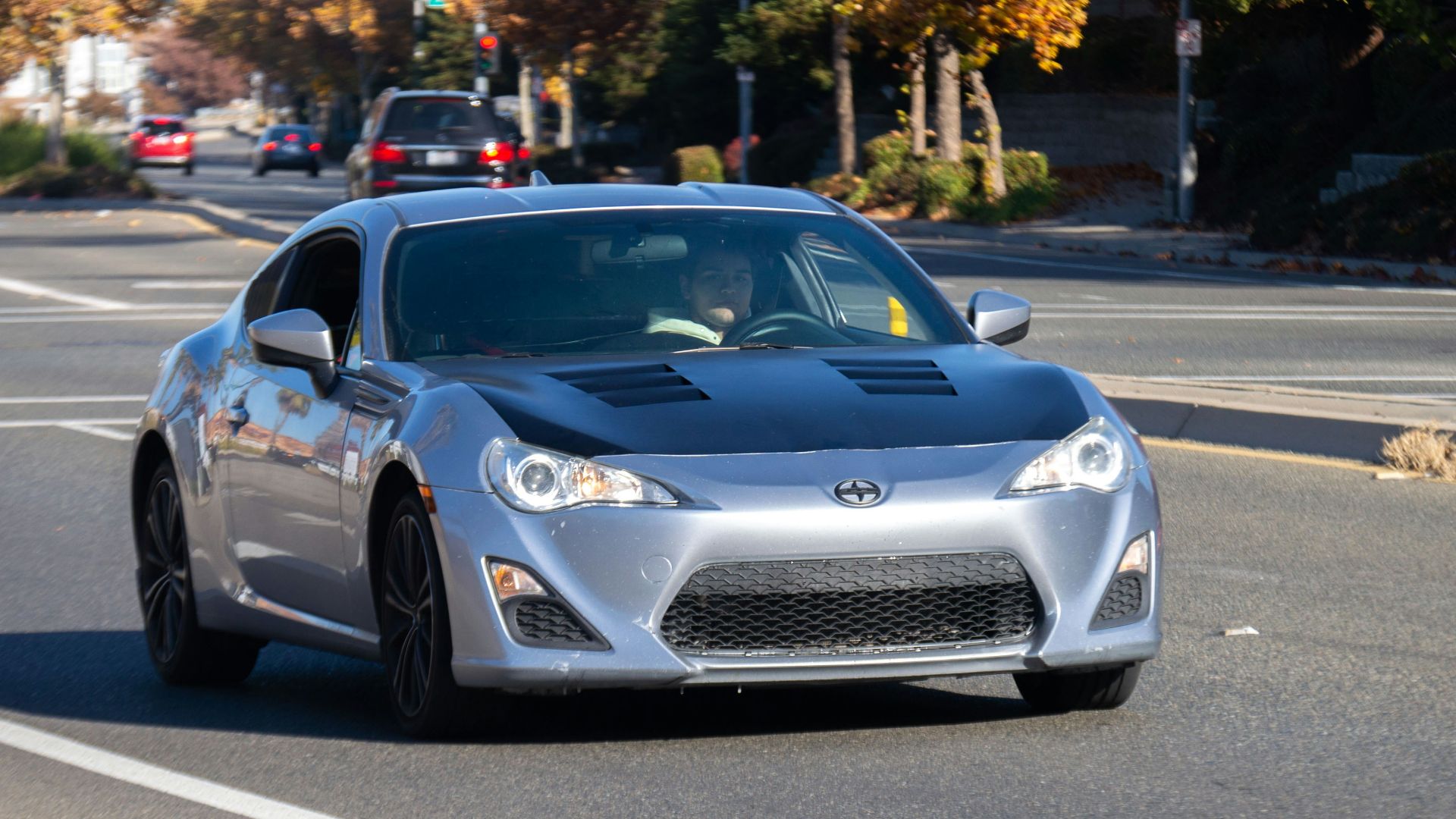
Plug-In Hybrids Need Different Thinking
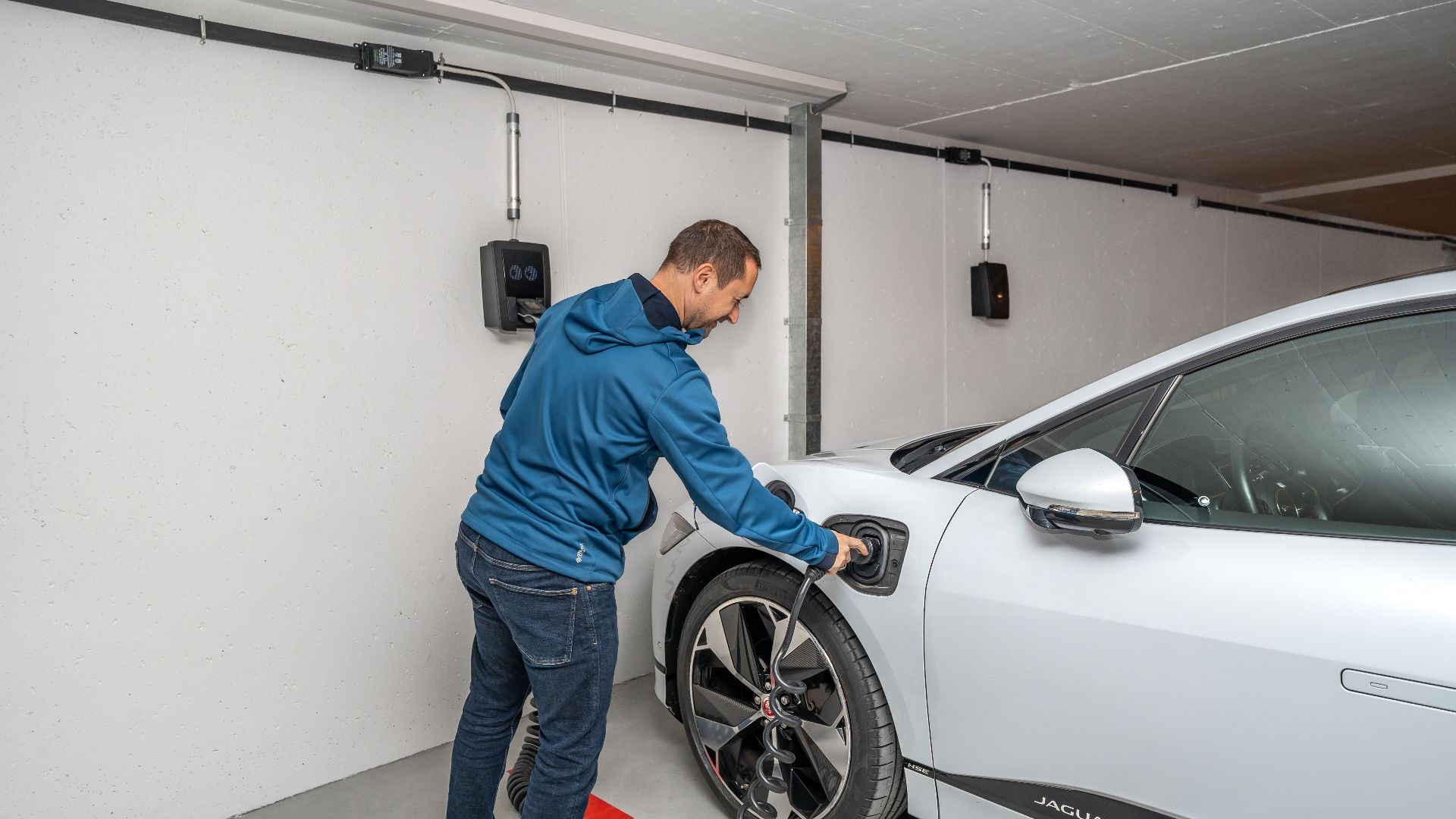
Own a plug-in hybrid? Now there is another variable: external charging. A PHEV's much larger battery makes its storage strategy different from that of a conventional hybrid. Don't assume keeping it plugged in permanently or charging it to 100% before storage is automatically best; follow the manufacturer's recommended storage charge level.
Don't Store Batteries Nearly Empty
One thing you generally want to avoid is allowing a traction battery to sit deeply discharged for an extended period. Honda warns that extended storage at a low state of charge can shorten high-voltage battery life. That makes checking the vehicle before disappearing for several months especially worthwhile.
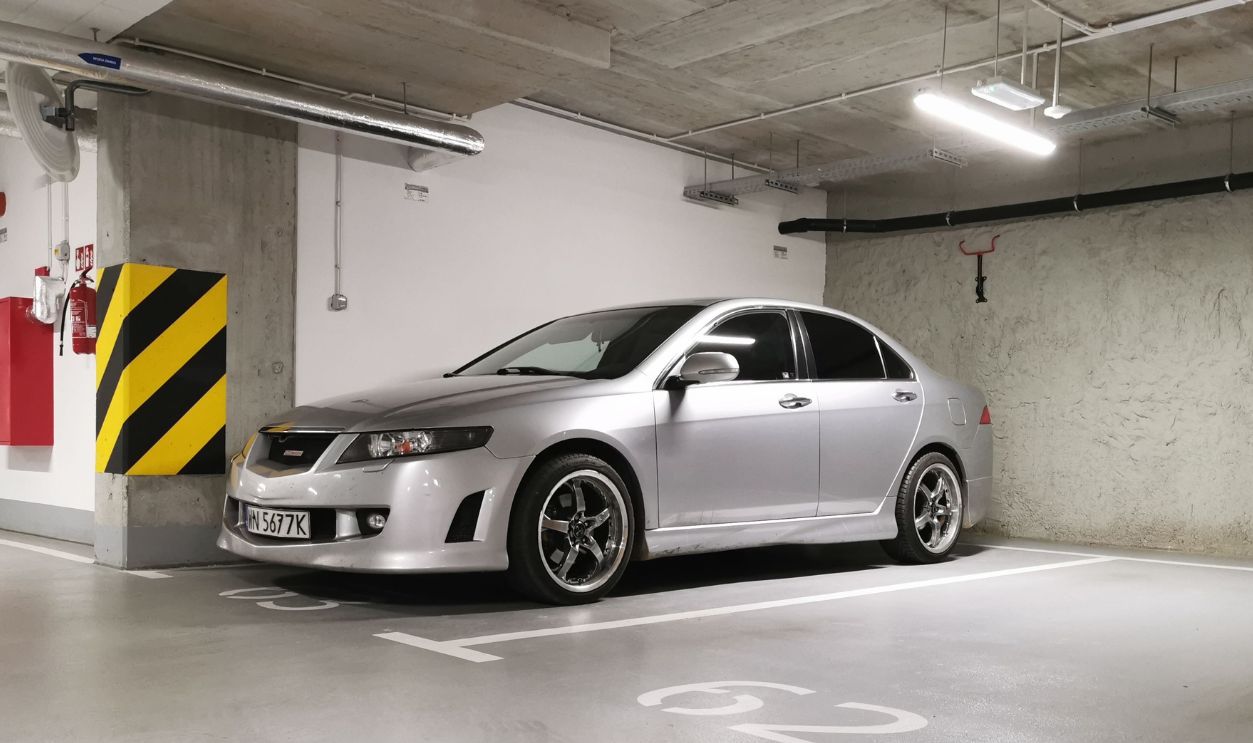
Heat Deserves Respect
Extreme heat is particularly tough on batteries. If you have a choice between baking your seldom-used hybrid on hot pavement all summer and keeping it somewhere cooler or shaded, the second option is friendlier. Honda specifically recommends shade during hot weather to minimize temperature-related effects on hybrid battery life.
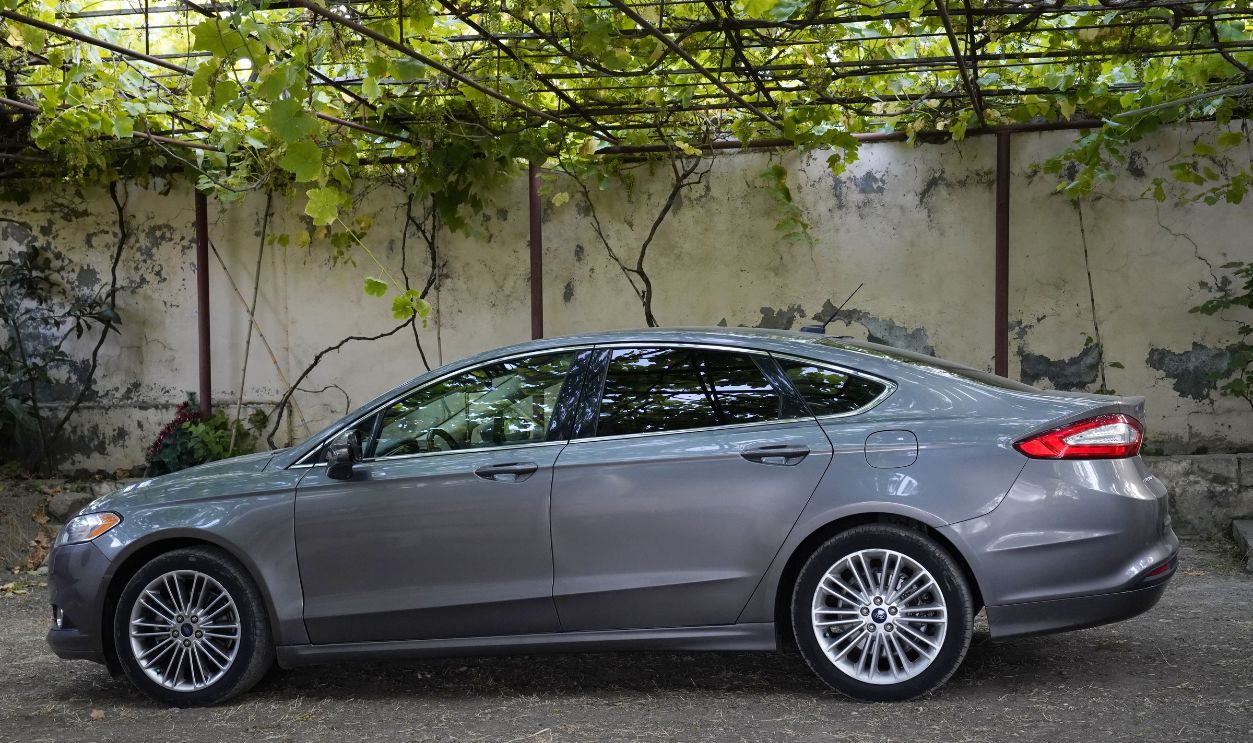
Cold Can Reveal A Tired 12-Volt Battery
Winter creates a different headache. Cold weather reduces a 12-volt battery's available performance, meaning a battery that seemed merely "a little weak" in autumn may surrender dramatically on the first freezing morning. Long storage combined with an older battery and Canadian-style winter temperatures can make that problem especially obvious.

Tires Don't Enjoy Hibernation Either
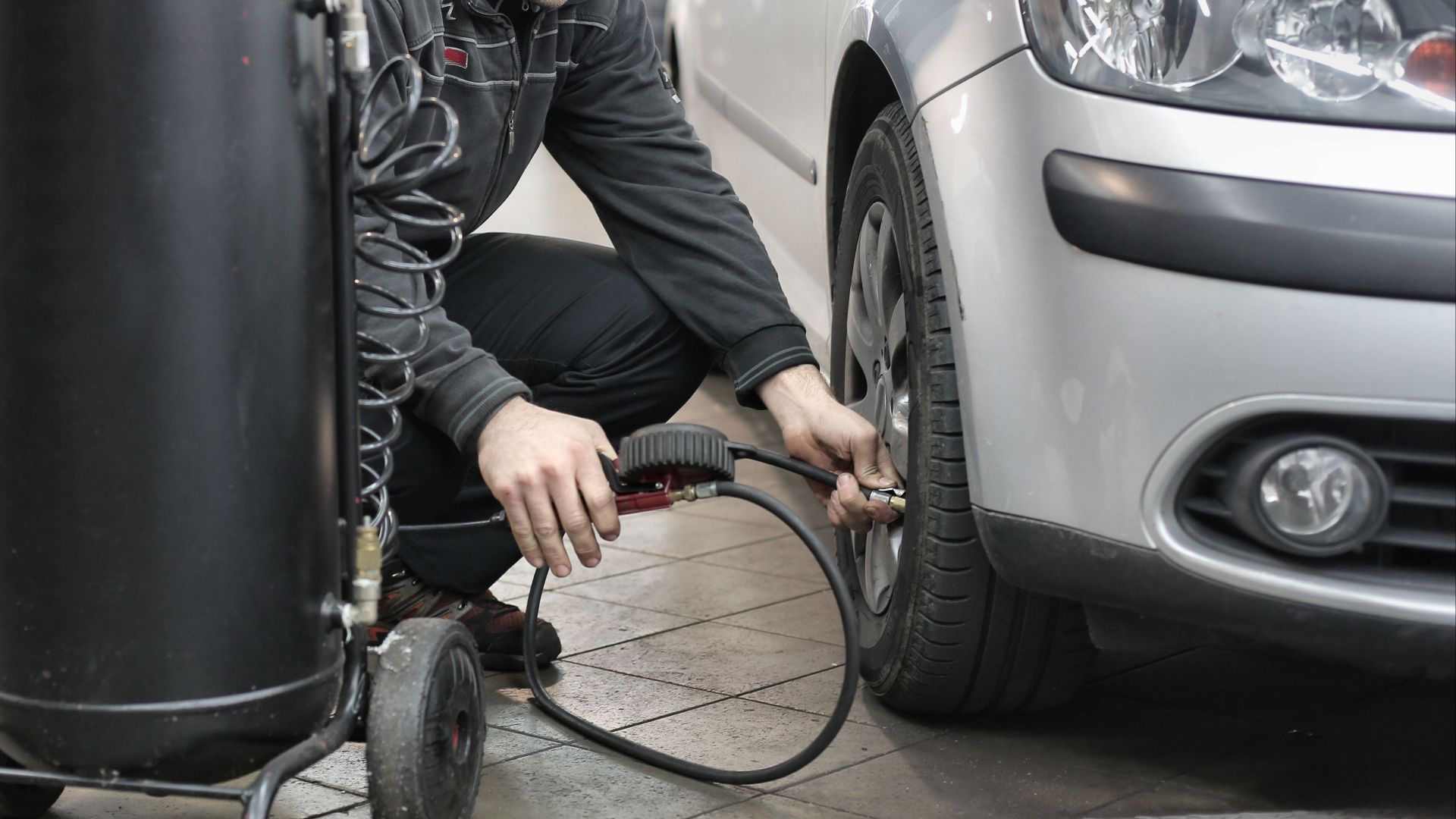
The batteries aren't the only components noticing your absence. Tires can gradually lose pressure while parked, and lengthy periods sitting in one position can contribute to temporary flat spotting. Check tire pressure before returning a stored car to regular duty, particularly if temperatures changed substantially while it was parked.
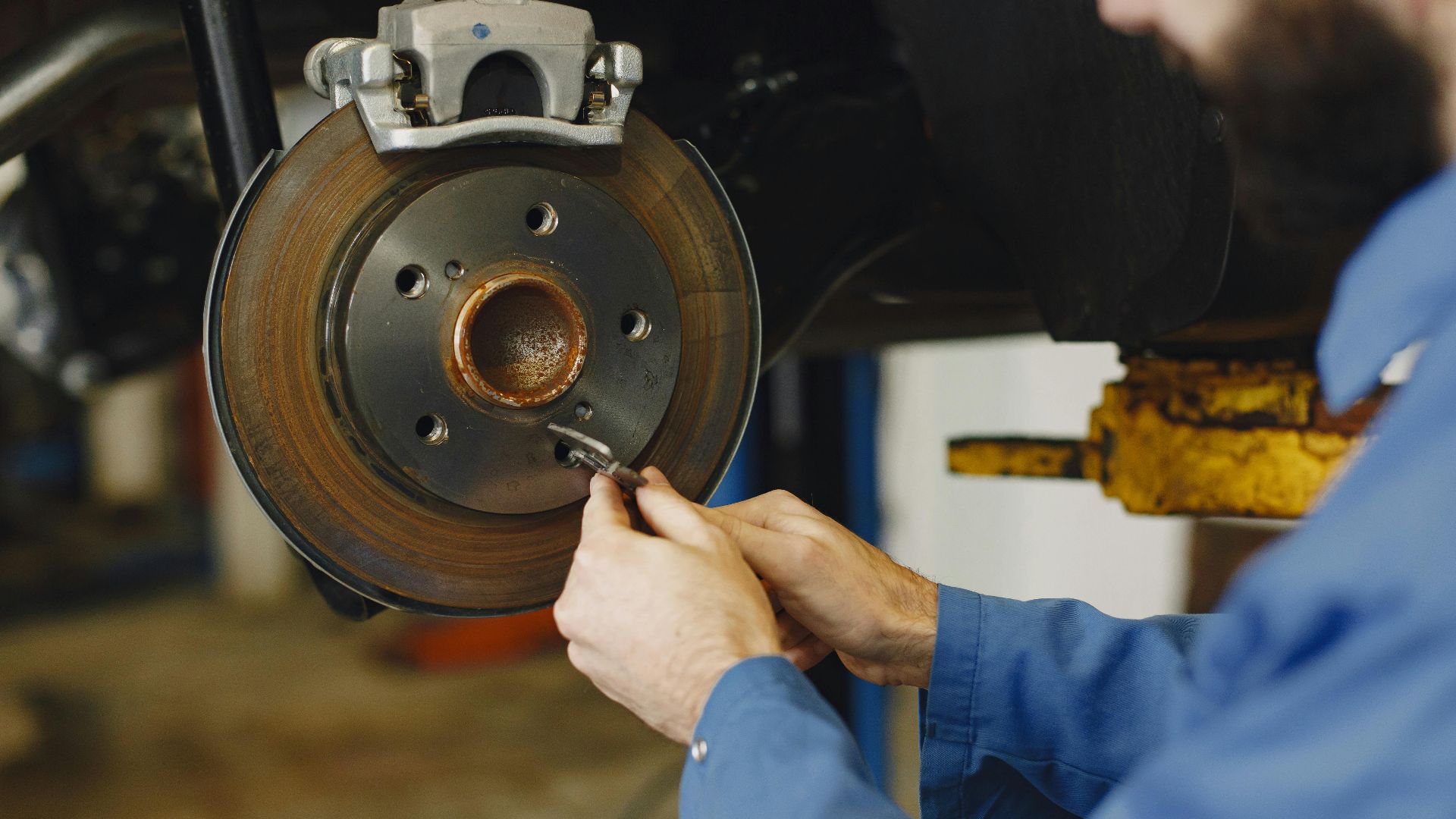
Brakes May Sound Unhappy
Don't be shocked if your first drive produces some scraping or grumbling from the brakes. Surface rust can develop on brake rotors while a vehicle sits, especially in damp conditions. Light corrosion commonly disappears after normal braking, but severe vibration, persistent noise, or poor braking deserves professional inspection.
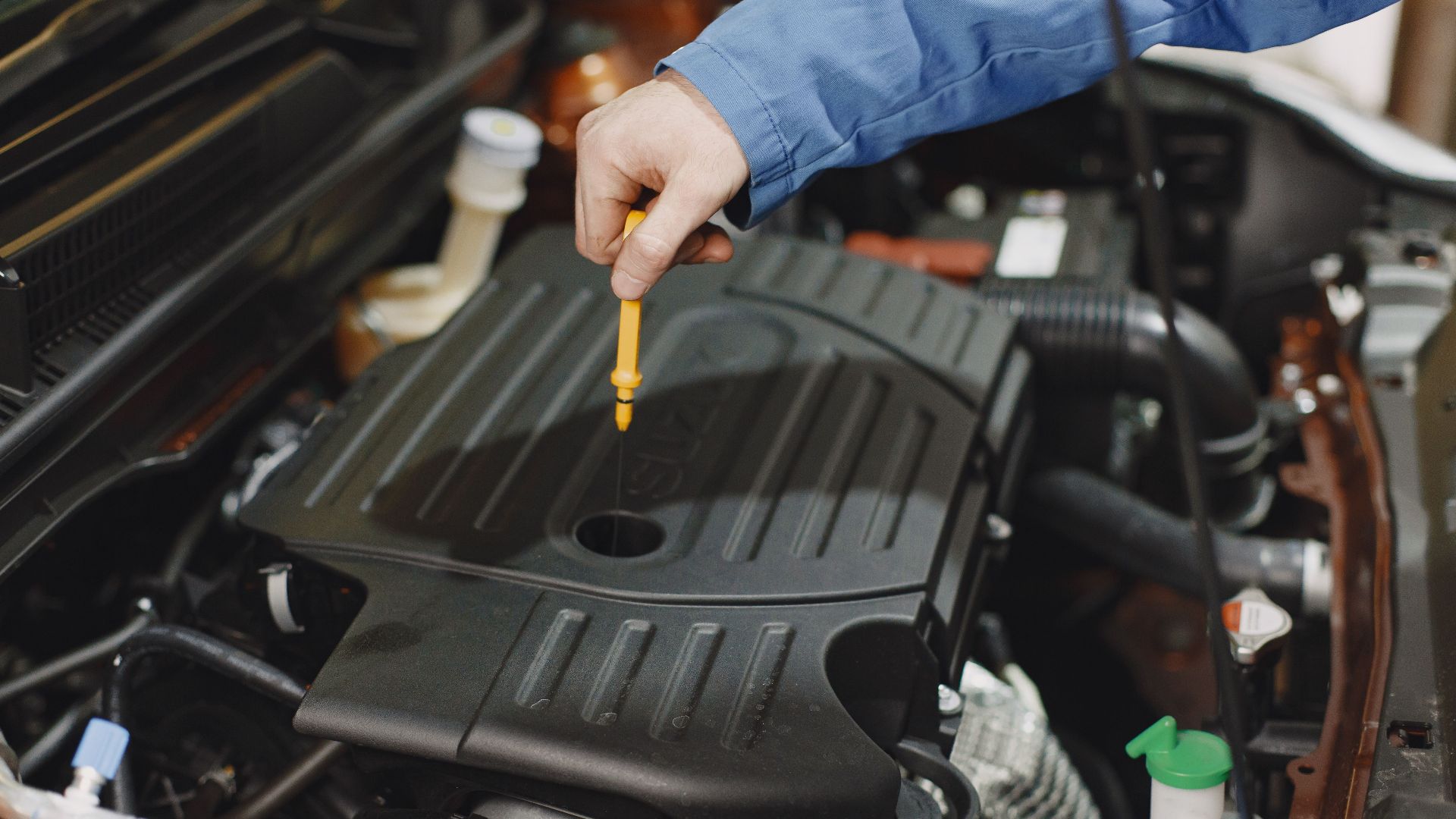
Gasoline Still Matters In A Hybrid
A hybrid may sip fuel, but it still carries gasoline—and gasoline ages. Months of storage can become a concern depending on storage conditions, fuel formulation, and duration. For genuinely long-term storage, consult your manual about fuel recommendations rather than assuming an almost-full tank can sit indefinitely without consequences.

Fluids Still Age With Time
Low mileage doesn't freeze your maintenance schedule. Engine oil, brake fluid, coolant, filters, rubber components, and other materials can have time-based service requirements. If you drive only a few thousand miles annually, pay attention to maintenance intervals expressed in months or years instead of waiting forever to reach a mileage number.
Your Parked Car Is Still Connected
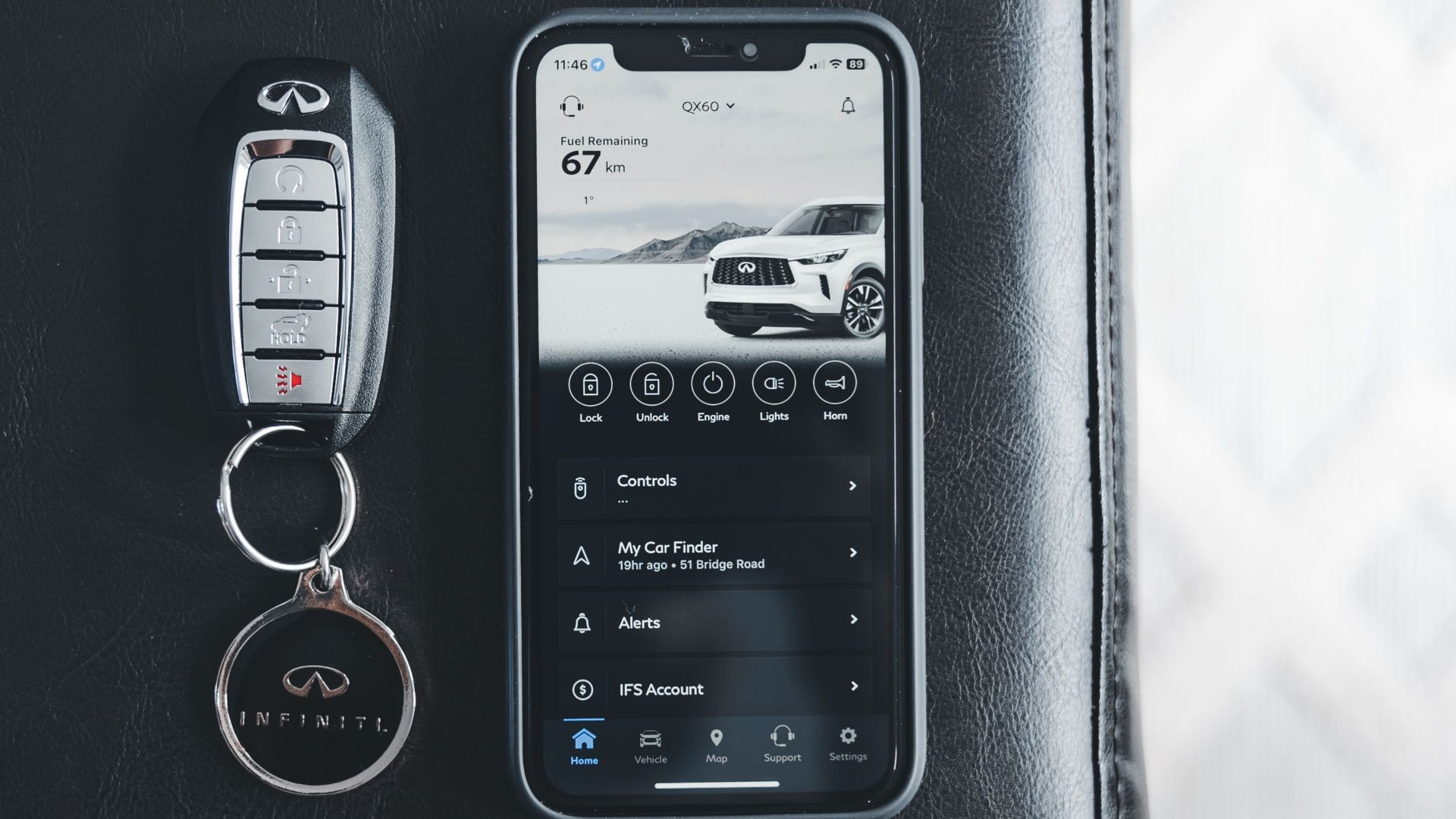
Connected-car features can add convenience, but they also help explain why modern vehicles aren't electrically dormant. Remote apps, cellular modules, alarms, and keyless systems may remain active. Ford specifically notes that a high-voltage battery may retain charge far longer during storage than the vehicle's connected 12-volt battery.
Needing A Jump Doesn't Condemn The Hybrid Battery
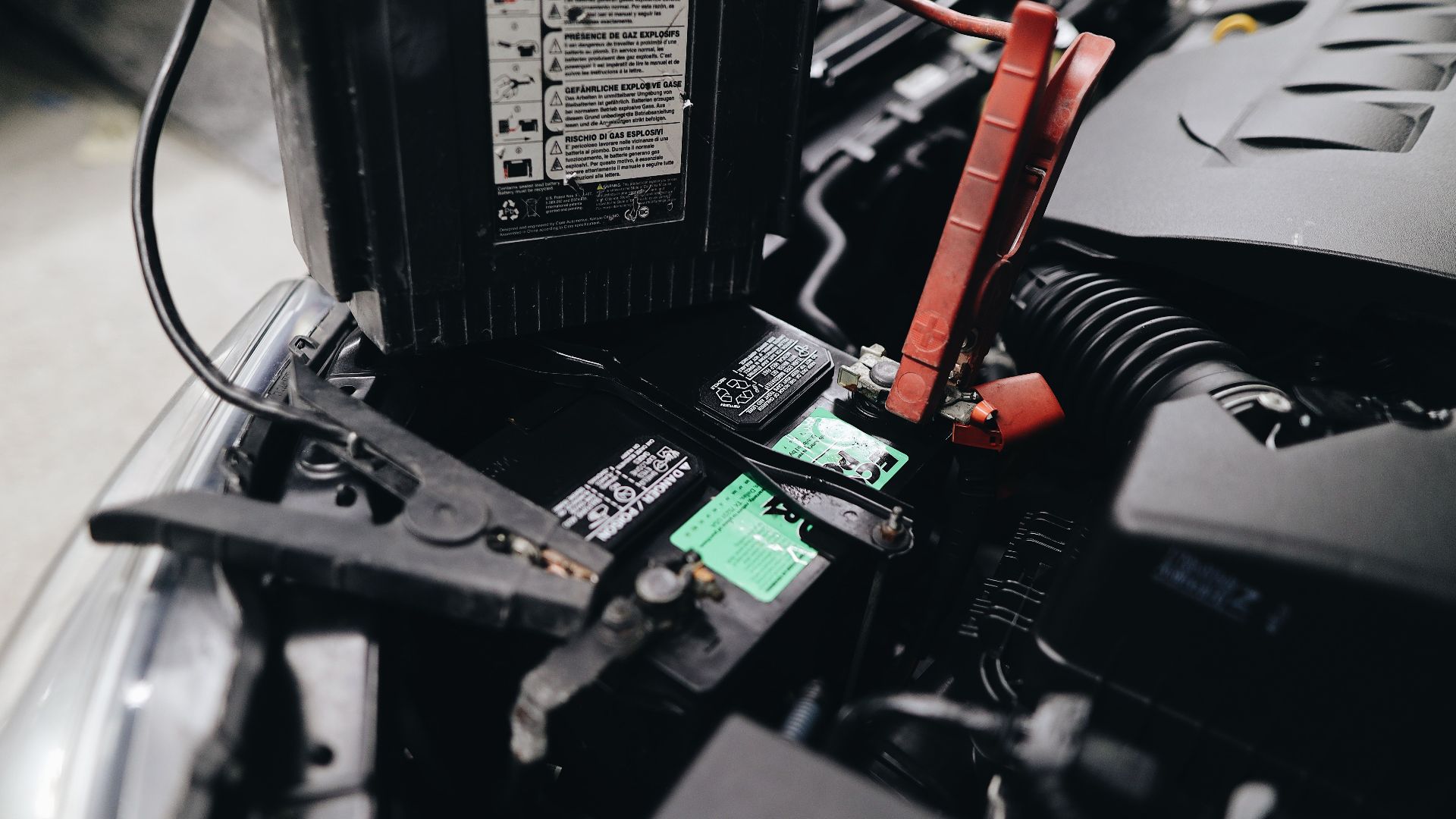
If your hybrid won't start after sitting, don't immediately picture a five-figure repair bill. A discharged 12-volt battery can prevent the computers from activating the high-voltage system. Have the 12-volt battery tested and follow the correct jump-start procedure from your owner's manual before assuming the traction battery has failed.
Know When The Small Battery Is Finished
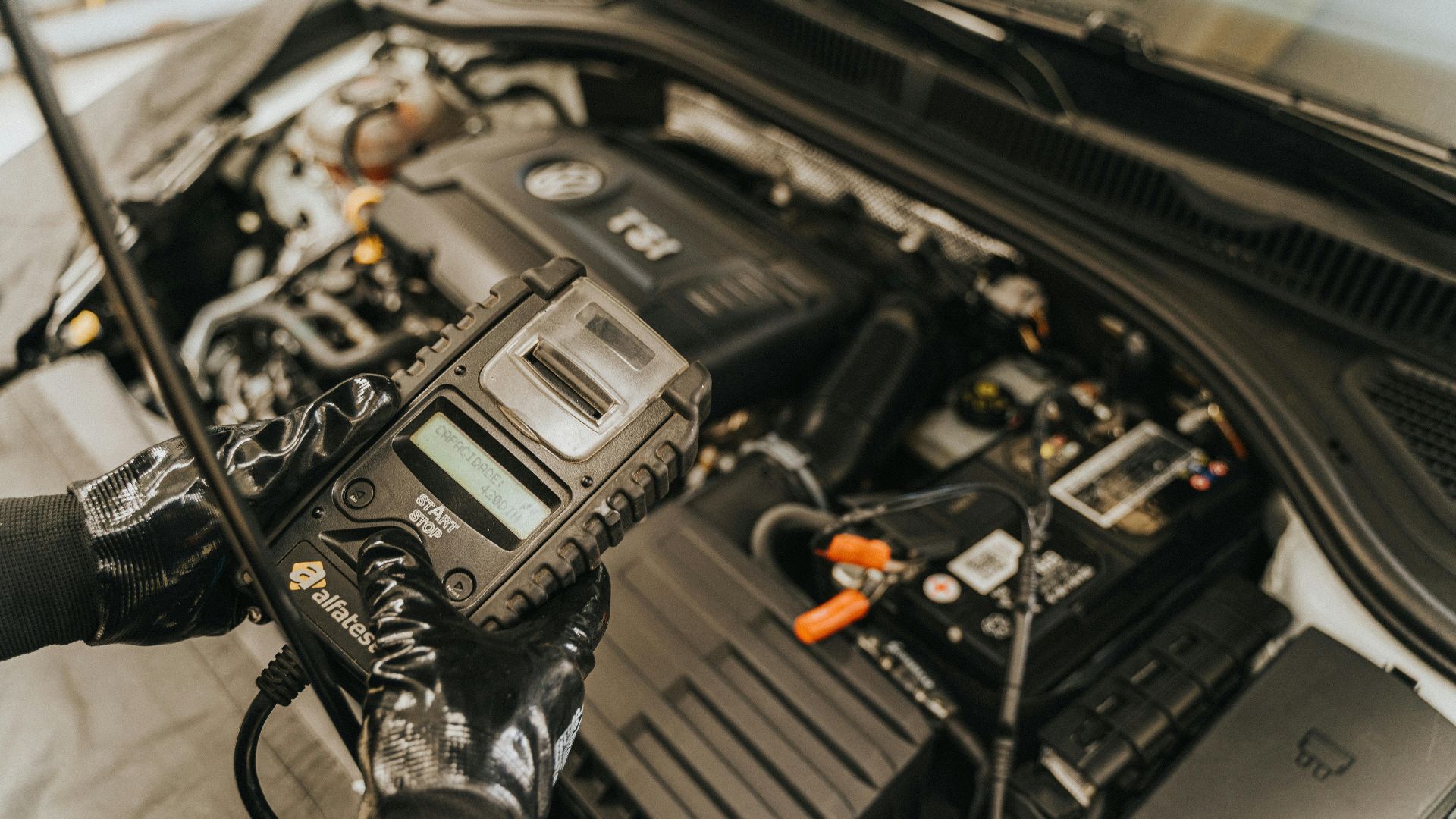
Repeatedly finding the 12-volt battery dead may mean storage habits aren't the only issue. Batteries wear out with age. A proper load or conductance test can help determine whether yours simply needs charging or has lost enough capacity to justify replacement. Repeated jump-starts aren't much of a long-term ownership plan.
Give Occasional Driving A Routine
If you only drive occasionally, make storage maintenance part of ownership. Check battery condition, tire pressures, fluids, and signs of rodents or leaks. Take the car for a meaningful drive at the interval recommended by its manufacturer, or use an approved battery-maintenance strategy when the car must remain parked.
Choose Around Your Real Driving Habits
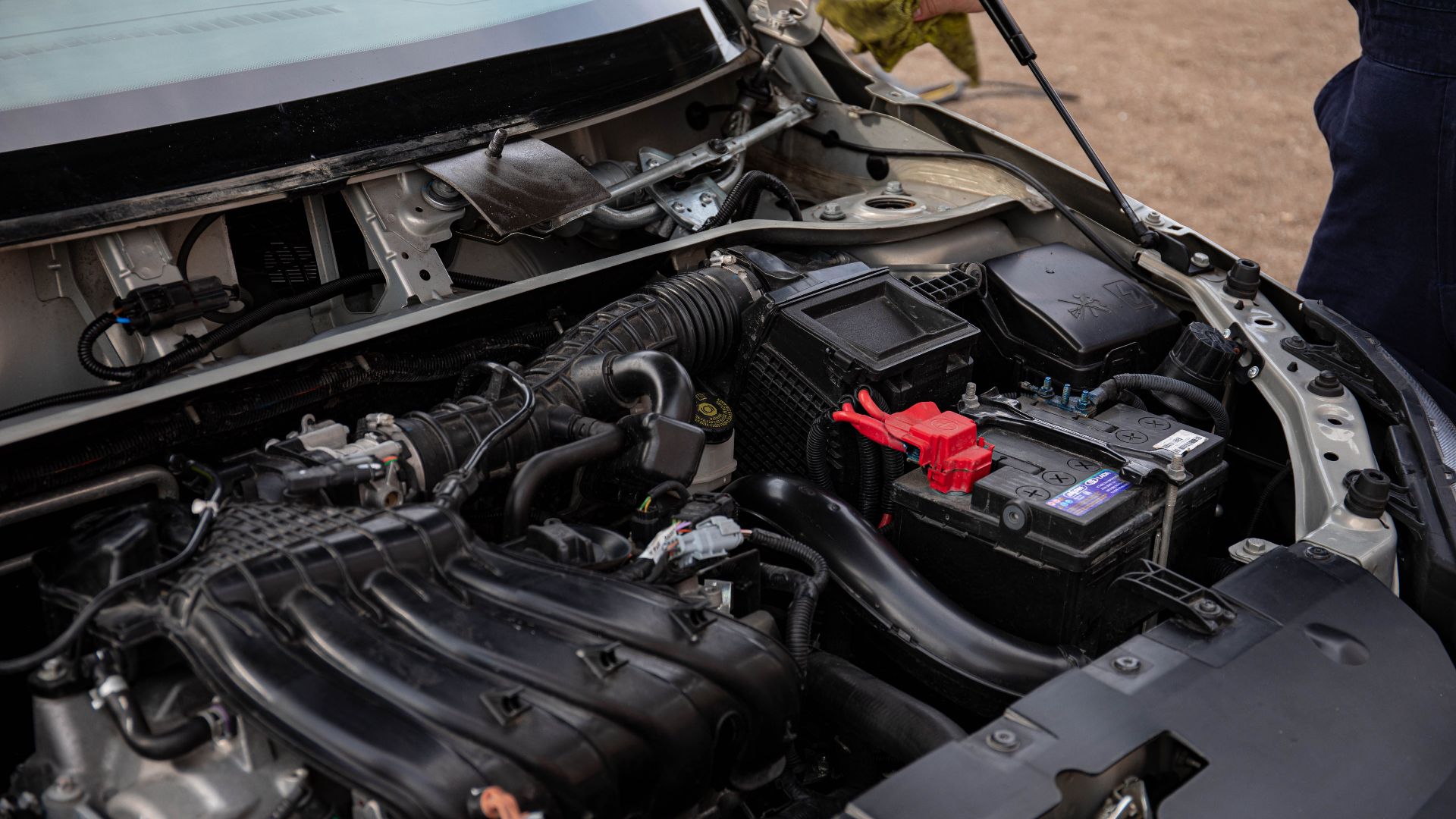
A hybrid can still make sense for an occasional driver, though its financial advantages may be smaller if annual mileage is extremely low. The more important question is whether you're willing to maintain a parked modern vehicle properly. Conventional gas cars have 12-volt batteries, stale fuel, brakes, and tires to worry about too.

Your Hybrid Probably Isn't The Problem
Months of inactivity can weaken batteries, but that doesn't mean electrified cars and occasional drivers are incompatible. Most often, the humble 12-volt battery is the first thing to investigate. Give your hybrid reasonable storage care, follow its manufacturer-specific instructions, and it should be perfectly capable of living a quieter automotive life.

You May Also Like:
Forgotten Pickup Truck Features That Drivers Didn’t Appreciate Until They Couldn't Get Them Anymore
My dealer added a “market adjustment” after I put down a deposit. Is the original price binding?