
That Check Engine Light Just Changed The Deal
A check engine light that pops on right after you buy a used car feels like a trap. The seller might say “not my problem,” but that is not always the end of the story. What you can do next depends on how the car was sold and what was said in writing. The details you gather in the next 24 hours can decide whether you have leverage or not.

First, Do Not Guess What The Light Means
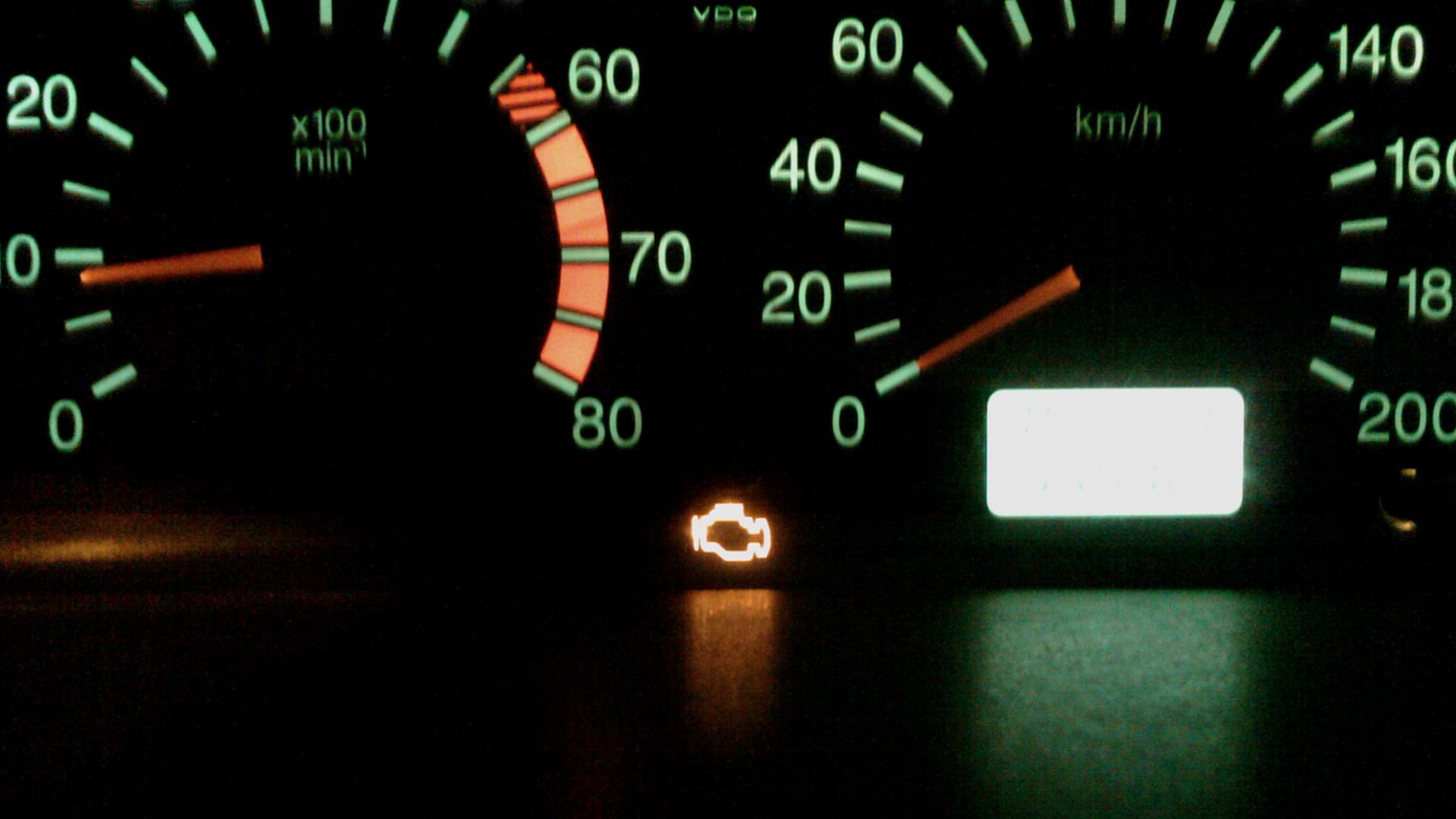
The check engine light can come on for something minor like a loose gas cap, or something expensive like a failing catalytic converter. Drive gently and avoid long trips until you know what is going on. If the light is flashing, treat it as urgent because that can signal a misfire that may damage the catalytic converter. The fastest path to clarity is reading the diagnostic trouble codes.
Get The Codes For Free Or Cheap
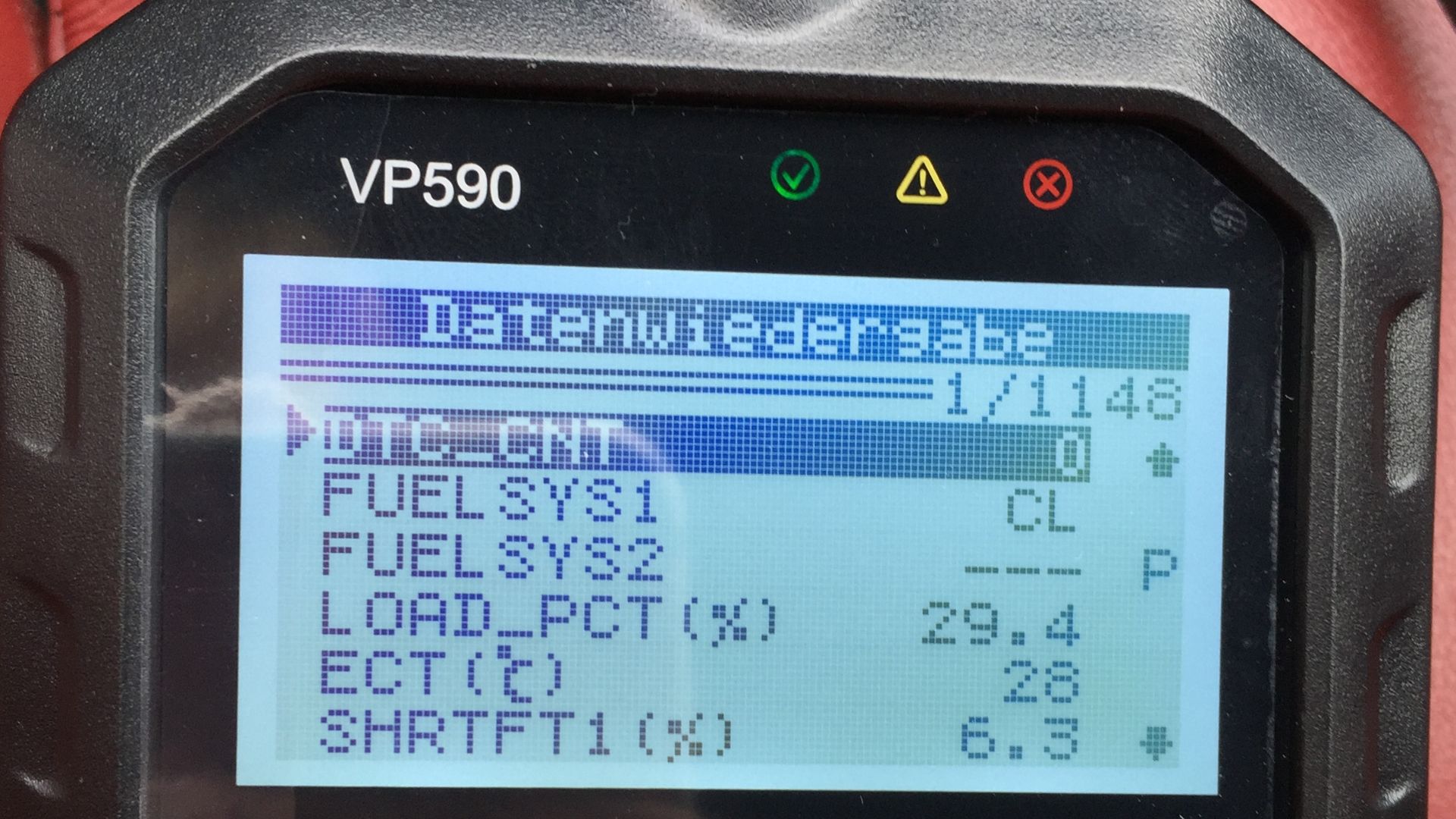
Many auto parts stores will scan your OBD-II port and give you the codes at no charge. You can also buy a basic code reader or use a Bluetooth adapter with an app. Write down the exact codes, such as P0420, and take a photo of the scan results. Those codes become your paper trail.
A Flashing Light Is A Different Situation
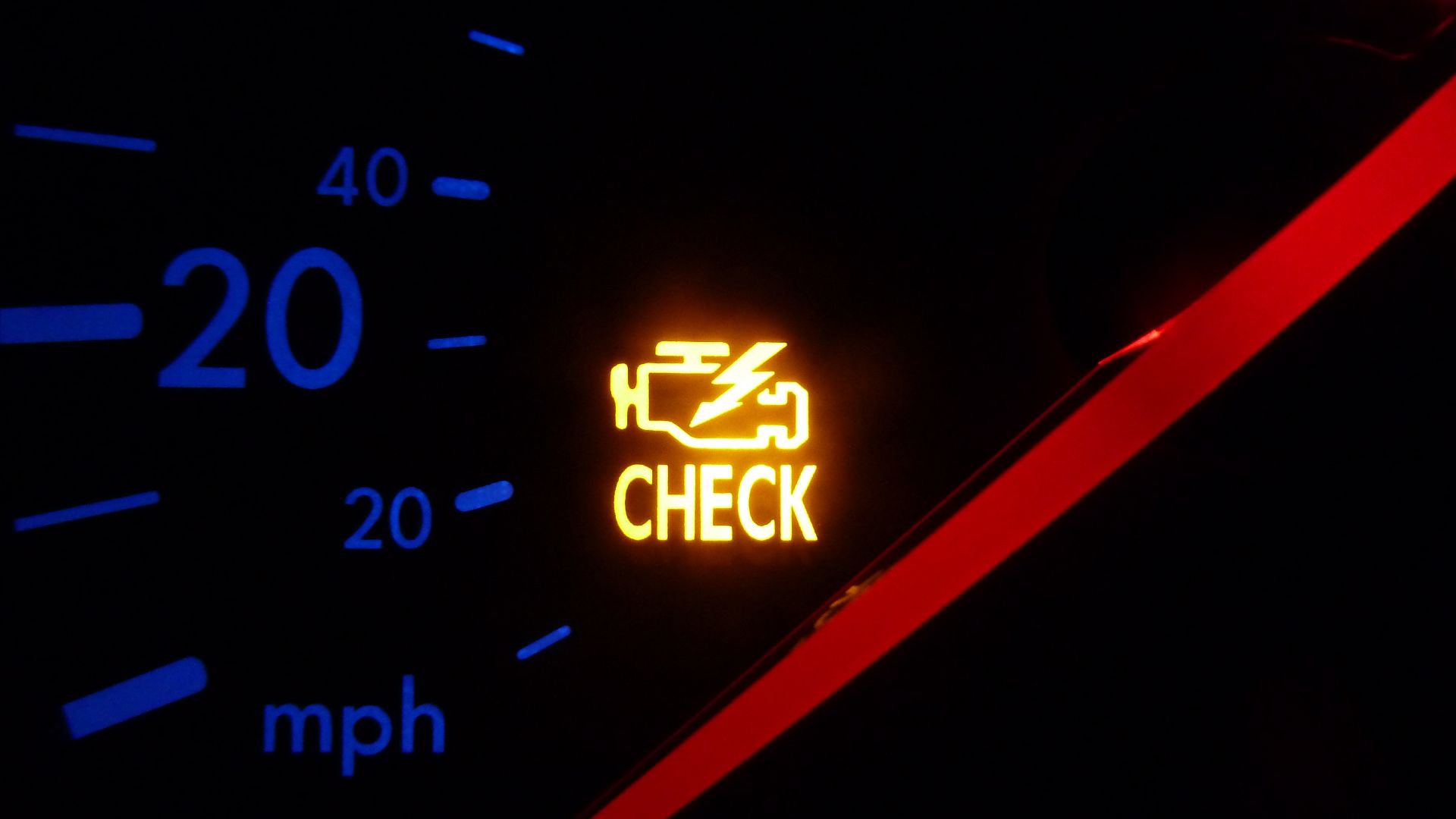
A steady check engine light often means “fix soon,” but a flashing light can mean “stop driving.” AAA notes that a flashing check engine light typically points to a severe misfire that can cause costly damage. If the car is running rough, towing it to a shop may be cheaper than gambling on a drive. This is one of those moments where one extra mile can change the bill.
 Wikiuser100000, Wikimedia Commons
Write Down What Happened While It Is Fresh
Document the day and time the light came on and what you noticed, like rough idle or fuel smell. Save any texts or messages with the seller and screenshot the listing. If the seller promised anything like “no issues” or “just passed inspection,” capture that wording. These small details can matter if you end up disputing the sale.

Figure Out What Kind Of Sale This Was
Recourse is very different for a dealer sale versus a private party sale. Dealers are generally regulated by state and federal consumer protection rules, and some states require certain disclosures. Private sales are often “as-is,” but fraud and misrepresentation laws can still apply. The first fork in the road is who sold it to you.

If You Bought From A Dealer, Start With The Buyers Guide
Federal Trade Commission rules require most dealers to display a *Buyers Guide* on used cars. That guide tells you whether the car is being sold “as is” or with a warranty, and what major systems are covered. Ask for the copy you should have received and compare it to your paperwork. If the guide says warranty, you may have a straightforward claim.

“As-Is” Does Not Automatically Mean “No Rights”
“As-is” generally means you accept the vehicle’s condition at purchase, and the seller is not promising repairs. But “as-is” does not give a seller permission to lie or hide known problems. If you can show the seller misrepresented the car or concealed an issue, you may still have options. The hard part is proving what they knew and when.

Look For A Used Car Warranty You Forgot You Had
Some used cars come with a dealer warranty, a third-party service contract, or the remainder of the manufacturer warranty. If the manufacturer warranty is still active, a check engine light related to covered components could be handled by a franchised dealer. Find your VIN, then check warranty status through the automaker site or by calling a dealer service department. The next call you make might save you from paying out of pocket.

If It Was A “Certified” Car, The Standards Are Higher
Certified Pre-Owned programs typically include an inspection and extended warranty backed by the automaker. If your car was marketed as certified, get that in writing and confirm the certification is valid. A surprise check engine light shortly after delivery is exactly what those programs claim to prevent. If the certification claim is shaky, that is a red flag worth pushing on.

Some States Have Used Car Lemon Laws
A few states have “used car lemon laws” that can require dealers to provide limited warranties or remedies for certain defects. The rules vary by state and often depend on mileage, age, and how soon the problem shows up. Check your state’s attorney general or DMV site for the exact standard. This is where a quick search can change your whole strategy.

What If You Bought From A Private Seller
Private-party sales are commonly “as-is” unless the seller gave you a written warranty. That said, you may have a claim if the seller made false statements of fact, rolled back the odometer, or hid a branded title history. The stronger your proof, the better your chance. If the seller’s ad said “no check engine light” and it comes on immediately, save that ad.

Misrepresentation Is Different From Buyer’s Remorse
Courts often draw a line between “it broke later” and “it was misrepresented at sale.” Saying “it runs great” can be opinion, but saying “no engine codes” or “new catalytic converter last month” can be a factual claim. Your notes, screenshots, and a mechanic’s report can help show which side you are on. The key is turning your gut feeling into evidence.

Get A Mechanic To Write What They See
Ask a shop for a printed diagnosis that lists the codes, likely causes, and whether the issue appears long-standing. For example, some readiness monitors and stored codes can hint whether codes were recently cleared. A technician may also spot signs of tampering, like fresh battery disconnects, recently reset monitors, or aftermarket devices. You are not just fixing a car now, you are building a timeline.

Check If The Car Recently Passed An Emissions Test
In many states, emissions testing results can be looked up or requested, and they can reveal timing clues. If the car “passed” right before sale but now shows codes tied to emissions, ask the shop what that suggests. It does not prove fraud by itself, but it can support your story. It is one more breadcrumb that can point back to the seller.
 Lyntha Scott Eiler, Wikimedia Commons
Look For A Cooling-Off Period Myth
Many buyers assume there is a three-day right to return a car. The FTC’s Cooling-Off Rule generally does not apply to car purchases made at a dealer’s lot. That surprises a lot of people, and sellers sometimes rely on the confusion. Your best recourse usually comes from warranties, state laws, or misrepresentation, not a simple return window.

Call The Seller, But Do It The Smart Way
Stay calm and stick to facts: the date, the codes, and the diagnosis. Ask if they are willing to unwind the deal, split the repair, or take the car back for a refund. Follow up any phone call with a text or email summary so there is a record. If they panic or contradict themselves, that reaction can be revealing.

Send A Short, Clear Demand In Writing
If the seller refuses, write a brief demand letter that states what happened and what you want. Include copies of the ad, the bill of sale, the Buyers Guide if applicable, and the mechanic’s findings. Give a reasonable deadline for a response, such as 7 to 10 days. Keep it professional because it may be read by a judge or investigator later.
 Tima Miroshnichenko, Pexels.com
Know When A Chargeback Might Apply
If you paid a dealer with a credit card for a deposit or part of the purchase, you might be able to dispute that charge under your card issuer’s process. Chargebacks are not a guaranteed win and do not replace legal rights. Still, the card issuer may ask for documentation, and your evidence file helps. If you paid cash or wire, this tool likely will not help.

File Complaints Where They Actually Matter
For a dealer, your state attorney general’s consumer protection office can be a practical place to start. You can also report issues to the FTC, especially if you believe a dealer violated the Used Car Rule. In many states, the DMV or a dealer licensing board can accept complaints too. A complaint does not guarantee money back, but it can pressure a bad actor to negotiate.

Small Claims Court Can Be A Real Option
If the repair cost is within your state’s small claims limit, you may be able to sue without hiring a lawyer. Bring your documents, screenshots, mechanic report, and any messages with the seller. The court will care about what was promised, what was delivered, and what you can prove. If your case is mostly “the car broke,” your odds drop, so focus on facts.

Arbitration Or Mediation Might Be In The Paperwork
Some dealer contracts include arbitration clauses or dispute-resolution steps. Read the purchase agreement for any required process and deadlines. If you skip a required step, it can hurt your case later. It is boring paperwork, but it can quietly control what you can do next.

If The Car Is Unsafe, Prioritize Safety Over Leverage
If the diagnosis points to misfires, fuel system issues, or overheating, do not keep driving just to “prove a point.” Save the old parts if the shop replaces anything important, and keep the invoices. You can still pursue recourse after the car is safe. A breakdown on the highway is the wrong place to gather evidence.

How To Avoid This Next Time
Before buying, always do a pre-purchase inspection and an OBD-II scan, even if the seller seems honest. Get a vehicle history report and confirm the title status through your state if possible. Ask for service records and match the VIN on the car to every document. The best leverage is the deal you never sign.

A Fast Checklist For The Next 48 Hours
Scan the codes, take photos, and get a written mechanic diagnosis. Gather your paperwork, the listing, and all messages, then confirm whether the sale was dealer or private. Check for any warranty coverage and read the Buyers Guide if it was a dealer sale. Then decide whether to negotiate, file a complaint, or prepare for small claims.

So, Do You Have Recourse?
Sometimes yes, especially if a dealer warranty applies or if the seller misrepresented the car. Sometimes no, particularly with a clean “as-is” private sale and no proof of wrongdoing. The twist is that the check engine light itself is not the case, but the paper trail behind it can be. Your next move should be based on evidence, not frustration.
 Jeff Wilcox, Wikimedia Commons