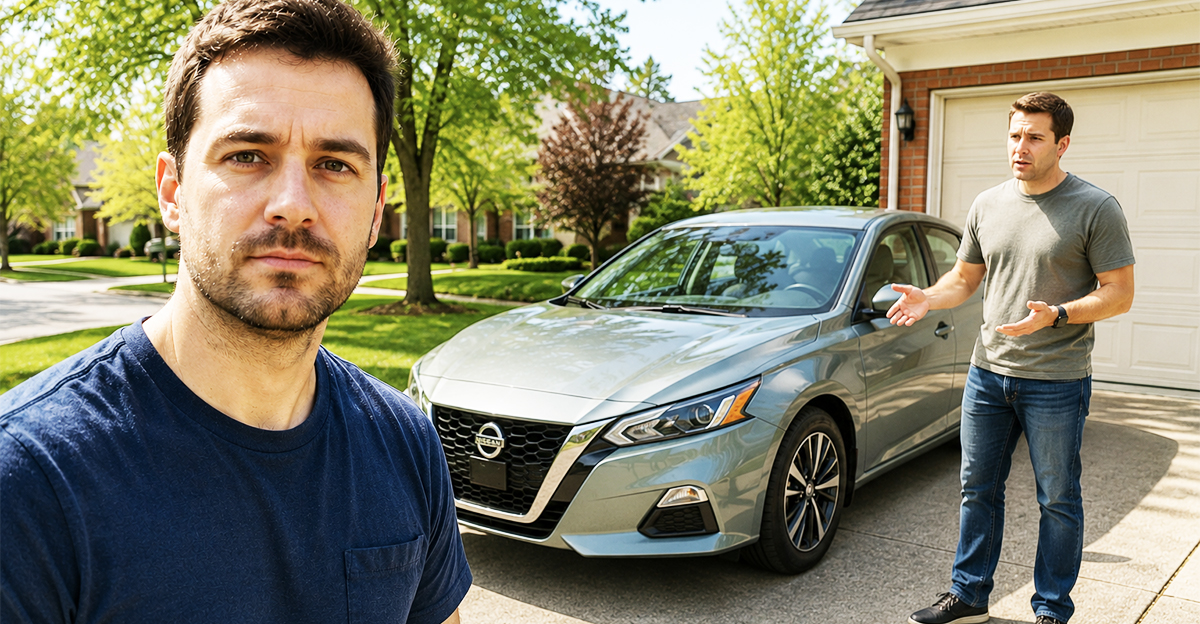
Convenience Or Concern
You love stepping into a warm car on freezing mornings or a cool cabin during summer heat. Then someone warns that using remote start every day is wearing out your engine. The truth is more nuanced. Modern remote start systems are generally safe, but how you use them matters far more than simply pressing the button.
How Remote Start Works
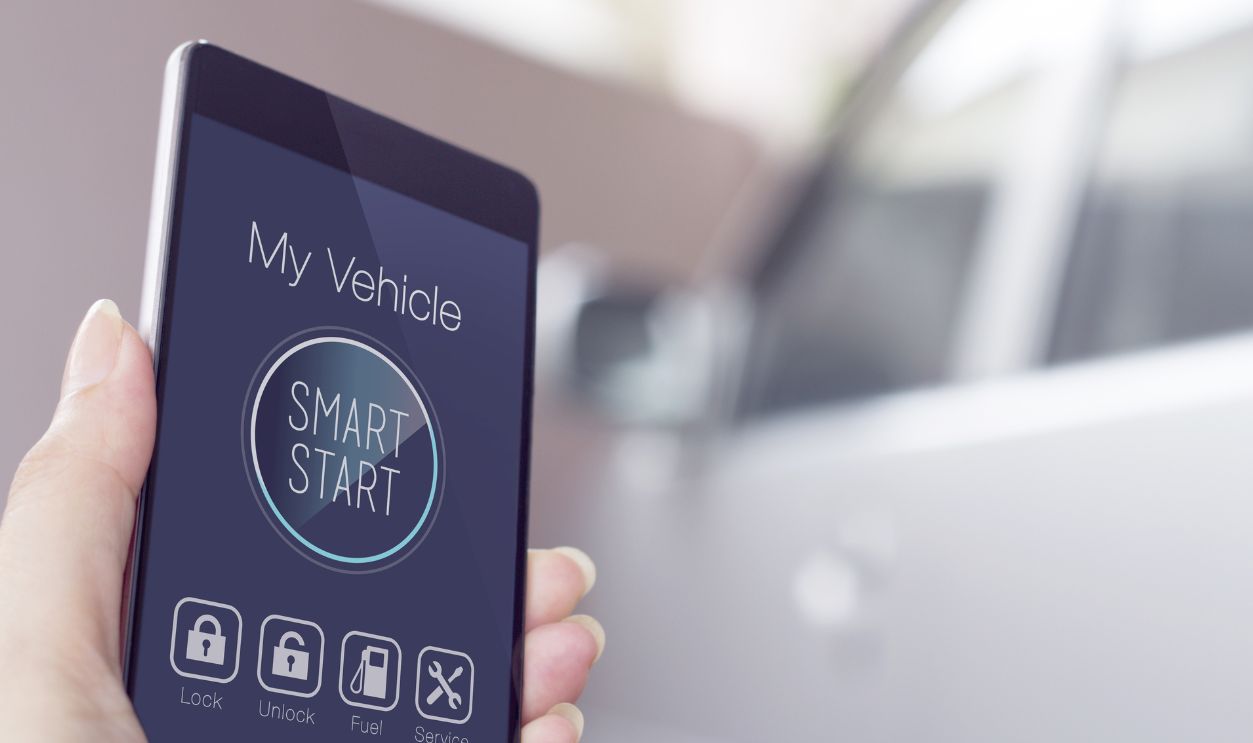
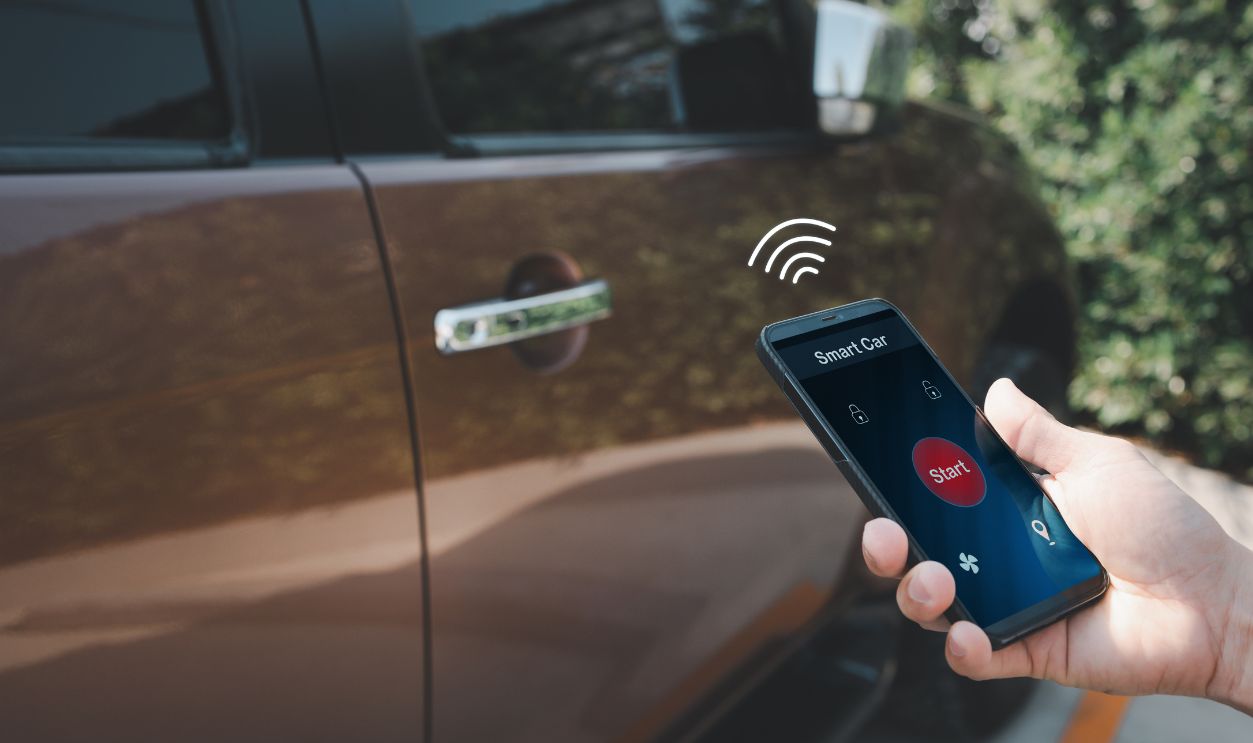
A remote start system sends an encrypted signal that tells your vehicle's computer to start the engine while keeping the transmission locked and the security system active. Most factory systems also shut the engine off if someone tries to drive away without the proper key.
Modern Engines Are Different
Many warnings about remote start come from advice that applied decades ago. Today's engines use electronic fuel injection, sophisticated engine computers, and high quality synthetic oils that circulate much faster after startup than older designs ever could.
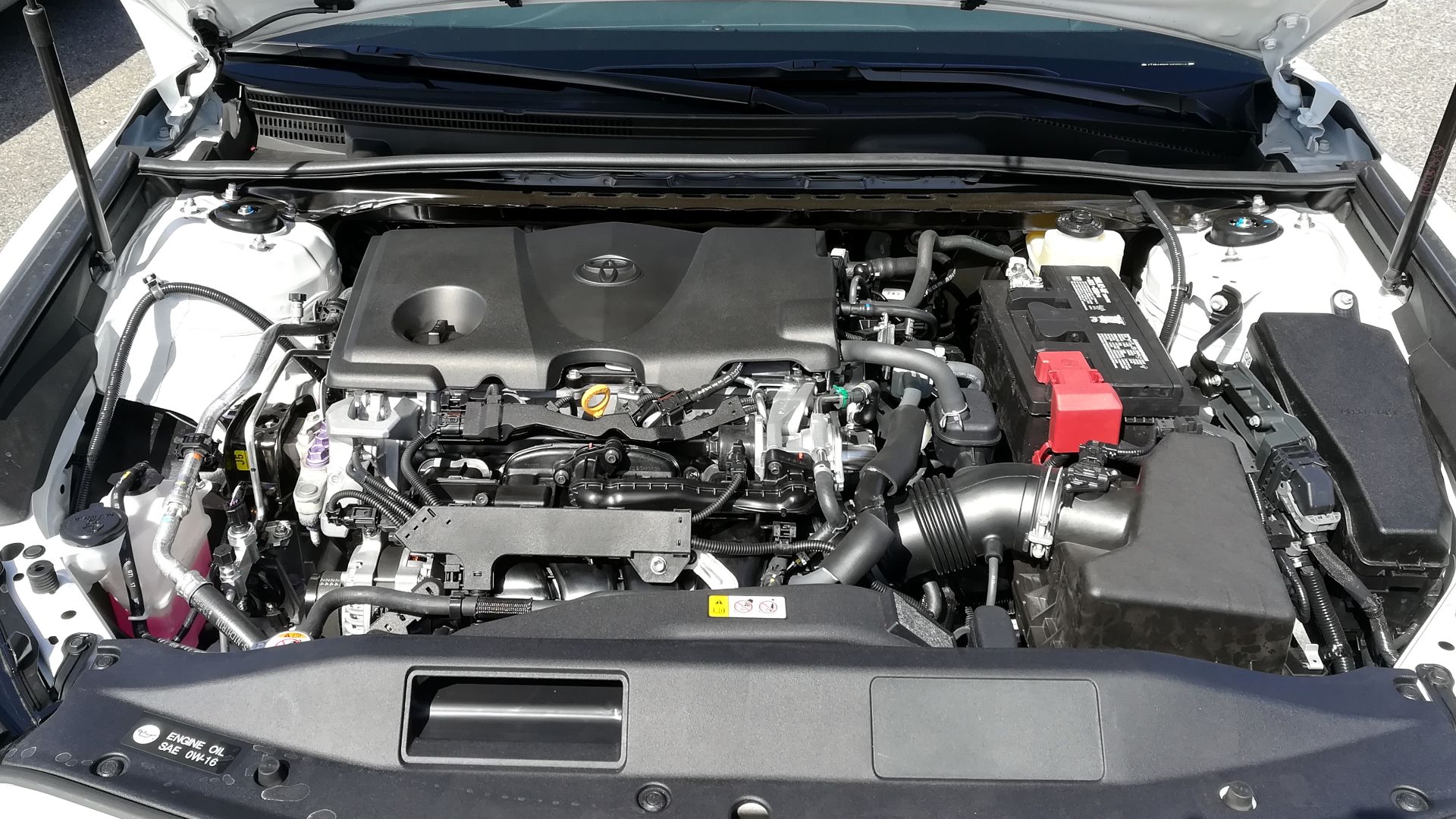 Alexander Migl, Wikimedia Commons
Starting Causes Wear
Engine wear is highest during startup because oil has not yet fully circulated through every moving component. That happens whether you turn the key yourself or start the vehicle remotely. Remote start doesn't magically create additional startup wear beyond the normal start itself.
Does The Starter Suffer?
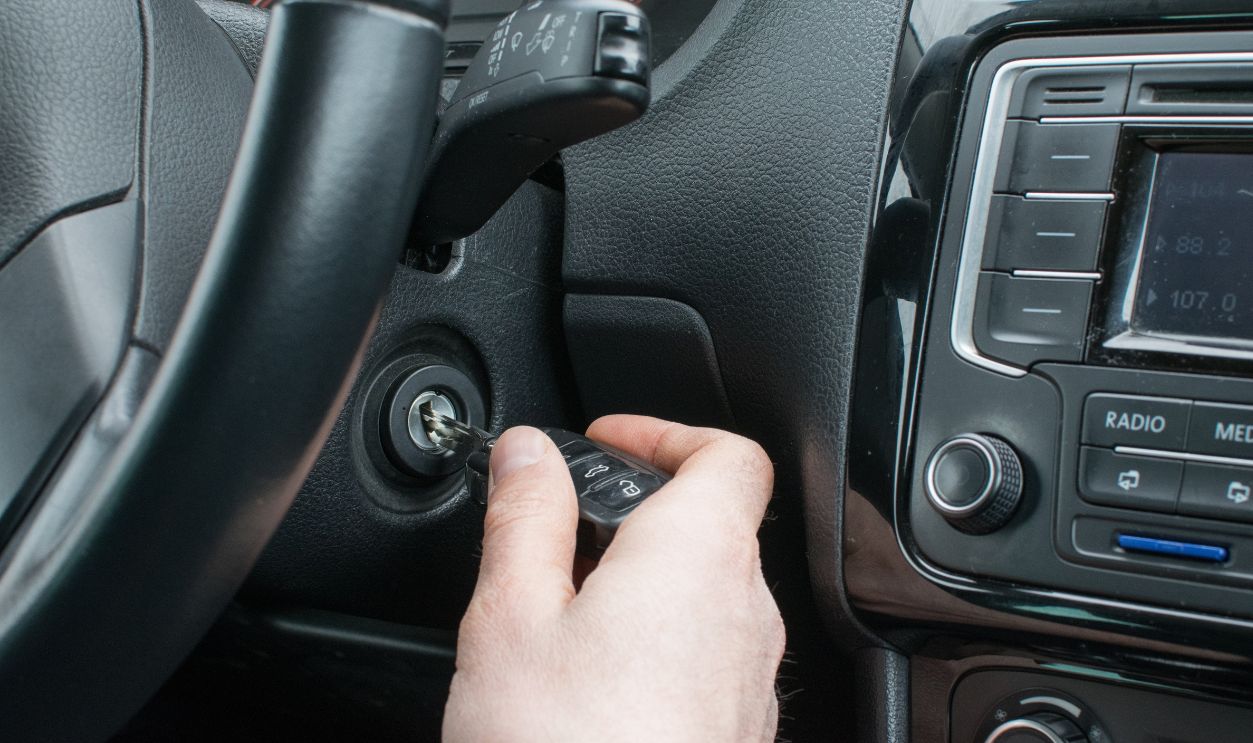
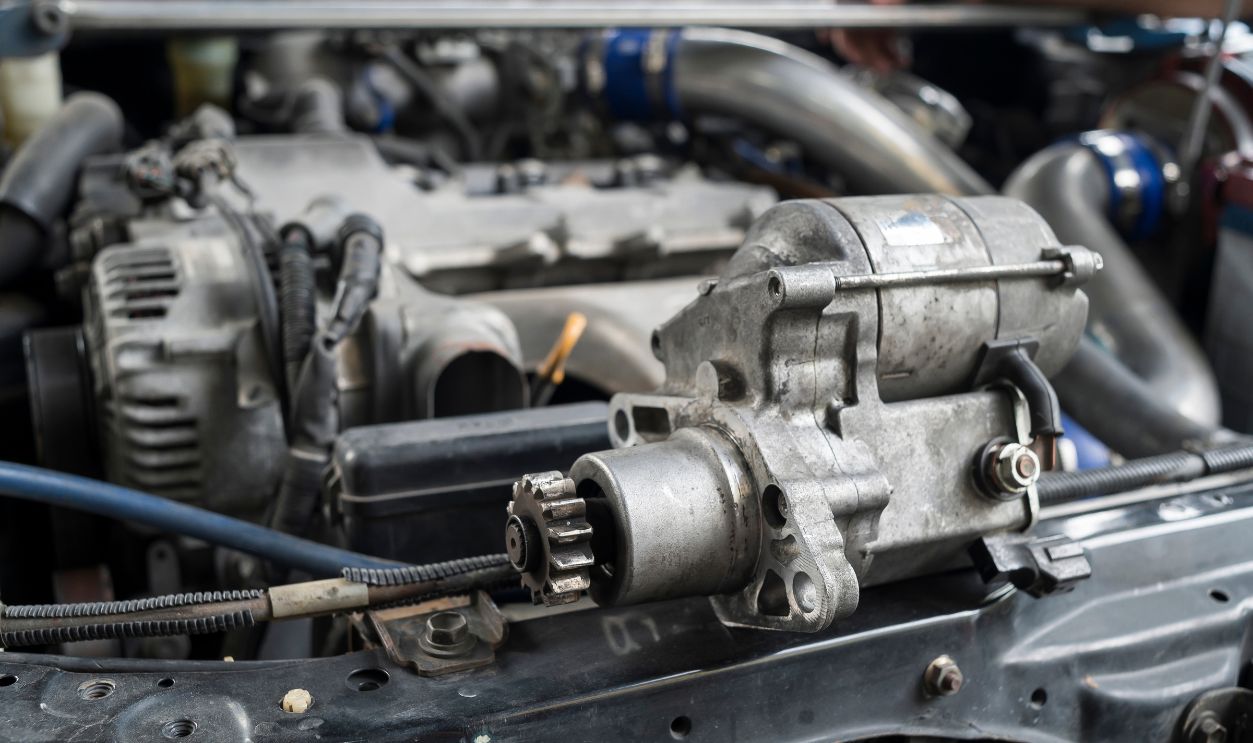
Every engine start uses the starter motor and starter solenoid. If you remote start once before every trip, the starter experiences essentially the same number of starts as if you had climbed in and started the vehicle manually. The starter is designed for thousands of normal starts.
Factory Systems Are Engineered
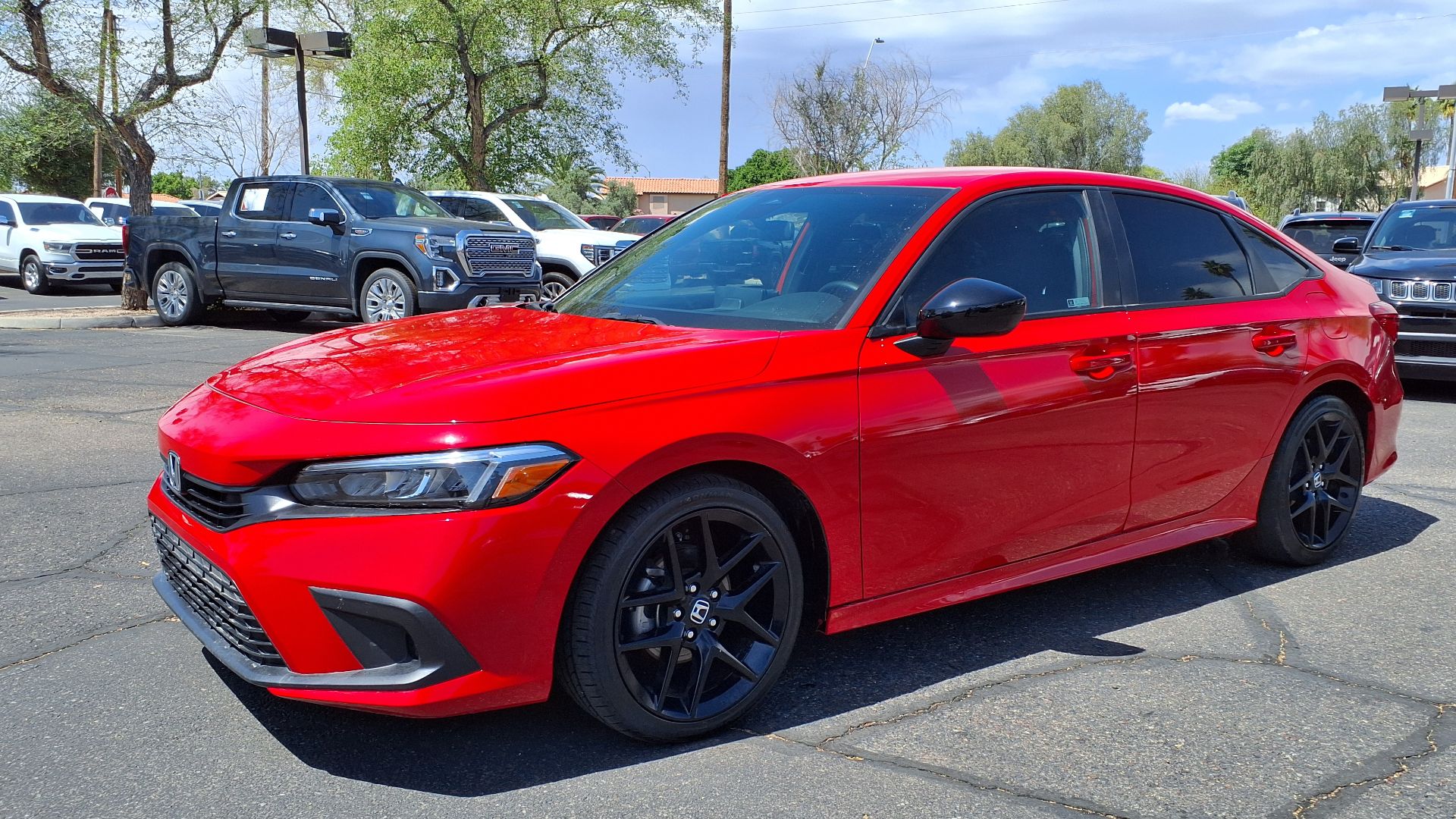
Factory installed remote start systems are fully integrated into the vehicle's electronics. They monitor engine temperature, battery voltage, hood position, and security systems before allowing the engine to crank. That greatly reduces the chances of improper operation or unnecessary mechanical stress.
Aftermarket Installation Matters
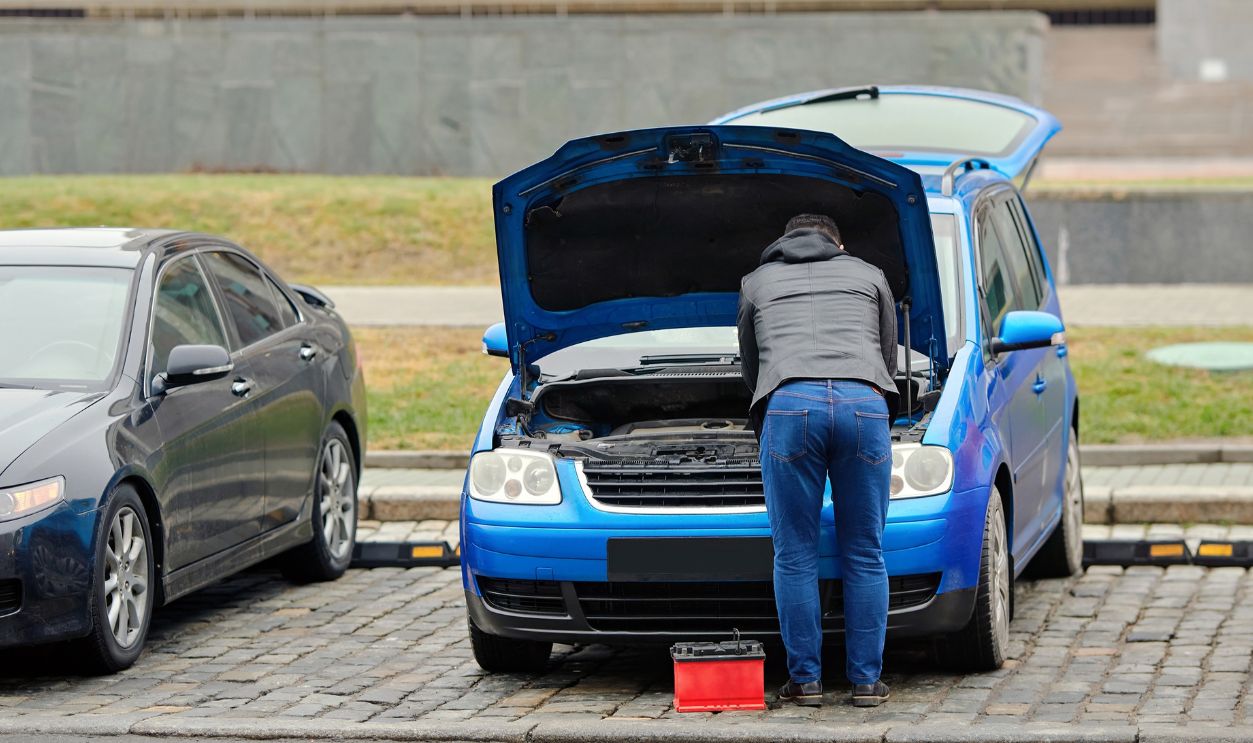
A professionally installed aftermarket remote starter can also work very well. Problems usually arise from poor installation rather than the remote start itself. Incorrect wiring may create electrical issues, battery drain, or intermittent starting problems that become expensive to diagnose.
Idling Is Different
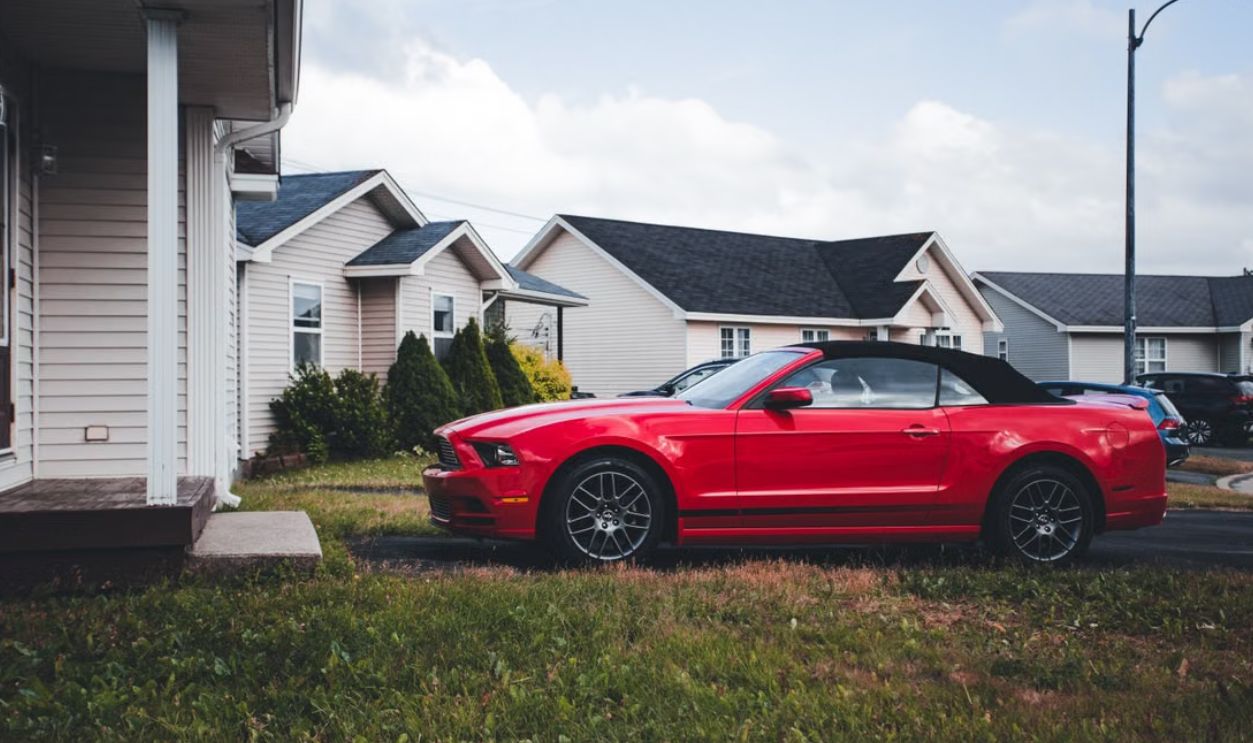
The real debate is often not about remote start itself but about extended idling afterward. An engine warms much more slowly while idling than it does under light driving. Long idle periods also consume fuel without moving the vehicle.
Cold Weather Benefits
In freezing temperatures, a few minutes of remote starting can begin circulating engine oil, warm coolant, and activate the defroster. It also improves visibility by melting frost and clearing fogged windows before you begin driving.

Hot Weather Advantages
Remote start is not only a winter feature. During hot summers, it allows the air conditioner to cool the cabin before you enter. That can make driving more comfortable while reducing the temptation to drive distracted as you adjust climate controls.
Too Much Idling
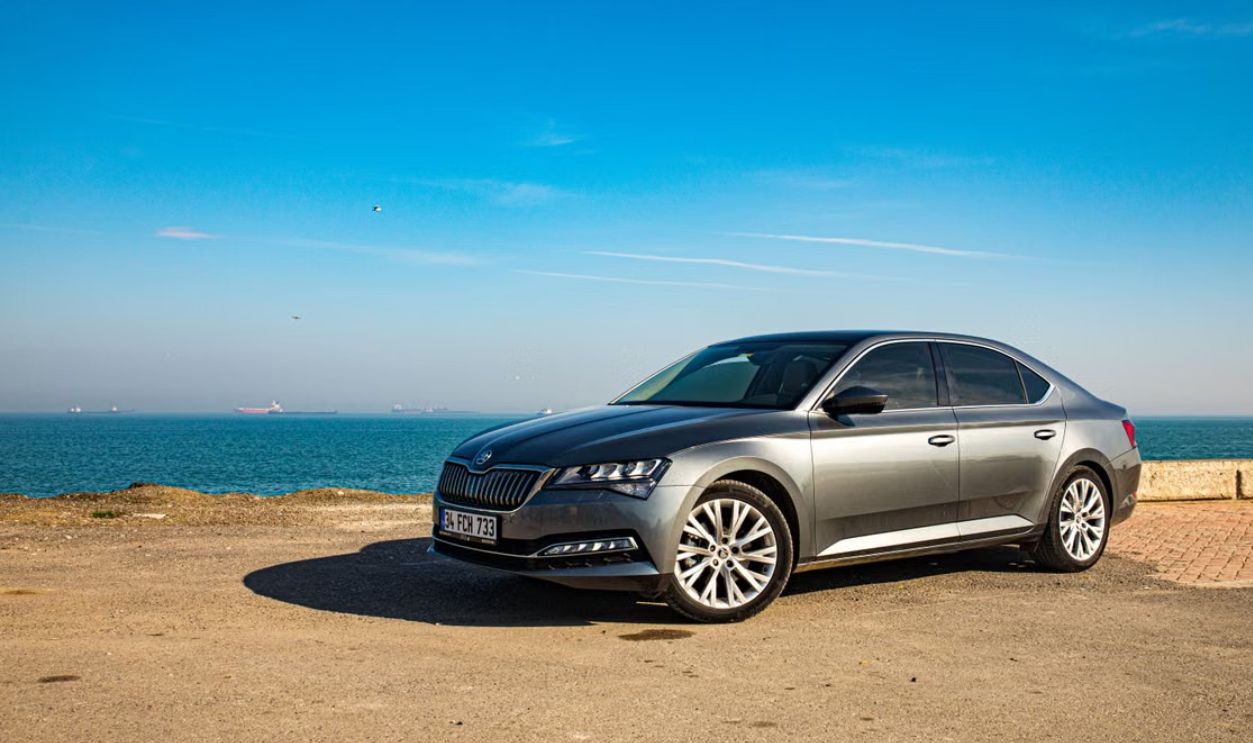
Leaving the engine idling for twenty or thirty minutes every day is another matter. Extended idling burns unnecessary fuel, increases emissions, and accumulates engine operating hours even though the odometer barely moves. Over time, those hours still contribute to normal engine wear.
Fuel Economy Takes A Hit
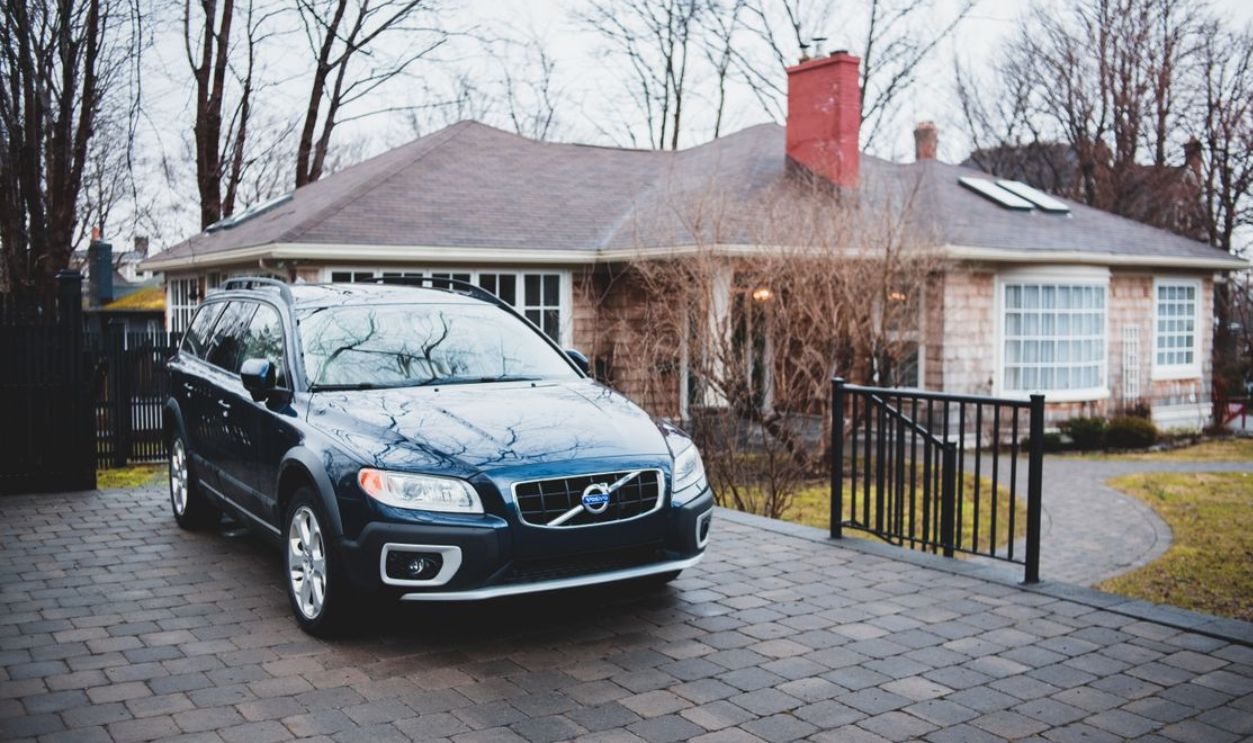
Every minute your engine idles uses gasoline. While a five minute warmup may consume only a modest amount of fuel, repeating it every day throughout the year can noticeably increase your annual fuel bill.
Oil Still Ages
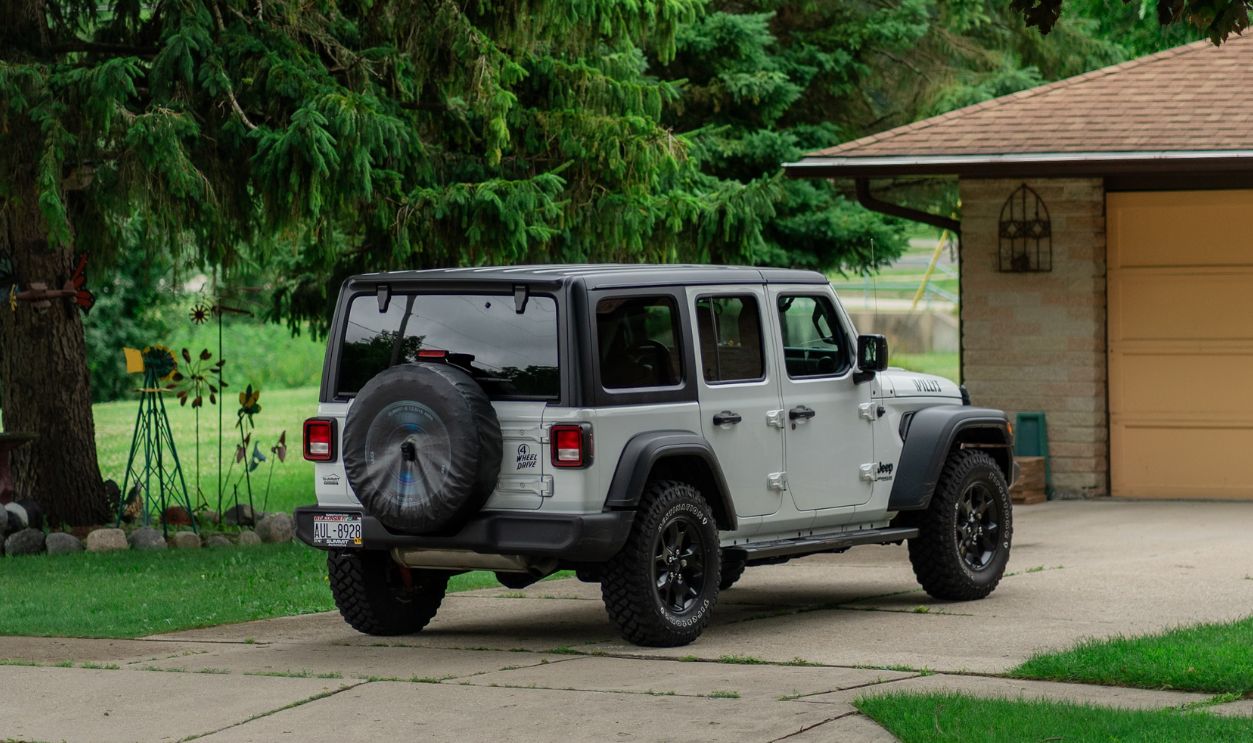
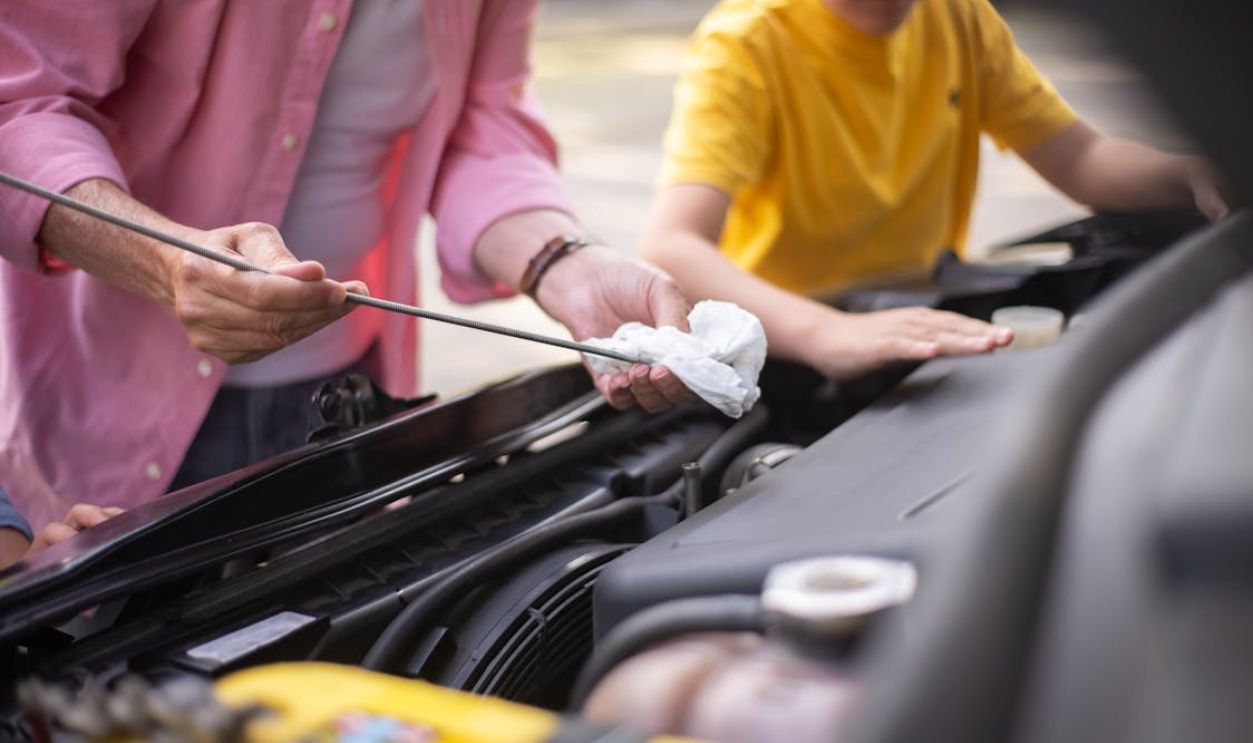
Motor oil wears out from engine operation, not just from miles driven. Vehicles that spend significant time idling may accumulate engine hours much faster than their odometer suggests. Following the manufacturer's maintenance schedule becomes even more important.
Battery Concerns
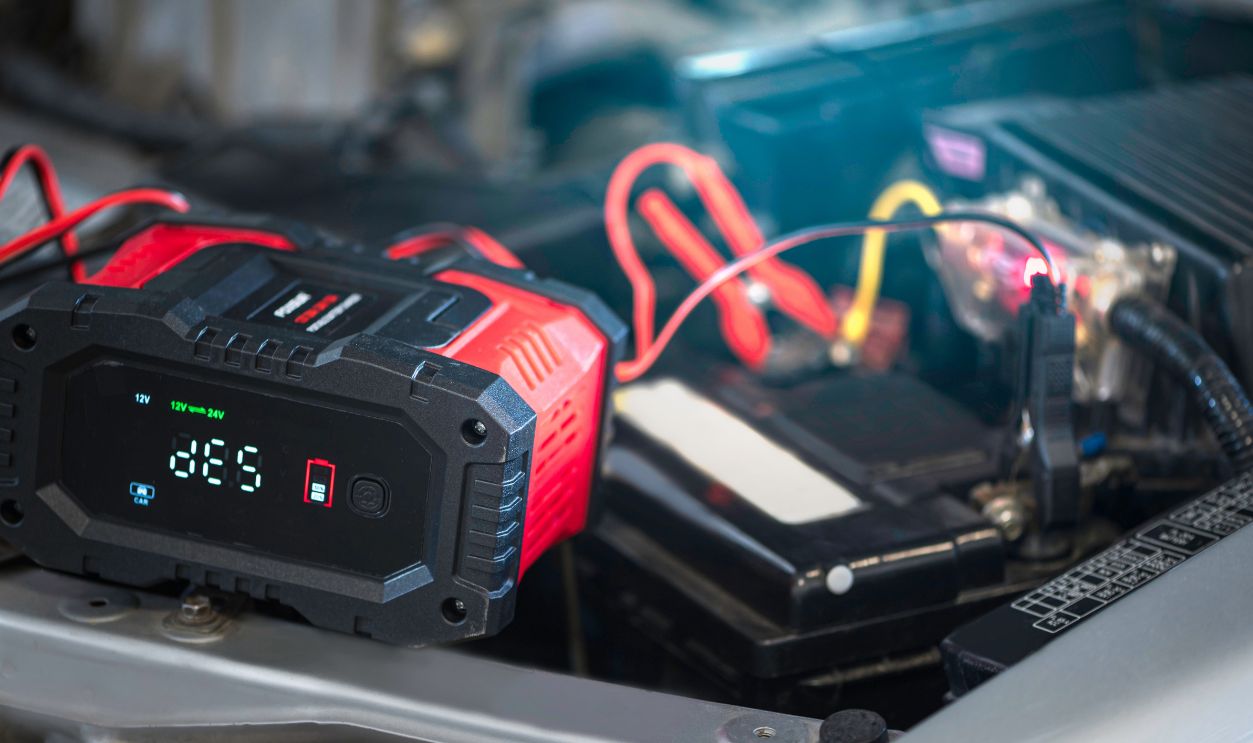
Some people worry that remote start constantly drains the battery. A healthy battery and charging system easily recover the brief electrical load required to crank the engine. Persistent battery problems usually point to an aging battery or another electrical issue instead.
Does Ignition Wear Increase?
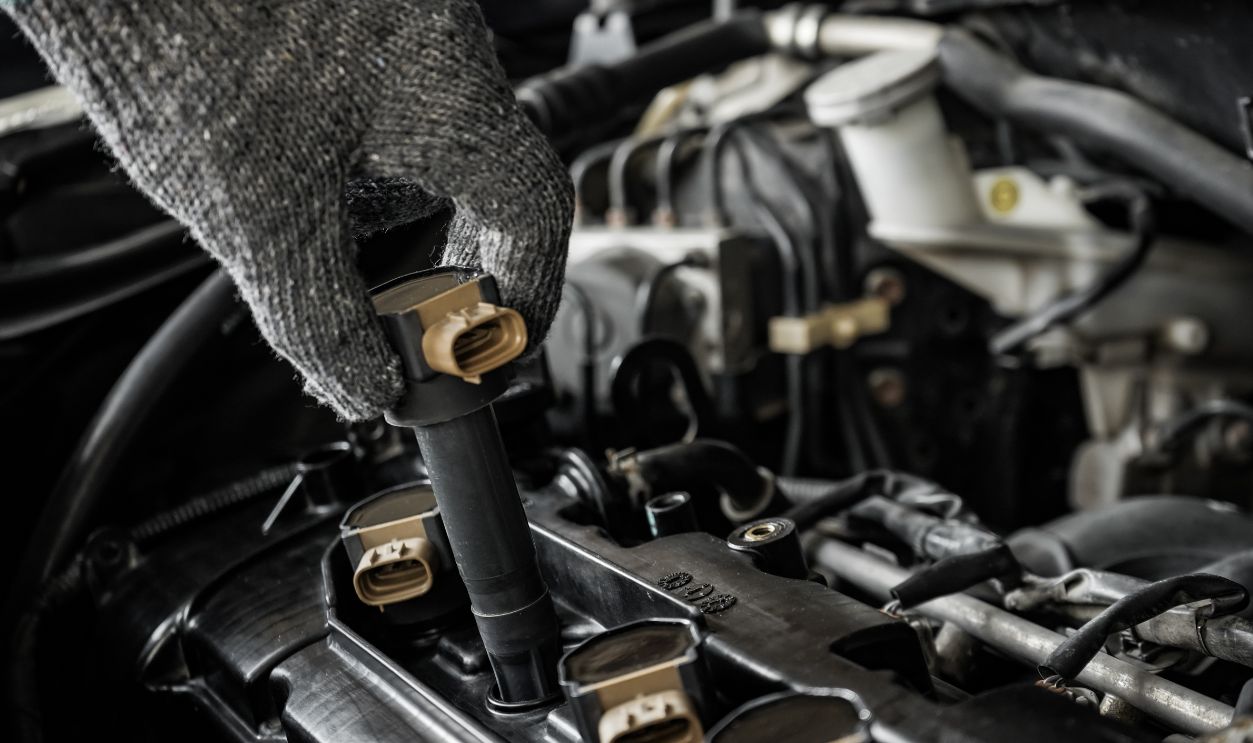
Remote start does not repeatedly cycle the ignition during a single start. The ignition coils, spark plugs, fuel injectors, and engine computer all operate normally once the engine starts. Daily remote starting alone isn't considered unusually stressful for these components.
 Mr.Anuwat Rumrod, Shutterstock
Security Features Matter
Modern remote start systems include safeguards that keep the vehicle from being driven without the correct key or key fob. Many systems automatically shut the engine off if someone opens the door without proper authorization.

Avoid Garage Starts
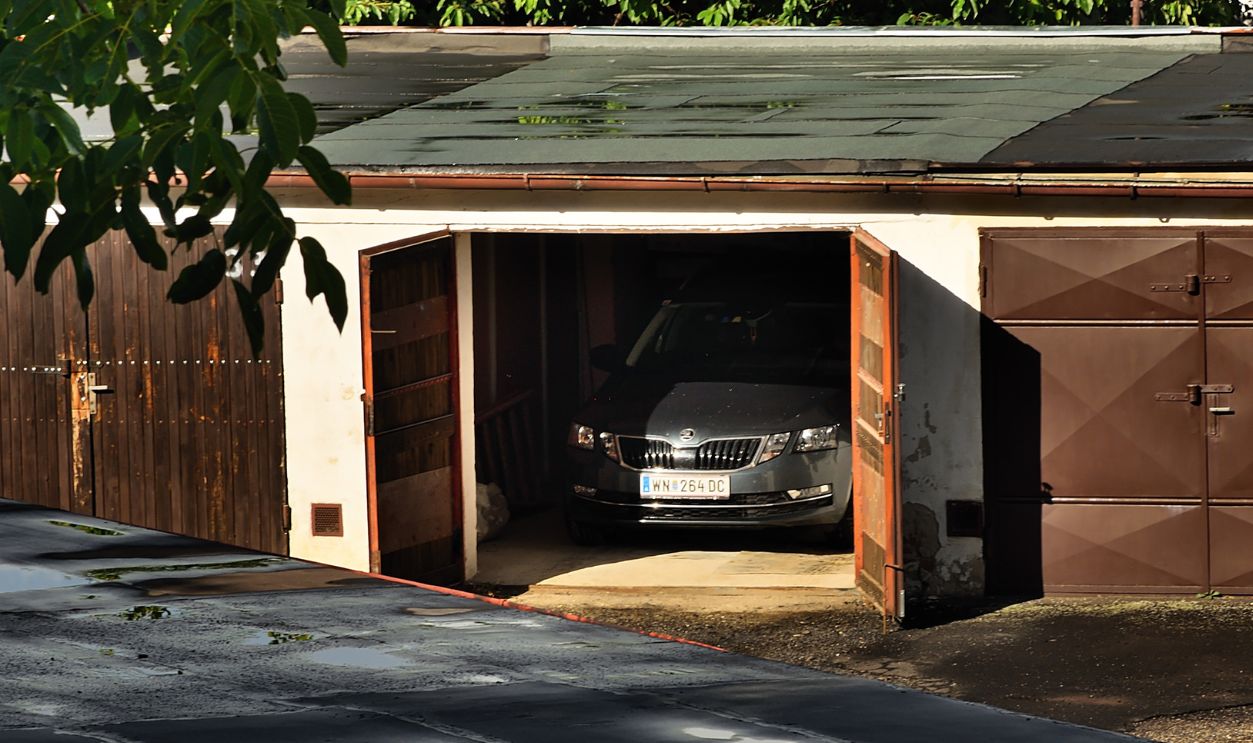
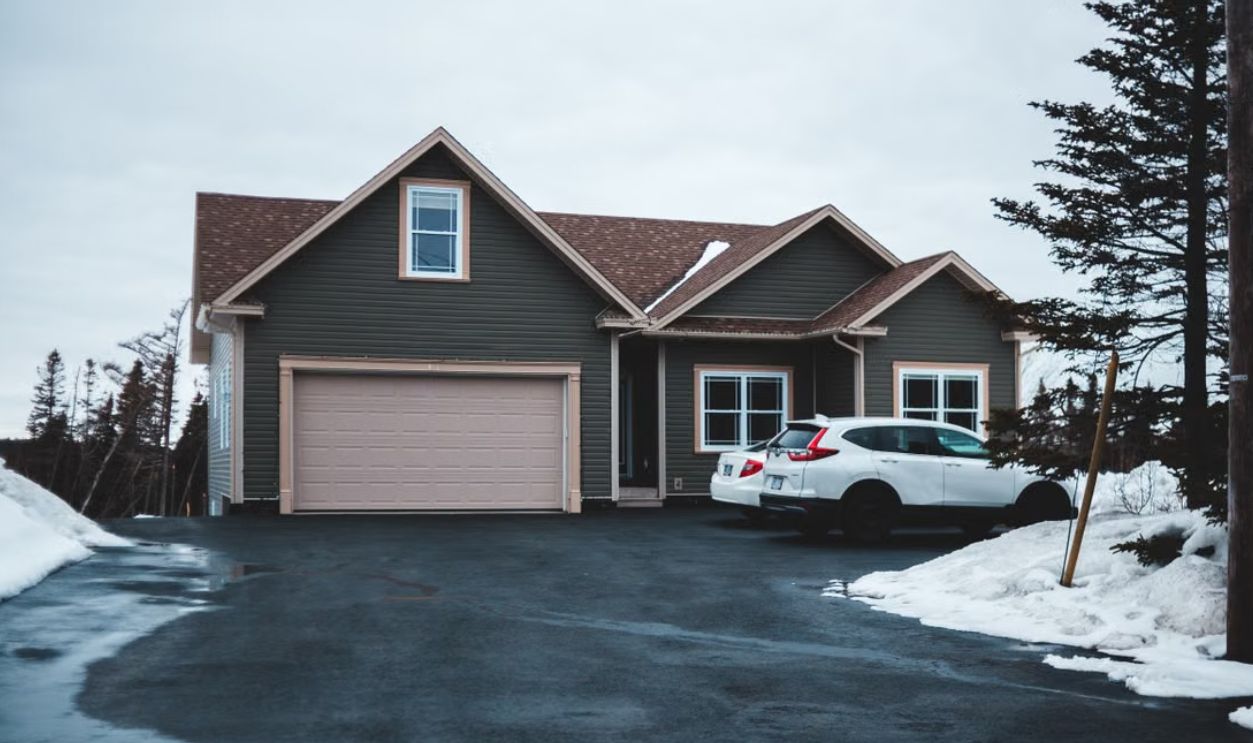
Never remote start a vehicle inside a closed garage or enclosed structure. Carbon monoxide can build up rapidly and create a potentially deadly situation. Always ensure the vehicle is outside in a well ventilated area before using remote start.
Know Local Laws
Some states and municipalities limit unnecessary vehicle idling to reduce emissions. Depending on where you live, leaving a remotely started vehicle running beyond the allowed time could result in a fine, even if the feature came from the factory.
Warranty Questions
Factory remote start systems are covered by your vehicle's warranty. Properly installed aftermarket systems generally don't void your entire warranty. However, if poor installation damages electrical components, repairs related to that installation may not be covered.

Drive Gently Afterward
Even if you remote start your vehicle, avoid aggressive acceleration until the engine reaches normal operating temperature. Gentle driving warms the engine, transmission, and other drivetrain components more efficiently than extended idling.
Extreme Climates Differ
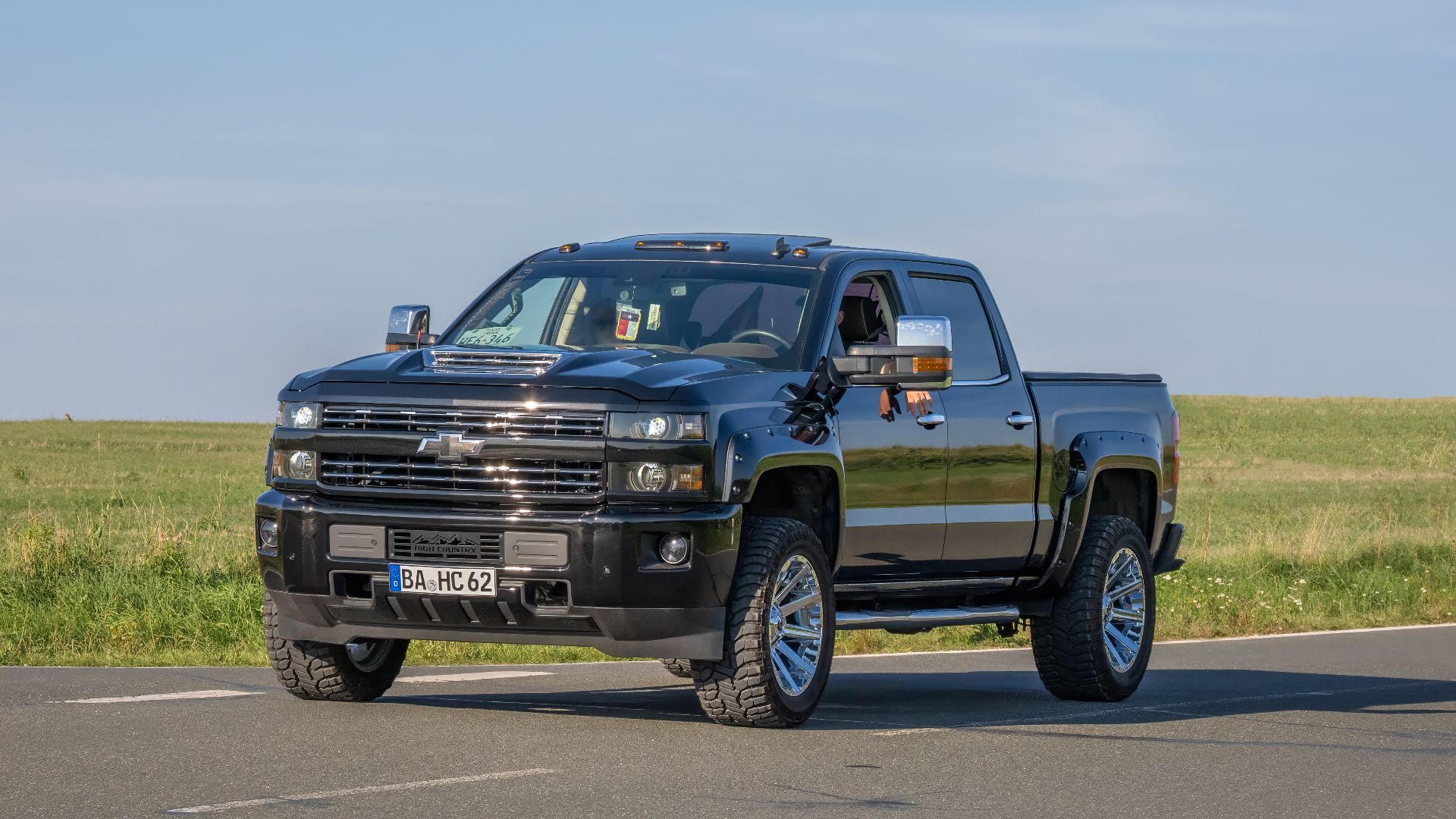
Drivers in northern states often receive greater practical benefits from remote start than drivers in mild climates. Clearing snow, warming the cabin, and improving windshield visibility can make winter driving both safer and more comfortable.

Hybrid And Electric Vehicles
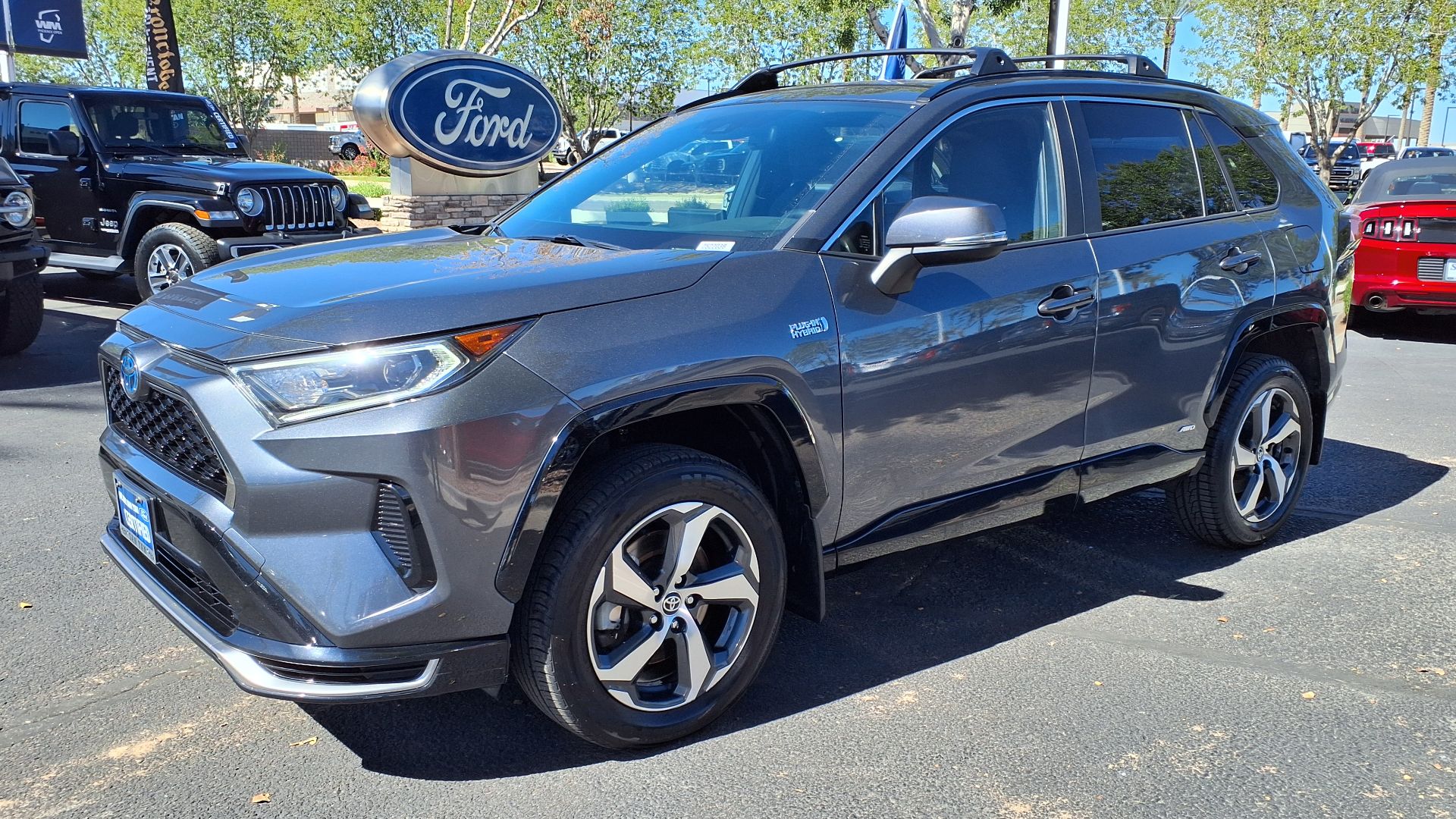
Many hybrids and electric vehicles also offer remote climate functions. Instead of idling an engine continuously, they often use battery power or intelligently manage engine operation, making their warmup strategies quite different from traditional gasoline vehicles.
Financial Perspective
Replacing a starter or battery eventually becomes part of normal vehicle ownership. The relatively small amount of additional operating time associated with sensible remote start use is unlikely to outweigh the comfort, convenience, and safety benefits most owners receive.
Best Practices
Use remote start for about five to ten minutes when weather conditions justify it, avoid excessive idling, maintain your battery and oil properly, and choose professional installation for aftermarket systems. Those habits matter far more than the remote start button itself.
Bottom Line
Using remote start every morning is not automatically shortening your engine's life. Modern vehicles are designed to handle normal starting cycles with ease. The bigger concerns are excessive idling, wasted fuel, and neglected maintenance. Used responsibly, remote start is a convenience feature, not an engine killer.
You May Also Like:
My new car came with a subscription fee to use remote start. Are automakers really doing this now?