Dad Vs. Brother: The Great Remote Start Debate
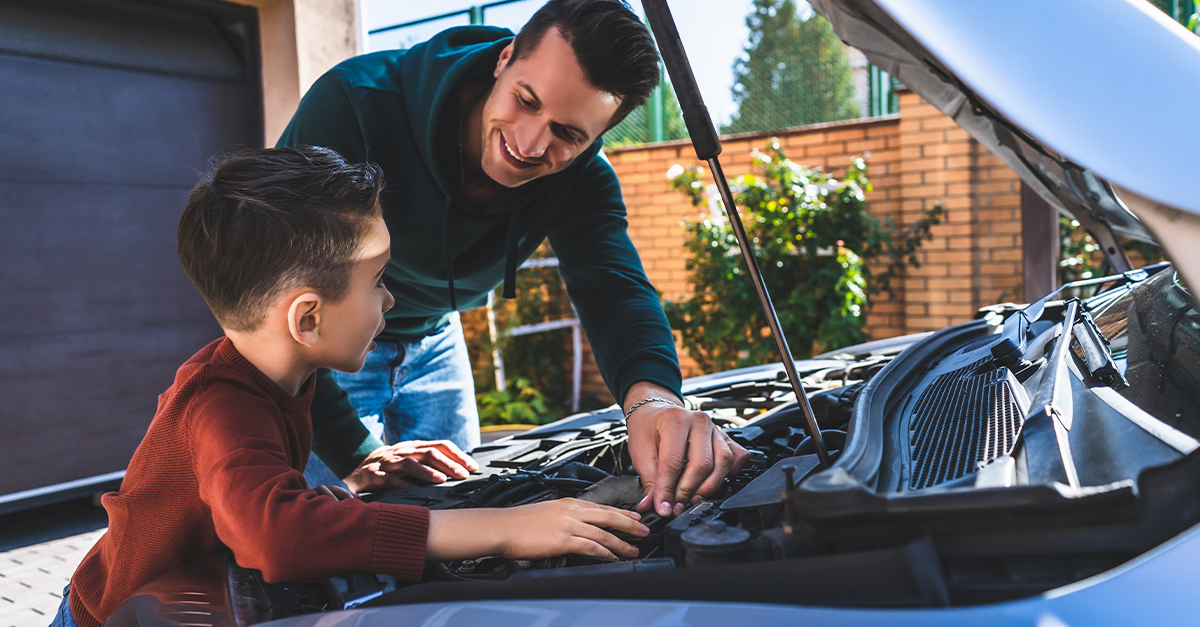
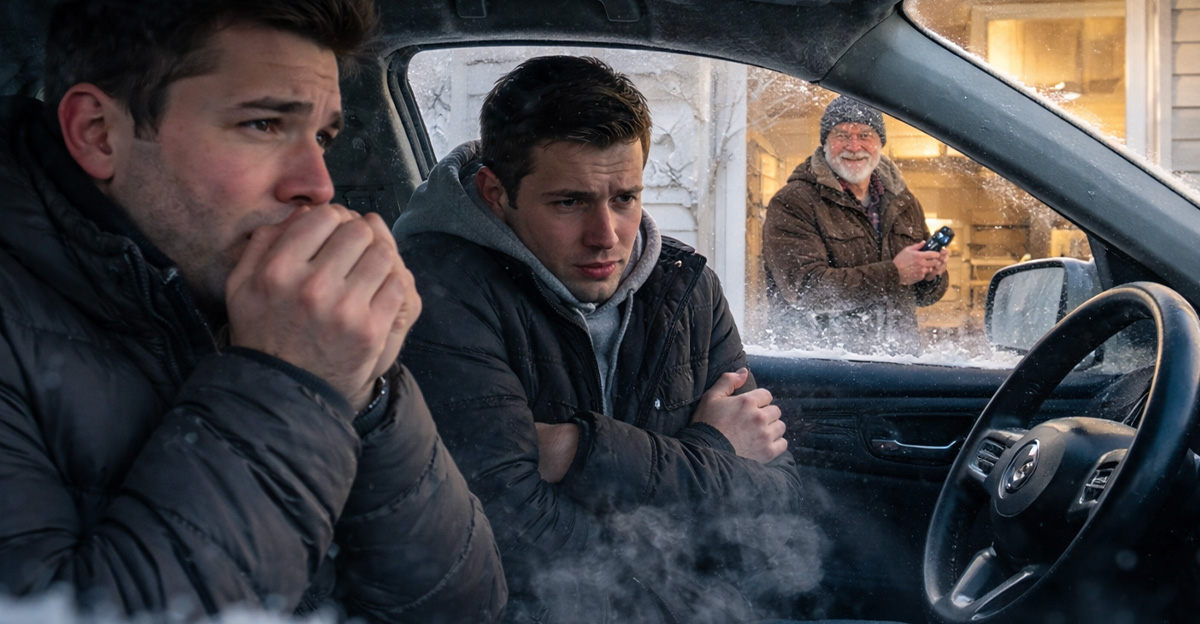
Every family has that argument. For some, it’s Ford vs. Chevy. For others, it’s real Christmas tree vs. artificial. But in your household, it’s this: Is remote start essential for winter driving? Dad says it’s non-negotiable. Your brother says it’s a lazy luxury. So who’s right? Like most car debates, the answer isn’t black and white—it’s more like a frosty shade of gray. Let’s break it down and settle this driveway showdown once and for all.
What Remote Start Actually Does
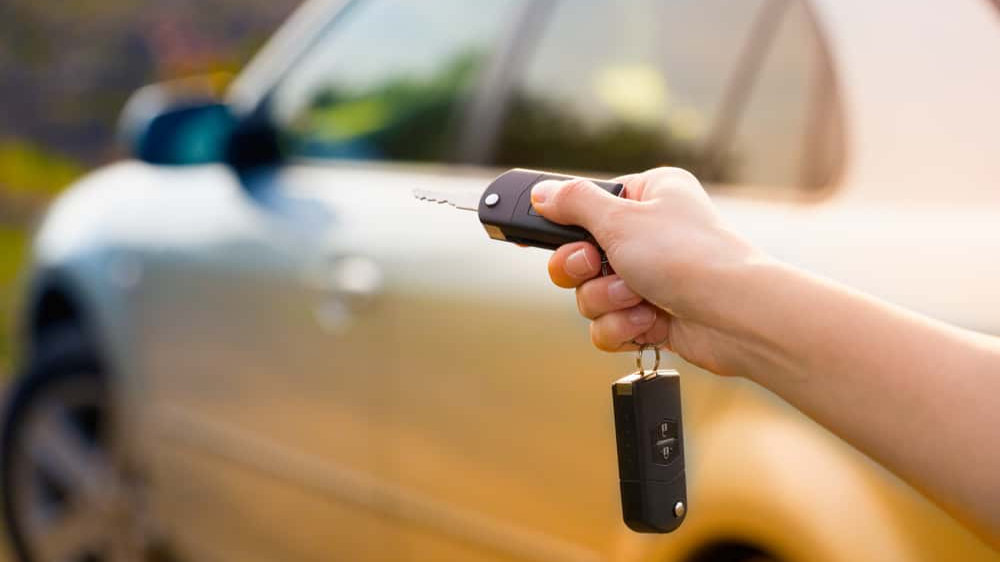
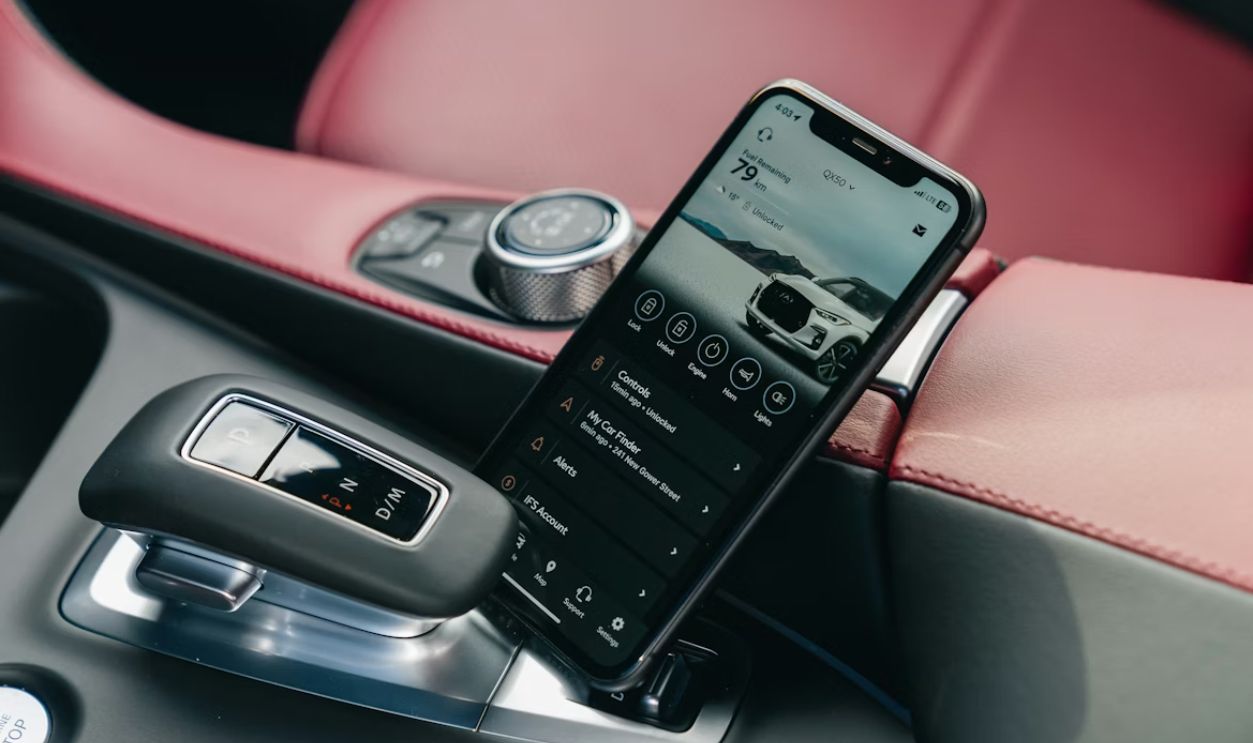
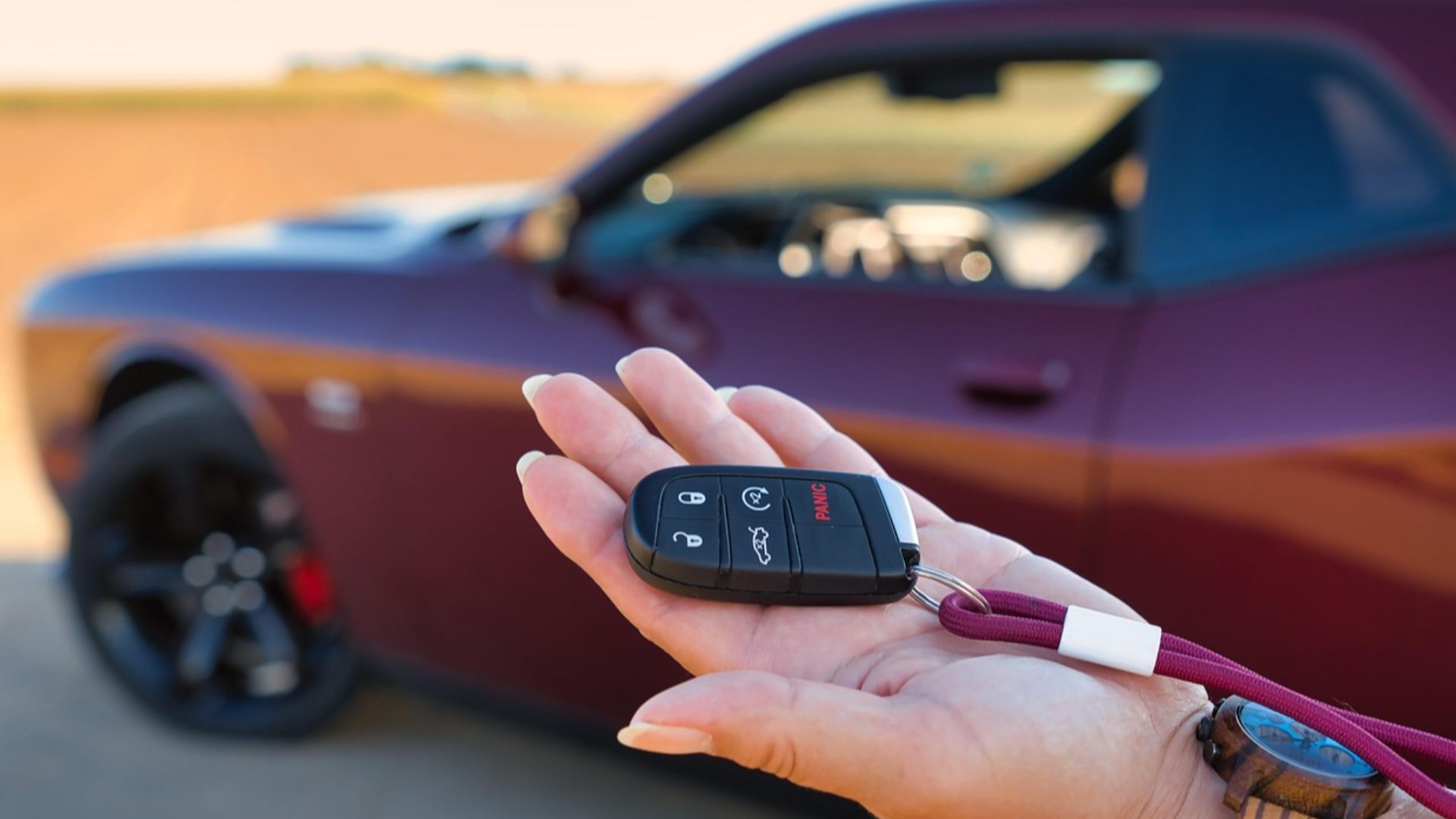
Remote start lets you fire up your car from a distance—using your key fob or a smartphone app—without physically sitting in the driver’s seat. The engine turns on, the climate control system activates, and your car begins warming up (or cooling down in summer). That means when you finally step outside, your car might already be toasty and your windshield well on its way to defrosted. Sounds magical, right? Well, hold that thought.
Why Dad Swears By It
To Dad, remote start is winter survival gear. It’s right up there with snow tires and a good ice scraper. He loves the idea of stepping into a warm cabin instead of a rolling meat locker. From his perspective, warming up the engine before driving is just common sense. Cold weather is tough on cars, and letting everything warm up seems like a responsible move. Plus, let’s be honest—Dad has scraped enough windshields in his lifetime. He’s earned the right to avoid it.
Why Your Brother Thinks It’s Overrated
Your brother, meanwhile, sees remote start as unnecessary tech. His argument? Modern cars don’t need to “warm up” like old carbureted engines did. He might even throw in a smug line like, “You’re just wasting gas.” And… he’s not entirely wrong. Today’s fuel-injected engines are designed to start and drive almost immediately, even in cold weather. So now what?

The Engine Warm-Up Myth
Let’s clear something up: Modern engines do not need to idle for 10–15 minutes before driving. In fact, most manufacturers recommend starting the car, waiting about 30 seconds, and then driving gently. Driving warms the engine faster than idling because it builds load and heat more efficiently. Score one point for your brother.
What Cold Weather Really Does To Your Car
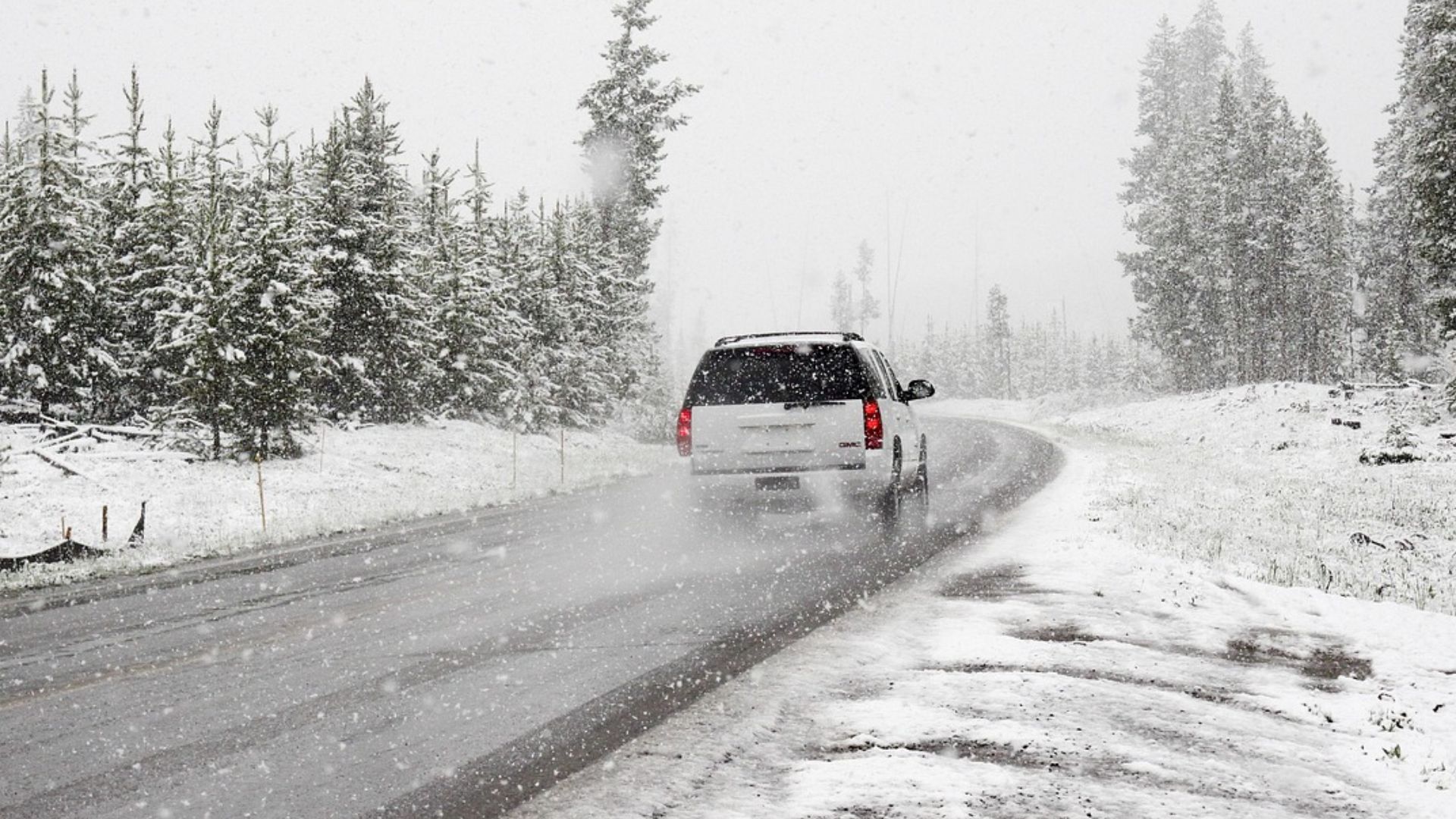
Cold temperatures thicken engine oil, reduce battery performance, and make fluids sluggish. That’s why cars sometimes feel grumpy in the winter. However, modern synthetic oils flow much better in cold temperatures than older oils did. So while cold starts are harder on engines than warm ones, today’s cars are engineered to handle it. Dad’s concern isn’t crazy—but it’s not as dire as it once was.
The Comfort Factor Is Real
Now let’s talk about something your brother may be ignoring: comfort matters. Getting into a car that’s already warm on a 10-degree morning is genuinely pleasant. Heated seats working. Steering wheel warm. Windows clear. Remote start doesn’t just protect feelings—it protects fingers. There’s nothing irrational about wanting a more comfortable commute. Dad earns a point back.
What About Defrosting And Visibility?
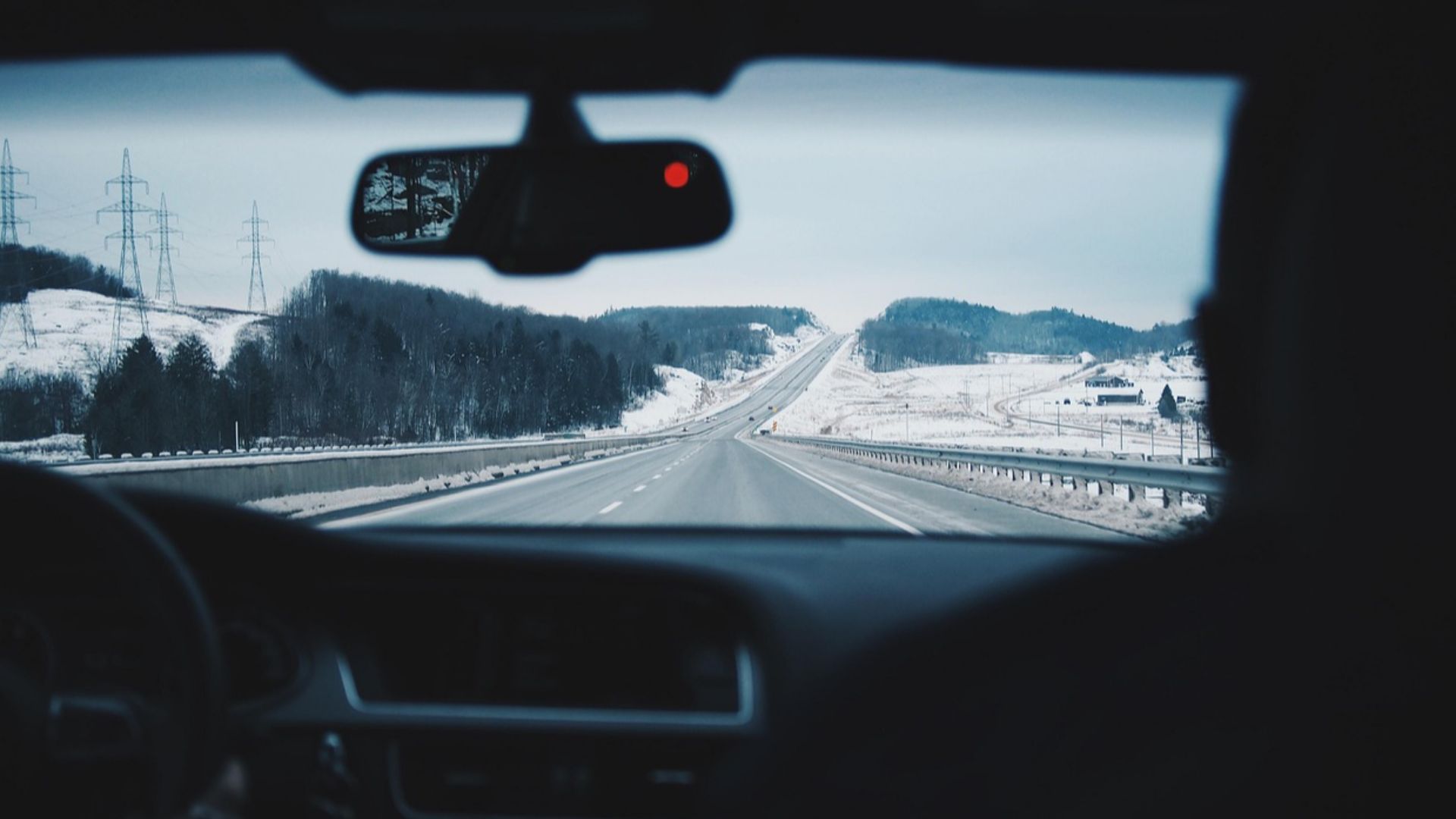
This is where remote start becomes more than comfort—it can become a safety feature. Letting the defrosters run before you get in can loosen ice on your windshield and mirrors. That means less scraping and potentially better visibility before you hit the road. But here’s the catch: You still need to properly clear your windows. A partially melted peephole scraped in the frost isn’t safe. Remote start helps—but it’s not a substitute for doing the job right.

Is Idling Bad For Your Engine?
Extended idling isn’t great for modern engines. When a car idles in very cold weather, it may take longer to reach optimal operating temperature. Meanwhile, fuel combustion can be less efficient. Over time, excessive idling can contribute to carbon buildup. So if Dad is starting the truck 20 minutes before breakfast and letting it rumble in the driveway? That’s not ideal.
The Fuel Economy Question
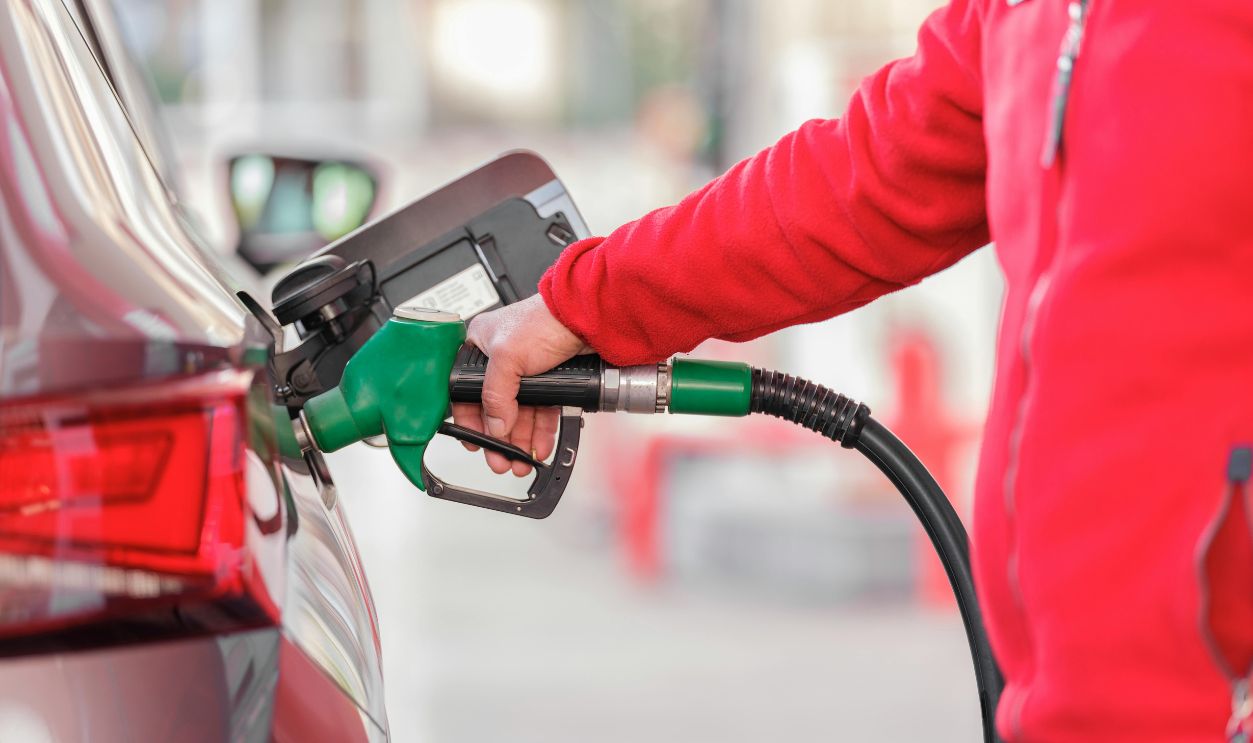
Your brother’s “you’re wasting gas” comment has some merit. Idling burns fuel while getting you zero miles per gallon. Depending on the vehicle, you might burn roughly 0.2 to 0.5 gallons per hour while idling. Five minutes here and there won’t bankrupt you—but over an entire winter, it adds up.
Environmental Impact
Fuel burned while idling also means emissions released while stationary. Many cities even have anti-idling laws for this reason. If you’re concerned about reducing your environmental footprint, minimizing unnecessary idle time is a smart move. Brother picks up another point.
Battery And Starter Wear
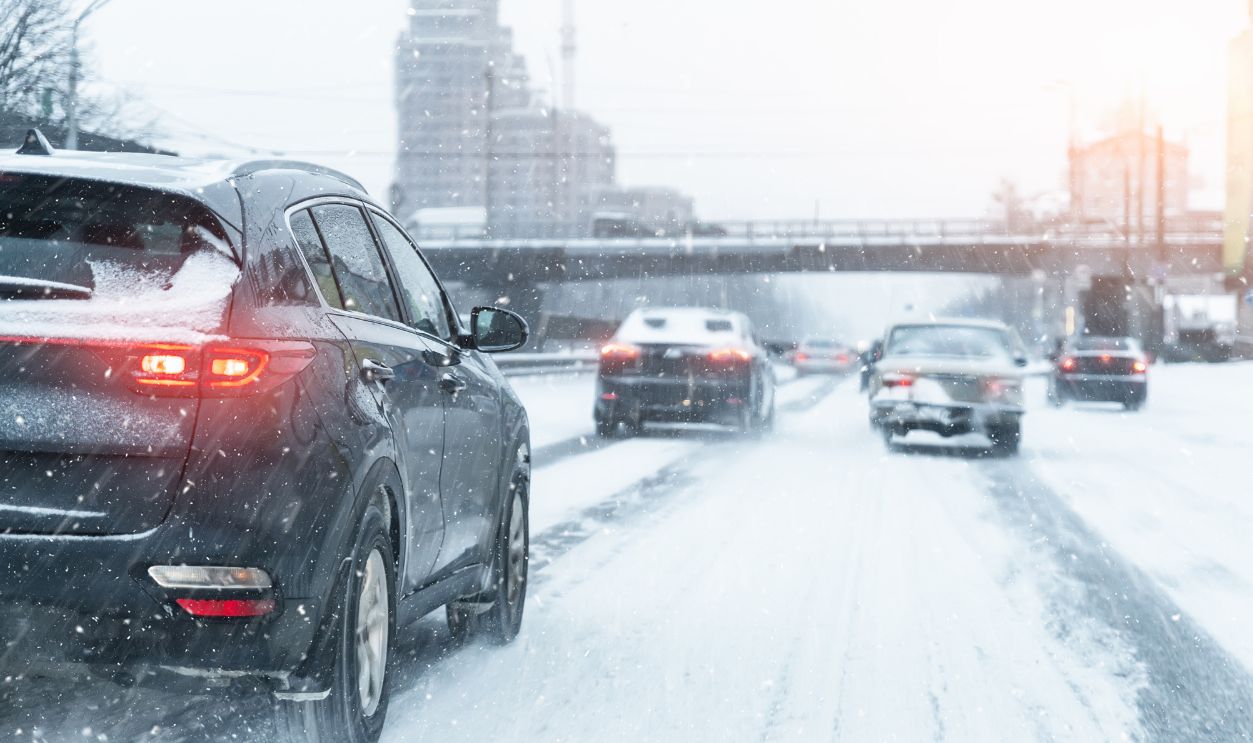
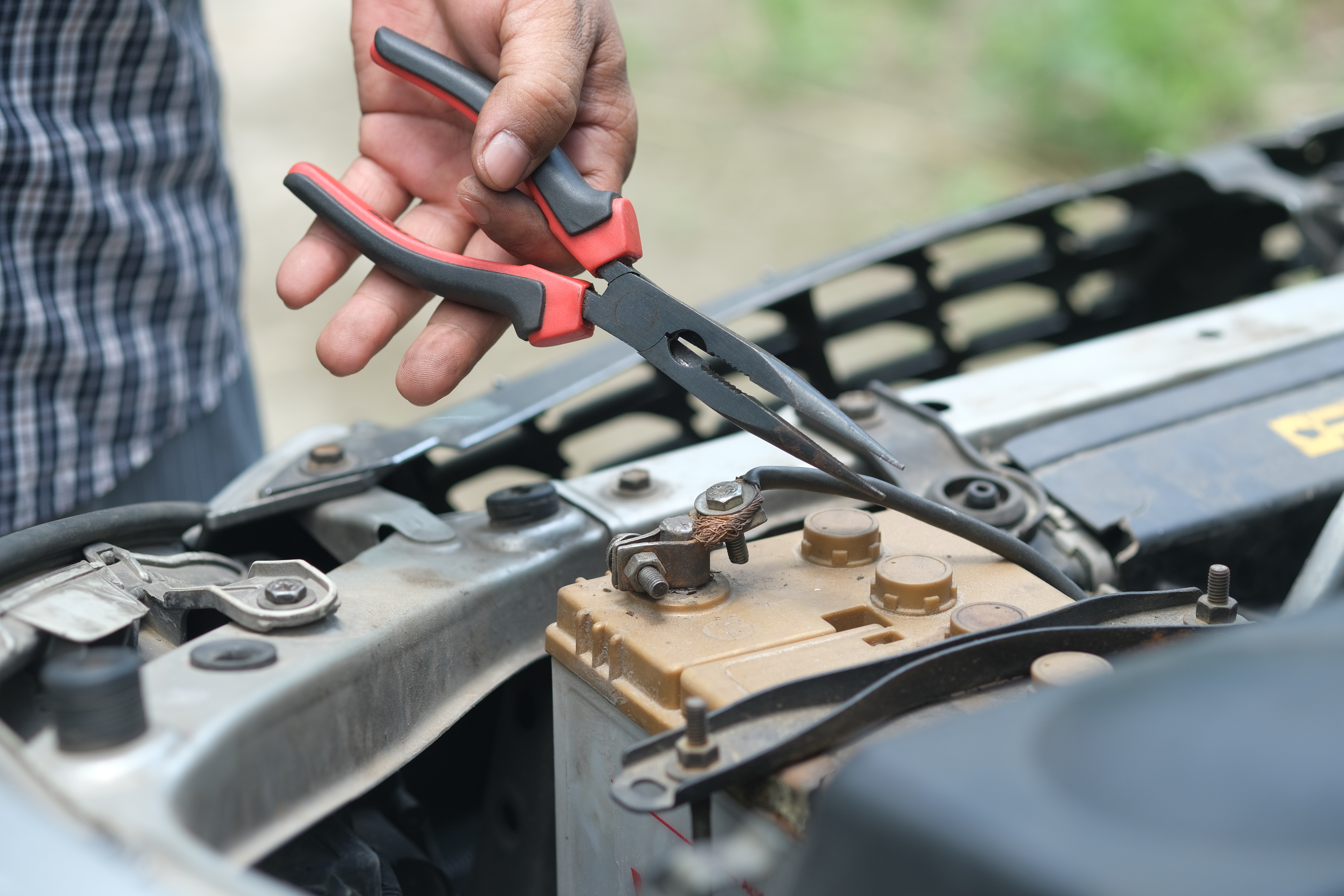
Cold weather is hardest on your battery. Remote start does mean one additional start cycle if you shut the car off and restart it later. However, in most cases, this added wear is minimal—especially if you drive long enough to recharge the battery fully. This one’s basically a tie.
What About Engine Longevity?
Here’s the nuanced truth: Gently driving a cold engine warms it up faster and reduces the time it operates inefficiently. Letting it idle for long periods doesn’t necessarily “protect” it more. The key is moderation. A short remote start session? Fine. A 20-minute idle marathon? Not necessary.
 Karolina Grabowska www.kaboompics.com, Pexels
The Role Of Modern Technology
Many modern vehicles automatically adjust idle speed, fuel mixture, and climate control to warm up efficiently. Some even reduce idle time automatically. Technology has made remote start smarter than it used to be. It’s not just turning the key from across the yard anymore.

The Luxury Angle
Let’s not pretend remote start wasn’t once a high-end feature. It still feels like a small luxury. And that’s okay. Not every feature has to be strictly necessary to be worthwhile. Heated seats aren’t “essential” either—but try giving them up in January. Dad is arguing for quality of life.
Climate Makes A Big Difference
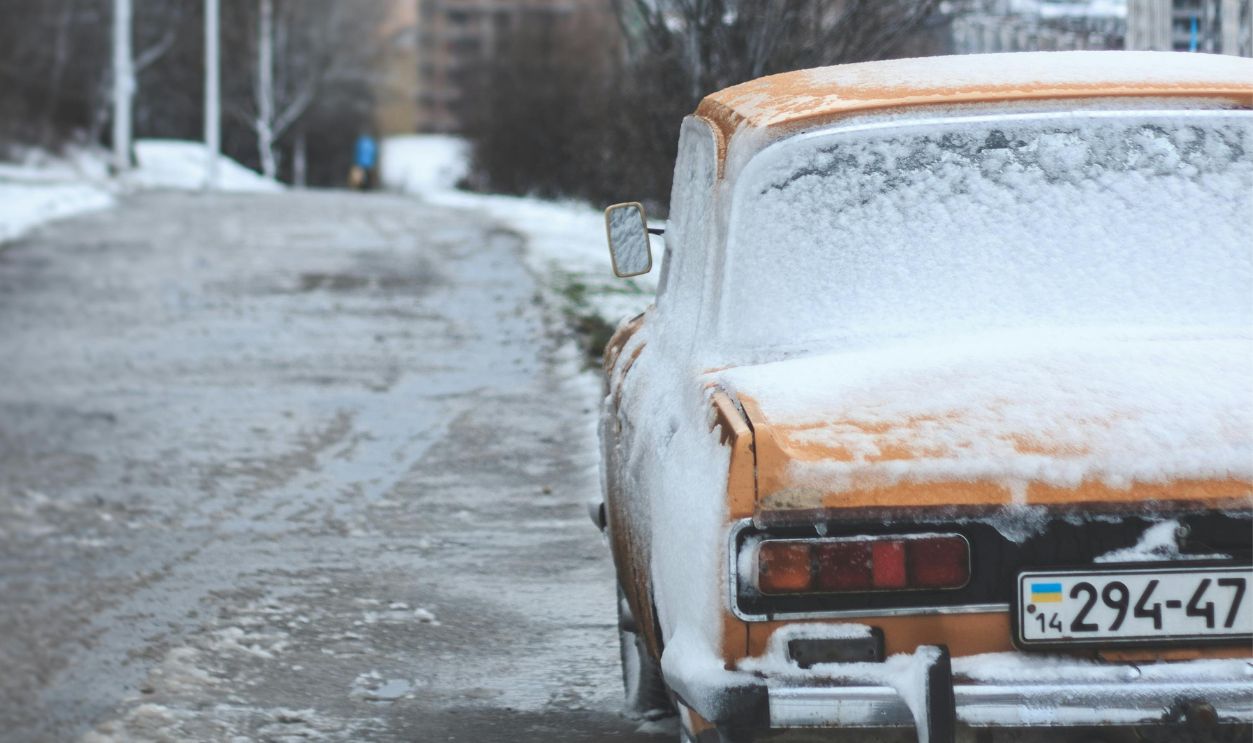
If you live somewhere with mild winters, remote start probably isn’t essential. But if you’re in Minnesota, Alberta, or anywhere temperatures routinely drop below zero? The argument changes. In extreme cold, warming the cabin and defrost system before driving can make a noticeable difference in safety and comfort. Geography matters.
Diesel Drivers Have A Different Story
If Dad drives a diesel truck, his argument gets stronger. Diesel engines can take longer to warm up in very cold conditions, and cabin heat can lag significantly. Remote start can genuinely improve usability in those cases. Gasoline cars? Less dramatic.

What About Remote Start And Keyless Entry?
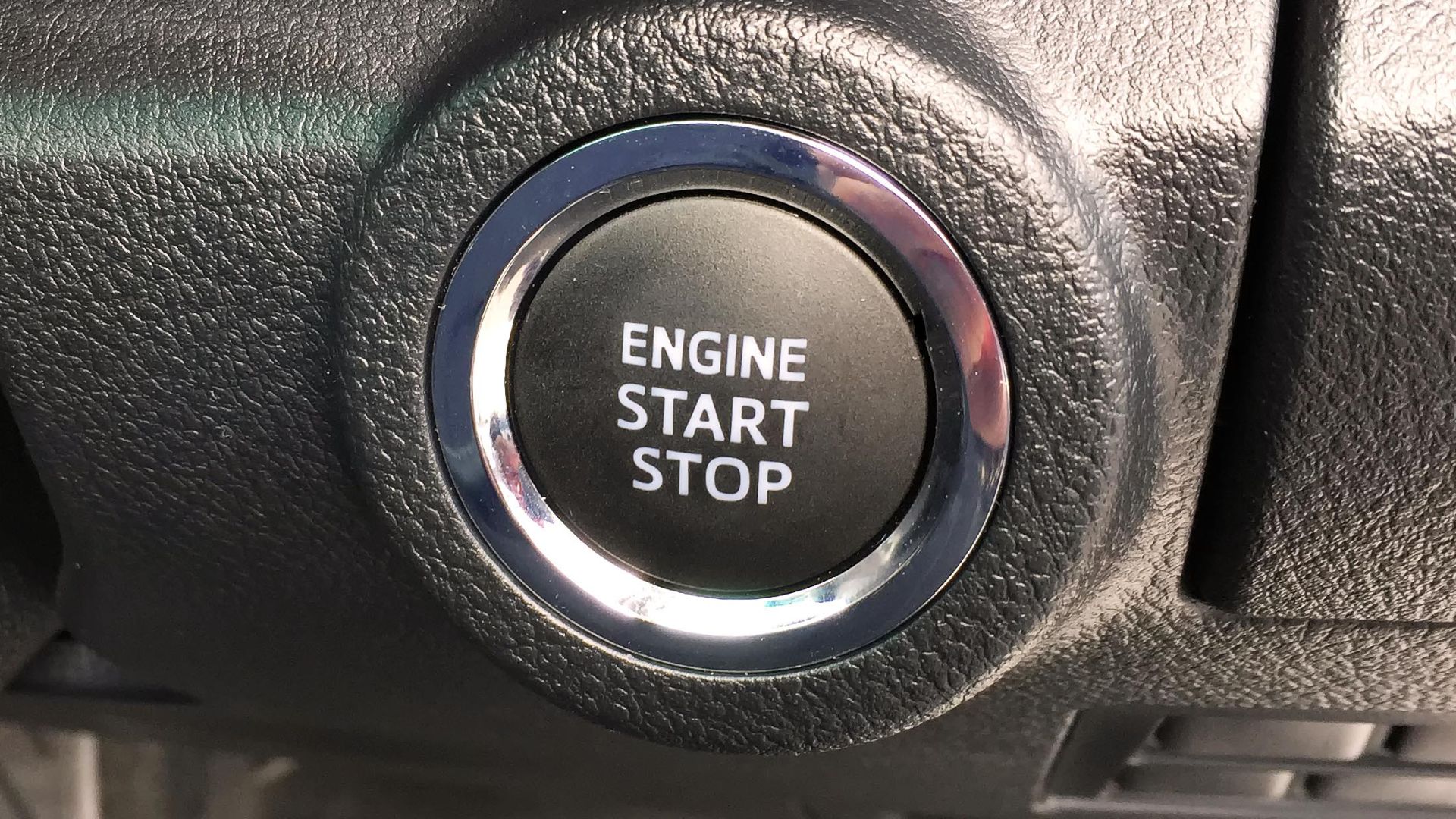
Many modern cars already include remote start bundled with keyless entry systems. If it’s built in from the factory, there’s little downside to using it wisely. Aftermarket systems can vary in quality, so installation matters. A poorly installed system can cause electrical headaches.
 Johntorcasio, Wikimedia Commons
The Safety Concern Nobody Mentions
Leaving a vehicle idling unattended can increase theft risk—especially if doors are unlocked or the system isn’t secure. Factory systems typically keep doors locked and disable driving without the key present. Still, it’s something to consider. Brother would definitely bring this up.
Warm Cabin, Cold Transmission
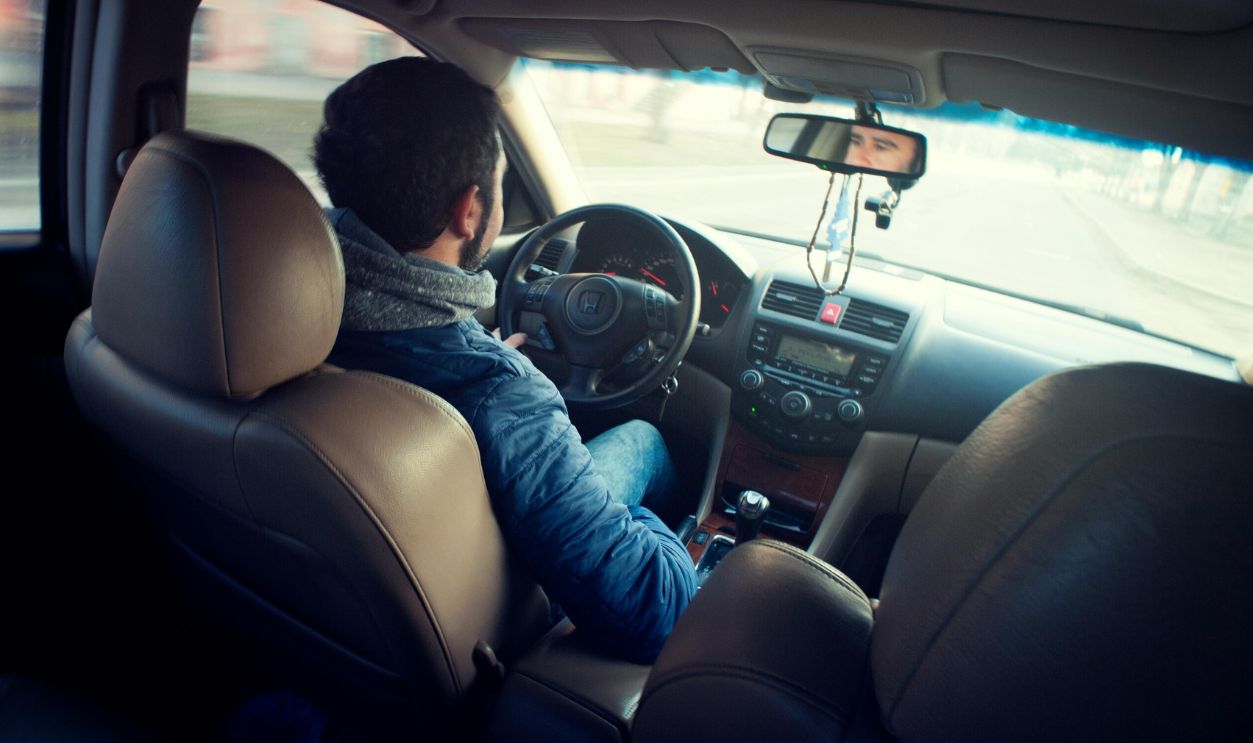
Here’s something interesting: Even if your engine warms slightly while idling, other components like the transmission and wheel bearings are still cold until you start moving. Driving gently warms everything more effectively than sitting still. Another small nod to your brother’s logic.

The Five-Minute Rule
If you’re going to use remote start, keep it short. Three to five minutes is usually plenty to get fluids moving and defrosters working. Beyond that, you’re mostly just burning fuel for extra toastiness. Moderation is the secret handshake between Dad and your brother.
Snow And Ice Reality Check
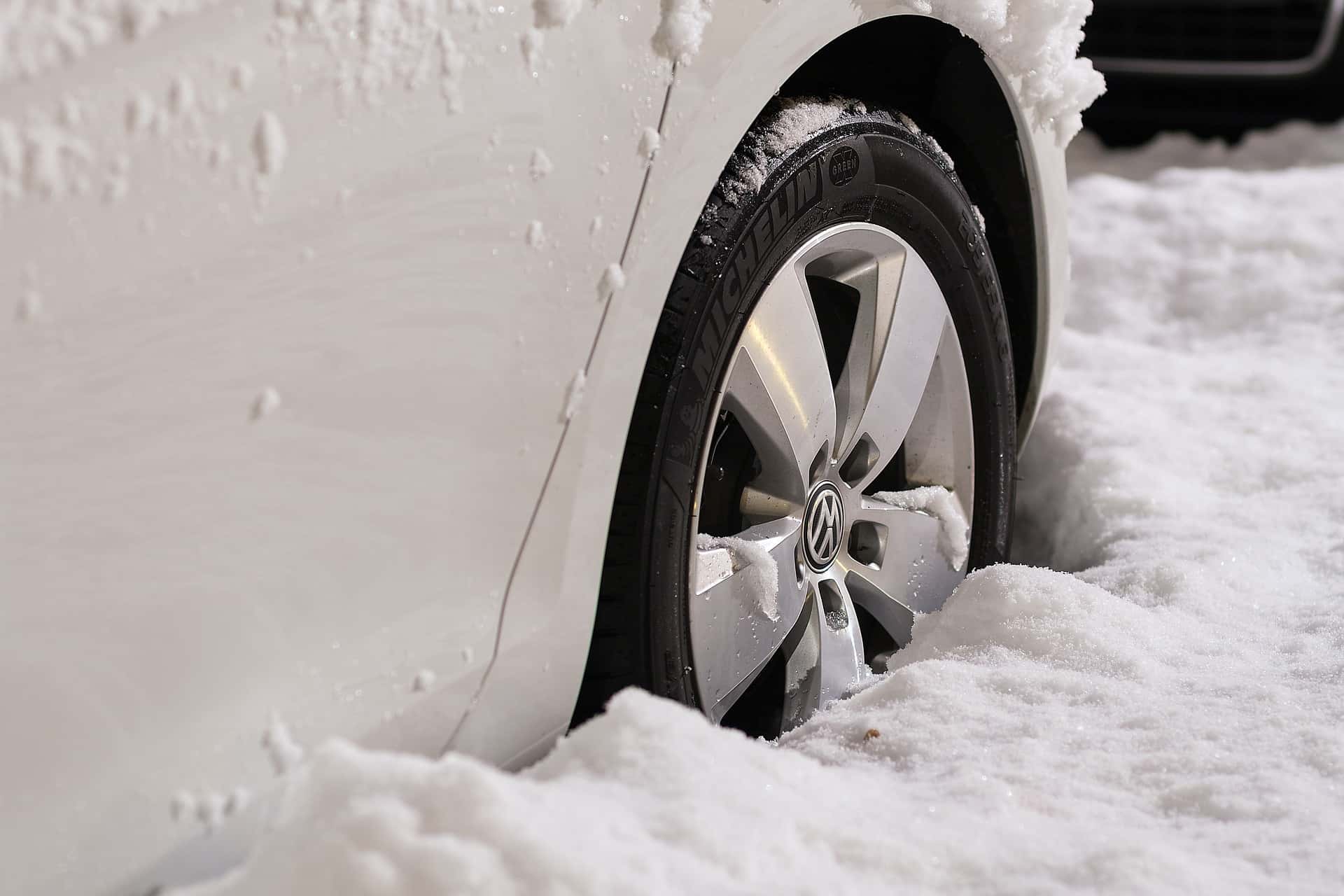
Remote start will not magically melt six inches of snow off your roof. You still need a brush and scraper. If Dad thinks remote start eliminates winter chores entirely, he’s being optimistic.
The Psychological Boost
There’s something to be said for starting your morning with comfort instead of misery. Climbing into a warm car can genuinely improve your mood, reduce stress, and make winter commuting feel less brutal. Sometimes the “essential” part isn’t mechanical—it’s mental.
Cost Considerations
If your car already has remote start, using it costs very little beyond fuel. If you’re considering installing one, systems can range from a couple hundred to over a thousand dollars. Is it worth that? That depends on how much you value convenience.
 Karolina Grabowska www.kaboompics.com, Pexels
What Automakers Recommend
Most automakers today suggest starting the vehicle and driving gently rather than prolonged idling. They design engines to handle cold starts without extended warm-up sessions. That’s pretty solid backing for your brother’s core argument.
So… Is It Essential?
Strictly speaking? No. Your car will survive winter just fine without remote start, provided you maintain it properly and use good oil and a healthy battery. But is it useful? Comfortable? Sometimes safer in extreme cold? Absolutely.
The Verdict: They’re Both Kind Of Right
Dad is right that remote start makes winter driving more comfortable and can help with defrosting and convenience—especially in harsh climates. Your brother is right that modern engines don’t need long warm-ups, and excessive idling wastes fuel and increases emissions. The winning move? Use remote start sparingly and smartly.

How To Keep The Peace At Home
Tell Dad he can keep his remote start—but cap it at five minutes. Tell your brother he’s correct about modern engines—but comfort counts. In the end, remote start isn’t an essential survival tool. It’s a convenience feature that, when used responsibly, makes winter mornings a little less brutal. And if it keeps the family driveway debate from escalating? That alone might make it worth it.