The Longest 20 Miles Of Your Life
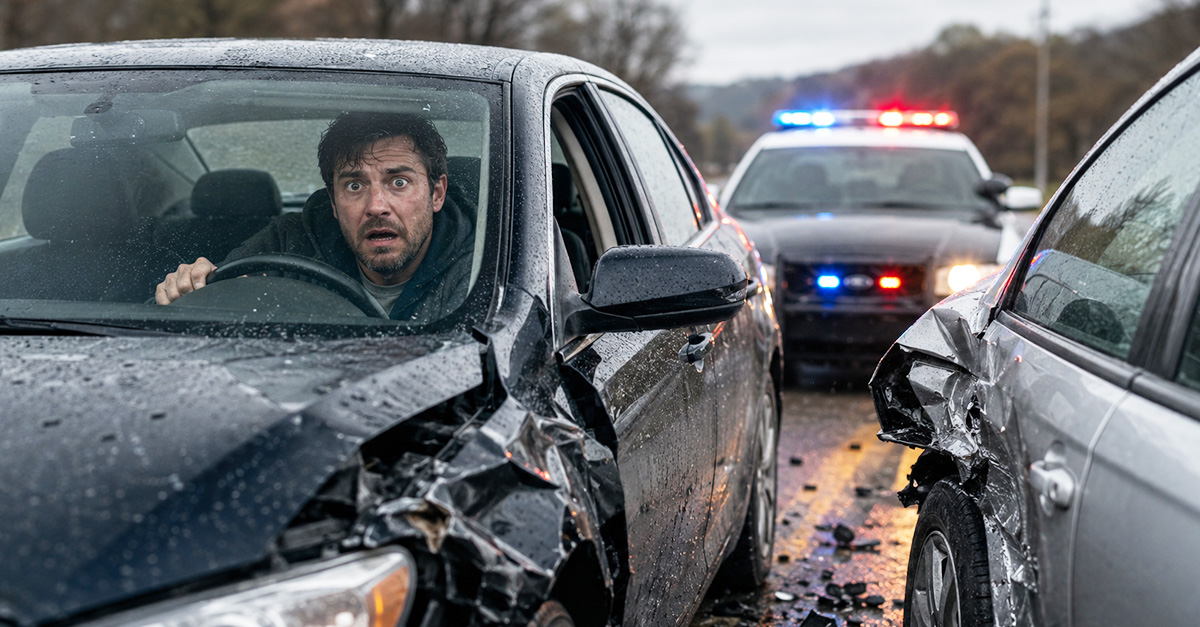
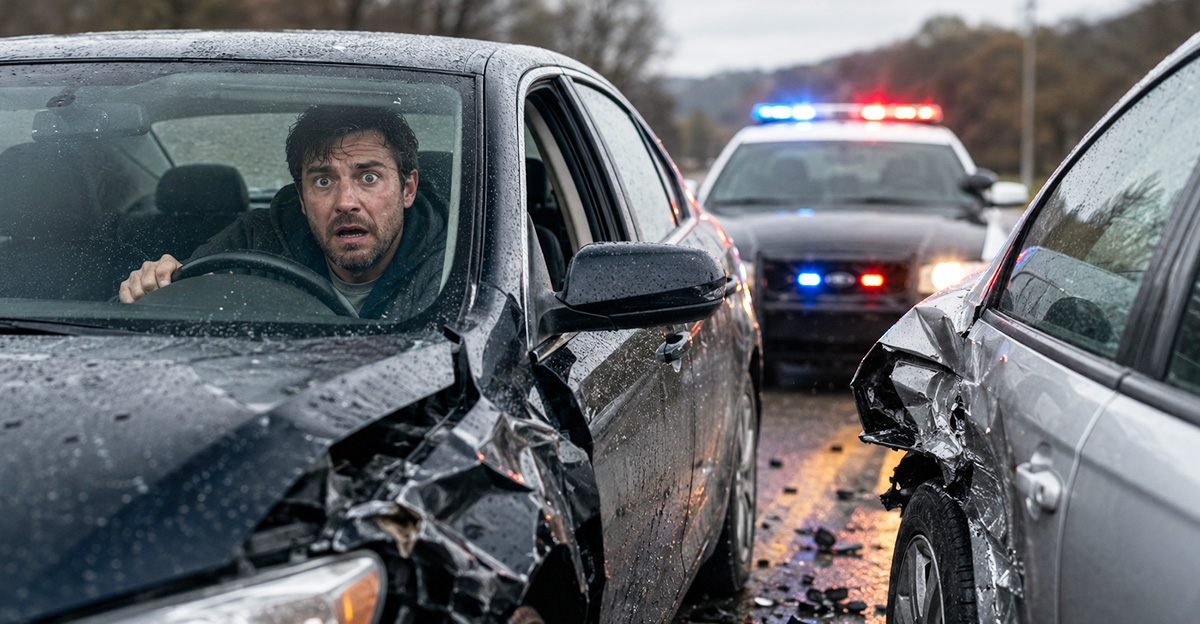
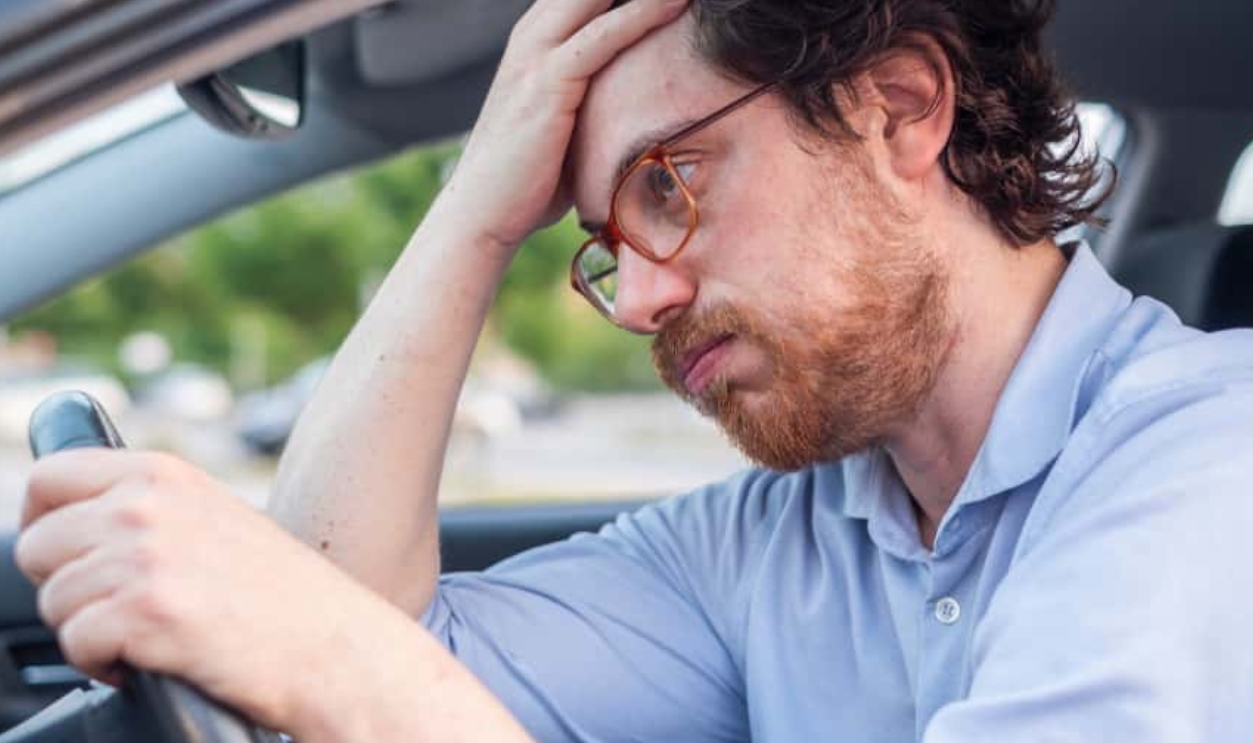
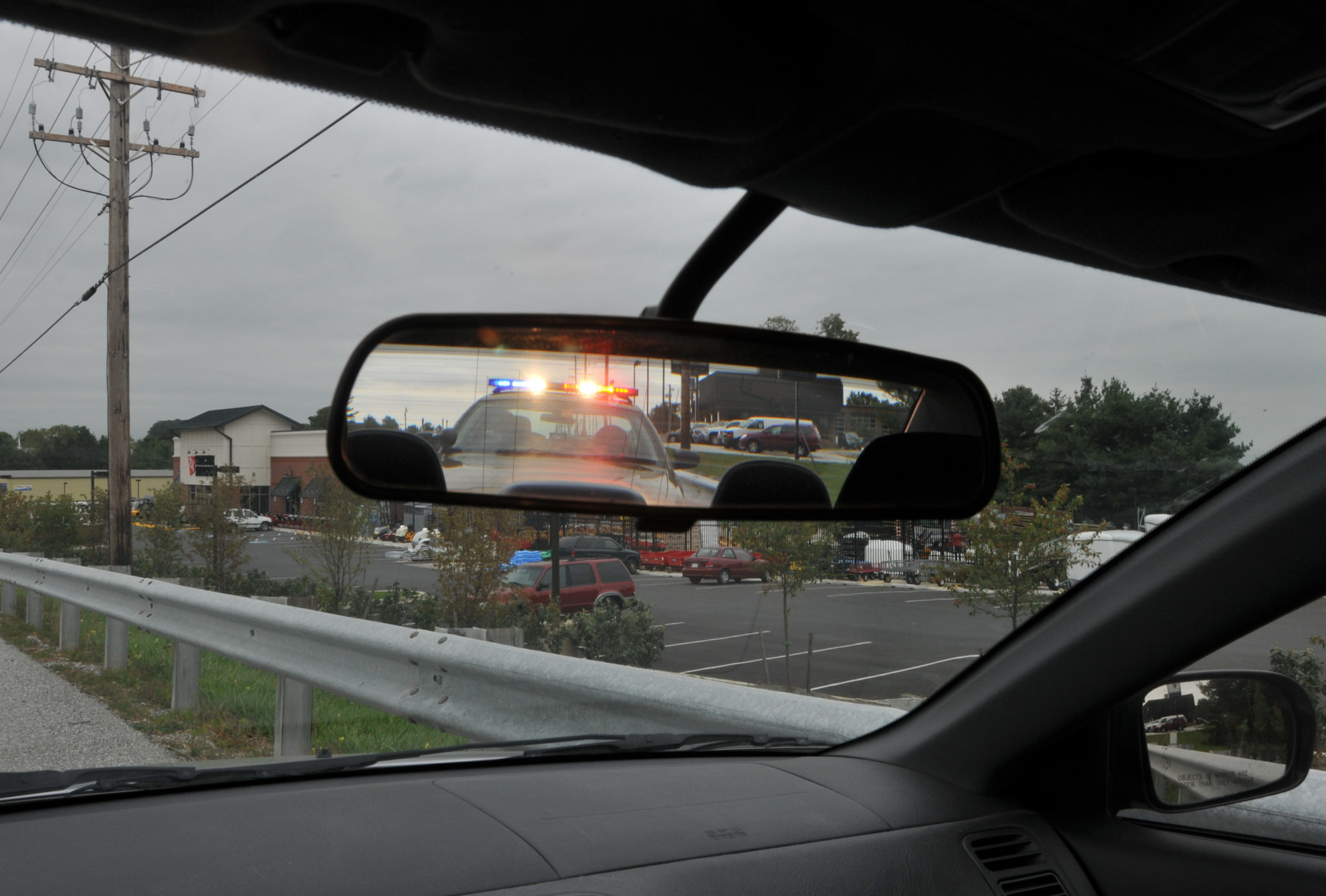
Seeing a police cruiser in your mirror can make your palms sweat. Seeing it stay there for 20 miles? That feels like a rolling stress test. So, if you panic, crash, and then wonder whether the officer is responsible, the answer is: maybe, but probably not easily.
First, Take A Deep Breath
Let’s start with the frustrating part. Being followed by a police officer is not automatically illegal. Officers can drive behind you, observe traffic, run plates, or simply happen to be going the same way. Annoying? Absolutely. A lawsuit jackpot? Not by itself.
Following Is Not The Same As Pulling You Over
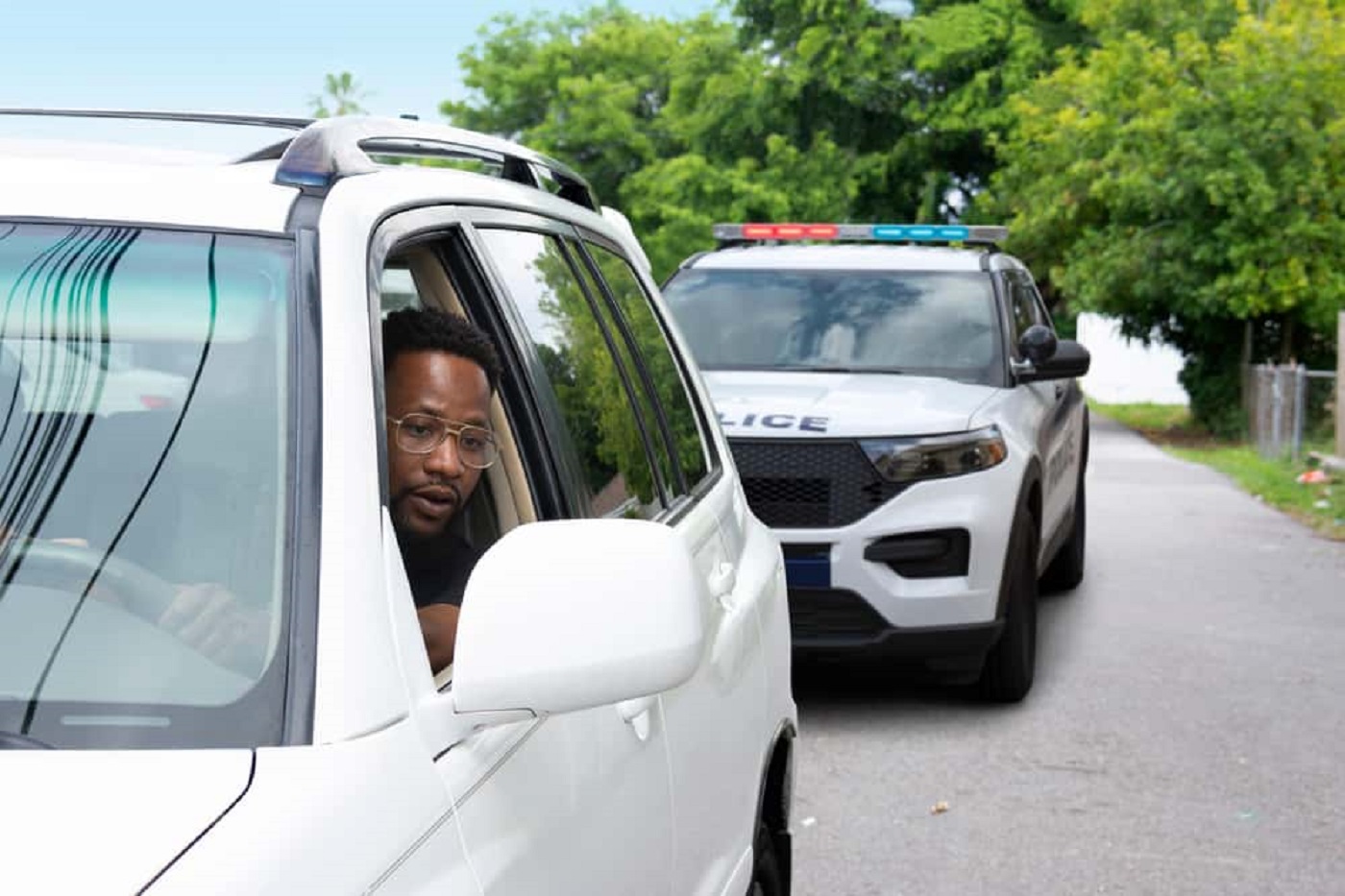
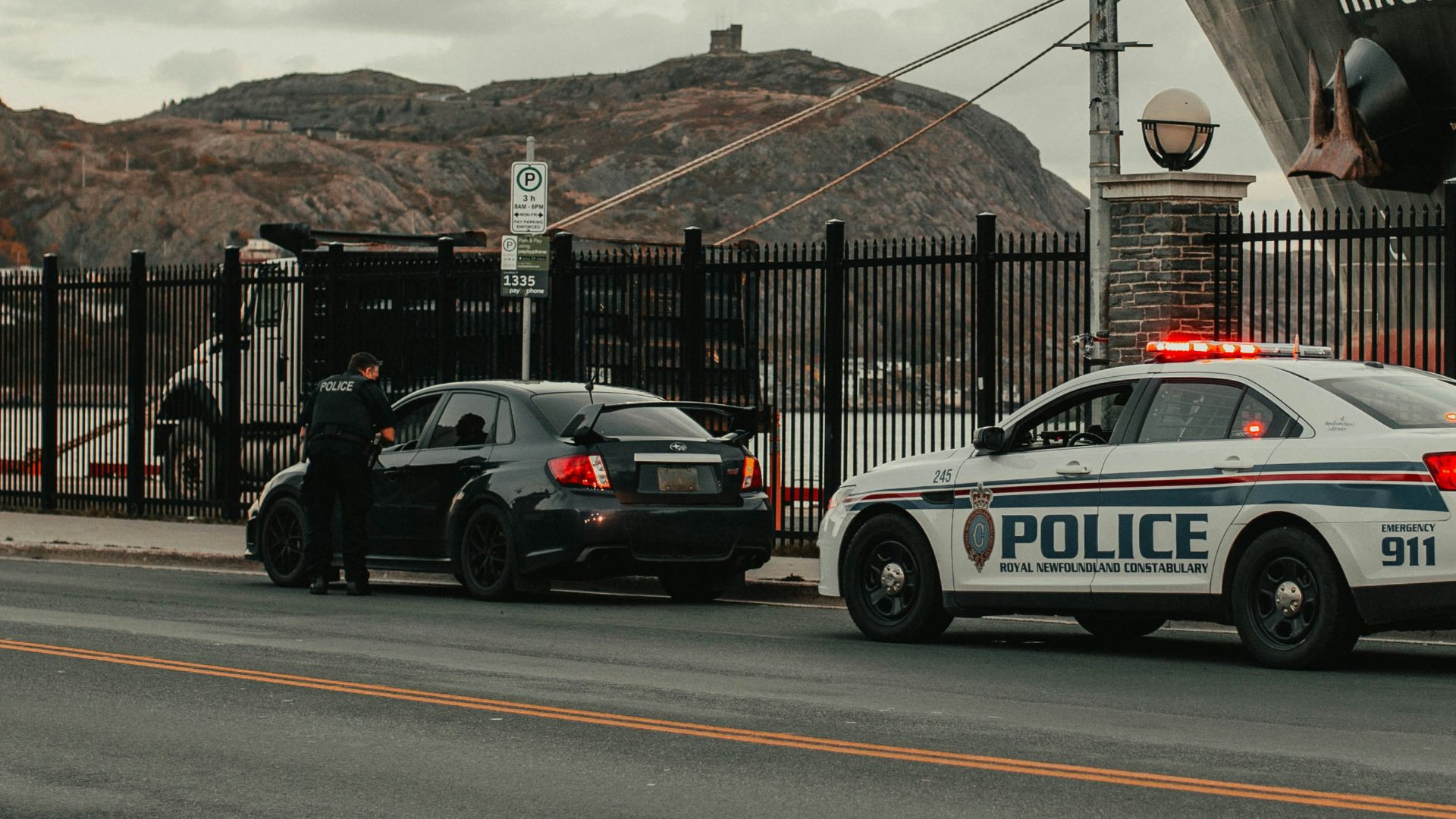
A traffic stop usually begins when the officer uses lights, siren, commands, or blocking tactics that make a reasonable driver feel they are not free to leave. If the cruiser simply followed you at normal speed, the law may see that as observation, not detention.
But Twenty Miles Sounds Intense
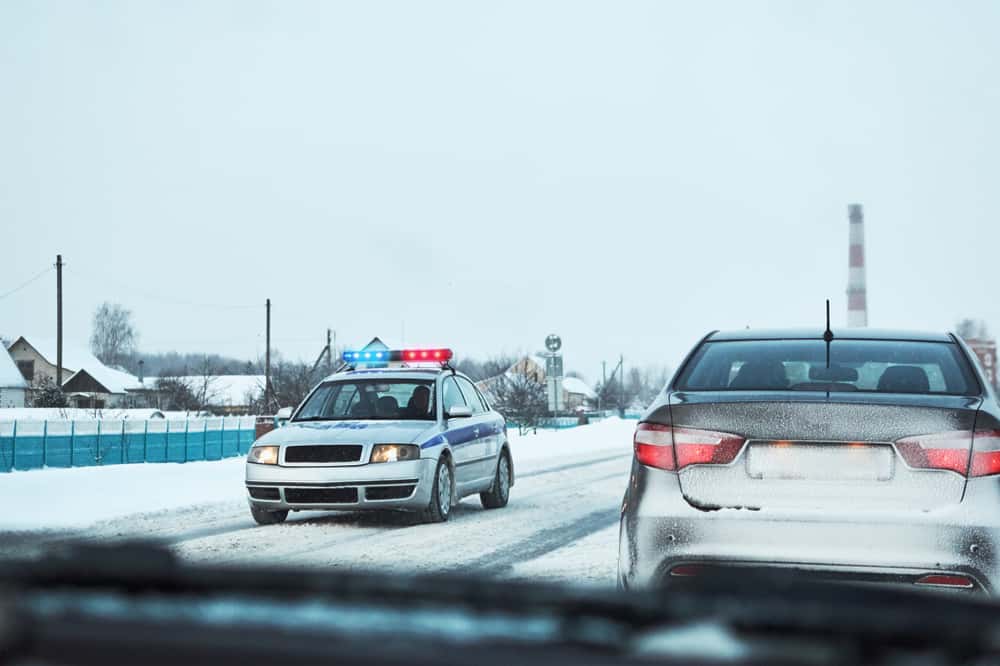
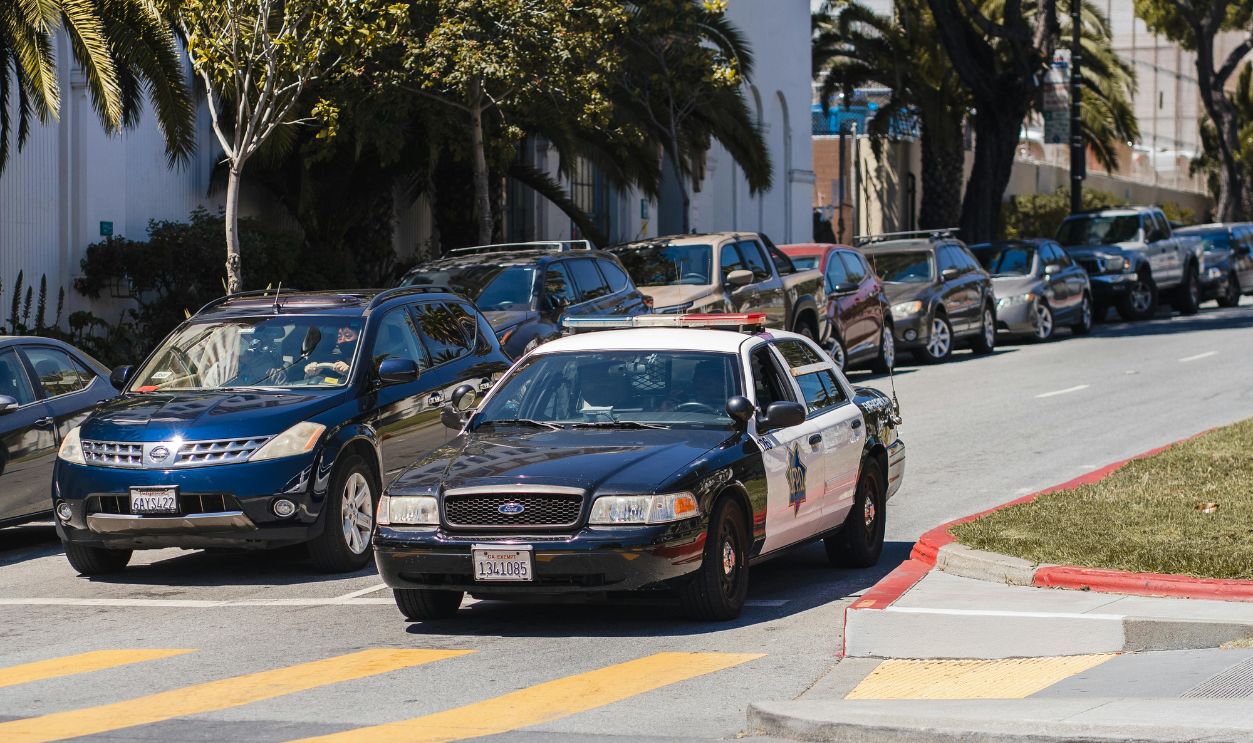
It does. Twenty miles is a long time to stare at a black-and-white bumper in your rearview mirror. Still, courts usually care less about how nervous you felt and more about what the officer actually did. Lights? Siren? Aggressive driving? Commands? Those details matter.
Your Feelings Matter, But So Do The Facts
Nervousness is real, and police presence can be intimidating. But lawsuits are built on evidence, not vibes. A judge or insurance adjuster would ask what a reasonable driver would have done, and whether the officer’s behavior was unreasonable, dangerous, or clearly coercive.
The Big Question Is Causation
To sue successfully, you must usually show the officer caused the crash. That is harder than saying, “I was scared because they were behind me.” You would need to connect the officer’s conduct directly to the accident, not just to your anxiety.

Panic Alone Usually Is Not Enough
If you drifted, braked too hard, missed a stop sign, or hit another vehicle because you were nervous, the other side may argue that you were still responsible for controlling your car. Drivers are expected to keep driving safely, even under pressure.
When The Officer’s Driving Could Matter
Things change if the officer tailgated, boxed you in, flashed lights repeatedly, used the spotlight, swerved, forced you to change lanes, or created a hazard. That starts sounding less like “following” and more like conduct that may have contributed to the crash.
Was It A Chase Or Just A Shadow?
A police pursuit is different from a cruiser quietly trailing you. Pursuits involve urgency, evasive driving, lights, sirens, and obvious attempts to stop or catch someone. If there was no chase behavior, your claim becomes much weaker.
The Dashcam Could Be The Star Witness
Modern patrol cars often have cameras, and your own dashcam could be priceless. Video can show distance, speed, lane changes, lighting, road conditions, and whether the officer behaved calmly or aggressively. Without video, the story becomes much harder to prove.
 Scott Richardson, Shutterstock
Your Phone Is Not The Answer
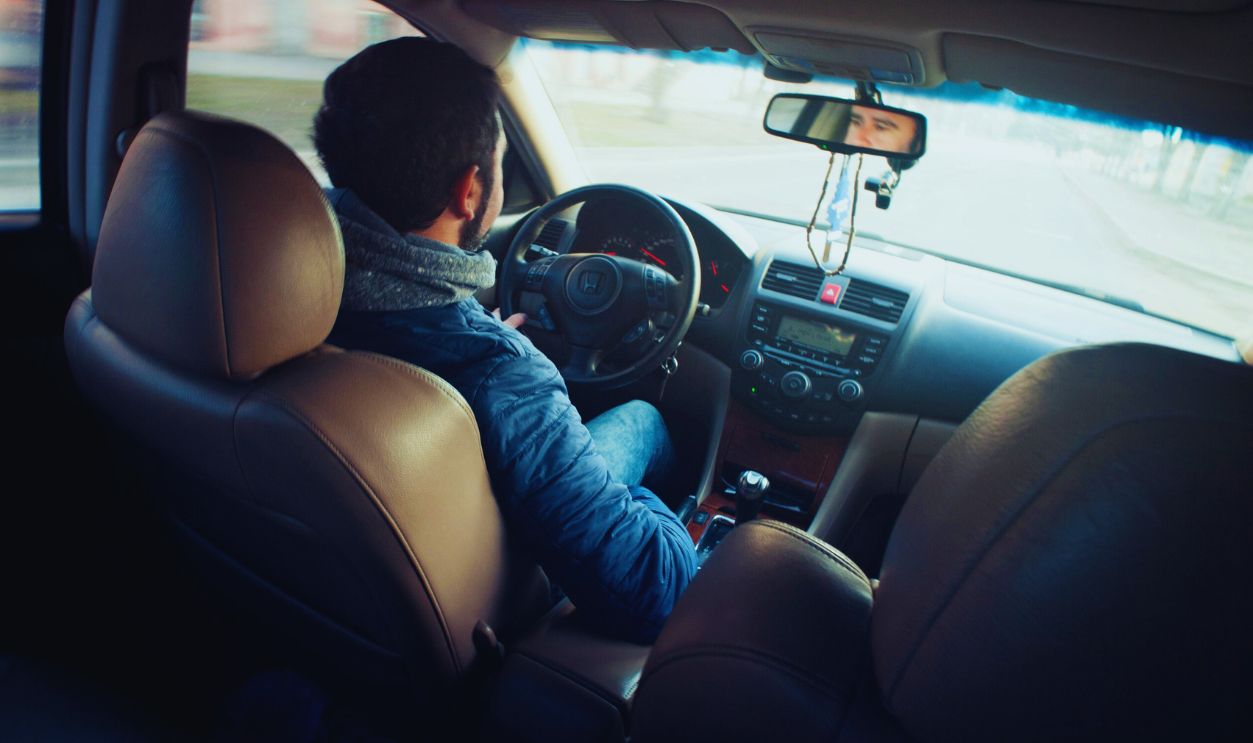
Do not record, text, or call while driving just because a police car is behind you. That can make things worse fast. Keep both hands on the wheel, drive normally, obey traffic laws, and pull into a safe public place only if you need to stop.
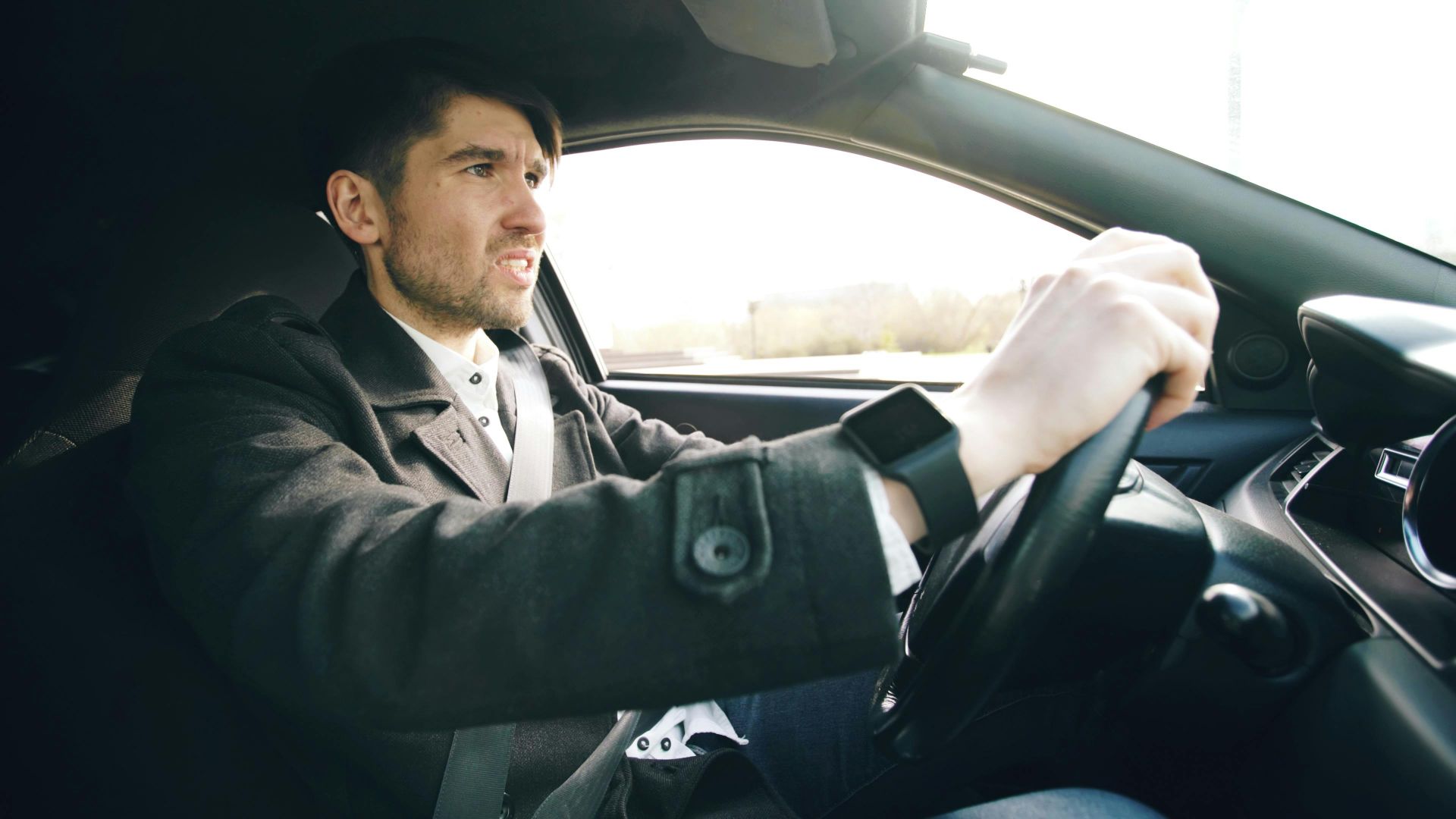
Could This Be Harassment?
Maybe, but that is a high bar. Police harassment usually requires more than one strange drive behind you. You would need evidence that the officer targeted you without reason, acted improperly, or abused authority. One uncomfortable encounter may not be enough.
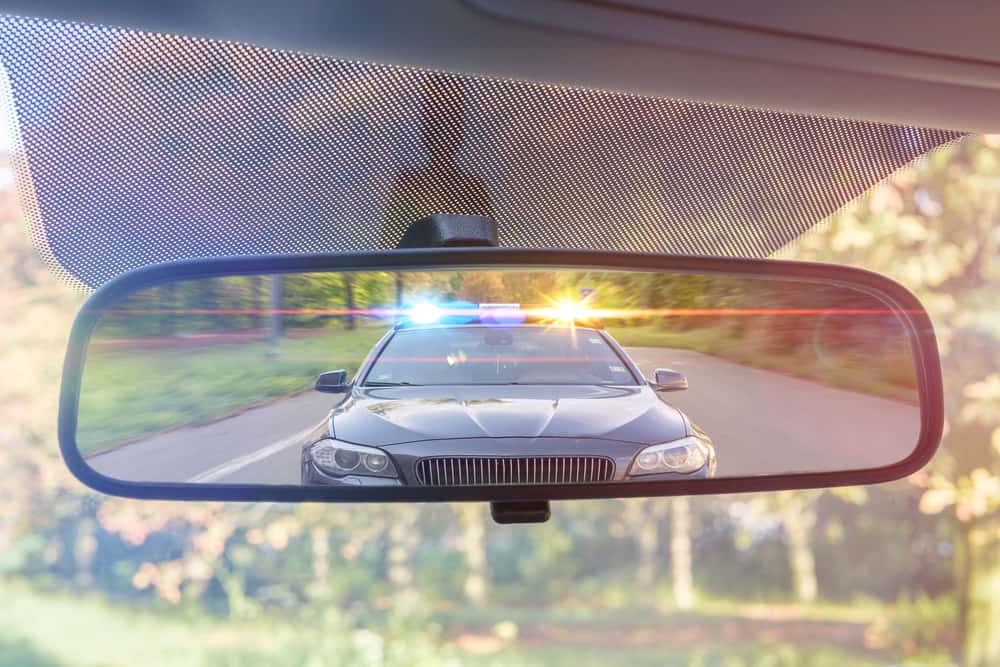
Could This Be An Illegal Stop?
Only if you were actually stopped or seized. If the officer never activated lights, ordered you to pull over, blocked your path, or otherwise restrained you, it may not count as a stop. That makes a Fourth Amendment claim harder to build.
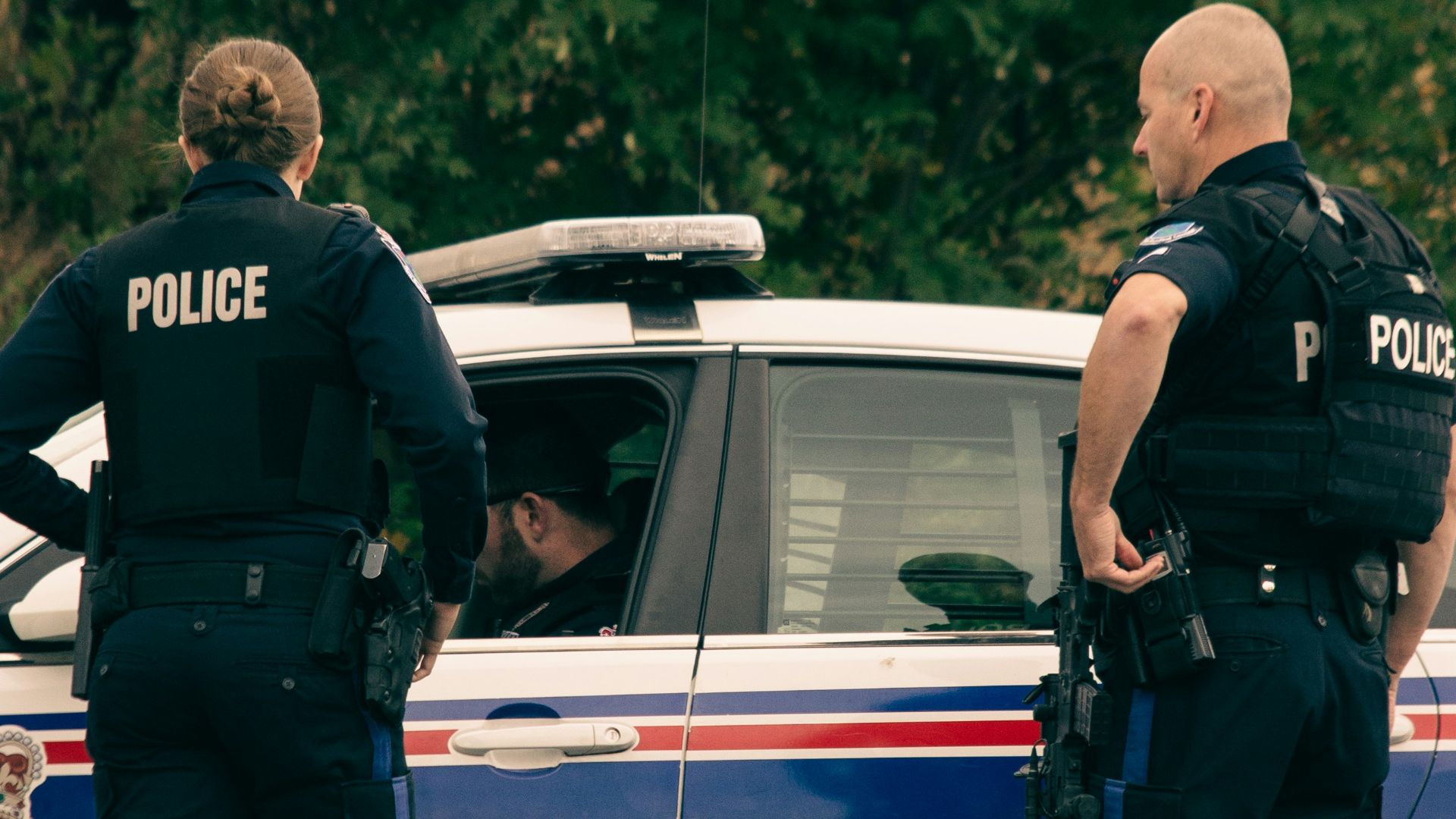
What If You Felt You Could Not Leave?
That feeling is important, but the legal test is usually objective. Would a reasonable person in your position believe they were not free to continue driving? A cruiser behind you may feel scary, but the law often requires a stronger show of authority.
Your Accident Claim May Still Be Complicated
If another driver was involved, their insurance, your insurance, and possibly uninsured or underinsured coverage may come into play. The police department is usually not the first or easiest pocket to reach unless the officer’s actions clearly helped cause the crash.
Government Immunity Is A Roadblock
Suing a police department is not like suing a careless private driver. Government agencies often have legal protections, special notice deadlines, damage caps, and immunity defenses. Missing a deadline can wreck a claim before it even gets started.
The Officer’s Intent May Not Be Enough
Even if the officer meant to follow you, that does not automatically mean they meant to scare you or cause a crash. Civil claims often turn on negligence or unreasonable conduct, not just whether the situation felt unfair.
Your Own Driving Will Be Scrutinized
Expect tough questions. Were you speeding? Did you signal? Were you distracted? Did you brake suddenly? Were road conditions bad? Comparative fault rules may reduce or even block recovery if your own driving caused or contributed to the crash.
The Best Evidence To Gather
Write down the time, route, badge number if known, patrol car number, location of the crash, witness names, and weather conditions. Save dashcam footage immediately. Request the crash report. If you were injured, get medical care and keep records.

Filing A Complaint Is Different From Suing
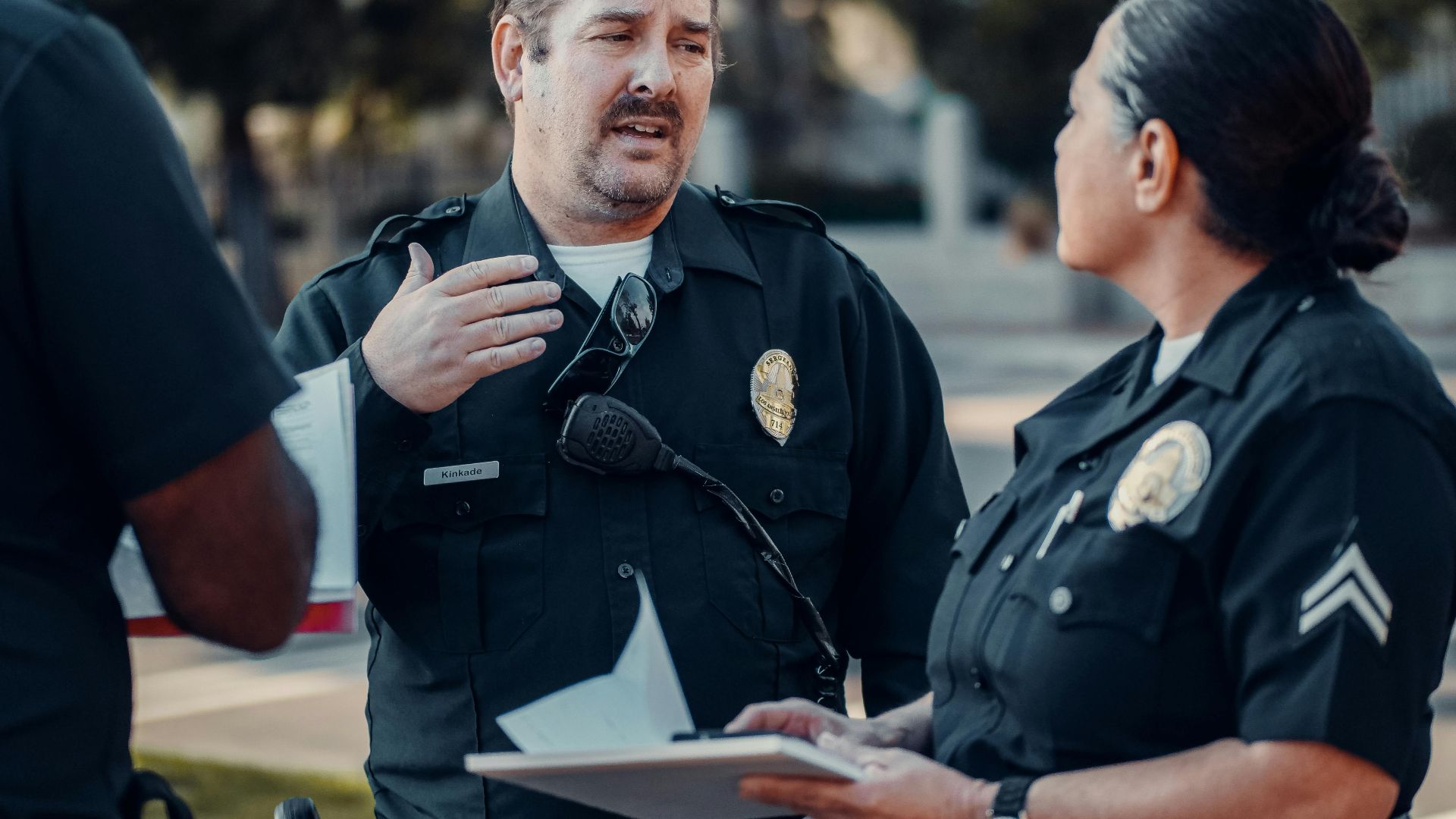
You may be able to file a complaint with the police department or civilian oversight agency. That can trigger an internal review. But a complaint is not the same as a lawsuit, and it usually will not pay for car repairs or medical bills.

Talk To A Lawyer Quickly
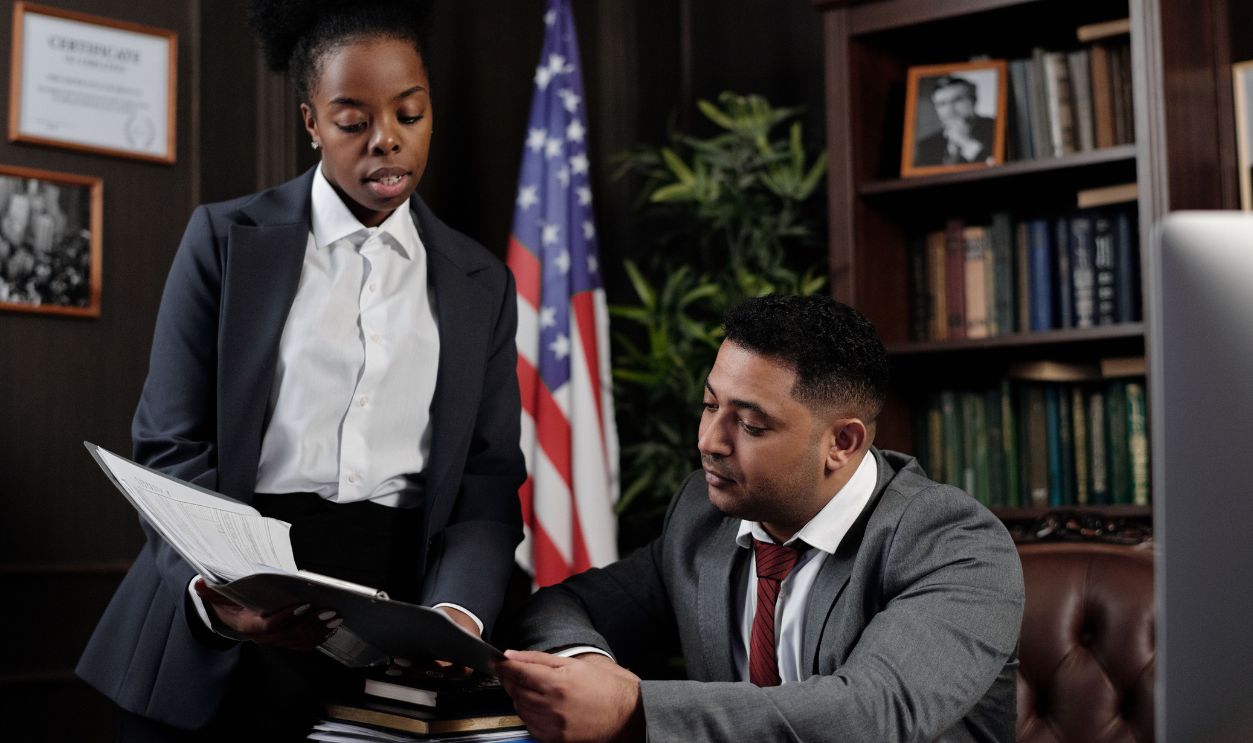
Because claims against government agencies can have short deadlines, speak with a local personal injury or civil rights attorney as soon as possible. The right lawyer can request records, preserve video, review immunity rules, and tell you whether the case has legs.

What The Lawyer Will Ask
They will want to know whether the officer used lights or sirens, followed closely, made gestures, used a spotlight, ran you off your route, or behaved unusually. They will also ask exactly how the crash happened. Details make or break this story.

What You Should Not Do Next Time
Do not speed up to “shake” the cruiser. Do not stare into the mirror. Do not make sudden turns. Do not pull into a dark empty lot. Drive normally, stay predictable, and head toward a safe, well-lit public area if you feel overwhelmed.
When Pulling Over Voluntarily Makes Sense
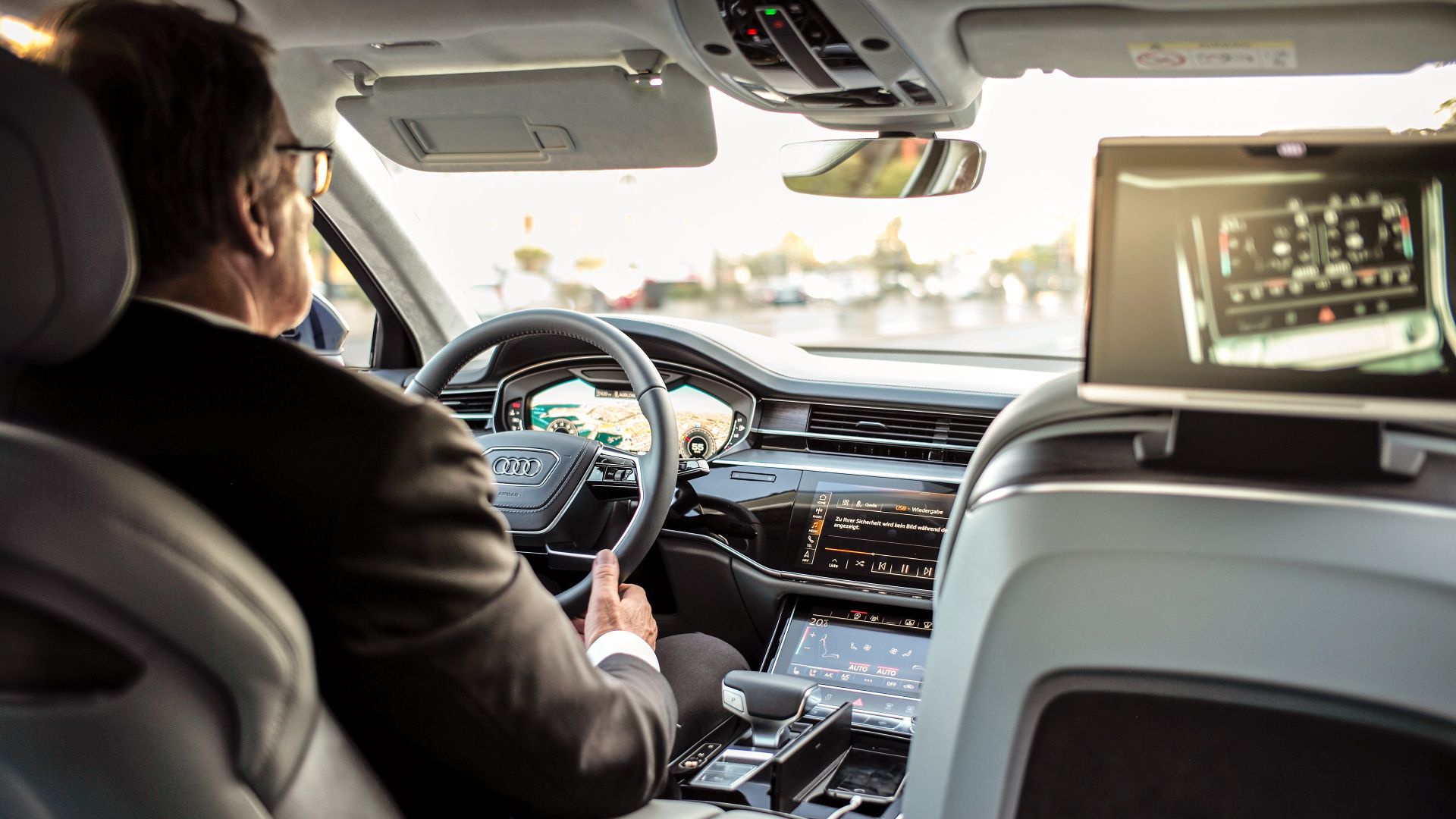
If you are too nervous to drive safely, signal calmly and pull into a gas station, parking lot, or other safe public spot. You can stop, breathe, and let the officer pass. If they stop behind you, keep your hands visible and stay calm.
So, Can You Sue?
Yes, almost anyone can file a lawsuit. Winning is the hard part. If the officer merely followed you and you crashed from nerves, the claim may be weak. If the officer drove dangerously or effectively forced the crash, the case becomes more serious.

The Bottom Line For Drivers
A police car behind you is stressful, but stress does not transfer control of your vehicle to the officer. Your strongest claim would need proof that the officer did something unreasonable, unsafe, or coercive, and that this conduct directly caused the accident.
Final Thoughts
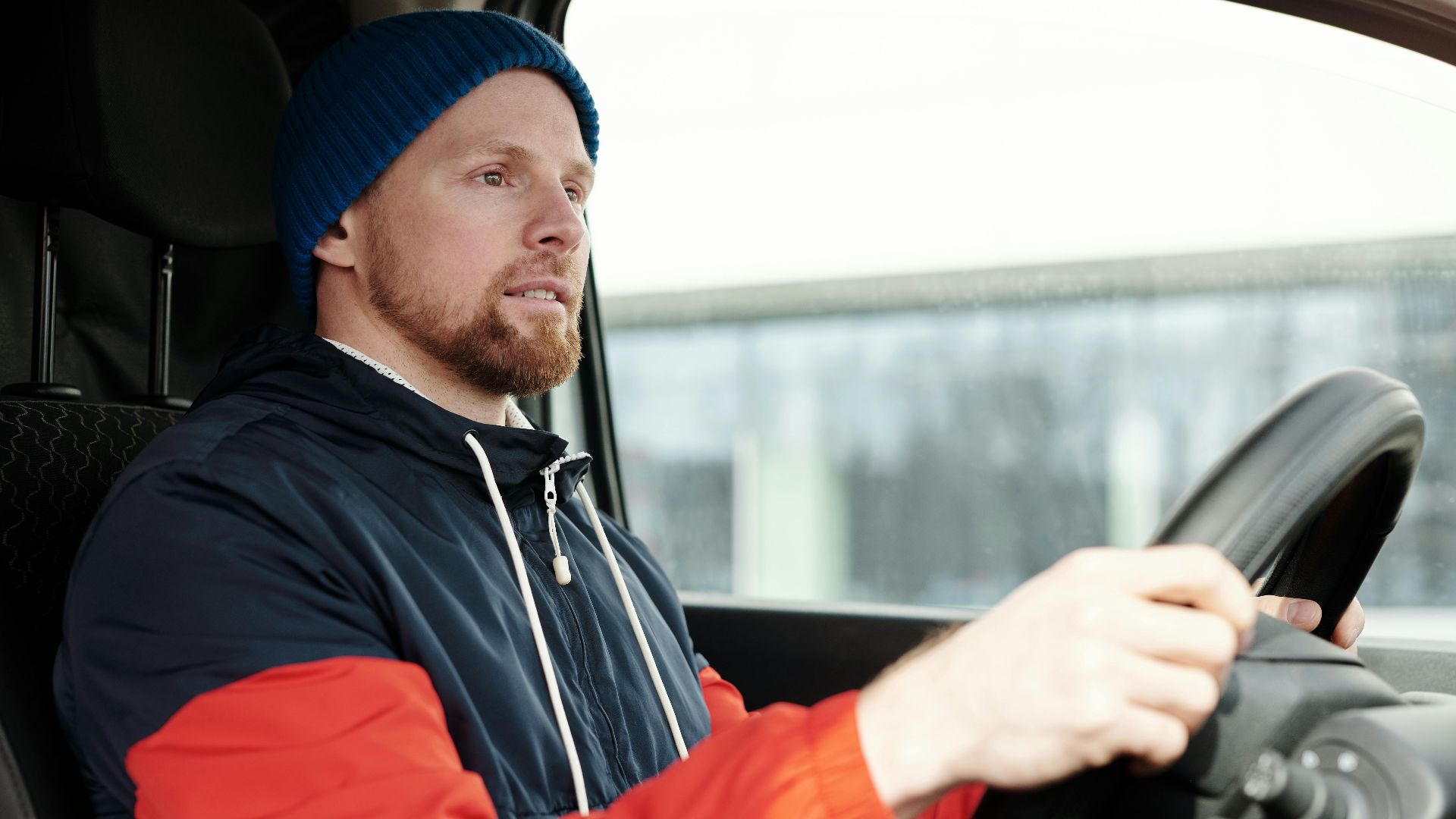
So, can you sue after being followed for 20 miles and crashing from nerves? Possibly, but it is an uphill road with potholes. Save evidence, get the report, talk to a local lawyer fast, and remember: the safest move is boring, legal driving.

You May Also Like:
Electric cars save you so much money over gas vehicles. Why haven't you switched yet?