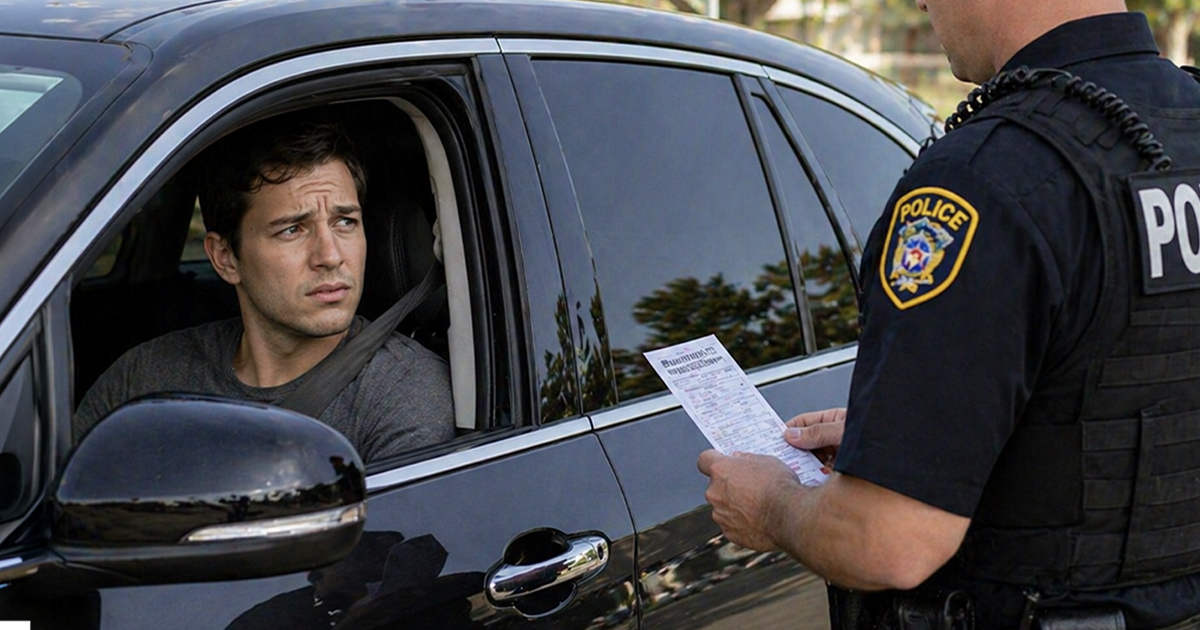
Straight Off the Lot… Straight Into Trouble
You bought the car, drove it off the lot, and never thought twice about the windows. Then one day—flashing lights. The officer says your tint is “too dark.” Now you’re thinking… how can that be your fault if it came like that?
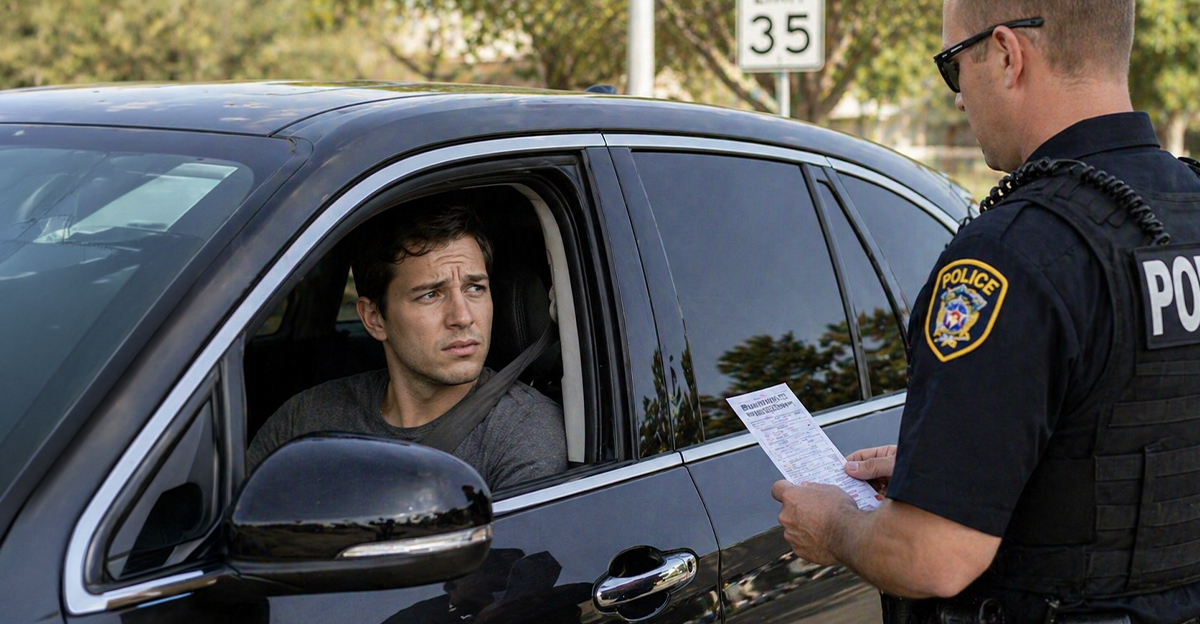
What Does “Too Dark” Actually Mean?
Window tint laws are based on something called Visible Light Transmission (VLT). That’s just a percentage of how much light can pass through your windows. The lower the number, the darker the tint.
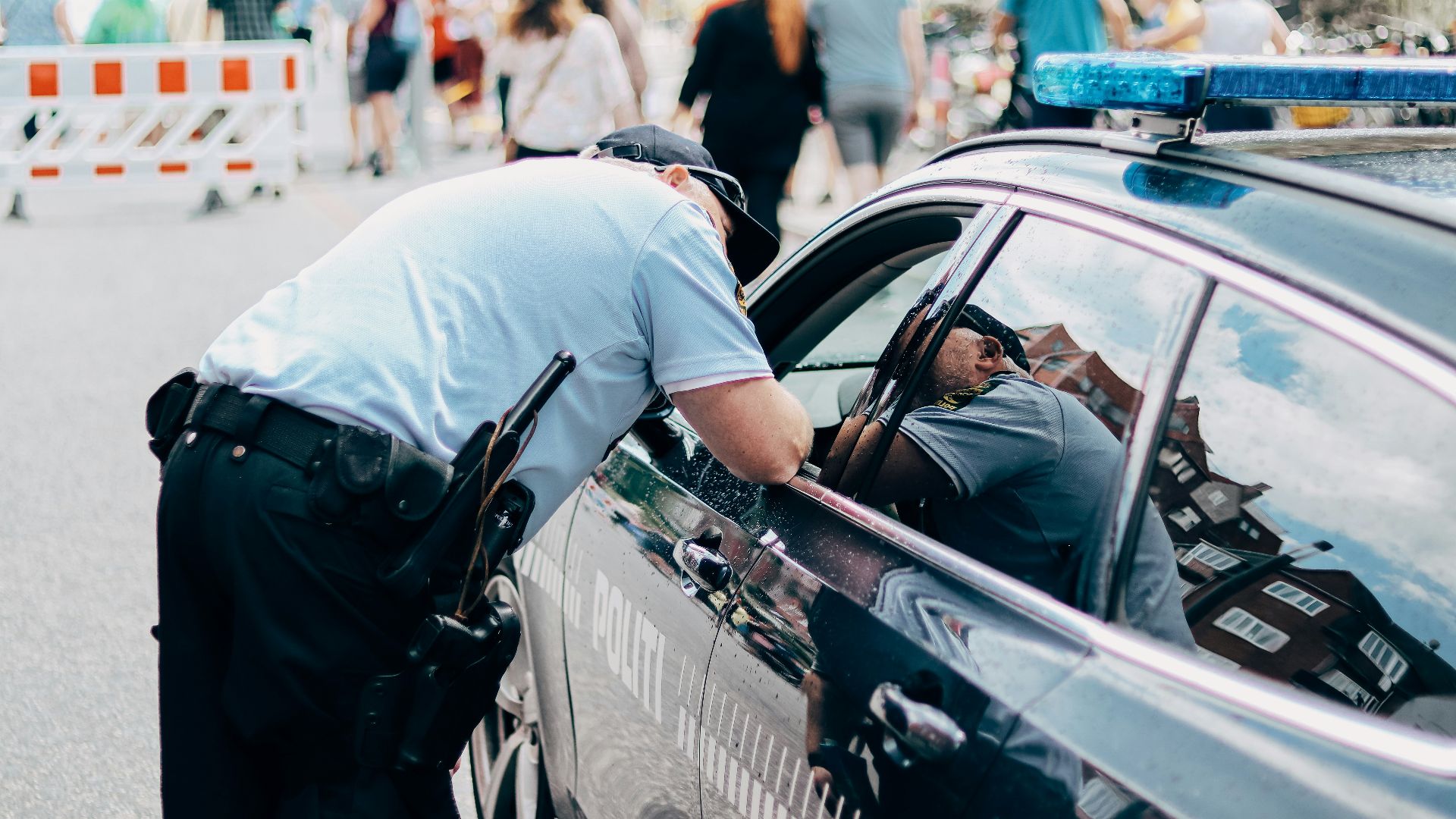
Why Do These Laws Exist in the First Place?
It’s mostly about safety. Police need to see inside vehicles during traffic stops, and drivers need clear visibility—especially at night. That’s why every state or province sets limits on how dark your windows can be.
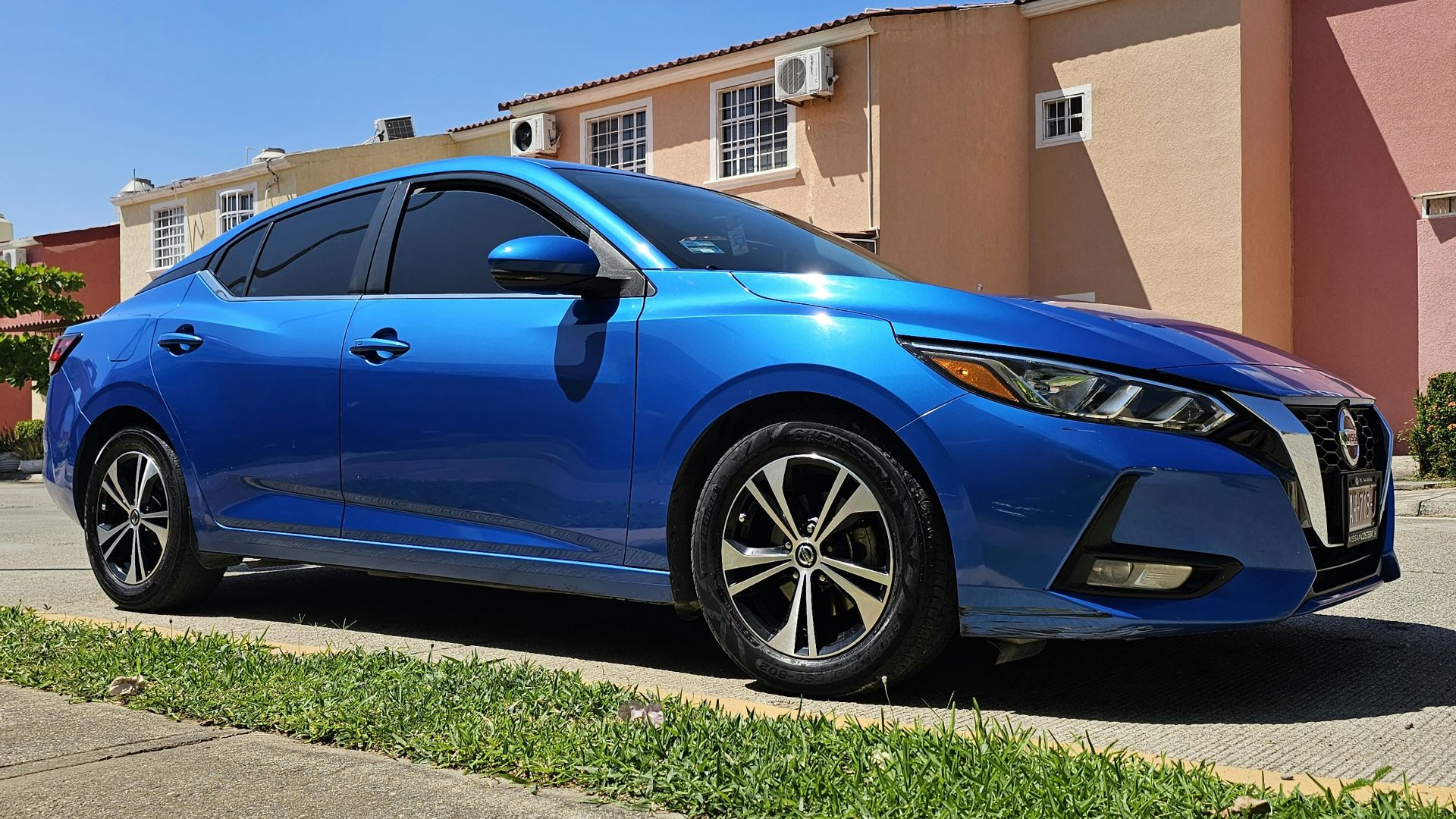
Are Factory Tints Supposed to Be Legal?
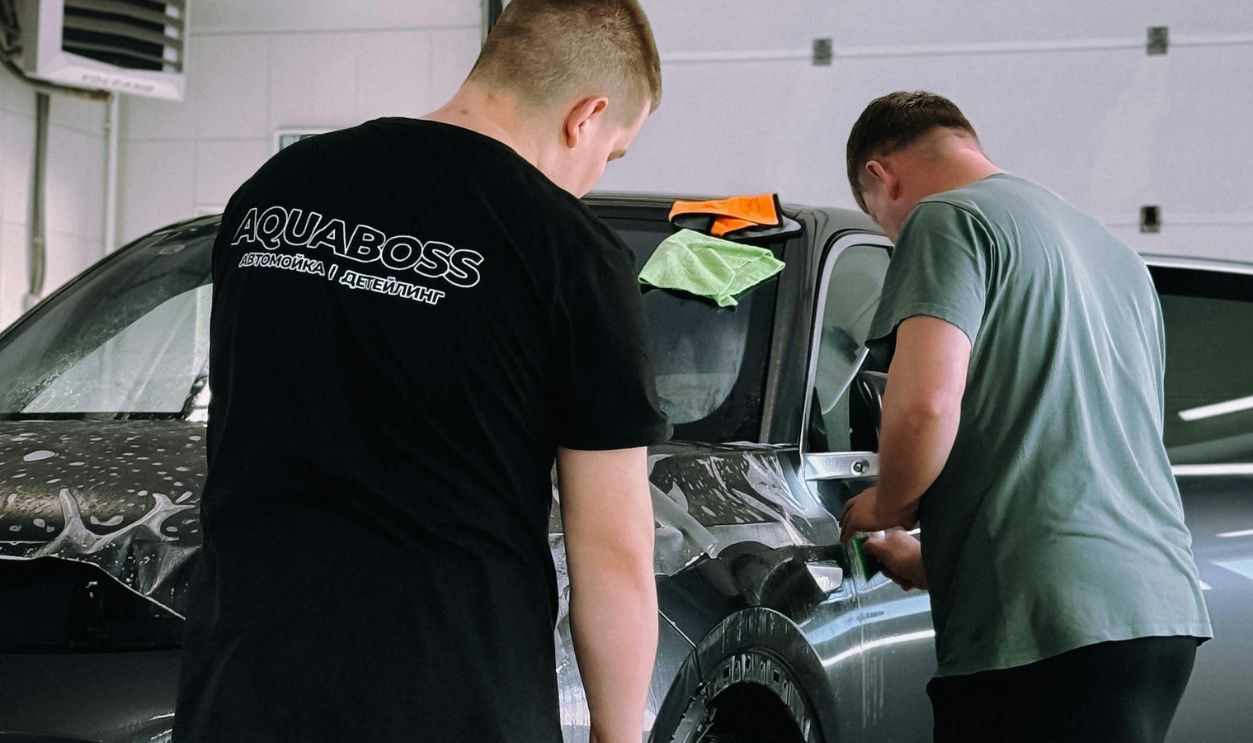
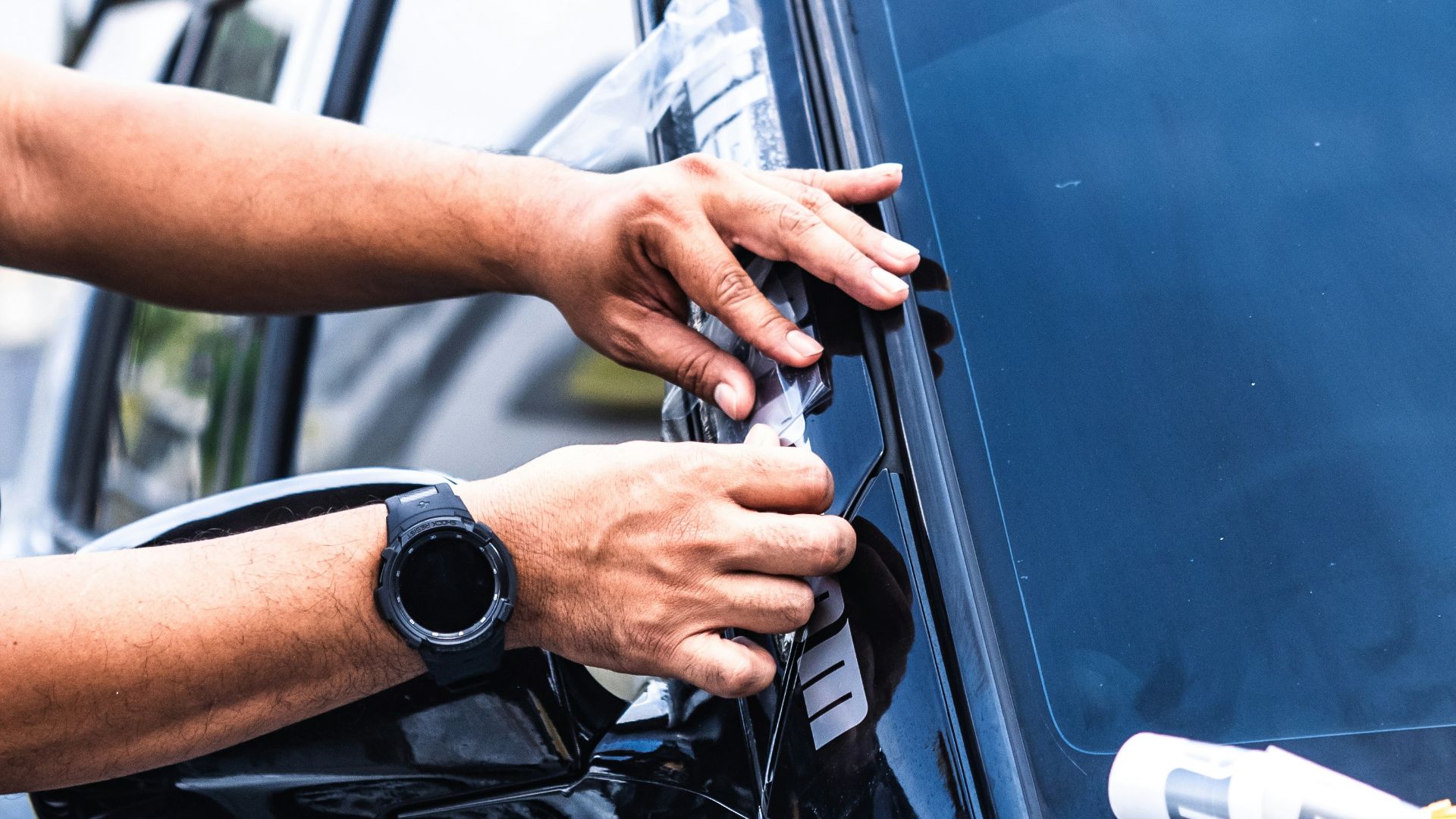
Here’s where it gets tricky. Factory tint (the glass itself) is usually within legal limits. But what about when additional tint film is added later—by a dealer or previous owner?
Could the Dealer Have Added Extra Tint?
Yes—and it happens more often than people realize. Some dealerships offer tint as an add-on package. But just because they installed it doesn’t mean it’s legal in your area.
Do Tint Laws Vary Depending on Where You Are?
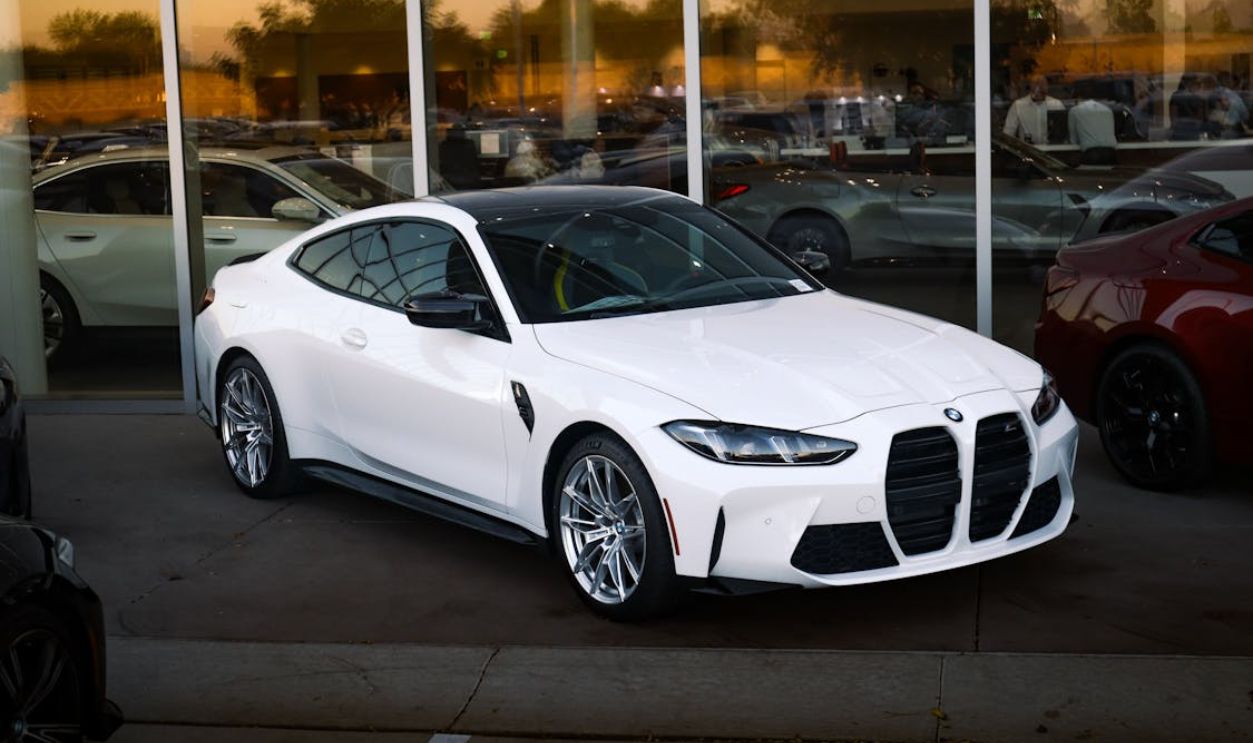
Absolutely. Tint rules change by state, province, and even by window type (front, back, windshield strip). What’s legal in one place might get you a ticket just across the border.
What About Used Cars?
If you bought the car used, there’s an even higher chance the tint was modified after it left the factory. And unless you checked the tint level yourself, you wouldn’t necessarily know.
How Do Officers Check Tint Levels?
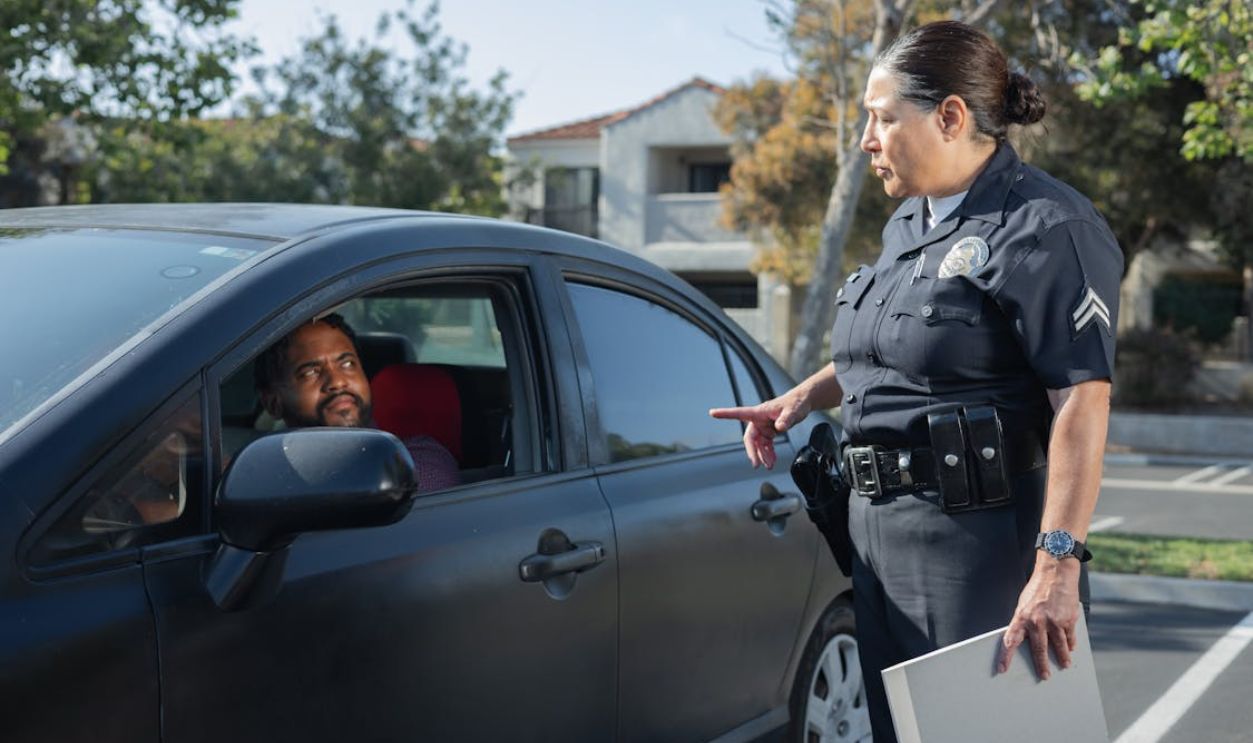
They use a small handheld device that measures how much light passes through the glass. If it reads below the legal limit, that’s usually enough to issue a ticket.
Is There Any “Grace” for Not Knowing?
This is the frustrating part—usually, no. The law focuses on the condition of the vehicle, not how it got that way. So even if you didn’t install the tint, you’re still driving with it.
Could You Be Forced to Fix It?
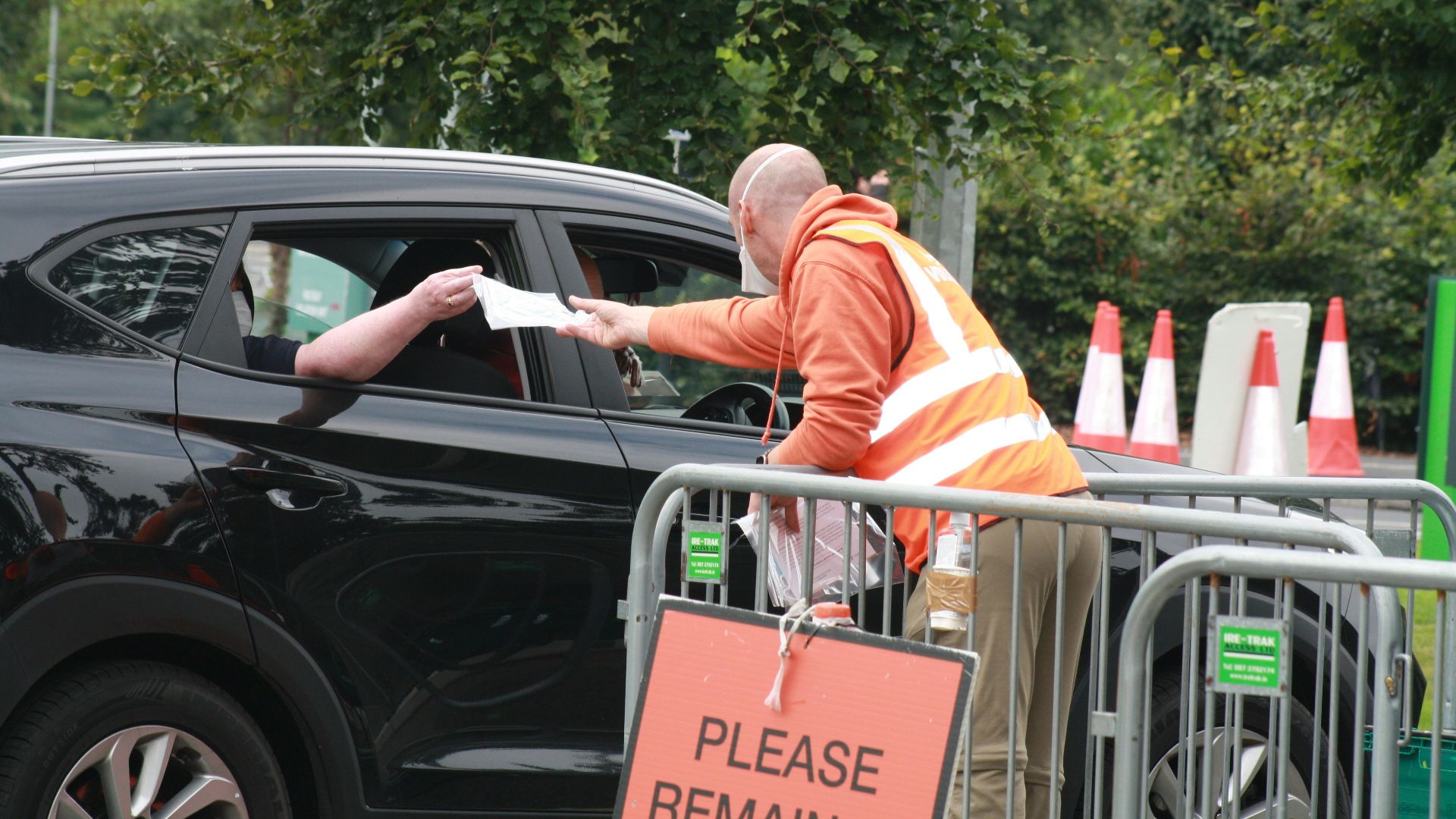
Yes. In many cases, a ticket for illegal tint comes with a requirement to remove or adjust it. Some areas even require proof that you corrected the issue.
What If the Tint Really Was Factory?
That’s rare—but possible. In that case, you may need documentation from the manufacturer showing the original specifications. But even then… does that guarantee you’re off the hook?
Can You Fight a Tint Ticket?
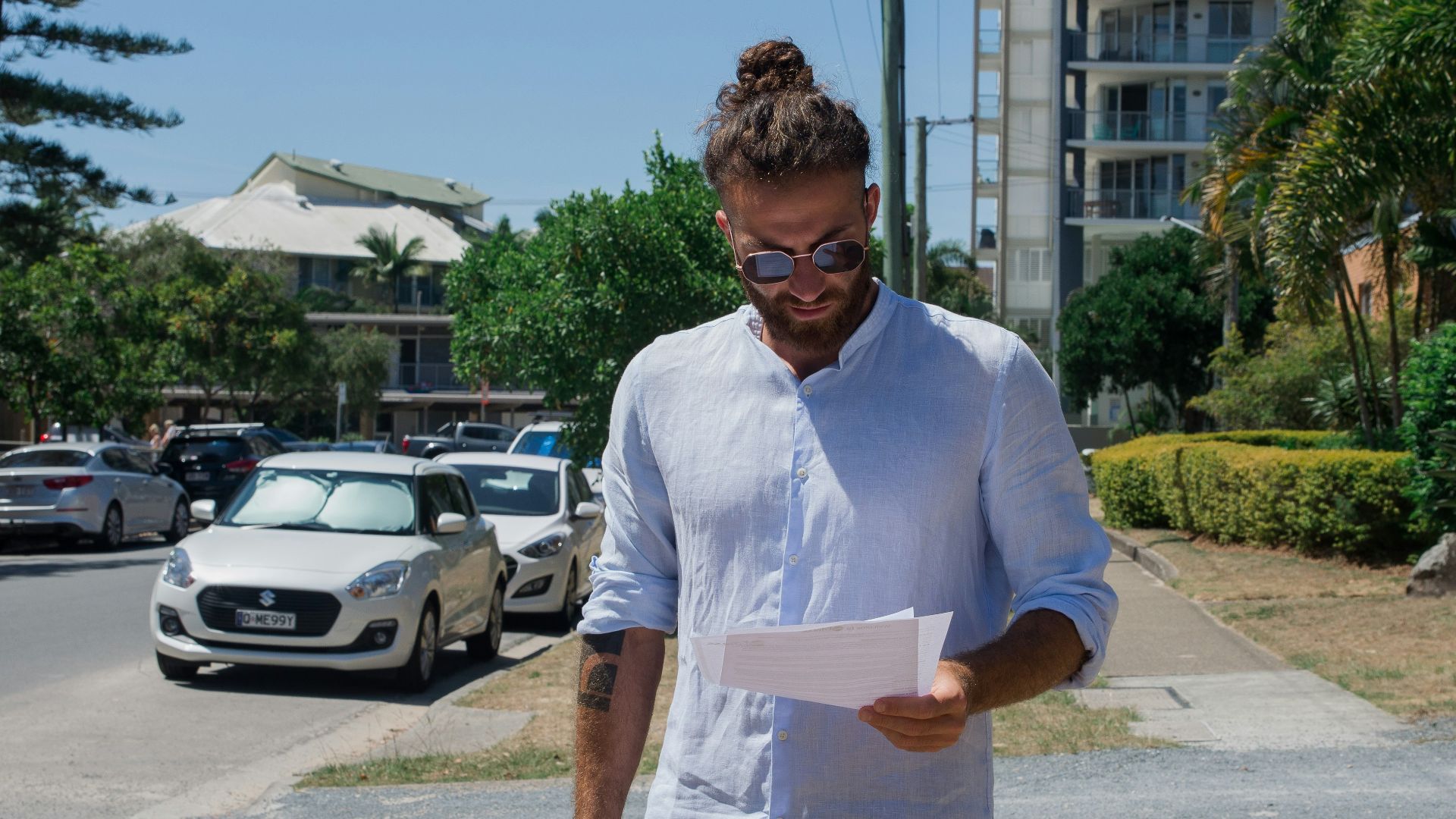
You can—but it depends on your evidence. If you can prove the tint is within legal limits or was incorrectly measured, you may have a chance.
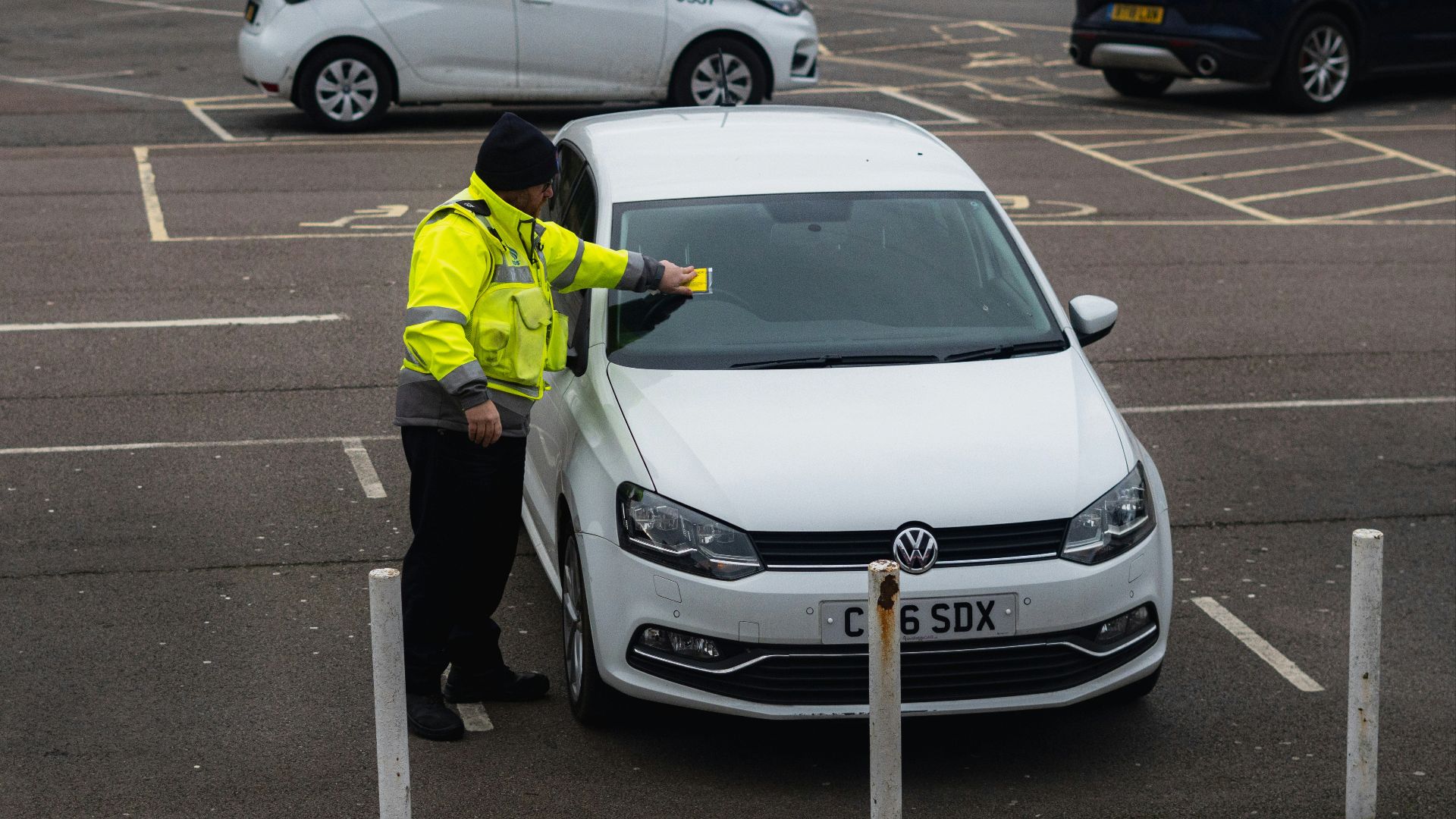
What Evidence Would Help Your Case?
A professional tint measurement, manufacturer specs, or documentation from the dealer can all help. The more proof you have, the stronger your argument.
Why This Catches So Many Drivers Off Guard
Because most people assume “factory” means “legal everywhere.” But laws don’t always work that way. They’re based on local rules—not where the car came from.

So… Who’s Actually Responsible?
This is the big question, right? If you didn’t install the tint, should you still be blamed for it? It doesn’t feel fair—but the law doesn’t always follow that logic.
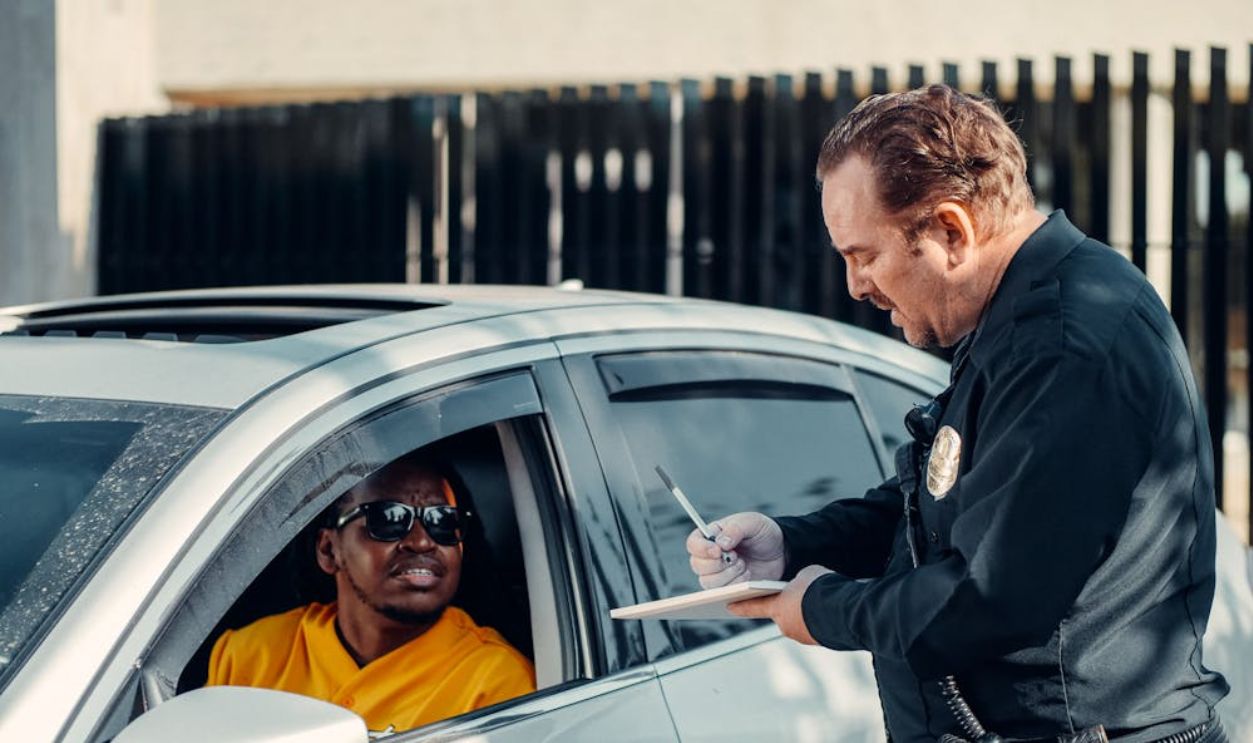
Could the Dealer Be Held Responsible?
In some cases, you might be able to go back to the dealer—especially if they added illegal tint without telling you. But that’s a separate issue from the ticket itself.

What Should You Do Right Now?
Check your local tint laws and have your windows tested. If they’re too dark, fixing it quickly can prevent more fines—and make things easier if you try to dispute the ticket.
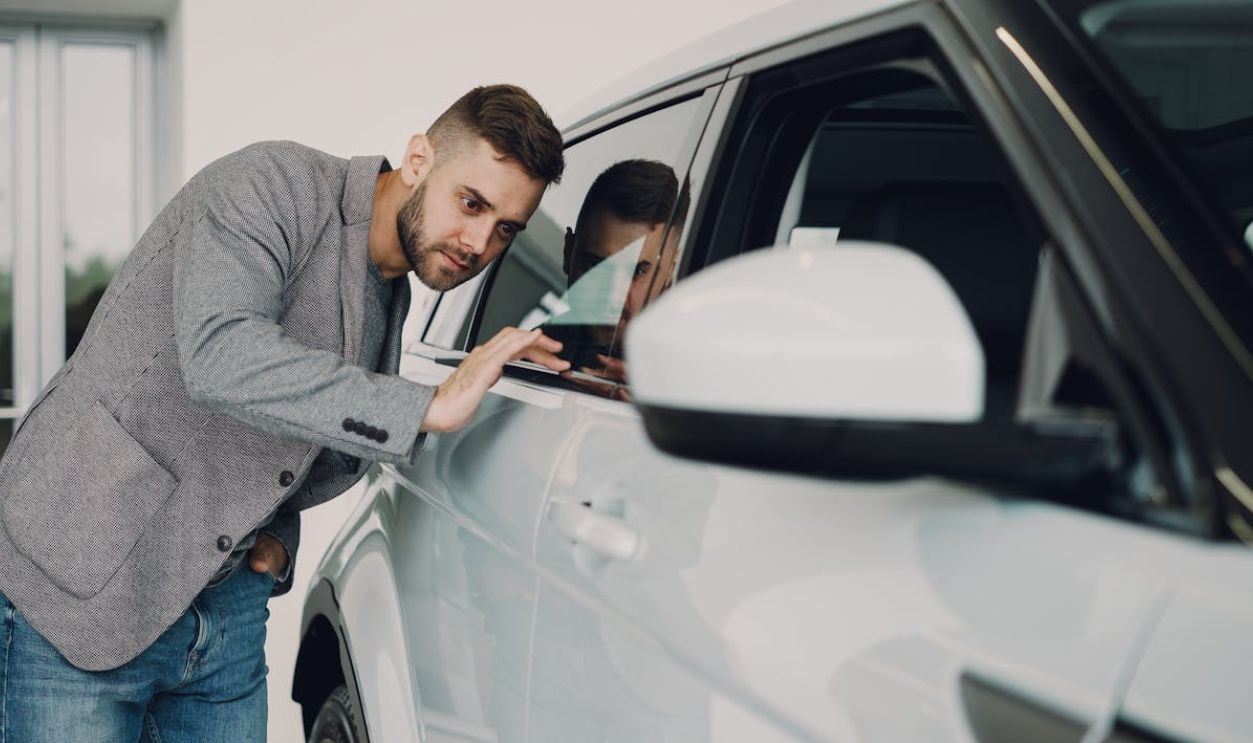
So… Are You Still Responsible?
Yes—most of the time, you are.
Even if the tint came with the car, you’re responsible for making sure your vehicle meets local laws. That means you can still be ticketed, even if you didn’t install it yourself.
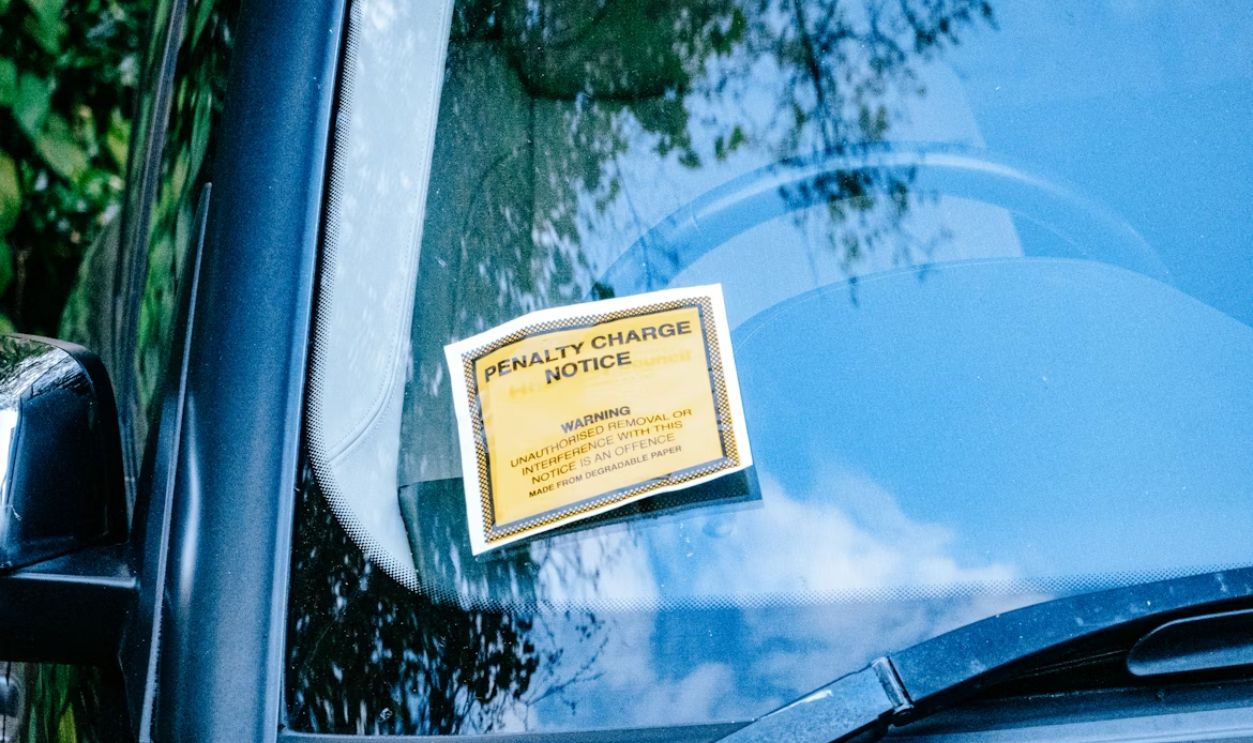 Samuel Regan-Asantem, Unsplash
The Bottom Line Before You Assume “Factory” Means Legal
It feels unfair, but tint laws follow the vehicle—not the history behind it. If it’s too dark for your area, it’s your responsibility to fix it. The safest move? Check your tint before it becomes a problem.

You May Also Like: