Five Visits, Same Problem
You bought a brand-new car expecting years of trouble-free driving. Instead, you've returned to the dealership five times for the same frustrating problem, and nobody seems able to fix it. At what point does an unreliable new car officially become a lemon? The answer depends on where you live, what keeps going wrong, and what you've documented.
 Kues, Shutterstock; Factinate Ltd
What Exactly Is A Lemon?
In the United States, a lemon is generally a vehicle with a substantial defect that the manufacturer or its authorized repair facility cannot correct after a legally defined number of reasonable attempts. Lemon laws establish remedies for qualifying vehicles, potentially including replacement or a refund. However, the precise requirements vary considerably between states.

Five Repairs May Be Enough
If your dealership has attempted to repair the same defect five times without success, you may already have a strong lemon-law claim. Many states establish presumptions after three or four unsuccessful repair attempts. However, the rules aren't universal, and some defects qualify under different standards. The number of visits alone doesn't automatically determine your eligibility.

The Defect Must Matter
Lemon laws generally focus on defects that substantially impair a vehicle's use, value, or safety. A transmission that repeatedly slips, an engine that stalls unexpectedly, or brakes that malfunction could qualify. A minor cosmetic flaw might not. However, even a seemingly small problem can become significant if it seriously affects your ability to use the vehicle.

Every State Has Different Rules
There is no single nationwide lemon-law formula. Each state establishes its own eligibility periods, repair thresholds, notification requirements, and remedies. Some offer broader protection than others. Before assuming your car qualifies, consult your state attorney general's consumer protection office or the agency responsible for administering its lemon law.

California Has Specific Standards
California's lemon law covers qualifying warranty defects that substantially impair a vehicle's use, value, or safety. Its traditional presumption considers repeated repairs, serious safety defects, and extended time out of service. However, recent procedural changes make checking the rules applicable to your particular claim especially important. Five visits may be significant evidence.

New York Offers Another Example
Under New York's new-car lemon law, a vehicle may qualify when the same problem persists after four repair attempts, or when qualifying repairs keep it out of service for at least 30 cumulative days. These thresholds generally apply within the earlier of two years or 18,000 miles after original delivery.
Safety Problems Are Different
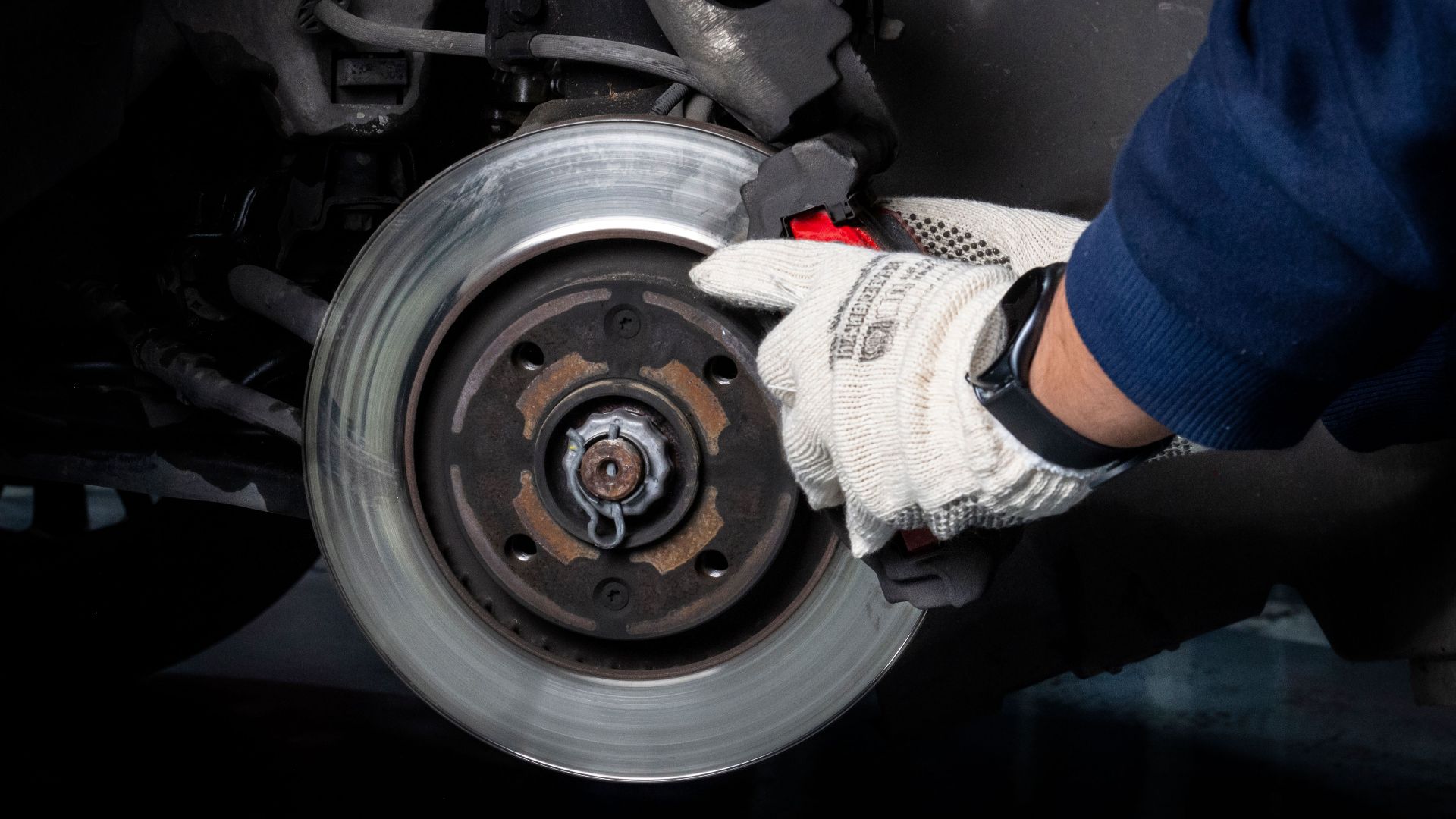
Some states allow fewer repair attempts when a defect creates a serious safety risk. Problems involving brakes, steering, unexpected acceleration, or sudden engine shutdown deserve immediate attention. You shouldn't keep driving a potentially dangerous vehicle merely to accumulate enough dealership visits to satisfy a legal threshold.
Thirty Days Can Matter
Repeated repairs aren't the only way to establish a lemon-law claim. Many states recognize vehicles that spend a substantial cumulative period unavailable because of warranty repairs. Thirty days is a common benchmark, although the exact requirement varies. Keep track of every day your car spends at the dealership, including delays involving replacement parts.
 Frame Stock Footage, Shutterstock
Why Repairs Keep Failing
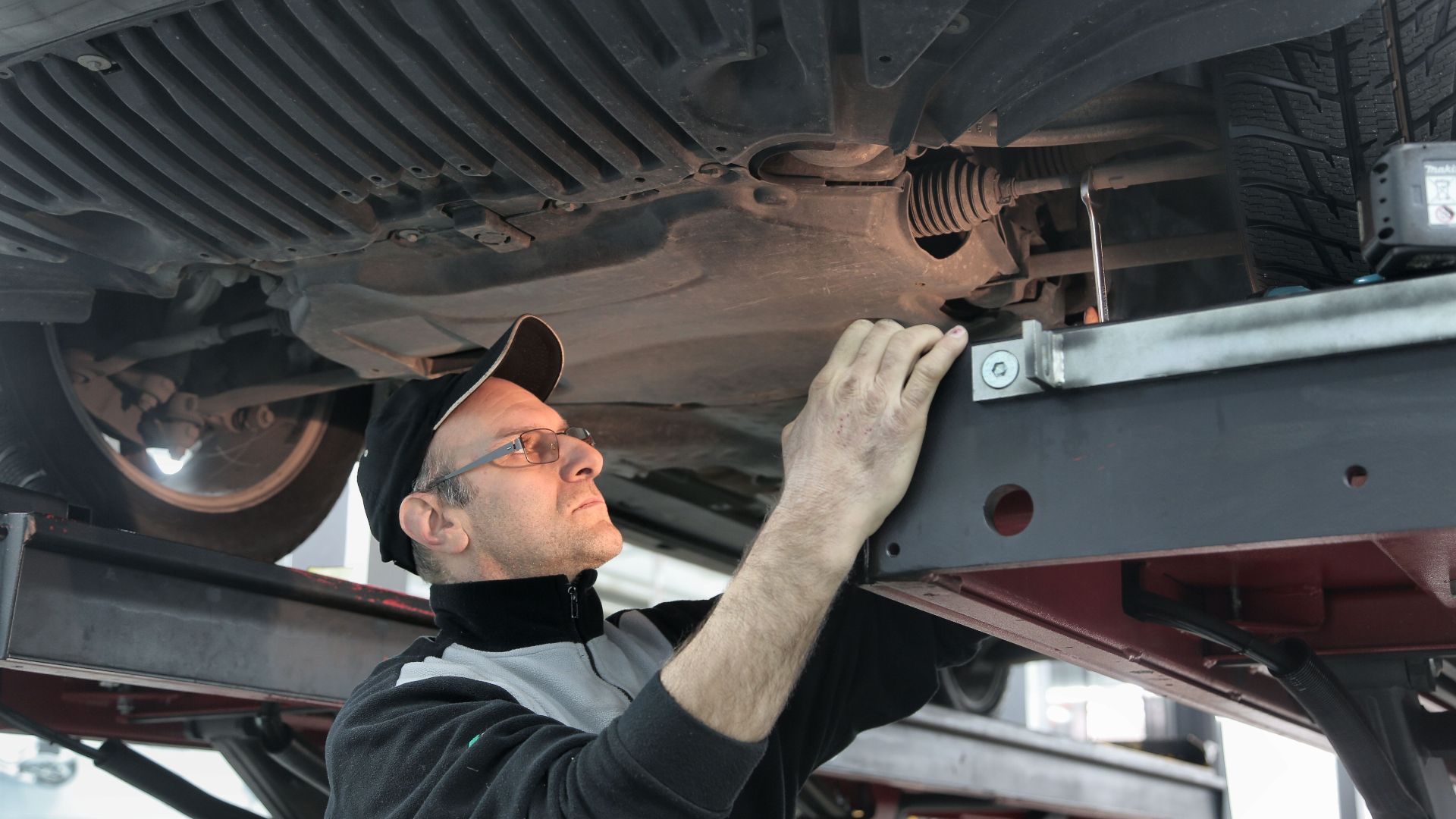
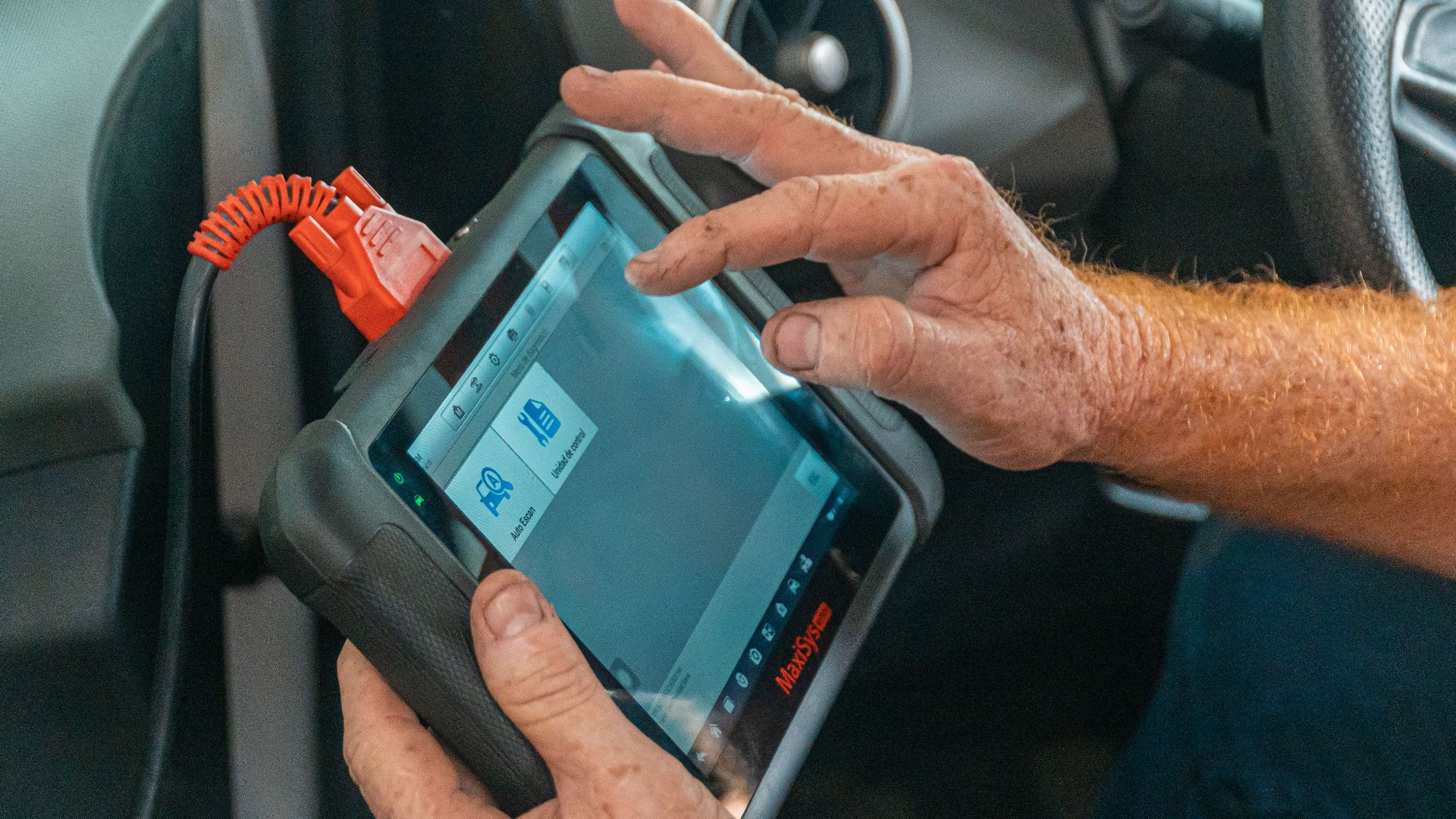
Modern vehicles contain interconnected mechanical, electronic, and software systems. A warning light or recurring symptom might have several possible causes. Technicians sometimes replace components that appear responsible without identifying the underlying fault. If the actual problem remains unresolved, the same symptom returns, sending you back for another frustrating appointment.
 Jose Ricardo Barraza Morachis, Pexels
Intermittent Problems Are Tricky
Some defects appear only under particular conditions, such as cold starts, highway speeds, heavy rain, or prolonged driving. A technician might be unable to reproduce the problem during a brief inspection. That doesn't necessarily mean you're imagining it. Record exactly when the malfunction occurs and describe those circumstances consistently during every visit.
Software Can Complicate Repairs
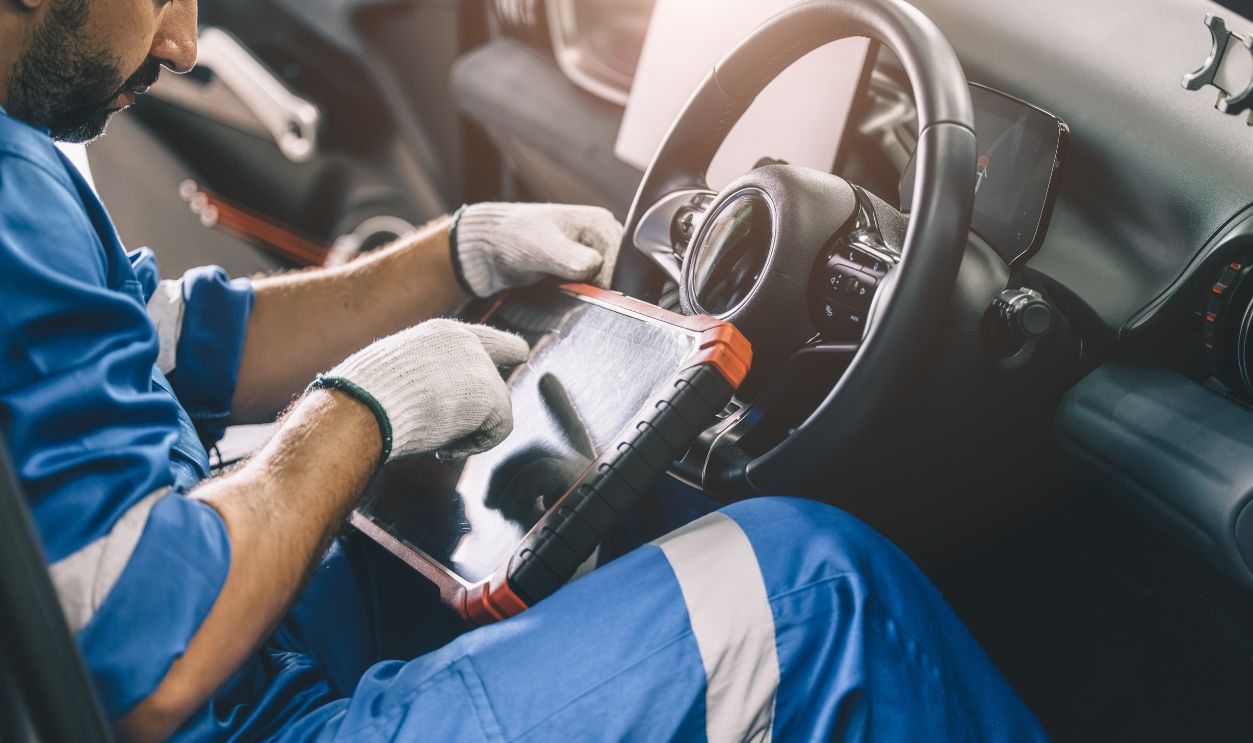
Today's vehicles rely on software to manage everything from transmissions to infotainment systems. Sometimes an update corrects a recurring malfunction. Other times, the manufacturer must investigate a widespread problem before releasing a permanent fix. Ask whether technical service bulletins or manufacturer engineering guidance address your symptoms, and whether the dealership has followed them.
 Quality Stock Arts, Shutterstock
Document Every Repair Visit
Your strongest protection is a complete paper trail. Keep every repair order, even when the dealership reports that it couldn't duplicate the problem. Each document should identify your complaint, the mileage, dates, diagnostic findings, and repairs performed. These records can establish whether the manufacturer received sufficient opportunities to correct the defect.

Describe The Same Problem
Be consistent when describing recurring symptoms. If your transmission repeatedly hesitates during acceleration, make sure each repair order accurately reflects that complaint. Different wording doesn't automatically invalidate a claim, but unclear documentation can create unnecessary disputes. Review each service invoice before leaving and request corrections when important details are missing.

Keep Your Own Timeline
Create a chronological record showing when the problem first appeared, every dealership appointment, and how long the vehicle remained unavailable. Include photographs, videos, emails, and messages with service advisers. Record whether the defect returned immediately or after several days. This timeline can help demonstrate that repeated repairs never permanently resolved the original problem.

Contact The Manufacturer Directly
After several unsuccessful repairs, escalate the complaint beyond the dealership. Contact the manufacturer's customer assistance department and request a case number. Explain the recurring defect, provide your repair history, and ask for a permanent resolution. Some state laws require specific written notification or a final repair opportunity, so follow the applicable procedure carefully.
 Mangkorn Danggura, Shutterstock
Ask About Technical Assistance
Dealership technicians sometimes need help diagnosing unusually complicated problems. Ask whether the manufacturer can assign a field service engineer or technical specialist to investigate your vehicle. This may uncover problems that ordinary diagnostic procedures have missed. Even if it doesn't resolve the defect, documenting the manufacturer's involvement can strengthen your account of repeated unsuccessful repairs.
Don't Ignore Your Warranty
Your manufacturer's warranty generally requires covered defects to be repaired without charge, subject to its terms and exclusions. Review the warranty booklet to understand coverage and claim procedures. Remember that lemon-law protection and ordinary warranty coverage aren't identical. A car might qualify for warranty repairs without satisfying the additional requirements for a refund or replacement.

Keep Making Your Payments
Even if your car appears to qualify as a lemon, don't simply stop making loan or lease payments. Your financing agreement generally remains enforceable while the dispute continues. Missed payments could damage your credit or lead to repossession. New York's attorney general specifically advises consumers to continue payments while pursuing lemon-law remedies.

Consider A Different Dealership
If you're dissatisfied with the original dealership's service department, another authorized dealer may offer a fresh perspective. Different technicians sometimes identify problems that others have missed. However, make sure the new dealership receives your complete repair history. Also verify that its repair attempts will count under your state's particular lemon-law requirements.

Understand The Manufacturer's Obligations
When a vehicle meets the applicable lemon-law requirements, the manufacturer may be obligated to provide a replacement or repurchase it. This isn't necessarily something the selling dealership decides independently. Manufacturers generally have specific legal responsibilities, and you may need to pursue your claim directly against the automaker rather than the dealership.

Refunds Aren't Always Complete
A successful lemon-law buyback doesn't necessarily mean recovering every dollar you've spent. Depending on state law, the manufacturer may deduct an allowance for mileage or vehicle use. Taxes, registration fees, financing charges, and other expenses receive different treatment across jurisdictions. Ask for an itemized calculation before accepting any proposed settlement.

Replacement Cars Are Another Option
Instead of receiving a refund, you might be offered a comparable replacement vehicle. Depending on state law, you may have a choice between replacement and repurchase. Examine the proposed vehicle's specifications, warranty, mileage, and financial terms carefully. Don't assume that accepting another car automatically resolves every expense associated with the defective one.

Arbitration Could Resolve Your Dispute
Some manufacturers and states offer arbitration programs to settle lemon-law disagreements without a conventional lawsuit. An arbitrator reviews evidence from both sides and determines whether you qualify for relief. Certain jurisdictions require participation in a qualifying dispute-resolution process before pursuing particular remedies. Check the program's rules, deadlines, and whether its decision binds you.
 Natthawadee Jana, Shutterstock
Consider A Lemon-Law Attorney
If the manufacturer refuses to cooperate, consider consulting an attorney experienced in your state's lemon law. Some laws allow successful consumers to recover reasonable attorney's fees, although the rules vary. Ask about fees, possible costs, and whether a consultation is available without charge. Legal advice can be particularly valuable when substantial money is involved.

Report Serious Safety Defects
If your vehicle repeatedly experiences a potentially dangerous malfunction, submit a complaint to the National Highway Traffic Safety Administration at NHTSA.gov. The agency collects consumer complaints and investigates possible safety defects. Reporting the problem won't automatically establish a lemon-law claim, but it can help regulators identify defects affecting other vehicles.

Five Visits Should Raise Questions
After five unsuccessful attempts to repair the same substantial defect, you have good reason to investigate your lemon-law rights. Gather your records, check your state's requirements, and notify the manufacturer appropriately. You shouldn't have to accept an endlessly unreliable new car, but obtaining a refund or replacement requires establishing that your circumstances meet the law.
 Anastasija Vujic, Shutterstock
You May Also Like:
My extended warranty won’t cover a known defect. Isn’t that what extended warranties are for?
My Used Vehicle Still Has An Open Safety Recall. Can I Still Claim The Free Repair?