
When The Repair Bills Suddenly Pile Up
Your car behaved beautifully while it was under warranty, and now it seems to want something repaired every few months. That timing can feel suspicious, but an expired warranty does not suddenly make mechanical parts fail. What often happens is simpler: several components have accumulated roughly the same years, miles, heat cycles, vibrations, and road exposure. Once the car reaches that stage, separate maintenance and repair needs can begin arriving close together.

The Warranty Is Not A Mechanical Countdown
A warranty is a promise to cover qualifying problems for a defined period, not an estimate of exactly how long every component will survive. Many consumable items require attention both during and after the warranty period. Kelley Blue Book notes that batteries, brakes, tires, belts, hoses, fluids, and other components have their own maintenance or replacement needs. That means a failure shortly after warranty expiration does not by itself show that the vehicle was designed to fail at that point.

Age And Mileage Start Working Together
Vehicle components are affected by both time and use, so an older car can accumulate several types of wear simultaneously. Kelley Blue Book notes that around 50,000 miles, items such as tires, batteries, and belts may already be several years old and deserve inspection. At higher mileages, suspension components, hoses, belts, spark plugs, and drivetrain fluids can also demand attention. The overlap can make several unrelated repairs appear to be one larger mechanical collapse.

Cars Do Not Age One Part At A Time
Your alternator does not know that you replaced your brakes last month, and your suspension does not care that you just bought a battery. Each system follows its own wear pattern. Consumer Reports reliability data has found that problem rates in various vehicle systems generally increase as cars age. When several components enter higher-risk years together, repair visits can naturally cluster.

Rubber Parts Quietly Grow Older
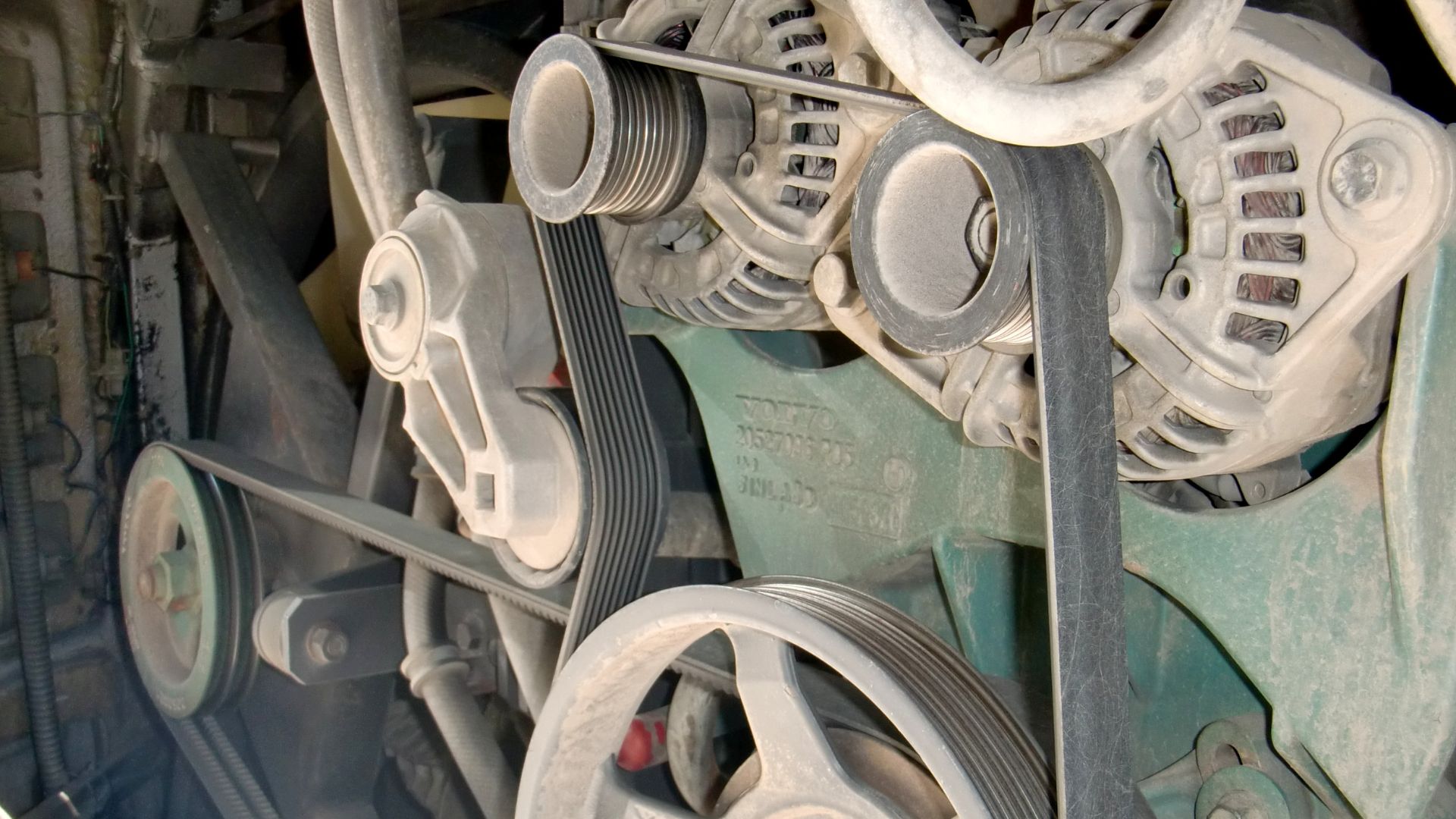
Belts, hoses, seals, bushings, and other flexible components spend years dealing with heat, movement, chemicals, and environmental exposure. AAA recommends inspecting older vehicles for cracked belts, deteriorated hoses, leaking shocks, cracked bushings, and loose suspension components. Some deterioration is related to age rather than simply the number on the odometer. A low-mileage older vehicle therefore is not automatically protected from age-related problems.
Your Battery Has Its Own Clock
A conventional 12-volt car battery is a classic example of a component with a limited service life. AAA says batteries commonly deteriorate over roughly three to five years, although temperature, vibration, driving patterns, and charging conditions affect longevity. Short trips can prevent a battery from fully recharging, while extended periods of inactivity allow it to discharge. If your original battery reaches old age around the same time as other components, another repair bill can suddenly join the pile.
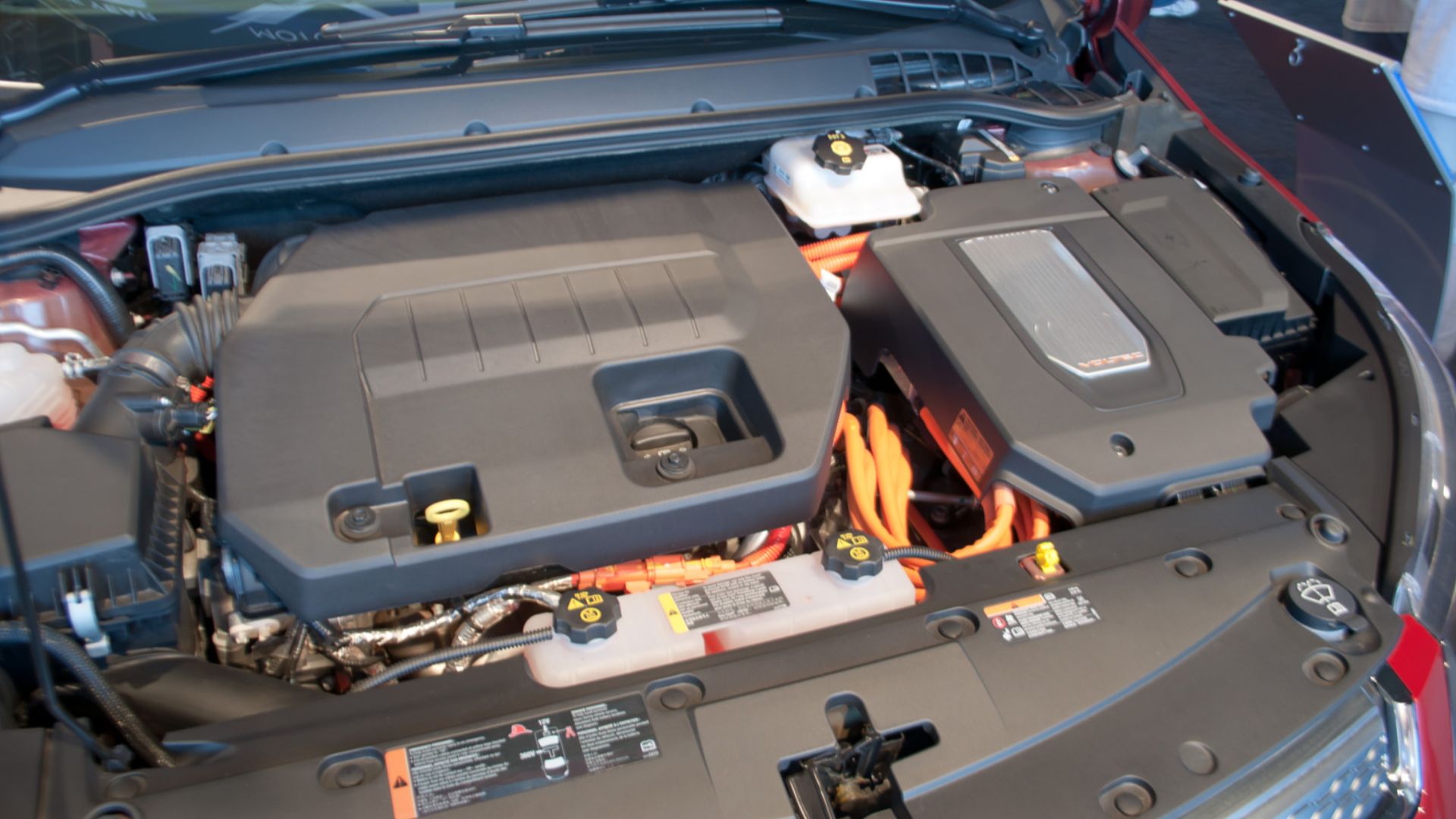 InSapphoWeTrust from Los Angeles, California, USA, Wikimedia Commons
Heat Can Speed Up The Process
High temperatures are particularly tough on batteries because heat accelerates chemical degradation. AAA notes that batteries tend to last longer in cooler climates than in very hot ones. Heat also creates demanding conditions for many underhood components. Two otherwise similar cars can therefore develop different maintenance histories simply because they have lived in different environments.

Sitting Still Is Not Always Gentle
Driving fewer miles reduces some forms of wear, but leaving a vehicle parked for long periods creates problems of its own. Consumer Reports notes that extended inactivity can contribute to discharged batteries, brake rust, leaking or dried seals, and even pest problems. Cars are complex machines designed to operate regularly. An older low-mileage car can consequently need more attention than its odometer might suggest.

Maintenance Milestones Can Converge
One reason repairs feel like waves is that scheduled services can become more substantial as mileage increases. Kelley Blue Book recommends paying closer attention to brakes, fluids, batteries, tires, belts, hoses, suspension components, spark plugs, and drivetrain fluids as vehicles accumulate mileage. These jobs will not all be due at precisely the same mileage on every model. Your owner's manual remains the correct source for your particular vehicle's schedule.
The 100,000-Mile Mark Can Get Busy
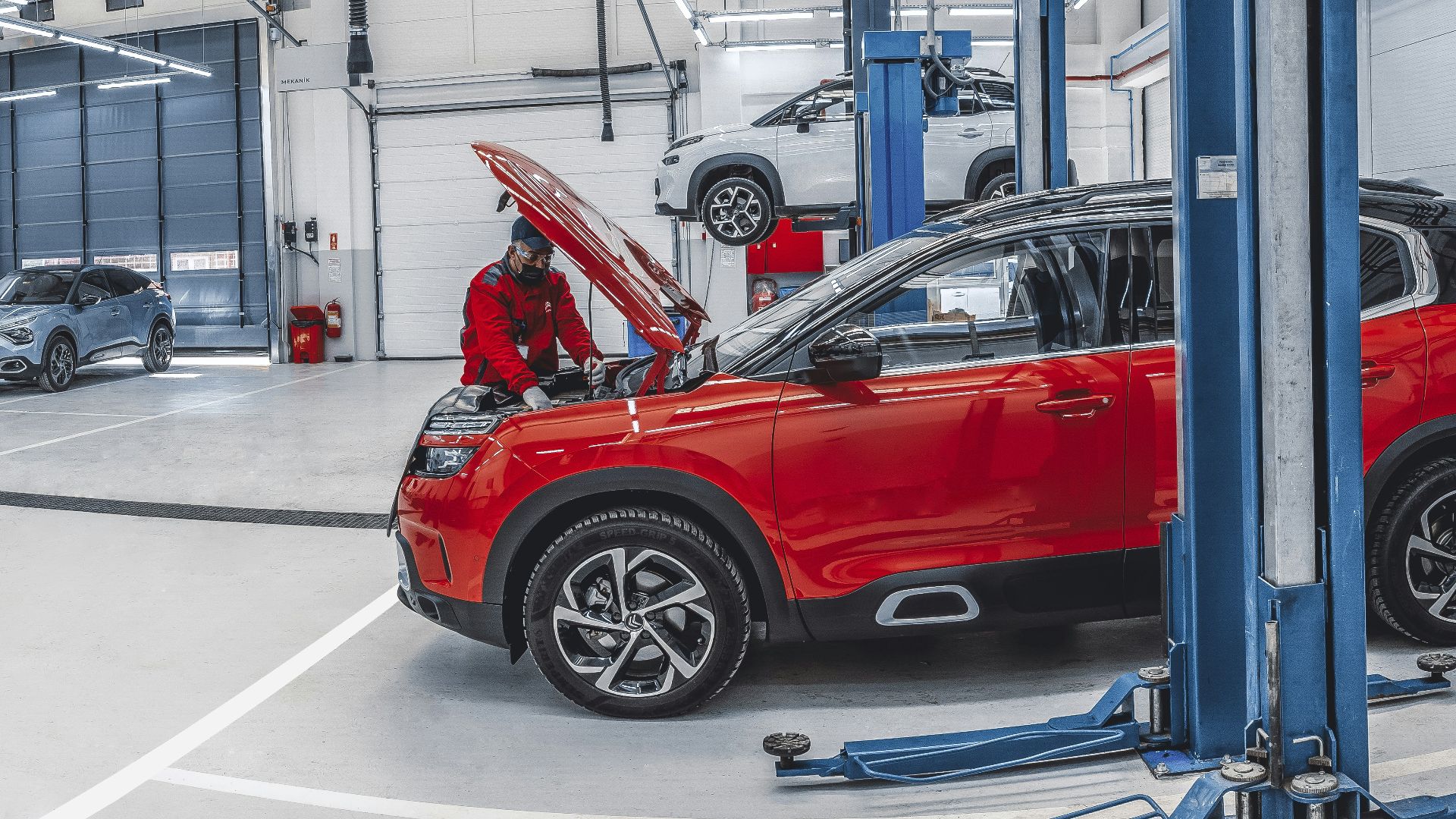
There is nothing magical about 100,000 miles, and modern vehicles can continue far beyond it with proper care. Still, Kelley Blue Book notes that vehicles around this mileage may need inspections or service involving hoses, belts, suspension components, spark plugs, timing belts where fitted, and transmission or differential fluids. A car reaching that mileage may also be around a decade old. Mileage-related maintenance and age-related deterioration can therefore arrive at roughly the same time.

Modern Cars Can Still Live Long Lives
A wave of repairs does not automatically mean your car is finished. Consumer Reports says modern vehicles that receive proper maintenance can often remain useful well beyond 100,000 miles, with some capable of reaching 200,000 miles or more. The vehicle's particular make, model, maintenance history, and condition matter enormously. One expensive year does not necessarily predict another expensive year immediately afterward.

Deferred Maintenance Can Create A Domino Effect
Postponing small maintenance jobs can sometimes allow them to develop into larger problems. Consumer Reports advises owners of aging vehicles not to delay needed maintenance because neglected issues can become more extensive and costly. That does not mean every breakdown could have been prevented. It does mean that catching deterioration early can reduce the chance of a manageable issue contributing to additional damage.
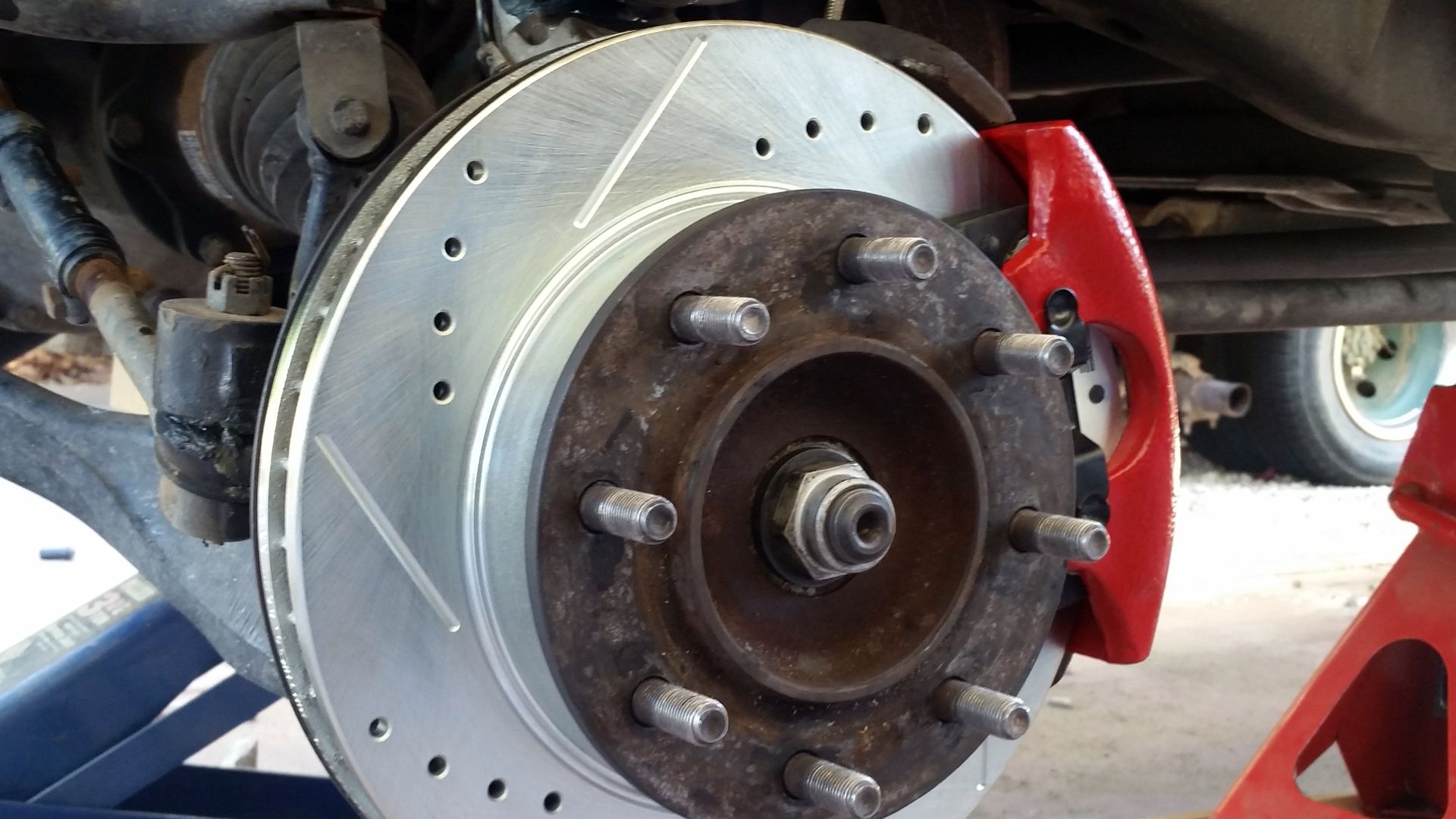
Brakes Wear According To How You Drive
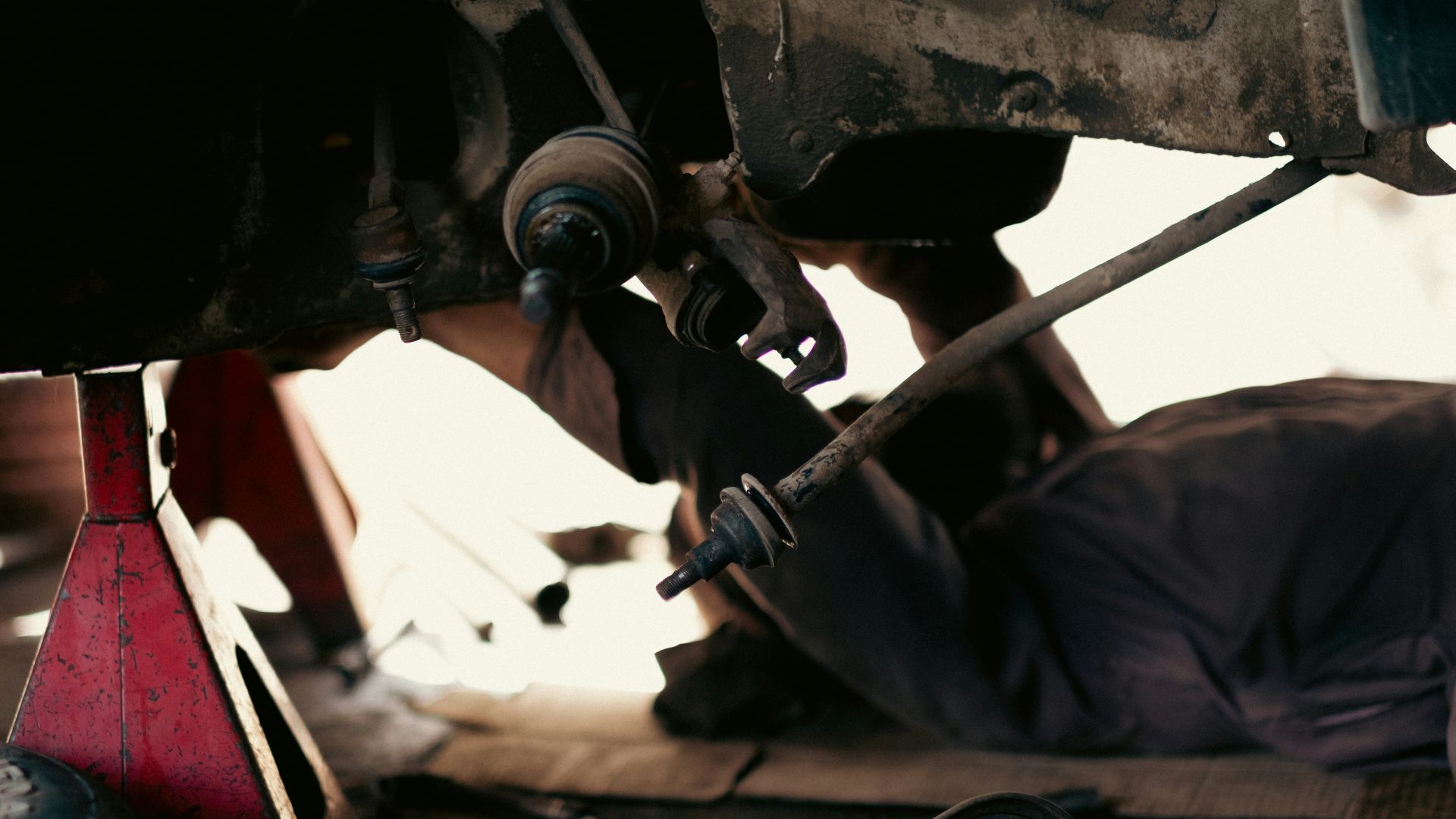
Brake components are another reason two identical cars can age differently. AAA notes that frequent stop-and-go driving can accelerate brake-pad wear, which is why brakes should be inspected rather than assumed to last for a fixed mileage. Rotors, brake fluid, hoses, and other components also require periodic attention. A driver who spends years in city traffic may therefore encounter brake work sooner than someone whose miles are mostly on open highways.
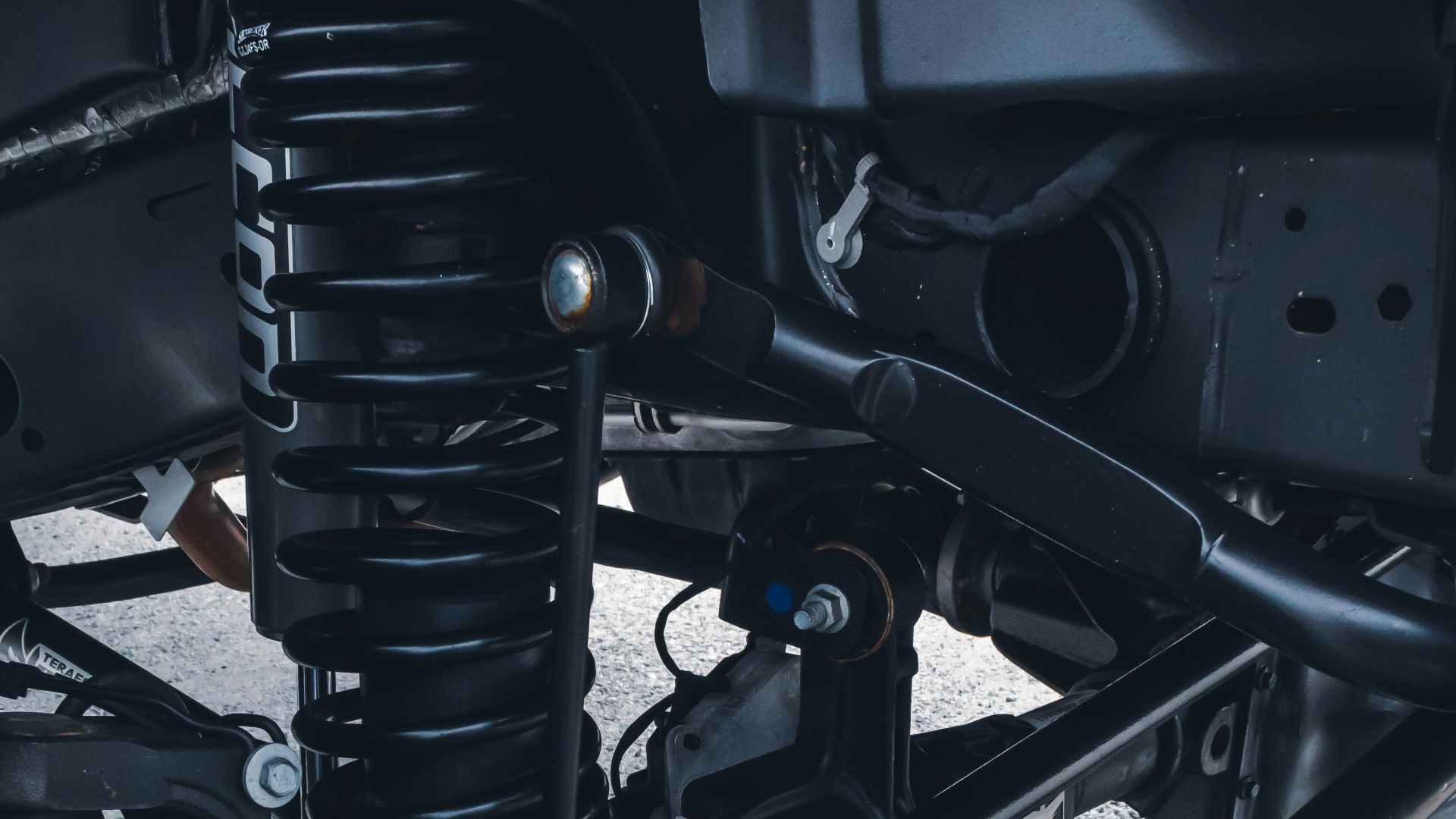
Suspension Wear Can Sneak Up On You
Shocks, struts, tie rods, control arms, springs, bushings, and alignment all influence how a vehicle behaves on the road. AAA recommends inspecting suspension and steering components as vehicles age and watching for pulling, vibration, unusual noises, and uneven tire wear. Suspension deterioration can develop gradually enough that the driver becomes accustomed to it. Once one problem is discovered, an inspection may reveal several worn items that developed over the same period.
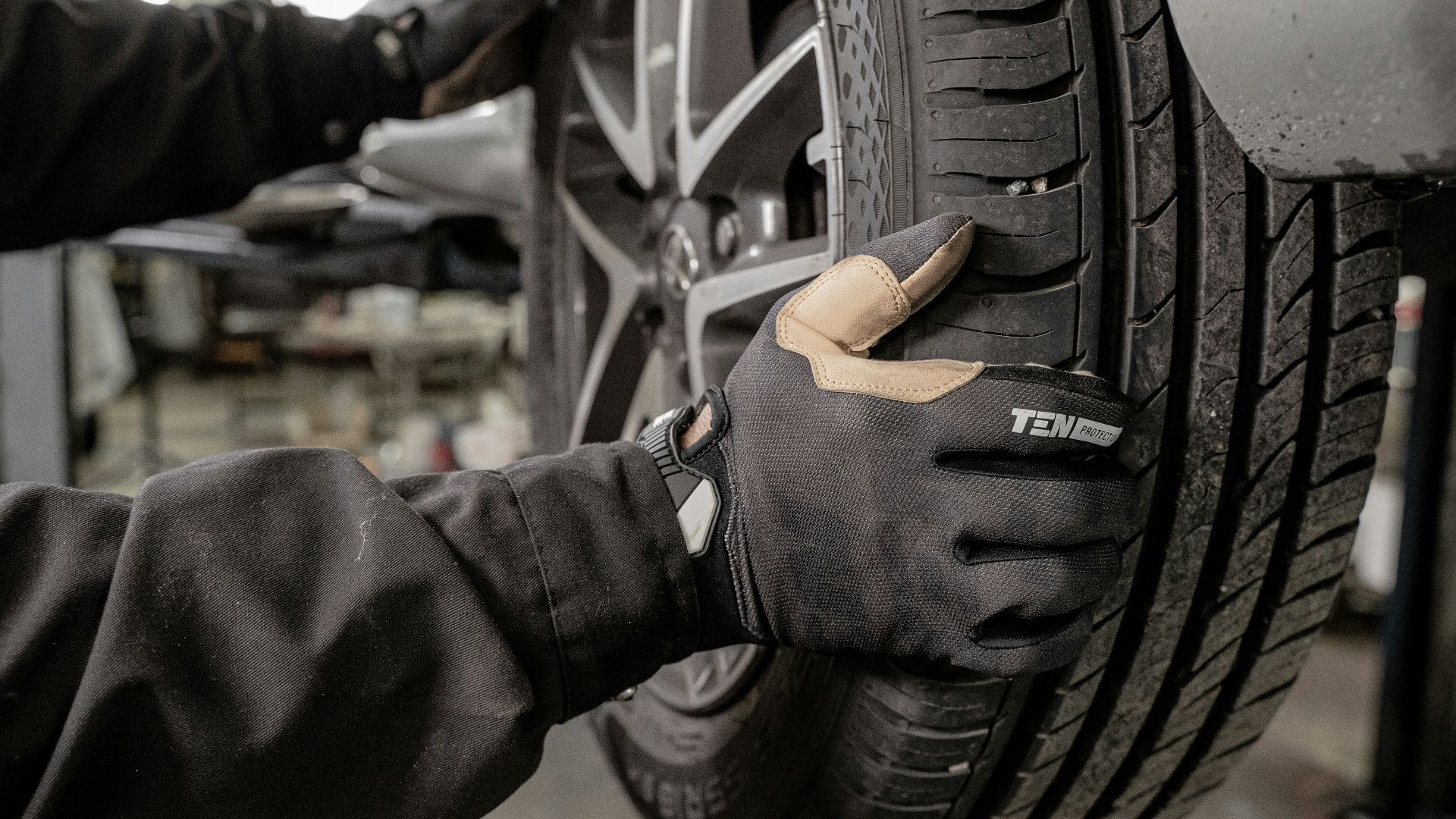
One Pothole Can Add To The List
Not every repair wave is caused entirely by age. AAA warns that a hard pothole impact can damage tires and wheels, disturb alignment, and bend or damage suspension components. If the car was already carrying worn suspension or aging tires, road damage can bring additional problems to your attention. That can make an ordinary period of aging suddenly feel much more expensive.

Tires Age Even When The Tread Looks Fine
Tread depth is not the only consideration when evaluating an older tire. AAA advises checking tire age because older tires can develop deterioration even when plenty of tread appears to remain. It also recommends watching for cracks, bulges, uneven wear, and improper inflation. Four aging tires reaching replacement time together can turn an otherwise routine year into an expensive one.
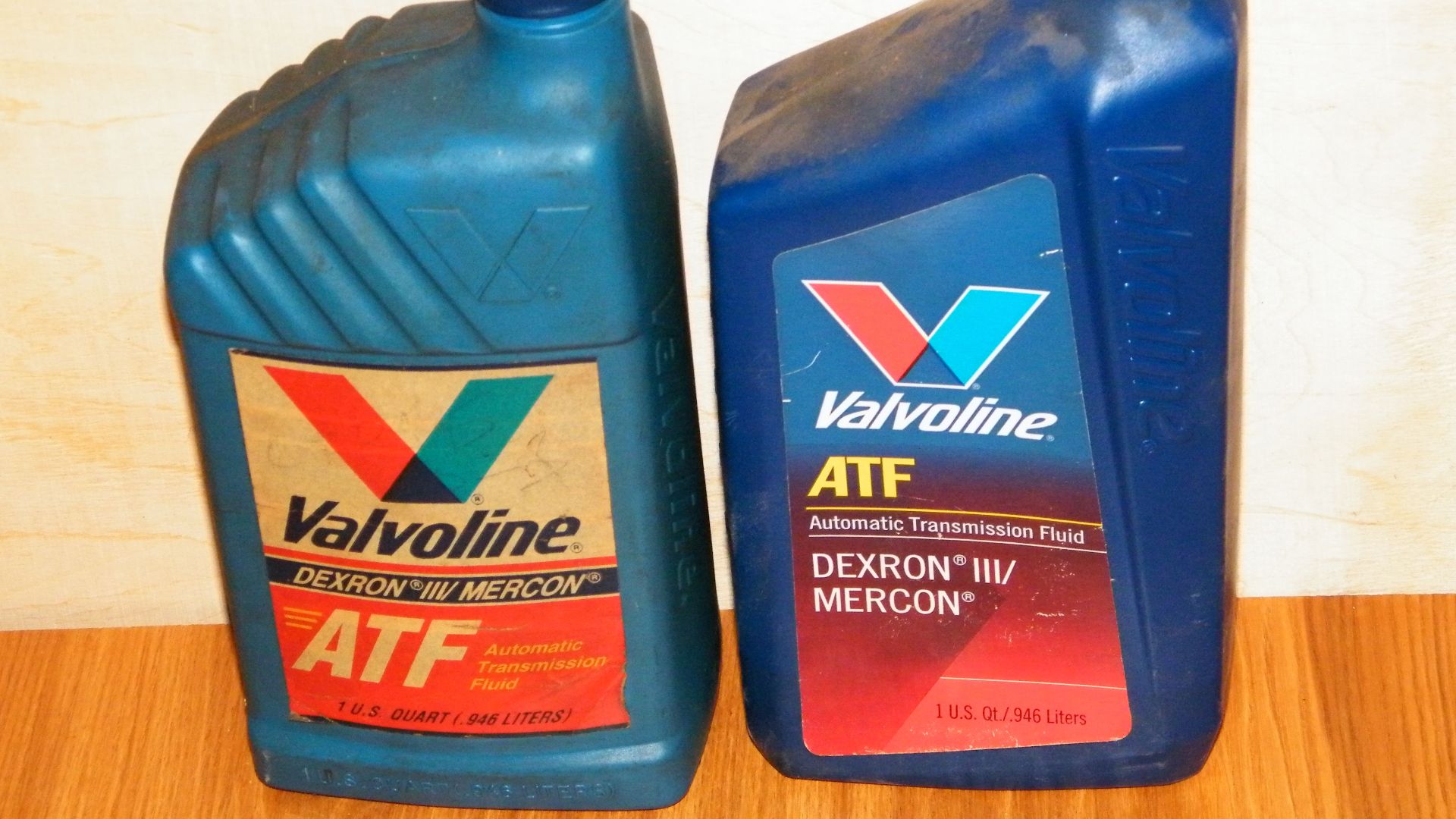
Fluids Have Jobs Beyond Lubrication
Modern vehicles contain several fluids that protect and operate important systems. Depending on the model, the maintenance schedule may call for servicing engine coolant, brake fluid, transmission fluid, differential fluid, or transfer-case fluid. Honda's Maintenance Minder, for example, includes separate reminders for several of these fluids along with spark plugs, belts, and other inspections. Following the actual manufacturer's schedule is more reliable than assuming every fluid follows a universal interval.
Small Symptoms Deserve Attention
A new vibration, leak, warning light, slow engine crank, unusual sound, or change in steering can provide useful early information. AAA recommends having new noises or vibrations inspected after significant road impacts, while its battery guidance identifies slow cranking and charging warnings as possible signs of electrical trouble. Early diagnosis can sometimes prevent a driver from discovering a problem only after the car becomes unusable. It also gives you more time to compare repair options instead of making a rushed decision.

One Failure Can Reveal Another
Sometimes repairs seem connected because fixing one problem makes another easier to notice. A technician inspecting a vehicle for one complaint may see worn brakes, leaking components, damaged bushings, or other items during the same visit. That does not necessarily mean all of those parts failed simultaneously. They may simply have reached noticeable stages of deterioration during the same general period.

Ask What Is Urgent And What Can Wait
A long repair estimate does not mean every item carries the same priority. Ask the technician which repairs involve immediate safety or reliability concerns, which are scheduled maintenance, and which can reasonably be monitored. Requesting an explanation of the diagnosis can help separate an urgent mechanical problem from preventive work. This is especially useful when several recommendations appear on one estimate.

Your Service History Becomes Valuable Evidence
Maintenance records tell a mechanic what has already been replaced and which scheduled items may have been missed. Consumer Reports recommends examining maintenance and repair histories when evaluating older vehicles because previous care strongly affects their condition. Records can also prevent you from unnecessarily repeating recently completed work. On an aging car, a well-organized service history becomes almost as useful as the odometer.
 Hryshchyshen Serhii, Shutterstock
The Owner's Manual Still Wins
Generic maintenance advice is useful, but manufacturers design different engines, transmissions, cooling systems, and drivetrains. Kelley Blue Book specifically advises drivers to follow the schedule for their individual vehicle instead of relying on mileage alone. Honda's own schedules demonstrate how service requirements can vary by vehicle and operating conditions. Before approving a mileage-based service, check what your manufacturer actually specifies.

Do Not Forget About Recalls
Being outside the ordinary warranty period does not necessarily mean every repair is automatically your responsibility. NHTSA says owners should check their VIN or license plate for open safety recalls, and recall remedies are generally provided without charge at the manufacturer's dealership. Recall rules and eligibility are separate from the ordinary new-vehicle warranty. Checking for an open recall is therefore worthwhile before paying for a problem that may be covered by a safety campaign.

Reliability Depends On The Particular Car
Age alone cannot tell you whether an older vehicle will become troublesome. Consumer Reports' reliability research shows meaningful differences among brands, models, and model years. Maintenance history and the individual vehicle's condition also matter. Two cars with identical mileage can therefore have very different repair prospects.

A Big Repair Does Not Automatically Mean Replace It
A major estimate can make replacing the car feel like the obvious answer, but the comparison should include the cost of the alternative vehicle. Consumer Reports recommends considering repair costs in relation to how much longer you expect to keep the car and the expense of replacing it. A repaired car that is otherwise dependable may still make financial sense. A vehicle requiring chronic major repairs presents a different calculation.
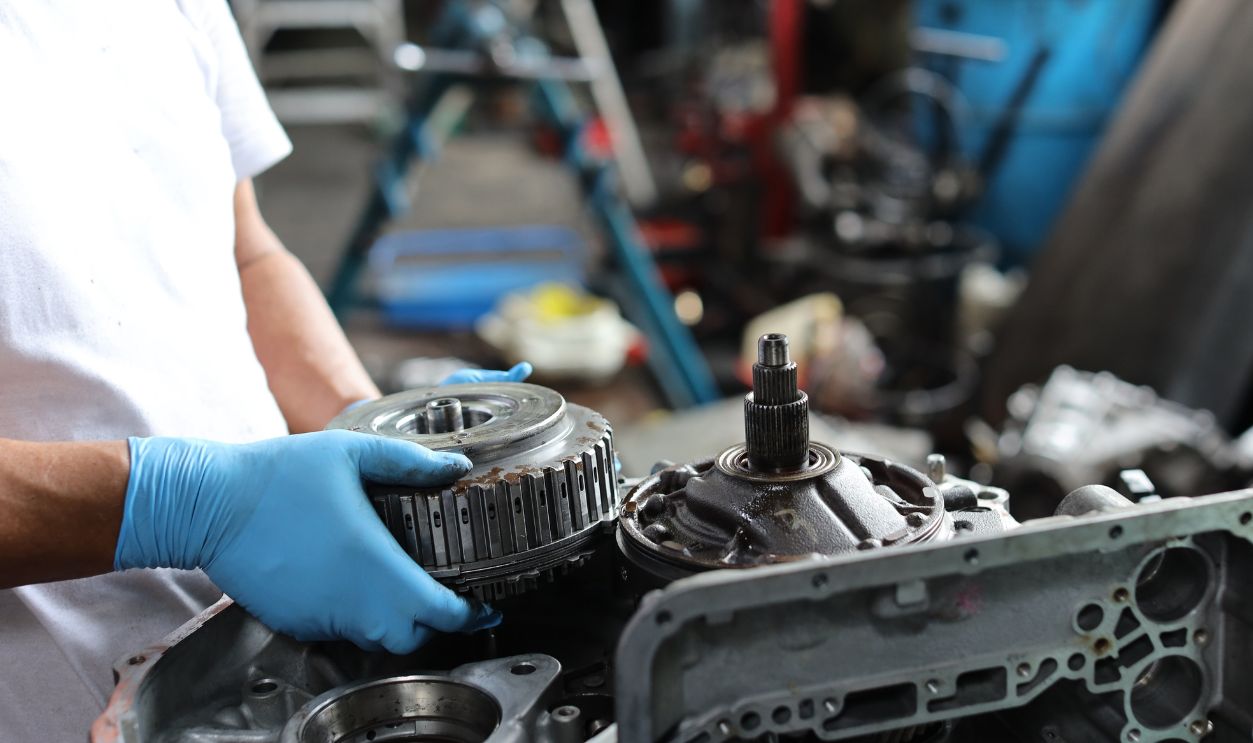
Look At The Pattern, Not Just The Latest Bill
One repair bill provides very little information about a vehicle's future. Several years of maintenance records can show whether you are dealing with normal wear items or a continuing pattern of major failures. Consumer Reports suggests considering the overall reliability of the existing vehicle when deciding whether to keep repairing it. The distinction between a temporary cluster and chronic trouble matters more than whether the warranty has expired.
 Karolina Grabowska www.kaboompics.com, Pexels
A Thorough Inspection Can Reduce Surprises
If several repairs have appeared recently, consider asking a trusted technician for a broader inspection instead of waiting for the next symptom. AAA recommends checking key systems on older vehicles, including the battery, tires, brakes, hoses, belts, suspension, cooling system, and electrical equipment. An inspection cannot guarantee that nothing will fail unexpectedly. It can, however, identify visible wear and help you plan upcoming expenses rather than discovering each one separately.

The Repair Wave Usually Has An Explanation
Repairs really can arrive in waves, but the warranty expiration itself is usually not the mechanical cause. Components of similar age have experienced the same years of heat, vibration, road conditions, and mileage, while major maintenance needs can also begin overlapping as a vehicle gets older. The best response is to review the service history, follow the manufacturer's schedule, prioritize genuine safety issues, and assess the car's overall condition. A repair cluster can be frustrating without necessarily meaning that the entire vehicle is falling apart.

You May Also Like:
Cars That Made Your Neighbors Think You Are Doing Better Than You Are