
The Timing Couldn’t Be Much Worse
You signed the papers, pulled out of the lot, and barely had time to enjoy the car before the check engine light appeared. The seller points to the words “as is” and says the problem is yours now. That may be the end of the discussion in some cases, but those two words don’t necessarily answer every question.
“As Is” Has A Real Meaning
In a legitimate as-is sale, the seller generally isn’t promising to pay for problems that arise after the purchase. The buyer assumes substantially more risk than they would with a warranty-backed car. That’s why an unexpected repair alone doesn’t automatically make the seller responsible.

Dealer And Private Sales Are Different
Start by identifying who sold the car. Federal used-car disclosure requirements apply to dealers, while a private seller generally has fewer obligations and isn’t subject to the FTC’s Used Car Rule in the same way. State laws can add protections to either kind of transaction.

Find The Buyers Guide
If the vehicle came from a dealer, locate the FTC Buyers Guide that should have been displayed on the car and provided after the sale. It should indicate whether the vehicle was sold “As Is - No Dealer Warranty,” with implied warranties, or with a dealer warranty. Don’t rely solely on what the sales contract says.

The Buyers Guide Can Override Conflicting Paperwork
This detail is easy to miss. The FTC says the final Buyers Guide reflects the warranty terms of the sale and can override contradictory provisions in the sales contract. If the contract says “as is” but the Buyers Guide promises warranty coverage, the dealer can’t simply point to the contract and ignore the Guide.

State Law Can Limit “As Is” Sales
“As is” isn’t identical across all 50 states. Some states restrict or prohibit dealers from disclaiming certain implied warranties, while others require particular language or disclosures before an as-is sale is effective. That makes the state where the car was purchased an important part of the answer.

Read Every Warranty Document Again
The car may have more protection than the buyer initially realizes. Check the purchase agreement, Buyers Guide, dealer warranty, certified-pre-owned paperwork, and any separate promises included with the transaction. Even limited coverage could matter depending on what caused the warning light.

The Factory Warranty Might Still Be Alive
Used doesn’t necessarily mean out of warranty. A relatively new car may still have part of its original manufacturer powertrain or bumper-to-bumper coverage remaining. Check the VIN, mileage, original in-service date, and manufacturer warranty terms before agreeing to pay for a major repair.

A Service Contract Can Change The Picture
If an extended service contract was purchased with the vehicle, read what systems it covers and when coverage begins. The FTC also notes an important wrinkle: when a dealer sells a service contract within 90 days of an as-is used-car purchase, implied warranties can apply to systems covered by that service contract.

The Timing Matters, But It Doesn’t Prove Everything
A check engine light appearing five miles after purchase naturally looks suspicious. Still, timing alone doesn’t prove that the dealer or previous owner knew about the problem. The goal is to determine what caused the light and whether evidence suggests the condition existed before the sale.

Photograph The Dashboard Immediately
Take a clear photo showing the illuminated warning and the odometer. Save the date and time as well. If the dispute eventually comes down to whether the fault appeared immediately or weeks later, contemporary documentation is far more useful than memory.

Don’t Clear The Code Yet
Resist the temptation to disconnect the battery or use a scanner to erase the warning light. Car and Driver warns that clearing a check engine code doesn’t repair the underlying problem. It can also erase useful diagnostic information that may help establish what happened.
 Daniel @ bestjumpstarterreview.com, Pexels
Get The Codes Read
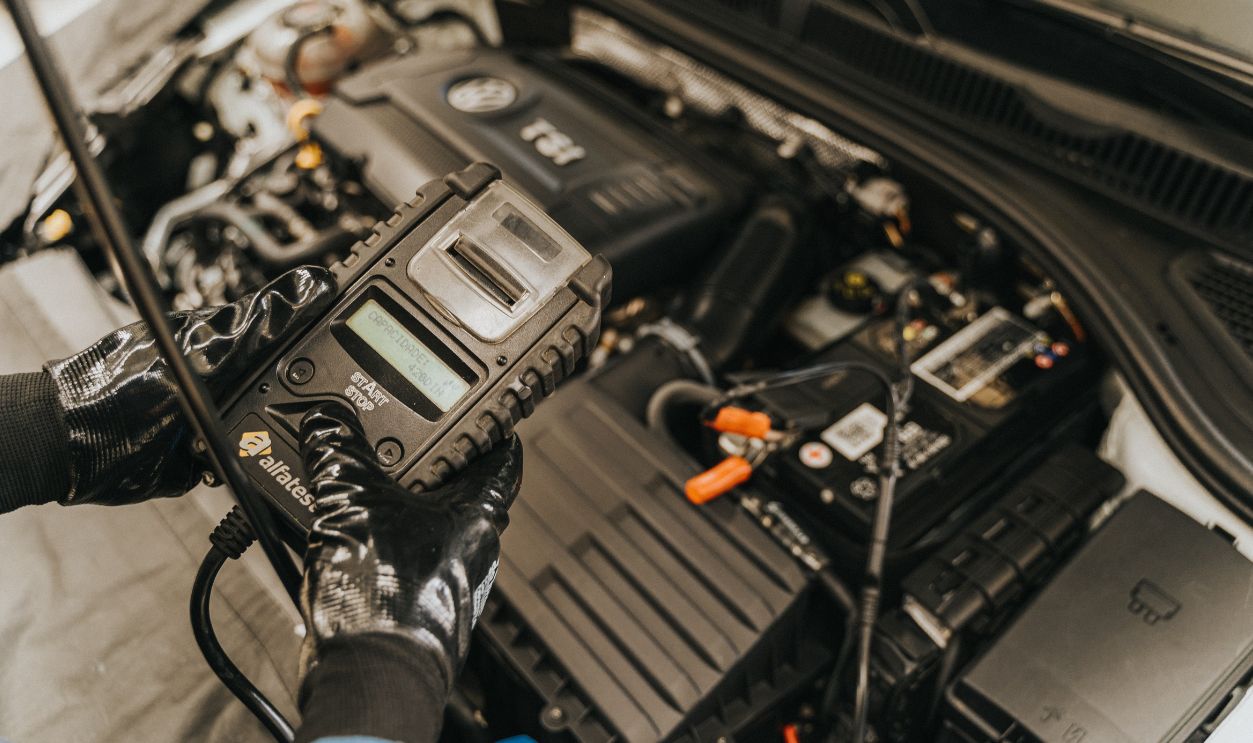
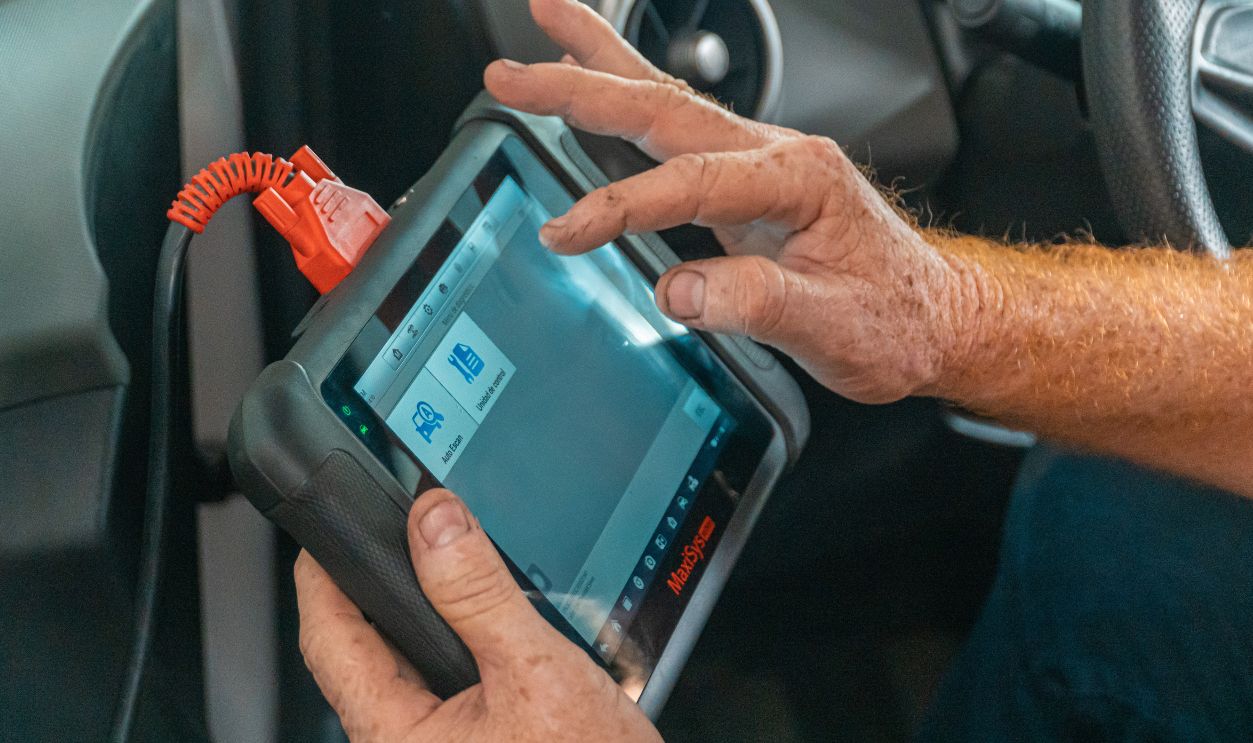
An OBD-II scanner can retrieve the diagnostic trouble codes stored by the vehicle’s computer. A repair shop can do this, and many auto-parts stores also offer basic code scanning. Write down or photograph every code rather than simply accepting “it’s probably a sensor.”
A Trouble Code Isn’t A Diagnosis
A code points technicians toward the system where the computer detected a problem. It doesn’t necessarily identify the exact failed part. An oxygen-sensor code, for example, can have causes beyond a defective oxygen sensor, so don’t start replacing expensive components based solely on a scan.

Get An Independent Mechanic Involved
If a dealer says the car is your problem, have an independent mechanic inspect it before accepting that conclusion. Ask for a written diagnosis, estimated repair cost, and, where possible, an opinion about whether the underlying condition appears to have developed before the purchase.

Ask How Long The Problem Likely Existed
Some failures can genuinely occur without warning. Others develop over hundreds or thousands of miles. A severely deteriorated catalytic converter, longstanding misfire, damaged wiring, or major oil-consumption problem may tell a different story from a gas cap that happened to loosen after purchase.

Check The Readiness Monitors
There’s another clue worth asking the mechanic about: OBD readiness monitors. Clearing diagnostic codes resets many of these self-tests, leaving them in a “not ready” state until the car completes enough driving. Recently reset monitors shortly after purchase don’t prove someone intentionally hid a light, but they can justify asking more questions.
 Jose Ricardo Barraza Morachis, Pexels
Compare The Problem With What The Seller Said
Think back to the sales conversation. Was the car described as mechanically excellent, recently inspected, trouble-free, or needing nothing? General sales puffery may not create a warranty, but specific factual representations can become important when they conflict with what an inspection discovers immediately afterward.

Save The Advertisement
Screenshot the original online listing before it disappears. Keep emails, texts, inspection claims, vehicle descriptions, and any messages about mechanical condition. If the dispute becomes one of misrepresentation rather than ordinary mechanical failure, those statements may become some of the most valuable evidence.

“As Is” Doesn’t Necessarily Excuse Deception
There’s a major difference between unknowingly selling an older car that breaks shortly afterward and knowingly misrepresenting or concealing a defect. Legal publisher Nolo notes that as-is provisions don’t necessarily eliminate claims based on fraud or negligent misrepresentation. Proving what the seller knew can still be difficult, however.

Spoken Promises Are Harder To Enforce
Maybe a salesperson said, “If anything happens this week, we’ll take care of it.” That’s useful context, but the FTC specifically warns that oral promises can be difficult to enforce. Written messages, contract notes, or promises added to the Buyers Guide are much stronger.

Contact The Seller Immediately
Don’t drive the vehicle for another month and then return demanding repairs. Notify the dealer or private seller as soon as the warning appears, preferably in writing. State the mileage at purchase, mileage when the light appeared, diagnostic codes if known, and what remedy you’re requesting.

Ask For Something Specific
“Do something about my car” is easy to brush off. Ask whether the seller will diagnose it at no charge, repair the problem, contribute toward the repair, unwind the sale if applicable, or reimburse an independent diagnosis. A specific request gives the seller something concrete to accept or reject.

Don’t Authorize A Huge Repair Too Quickly
Unless continued driving risks safety or serious damage, consider giving the dealer an opportunity to inspect the vehicle before spending thousands elsewhere. If you repair everything immediately, the seller may later argue that it wasn’t given a chance to verify the problem. Keep replaced parts and invoices if repairs can’t reasonably wait.

A Flashing Light Is A Different Situation
Consumer Reports advises treating a flashing check engine light much more urgently than a steady one because it can signal a serious problem such as a damaging engine misfire. If the car is shaking, overheating, losing power, or showing red warnings too, stop focusing on the sales dispute long enough to protect the vehicle and yourself.

There Usually Isn’t A Federal Three-Day Return Period
Don’t assume every car purchase can simply be undone within 72 hours. The FTC specifically says federal law doesn’t require dealers to provide a three-day cancellation period for used-car purchases. Some states provide additional rights, and some dealers voluntarily offer return policies, so check the paperwork immediately.

Used-Car Lemon Laws Vary Dramatically
Used vehicles aren’t automatically excluded from lemon-law protection. New York, for example, requires qualifying dealer-sold used vehicles to come with statutory warranty coverage, while Massachusetts also provides substantial used-car warranty protections for qualifying sales. Other states offer much less, so the buyer needs to check the law where the transaction occurred.

Report A Dealer If The Story Doesn’t Add Up
If evidence suggests a dealer concealed a defect, misrepresented the car, failed to provide required warranty disclosures, or refuses to honor written coverage, escalation may be worthwhile. USAGov directs consumers with deceptive-dealer complaints toward their state consumer-protection agency and the FTC.

Small Claims Court Can Be An Option
When the repair amount is significant and the seller refuses to negotiate, small claims court may be practical depending on the dollar limit in the state. Documentation matters enormously: the advertisement, Buyers Guide, sales agreement, diagnostic report, repair estimate, messages, mileage, and timeline can all help establish what actually happened.
 https://kaboompics.com/, Pexels
“As Is” Isn’t The Same As “Nothing You Can Do”
If the paperwork clearly created a valid as-is sale and an unpredictable component happened to fail afterward, the repair may ultimately belong to the buyer. But a warning light appearing almost immediately is reason to investigate rather than simply accept a shrug from the seller. Preserve the computer data, find out what failed, reread every warranty document, document what the seller represented, and check the protections available in your state. Sometimes “as is” really does put the risk on the buyer. Sometimes the facts surrounding those two words matter just as much.

You May Also Like: