The Upgrade Looked Like An Easy Choice
When I ordered my new car, the biggest available wheels seemed like one of the simplest upgrades on the option sheet. They looked sharper, filled out the wheel arches, and helped give the car the appearance I wanted. What I did not think much about was what those wheels would cost me several years later when the tires needed replacing. That is where an attractive factory option can turn into an unexpectedly expensive ownership decision.

Then I Saw The Replacement Price
A damaged tire eventually forced me to look at replacement prices, and the number was far higher than I expected. Larger wheels are commonly paired with wider, lower-profile tires, and Consumer Reports notes that tires fitting large wheels typically cost more to replace. Depending on the vehicle, tire type, and specifications, replacing even one tire can therefore become a surprisingly large expense. The wheel upgrade did not suddenly get more expensive, but its long-term cost finally became visible.
Big Wheels Usually Mean Less Sidewall
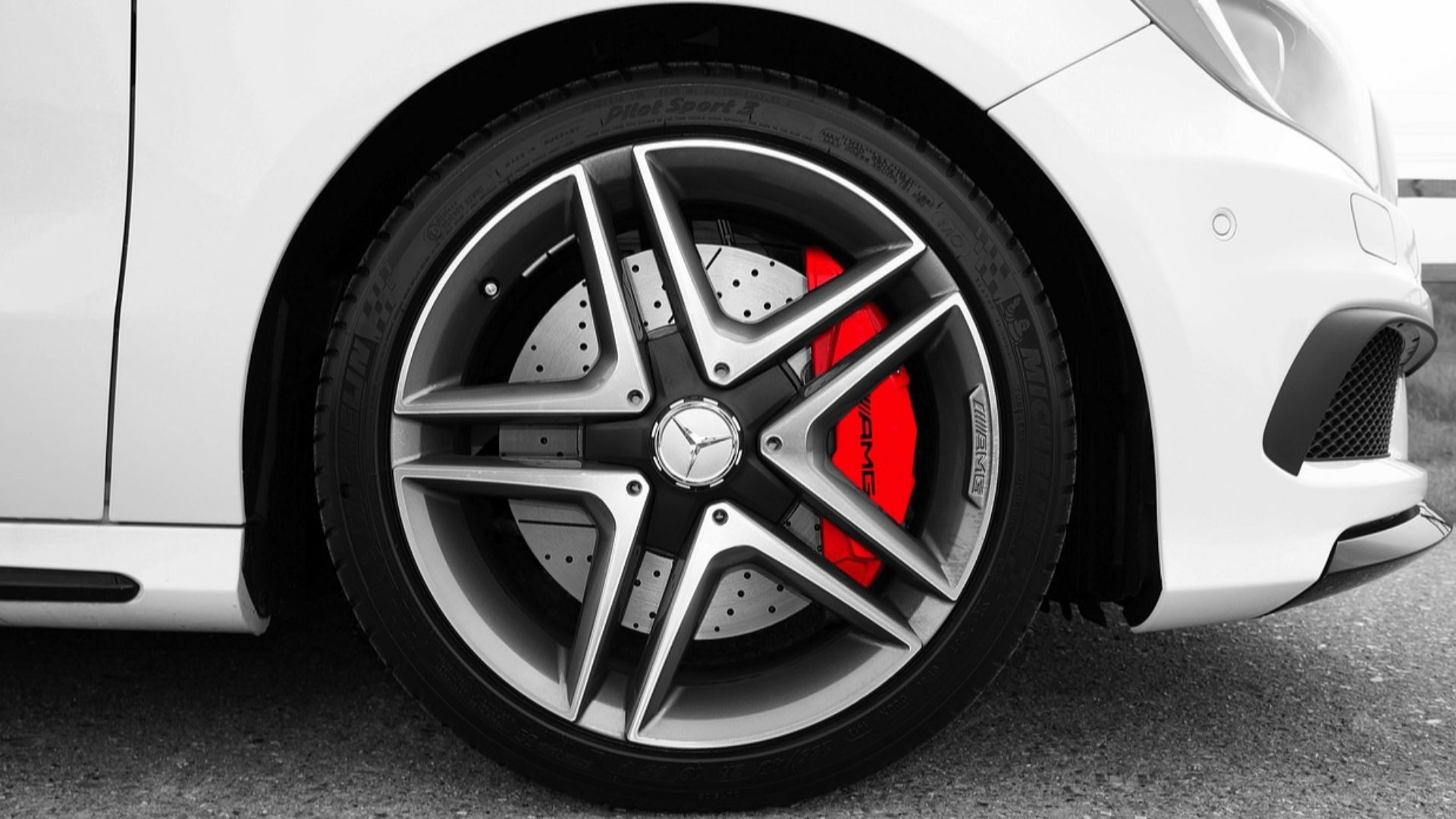
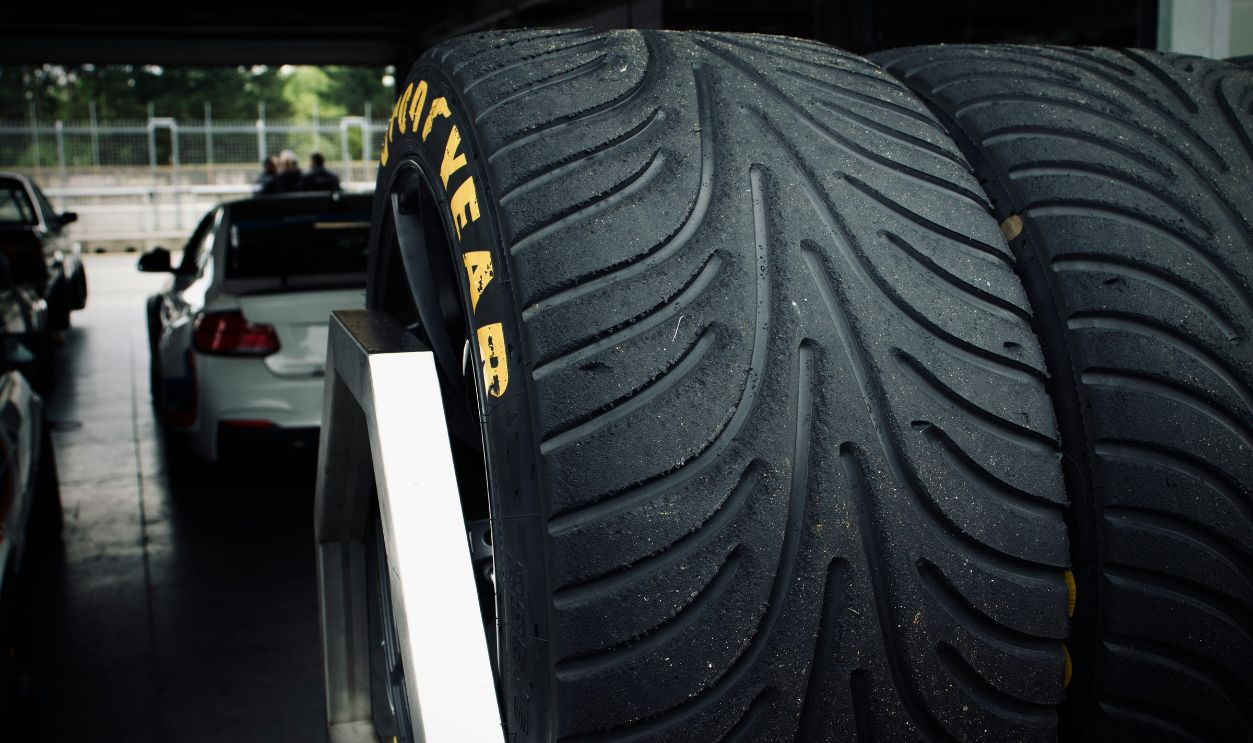
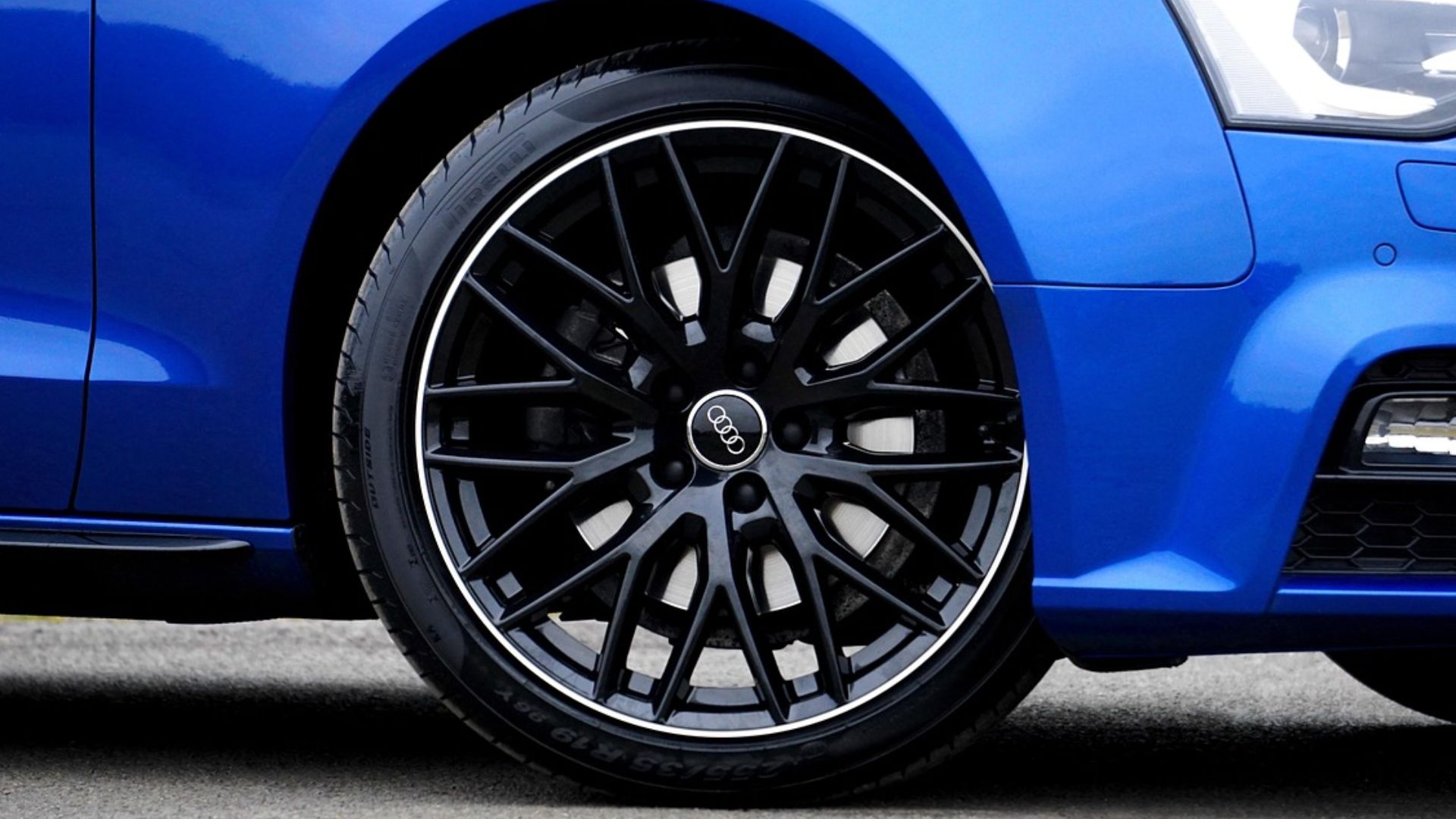
Automakers generally maintain roughly the same overall tire diameter when fitting a vehicle with a larger wheel. That means increasing the wheel diameter usually requires reducing the height of the tire's sidewall. Tire Rack describes this approach as “plus sizing,” which combines larger wheels with wider, lower-profile tires while keeping the overall diameter reasonably close to the original specification. The result can look sportier, but there is less rubber and air between the rim and the road.
 Retired electrician, Wikimedia Commons
That Smaller Sidewall Has Consequences
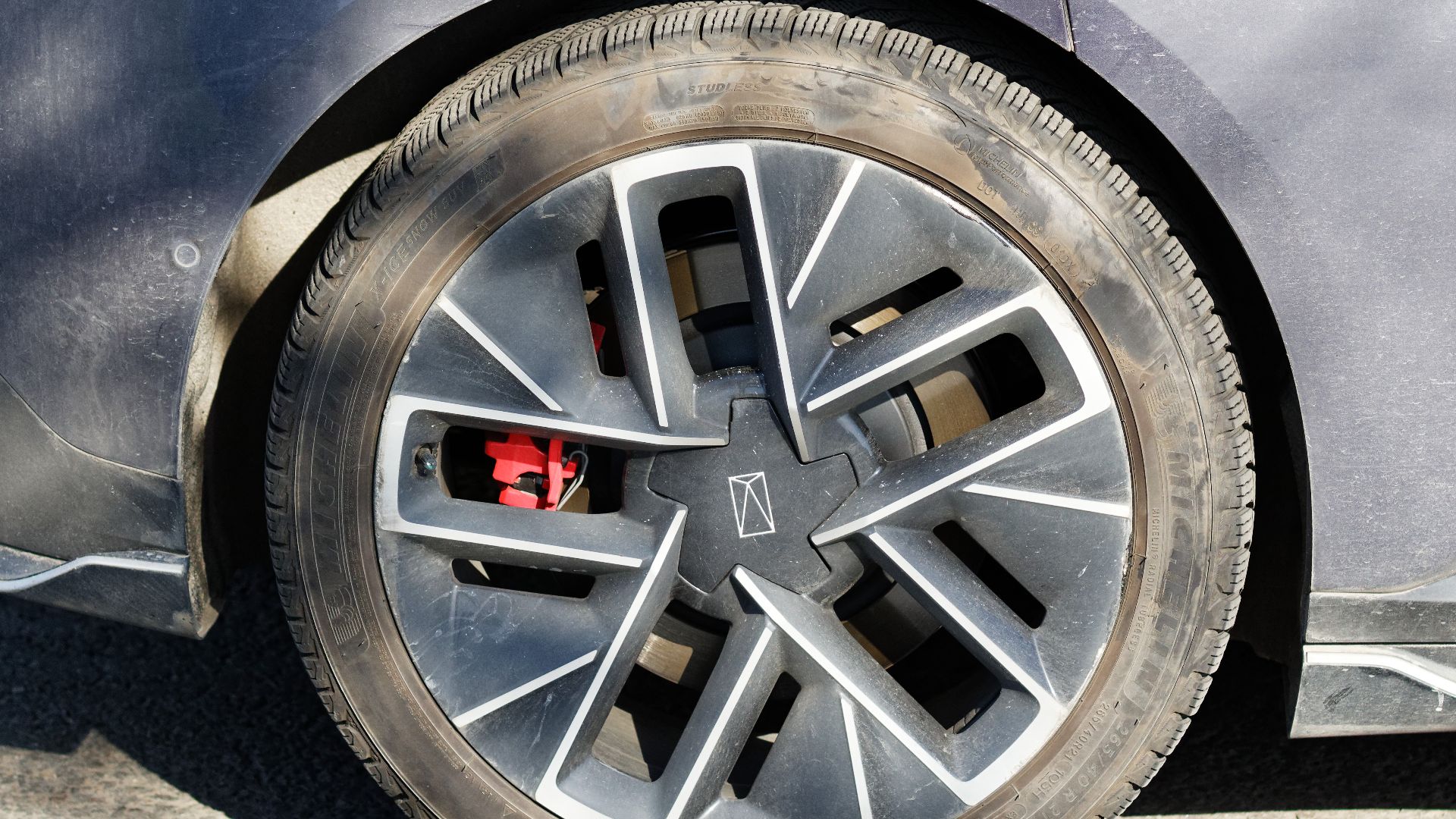
A tall tire sidewall can flex when it encounters bumps, broken pavement, and other road imperfections. A short, stiff sidewall has less ability to absorb those impacts before the force reaches the wheel. Consumer Reports specifically warns that large wheels and their low-profile tires can produce a harsher ride and increase the risk of tire and wheel damage from potholes. In other words, the appearance upgrade changes more than appearance.
Potholes Become More Expensive
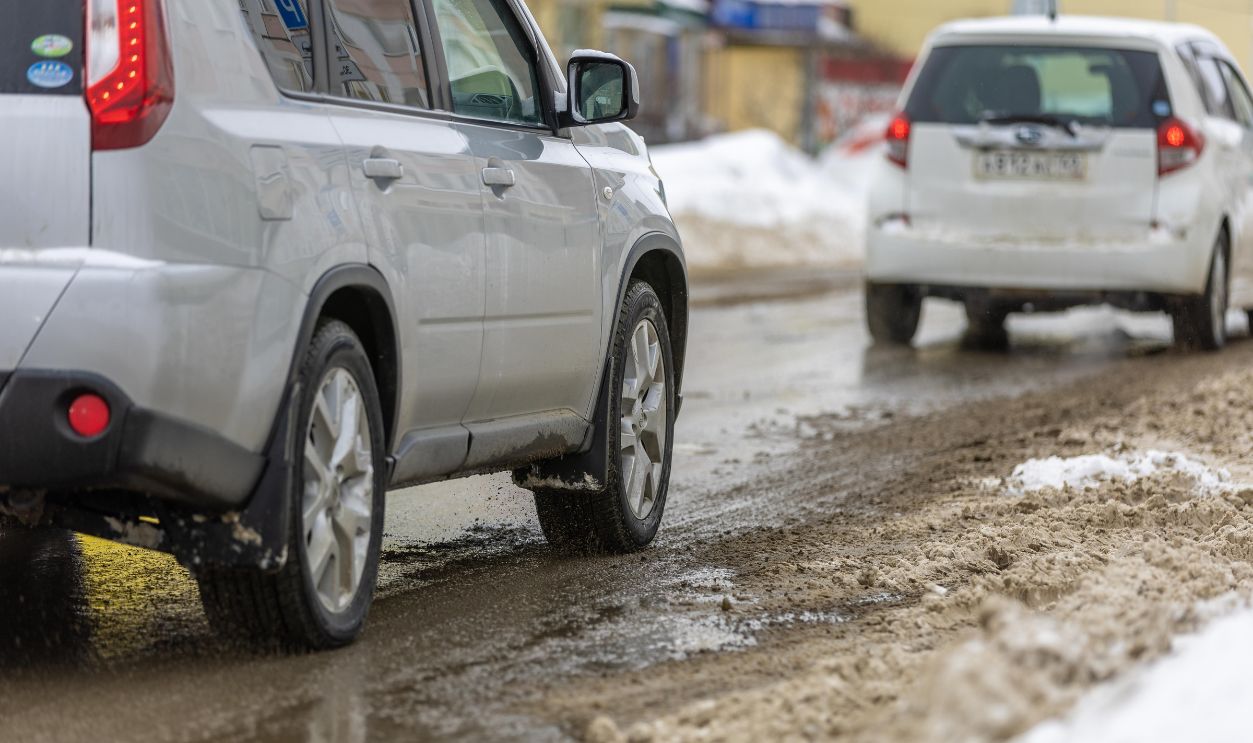
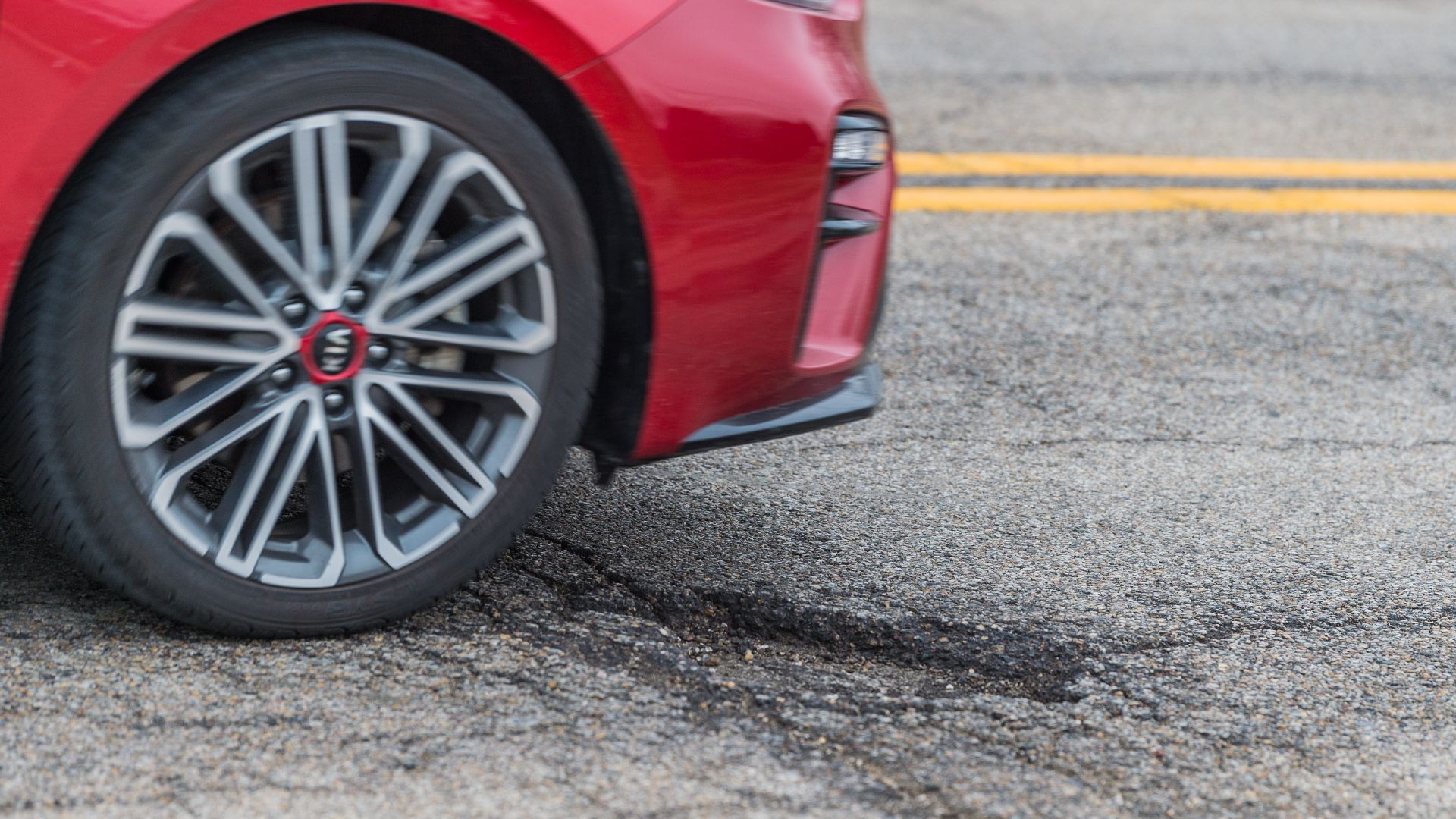
Low-profile tires can be particularly vulnerable when a wheel strikes a sharp pothole. AAA explains that shorter tire sidewalls leave less tire and air available to protect the wheel and related components from an impact. Potholes can damage tires, rims, suspension parts, and alignment, so one rough encounter can create more than a simple tire bill. That vulnerability matters considerably if the roads where you live are frequently damaged.
A Tire Is Only Part Of The Risk
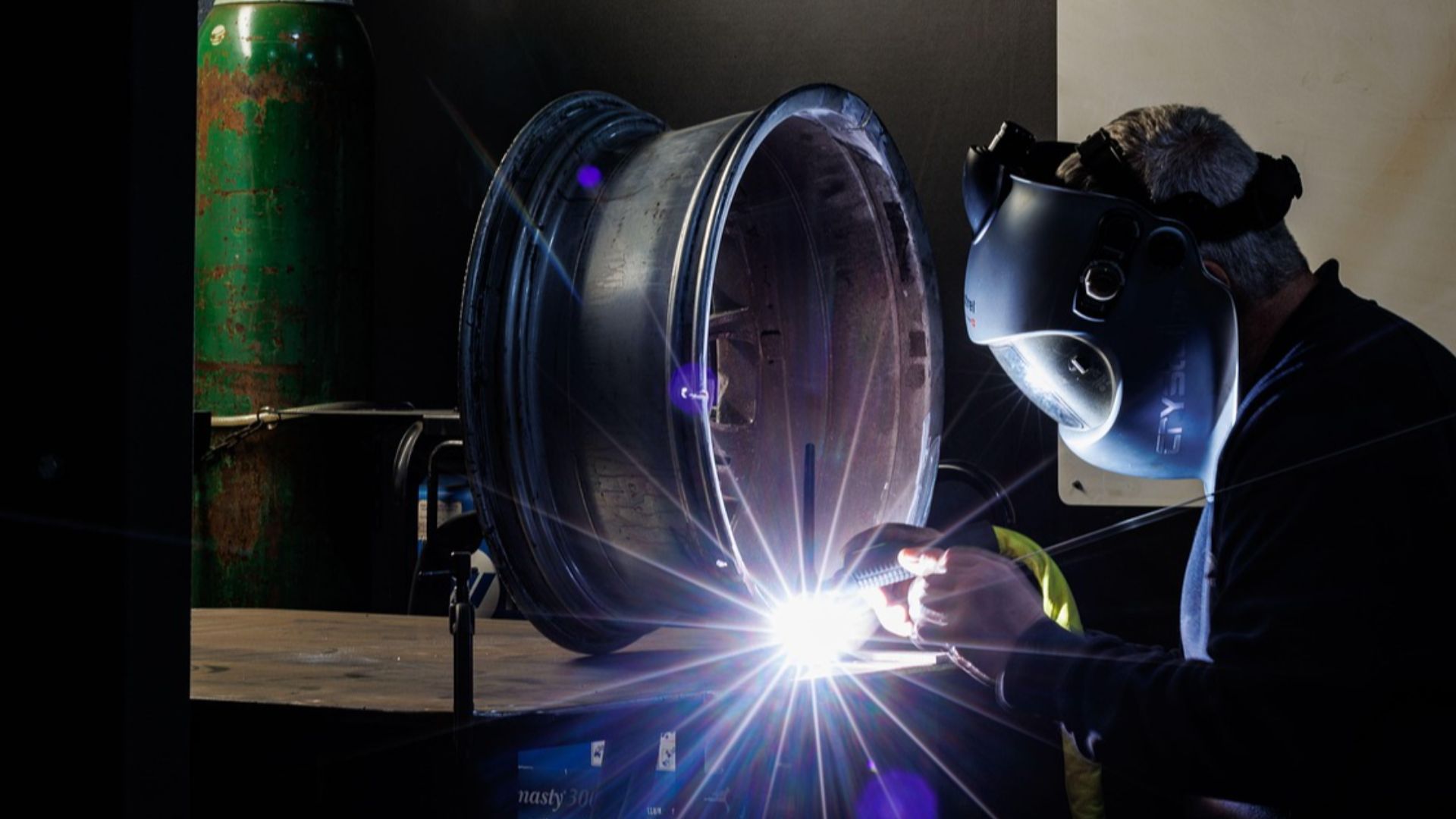
Replacing the tire can be painful enough, but a hard impact can also bend or crack the wheel itself. Consumer Reports notes that pothole impacts can damage rims and suspension components and knock a vehicle's alignment out of specification. AAA similarly estimates that pothole repairs commonly run into hundreds of dollars depending on what was damaged. Bigger wheels can therefore create expensive ownership surprises that extend beyond the rubber wrapped around them.
The Bigger Tire May Be More Specialized
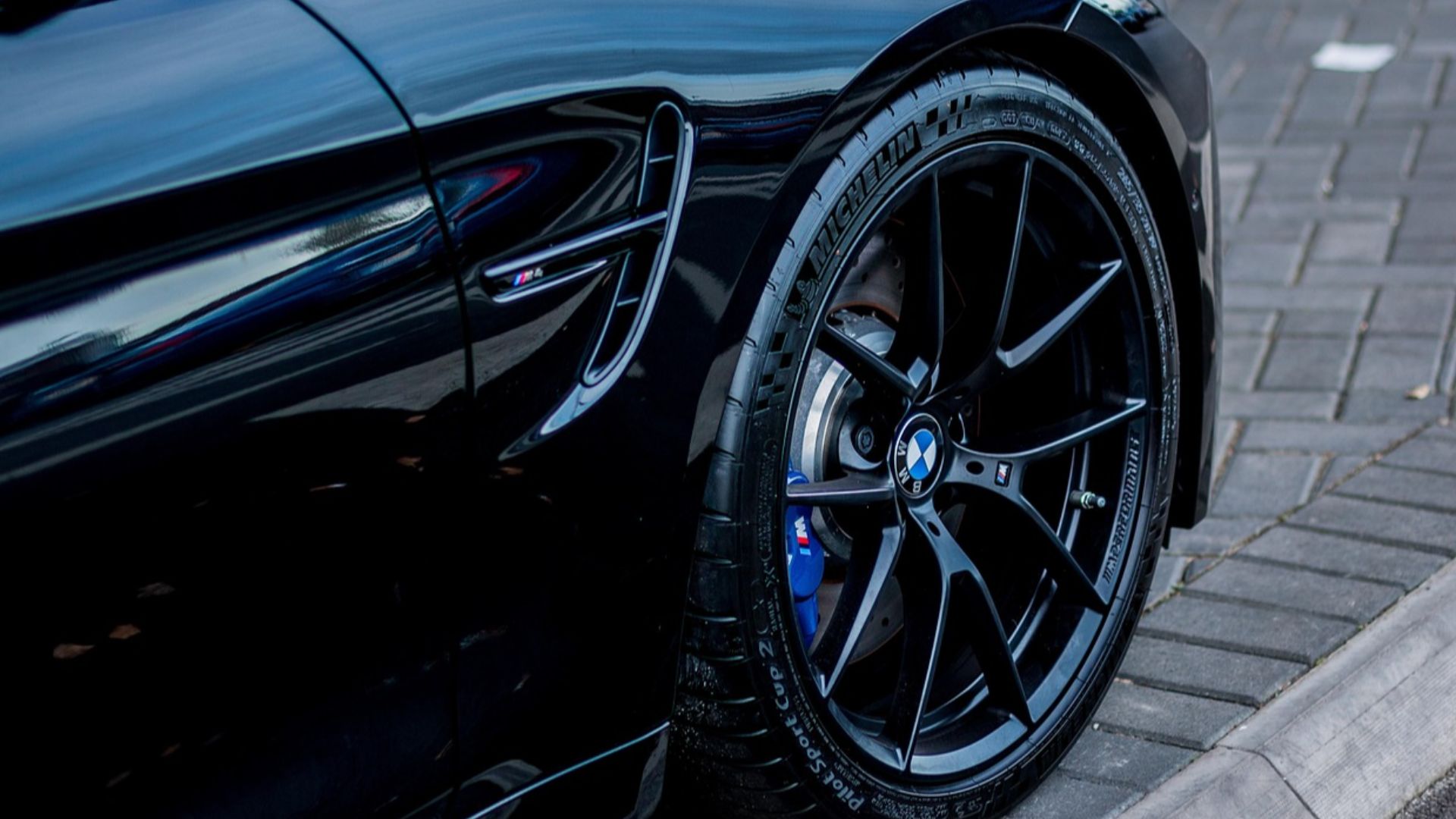
Large factory wheels are often paired with tires designed around performance, appearance, or specific load and speed requirements. That can narrow the range of suitable replacement choices compared with a more common tire size. You cannot safely choose a cheaper tire based on diameter alone because load capacity and other specifications also matter. Michelin recommends using the vehicle manufacturer's approved sizes and never selecting a tire with less load-carrying capacity than the original specification.
You Cannot Always Buy The Cheapest Substitute
Seeing the price of the original tire may make a much cheaper alternative look tempting. However, NHTSA requires manufacturers to provide recommended tire-size information partly so replacement tires will fit the wheels properly and provide sufficient load-carrying capacity. Michelin likewise recommends checking the owner's manual or driver's-door tire information label before changing tire specifications. Saving money is useful only if the replacement remains appropriate for the vehicle.
Some Cars Complicate Replacement Further
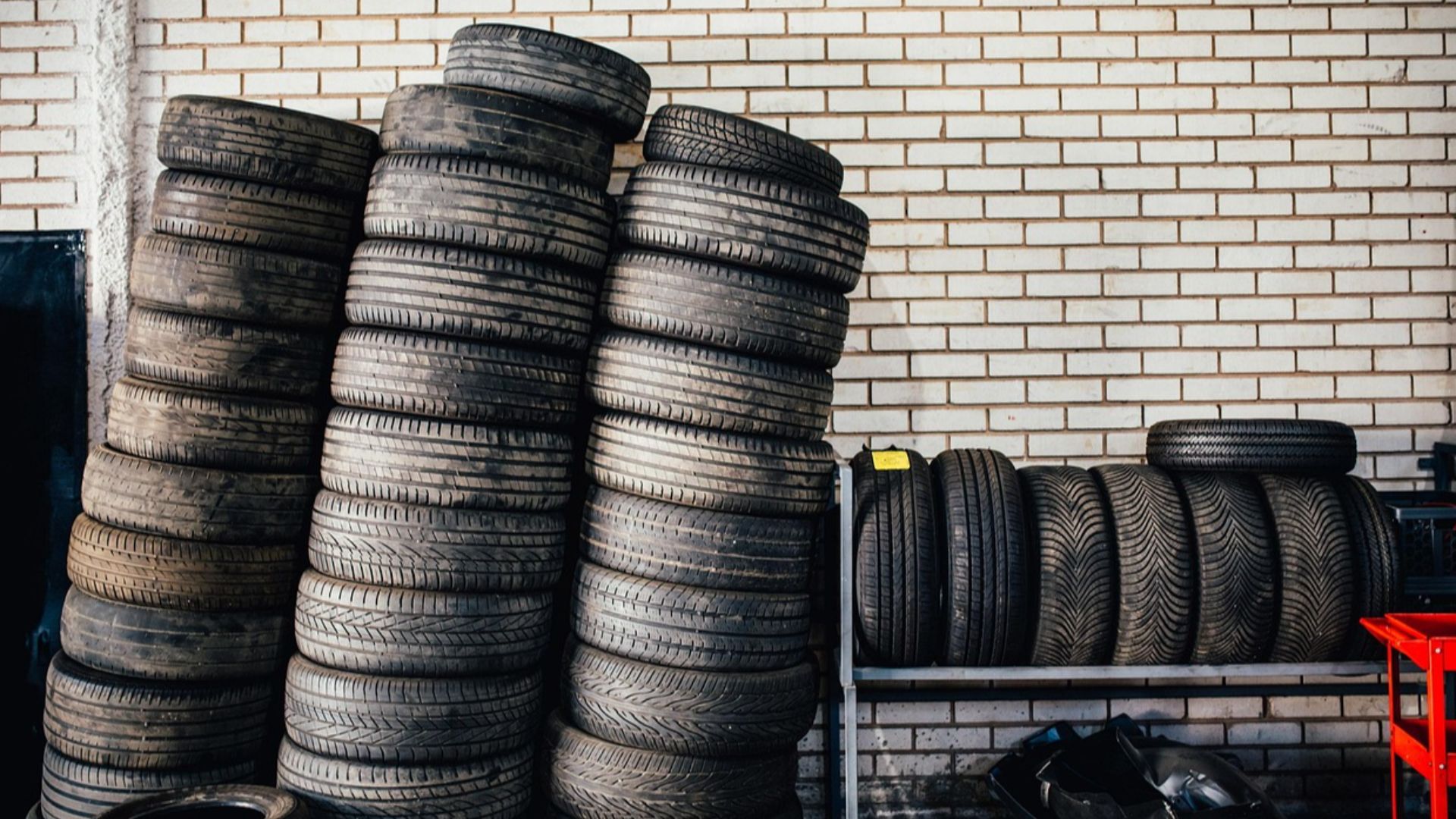
Certain vehicles intentionally use different tire sizes on the front and rear axles. Others have manufacturer guidance about tire matching, especially vehicles with all-wheel-drive or four-wheel-drive systems. Michelin advises owners of four-wheel-drive vehicles to follow the owner's manual regarding tire mixing and notes that circumference differences can matter. That means one damaged tire can occasionally lead to a more complicated replacement decision than simply buying another tire of roughly the same dimensions.
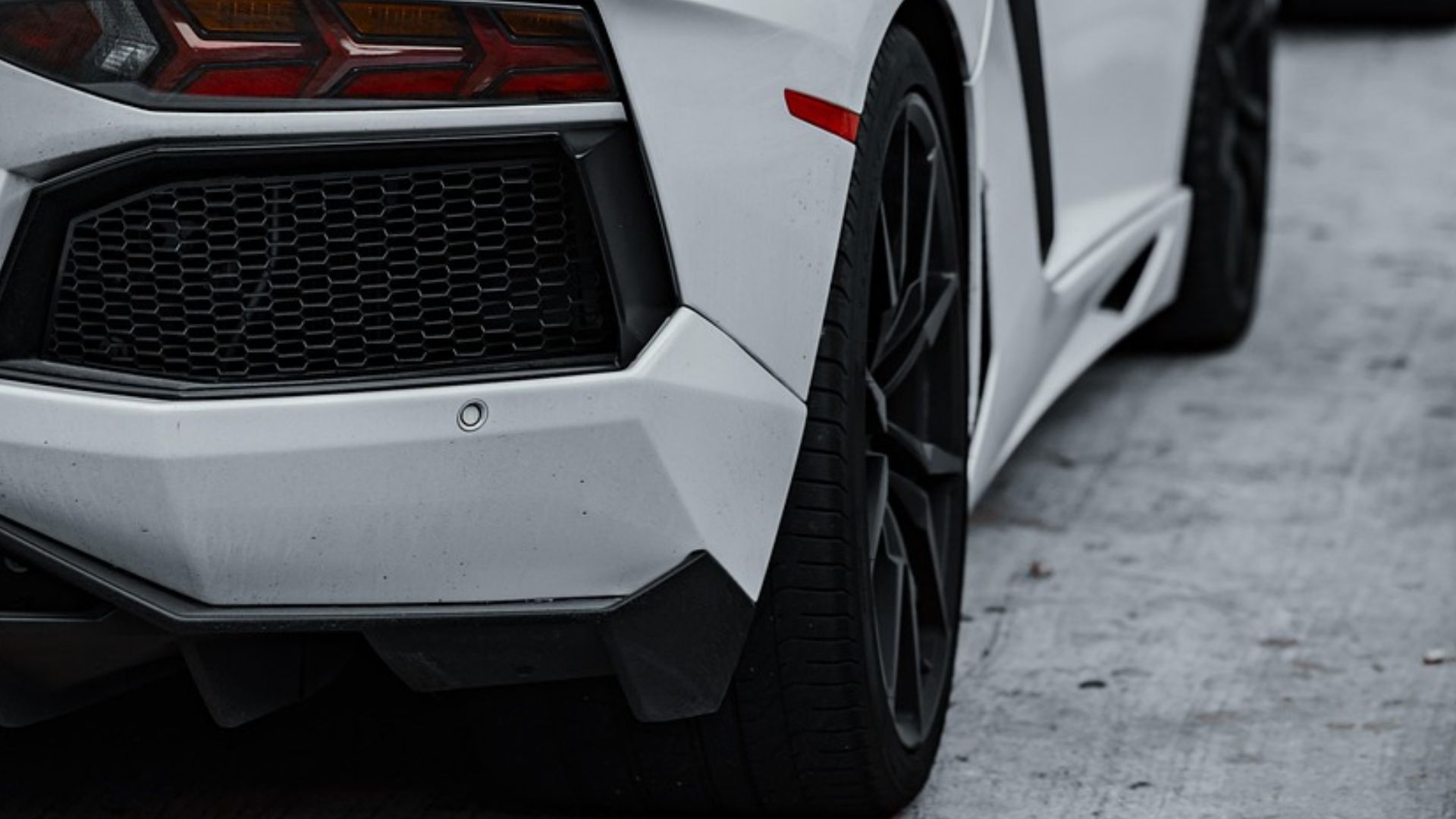
Why Didn't The Salesperson Mention Any Of This?
This is where frustration with the dealership becomes understandable. A salesperson may enthusiastically discuss how a large wheel package improves the car's appearance or contributes to sportier handling without spending much time discussing replacement costs. Yet future tire prices can materially affect how expensive the vehicle feels to own. The difficult question is whether failing to volunteer that information is merely poor salesmanship or actually a disclosure violation.

The Window Sticker Tells Part Of The Story
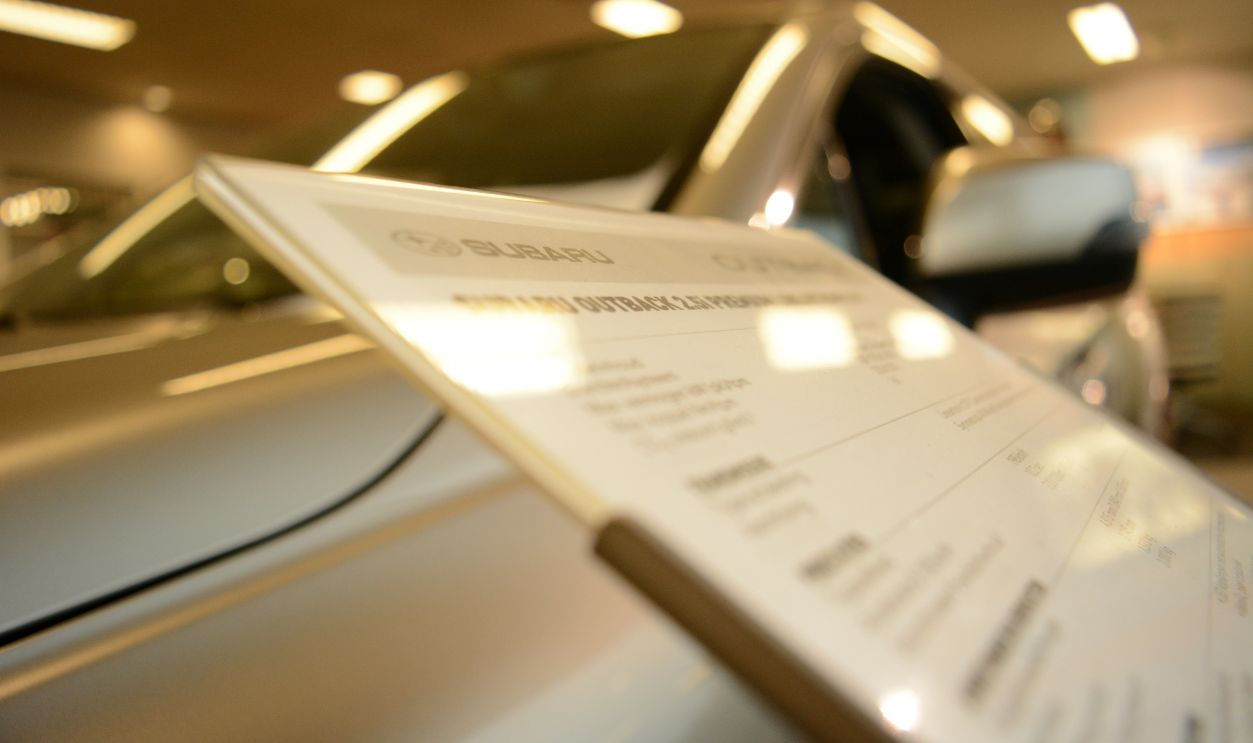
Federal law requires new vehicles to carry what is commonly called a Monroney window sticker. FTC materials explain that this sticker shows the vehicle's base price, manufacturer-installed options and their suggested retail prices, transportation charges, and fuel-economy information. If the larger wheels are a factory-installed option or part of a factory package, their original price should generally appear there. That tells you what the upgrade costs when buying the vehicle, however, not what its tires might cost years afterward.
Future Tire Bills Are Different
The federal disclosure system does not generally require the window sticker to estimate the future price of replacement tires. It identifies equipment and pricing at the point of sale rather than predicting maintenance costs for each option. Tire prices can also change over time and differ by brand, retailer, region, and specification. That makes the absence of a future replacement-cost estimate very different from hiding the upfront price of the wheel package.
So Was The Dealer Required To Warn Me?
As a general matter in the United States, there is not a broad federal requirement specifically forcing a dealer to tell every buyer what replacement tires for a factory wheel option will eventually cost. Consumer-protection law focuses more directly on deceptive representations, hidden charges, unauthorized products, and misleading pricing. State consumer-protection laws can impose additional requirements, so the precise legal answer can depend on where the sale occurred. Simply failing to volunteer a future maintenance estimate is therefore not automatically the same thing as deceptive conduct.

A False Promise Changes The Situation
The answer could look different if the salesperson made a specific representation that turned out to be false. For example, a dealer telling a buyer that the larger wheels would not meaningfully increase tire costs could raise a different consumer-protection question than simply saying nothing about replacement prices. The FTC continues to pursue dealerships over allegedly deceptive pricing and sales practices. What was actually represented during the transaction can therefore matter.
Hidden Charges Are Another Issue Entirely
A factory wheel option that you knowingly selected is different from an unwanted dealer add-on slipped into the contract. The FTC advises consumers that optional products and services can add thousands of dollars and that buyers should know what they are purchasing and how much each item costs. Federal enforcement has also targeted dealerships accused of charging people for products they did not agree to buy. If the issue involves an undisclosed charge rather than an expensive tire years later, the complaint is considerably stronger.

The CARS Rule Is Not The Answer
Consumers researching dealer obligations online may still find articles describing the FTC's Combatting Auto Retail Scams, or CARS, Rule. The FTC originally announced the rule in 2023 and later postponed its effective date during litigation. In February 2026, the agency formally withdrew the rule to conform to the federal court decision that had invalidated it. It should therefore not be cited as an active rule governing a 2026 dealership dispute.
Existing Consumer Protections Still Matter
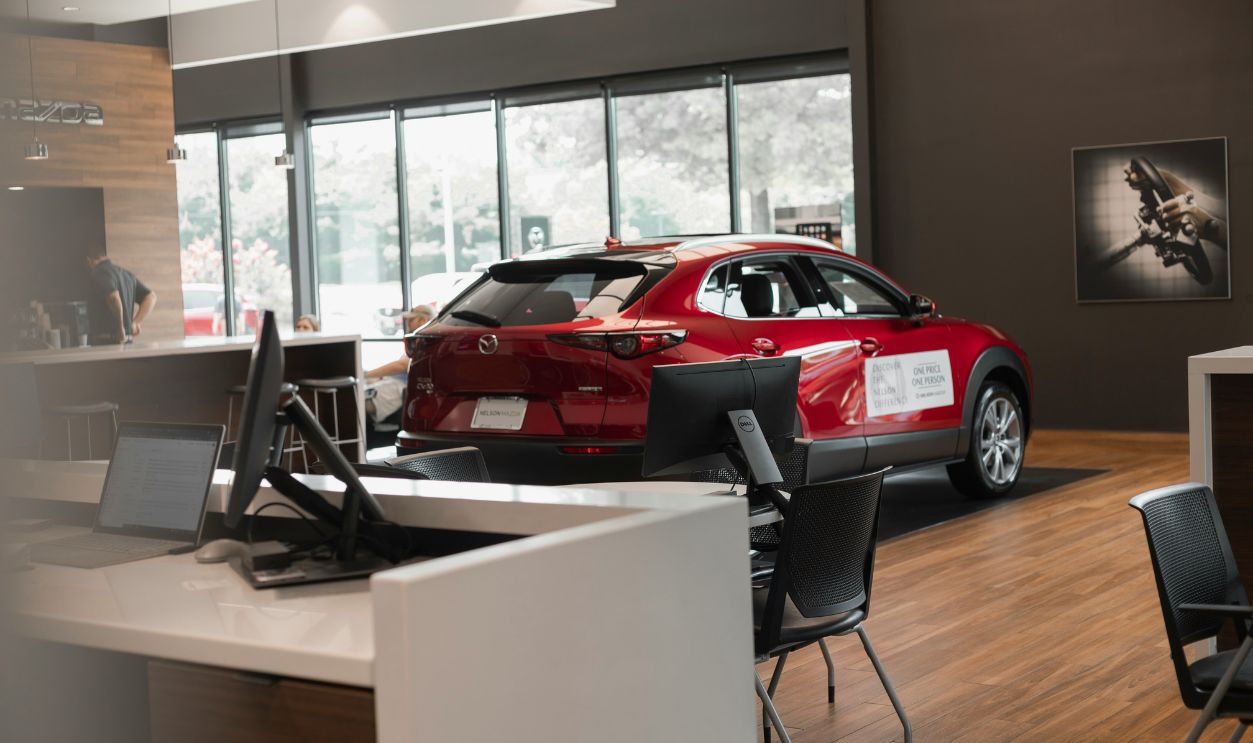
Withdrawal of the CARS Rule did not give dealerships permission to mislead shoppers. In March 2026, the FTC warned 97 auto dealer groups that advertised vehicle prices must reflect the total price consumers are required to pay, aside from legally permitted exclusions. The agency also continues taking action in cases involving allegedly deceptive or unauthorized add-ons. Consumers who believe a dealer actually misrepresented a transaction can still have legitimate avenues for complaint.

The Real Problem May Be Information
There is a gap between what buyers are legally shown and what they often need to understand about ownership. The price of a wheel package is easy to display on a sticker, but its effect on replacement tire prices, pothole vulnerability, ride comfort, and future wheel repairs may receive far less attention. Consumer Reports specifically advises shoppers to consider smaller wheels when possible because they can save money and provide a better ride. A useful dealership conversation would cover those tradeoffs even when the law does not explicitly demand it.
Buyers Often Focus On The Monthly Payment
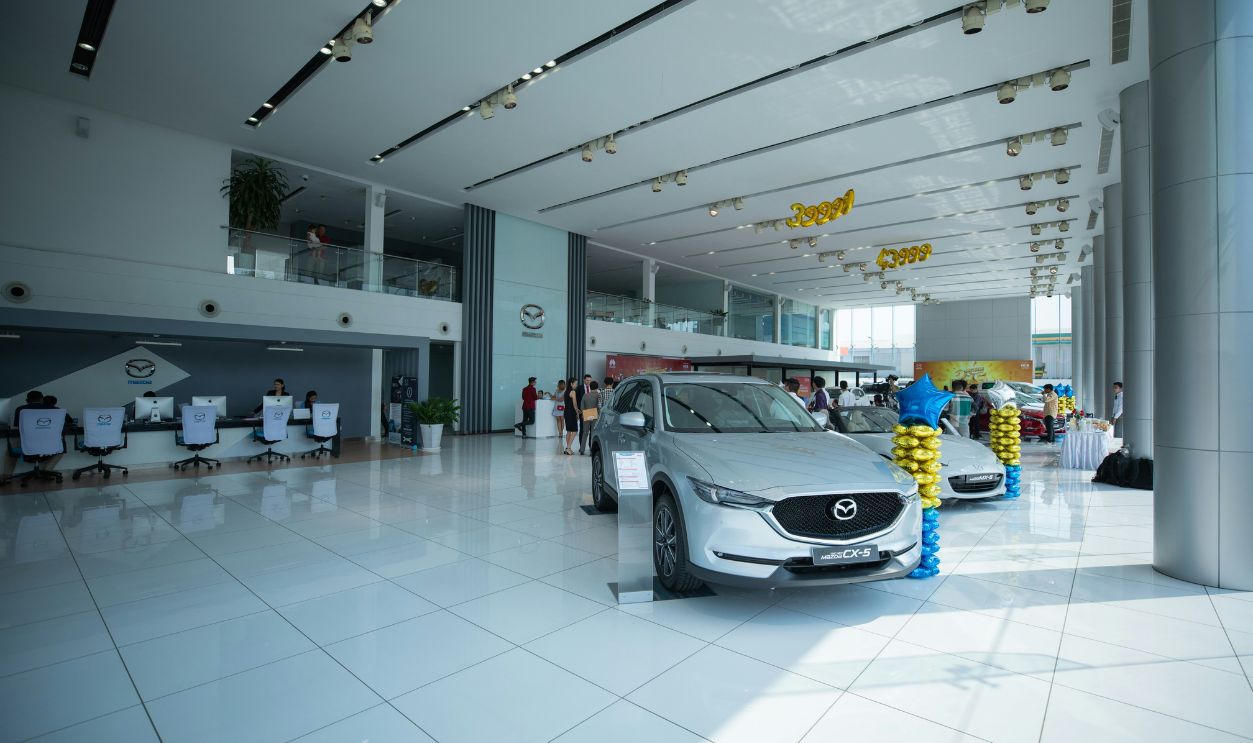
The original wheel upgrade can seem relatively inexpensive when its cost is folded into a multi-year auto loan. The FTC has repeatedly advised shoppers not to focus only on monthly payments because doing so can obscure the vehicle's total cost. A few extra dollars each month for a wheel package may sound harmless during financing negotiations. The replacement tires, however, are normally purchased later with real money from the household budget.

Ownership Costs Deserve Their Own Comparison
Before selecting a wheel upgrade, shoppers can price the actual tire sizes offered on each trim. Compare several suitable tires for the standard wheels with several suitable tires for the optional wheels rather than looking at only one premium model. Also consider whether the vehicle requires a specialized performance category or uncommon size. Ten minutes of research before buying the car can reveal an ownership cost that the monthly payment never shows.

Check The Door Label Before Shopping
The driver's-door jamb normally contains tire information supplied for the vehicle. NHTSA standards require manufacturers to identify recommended tire-size and inflation information through the vehicle's placarding system. Michelin recommends checking that label and the owner's manual before choosing a different tire size or specification. Those references are far more reliable than simply assuming another tire will fit because its outside dimensions look close.

Downsizing May Be Possible
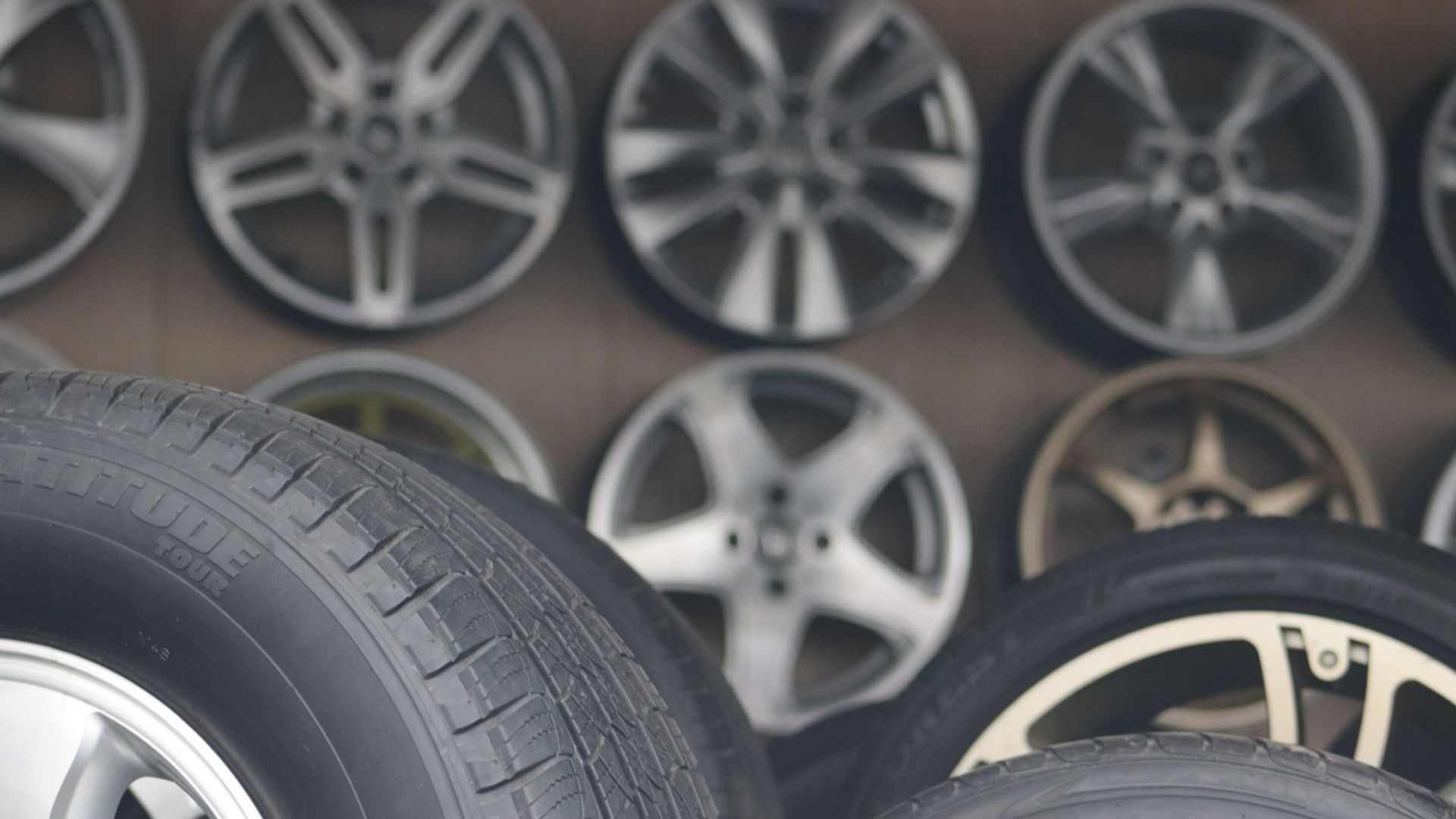
Owners stuck with expensive factory wheels sometimes wonder whether they can switch to a smaller wheel and taller tire. In some vehicles, that can work if the manufacturer offered an approved smaller configuration and if there is enough clearance for the brakes and other components. Tire Rack notes that changes in wheel size should preserve appropriate overall tire diameter and load capacity so speed-dependent systems and vehicle behavior remain correct. This is a modification worth confirming with a qualified tire professional rather than improvising.
Do Not Assume Every Trim Can Downsize
A smaller wheel that fits the base model may not necessarily fit a higher-performance version of the same vehicle. Larger brakes or other hardware can require additional wheel clearance. Load requirements and manufacturer specifications may also differ between configurations. That is why Michelin recommends using sizes approved by the vehicle manufacturer rather than choosing a smaller tire simply because it is cheaper.
Shop Around Before Replacing The Tire
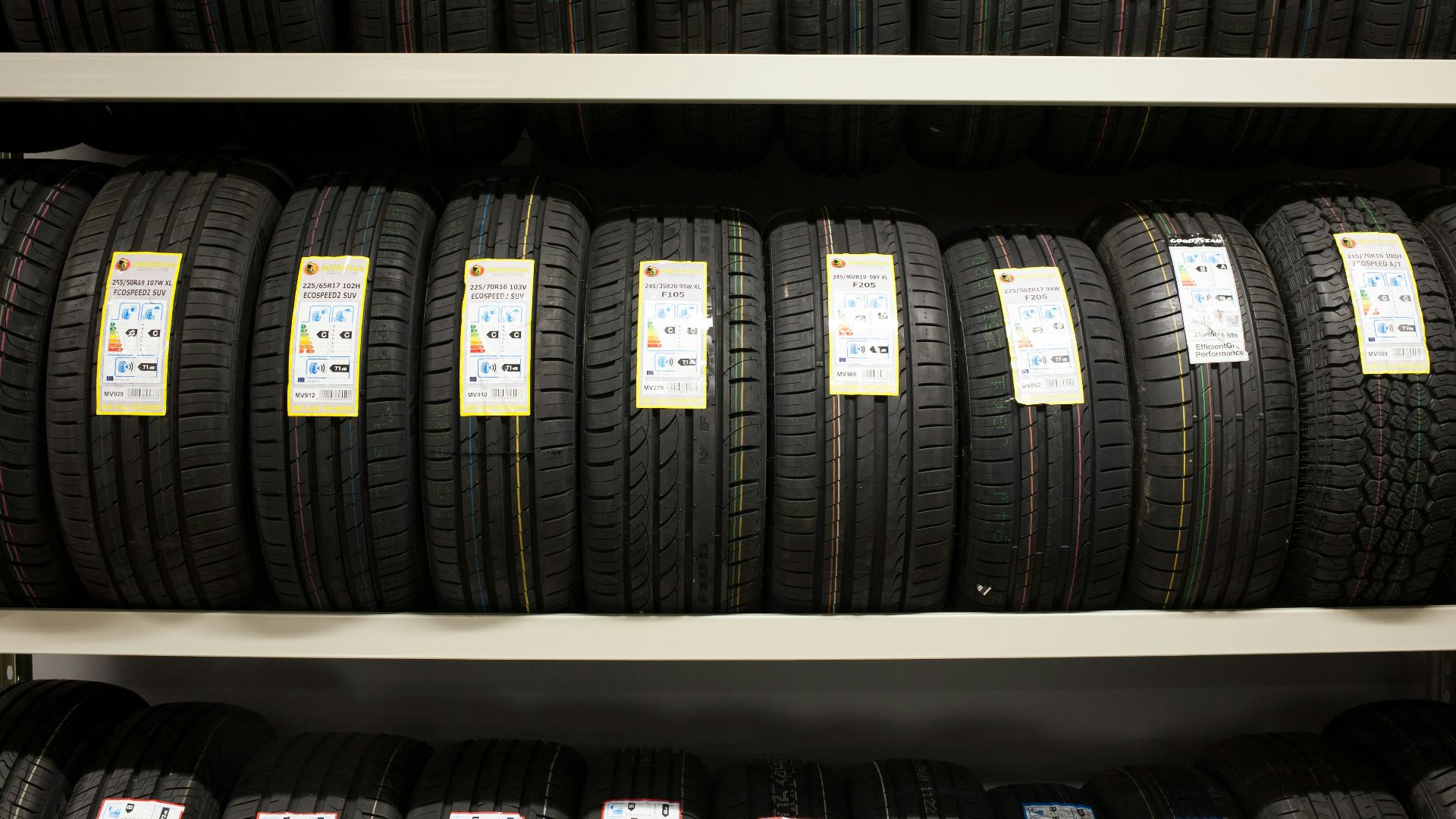
If the existing wheel size must stay, the dealership is not necessarily the only place to purchase replacement tires. Compare reputable tire retailers and look at several products meeting the correct size, load, and other manufacturer requirements. Ask whether mounting, balancing, disposal, road-hazard protection, and other charges are included in the quoted price. A dramatic first estimate may not be the only safe option available.
Road-Hazard Coverage Can Be Worth Checking
Before paying for a damaged tire, look through the paperwork that came with the vehicle and the tires. Some tire warranties or separately purchased road-hazard products may cover particular forms of damage, although coverage and exclusions vary significantly. The FTC advises consumers to understand exactly what optional protection products cover before purchasing them. A protection plan is useful only when the problem that actually occurs falls within its terms.
Watch For Damage After A Hard Hit
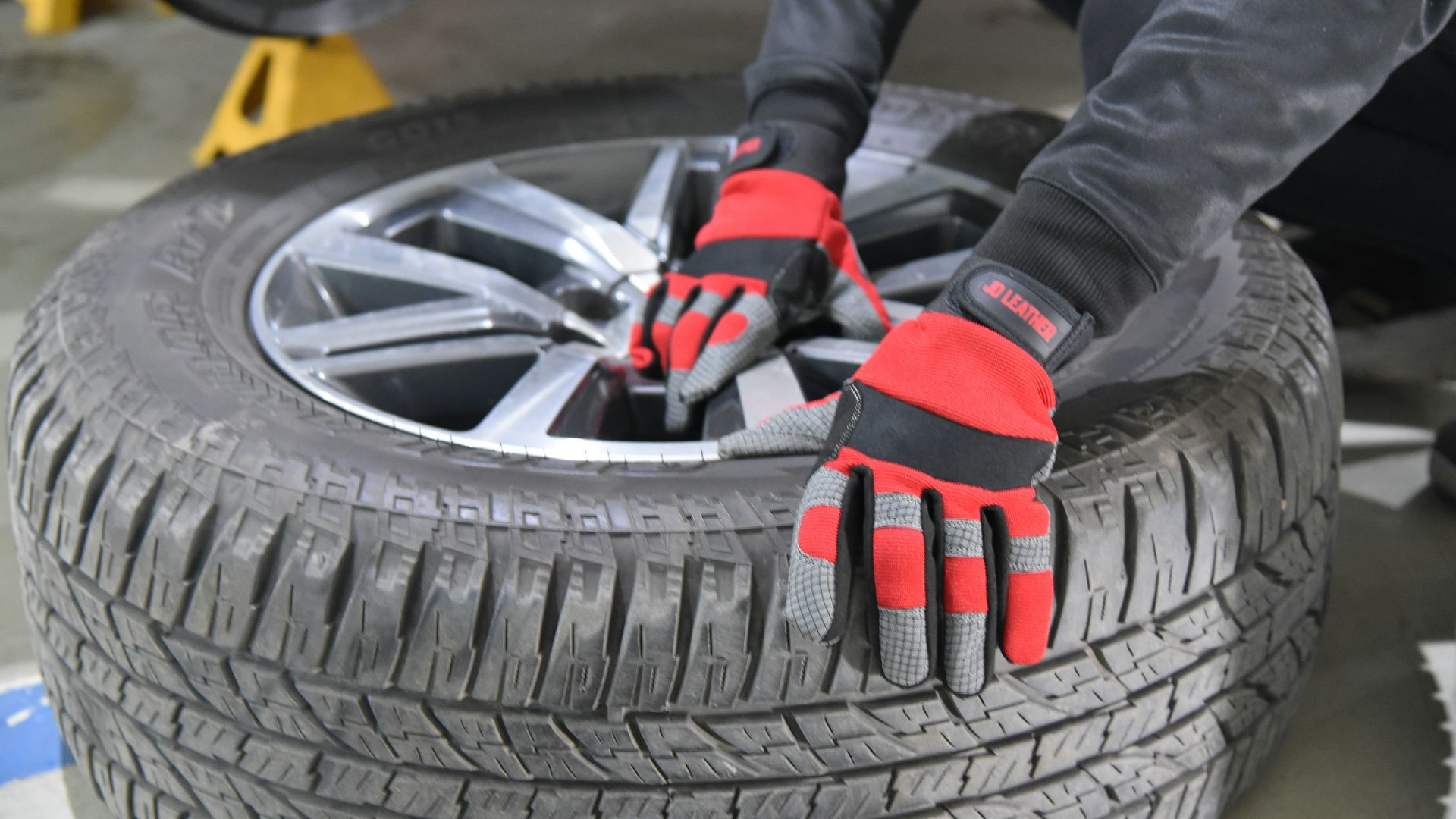
A tire can survive a pothole impact without immediately going flat and still deserve inspection. Consumer Reports recommends inspecting tires and wheels after significant pothole strikes because damage can extend to the rim, alignment, steering, or suspension. New vibration, pulling, steering changes, or visible tire damage are good reasons to have the vehicle checked. Catching an alignment problem early may also prevent additional tire wear.
Keep The Complaint Focused On What Happened
If you want to approach the dealer, begin with the documents rather than an accusation. Review the original window sticker, sales contract, advertisements, emails, texts, and any written description of the wheel package. Separate the disappointment that nobody explained future tire prices from any specific false statement, incorrect charge, or promise that was actually made. That distinction will make it much easier to determine whether you have a customer-service complaint or a potential consumer-protection issue.

Ask The Dealer For A Practical Solution
Even when the dealer was not legally required to predict replacement costs, it may still have an interest in keeping a customer satisfied. Ask whether it can discount the replacement tire, help source a less expensive approved alternative, or explain whether another factory-approved wheel size can be used. You can also ask the manufacturer or tire maker for guidance about approved configurations. The goal is to reduce the ongoing cost without compromising the vehicle's tire requirements.

The Cheapest Choice May Have Been The Smaller Wheel
Large wheels can provide an appearance many buyers prefer, and some configurations can contribute to sharper handling. Their tradeoffs can include a firmer ride, more expensive tires, and greater vulnerability to pothole damage. Consumer Reports has repeatedly advised buyers to think carefully about oversized wheels for exactly those reasons. The option that looks more expensive on the order sheet can sometimes be the smaller issue compared with what happens afterward.
This Is A Question Worth Asking Before Buying
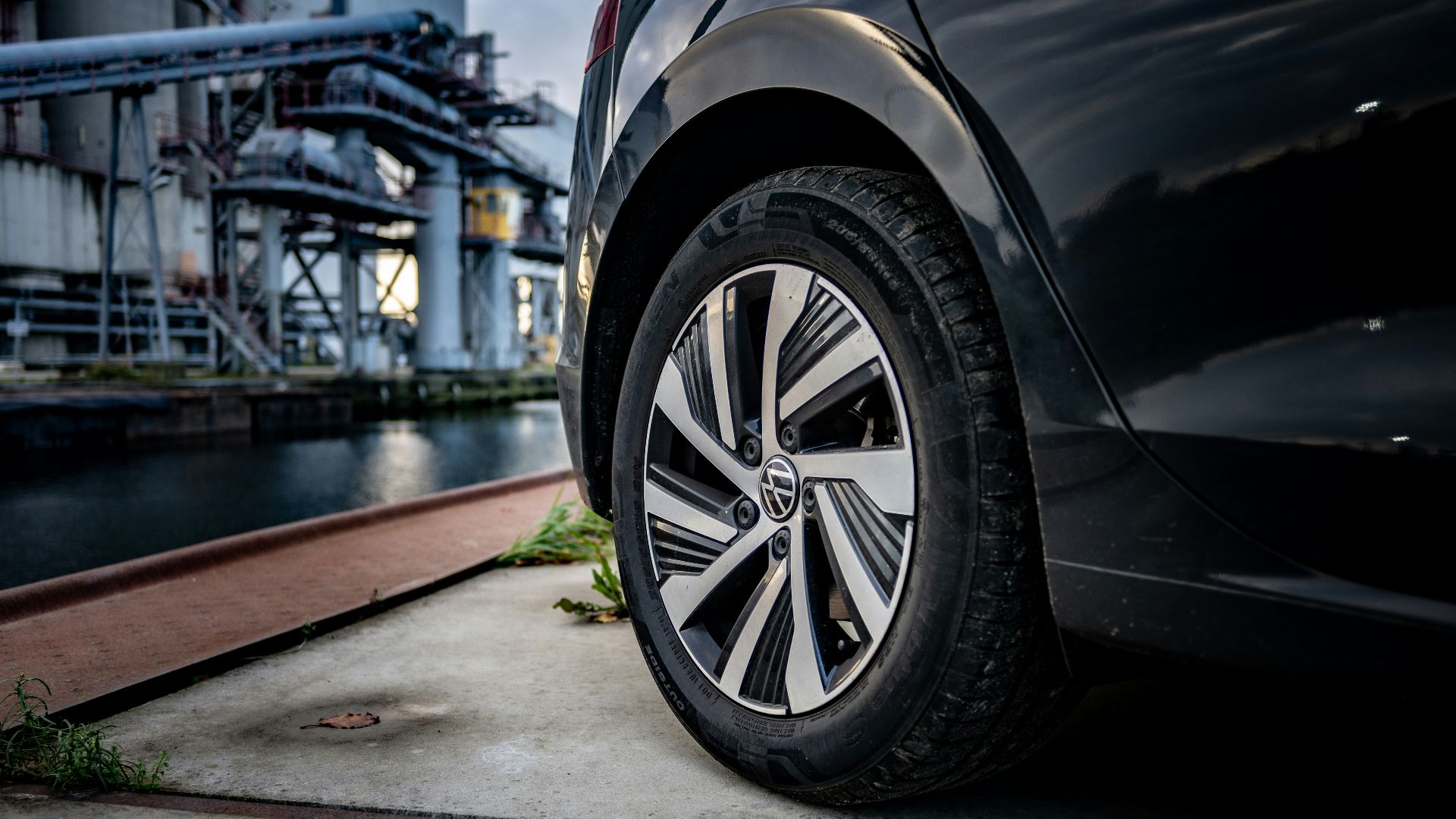
The most useful lesson is not that large wheels are always a bad choice. It is that wheel diameter belongs on the ownership-cost checklist alongside insurance, fuel, maintenance, and financing. Before selecting the biggest factory rim, look up the exact tire size, compare several replacement prices, and consider the roads you drive every day. A salesperson may never bring up those numbers unless you ask.

The Dealer Could Have Explained It Better
It is reasonable to wish the salesperson had explained that the biggest wheel package could also mean expensive low-profile tires and greater pothole exposure. That would have been valuable product guidance, especially for someone comparing trims primarily by styling and monthly payment. But unless the dealer made a misleading statement, concealed a charge, violated a specific state requirement, or otherwise misrepresented the transaction, an unpleasant replacement-tire bill alone does not establish that the dealer broke federal law. The better protection for the next purchase is to treat wheel size as an ongoing expense rather than a one-time styling option.

You May Also Like:
The Most Overrated Cars Today, According To Car Enthusiasts
People With The Largest Car Collections In The World