That “Accident-Free” Claim Can Fall Apart Fast
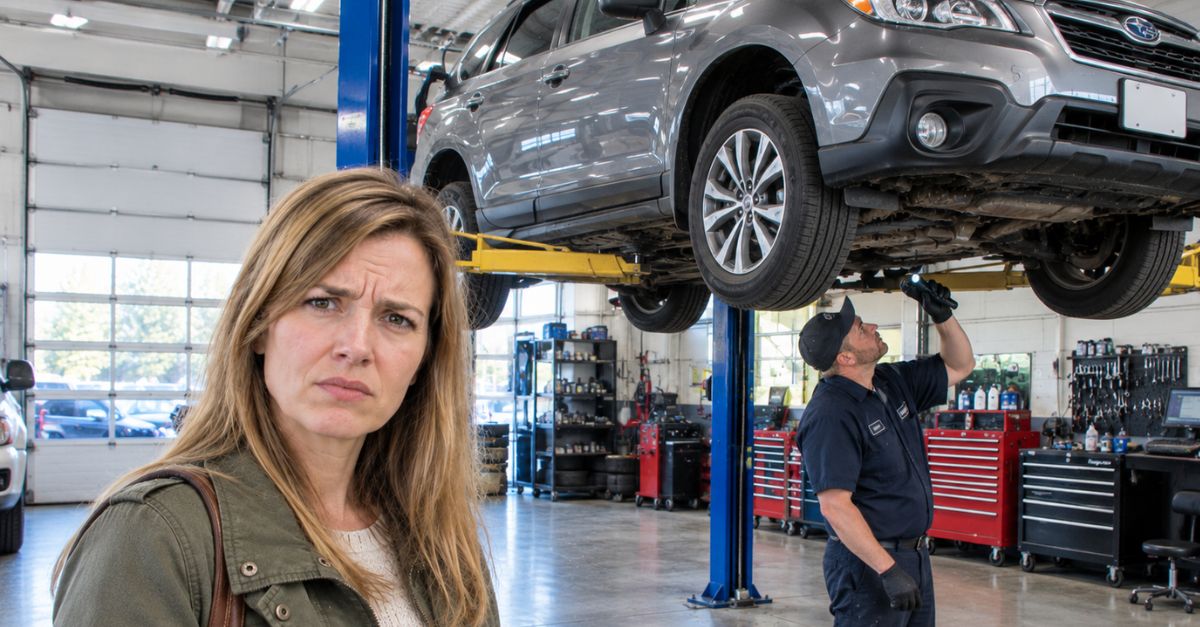
You buy a used car thinking it has a clean past. Then a body shop puts it on a lift and finds welds, replaced panels, or frame work that should not be there. What seemed like a normal purchase can suddenly turn into a legal and financial mess. If the car was advertised as accident-free, those structural repair findings can matter a lot.
Why Structural Repairs Are So Important
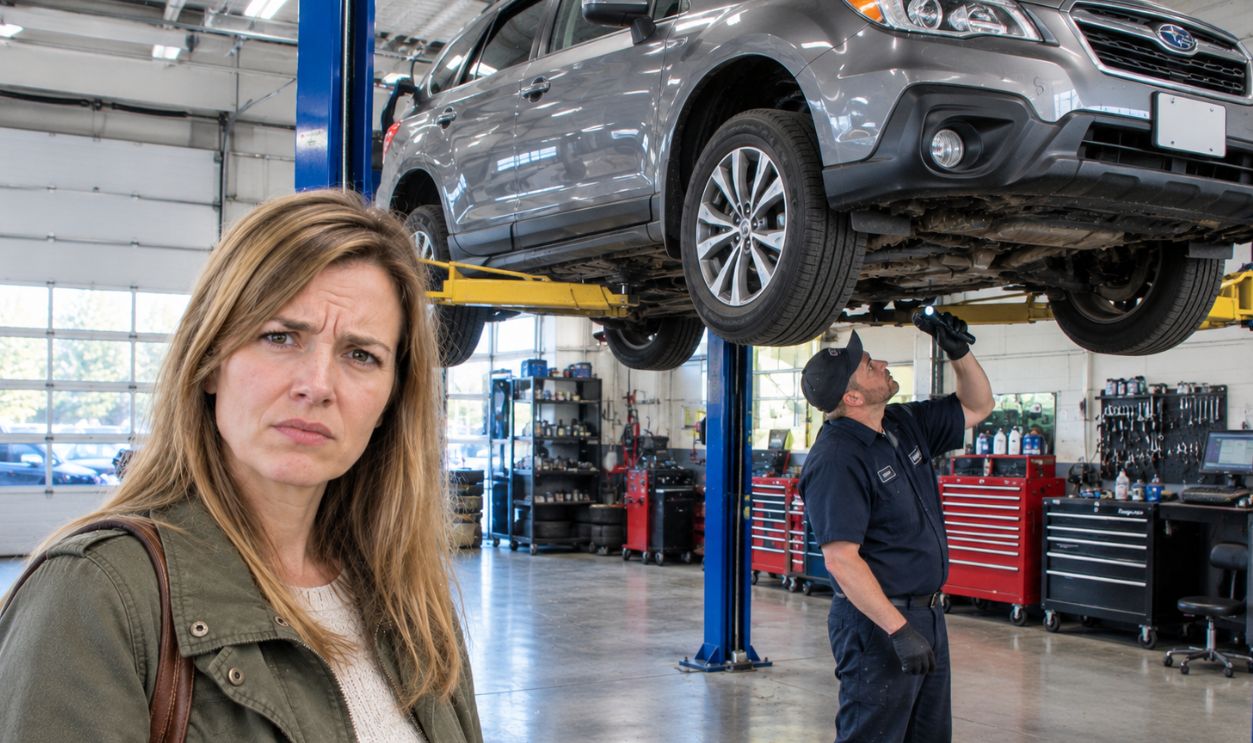
Paintwork and small cosmetic fixes are one thing. Structural damage is different because it can affect crash safety, alignment, tire wear, and resale value. The National Highway Traffic Safety Administration says a vehicle history report does not always show every crash or repair. So a car can look clean on paper while hiding major past damage underneath.

What Body Shops Usually Notice First
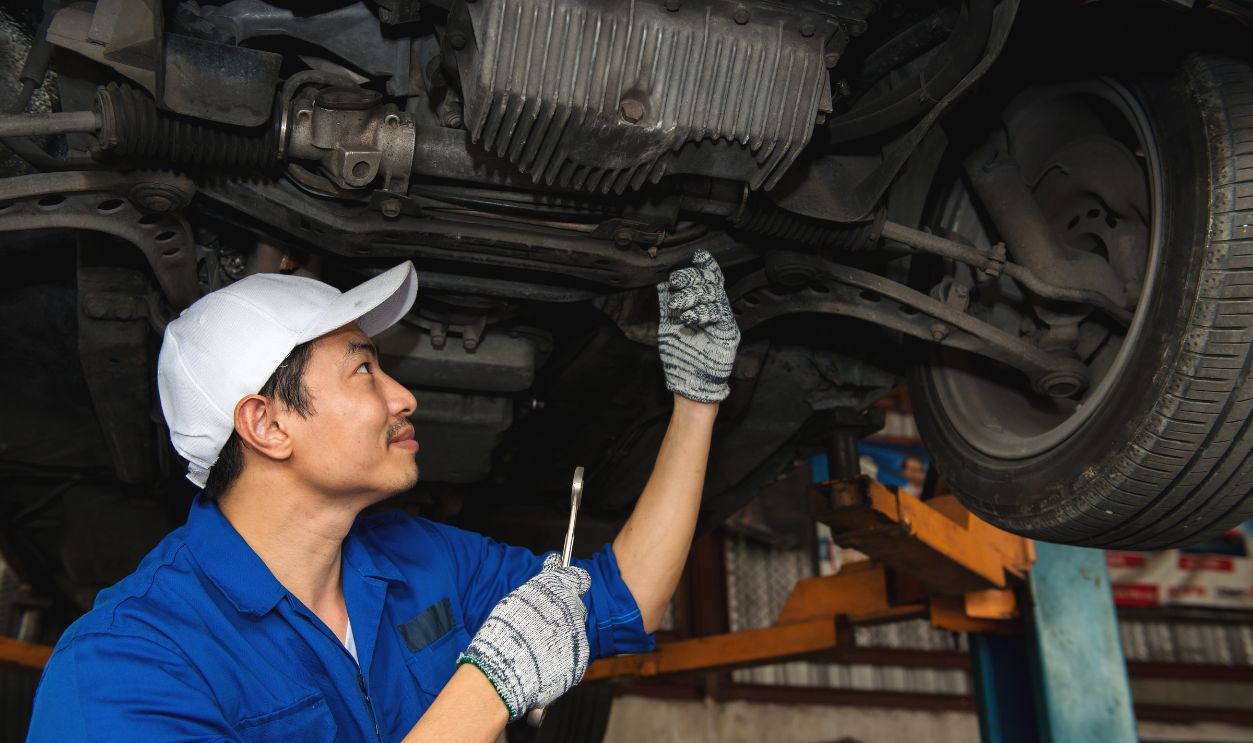
A good collision or frame shop can spot things most buyers would never see. Technicians may find non-factory welds, overspray, wrinkled metal, replaced quarter panels, or measuring points that do not match factory specs. If a shop says the car shows signs of major structural repairs, ask for photos and a written explanation right away.
Don't Get Worked Up, But Start A Paper Trail
Your first job is to save everything. Keep the original listing, dealer ad, text messages, emails, buyer’s order, window stickers, financing papers, and any report the seller gave you. Then get the body shop’s findings in writing with dates, the technician’s name, and as much detail as possible.

Vehicle History Reports Have Gaps
Many buyers treat a clean Carfax or AutoCheck as proof the car was never hit. That is risky. The Federal Trade Commission warns that used-car disclosures matter, and NHTSA says history reports can miss crashes, repairs, or title events if they were never reported to insurers, police, or data providers. A clean report is helpful, but it is not proof.

The FTC Used Car Rule Comes Into Play
The FTC’s Used Car Rule requires dealers to post a Buyers Guide on used vehicles they offer for sale. That guide tells you whether the car is being sold “as is” or with a warranty, and it must include key disclosures. In 2024, the FTC also said the Buyers Guide must disclose whether a vehicle has an uncorrected safety recall, adding another required piece of information.
“As Is” Does Not Always End The Story
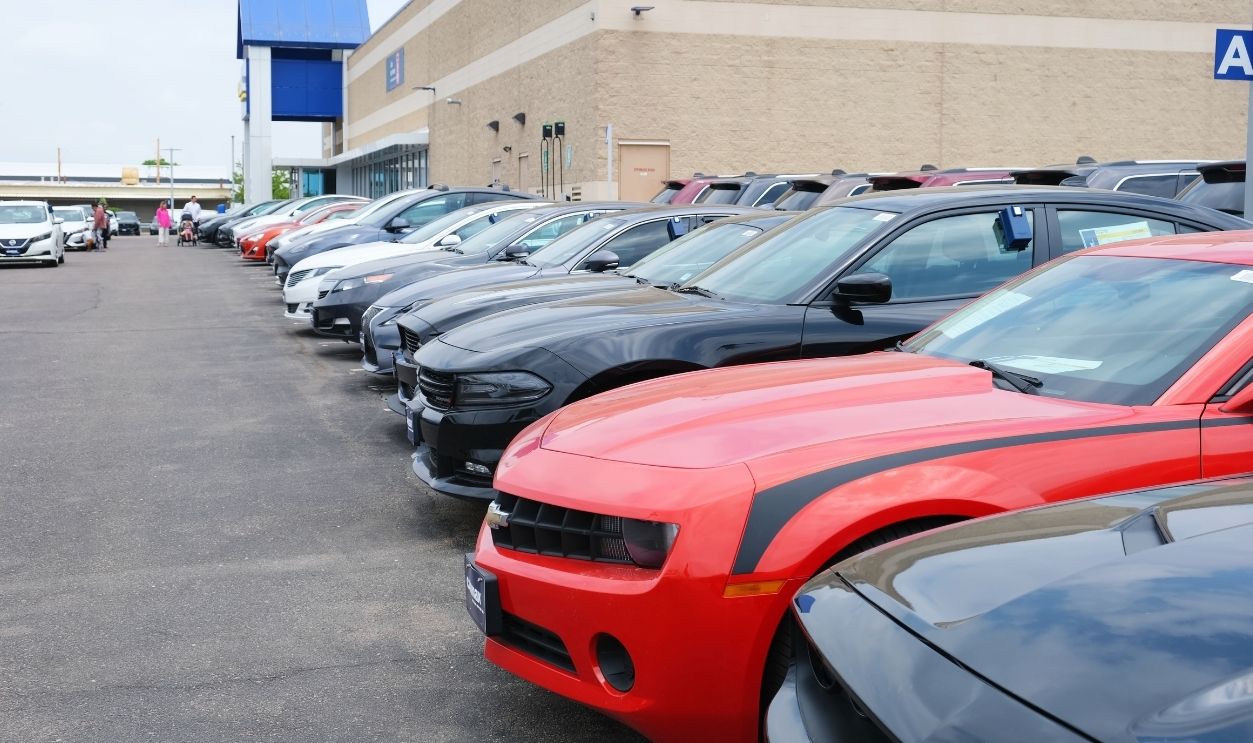
Dealers often point to an “as is” sale and act like that settles everything. It does not always work that way if the seller made a specific false claim, like saying the car was accident-free when it was not. The FTC notes that spoken promises are hard to prove, which is why ads, texts, and written statements can become so important.
 Bogdan Vacarciuc, Shutterstock
Misrepresentation Is Different From A Warranty Claim
A warranty claim is not the same as a misrepresentation claim. Even if a used car was sold without a warranty, a buyer may still have rights under state consumer protection laws if the seller made a false or misleading statement. That is why the exact wording in the ad and during the sale can matter so much.
Get Another Inspection Now
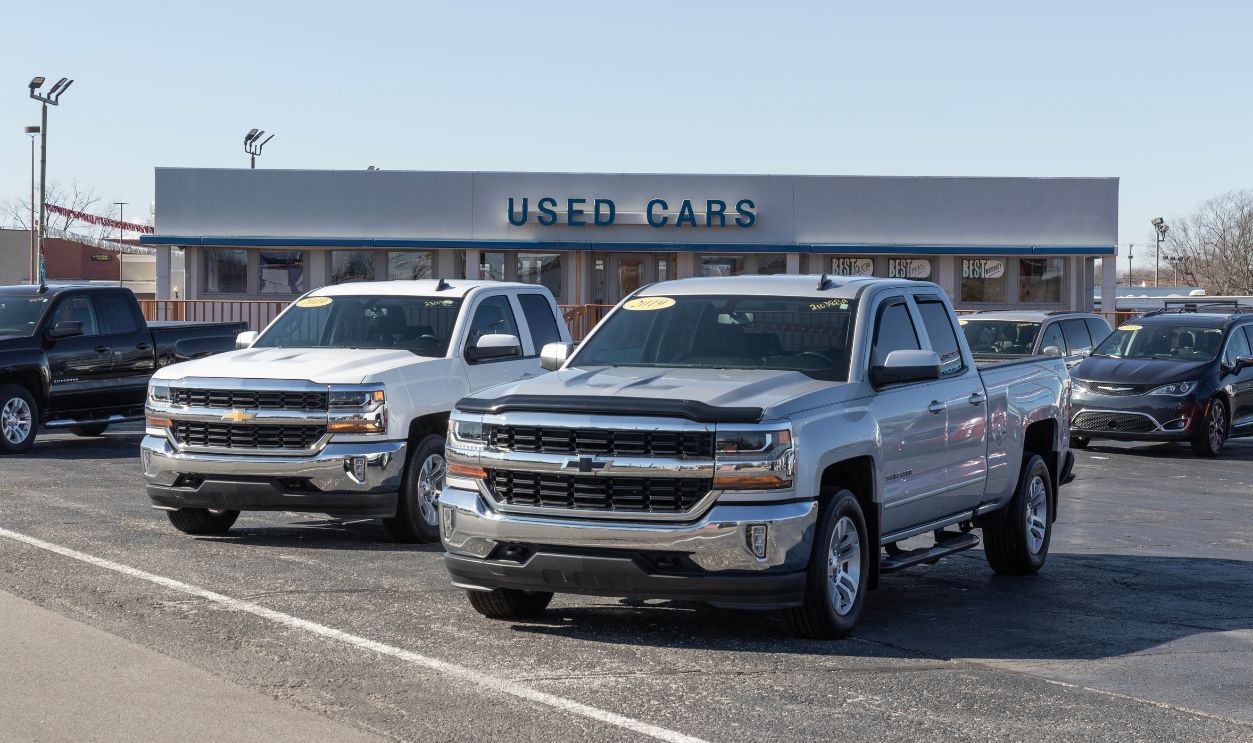
If one shop found structural repairs, it is smart to get a second opinion from a respected collision center or independent vehicle inspector. Ask whether the repairs look factory-quality, whether the structure measures within spec, and whether any safety systems show signs of past deployment or replacement. Two solid reports can make your case much stronger.
Ask Exactly Where The Damage Is
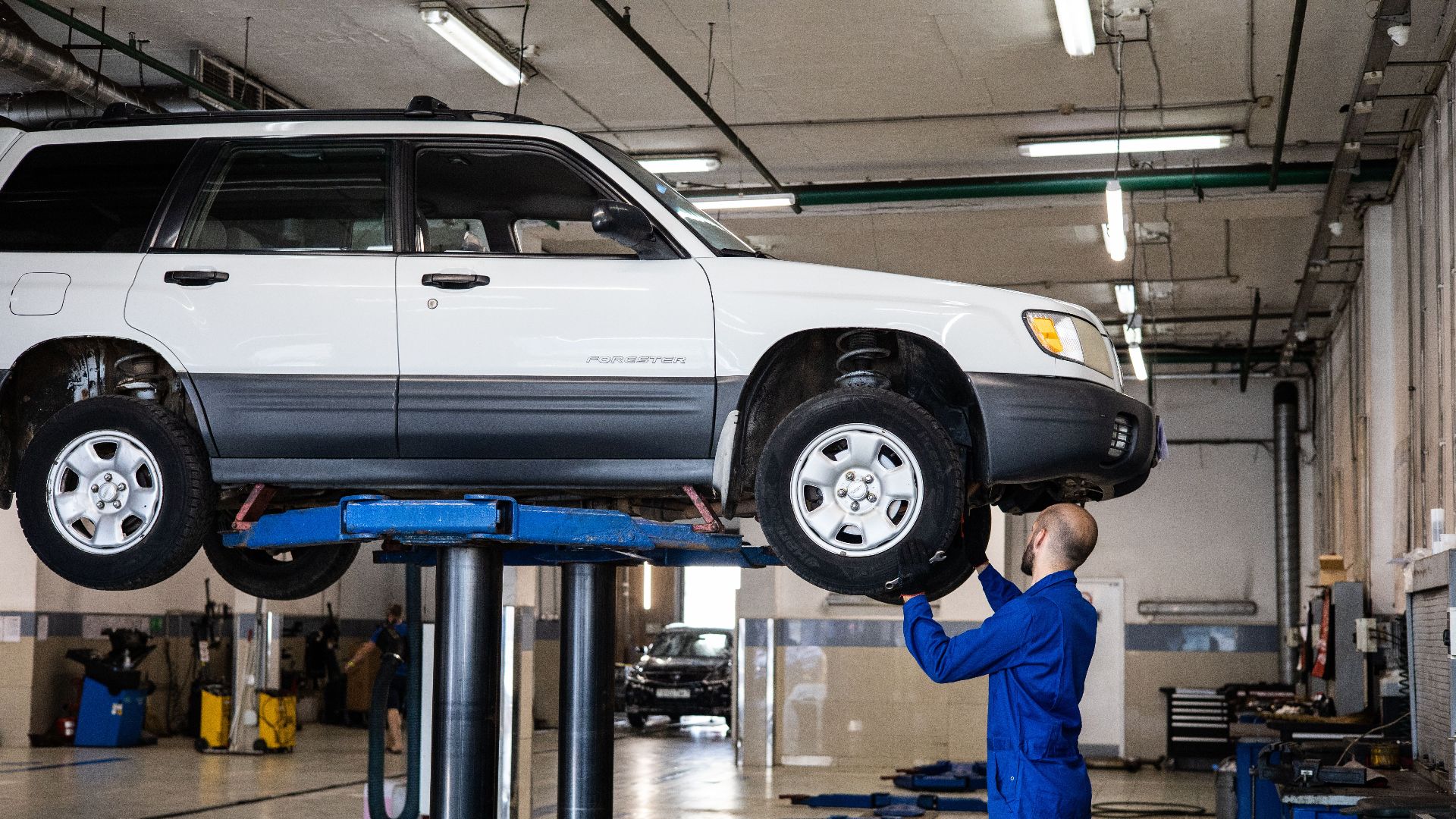
General statements like “it was wrecked” do not help much. Ask whether the repairs involve the unibody rails, apron assemblies, strut towers, rocker panels, quarter panels, roof structure, or rear body panel. Those details help show whether this was minor repair work or something more serious.

Lock Down The Timeline
Dates matter. Write down when the body shop inspected the car, when you bought it, and when it was advertised as accident-free. A clear timeline makes it easier to explain the problem to a dealer, lender, state agency, or lawyer.

Save The Original Listing
If the ad said “no accidents,” “clean history,” or “accident-free,” take screenshots right away. Include the seller name, vehicle identification number, stock number, price, and date if you can see them. Online listings can vanish fast once a dispute starts.
 ANTONI SHKRABA production, Pexels
Check The Sale Papers For Mixed Messages
Sometimes the ad says one thing and the paperwork says another. Read the Buyers Guide, retail installment contract, arbitration agreement, due bill, and any “we owe” form for mentions of prior damage, frame damage, or condition disclosures. If the seller marketed the car as clean but disclosed nothing in writing, that gap could matter.

Ask The Seller To Explain In Writing
Contact the dealer or private seller calmly and ask for a written response. Share the inspection findings and ask whether they knew about the repairs, whether they have old repair invoices, and whether they will cancel the deal or offer compensation. Keep the message professional because it could later become evidence.

Dealers And Private Sellers Are Not Treated The Same
A licensed dealer is usually covered by the FTC Used Car Rule and state consumer laws that regulate advertising and disclosures. Private-party sales are often less regulated, though fraud and intentional misrepresentation can still be grounds for a claim under state law. Your options can look very different depending on who sold you the car.
 LightField Studios, Shutterstock
Your State Attorney General May Help
Many state attorneys general take consumer complaints about car sales, advertising, title problems, and dealer misconduct. They may not act as your personal lawyer, but a complaint can add pressure and sometimes lead to mediation or enforcement interest. State dealer boards and consumer protection offices may also be worth contacting.

Lemon Laws Usually Are Not The Main Answer
People often jump straight to “lemon law,” but used-car structural damage cases do not always fit. Some states have used-car warranty rules or dealer duties, while others mostly leave buyers to fraud, contract, and deceptive trade practice claims. Check your state’s law before assuming lemon law applies.

Title Branding Could Change Everything
If the vehicle should have been branded salvage, rebuilt, or flood at some point, the issue gets even bigger. NHTSA notes that title history is one reason to run a vehicle history report, but title data can still be incomplete or delayed. If something seems off, ask your state motor vehicle agency how to verify past title records.

Diminished Value May Be Part Of The Case
Even if the car drives fine now, undisclosed structural repairs can hurt its value. Dealers and future buyers often pay less for a vehicle with known frame or structural damage history. A professional appraisal or written value comparison may help if you are trying to negotiate compensation.
 Sergei Gontsarov, Shutterstock
Financing Makes It More Complicated
If you financed the car, keep making payments while the dispute is going on. Missing payments can damage your credit and make a bad situation worse. Instead, tell the lender there is a dispute involving possible misrepresentation and keep records of every conversation.
 https://kaboompics.com/, Pexels
Insurance Is Worth A Call, With Limits
Your insurer usually will not pay to fix old damage just because you found it after buying the car. But an insurer or claims adjuster may be able to help identify whether the repairs look consistent with an earlier major crash. That can help support your timeline and your talks with the seller.
Arbitration Clauses Can Shape Your Options
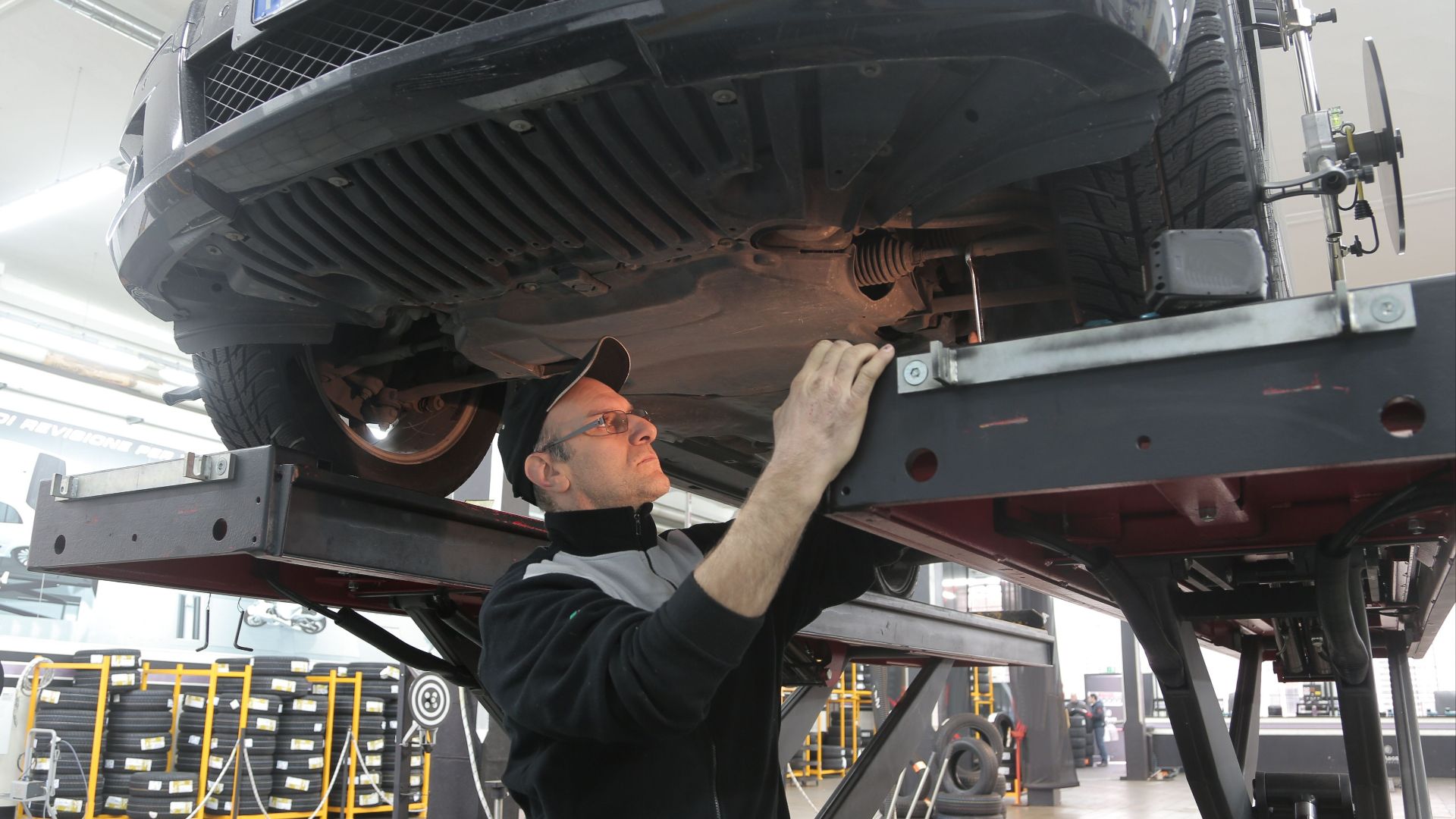
Many dealer contracts include arbitration clauses. That does not necessarily stop you from filing complaints with regulators or trying to negotiate directly, but it may affect how a legal dispute gets handled. Read the contract closely and think about having a consumer lawyer review it.

Small Claims Court May Be Enough
If your losses fall within your state’s small claims limit, that route may be faster and cheaper than full-blown litigation. You will still need evidence, including the ad, inspection reports, photos, and repair estimates or proof of lost value. Court websites and clerks often explain the process in plain English.

When To Call A Consumer Lawyer
If a dealer clearly advertised the car as accident-free and a body shop later found major structural work, talking to a consumer protection lawyer is often a smart next move. Bring every document you have and a simple timeline of who said what and when. Many lawyers who handle auto fraud or deceptive sales claims offer an initial consultation.

What Makes A Strong Case
The strongest cases usually have three things: a clear statement from the seller, a solid expert finding that conflicts with that statement, and good records showing when both happened. A vague suspicion is weak. A saved ad plus written structural findings is much harder to brush aside.
 https://kaboompics.com/, Pexels
What You Can Reasonably Ask For
Possible outcomes include canceling the sale, getting a partial refund, having repairs covered, receiving an extended warranty, or being paid for diminished value. The right fix depends on how serious the prior damage was, how well it was repaired, what state law says, and what the seller knew. It helps to ask for a specific remedy instead of just saying you are unhappy.

How To Protect Yourself Next Time
Before buying another used car, get an independent pre-purchase inspection from a shop that does collision work, not just basic mechanical service. Read the Buyers Guide, save the listing, and do not rely only on a history report to back up an accident-free claim. Spending a couple hundred dollars up front can save you thousands later.

The Bottom Line
If your used car was advertised as accident-free but a body shop later found signs of major structural repairs, you may still have options. The best move is quick, organized, fact-based action built around written findings, saved ads, and the disclosures that were or were not made when the car was sold. The faster you document everything and push for answers, the better your shot at a fair outcome.