Something Looks Off
The job looked fine at first, but now some windows seem noticeably darker or a different color than others. The installer says that’s normal, but how much variation is actually acceptable?
Start By Deciding What Actually Looks Different
“Different tint” can describe several problems. One window may simply look darker, while another may have a noticeably different color, reflectivity, haze, or texture. Those aren’t necessarily caused by the same thing. Take a slow walk around the vehicle and identify exactly what bothers you. If the driver’s window looks brown while the passenger window looks gray, for example, that’s a more useful complaint than telling the installer the whole job “just looks weird.”
Look At It In More Than One Kind Of Light
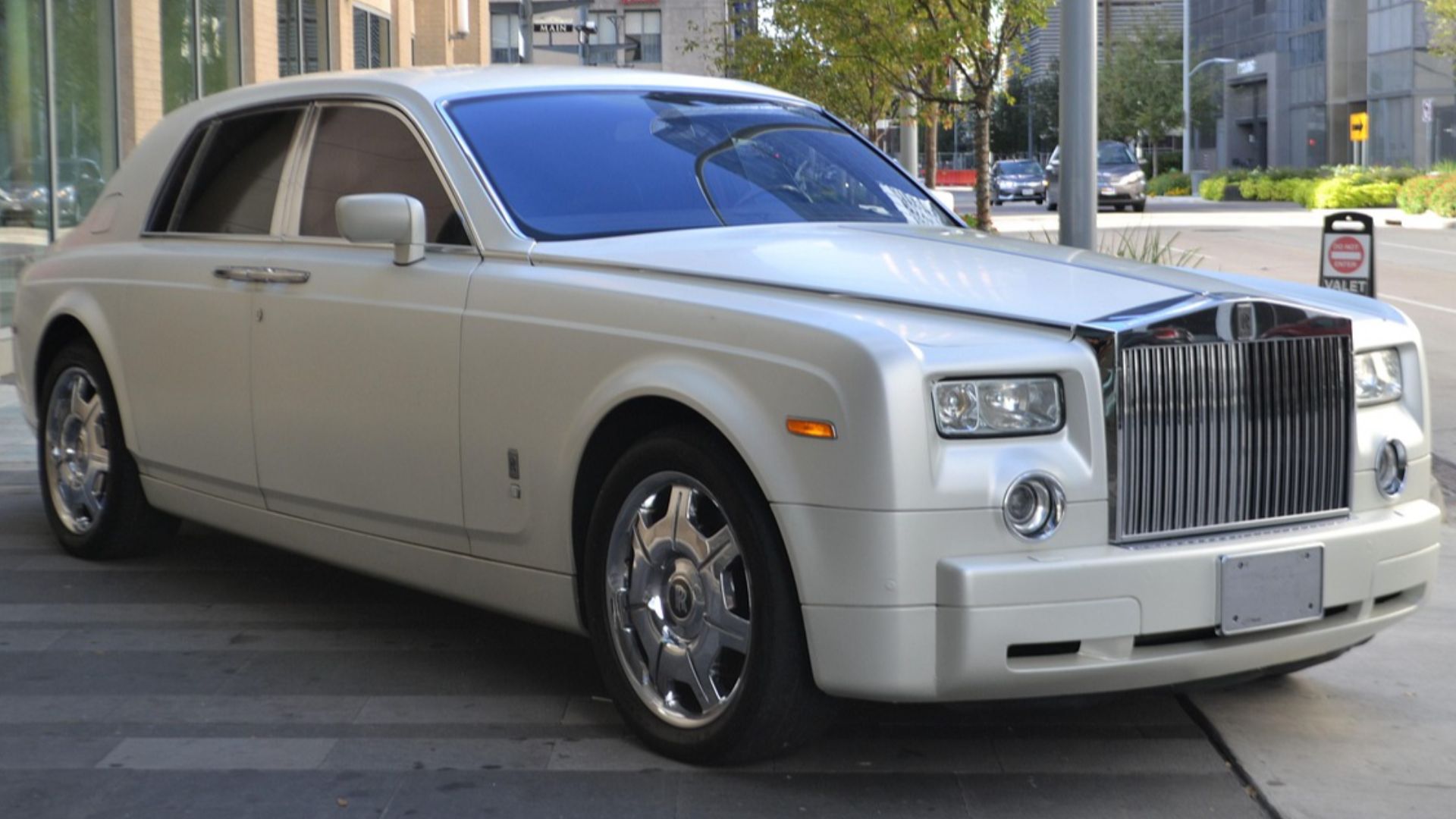
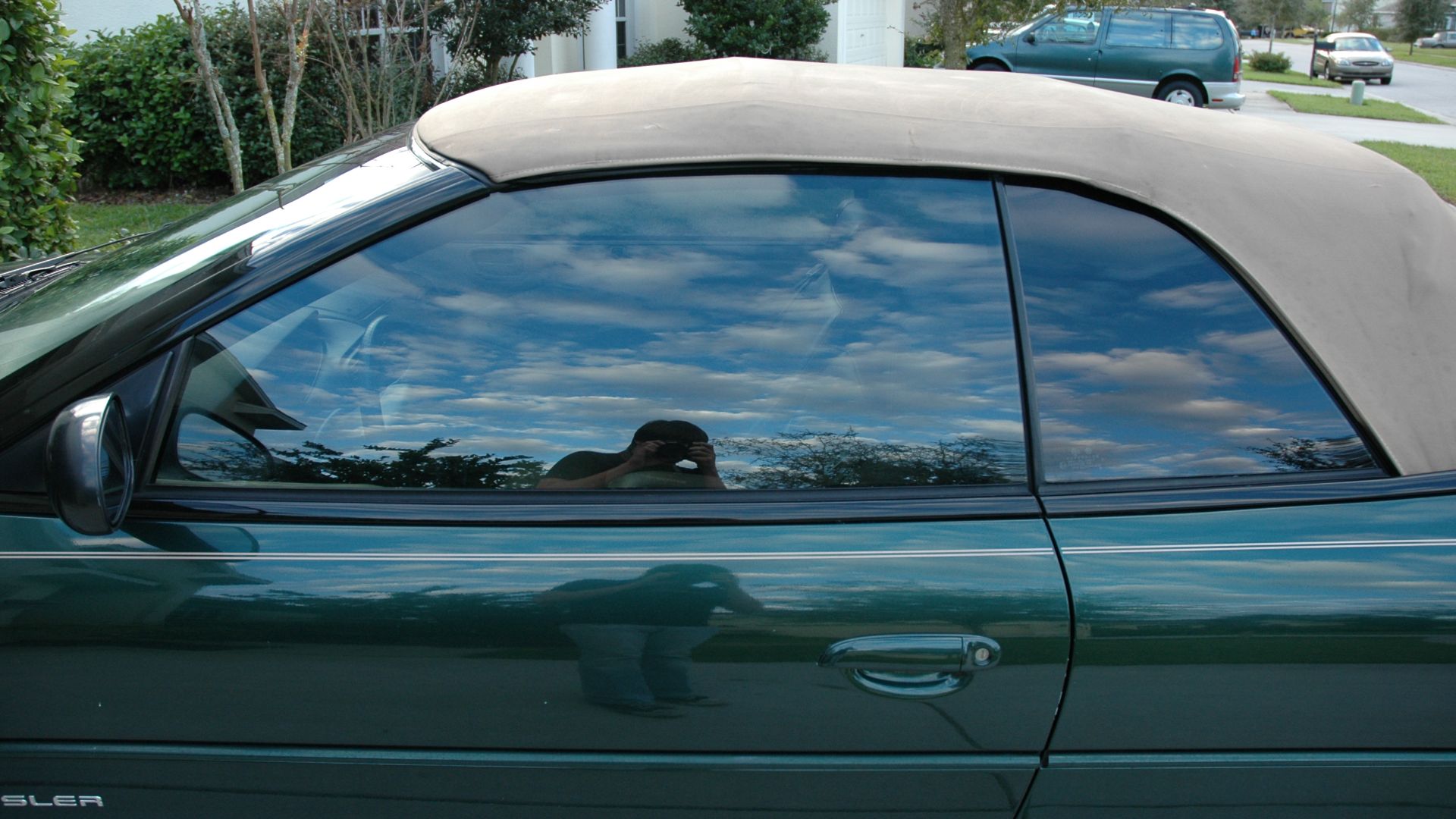
Tint can look dramatically different depending on the conditions. Check the car outside in direct sunlight, in open shade, and on an overcast day if possible. Also view matching windows from similar angles. Reflections from the sky, pavement, nearby buildings, and the vehicle interior can exaggerate differences that disappear when lighting changes. If one window consistently looks different regardless of where you stand or how the car is positioned, you have much stronger evidence of a real mismatch.
 The original uploader was Steevven1 at English Wikipedia., Wikimedia Commons
Don’t Judge A Brand-New Installation Too Quickly
Fresh tint needs time to dry. Professional automotive film is installed using a liquid solution, and some moisture remains between the glass and film after the installer finishes squeegeeing it. During the curing period, the tint can temporarily look hazy, streaky, cloudy, or slightly uneven. Depending on the film and weather, curing may take anywhere from several days to a few weeks. If the installation happened yesterday, demanding immediate removal could be premature.
Water Bubbles Aren’t The Same As Bad Tint
Tiny watery pockets shortly after installation can look alarming, but they’re often part of normal curing. What you don’t want are persistent air bubbles, large contamination spots, peeling edges, creases, or defects that remain after the recommended curing period. Ask the installer how long that particular film normally takes to settle and get the answer in writing. Then schedule a follow-up inspection rather than hoping everything magically fixes itself.
Your Factory Glass May Already Be Different
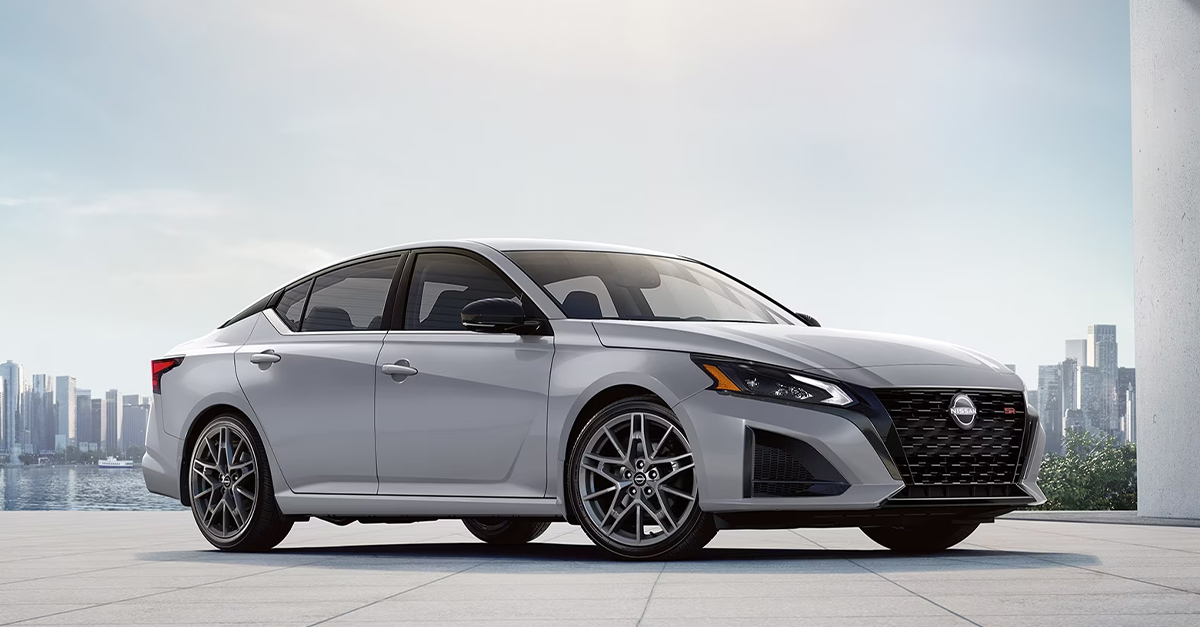
The film isn’t the only thing affecting what you see. Automotive glass can already contain tint, and SUVs, crossovers, vans, and trucks frequently have darker privacy glass behind the front seats. Applying the same window film to clear front glass and factory-darkened rear glass will not necessarily create the same finished appearance. Before accusing the installer of mixing films, find out what the underlying glass looked like before anything was applied.
 Wikisympathisant, Wikimedia Commons
Privacy Glass Can Make The Rear Look Much Darker
This is one of the most common explanations for a front-to-rear mismatch. Factory privacy glass gets much of its darker appearance from the glass itself, while aftermarket film is an additional layer placed over it. A film that looks fairly mild on the front doors can look substantially darker over privacy glass in the rear. If you asked the installer to make all the windows visually match, however, the important question is whether they chose films intended to compensate for that difference.
“Same Film Everywhere” And “Same Appearance” Aren’t The Same Request
Suppose you asked for 35-percent film on every side window. The installer might have done exactly that, yet the rear glass still appears much darker because it started darker. On the other hand, if you specifically said, “I want the front and rear windows to match,” simply applying identical film everywhere may not satisfy what was agreed. Check your estimate, invoice, texts, or work order to see whether you purchased a particular film percentage or were promised a particular overall appearance.
Compare Matching Windows First
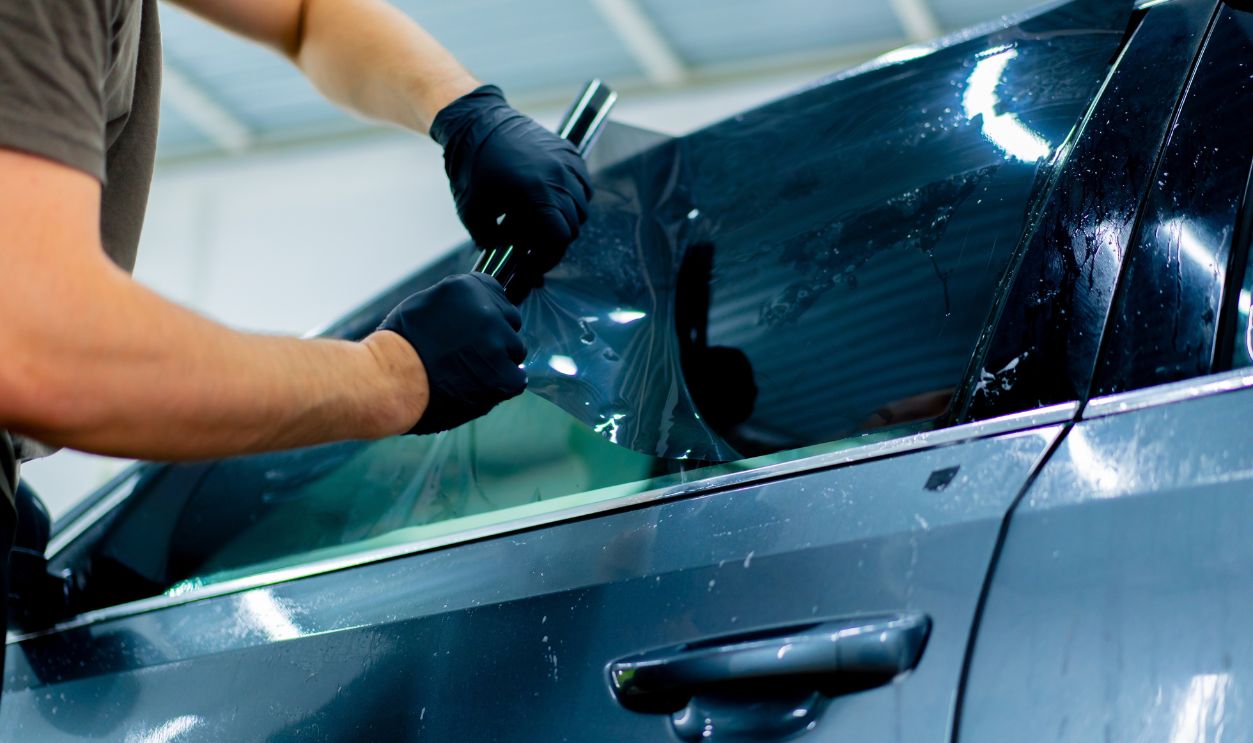
The easiest comparison is usually left versus right. The driver’s front window and passenger front window typically use similar factory glass, so they should usually appear much closer to each other than a front window and factory-darkened rear window. The same logic applies to corresponding rear-side windows. If one front door looks dramatically different from the other under identical lighting, “the glass is different” becomes a less convincing explanation.
Check The Invoice For The Exact Film
Find out what was actually installed. A useful invoice should identify the brand, product line, and often the shade or visible-light-transmission level. If the paperwork simply says “window tint,” ask the shop to identify the exact film used on each piece of glass. There are major visual differences between dyed, ceramic, metallized, and other film constructions, and manufacturers often offer numerous shades within the same product family.
Ask Whether Every Window Got The Same Product
Mistakes happen. A shop may have multiple rolls and shades open at the same time, particularly during a busy day. If one window looks inexplicably different, ask whether the installer can verify that the same specified product was actually used. You don’t need to accuse anyone of deliberately swapping materials. Simply ask them to compare the installation records, film information, and appearance before deciding the difference is unavoidable.

Shade Percentage Doesn’t Tell The Whole Visual Story
Two films advertised with similar visible-light-transmission numbers can still look different. Film construction affects color and reflectivity, and different product lines can have distinct charcoal, gray, blue, bronze, or reflective characteristics. LLumar, for example, markets dyed, metallized, and ceramic lines with different visual qualities. If a shop used different product families on different windows, matching VLT numbers alone may not create a matching appearance.
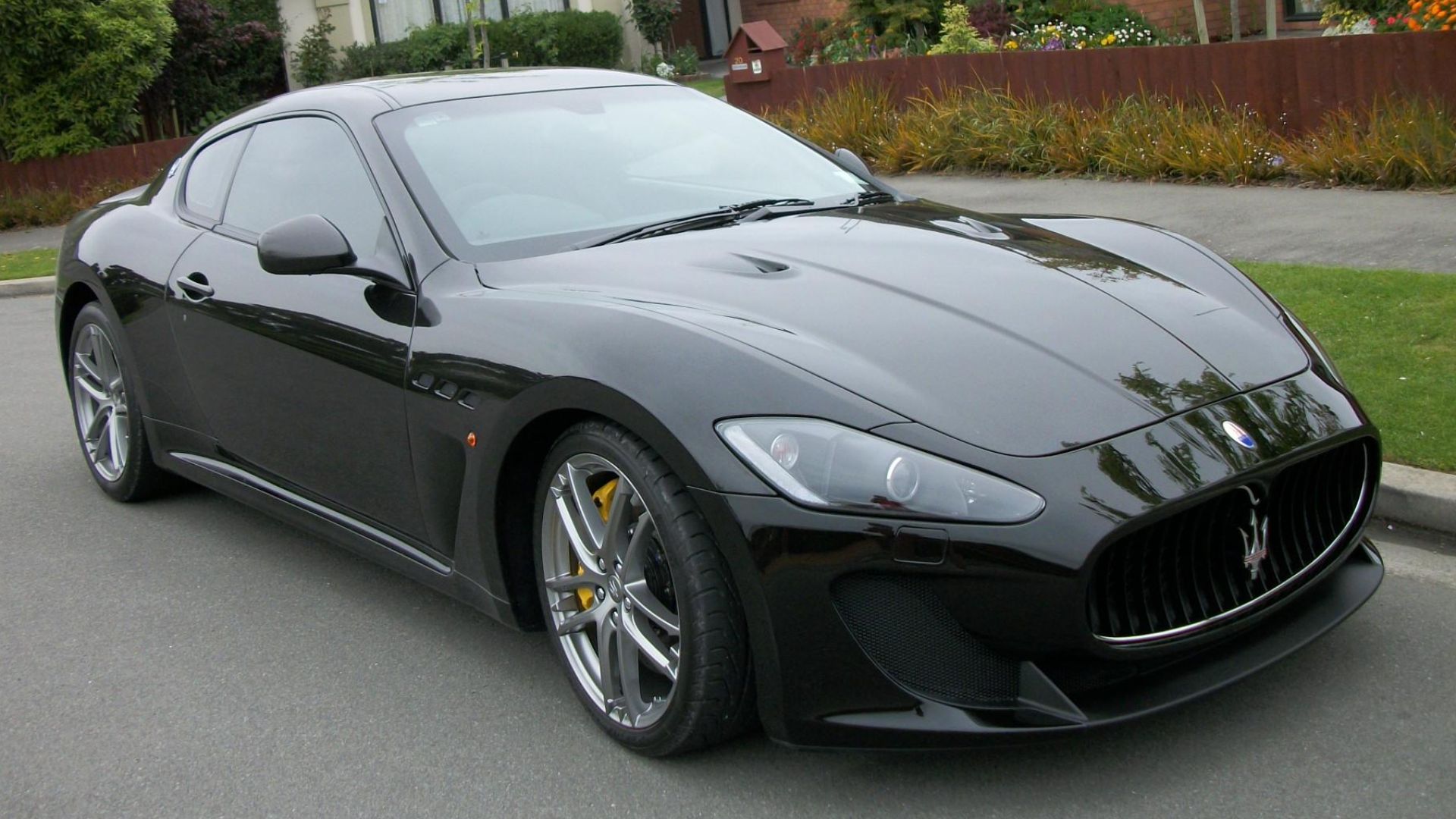 Riley from Christchurch, New Zealand, Wikimedia Commons
Ask The Shop To Meter The Windows
Instead of relying entirely on everybody’s eyesight, ask the installer to use a calibrated tint meter on comparable windows. Visible light transmission, or VLT, measures how much visible light passes through the glass-and-film combination. A meter won’t tell you whether two windows have exactly the same color, but it can reveal whether one side is transmitting substantially more light than the other. Ask to watch the measurements so everyone is discussing the same numbers.

Remember That The Meter Reads Glass And Film Together
A window marked with 35-percent film won’t necessarily meter at exactly 35 percent once installed. The original glass already reduces some light, so the finished reading reflects the combination of glass and film. This is also why two windows carrying nominally identical film can measure differently if the underlying factory glass differs. A knowledgeable installer should be able to explain those measurements rather than simply declaring any difference “normal.”
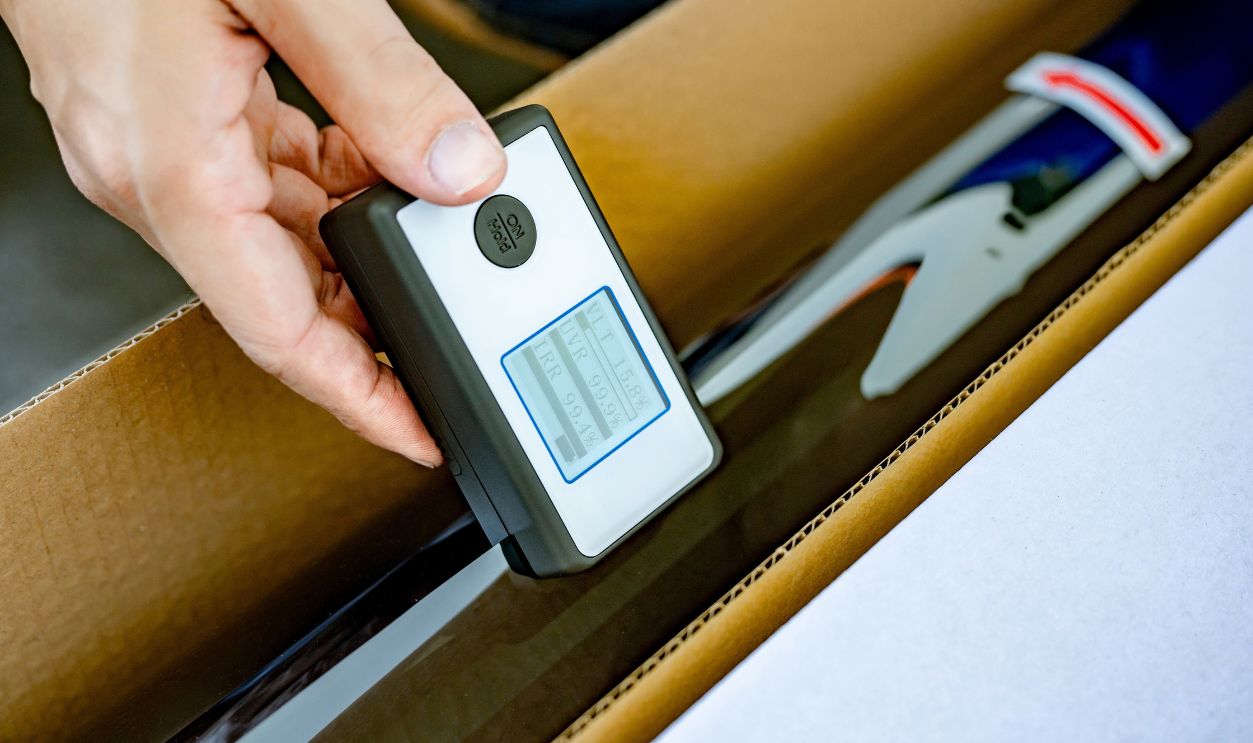
Color Differences Can Be Harder To Measure
A VLT meter can tell you whether one window is significantly lighter, but it won’t necessarily settle a complaint that one looks green while another looks charcoal. Photograph the vehicle from matching angles in neutral daylight and ask the installer to inspect it outside, not just under fluorescent shop lights. If the difference is obvious enough that both sides agree it exists, the conversation can move to why it exists and whether the finished appearance matches what was promised.
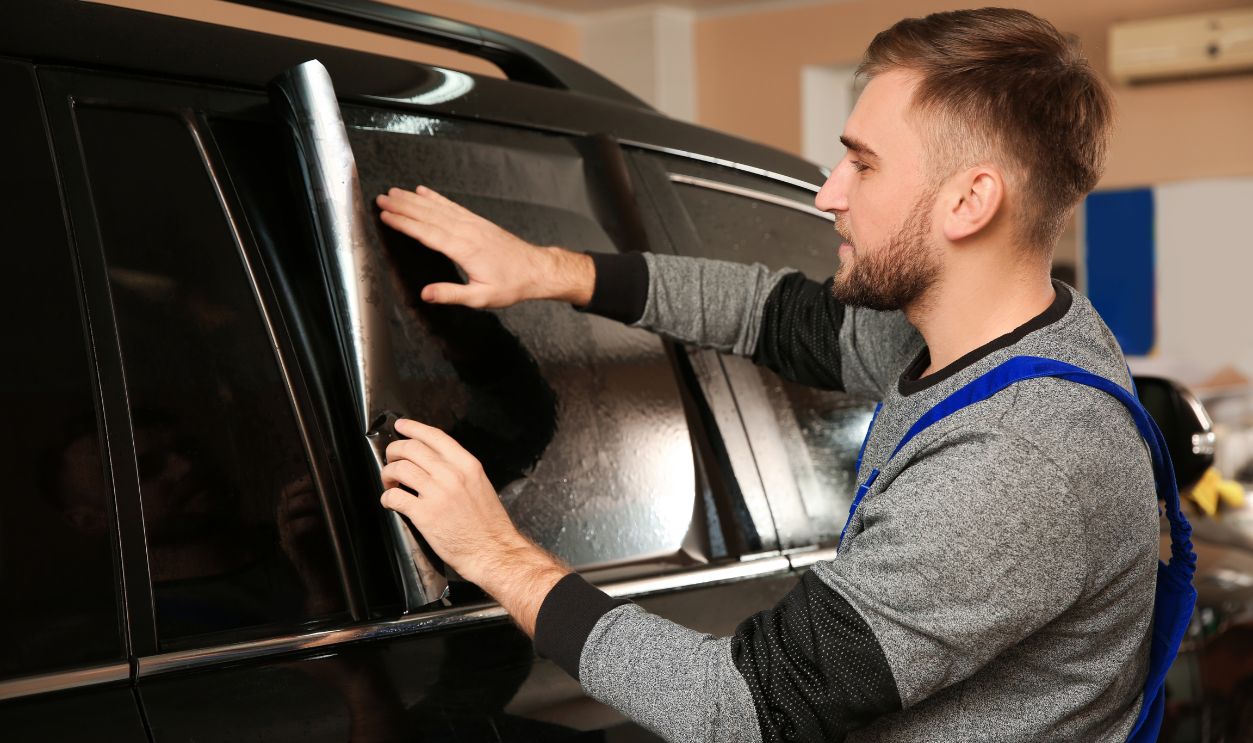
Check The Manufacturer’s Film Specifications
Ask for the specification sheet for the exact product installed. Manufacturers publish performance information covering characteristics such as VLT, reflectance, heat rejection, and film construction. The numbers won’t guarantee that two windows will look identical because the glass underneath still matters, but they can help confirm whether the installer used products appropriate for the look you requested. They can also make it easier to identify whether the shop substituted another film.

Read The Warranty Before Accepting “That’s Normal”
Many major window-film manufacturers provide warranties covering certain product defects, and some include protection against issues such as discoloration, bubbling, blistering, peeling, or delamination. The exact terms depend on the product and installer. Pull out your warranty card and original invoice before returning to the shop. If the material itself appears defective, you may have a manufacturer-backed remedy in addition to whatever workmanship guarantee the installer provides.

The Installation Warranty Can Matter Even More
A manufacturer warranty generally covers problems with the film, while a shop’s workmanship guarantee may cover how it was installed. Those aren’t the same thing. Contamination trapped underneath the film, badly cut edges, creases, or the wrong shade being fitted may be installation issues rather than manufacturing defects. Ask the shop what its workmanship policy covers and how long you have to report an appearance problem.
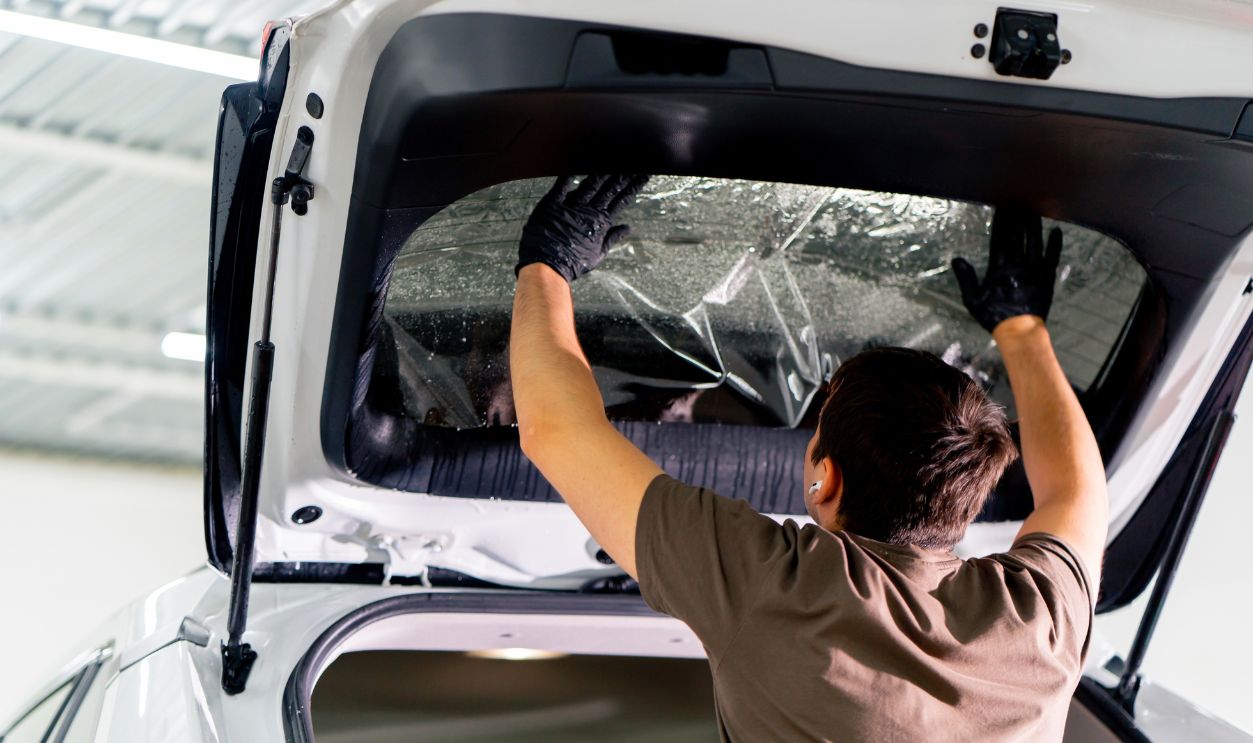
Document The Mismatch Before Anything Is Removed
Take clear photographs showing the entire side of the car, then take closer shots of the affected windows. Try to photograph both sides under the same conditions rather than relying on one dramatic image. Save the estimate, invoice, warranty, texts, emails, and any pictures taken when you selected the shade. If a disagreement develops over what was promised, documentation will be far more useful than everyone trying to remember a conversation at the sales counter.
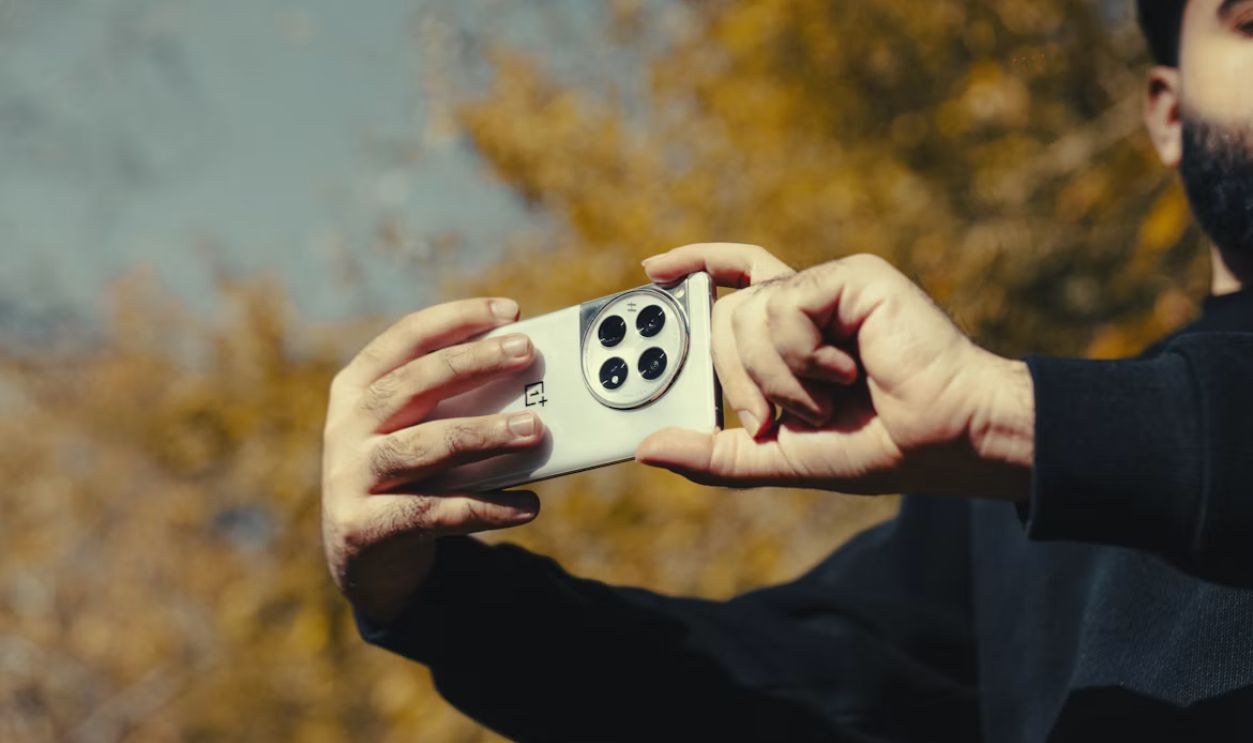
Bring The Car Back For A Proper Inspection
Give the installer an opportunity to examine the vehicle after the normal curing period. Walk around it together and point to the specific mismatch rather than starting with “redo everything.” Ask whether they agree that there’s a difference, what they believe causes it, and whether they can meter the windows. A reputable shop may immediately recognize that one panel is wrong and offer a replacement without the dispute becoming complicated.

Ask For A Specific Remedy
If one window is clearly mismatched, requesting that one window be redone may be more reasonable than demanding removal from the entire vehicle. If several windows were installed with the wrong product or the finished result doesn’t resemble what was agreed, a larger redo may make sense. Put your requested resolution in writing: identify the affected windows, explain the discrepancy, and state that you’d like the shop to replace the film so the installation matches the agreed product or appearance.

A Redo Isn’t Automatically Something You Can Demand
Whether the shop is legally required to redo the tint depends on what it promised, what you received, the written warranty, and applicable state consumer law. A small visual difference caused by different factory glass may not constitute defective work. Installing the wrong product, failing to meet a written specification, or providing workmanship that falls outside the warranty is a much stronger complaint. The paperwork matters more than simply proving that you personally dislike the finished shade.

Make Sure The Proposed Fix Is Still Legal
Don’t solve a cosmetic mismatch by accidentally creating a legal one. Tint limits differ considerably among states, and many laws regulate different windows separately. The official measurement may also apply to the combined glass-and-film VLT rather than the film rating printed on the box. Before agreeing to darker replacement film on the front windows, make sure the finished installation will comply with the law where the vehicle is registered and operated.
Escalate Through The Film Manufacturer If Necessary
If the shop is an authorized dealer for a major film brand and refuses to address what appears to be a covered defect, contact the manufacturer. Some companies have formal warranty procedures that begin with the installer and can move to another authorized dealer if necessary. For example, 3M directs automotive-film warranty customers to contact their installer first and provides a manufacturer contact route when the original installer isn’t available.

Consumer Protection Is The Next Step, Not The First
If the installer refuses to honor a written warranty or correct work that clearly differs from what was purchased, keep the disagreement documented. The FTC recommends trying to resolve auto-service disputes with the shop manager or owner first. If that fails, a state attorney general or local consumer-protection agency may provide information about available remedies, and small-claims court can be an option for relatively modest disputes. Save escalation for situations where a reasonable attempt to solve the problem directly has gone nowhere.

Some Variation Is Normal, But “Anything Goes” Isn’t
The installer may be completely right that glass type, factory privacy tint, viewing angle, lighting, and curing can create visible differences between windows. That doesn’t mean every mismatch automatically qualifies as normal. Let the film fully cure, compare equivalent windows, verify what product was installed, measure the VLT, and check what the shop actually promised. If the evidence shows a wrong shade, defective film, or poor workmanship, you’ll have a much stronger case for asking them to make it right.

You May Also Like: