The Temptation Of Limo Tint
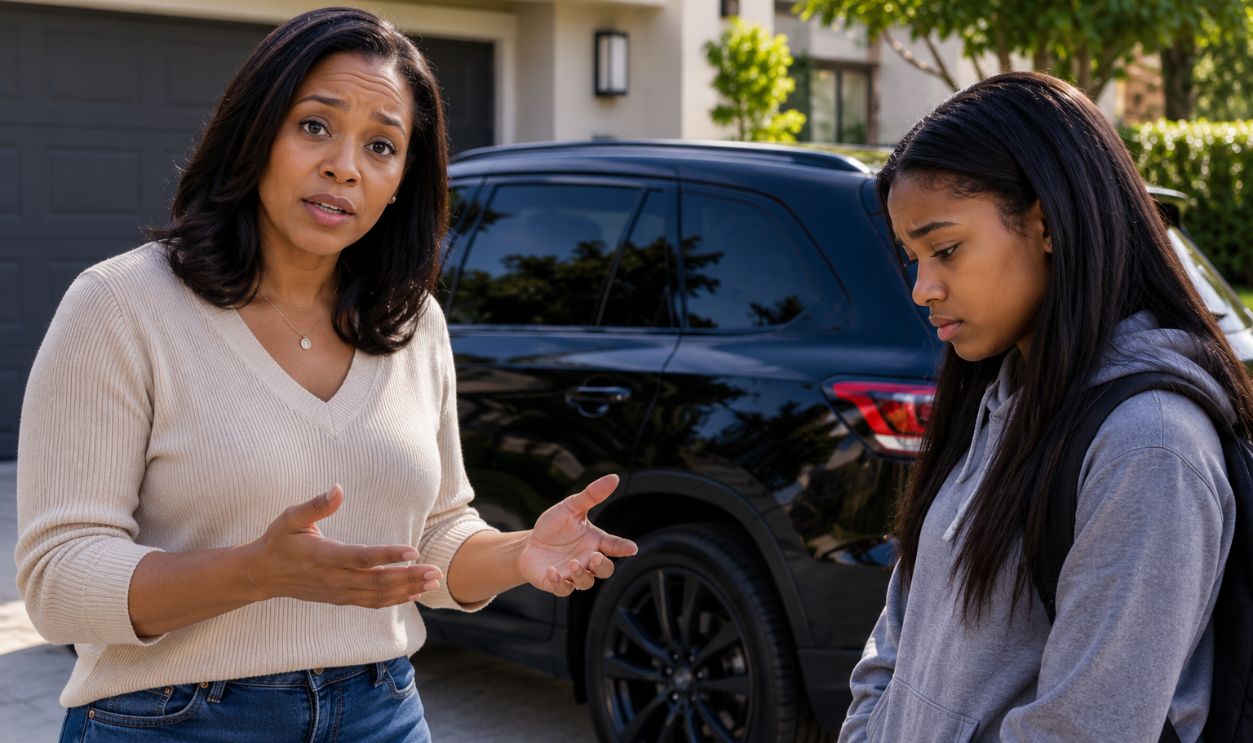
If your daughter wants windows so dark you can barely see inside, she's definitely not the only one. Deep tint has a certain look, and for many young drivers it feels private, sleek, and a little rebellious. The problem is the safety risk is much greater than your daughter realizes.
The Short Answer
Yes, extremely dark window tint can be dangerous. It can reduce the driver’s ability to see pedestrians, cyclists, curbs, and other cars, especially at night or in bad weather. It can also make it harder for police officers and other drivers to make eye contact, which is a small detail that matters a lot in traffic.
What Tint Percentage Actually Means
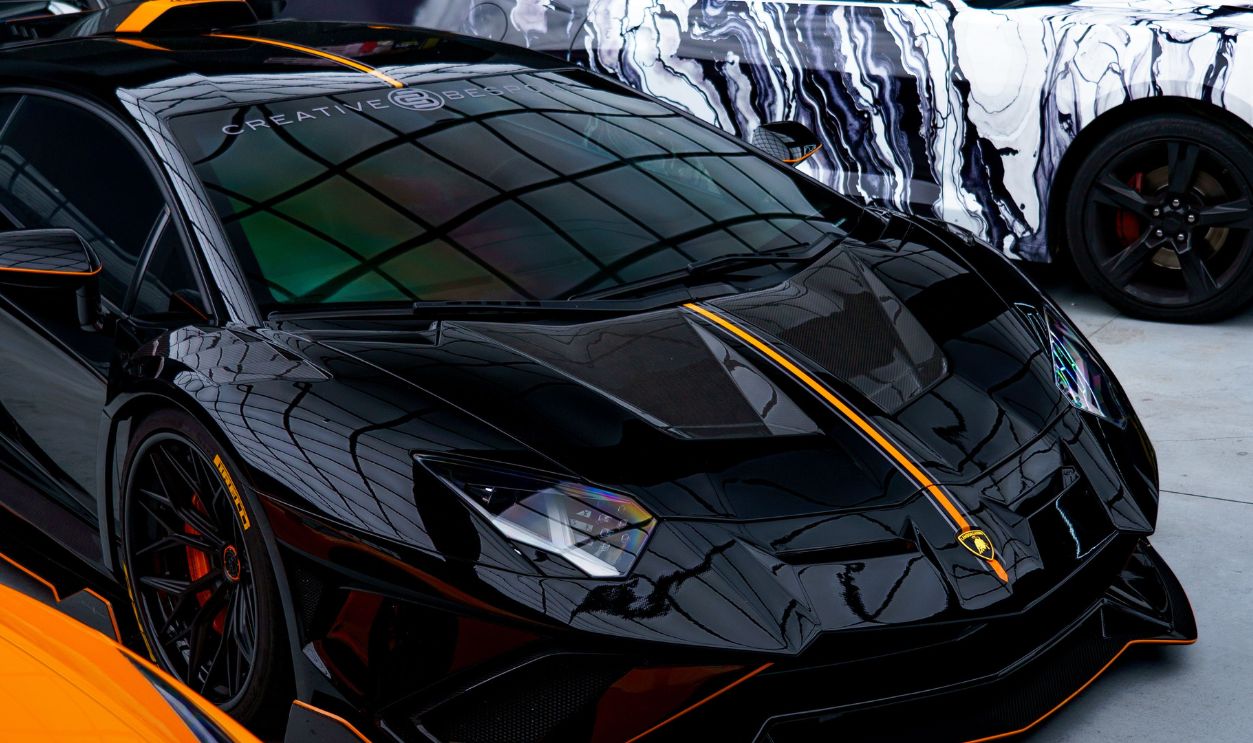
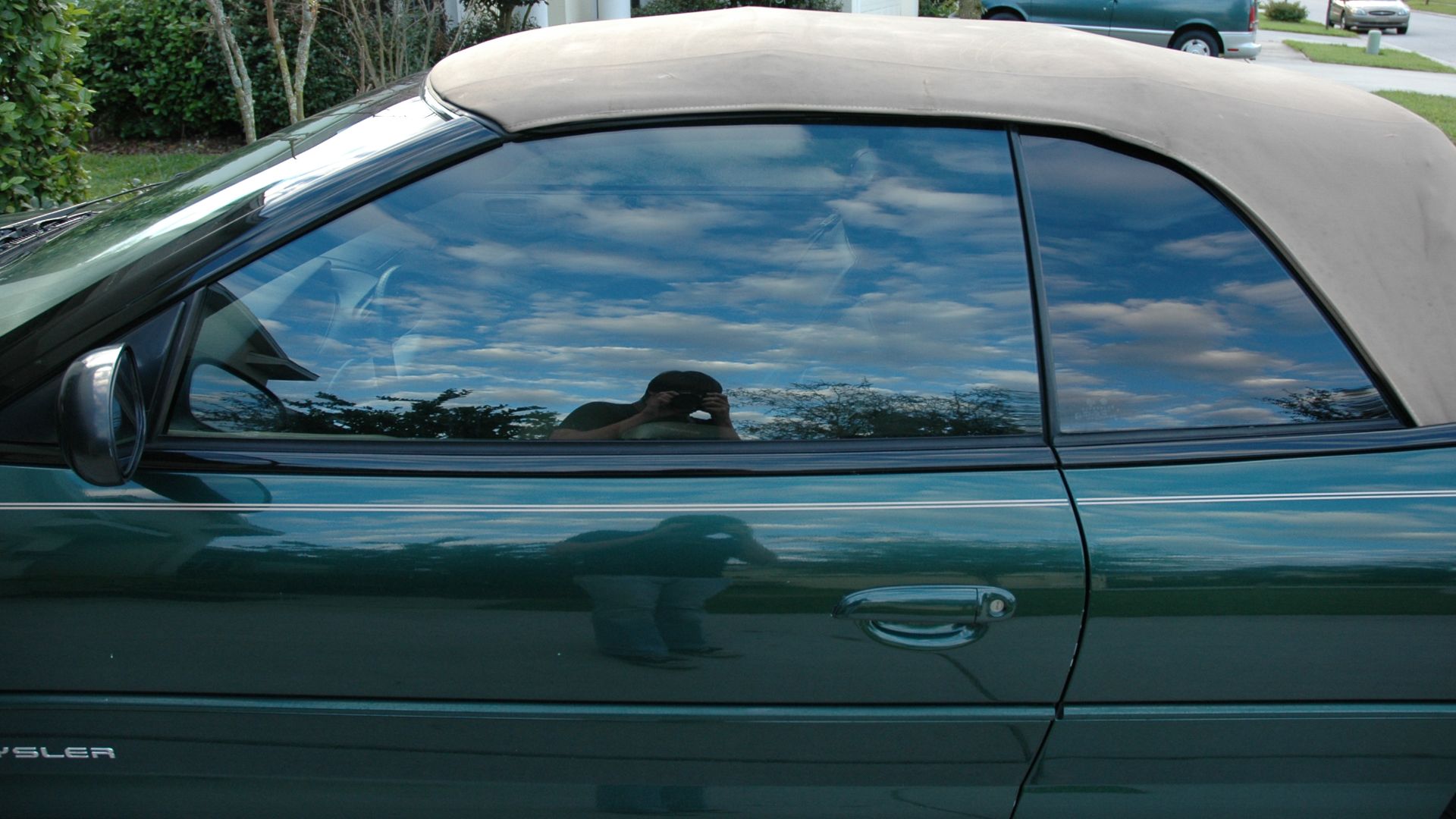
Window tint is usually described by visible light transmission, or VLT. That number tells you how much visible light passes through the glass and film together. A 5 percent tint, often called limo tint, allows only 5 percent of visible light through, which is extremely dark.
The Federal Baseline Dates Back Decades
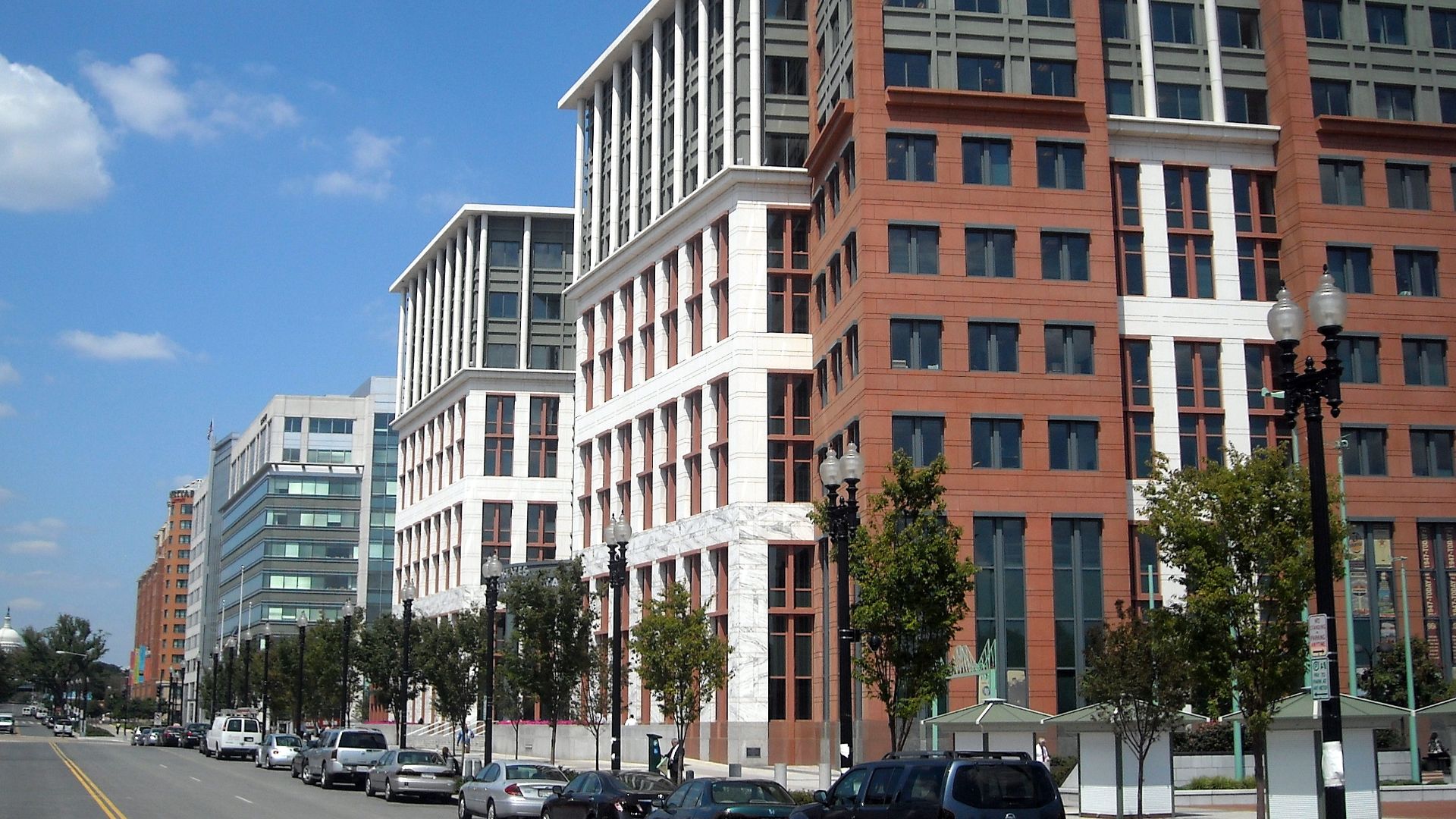
The modern framework for automotive glazing rules in the United States traces back to Federal Motor Vehicle Safety Standard No. 205. The National Highway Traffic Safety Administration uses that standard to regulate glazing materials used in motor vehicles. Under that federal safety standard, areas considered necessary for driving visibility generally require at least 70 percent light transmittance.
 AgnosticPreachersKid, Wikimedia Commons
Why The 70 Percent Figure Matters
That 70 percent figure did not appear by accident. It reflects a long-standing safety judgment that drivers need substantial visibility through glass in areas critical for operating a vehicle safely. States then build their own tint laws on top of that, often allowing darker tint on rear windows while keeping front side windows more restrictive.
Dark Tint Changes The Night Driving Equation
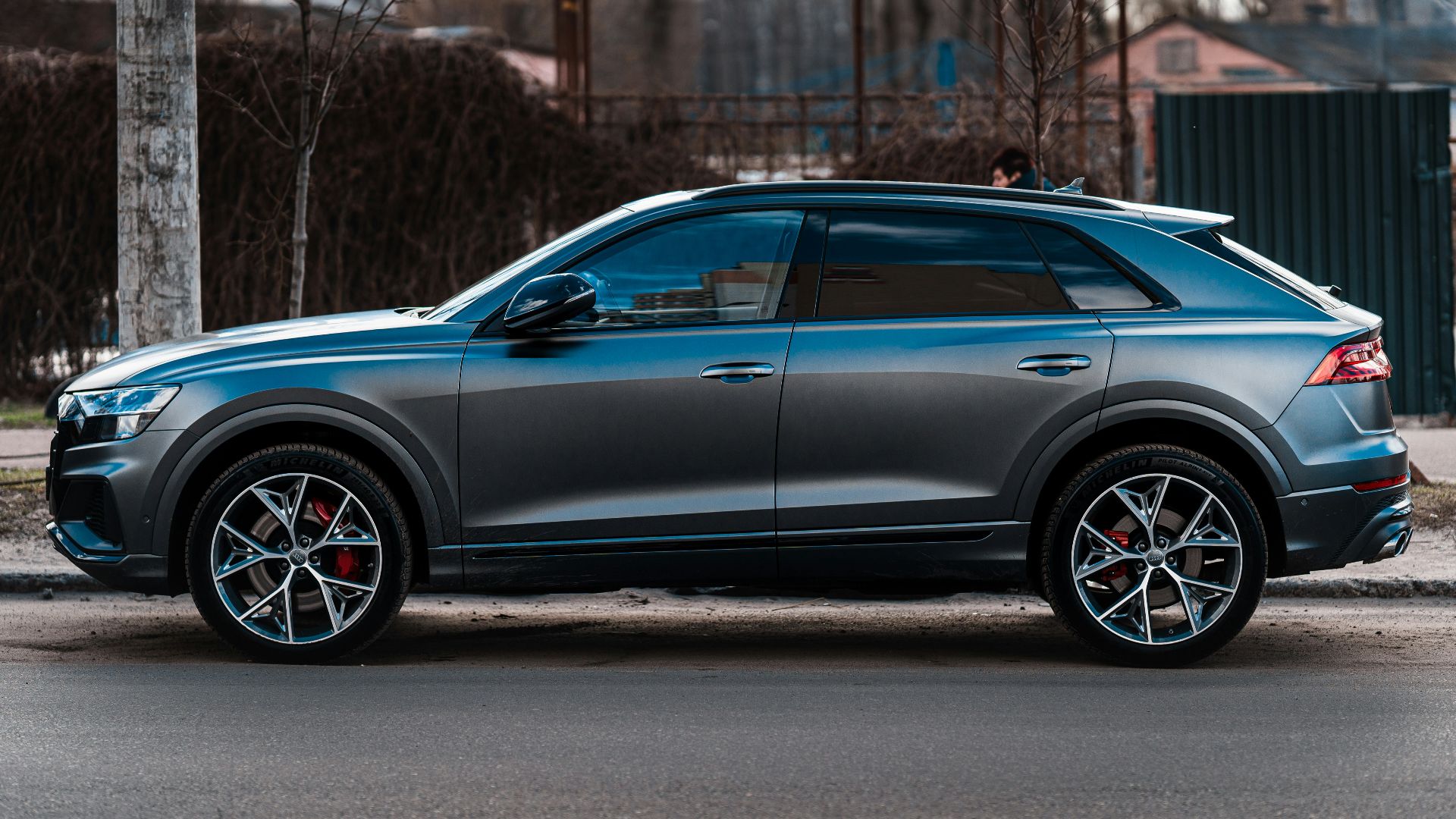
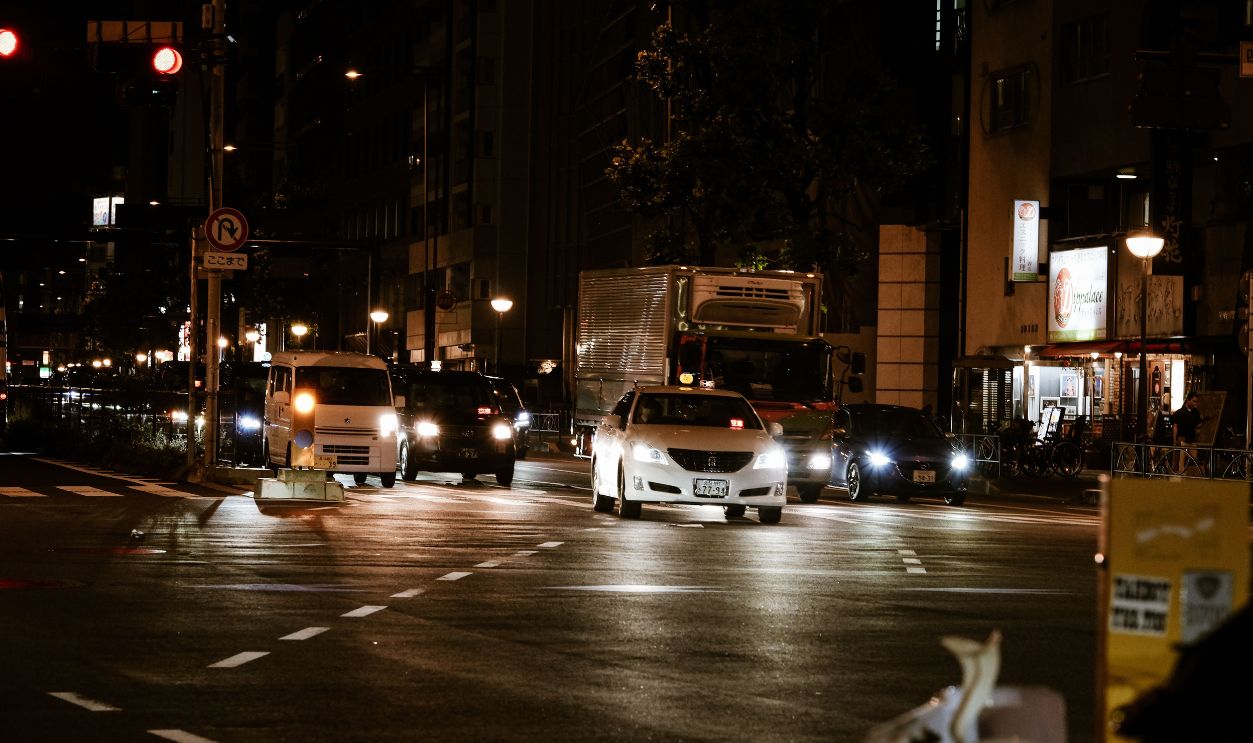
The biggest danger shows up after sunset. Even legal tint reduces some incoming light, and very dark tint can make already dim scenes much harder to read. That matters when a pedestrian is wearing dark clothing, a cyclist has weak lighting, or rain throws glare across the road.
The Research On Visibility Is Not New
One of the most cited safety warnings came from the International Window Film Association, which notes that reduced visible light transmission can affect driver vision, particularly at night. The organization has long argued that tint should be selected with care and within legal limits. Even an industry group that supports window film acknowledges that darker is not always better.
The Human Eye Already Struggles At Night
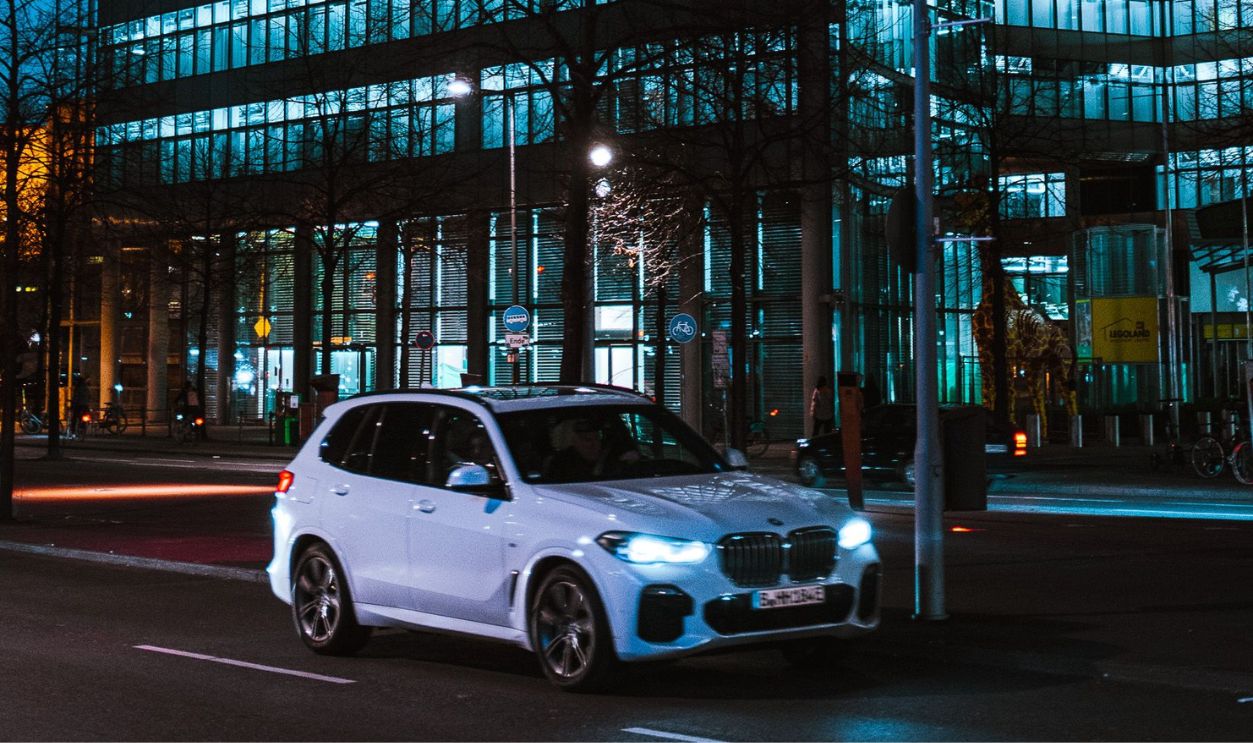
The National Safety Council has warned that human depth perception, color recognition, and peripheral vision all decline in darkness. Older drivers are affected even more because the eye needs more light as people age. Add very dark tint to that basic biological reality and the driver starts with a handicap before the trip even begins.
Why Eye Contact Matters At Intersections
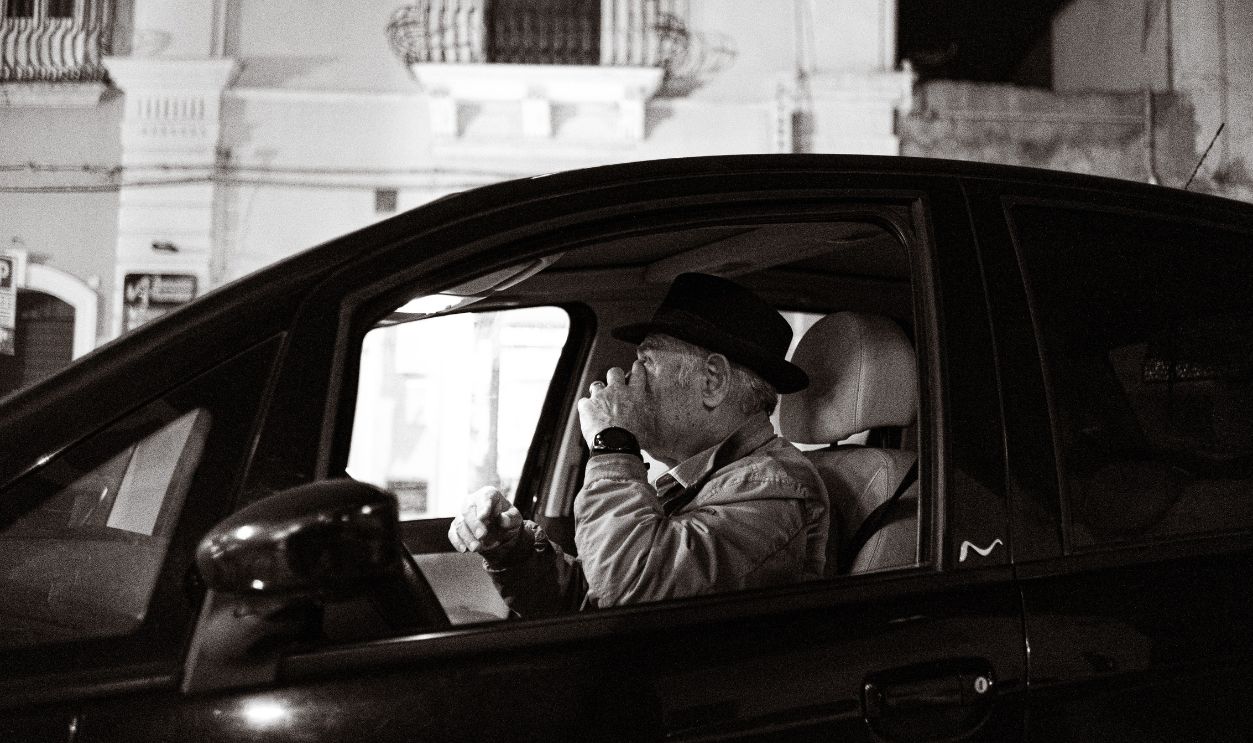
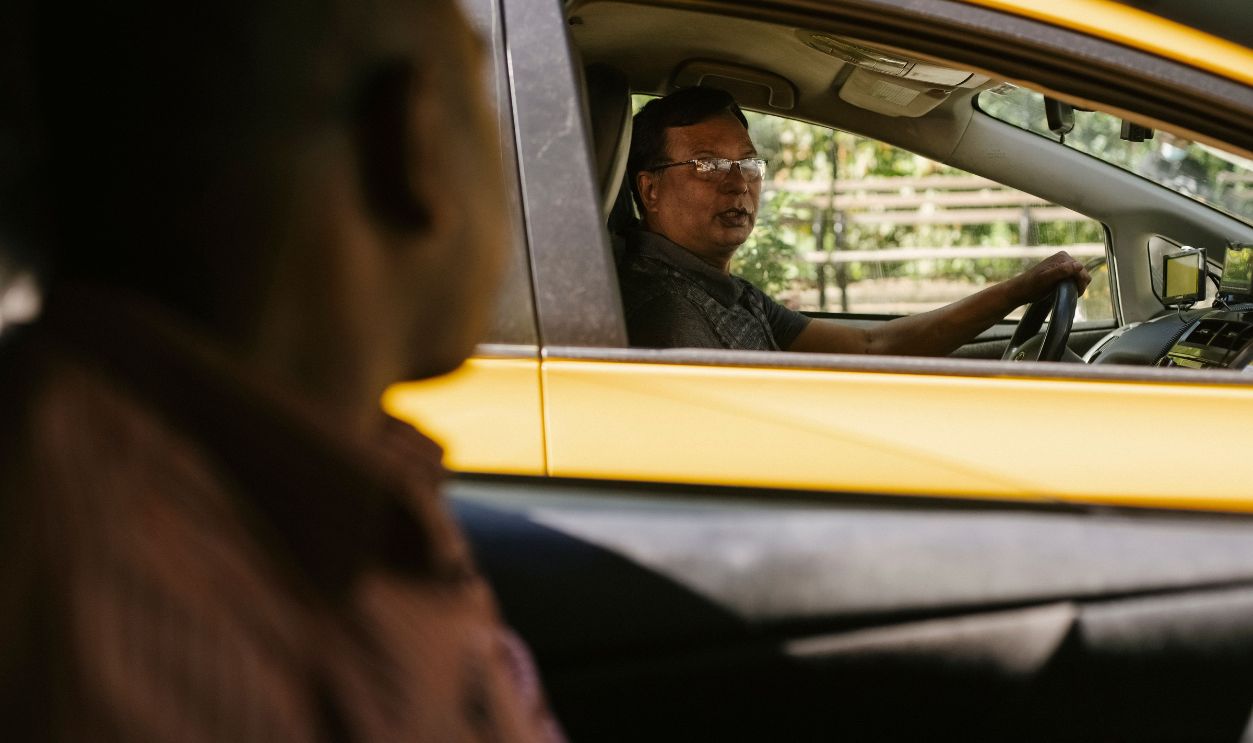
Drivers often communicate silently. A quick glance with another motorist, a pedestrian, or a crossing guard can confirm who has seen whom and who plans to move next. Very dark front side tint can block that exchange, which removes one more layer of safety from already busy intersections.
Police Officers Notice This For A Reason
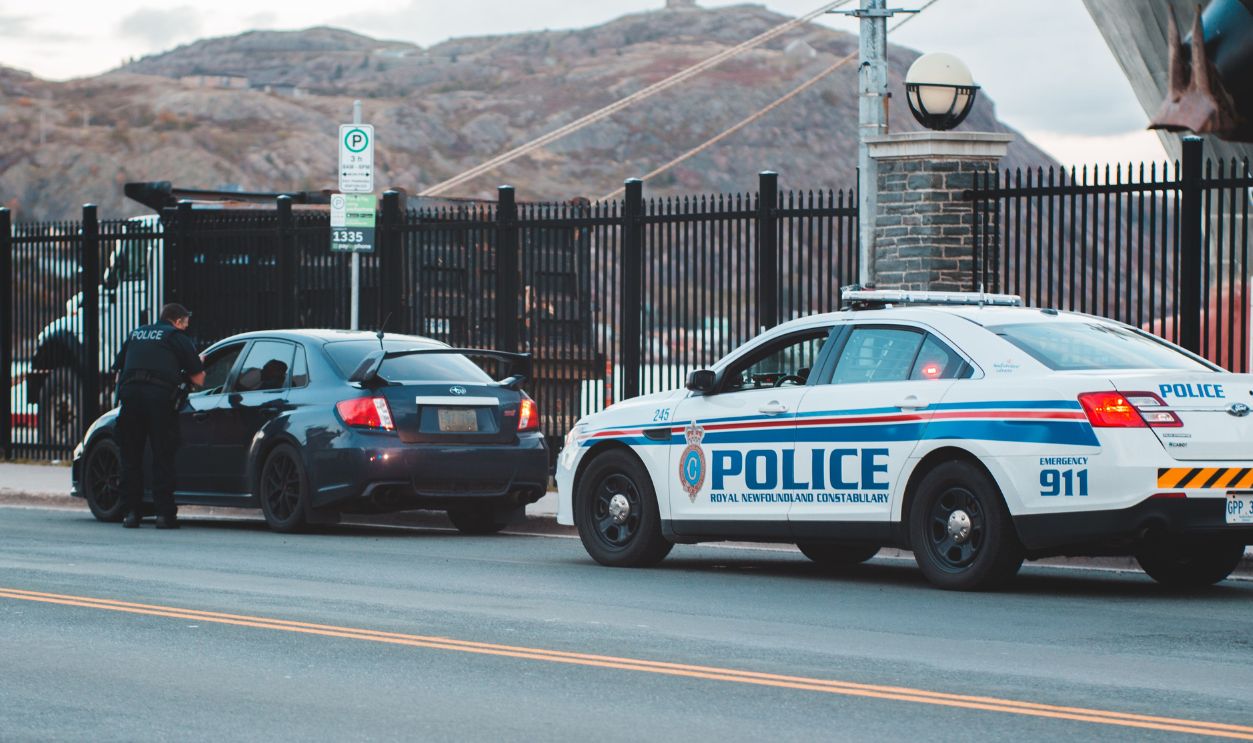
Law enforcement groups have repeatedly argued that extremely dark tint creates safety issues during traffic stops because officers cannot easily see inside a vehicle. That concern is not just about enforcement. It also reflects a broader truth that visibility into and out of the vehicle affects real-world safety decisions in tense or fast-moving moments.
It Is Not Just About Seeing Out
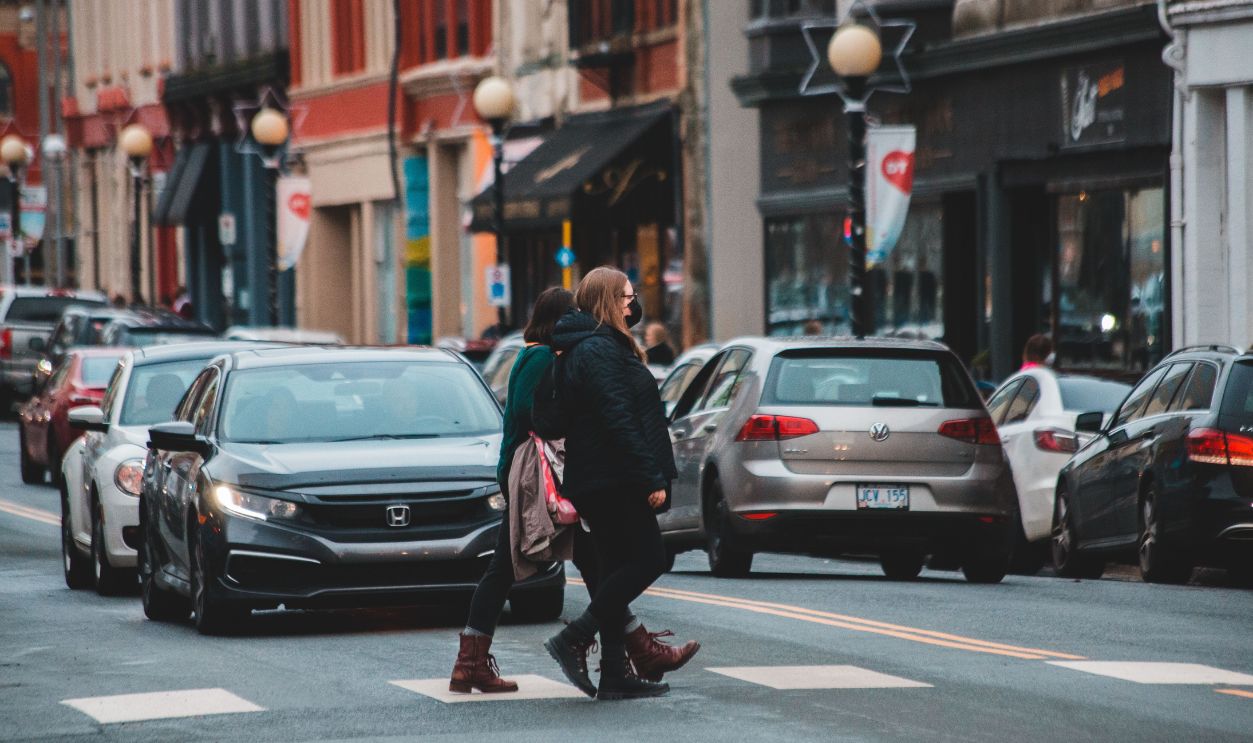
Many people assume tint is only a visibility problem for the driver. In reality, it can also affect how others respond to the vehicle. If another driver cannot tell whether you have seen them, or a pedestrian cannot read your intent, hesitation and mistakes become more likely.
Rain Makes The Problem Worse
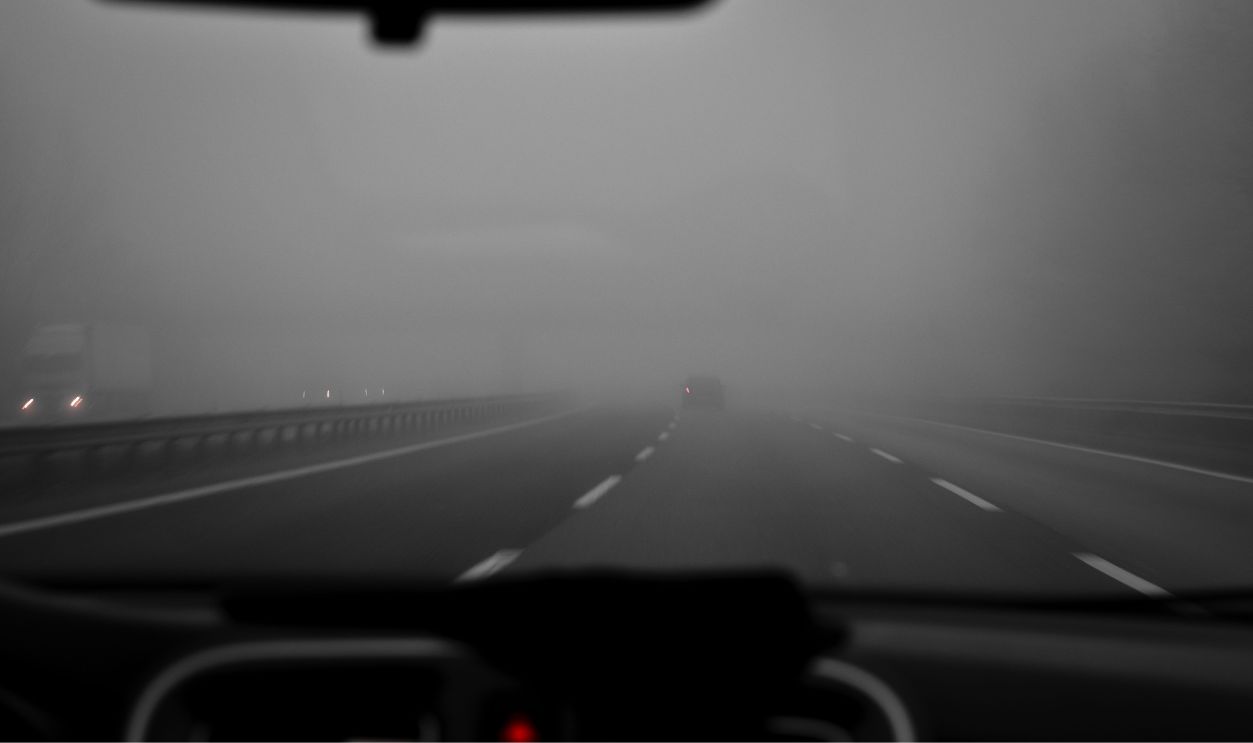
Night driving is difficult enough on a clear road. Add rain, fog, snow, or dirty windows, and extremely dark tint cuts visibility further. Headlight glare and reflections can swallow up details that might otherwise be visible through lighter glass.
Backing Up Can Become A Headache
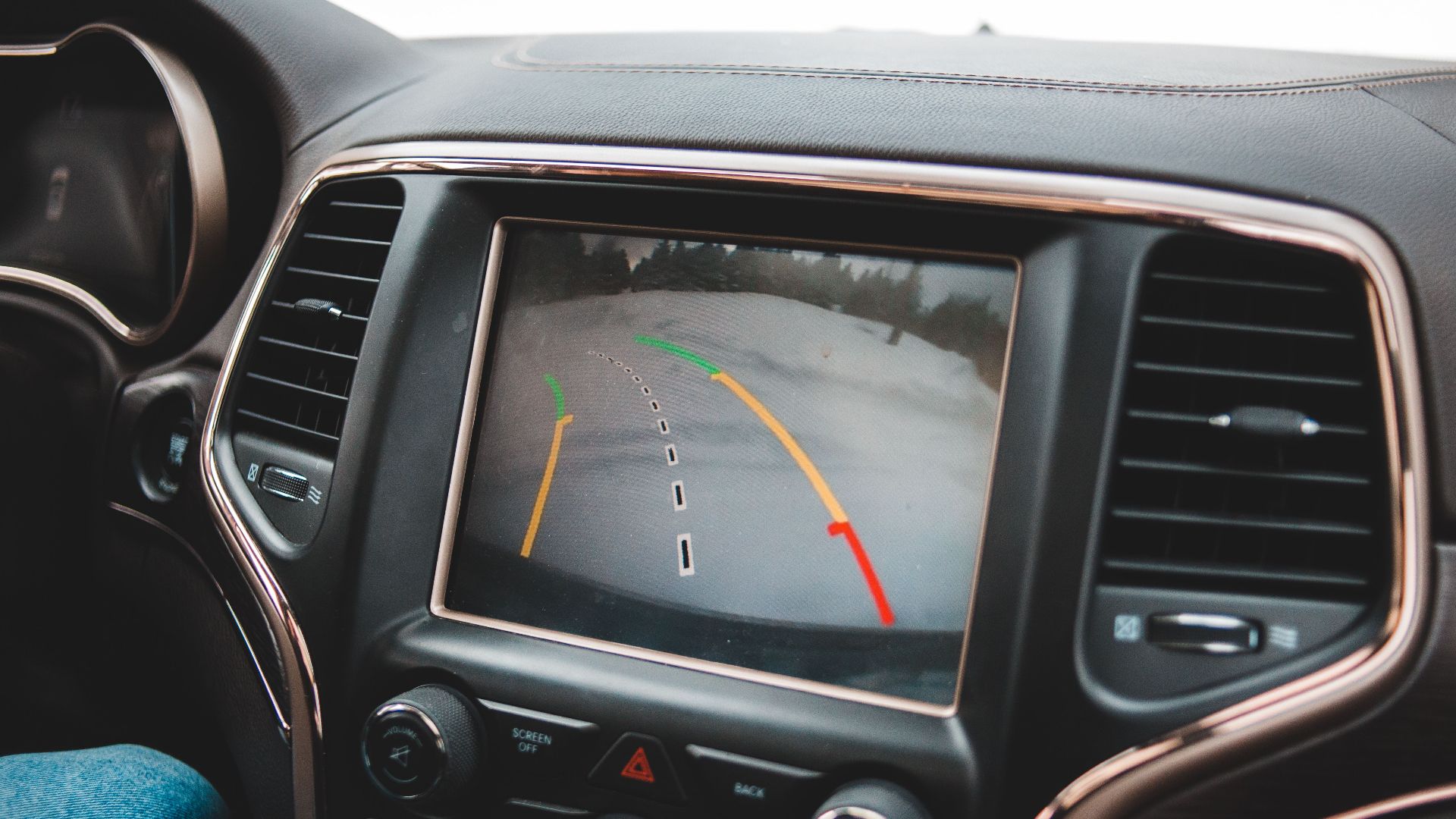
Dark rear glass can create extra trouble when reversing into a driveway, backing out of a parking space, or checking for children, pets, and low obstacles. Rearview cameras help, but they do not show everything. Mirrors and direct sightlines still matter, especially in cramped spaces.
Young Drivers May Underestimate The Risk
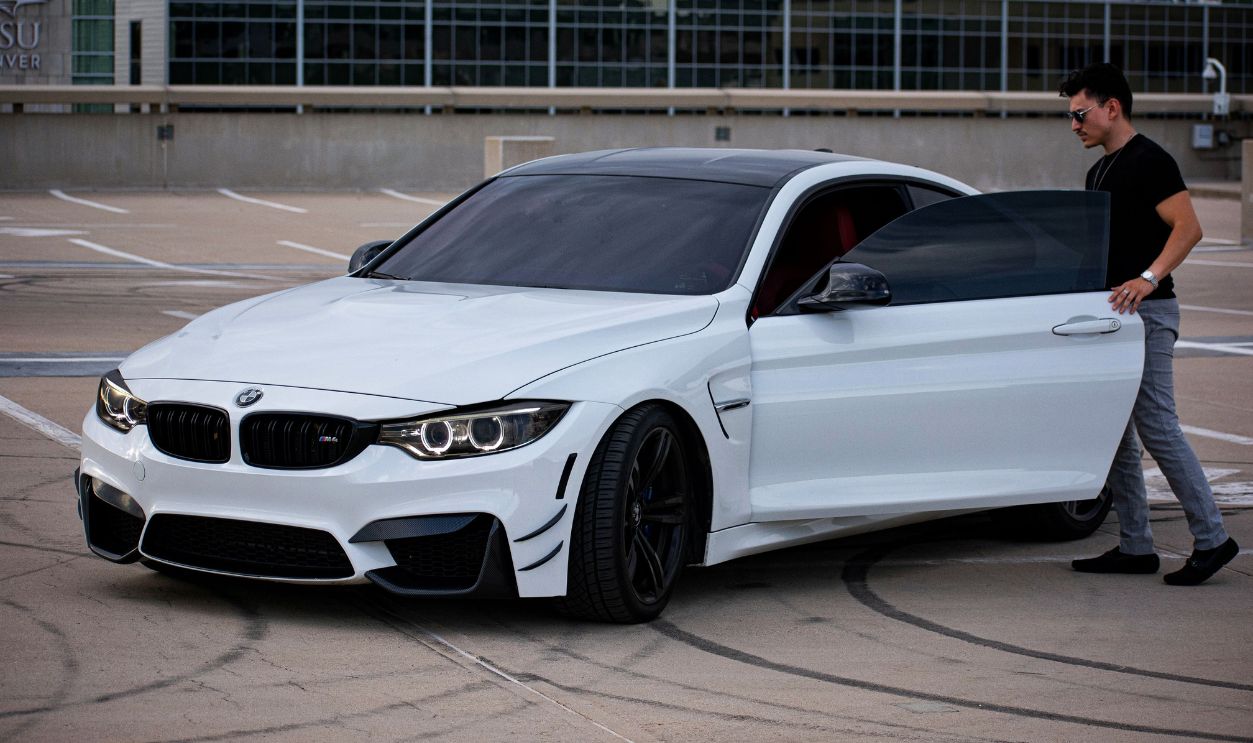
Teen and young adult drivers often focus on appearance more than compromise. That is understandable, but it can hide how often driving depends on quick visual judgments in poor conditions. A choice that feels harmless in daylight can become a problem on the first rainy winter night.
State Laws Are All Over The Map
Tint laws vary significantly by state, and that is where many families get tripped up. Some states allow relatively dark rear window tint but keep stricter rules for the windshield and front side windows. If your daughter drives across state lines, a setup that is legal at home may draw a ticket elsewhere.
 The original uploader was Steevven1 at English Wikipedia., Wikimedia Commons
The Windshield Is In A Different Category
Most states prohibit dark tint across the main viewing area of the windshield, though a narrow strip at the top is often allowed. That restriction exists because the windshield is the driver’s primary forward view. Blocking light there is one of the fastest ways to turn style into a genuine hazard.
 User Adriano on it.wikipedia, Wikimedia Commons
Factory Privacy Glass Is Not The Same Thing
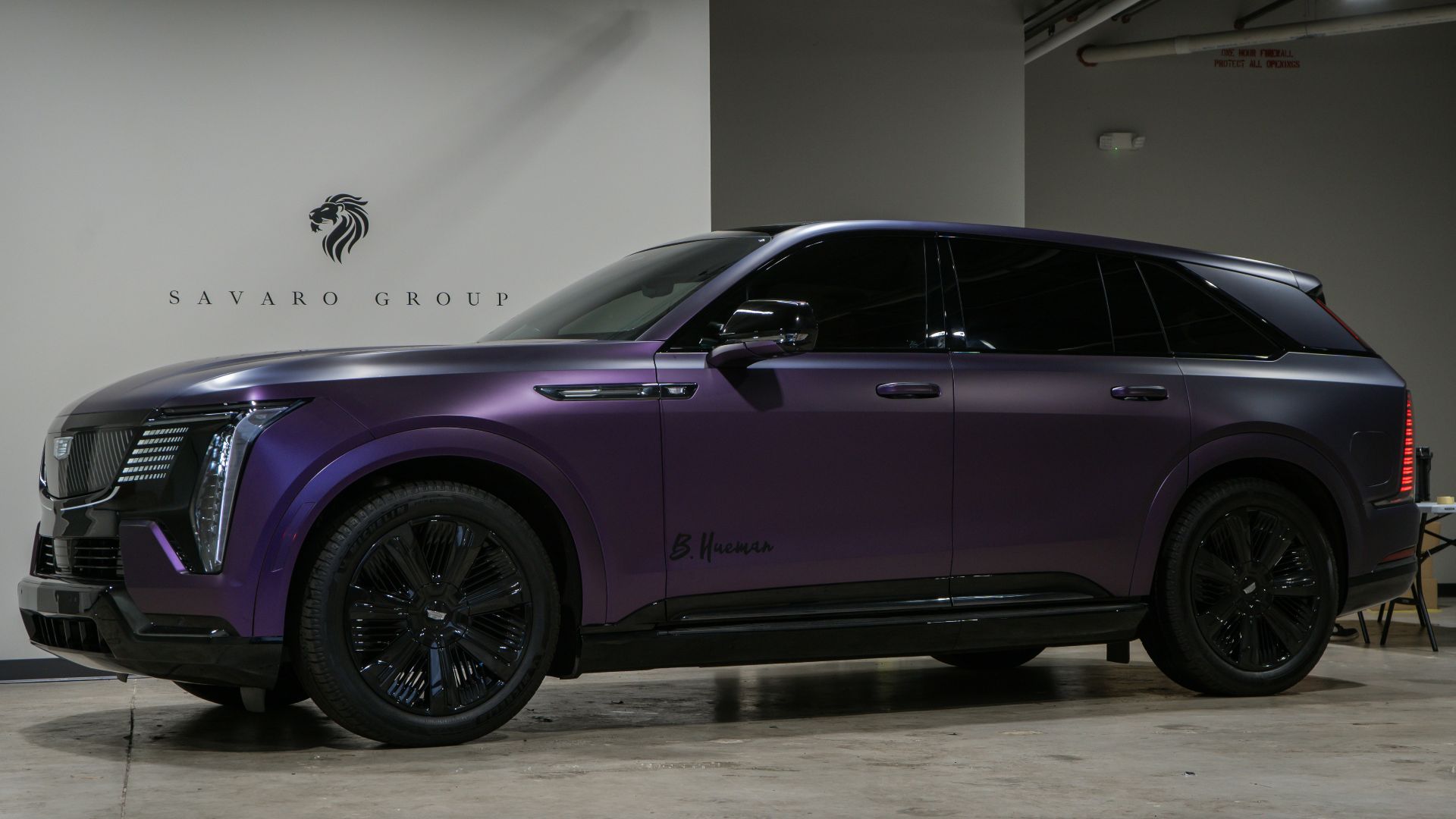
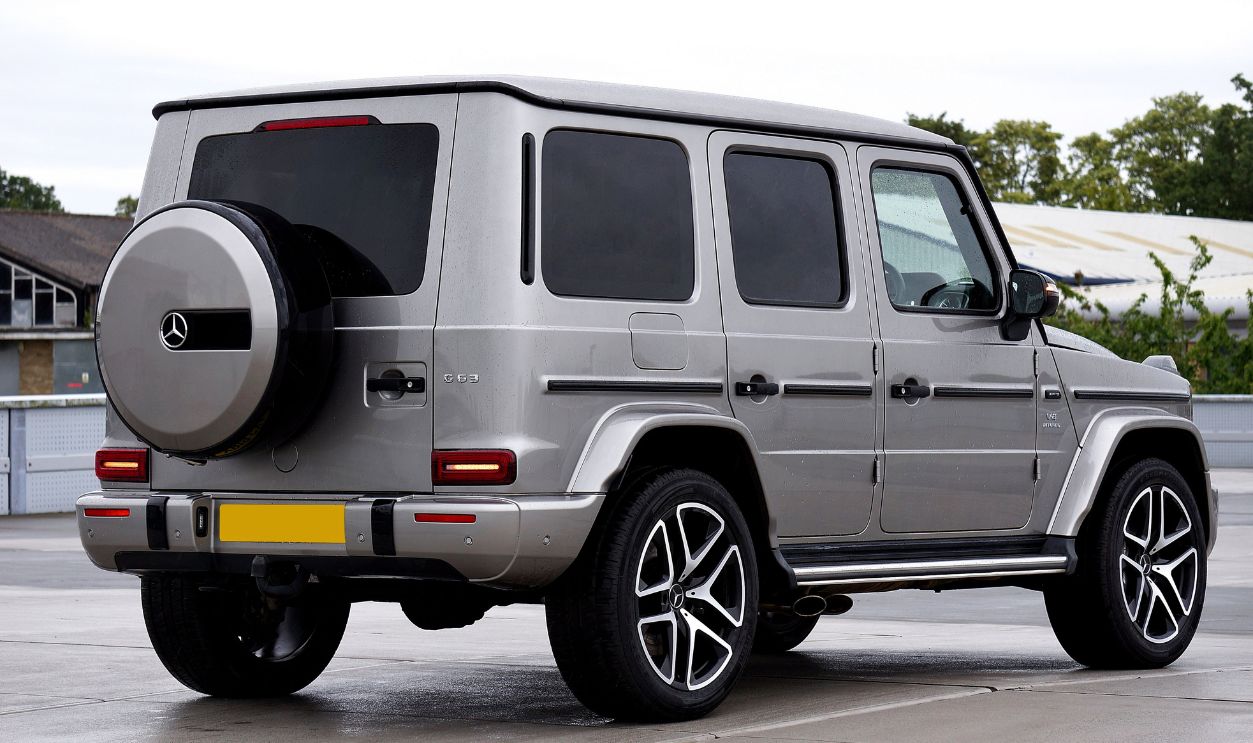
Many SUVs and crossovers come with dark rear glass from the factory, often called privacy glass. That is different from applying aftermarket film to the front side windows or windshield. Factory rear privacy glass can still look very dark from outside, but it does not automatically mean the front windows should match it.
Heat And UV Protection Do Not Require Extreme Darkness
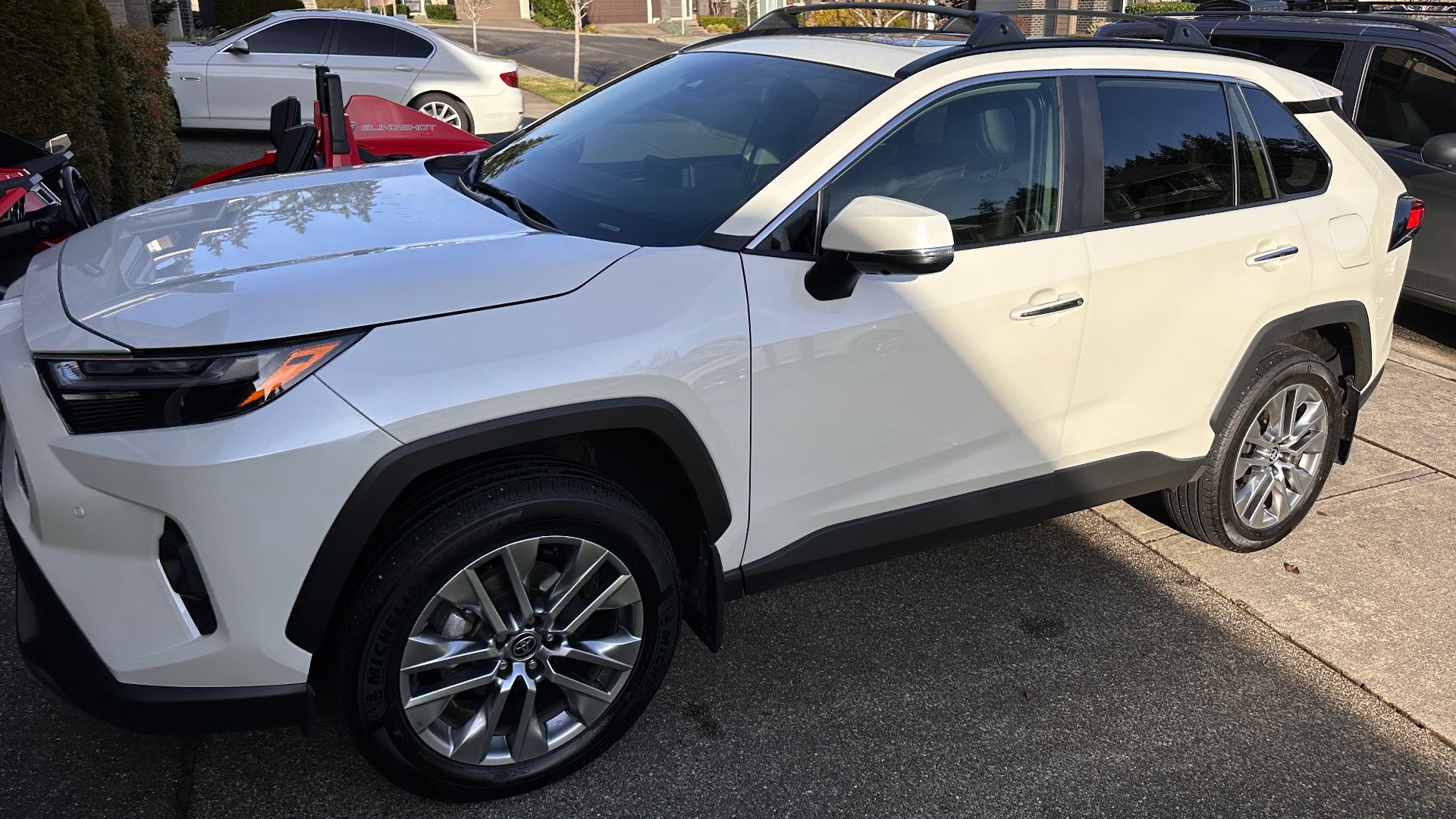
This is where the conversation gets more practical. Modern window films can block large amounts of ultraviolet radiation and significant solar heat without going ultra dark. In other words, your daughter can get comfort and interior protection without choosing a tint level that crushes visibility.
Skin Protection Is A Real Benefit
The Skin Cancer Foundation has noted that window film can help block more than 99 percent of UV radiation when using products designed for that purpose. That can reduce UV exposure for vehicle occupants during long periods on the road. It is one of the strongest arguments in favor of tint, but it does not require a near-black film.
Glare Reduction Helps Too
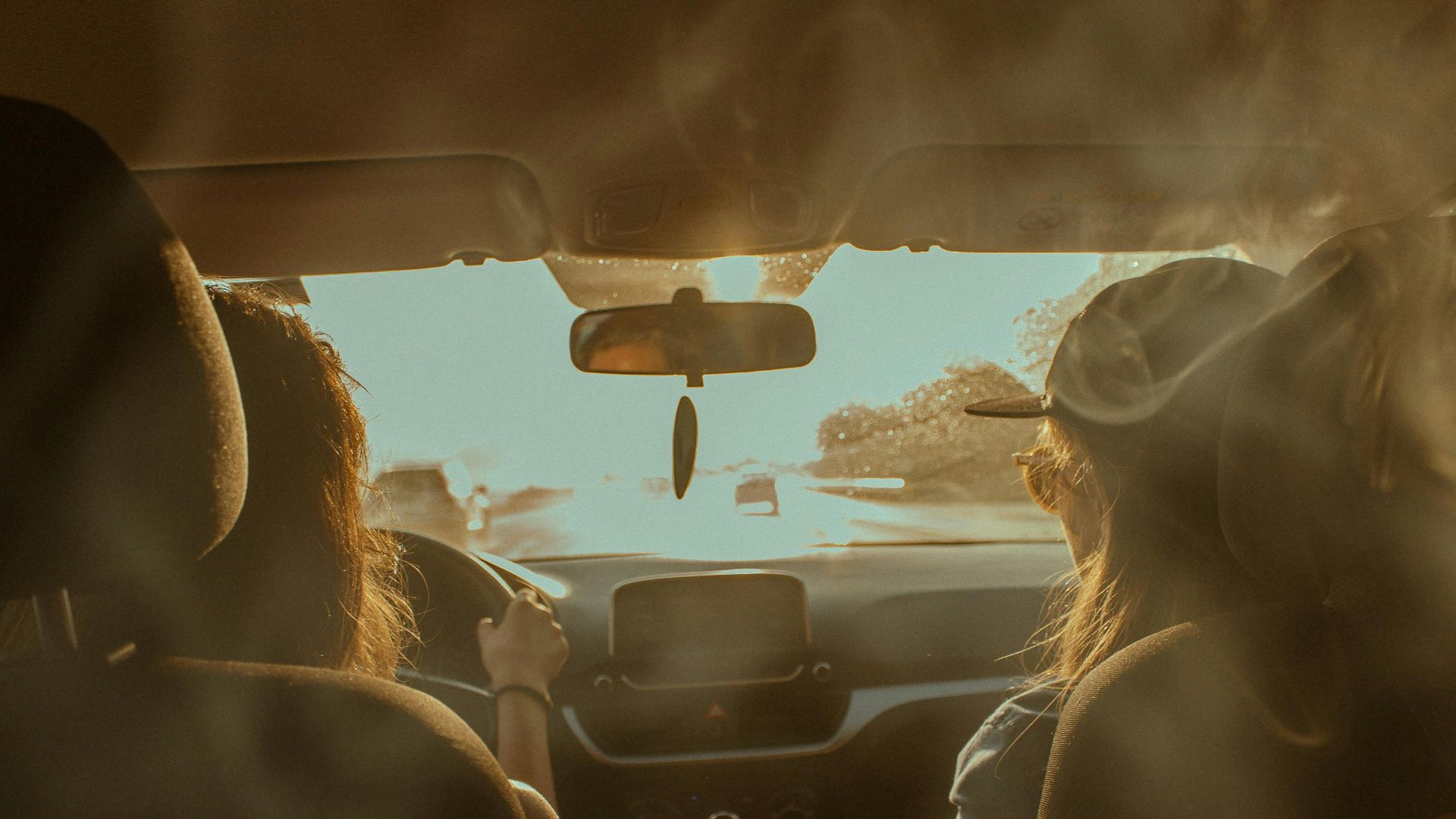
Good tint can cut harsh sunlight and headlight glare, which can reduce eye strain. That benefit is real and worth considering for commuters. The catch is that glare reduction has to be balanced against the need to preserve enough visible light for safe driving in low-light conditions.
Technology Can Only Do So Much
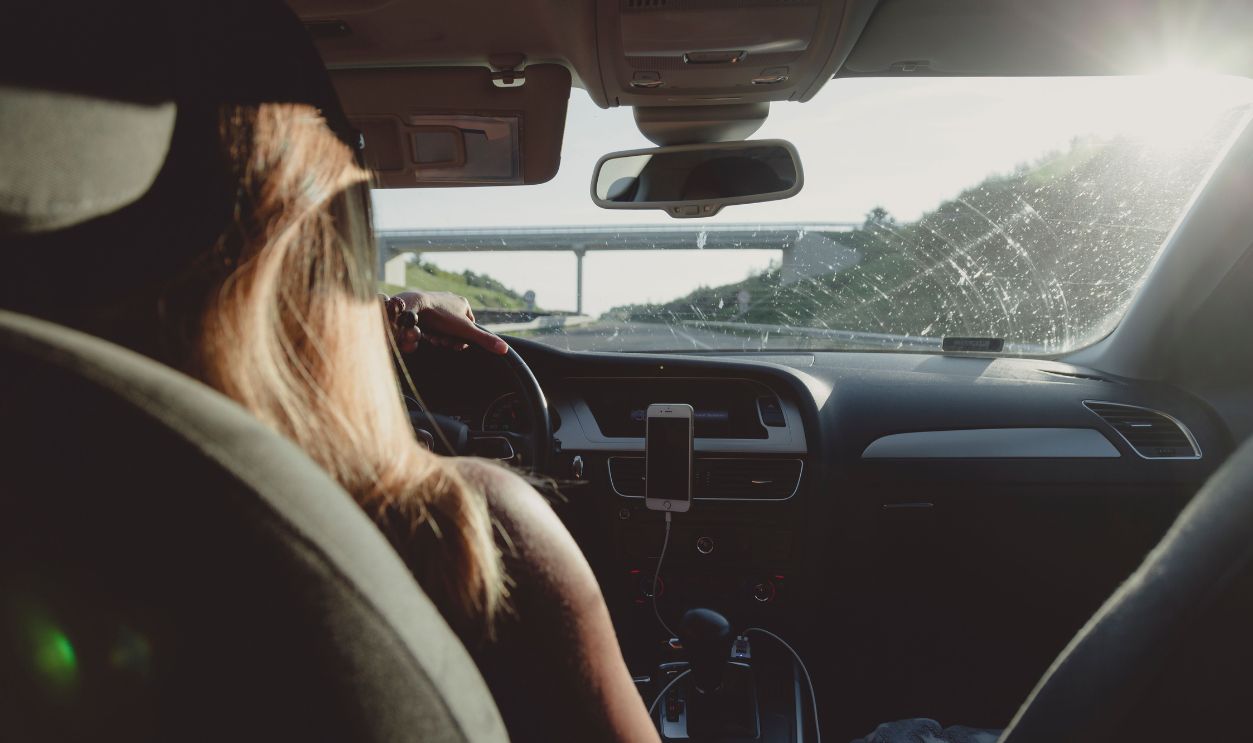
It is tempting to assume modern cars solve this issue with blind spot monitoring, backup cameras, and automatic emergency braking. Those systems help, but they do not replace a driver’s ability to see clearly through the glass. Sensors can miss things, cameras can be obscured, and no safety system makes dark tint risk-free.
There Is Also The Ticket Problem
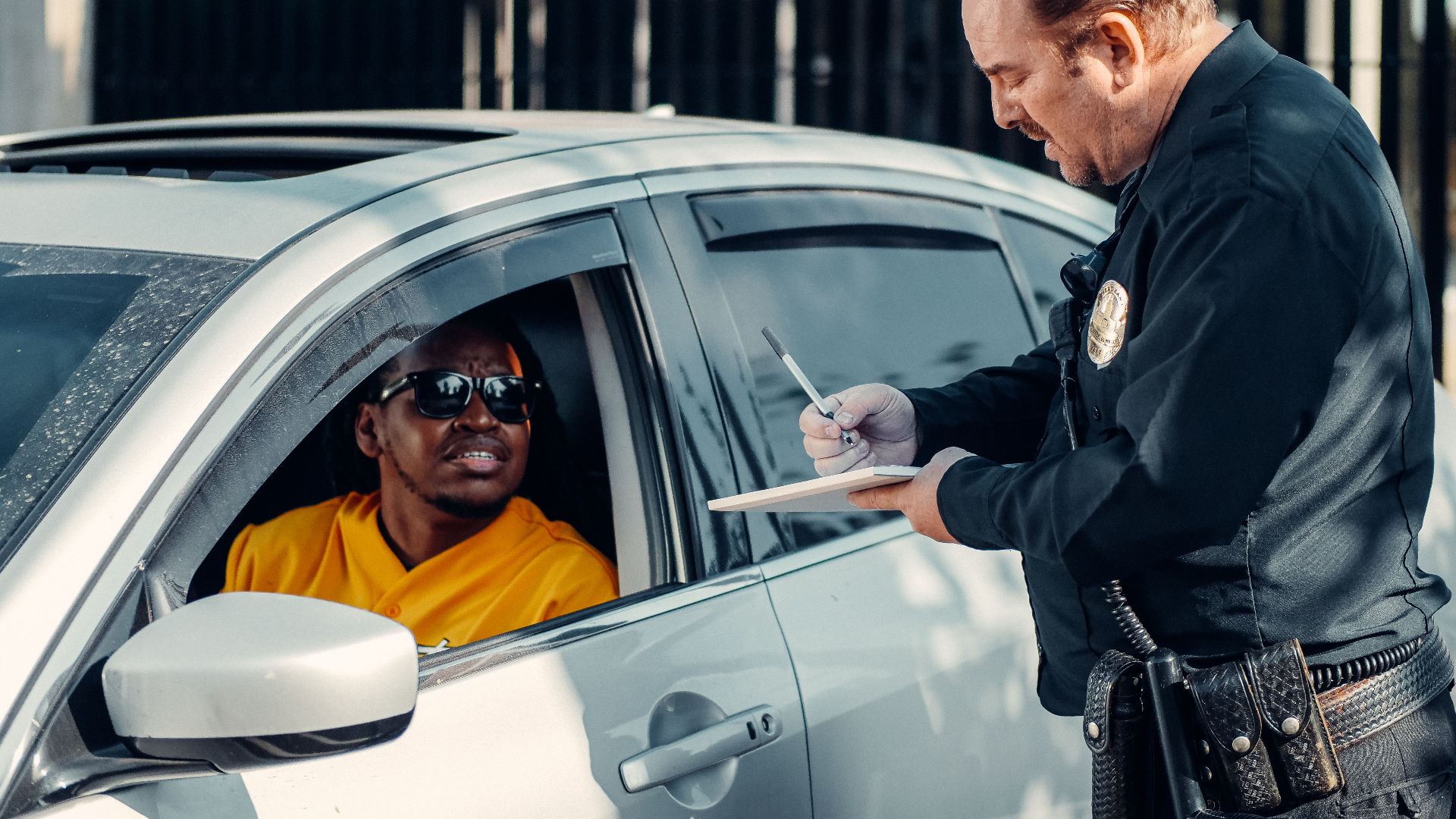
If the tint is darker than state law allows, the practical downside is immediate. Drivers can be stopped, ticketed, and ordered to remove the film. In some states, illegal tint can also complicate vehicle inspections or lead to fix-it citations that waste time and money.
Insurance And Liability Can Get Messy
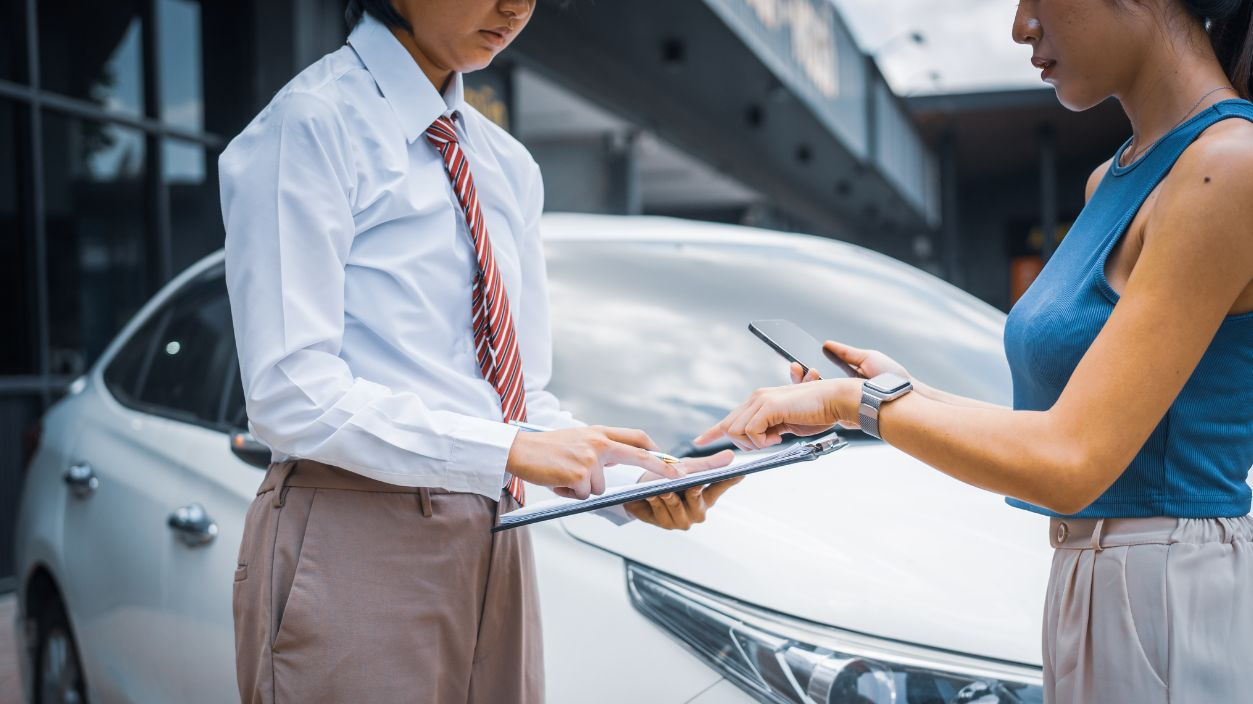
If a crash happens and illegal tint is part of the story, it may become relevant during claims or litigation. That does not automatically mean coverage disappears, but it can become an unwelcome detail if visibility is questioned. Families rarely think about that part until after something has already gone wrong.
What Experts Usually Recommend
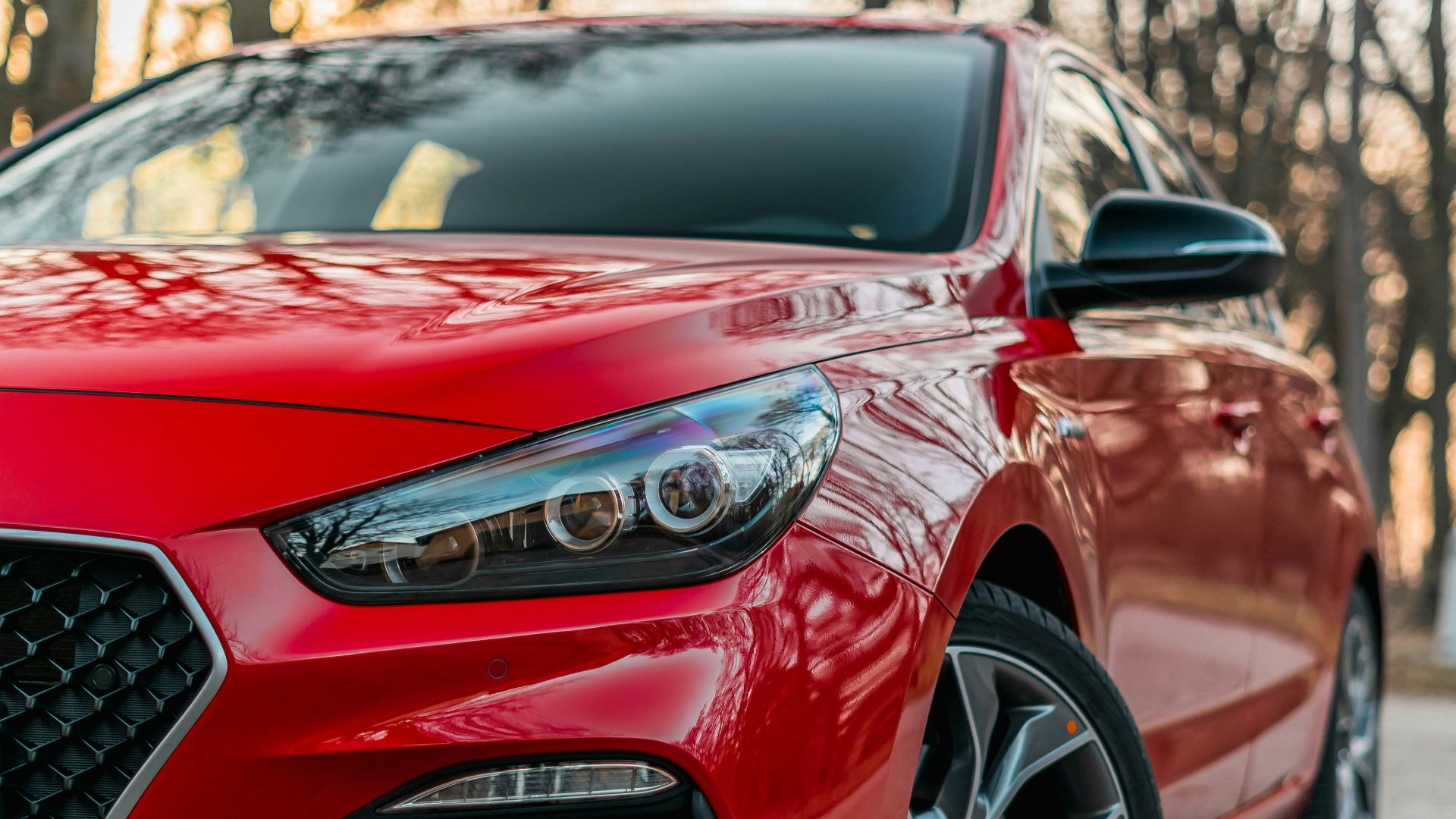
The safest middle ground is usually a high-quality film that stays comfortably within state limits and avoids very dark front side tint. That preserves many of the benefits people actually want, including cooler cabin temperatures, UV protection, and a cleaner look. It also lowers the chances that nighttime visibility will suffer badly.
A Smart Parent Conversation
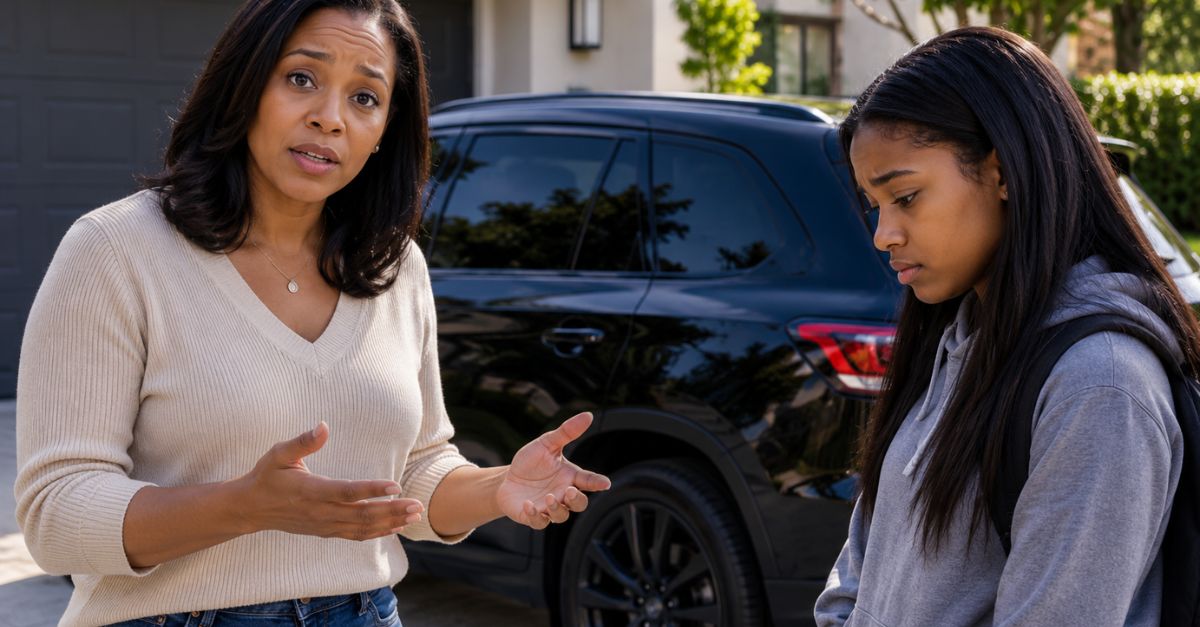
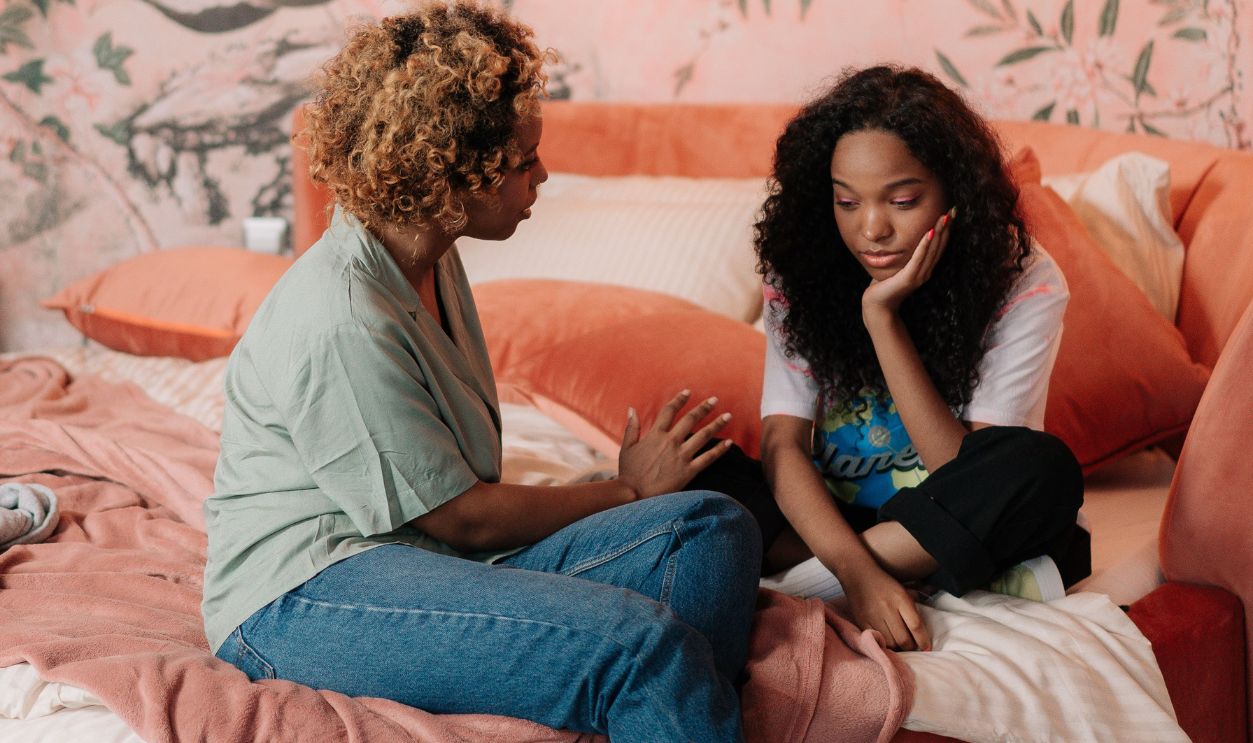
If you are trying to talk your daughter out of ultra-dark tint, skip the lecture and stick to specifics. Explain that the issue is not taste. The issue is that 5 percent or similarly extreme tint can reduce visibility when visibility matters most, which is usually at night, in rain, or in parking lots.
A Better Compromise
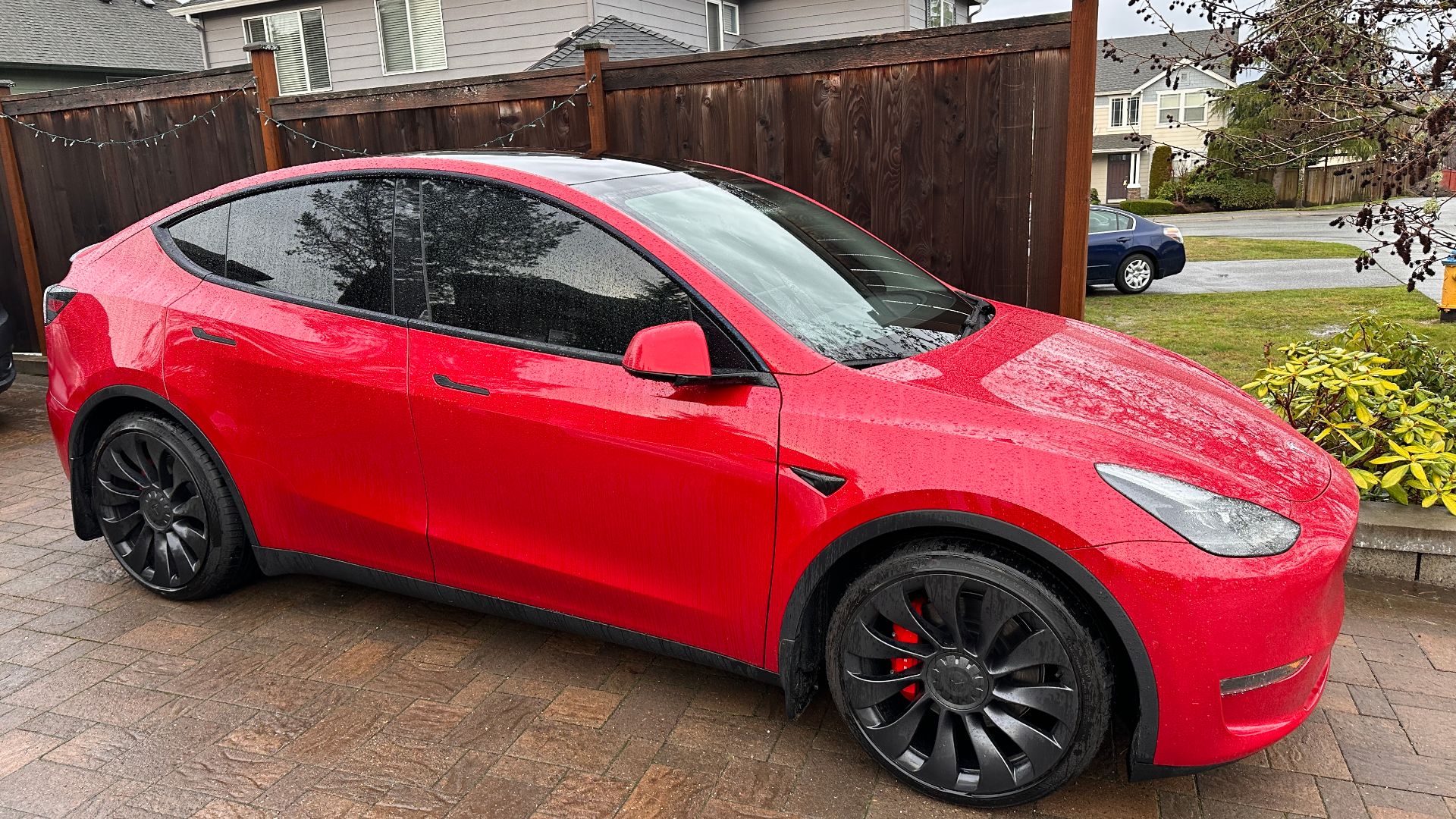
A ceramic or similarly advanced film with legal VLT can be a good compromise. These films are often chosen for heat rejection and UV blocking rather than sheer darkness. That gives a more mature answer to the problem than simply blacking out every window.
The Bottom Line For Families
Extremely dark tint is not just a cosmetic choice. It can create real safety problems, especially for night driving, backing up, and reading the road in poor weather. If the goal is comfort, privacy, and protection, there are safer and legal ways to get most of the benefits without turning the car into a rolling blindfold.