The Piano Man’s Other Great Passion
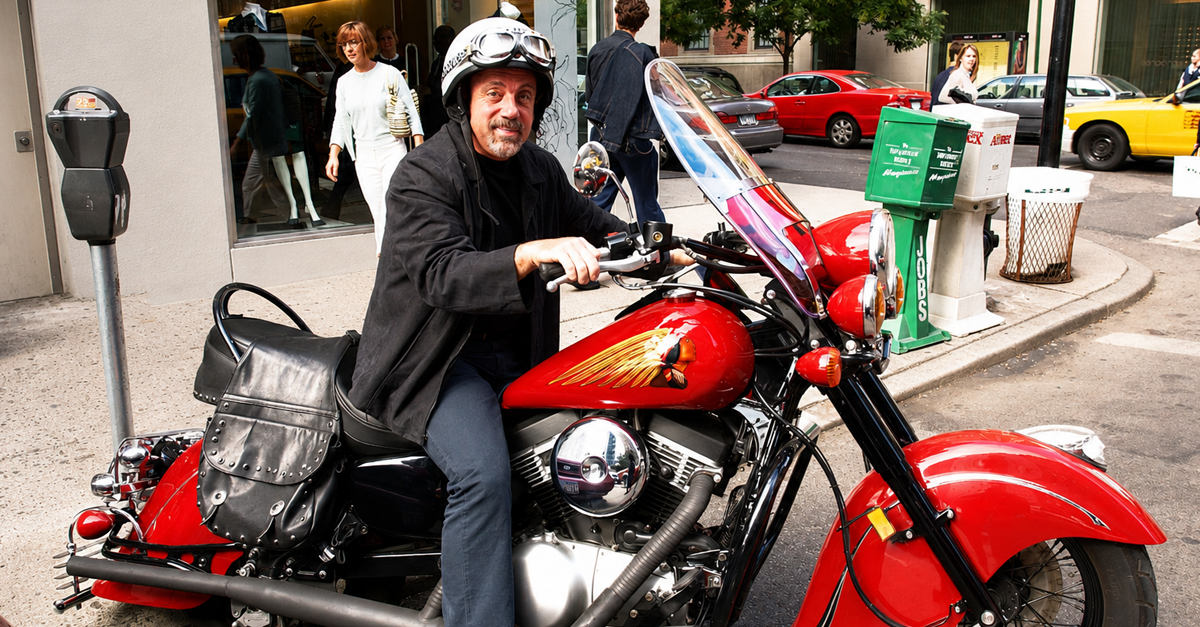
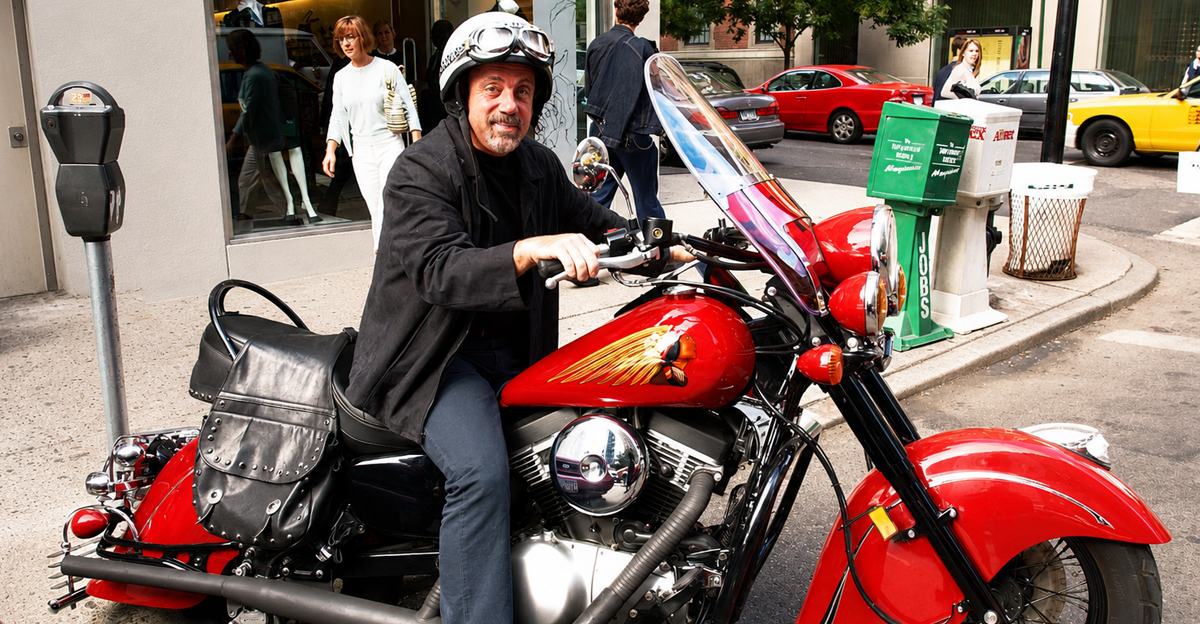
Motorcycles were never just a side note in Billy Joel’s life. Over more than three decades, he assembled a collection of over 75 European classics, Japanese favorites, American cruisers, and custom creations. His garage followed a wonderfully eclectic set list, with distinctive styling and mechanical character setting the tempo.
 Arnaldo Magnani, Getty Images A Living Museum In Oyster Bay
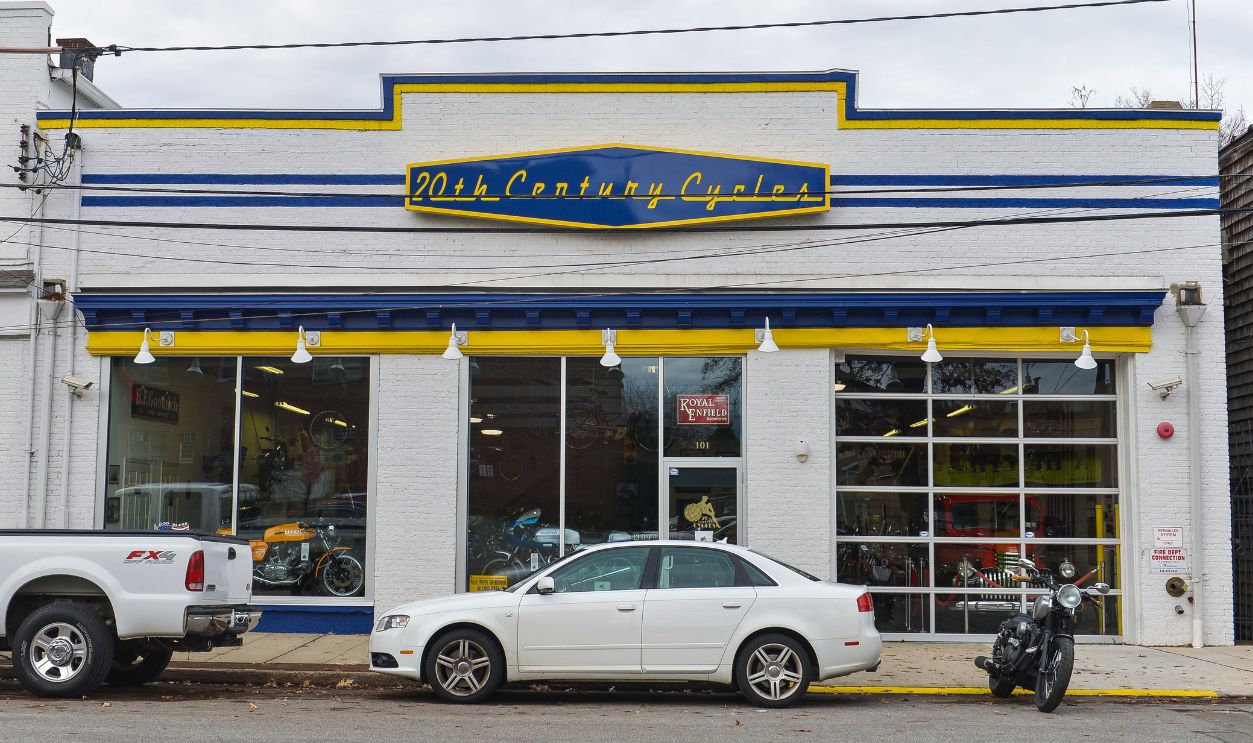
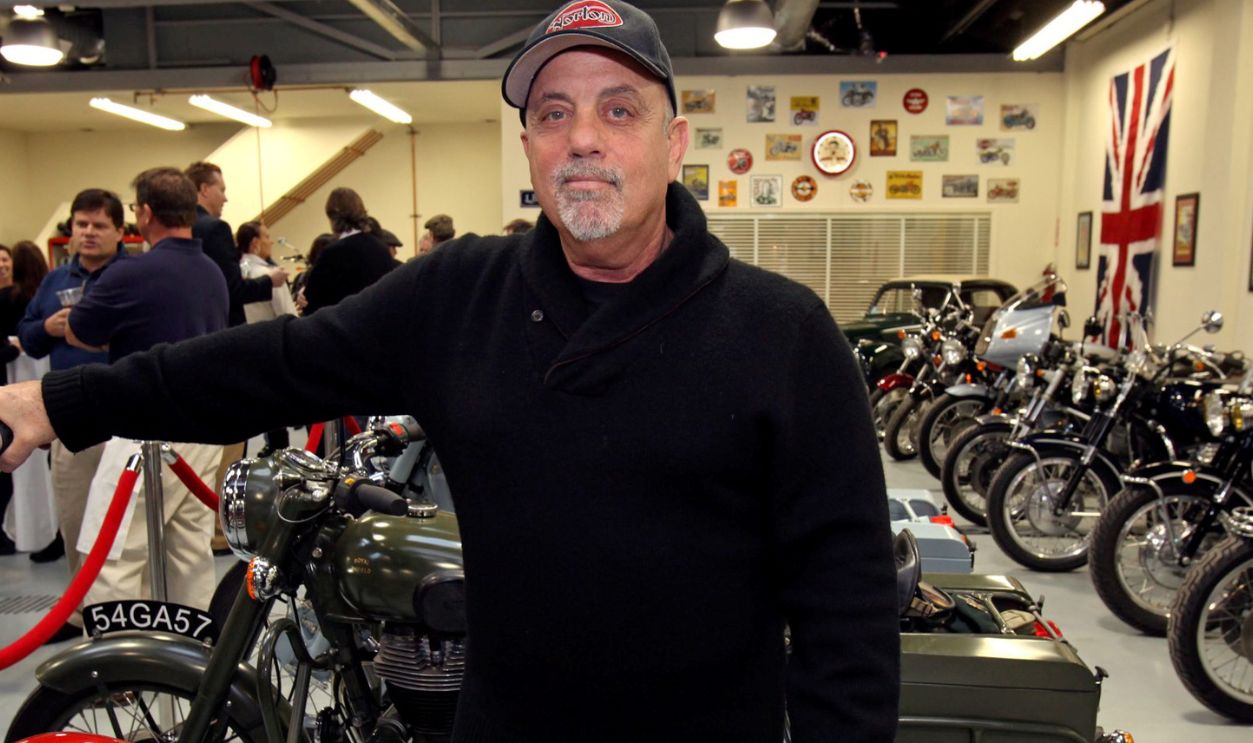
Joel opened 20th Century Cycles in Oyster Bay, New York, in November 2010. The free public exhibit began with roughly 60 motorcycles and provided space for maintaining, restoring, and customizing them. From that remarkable lineup, these 25 bikes best capture the collection’s variety, history, and personality.
 David Krieger/Bauer-Griffin, Getty Images
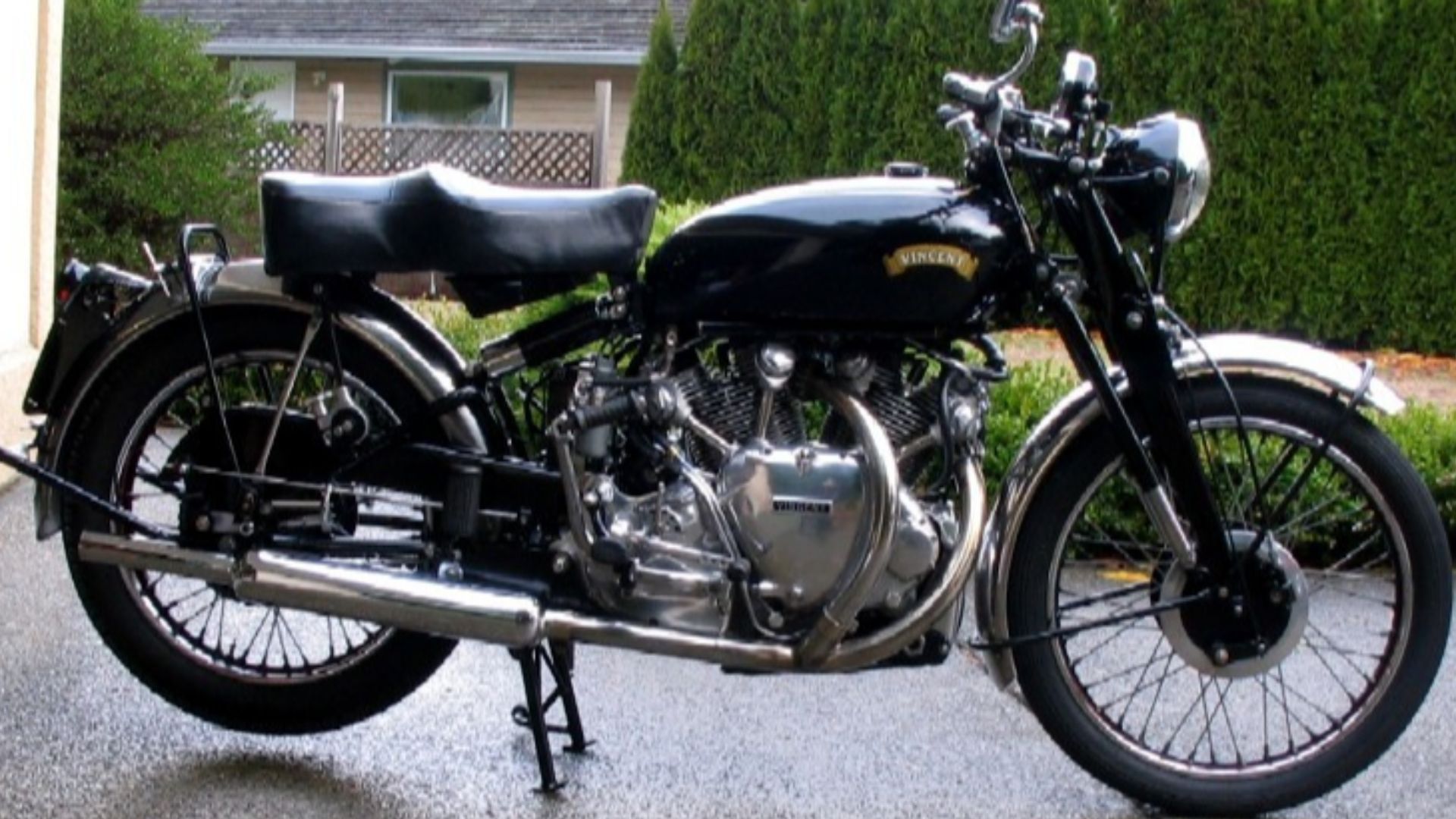
1952 Vincent Rapide
Joel’s 1952 Vincent Rapide Series C is one of the most valuable and historically significant motorcycles associated with his collection. The British-built Rapide used a 998cc, 50-degree V-twin and featured distinctive Girdraulic front suspension. Joel admired his example but acknowledged that its age and value made him nervous about damaging it.
 Unknown authorUnknown author, Wikimedia Commons
1978 Ducati 900SS
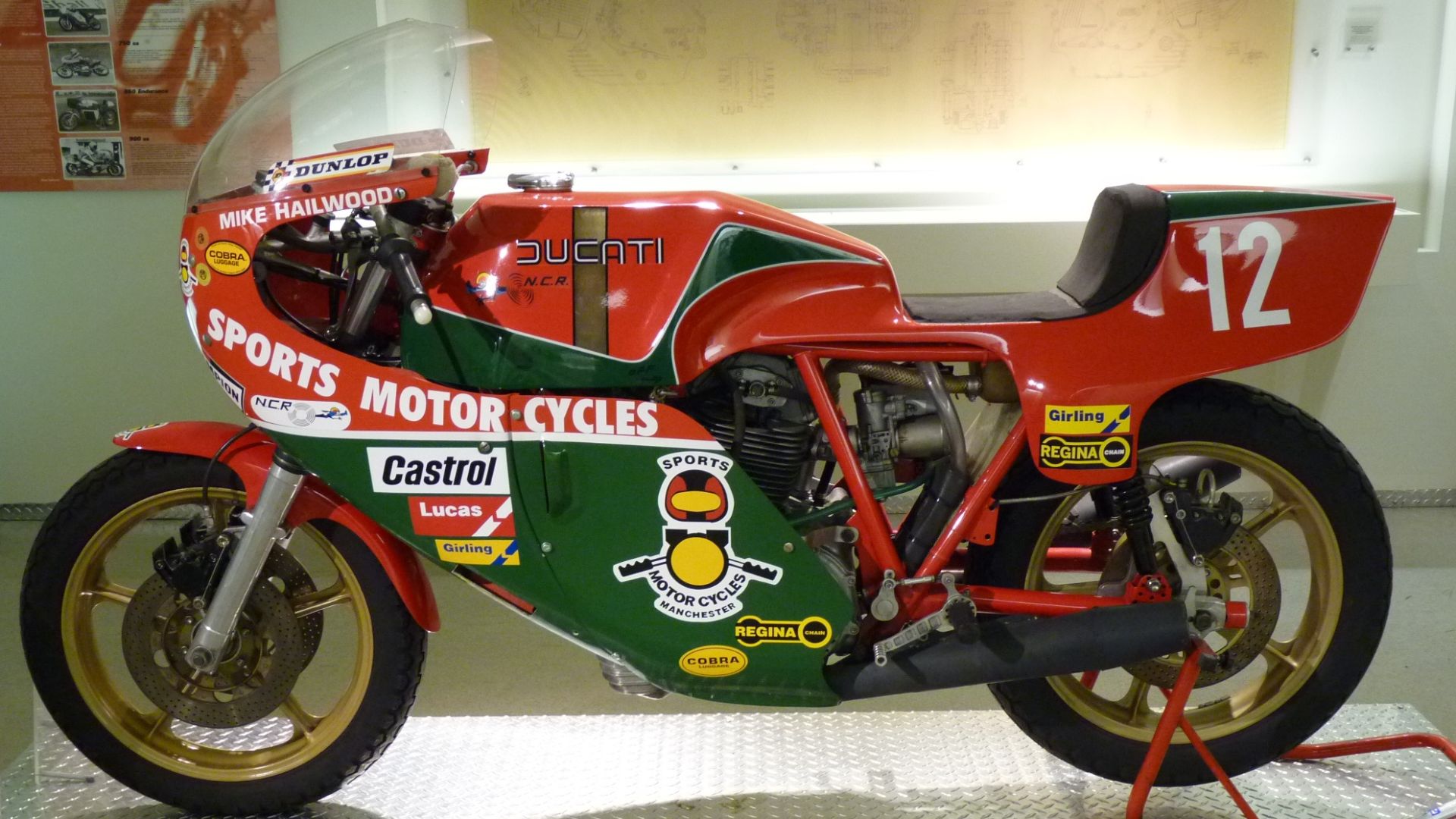
The official collection gallery identifies a 1978 Ducati 900SS among Joel’s Italian motorcycles. Its 864cc air-cooled L-twin used bevel gears to drive the camshafts, helping make the 900SS one of Ducati’s defining sporting machines. The model’s reputation received another boost when Mike Hailwood won the 1978 Isle of Man Formula One TT aboard a racing Ducati 900SS.
1975 Ducati 750 Sport
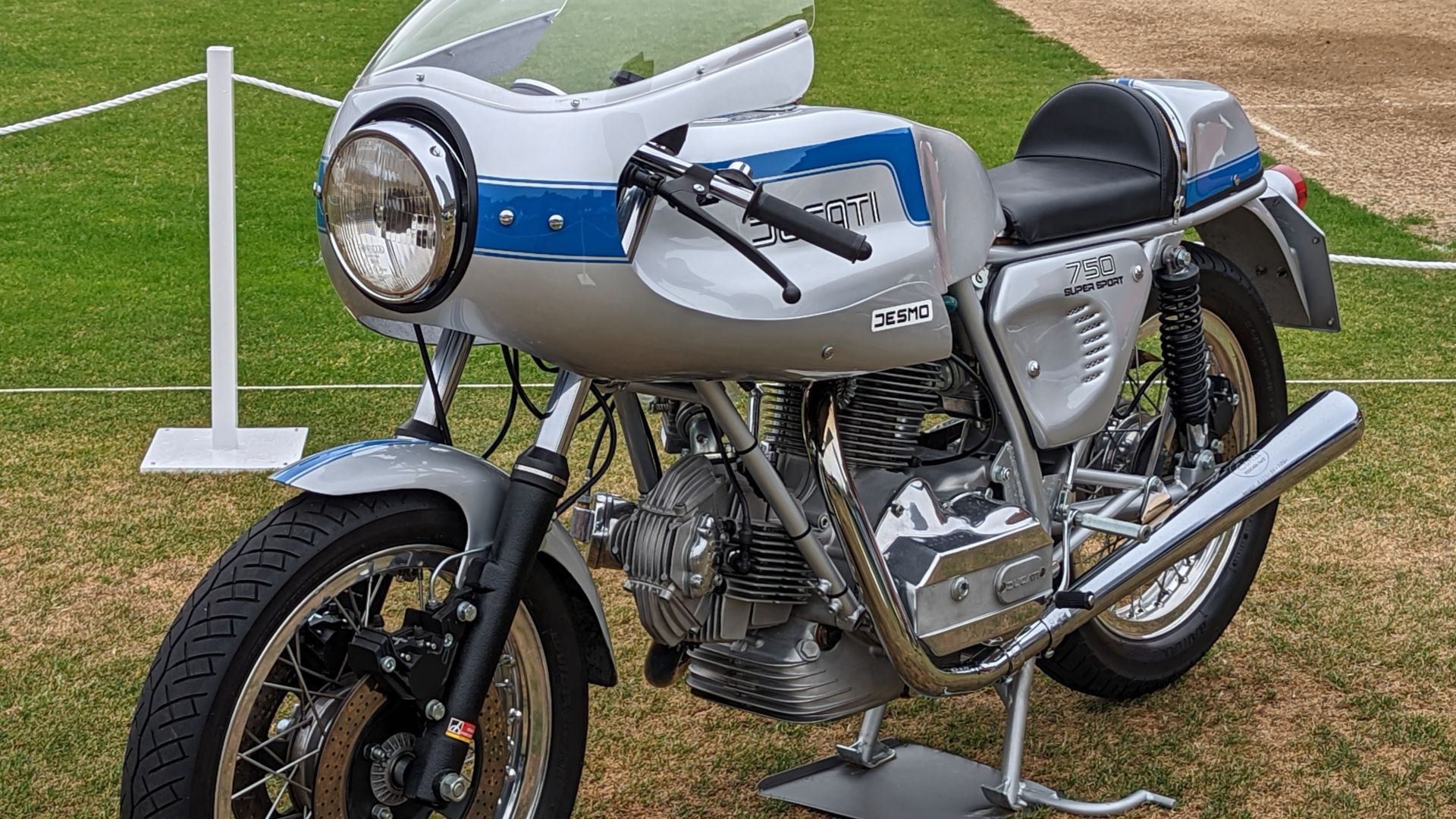
Joel’s yellow 1975 Ducati 750 Sport offered a slightly less extreme companion to the 900SS. The 750 Sport used a 748cc air-cooled 90-degree twin and wrapped that engine in a lean, uncluttered chassis. Its vivid paint and classic Italian proportions made it one of the collection’s most immediately recognizable motorcycles.
1978 Moto Guzzi 850 Le Mans
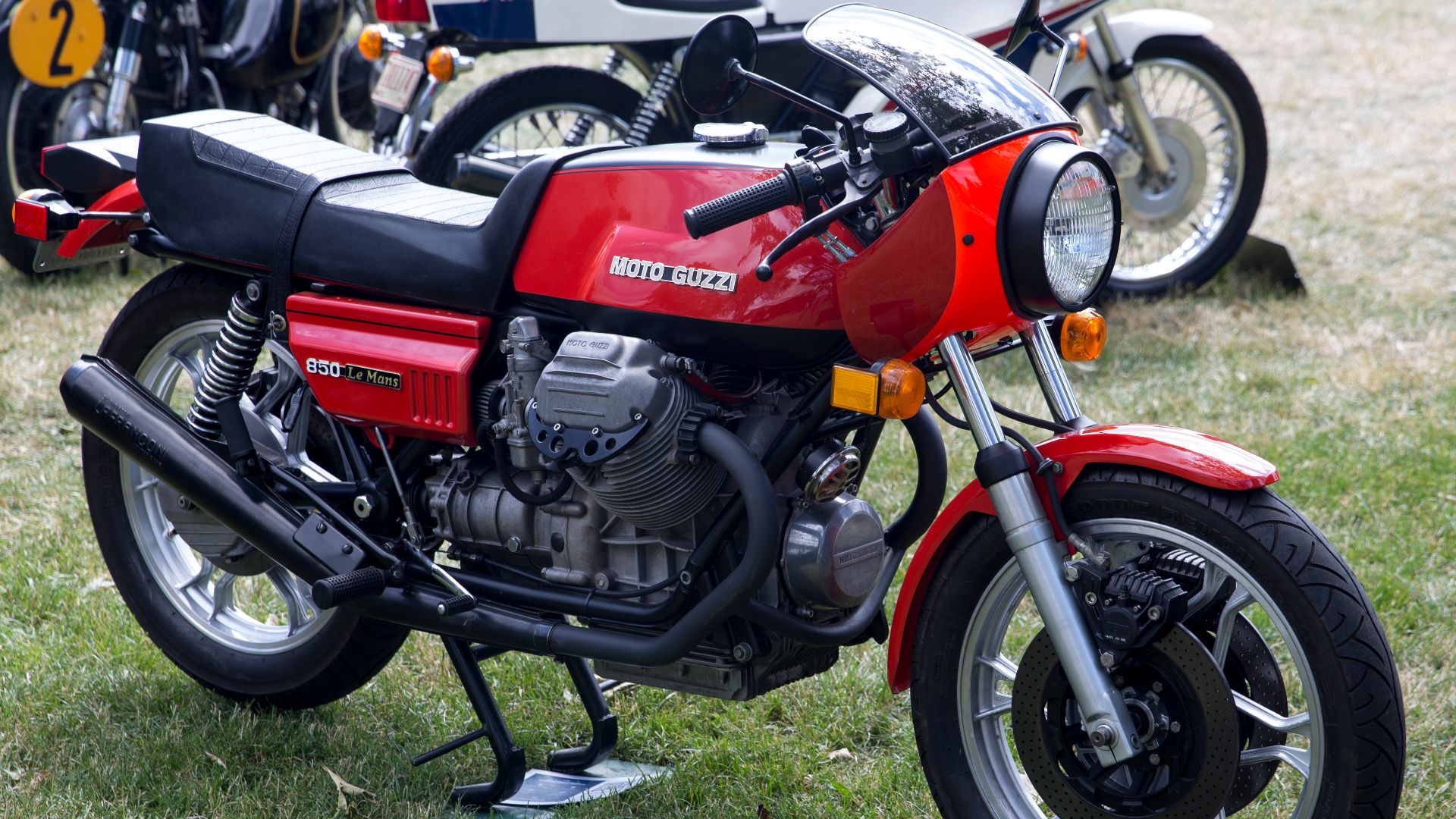
The 1978 Moto Guzzi 850 Le Mans represented Italy’s answer to the era’s fastest European road bikes. Its 844cc transverse V-twin worked with a five-speed gearbox, shaft drive, and linked braking system. Low handlebars, a small fairing, and an abbreviated tail gave Joel’s Le Mans the purposeful appearance of an endurance racer.
 Mr.choppers, Wikimedia Commons
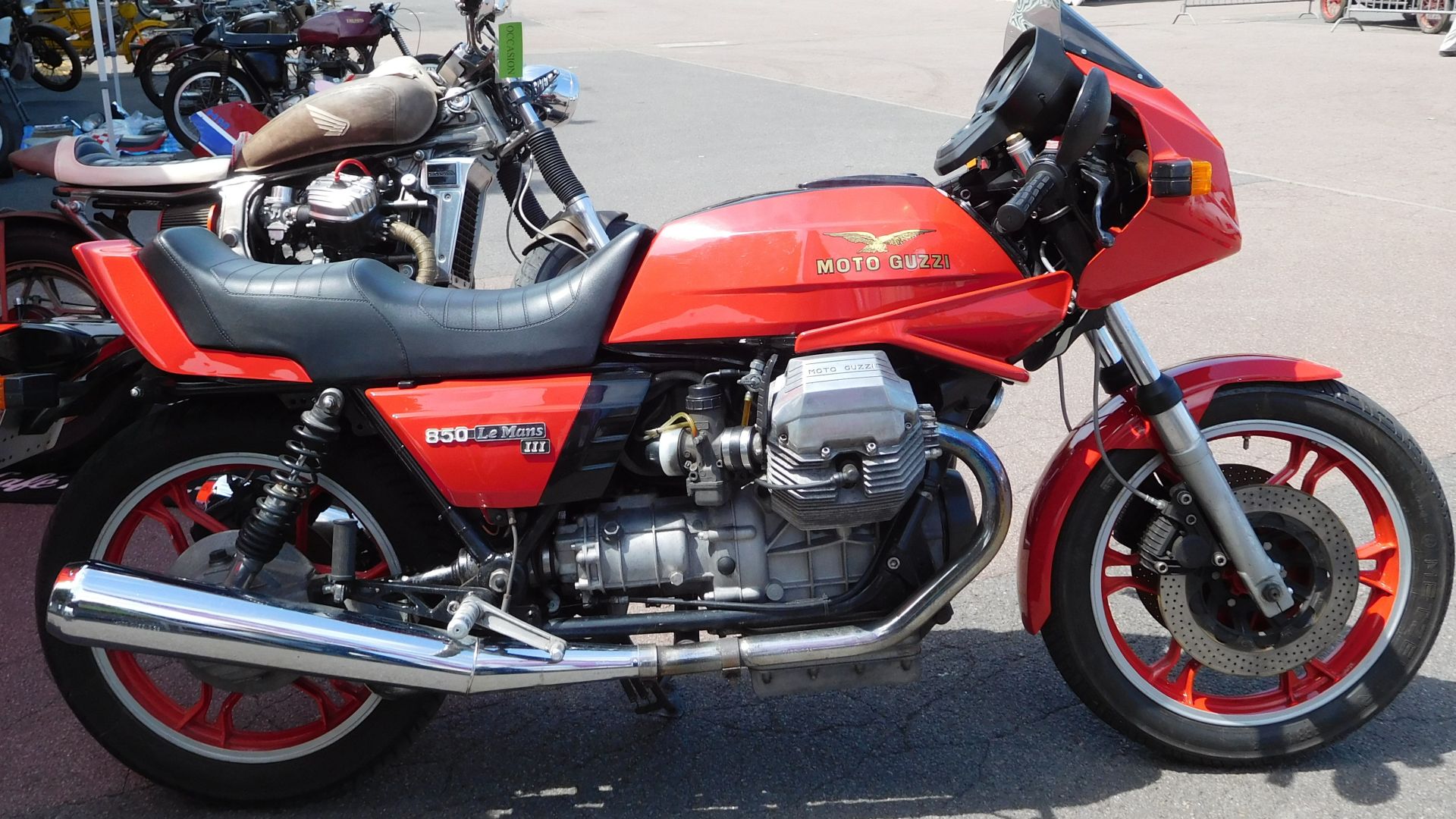
Moto Guzzi Le Mans III
Joel also owned a later Moto Guzzi 850 Le Mans III, showing how the Italian sport bike evolved. Produced from 1981 through 1983, the Le Mans III retained an 844cc air-cooled V-twin but adopted more angular bodywork and a larger fuel tank. Keeping it beside the earlier Le Mans allowed visitors to compare two distinct stages of the same celebrated bloodline.
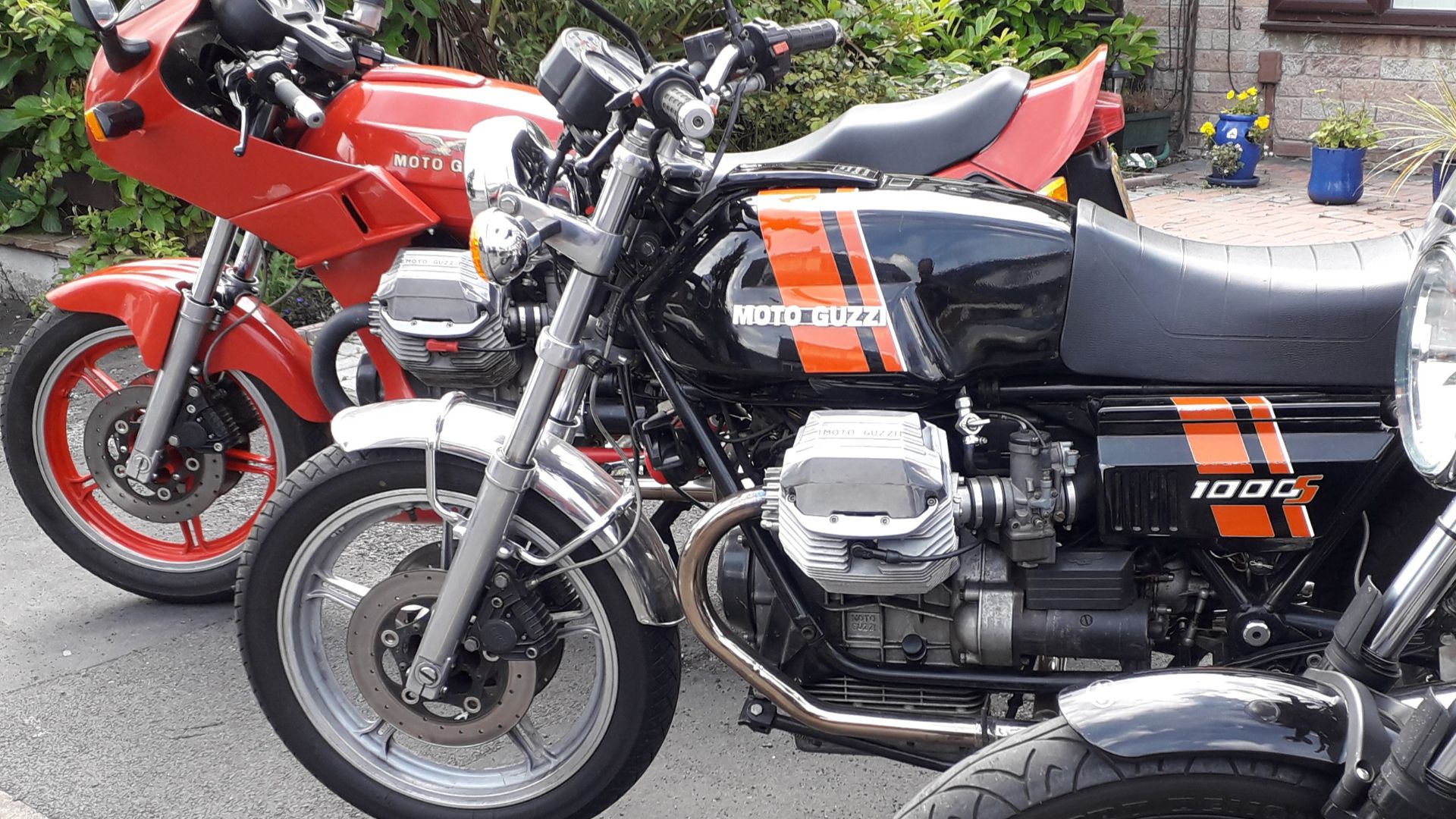
1993 Moto Guzzi 1000S
The official gallery labels another of Joel’s bikes as a 1993 Moto Guzzi 1000S. Its green tank, red frame, twin-cylinder engine, and exposed mechanical components recalled Moto Guzzi sport bikes from the 1970s. The 1000S suited Joel’s preference for motorcycles that combined older styling with more recent engineering.
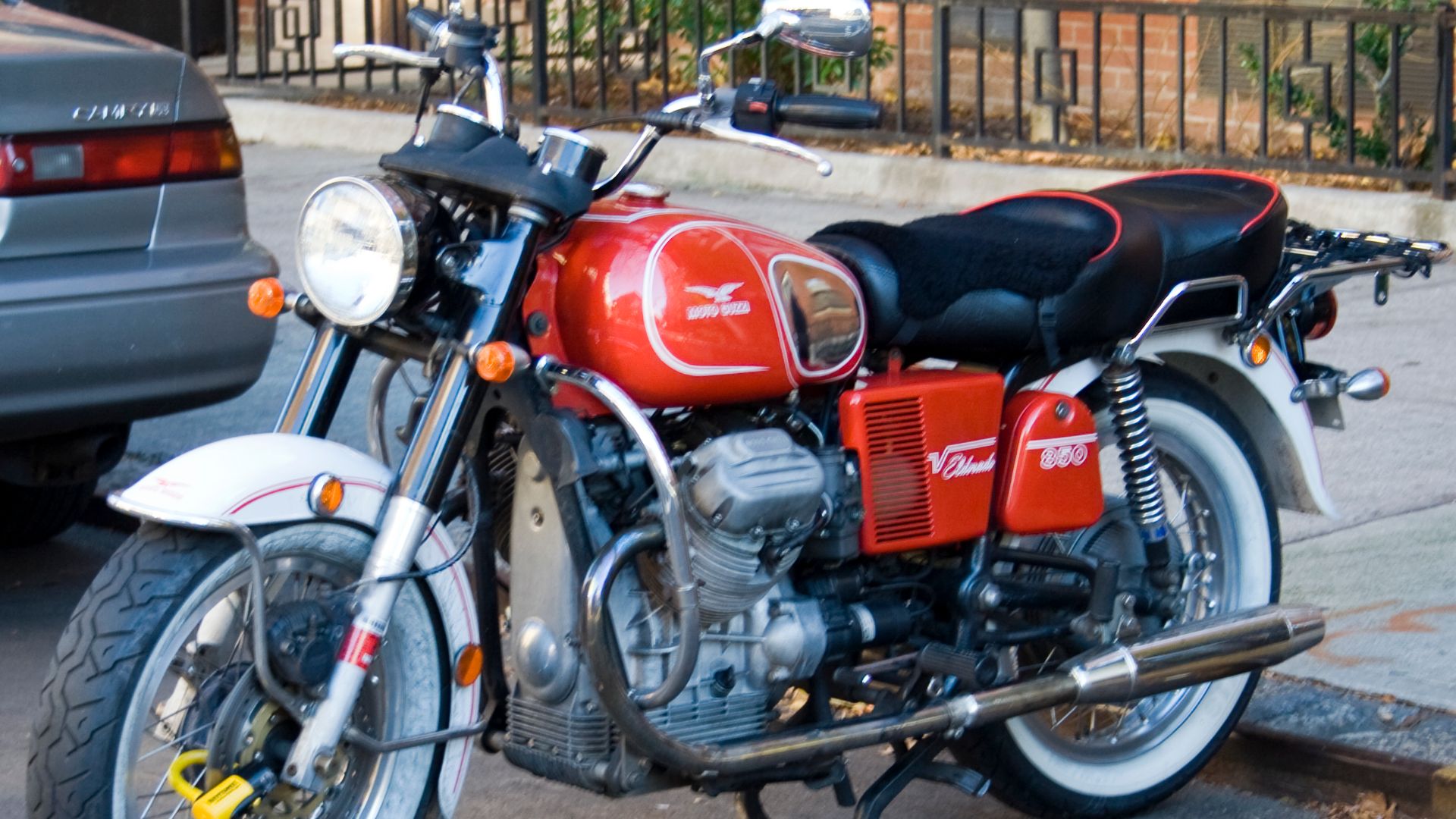
1973 Moto Guzzi Eldorado
The 1973 Moto Guzzi Eldorado brought a more relaxed personality to Joel’s Italian lineup. Its 844cc V-twin produced a factory-rated 64 horsepower and worked with a five-speed transmission. A broad saddle, upright riding position, and substantial fenders made the Eldorado better suited to effortless cruising than café-racer theatrics.
 Mr.choppers, Wikimedia Commons
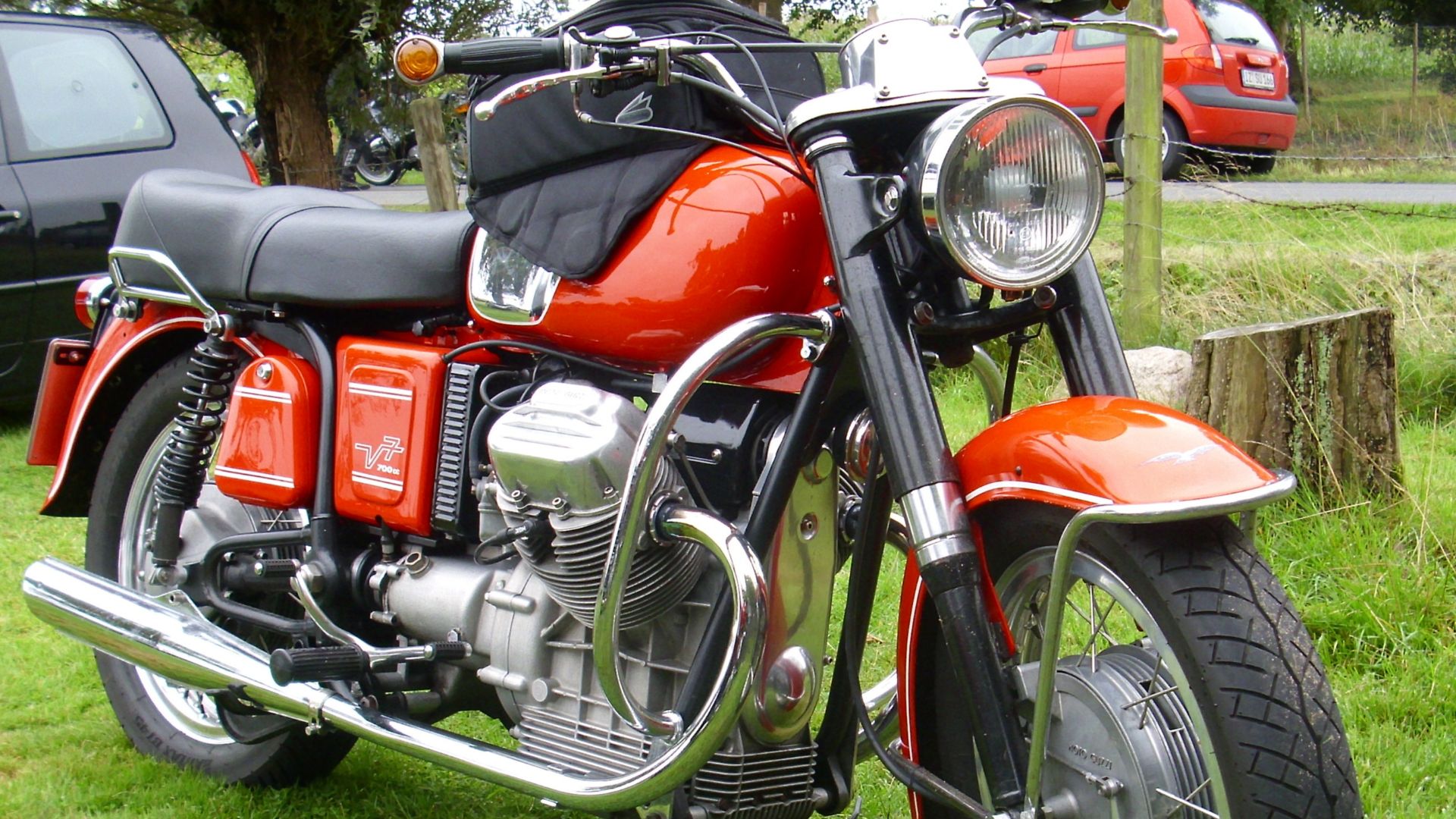
1969 Moto Guzzi V700
Joel’s 1969 Moto Guzzi V700 represented an important early chapter in the company’s V-twin history. The V700 combined a transverse engine with a four-speed transmission, dry clutch, and shaft final drive. Its loop frame and deeply valanced fenders established a visual and mechanical formula that Moto Guzzi would refine for decades.
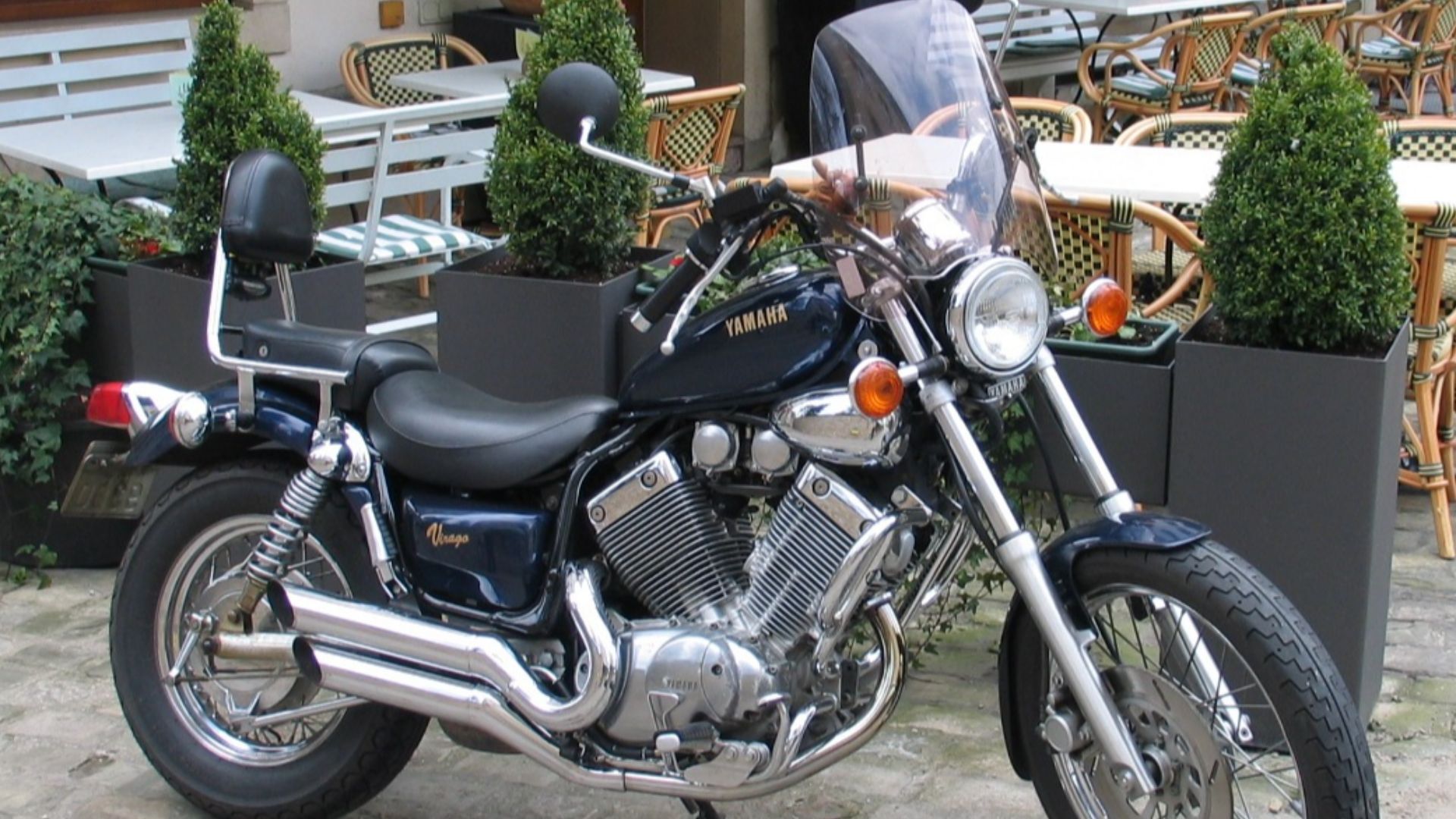
Vincent-Inspired Vinago
The Vinago was created after Joel noticed similarities between a Yamaha Virago and his valuable Vincent Rapide. Builder Greg Hageman combined a 1982 Virago XV750 chassis with the engine from a 1998 Virago 1100, then reshaped the motorcycle to evoke a vintage Vincent. The result captured Joel’s enthusiasm for classic styling without requiring him to risk the original Rapide.
 Paul Hermans at Dutch Wikipedia, Wikimedia Commons
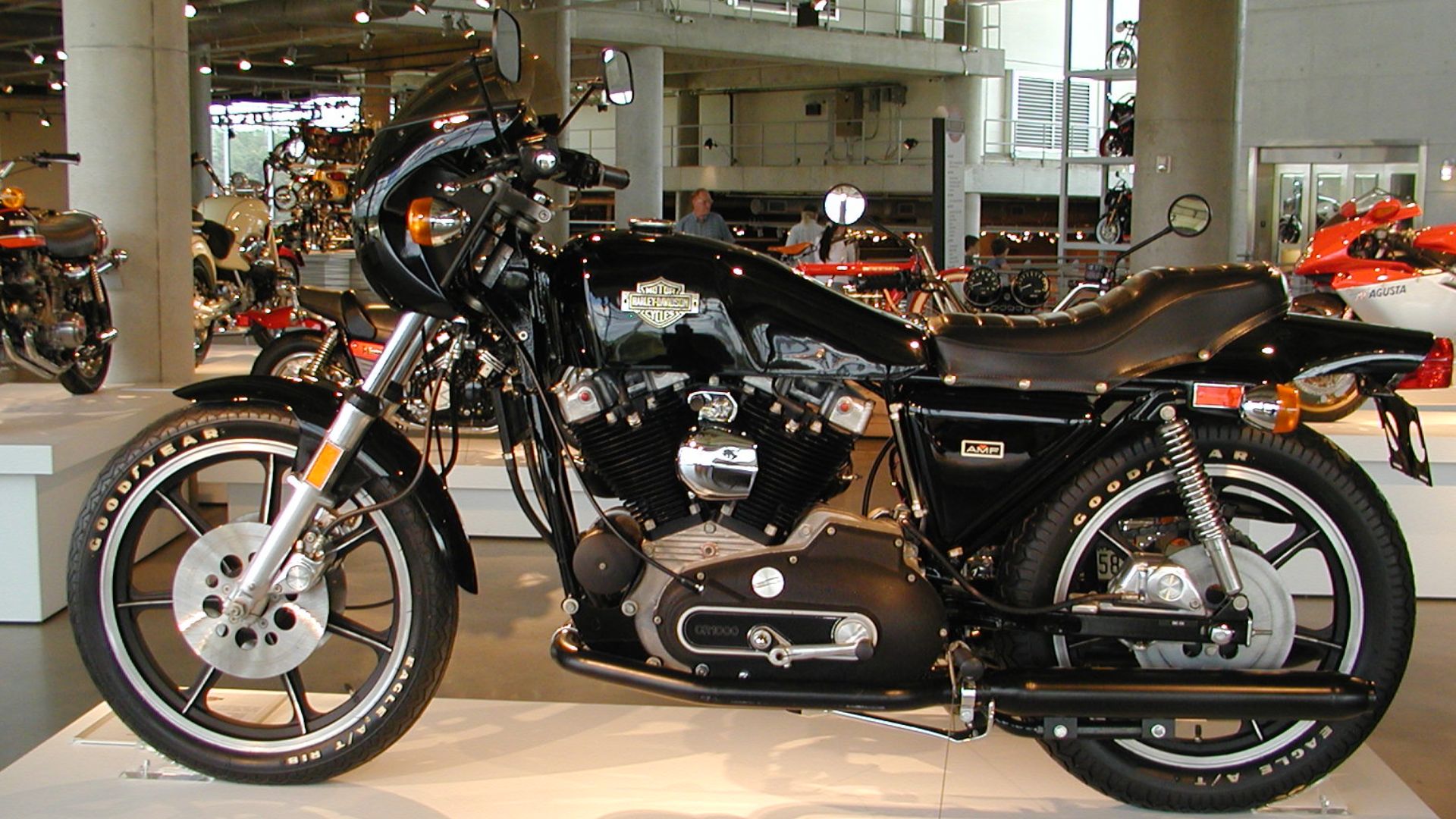
1977 Harley-Davidson XLCR
Harley-Davidson’s XLCR was a rare attempt to transform the Sportster into a factory café racer. Produced from 1977 through 1979, it featured black bodywork, a compact fairing, cast wheels, low handlebars, and a long fuel tank. Joel’s 1977 example brought one of Harley’s most unconventional production motorcycles into the collection.
 Mike Schinkel, Wikimedia Commons
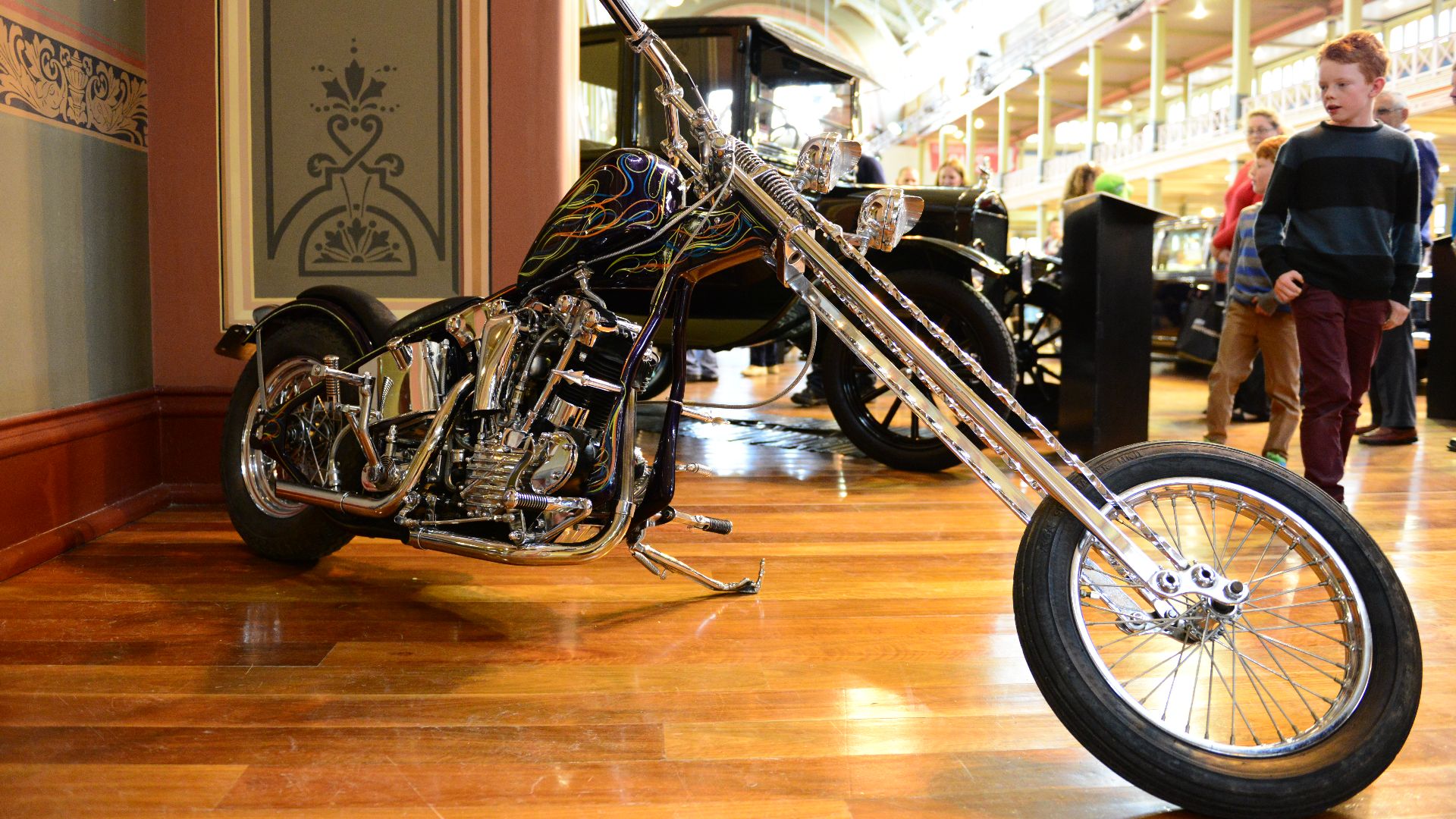
Custom Harley-Davidson Knucklehead
A custom Knucklehead gave Joel’s lineup a direct connection to one of Harley-Davidson’s most important engine families. Introduced in 1936, the Knucklehead was Harley’s first overhead-valve production engine and established architecture that influenced later Big Twins. Joel’s customized motorcycle preserved that unmistakable engine shape while presenting it with a stripped-down personality.
 Chris Phutully from Australia, Wikimedia Commons
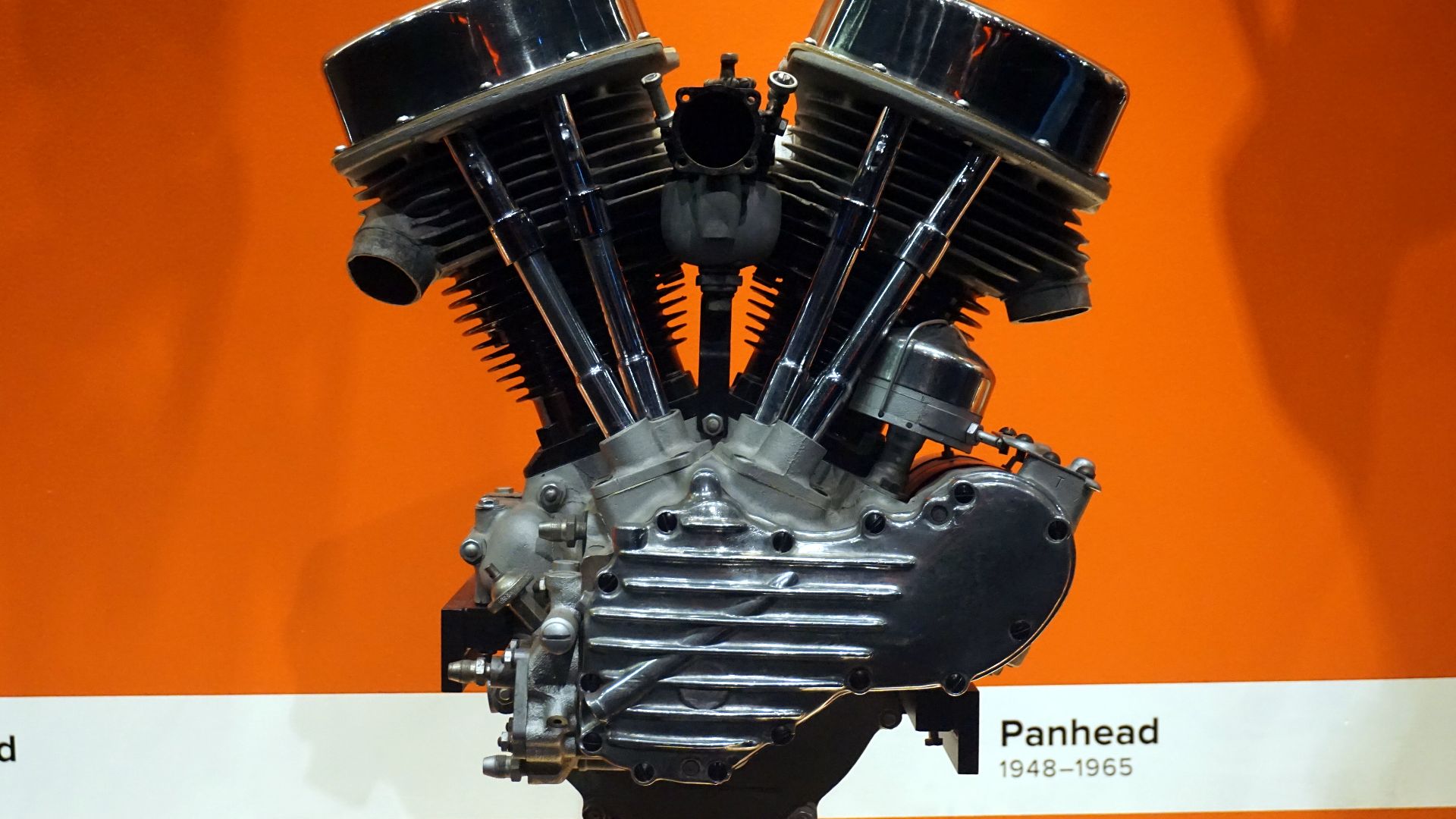
Custom Harley-Davidson Panhead
Joel’s collection also included a custom motorcycle built around Harley-Davidson’s Panhead engine. Introduced in 1948, the Panhead added aluminum cylinder heads, hydraulic valve lifters, and improved lubrication to Harley’s Big Twin formula. Its hand-built appearance placed postwar American mechanical style alongside the collection’s polished European classics.
 Michael Barera, Wikimedia Commons
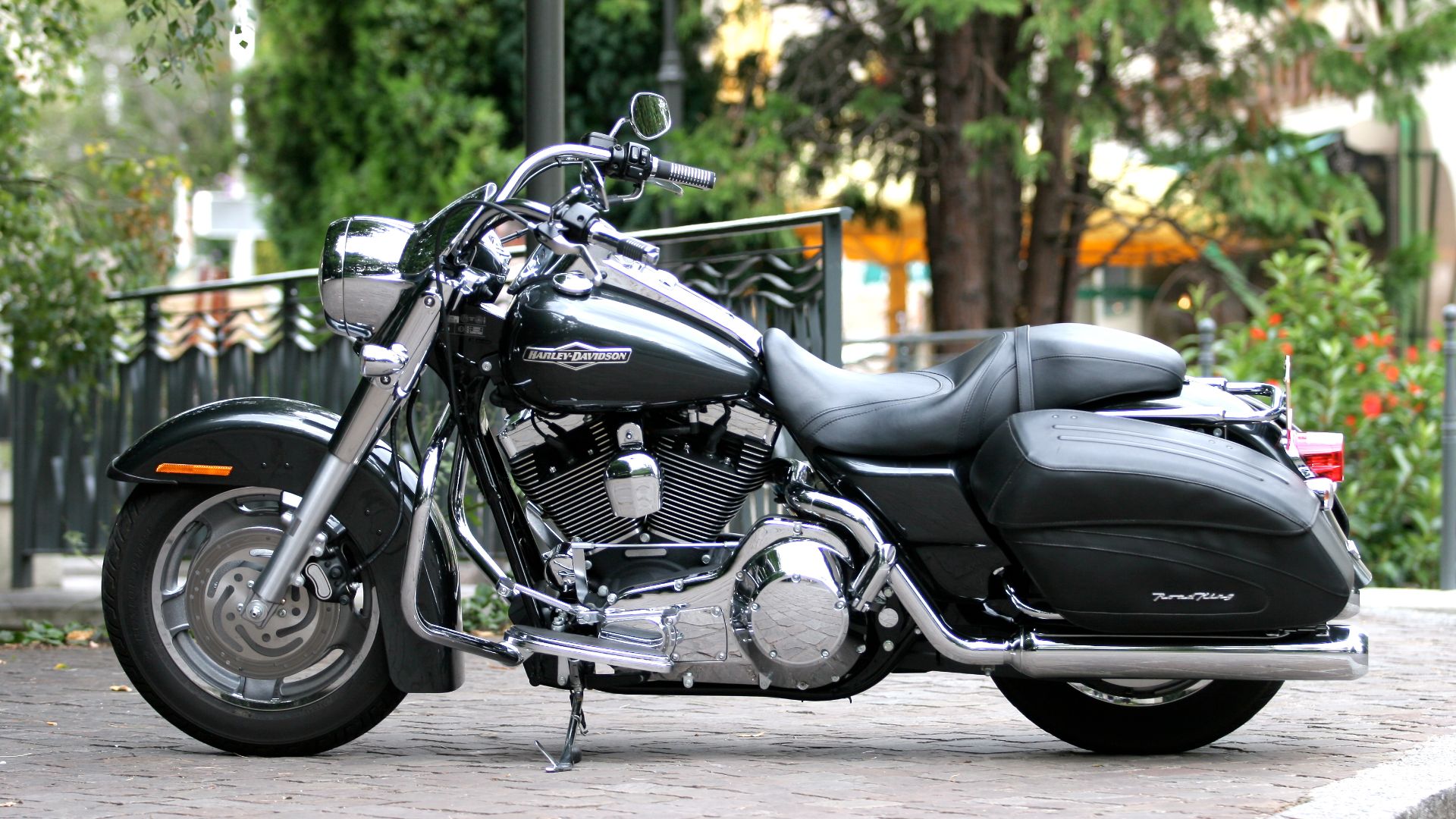
2006 Harley-Davidson Road King Sidecar
A 2006 Harley-Davidson Road King Sidecar added practical eccentricity to the collection. The matching sidecar transformed the touring-oriented Road King into a three-wheeled machine capable of carrying a passenger beside the rider. It also demonstrated that Joel’s collection extended beyond lightweight café racers and rare sporting motorcycles.
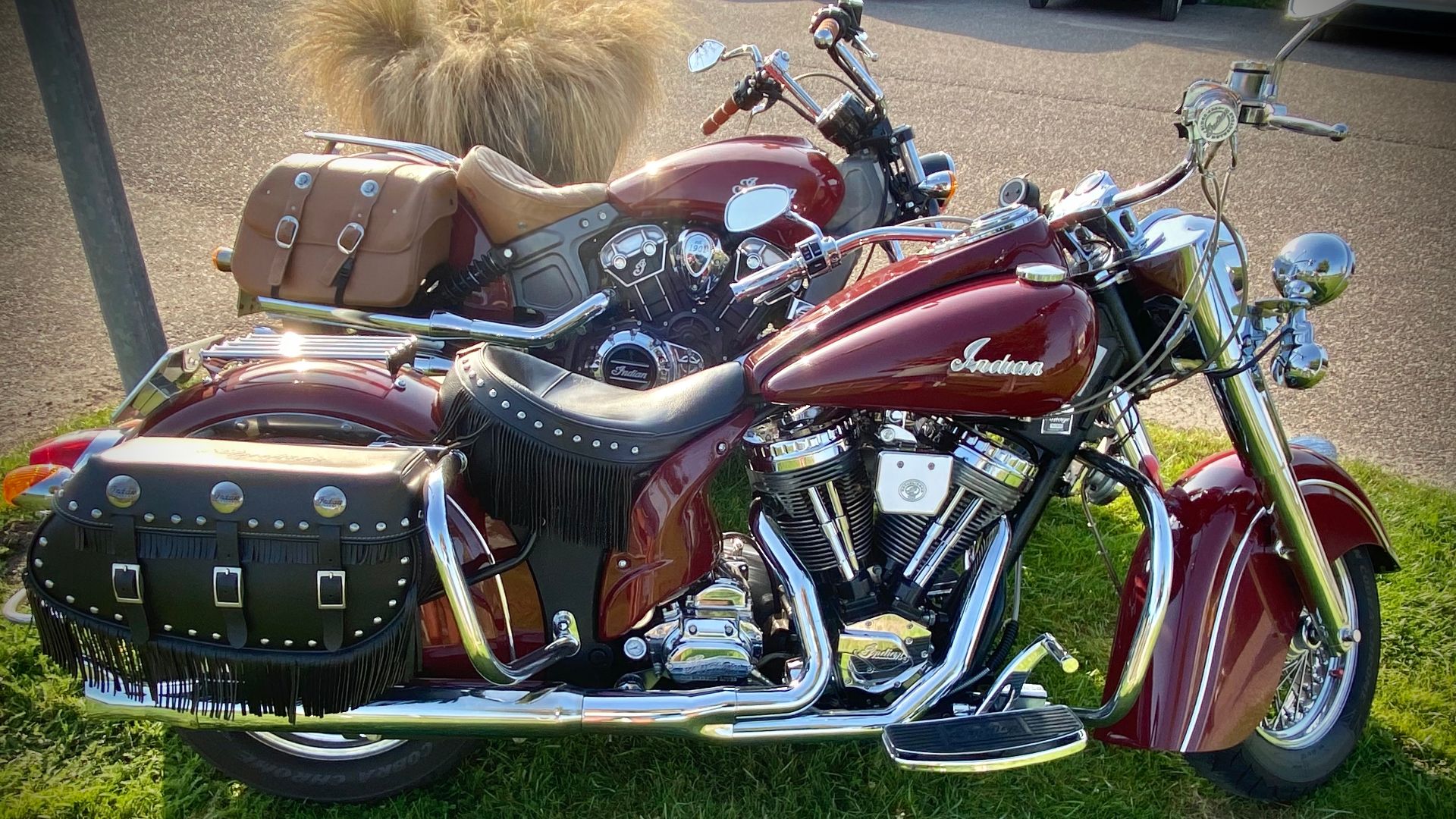
2003 Indian Chief
The official collection gallery identifies a 2003 Indian Chief among Joel’s American cruisers. Its deeply skirted fenders, broad bodywork, whitewall tires, and large V-twin created a dramatic silhouette inspired by earlier Indian motorcycles. The Chief gave the collection a useful counterpoint to Joel’s numerous Harley-Davidsons.
 Kuroczynski, Wikimedia Commons
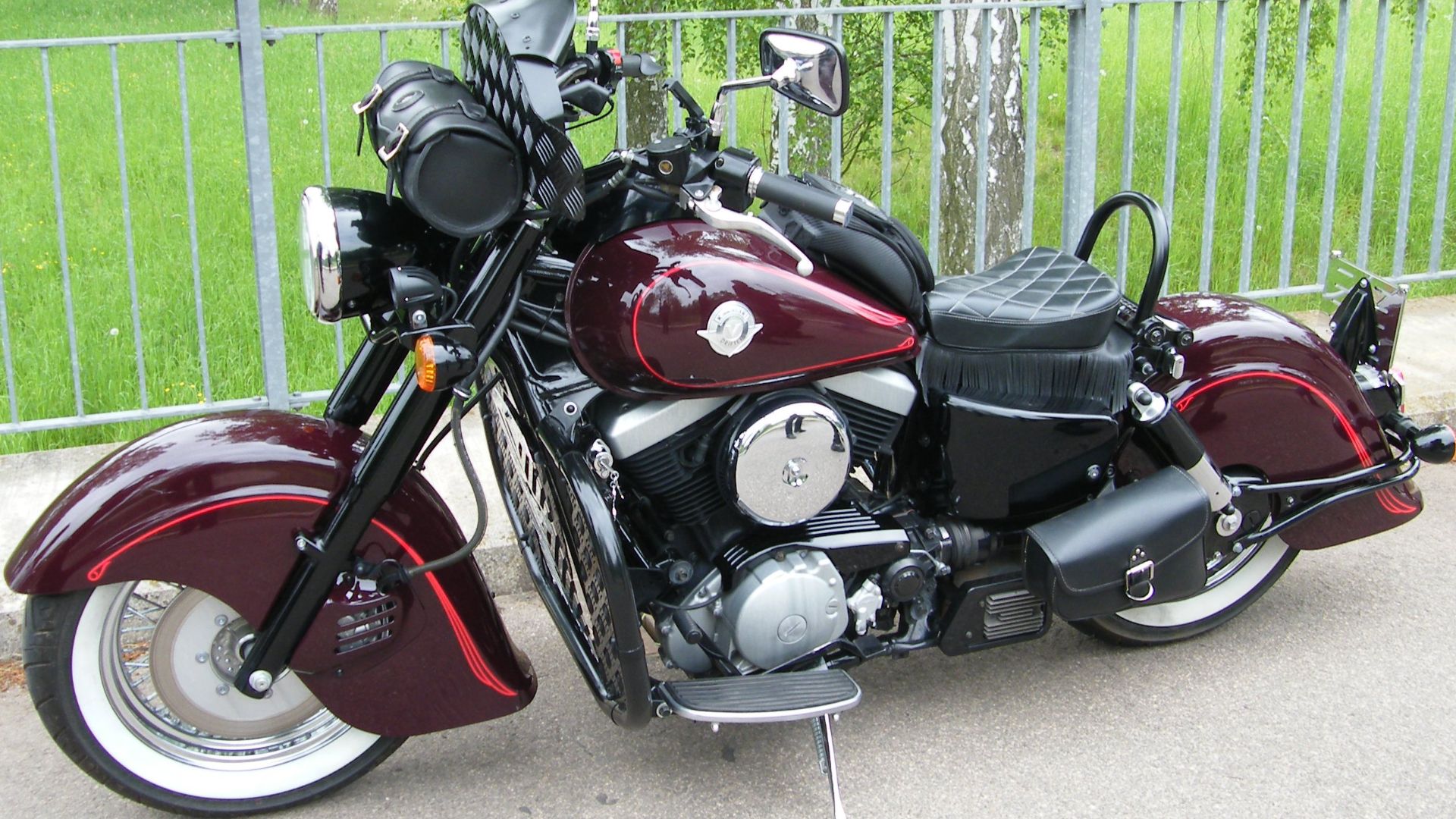
1999 Kawasaki Drifter
Joel’s 1999 Kawasaki Drifter looked like a restored American cruiser but was a relatively modern Japanese motorcycle. The Drifter 1500 combined vintage-inspired bodywork with a 1,470cc liquid-cooled V-twin, electronic fuel injection, and shaft drive. Its sweeping fenders made it a natural fit for Joel’s interest in recreating older styles with newer mechanical components.
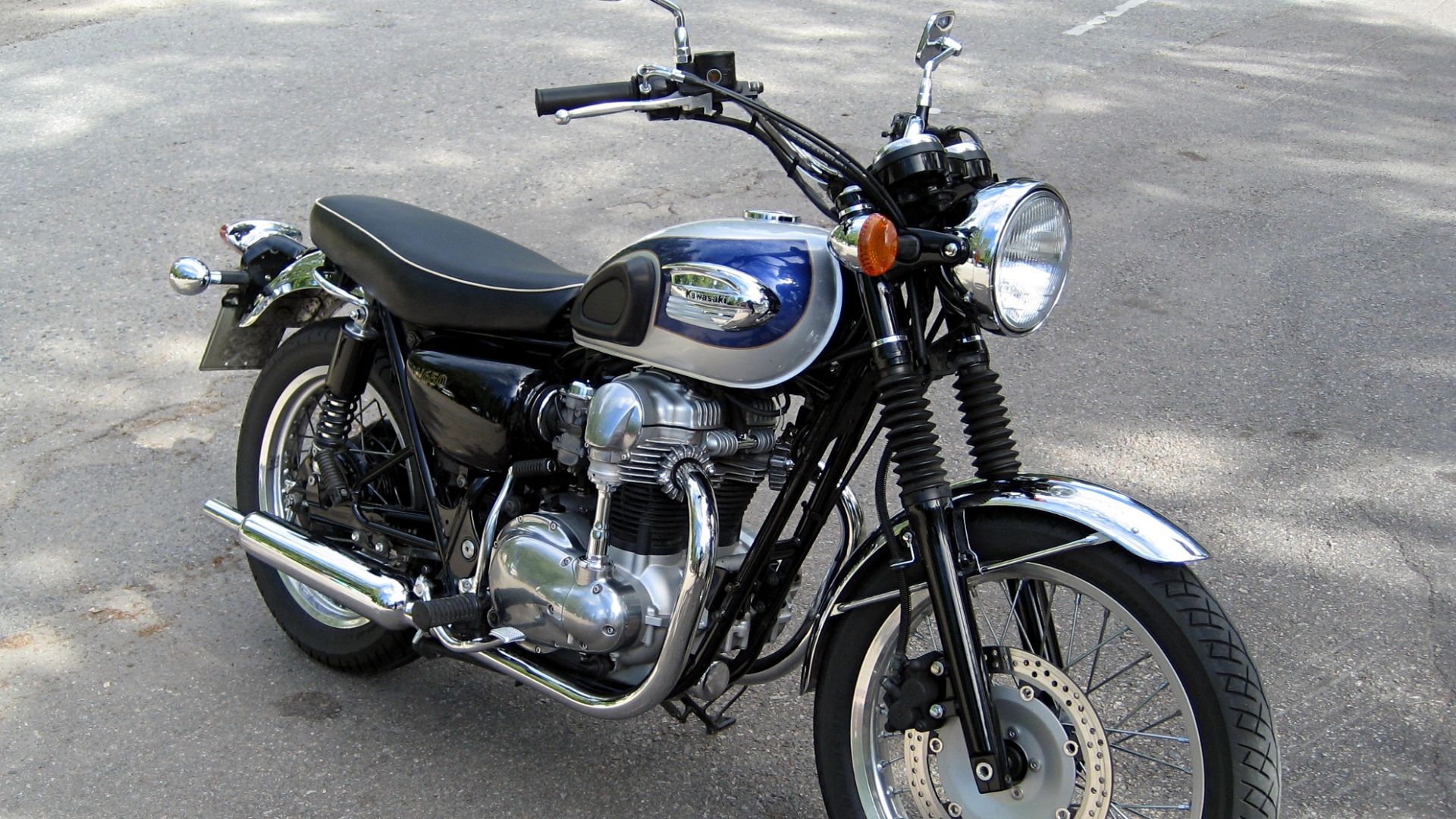
Customized Kawasaki W650 Deus
One of Joel’s Kawasaki W650s received a custom treatment associated with Deus Ex Machina. Kawasaki introduced the W650 in America for 2000 with a gear-driven overhead camshaft, electric starting, a balance shaft, and a front disc brake. The custom build used that dependable foundation to produce a cleaner, more individual café-style motorcycle.
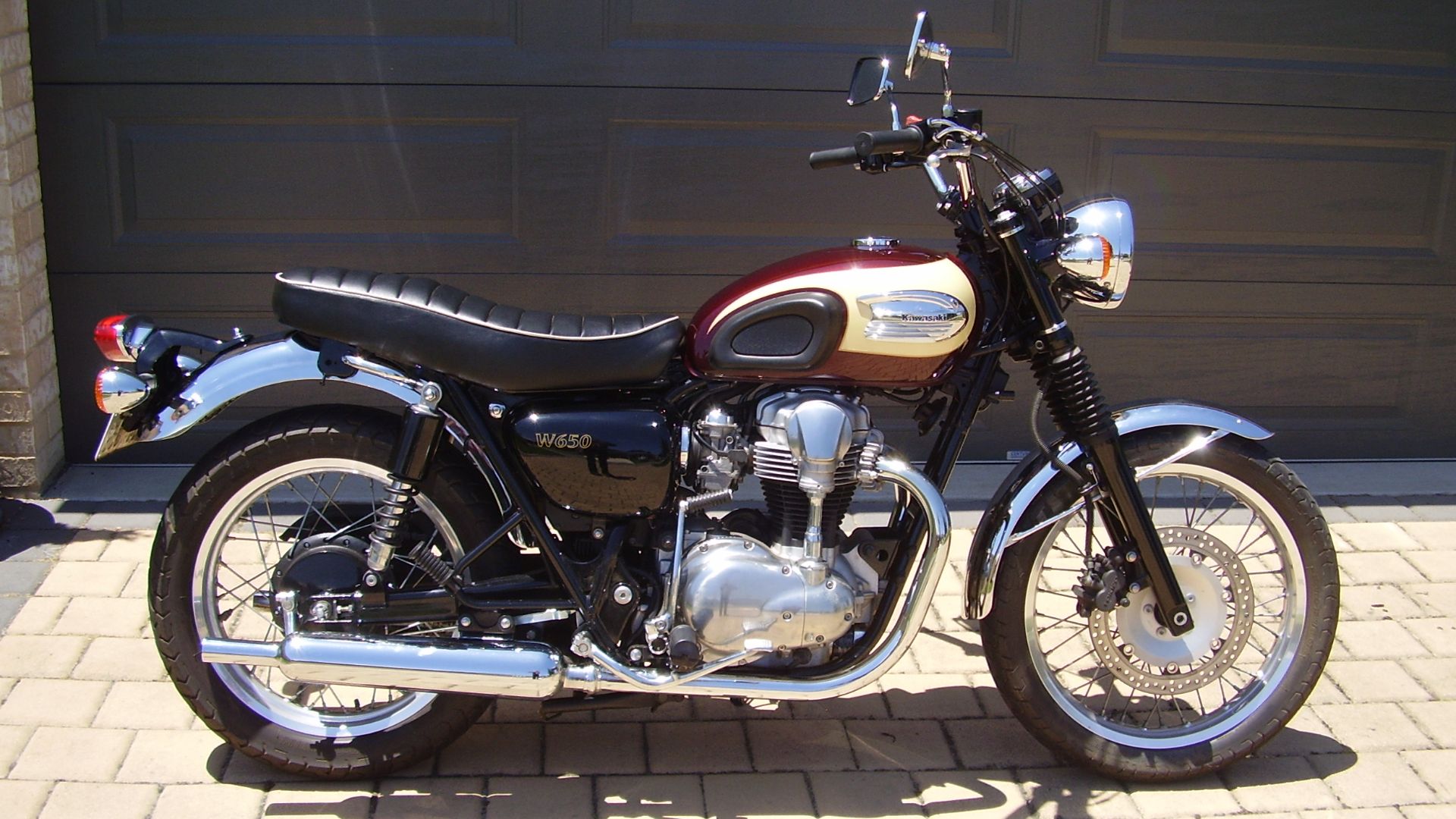
Kawasaki W650 BSA Tribute
A second W650 in the official gallery is identified as Joel’s BSA-inspired custom. The W650 already possessed the proportions of a classic British parallel twin, making it an effective starting point for this transformation. BSA-inspired detailing allowed Joel to enjoy the appearance of an older British motorcycle with the easier starting and braking of a newer Kawasaki.
 Michael1952, Wikimedia Commons
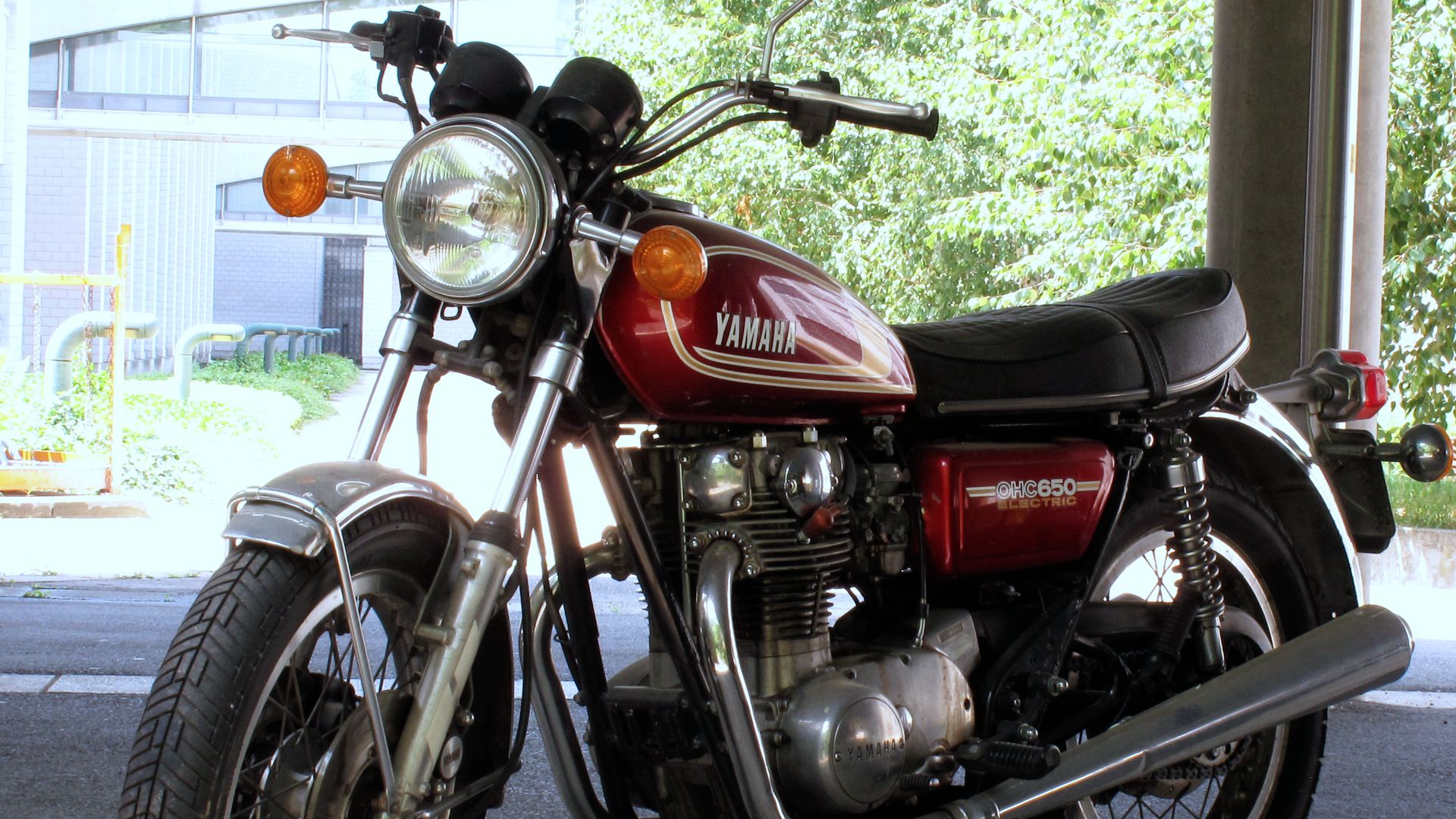
1975 Yamaha XS650
Joel’s 1975 Yamaha XS650 continued the collection’s theme of Japanese motorcycles influenced by British design. The XS650 used a sturdy parallel-twin engine with a chain-driven camshaft, horizontally split crankcases, and electric starting on later versions. Its durability and simple layout also made the model a longstanding favorite among custom builders.
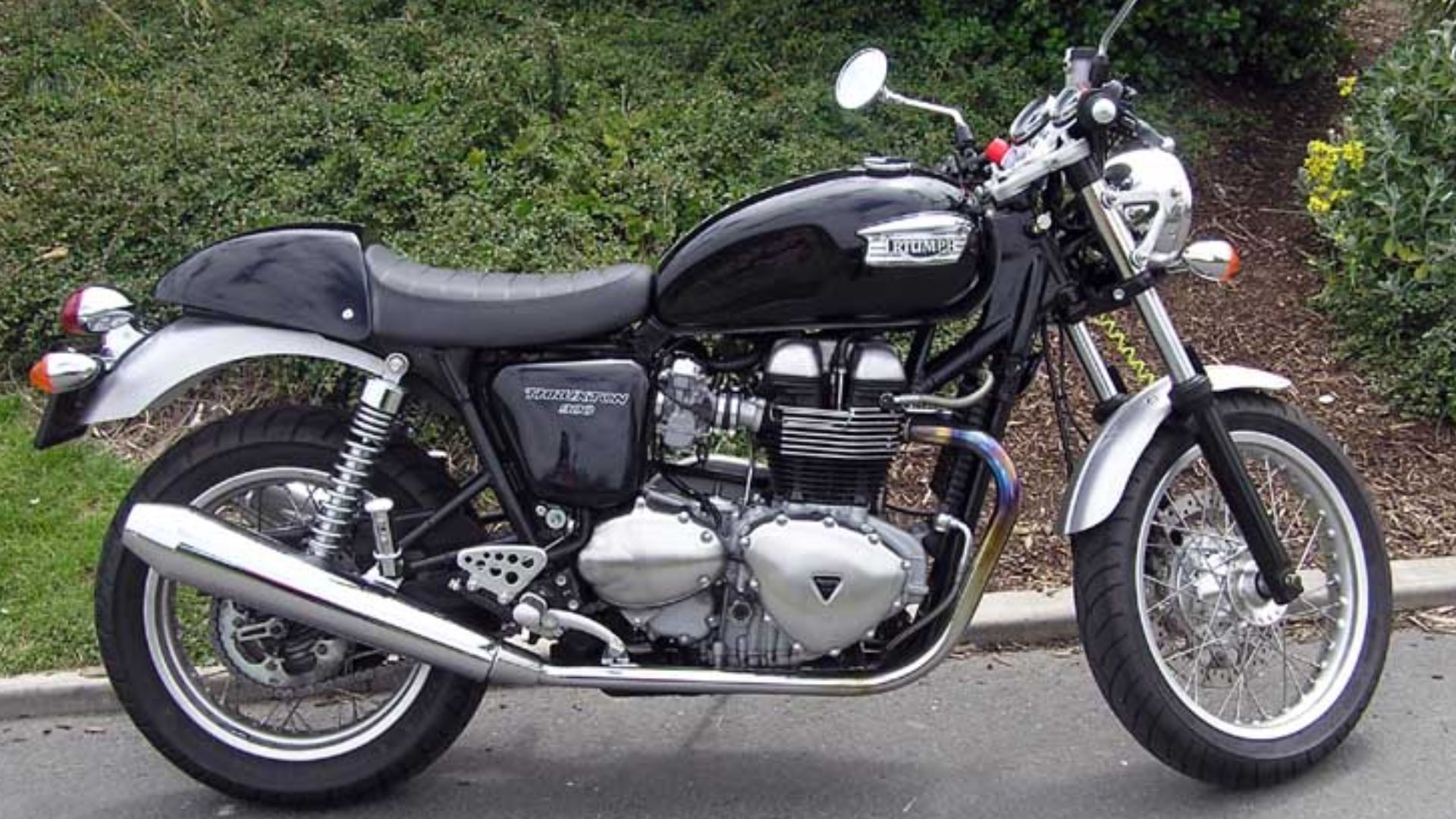
2005 Triumph Thruxton
The 2005 Triumph Thruxton revived the appearance of British production racers from the 1960s. Its air-cooled twin, low handlebars, elongated tank, and solo-style seat delivered café-racer character in a more modern package. That balance between nostalgia and everyday usability closely matched Joel’s broader collecting philosophy.
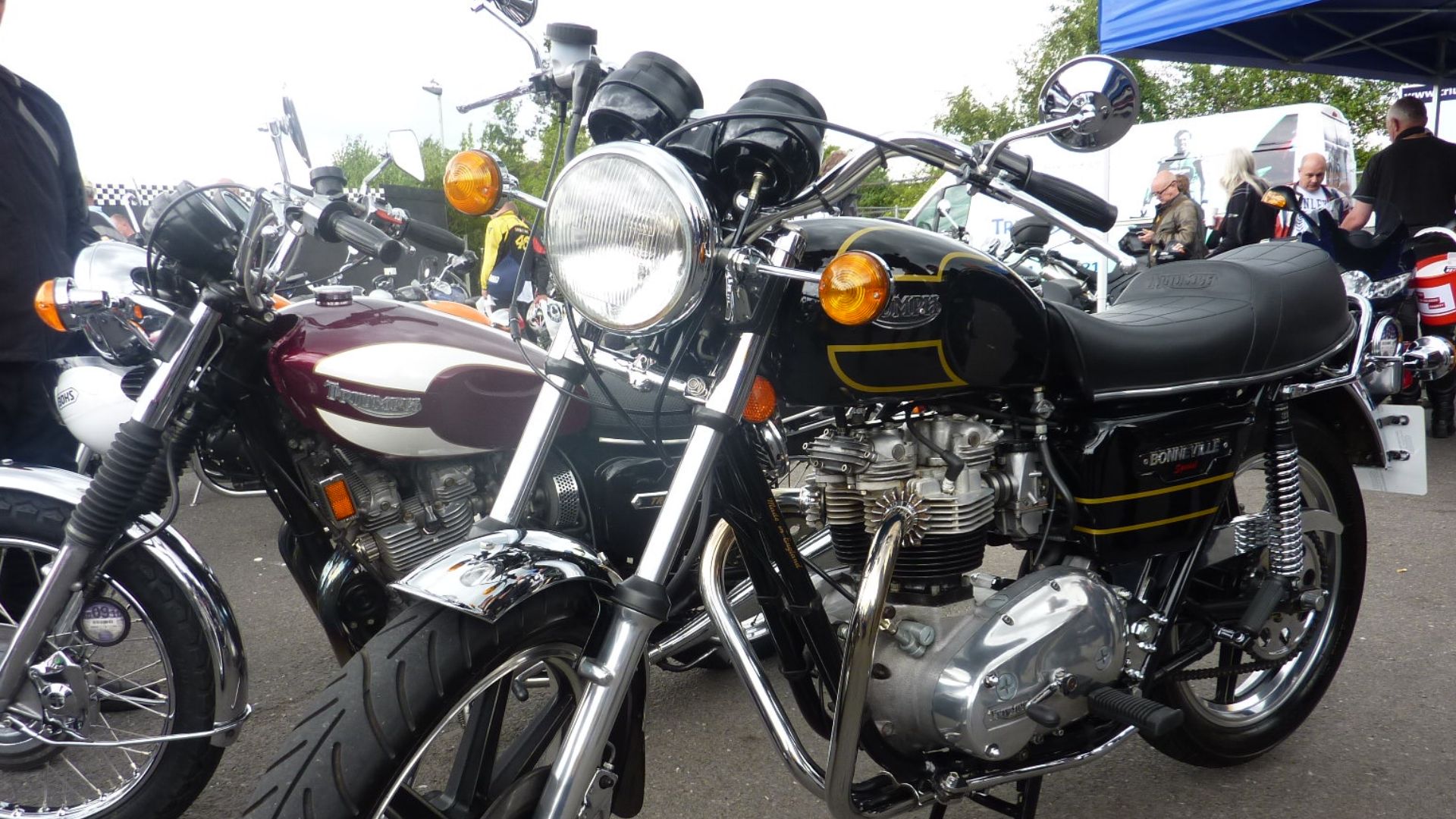
1979 Triumph T140
Joel’s 1979 Triumph T140 represented one of the later traditional Bonnevilles produced at Meriden. The 744cc parallel twin worked with a five-speed transmission, while the 1979 range gained electronic ignition and several detail improvements. Its straightforward British styling helped bridge the collection’s vintage Triumphs and newer Thruxton models.
 meriden.triumph, Wikimedia Commons
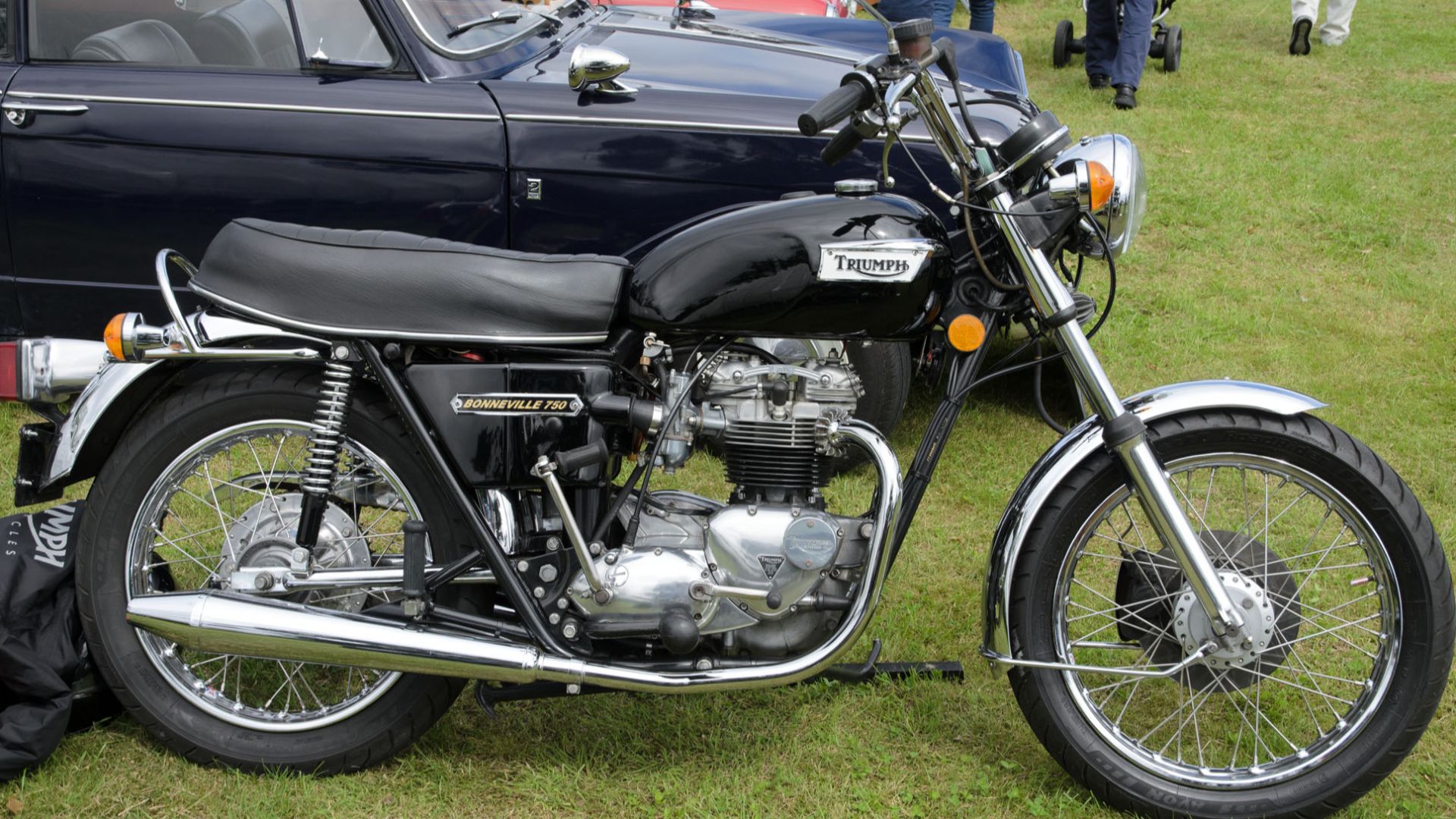
1978 Triumph Bonneville
Madison Square Garden presented Joel with a customized 1978 Triumph Bonneville after the final show of his historic residency in July 2024. The motorcycle was decorated with piano keys, Joel’s signature, and the MSG logo. A matching helmet displayed the dates of his performances at the arena, giving this Triumph unmatched personal significance.
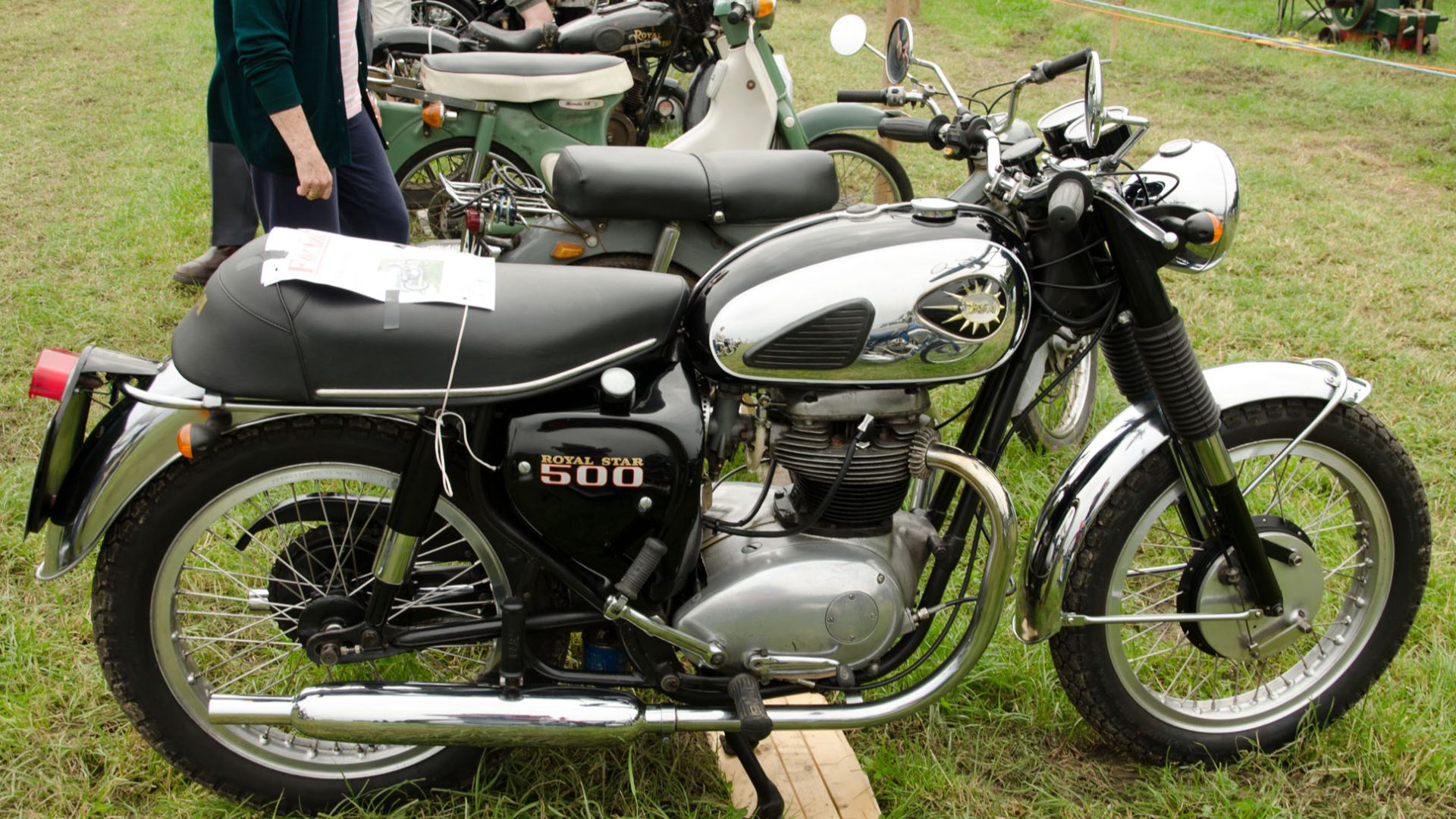
1967 BSA A50
Joel’s 1967 BSA A50 brought another traditional British parallel twin into the collection. The A50 family used a 499cc air-cooled engine with unit construction, placing the engine and transmission inside a common casing. It offered a more modest and approachable alternative to the faster Triumphs, Ducatis, and Moto Guzzis surrounding it.
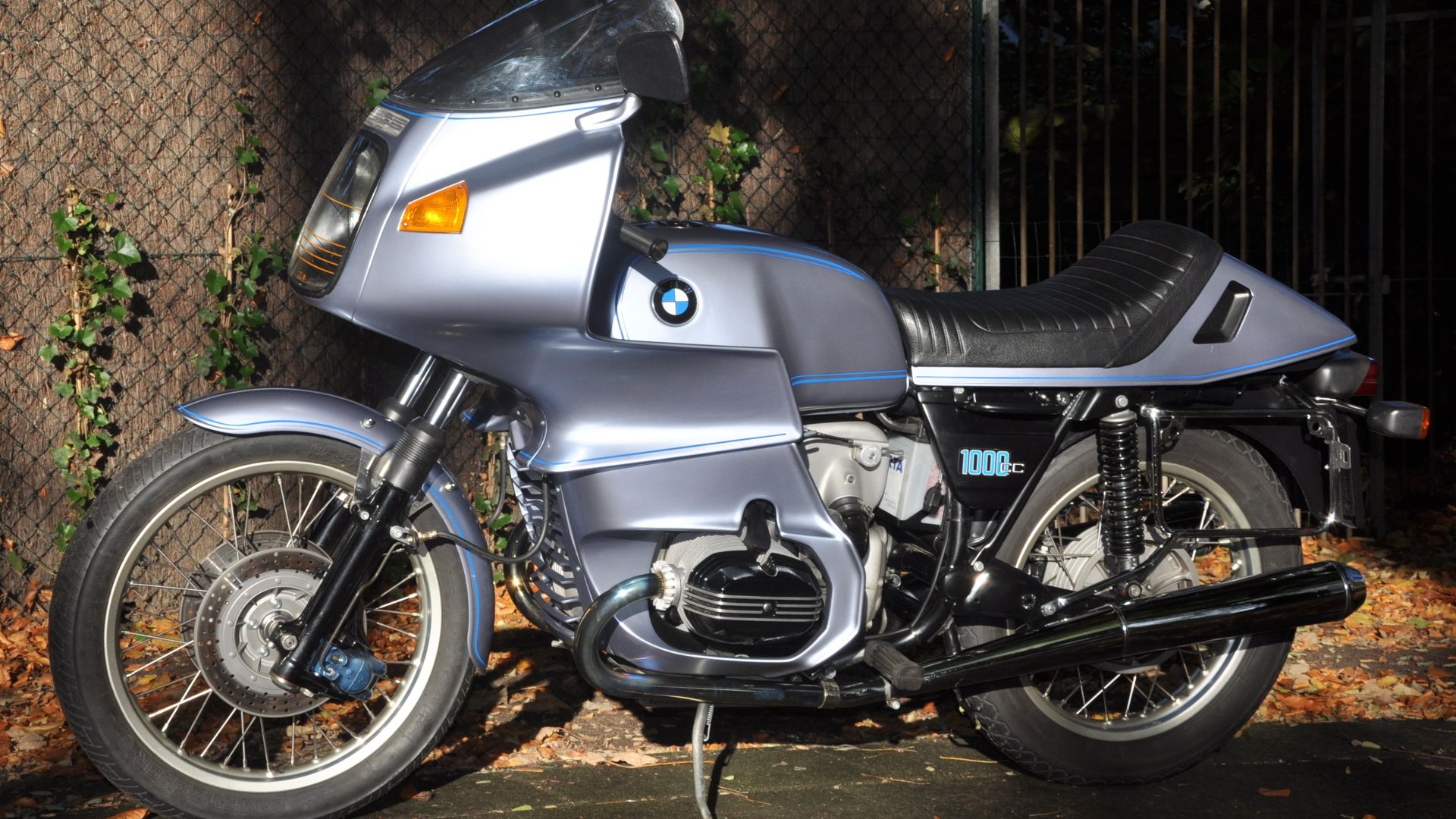
1977 BMW R100RS
The 1977 BMW R100RS was among the collection’s most technologically important touring motorcycles. BMW describes the R100RS as the world’s first series-production motorcycle fitted with a standard aerodynamically developed full fairing. Its 980cc flat-twin engine and substantial weather protection made sustained high-speed travel more comfortable.
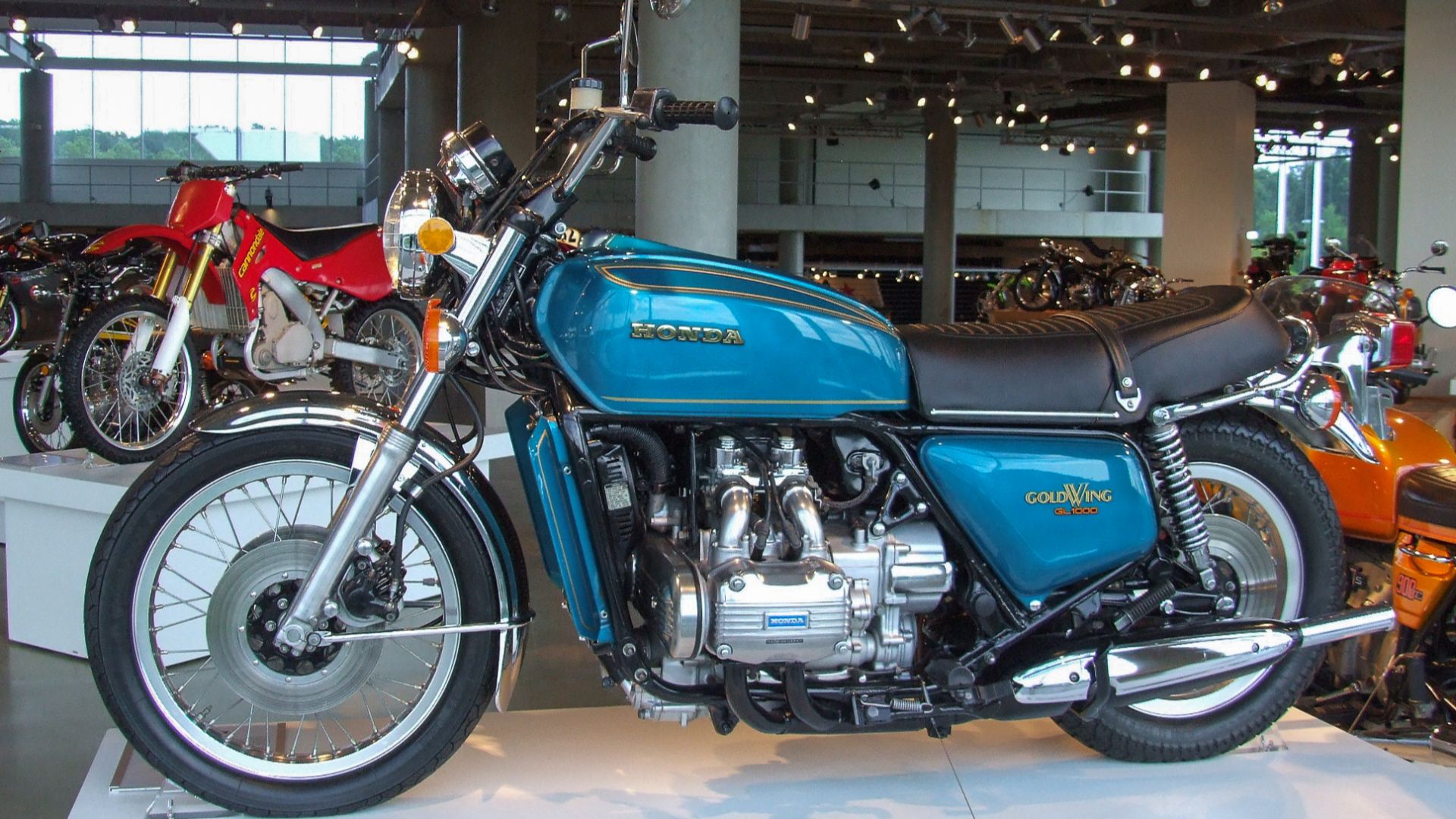
1975 Honda GL1000 Gold Wing
Joel’s first-year Honda GL1000 showed how different the original Gold Wing was from later luxury tourers. Honda equipped it with a liquid-cooled, horizontally opposed four-cylinder engine and placed the fuel tank beneath the seat to lower the center of gravity. The apparent tank instead housed electrical components, the air filter, and other equipment.
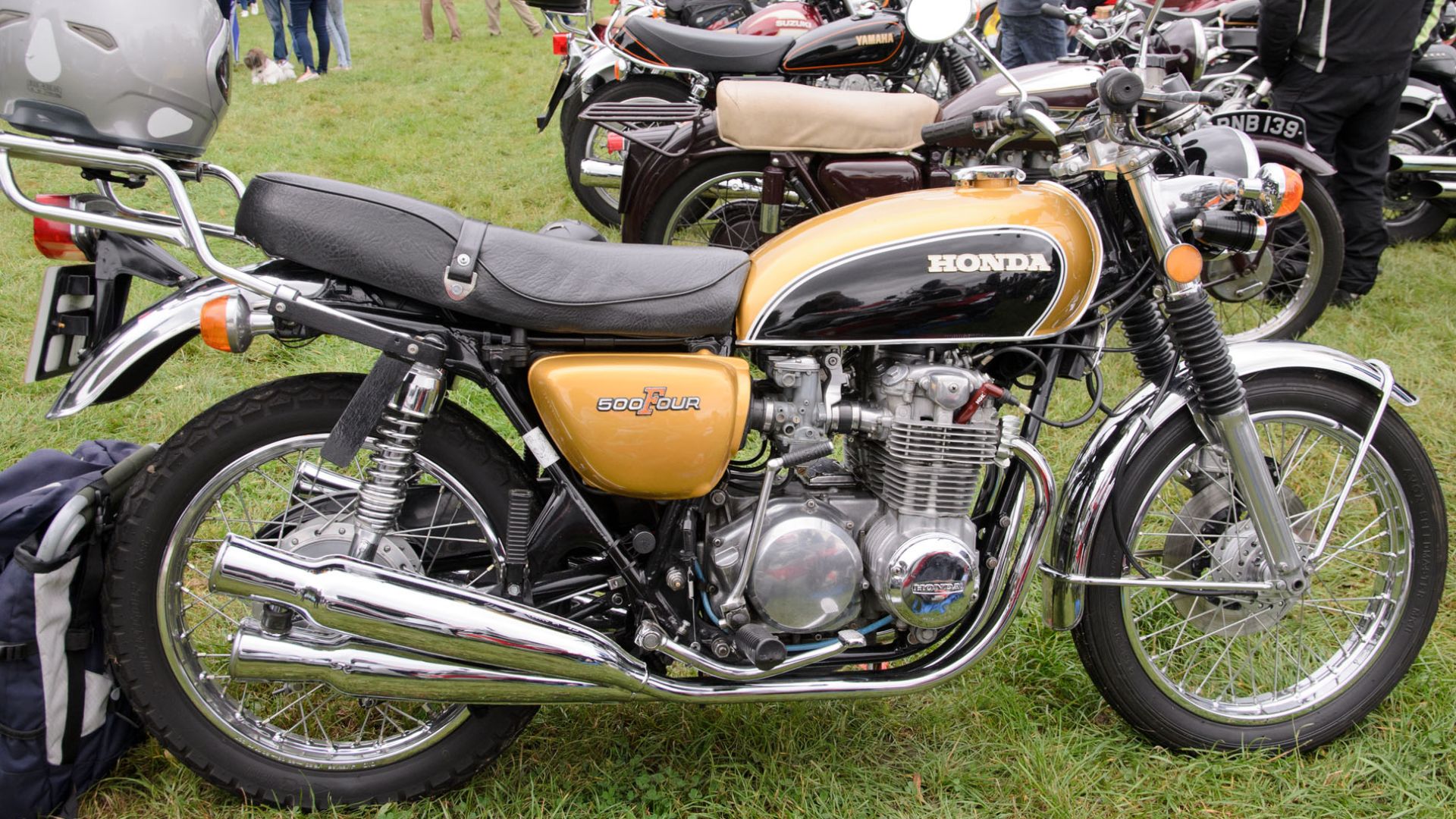
1972 Honda CB500 Four
The 1972 Honda CB500 Four delivered the smoothness of an inline four in a more manageable package than Honda’s larger CB750. Honda introduced the model in 1971 with a lighter chassis and gentler power delivery, marketing it as the “500 for the Quiet Man.” Joel’s example represented the practical, thoughtfully engineered side of 1970s Japanese motorcycling.
A Collection Built Around Character
Joel’s motorcycles were united less by brand or value than by a shared visual and mechanical character. British twins, Italian sport bikes, American V-twins, Japanese classics, and creative customs all found space in his evolving lineup. The greatest achievement was turning a private passion into a public exhibit that encouraged visitors to appreciate motorcycles as machines, transportation, and industrial art.
You May Also Like:
Inside Rock Legend Eric Clapton's Incredible Ferrari Collection
The Rarest Muscle Cars In Wrestling Legend Bill Goldberg’s Collection—Ranked
Sources: 1, 2, 3, 4, 5, 6, 7, 8, 9, 10, 11, 12, 13, 14, 15, 16, 17, 18, 19, 20, 21, 22, 23, 24, 25