That Trade-In Offer Was Almost Insulting
I knew my old car wasn't worth a fortune, but the dealership's trade-in offer still caught me off guard. After years of maintenance, careful driving, and keeping the interior clean, the number seemed surprisingly low. The salesperson insisted it was a fair market value, but I couldn't help wondering whether selling it myself would put significantly more money in my pocket. Factinate Ltd
Why Dealers Offer So Much Less
A dealership isn't buying your car simply to keep it around. It needs to account for inspections, repairs, detailing, and the costs of eventually reselling the vehicle. Kelley Blue Book explains that these business expenses help explain why trade-in values are generally lower than private-party values. That doesn't automatically make the offer fair, but it explains why the numbers can be so different.

The Private Sale Price Looks Tempting
Private buyers generally aren't expecting the same dealership services when purchasing a used vehicle. That creates an opportunity for sellers to ask more than a dealer might offer while still pricing below comparable retail listings. Kelley Blue Book publishes separate trade-in and private-party valuations for precisely this reason. The difference can make selling privately attractive, especially when the car is in good condition.

But Asking Prices Can Be Misleading
Seeing similar cars advertised for thousands more than the dealer offered can feel encouraging. However, an advertised price isn't necessarily what a buyer will ultimately pay. Kelley Blue Book notes that private-party values depend on vehicle condition and local market conditions. Before getting excited about a listing, it's worth remembering that sellers can ask whatever they want, but buyers determine what actually sells.

Start With What Your Car Is Really Worth
Before rejecting the dealership's offer, I would want an independent valuation. Kelley Blue Book allows owners to research trade-in and private-party values using details such as mileage, equipment, condition, and location. These estimates provide a more realistic starting point than simply choosing the highest advertised price. Accurate information matters because even small differences in vehicle condition can affect its value.

Get Another Offer Before Doing Anything
One dealership's appraisal shouldn't be treated as the final verdict on a vehicle's value. Kelley Blue Book offers an Instant Cash Offer program through participating dealerships, providing another way to explore selling options. Comparing several purchase offers can reveal whether the original dealer was unusually conservative. It also gives the owner a realistic alternative before taking on the responsibilities of a private sale.

The Trade-In Might Save You Sales Tax
One frequently overlooked advantage of trading in a vehicle is the potential sales tax benefit. In some states, an eligible trade-in reduces the taxable amount of the replacement vehicle, making the transaction more valuable than the quoted trade-in price alone. Rules differ by jurisdiction, and some states do not offer the same treatment. That means comparing the dealer's offer with a private sale requires checking the tax rules where the vehicle will be registered.

A Simple Calculation Changes Everything
Imagine a dealer offers $10,000 for a car while a private buyer is willing to pay $12,000. At first glance, selling privately appears to produce an extra $2,000. However, if the trade-in qualifies for an 8% sales tax reduction on the full $10,000 allowance, the dealer transaction could provide another $800 in savings. In that hypothetical situation, the private sale's advantage shrinks to $1,200 before accounting for selling expenses.

Your Time Has A Price Too
Selling a car privately means taking responsibility for work the dealership would otherwise handle. Someone must prepare the listing, answer questions, arrange viewings, negotiate, and complete the transaction. None of these tasks necessarily costs much money, but they can consume evenings and weekends. The important question is whether the additional proceeds justify the effort involved.

Preparing The Car Takes Some Work
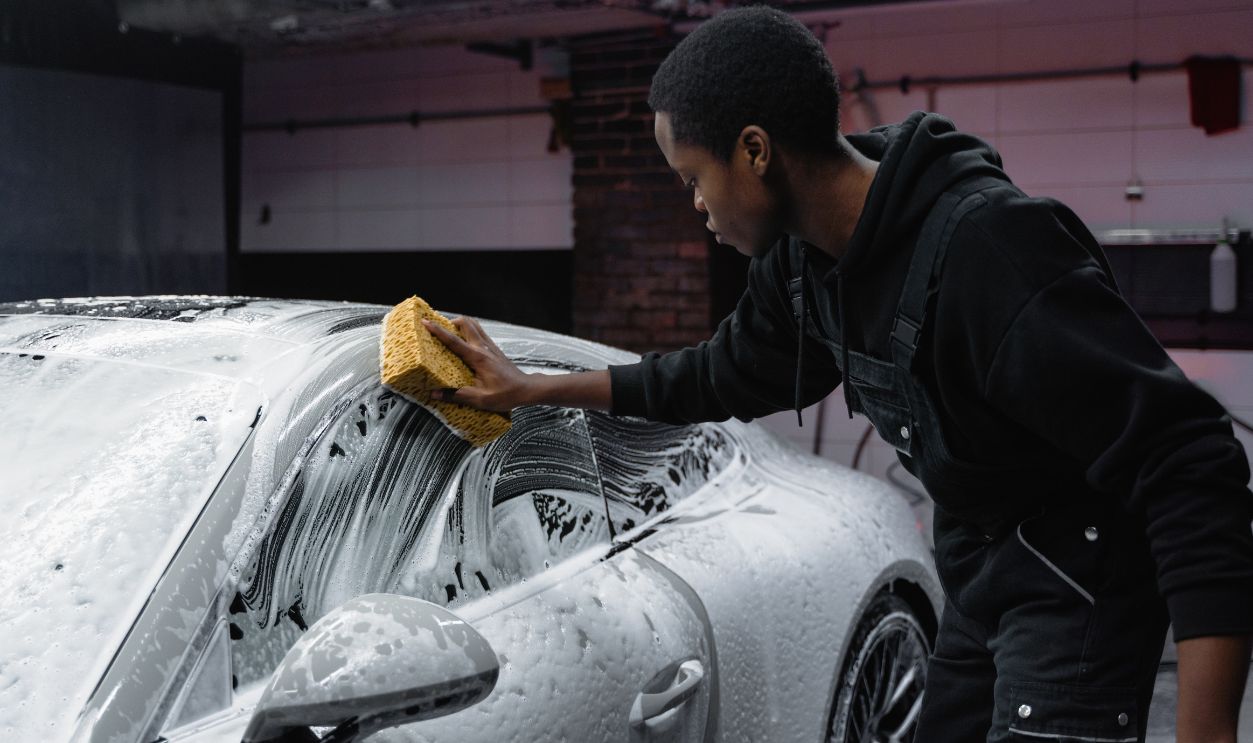
A clean, presentable vehicle makes a better impression on prospective buyers. Kelley Blue Book's car-selling guidance recommends preparing the vehicle before advertising it, including addressing its appearance and gathering relevant information. Washing the exterior, cleaning the interior, and removing personal belongings are sensible starting points. The goal is to make the car appealing without spending more on preparation than the sale is likely to recover.
Expensive Repairs Aren't Always Worth It
A seller might assume every mechanical issue must be fixed before advertising a vehicle. However, repairs cost money, and there is no guarantee that buyers will increase their offers by the full amount spent. Kelley Blue Book valuations already account for vehicle condition, making an honest assessment especially important. Getting an estimate before authorizing expensive work can help determine whether repairing or selling the car as it stands makes more financial sense.
Maintenance Records Can Help Your Case
A buyer considering an older vehicle will naturally want to understand how it has been maintained. Service receipts, inspection reports, and other records can help support claims about work completed on the car. They also give prospective buyers something more concrete than a seller's verbal assurances. Keeping those documents organized can make the conversation easier when serious buyers start asking questions.

Taking Good Photos Actually Matters
Online buyers often encounter a vehicle through its listing before seeing it in person. Clear photographs allow them to assess the exterior, interior, wheels, and visible condition before arranging a viewing. Kelley Blue Book includes photography and advertising among the important steps in selling a car. Showing imperfections rather than hiding them can also reduce unpleasant surprises when someone arrives to inspect the vehicle.

Writing An Honest Listing Saves Headaches
A useful advertisement should explain what the vehicle is, how much it has been driven, and what condition it's in. Buyers also benefit from knowing about notable equipment, maintenance history, and existing problems. Since Kelley Blue Book's valuation guidance emphasizes mileage, options, and condition, those details are especially relevant. An accurate description helps prospective buyers decide whether the car suits their needs before contacting the seller.

Not Every Message Comes From A Serious Buyer
Posting a car online can attract plenty of attention, but not every inquiry leads to a genuine offer. Some people may ask questions already answered in the advertisement, while others disappear after expressing interest. The Federal Trade Commission also warns that online marketplaces attract scammers posing as buyers. Screening inquiries carefully helps avoid wasting time on people who have no intention of completing a legitimate purchase.

Test Drives Require Extra Caution
Allowing a stranger to drive your vehicle is one of the more uncomfortable parts of selling privately. CARFAX recommends checking a prospective driver's license, meeting in a safe public location, and bringing another person when possible. It's also sensible to confirm that your insurance permits the proposed test drive. These precautions make the process more manageable without eliminating every potential risk.

The Payment Scam You Really Need To Know
The Federal Trade Commission has specifically warned private car sellers about fraudulent checks. A scammer may offer to purchase the vehicle, send a check for more than the agreed amount, and request a refund of the difference. Even if the deposit initially appears in your account, the bank may later discover that the check is fraudulent. The safest response to an unexpected overpayment request is to refuse the transaction.

Getting Paid Safely Is Essential
A legitimate buyer should be willing to use a payment method that both parties can verify. CARFAX recommends completing transactions at a bank, where a cashier's check or bank transfer can be confirmed. Sellers should avoid handing over keys or ownership documents until payment has been properly verified. Taking a little extra time at this stage is far better than discovering a payment problem after the vehicle is gone.

Still Making Payments On The Car?
Selling a financed vehicle privately introduces another complication because the lender may hold a lien on the title. The Federal Trade Commission explains that lenders generally retain this security interest until the financing agreement is paid in full. Sellers must therefore coordinate the payoff and release of the lien before completing a proper ownership transfer. A dealership can often simplify this process by handling the outstanding loan as part of the transaction.

Paperwork Isn't Optional
Selling privately also means handling the ownership transfer correctly. Requirements differ by state, but they can include title signatures, odometer disclosures, bills of sale, and emissions documentation. California, for example, requires sellers to submit a Notice of Transfer and Release of Liability within five calendar days. Checking the relevant motor vehicle agency's requirements before accepting payment can prevent problems after the sale.

The Buyer May Want An Inspection
A serious buyer may request an independent mechanical inspection before making a final commitment. CARFAX recommends pre-purchase inspections because they can reveal problems that aren't obvious during a brief test drive. Sellers should expect reasonable questions about maintenance, previous damage, and mechanical condition. Agreeing on a suitable inspection location and clarifying who pays for the service can make the process easier for everyone.
Negotiating Can Get Uncomfortable
A private sale usually involves direct discussions about price rather than a dealership handling the transaction. Buyers may point to scratches, mileage, worn tires, or upcoming maintenance when explaining a lower offer. Kelley Blue Book's private-party valuation guidance recognizes that actual condition and local demand influence the final selling price. Knowing your realistic price range beforehand makes it easier to evaluate offers without getting caught up in the moment.

Some Cars Are Easier To Sell Privately
A vehicle's condition, mileage, equipment, and local market all influence its value. Kelley Blue Book incorporates these factors into its pricing estimates, so the potential private-sale advantage won't be identical for every car. A well-maintained vehicle with desirable features may be easier to advertise competitively than one needing substantial repairs. Comparing similar local listings and obtaining actual purchase offers helps establish whether there is enough demand to justify the effort.

Sometimes Convenience Wins
Trading in a vehicle removes many of the responsibilities associated with selling privately. CARFAX notes that dealerships commonly handle paperwork and can facilitate the payoff of an existing auto loan. Owners also avoid arranging repeated meetings, negotiating with strangers, and independently managing payment. For someone facing a tight schedule, that convenience can have genuine financial value.

The Middle Ground Might Be Better
Selling privately and accepting the original trade-in offer aren't the only available choices. Owners can seek purchase offers from other dealerships or use services such as Kelley Blue Book's Instant Cash Offer program. These alternatives may produce a more competitive price without requiring the owner to advertise and sell directly to another individual. Comparing those offers against the original trade-in figure is an important step before making a decision.

Calculate What You Would Actually Keep
The best comparison isn't simply the dealer's offer versus the highest private-sale asking price. Start with a realistic private-sale figure, then subtract advertising expenses, preparation costs, and any applicable financial advantages of trading in. Next, consider how much time and effort the sale is likely to require. The resulting difference provides a much clearer picture of what selling privately could actually accomplish.

So Is Selling Privately Really Worth It?
If a private sale could reasonably put several thousand additional dollars in my pocket after expenses and tax considerations, I'd seriously consider it. If the difference were only a few hundred dollars, the convenience of trading in might be more appealing. The key is getting several genuine offers, checking the vehicle's private-party value, and calculating the actual financial difference. A disappointing dealership offer is a reason to investigate your options, not necessarily a reason to become a private seller.

You May Also Like:
I Always Warm Up My Car Before Driving In Winter. Am I Actually Helping It?
Classic Truck Features That Drivers Miss Now That Pickups Have Gone Luxury