When Better Visibility Creates A New Problem
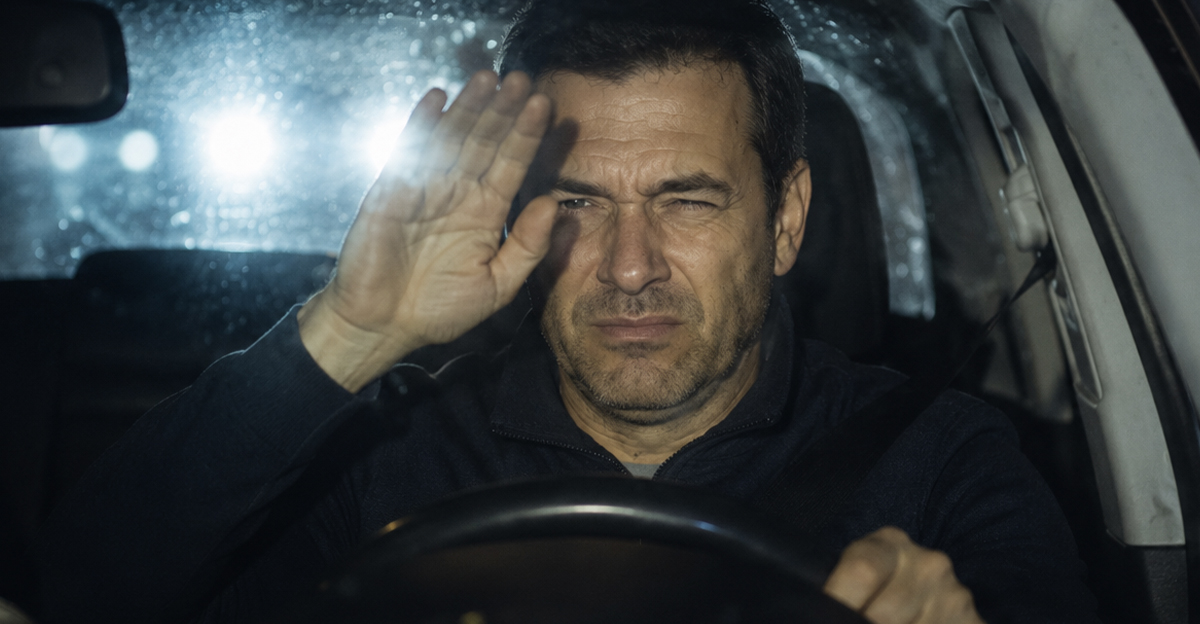
Replacing dim headlights can feel like a responsible upgrade. You want to see pedestrians, road signs, animals, and lane markings more clearly at night. But if other drivers keep flashing their high beams at you, it may be a warning sign. Your headlights could be too bright, aimed incorrectly, or incompatible with your vehicle's original housing.
Brighter Does Not Always Mean Safer
It is easy to assume that more light automatically means better night driving. The real goal is controlled light in the right place. IIHS explains that good headlights should illuminate the road ahead without creating excessive glare for oncoming drivers. A bulb that scatters light upward can make things more dangerous, not less.

The Law Usually Cares About Glare
Many lighting rules are written around visibility, beam control, and glare rather than just the word "brightness". In Ontario, for example, vehicle lighting regulations limit certain lighting intensity and require glare-control equipment for stronger lighting devices. Similar principles exist in many jurisdictions, even though the exact wording varies.
Aftermarket Bulbs Can Create Compliance Problems
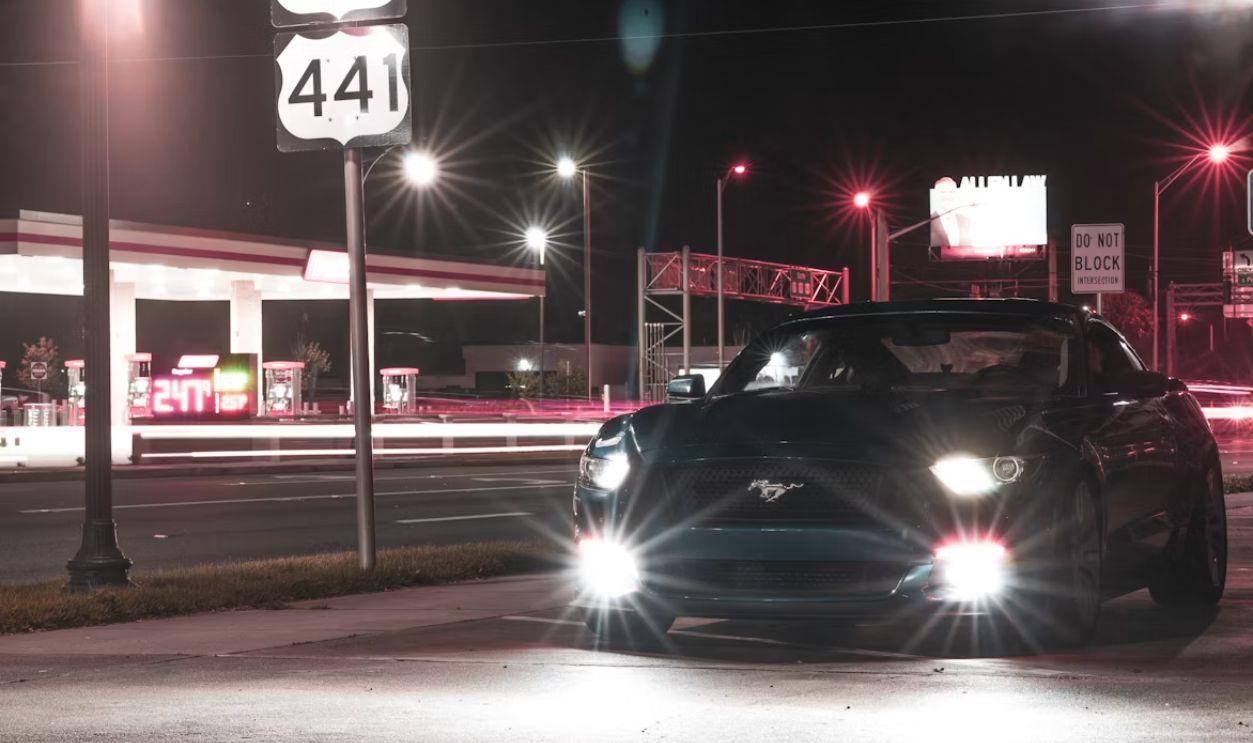
A common issue happens when drivers install LED or HID-style bulbs into headlamp housings originally designed for halogen bulbs. The bulb may fit physically, but that does not mean the beam pattern remains legal or safe. In the US, NHTSA has addressed concerns about LED replacements and compliance under federal lighting standards.
 Nabeel Syed nabeelsyed, Wikimedia Commons
Your Headlight Housing Matters
Headlights are engineered as a system. The bulb, reflector, lens, cutoff, and aiming mechanism all work together. When a bulb produces light from a different position or pattern than the original design expected, the beam can scatter. That can make oncoming drivers feel like your low beams are actually high beams.
Factory LEDs Are Different From Random Upgrades
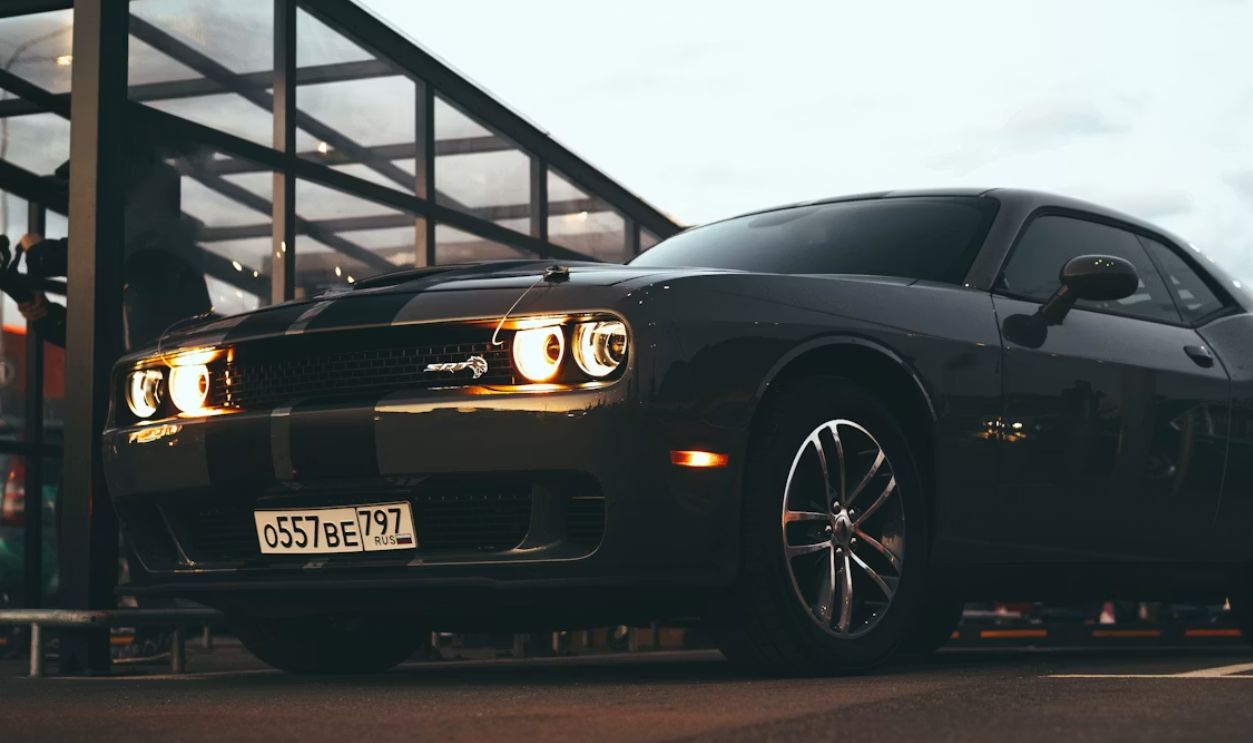
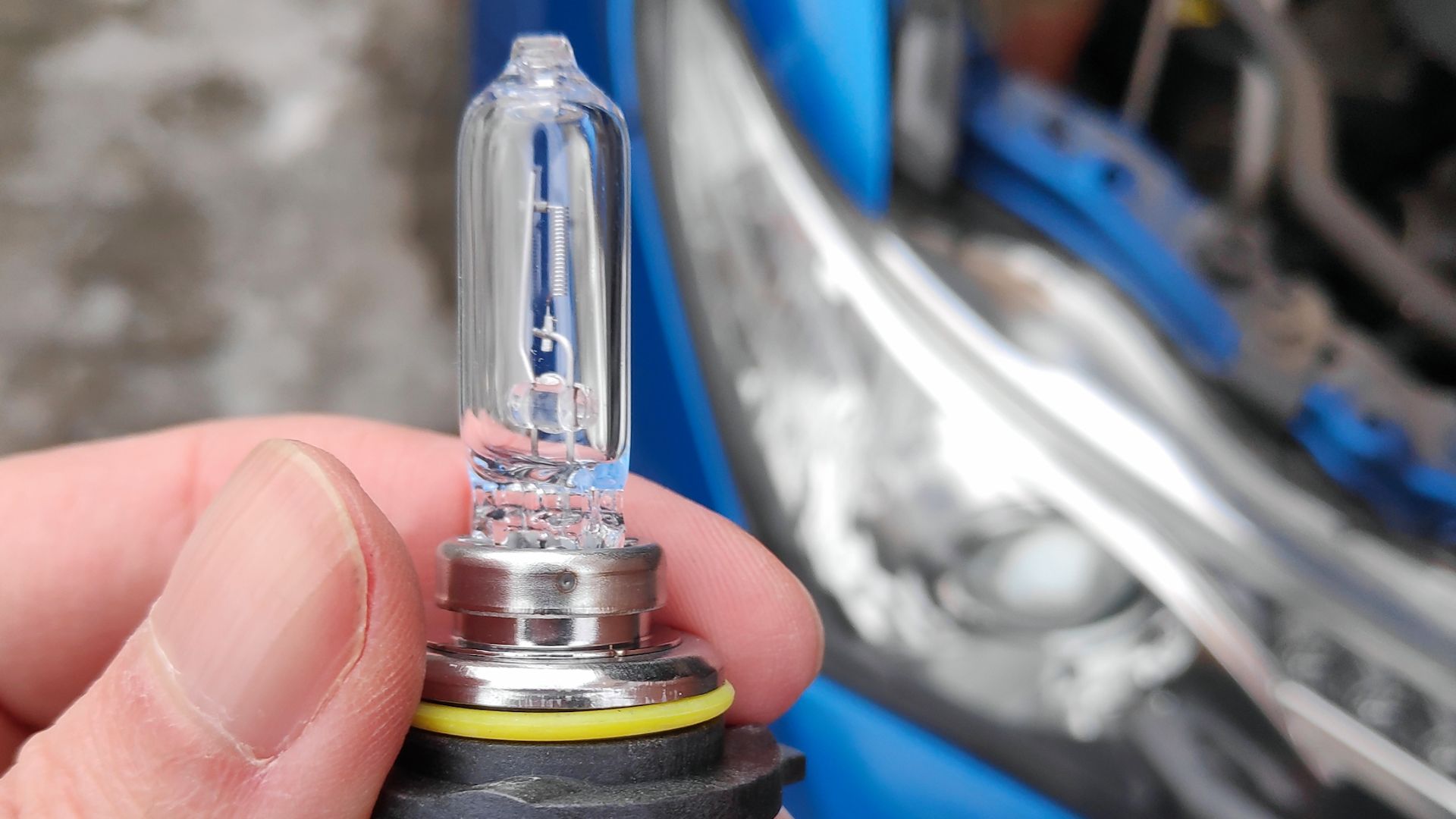
Factory LED headlights are designed and certified as part of the vehicle's lighting system. Aftermarket bulb swaps can be much trickier. A vehicle that came with LEDs from the factory is not the same as a halogen vehicle retrofitted with brighter replacement bulbs that may not match the original optics.
 Marek Ślusarczyk (Tupungato) Photo portfolio, Wikimedia Commons
Other Drivers Flashing You Is A Clue
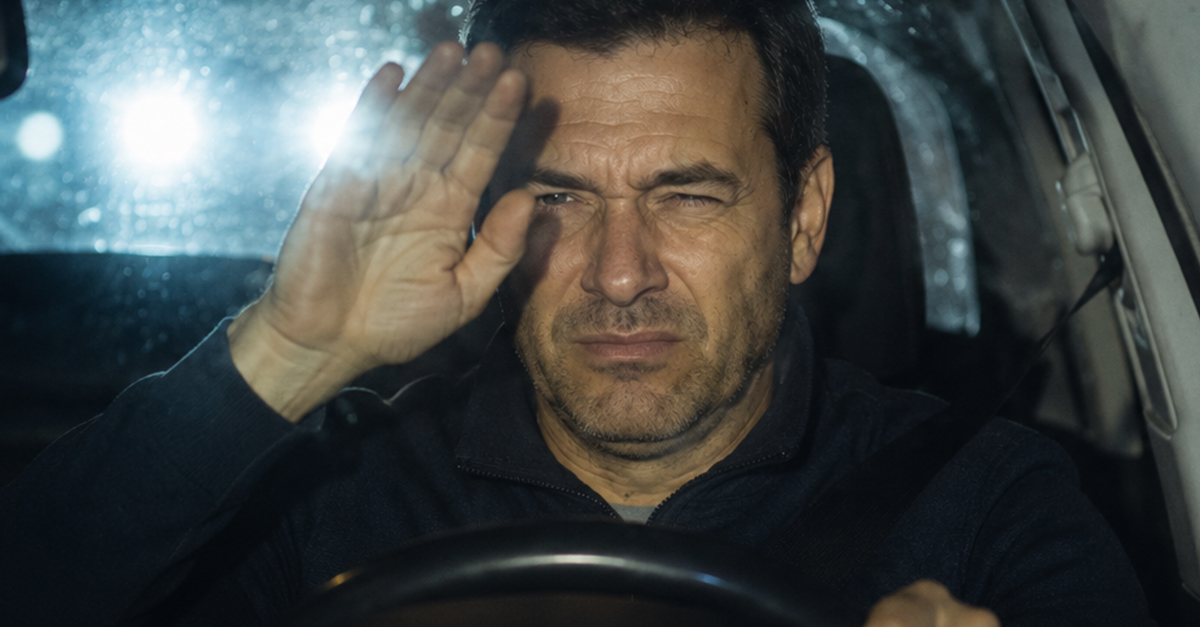
If one driver flashes you, it might be a mistake. If it keeps happening, pay attention. Other motorists may be reacting to glare, incorrect aim, or lights that appear unusually harsh. Their reaction does not automatically prove you broke the law, but it is a practical warning that something may need adjustment.

Misalignment Can Happen Easily
Even legal bulbs can cause glare if the headlights are aimed too high. Replacing bulbs, hitting potholes, carrying heavy cargo, or changing suspension height can affect aim. IIHS specifically notes that properly aimed low beams should light the road without temporarily blinding oncoming drivers.

Color Temperature Can Make Lights Feel Harsher
Very white or bluish headlights can feel more intense to other drivers, especially in rain, fog, or darkness. Some bulbs are marketed for style as much as visibility. Even if they seem impressive from behind the wheel, a harsh color and scattered beam can make the vehicle more annoying or distracting to everyone else.

High Beams Are Not The Only Concern
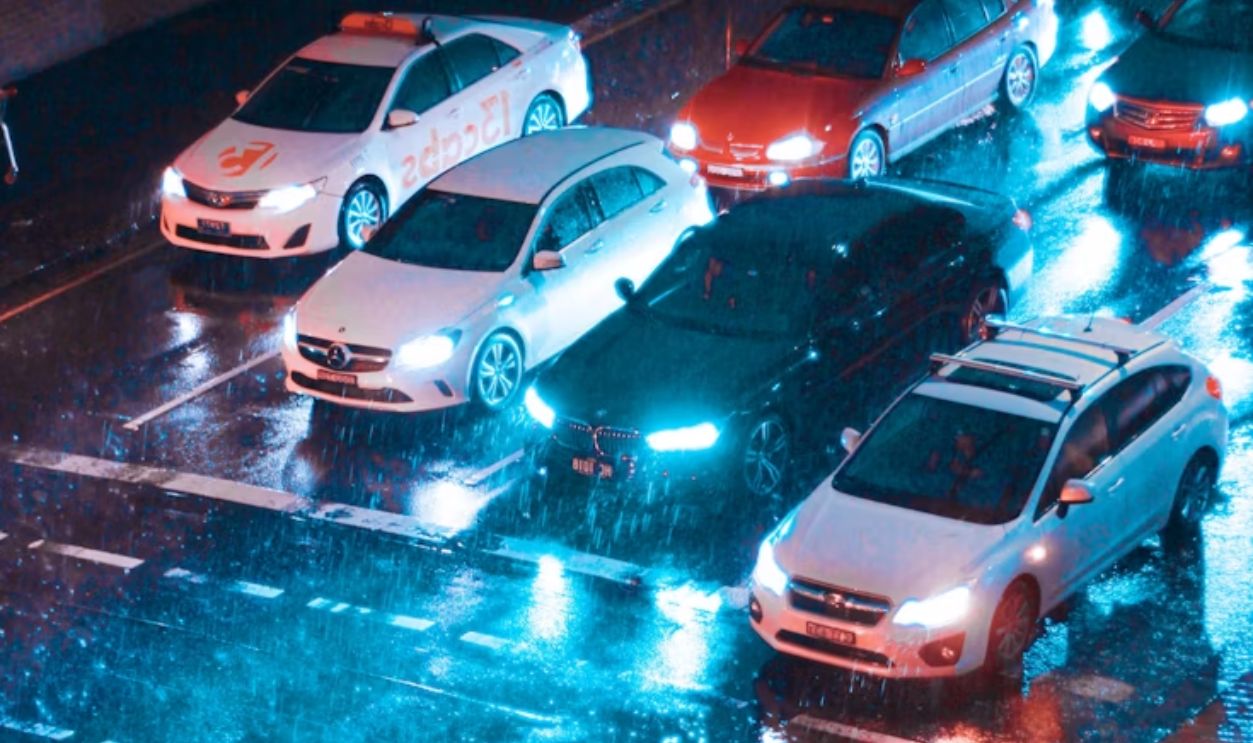
Some drivers assume they are fine as long as they are not using high beams. But low beams can still create glare if they are too bright, poorly aimed, or installed in the wrong housing. Ontario's driver guidance also reminds motorists to use low beams in fog and bad weather because high beams can reflect back and worsen visibility.
DOT Approved Labels Can Be Misleading
Some aftermarket bulbs advertise approval language that sounds reassuring. The problem is that a bulb alone may not guarantee the whole headlamp assembly remains compliant after installation. Lighting laws often focus on the complete system and how it performs on the vehicle, not just the packaging claims.
 AgnosticPreachersKid, Wikimedia Commons
You Could Be Stopped Or Ticketed
If your lights create obvious glare, are the wrong color, lack proper beam control, or violate local equipment rules, an officer may stop you. Enforcement varies widely, but the risk is real. Even if you are not ticketed, you could still fail a safety inspection or be told to restore compliant lighting.

Inspections May Catch The Problem
Some jurisdictions include lighting checks during inspections or safety certifications. Inspectors may look at bulb type, beam aim, color, and whether the lights function properly. If your headlights no longer meet local standards, you may need to replace the bulbs or correct the aim before the vehicle passes.
The Fix May Be Simple
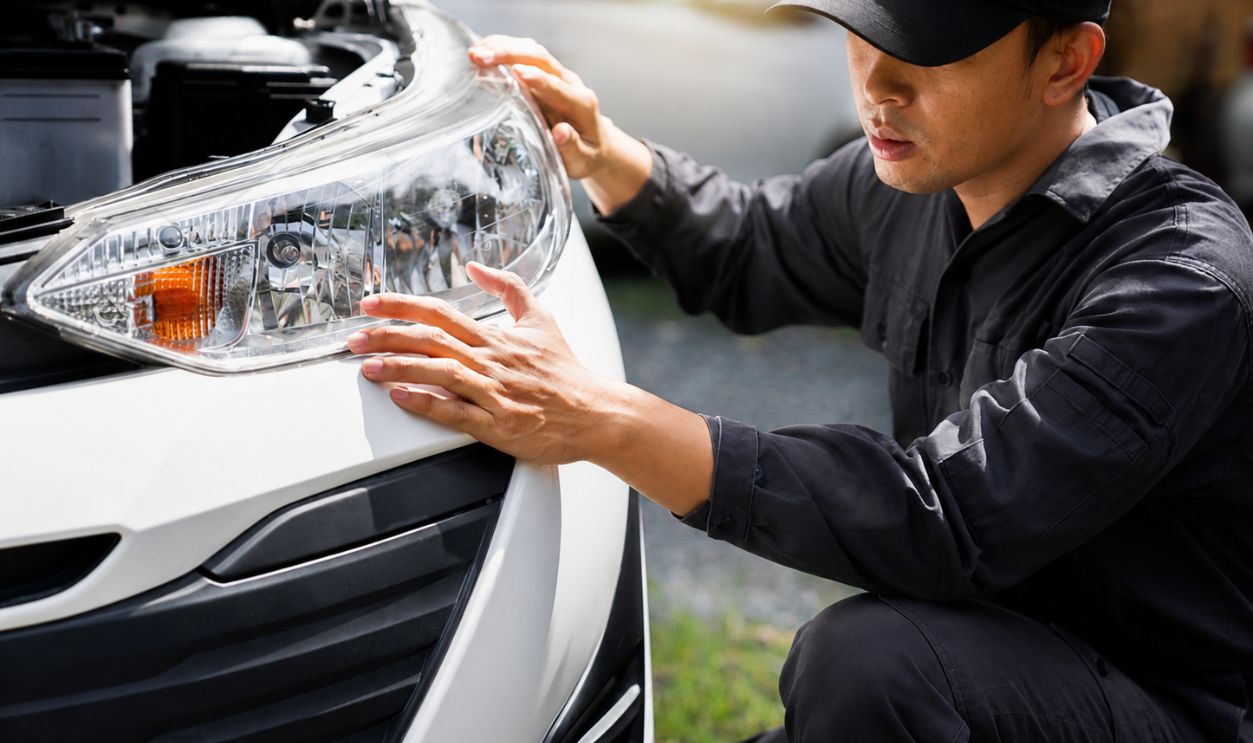
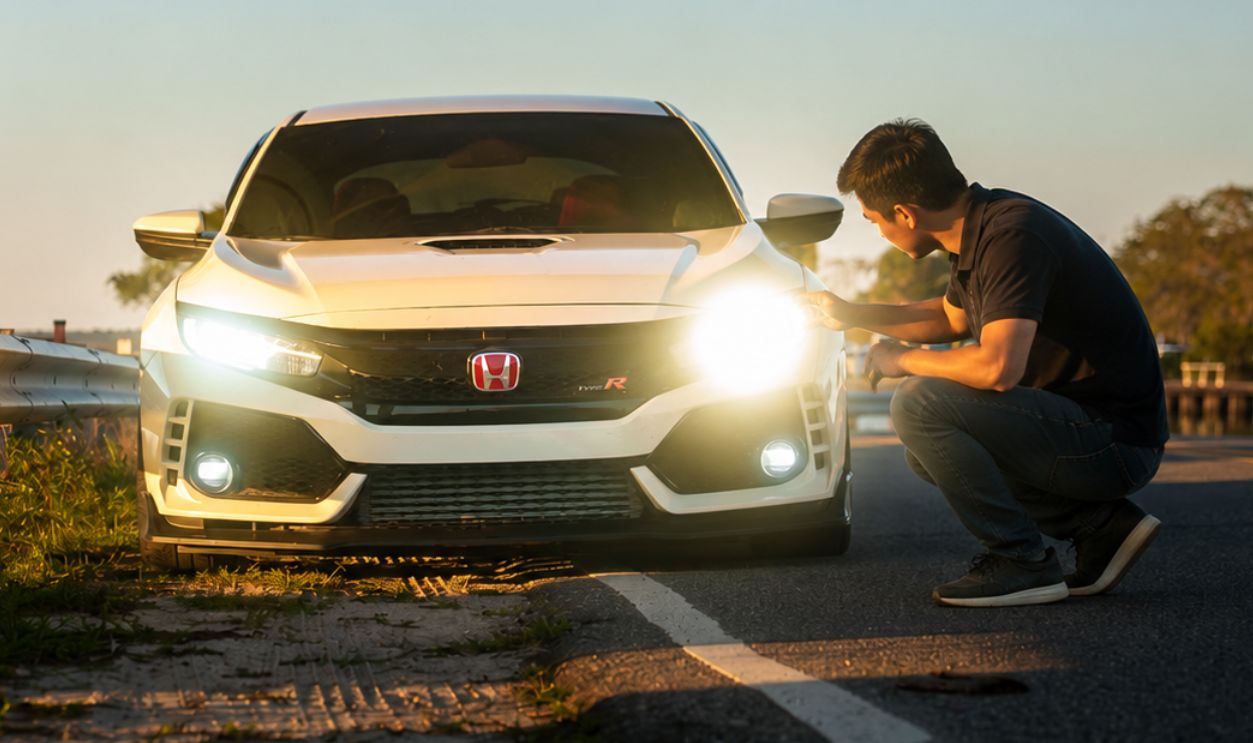
Before assuming the bulbs have to go, have the headlight aim checked. A repair shop can often adjust the beam height and alignment. If the bulbs are compatible and properly installed, aiming may solve the flashing problem. If the beam pattern is still scattered, the bulbs themselves may be the issue.
 YAKOBCHUK VIACHESLAV, Shutterstock
Returning To OEM Bulbs Is Often Safest
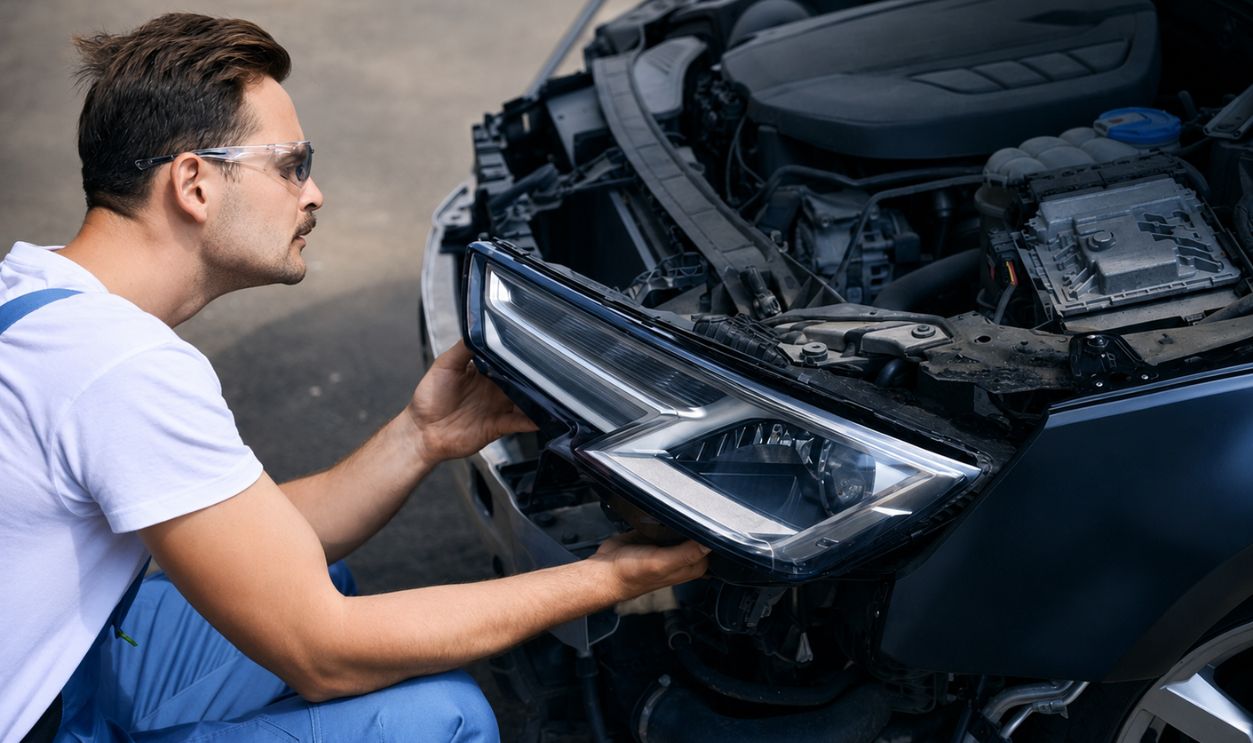
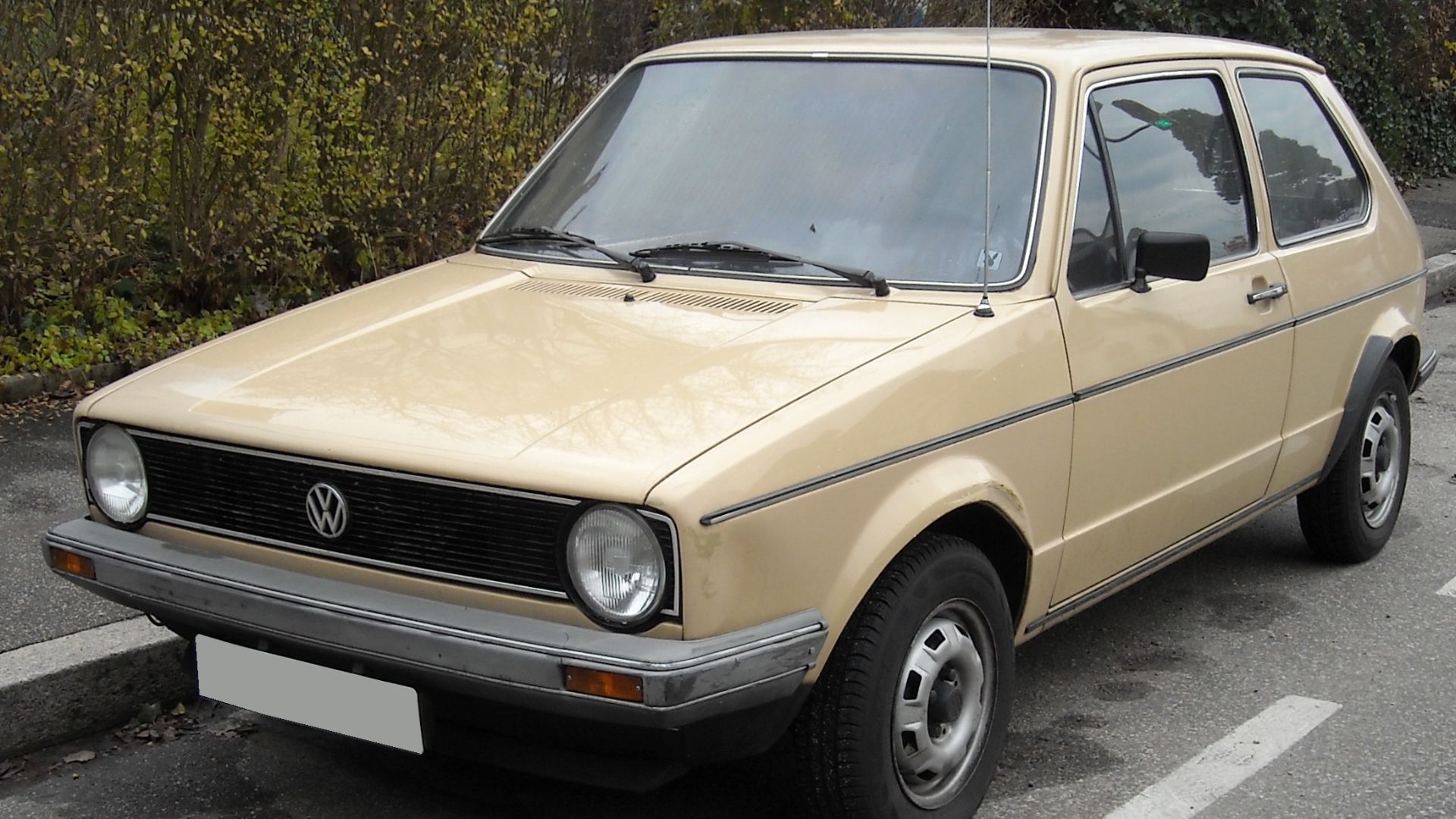
If the vehicle was designed for halogen bulbs, replacing them with high-quality bulbs that match the original specification is usually the safest legal choice. You may still improve visibility by cleaning cloudy lenses, restoring headlight housings, or replacing worn assemblies without creating glare for others.
 Rudolf Stricker, Wikimedia Commons
Lens Condition Can Make Glare Worse
Cloudy, yellowed, or damaged headlight lenses can scatter light in unpredictable ways. Installing brighter bulbs behind deteriorated lenses may amplify the problem. Restoring or replacing the lenses can sometimes improve your own visibility while reducing glare for oncoming traffic.
Bigger Vehicles Can Make The Issue Worse
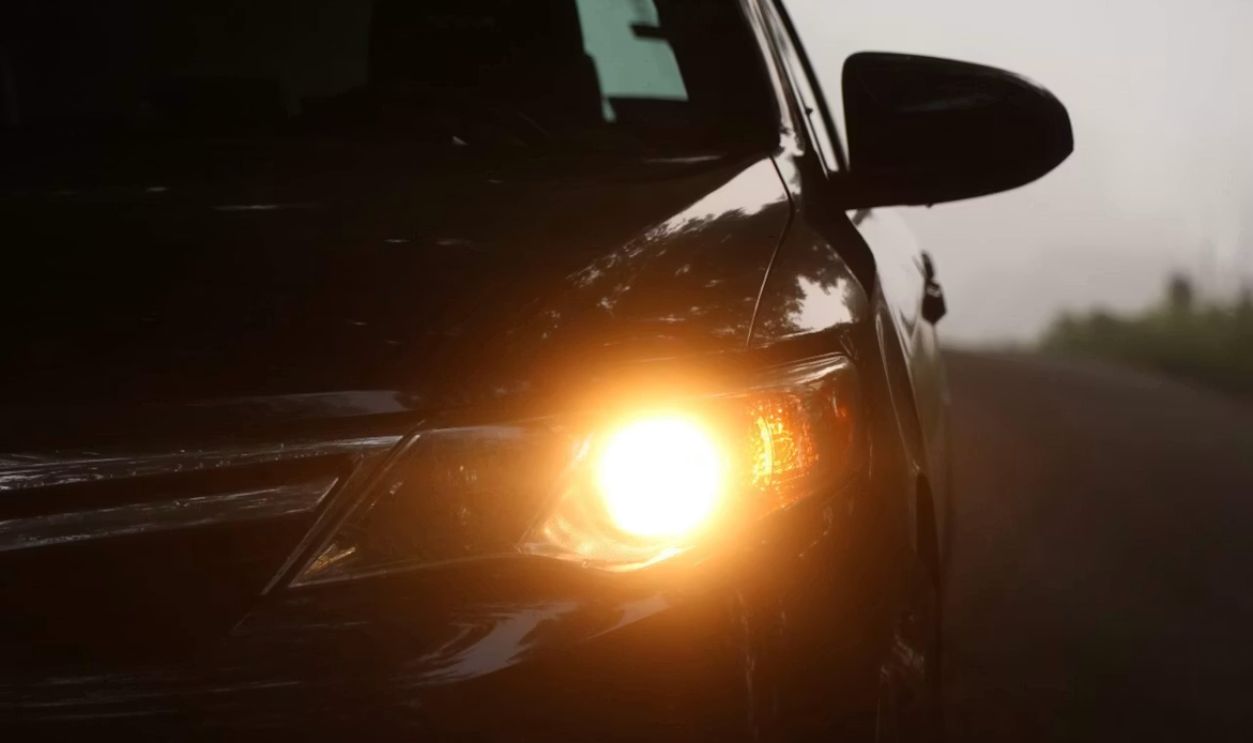
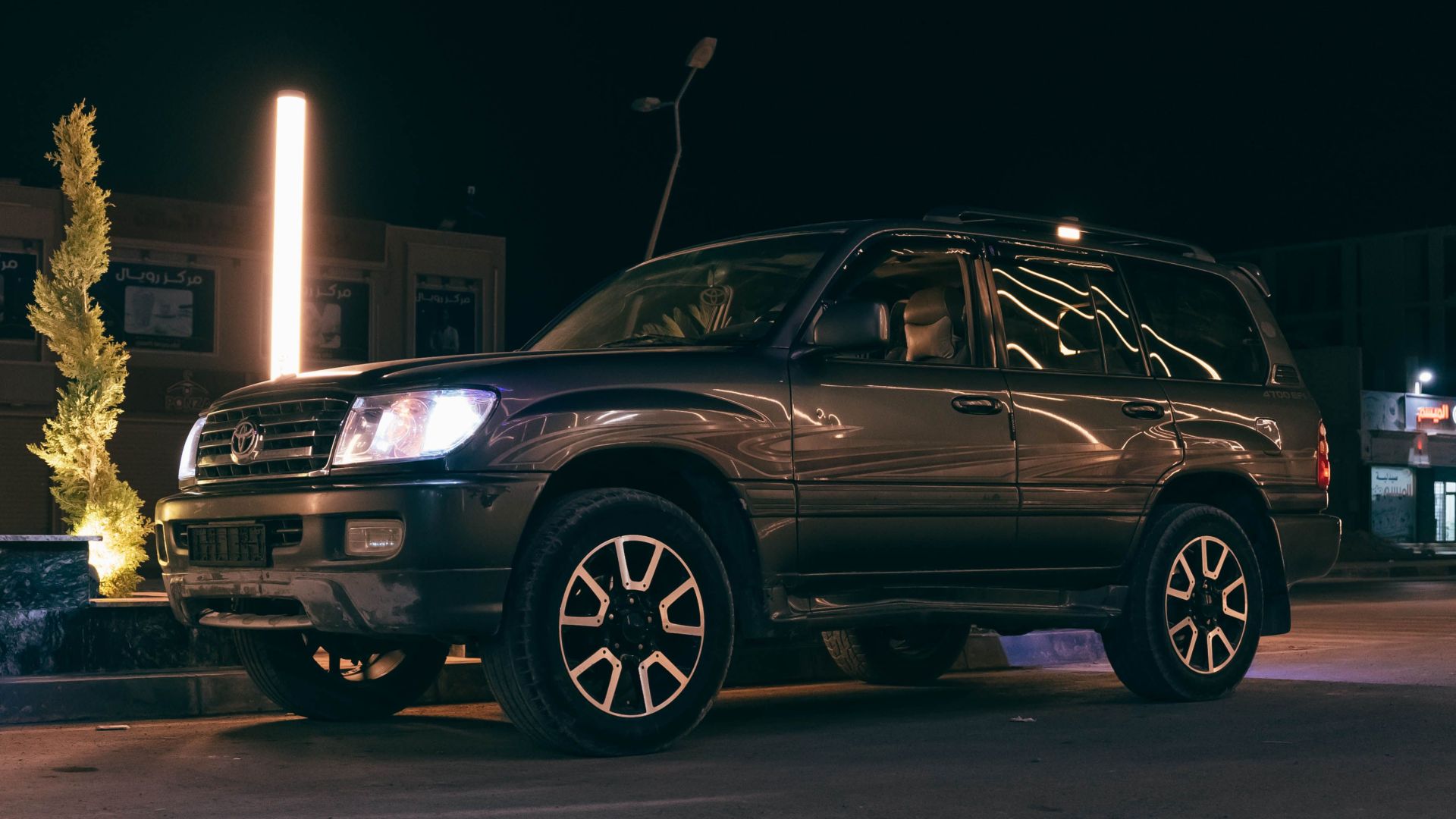
Headlight glare complaints often involve taller vehicles because their lights sit closer to other drivers' eye level. Even properly functioning headlights can feel intense when mounted higher. If your vehicle is a truck or SUV, correct aim becomes especially important after any lighting change.
Do Not Ignore The Safety Side
Glare is more than a courtesy issue. It can make it harder for other drivers to see lanes, pedestrians, cyclists, and road edges. IIHS has noted that headlight complaints are common, even though glare-related crash data is complicated. The practical takeaway is simple: good headlights should help you without blinding others.

Ask A Professional To Check The Setup
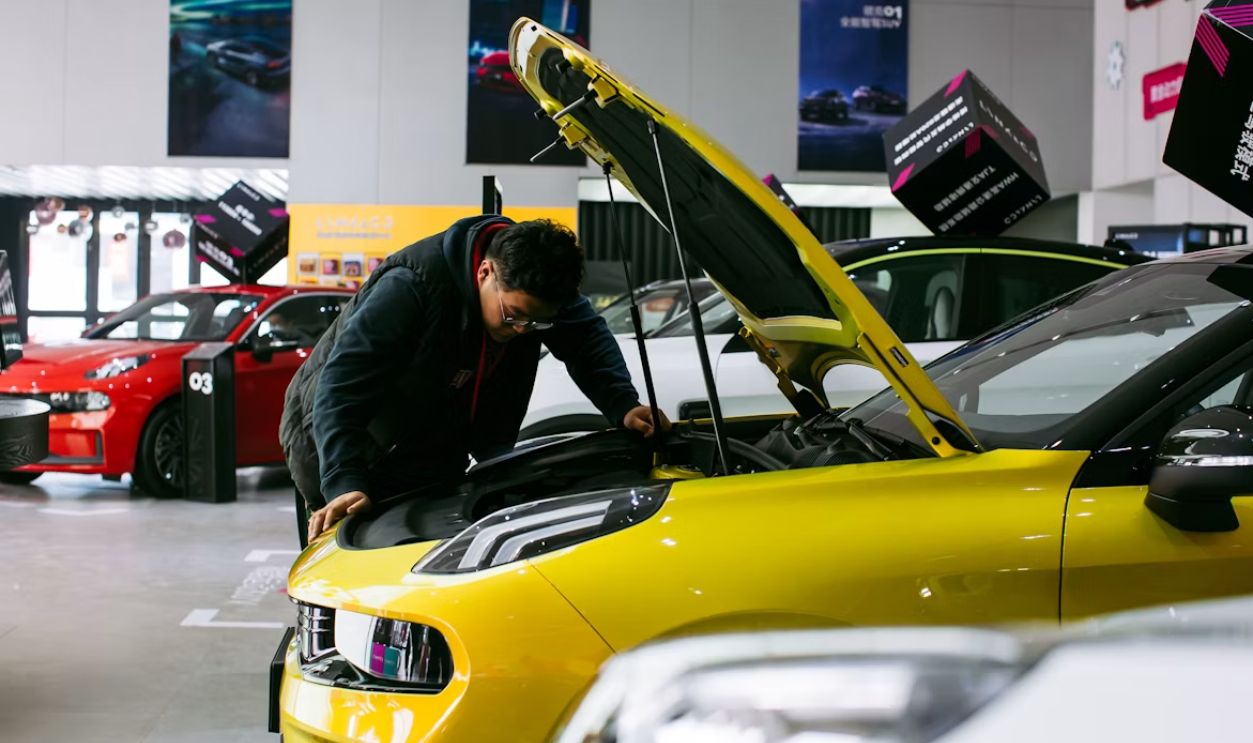
A reputable mechanic or lighting specialist can confirm whether your bulbs are correct for your vehicle, properly seated, and aimed correctly. This is especially useful if you installed them yourself. A bulb that is slightly crooked in the housing can completely change the beam pattern.
Keep The Receipt And Product Details
If you recently bought the bulbs, save the packaging, receipt, and model number. If the shop recommended them, ask for clarification in writing about compatibility and legality. If the product turns out to be unsuitable for road use, you may have an easier time getting a refund or replacement.

Investigate Your Headlights
You may not have meant to break the law, but brighter headlights can still create legal and safety problems if they produce glare, use the wrong bulb type, or do not match your vehicle's headlamp design. If other drivers keep flashing you, treat it as a sign to check the aim, confirm compatibility, and consider returning to compliant bulbs before it becomes a ticket or safety issue.
You May Also Like:
Which Is Better For You And Your Family: A Minivan or an SUV?
How Much Electric Car Range Do You Need?