My Parking Brake Is Just A Button Now
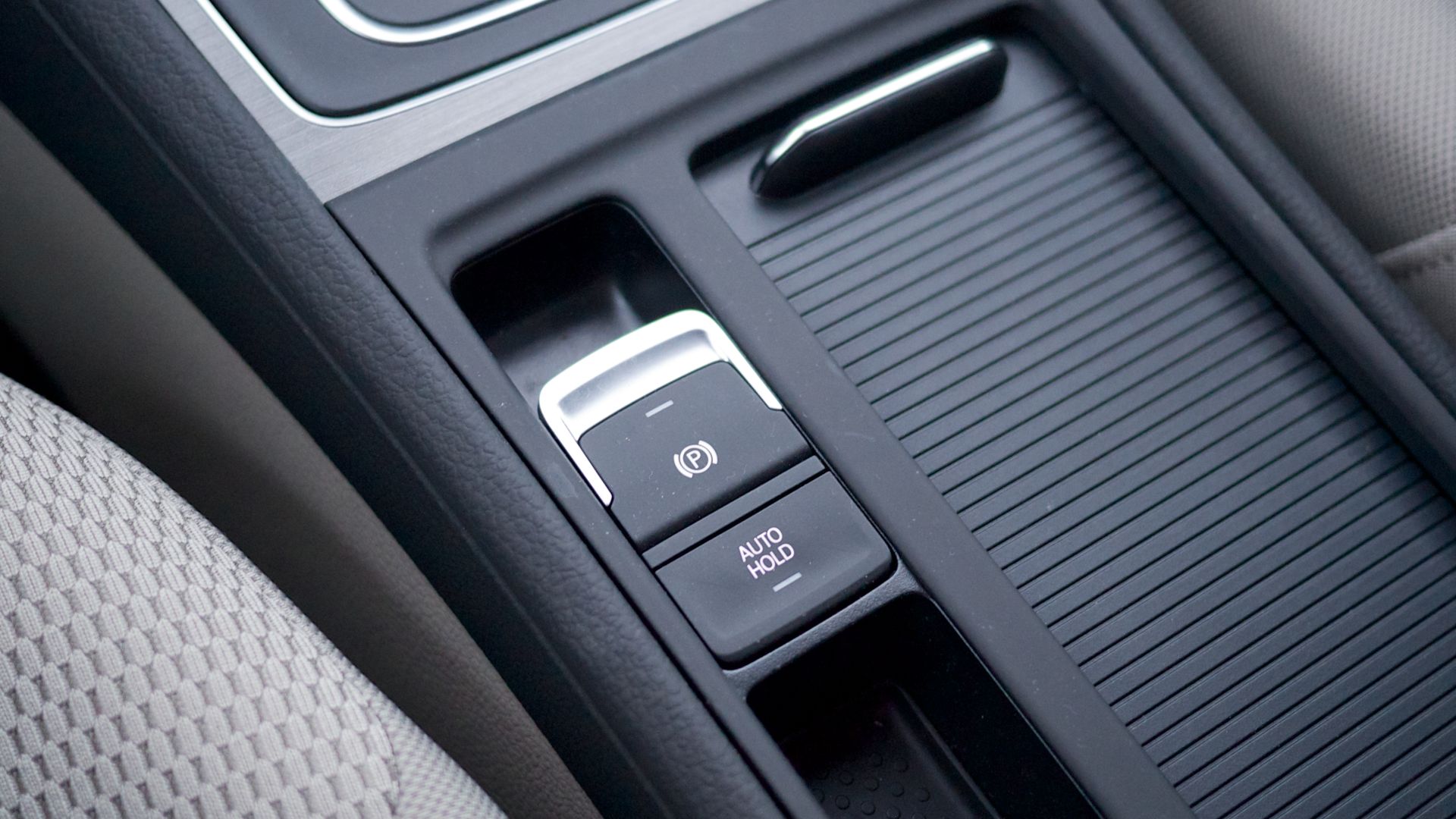
My new car has an electronic parking brake, and I'm still getting used to the little switch where the traditional handbrake used to be. It works perfectly during everyday driving, but there's something I've been wondering about. What happens if the battery dies while the parking brake is engaged? The answer is reassuring in some ways, but it also reveals a few complications that owners should understand before they get stranded.

The Old Handbrake Was Pretty Simple
Traditional parking brakes typically rely on a mechanical cable connected to a hand lever or foot pedal. Pulling the lever or pressing the pedal activates the parking brake without requiring electricity. That straightforward arrangement has been familiar to drivers for generations. Electronic parking brakes accomplish the same basic job, but they replace much of the mechanical control system with electrically operated components.
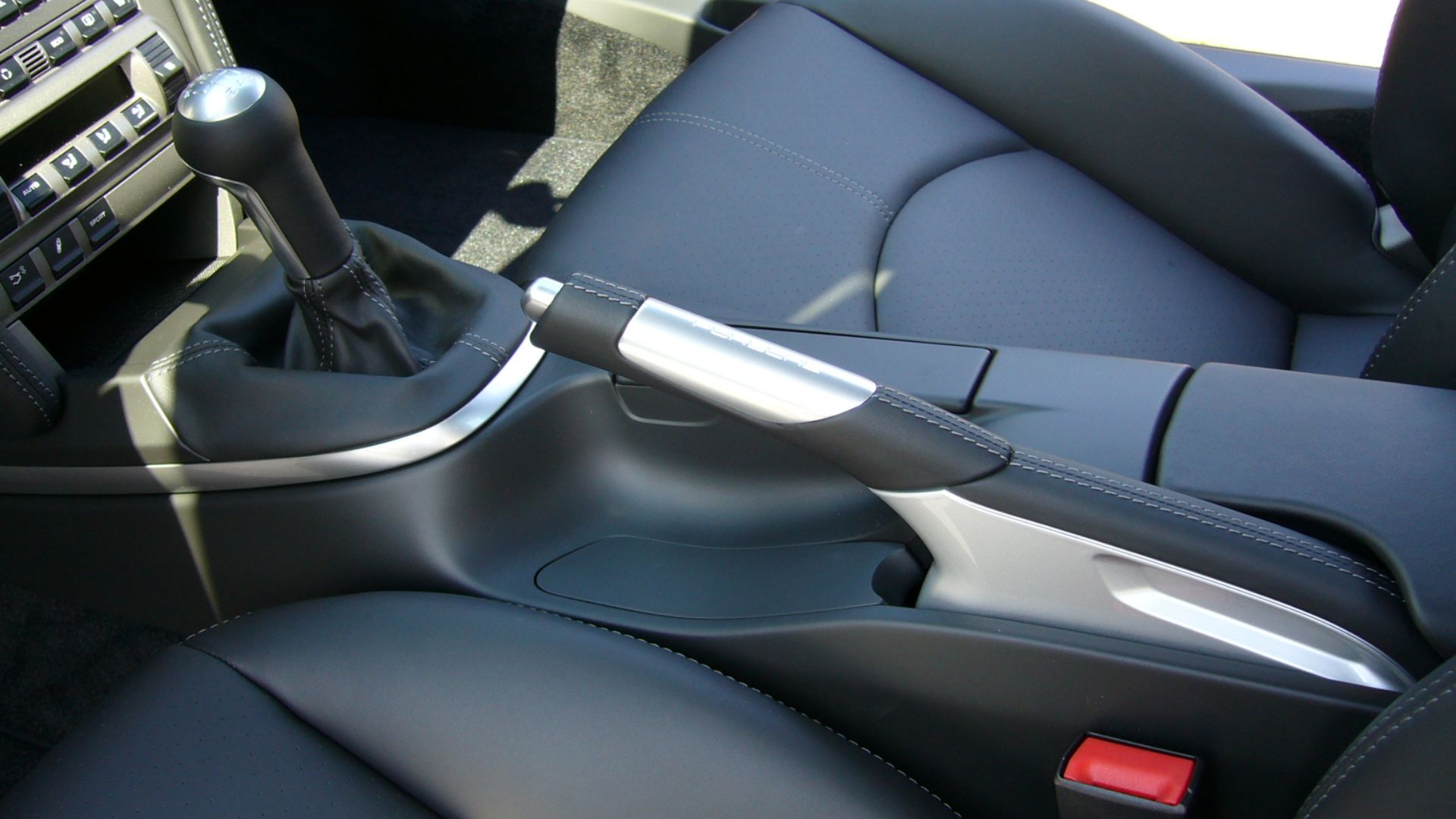 Cerafino~commonswiki, Wikimedia Commons
Your New Parking Brake Works Differently
An electronic parking brake, often called an EPB, uses an electrical signal to operate the parking brake mechanism. Depending on the design, an electric motor may operate the rear brake calipers or a separate cable-actuating mechanism. The driver activates the system using a switch instead of pulling a conventional lever. The result is a compact control that can also work with other electronic vehicle systems.
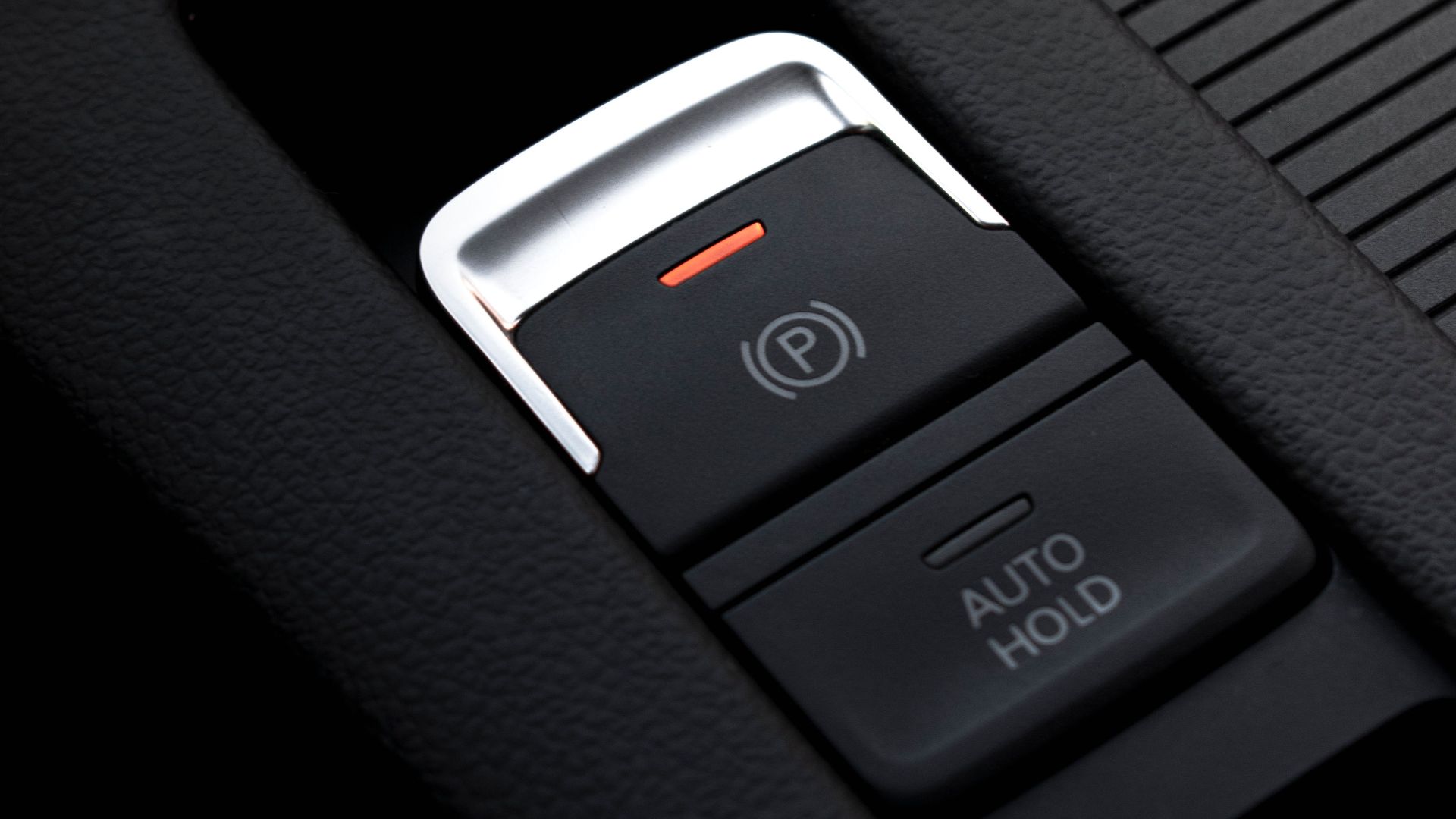
That Little Switch Controls A Motor
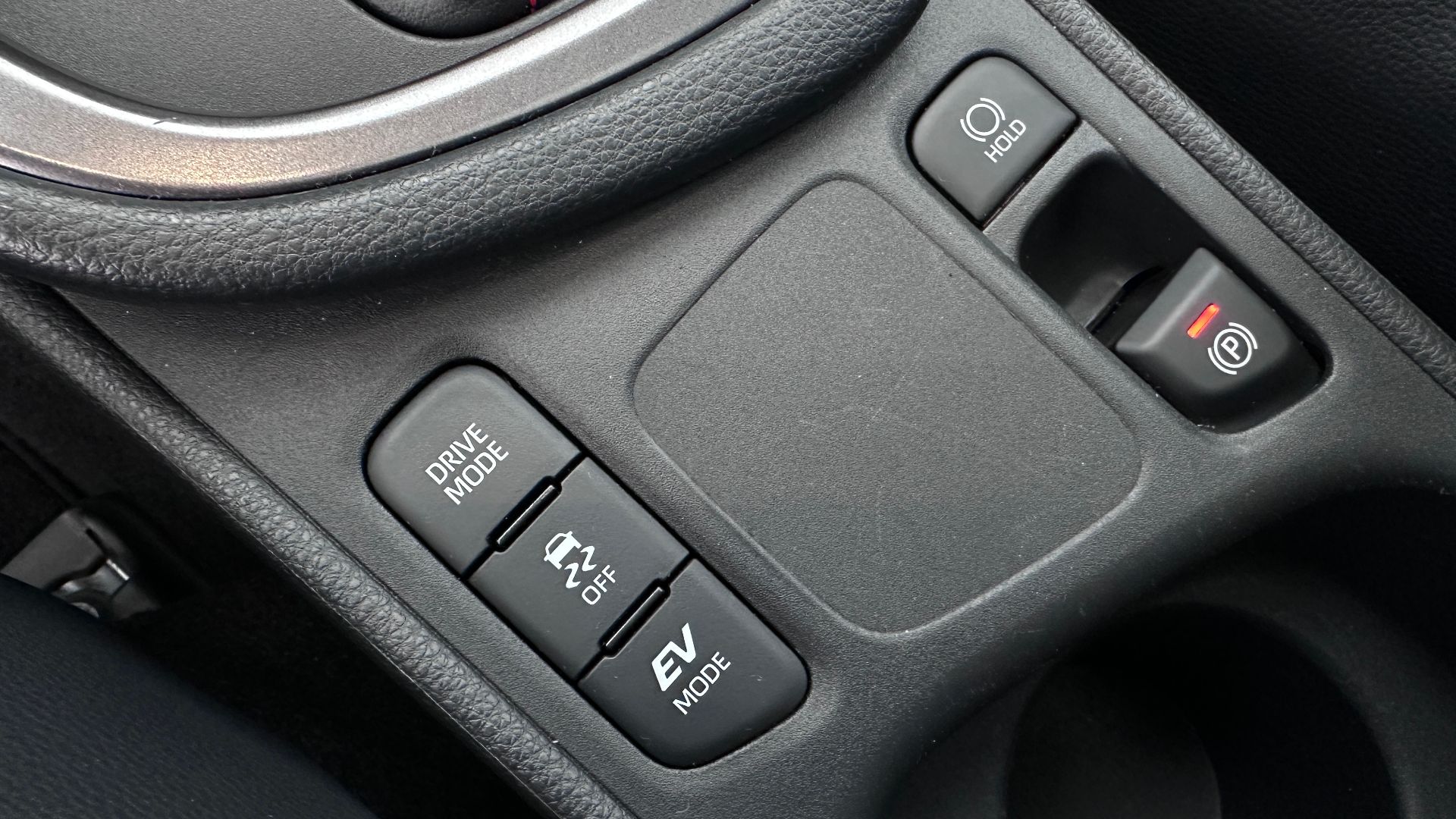
When you activate an electronic parking brake, the vehicle's control system commands an electric motor to apply braking force. Many modern systems use motors mounted directly on the rear brake calipers. These motors operate mechanisms that clamp the brake pads against the rotors and hold the vehicle stationary. You might hear a brief whirring sound from the rear wheels when the system operates, which manufacturers such as Volvo describe as normal.
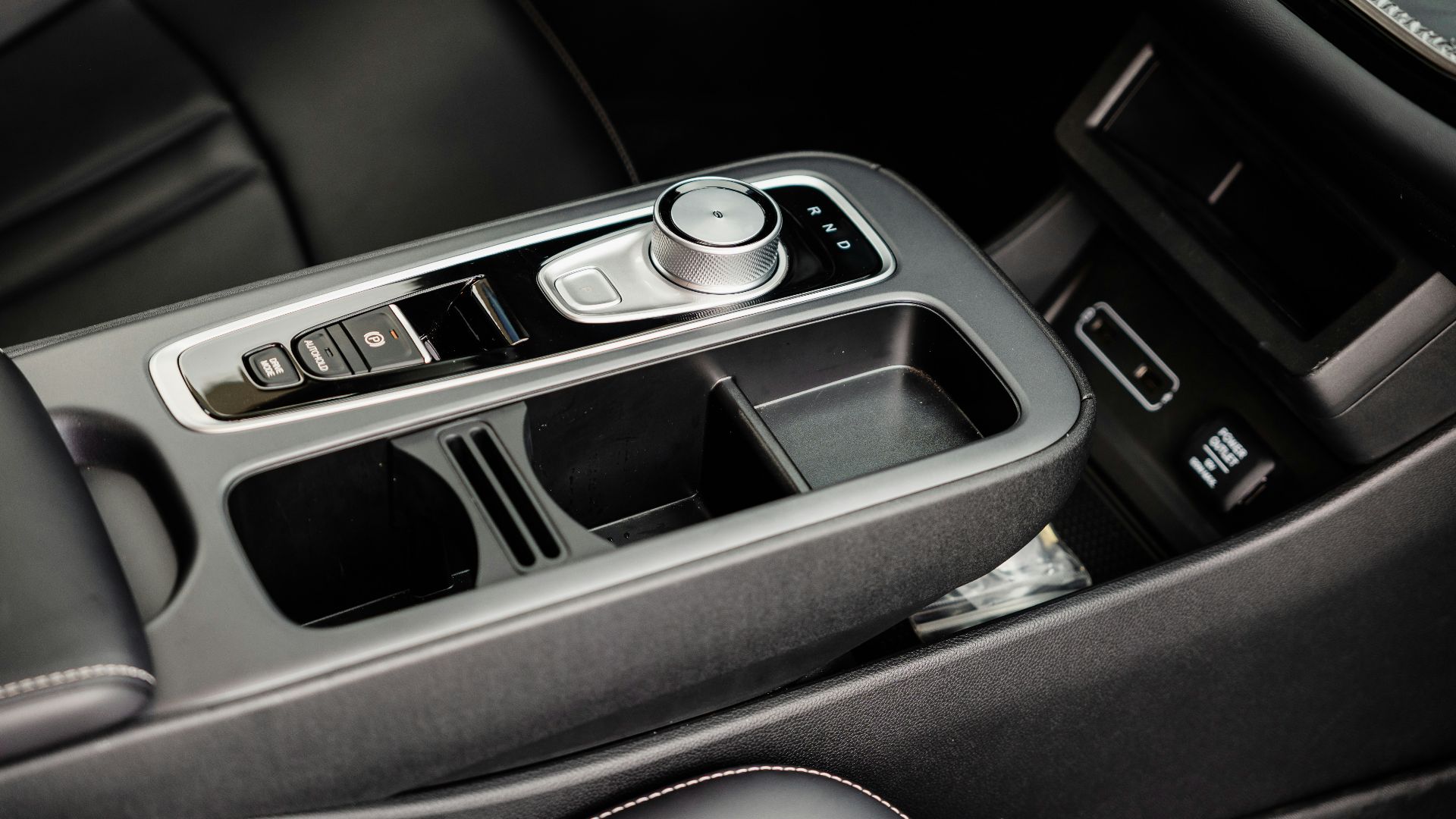
Here's What Happens When The Battery Dies
If the parking brake was already applied before the battery died, it generally remains engaged. The electrically operated mechanism doesn't normally need continuous power to maintain its holding force. However, without sufficient electrical power, the system may be unable to release the brake when you press the switch. Honda, Ford, and Volvo all document situations in which a discharged 12-volt battery prevents normal electronic parking brake operation.
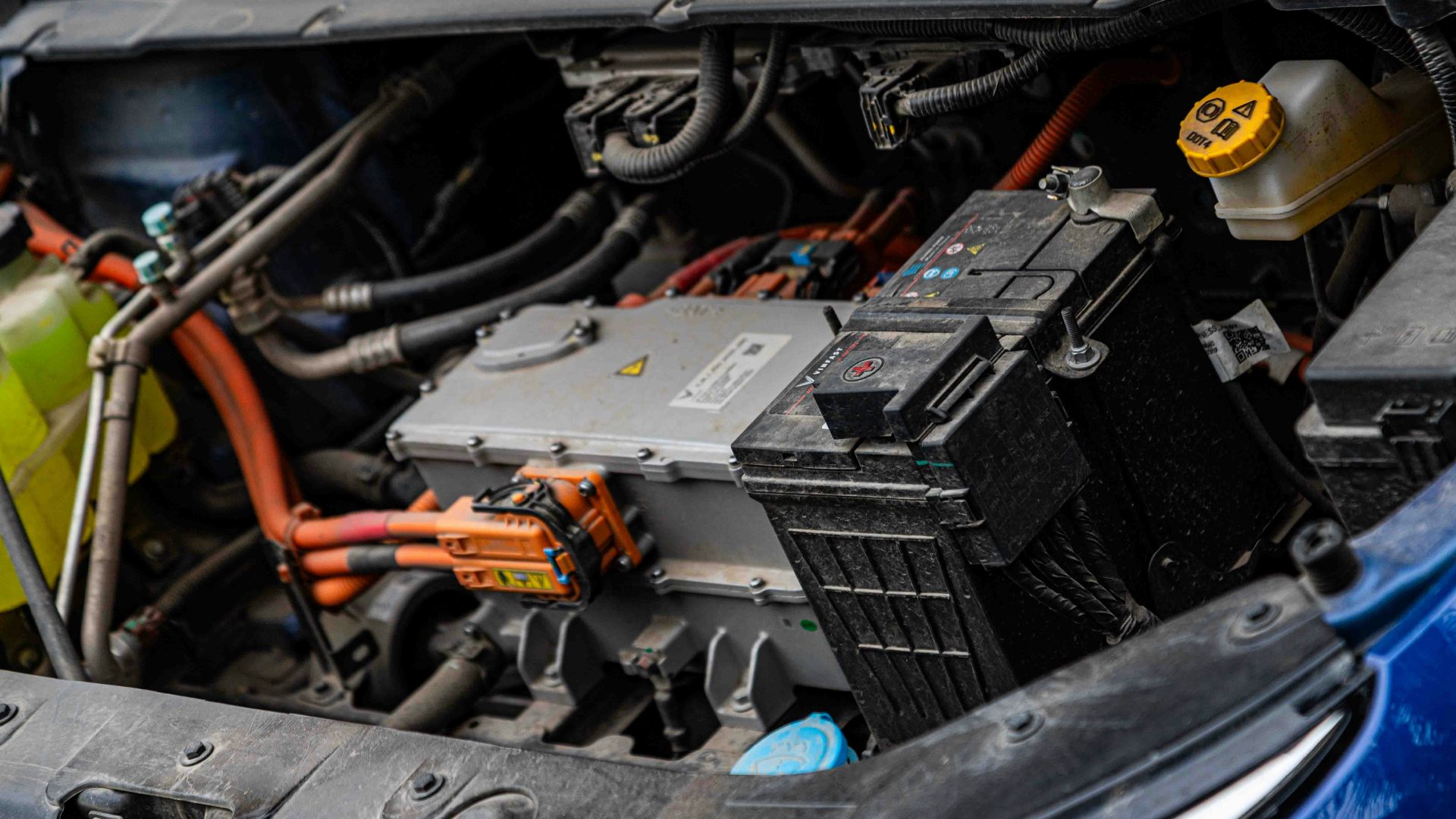
Your Car Usually Won't Suddenly Roll Away
One reassuring feature of many electronic parking brakes is that they mechanically retain their applied position. A battery failure doesn't ordinarily cause an already-engaged parking brake to release automatically. This is important because a parked vehicle must remain secured even when its electrical system isn't operating. However, the transmission's Park position and appropriate parking precautions remain important safeguards.
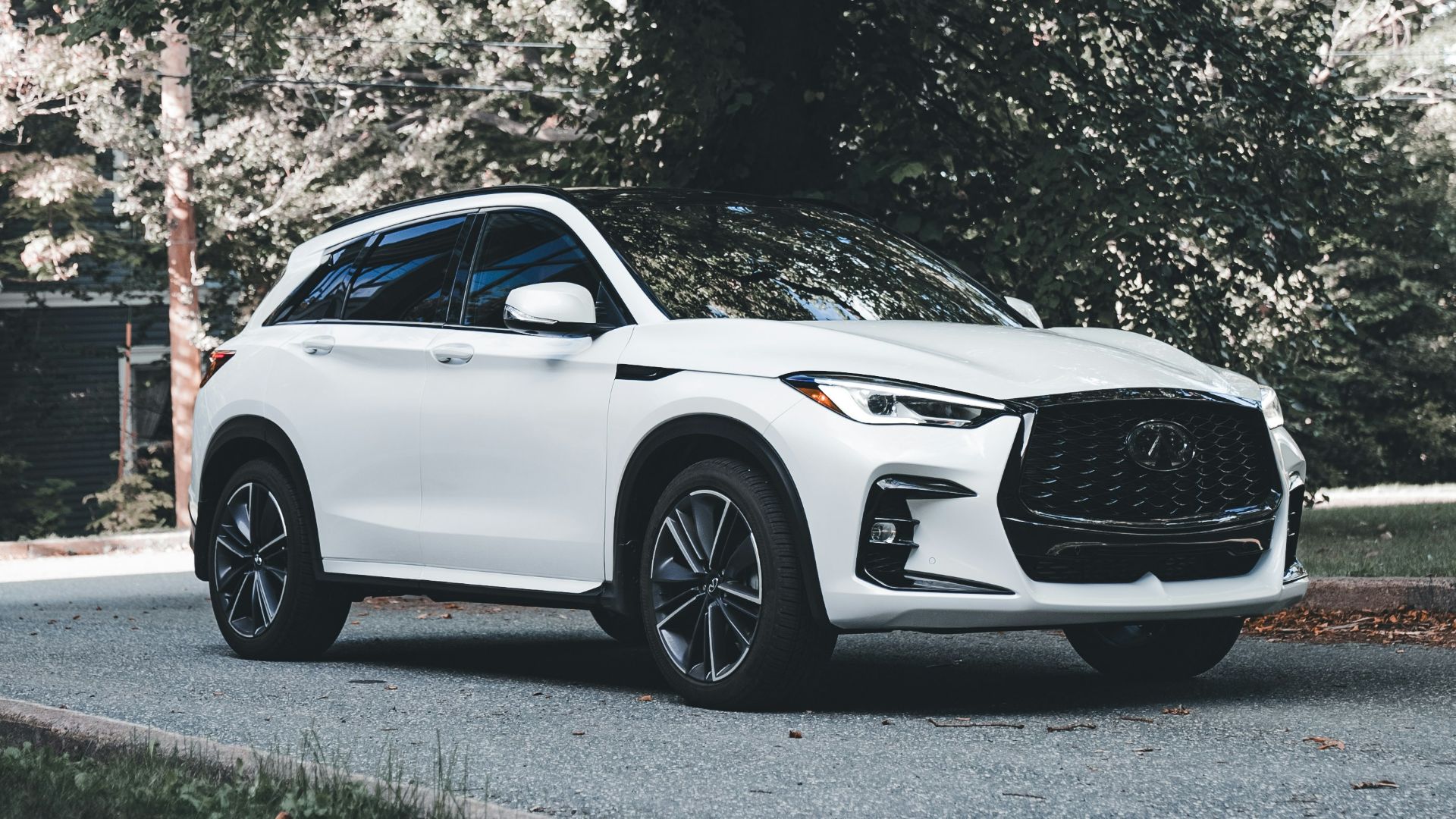
The Bigger Problem Is Getting Moving Again
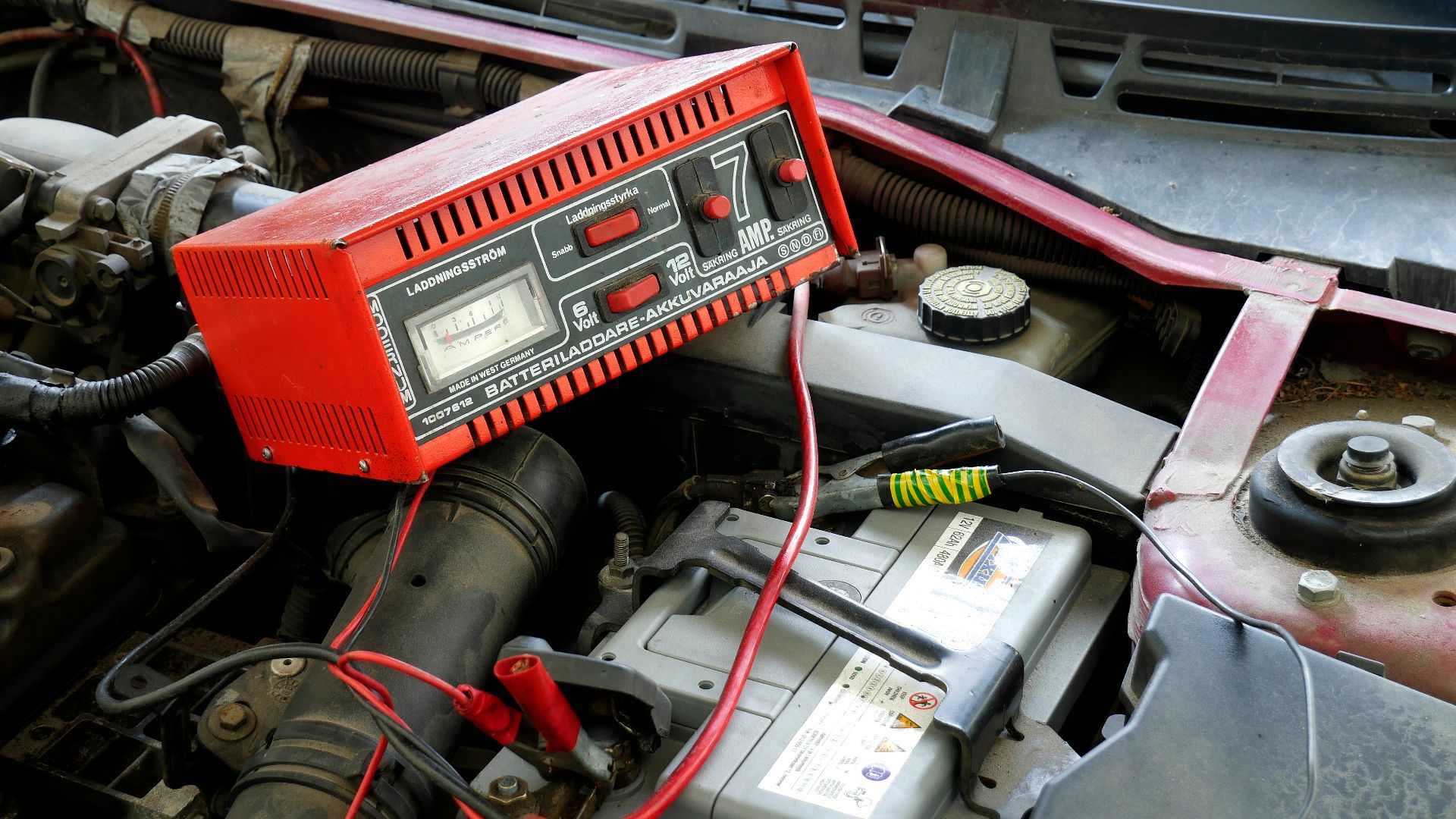
Imagine leaving your car parked overnight, only to discover the battery is completely dead the next morning. Even if you manage to unlock the doors, pressing the electronic parking brake switch may accomplish nothing. The system needs sufficient electrical power to command the brake mechanism to release. Until power is restored or an approved release procedure is performed, the vehicle may be impossible to move normally.
 Santeri Viinamäki, Wikimedia Commons
A Dead Battery Can Prevent Brake Application Too
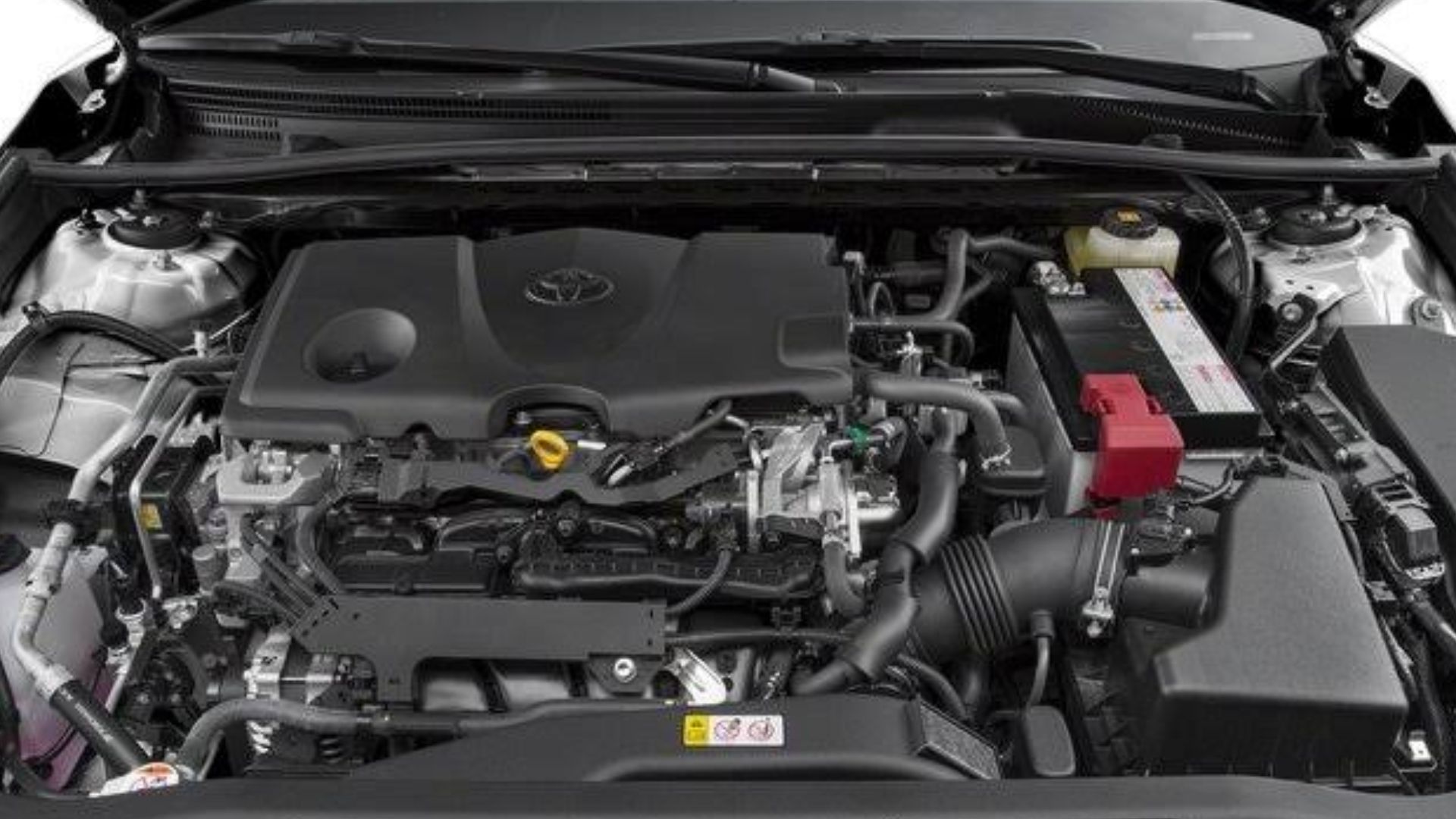
The problem isn't limited to releasing an already-engaged parking brake. If the electronic parking brake is disengaged when electrical power disappears, you may also be unable to apply it. Honda's CR-V instructions explicitly state that its electric parking brake cannot be applied or released with a dead 12-volt battery. That makes it particularly important to secure a powerless vehicle against rolling.
 charlesbarkertoyota, Wikimedia Commons
Putting The Transmission In Park Still Matters
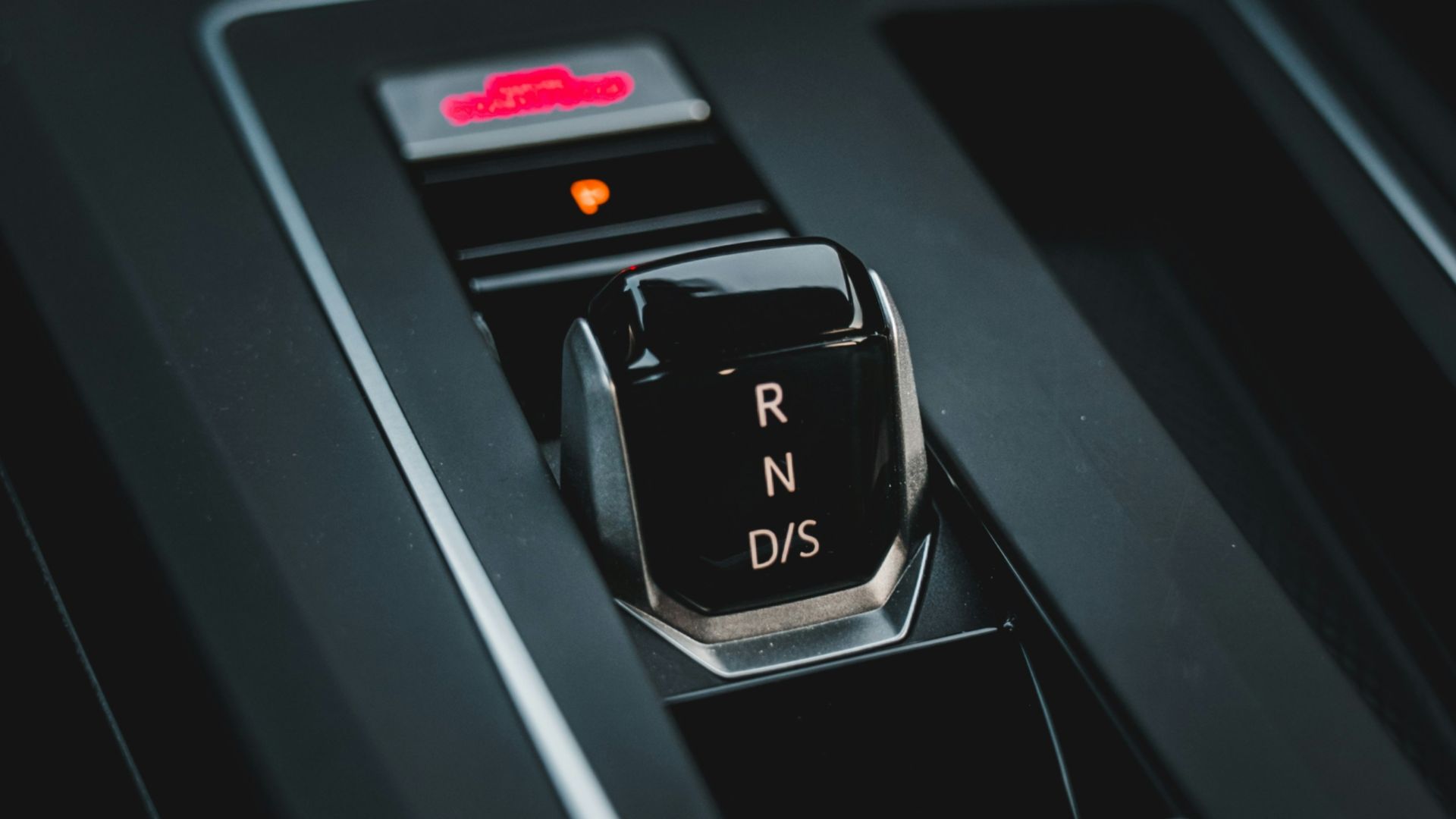
An automatic transmission's Park position and the electronic parking brake are separate mechanisms. Park generally uses a mechanical locking device inside the transmission to prevent its output from rotating. The parking brake instead restrains the vehicle through the braking system. Manufacturers commonly recommend selecting Park and applying the parking brake when leaving an automatic vehicle unattended.
Parking On A Hill Requires Extra Care
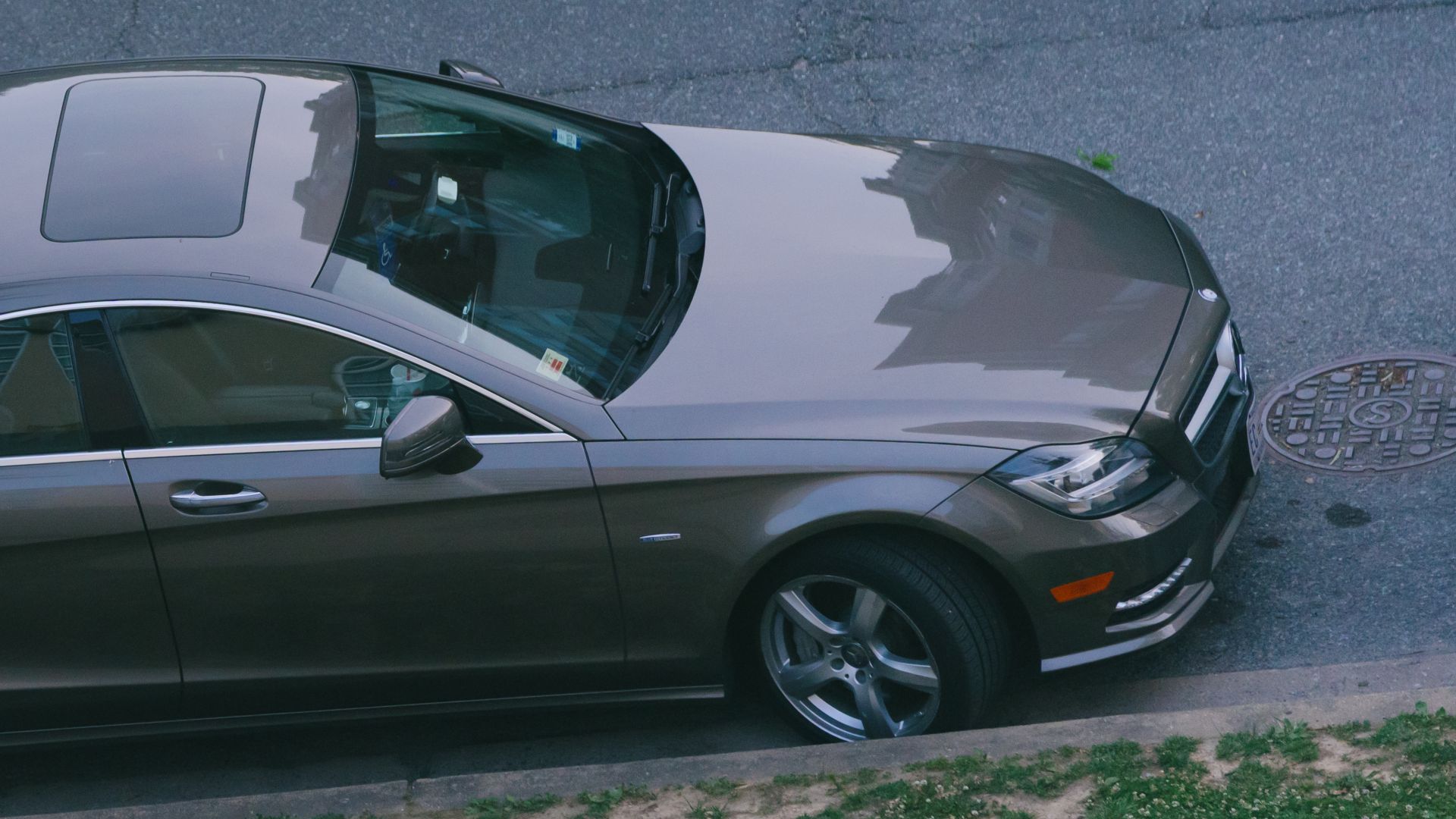
A dead battery can make a parking brake problem more serious when the vehicle is parked on an incline. If the electronic parking brake cannot be applied, relying entirely on the transmission's Park mechanism is not ideal. Volvo recommends turning the front wheels away from the curb when facing uphill and toward the curb when facing downhill. These precautions provide additional protection against unintended vehicle movement.
 Tony Webster, Wikimedia Commons
A Jump-Start May Solve The Problem
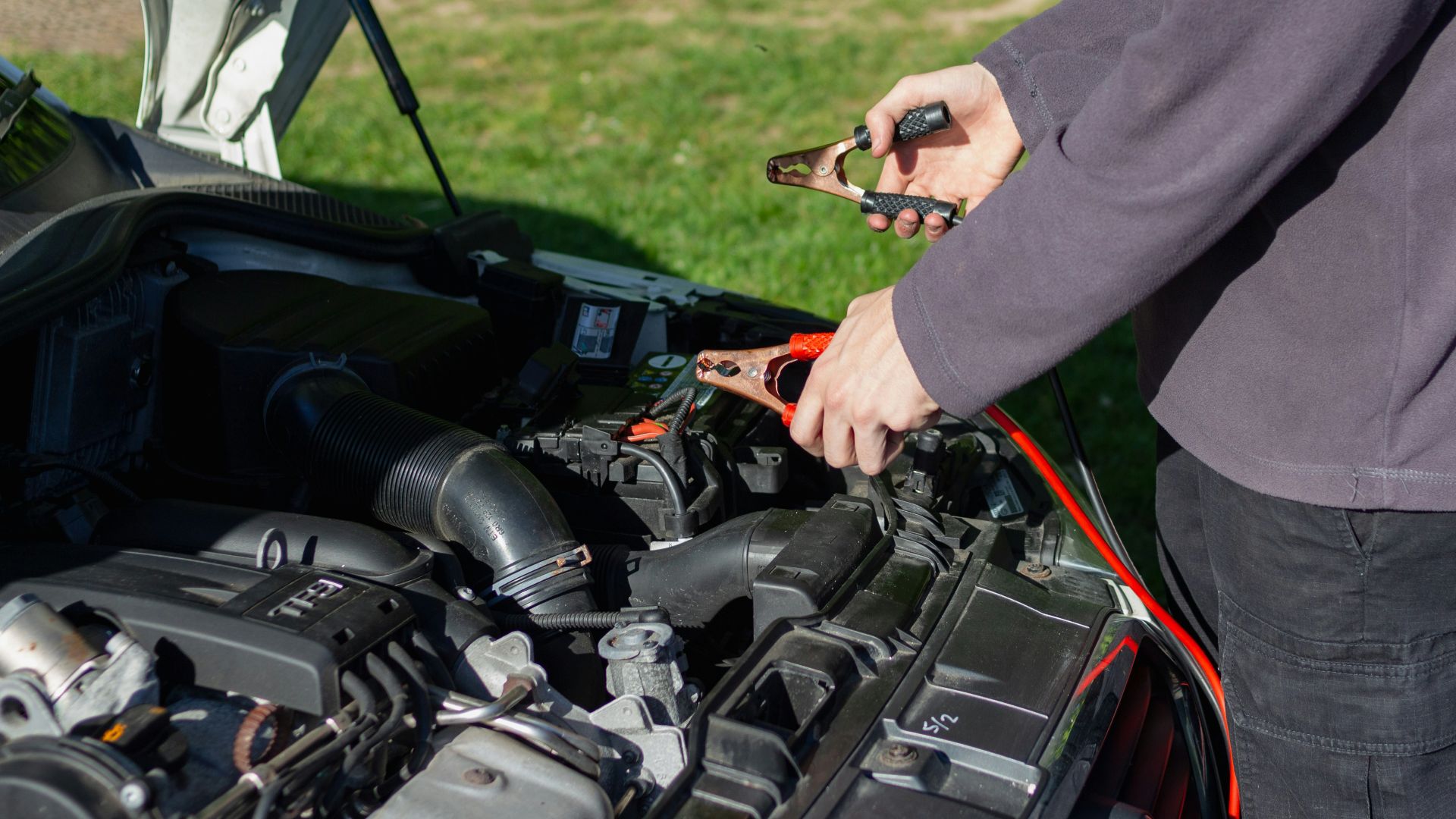
Fortunately, restoring electrical power is often enough to operate an electronic parking brake again. Ford specifically instructs owners of certain models to connect a booster battery when the parking brake cannot release because the vehicle battery is discharged. Volvo provides similar guidance for vehicles experiencing insufficient battery voltage. The exact procedure depends on the vehicle, so consult the owner's manual before connecting external power.
 Daniel @ bestjumpstarterreview.com, Unsplash
You Might Not Need To Start The Engine
In some vehicles, the electronic parking brake can operate when the ignition is switched on, even if the engine isn't running. Honda's instructions for the CR-V explain that the parking brake can be applied whenever sufficient battery power is available. Releasing it requires the appropriate ignition setting and brake pedal input. This means restoring adequate 12-volt power may be sufficient to release the brake without successfully starting the engine.

Don't Connect Jumper Cables Randomly
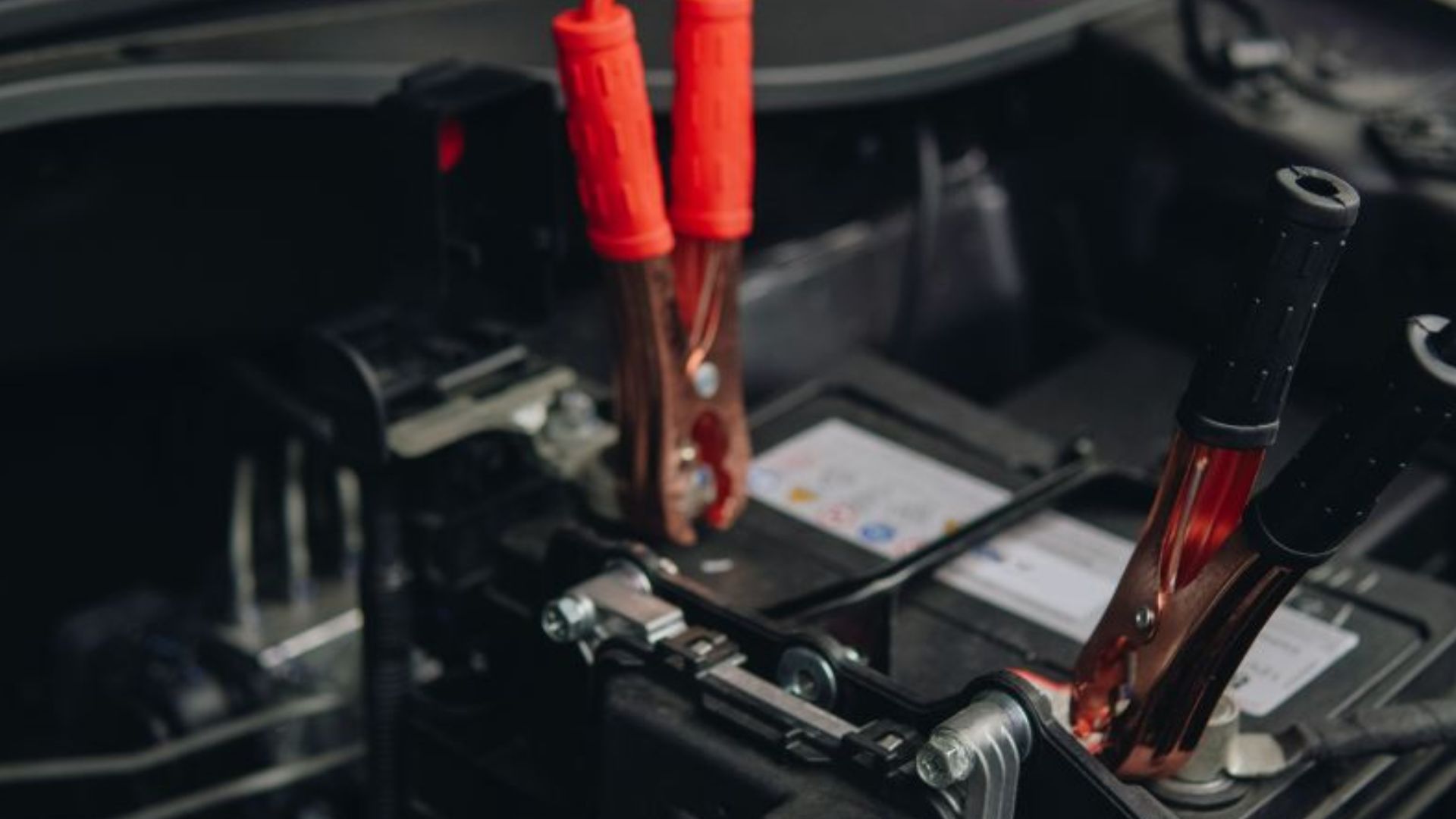
Jump-starting a modern vehicle requires following the manufacturer's electrical safety instructions. AAA recommends checking the battery for visible damage and confirming that the booster equipment is compatible with the vehicle. Incorrect cable connections can damage electrical components or create dangerous sparks. Some vehicles also have designated jump-start terminals that should be used instead of connecting directly to the battery.
 Mobiletireservicegta, Wikimedia Commons
A Portable Jump Starter Could Be Useful
Portable jump starters offer another way to supply electrical power without relying on a second vehicle. These devices can be especially convenient when a car is parked in a garage or another location where jumper cables are difficult to position. AAA notes that modern jump packs can include protection against incorrect connections. Owners should still select equipment compatible with their vehicle and follow the instructions for both the jump starter and the car.
Releasing The Brake Isn't Always Automatic
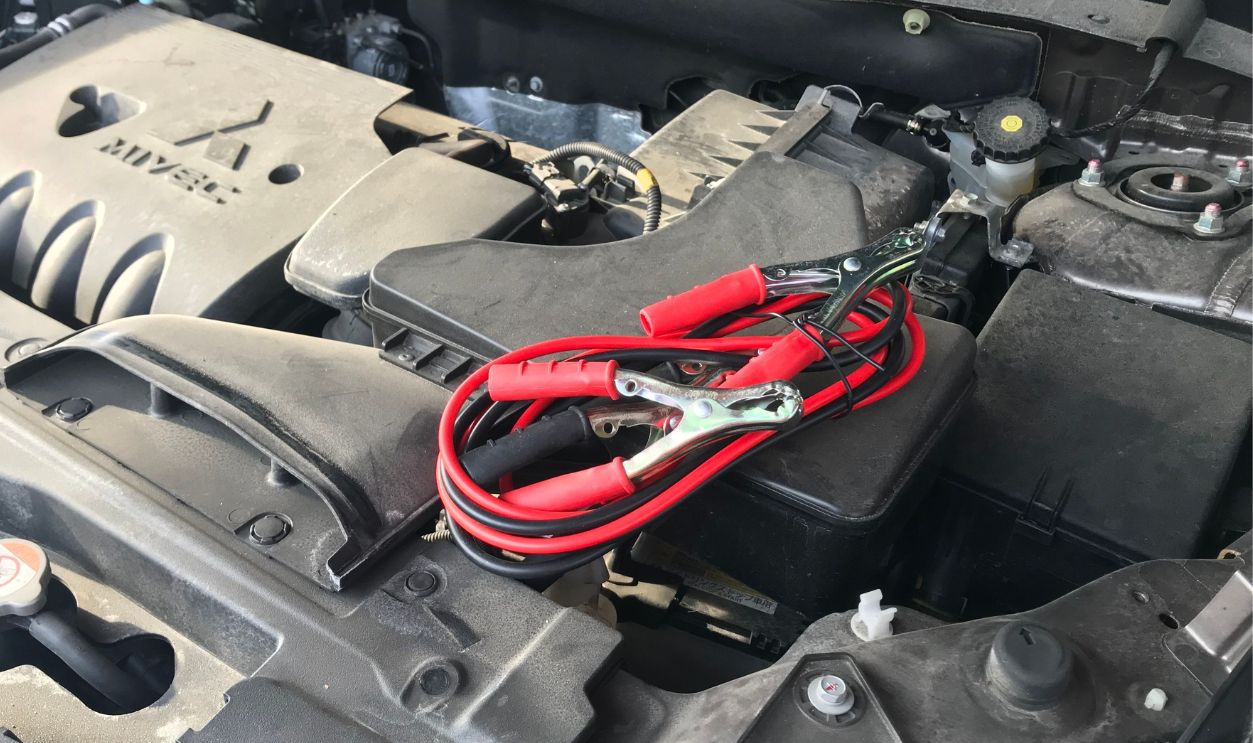
After restoring electrical power, don't assume the parking brake will release by itself. Many vehicles require the driver to press the brake pedal and operate the electronic parking brake switch. Honda's instructions specify that the vehicle must be in the appropriate ignition mode before the brake can be manually released. If the system doesn't respond, check the manufacturer's procedure rather than repeatedly pressing the switch.
 Santeri Viinamäki, Wikimedia Commons
Some Cars Release The Brake When You Accelerate
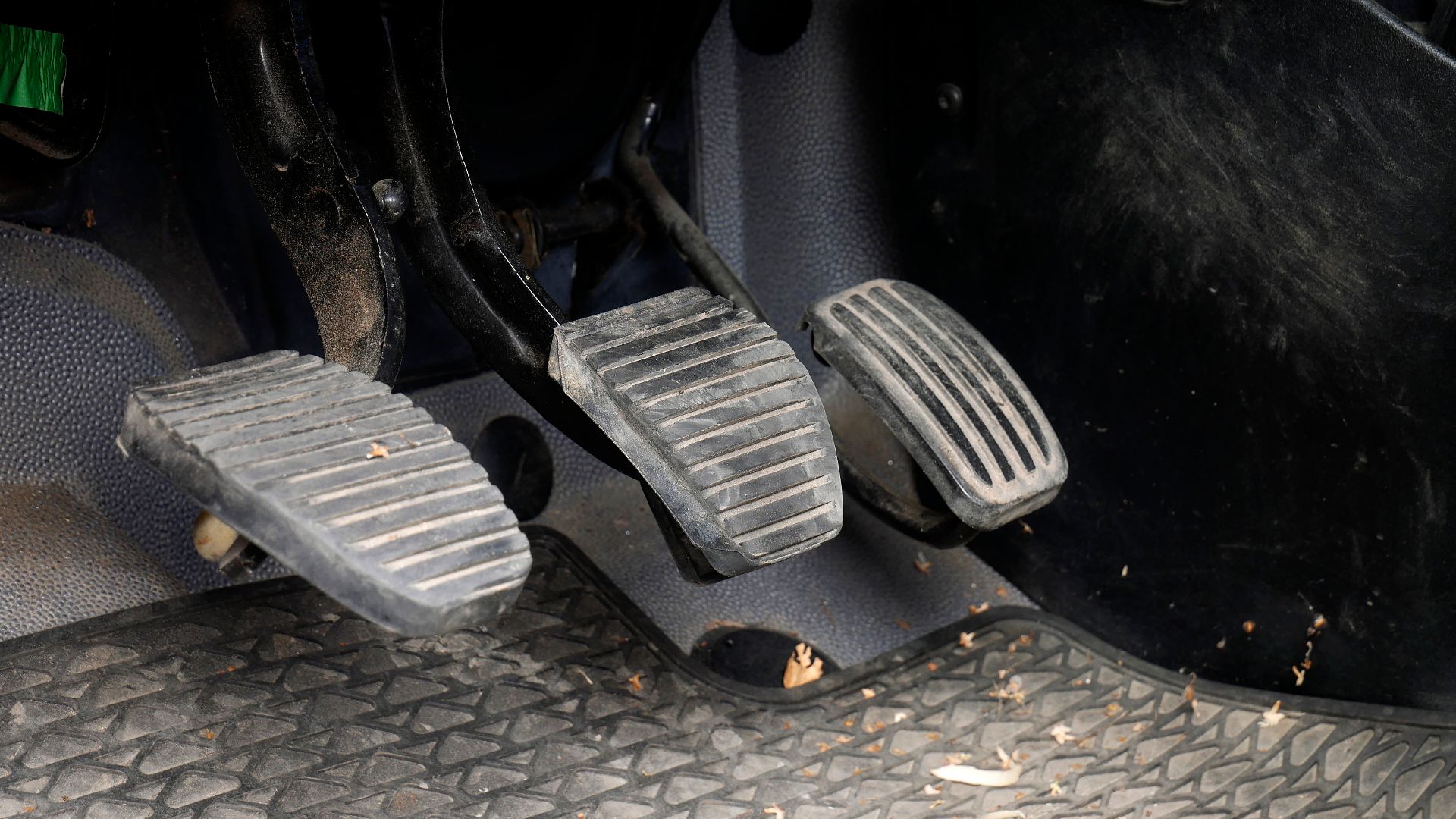
Many electronic parking brake systems include an automatic release feature for normal driving. For example, certain Honda vehicles can release the parking brake when the driver fastens the seat belt, selects an appropriate gear, and presses the accelerator. Ford also documents automatic release systems that depend on conditions such as the driver's door being closed. These features are convenient, but they still depend on the vehicle having sufficient electrical power and meeting the required operating conditions.

What If The Battery Is Completely Dead?
A severely discharged battery may not provide enough power for the electronic parking brake to respond at all. In that situation, a properly connected booster battery or compatible external power source may restore operation. If the brake remains engaged after power is supplied, there could be an additional electrical or mechanical fault. Professional assistance is preferable to attempting to force the brake mechanism to release.
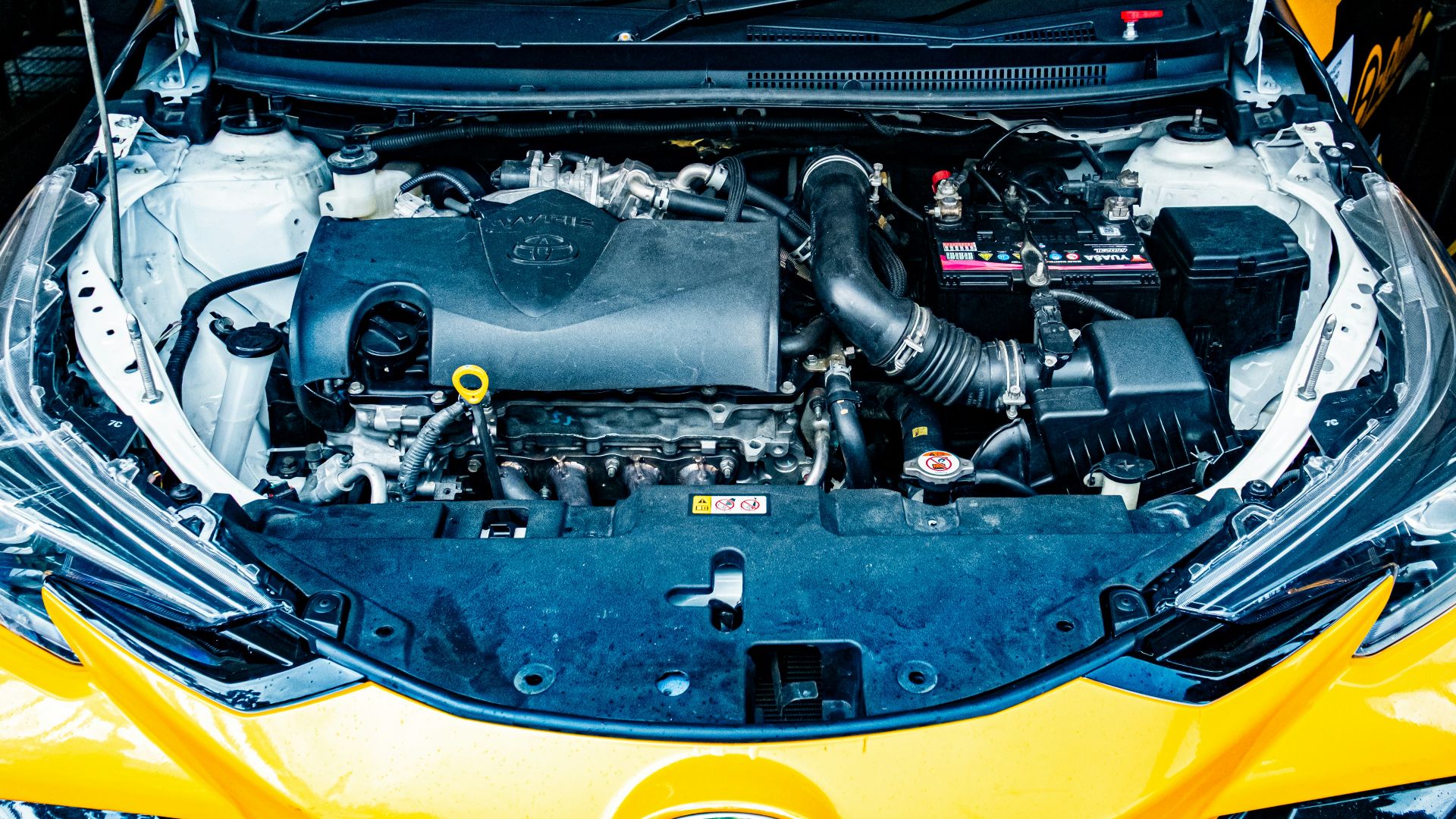
There's No Universal Emergency Release Lever
Drivers accustomed to mechanical handbrakes sometimes assume every electronic parking brake includes a hidden manual release cable. However, emergency release arrangements vary considerably between manufacturers and models. Some vehicles require external electrical power, while others have specialized service procedures for releasing the mechanism. Never assume that a release method demonstrated on another vehicle will work safely on yours.
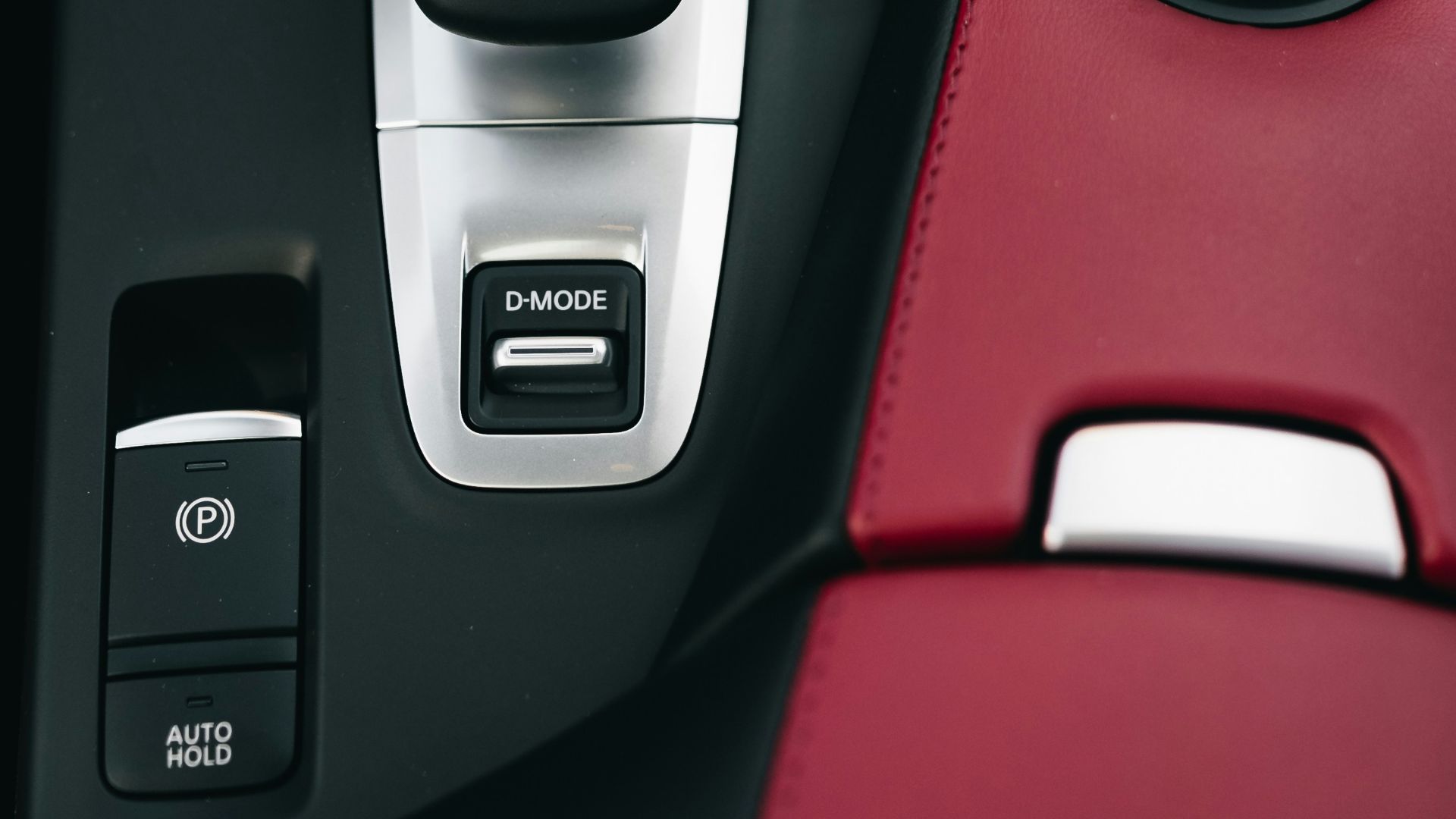
Your Transmission May Have A Separate Emergency Release
Some modern vehicles have an emergency mechanism that allows the transmission to be shifted out of Park when normal electrical controls aren't functioning. Ford documents a manual Park release procedure for certain F-150 models, including access to a release cable beneath the dashboard. However, this mechanism releases the transmission's parking lock rather than necessarily releasing the electronic parking brake. Confusing the two systems can create a dangerous situation in which the vehicle is unexpectedly free to roll.
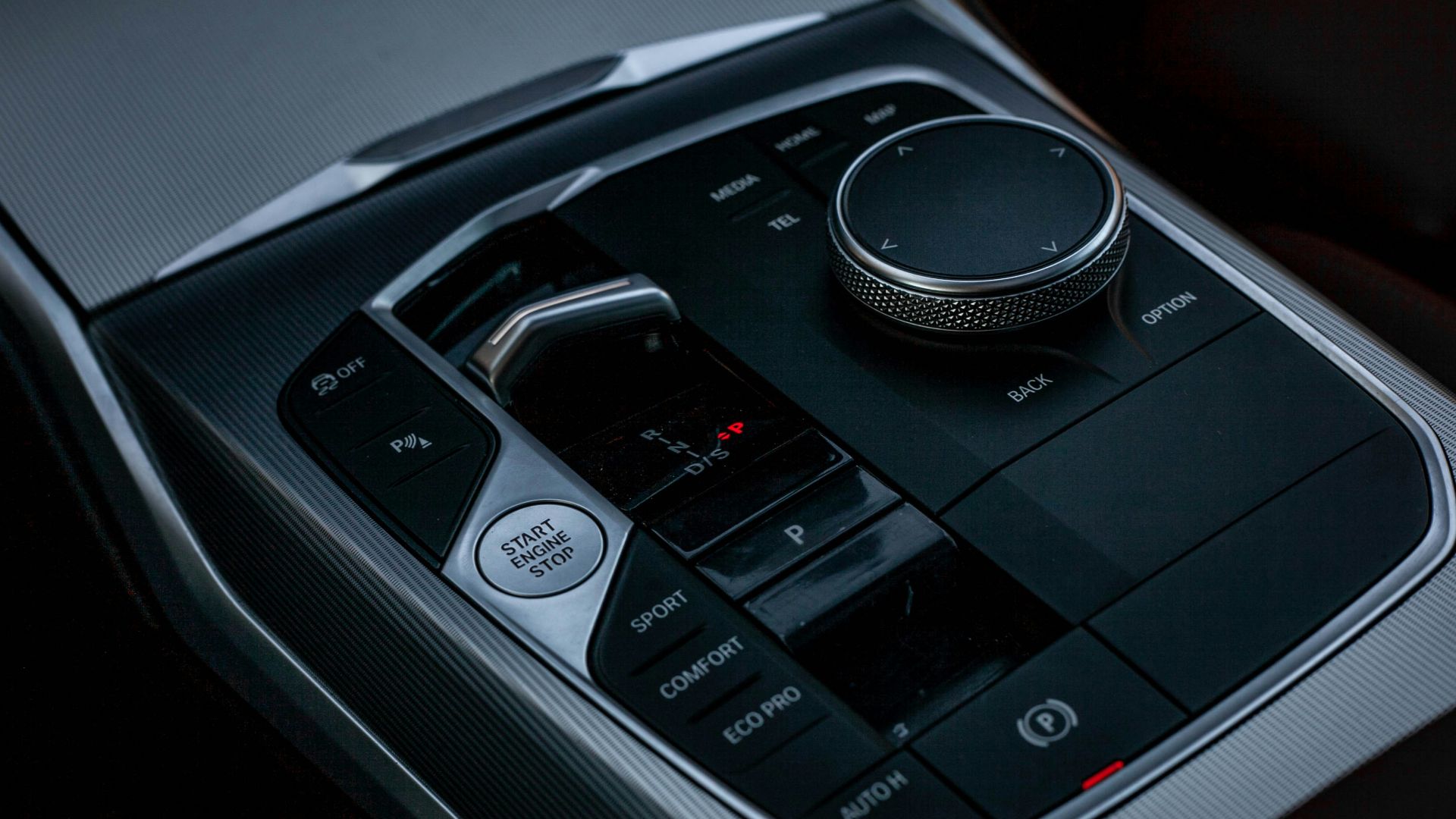
Why You Shouldn't Force The Car To Move
If the electronic parking brake remains engaged, trying to drag or drive the vehicle can damage braking components. The rear wheels may resist turning because the brake mechanism is still holding them. Attempting to overcome that resistance with engine power is not an appropriate emergency release method. The safer approach is to restore electrical power, follow the manufacturer's instructions, or arrange professional assistance.

Towing A Car With A Dead Battery Gets Complicated
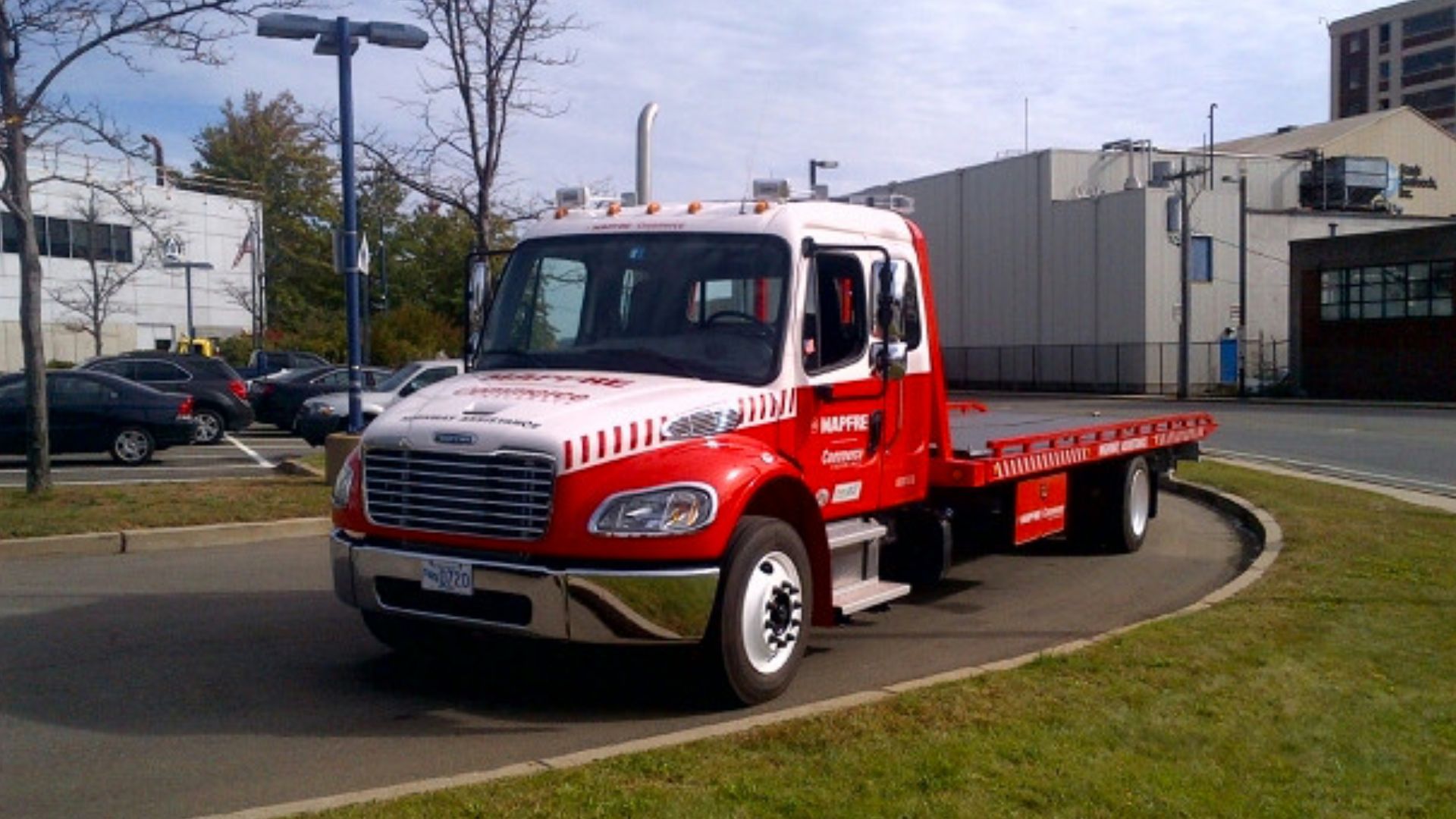
A disabled vehicle with an engaged electronic parking brake may require special towing equipment. Ford's towing guidance for certain vehicles warns against flat towing when the 12-volt battery is discharged and the parking brake cannot be released. Moving a vehicle with locked wheels can damage components and create additional safety risks. Tell the recovery operator that the vehicle has an electronic parking brake and that the battery is dead.
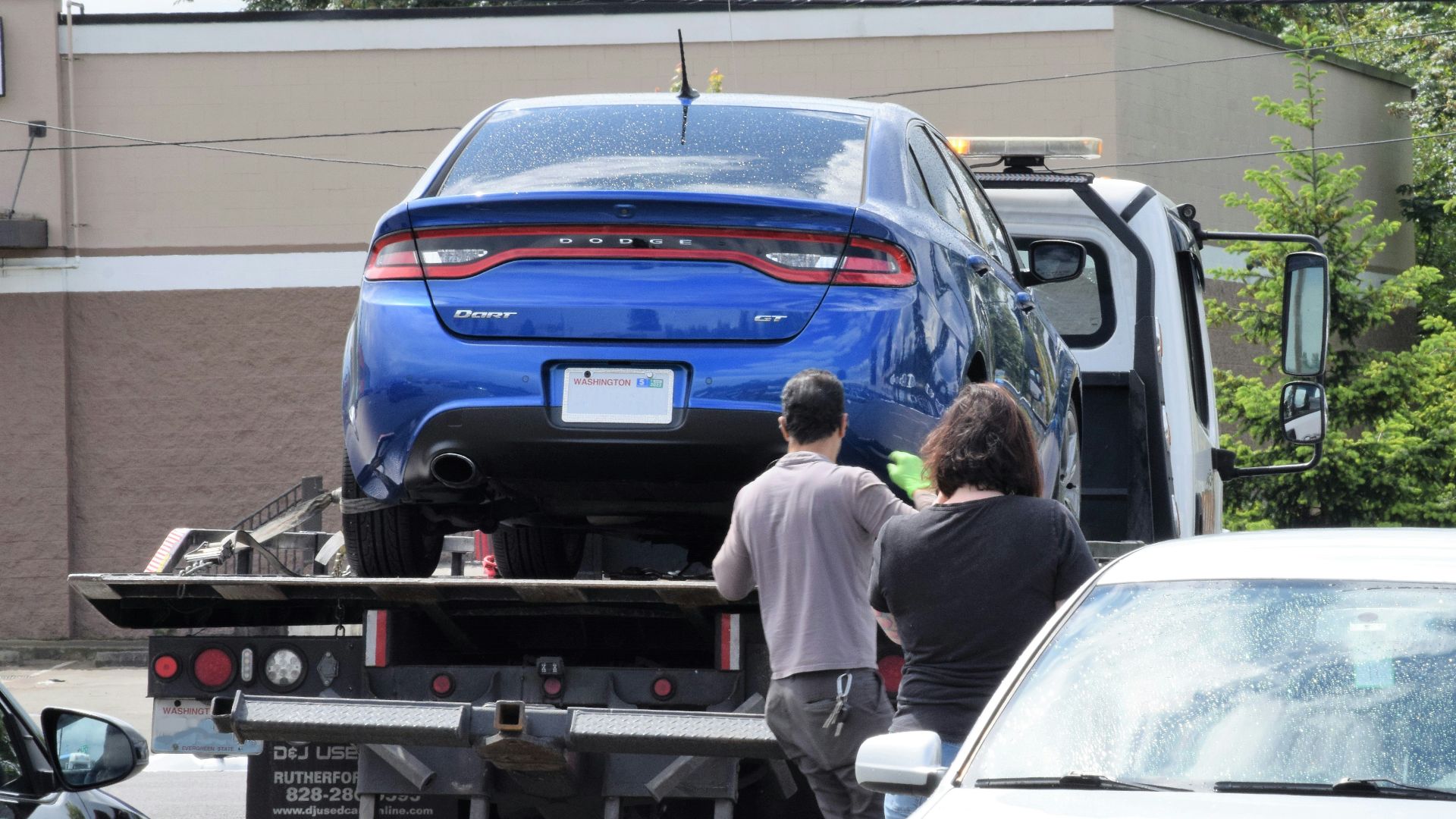
A Flatbed Tow Truck May Be Necessary
When a vehicle cannot be safely rolled, a flatbed or specialized recovery equipment may be required. Some towing operators use wheel dollies or other equipment to move vehicles whose wheels cannot rotate normally. The appropriate method depends on the vehicle's drivetrain, transmission, parking brake condition, and manufacturer's towing instructions. This is particularly important for all-wheel-drive vehicles and electric cars with specific towing restrictions.
Electric Cars Have The Same Basic Concern
Battery-electric vehicles also use electronic parking brakes, and many rely on a separate low-voltage electrical system for control functions. A healthy high-voltage traction battery doesn't automatically guarantee that every low-voltage component will operate normally. If the low-voltage system cannot power the parking brake controls, the vehicle may require an approved recovery procedure. Owners should consult the electric vehicle's specific instructions rather than assuming conventional jump-starting methods always apply.

The Parking Brake And Brake Hold Aren't The Same Thing
Some new cars have both an electronic parking brake switch and a separate automatic brake hold button. Automatic brake hold is designed to keep the vehicle stationary during temporary stops, such as waiting at traffic lights. Honda warns that this feature should not replace proper parking procedures when leaving the vehicle. When parking, select the appropriate transmission position and apply the actual parking brake rather than relying on temporary brake hold.
What Happens If The Battery Dies While Driving?
A battery problem while driving is different from discovering a dead battery in a parked car. The electronic parking brake doesn't normally engage simply because the battery voltage drops. However, electrical faults can interfere with systems that depend on the vehicle's power supply. If charging-system or brake warnings appear while driving, follow the manufacturer's instructions and stop somewhere safe rather than waiting for the vehicle to become disabled.

Can The Electronic Parking Brake Stop A Moving Car?
Some electronic parking brakes have an emergency braking function that operates when the driver pulls and holds the switch while the vehicle is moving. Honda explains that certain systems use the vehicle's stability-control braking system to slow the car before applying the parking brake at a stop. This feature is intended for emergencies, not ordinary braking. Its operation depends on the vehicle's design and available electrical power, so it shouldn't be treated as a guaranteed backup during a complete electrical failure.

Warning Lights Can Reveal A Bigger Problem
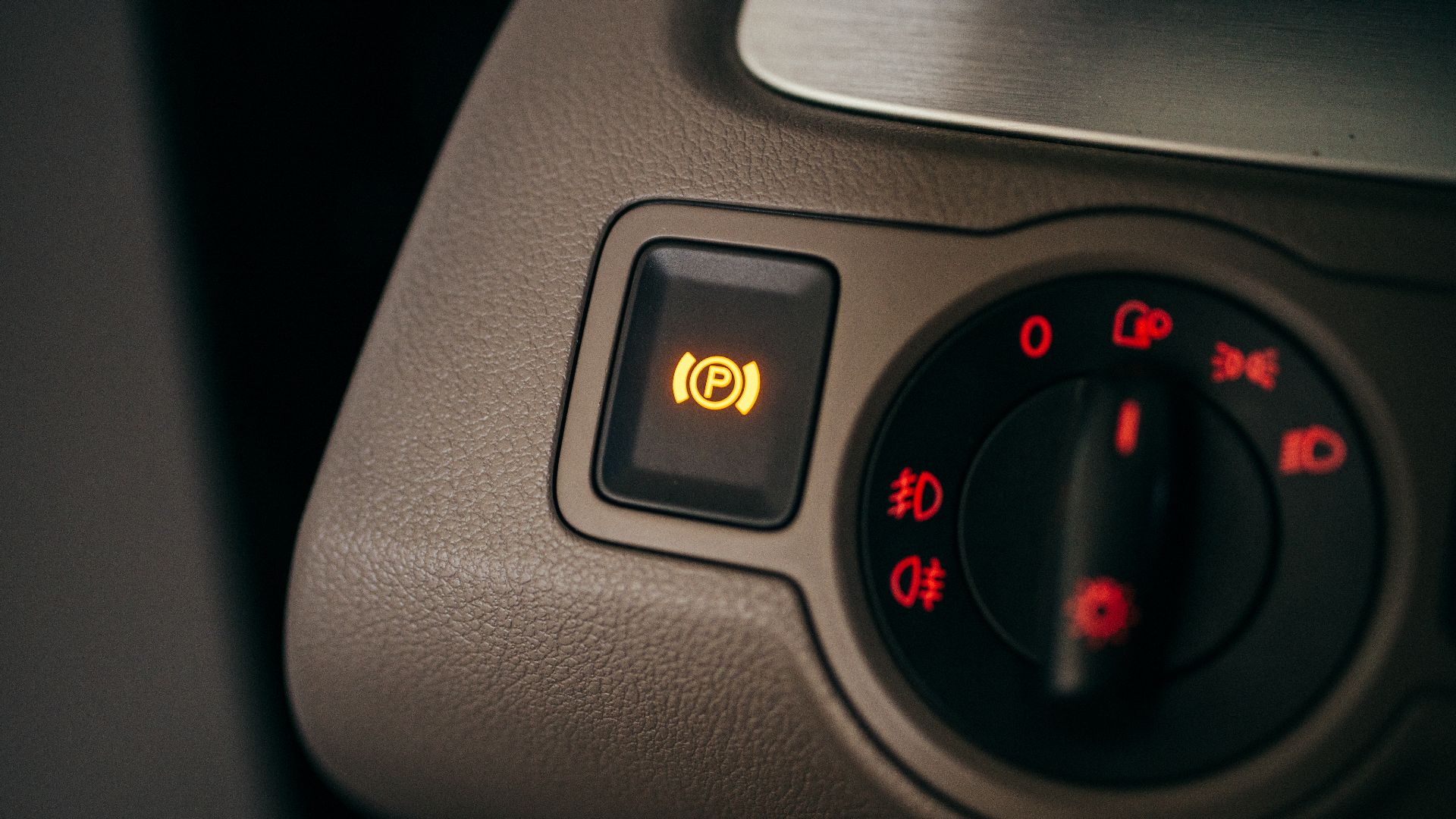
Electronic parking brake systems monitor their operation and can display warnings when something isn't working correctly. Ford's owner manuals describe messages indicating that the parking brake hasn't applied, hasn't released, or requires service. A flashing warning lamp or persistent fault message may indicate a problem beyond a weak battery. If the warning remains after normal electrical power is restored, have the vehicle inspected before relying on the parking brake.
 Shixart1985, Wikimedia Commons
A Healthy Battery Prevents Many Headaches
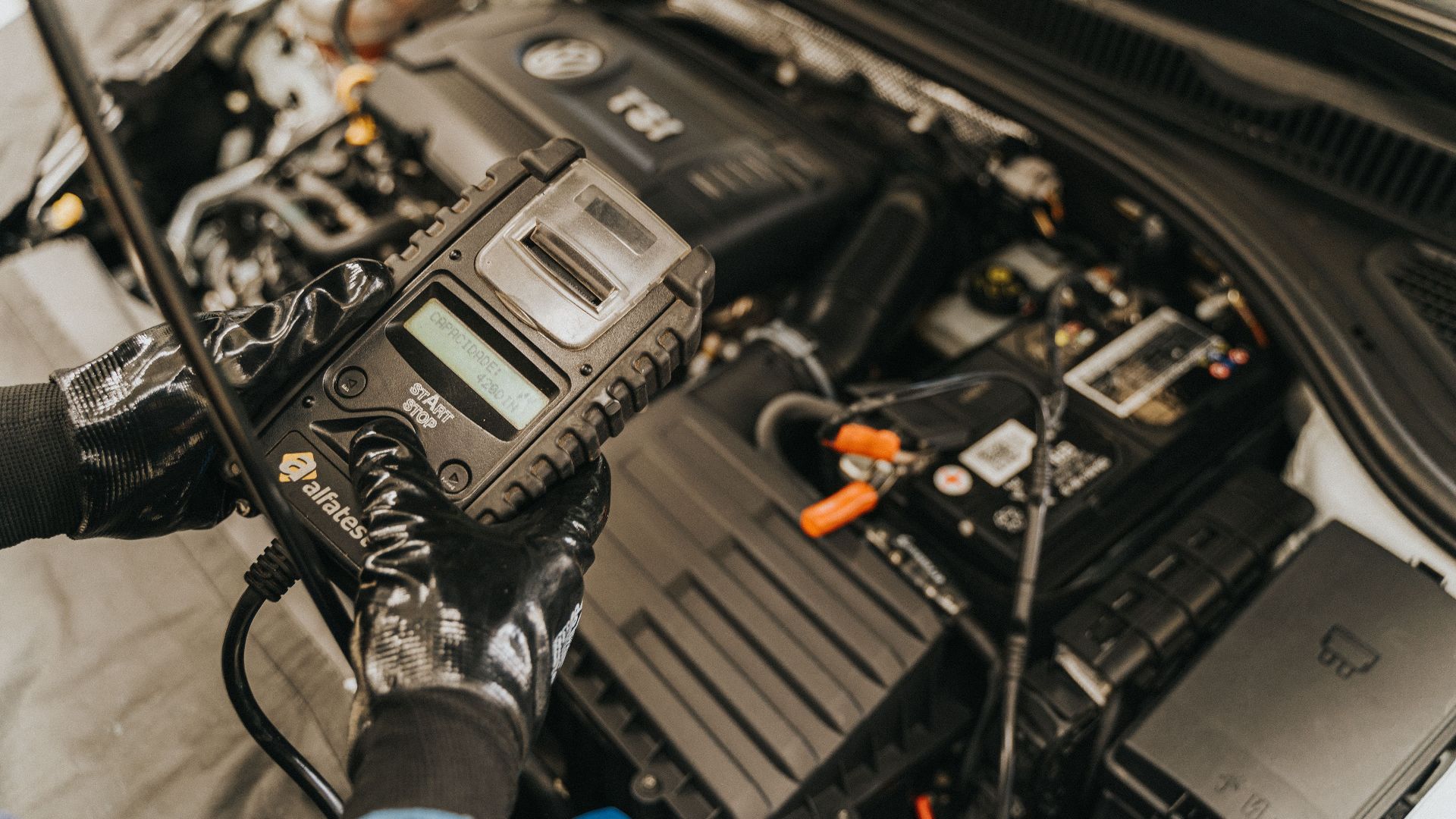
Because electronic parking brakes depend on electrical power for operation, battery maintenance becomes particularly important. AAA recommends checking battery condition, cable connections, and the charging system to reduce the risk of unexpected failures. A battery that repeatedly needs jump-starting should be tested rather than repeatedly boosted. Replacing a failing battery before it leaves you stranded can prevent an inconvenient parking brake problem as well.
Learn The Procedure Before You Need It
The best time to understand your electronic parking brake is before the battery dies. Locate the relevant section of your owner's manual and identify the manufacturer's approved procedure for restoring power and releasing the brake. It's also worth learning where the designated jump-start terminals are located and whether your vehicle has special towing restrictions. A little preparation can turn a confusing breakdown into a much more manageable situation.

The Button Isn't The Problem, But Preparation Matters
Electronic parking brakes aren't inherently unsafe just because they depend on electricity. Many are designed to remain mechanically engaged when power is lost, helping prevent a parked vehicle from rolling unexpectedly. The inconvenience comes when a dead battery prevents you from releasing or applying the brake until electrical power is restored. Understanding how your particular system works is the best way to enjoy the convenience without being caught off guard.
 Kārlis Dambrāns from Latvia, Wikimedia Commons
You May Also Like:
Classic Truck Features That Drivers Miss Now That Pickups Have Gone Luxury
Popular Vehicle Features That Mechanics Say Cause More Trouble Than They’re Worth
The Most Valuable Survivor Cars That Escaped The Crusher Against All Odds