
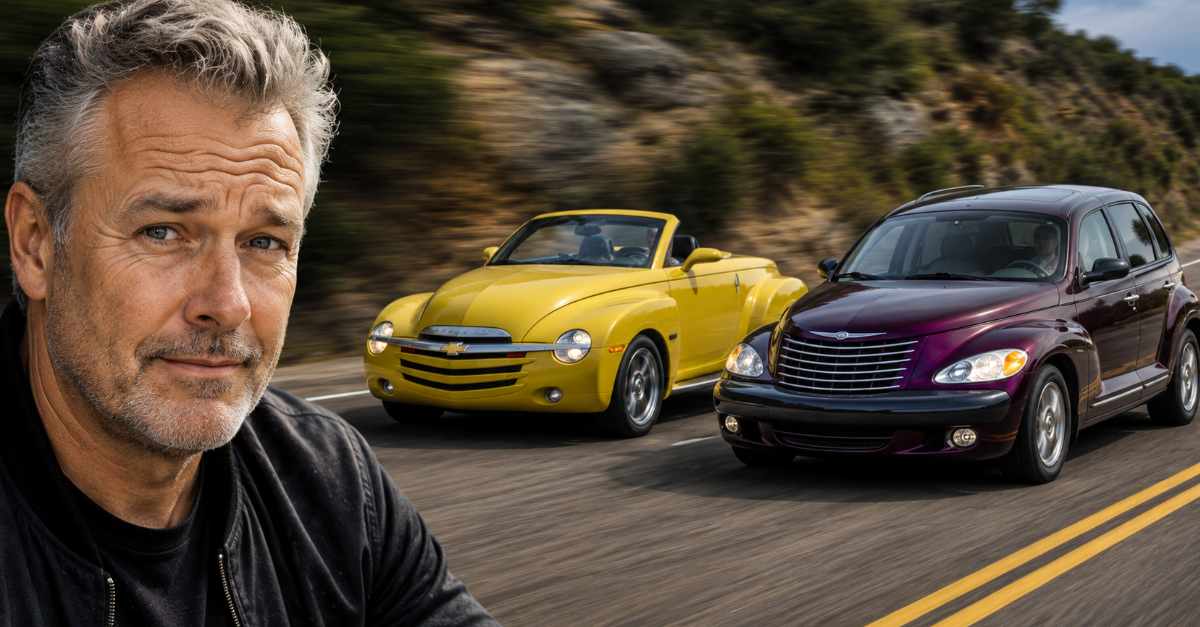
Maybe The Experts Missed A Few...
Car experts usually know what they're talking about.
Usually.
Some of the cars on this list were mocked from the moment they arrived. Others were simply misunderstood. Either way, we think the experts owe them an apology.
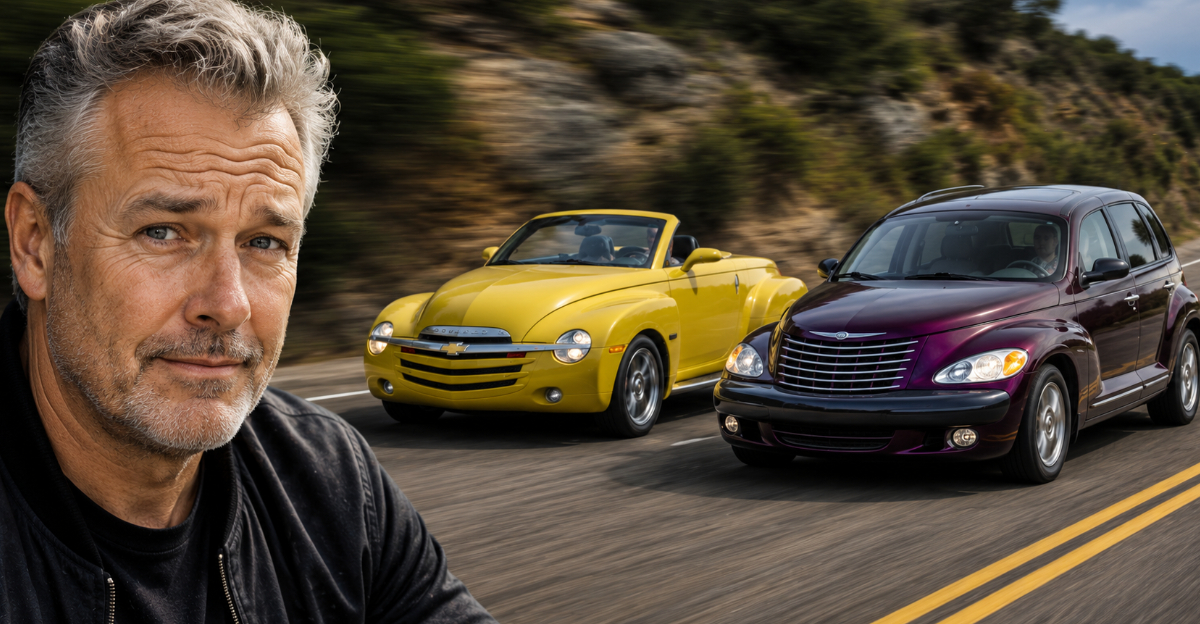
Pontiac Aztek
Critics acted like the Aztek was the ugliest thing ever built. Really? Have they ever seen a Fiat Multipla? It's different, sure, but that's exactly why people still recognize one instantly more than 20 years later. Add in those clever camping accessories, loads of cargo room, and crossover practicality before crossovers became cool, and the "worst car ever" label starts falling apart pretty quickly.
 Alexander Migl, Wikimedia Commons
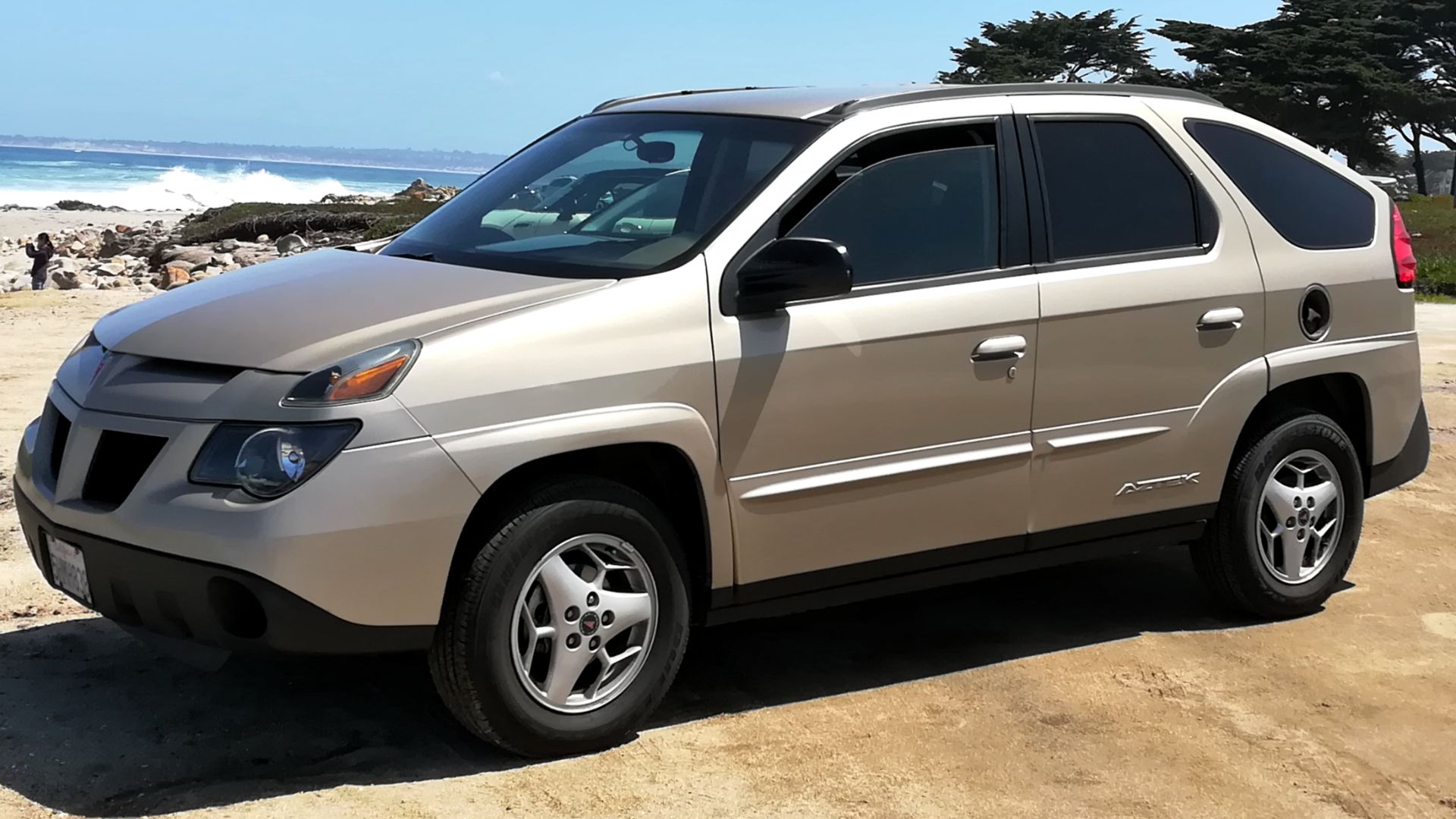
Nissan Murano CrossCabriolet
Critics couldn't believe Nissan actually built a convertible SUV. We can't believe they stopped. Was it unconventional? Sure. So was putting a giant touchscreen in every car, and look how that turned out. Drop the top on a sunny day, and suddenly this oddball experiment makes a lot more sense than reviewers ever gave it credit for.
 Charles from Port Chester, New York, Wikimedia Commons
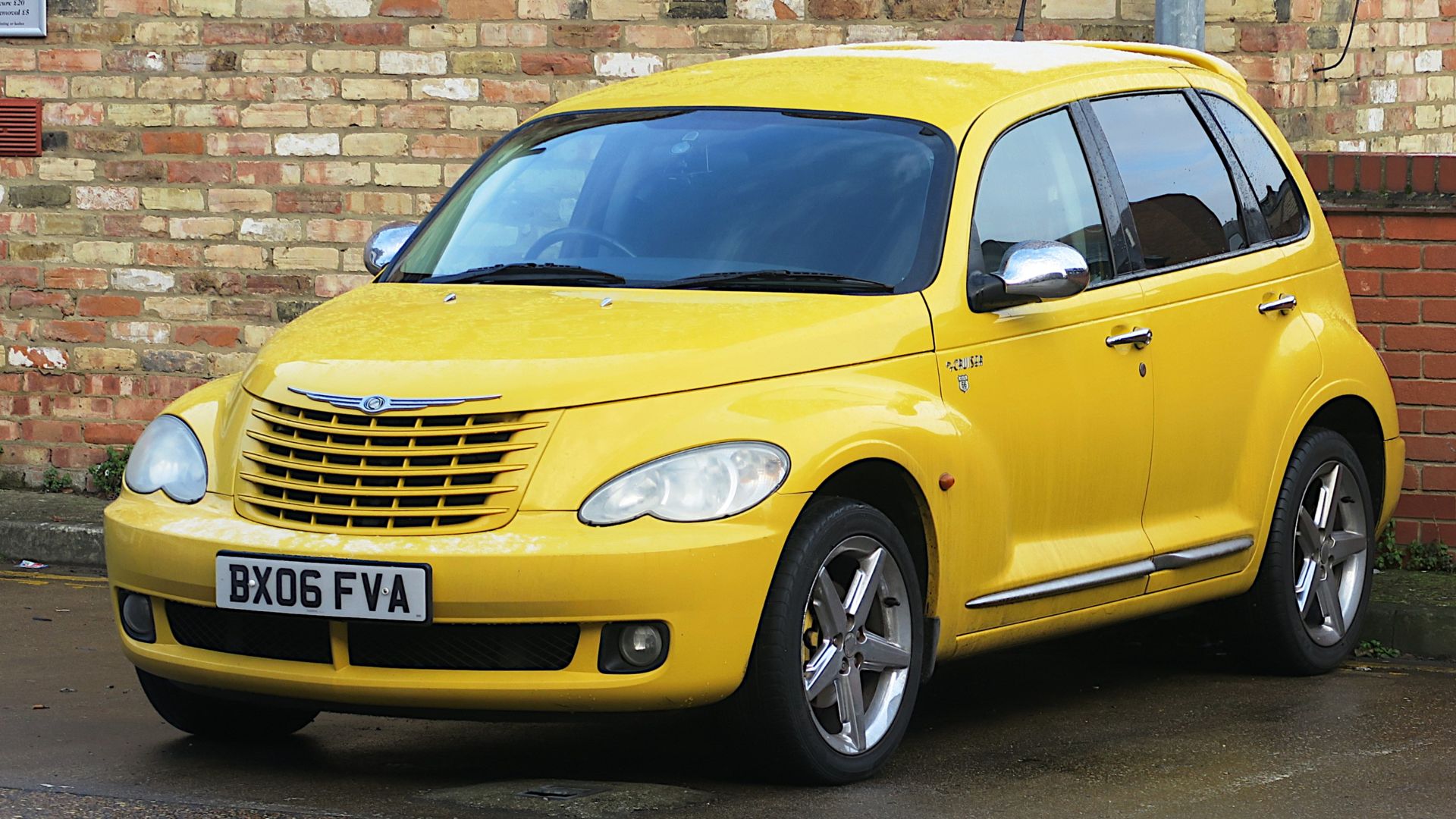
Chrysler PT Cruiser
Critics loved rolling their eyes at the PT Cruiser. Buyers loved buying them. Funny how that works. Chrysler sold well over a million of these because people wanted something roomy, comfortable, easy to park, and full of personality. The experts were busy making jokes while dealerships were busy making sales.
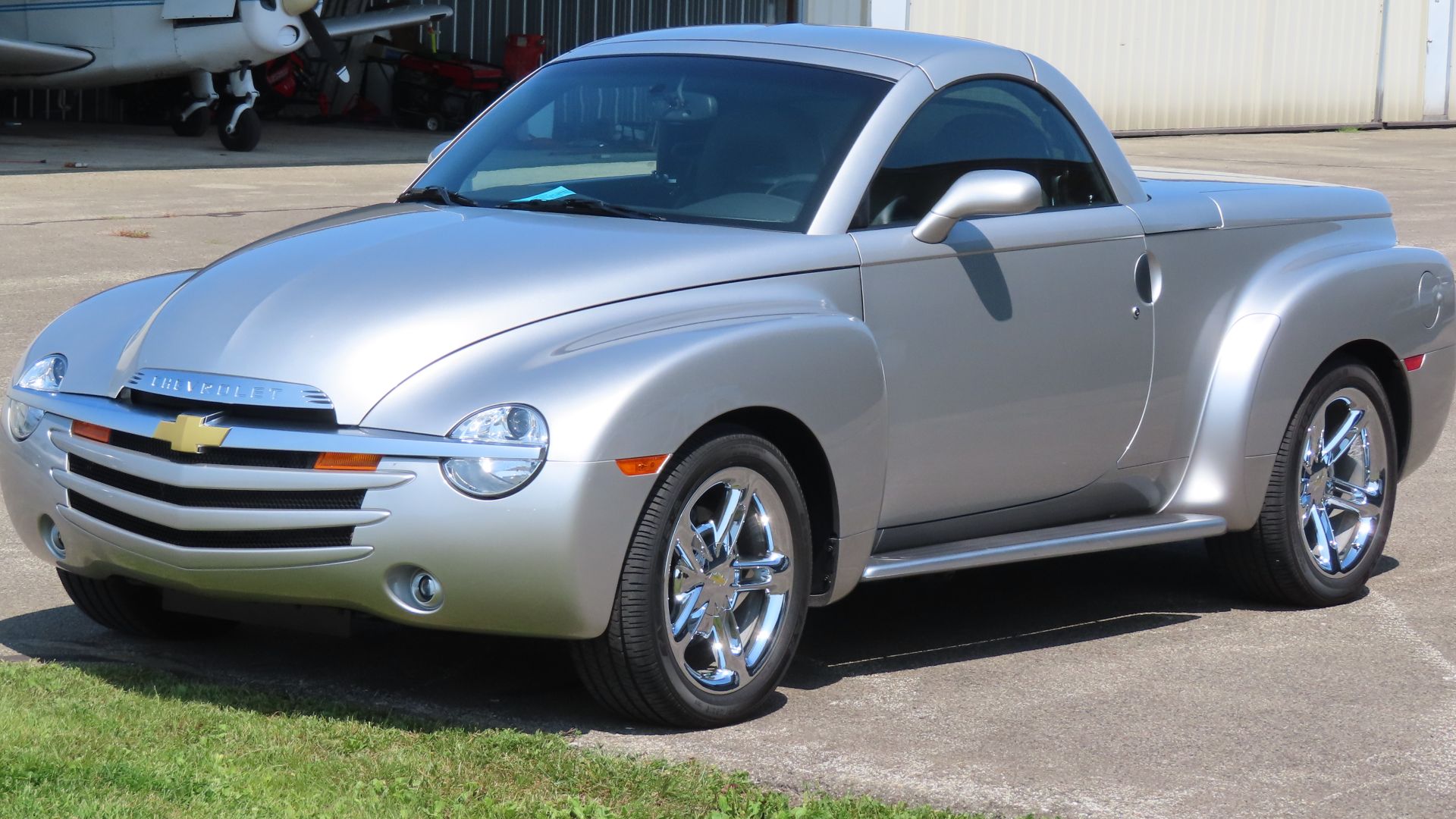
Chevrolet SSR
Reviewers spent so much time trying to figure out what the SSR was that they forgot to enjoy it. Pickup truck. Convertible. Available LS2 V8. What's not to like? Chevrolet built something nobody else had the courage to build, and years later it's become exactly the kind of oddball collectors love.
 MercurySable99, Wikimedia Commons
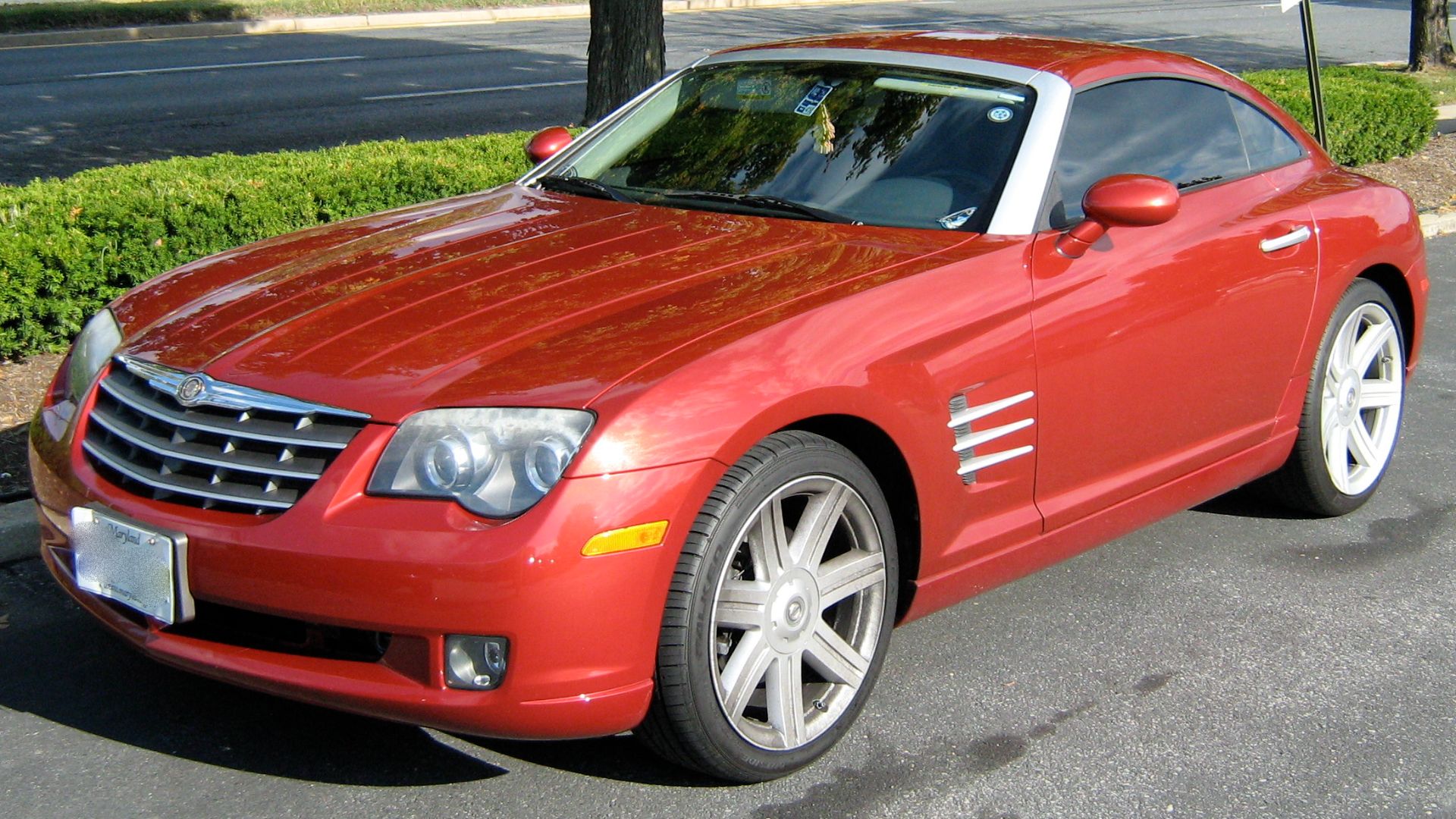
Chrysler Crossfire
Critics couldn't get past the styling. We never understood why. It still looks like something that belongs in a futuristic movie, and underneath was Mercedes-Benz engineering thanks to its shared platform with the first-generation SLK. That's a pretty nice combination for the money.
 CZmarlin — Christopher Ziemnowicz, Wikimedia Commons
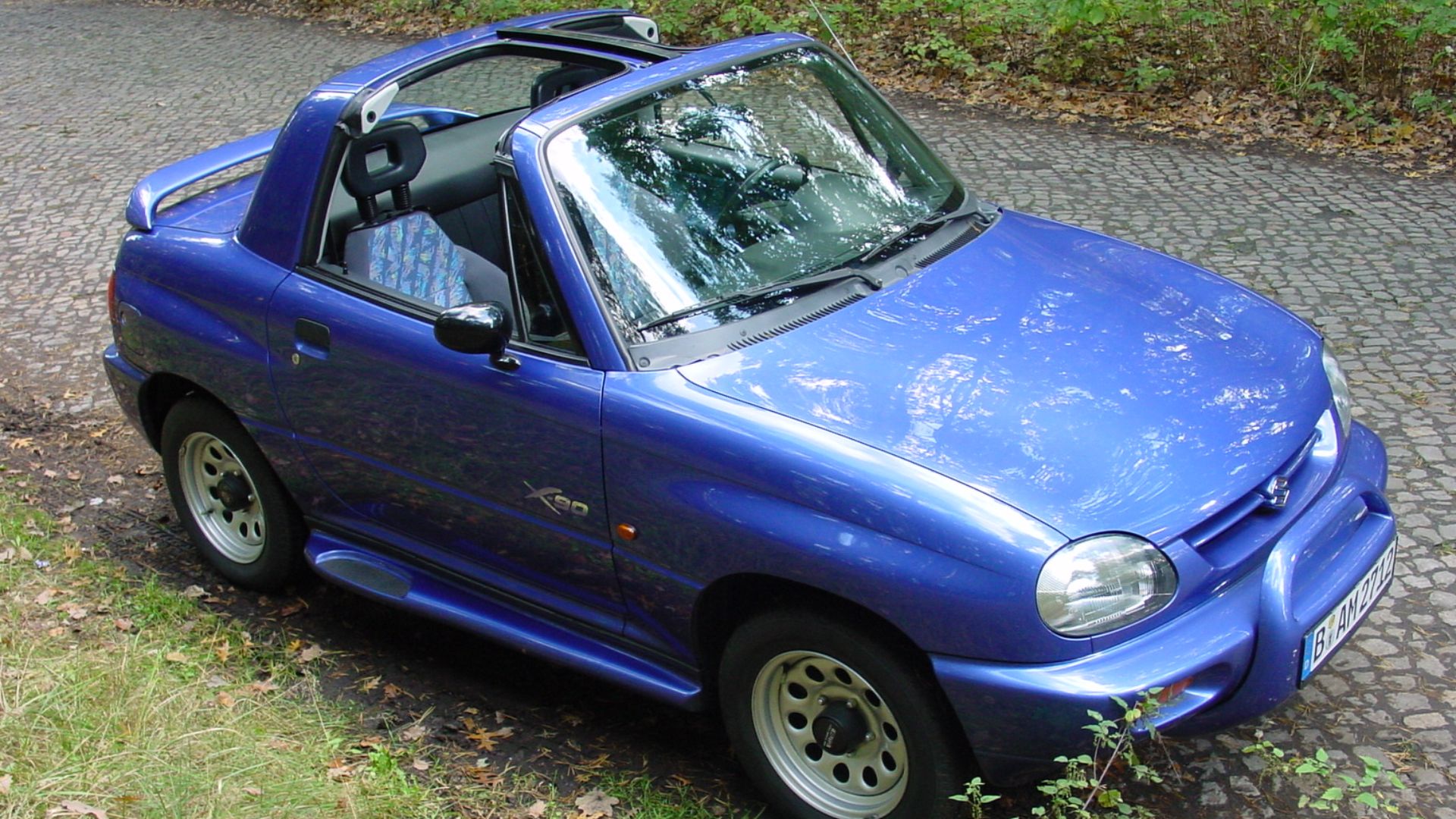
Suzuki X-90
Critics laughed because nobody could figure out what the X-90 was supposed to be. That's exactly what makes it awesome. Tiny, quirky, removable T-tops, four-wheel drive...today it feels like the kind of fun automotive experiment manufacturers are too afraid to build. We'd take one over another anonymous gray crossover any day.
 Andreas Koll AKO, Wikimedia Commons
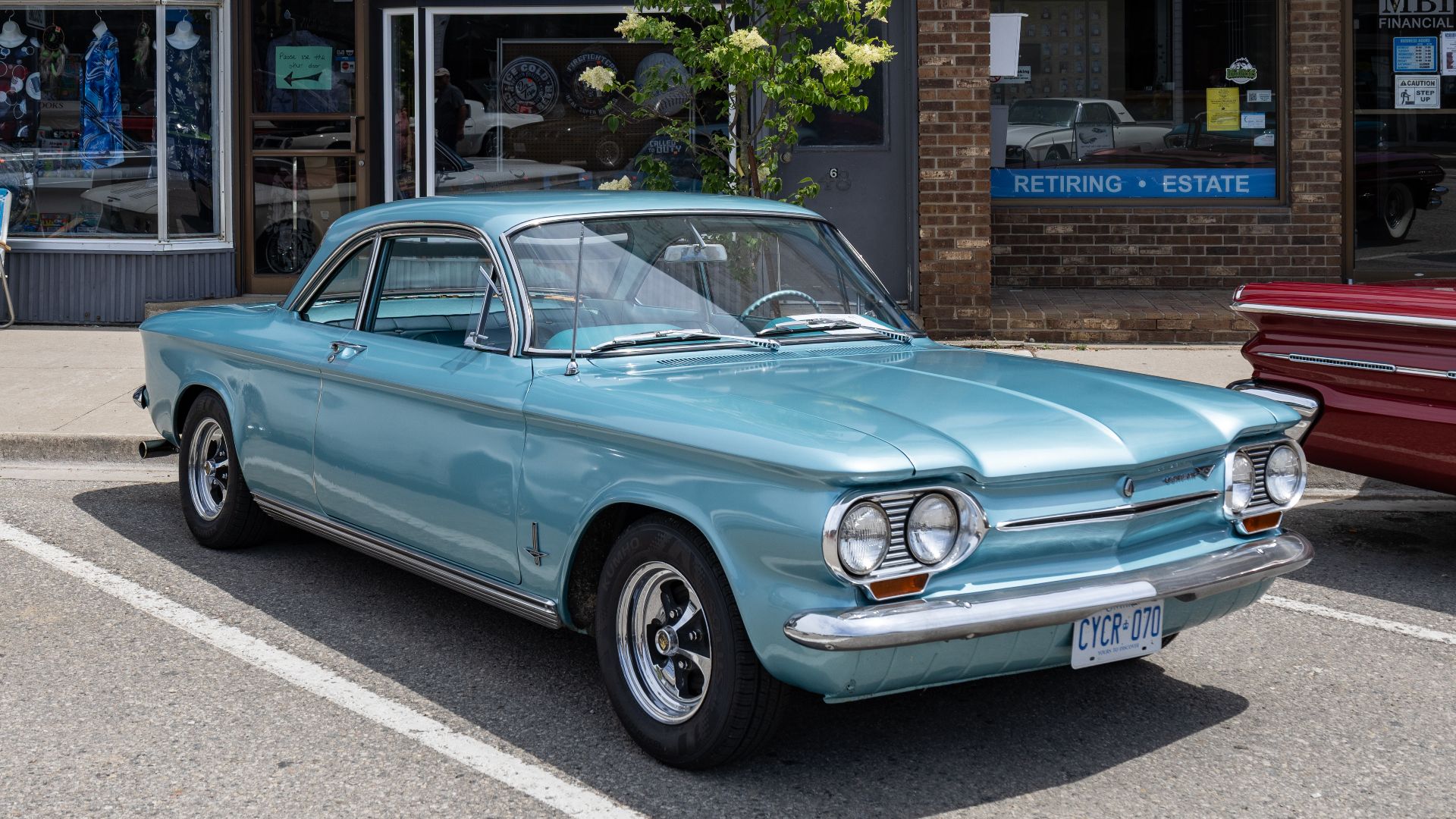
Chevrolet Corvair
The Corvair spent decades carrying a reputation that many people simply accepted as fact. While early models had handling quirks common to rear-engine cars of the era, later government investigations found it wasn't uniquely unsafe compared with many competitors, and Chevrolet significantly improved the suspension for 1964. History hasn't been especially kind to the Corvair, but maybe it deserves another hearing.
 Crisco 1492, Wikimedia Commons
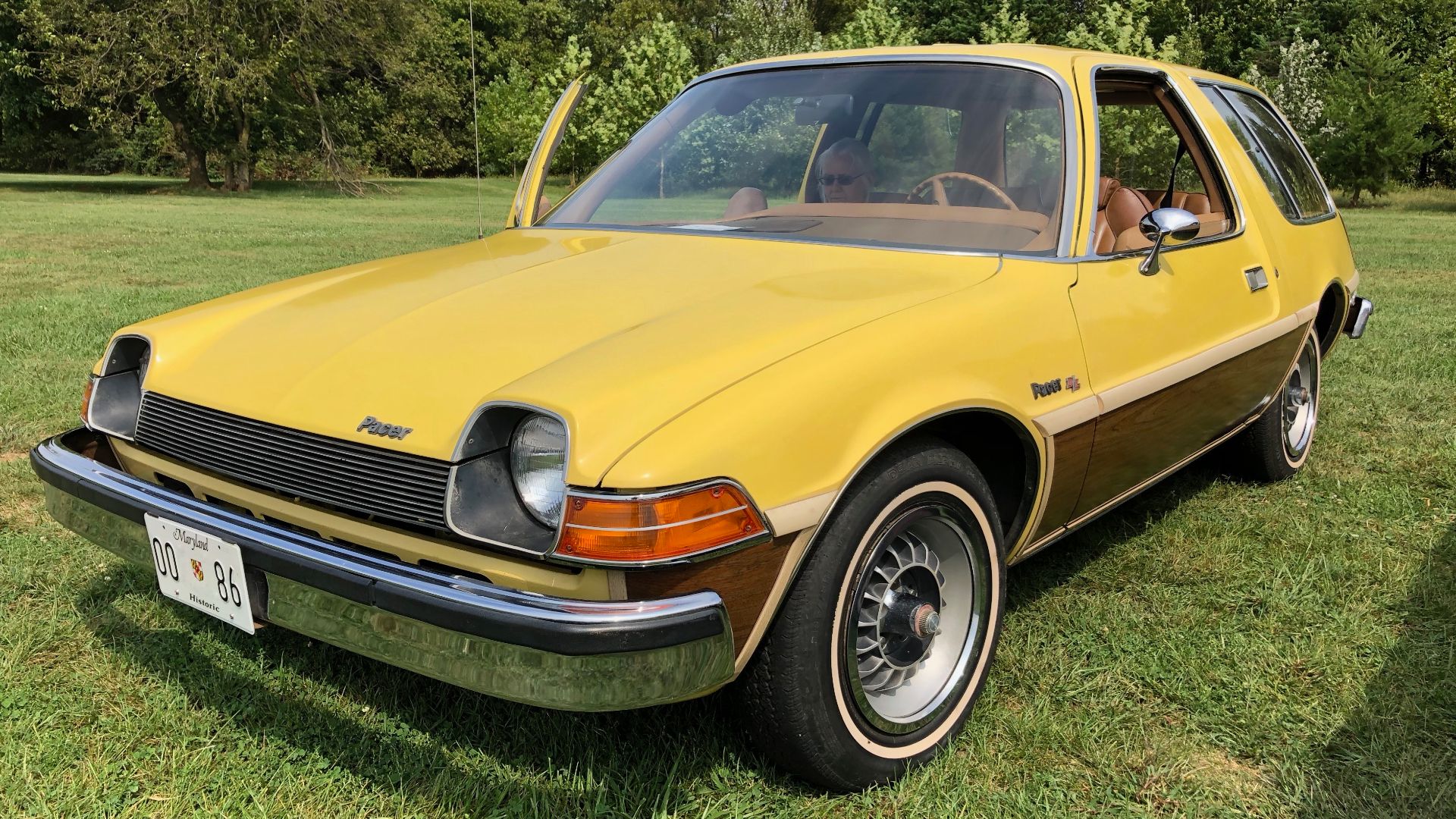
AMC Pacer
Critics joked that it looked like an aquarium on wheels. Maybe. But that's also what made it memorable. The enormous glass area gave drivers fantastic visibility, the interior was surprisingly roomy, and decades later the Pacer is still one of the easiest classic cars to spot from a mile away.
 CZmarlin — Christopher Ziemnowicz, Wikimedia Commons
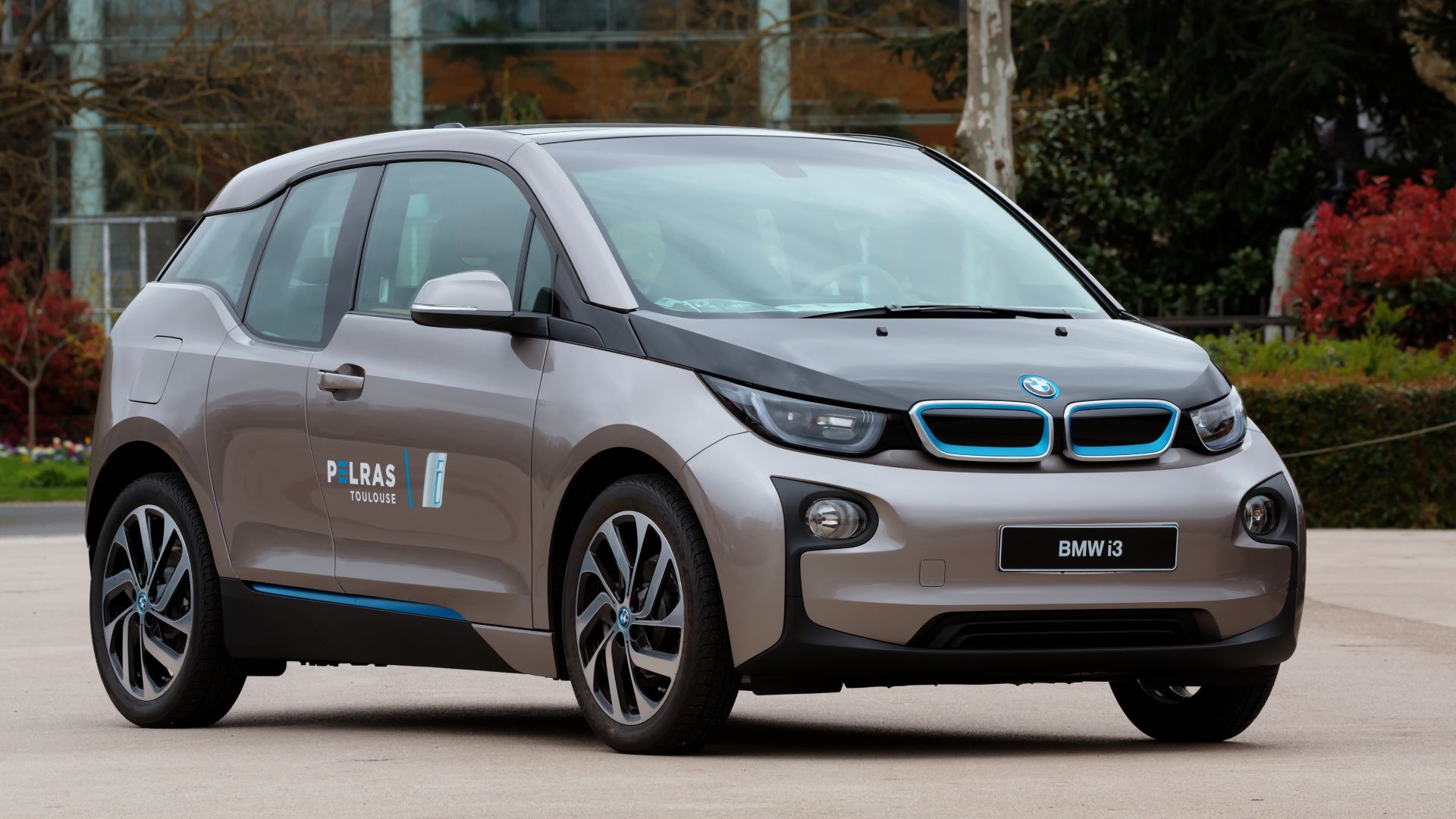
BMW i3
The i3 confused people because it didn't look like a traditional BMW. Good. Instead of building another ordinary hatchback, BMW gave us a carbon-fiber body, futuristic interior, rear-wheel drive, and engineering that was years ahead of much of the competition. It wasn't trying to fit in. That was the whole point.
 Pierre-Selim Huard, Wikimedia Commons
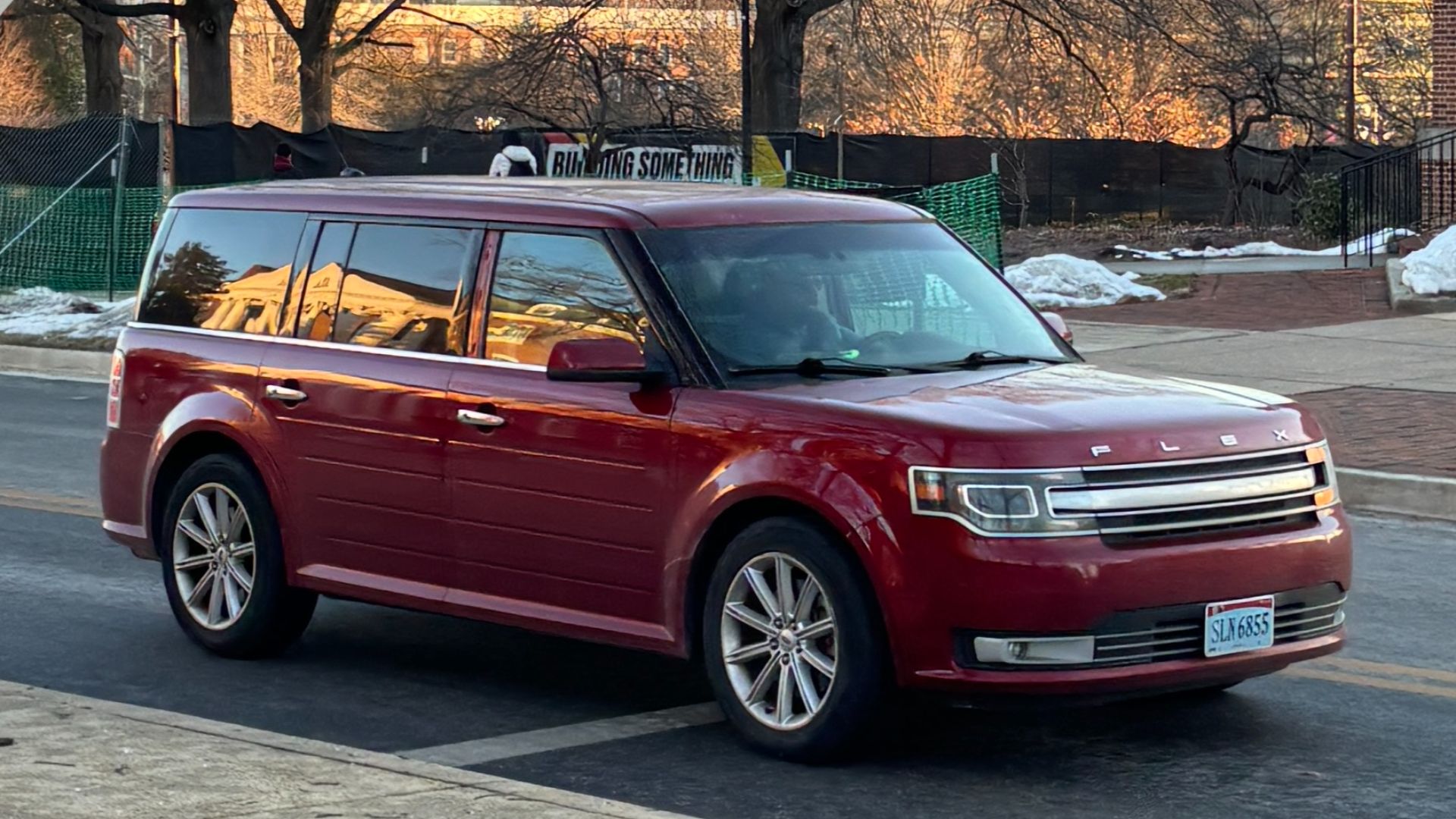
Ford Flex
Critics kept calling the Flex a box. We call it one of the coolest-looking family haulers Ford has ever built. Besides, if boxy is suddenly cool again when it's a Mercedes G-Class or a Land Rover Defender, why was the Flex supposedly a design disaster? The roomy interior and available EcoBoost engine only make its case stronger.
 OWS Photography, Wikimedia Commons
Honda Element
Critics thought the styling was too weird. Then everyone started paying ridiculous money for used ones. Funny how that happens. The Element was practical enough to wipe out, sleep in, haul bikes, move furniture, or survive years of abuse without complaining. Honda was just a little ahead of everyone else.
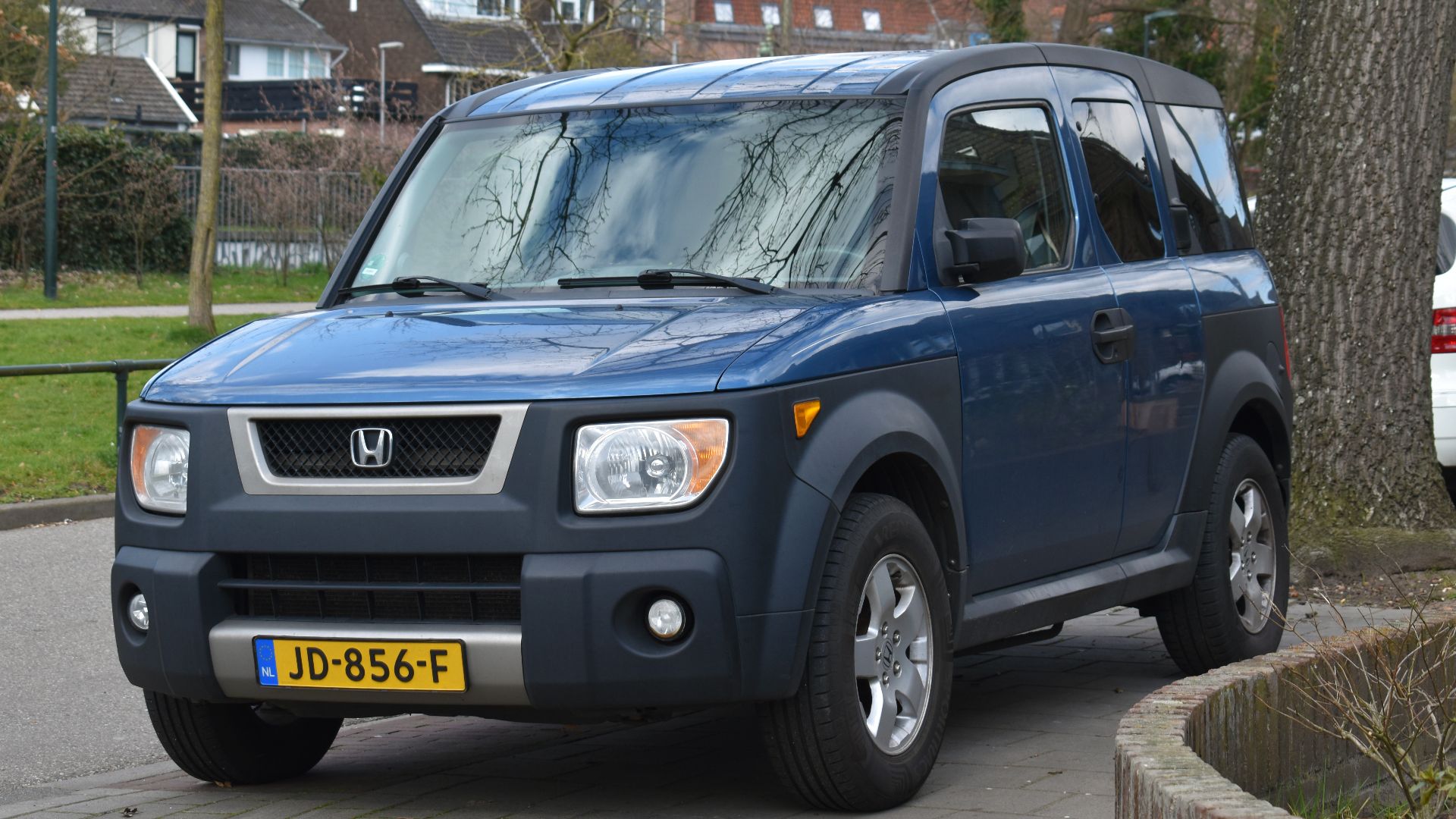 Dennis Elzinga, Wikimedia Commons
Subaru Baja
Experts couldn't decide whether the Baja was a pickup or a wagon. Why does it have to choose? Subaru built something fun, practical, and unmistakably different. These days, clean Bajas disappear from classifieds almost as quickly as they're listed. Turns out buyers eventually caught up with the idea.
 order_242 from Chile, Wikimedia Commons
Fiat 500 Abarth
Some reviewers couldn't get past the tiny size. They completely missed the point. The Abarth wasn't trying to outrun a Mustang. It was built to make every drive entertaining. Loud exhaust, sharp steering, playful handling, and enough attitude to embarrass cars twice its size made it one of the most enjoyable little performance cars of its era.
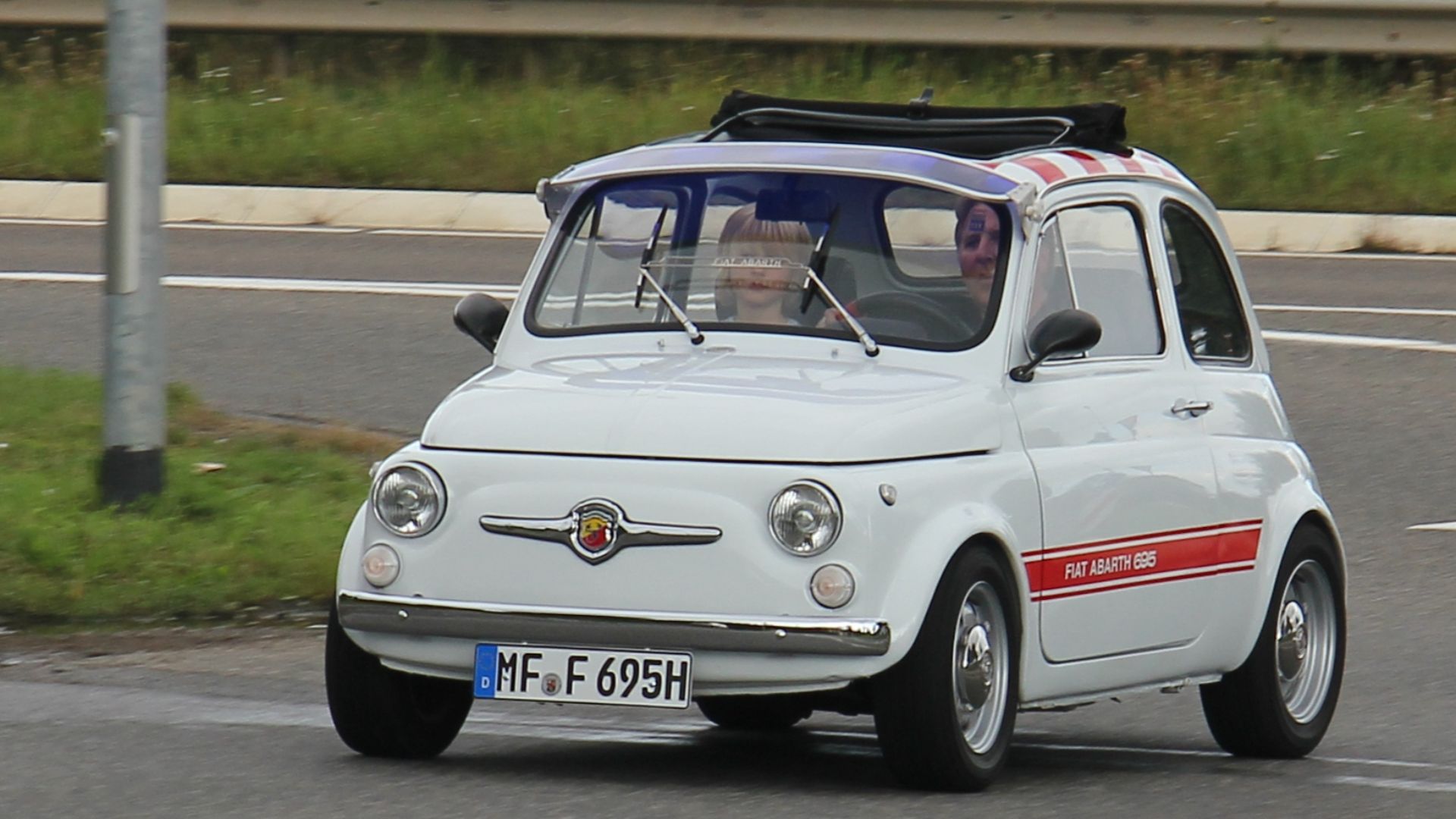 Lothar Spurzem, Wikimedia Commons
Lincoln Blackwood
Luxury pickup trucks seem perfectly normal today. Back in 2002, critics acted like the Blackwood was a ridiculous idea. Fast-forward a few years and premium pickups became one of the hottest segments in America. Maybe Lincoln wasn't wrong. Maybe it was just early.
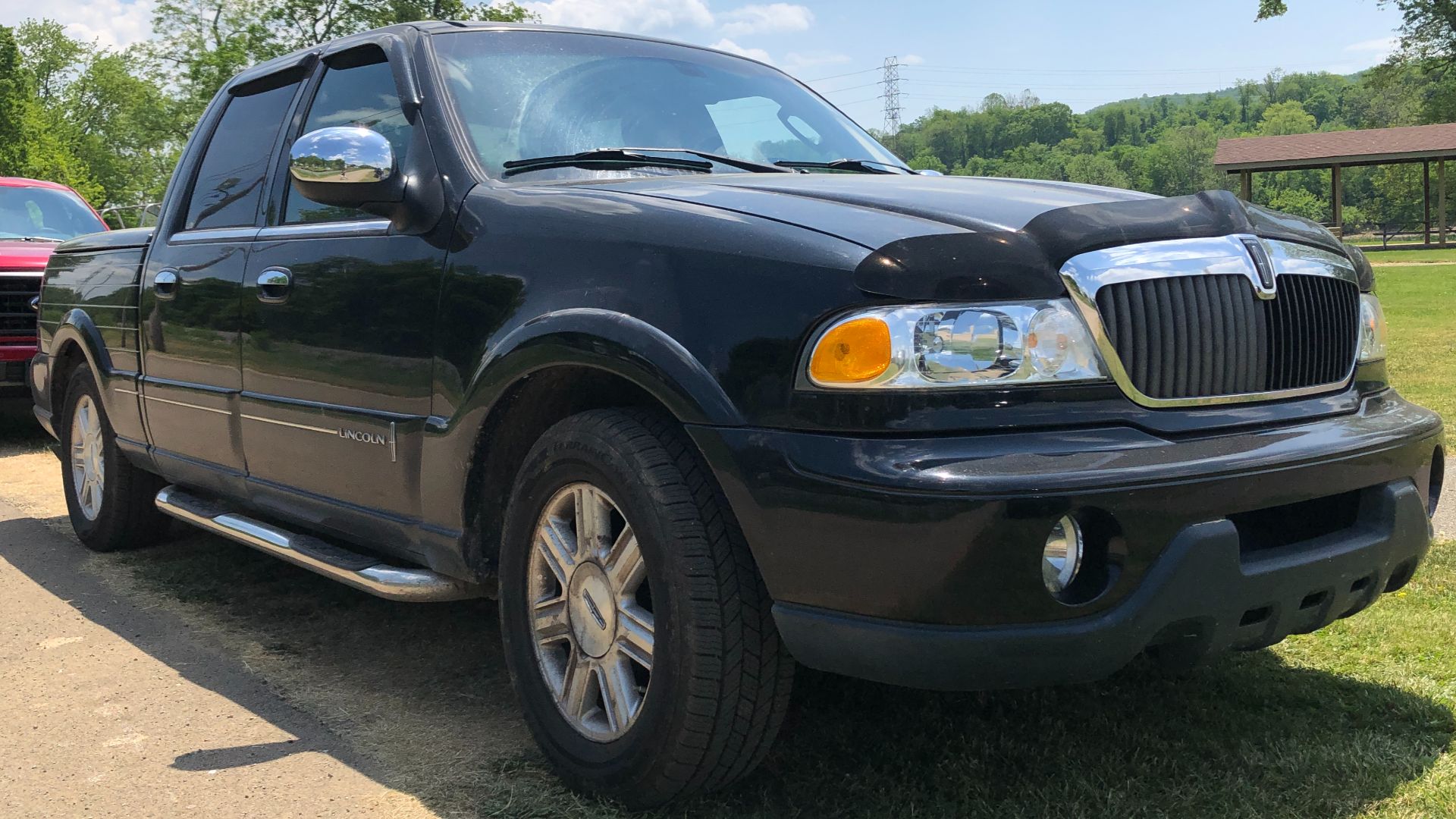
Chevrolet HHR
The HHR often gets dismissed simply because it shared the retro styling trend with the PT Cruiser. That's unfair. It offered excellent cargo space, respectable fuel economy, comfortable road manners, and in SS trim, surprisingly strong performance. There's a lot more to the HHR than its styling.
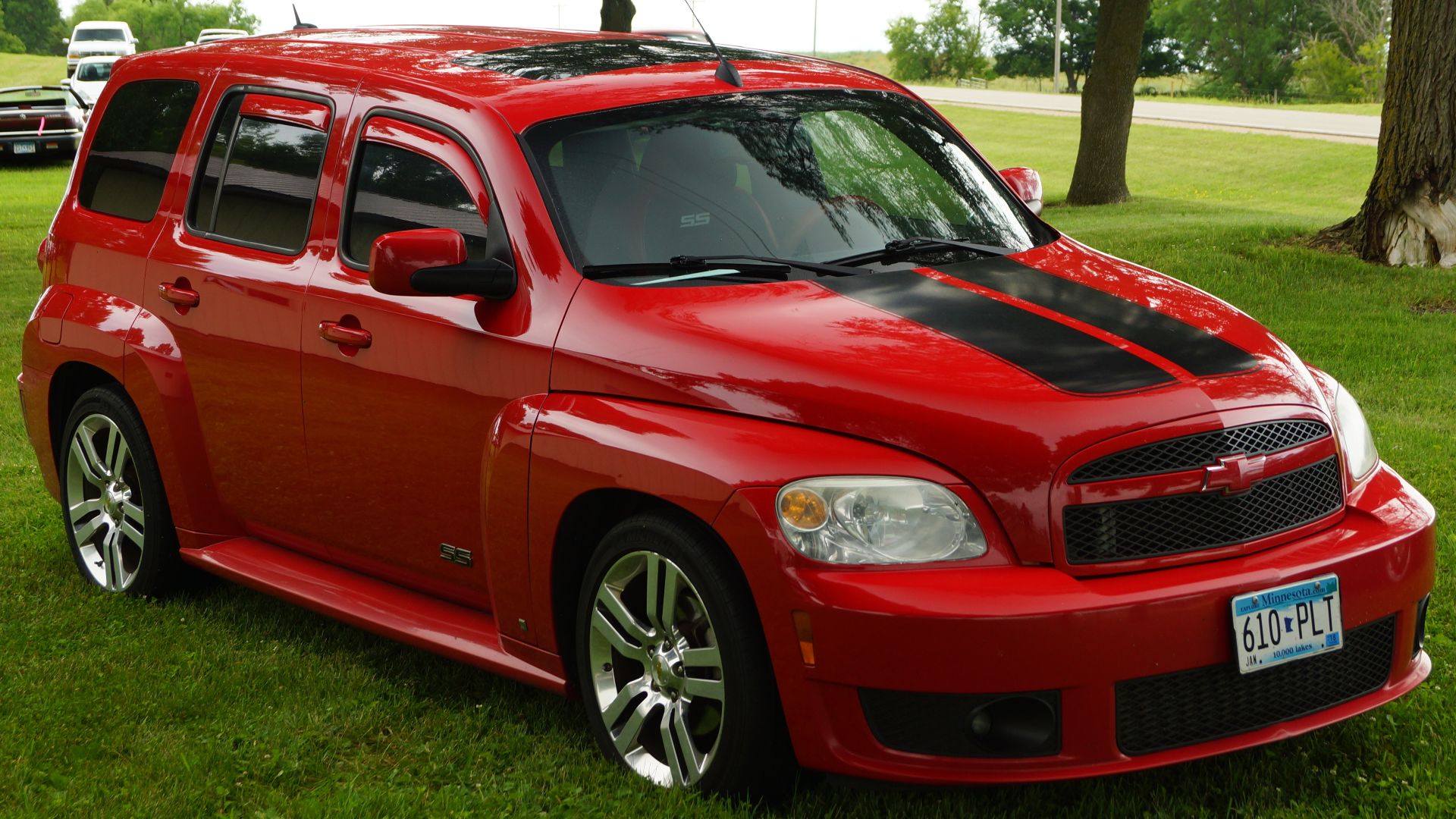 Greg Gjerdingen, Wikimedia Commons
Nissan Juke
Critics obsessed over the headlights. Fine. But there's more to a car than its headlights. The Juke had more personality than almost every compact crossover on the road, and the turbocharged versions were genuinely fun to drive. Sometimes a little weird is exactly what makes a car memorable.
 Charles from Port Chester, New York, Wikimedia Commons
Volkswagen Phaeton
Critics couldn't get past the Volkswagen badge. Their loss. The Phaeton was engineered with virtually unlimited money and shared DNA with Bentley. It's the automotive equivalent of showing up to a black-tie gala wearing jeans...and somehow still being the most impressive person in the room.
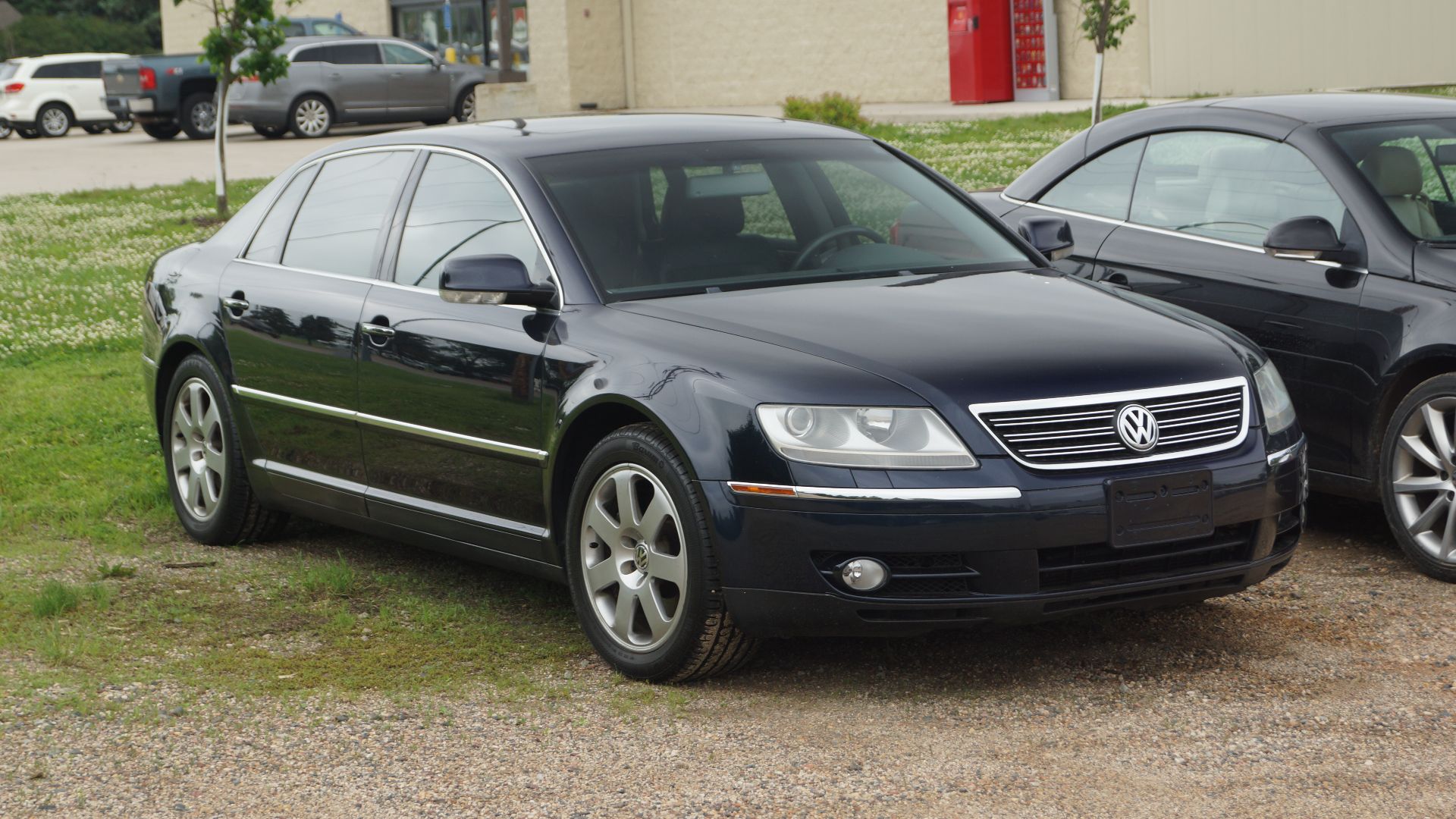 Greg Gjerdingen, Wikimedia Commons
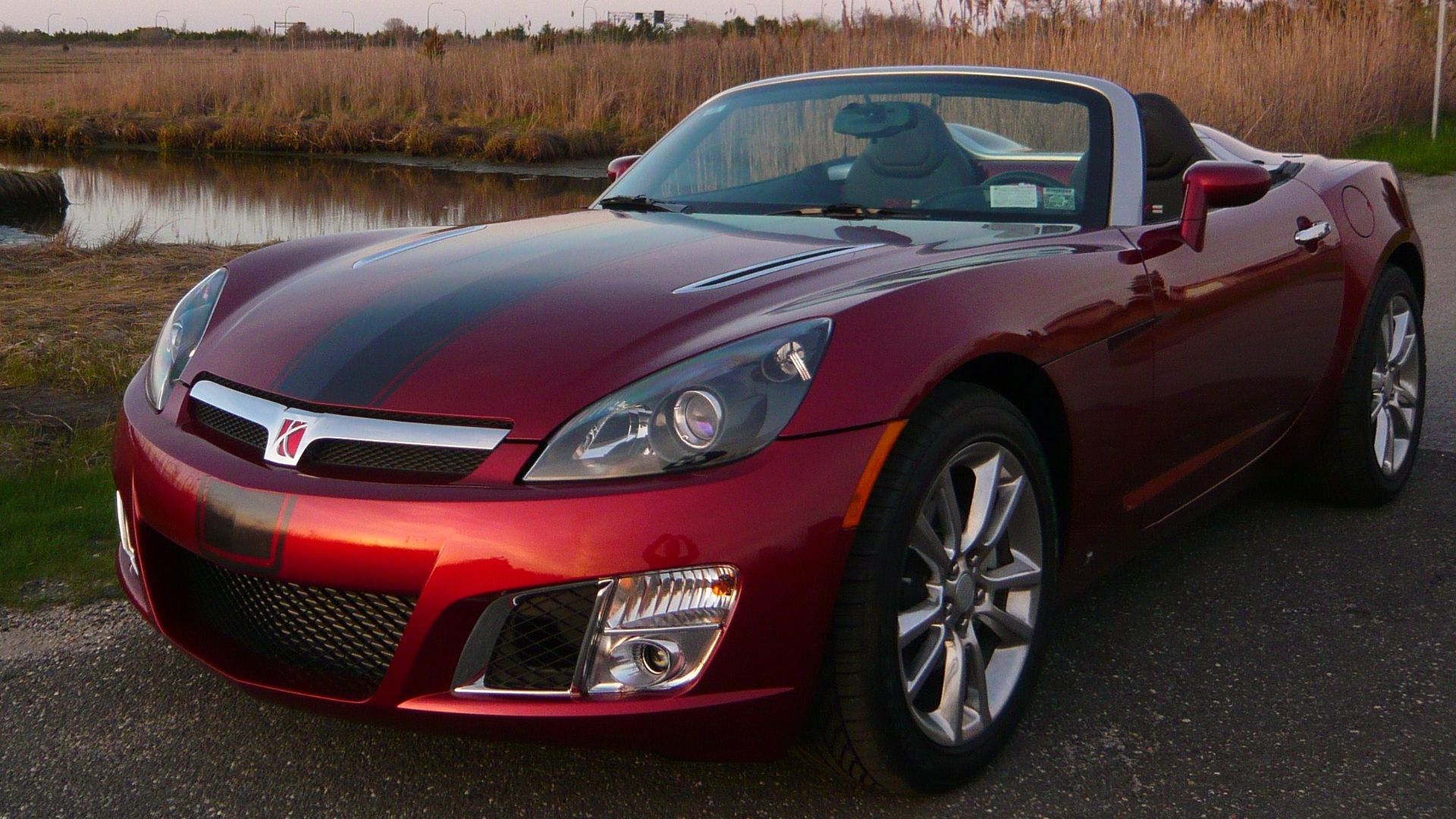
Saturn Sky
It lived in the shadow of the Mazda MX-5 and Honda S2000, which is a shame because the Sky looked absolutely fantastic. The turbocharged Red Line model was genuinely quick, handled well, and proved that Saturn was capable of building something far more exciting than economy cars.
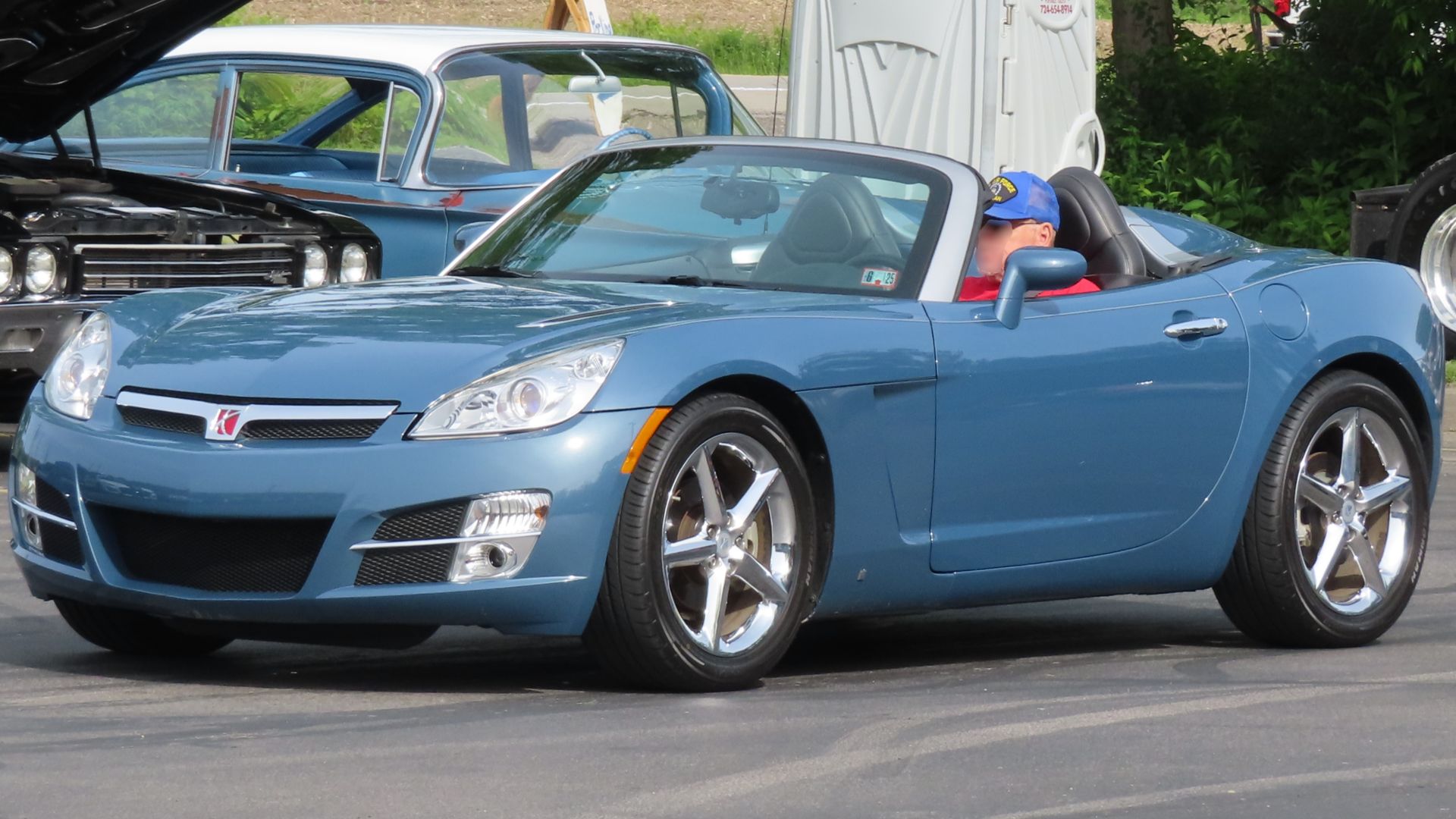 MercurySable99, Wikimedia Commons
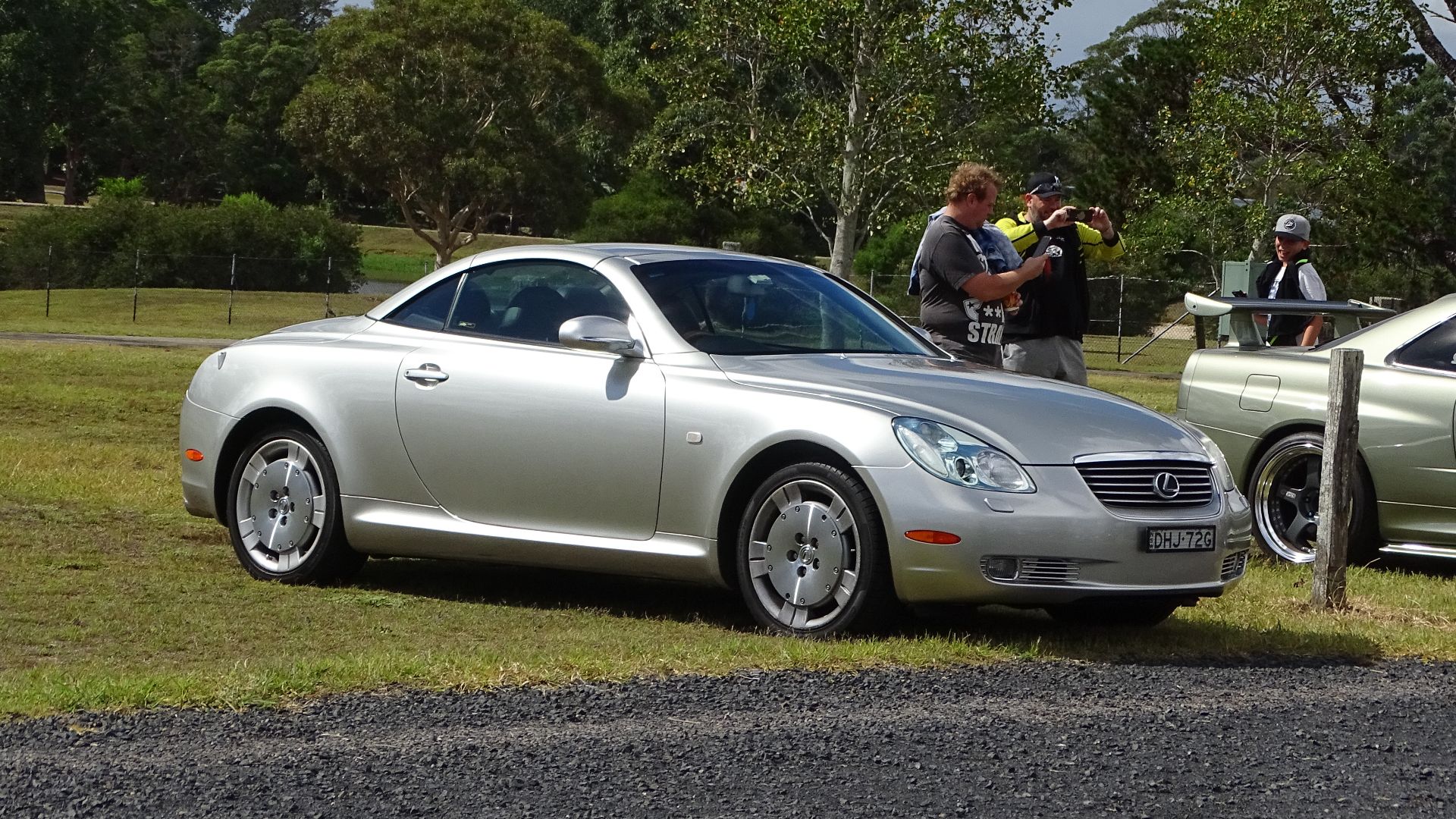
Lexus SC430
Jeremy Clarkson famously called it "the worst car in the world." Owners mostly shrugged. The SC430 wasn't pretending to be a razor-sharp sports car. It was a smooth, quiet luxury convertible with bulletproof Lexus reliability. Judge it for what it was built to do, and suddenly it makes a whole lot more sense.
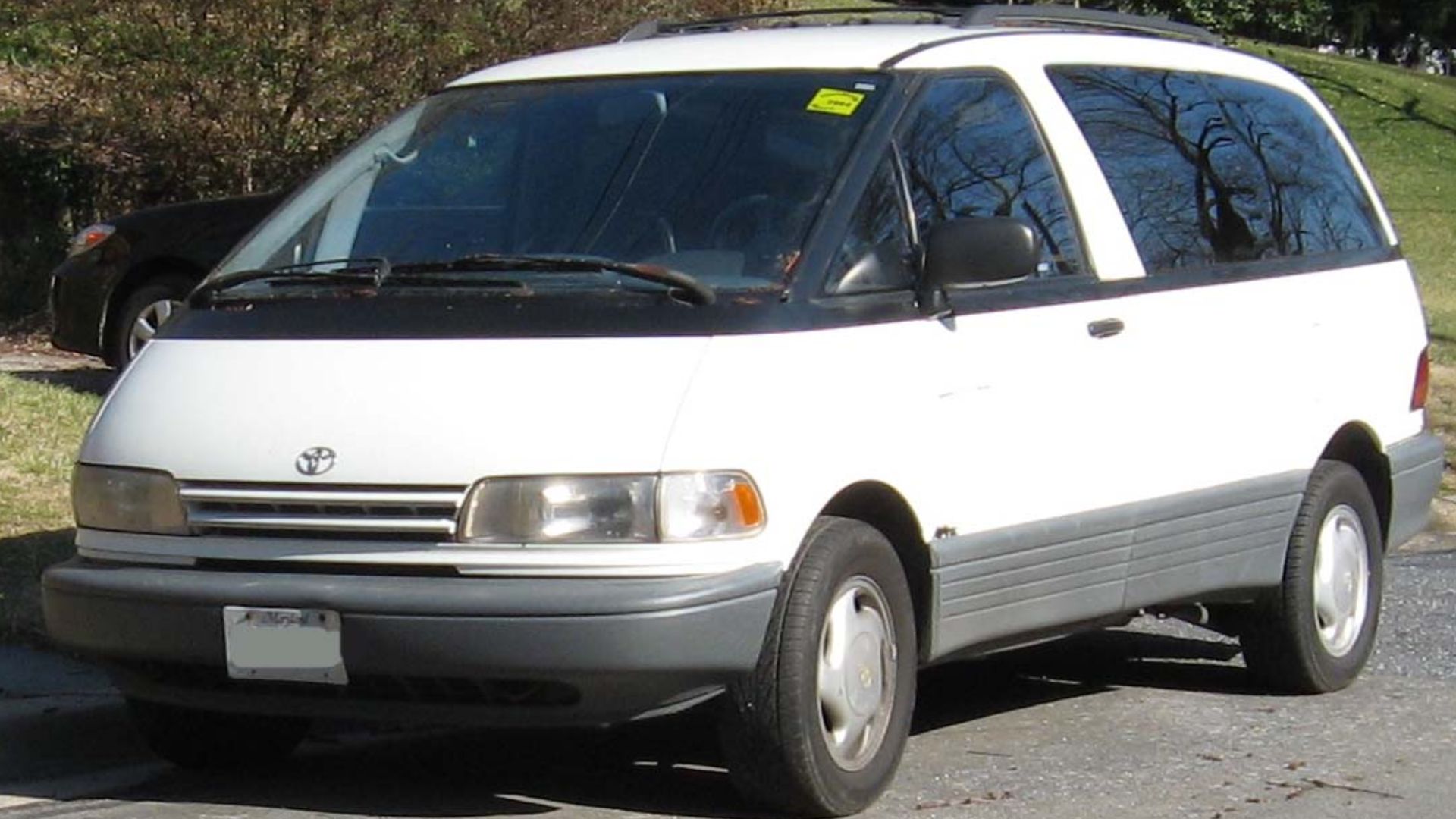
Toyota Previa
Critics joked that the Previa looked like an egg. Okay. It's also one of the most cleverly engineered minivans ever sold in America. Mid-engine layout, optional supercharger, incredible reliability...Toyota built something brilliantly different, and we're still talking about it decades later. Meanwhile, most of the minivans critics loved have long since been forgotten.
Final Thoughts
Experts absolutely know cars. But sometimes they judge vehicles against what they wish they were instead of what buyers actually wanted.
Not every car on this list was a huge sales success. Not every one was perfect, either. But all of them brought something unique to the road, and years later, many have aged far better than the reviews that dismissed them.
Sometimes the experts really do get it wrong.
You Might Also Like:

.jpg)