The Insurance Company Says It's Cosmetic. The Mechanic Says It's Dangerous.
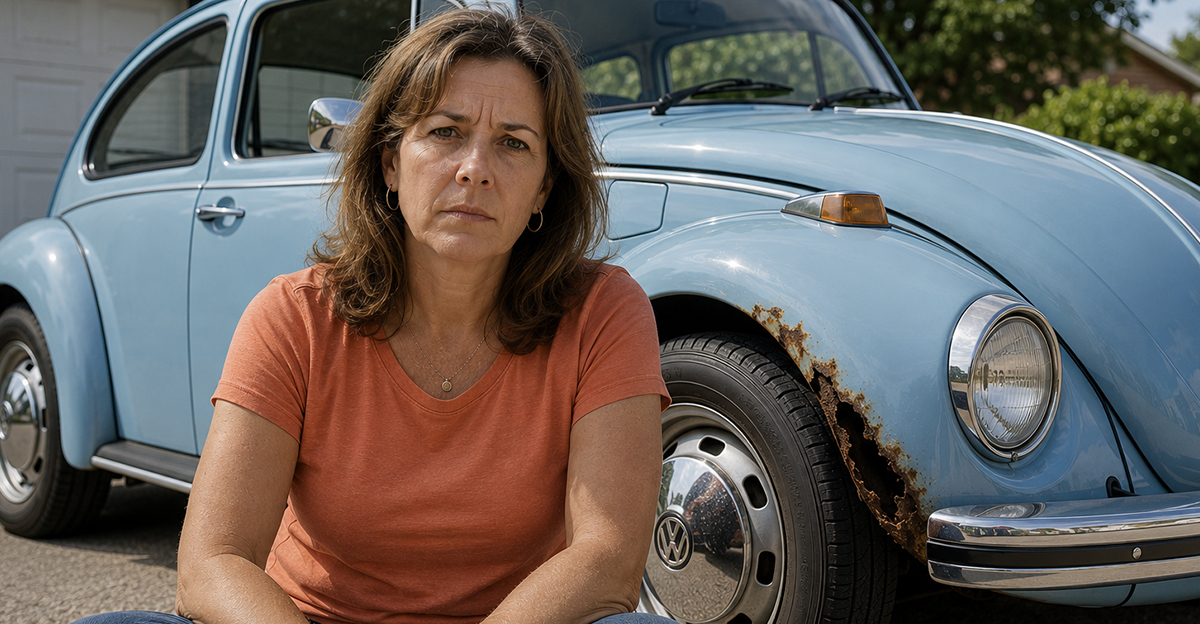
Rust often starts as little more than an eyesore. But over time, what looks like ordinary corrosion can become a genuine structural problem. That's why it can be so frustrating when your insurance company dismisses rust as normal wear and tear while your mechanic warns that the vehicle may no longer be safe to drive. The truth is that both may be right, depending on what caused the rust and how severe it has become.
Insurance And Mechanics Evaluate Different Things
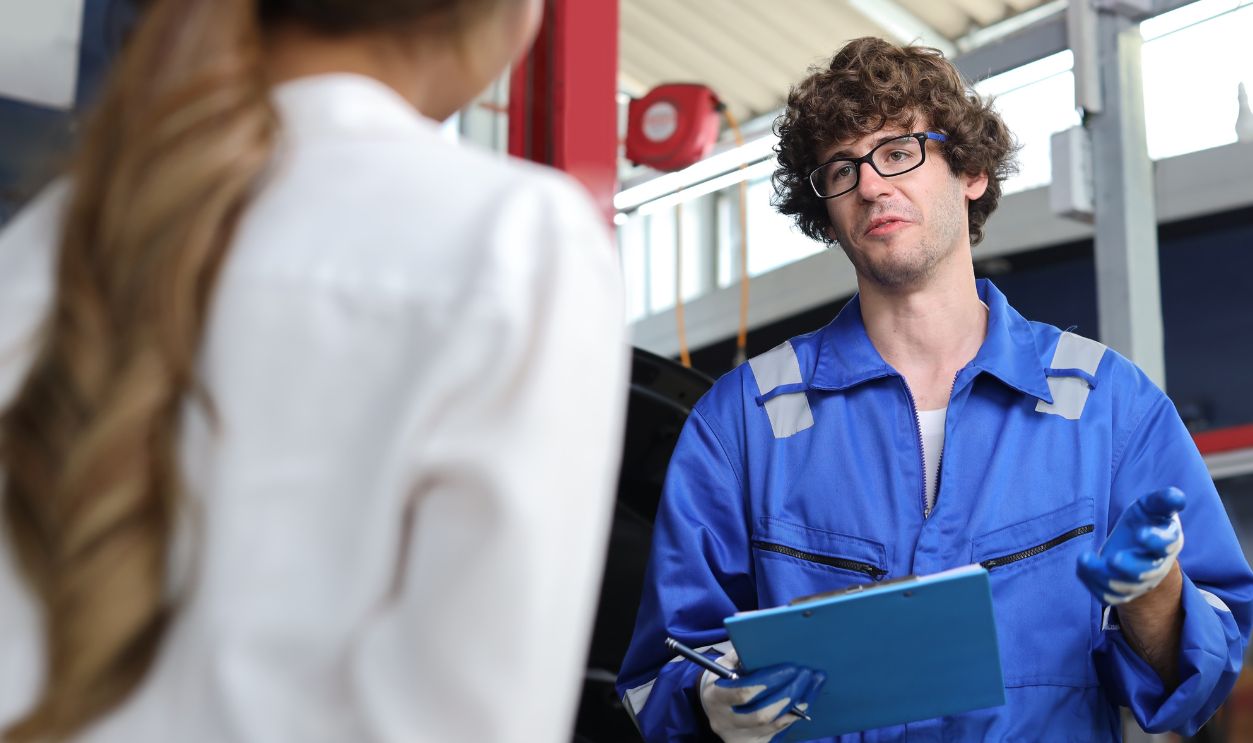
Insurance adjusters and mechanics aren't asking the same question. An insurance company wants to determine whether the damage is covered under your policy. A mechanic wants to determine whether the vehicle can be operated safely. Those two evaluations often lead to different conclusions, even when both are accurate.
Most Rust Develops Gradually
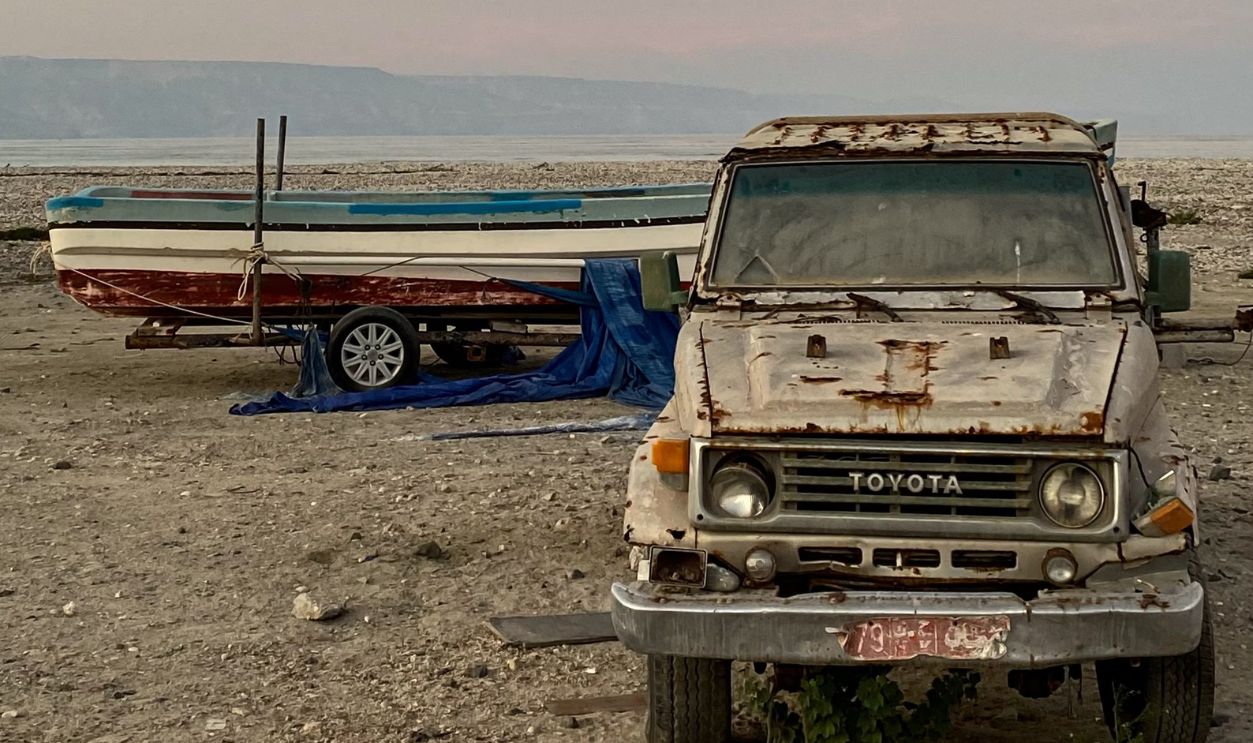
In many parts of North America, rust develops over years of exposure to moisture, road salt, humidity, and changing temperatures. Because this process happens slowly, insurers generally consider it normal wear and tear rather than sudden accidental damage. Standard auto insurance policies usually don't cover damage caused by gradual deterioration.

Surface Rust Isn't Usually A Safety Issue
Not all rust is cause for alarm. Surface corrosion on exhaust components, suspension parts, or body panels is extremely common, particularly on older vehicles. In many cases, it has little or no effect on how safely the vehicle operates. Mechanics generally become more concerned when rust reaches structural components.

Structural Rust Is A Different Story
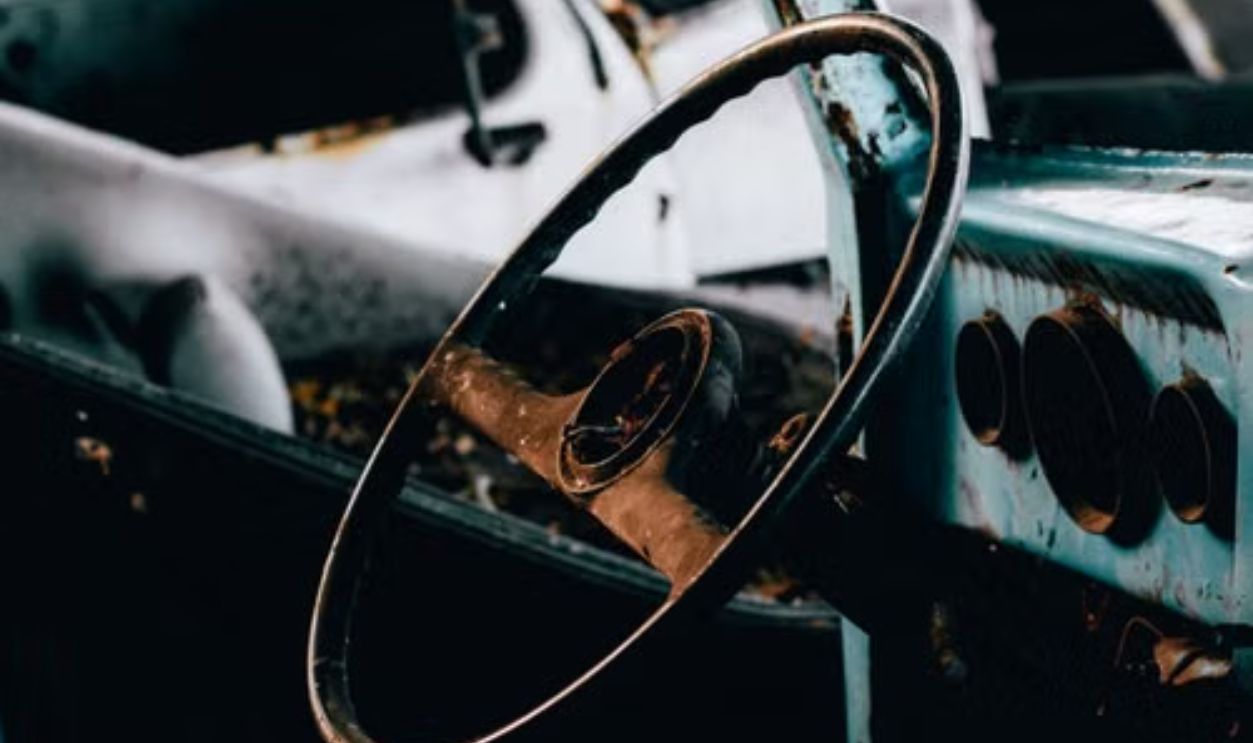
When corrosion spreads into the frame, subframe, suspension mounting points, lift points, or other load-bearing areas, the conversation changes. Structural rust can weaken the vehicle's ability to withstand normal driving forces or even a collision. At that point, the issue goes well beyond appearance.
Coverage Depends On The Cause
Insurance policies generally cover sudden, accidental events rather than gradual deterioration. If rust developed naturally over many years, it's unlikely to be covered. However, if corrosion followed a covered event, such as flood damage or another insured loss, the situation may be different. The cause of the rust often matters more than the rust itself.

Ask The Mechanic To Show You The Damage
If your mechanic believes the rust has become dangerous, ask them to walk you underneath the vehicle. Have them point out the affected frame rails, suspension mounts, brake line supports, or other structural components. Seeing the damage firsthand often makes the situation much easier to understand.

Request Photos And A Written Report
Ask for clear photographs and a written inspection report explaining why the mechanic considers the vehicle unsafe. A professional opinion that identifies specific structural concerns is much more persuasive than a general statement that the vehicle is "rusty." Good documentation may also help if you seek a second opinion or challenge an insurance decision.

Get A Second Opinion
Rust evaluations can involve professional judgment. If the repair estimate is substantial or you're unsure whether the corrosion is truly severe, another experienced mechanic or collision repair specialist may provide additional perspective. Independent confirmation can help you make a more informed decision.
 Sergei Gontsarov, Shutterstock
Safety Doesn't Depend On Insurance Coverage
One of the biggest misunderstandings is assuming that if insurance won't pay, the problem must not be serious. That's simply not how insurance works. A vehicle can have a very real safety issue that falls completely outside the scope of insurance coverage. Coverage decisions and safety evaluations are two separate questions.

Frame Damage Can Affect Crash Protection
The frame is designed to absorb and distribute crash forces. Significant corrosion may reduce its ability to perform that job properly. Even if the truck or car still drives normally, weakened structural components can increase the risk of more serious damage during an accident.
Brake And Fuel Lines Deserve Attention
Rust doesn't only affect the frame. Brake lines, fuel lines, transmission cooler lines, and other metal tubing can also corrode over time. A severely rusted brake line can eventually fail without much warning. That's one reason mechanics often perform thorough underbody inspections on older vehicles.
Lift Points Can Become Unsafe
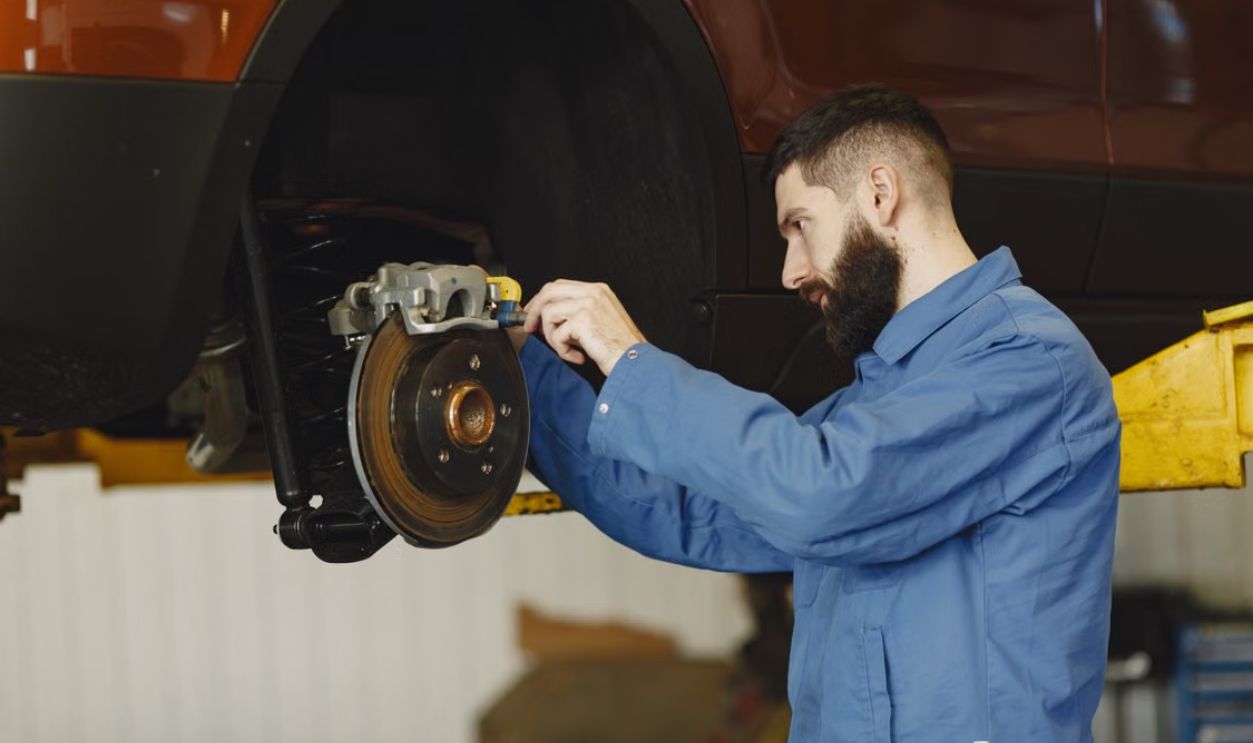
Repair shops sometimes refuse to lift heavily rusted vehicles because the designated lifting points have weakened. If the metal can no longer safely support the vehicle's weight, lifting it could create a danger for technicians. While frustrating, these refusals are often based on legitimate workplace safety concerns.
Maintenance History Matters
Vehicles that receive regular underbody washing, rustproofing treatments, and corrosion inspections often fare much better over time. Preventive maintenance can't stop every rust problem, especially in harsh climates, but it can significantly slow the process. Once structural corrosion becomes extensive, however, repairs become much more complicated.

Repair Costs Can Escalate Quickly
Minor rust repairs may involve replacing brackets, brake lines, or localized sections of metal. Extensive frame corrosion is a different matter. Structural welding, frame repairs, or major component replacement can become expensive, which sometimes leads owners to question whether repairing the vehicle still makes financial sense.
Ask Your Insurer To Explain The Denial
If the insurance company denied your claim, ask for a written explanation that cites the relevant policy language. Understanding exactly why the claim was rejected helps determine whether the decision matches your coverage. Sometimes the explanation also reveals whether any part of the damage might still qualify under another portion of the policy.

Review Your Policy Carefully
Most standard auto policies exclude normal wear, corrosion, rust, mechanical breakdown, and gradual deterioration. Reading those exclusions may help explain the insurer's decision. If you still believe the claim was handled incorrectly, discuss the policy language with your adjuster before assuming the denial was improper.

Rust Can Follow Covered Damage
Although rare, there are situations where rust becomes part of a covered claim. Flood damage, for example, may cause corrosion that results directly from a covered event. If you believe your rust stems from an insured loss rather than ordinary aging, explain that clearly to the insurance company and provide any supporting evidence.
Don't Ignore Safety Warnings
If multiple repair professionals tell you the vehicle has dangerous structural corrosion, take those warnings seriously. Continuing to drive may place you and others at greater risk. Even if insurance won't contribute toward repairs, addressing a legitimate safety concern should remain the priority.

Consumer Protection May Help With Coverage Questions
If you genuinely believe your insurer misinterpreted the policy or overlooked important facts, you may be able to request an internal review or contact your state's insurance regulator. That doesn't guarantee the decision will change, but it provides another avenue for resolving disagreements about coverage.

Prevent Future Rust Whenever Possible
If your current vehicle is still structurally sound, routine underbody washing during winter, prompt repair of damaged paint, rustproofing treatments, and regular inspections can help slow future corrosion. Prevention is far less expensive than repairing extensive structural rust later.
Consider The Vehicle's Overall Value
When repair costs begin approaching the vehicle's market value, replacing the vehicle may become a practical option. That's never an easy decision, especially if you've owned the car for years. Looking objectively at safety, repair costs, and long-term reliability can help guide the choice.

Two Professionals Can Both Be Correct
It may seem contradictory for an insurance adjuster and a mechanic to reach different conclusions, but they're often evaluating entirely different issues. The insurer may correctly determine that gradual rust isn't covered under your policy. At the same time, the mechanic may correctly conclude that the resulting corrosion has become a serious safety concern.

Safety And Coverage Aren't The Same Thing
If your insurance company says the rust is normal wear and tear while your mechanic says it's become dangerous, don't assume one of them must be wrong. Insurance policies typically focus on what caused the damage, while mechanics focus on whether the vehicle remains safe to drive. By asking for detailed documentation, getting a second opinion if needed, reviewing your policy carefully, and taking legitimate safety concerns seriously, you'll be in a much better position to decide your next steps, even if insurance ultimately doesn't pay for the repairs.
 Krakenimages.com, Shutterstock
You May Also Like: