A Hybrid Can Feel Like A Clever Cheat Code
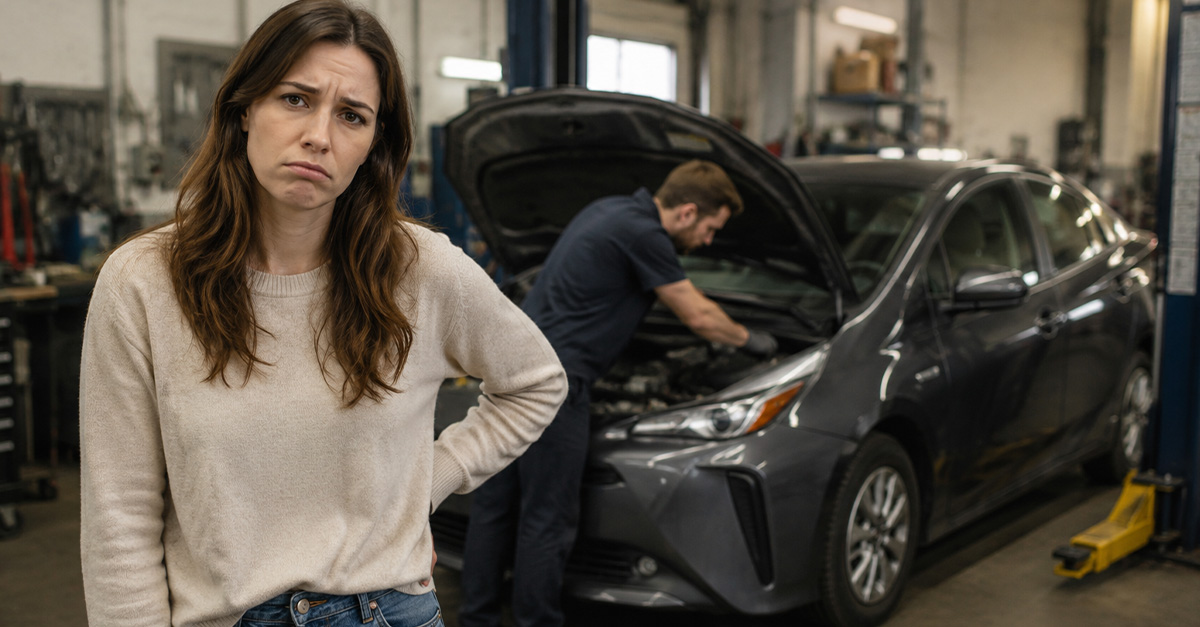
Buying a hybrid usually starts with one exciting thought: fewer gas station visits. Then the first maintenance conversation happens, and suddenly you hear words like regenerative braking, battery cooling, inverter fluid, and high-voltage systems. It can feel like you bought a science project. But don’t panic. Hybrids are different, not necessarily worse.

The Gas Savings Are Still Real
The big reason most people buy a hybrid is fuel economy, and that part usually delivers. Hybrids use electric power at low speeds, help the gas engine work less, and stretch a tank farther in city driving. If your old car drank fuel during errands, a hybrid can feel like a wallet-friendly upgrade.
Maintenance Is Different, Not Automatically More Expensive
A hybrid has parts a regular gas car does not, but it also puts less strain on some familiar parts. The brakes may last longer, the engine may work less often, and fuel use drops. The trick is understanding what changed, instead of assuming every unfamiliar item means disaster.

The Brakes May Surprise You
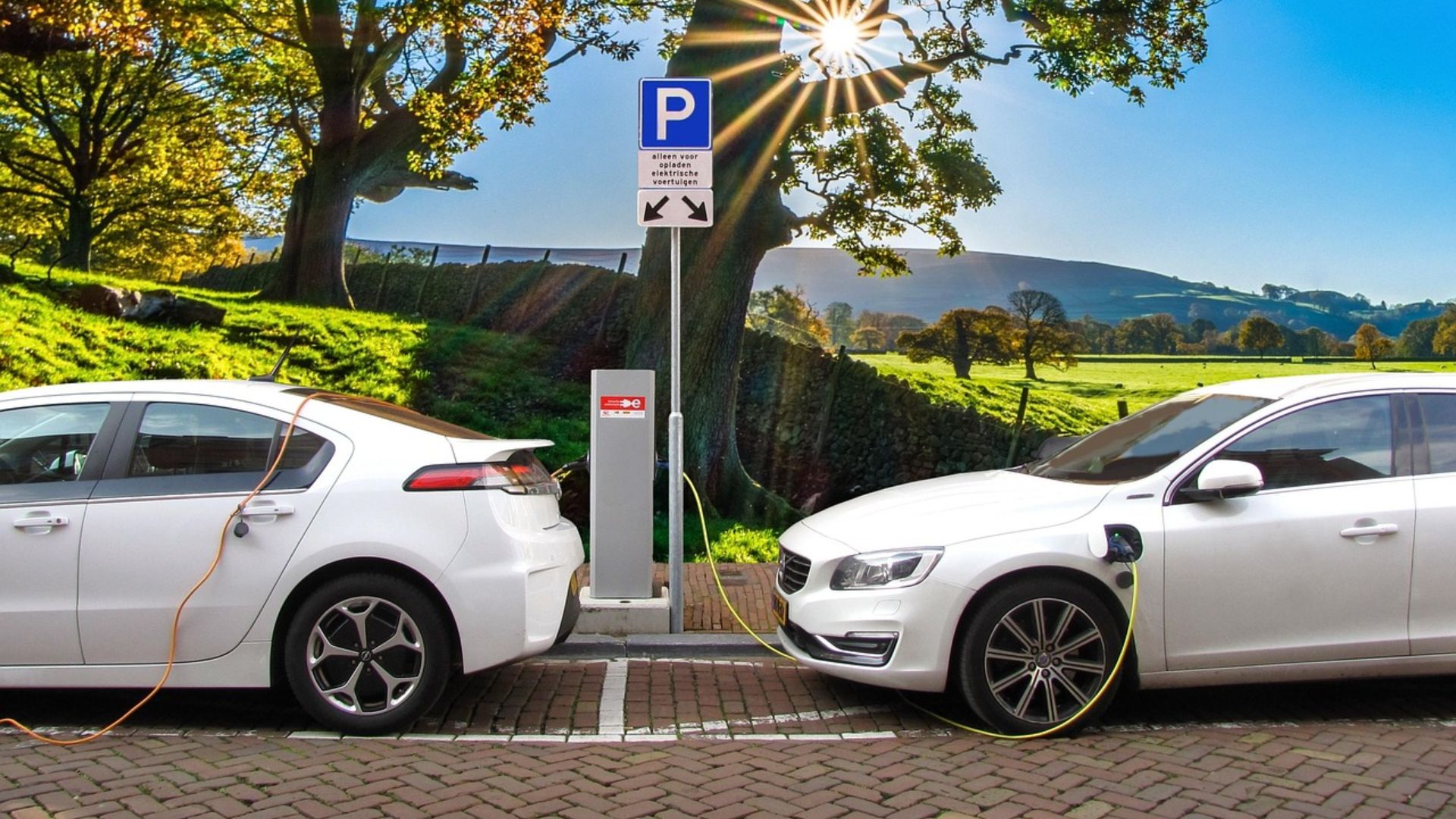
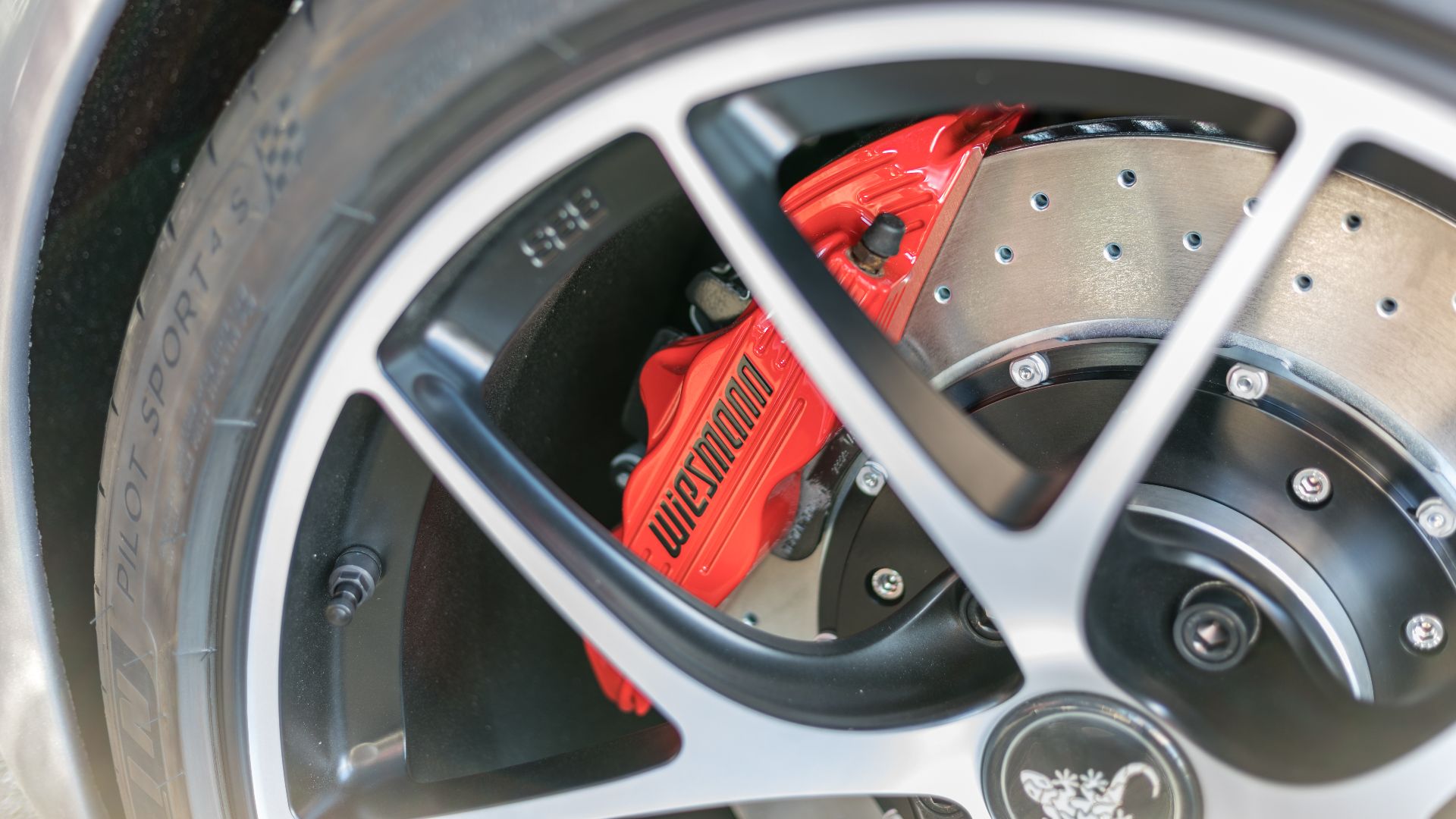
One of the nicest hybrid perks is regenerative braking. Instead of wasting braking energy as heat, the car captures some of it and sends it back to the battery. That means the regular brake pads often do less work. Many hybrid owners go much longer between brake jobs than they expected.
 Dietmar Rabich, Wikimedia Commons
But Brakes Still Need Attention
Longer-lasting brakes do not mean “ignore them forever.” Because hybrid brakes may be used less aggressively, rust, sticking parts, and uneven wear can still happen. This is especially true in wet or salty climates. A regular inspection matters, even if the pads still have plenty of life left.

The Engine Gets A Different Workout
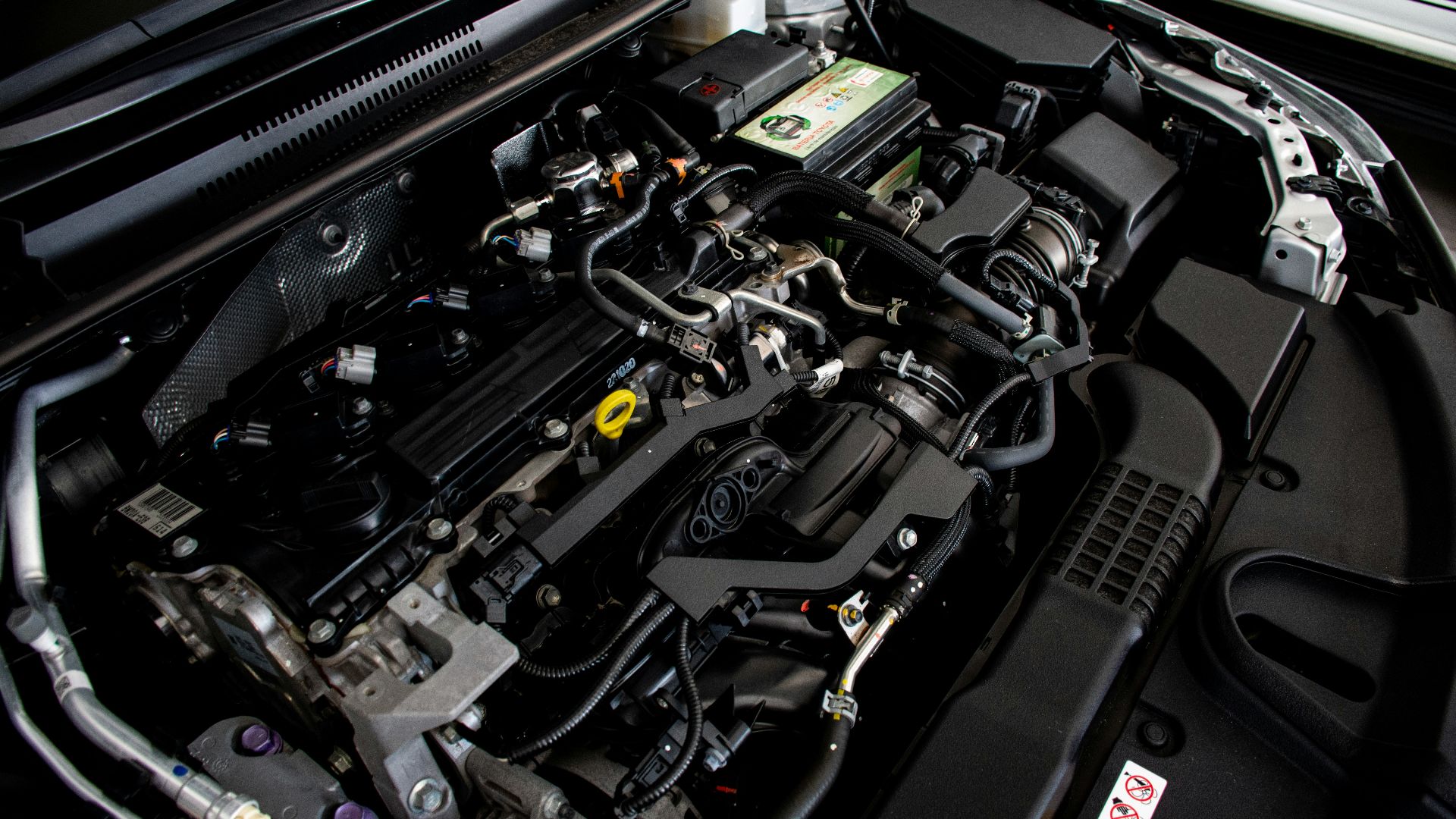
A hybrid engine turns on and off more often than a normal gas engine. It may shut down at stops, restart during acceleration, and spend plenty of time resting. That sounds strange at first, but the system is designed for it. The engine is not being abused. It is being managed.
Oil Changes Still Matter
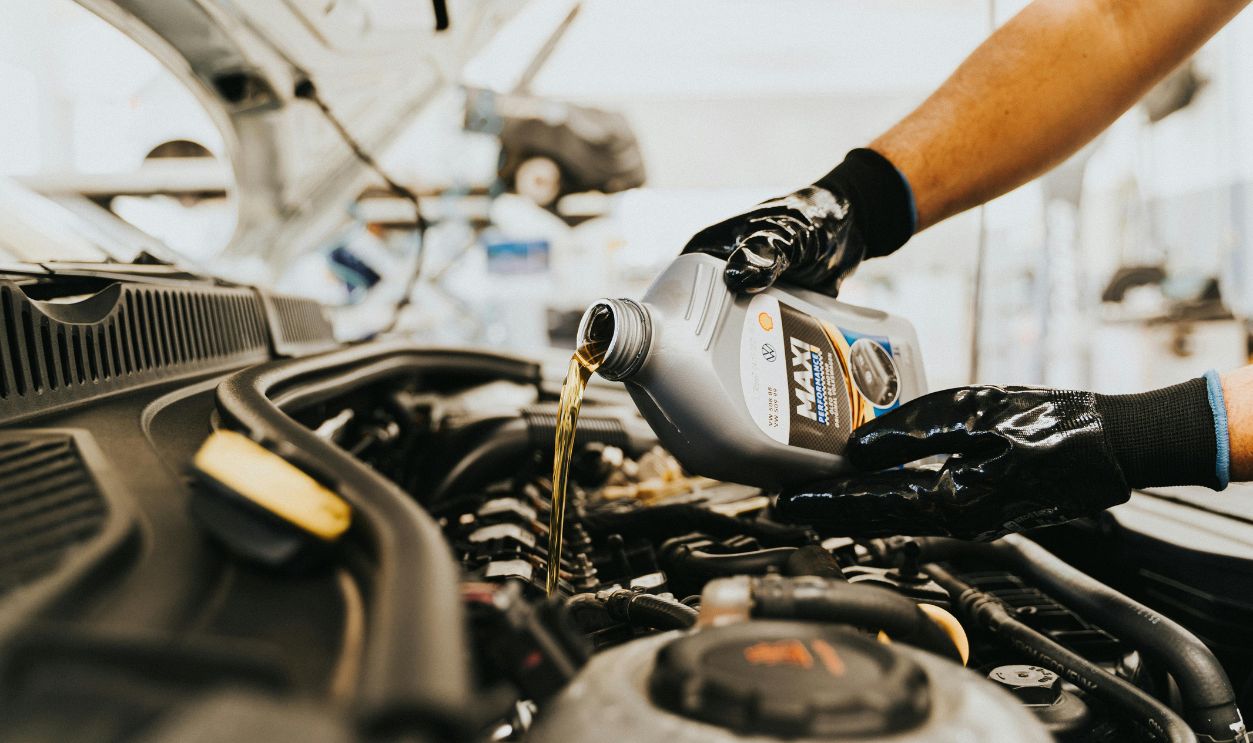
Some drivers assume that because the gas engine runs less, oil changes become optional. That is not how it works. Oil still ages, collects moisture, and breaks down over time. Follow the owner’s manual, especially if the car uses mileage and time intervals. Saving gas should not mean skipping basic care.
The Battery Is The Big Question
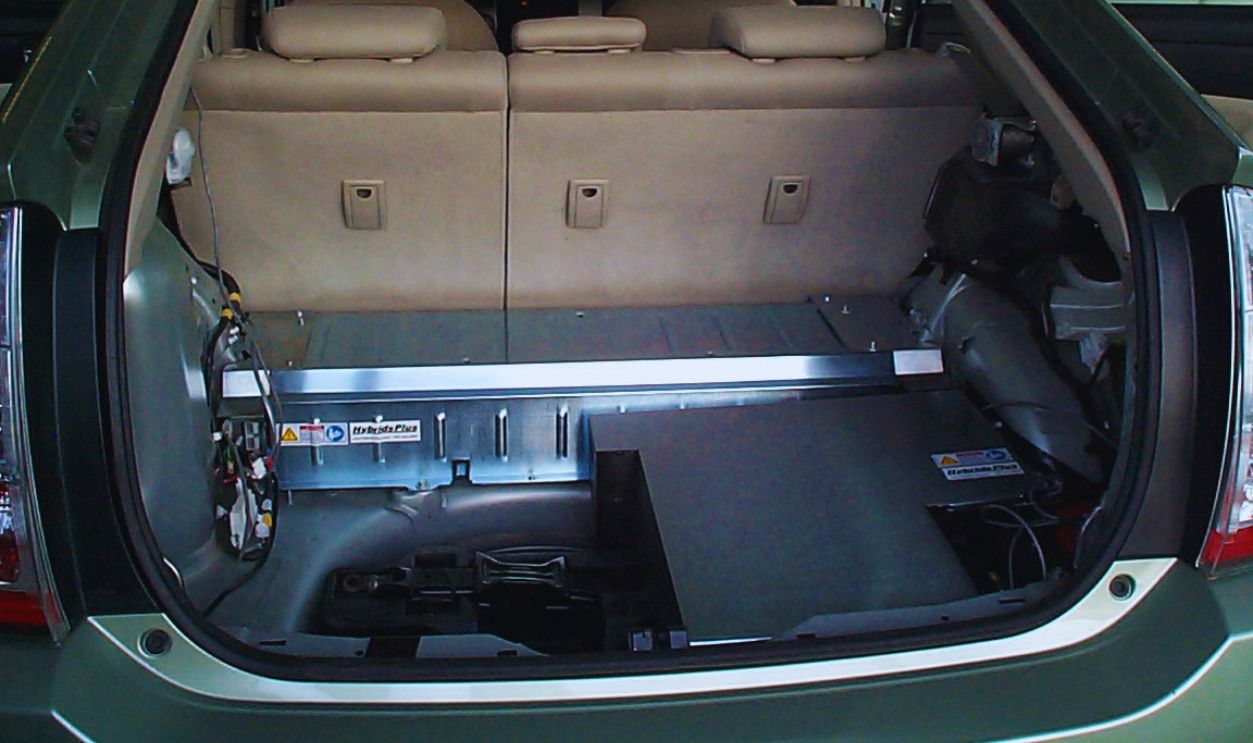
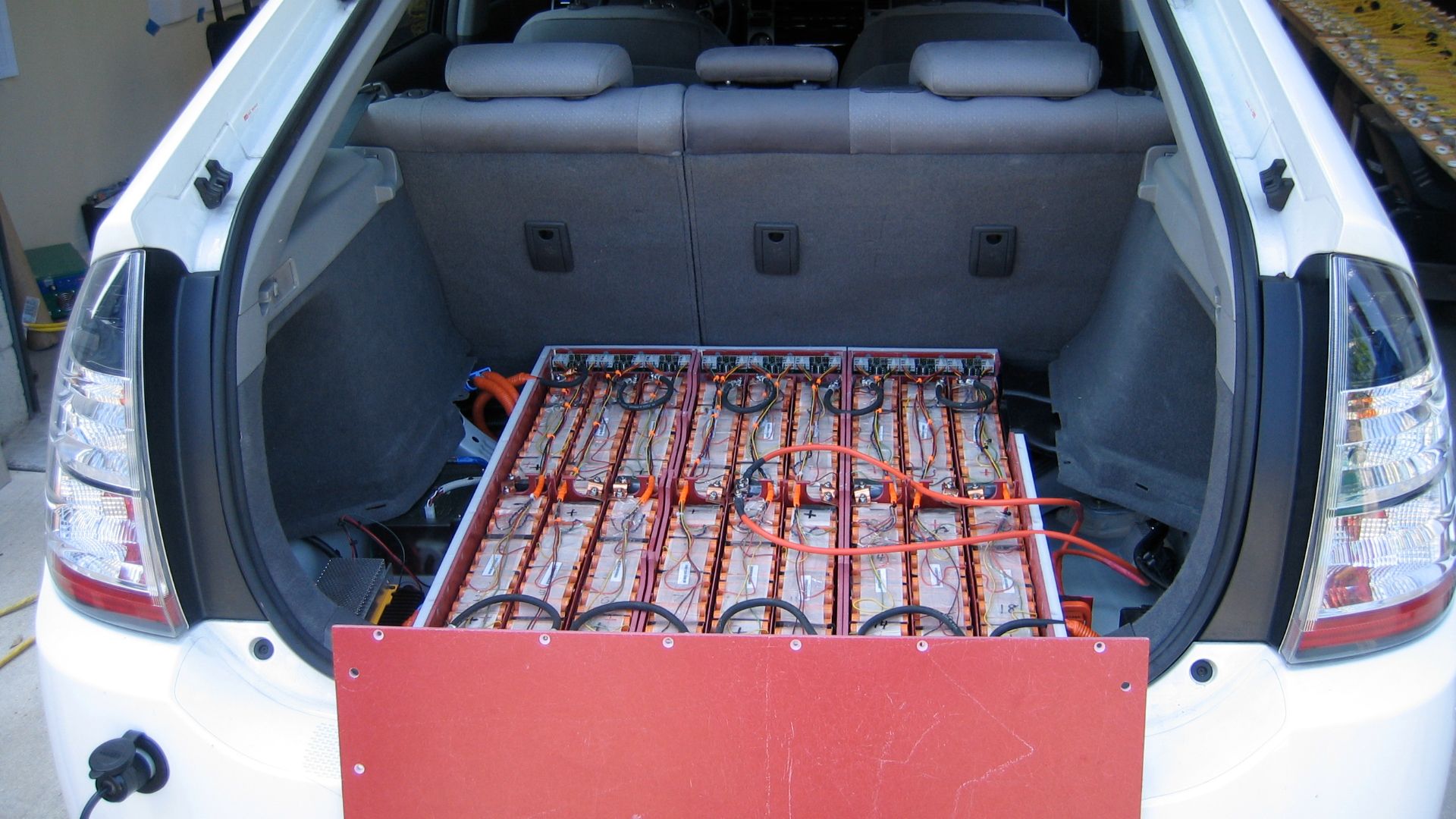
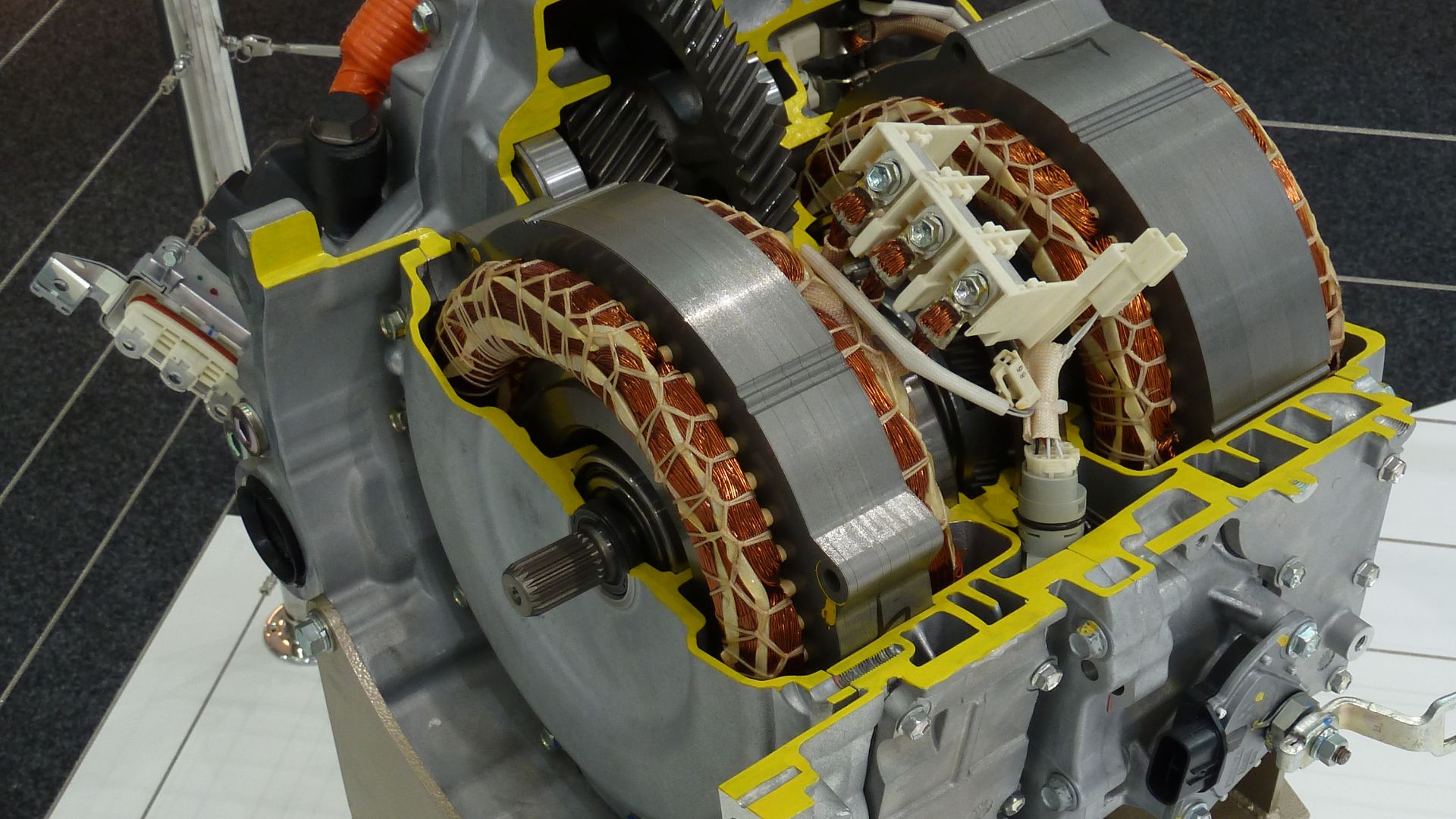
The hybrid battery is usually what scares people most. It sounds expensive because, well, it can be. But modern hybrid batteries are designed to last a long time. Many owners drive for years without touching them. It is a major component, but not something that fails every few oil changes.
 DavideAndrea at English Wikipedia, Wikimedia Commons
Battery Warranties Help Calm The Nerves
Most hybrids come with long battery warranties, which can make ownership less stressful. Coverage varies by brand, model, year, and state, so it is worth checking your paperwork. If the battery is still covered, you may have more protection than you realized when you bought the car.
 The original uploader was LossIsNotMore at English Wikipedia., Wikimedia Commons
Cooling Systems Matter More Than You Think
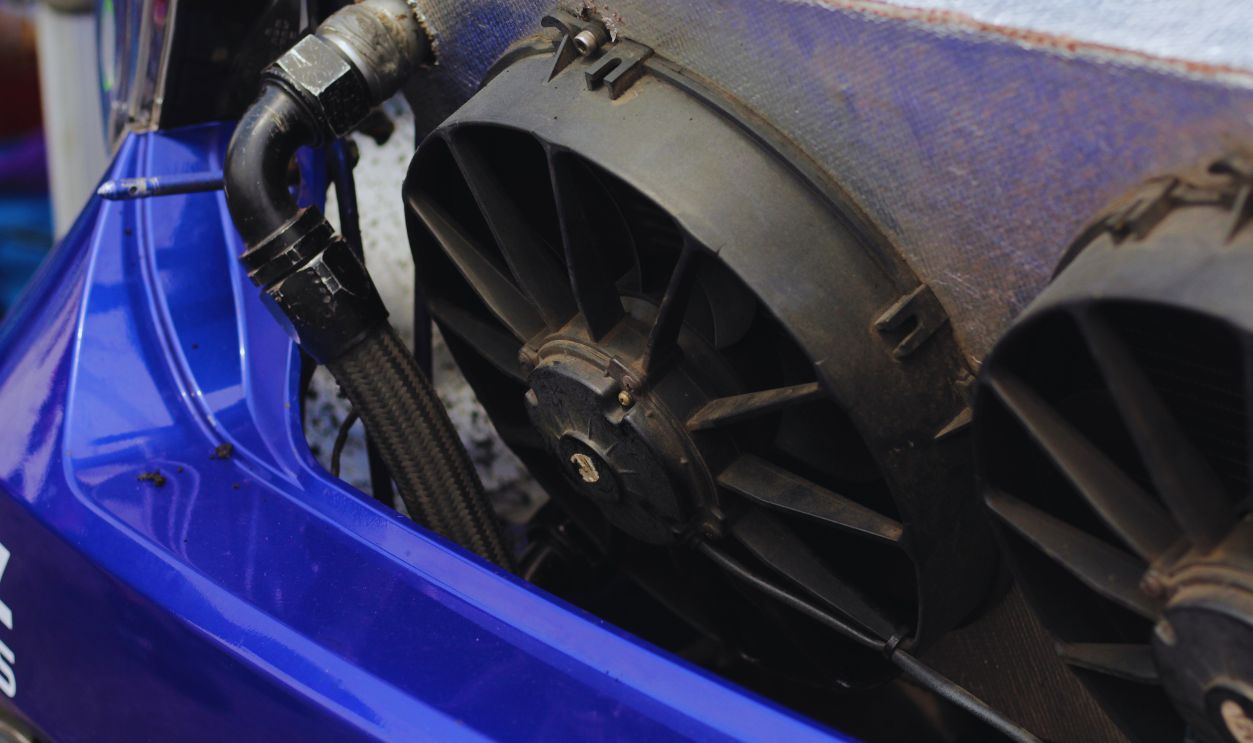
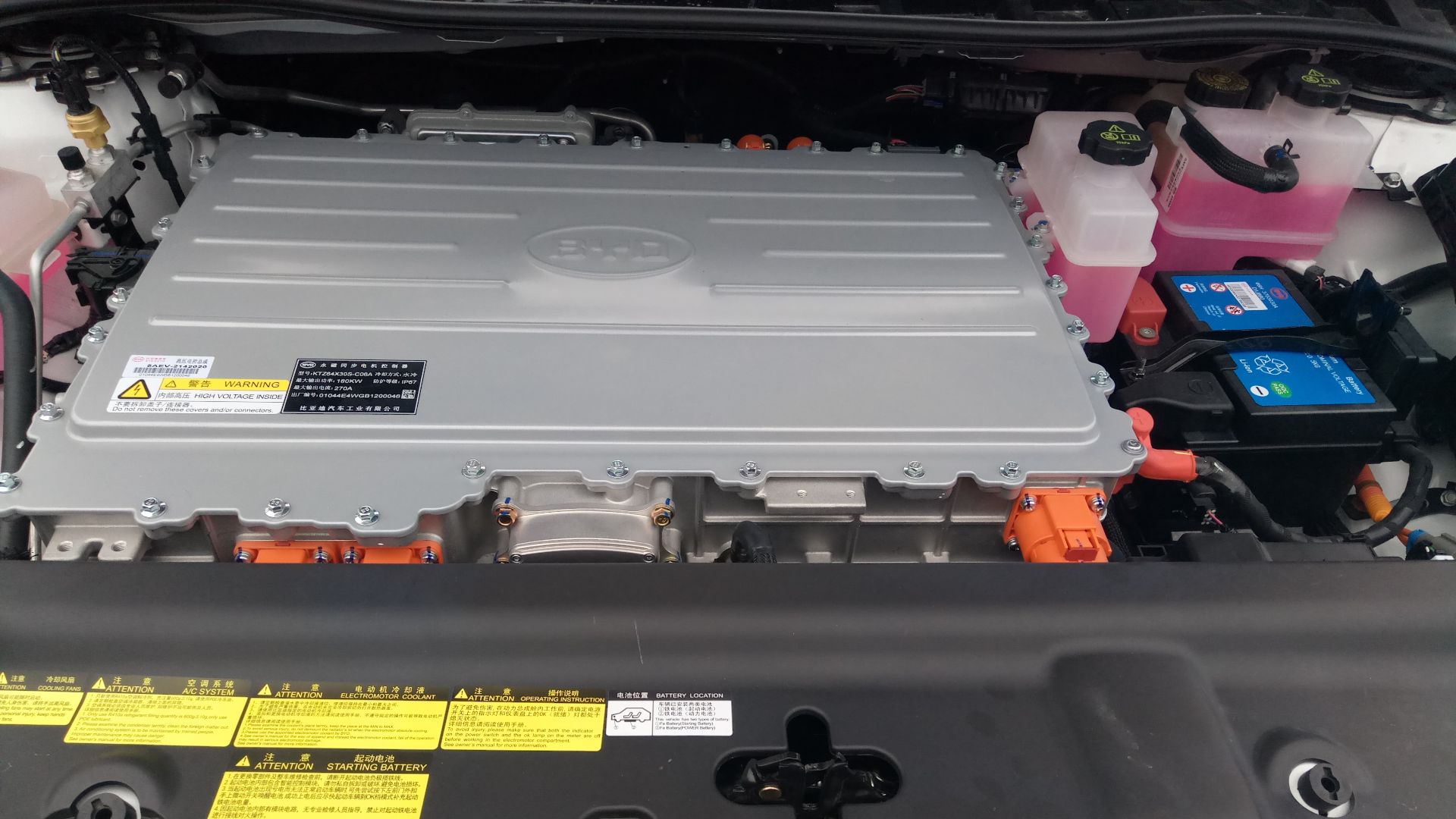
Hybrids may have extra cooling systems for the battery, electronics, or hybrid components. These systems help keep expensive parts happy. That means coolant checks, filters, vents, and service intervals should be taken seriously. It is not glamorous maintenance, but it can prevent very expensive headaches later.
 Sista Vongjintanaruks, Shutterstock
Keep Those Battery Vents Clean
Some hybrids have battery air vents inside the cabin, often near the rear seat or cargo area. If those vents get blocked by pet hair, luggage, blankets, or dust, the battery can run hotter than it should. A quick visual check can save trouble, especially if you carry pets often.
Tires Can Wear Differently
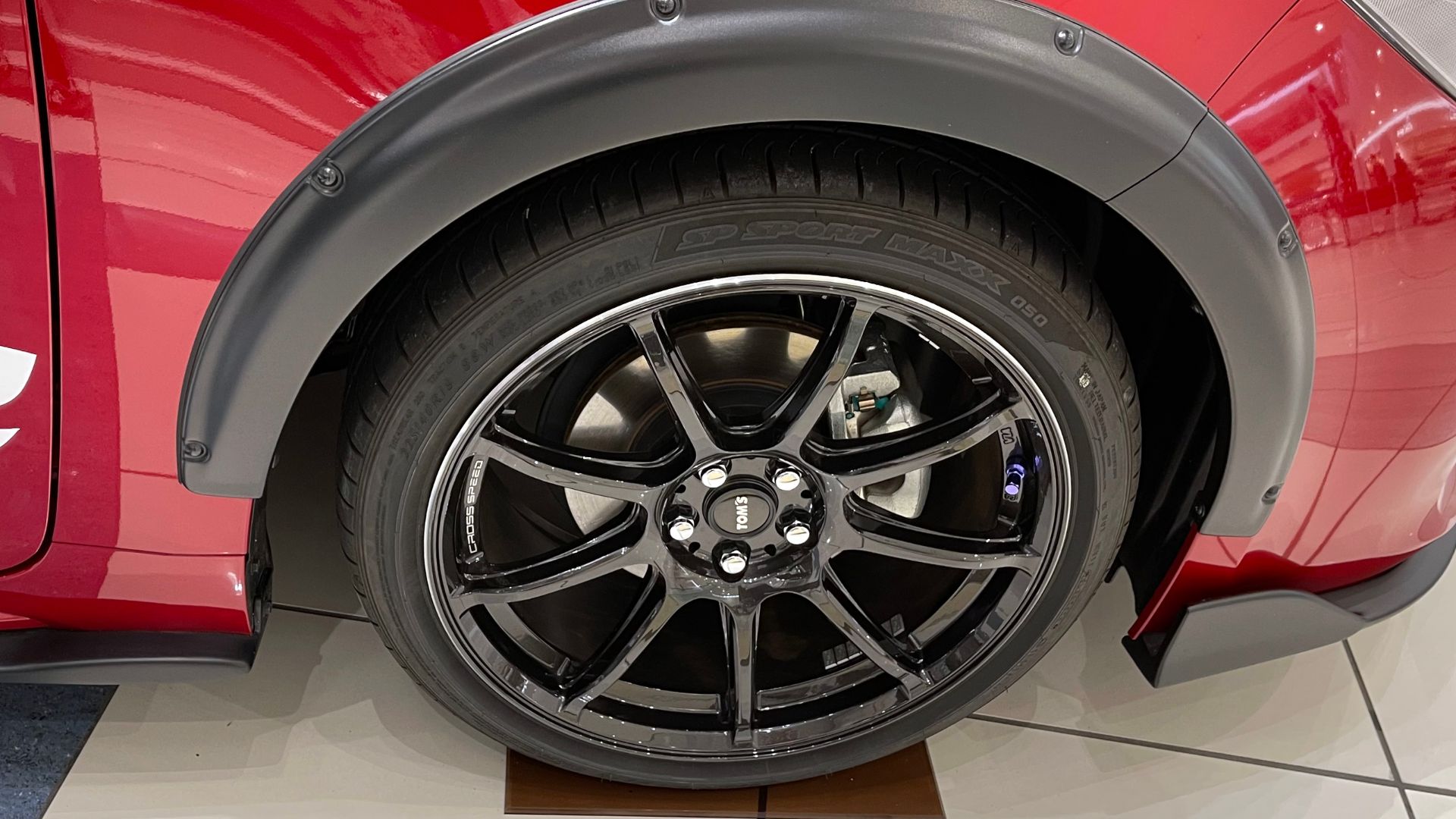
Hybrids often carry extra weight because of the battery pack. They may also deliver instant electric torque, which can be fun but rough on tires if you drive aggressively. Proper tire pressure, rotations, and alignment checks are still important. Fuel savings disappear fast when tires are worn or underinflated.
 Tokumeigakarinoaoshima, Wikimedia Commons
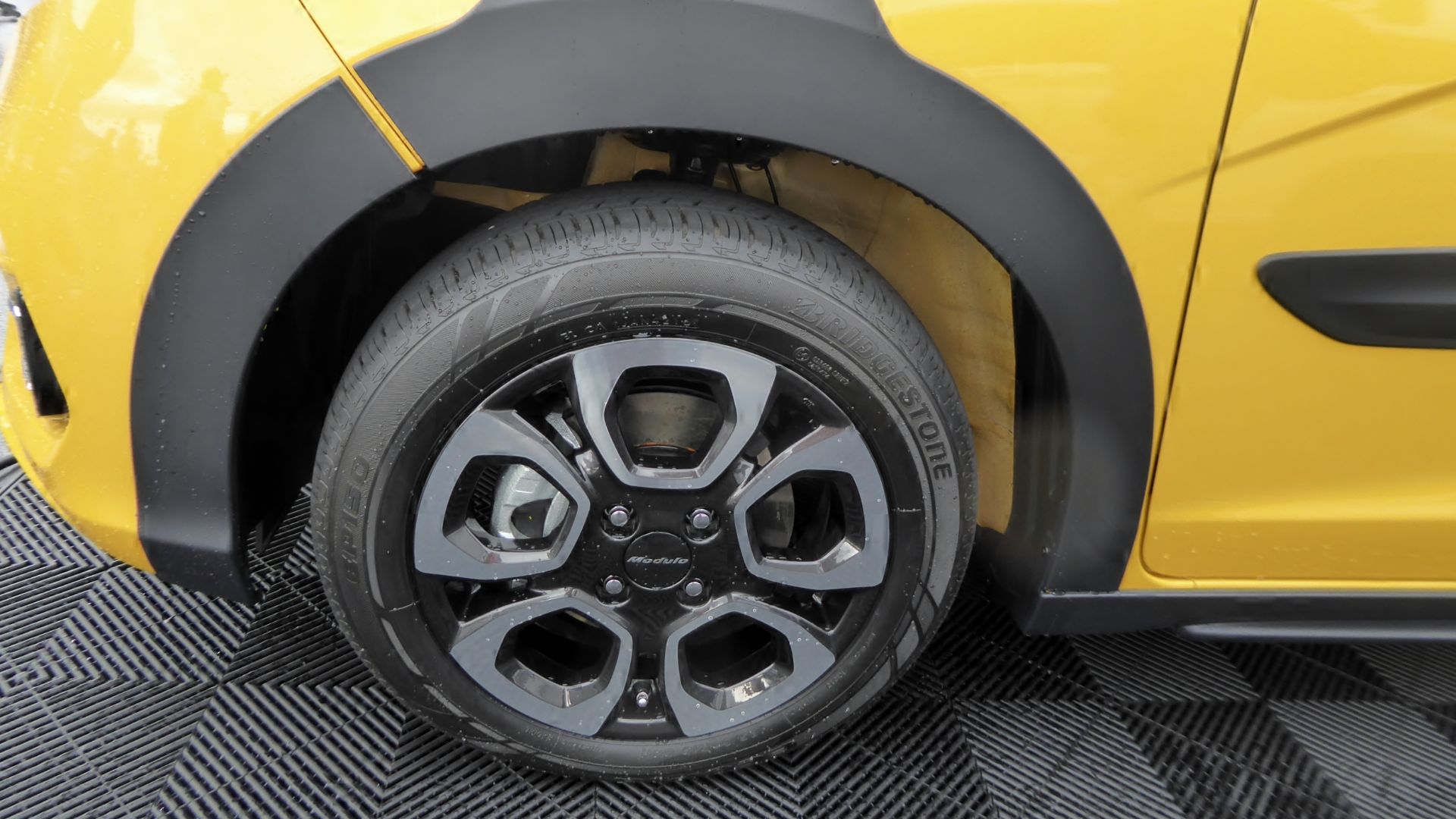
Special Tires May Be Part Of The Deal
Many hybrids use low-rolling-resistance tires to help improve fuel economy. These tires are designed to reduce drag, but they can feel different from regular tires. Replacing them with cheaper or sportier tires may change ride quality, handling, and fuel economy. The cheapest tire is not always the smartest one.
 Tokumeigakarinoaoshima, Wikimedia Commons
The Transmission May Not Be What You Expect
Some hybrids use a transmission setup that feels very different from a traditional automatic. It may sound like the engine is holding one note while the car speeds up. That can seem odd, but it is often normal. Hybrids care more about efficiency than old-school shift feel.
Not Every Mechanic Loves Hybrids
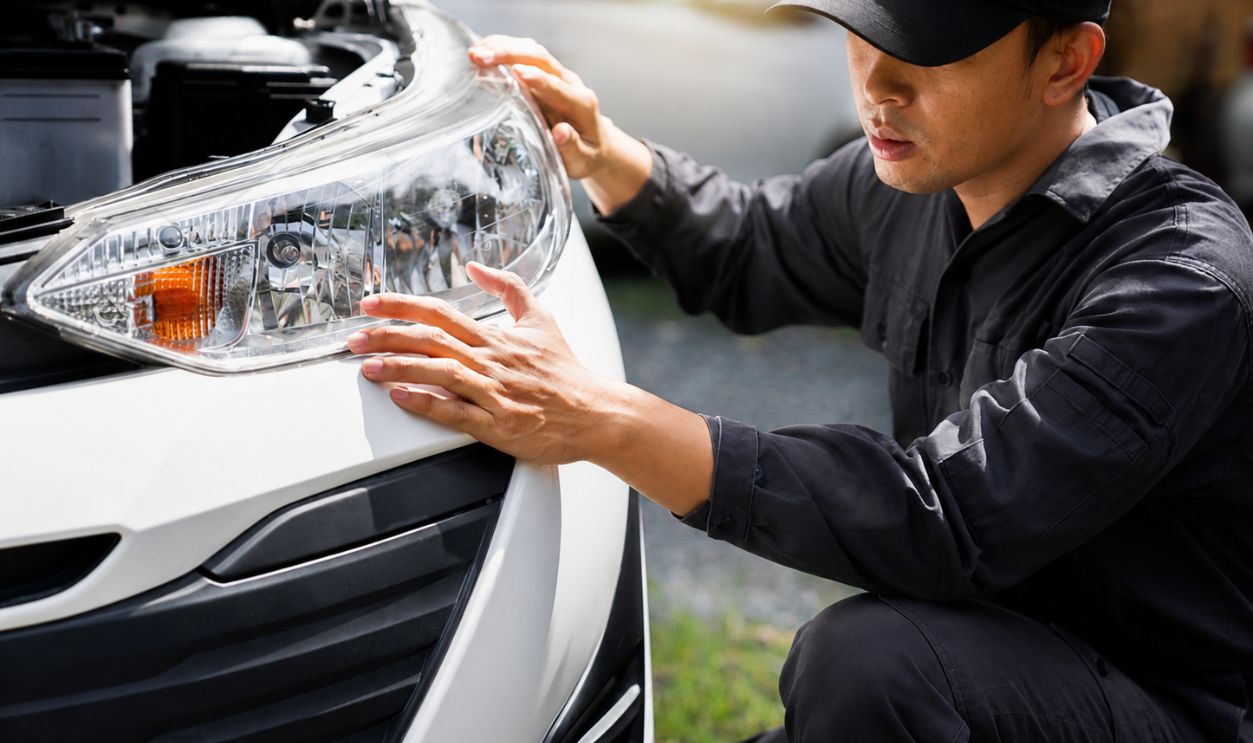
This is one of the biggest surprises for new hybrid owners. Some independent mechanics are great with hybrids, while others avoid them. High-voltage systems require proper training and safety steps. You do not always need the dealer, but you do need someone who knows what they are doing.
Dealer Service Can Cost More
Dealer service departments usually understand your hybrid well, but their prices can be higher. That does not mean you are trapped. Compare quotes, ask exactly what each service includes, and look for reputable hybrid-certified shops nearby. The right shop can make hybrid ownership much less intimidating.

The Maintenance Schedule Is Your Best Friend
Your owner’s manual is not bedtime reading, but it is useful. It tells you what actually needs service and when. That matters because hybrid maintenance can sound mysterious. When a shop recommends something expensive, compare it with the factory schedule before opening your wallet.

City Drivers Often Benefit Most
Hybrids usually shine in stop-and-go driving. That is where regenerative braking and electric assist do their best work. If you mostly drive in town, the savings can be impressive. Highway-only drivers may still save fuel, but the advantage may not feel as dramatic.

Short Trips Can Be A Mixed Bag
A hybrid can be great for short errands, but very short trips still have drawbacks. The gas engine may not fully warm up, and moisture can build in the oil or exhaust system. This does not ruin the car, but it is another reason to follow time-based maintenance intervals.

Cold Weather Changes The Math
In winter, hybrids may use more gas because the engine helps provide cabin heat and the battery is less efficient in the cold. That can surprise new owners. Your fuel economy may dip during freezing months, then bounce back in warmer weather. That is usually normal.

Repairs Can Be More Technical
When something does go wrong, diagnosis can require special equipment and hybrid knowledge. A warning light may involve the battery, inverter, cooling system, or regular engine. Guessing gets expensive quickly. A proper diagnostic check is worth paying for when the issue is not obvious.

Used Hybrids Need Extra Homework
If you bought used, the decision can still be smart, but condition matters. Service records, battery health, warning lights, and previous maintenance become very important. A cheap used hybrid with ignored maintenance can become costly. A well-kept one can be a fantastic money saver.

Fuel Savings Are Only One Part Of The Equation
The right choice is not just about miles per gallon. Insurance, tire costs, local repair options, battery warranty, and your driving habits all matter. A hybrid can save money, but it works best when the whole ownership picture makes sense, not just the number on the window sticker.

You May Need To Change Your Habits
Hybrid driving rewards smoothness. Gentle starts, steady speeds, and smart braking can stretch fuel economy. Hard launches and late braking waste some of the car’s best tricks. You do not have to crawl everywhere, but learning the hybrid’s rhythm can help you get the value you paid for.

So, Did You Make The Right Choice?
Probably, yes, if your hybrid fits your driving life and you are willing to learn its maintenance needs. Different does not mean bad. In many cases, hybrids offer lower fuel costs, longer brake life, and strong reliability. The key is treating it like a hybrid, not a regular gas car.

When A Hybrid Might Not Be Worth It
A hybrid may be less ideal if you drive mostly long highway miles, live far from qualified service, or bought a used model with questionable history. It may also disappoint drivers expecting zero maintenance. Hybrids are efficient, but they are not magic. They still need care, planning, and good records.

The Smart Owner Comes Out Ahead
Buying a hybrid was not a mistake just because maintenance feels unfamiliar. You bought a car with two power systems working together, so naturally the care routine has a few new rules. Learn the schedule, find a good mechanic, keep the battery cool, and enjoy passing gas stations with a grin.

You May Also Like:
I parked legally, but still got a ticket. How do I dispute it?
Forgotten Supercars Of The 1980s—How Many Of These Rare Exotics Do You Remember?