It Starts To Feel Bigger When It Keeps Happening
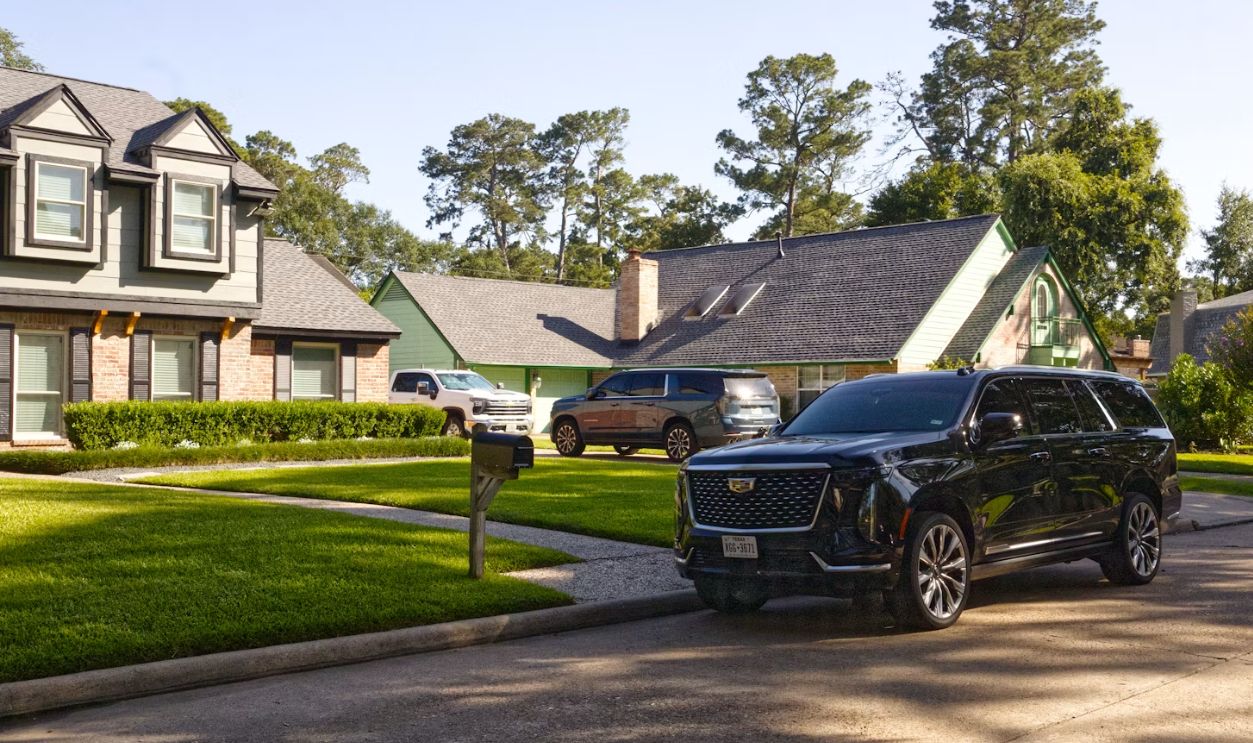
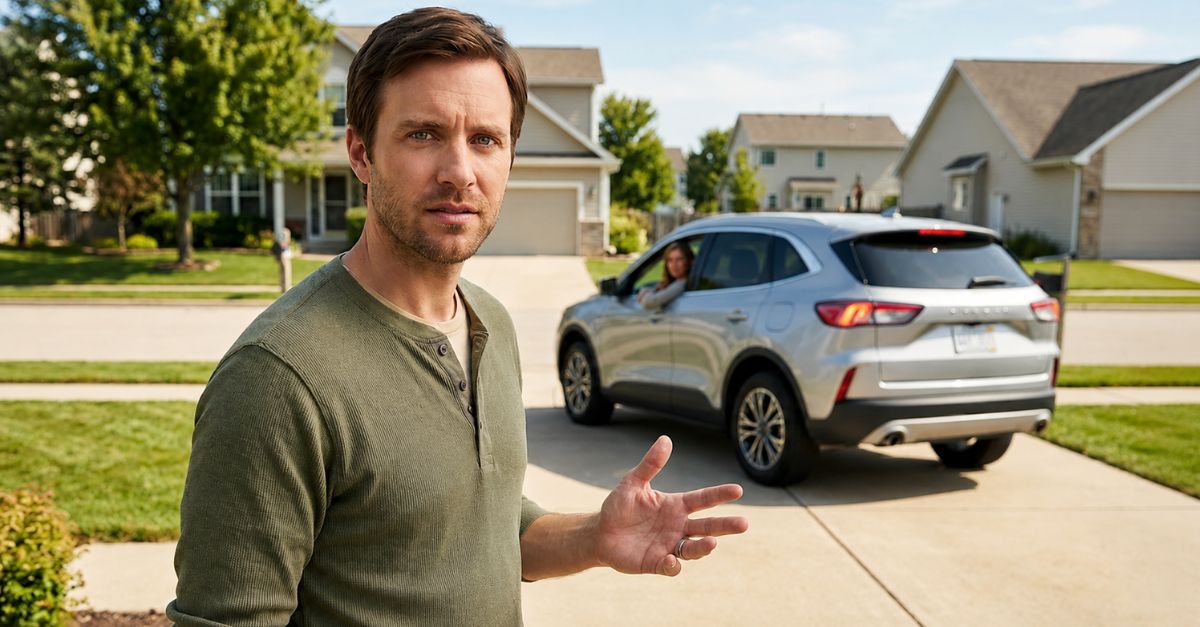
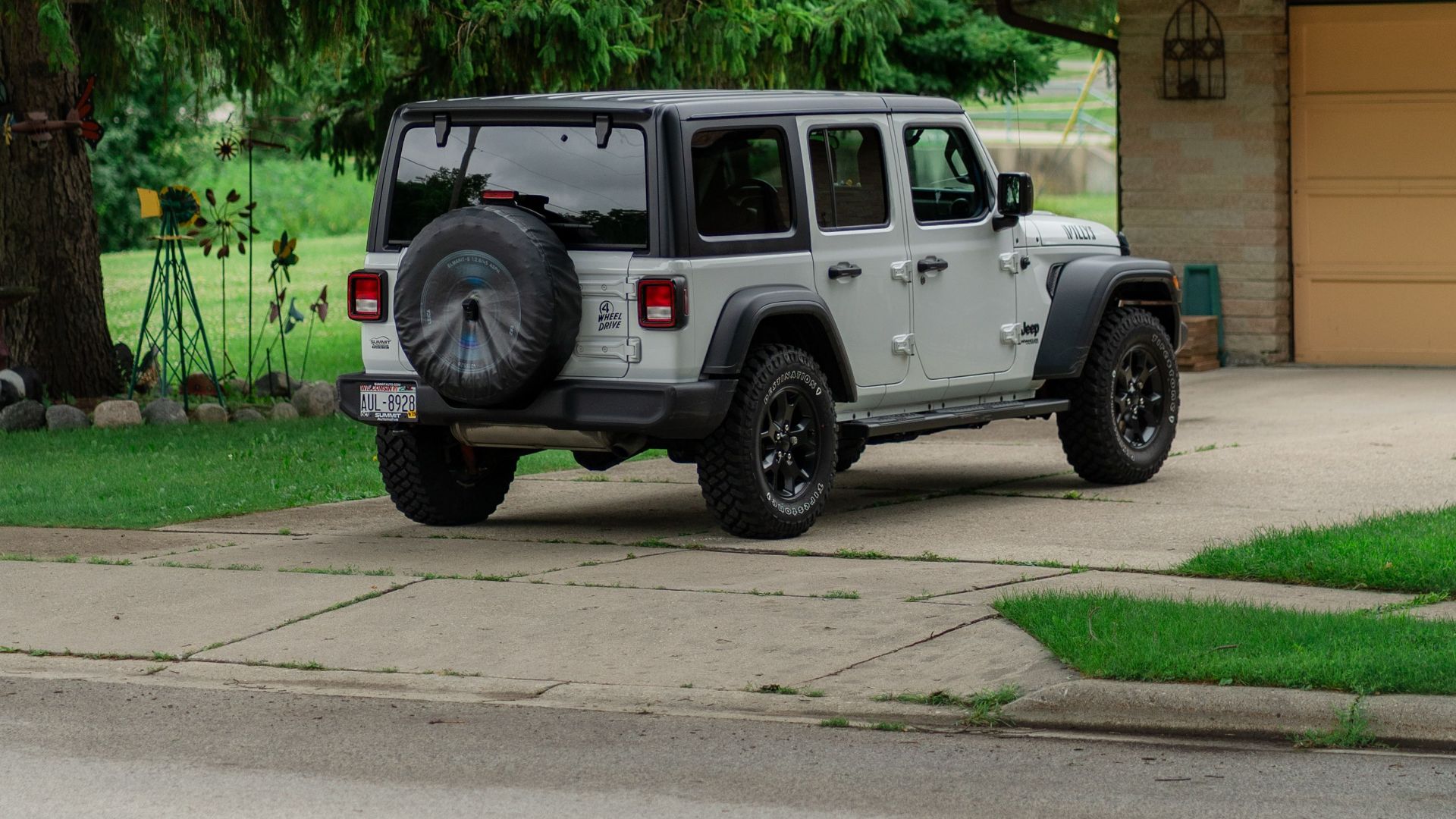
If your neighbor constantly uses your driveway, it can stop feeling like a small inconvenience pretty quickly. What looks minor on paper can feel very different when it happens over and over on your property, even after asking him to stop. You might feel like you can't do anything, but if it continues unreasonably, there are genuine legal avenues you could take to make him stop.
Why It Gets Annoying So Fast
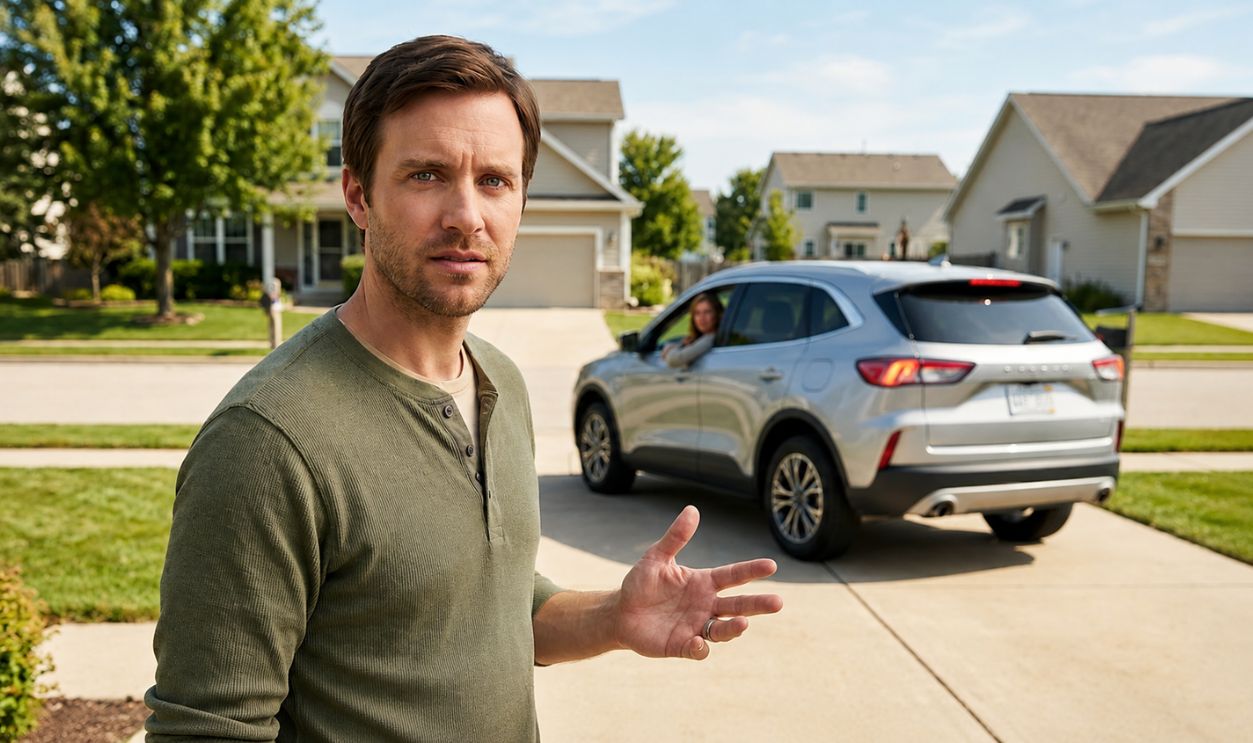
A one-time turn-around is one thing. A repeated habit is another. When someone does it multiple times a day and then seems offended when you bring it up, the real issue is often the lack of respect as much as the car in the driveway.
Your Driveway Is Usually Private Property
That matters. As Nolo explains, property owners generally have the right to keep others off private property. Not every quick turn-around turns into a legal fight, but you are not being unreasonable for caring who is regularly using your driveway.
The Law Does Not Always Treat This As Nothing
Cornell Law School’s Legal Information Institute defines trespass to land as intentionally entering land possessed by another, or causing a person or thing to enter it. A car pulling into a private driveway can fall under that general idea depending on the facts and local law. The bigger point is simple: unauthorized entry onto private land is a real issue, not just a petty complaint.

Where Confusion Usually Starts
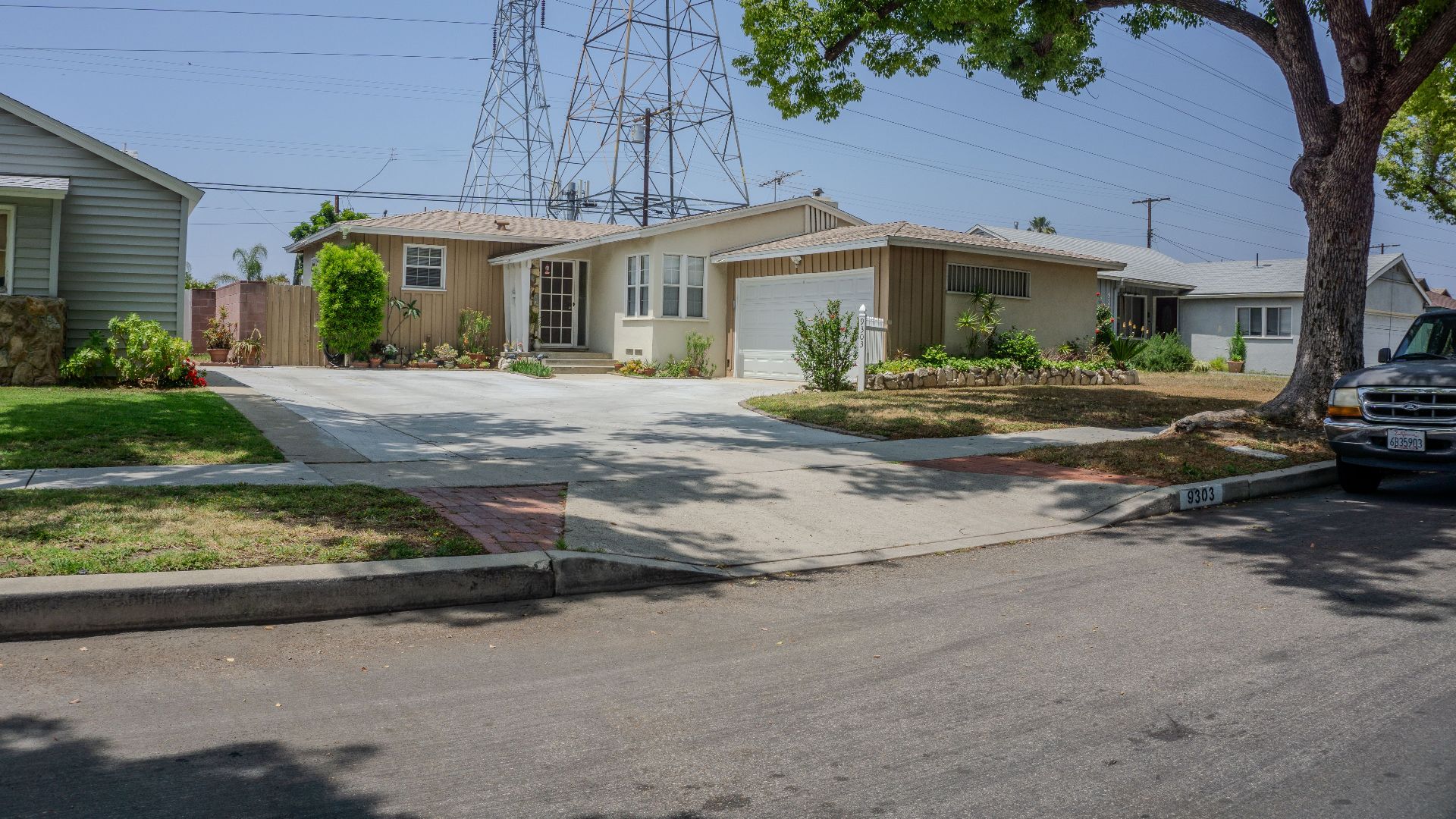
A lot of these disputes start where the public street meets the private driveway. Some neighbors assume the driveway entrance is fair game because it connects to the road. In reality, the exact property line can vary, which is why deeds, surveys, county parcel maps, and local rules matter if the situation gets more serious.
Why Repetition Changes Things
An accidental turn-around once in a while usually calls for patience. Repeated daily use is different because it shows a pattern. And once you have told someone to stop, continued use looks a lot less like confusion and a lot more like ignoring a clear boundary.
There Is A Safety Issue Too
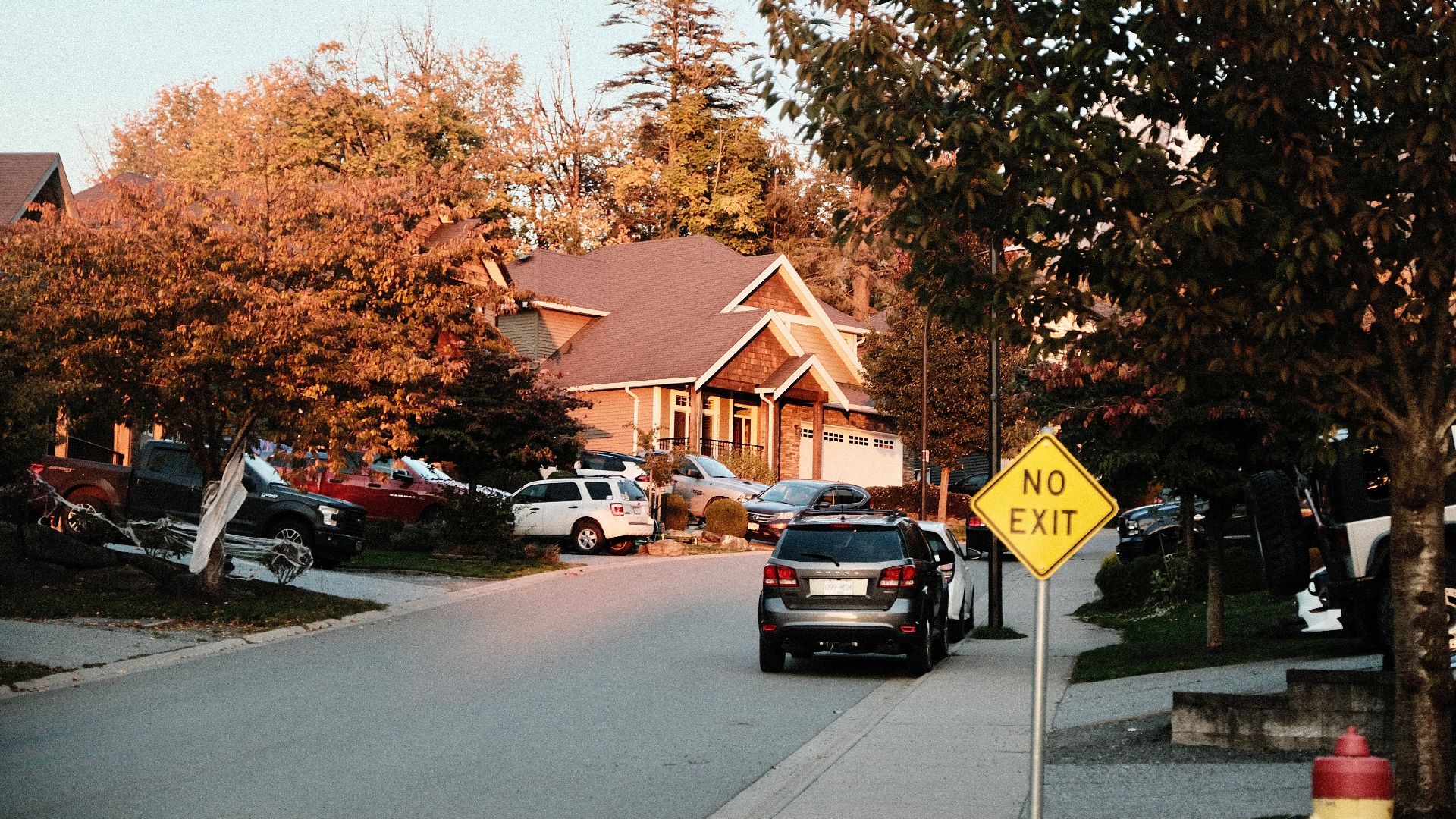
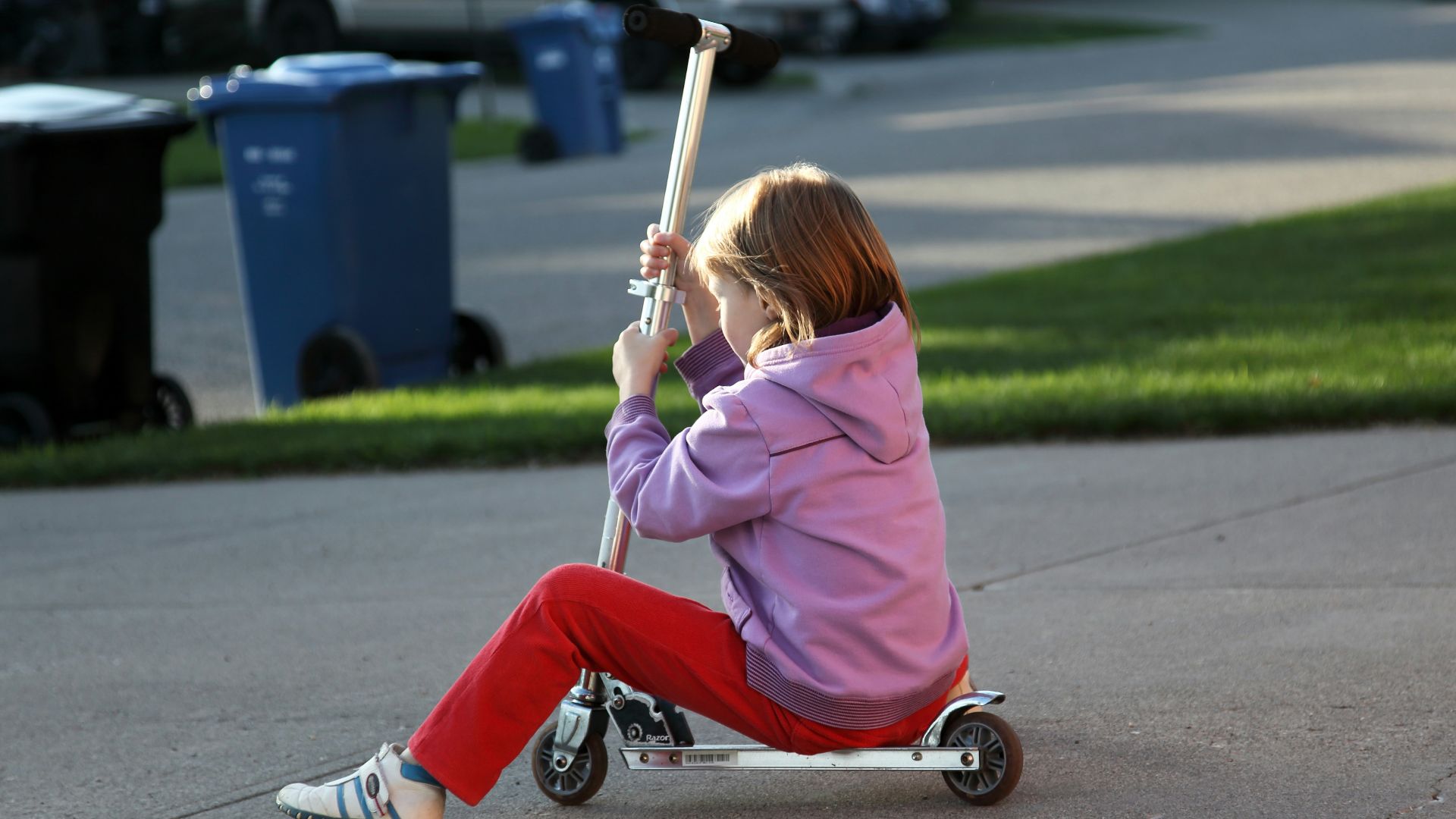
Driveways are not empty strips of pavement. Kids play there, pets wander through, packages get dropped off, and drivers back out with limited visibility. The National Safety Council has warned that low-speed vehicle movement in and around driveways can still cause serious injuries, especially to children.
Damage Does Not Have To Be Dramatic
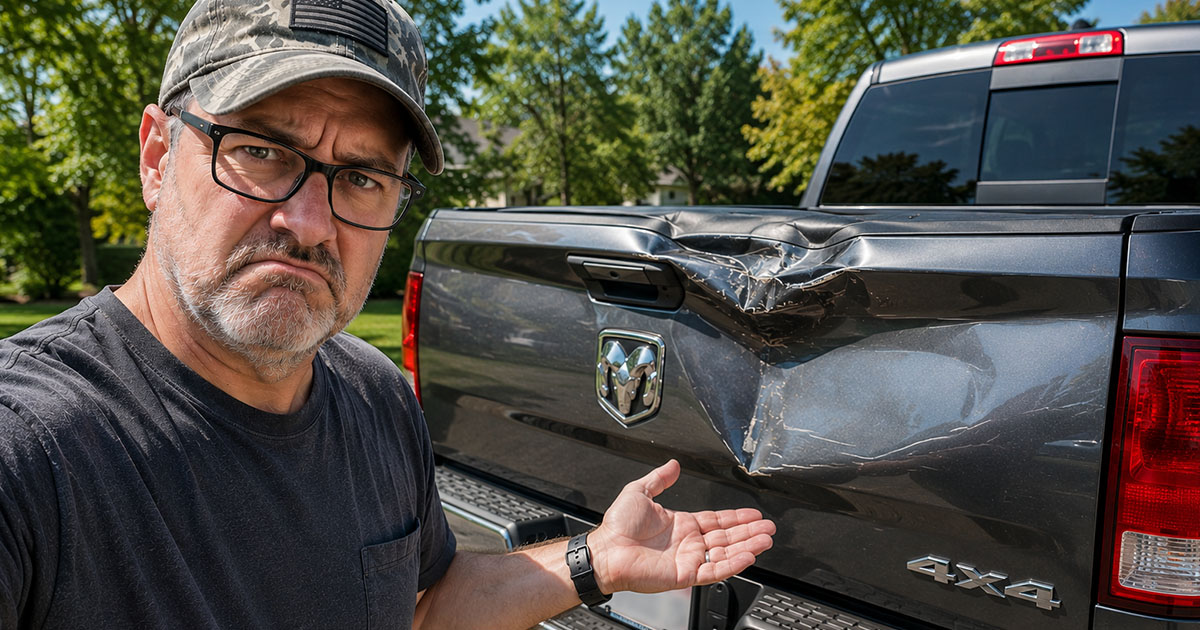
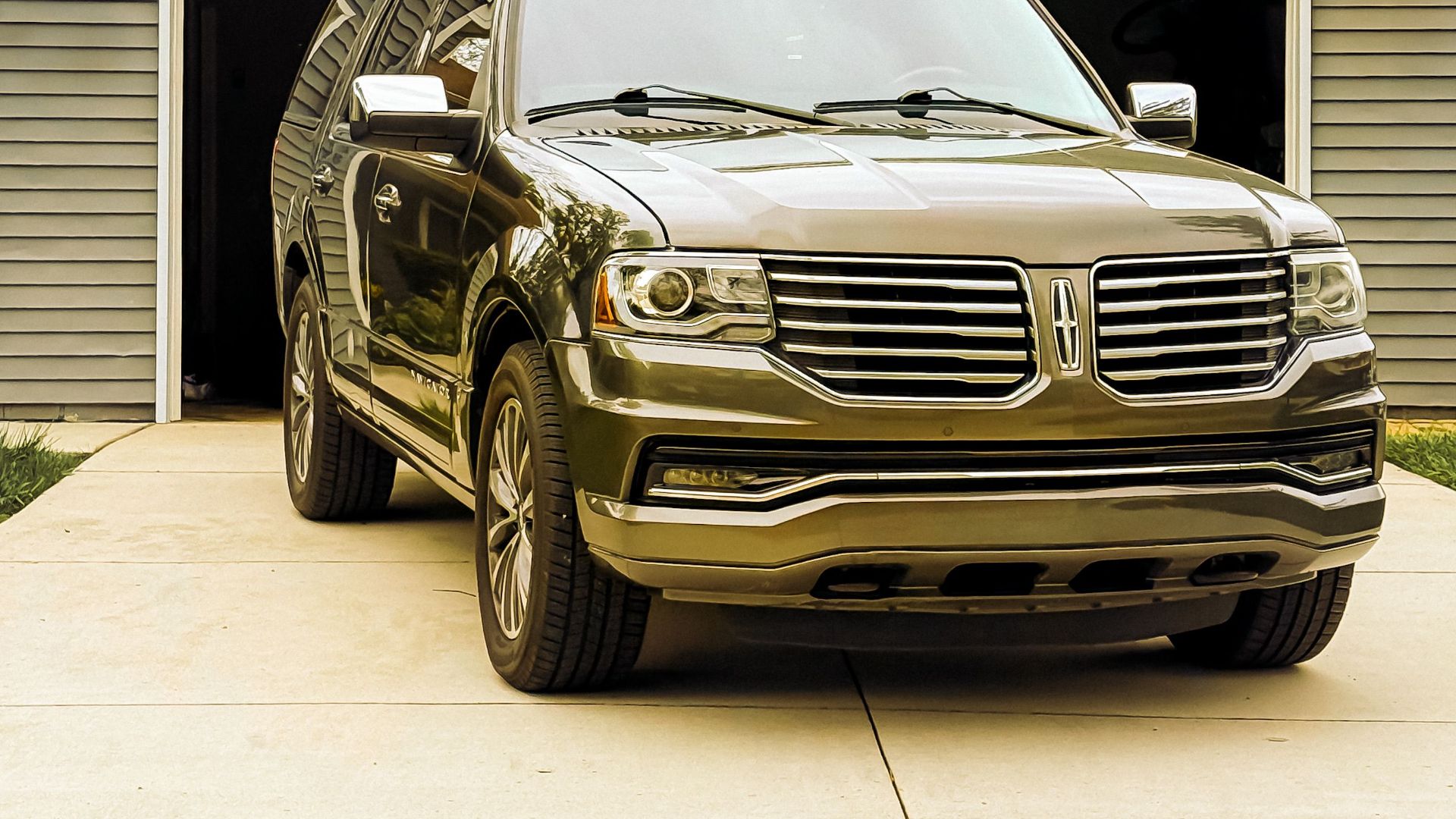
Repeated turning can wear down asphalt edges, crack weaker concrete, leave tire marks, and tear up soft shoulders or landscaping. That is even more likely with larger vehicles or rough weather. If your neighbor treats your driveway like a turn lane, you may end up dealing with the damage.
That Offended Reaction Does Not Settle The Issue
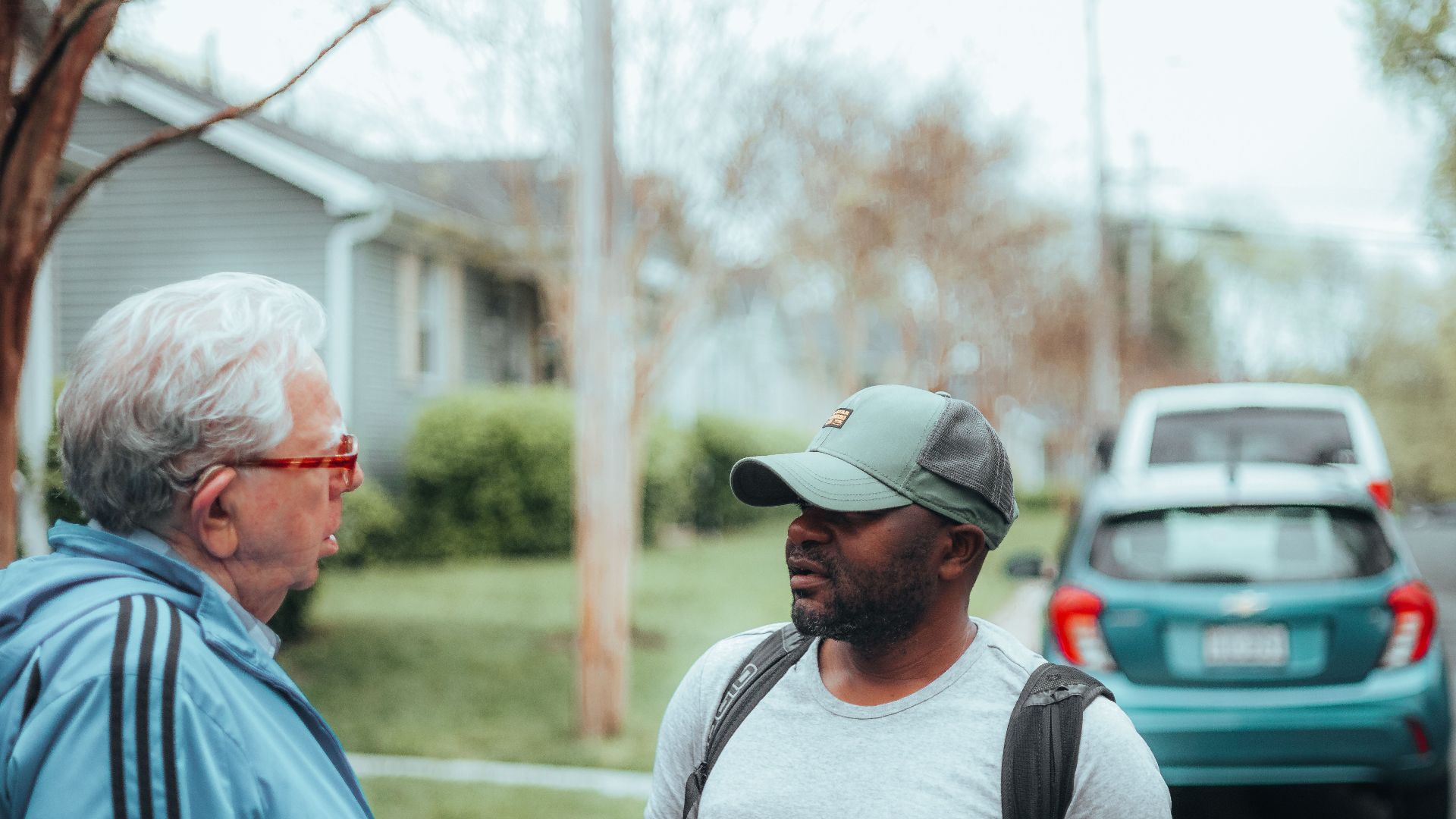
If your neighbor acts insulted when you ask them to stop, that does not mean you were out of line. Sometimes people get defensive to shift the pressure back onto you. The real question is much simpler: are you setting a normal boundary on your property, or are you trying to control a public space.
In Most Cases, You Are Not Overreacting
If this is happening several times a day, your complaint is usually pretty reasonable. You do not have to wait until there is visible damage or a close call with a child before saying something. A repeated intrusion is enough.

Start Small
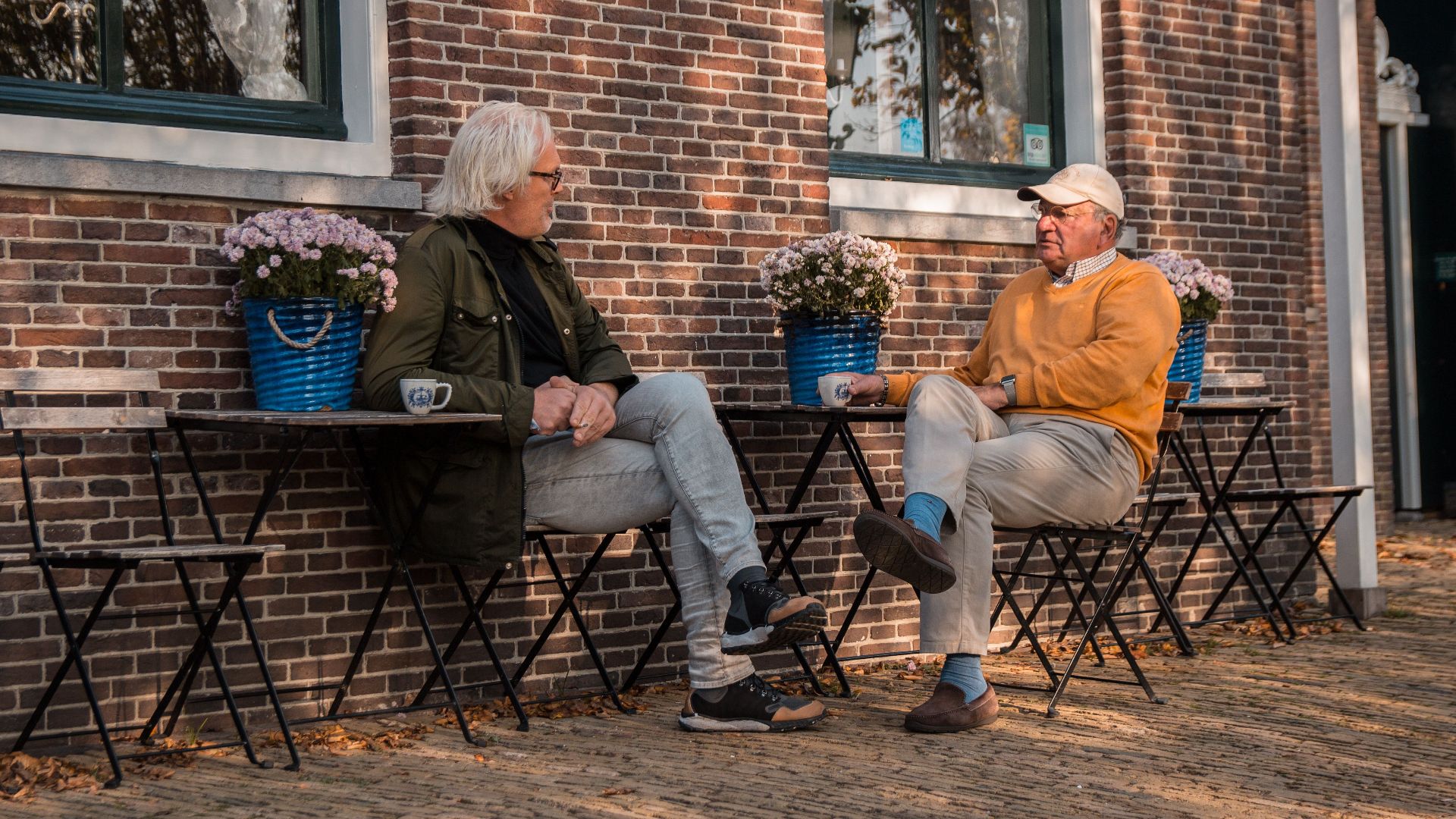
The best first move is usually a calm, direct request. Keep it short. Tell them you have noticed the repeated turn-arounds and you want them to stop using your driveway unless there is some real emergency.
Be Clear Without Making It A Fight
It helps to know exactly what you want to say before the conversation starts. Something like, “I know it may seem minor, but I do not want anyone regularly using my driveway to turn around. Please stop doing it.” It is firm, simple, and hard to misunderstand.
Do Not Lead With Threats
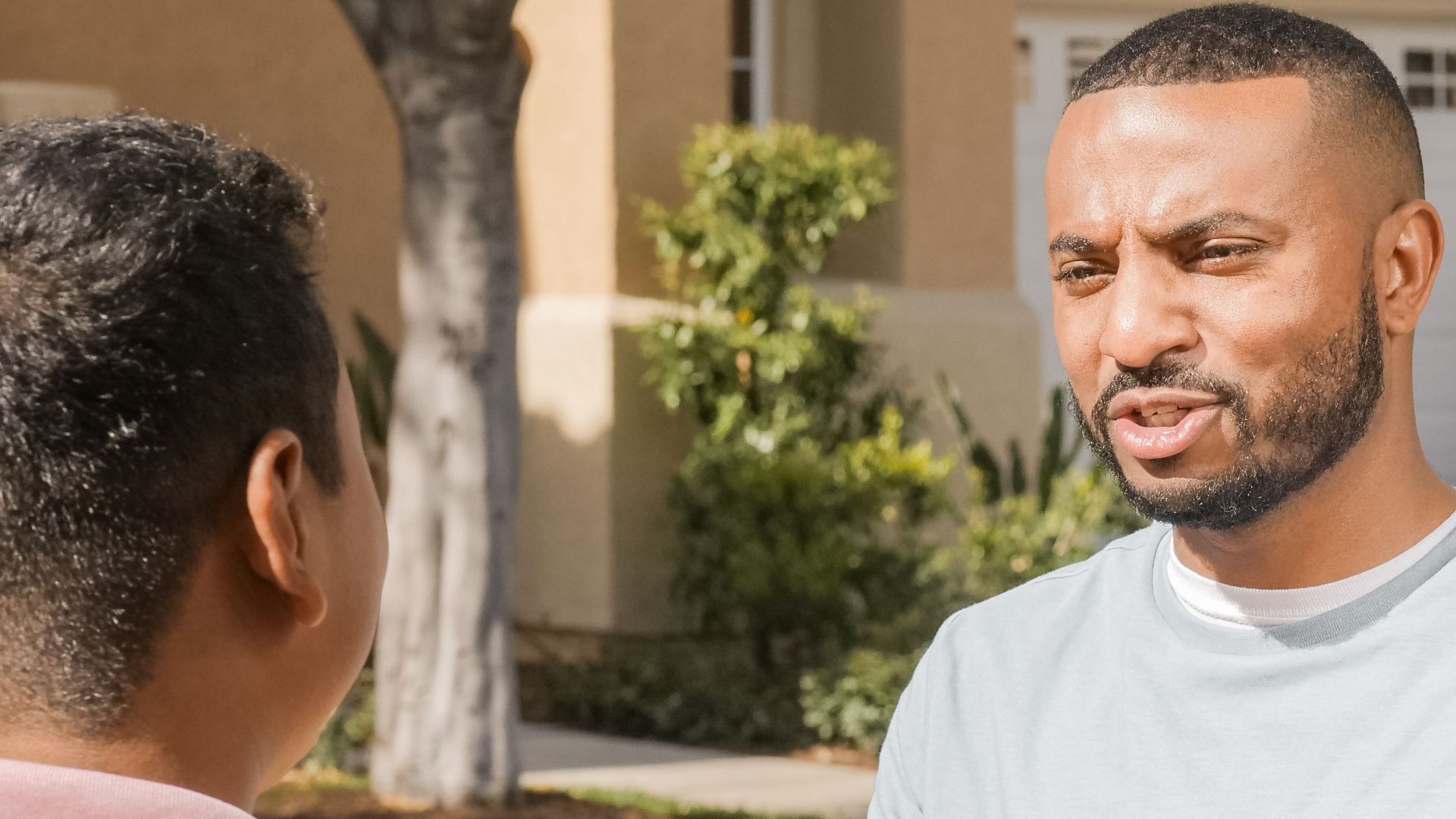
Bringing up trespass, lawsuits, or police reports right away can make things worse before you know whether a normal conversation will fix it. Save that for later if you need it. First, make the boundary clear.

Keep A Record If It Continues
If the behavior does not stop, start documenting it. Write down dates, times, and how often it happens. Save any photos or video from a doorbell camera. That can help later if there is property damage, an HOA issue, or contact with law enforcement.

Cameras Can Change Behavior
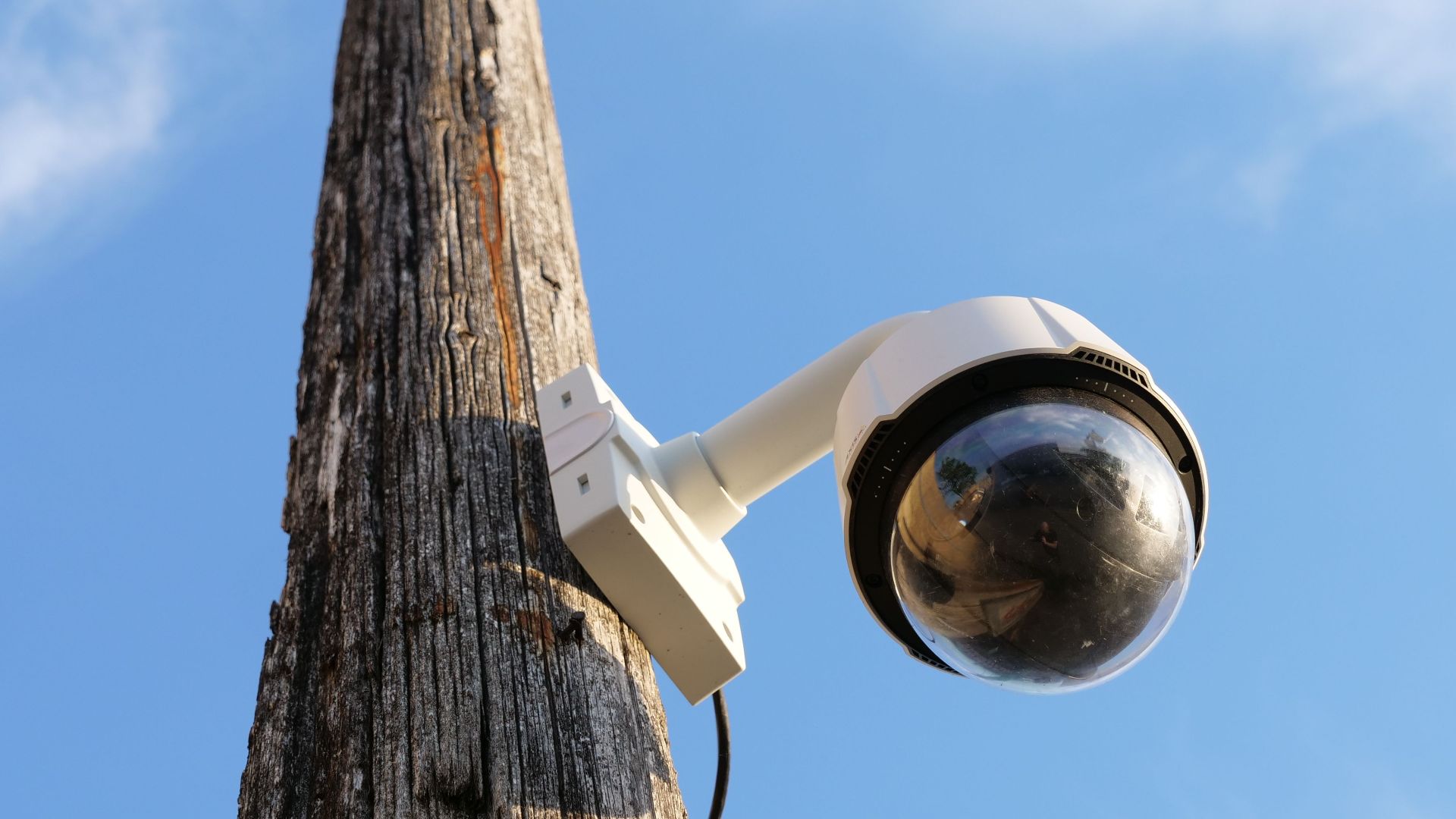
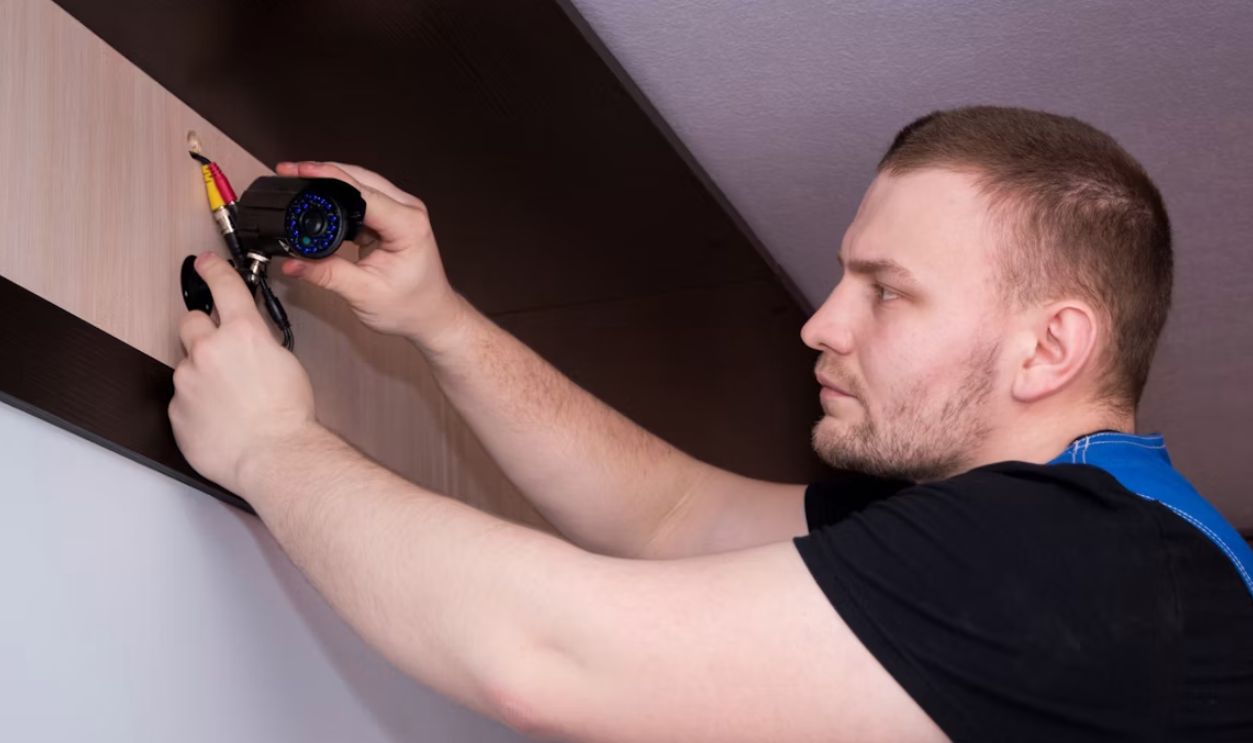
A visible camera can be enough to make someone stop. Just make sure your setup follows local law and is aimed at your property or other areas that can legally be recorded. Be especially careful with audio, since recording rules vary by state.
Signs Can Help Too
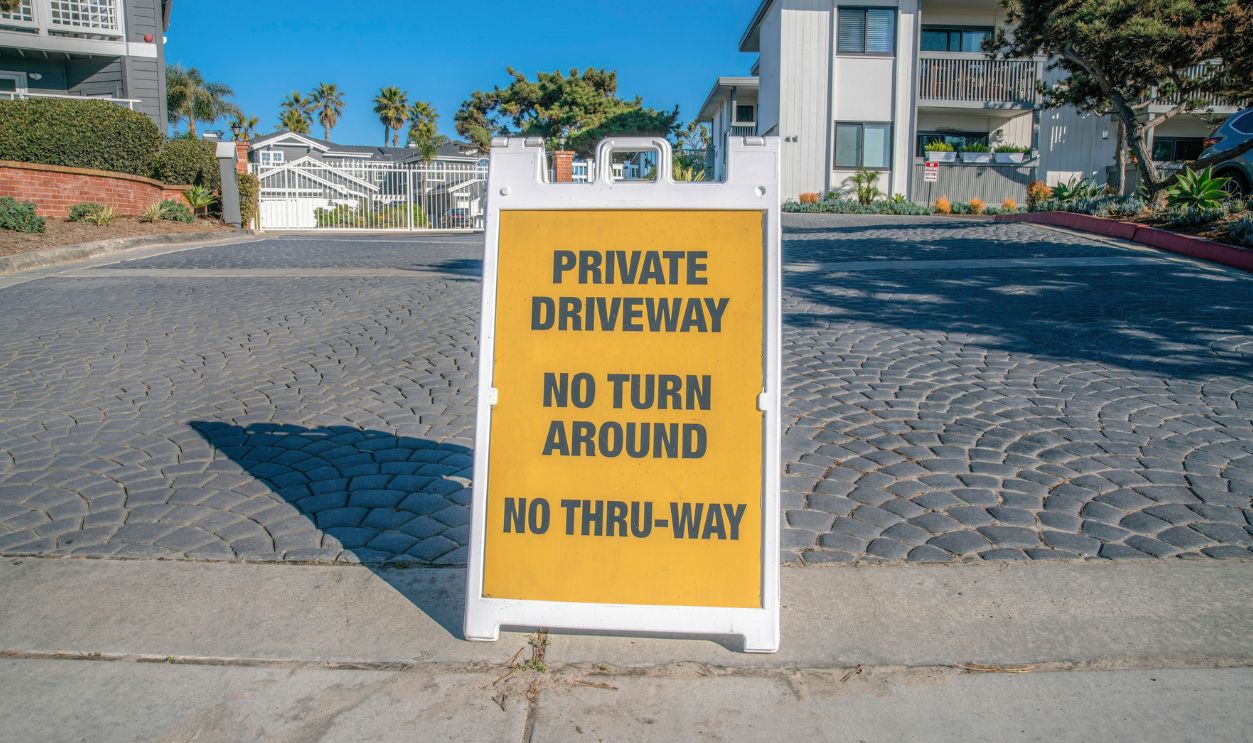
A simple sign like “Private Drive. No Turnaround” can make your position clear. It can also help show that the driver had notice if the problem keeps going. A sign will not stop everyone, but it can still help.
Think Before Adding Barriers
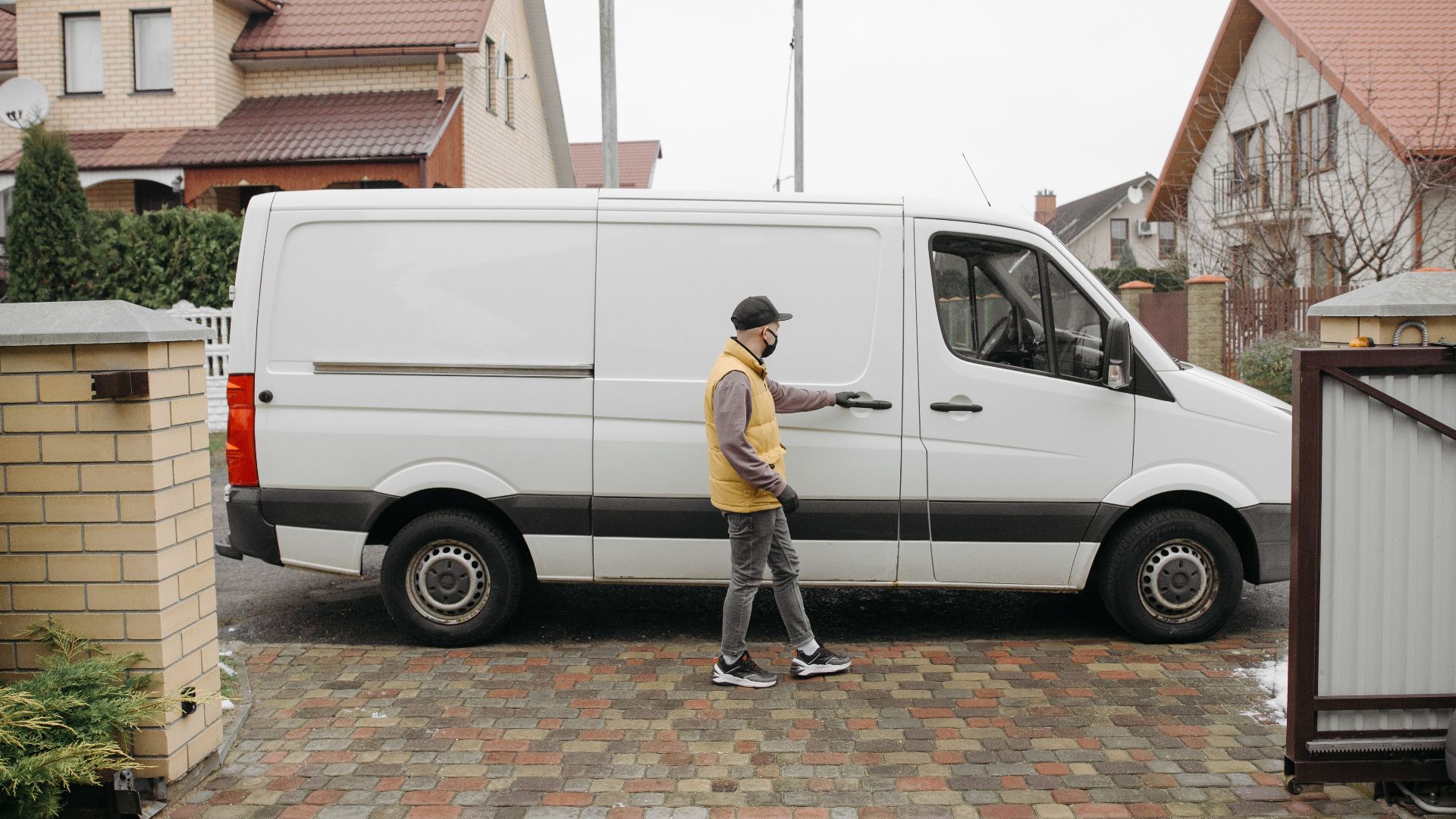
Posts, planters, decorative rocks, or a gate may discourage people from turning around in your driveway. But anything you install should be visible and safe for guests, delivery drivers, and emergency responders. Local codes or HOA rules may also limit what you can place near the entrance.
Check Local Rules Before You Escalate
Some cities and counties have local rules on trespass, nuisance behavior, parking, or property use that may affect your options. Others may treat it mostly as a civil matter unless there is damage or a threat. Your city website, code office, or local non-emergency police line is often the best place to check.

Police May Not Be The First Answer
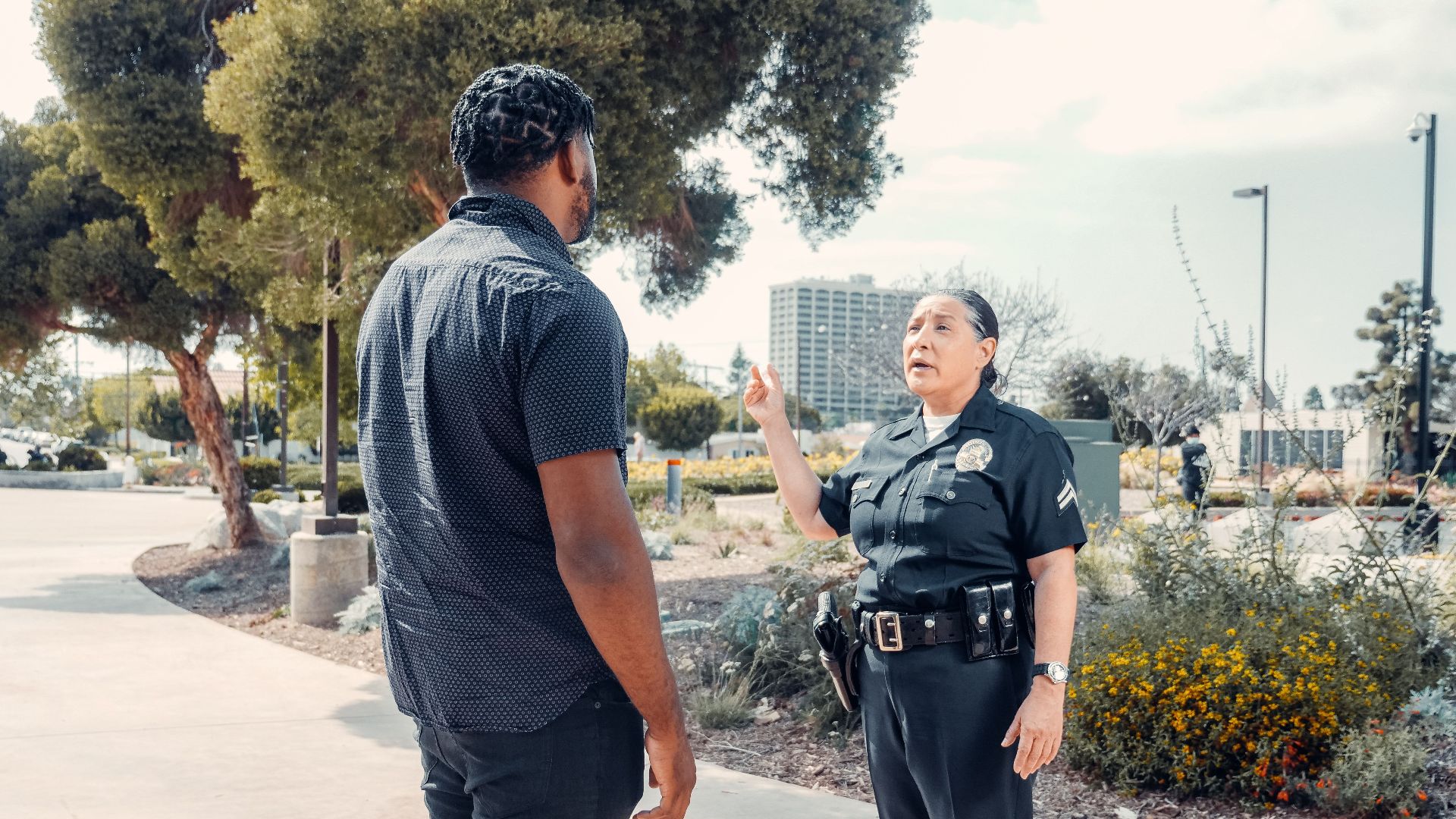
Many officers will see a one-time driveway turn-around as too minor to act on. Repeated use after a clear warning is different, especially if there is damage or a confrontation. If you do contact police, stick to the facts and keep it simple.
HOA Rules Might Matter
If you live in an HOA, check the governing documents before taking bigger steps. Some associations have rules about nuisance behavior, vehicles, or property use. Others may have rules about cameras, signs, gates, or landscaping changes.

Do Not Guess About Property Lines
If your neighbor claims part of the driveway entrance is public or shared, do not rely on assumptions. Look at your deed, survey, or county parcel information. A lot of neighborhood fights get worse because nobody checked where the line actually is.

Insurance Can Become Part Of It
If your neighbor damages your driveway, landscaping, mailbox, or a parked car while turning around, insurance may come into play. Good records will help. The Federal Trade Commission advises consumers to keep solid documentation when dealing with claims and disputes, and that advice applies here too.

Kids And Pets Raise The Stakes
If children or animals are often around the driveway, the situation gets more serious. The risk on any single pass may seem low, but repeated passes create repeated chances for something to go wrong. That makes your request easier to justify.

What Not To Do
Do not block the area in a way that could cause a crash. Do not set up spikes, hidden objects, cables, or anything else that could create a hazard. And do not let it turn into a shouting match that creates even bigger problems for both sides.

If They Keep Acting Offended
You do not need to win the emotional side of the argument to keep a basic boundary. Some people honestly think a quick turn-around is no big deal. Others just do not like being told no. Either way, that does not turn your private driveway into shared space.
Courtesy Has Limits
Being a good neighbor sometimes means putting up with small annoyances. It does not mean giving up your driveway for routine use. Once the behavior becomes frequent and entitled, it is fair to draw a line.
The Best Response Is Usually Calm And Consistent
The most effective approach is usually the least dramatic one. State the boundary, document what happens, add signs or cameras if needed, and only escalate if the behavior continues. That protects your position without making you look unreasonable.
So, Are You Overreacting
Probably not, based on these facts. A neighbor using your driveway several times a day after you have objected is not just a quirky little habit. It is a repeated intrusion onto private property, and a calm complaint is a normal response.