
The Service Adviser Just Added A Coolant You Didn’t Know Existed
The service adviser says your hybrid needs special coolant, but you don’t remember hearing about it when you bought the car. Is this normal maintenance, or just another expensive dealership add-on?
A Hybrid Still Has A Gasoline Car Hiding Underneath
Most conventional hybrids combine an internal-combustion engine with electric motors, a high-voltage battery, and power electronics. That means oil changes, engine coolant, air filters, spark plugs, and other familiar gasoline-car maintenance generally haven’t disappeared. The Department of Energy says hybrid and plug-in hybrid maintenance needs are broadly similar to conventional vehicles because they still have engines. Electrification adds components rather than magically removing the old ones.
But There May Be More Than One Cooling System
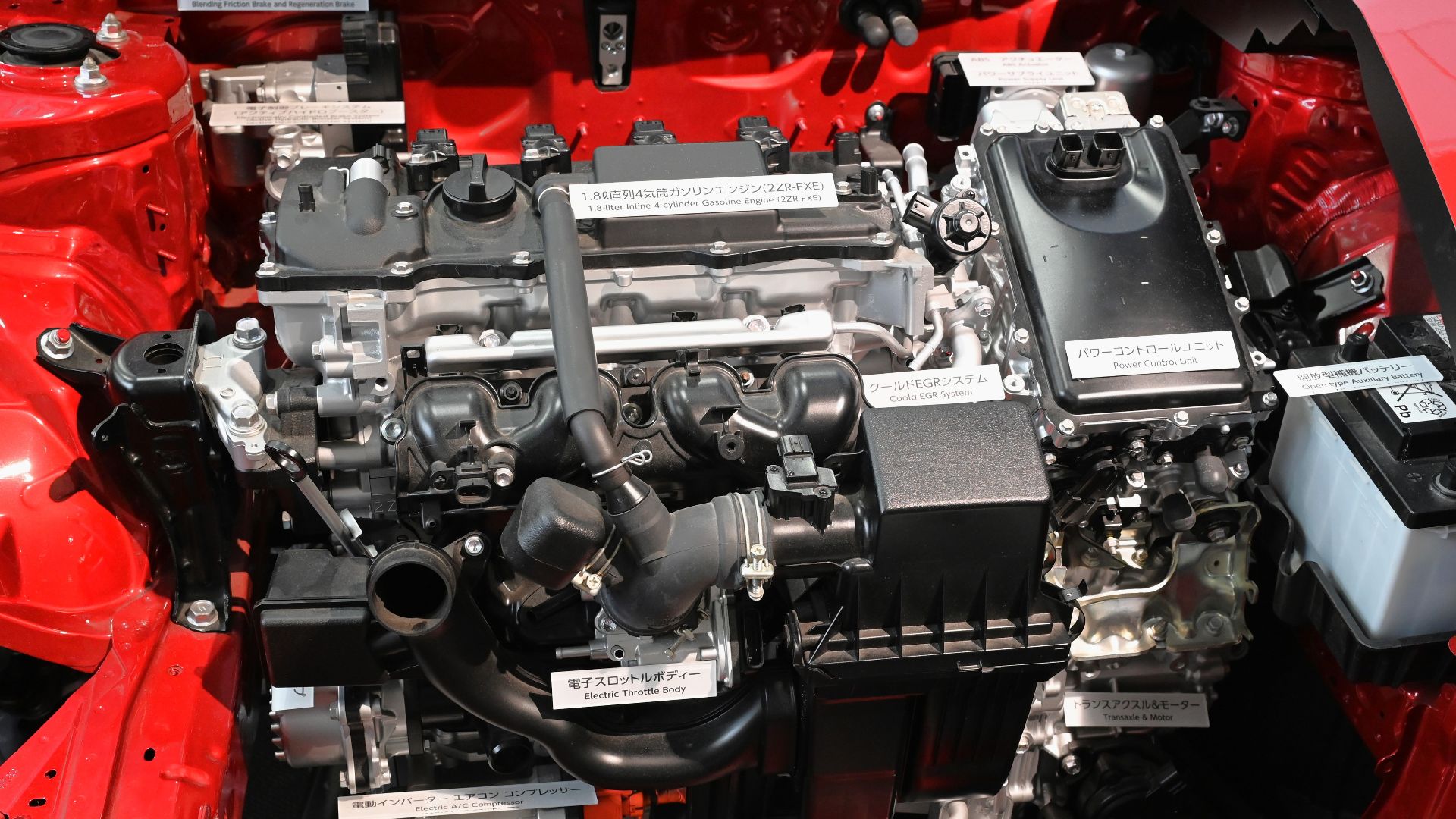
This is probably what surprised you. Certain hybrids use separate cooling circuits for the gasoline engine and components such as the inverter, converter, electric motor, or other power electronics. Ford’s current Escape Hybrid, for example, has both low-temperature and high-temperature coolant circuits. Older hybrids used similar arrangements as well. So when a dealer mentions “inverter coolant,” they aren’t necessarily inventing a new fluid to pad the invoice.
The Inverter Does A Serious Job
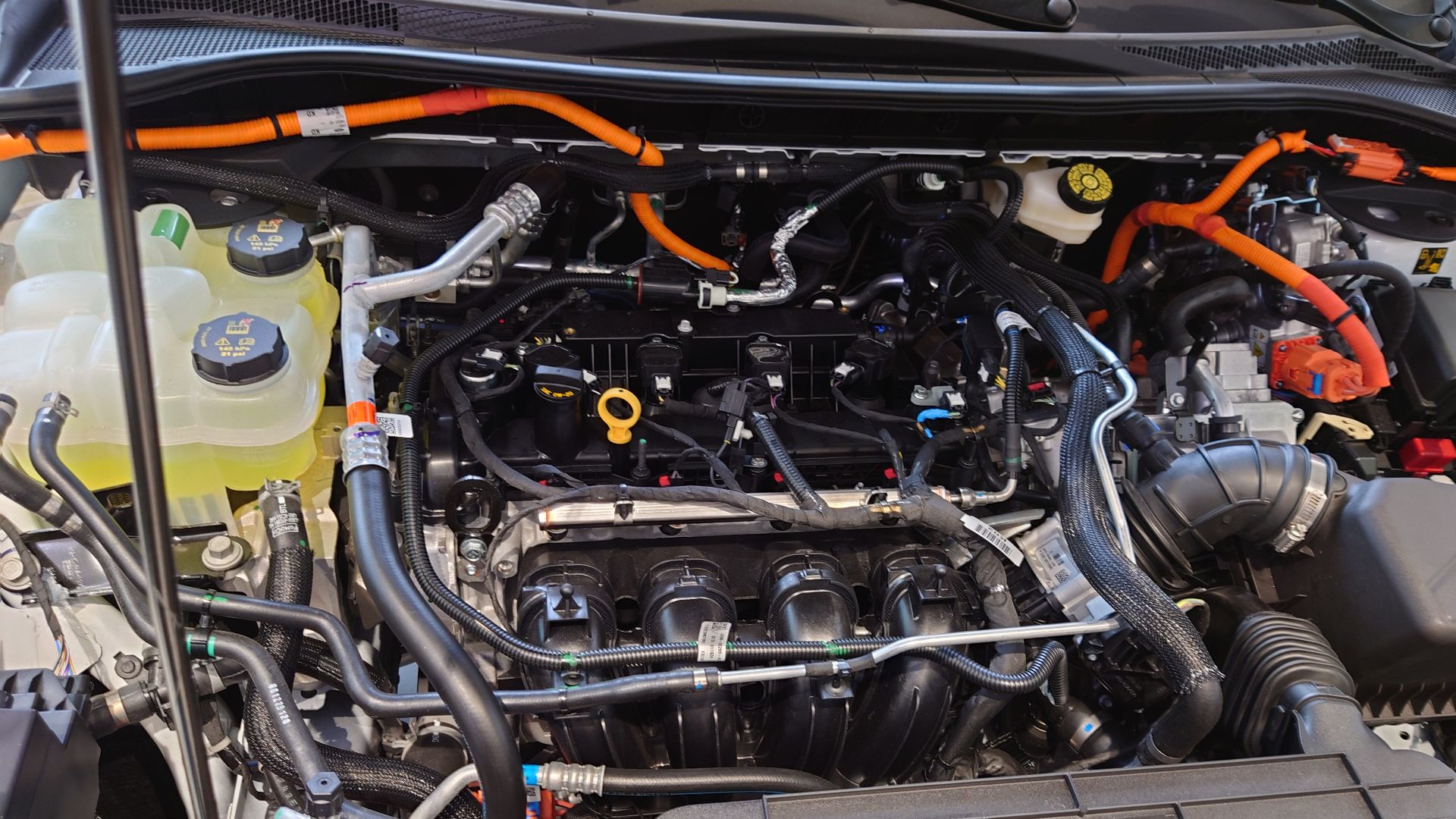
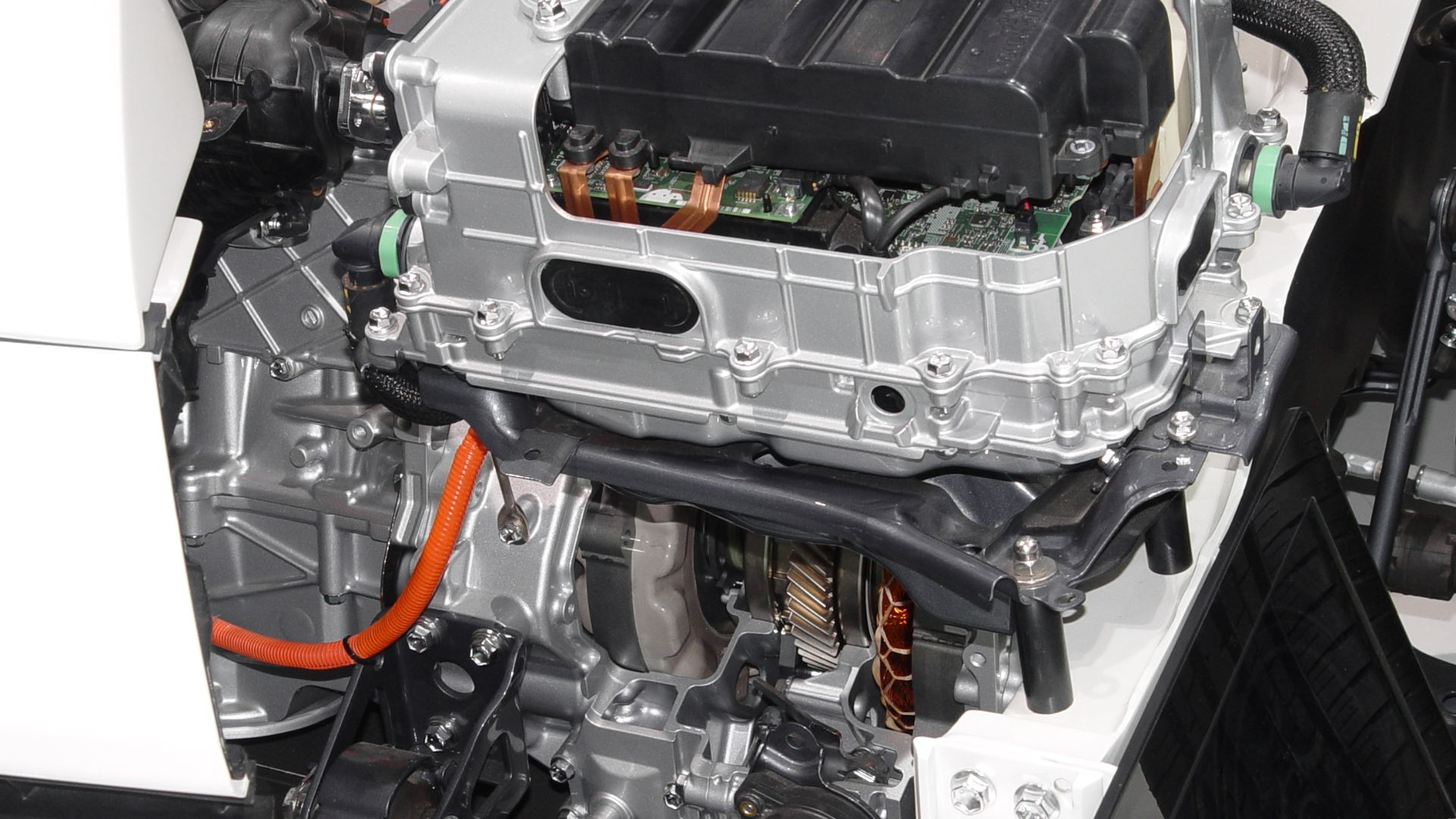
A hybrid’s high-voltage battery stores electricity in one form, while its electric motor and other components may need electricity delivered differently. The inverter and related power electronics handle those conversions while managing substantial electrical loads and generating heat in the process. Keeping those components within their intended temperature range matters for performance and longevity, which is why some manufacturers provide a dedicated cooling circuit rather than relying entirely on the engine’s cooling system.
 KaiBorgeest, Wikimedia Commons
The Correct Interval Can Be Surprisingly Long
Before panicking about a newly discovered expense, check when it’s actually due. On certain Toyota hybrids, inverter coolant isn’t scheduled for its first replacement until 150,000 miles, with later changes at 50,000-mile intervals. Engine coolant may have a different schedule. That’s hardly a secret fluid demanding attention every other oil change. A long service interval can easily explain why an owner never heard about it during the vehicle’s first several years.
Other Hybrids Can Need It Much Sooner
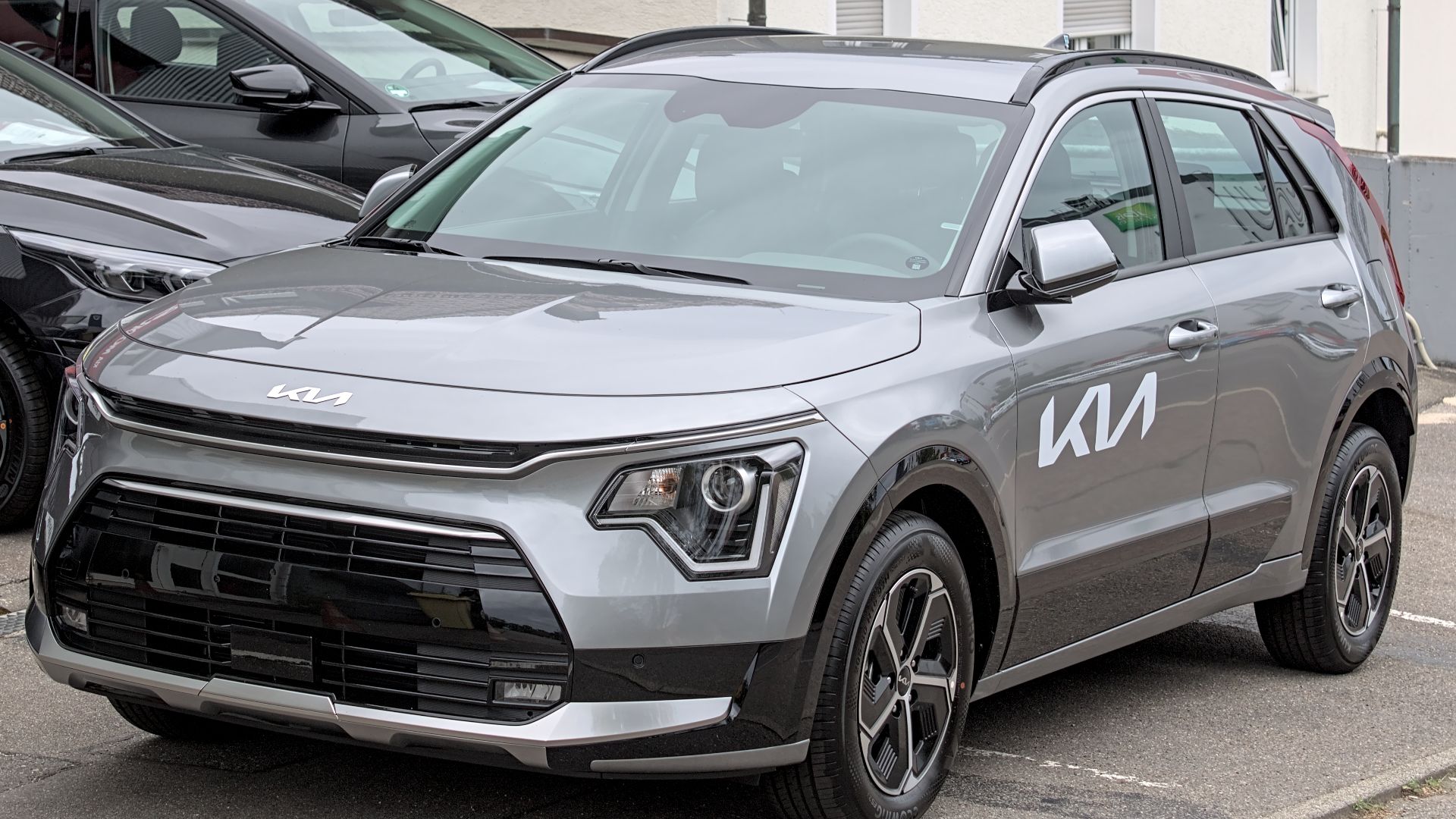
This is why generic advice such as “hybrid coolant lasts 150,000 miles” is dangerous. Kia’s schedules provide a striking example. Certain Niro hybrids have had very long initial inverter-coolant intervals, while plug-in hybrid versions of the same basic vehicle have specified much shorter replacement intervals. The exact requirement can change with model year and powertrain. The badge on the trunk isn’t enough information; you need the maintenance schedule for your exact vehicle.
 Alexander-93, Wikimedia Commons
Plug-In Hybrids Can Be More Complicated
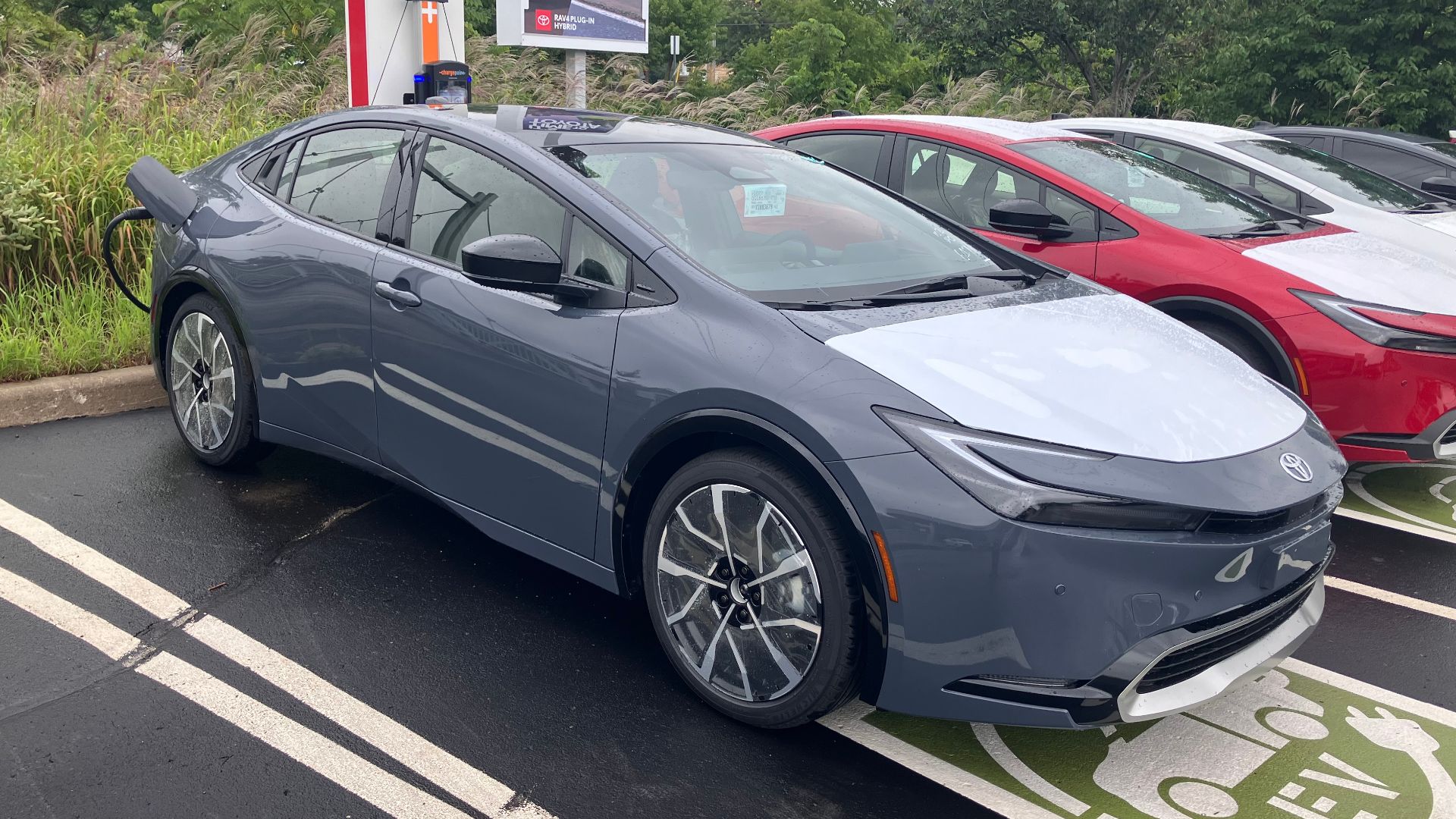
A PHEV combines a gasoline engine with a substantially larger rechargeable battery and a more extensive electric-driving system. That can create additional thermal-management requirements compared with a simple conventional hybrid. It doesn’t mean every plug-in hybrid is expensive to maintain, but buyers shouldn’t assume the maintenance schedule is identical to the regular hybrid parked beside it at the dealership. Look at the PHEV schedule specifically when budgeting long-term costs.
Ask The Dealer To Show You Where It’s Required
This one question can save a lot of money: “Can you show me this service in the manufacturer’s maintenance schedule?” If the adviser immediately points to the appropriate mileage or time interval, you probably have a legitimate scheduled-maintenance item to evaluate. If the answer turns into vague language about “dealer recommendations” or “protecting your investment,” ask more questions. A dealership’s preferred maintenance package and the manufacturer’s required schedule aren’t necessarily the same thing.

Bring Up The Owner’s Manual On Your Phone
You don’t even need to win an argument at the service counter. Toyota, Honda, Ford, Kia, and other manufacturers publish owner information and maintenance schedules online. Enter the year and model and look for terms such as coolant, inverter coolant, power control unit coolant, hybrid cooling system, or low-temperature coolant. If the manufacturer says the first replacement is at 150,000 miles and your car has 45,000, ask why the dealership believes yours needs it early.

An Inspection Isn’t Always A Replacement
Maintenance schedules often distinguish between inspecting a fluid and replacing it. A coolant level might need to be checked regularly while the fluid itself has a much longer replacement interval. Don’t let an adviser turn every “inspect” line in the manual into a paid fluid exchange. Ask whether the manufacturer specifies inspection, testing, topping off, or complete replacement at your current mileage and age.

An Actual Problem Can Override The Schedule
The maintenance interval isn’t permission to ignore a cooling-system problem. If coolant is leaking, contaminated, repeatedly dropping below the proper level, or triggering warning messages, the vehicle needs diagnosis regardless of mileage. Kia specifically warns that frequent additions to an inverter-coolant reservoir warrant inspection. Scheduled maintenance assumes the system is operating normally; a malfunction creates a different situation.

Don’t Pour Random Coolant Into It
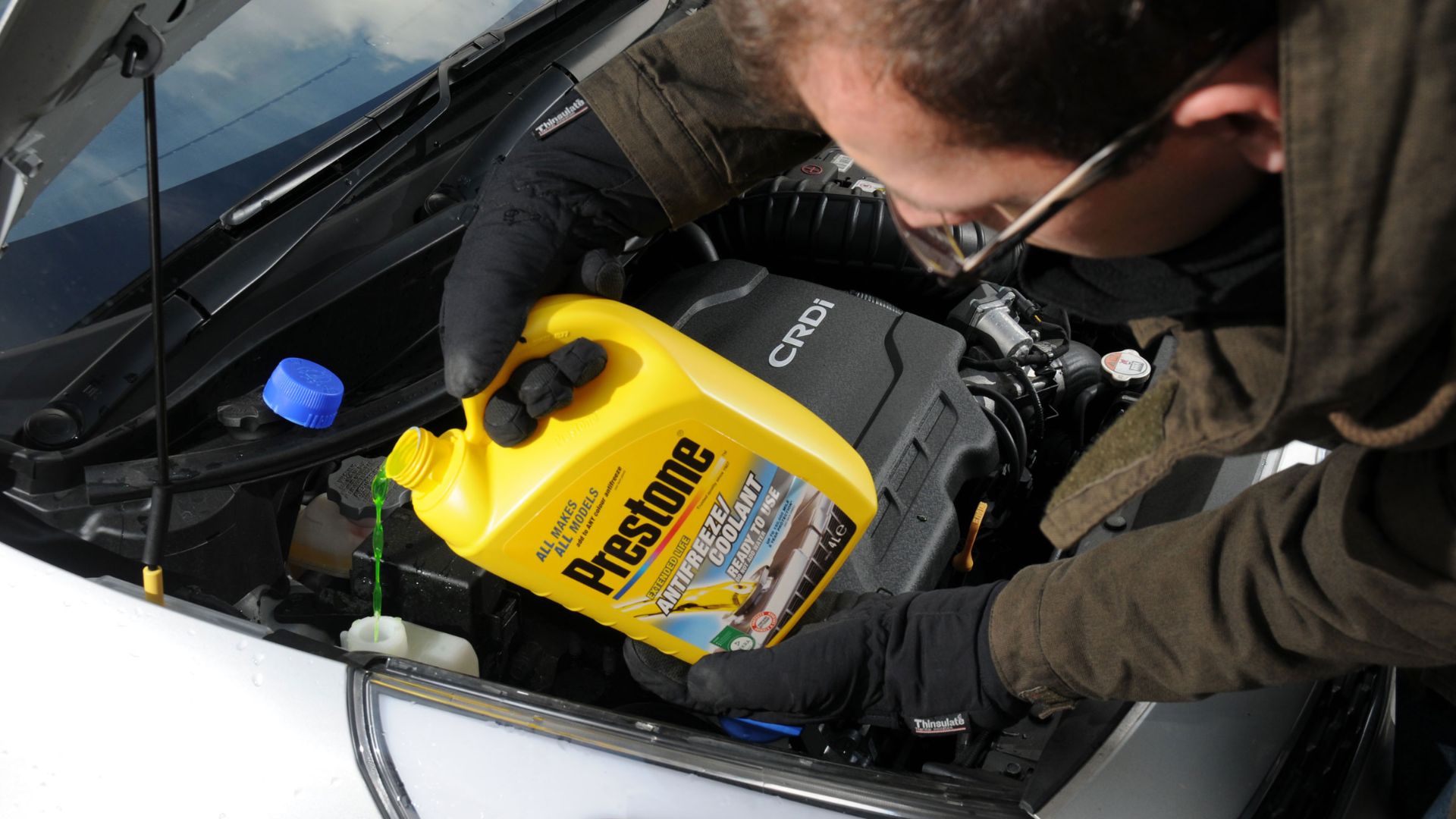
The bottle on the gas-station shelf labeled “all vehicles” may not be the wisest answer. Manufacturers specify particular coolant chemistry for corrosion protection, heat transfer, materials compatibility, and service life. Toyota specifies its Super Long Life Coolant or an equivalent meeting particular requirements, while Ford specifies coolant meeting its own material standard. If you’re paying for a hybrid cooling-system service, ask exactly what product will be installed.
 Gasper12345, Wikimedia Commons
Battery Cooling Is Another Thing Entirely
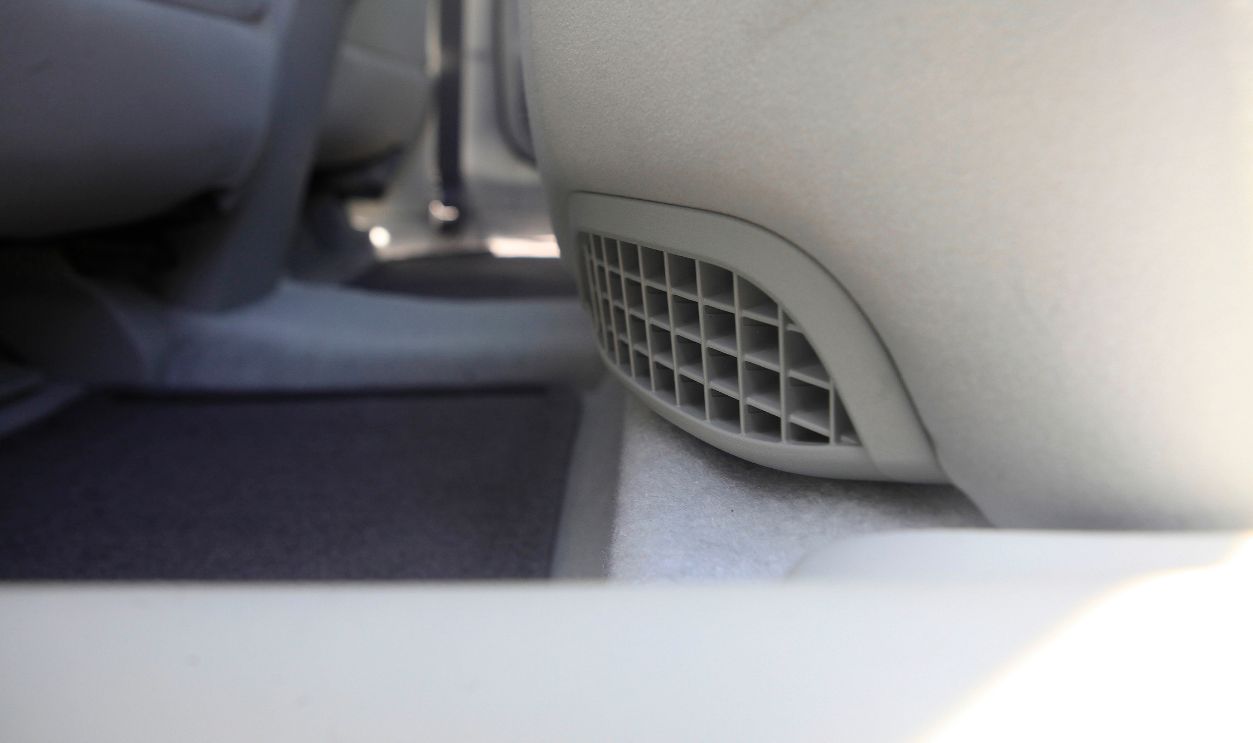
Not every hybrid battery uses liquid coolant. Many hybrids have air-cooled high-voltage batteries that draw cabin air through vents and sometimes filters. Those components can require inspection or cleaning, particularly where dust, pet hair, or debris accumulates. Toyota maintenance schedules for some hybrids include cleaning the hybrid-battery cooling intake filter. It’s inexpensive compared with major battery work, but it’s exactly the sort of unfamiliar maintenance item a new hybrid owner may never have encountered before.
 EZEQUIEL BECERRA, Getty Images
Don’t Block The Battery Vents
That mysterious grille near the rear seat may actually be important. Air-cooled hybrid batteries need a reliable airflow path, and manufacturers warn against obstructing their cooling intakes. Luggage, seat covers, pet hair, dust, or other debris can interfere with cooling. Checking and cleaning an intake can be extremely cheap maintenance compared with allowing the battery to operate hotter than intended. Not every “special hybrid service” requires an expensive visit to the dealership.
 San Francisco Chronicle/Hearst Newspapers, Getty Images
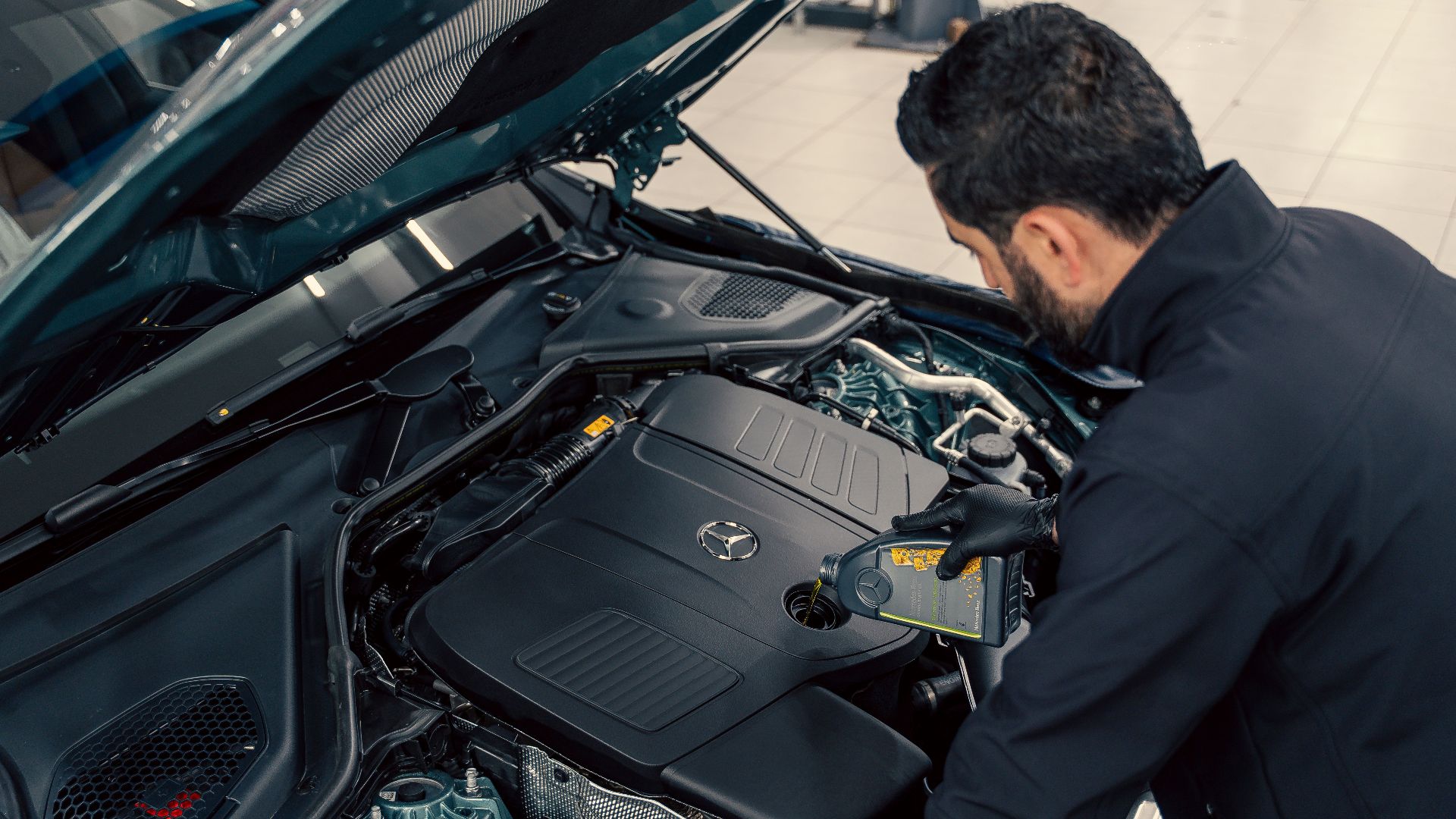
You Still Need Oil Changes
One common misconception works in the opposite direction: because the gasoline engine shuts off frequently, some owners assume hybrids barely need oil service. They still do. Follow the manufacturer’s interval rather than trying to calculate how many of the odometer miles were supposedly traveled with the engine off. Honda’s Maintenance Minder, for example, continues to call for engine-oil service on its hybrids just as it tracks other scheduled items.
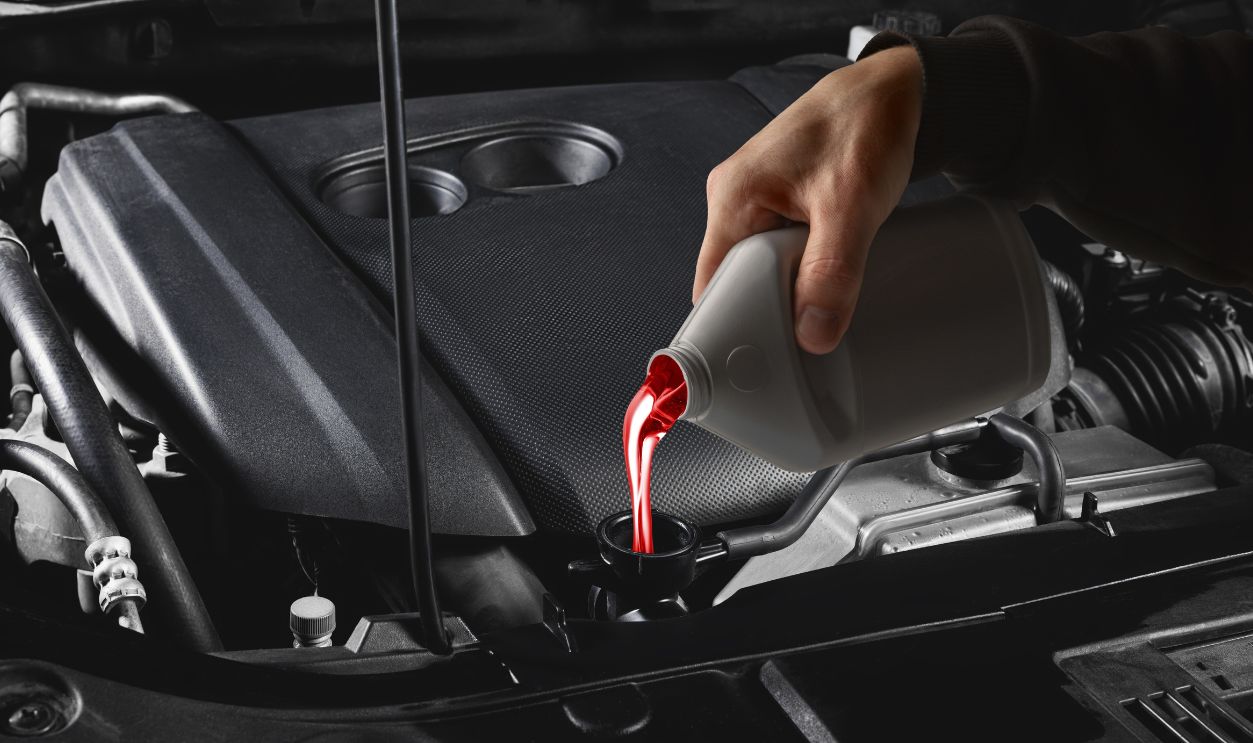
There Can Still Be Transmission Fluid Too
Hybrid transmissions can look very different internally from conventional automatics, but that doesn’t automatically mean there’s no fluid to consider. Honda’s hybrid maintenance system includes transmission-fluid service, while other manufacturers may call for inspection or replacement only under certain operating conditions. Some models describe certain fluids as not requiring routine service at all. Once again, the correct answer is vehicle-specific, which is why generic dealer packages deserve scrutiny.
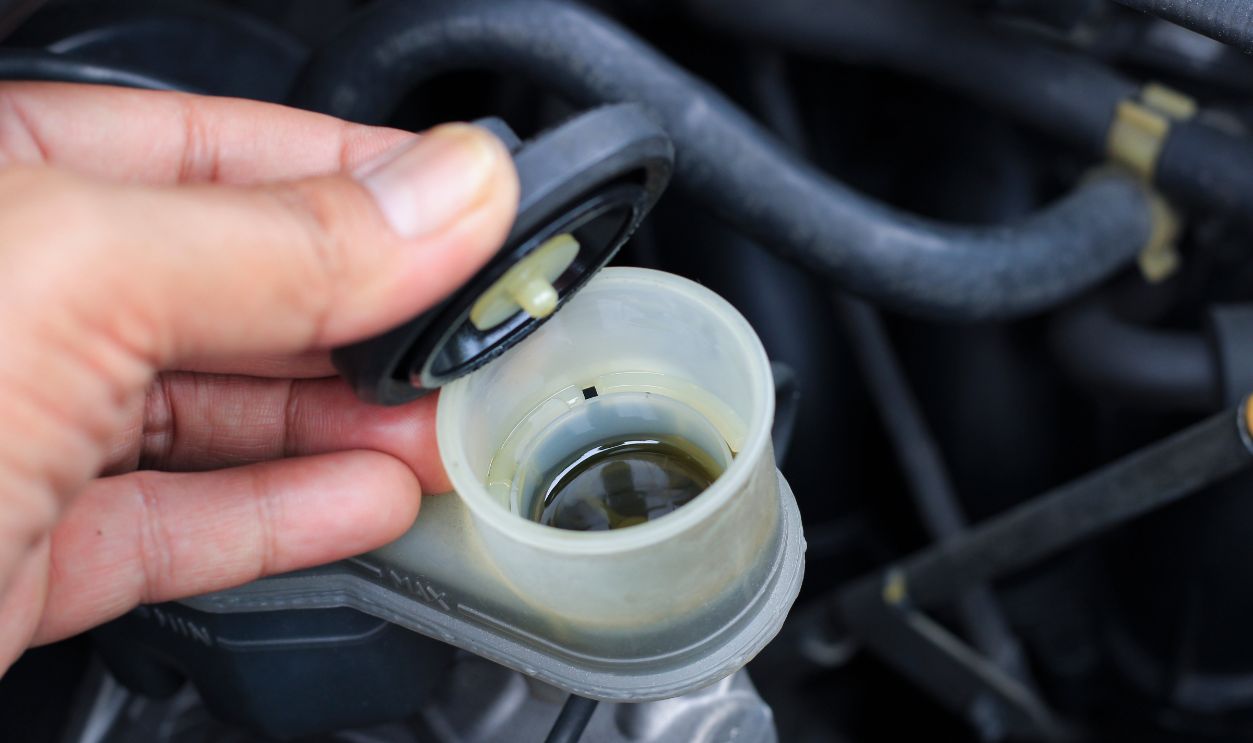
Brake Fluid Hasn’t Disappeared Either
Regenerative braking allows the electric motor to slow the vehicle and recover energy, but hybrids still have conventional friction brakes for stopping and backup. Brake fluid therefore remains part of the maintenance picture. Honda specifies brake-fluid replacement through its Maintenance Minder system and calls for replacement at least every three years if the reminder hasn’t appeared. Other manufacturers use different schedules, so don’t assume regenerative braking eliminates every traditional brake service.
 ANECEPTIUS BAMBANG SUTOPO, Shutterstock
Your Brake Pads May Last Longer
Here’s where some of the promised maintenance savings can show up. Regenerative braking reduces how often the friction brakes have to do all the work, and both the Department of Energy and AAA note that hybrid brake components can last longer as a result. Fewer brake jobs can offset some unfamiliar hybrid-specific maintenance expenses over the vehicle’s life. But longer-lasting pads don’t mean the brake system should stop being inspected.
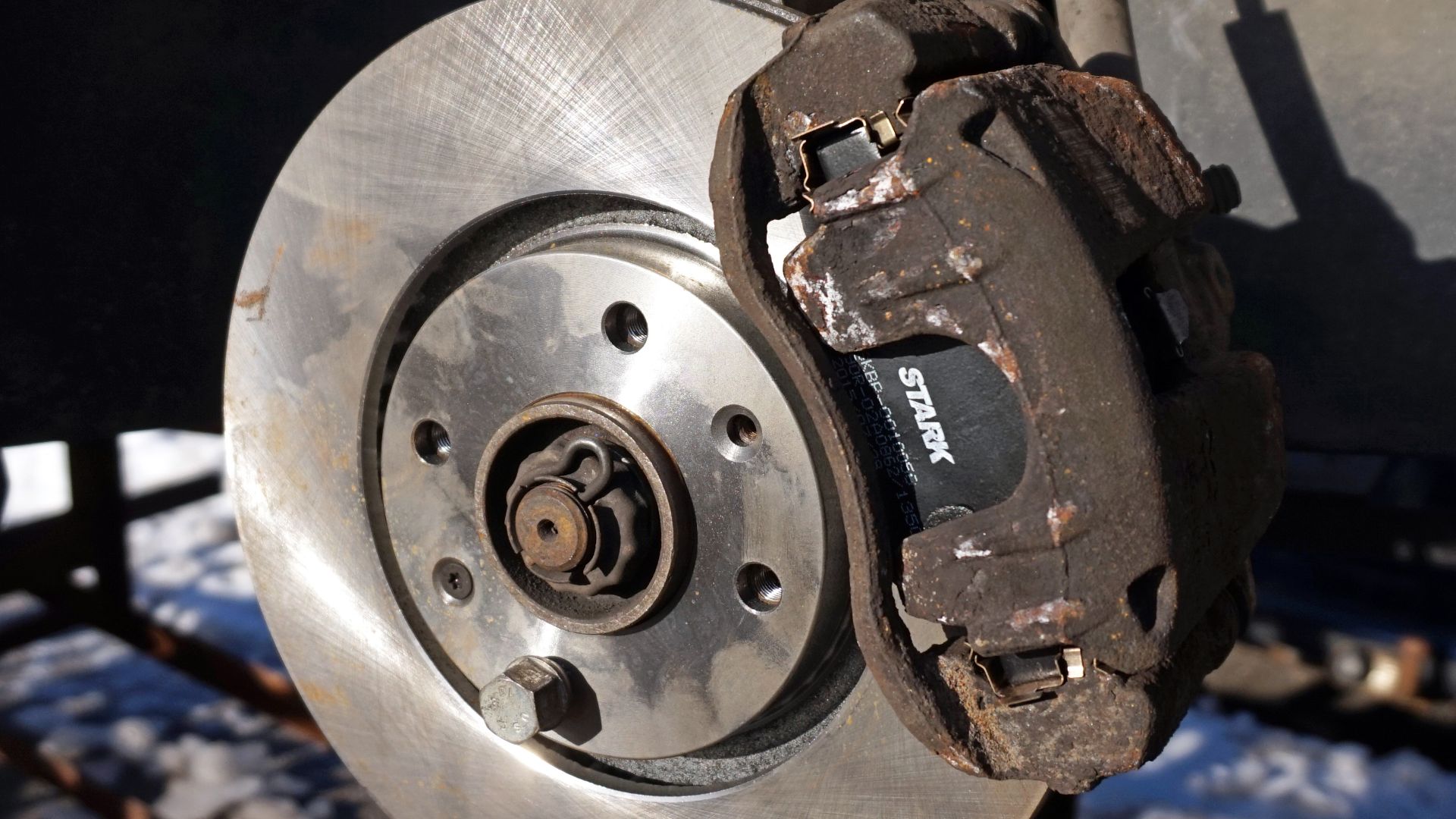
Infrequent Brake Use Can Create Its Own Issues
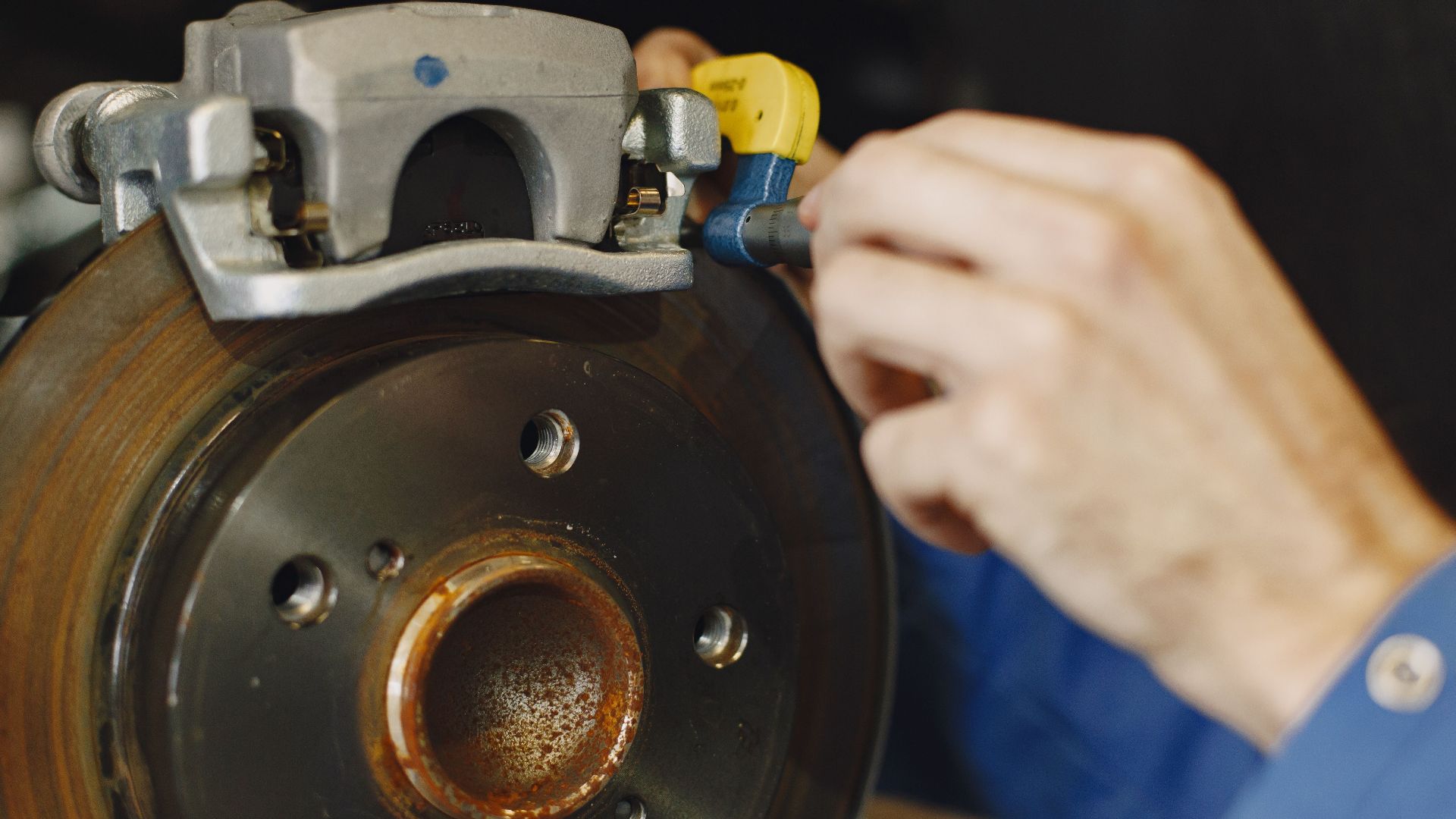
A vehicle that relies heavily on regenerative braking may use its friction brakes less aggressively than a conventional car. That’s great for pad wear, but rotors, calipers, and related hardware still face moisture, road salt, and corrosion. Owners shouldn’t treat unusually long pad life as a reason to ignore brake inspections. Saving money on replacements works only if the mechanical components remain healthy when they’re finally needed.
The Hybrid Battery Isn’t Normally A Routine Replacement Item
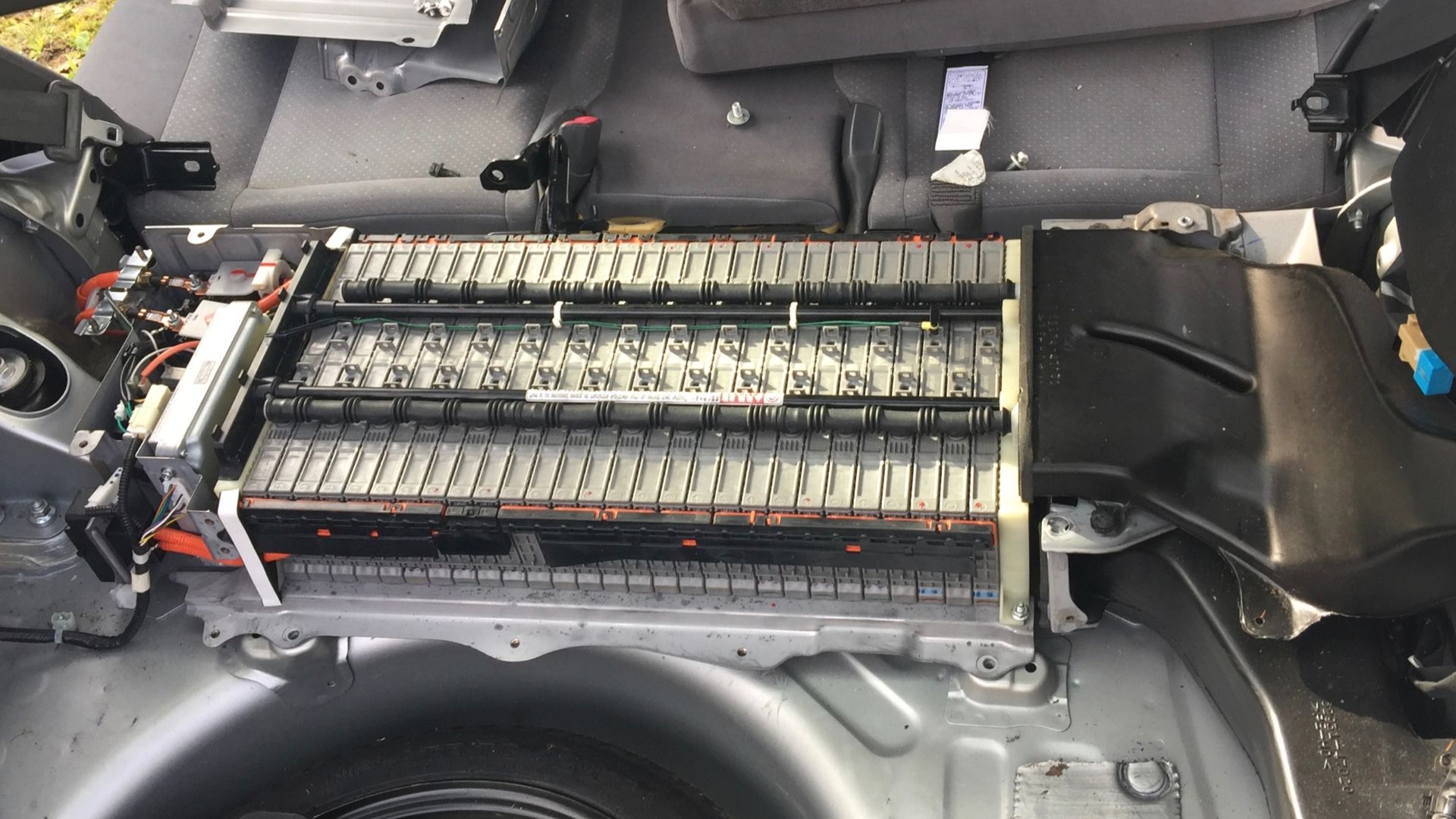
The most frightening theoretical maintenance bill is the high-voltage battery, but it isn’t generally replaced according to a routine mileage schedule like a timing belt or air filter. It’s repaired or replaced if degradation or failure eventually warrants it. Warranty coverage can also be extensive: Toyota, for example, covers hybrid batteries on its current hybrids for 10 years or 150,000 miles, subject to the warranty terms. That doesn’t eliminate long-term risk, but it’s very different from budgeting for a battery every five years.
 User:Ww2censor, Wikimedia Commons
Hybrid Components Can Have Special Warranty Coverage
Before paying for an inverter, battery-control module, hybrid control computer, or another expensive electrified component, check the warranty booklet. Toyota provides lengthy hybrid-system coverage on specified components, and other manufacturers have their own hybrid and emissions warranties. An unfamiliar component can carry a frightening replacement estimate while still being fully covered. Give the service department your VIN and ask them to check warranty eligibility before authorizing expensive work.
Some “Hybrid Services” Are Just Dealership Packages
Be skeptical when the estimate contains vague items such as “hybrid system service,” “battery conditioning,” or “hybrid performance restoration” without explaining what will actually be done. Ask for every procedure and fluid separately. Is the technician replacing manufacturer-specified inverter coolant? Cleaning a cooling intake? Running a scan? Or simply selling an add-on package created by the dealership? Legitimate hybrid maintenance should be specific enough that somebody can explain exactly what you’re buying.

Get A Second Quote For Expensive Routine Work
Hybrid knowledge is no longer limited to franchised dealerships. Independent shops with appropriately trained technicians can perform many routine services, although high-voltage work requires the right equipment and safety knowledge. If a dealer quotes an unexpectedly large amount for coolant replacement or another scheduled service, call a reputable hybrid-capable independent shop and compare. Make sure both quotes use the correct fluid and include the same bleeding or service procedures before comparing prices.

Budget By The Manual, Not By The Sales Pitch
If you’re shopping for a hybrid, pull up its maintenance schedule before buying it and map the expensive milestones. Check coolant services, spark plugs, transmission or transaxle fluids, brake fluid, AWD fluids where applicable, and battery-cooling maintenance. Do the same for the gasoline vehicle you’re considering. That creates a much more useful cost comparison than assuming the hybrid will be maintenance-free—or assuming every unfamiliar service makes it secretly expensive.

The Extra Coolant Doesn’t Tell The Whole Financial Story
Hybrids can have maintenance items that conventional vehicles don’t, including separate inverter cooling circuits and battery-cooling components. But they can also reduce wear in areas such as the brakes, and Consumer Reports continues to find hybrids competitive on reliability and ownership costs. The better conclusion isn’t that electrified cars hide expenses. It’s that their expenses are different. Check the manufacturer’s schedule, question anything that isn’t listed, and budget for the actual car you own rather than the simplified version described in the showroom.

You May Also Like: