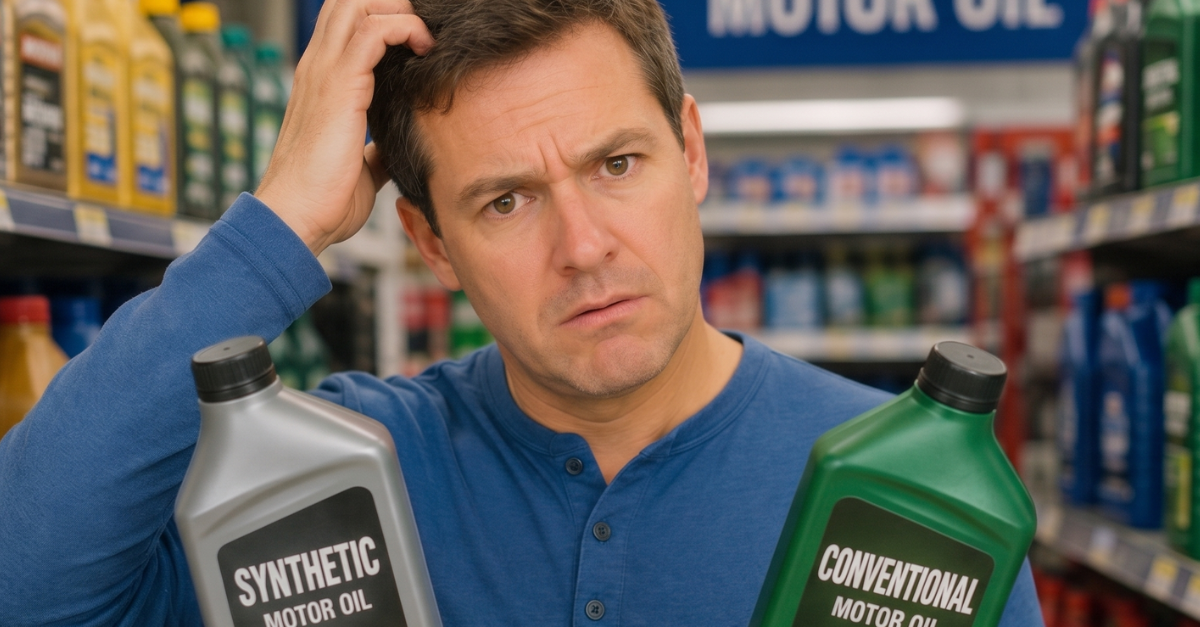
Oil Advice Gets Confusing Fast.
Synthetic lubricants can resist heat and degradation better than conventional oil, but that does not mean every vehicle should follow the longest interval printed on a bottle. Your mechanic may be right about your driving conditions, while still being overly cautious if the recommendation ignores the manufacturer’s actual schedule.
Synthetic Oil Really Can Last Longer
Full synthetic oil is engineered to remain stable across a wider temperature range and resist breakdown under demanding conditions. Those qualities can support longer change intervals in engines designed and approved for them. The important word is “can,” because the oil’s potential does not automatically override the vehicle’s maintenance requirements.

The Owner’s Manual Gets The First Vote
Your manufacturer designed, tested, and warranted the engine around a specific oil viscosity, performance standard, capacity, and service schedule. That makes the owner’s manual or maintenance guide the best starting point for any interval decision. General advice from a bottle, repair shop, or online discussion should not replace vehicle-specific instructions.

Synthetic Does Not Create A Universal Interval
There is no single mileage number that applies to every engine using synthetic oil. Toyota permits 10,000-mile or 12-month intervals on certain vehicles that require 0W-20 synthetic oil, but it retains shorter intervals on models where synthetic is merely an alternative. The engine design and approved maintenance schedule matter as much as the lubricant itself.

Your Mechanic May Know Your Routine
A technician who sees your vehicle regularly may know that it spends its life making short trips, idling, towing, or operating in extreme temperatures. Those conditions can justify changing the oil earlier than the normal schedule. The recommendation becomes less persuasive when the mechanic gives every customer the same interval without asking how the vehicle is used.

Severe Service Is More Common Than It Sounds
“Severe” operation does not necessarily mean racing through a desert or hauling construction equipment. Manufacturers may include repeated short trips in freezing weather, extensive idling, towing, dusty roads, and off-road use. A mild-looking daily routine can therefore qualify for the shorter maintenance schedule.

Short Trips Are Hard On Oil
An engine needs time to reach full operating temperature. Repeated brief trips can allow moisture and fuel contamination to accumulate before the oil becomes hot enough to manage them effectively. Drivers who travel only a few miles at a time may need more frequent changes than highway commuters covering greater annual mileage.

Highway Miles Are Usually Easier
A steady highway trip allows the engine and oil to warm completely and operate under relatively stable conditions. Frequent cold starts and stop-and-go acceleration generally place more stress on the lubricant. Two vehicles showing the same odometer mileage can therefore have experienced very different oil service.

Time Matters Even When Mileage Does Not
Oil-change schedules commonly include both a mileage limit and a time limit, followed by the phrase “whichever comes first.” A lightly driven vehicle can still accumulate moisture, combustion byproducts, and age-related contamination. Driving only a few thousand miles per year does not always justify leaving the same oil in place indefinitely.

Oil-Life Monitors Use More Than Mileage
Many modern vehicles calculate remaining oil life using operating information rather than a fixed odometer countdown. Ford’s Intelligent Oil-Life Monitor evaluates how the vehicle is used and tells the driver when service is due. The system should still be reset correctly after each change and interpreted according to the owner’s manual.

The Dashboard Is Not Testing The Oil
An oil-life monitor generally estimates degradation through an algorithm based on operating conditions. It does not remove a laboratory sample and chemically analyze the lubricant. Mechanical problems, contamination, incorrect oil, or a low oil level may therefore require attention before the reminder reaches zero.

Oil Level And Oil Life Are Different
An engine can run low on oil long before the scheduled change date. Consumption, leaks, and improper filling can reduce the level even while the remaining-life display appears healthy. Drivers should check the dipstick or electronic level system at the interval recommended by the manufacturer.

Long Intervals Demand Regular Checks
Extending changes makes oil-level monitoring more important, not less important. An engine that consumes oil may lose a meaningful quantity during a long service interval. Waiting for the maintenance reminder without checking the level can expose the engine to damage that fresh synthetic oil cannot prevent.

The Correct Viscosity Still Matters
Labels such as 0W-20, 5W-30, and 0W-16 describe viscosity behavior under specified conditions. Using a premium synthetic in the wrong viscosity does not make it the correct oil for the engine. Follow the viscosity and temperature guidance in the manual unless the manufacturer issues a different approved recommendation.
Performance Standards Matter Too
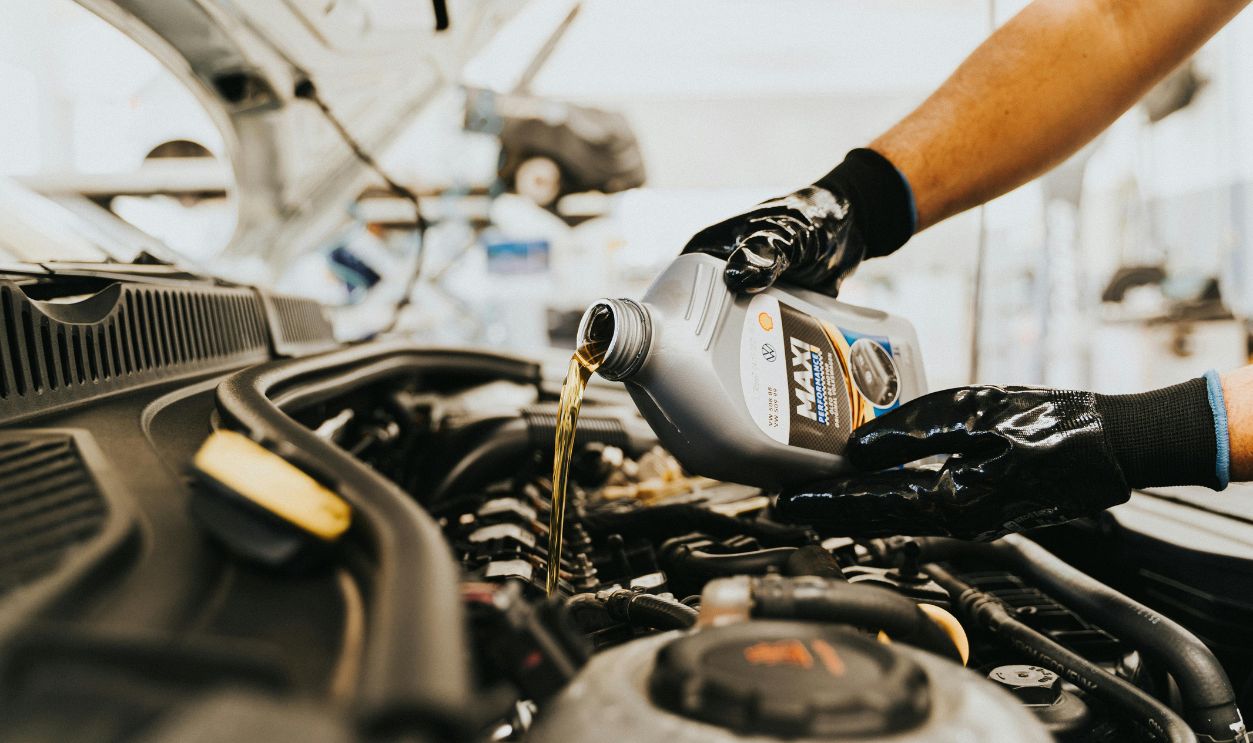
The American Petroleum Institute licenses oils that meet defined engine-protection and fuel-economy requirements. Current gasoline-engine oils display API and ILSAC certification marks identifying their performance category. Buying the correct viscosity without checking the required specification can still leave you with an unsuitable product.

Not All Synthetic Oils Are Identical
“Full synthetic” describes a broad product category rather than one universal formula. Additive packages, manufacturer approvals, volatility, detergency, and performance certifications can differ among oils with the same viscosity. The safest choice is one that carries every approval and specification required for the vehicle.
Turbocharged Engines Can Be Demanding
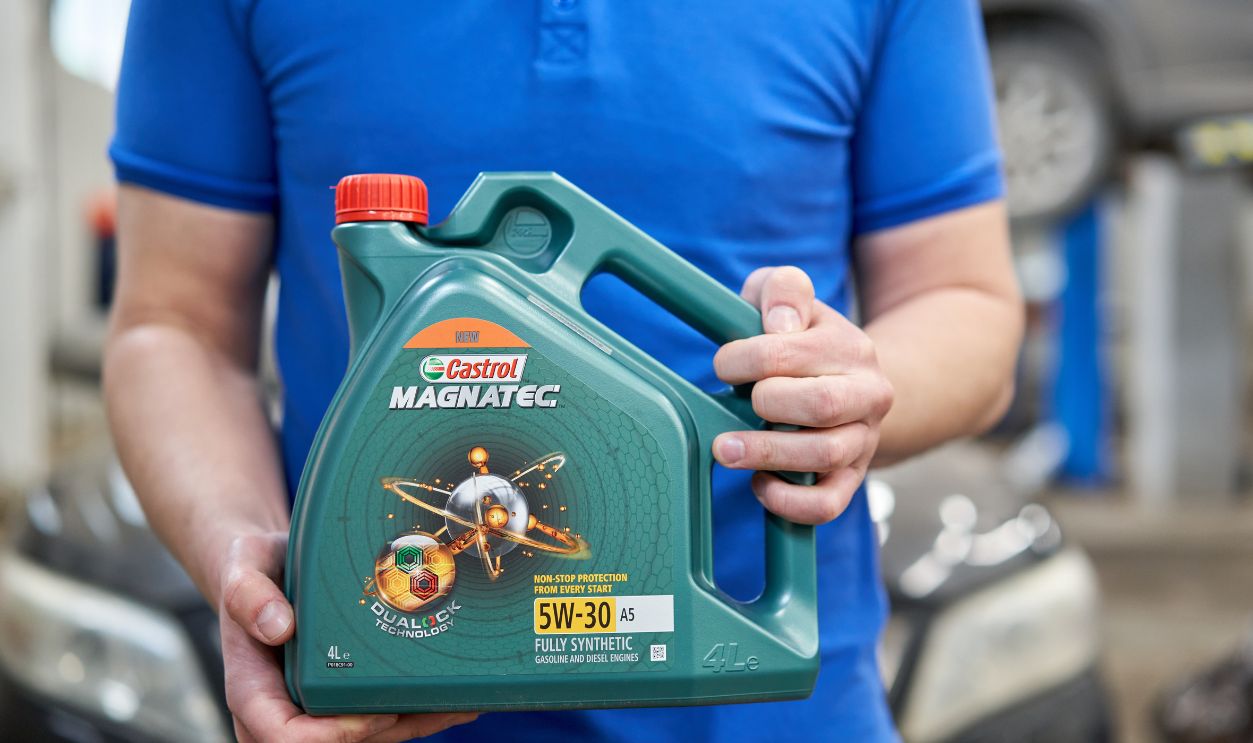
Turbochargers expose oil to high temperatures and rely on proper lubrication for fast-moving components. Some modern turbocharged gasoline engines also require oils formulated to protect against low-speed pre-ignition and timing-chain wear. Current API standards include tests addressing those concerns, which is why an outdated oil specification may be a poor choice.
 Mangkorn Danggura, Shutterstock
The Filter Shares The Work
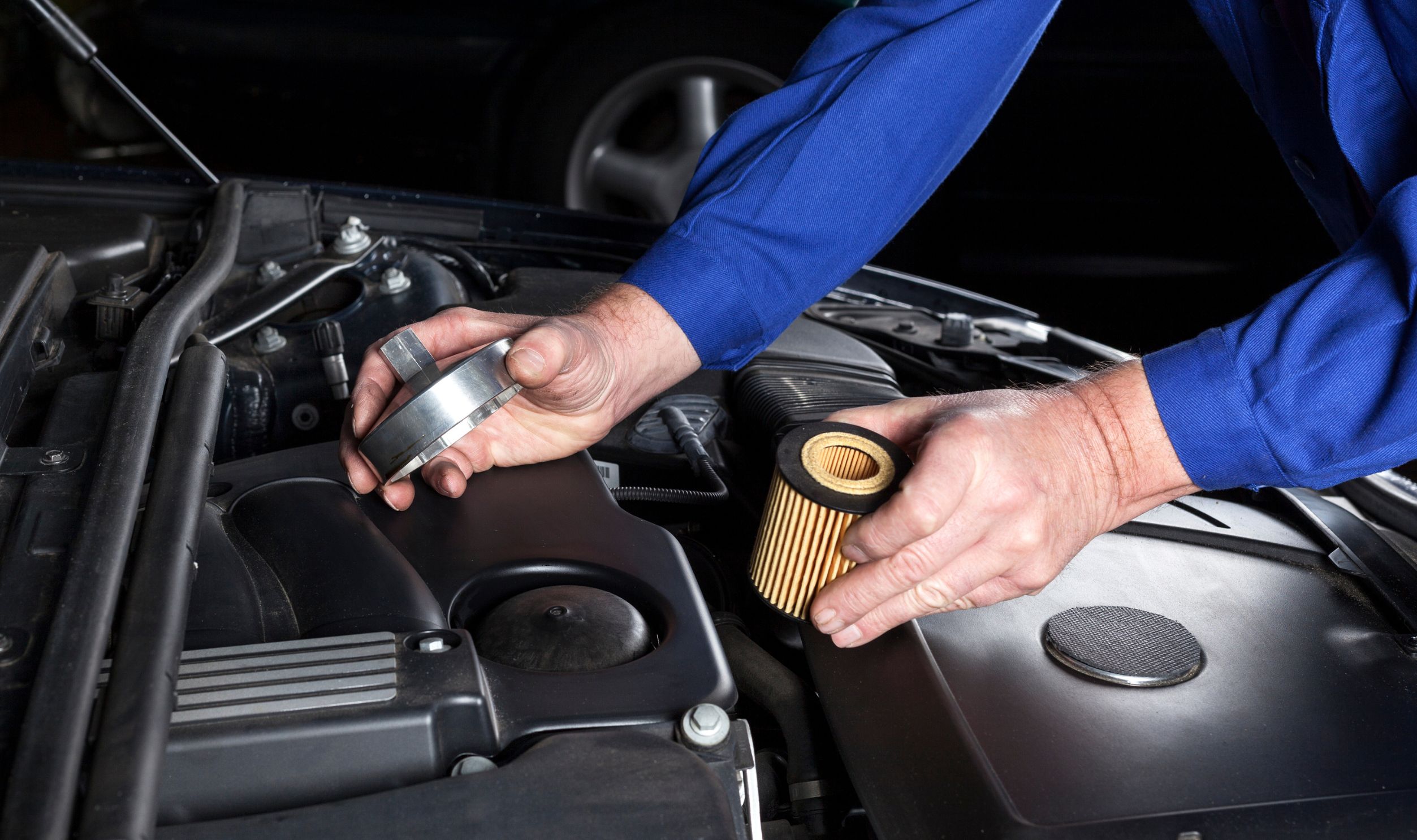
The oil filter captures contaminants circulating through the lubrication system. Extending the oil interval while using an unsuitable filter can undermine the intended service plan. Replace the filter according to the manufacturer’s instructions and use a product designed for the required interval and engine application.
Changing Oil Too Often Is Not Extra Protection
Fresh oil is not harmful when the correct product and procedure are used, but changing it unnecessarily does not continually improve a healthy engine. Excessively short intervals consume money, oil, filters, and time without providing a proven benefit. AAA notes that overly frequent changes generally do not help the engine.
 LightField Studios, Shutterstock
The Old Three-Thousand-Mile Rule Is Outdated
A 3,000-mile interval was once common advice, especially with older engines and conventional lubricants. Many current manufacturers now specify substantially longer schedules or rely on oil-life monitoring systems. Automatically applying the old rule to every modern synthetic-oil vehicle ignores decades of changes in engines, oils, and controls.

Older Vehicles Follow Older Requirements
A classic or aging vehicle may still require shorter intervals because of its original design, operating environment, or condition. Switching it to synthetic oil does not automatically rewrite the maintenance schedule. Toyota explicitly states that vehicles with a 5,000-mile interval retain that interval even after an approved switch to synthetic oil.

Switching To Synthetic Is Usually Possible
Many engines originally filled with conventional oil can use synthetic oil when the replacement has the correct viscosity and meets or exceeds the required specification. The switch does not inherently damage seals in a sound engine. It also does not repair worn seals, excessive consumption, sludge, or existing mechanical problems.
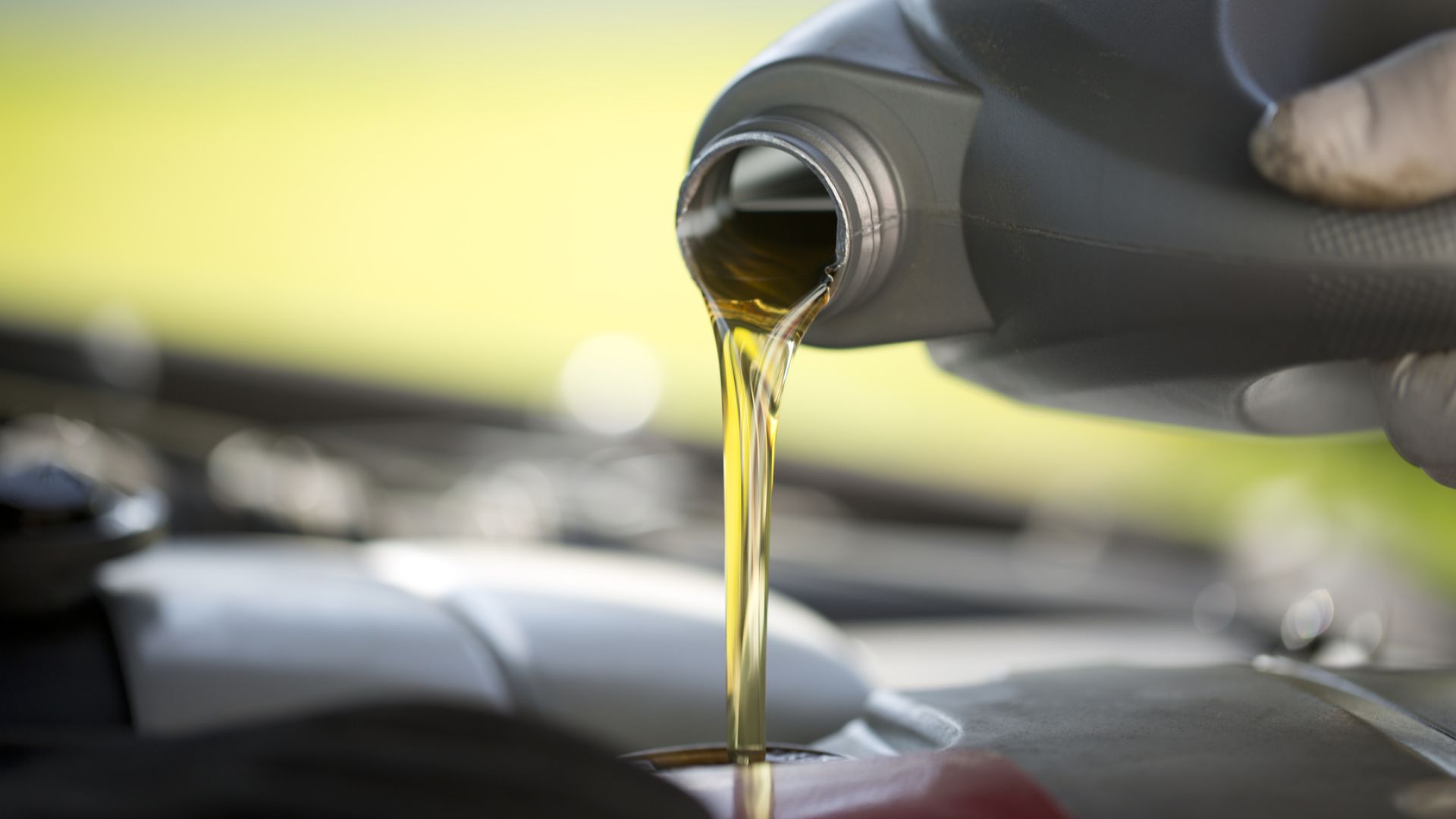
Dark Oil Does Not Prove It Is Finished
Engine oil commonly darkens as detergent additives hold contaminants in suspension. Color alone cannot reveal whether the viscosity, additive package, or contamination level has reached an unacceptable point. Grit, unusual odor, metal particles, low pressure, or evidence of coolant contamination deserves professional investigation.

Used-Oil Analysis Can Settle The Debate
A laboratory can examine a sample for viscosity, wear metals, fuel dilution, coolant, contamination, and remaining additive condition. Repeated analysis can help owners of expensive, modified, commercial, or unusually operated vehicles develop a better-supported interval. It is more informative than guessing from color, mileage, or competing opinions.
 https://kaboompics.com/, Pexels
Warranty Compliance Deserves Attention
Maintenance requirements are especially important while the vehicle is under warranty. Keep dated receipts showing the oil’s viscosity, specification, quantity, filter, mileage, and service date. An interval longer than the manufacturer allows can become difficult to defend if an engine problem later develops.

Ask Your Mechanic For The Reason
A good technician should be able to explain why a shorter interval applies to your particular vehicle. The answer might involve short trips, oil consumption, towing, contamination, an engine-specific issue, or a severe-service schedule. “We always do it this way” is a weaker justification than evidence tied to the manual and your actual use.

Build A Schedule Around Evidence
Start with the normal interval in the manufacturer’s current maintenance guide. Move to the severe-service schedule when your operating conditions match its criteria, and check the oil level between services. A reliable oil-life monitor, maintenance history, inspection findings, and used-oil analysis can refine the decision further.

Both Sides Can Be Right
Synthetic oil can remain serviceable longer than conventional oil, and a mechanic can still be correct that your engine needs frequent changes. The manufacturer’s specification and schedule establish the baseline, while driving conditions and engine health determine whether the shorter interval applies. Follow the evidence rather than choosing whichever answer promises the lowest cost or the most frequent service.

You May Also Like:
Five Cars With The Highest Premiums
Sources: 1, 2, 3, 4, 5, 6, 7, 8, 9, 10, 11, 12, 13, 14, 15, 16, 17, 18