
The Short Answer Is Less Scary Than It Sounds
That friend isn't entirely wrong, but they definitely don't know the full story. A hybrid doesn't suddenly become a bad choice just because it might sit for weeks or even a few months. The chance of failure depends on which battery you are talking about, how long the car sits, and whether you store it the right way.
In most cases, you don't have to be overly concerned. But does it happen? Absolutely.

There Are Two Batteries In The Mix
Most hybrids have two batteries. There is a high-voltage traction battery that helps power the car, and there is a regular 12-volt battery that runs startup systems and accessories. The big battery gets most of the attention, but the small one is often the first thing to cause trouble when a car has been parked for a while.
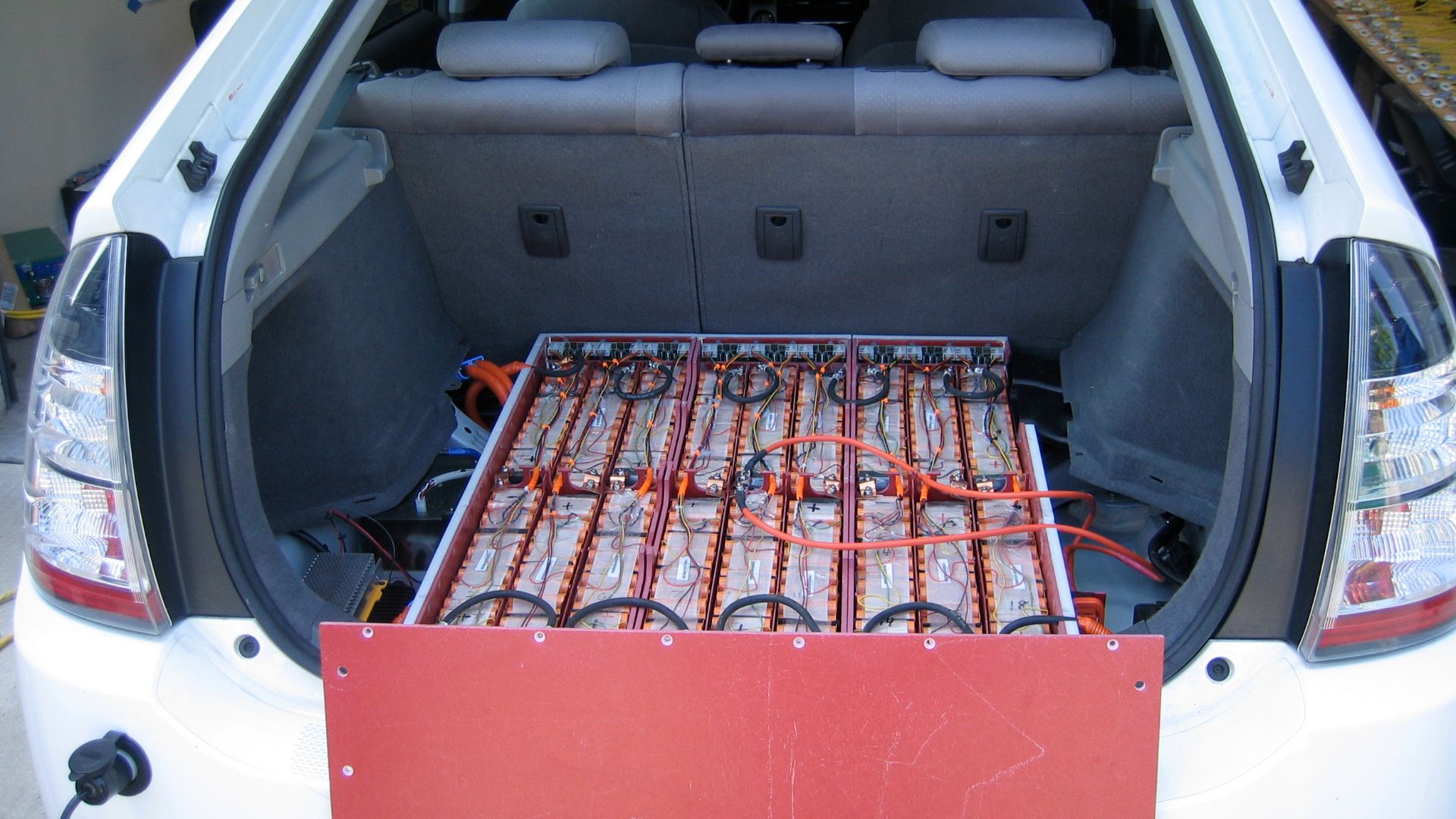 The original uploader was LossIsNotMore at English Wikipedia., Wikimedia Commons
The 12-Volt Battery Is Often The Real Problem
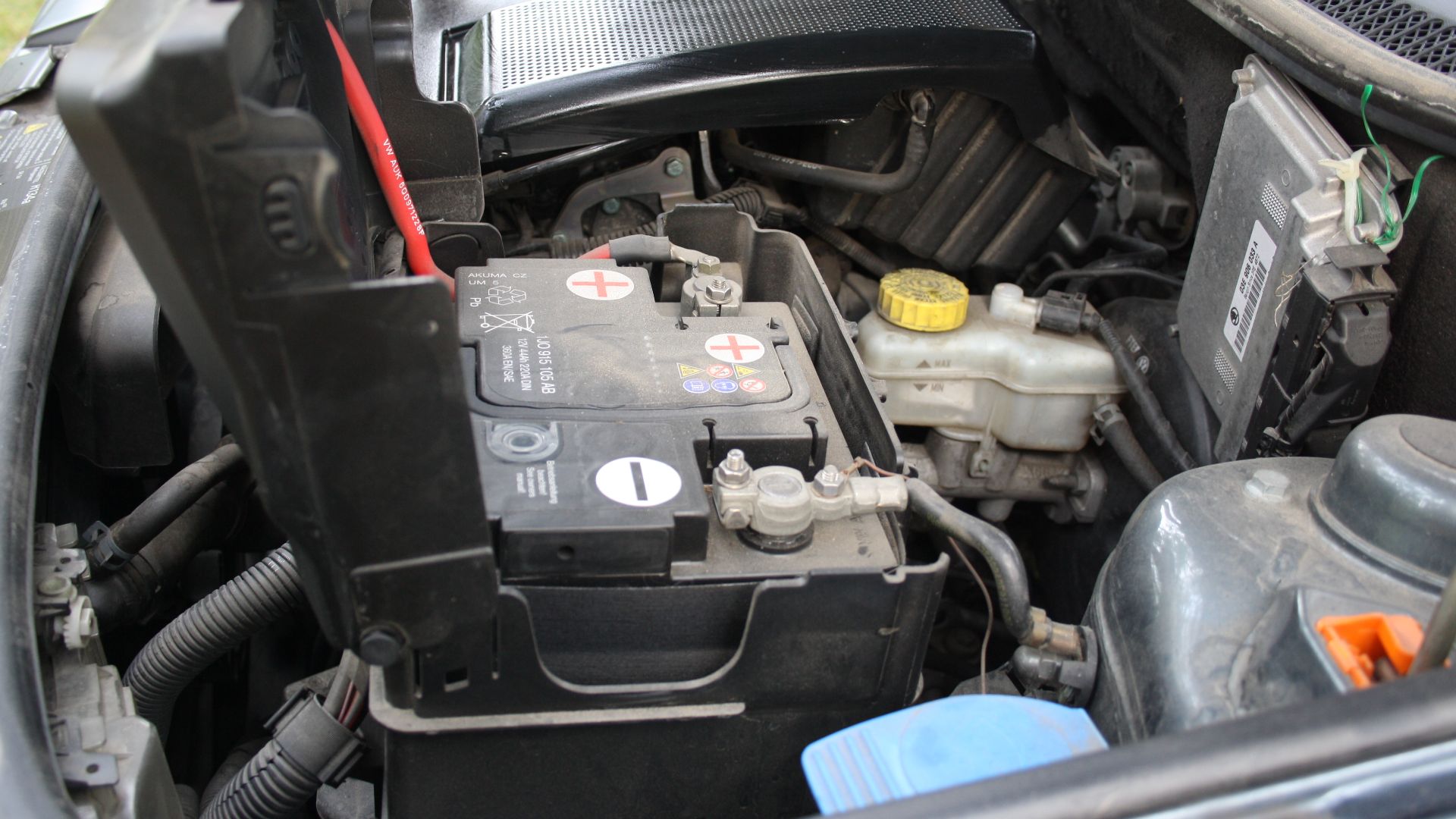
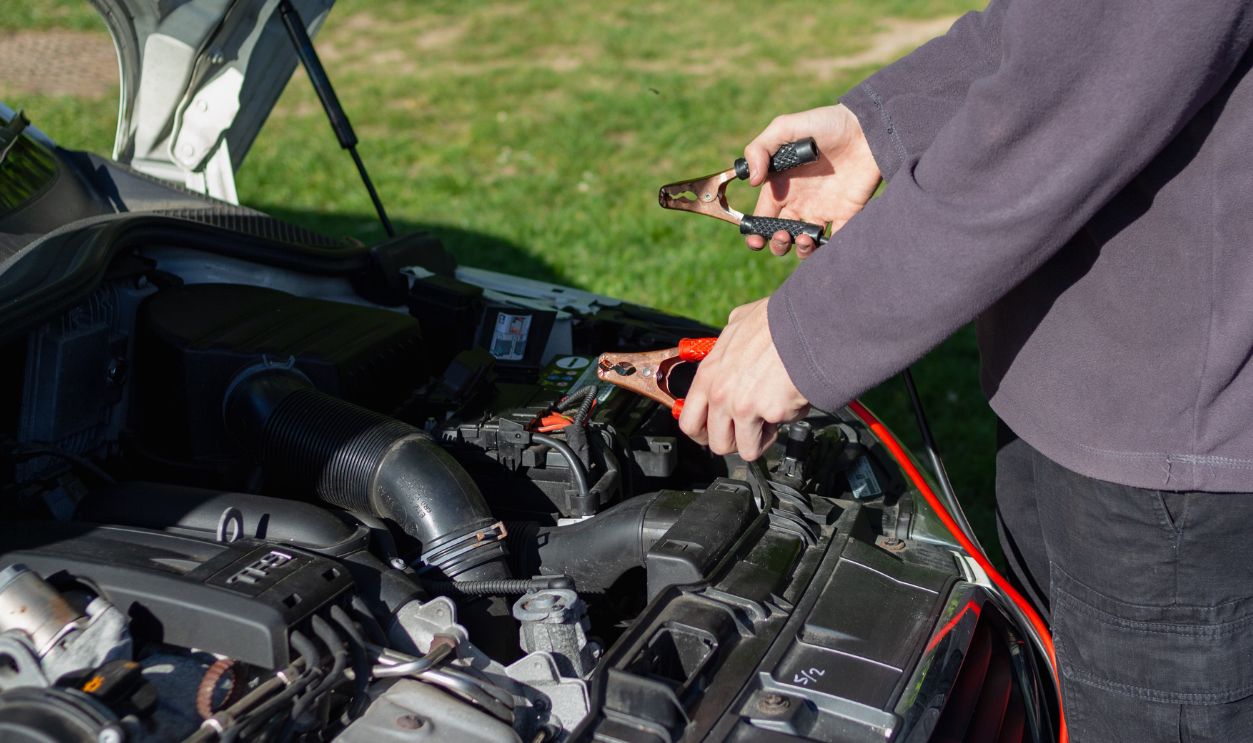
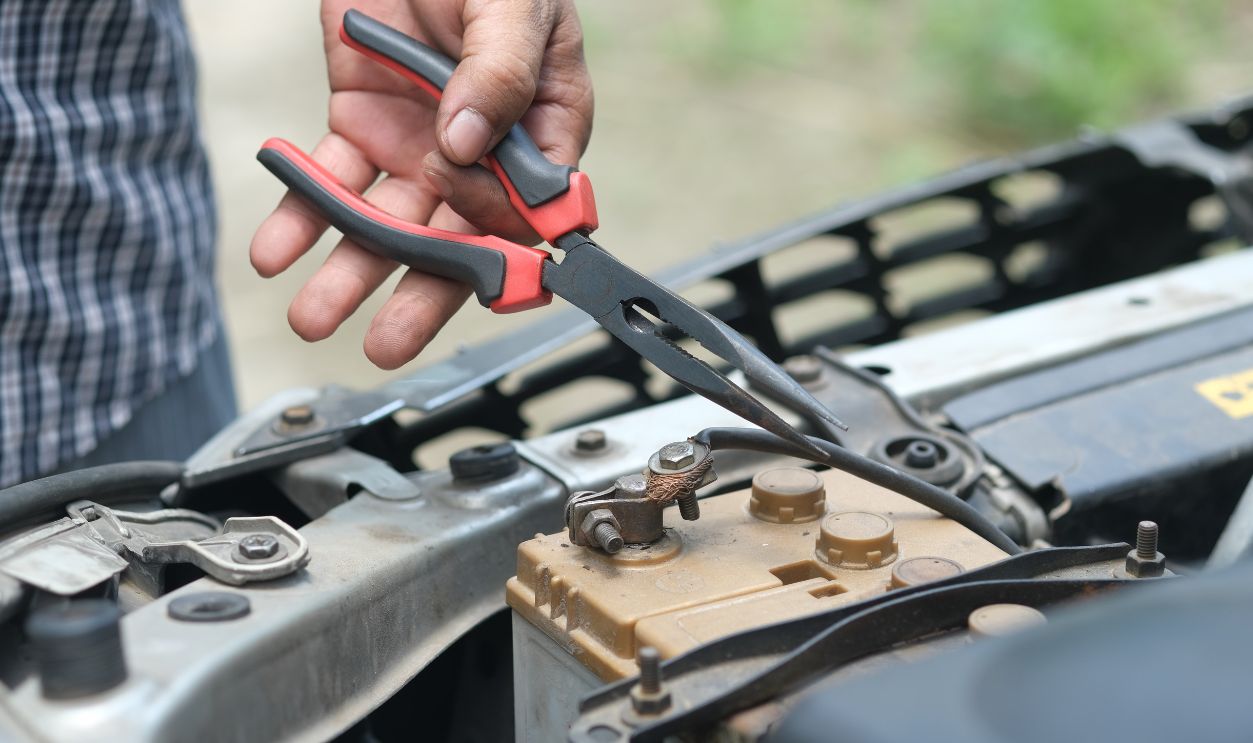
If a hybrid will not start after sitting, the 12-volt battery is often the reason. AAA has long warned that any car battery can lose charge when a vehicle is not driven regularly, especially in very hot or very cold weather. So what looks like a scary hybrid battery failure is often the same low 12-volt battery problem that happens in regular gas cars too.
Hybrids Were Built For The Long Haul
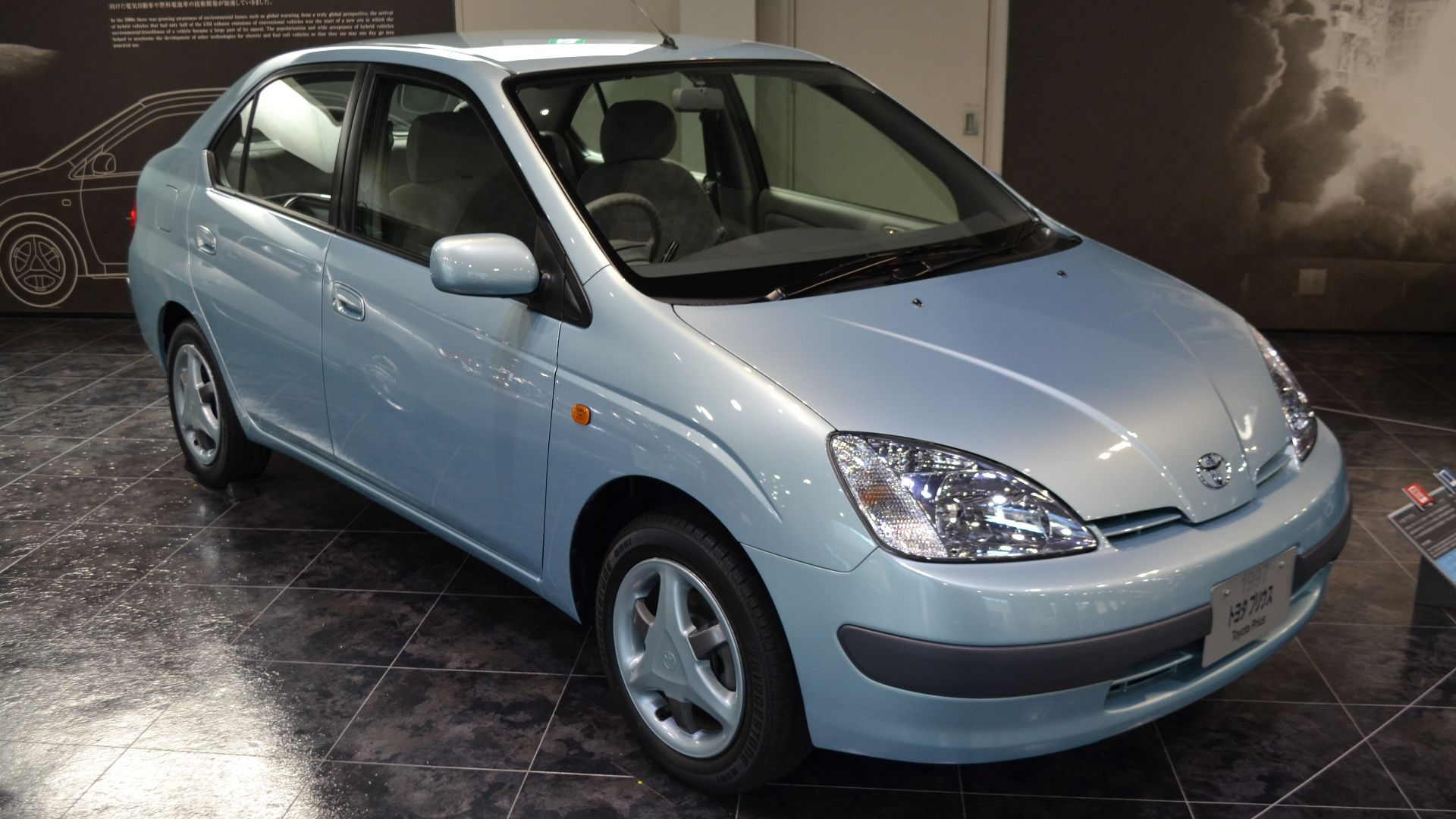
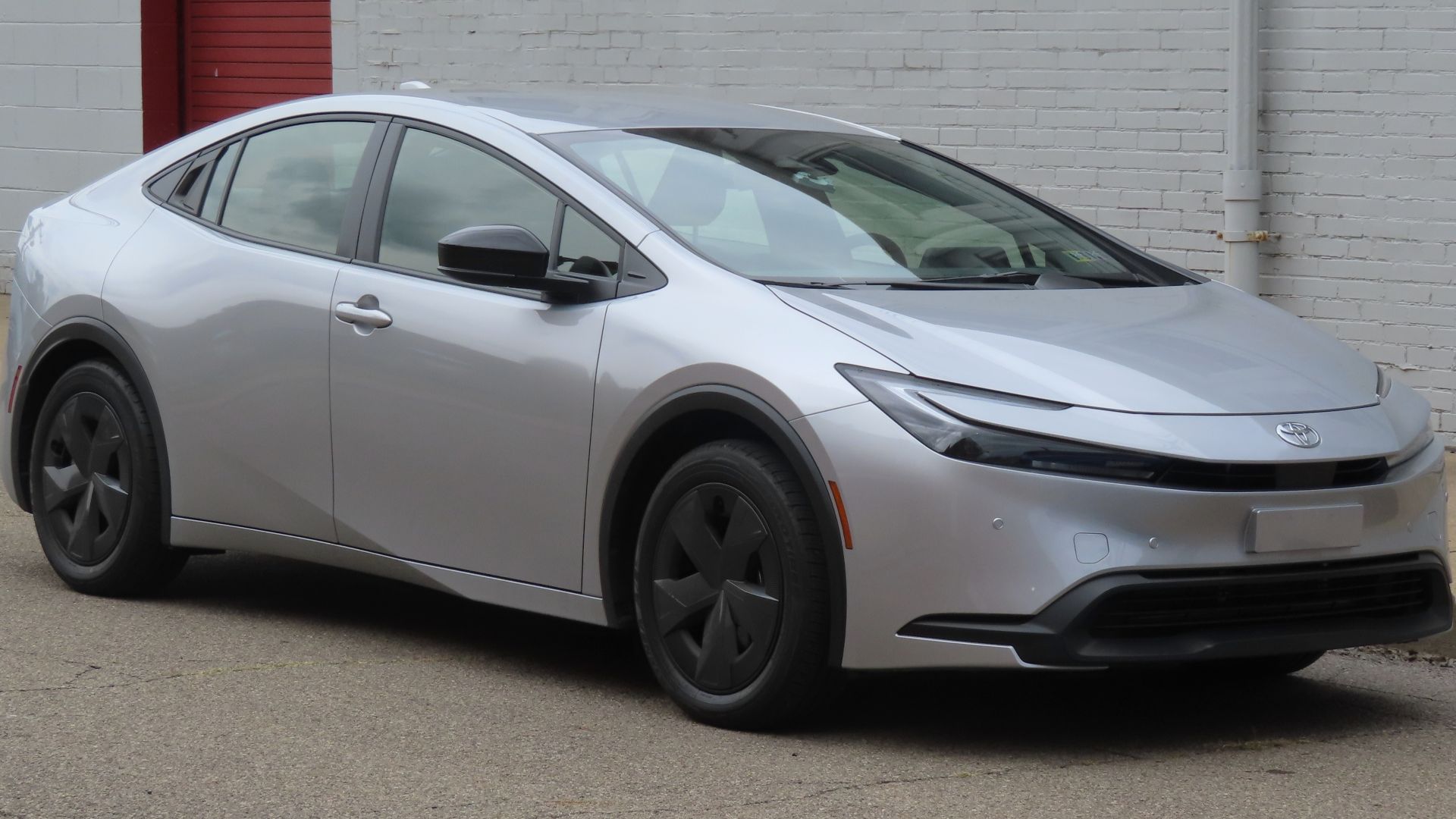
Automakers did not just hope hybrid batteries would last. Toyota launched the Prius in Japan in 1997 and later took it global, helping kick off the modern hybrid era with battery systems built for years of use. Since then, carmakers have spent decades improving cooling, charge control, and protection against overcharging and deep discharging.
 Beginning with the simplest steps, Wikimedia Commons
Battery Management Does A Lot Of The Heavy Lifting
One big reason hybrid battery packs last so long is that the car does not let them swing to extremes. The battery management system keeps the pack within a tighter charge range than you would see with a phone or laptop battery. That cautious approach cuts stress and helps explain why a parked hybrid is not automatically headed for trouble.
What Actually Happens When A Hybrid Sits
When a hybrid is parked, both batteries slowly lose charge over time. The 12-volt battery is usually more at risk because it is smaller and still has to support things like the alarm, keyless entry, and other standby systems. The traction battery also self-discharges, but modern hybrids are built to handle normal storage much better than the rumors suggest.
 MercurySable99, Wikimedia Commons
Toyota Says Long Storage Needs Extra Care
Toyota has published owner guidance saying a hybrid can be driven roughly once every few months for a short distance to help maintain the high-voltage battery. The company also notes that the 12-volt battery can discharge if the vehicle is left parked for a long time. The message is simple: occasional use is better than total neglect.

Lexus Gives Similar Advice
Lexus, which shares hybrid know-how with Toyota, offers similar storage guidance. Its recommendations say that if the vehicle is not used for a long time, owners should take steps to protect battery health, including periodic operation. That does not mean hybrids are fragile. It means modern vehicles do better when they are stored properly.

Honda Also Warns Against Letting Cars Sit Too Long
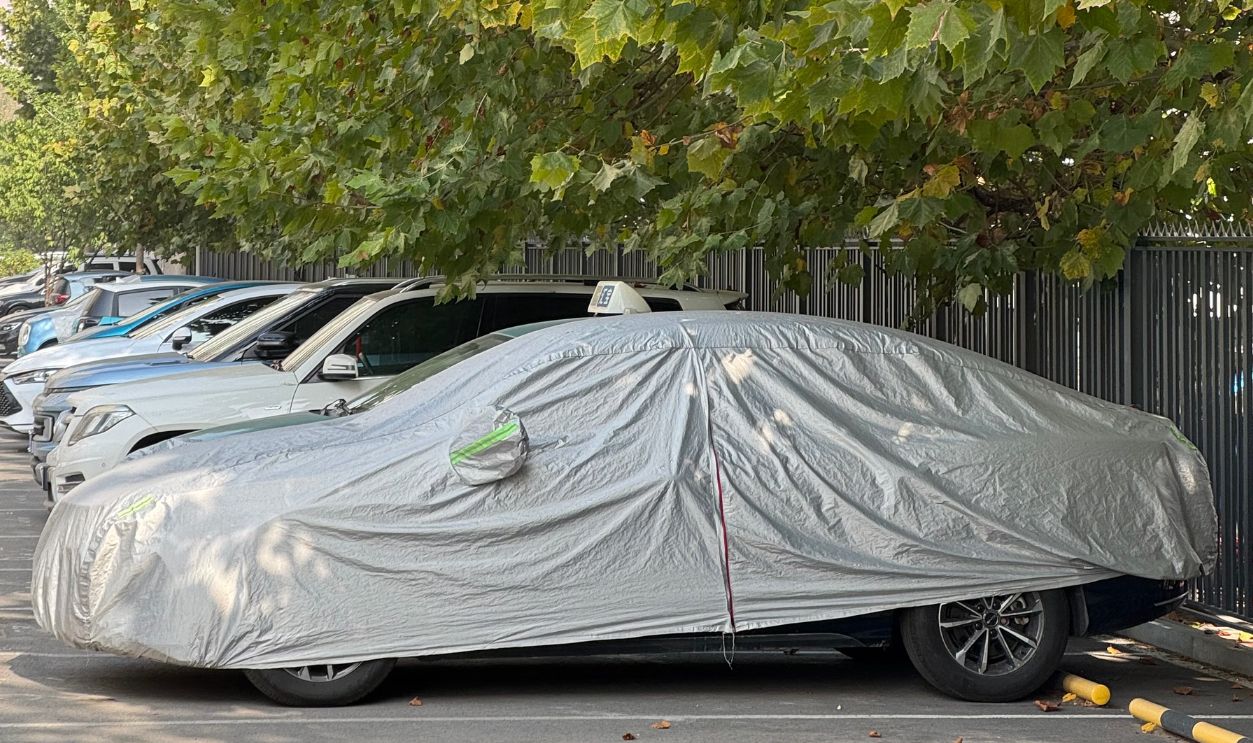
Honda tells owners that if a vehicle will be stored for a month or more, the 12-volt battery may need attention, such as a battery maintainer or a disconnect procedure depending on the model. That is not unique to hybrids, but it matters here too. An occasional driver who ignores the 12-volt battery can end up blaming the hybrid system for the wrong problem.
Ford's Guidance Lands In The Same Place
Ford owner support materials also cover battery care during storage. The lesson is basically the same across the industry. If a vehicle is going to sit for a long stretch, keeping the 12-volt battery charged and following the manual's storage steps can save a lot of trouble.
 Daniel @ bestjumpstarterreview.com, Pexels
Heat Is Usually Tougher On Batteries Than Parking
Battery experts and automakers have repeatedly pointed out that high temperatures speed up battery wear. That matters because some of the worst hybrid battery stories come from cars that spent years in hot climates, not from cars that simply sat for a few months. A hybrid parked in a mild garage may be in better shape than one driven every day in extreme heat.
Cold Weather Brings A Different Problem
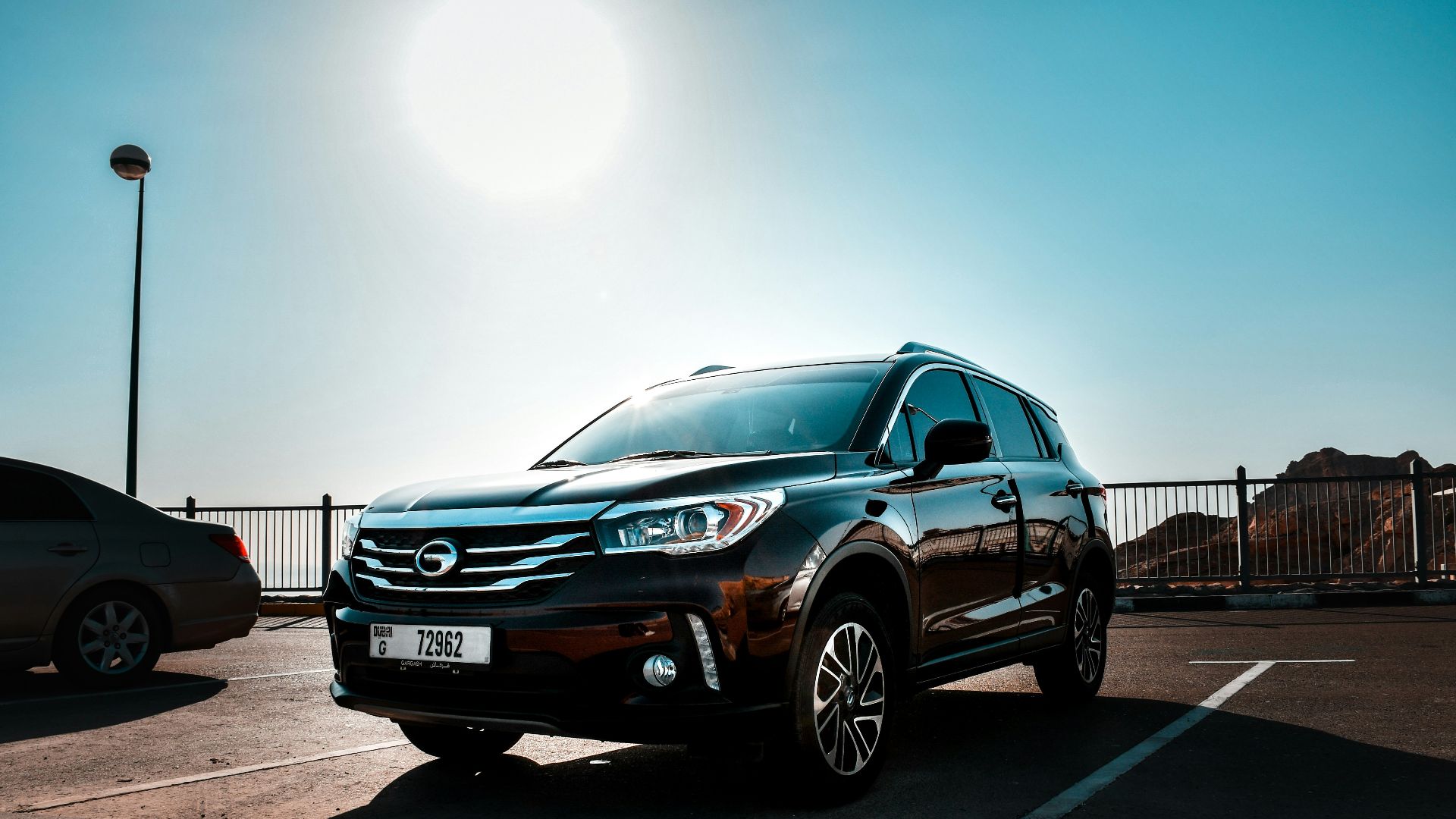
Cold weather does not usually wear batteries out as fast as heat, but it can reduce available power and make a weak 12-volt battery fail fast. That is one reason a hybrid that seemed fine in the fall can act dead after a winter cold snap. In those cases, storage may look guilty when the weather was really the trigger.

Occasional Driving Is Not Automatically Bad
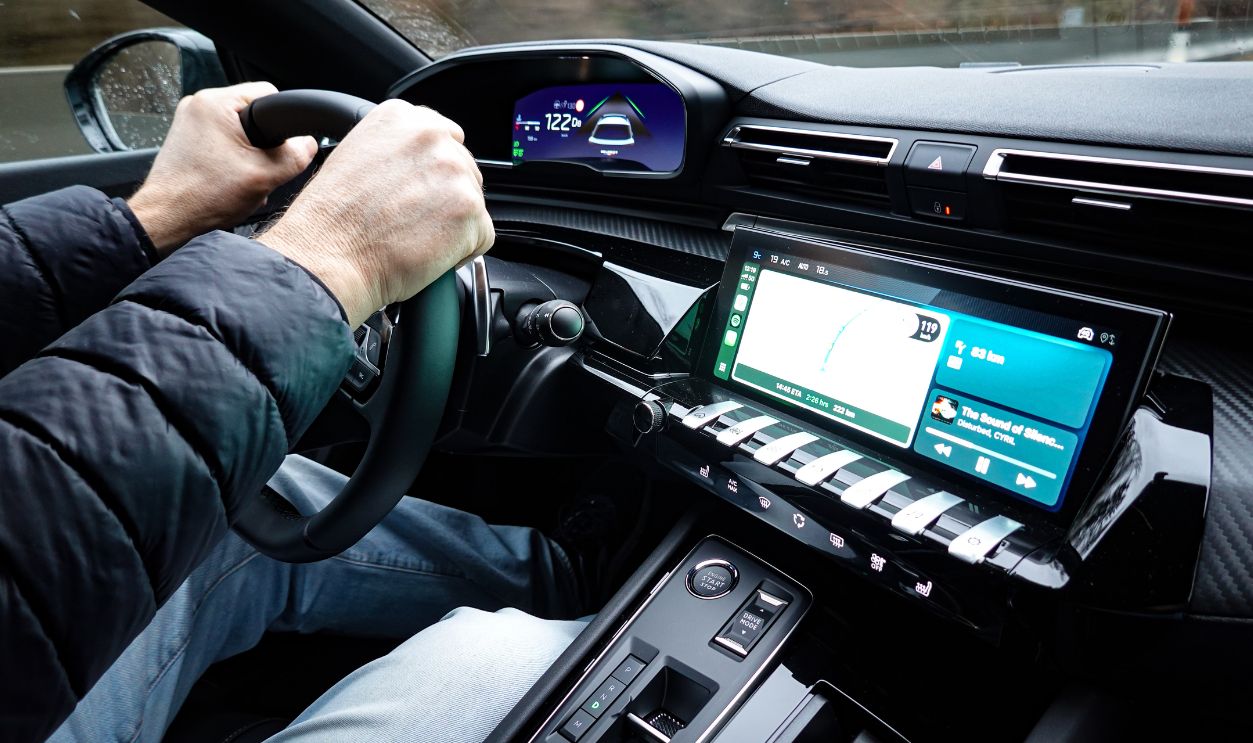
A hybrid used mostly for errands or weekend trips is not necessarily at a disadvantage. In fact, hybrids often do especially well in stop-and-go driving because regenerative braking and electric assist help efficiency at lower speeds. The bigger problem is not light use. It is long stretches of no use at all.
How Long Is Too Long
There is no one number that fits every hybrid, battery type, and climate. Still, owner guidance from major automakers often starts calling for extra care at around one month of storage or longer, with stronger warnings as that timeline stretches out. The safest move is to check the owner's manual for the exact model and year.

Months Of Storage Can Be Fine If You Prepare
If you know a hybrid will sit for several months, preparation matters. A healthy 12-volt battery, a safe place to store the car, and the right manufacturer steps can make the difference between a smooth restart and a headache. Long storage does not have to be a problem if you plan for it.

A Battery Maintainer Can Save The Day
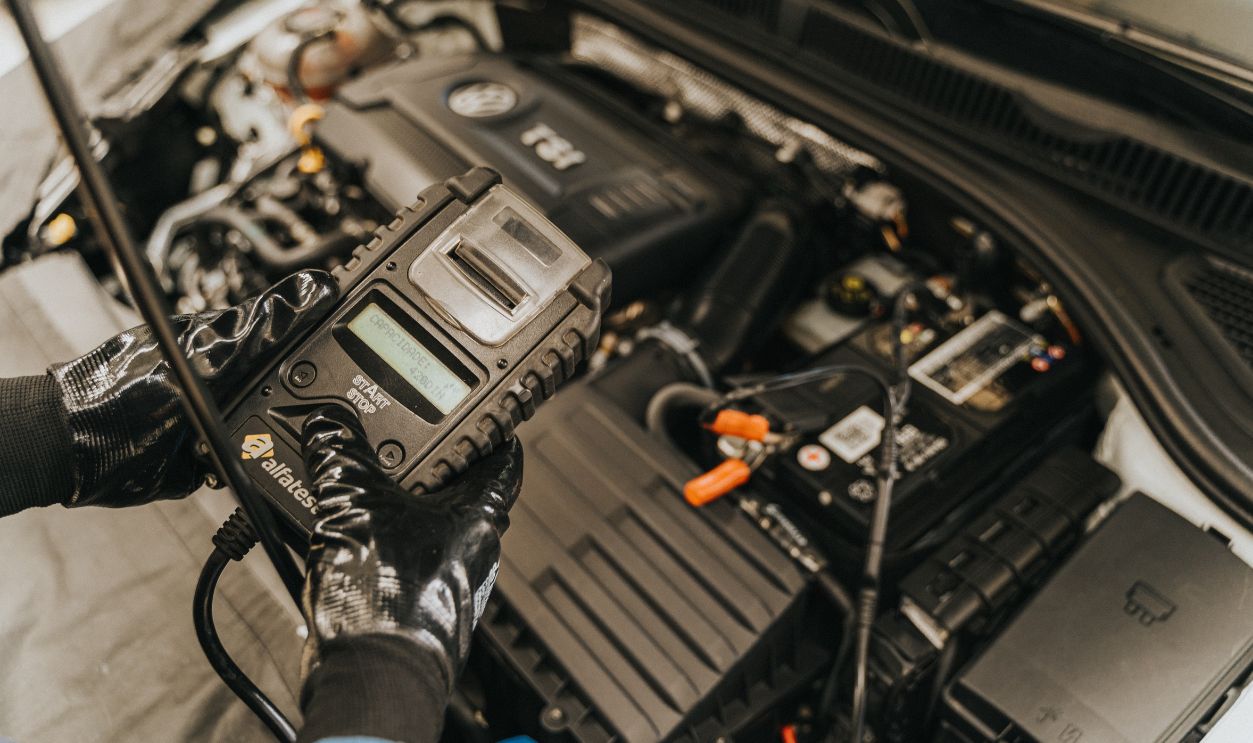
For many occasional drivers, a good 12-volt battery maintainer is the easiest solution. It keeps the small battery topped up during storage and can prevent the no-start situation that sends people into a panic. It is also much cheaper than a tow, a service visit, or a wrong guess about the high-voltage battery.
Do Not Try To Charge The Hybrid Pack Yourself
The high-voltage battery is not a do-it-yourself item for most owners. Hybrid battery packs operate at dangerous voltages and depend on the car's own management systems. If you think there is a problem with the traction battery, the safe move is to have it checked by a qualified technician.
State Of Charge Matters More Than Rumors
A hybrid that is parked with a healthy traction battery and a healthy 12-volt battery is usually in much better shape than internet horror stories make it sound. Trouble is more likely when a battery was already weak before the car was stored. Sitting still does not create a weak battery out of nowhere, but it can reveal one.

Age Still Matters
Battery age counts whether the car is a hybrid or not. A 10-year-old battery system has less breathing room than a newer one, and storage can be harder on aging parts. Anyone shopping for a used hybrid should pay close attention to battery health, service records, and warning lights.

Used Hybrid Buyers Should Ask Better Questions
If a seller says the car was rarely driven, that should lead to more questions, not an automatic no. Ask how it was stored, whether the 12-volt battery was maintained, and whether the car was started or driven from time to time. A lightly used hybrid that was stored well can be a better bet than a heavily used one that spent its life in rough conditions.

Warning Signs Worth Taking Seriously
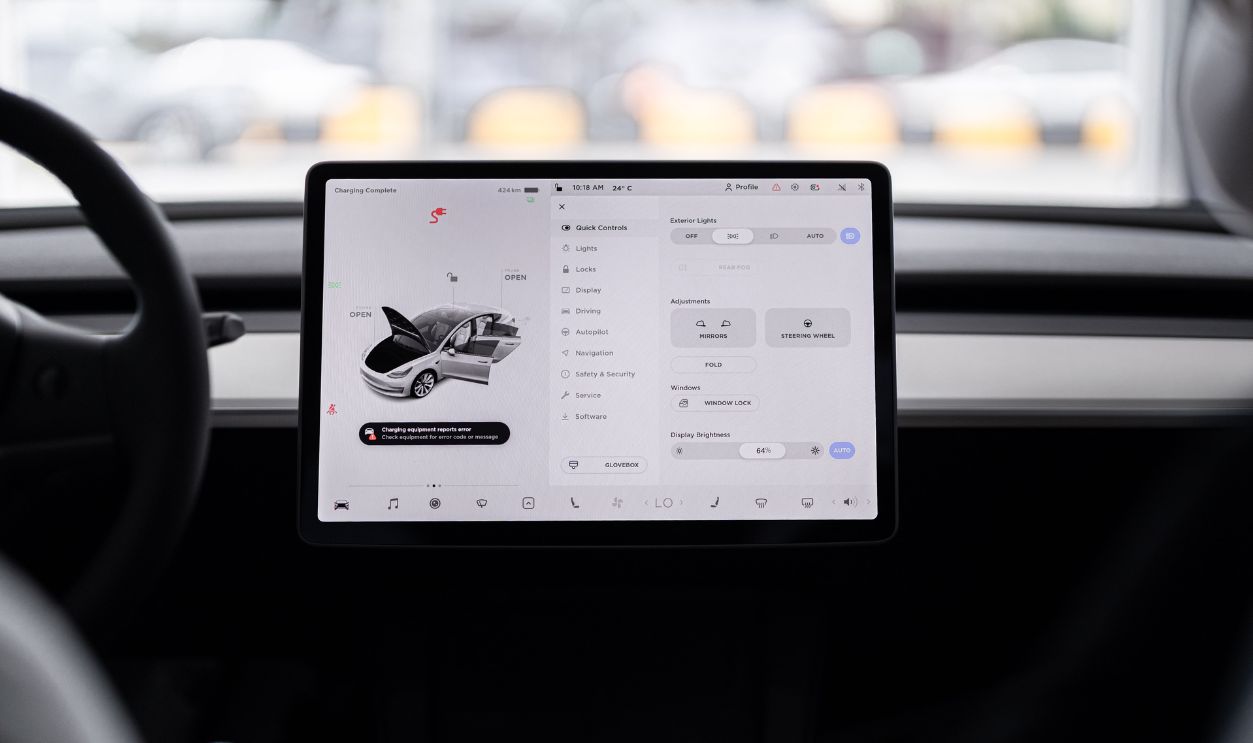
Hard starting, repeated dead 12-volt batteries, warning messages, and battery charge displays that swing up and down quickly are all worth paying attention to. None of those signs automatically mean the traction battery has failed. They do mean the car needs a proper diagnosis instead of guesswork.
What The Data Usually Shows
Consumer and industry reporting over the years has consistently found that many hybrid batteries last a long time, often well beyond their warranty periods. Federal law requires hybrid-related warranty coverage of at least 8 years or 100,000 miles, and some states and models offer more. That does not mean every battery lasts forever, but it does show that durability was part of the plan from the start.

Why The Myth Sticks Around
The idea that hybrids hate sitting around survives because it mixes one true point with one exaggerated one. Yes, batteries can lose charge during long storage. No, that does not mean hybrids are automatically a bad fit for occasional drivers who follow basic storage and maintenance steps.

So Are Hybrids Worse For Occasional Drivers
Not by nature. They can make a lot of sense for people who drive less, as long as those owners do not leave the car untouched for months without any preparation. If your driving is infrequent but not nonexistent, a hybrid can still be reliable and fuel-efficient with a little extra awareness.

The Best Habit Is Pretty Simple
If possible, drive the car now and then and let it reach normal operating condition. That helps support the 12-volt battery and gives the hybrid system a chance to manage the traction battery the way it was designed to. A short planned drive every few weeks can do more good than a lot of worrying.

The Bottom Line For Nervous Owners
Your friend’s warning contains a grain of truth, but it is not a verdict against hybrids. A hybrid that sits for months without care can run into battery trouble, but so can plenty of modern vehicles. For occasional drivers, the better takeaway is not to avoid hybrids. It is to store them smartly.