The Price Tag That Suddenly Gets Bigger
You show up for the deal in the ad, and then the dealership tells you the price does not include mandatory accessories. You should be frustrated, and many cases, it actually raises a real legal issue. A dealer usually cannot reel shoppers in with one price and then force unwanted add-ons unless those charges were clearly disclosed from the start.

Why Buyers Feel Misled
The problem is not just that the final price goes up. It is that the shopper made the trip, spent the time, and started negotiating based on a number that looked like the real selling price. Regulators have warned for years that hidden fees and surprise add-ons can mislead consumers.

The FTC Put A Spotlight On It
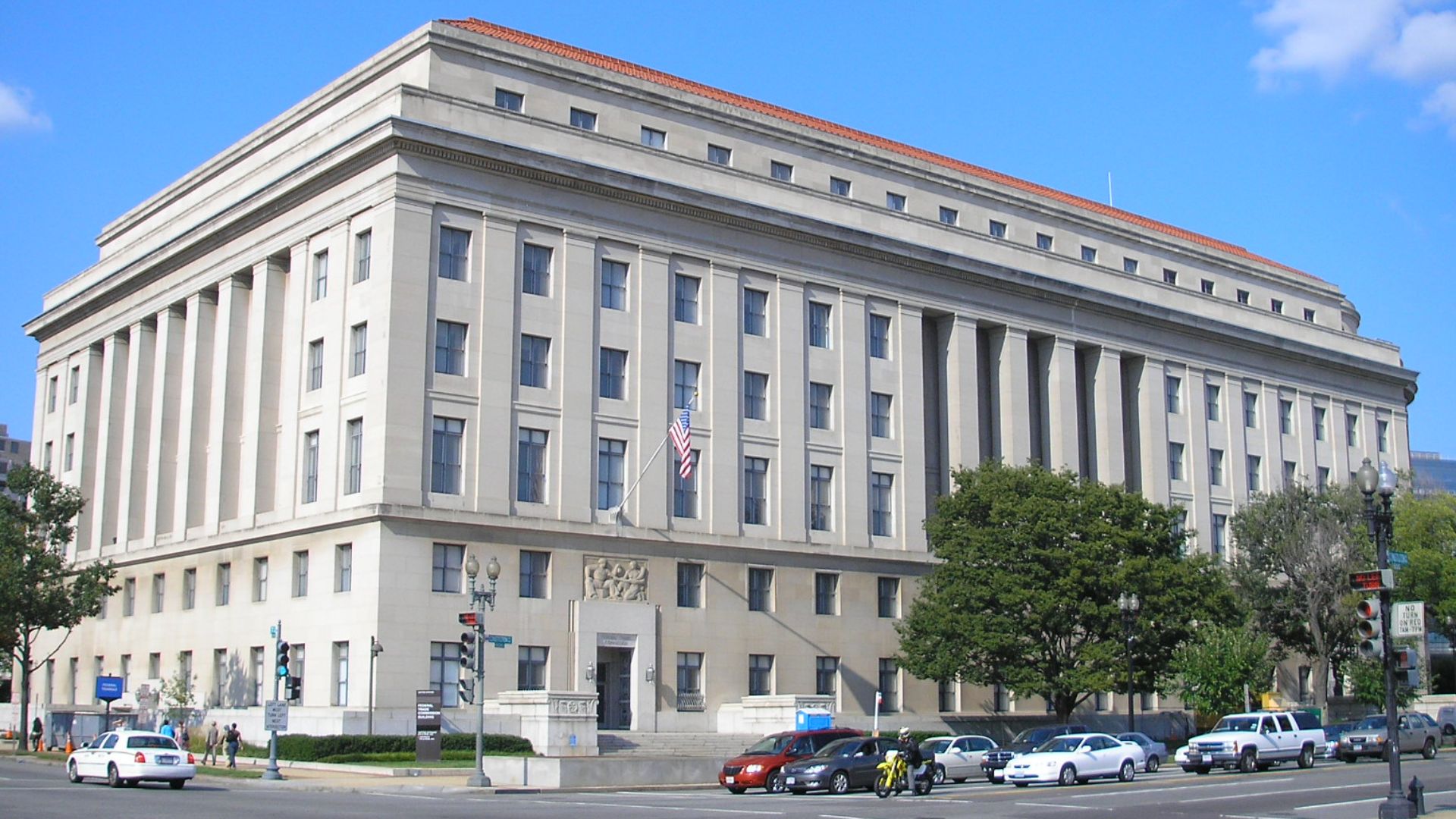
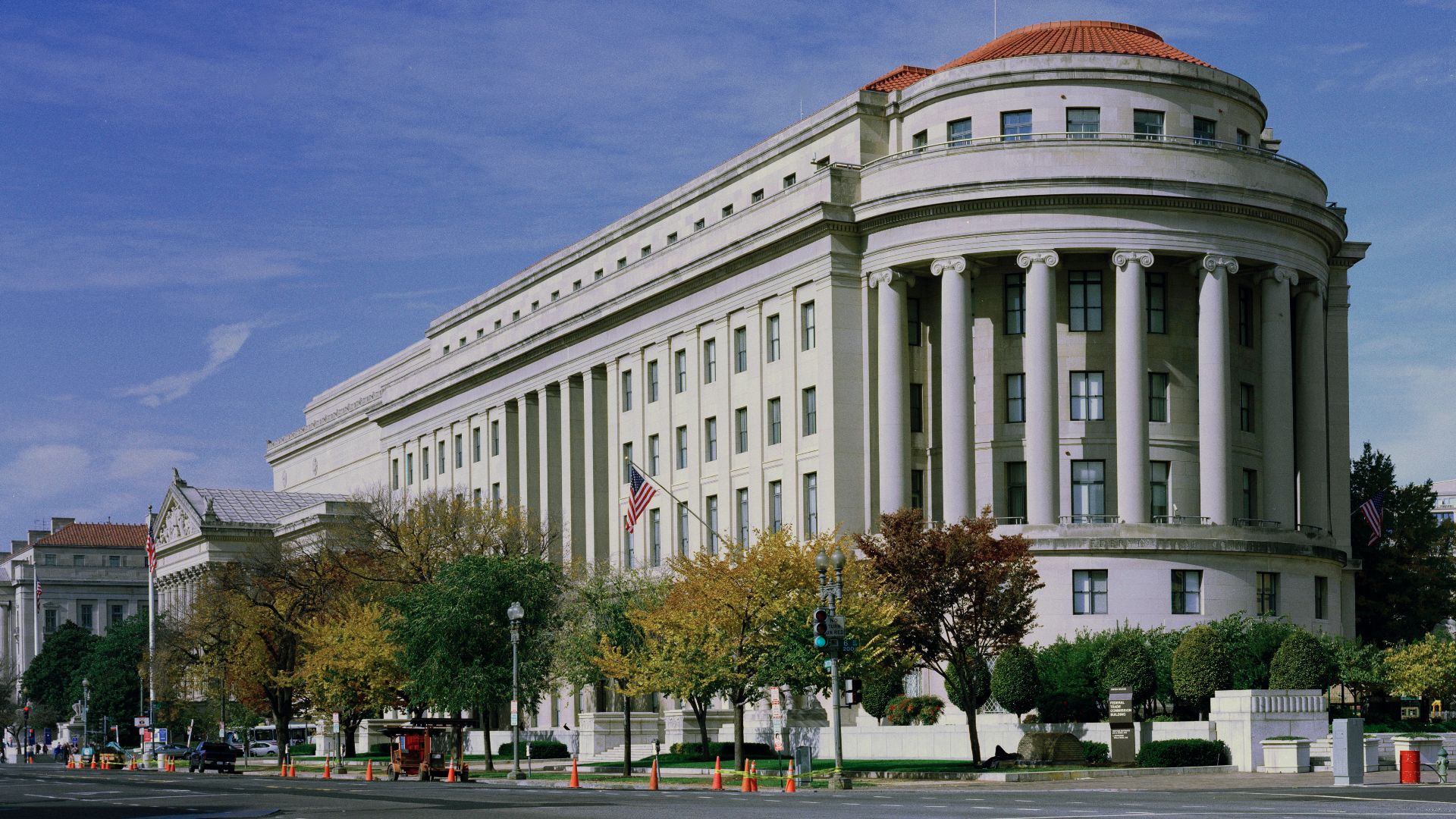
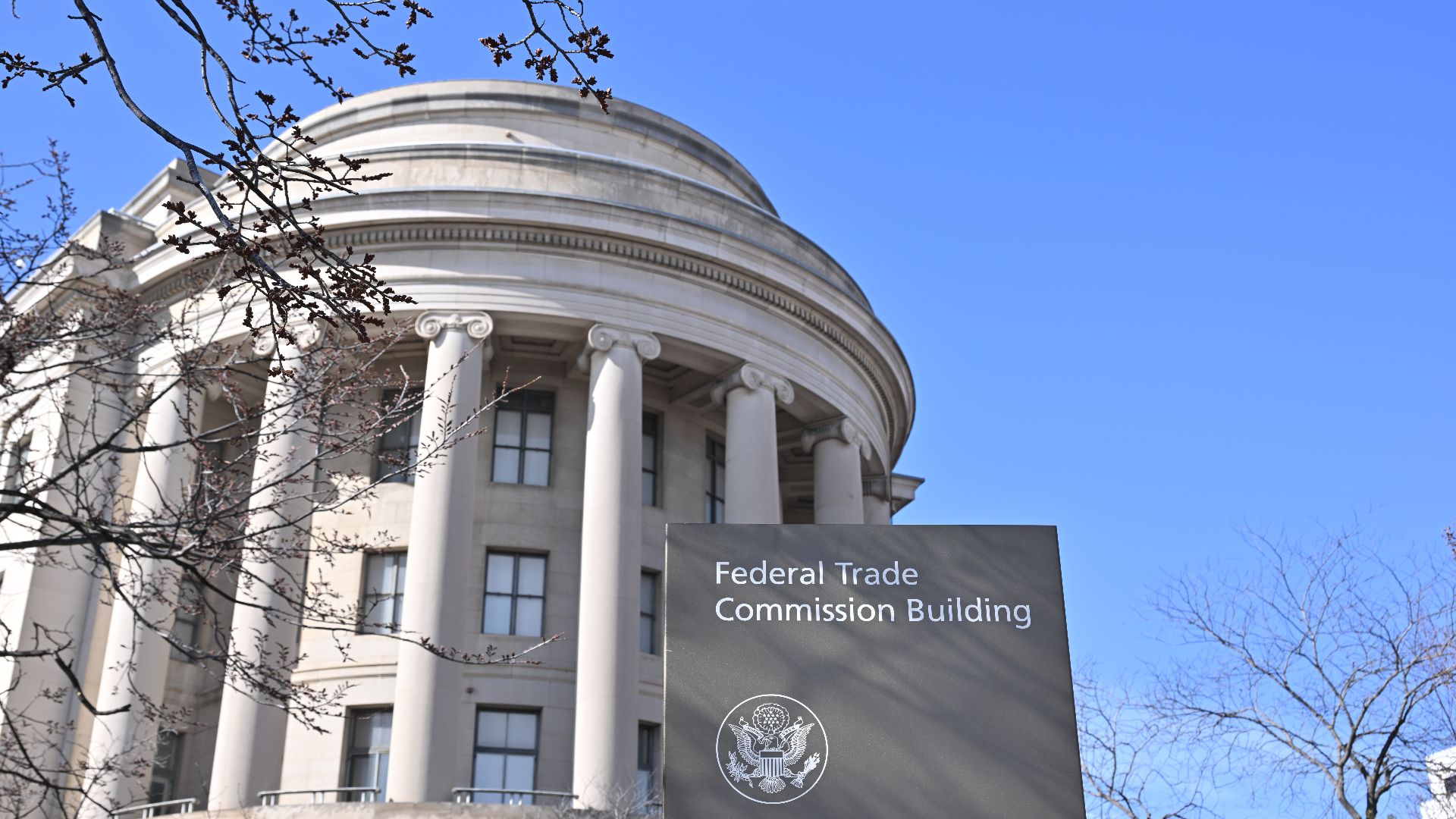
In December 2023, the Federal Trade Commission announced a final rule called the Combating Auto Retail Scams Rule, often called the CARS Rule. The FTC said some dealers advertise prices they do not actually intend to offer to every consumer. The agency specifically targeted misleading pricing and junk-fee tactics in auto sales.
What The CARS Rule Says About Add-Ons
The FTC's rule says dealers cannot misrepresent the cost of any vehicle or add-on product or service. It also says dealers cannot charge for add-ons that do not provide a benefit to the consumer. That matters when a dealership says accessories are mandatory even though the advertised price suggested otherwise.
 Zoriana Zaitseva, Shutterstock
The Big Catch Right Now
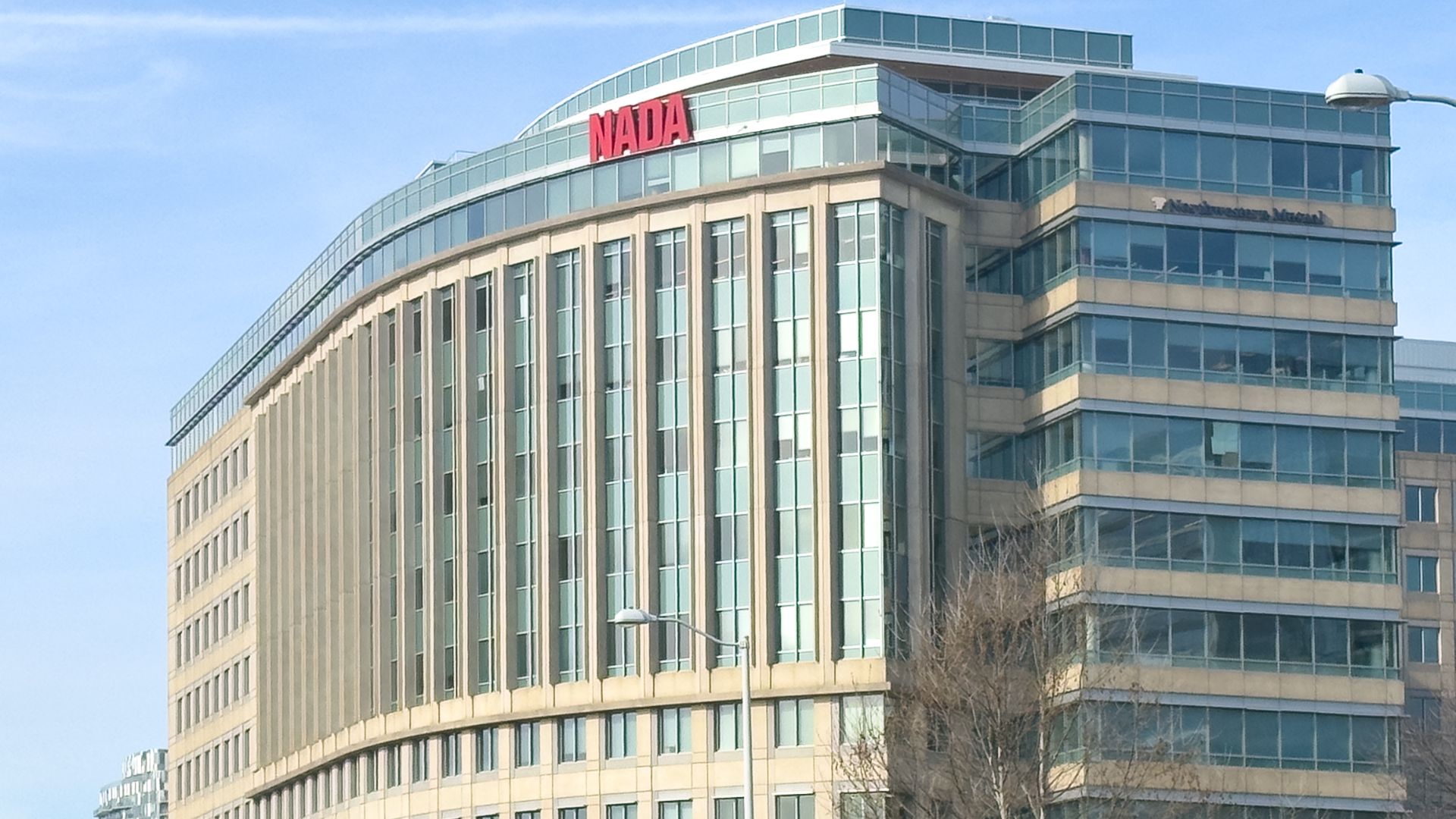
The CARS Rule is not currently in effect because of litigation. In January 2024, the National Automobile Dealers Association and the Texas Automobile Dealers Association said they were challenging the rule in court. So while the FTC's position is clear, enforcement right now still depends heavily on existing federal and state consumer protection laws.
 ajay_suresh, Wikimedia Commons
False Advertising Is Still On The Table
Even without the CARS Rule in force, dealers are still subject to Section 5 of the FTC Act, which bans unfair or deceptive acts or practices. State attorneys general and motor vehicle regulators also enforce their own advertising rules. If a dealer advertises one price but makes a buyer pay for undisclosed accessories, that can fit the kind of deceptive advertising regulators often challenge.
 Carol M. Highsmith (born 1946), Wikimedia Commons
The FTC Has Been Warning Dealers For Years
This is not a new idea. The FTC has long said that auto ads must be truthful and not misleading, and that important terms must be disclosed clearly and conspicuously. A mandatory accessory charge is an important term because it changes what the consumer actually has to pay.
 Harrison Keely, Wikimedia Commons
States Often Get More Specific
Many states go beyond general fraud laws and spell out how vehicle prices must be advertised. Several require ads to include all costs to the consumer except clearly identified government fees like tax, title, and registration. That means a dealer may not be allowed to advertise one price and then tack on paint protection, nitrogen, wheel locks, or tint as supposedly mandatory extras.

California Has Been Especially Clear
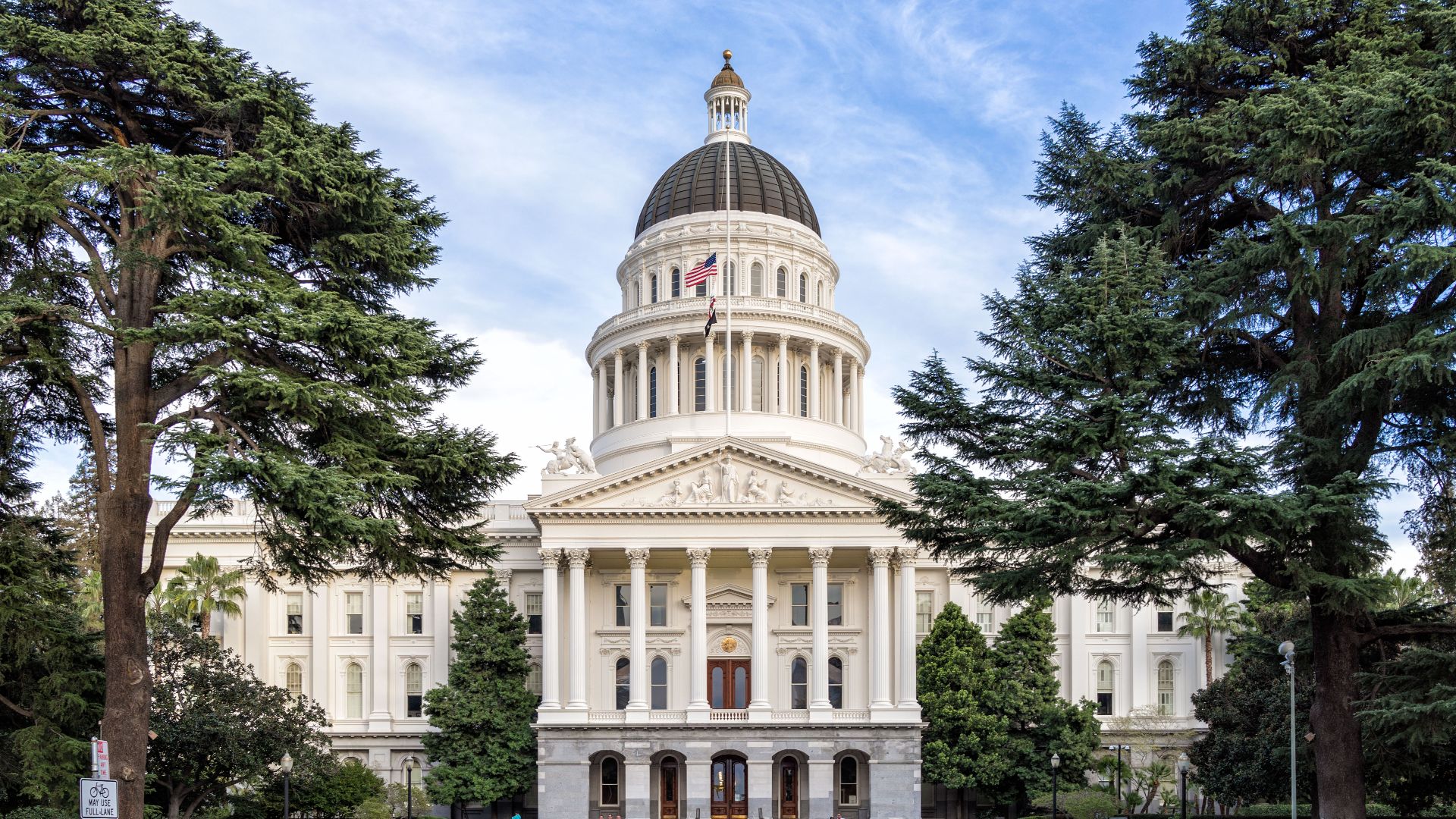
California's Vehicle Code section 11713.1 has long regulated dealer advertising. In 2023, California passed Senate Bill 478, called the Honest Pricing Law, to ban drip pricing in many consumer transactions, and the law took effect on July 1, 2024. The California Department of Justice has said businesses must include all mandatory fees in the advertised price, with limited exceptions.
Why Drip Pricing Matters
Drip pricing is when a seller advertises part of a price and reveals more mandatory charges later in the buying process. Regulators have become much more focused on it because it makes comparison shopping harder. If accessories are mandatory, they usually belong in the advertised price instead of being sprung on the buyer at the dealership.

Not Every Add-On Is Illegal
A dealer can sell accessories and protection products. A dealer can also advertise a vehicle that already has installed accessories, if the ad clearly reflects that actual vehicle and its actual price. The trouble starts when the dealer uses a low headline number and then says every buyer must also pay for extras that were not clearly included from the beginning.

Clear Disclosure Is The Main Question
Whether something crosses the line often comes down to disclosure. If the ad clearly and conspicuously says the price includes or excludes specific dealer-installed equipment, that is very different from burying the information in tiny print or mentioning it only after the customer arrives. Regulators look at what an ordinary shopper would reasonably understand from the ad.
 Hryshchyshen Serhii, Shutterstock
Tiny Print Does Not Always Save A Dealer
The FTC and state regulators regularly warn that fine print cannot fix a misleading main message. If the big bold number says one thing and the disclaimer is hard to notice, contradicted elsewhere, or unclear, the ad may still be deceptive. Courts and regulators often focus on the overall impression the ad gives.

Mandatory Versus Optional Changes Everything
If a dealer offers accessories as truly optional products, that is a different situation. You can say no, compare alternatives, or negotiate. If the dealer says they are required for every buyer, those costs start to look like part of the real selling price.

Common Add-Ons Behind Complaints
Buyers often report surprise charges for paint protection, fabric protection, VIN etching, theft recovery devices, nitrogen-filled tires, window tint, wheel locks, and preloaded service contracts. Sometimes these products are already installed before the car is listed. That does not automatically make the pricing legal if the ad fails to make the full mandatory cost clear.

Dealer-Installed Equipment Can Muddy The Picture
Dealer-installed equipment can make things more complicated because the car on the lot may really differ from a factory stock photo or a bare-bones MSRP. But if that specific vehicle includes mandatory equipment, the safer and often legally required move is to advertise the vehicle at the price a buyer actually must pay for it, excluding only allowed government charges. That is the heart of many pricing disputes.

Federal Cases Show Regulators Take It Seriously
The FTC has brought enforcement actions against dealerships over deceptive advertising, junk fees, and add-on misrepresentations for years. These cases often involve claims that dealers advertised attractive prices online and then added charges or products later. The pattern matters because it shows regulators do not see hidden mandatory add-ons as harmless sales tactics.
 G. Edward Johnson, Wikimedia Commons
The CFPB Has Also Warned About Junk Fees
The Consumer Financial Protection Bureau has repeatedly criticized junk fees in consumer finance markets, including auto-related charges. While the CFPB does not set all vehicle advertising rules, its work has helped drive broader scrutiny of surprise fees and forced add-ons. That bigger regulatory climate is one reason pricing disclosures are getting more attention now.
 ajay_suresh, Wikimedia Commons
What Dealers Usually Say In Response
Dealers often argue that the accessories were already installed, that the ad included disclaimers, or that the products add real value. Sometimes they say the inventory feed or third-party listing caused the omission. Those explanations may matter in a specific dispute, but they do not erase the basic rule that mandatory charges generally need to be disclosed clearly.

So Is It False Advertising
It can be. If the advertised price leads a reasonable shopper to believe the car can be bought for that amount, but the dealer then requires undisclosed accessories, regulators may see that as deceptive. The strongest cases usually involve a clear ad, a mandatory extra charge, and weak or hidden disclosure.
 Anatoliy Cherkas, Shutterstock, Modified
How To Spot Trouble Before You Visit
Take screenshots of the listing, including the price, stock number, VIN, timestamp, and any fine print. Look for phrases like dealer adds, dealer-installed accessories, market adjustment, protection package, or price excludes optional equipment. If the ad is vague, call or email and ask for the out-the-door price and a breakdown of every mandatory item before you leave home.

What To Ask At The Store
Ask a direct question: Is the advertised price the price before tax, title, license, and government fees, or are there other mandatory dealer charges. Then ask them to put the answer in writing by text or email. If the dealership says accessories are required, ask where that was disclosed in the advertisement.

How To Push Back Without A Blowup
Stay calm and stick to the facts. Show the saved ad and ask the salesperson or manager to honor the advertised price or remove the add-ons. If they refuse, be ready to walk, because your leverage usually drops once you are emotionally committed to the car.

When To File A Complaint
If the dealer will not fix the issue, file complaints with your state attorney general, your state motor vehicle dealer regulator, and the FTC. If financing is involved and you believe the charges were packed into the loan unfairly, a complaint to the CFPB may also make sense. Attach screenshots, emails, buyer's orders, and any written proof you have.

Documentation Wins These Fights
The more evidence you keep, the better. Save the online listing, chat transcripts, texts, voicemails, and worksheets with the accessory charges circled. A detailed paper trail makes it much easier for regulators or the dealership's general manager to see exactly what happened and when.

Know The Difference Between Government Fees And Dealer Fees
Tax, title, registration, and legally authorized documentation fees are often treated differently from accessory charges, though rules vary by state. A mandatory tint package is not the same as state registration. Dealers sometimes blur that line, so ask for every charge to be identified by name and purpose.

Your Best Practical Move
The smartest strategy is simple. Shop using written out-the-door quotes from multiple dealers on the same vehicle or trim, and compare them line by line. That approach exposes hidden accessories fast and keeps the negotiation focused on the real number that matters.
The Bottom Line For Buyers
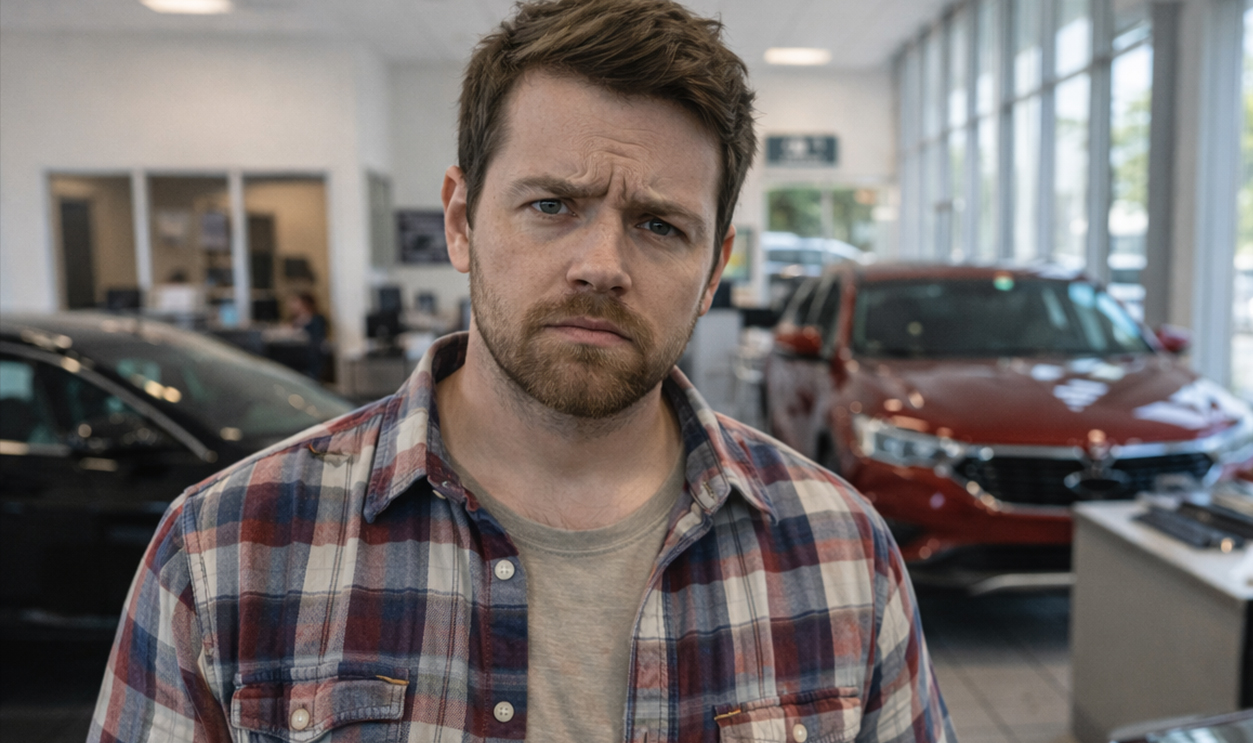
If a dealership advertises one price and later says you must buy undisclosed accessories, your instincts are probably right to question it. Whether a regulator calls it false advertising or deceptive pricing depends on the exact ad and your state's laws, but the basic rule is straightforward: mandatory costs should not be hidden. If the store will not honor the advertised deal, walk, document everything, and report it.