
The Repair Shop Fixed It, But Did Your Wallet Recover?
Your car looks good after a collision, yet a dealership offers much less than expected. That happens even after excellent repairs. The missing money may be recoverable, depending on fault, insurance coverage, and location.

The Problem Has A Name
Insurers call this loss diminished value: the difference between your car's pre-collision market value and its value after repairs. Repair costs address physical damage. Diminished value addresses the resale penalty remaining after the vehicle is fixed.
Why Buyers Still Hesitate
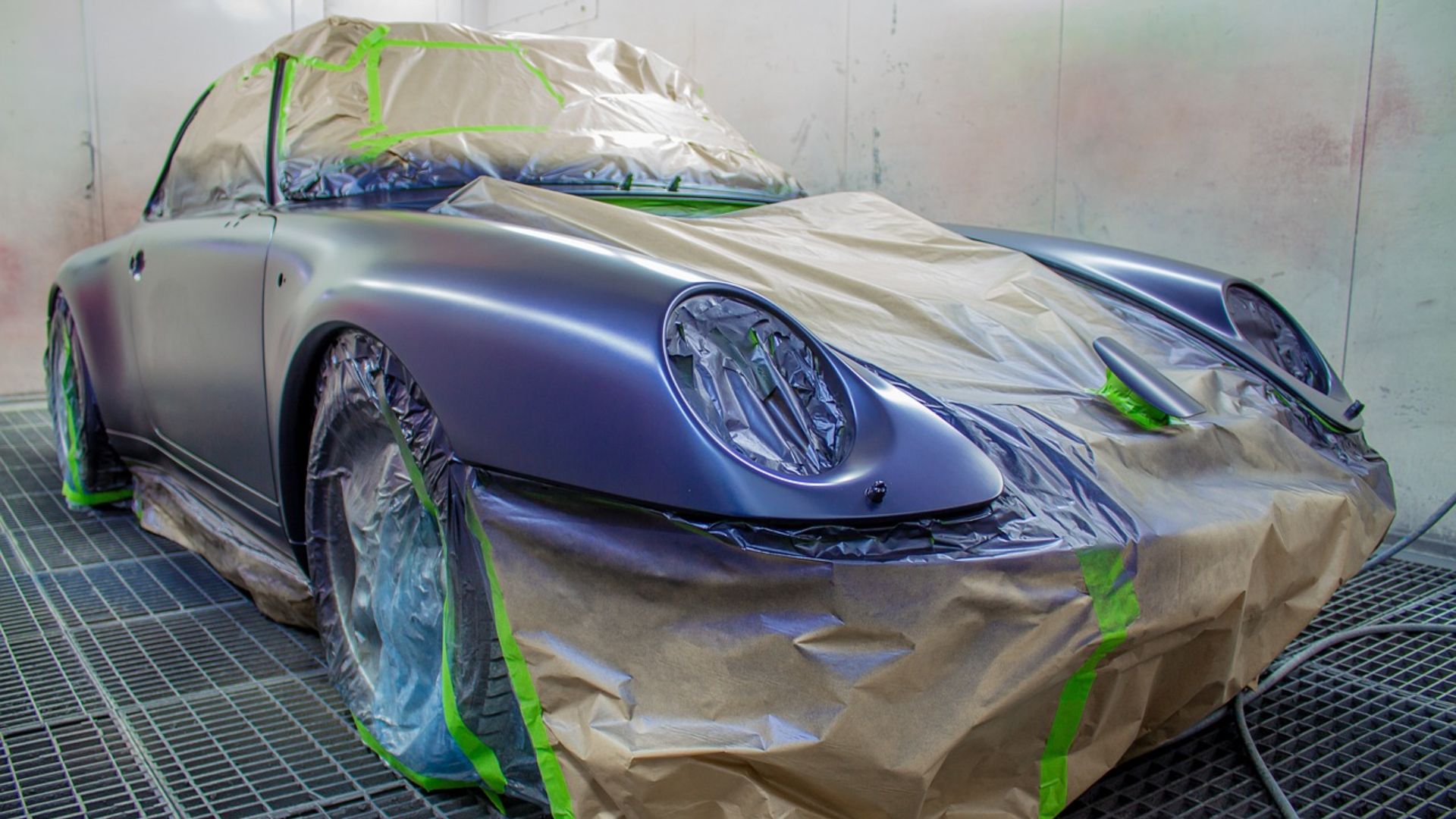
Collision history can make shoppers prefer a similar car without that record. CARFAX incorporates reported accidents into vehicle-specific values. A spotless paint job therefore doesn't necessarily restore your car's former market price.
There Are Three Types Of Value Loss
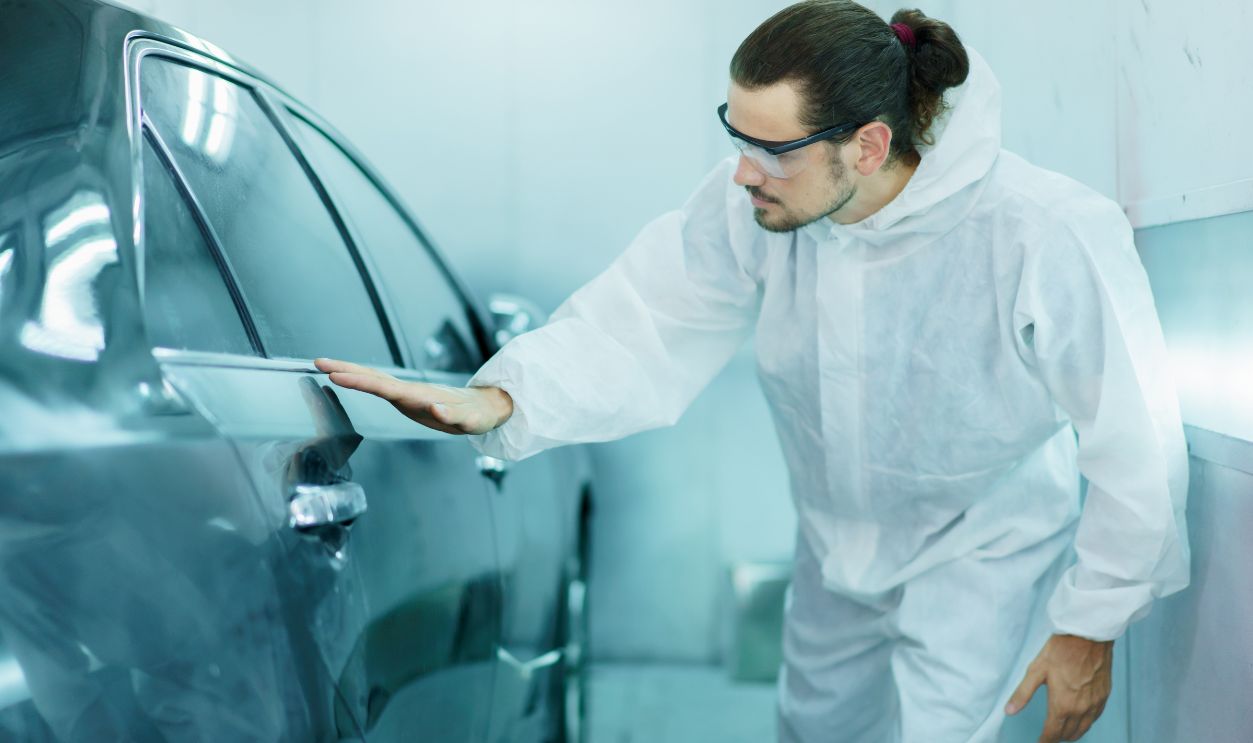
The categories are inherent, repair-related, and immediate diminished value. Inherent loss remains despite proper repairs. Repair-related loss comes from lingering defects, while immediate loss measures the reduction before repairs are completed.
Perfect Repairs Don't Erase The Claim
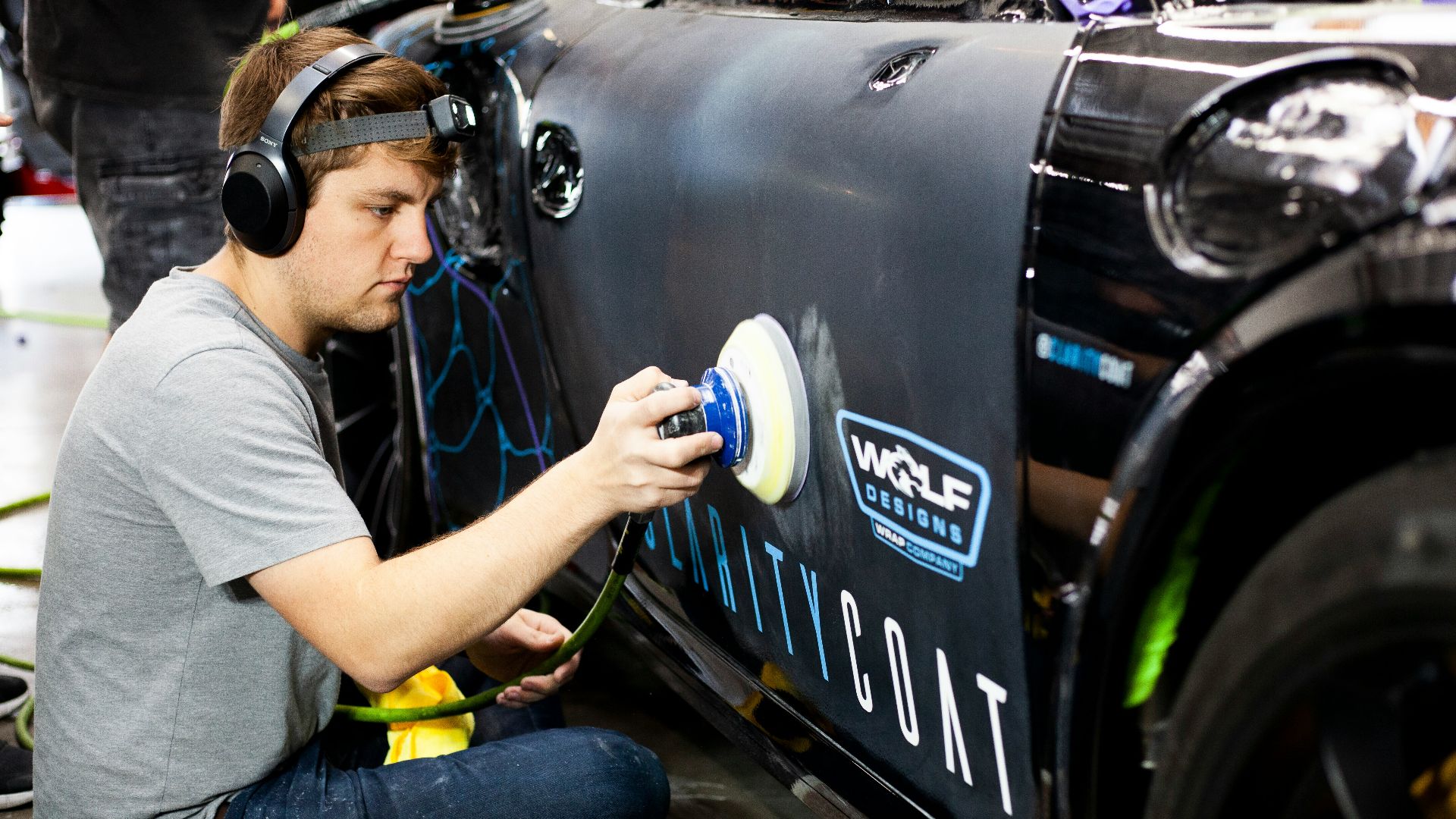
You needn't show that a body shop did poor work to establish inherent diminished value. A repaired vehicle may still be worth less because its collision history matters. You must prove that market reduction.
The First Question Is Who Caused The Collision
Fault matters enormously. Across much of the United States, drivers claim against the responsible driver's liability insurer. Claims under their own collision coverage follow different rules and are often less favorable for diminished value.
When Another Driver Was Responsible
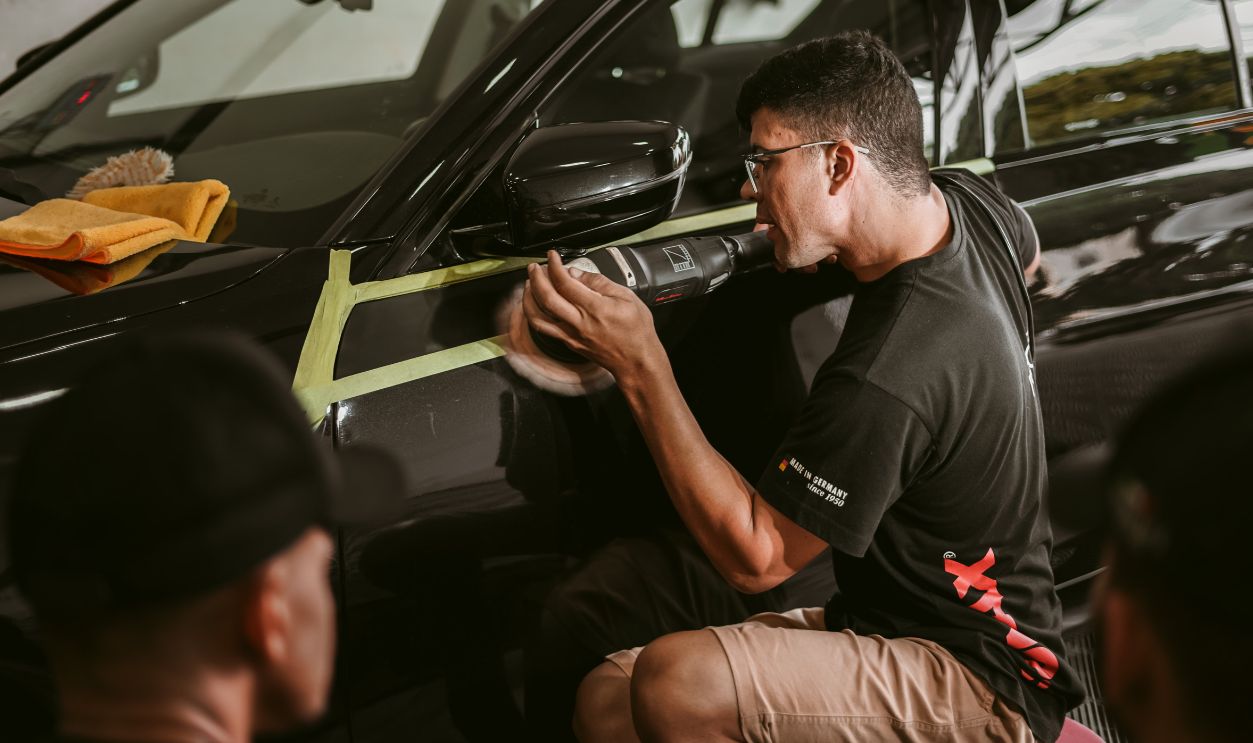
If another driver caused the crash, ask their insurer about a third-party diminished-value claim. Repair payment doesn't necessarily address remaining market loss. You still need documentation, and eligibility depends on local rules and coverage.
 U.S. Space Force photo by Senior Airman Tiarra Sibley, Wikimedia Commons
When You Caused The Collision
Your collision policy may cover repairs, minus a deductible. But standard policies in most US states generally exclude diminished value when you caused the crash. Check your actual policy before believing repair coverage includes resale losses.
State Rules Can Change The Answer
American insurance rules aren't uniform. Court decisions, policy wording, and state requirements affect which claims are allowed. Check your state insurance department's guidance before paying for an appraisal, especially if seeking payment from your own insurer.
 Sergiy Galyonkin from Raleigh, USA, Wikimedia Commons
Canadian Drivers Need A Different Playbook
Canada's claims systems vary by province. In Ontario, qualifying not-at-fault damage claims generally go through your own insurer under direct compensation coverage, if retained. That's unlike the usual American approach, and diminished value isn't automatically included.
 Monkey Business Images, Shutterstock
Shared Fault May Reduce Recovery
Both drivers can share responsibility for a collision. Where a diminished-value claim is available, partial fault may reduce recovery. Ontario also uses formal fault-determination rules when deciding damage benefits, underscoring why location matters.
 Shuets Udono, Wikimedia Commons
Insurers Won't Necessarily Offer It
Approved repairs don't automatically create another check. Diminished value usually requires a separate request with evidence. If your adjuster discusses only body-shop invoices, ask whether you can claim a remaining market-value loss.
 Amnaj Khetsamtip, Shutterstock
Establish What The Car Was Worth Beforehand
Start with the exact year, trim, mileage, features, condition, and local market before the collision. Comparable listings and valuation tools establish a baseline. Don't simply quote the original purchase price; used-car values change.

Then Find Its Value After Repairs
Next, estimate what your repaired car would bring with its collision history. Seek values matching its condition and location. Subtract that from a defensible pre-crash value, rather than using the repair bill as your loss.
Don't Mix Retail And Trade-In Prices
A dealer's trade-in offer isn't the same as a retail listing. CARFAX notes that trade-in values are typically lower. Compare equivalent price types before and after the collision, or you might exaggerate the apparent loss.

Keep Every Repair Document
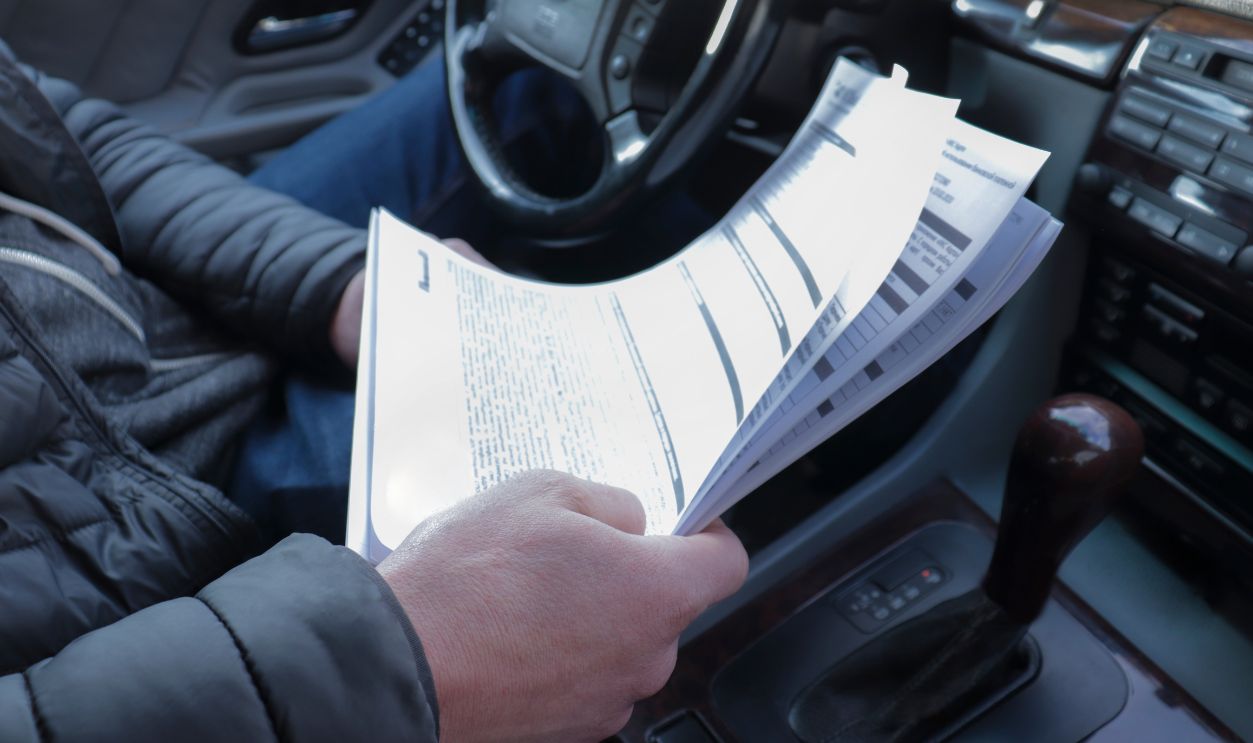
Save estimates, final invoices, photographs, and details of repaired components. These records establish the collision's extent and subsequent work. A complete file also gives an independent appraiser a sounder starting point.
 Natallia Ustsinava, Shutterstock
Check Your Vehicle History Report
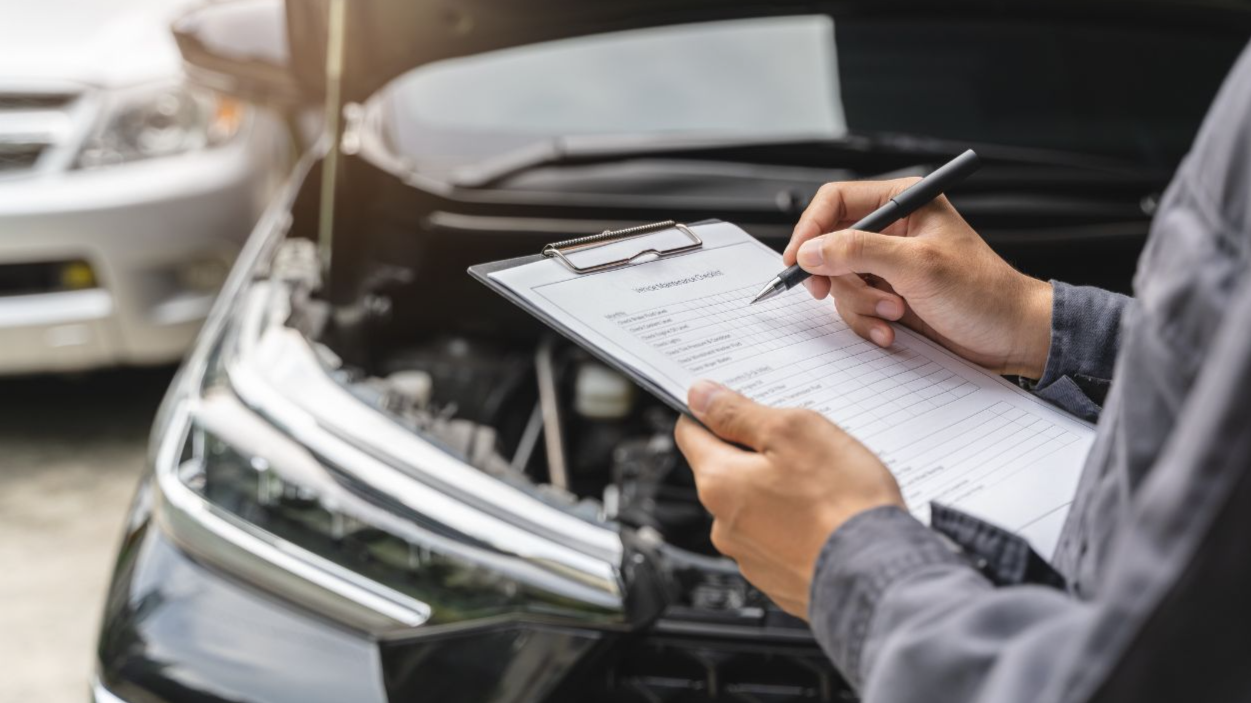
A reported collision may appear on a vehicle history report, sometimes with damage severity or location. Such records help explain differing offers for comparable cars. Check the report for accuracy before using it as evidence.
A Clean Report Isn't Proof Of A Clean Past
Not every collision reaches CARFAX, and some details are never supplied. An absent entry doesn't settle questions about damage or market value. Repair records, inspections, and real offers may still provide evidence.

Ask Dealers What They Would Actually Pay
Request written purchase or trade-in offers reflecting the known collision history. If possible, ask dealers to explain its effect on their figures. Several consistent offers can support your position better than one conversation.

Consider A Professional Appraisal
An independent appraiser can estimate market loss using condition, repair history, and comparable sales. The report doesn't guarantee payment because insurers can dispute it. Consider the fee alongside the amount you might recover.
 Chalermpon Poungpeth, Shutterstock
Treat Online Formulas As Estimates
You may encounter the "17c" formula, which factors in vehicle value, damage severity, and mileage. It isn't a guaranteed payout in every jurisdiction. Actual market evidence may provide a stronger basis for your demand.

Age And Mileage Matter
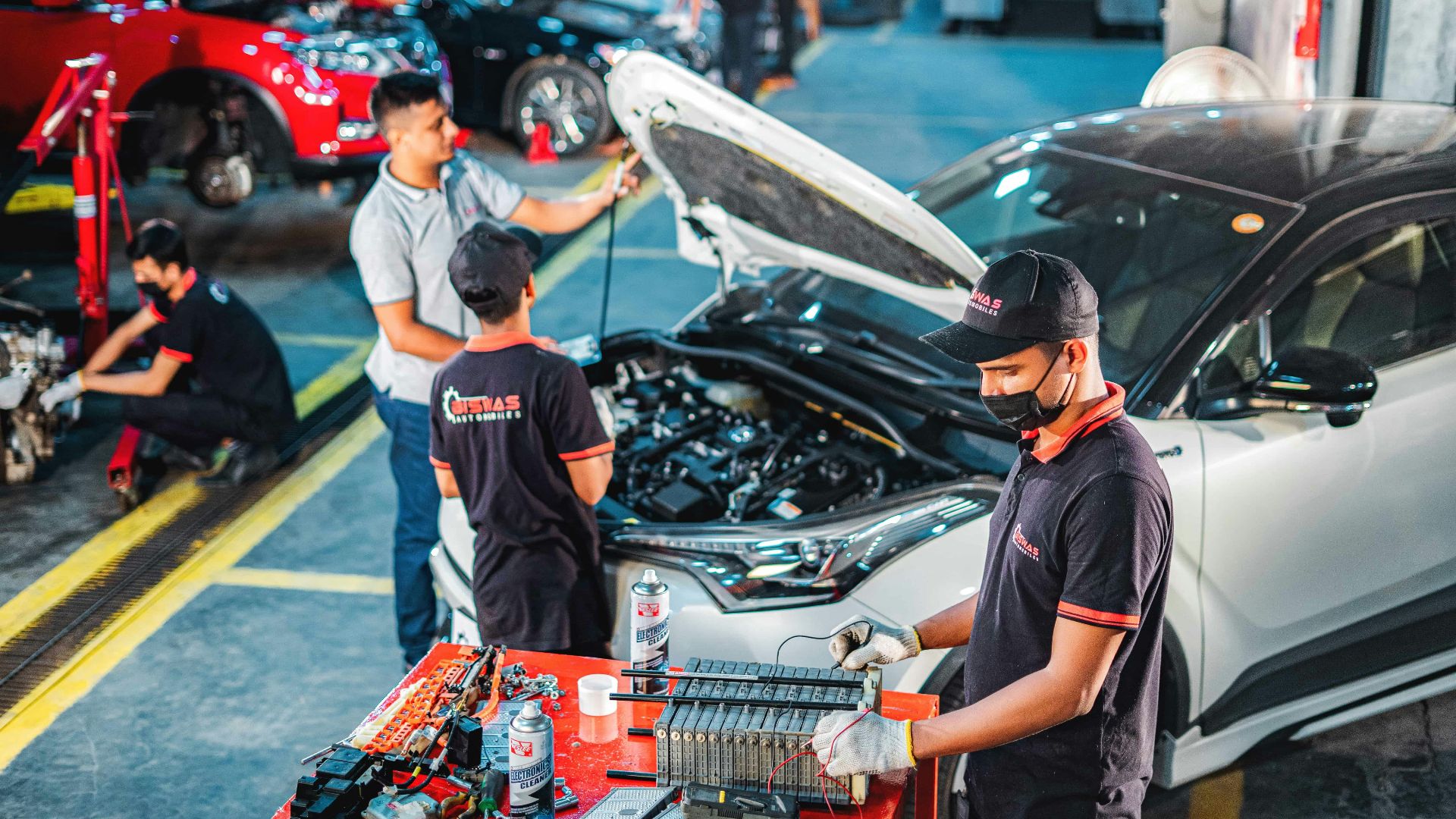
An older, high-mileage car may have less value left to lose than a newer model. Pre-collision condition matters too. The Insurance Information Institute notes that diminished value doesn't apply to every repaired car.
 Biswas Automobiles BD, Unsplash
Earlier Damage Makes Proof Harder
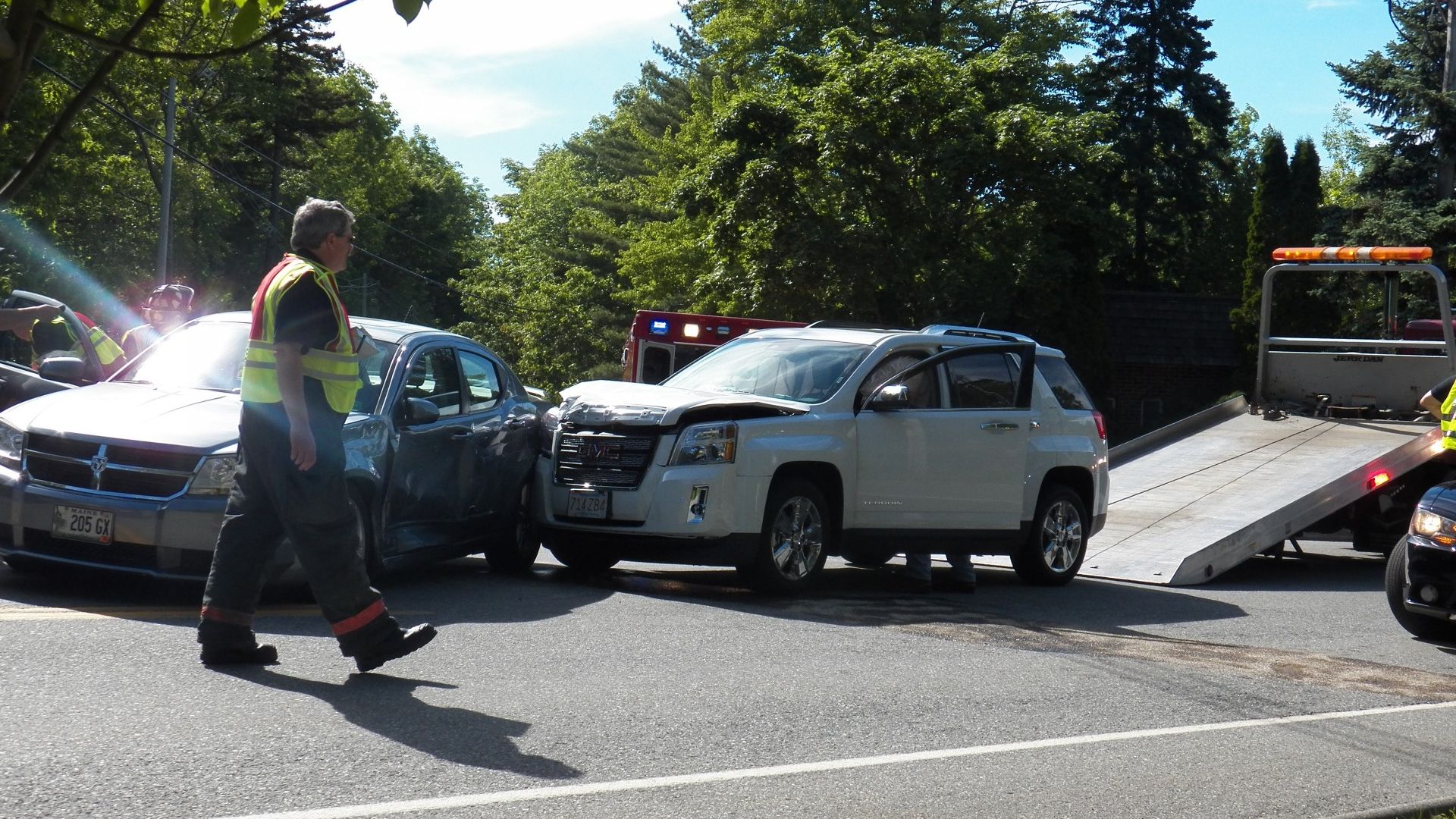
If your car already had collision damage, distinguish the new loss from its existing discount. Document older repairs and pre-collision condition. Your claim should isolate this incident's impact rather than all previous depreciation.
 Junior Libby, Wikimedia Commons
A Lease Adds Another Complication
With a lease, the leasing company owns the vehicle. That complicates who may seek diminished value and receive payment. Contact the leasing company before making demands or expecting compensation to belong directly to you.
Put Your Request In Writing
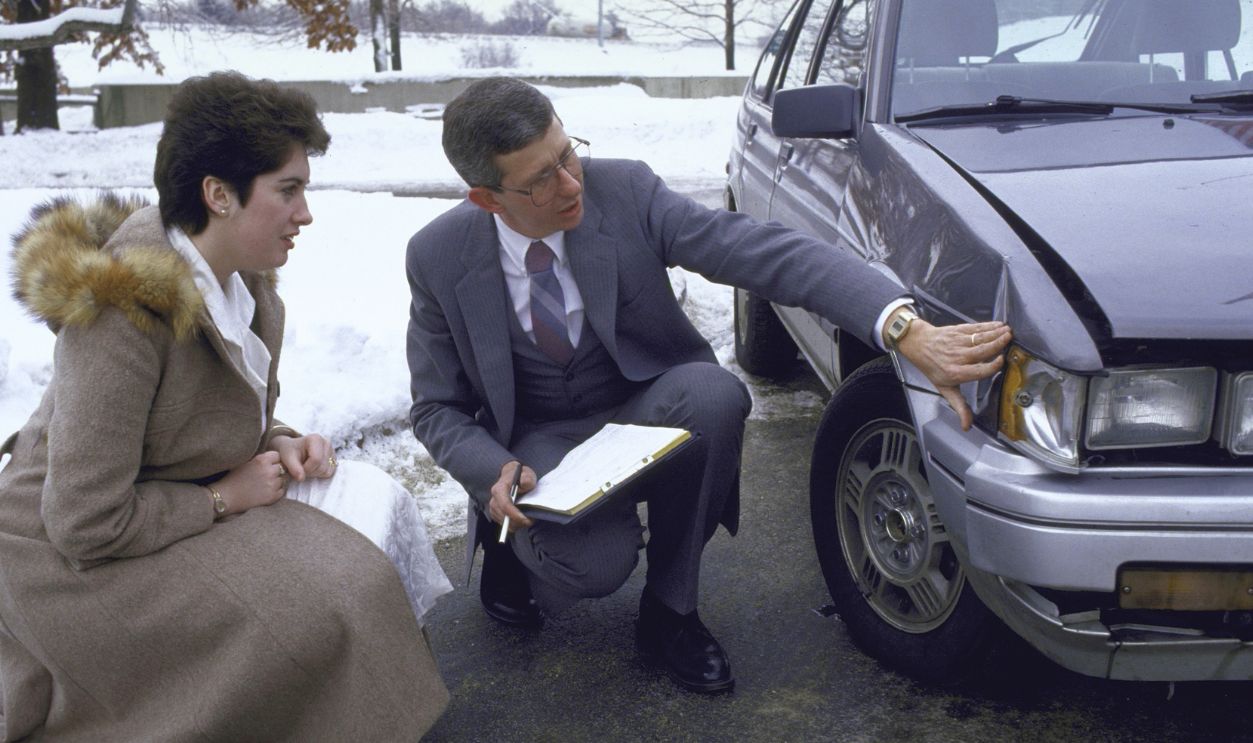
Identify the collision, claim number, vehicle, repair date, and amount requested. Attach valuations and repair documents. Ask for a written decision explaining any policy provision or local rule the insurer believes prevents payment.
Watch Deadlines And Settlement Paperwork
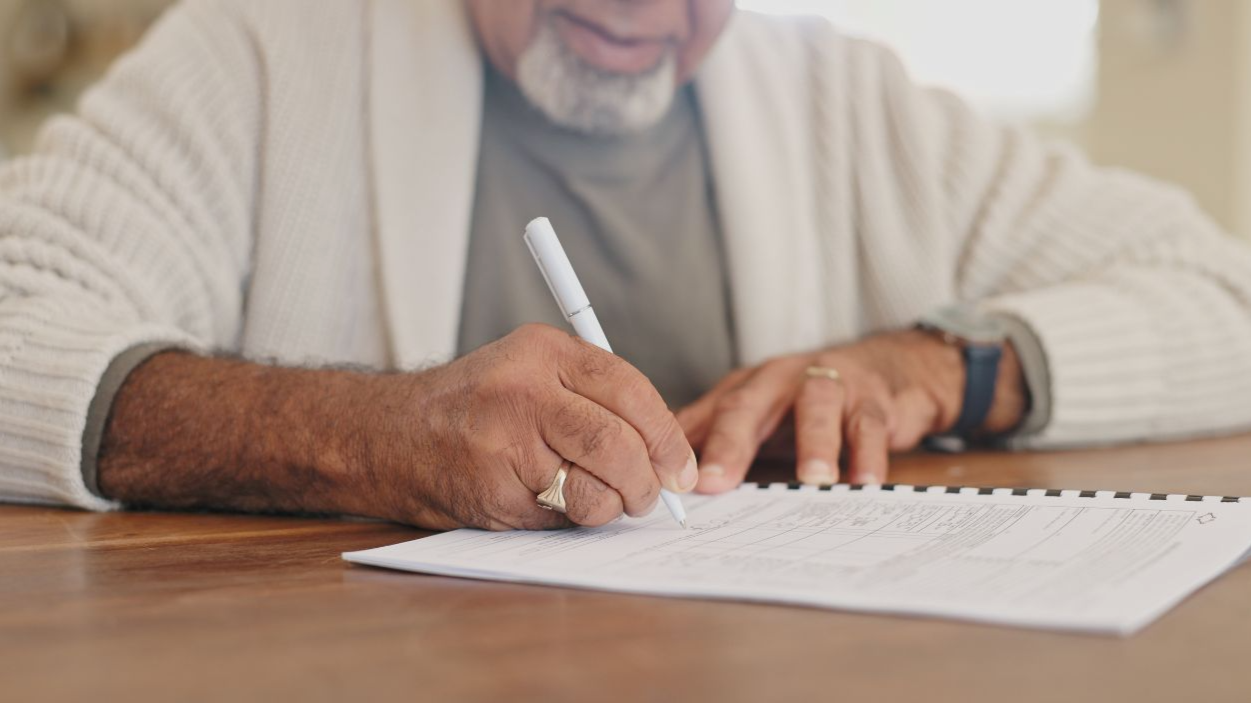
Deadlines depend on your location and policy, so act before selling the car. Read any final settlement or release carefully to understand what it closes. If uncertain, seek qualified local advice before signing.

If The Offer Is Too Low, Push Back With Evidence
Ask how the insurer calculated its offer, then respond with better comparisons or an appraisal. If talks stall, review state regulator complaint options or provincial dispute channels. A complaint process doesn't necessarily award you compensation.

Final Thoughts: The Difference May Be Recoverable
A repaired car can retain a real market loss, but one low offer doesn't guarantee compensation. Confirm eligibility, document the before-and-after difference, and submit a timely, well-supported claim. That gives you the strongest starting point.
You May Also Like:
My Classic Car Sits All Winter. Should I Start It Every Week Or Leave It Alone?
My Car Is Only Five Years Old, But The Interior Is Already Falling Apart. Is This Normal?