“Clean” Isn’t Quite The Reassurance It Sounds Like
Seeing “clean history” on a used-car listing feels like permission to relax. No major accidents, no ugly surprises, no reason to crawl around the parking lot examining welds, right? Unfortunately, it isn’t that simple. Vehicle-history reports are useful, but they can only show information that reached their databases. That means the report should be the beginning of the investigation, not the end.
First, Find Out What The Dealer Means By “Clean”
“Clean history” can mean several different things depending on who’s saying it. A salesperson might mean the vehicle has a clean title, while an online listing might mean a particular history report shows no reported accidents. Those aren’t necessarily the same thing as “this car has never been damaged.” Ask the seller to explain exactly what they’re claiming. If they mean no accidents, ask whether that statement is based solely on a history report or on an actual physical inspection of the car.

A Clean Title Doesn’t Mean An Untouched Car
A clean title generally means the title doesn’t currently carry a brand such as salvage, junk, or flood. It doesn’t certify that every body panel is original or that the car has never been in a collision. Plenty of damaged vehicles are repaired without ever reaching the threshold that results in a salvage designation. A parking-lot collision, sideswipe, hailstorm, or moderate crash could lead to substantial repairs while leaving the title looking completely ordinary.

History Reports Only Know What Gets Reported
Vehicle-history companies collect information from many sources, but no database captures every event. An accident might never generate an insurance claim, law enforcement report, dealership record, or other data point that reaches the provider. Someone could back into a pole, pay a body shop directly, and have the vehicle repaired without the incident appearing on the report. Even CARFAX tells consumers that not every accident or damage event is reported to it, which is why a clean report can’t be treated as proof that nothing happened.

Check More Than One Source
If the car is expensive enough to justify serious consideration, don’t necessarily stop at the complimentary report sitting on the dealer’s desk. Different vehicle-history providers draw from overlapping but not always identical sources. Compare the available records and look for inconsistencies in mileage, ownership, registration locations, service visits, title activity, or accident information. One report might contain information another missed. None of them replaces an inspection, but multiple records can help expose questions worth asking.

Don’t Forget About NMVTIS
The National Motor Vehicle Title Information System deserves a look when researching a used car. NMVTIS collects title and brand information along with certain insurance total-loss and salvage data, with information supplied by sources including state titling agencies, insurers, junk yards, salvage yards, and recyclers. It isn’t designed to provide a detailed history of every repair, so it shouldn’t replace a commercial report or physical inspection. What it can do is provide another important check for serious title or loss history.

Look At The Car In Good Daylight
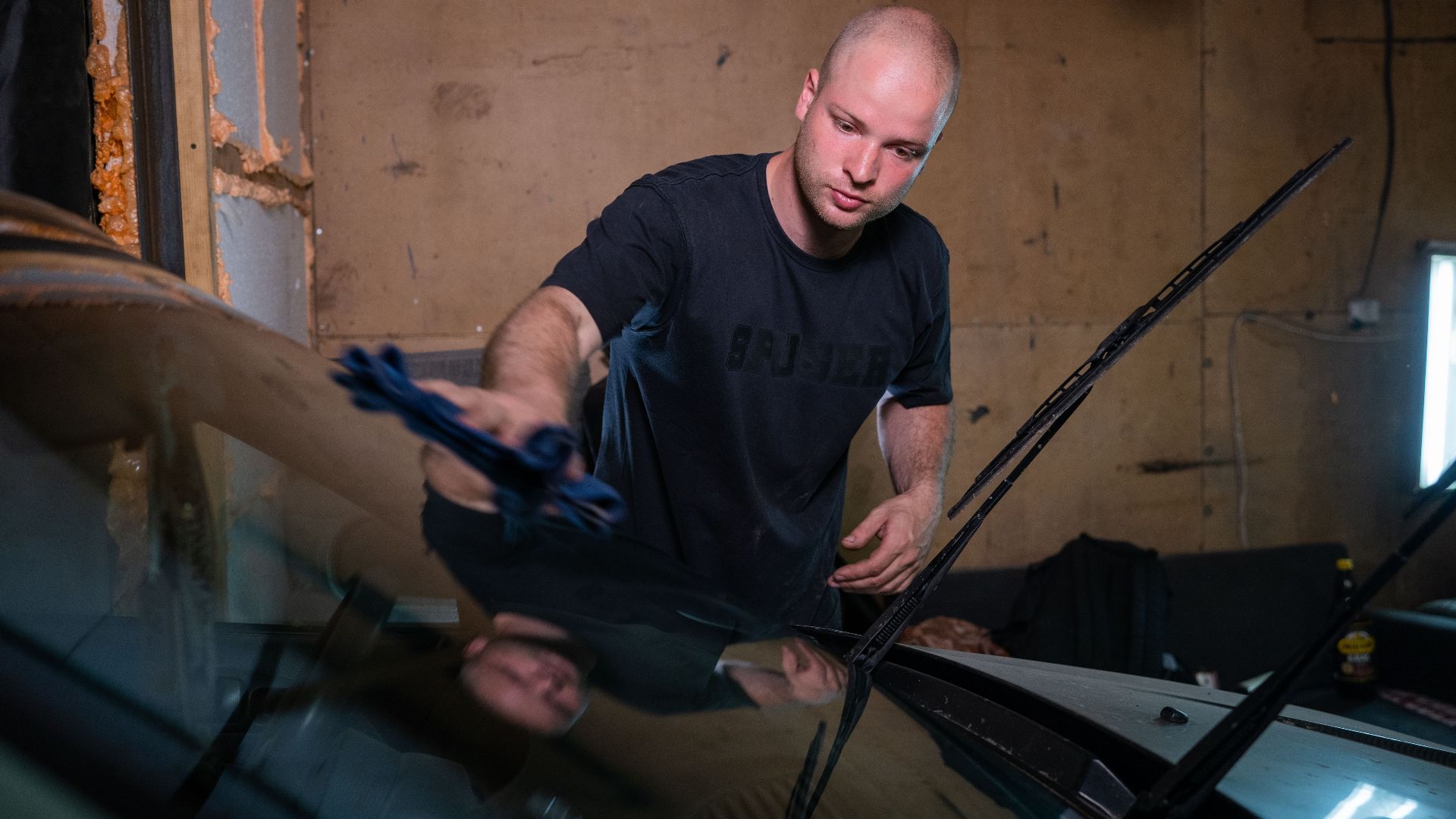
A freshly detailed car under showroom lights can hide an impressive amount of history. Whenever possible, inspect the vehicle outside during daylight and look at it from several angles. Walk far enough away to view entire sides of the car rather than staring at individual scratches. Different paint shades, unusual reflections, waviness, or changes in gloss can become much easier to see when natural light hits the body. A wet car is particularly hard to judge, so rain isn’t your friend here.

Compare The Paint Panel By Panel
Factory paint should generally look consistent across adjacent metal panels. If one door seems slightly darker, shinier, rougher, or more orange-peeled than the panel beside it, investigate further. Metallic colors can make mismatches especially noticeable from different angles. Repainting doesn’t automatically mean the car suffered a serious collision; sometimes a scratch or cosmetic dent was repaired. The important part is figuring out why the paintwork was done and whether anything more significant is hiding underneath it.

Check The Gaps Between Every Body Panel
Stand in front of the car and compare the gaps running along both sides of the hood. Do the same around the doors, fenders, trunk, liftgate, headlights, and taillights. The spacing shouldn’t necessarily be laser-perfect on every vehicle, but the left and right sides should generally look consistent. A hood that sits close to one fender but noticeably farther from the other deserves attention. Uneven gaps can result from poorly adjusted replacement panels or repairs following a collision.

Hunt For Paint Overspray
Body shops normally mask areas they don’t want painted, but rushed repairs sometimes leave clues behind. Look closely at rubber weatherstripping, plastic trim, wheel-well liners, wiring, doorjambs, headlight edges, and components beneath the hood. Tiny specks or a mist of body-colored paint where it doesn’t belong can suggest a panel was refinished. Run a finger carefully along hidden edges as well. A rough painted edge can be easier to feel than it is to see.
Take A Close Look At Bolts And Fasteners
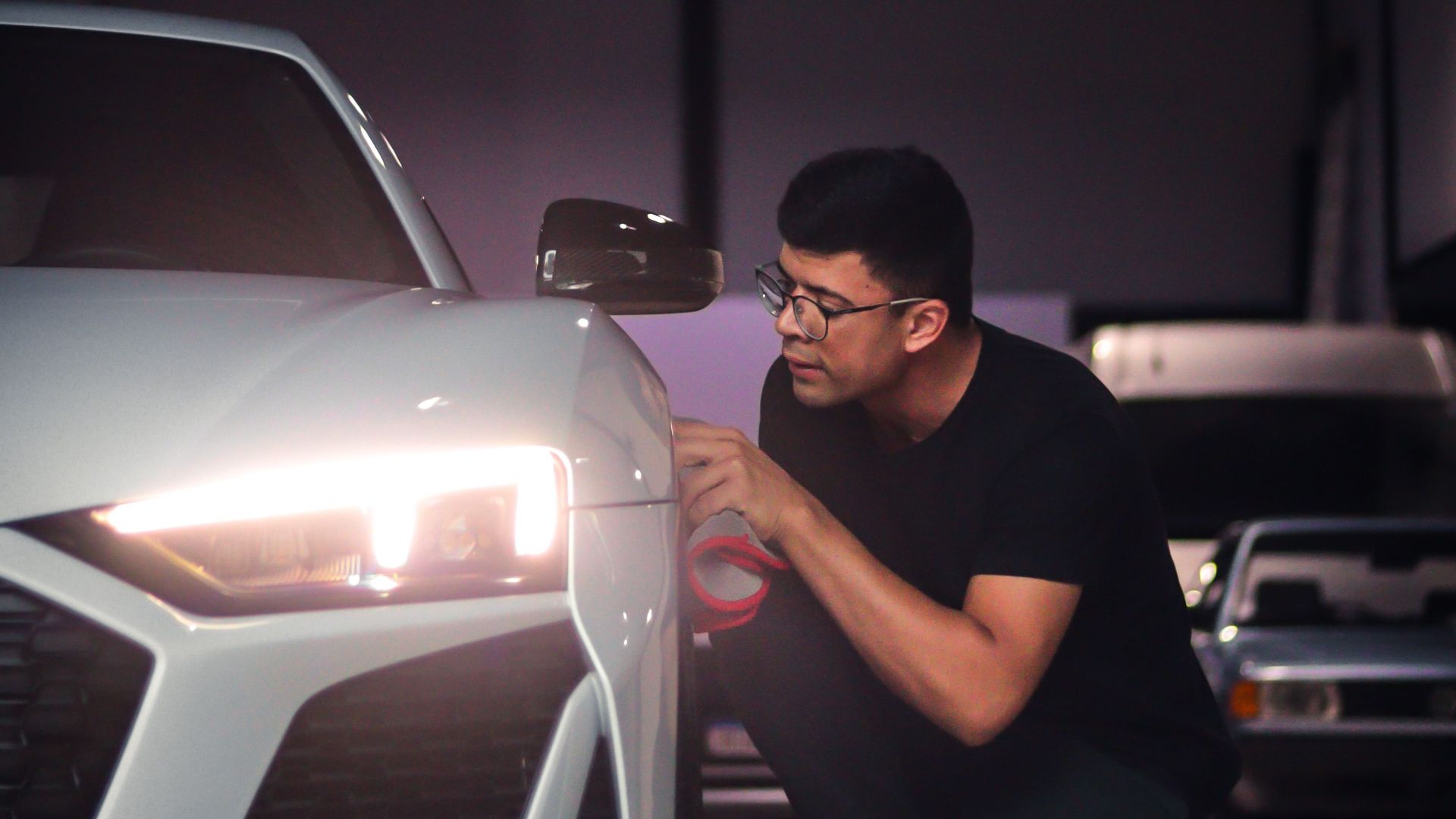
Factory-installed bolts on fenders, hood hinges, doors, and other body components often leave visible clues if they’ve been removed. Look for chipped paint around bolt heads, wrench marks, disturbed washers, or bolts that look noticeably newer than everything around them. None of these automatically proves the car suffered a serious accident because panels are sometimes removed for ordinary repairs. They do tell you that something has probably been worked on, which gives you another question to put to the seller.
Factory Welds Can Tell A Story
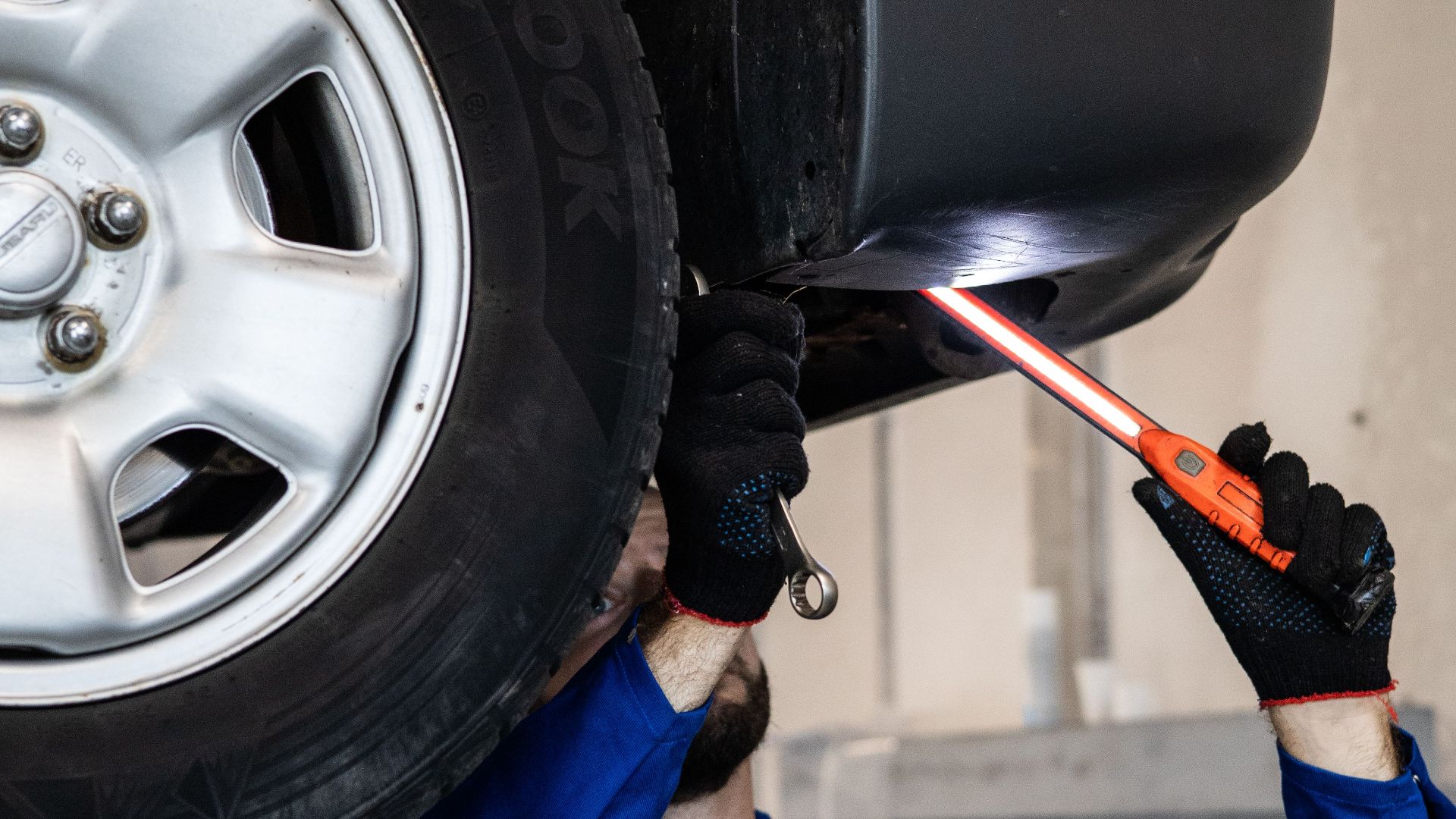
Major collision repair can leave evidence in places a quick cosmetic inspection won’t reach. Look around the engine bay, trunk floor, radiator support, inner fenders, and door openings for welds or seam sealer that look different from the opposite side. Factory work is usually quite repetitive, so an area with irregular welds, rough grinding marks, fresh seam sealer, or strangely neat new paint beside older material deserves professional attention. Structural repairs are one area where an experienced collision technician is especially valuable.
Open And Close Everything
Don’t just admire the car with everything shut. Open every door, the hood, the trunk, and the liftgate, then close them again several times. They should latch without needing an unusual amount of force, rubbing nearby panels, or bouncing back open. A door that sits differently from the others or a trunk that requires a hard slam can have an innocent adjustment issue, but it can also point toward previous body damage or replacement parts that weren’t aligned particularly well.

Get Underneath The Car
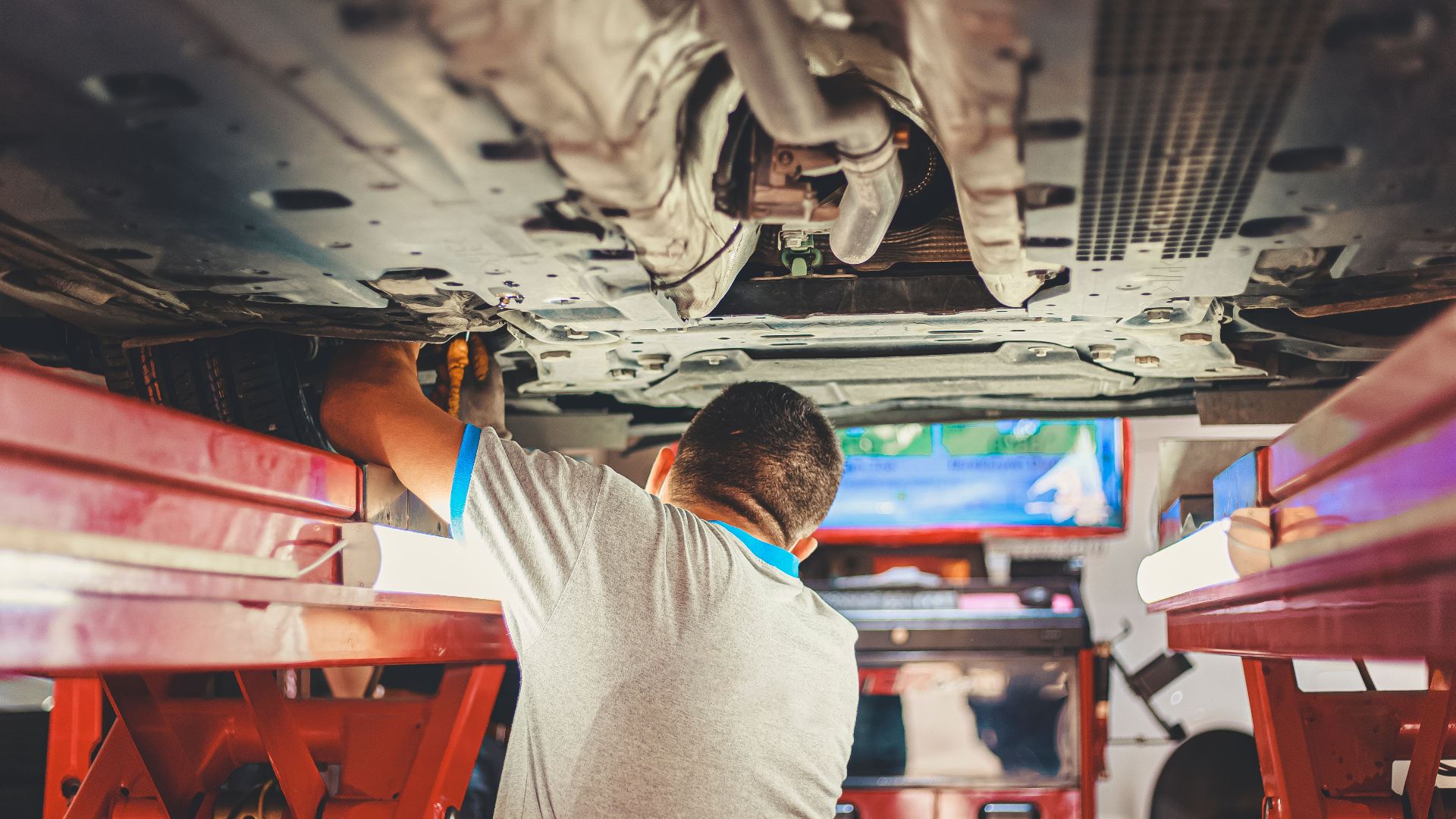
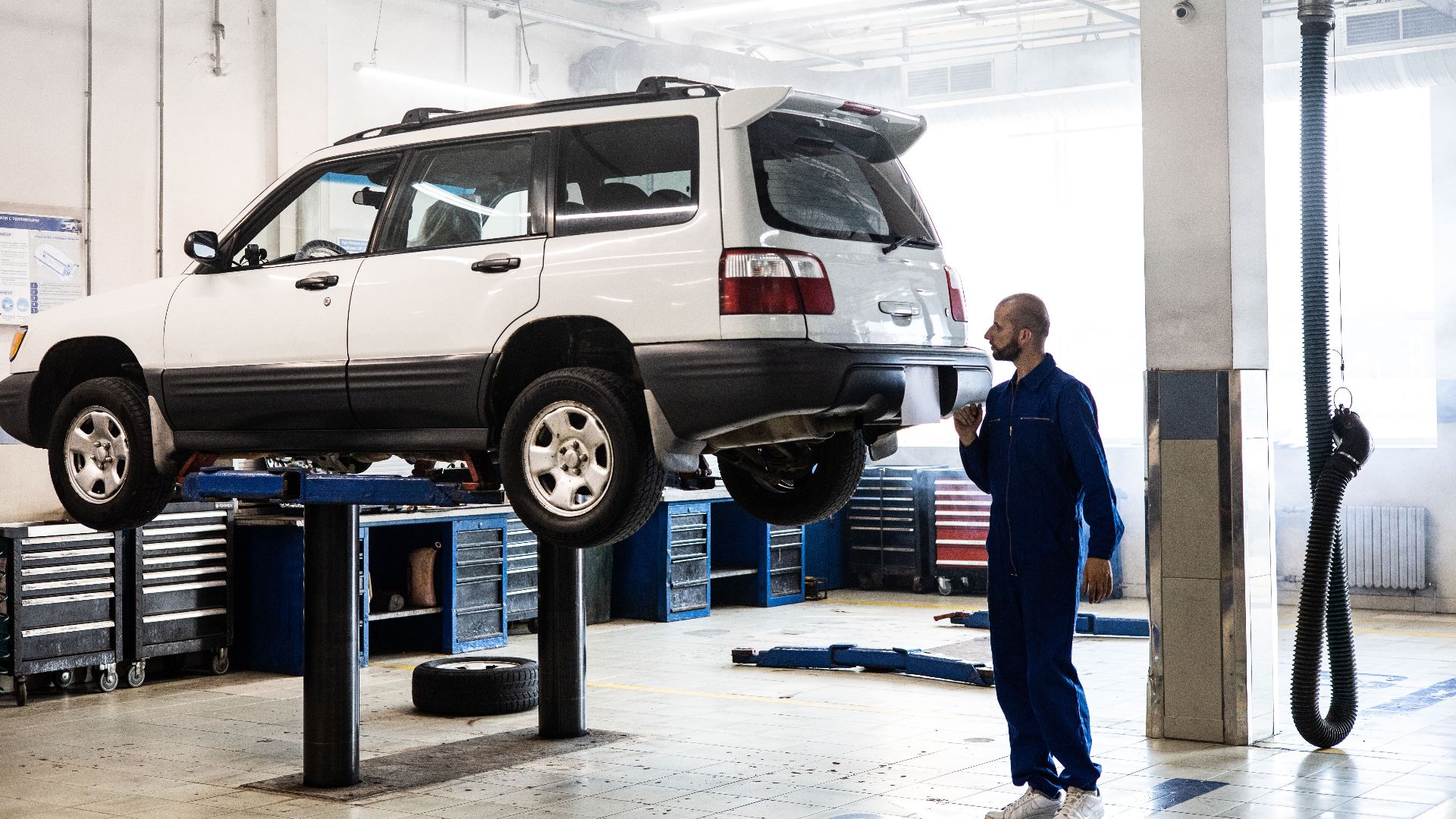
Some of the most important evidence is below eye level. An independent inspection on a lift can reveal crushed pinch welds, bent suspension components, damaged subframes, unusual corrosion, replacement parts, fresh undercoating, distorted metal, or structural areas that have been repaired. A shiny exterior means very little if the underside tells a completely different story. Buyers shouldn’t crawl under an unsupported vehicle themselves, so this is a perfect job for the shop performing the pre-purchase inspection.
Pay Attention To The Tires
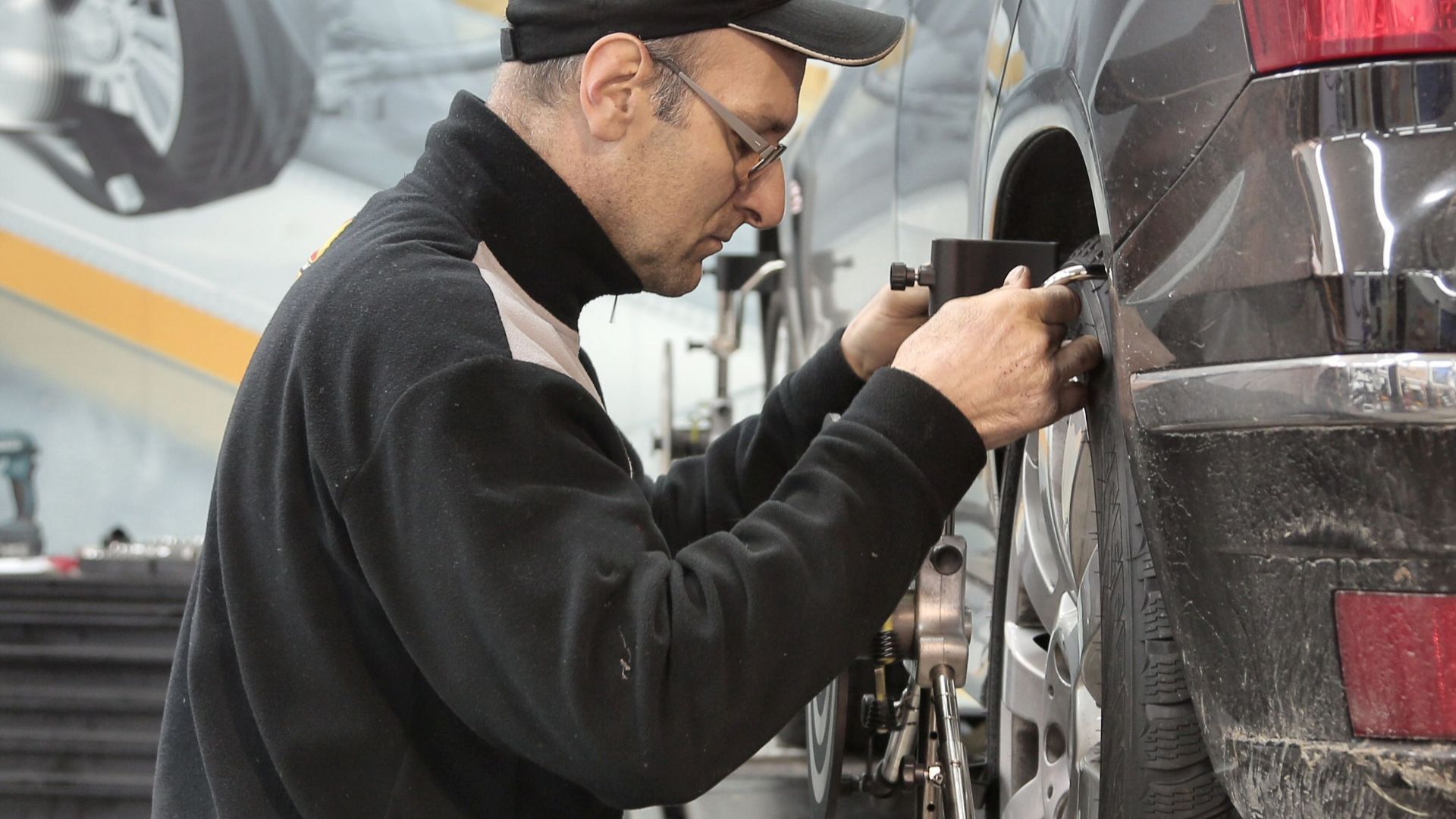
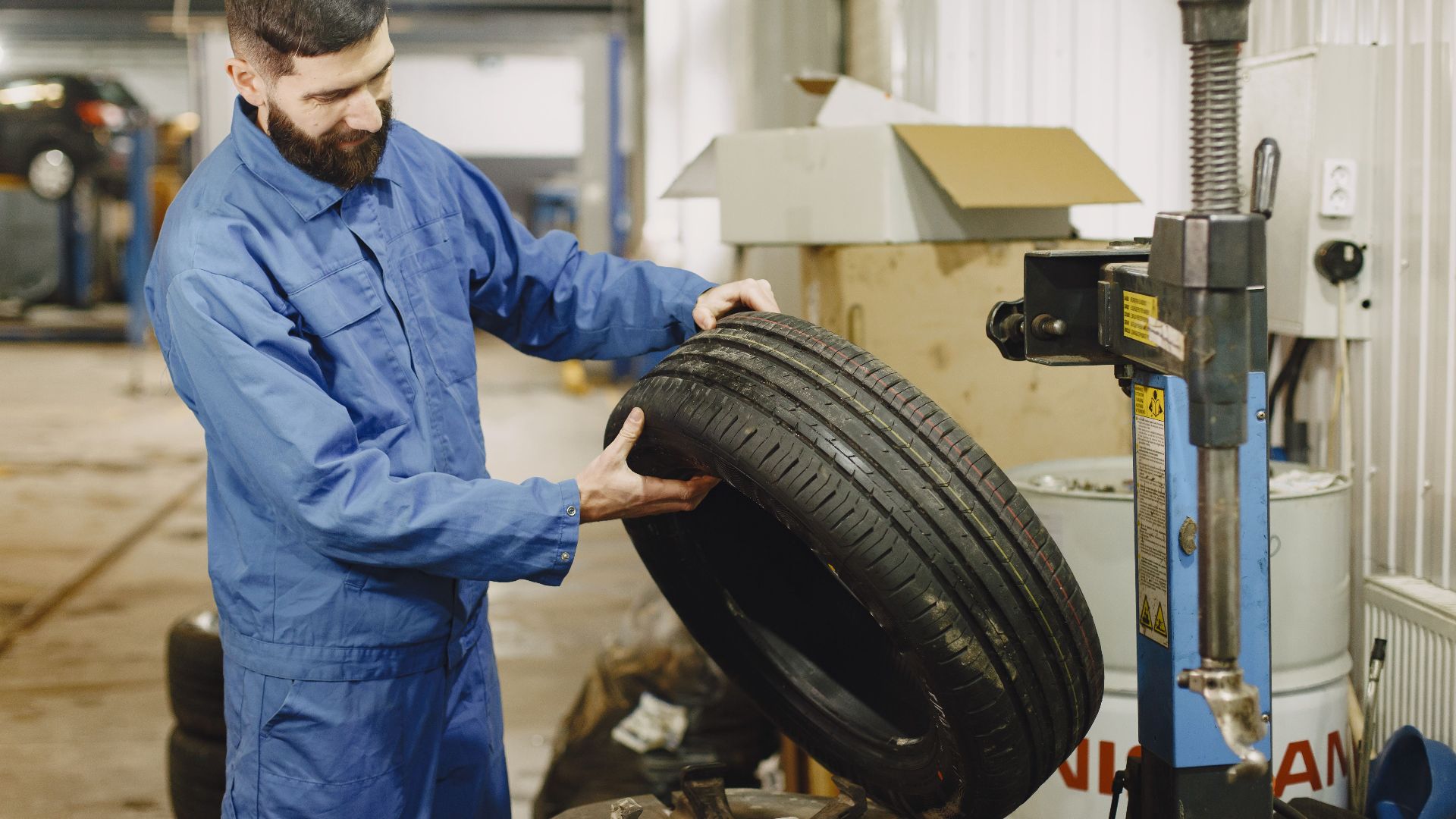
Tires can quietly reveal problems the bodywork hides. Look across the tread of all four tires and compare wear from the inner edge to the outer edge. Severe or unusual wear can result from something relatively routine, such as neglected alignment or worn suspension parts, but it may also justify checking whether suspension mounting points or structural components were damaged. Four brand-new tires aren’t necessarily suspicious, but they do conveniently erase this particular piece of evidence, so ask why they were replaced.
Make The Test Drive Part Of The Inspection
Take the car somewhere safe enough to drive at several speeds and pay attention to how it behaves. Does the steering wheel sit straight when the car travels straight? Does the vehicle consistently pull in one direction? Are there unusual vibrations, rattles, or clunks over bumps? None of those symptoms proves crash damage on its own, but they’re reasons to investigate before buying. A repaired car can look beautiful while suspension, alignment, or structural problems reveal themselves once it starts moving.

Look At The Glass And Lights
A replacement windshield, headlight, or side window isn’t automatically concerning. Windshields crack, headlights get damaged, and small accidents happen. Still, several replacement components clustered on one corner of an otherwise original car can help build a bigger picture. Look for noticeably different manufacturer markings, age, clarity, or condition between matching pieces. If the left headlight looks brand-new while the right one has eight years of normal wear, ask why. Small inconsistencies sometimes point toward a repair the history report never mentioned.
Make Sure The Airbag Light Behaves Normally
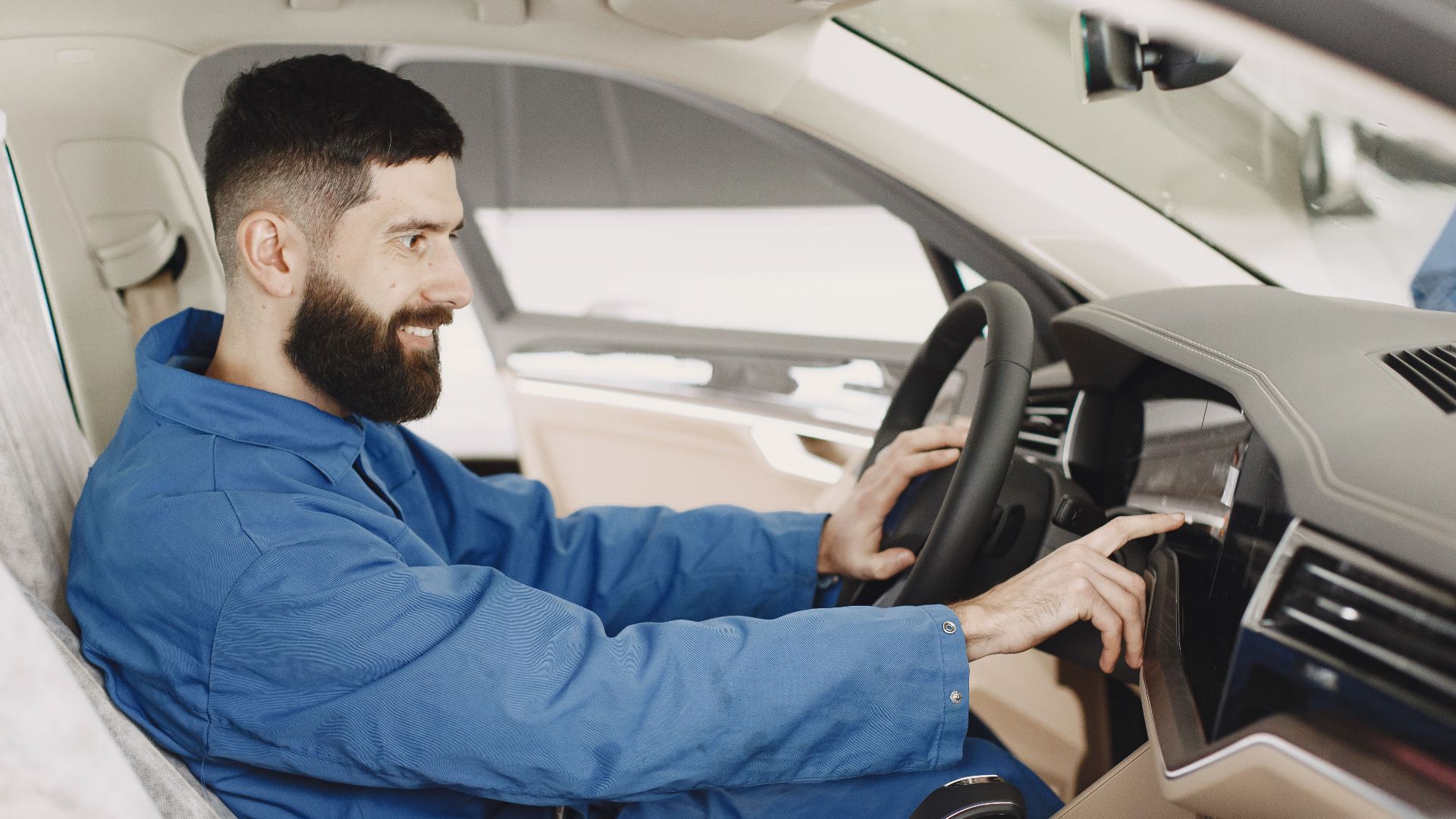
Turn the ignition on and watch the dashboard. The airbag or supplemental restraint system warning light should illuminate as part of its normal self-check and then go out if the system detects no fault. A warning that stays illuminated deserves investigation, and so does an indicator that behaves strangely or never appears when it should. Airbags and associated components may have been involved in previous collision repairs, and this isn’t an area where buyers should accept vague promises that everything is probably fine.
![The airbag of a SEAT Ibiza automobile, photographed about an hour after the car had been severely damaged in a road crash.
By 0.3 seconds after inflation, the bag is supposed to be empty.[1]
The driver crashed into the back of a Mercedes in a queue of tra](https://www.factinate.com/storage/app/media/driversdaily/2026/9/29/179066414511f657094320e6ec5f7d54cb379ec146f3285fde.jpg) Users Lupin, Arpingstone on en.wikipedia, Wikimedia Commons
Users Lupin, Arpingstone on en.wikipedia, Wikimedia Commons
Modern Driver-Assistance Systems Add Another Layer
Newer cars can have cameras, radar units, ultrasonic sensors, and other driver-assistance hardware mounted in bumpers, windshields, grilles, and body panels. Collision repairs may require these systems to be inspected or calibrated after parts are removed or replaced. Test features that can safely be checked, watch for warnings, and ask whether any collision-related calibration was performed. A bumper that looks perfectly repaired doesn’t necessarily tell you whether the technology mounted behind it was restored and calibrated correctly.
Watch For Flood Damage Too
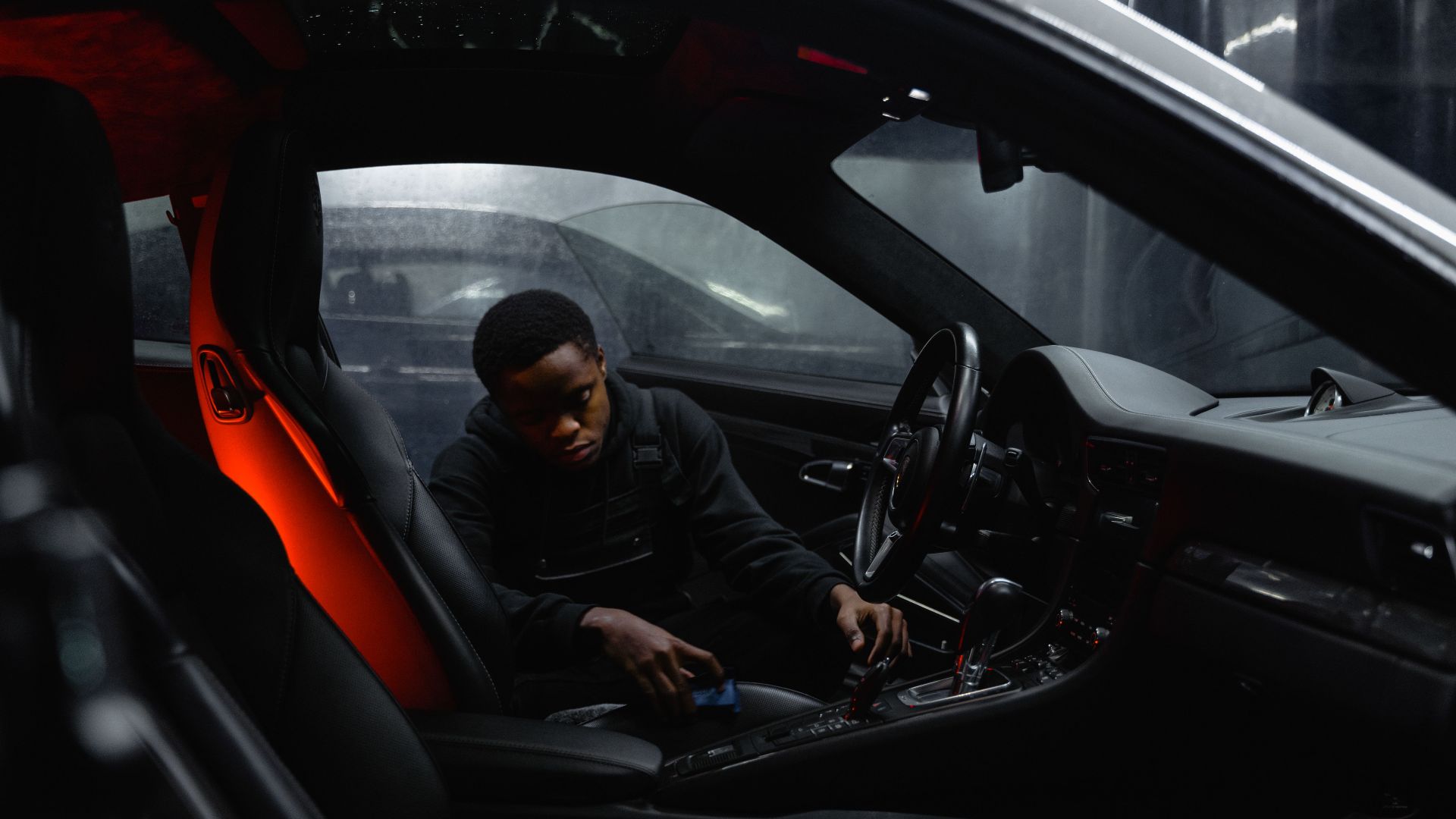
Collision damage isn’t the only thing capable of slipping past an apparently reassuring listing. Flood-damaged vehicles can be cleaned thoroughly and resold far from the area where flooding occurred. Pay attention to musty smells, excessive air freshener, unusual rust or corrosion, stains, and dirt in places that are difficult to clean. Check beneath seats, under the dashboard, around seat mounting hardware, and inside storage compartments. Electrical problems caused by water exposure can show up long after the car looks dry again.
Check The Spare-Tire Well
The trunk or cargo floor is one of the easiest places to forget and one of the most useful places to inspect. Lift the carpet and remove whatever panels cover the spare tire or storage well. Look for standing water, staining, rust, dirt, unusually fresh paint, distorted metal, replacement seam sealer, or repairs that don’t match the surrounding area. Rear-end damage can sometimes leave evidence here even after the bumper and exterior panels have been made presentable again.
Look For A Pattern, Not One Smoking Gun
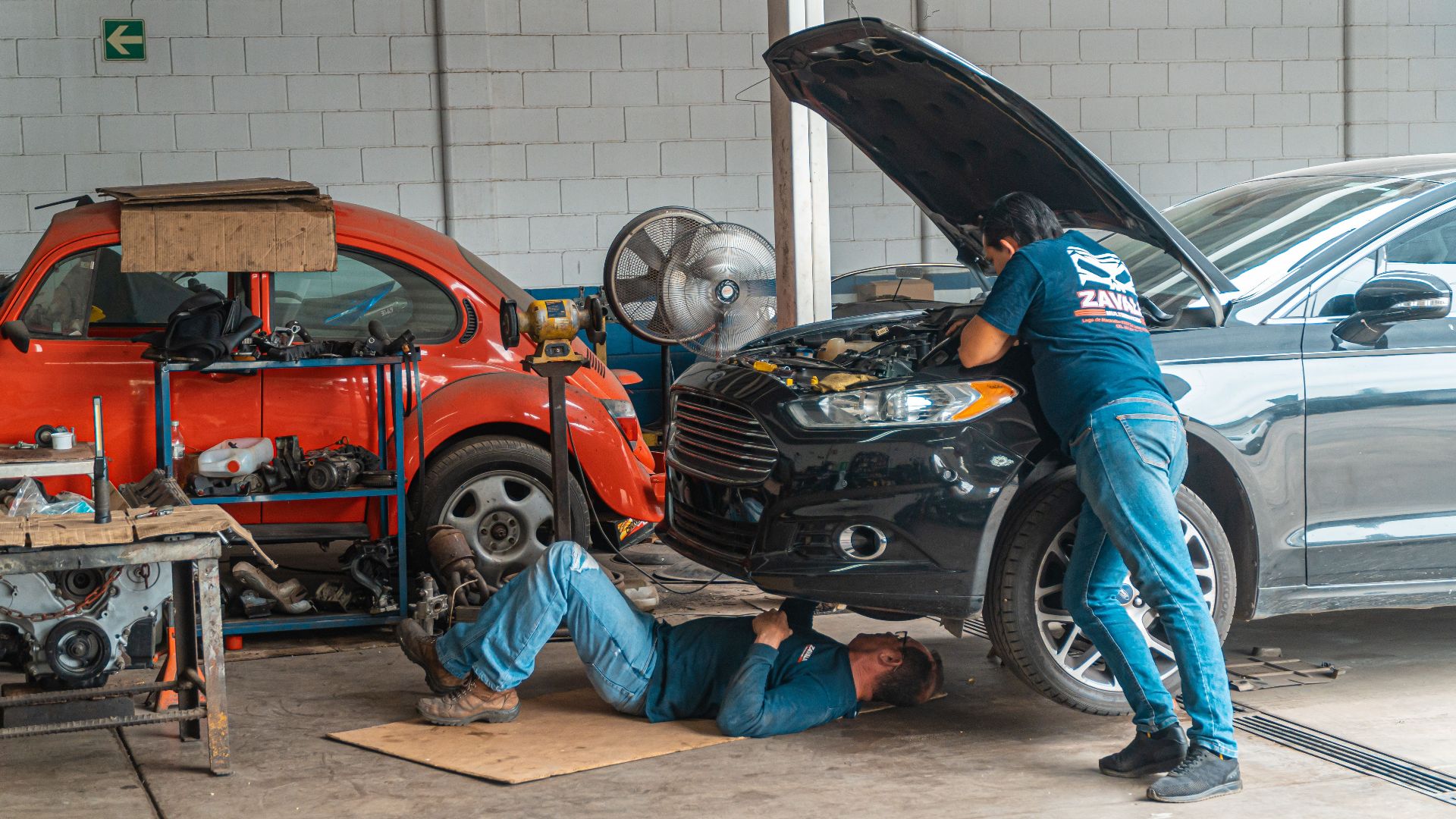
Used cars accumulate repairs. A replaced windshield, repainted bumper, or slightly different headlight doesn’t mean the vehicle is secretly a wreck. What matters is whether several clues begin pointing toward the same area. A newer headlight combined with mismatched fender paint, disturbed bolts, uneven panel gaps, and overspray around the same corner is far more interesting than any one clue by itself. Think like a detective rather than assuming every imperfection proves something terrible happened.
 Jose Ricardo Barraza Morachis, Pexels
Ask For Repair Records And Old Photos
If the seller acknowledges previous damage, details matter much more than the simple fact that a repair occurred. Ask what happened, which parts were replaced, which shop completed the repair, and whether invoices or photographs are available. A well-documented bumper repair is very different from a seller who vaguely claims the entire front end was repaired for “some little thing.” Documentation can also help an independent technician focus the inspection on the areas most likely to reveal lingering problems.

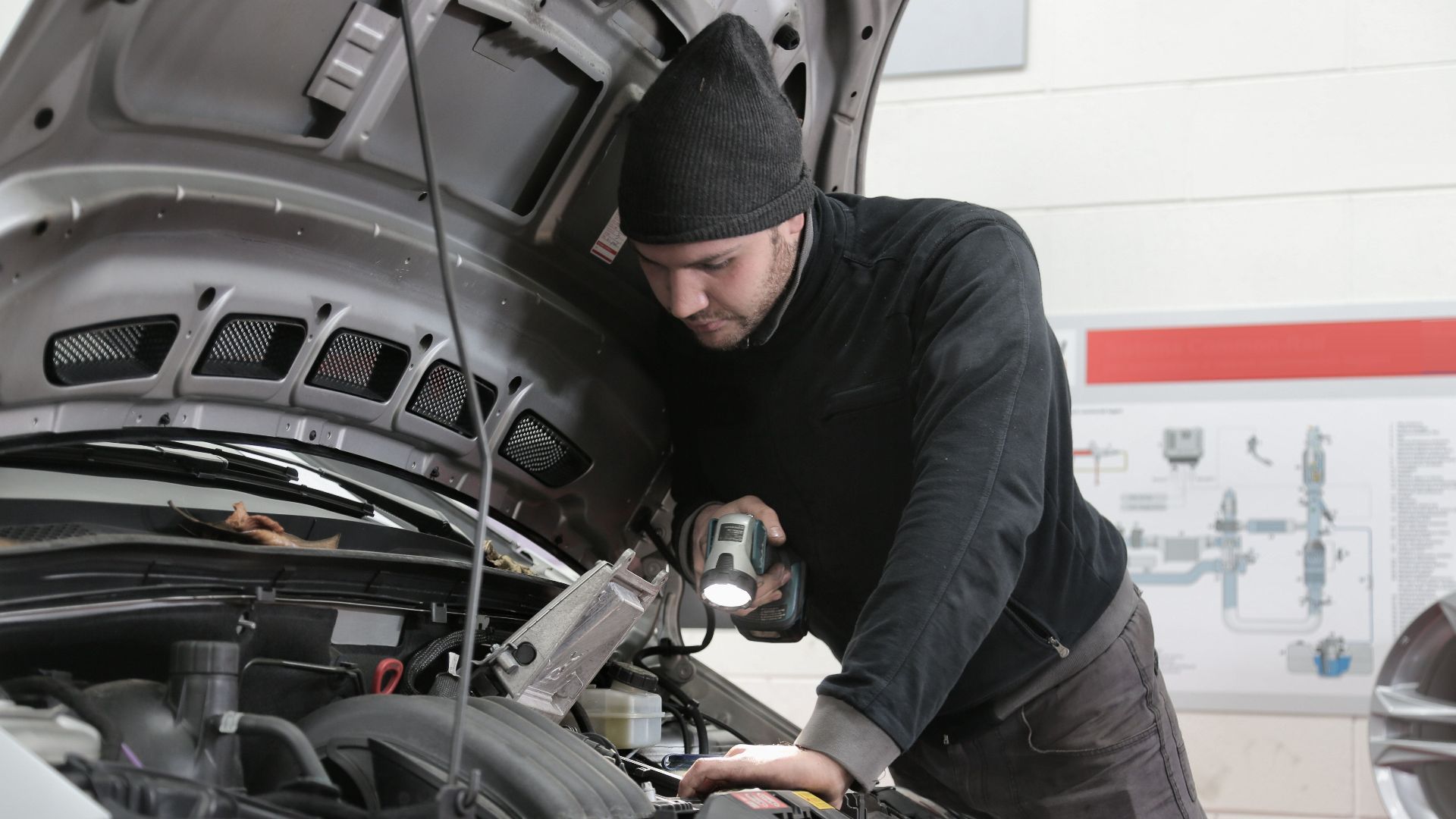
Get A Real Pre-Purchase Inspection
This is the step that turns guessing into something much more useful. Pay an independent shop to inspect the vehicle before money changes hands, even if the dealership says its technicians already looked at it. The FTC specifically recommends independent inspections because a history report isn’t a substitute for physically examining the vehicle. Ask for the findings in writing, including any problems discovered and estimated repair costs. Spending some money before the purchase can be far cheaper than discovering hidden damage afterward.
Consider A Body Shop For Suspected Collision Damage
A general mechanic is great for checking the engine, brakes, suspension, leaks, and other mechanical systems, but suspected collision damage may justify a second set of eyes from an experienced body or collision-repair shop. They’re accustomed to recognizing paintwork, replaced panels, structural repairs, unusual welds, and evidence that components have been straightened. If the car is expensive or several clues suggest a significant previous repair, paying for that extra inspection can make a lot more sense than taking the seller’s word for it.
Ask For A Diagnostic Scan
Modern cars contain multiple computers that monitor systems such as airbags, anti-lock brakes, steering, and driver-assistance features. A professional inspection may include scanning the vehicle for current or stored diagnostic trouble codes. Codes don’t automatically prove previous collision damage, and old faults can have plenty of harmless explanations, but unexplained warnings involving restraint or safety systems deserve attention. Buyers should also make sure dashboard warning lights haven’t simply been cleared moments before the test drive only to return later.
“Certified” Still Doesn’t Mean “Never Damaged”
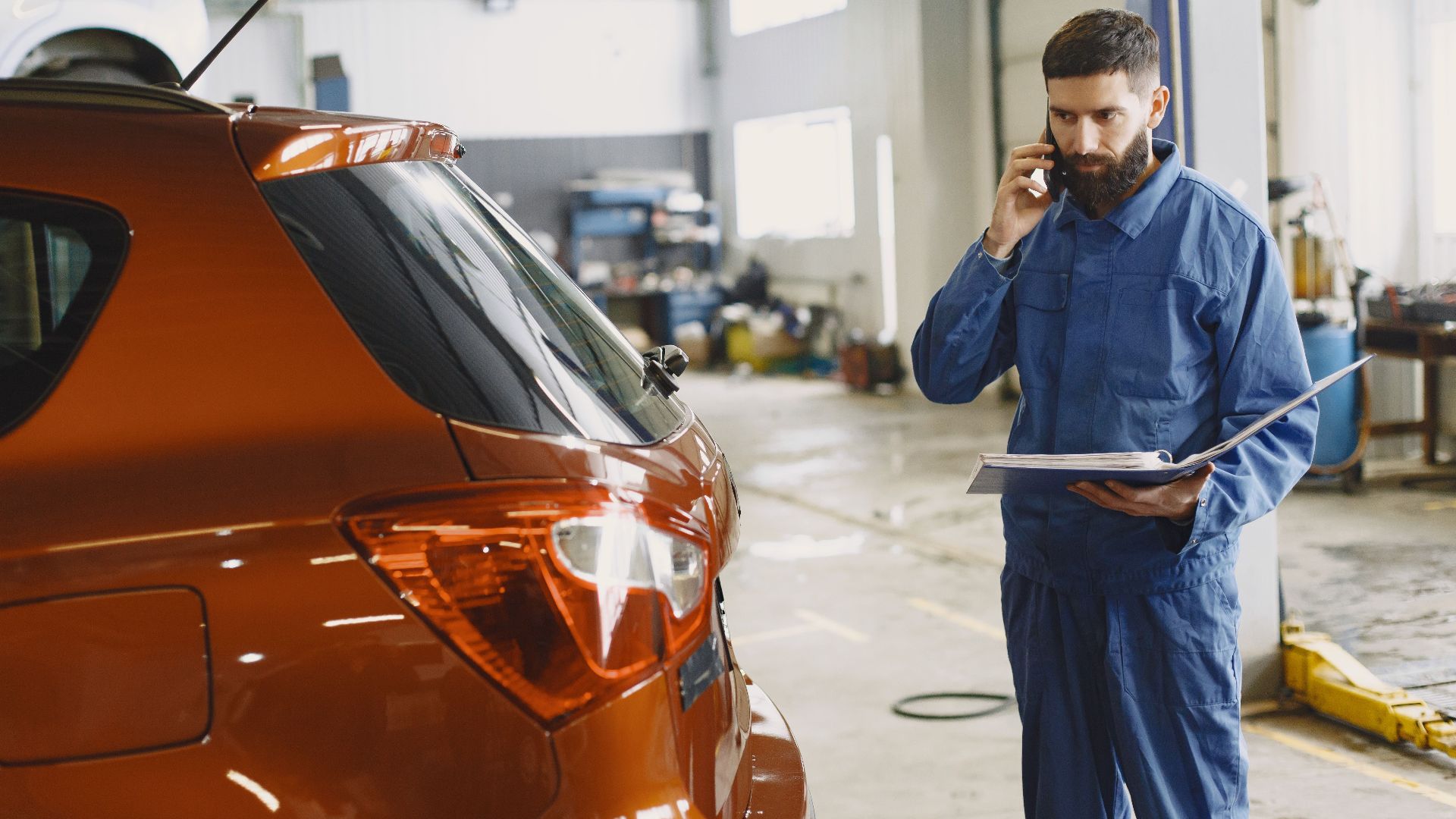
A manufacturer-backed certified pre-owned program can provide additional inspection requirements and warranty coverage, but buyers shouldn’t automatically interpret certification as a promise that the car has never needed bodywork. Program requirements differ among manufacturers, and repaired damage may not always disqualify a vehicle. Read the certification standards for the exact brand, ask what the dealer inspected, and still consider an independent inspection. Certification can add reassurance, but it doesn’t eliminate the need to understand the individual car’s history.

A Seller Who Welcomes Inspection Is Making Life Easier
Pay attention to how the seller reacts when you start asking reasonable questions. A dealer who provides the VIN, history report, service records, plenty of inspection time, and access for an independent pre-purchase inspection is giving you more information to work with. A seller who becomes strangely defensive about letting another shop see the vehicle creates a different situation. The FTC even suggests considering another dealer if a seller won’t permit an independent inspection. There are always other used cars.

You’re Trying To Learn What Happened, Not Find Perfection
The goal isn’t necessarily to find a used car that has never received a scratch. Plenty of perfectly good vehicles have had bumpers repainted, fenders replaced, or minor collision repairs during their lives. What buyers need is enough information to understand the extent and quality of those repairs, determine whether structural or safety-related damage remains, and make sure the price reflects the car they’re actually buying. A clean report is useful reassurance. A clean report backed by records and a thorough independent inspection is much better.

You May Also Like:
Modern Car Repairs That Shock Owners Because They Used To Be Simple