
“One Owner” Was Part Of The Appeal
You found a used car advertised as “one owner,” and that description probably sounded reassuring. Then you checked the vehicle history and found what appears to be another owner. Before assuming somebody lied, it helps to figure out exactly what the records are showing.

“One Owner” Can Influence A Buyer
There's a reason dealerships highlight one-owner cars in their advertising. One-owner status can make a used vehicle more appealing at resale, and the number of previous owners can factor into how a car is valued. For some shoppers, ownership history can therefore influence both what they buy and what they are willing to pay.

But It Is Not On The Federal Buyers Guide
The FTC requires most dealers to display a Buyers Guide on used vehicles, but owner count is not one of its required disclosures. The guide focuses heavily on warranty coverage and whether the vehicle is being sold “as is.” A “one owner” statement generally comes from the dealer’s separate advertising, listing, or sales representations.
 Hryshchyshen Serhii, Shutterstock
Start With What The Report Actually Says
Vehicle history reports can contain ownership history, title information, odometer readings, service records, accident information, and previous vehicle use. CARFAX, for example, separates previous owners and may list how long each possessed the vehicle. Look closely at the dates and descriptions rather than relying only on the owner count displayed at the top.

History Reports Can Disagree
Two vehicle history services do not necessarily interpret every record in exactly the same way. A 2026 comparison found examples where CARFAX and AutoCheck produced different owner counts for the same vehicle. That means seeing “Owner 2” on one report deserves investigation, but it does not by itself settle the question.

A Dealer Transfer Can Complicate Things
Ownership counts can also depend on how a reporting service interprets a particular transaction. One history service may count a dealership’s possession of the vehicle, while another may count only the consumers who actually purchased it. A suspicious-looking extra entry may therefore have an administrative explanation rather than representing another long-term owner.

Look For A Genuine Second Ownership Period
The concern becomes stronger when the report shows what appears to be another retail owner using the vehicle for an extended period. Dates, mileage changes, states of registration, and the listed type of use can help provide context. Several months or years of documented use is very different from a short dealer-related transaction between sales.

Check Whether The VIN Matches
Before going further, make certain you are researching the correct vehicle. Compare the 17-character VIN on the history report with the VIN visible through the windshield and the number on your purchase documents. A simple VIN error could send you down the history of an entirely different car.

There Is Another Federal Database
Buyers can also check information through the National Motor Vehicle Title Information System, commonly called NMVTIS. The federal system provides information including current and previous states of title, title dates, odometer data, title brands, and salvage or total-loss history. Consumers access that information through approved NMVTIS providers.

NMVTIS Does Not Replace Everything Else
NMVTIS is intentionally narrower than many commercial history reports. The system focuses on key indicators involving titles, brands, odometers, total losses, and salvage history rather than providing a complete repair and maintenance biography. The federal government recommends using it alongside other information and an independent inspection.

State Title Records May Help
If the conflicting reports still leave questions, the state motor vehicle agency may hold more detailed title information. NMVTIS specifically advises consumers seeking a complete copy of a particular state title record to contact the appropriate state titling agency. Availability and procedures vary depending on the state.

Now Go Back To The Original Advertisement
Find the exact wording the dealer used when the vehicle was offered for sale. “One owner” is much clearer than vague language suggesting the car merely had a simple history. Screenshots, archived listings, emails, text messages, and printed advertisements can become important if the description later changes.

Keep A Paper Trail
Save screenshots of the original listing showing the VIN, price, dealership information, and “one owner” claim before the page disappears. When you ask the dealer about the discrepancy, do it by email or request a written response. That gives you a clear record of both the original advertisement and the dealer’s explanation.

Ask The Dealer To Explain The Discrepancy
Give the dealership a chance to identify what produced the additional entry. Provide the relevant portion of the report and ask what records supported the original one-owner advertisement. A legitimate paperwork explanation may clear things up quickly.

Review Your Sales Documents Too
Look through the purchase agreement, Buyers Guide, warranty papers, history report supplied at the dealership, and any certification documents you received. You are looking for written representations about the vehicle’s past that either support or contradict the advertisement. Documentation becomes especially useful if you eventually pursue a complaint or legal remedy.

The Buyers Guide Still Matters
Federal rules generally require dealers selling used vehicles to display a Buyers Guide and provide a copy to the purchaser. It tells buyers whether the vehicle carries a dealer warranty or is being sold without one, among other information. The FTC also advises consumers to keep the guide after completing the purchase.
 f.t.Photographer, Shutterstock
“As Is” Does Not Define Ownership History
An “as is” disclosure primarily concerns warranty protection and responsibility for repairs. It does not turn a multiple-owner vehicle into a one-owner vehicle or explain away an inaccurate advertisement. Whether a separate representation creates a legal remedy depends on the circumstances and applicable state law.

Advertising Claims Are Supposed To Be Supportable
FTC guidance says advertising must be truthful and non-deceptive, and advertisers need evidence supporting objective claims. An advertisement can be considered deceptive when a material statement or omission is likely to mislead a reasonable consumer. Whether a particular “one owner” statement meets that legal standard would depend on the facts.

The Importance Of The Claim Can Matter
Under FTC standards, material information is information likely to affect a consumer’s purchasing decision. Owner history can have real marketplace significance because the number of previous owners can influence how a used vehicle is valued and perceived by buyers. Someone who specifically chose or paid more for a one-owner vehicle may therefore want to document that carefully.

If You Have Not Bought The Car Yet, Stop
A history discrepancy discovered before purchase gives you the easiest option of all. Ask for supporting documents and do not sign until you are comfortable with the explanation. The FTC specifically recommends obtaining a vehicle history report before purchasing a used vehicle.

An Inspection Is Still Worth Doing
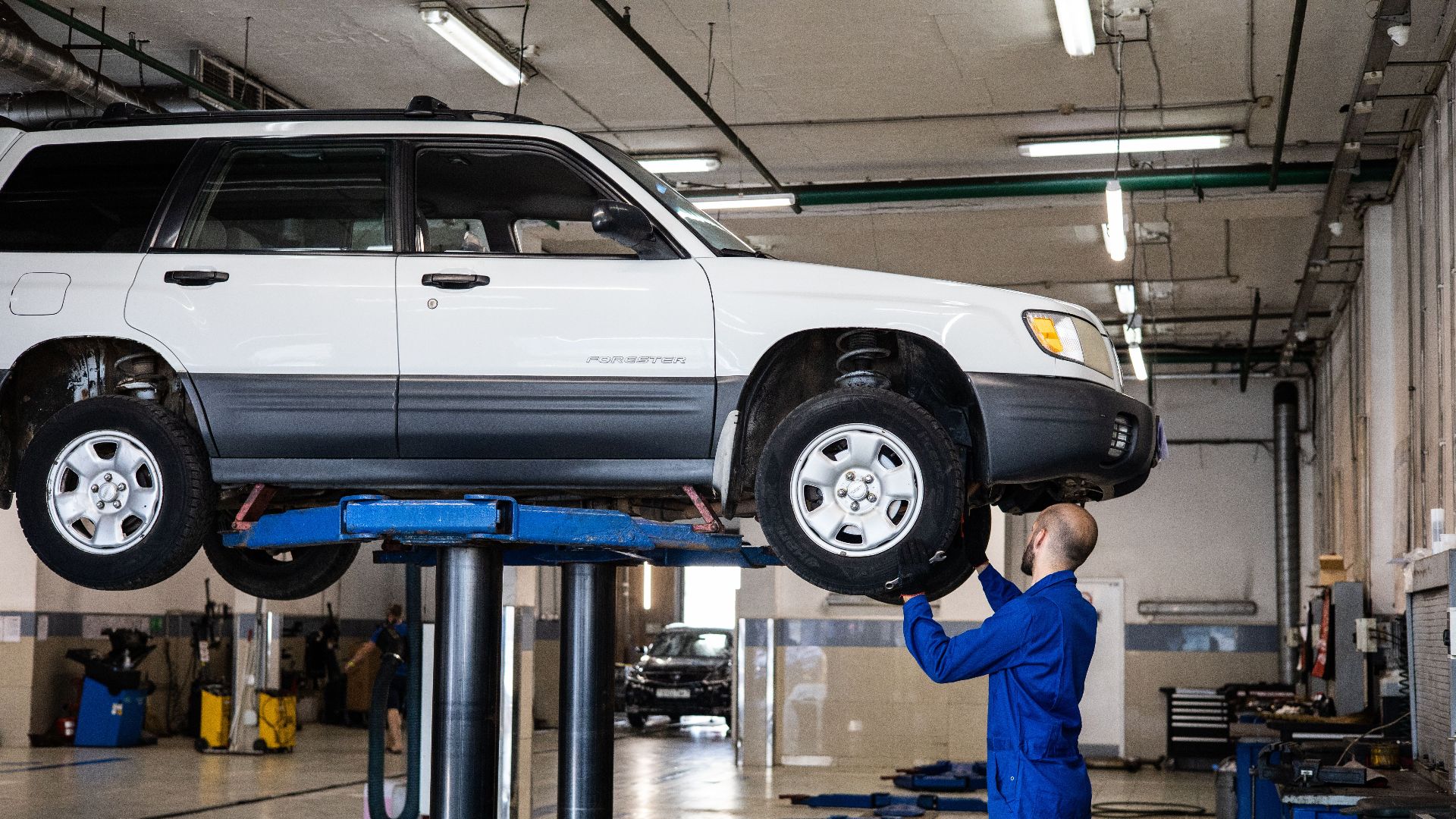
Owner count is only one part of a used car’s history. The FTC and NMVTIS both recommend having a used vehicle independently inspected before buying it. A mechanic may find evidence of wear, damage, poor repairs, or mechanical problems that never appeared on any history report.
Check For Open Recalls As Well
NHTSA provides a free VIN lookup for unrepaired safety recalls. The tool can tell you whether a specific vehicle has an outstanding recall from participating manufacturers. It is a separate check from ownership history, but it belongs on the same used-car research list.

If You Already Bought It, Contact The Dealer
Once you have gathered your evidence, explain the discrepancy clearly and state what resolution you are seeking. Depending on the circumstances, a buyer might ask the dealer to investigate the records, correct documentation, discuss compensation, or consider unwinding the transaction. The dealer does not automatically have to agree, so keep the conversation factual and documented.

Do Not Assume You Have Three Days
A common misconception is that federal law gives every car buyer three days to cancel a dealership purchase. The FTC says federal law does not create a general three-day right to return a used car. Some states provide cancellation rights in certain circumstances, and individual dealerships may also offer their own written return policies.

State Law Can Change Your Options
Used-car protections are not identical across the country. States have their own consumer-protection, dealer-licensing, advertising, warranty, and fraud laws that may apply alongside federal rules. Your state attorney general or consumer-protection agency can explain the rules where the transaction occurred.

Private Sellers Are A Different Situation
The FTC Used Car Rule generally applies to dealers rather than ordinary individuals selling their own vehicles. That does not necessarily mean a private seller can knowingly make false statements without consequences, but the applicable laws and remedies can be different. Buyers dealing with a private seller should check the rules in their state.

You Can Report A Dealer Problem
If you believe a dealership used deceptive advertising or was dishonest during the sale, the FTC accepts consumer reports through ReportFraud.ftc.gov. State attorneys general and other state consumer-protection or motor-vehicle agencies may also handle dealer complaints. Keep your advertisement, reports, purchase papers, and correspondence together before filing anything.

A Second Owner Entry Is A Reason To Investigate
A conflicting report does not automatically prove you were deliberately misled. Reporting services can receive different information and even count ownership events differently. But if reliable title records clearly show another genuine owner and the dealer expressly advertised the car as “one owner,” you have a legitimate reason to challenge the claim and explore the remedies available in your state.

You May Also Like:
These Cars Refused To Let Old-School Features Die. Meet The Final Holdouts.