One Flat Tire, Four Expensive Replacements?
One nail. Four tires. That's the frustrating math your dealer has presented, but before you agree to replace an entire set, there's something important you should know about how all-wheel-drive vehicles actually work.
Your Dealer Isn't Necessarily Trying To Upsell You
Being told to replace four tires after damaging just one sounds excessive, especially when the other three still have plenty of tread. However, the recommendation can be legitimate because some all-wheel-drive systems are sensitive to differences in tire circumference. Tire manufacturers and automotive specialists warn that mismatched tires can place additional stress on drivetrain components. The good news is that replacing all four isn't automatically necessary in every situation.
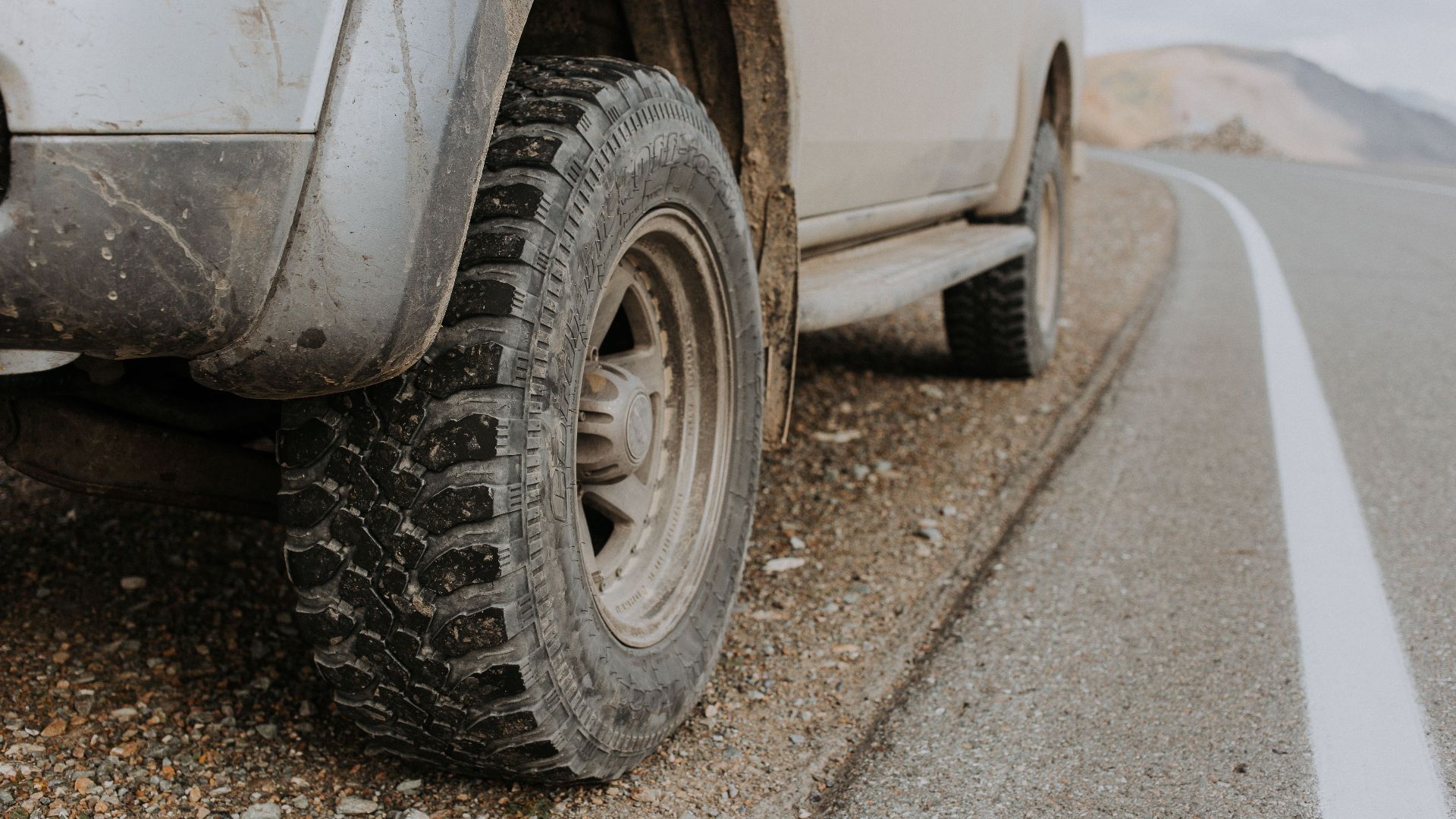
 YAKOBCHUK VIACHESLAV, Shutterstock
All-Wheel Drive Changes The Rules
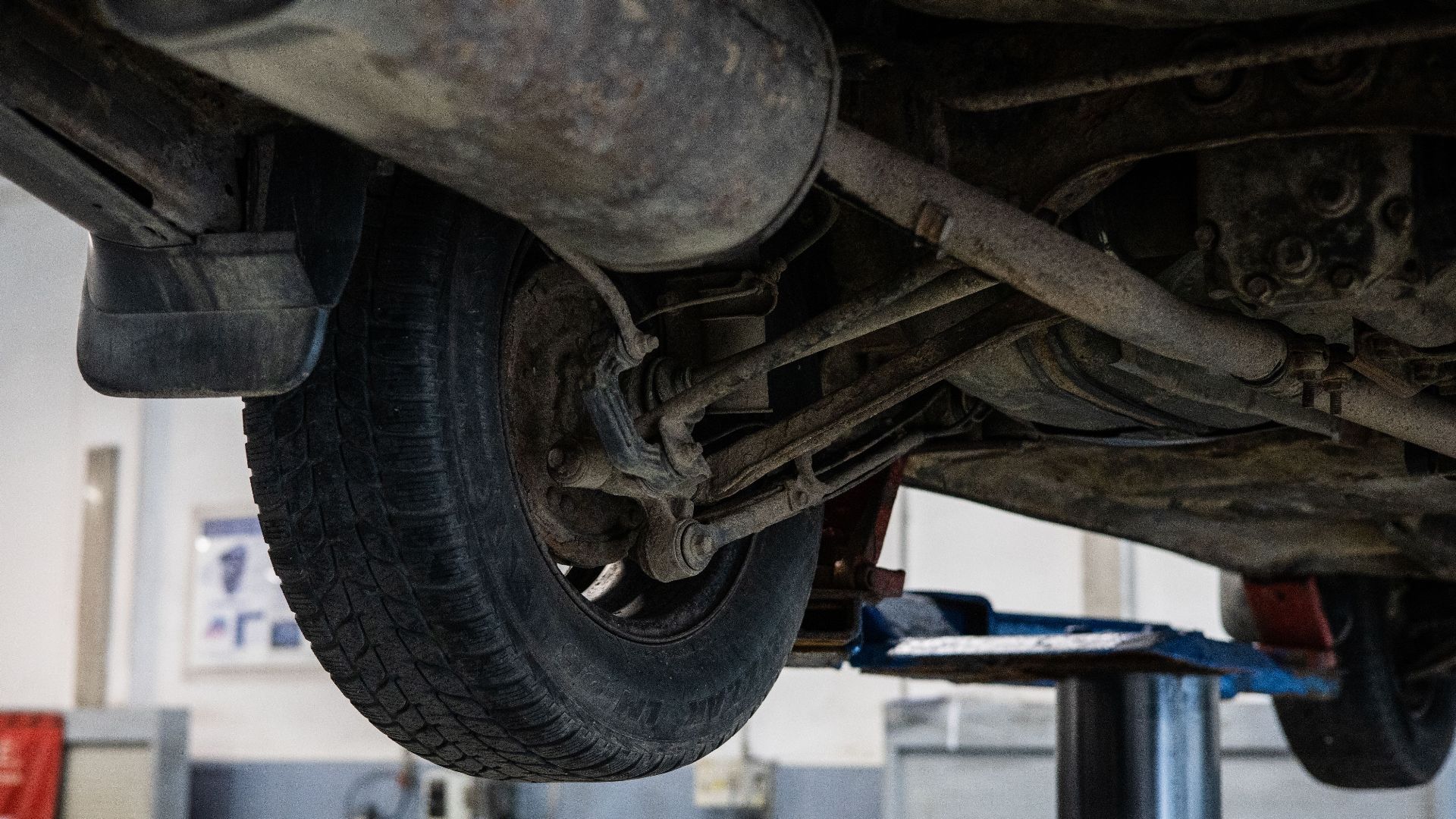
Unlike a conventional two-wheel-drive vehicle, an all-wheel-drive car can distribute engine power to both axles. Its drivetrain may include differentials, electronically controlled couplings, or other components that manage differences in wheel speed. These systems are designed to accommodate normal variations while driving and turning. However, a permanent difference in tire rolling circumference can create additional work for certain drivetrain components.

The Problem Isn't Just Tire Size
Two tires can display exactly the same size on their sidewalls while having different effective rolling circumferences. Tread wear changes a tire's dimensions, and different tire designs can also have different rolling characteristics. Michelin recommends matching tire size, brand, model, and rolling characteristics on four-wheel-drive vehicles. That's why simply buying another tire with the correct size printed on it may not solve the problem.
A New Tire Can Be Taller Than An Old One
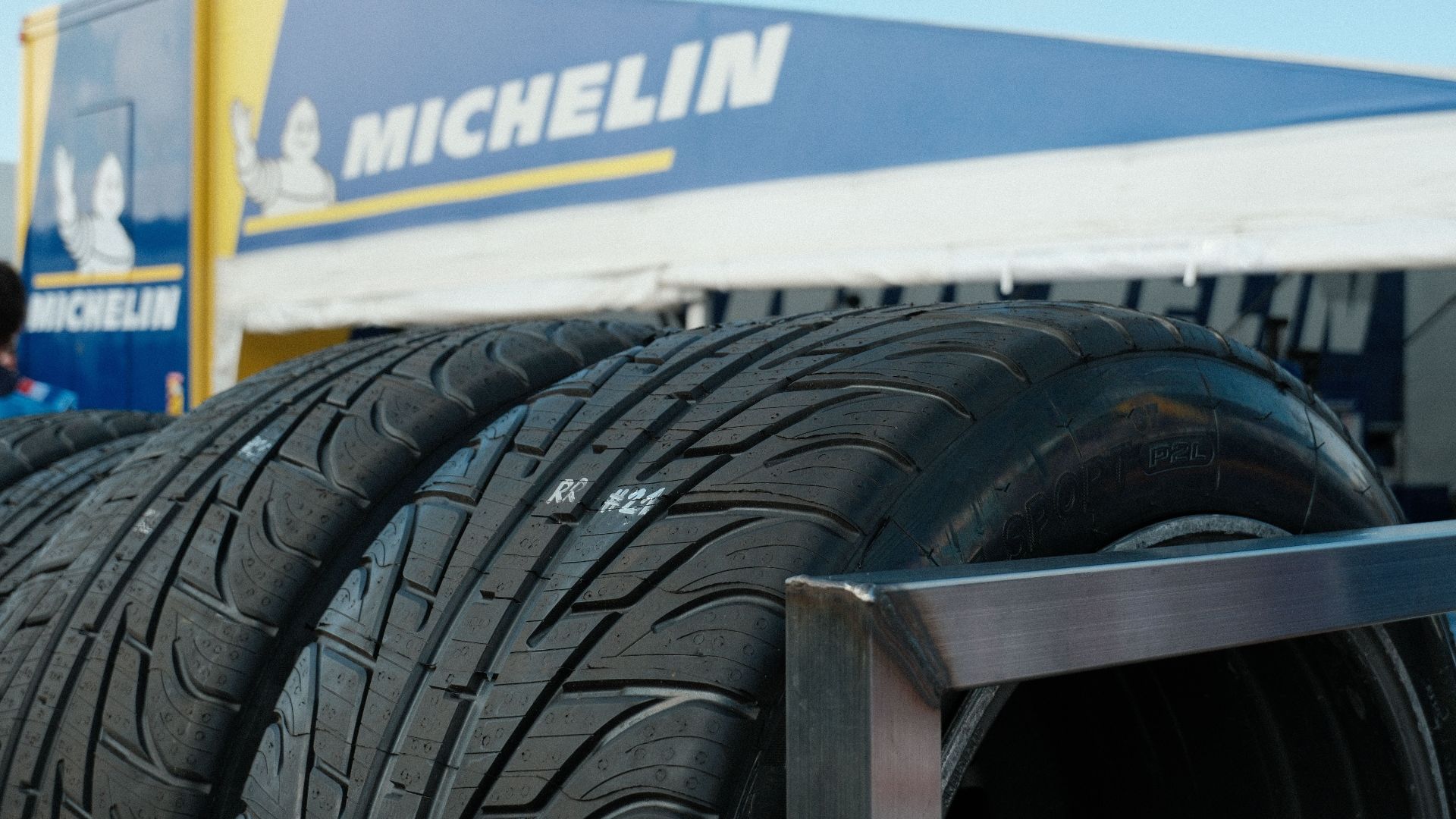
As tires wear, rubber gradually disappears from their tread surfaces. A brand-new replacement therefore has a larger effective diameter than an otherwise identical tire that has already traveled thousands of miles. The difference might seem insignificant when the tires are parked beside each other. However, the drivetrain responds to differences in wheel rotation, not just differences visible to the driver.
Tiny Differences Add Up Over Thousands Of Miles
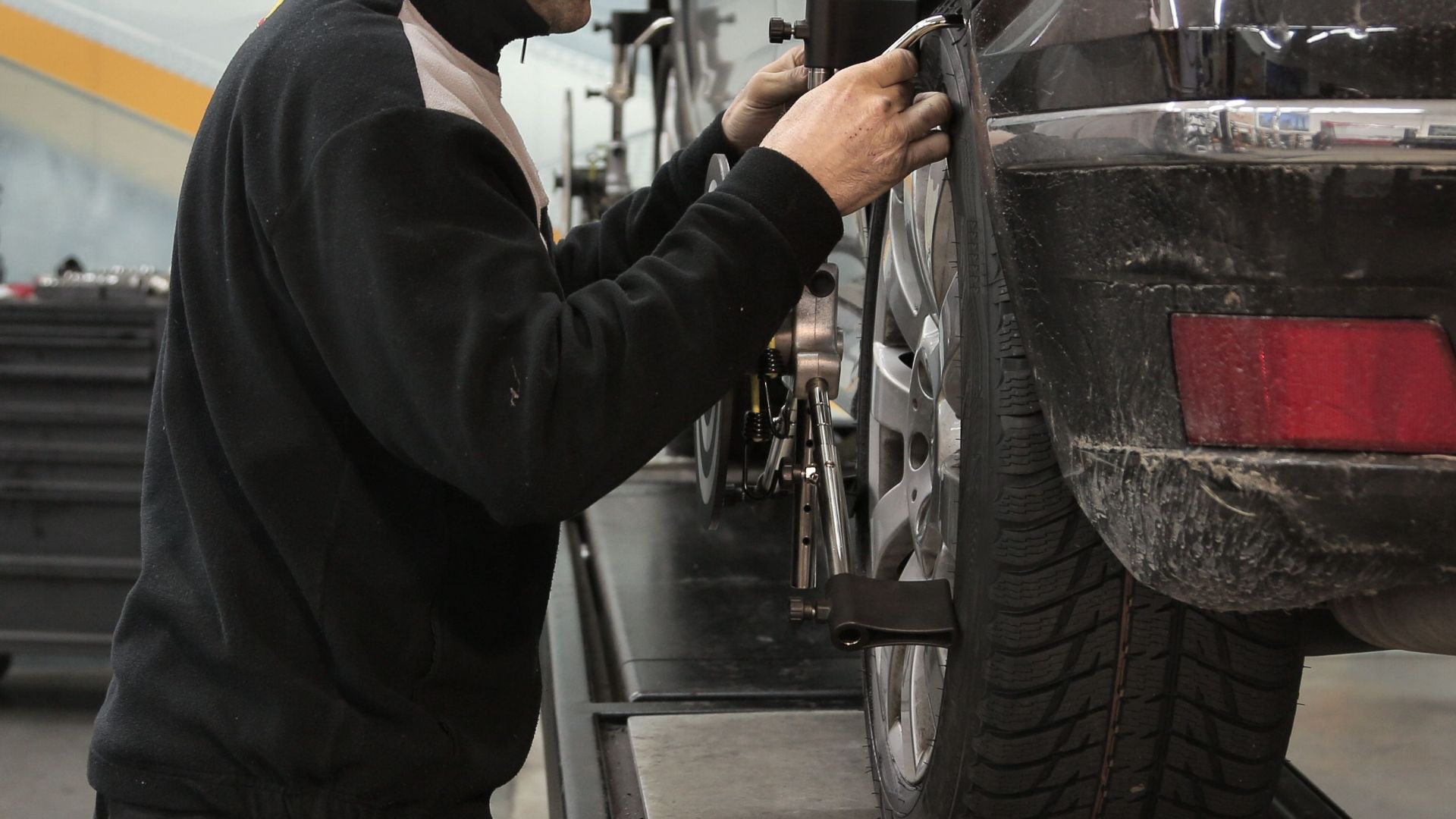
Imagine two wheels traveling the same distance but having slightly different rolling circumferences. The smaller tire must complete more revolutions than the larger one to cover that distance. On certain all-wheel-drive vehicles, this can cause drivetrain components to compensate continuously. Tire Rack warns that the resulting heat and wear can eventually damage differentials or couplings.
The Differential Has An Important Job
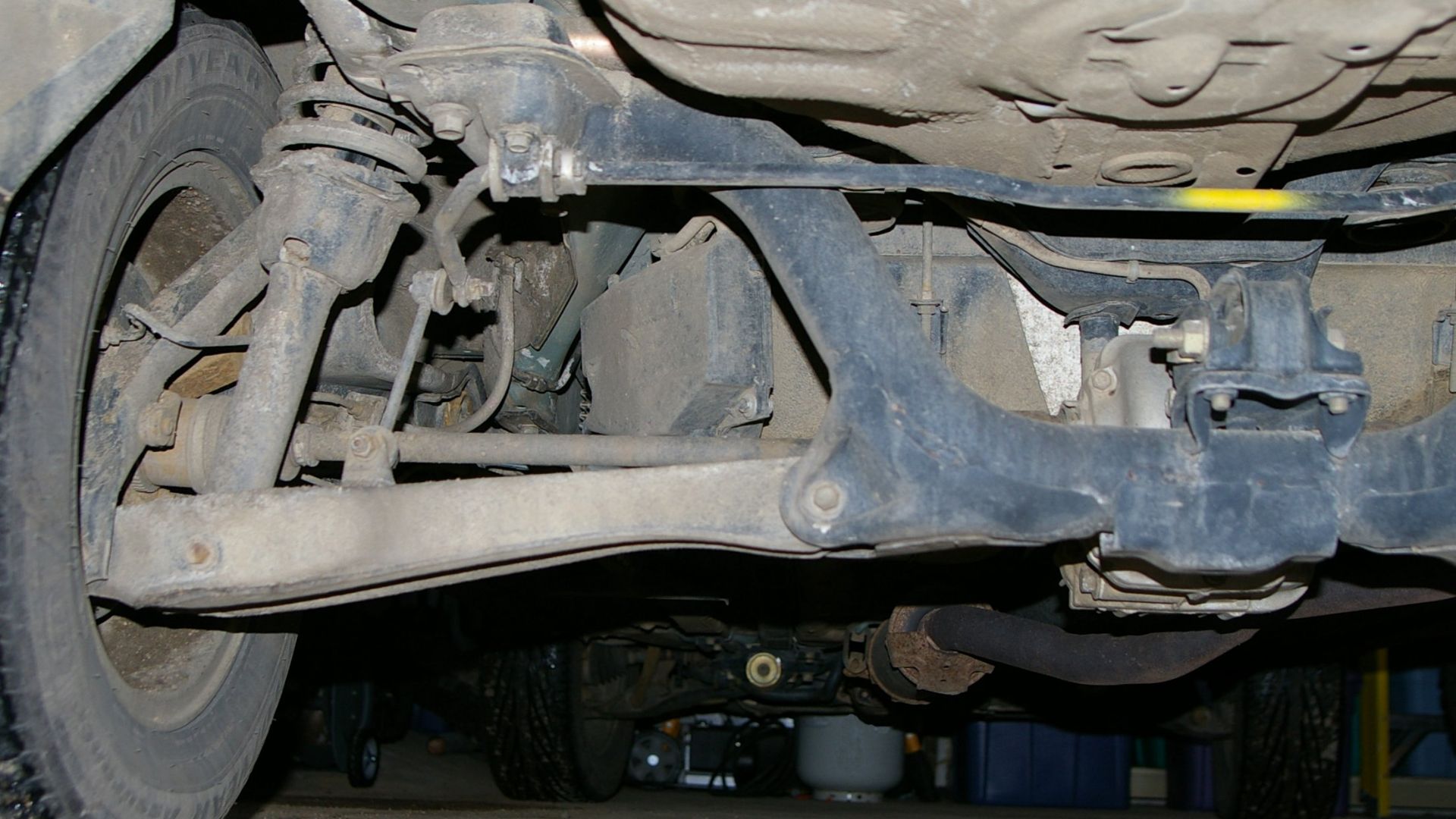
A differential allows connected wheels to rotate at different speeds when necessary. This is particularly important while cornering because the outside wheel travels farther than the inside wheel. All-wheel-drive vehicles may also have mechanisms that accommodate speed differences between the front and rear axles. Those systems are built to handle normal driving conditions, but persistent tire mismatches can create unwanted stress.

Not Every AWD System Has The Same Tolerance
One of the biggest mistakes is assuming that every all-wheel-drive vehicle follows the same tire replacement rules. Tire Rack publishes manufacturer-specific guidance showing that acceptable differences can vary significantly between vehicles. Some manufacturers specify circumference limits, while others provide minimum remaining tread requirements. Your owner's manual and applicable manufacturer service information should take priority over a generic recommendation.
Subaru Owners Have A Particularly Important Warning
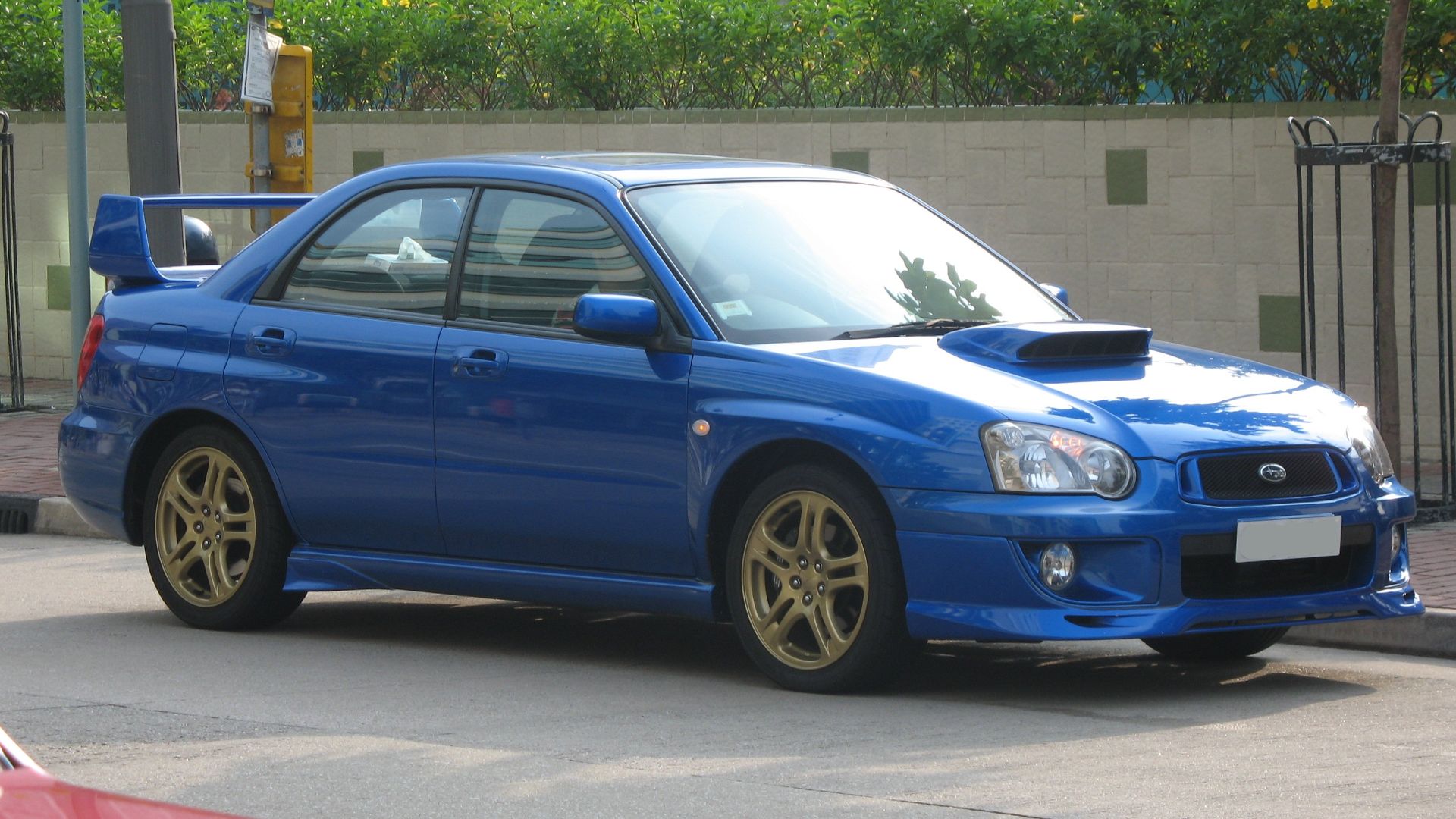
Subaru vehicles are often discussed in conversations about matching all four tires. Tire Rack's manufacturer guidance lists a maximum circumference difference of approximately one-quarter inch for Subaru applications. That is a circumference measurement, not permission to have a quarter-inch difference in tread depth. If you own a Subaru, getting the actual tire measurements is especially important before approving a replacement.
 ja:利用者:宮本すぐる, Wikimedia Commons
Other Manufacturers Have Different Requirements
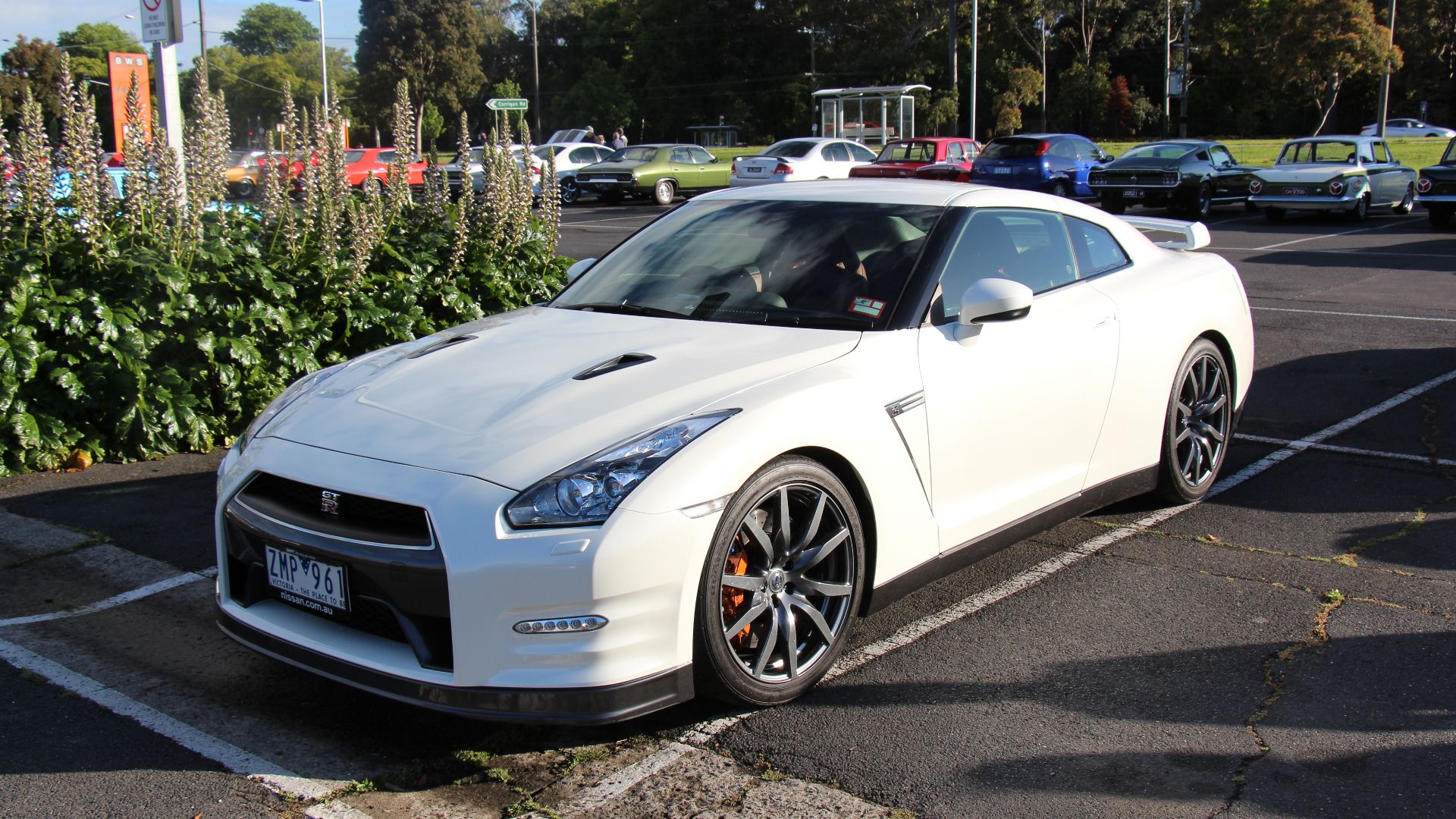
Tire Rack's published examples demonstrate how varied these rules can be. Its guidance for the Nissan GT-R states that, when fewer than four tires are replaced, those remaining in service must have at least 6/32 inch of tread. The same reference describes a different wear-based guideline for certain Porsche Cayenne applications. These examples show why a recommendation appropriate for one AWD vehicle may be wrong for another.
Your First Question Should Be About Repairing The Puncture
Before discussing replacement tires, find out whether the damaged tire actually needs replacing. The U.S. Tire Manufacturers Association says many punctures can be repaired when they are confined to the repairable tread area. The puncture must generally be no larger than one-quarter inch, or approximately 6 millimeters, in diameter. If a qualified technician can safely repair the original tire, the entire four-tire dilemma may disappear.
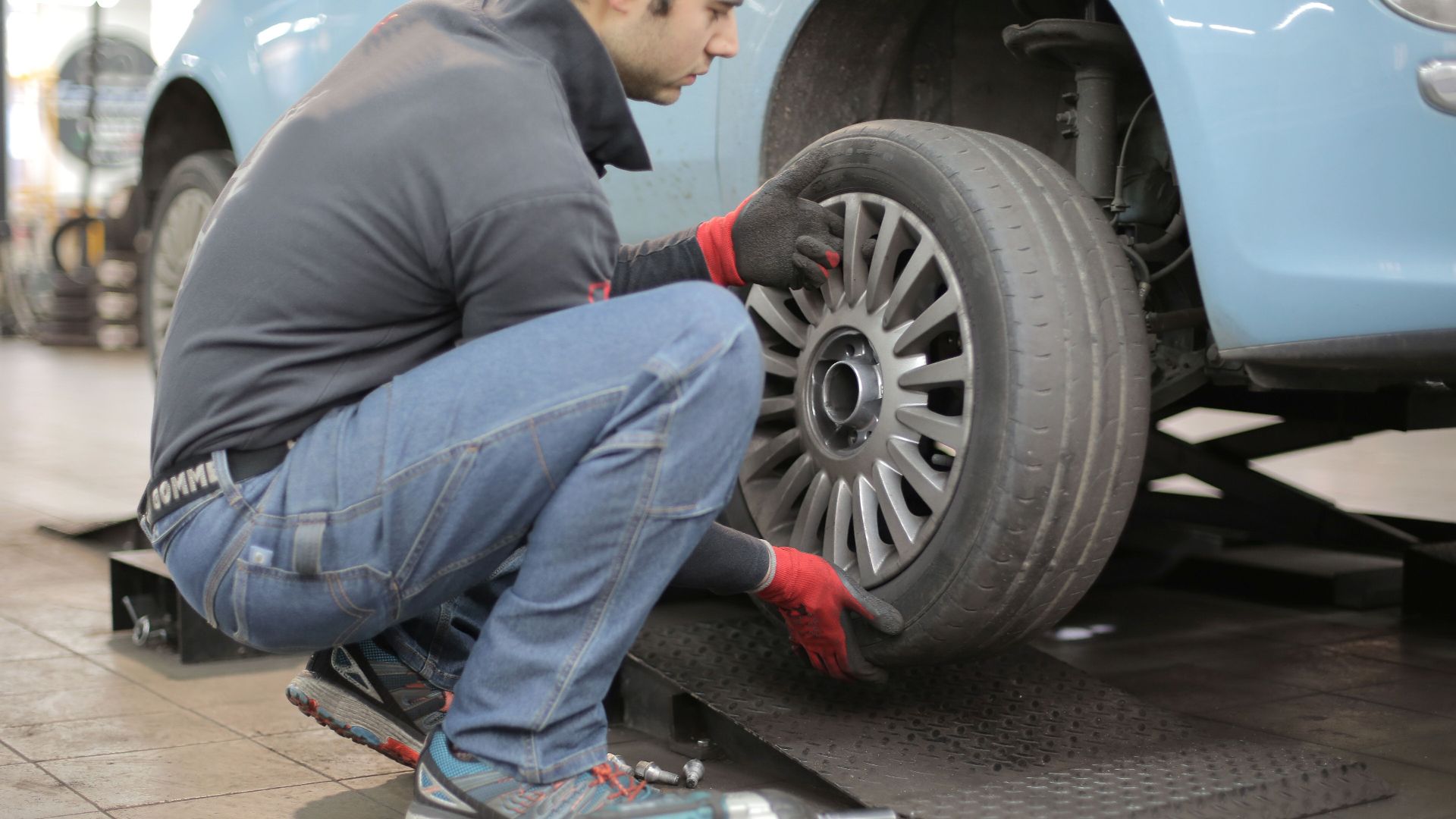
A Nail In The Tread Isn't Always A Disaster
A small nail hole in the central tread area is often a candidate for professional repair. However, the tire must be removed from its wheel so the technician can inspect the inside for hidden damage. The USTMA recommends a repair that fills the puncture and seals the inner liner. A simple plug inserted from the outside doesn't meet that standard.
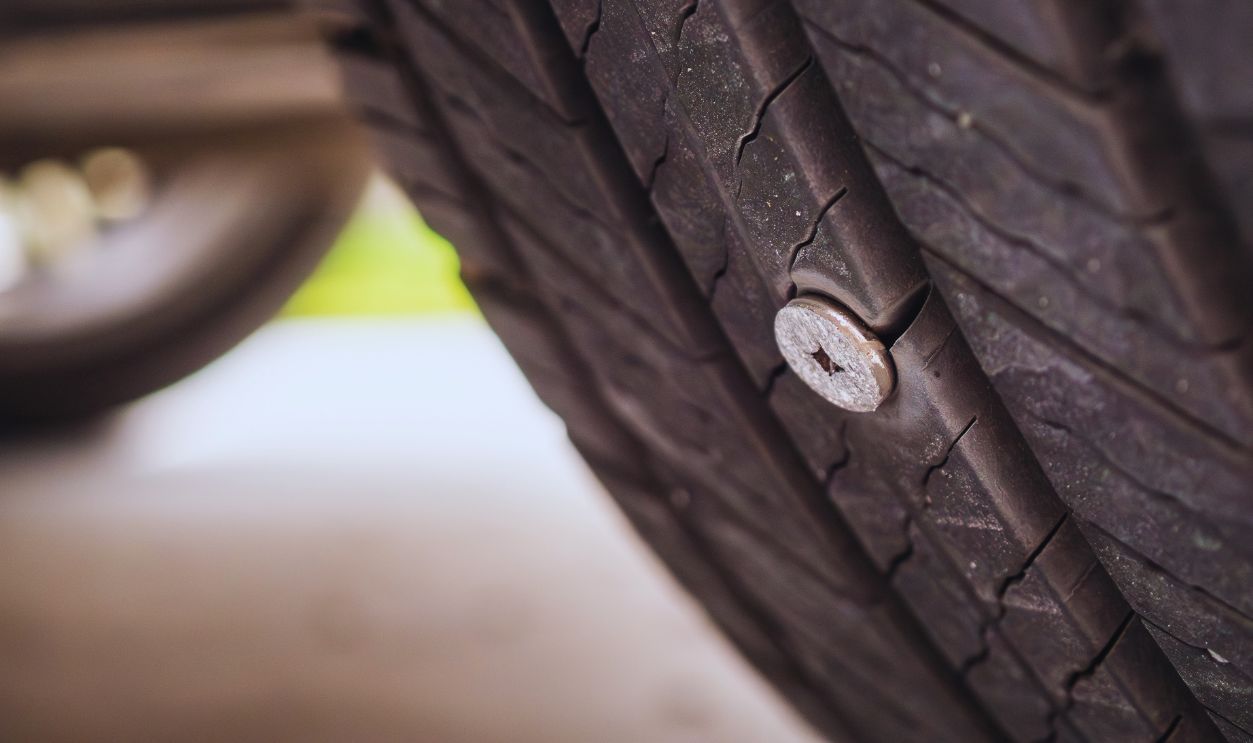
Sidewall Damage Is A Different Matter
A puncture in the tire's sidewall is much more serious than one in its central tread. The USTMA specifically advises against repairing punctures that extend into the shoulder or sidewall areas. These regions flex differently from the main tread and aren't covered by the organization's approved puncture-repair procedures. If the damage is in one of these areas, replacing the tire is generally the appropriate decision.
 Stian Martinsen, Wikimedia Commons
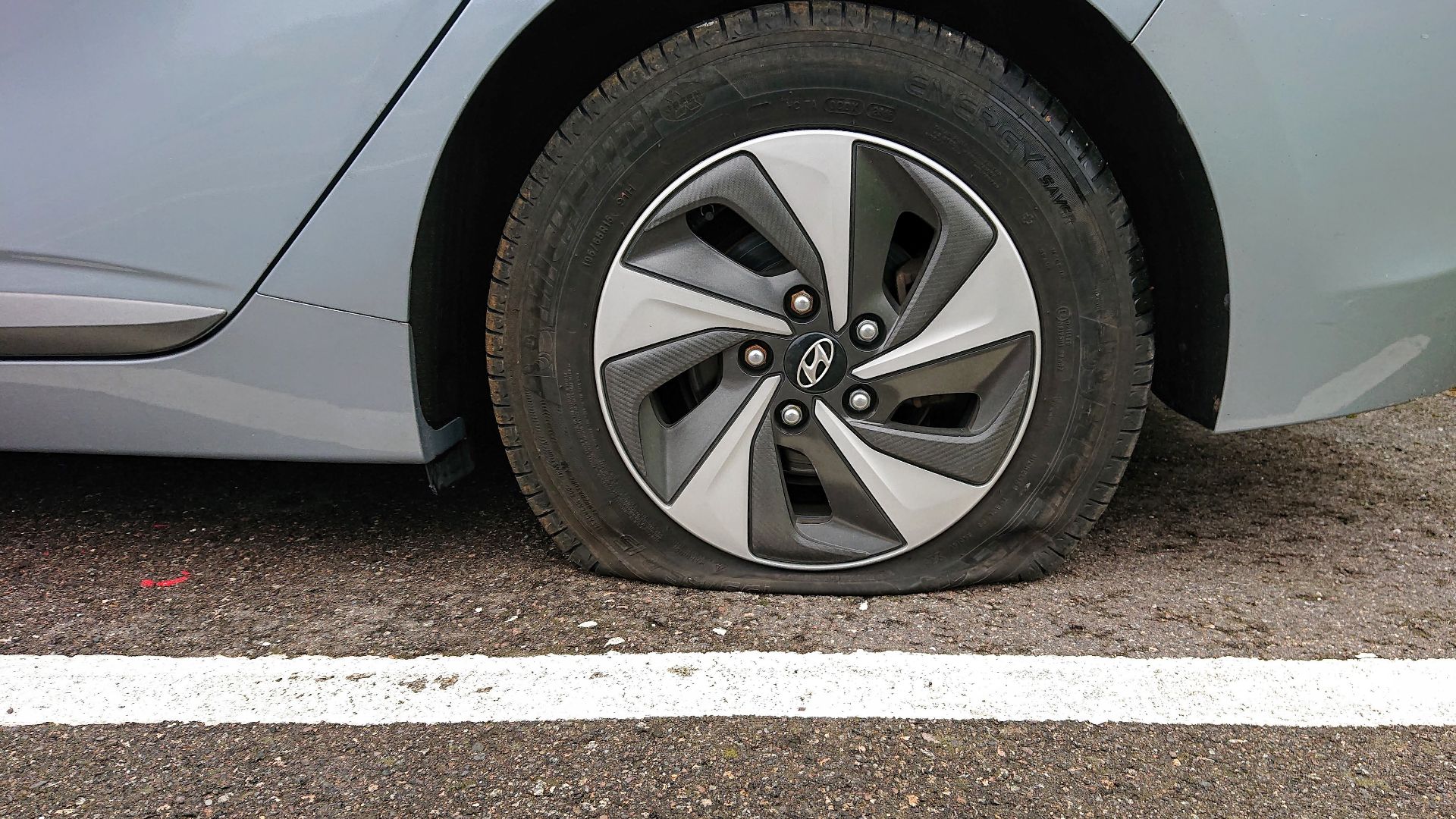
Driving On A Flat Can Ruin A Repairable Tire
The original puncture might be small, but driving after the tire loses substantial air pressure can create additional damage. Michelin warns that tires driven while flat may suffer internal structural damage that isn't immediately visible. This is another reason technicians need to inspect the tire from the inside before attempting a repair. A nail hole that might otherwise have been fixable can become a replacement job if the tire was driven underinflated.
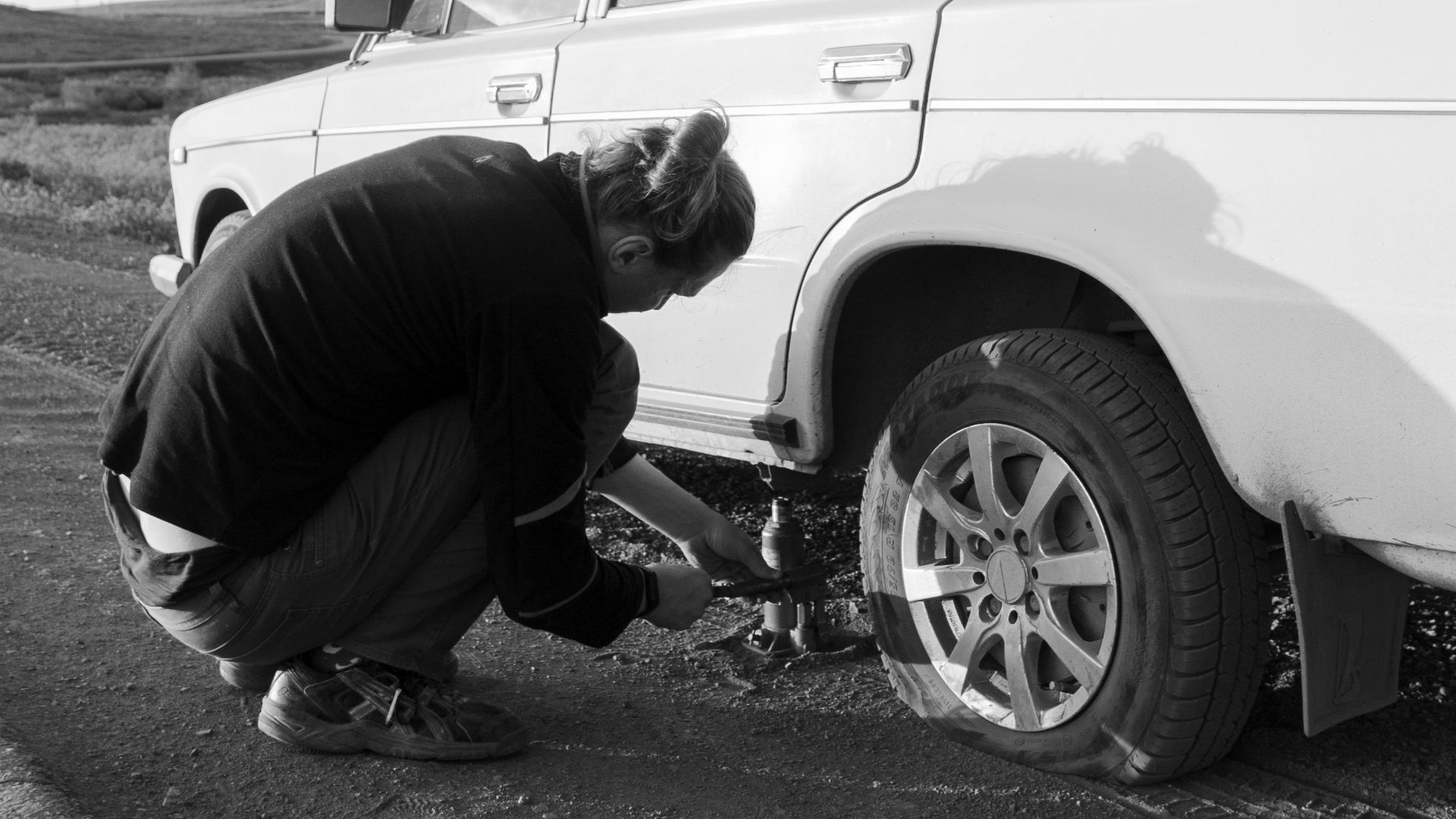
Here's Where Tread Depth Becomes Important
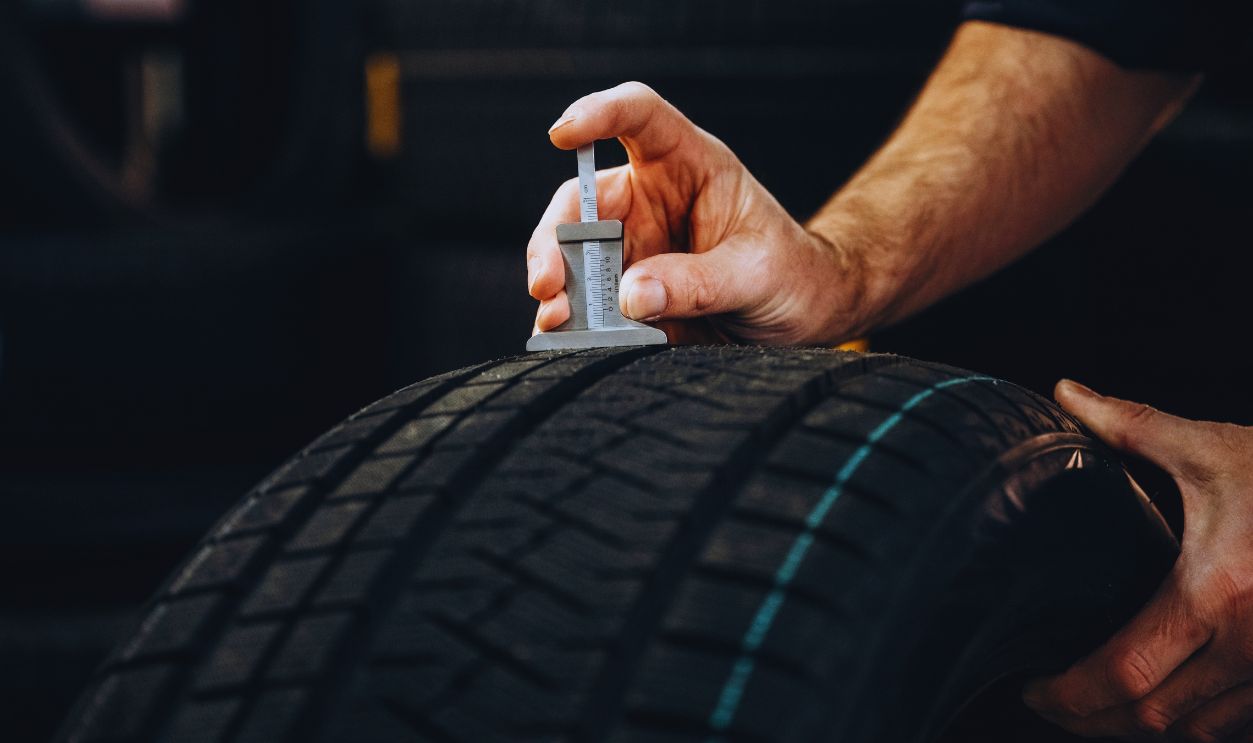
If the damaged tire cannot be repaired, the next step is measuring the remaining tread on the other three tires. Tire Rack recommends comparing the tread depths before deciding whether a single replacement is suitable. Its general guidance suggests keeping the tires within approximately 2/32 inch of tread depth, unless the vehicle manufacturer specifies otherwise. That measurement provides a starting point for the discussion, not a universal rule for every AWD vehicle.
The Numbers Are Smaller Than You Think
Tire tread depth is commonly measured in thirty-seconds of an inch. For example, a tire with 8/32 inch of remaining tread has two thirty-seconds more tread than one measuring 6/32 inch. Tire Rack uses differences of this magnitude when discussing whether replacement tires are sufficiently matched for AWD operation. However, the actual allowable difference must come from the vehicle manufacturer's requirements.
Sometimes One New Tire Really Is Fine
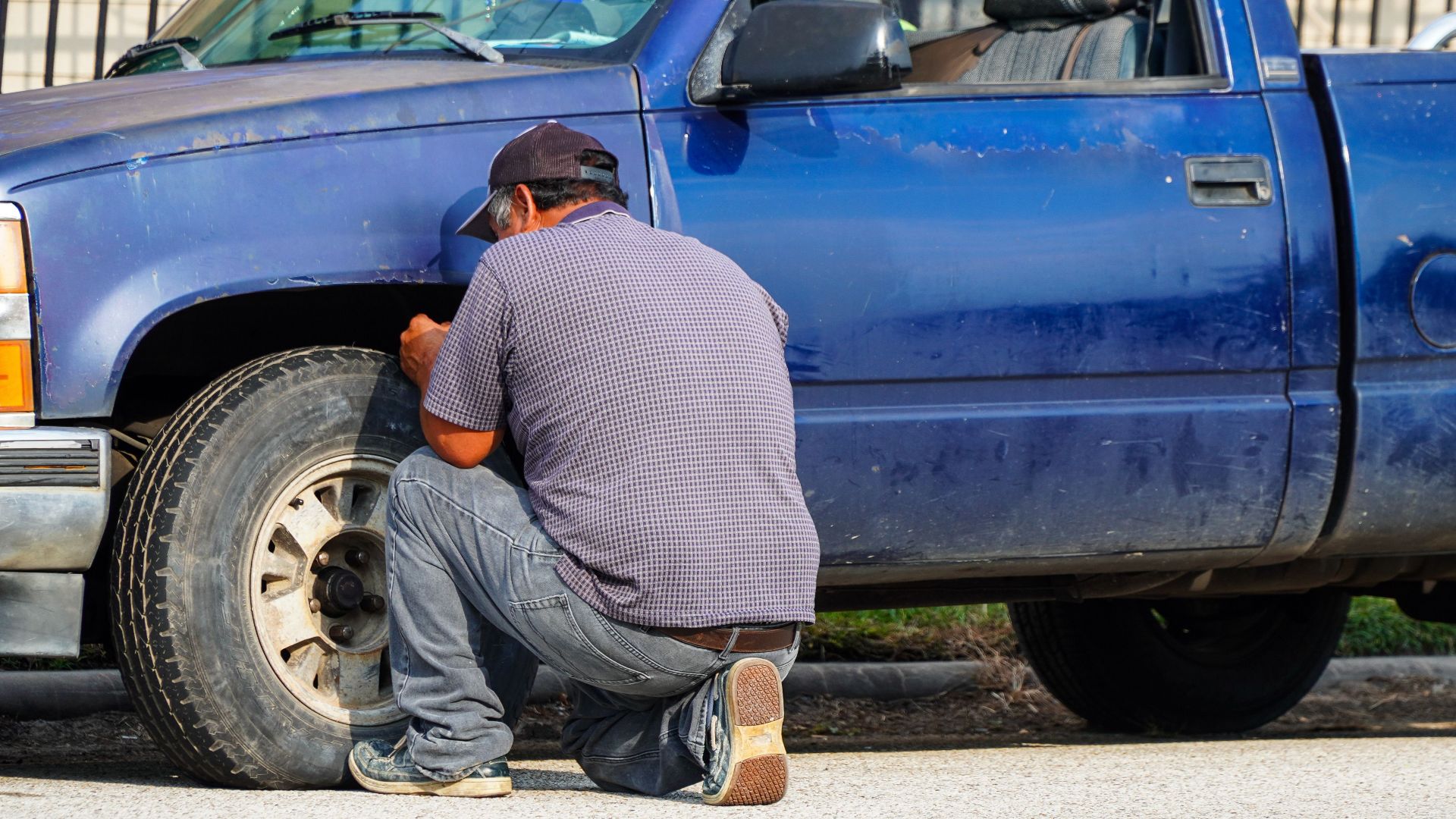
Suppose your vehicle has four relatively new tires and one suffers irreparable damage. If an identical replacement is available and its tread depth falls within the manufacturer's permitted tolerance, replacing just that tire may be acceptable. Michelin specifically acknowledges that single-tire replacement can be possible when the replacement closely matches the remaining tires. The key is confirming the measurements rather than assuming every AWD vehicle needs a complete new set.

But What If Your Other Tires Are Half Worn?
This is where the dealer's recommendation becomes more understandable. A brand-new tire can have considerably more tread than the three tires already on the vehicle. Tire Rack warns that installing one new tire alongside substantially worn tires may create drivability problems or drivetrain damage. Fortunately, replacing the entire set isn't the only possible solution.
There's A Little-Known Trick Called Tire Shaving
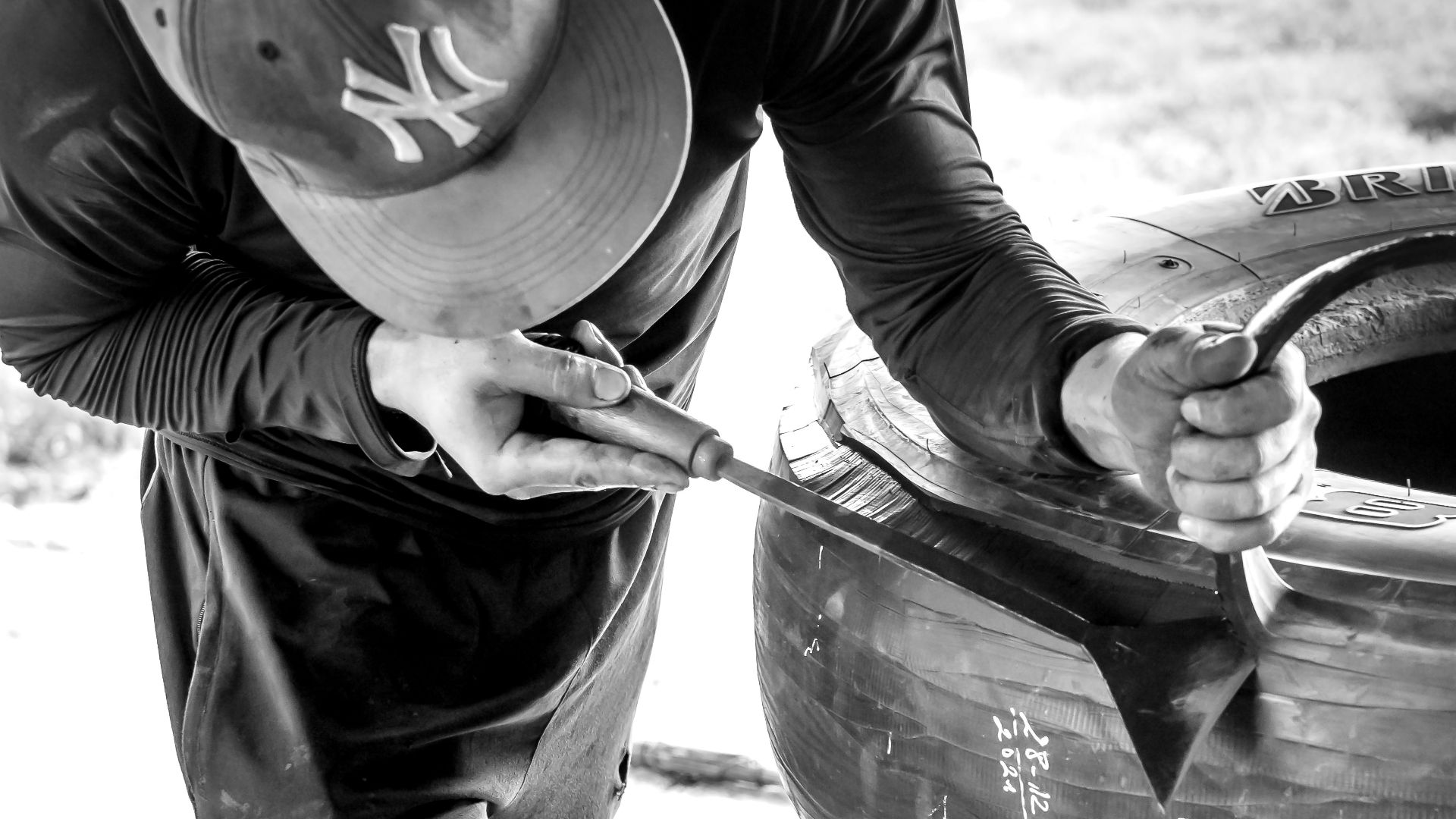
Tire shaving involves removing a controlled amount of rubber from a new tire to match the tread depth of the tires already on the vehicle. Tire Rack offers this service for certain replacement tires using specialized equipment. Although intentionally removing tread from a brand-new tire sounds strange, it can help preserve a consistent rolling circumference. For some AWD owners, this makes replacing one damaged tire possible without discarding three serviceable ones.
Tire Shaving Can Save Serious Money
Tire Rack lists its street-tire shaving service at approximately $25 to $35 per tire, separate from the cost of the tire itself. That can be considerably less expensive than buying three additional replacements. Consumer Reports has also highlighted tire shaving as a practical alternative for some AWD owners. However, the service must be appropriate for the vehicle, and the remaining tires must still have enough usable tread to justify keeping them.
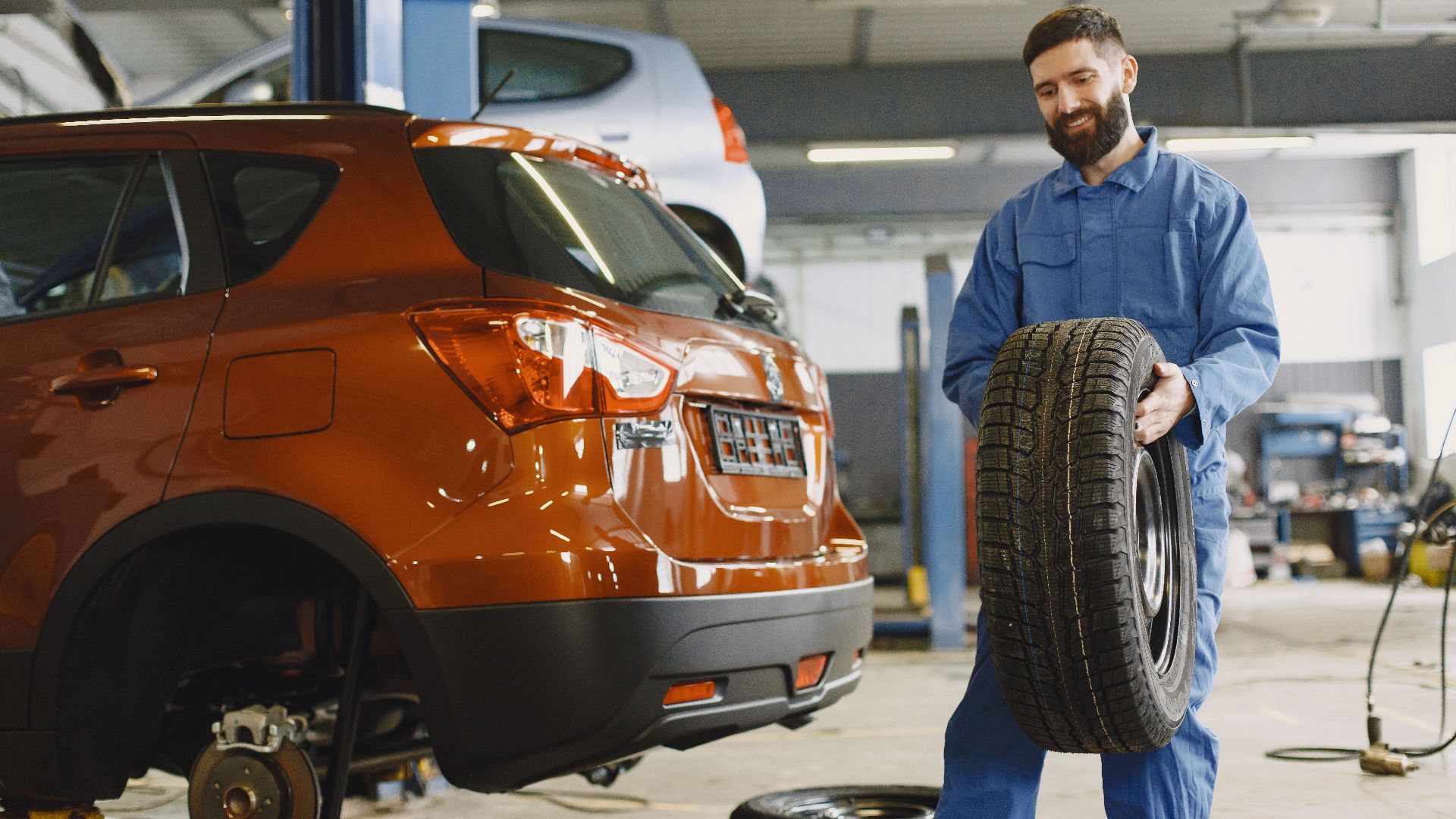
You Can't Shave Away Every Problem
Tire shaving is not a magic solution for tires that are already near the end of their useful lives. Consumer Reports suggests the approach is most worthwhile when the remaining tires are around half worn rather than almost worn out. It also warns that shaving can affect a tire's treadwear warranty. If your existing tires are old, damaged, or unevenly worn, buying a complete set may still make more sense.
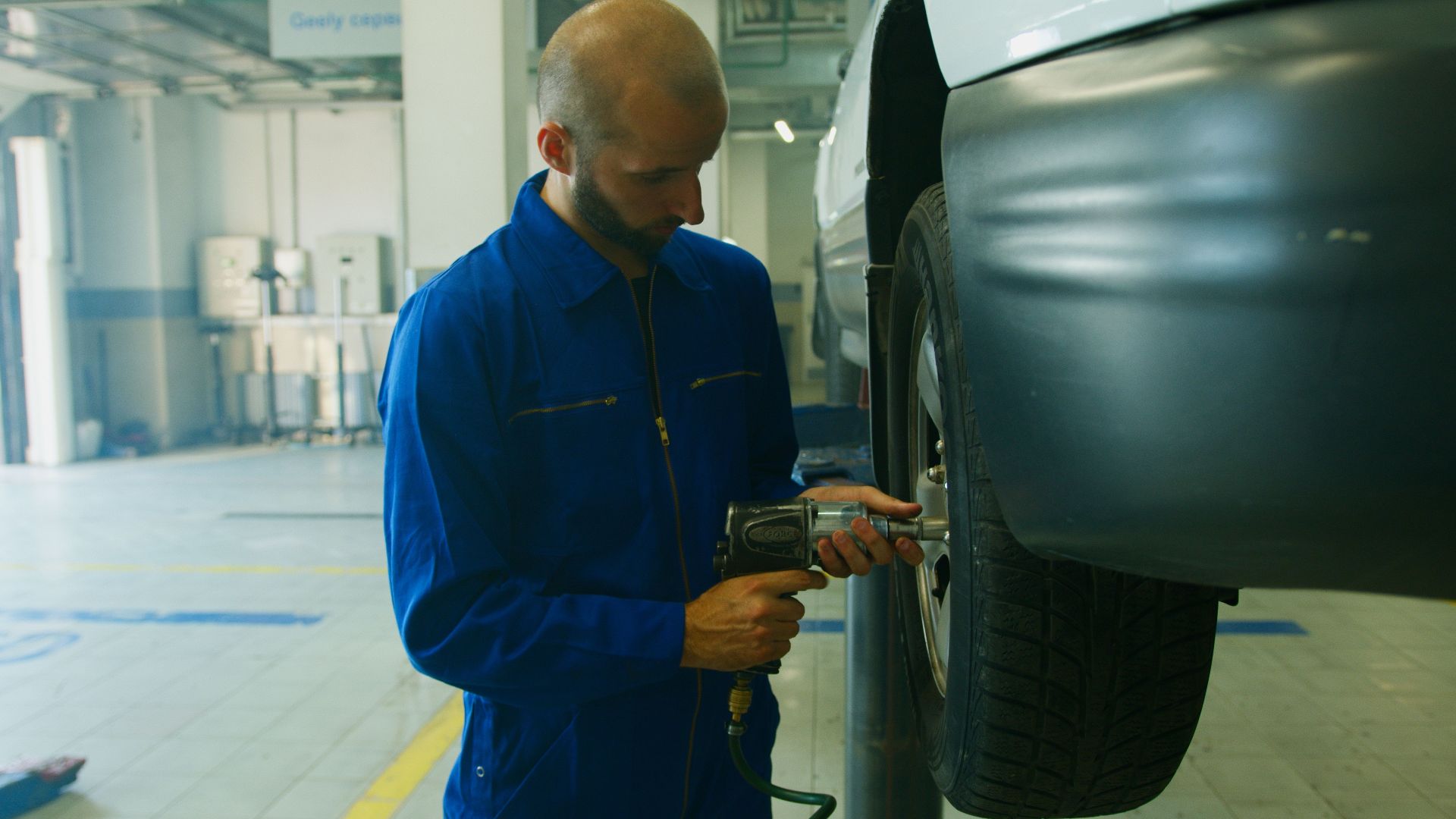
Finding The Exact Tire Matters
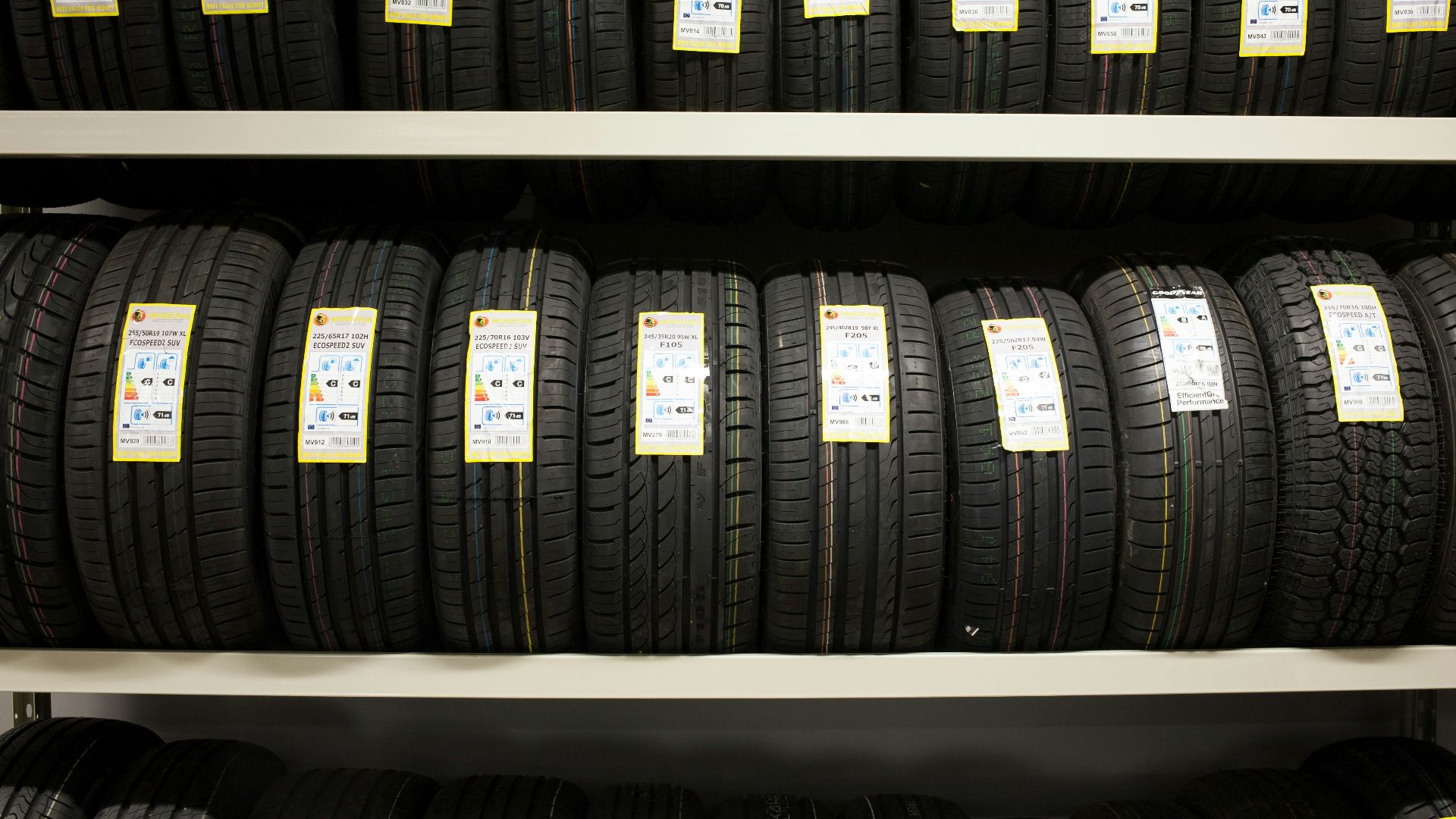
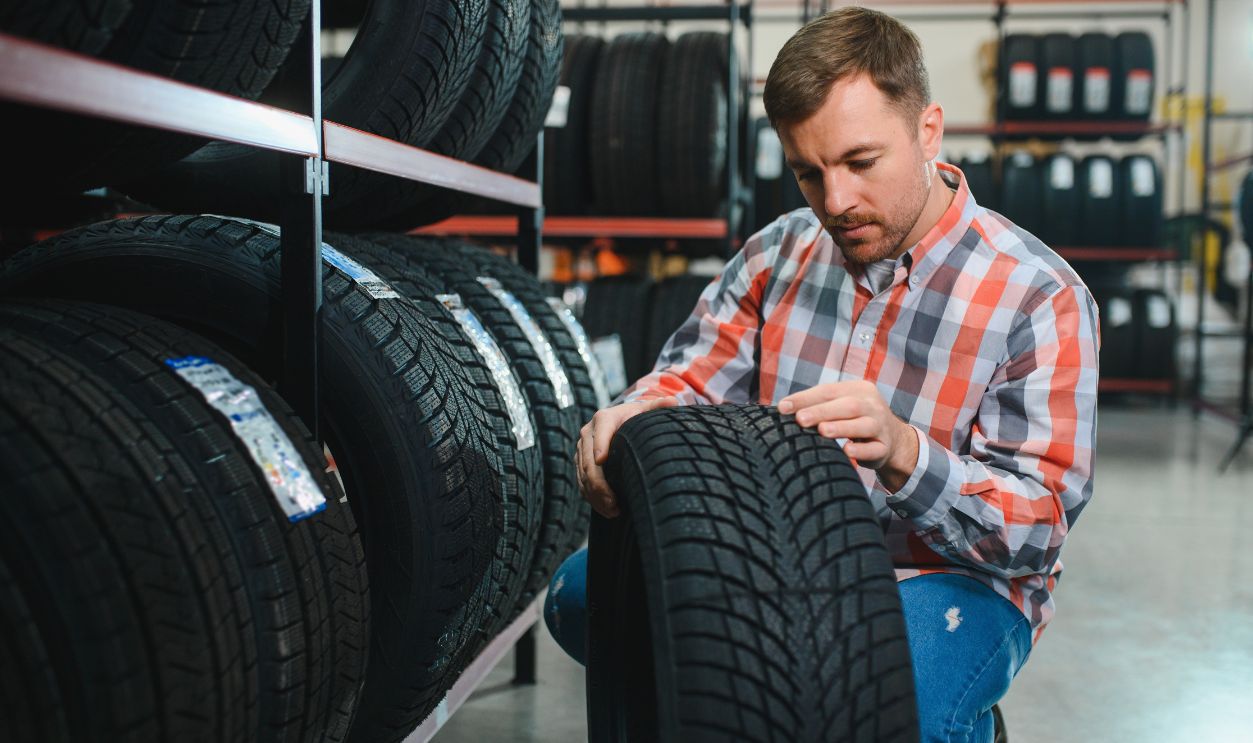
A replacement tire should match more than the numbers indicating its width and wheel diameter. Michelin recommends matching the tire brand, model, size, and other relevant specifications when replacing tires on AWD or 4WD vehicles. Different tire models can have different rolling characteristics even when their nominal sizes match. If the original model is discontinued, consult the vehicle manufacturer or a qualified tire specialist before choosing a substitute.
What About Buying A Matching Used Tire?
A lightly used tire with the correct tread depth might sound like another way to avoid buying four replacements. However, matching tread depth alone doesn't establish that a used tire is safe. NHTSA warns that tire aging, structural damage, and irregular wear can make a tire unsuitable for continued service. Any used replacement would require careful professional inspection, compatible specifications, and confirmation that it meets the vehicle's AWD requirements.
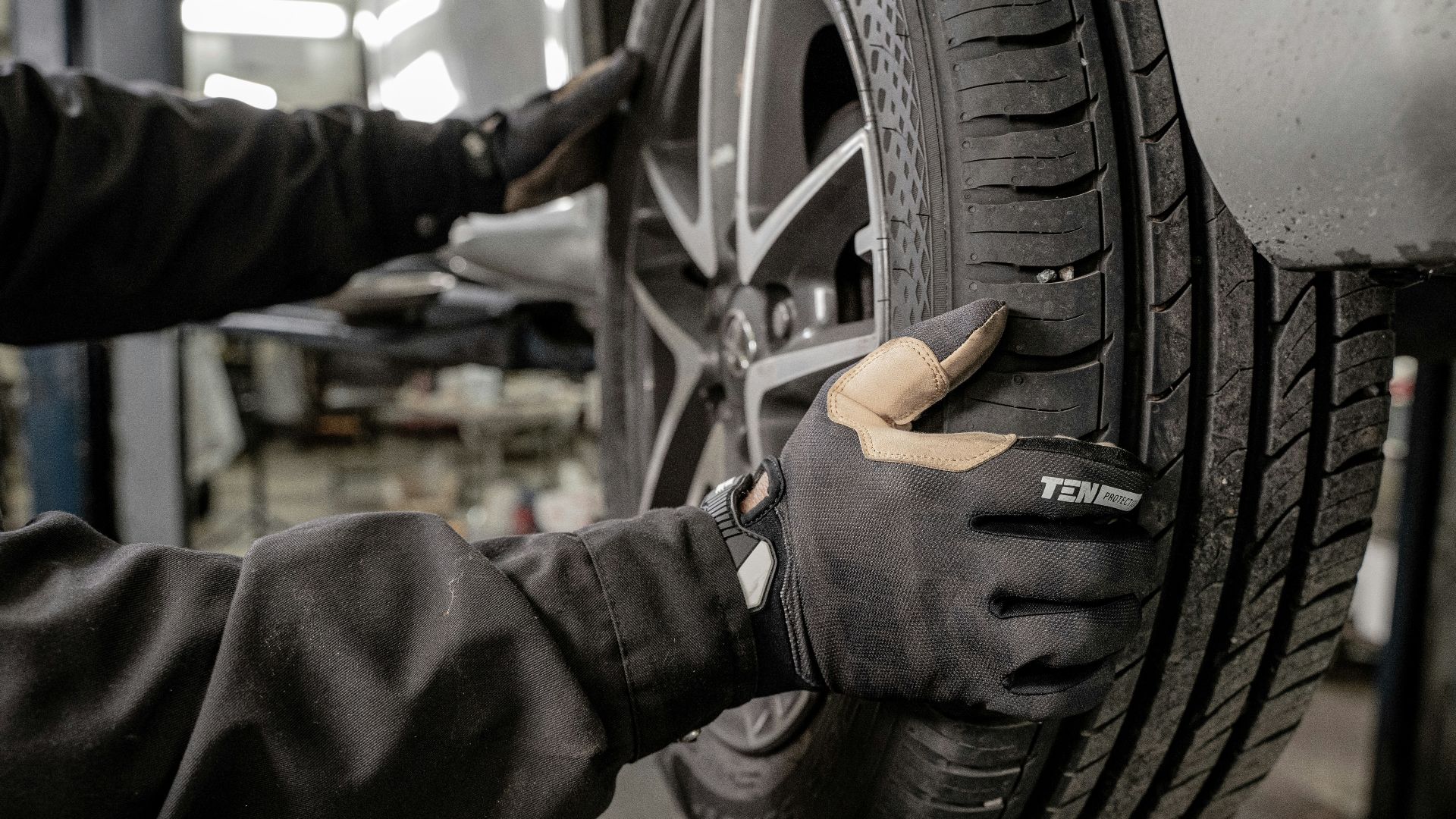
Replacing Two Tires Isn't Automatically Better
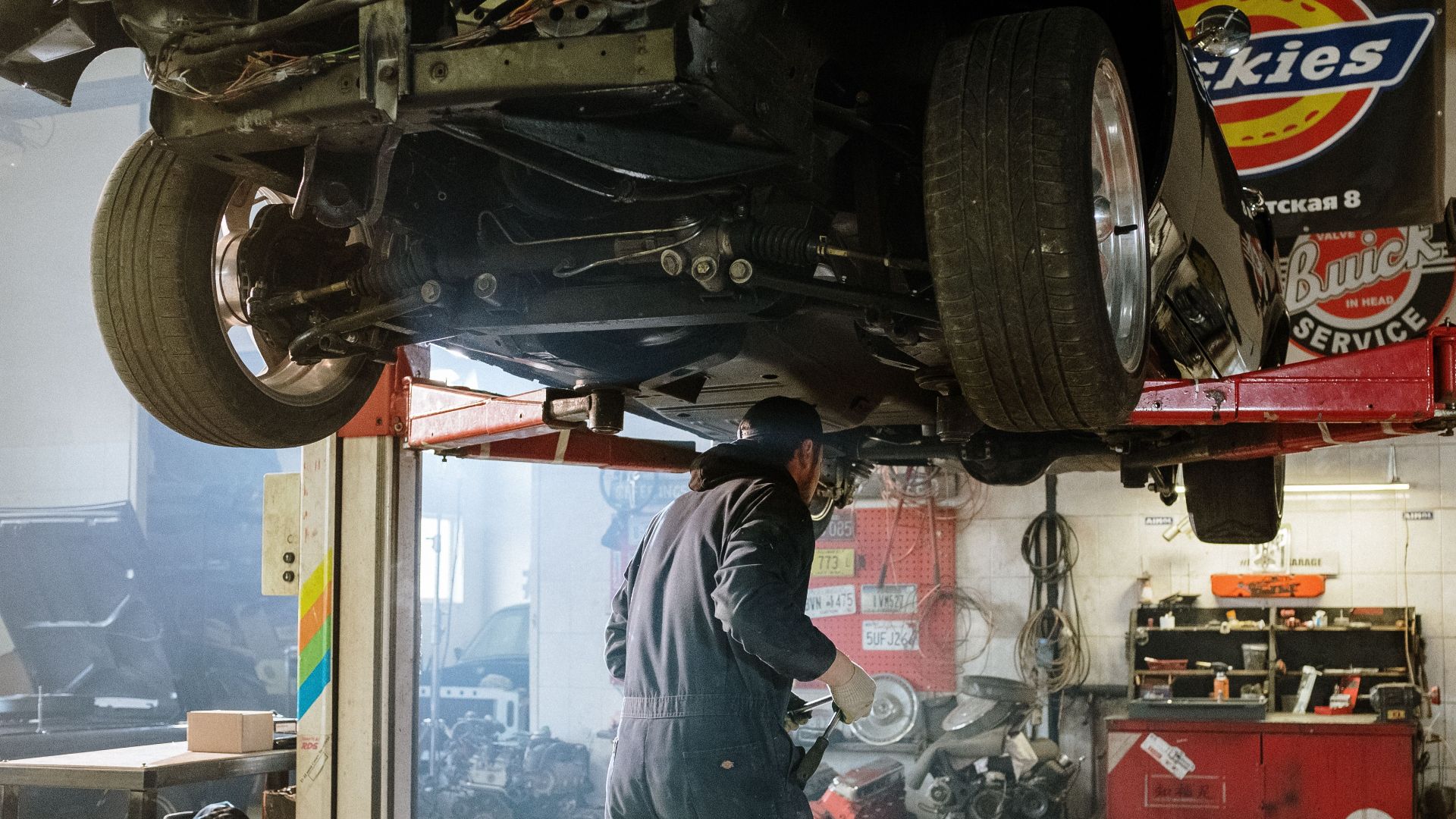
Some drivers assume buying two matching tires is a reasonable compromise between one and four. However, installing two new tires on one axle can still create a front-to-rear rolling-circumference difference on an AWD vehicle. The Tire Industry Association notes that certain AWD and 4WD manufacturers require all four tires to be replaced to protect drivetrain components. Replacing a pair is only a suitable compromise when the resulting configuration meets the vehicle manufacturer's requirements.
New Tires Usually Belong On The Rear
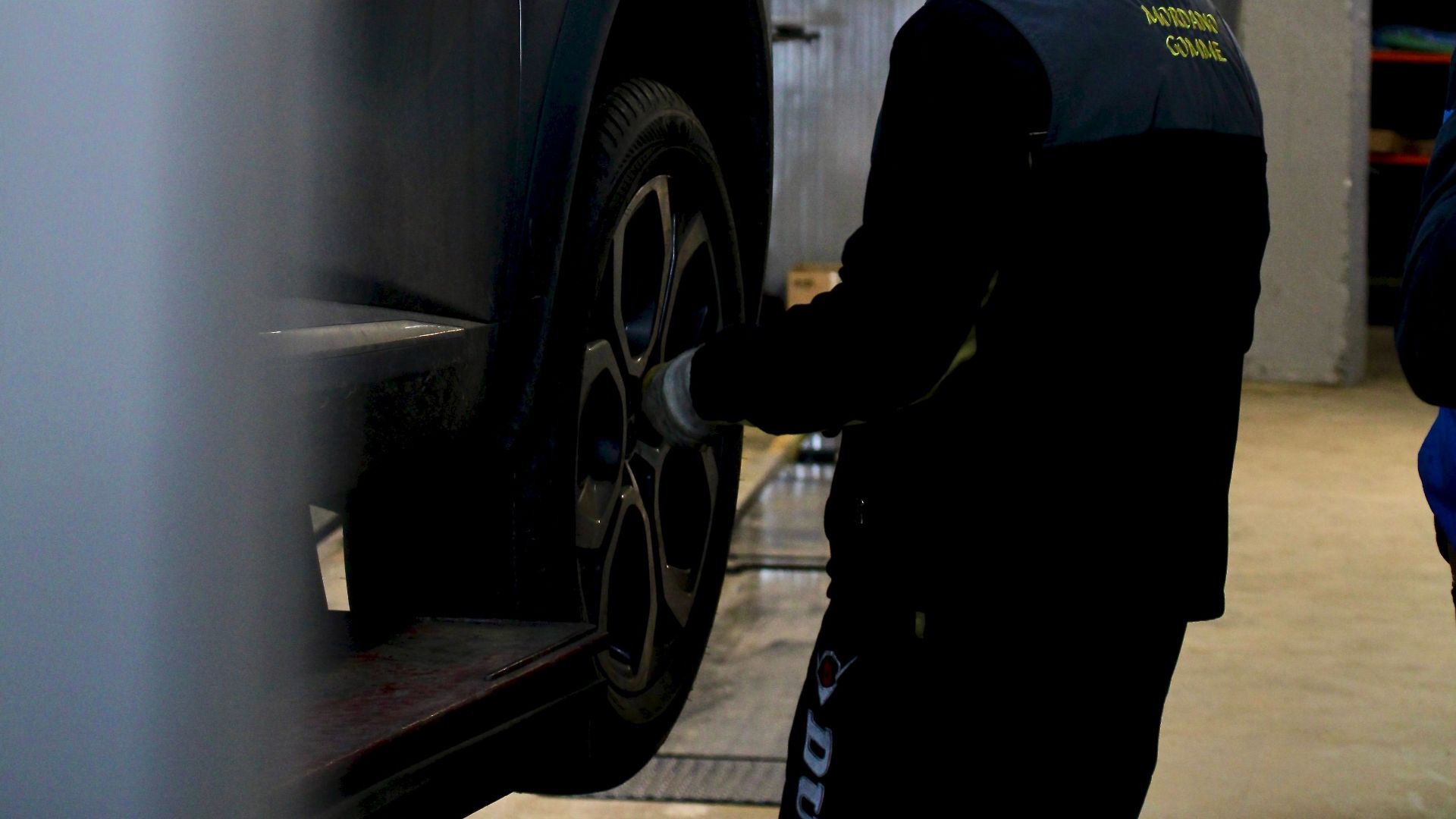
When a vehicle can safely use two replacement tires, tire manufacturers generally recommend mounting the newer pair on the rear axle. Michelin explains that deeper rear tread helps maintain stability and traction on wet roads. The Tire Industry Association makes the same recommendation for vehicles receiving two new tires. On an AWD vehicle, however, that placement advice doesn't override requirements concerning matching rolling circumference.
Your Tire Pressure Matters More Than You Realize
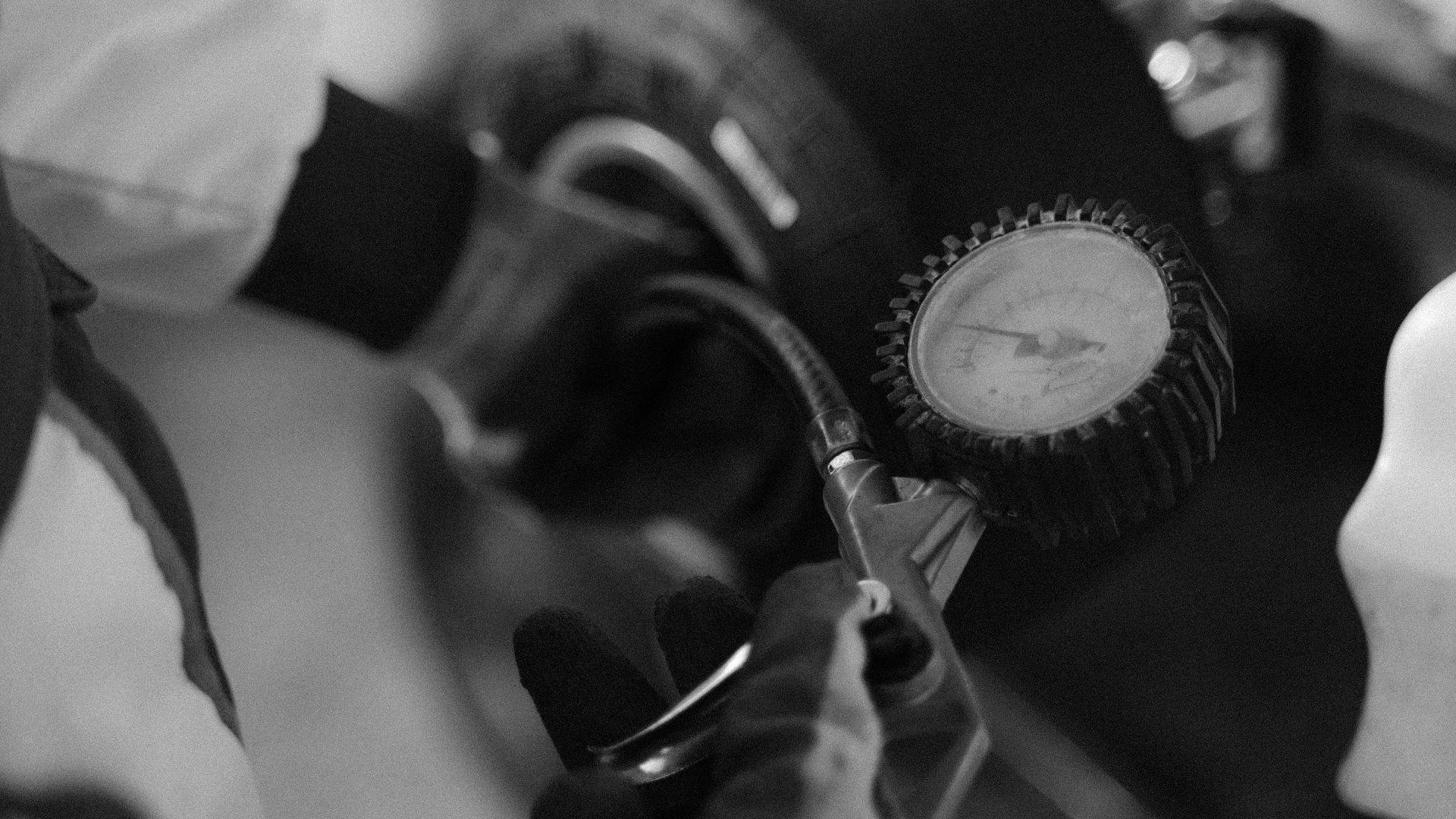
Even perfectly matched tires can behave differently when their inflation pressures are incorrect. Michelin notes that tire rolling radius is sensitive to inflation pressure. Maintaining the manufacturer's recommended pressures helps preserve consistent operation and proper tire performance. Check the pressure specification on your vehicle's tire placard rather than using the maximum pressure printed on the tire's sidewall.
Regular Rotation Can Prevent This Headache
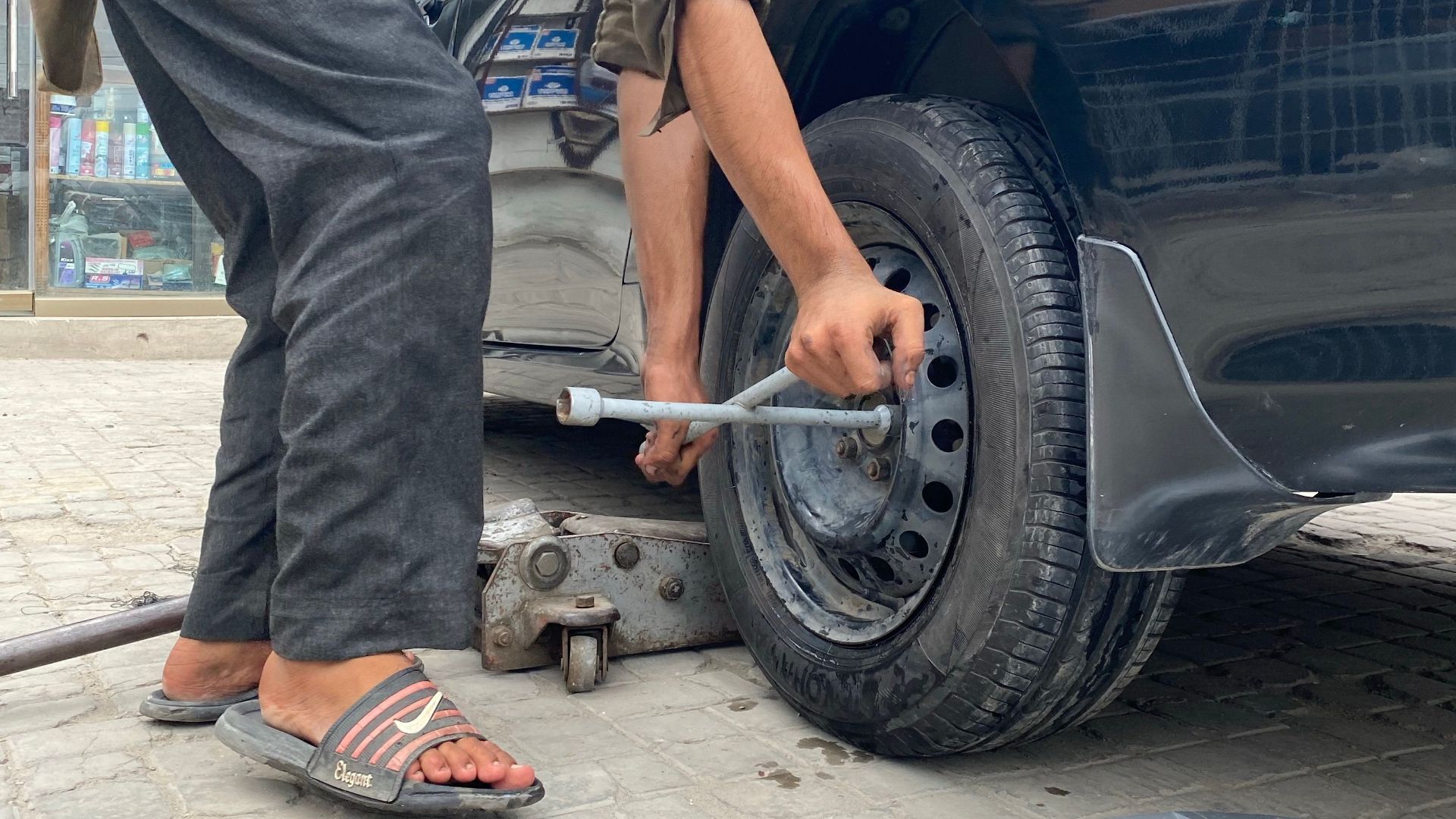
Tire rotation helps distribute wear more evenly across the set, provided the vehicle's wheel and tire configuration permits rotation. NHTSA recommends following the owner's manual and notes that many vehicles call for rotation every 5,000 to 8,000 miles. Uneven wear can make finding a suitable single replacement more difficult after a puncture. Maintaining similar tread depths from the beginning may give you more options when unexpected damage occurs.
An Alignment Problem Can Make Things Worse
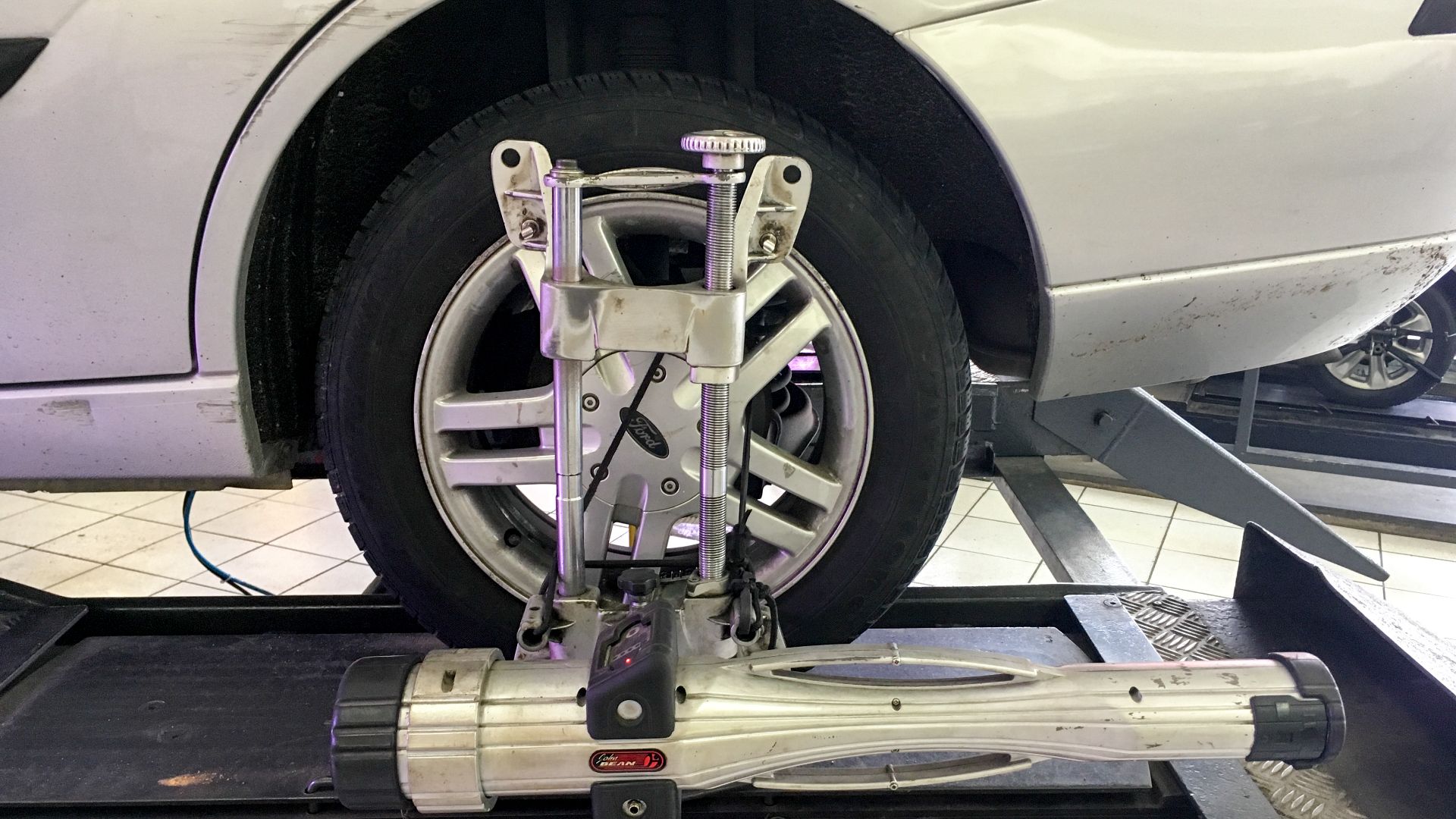
If one tire is wearing noticeably faster than the others, replacing the damaged tire won't address the underlying cause. NHTSA identifies wheel alignment as an important factor in maximizing tire life and maintaining proper handling. Consumer Reports also recommends investigating alignment or suspension problems when tire wear is inconsistent. Before paying for new tires, ask the shop whether unusual wear patterns suggest another issue needs attention.
 Photograph by Mike Peel (www.mikepeel.net)., Wikimedia Commons
Check Your Tire Protection Before Paying
Some tire retailers offer road-hazard protection covering qualifying punctures and other damage. Discount Tire, for example, offers certificates that may cover repairs, replacements, or refunds under specified conditions. Its published terms include time and remaining-tread requirements. However, coverage for one damaged tire doesn't necessarily mean the provider will pay for three additional tires required to maintain an AWD system.

Your Dealer Should Be Able To Prove The Difference
If a dealership recommends replacing all four tires, ask for the measured tread depth of each tire. Request the applicable manufacturer's specification explaining how closely the tires must match. Then ask whether repairing the puncture, fitting one matching tire, or obtaining a professionally shaved replacement would satisfy that requirement. A legitimate recommendation should be supported by measurements and vehicle-specific guidance rather than a blanket claim about all-wheel drive.

A Second Opinion Could Be Worth Hundreds
A qualified independent tire specialist may be able to evaluate options that the dealership doesn't offer. Some retailers provide professional puncture repairs, while others can arrange a shaved replacement tire. Consumer Reports specifically recommends investigating tire shaving rather than assuming four replacements are unavoidable. The important thing is finding a shop that understands the vehicle manufacturer's requirements and follows recognized tire safety procedures.

Sometimes Four New Tires Really Are The Best Choice
If your remaining tires are heavily worn, damaged, aging, or incompatible with a suitable replacement, a complete set may be the most practical option. Replacing all four also restores consistent tread characteristics and avoids the complications of mixing tires with different wear levels. The Tire Industry Association identifies replacing all four at once as the preferred practice. Spending more now can be justified when the alternative would compromise tire safety or drivetrain reliability.
 Hryshchyshen Serhii, Shutterstock
Don't Approve Four Tires Until You've Asked These Questions
First, establish whether the punctured tire can be safely repaired under recognized industry guidelines. Next, obtain the tread-depth measurements and the manufacturer's actual AWD matching requirements. If replacement is necessary, investigate an identical single tire, professional shaving, and any applicable road-hazard coverage. Only then can you fairly compare the cost and safety of replacing one tire against replacing the complete set.
So, Do You Really Need Four New Tires?
Not necessarily, and that's the detail your dealer should explain before asking you to spend hundreds or thousands of dollars. A repairable puncture may require no replacement at all, while a closely matched new or shaved tire can sometimes solve the problem when the original tire cannot be saved. However, some AWD systems have strict matching requirements, and a heavily worn set may genuinely need replacing together. The right answer depends on your specific vehicle, the condition of the tires, and actual measurements rather than a blanket rule.
You May Also Like:
The Five Most Stolen Cars In North America