When Your Car Starts Arguing With You
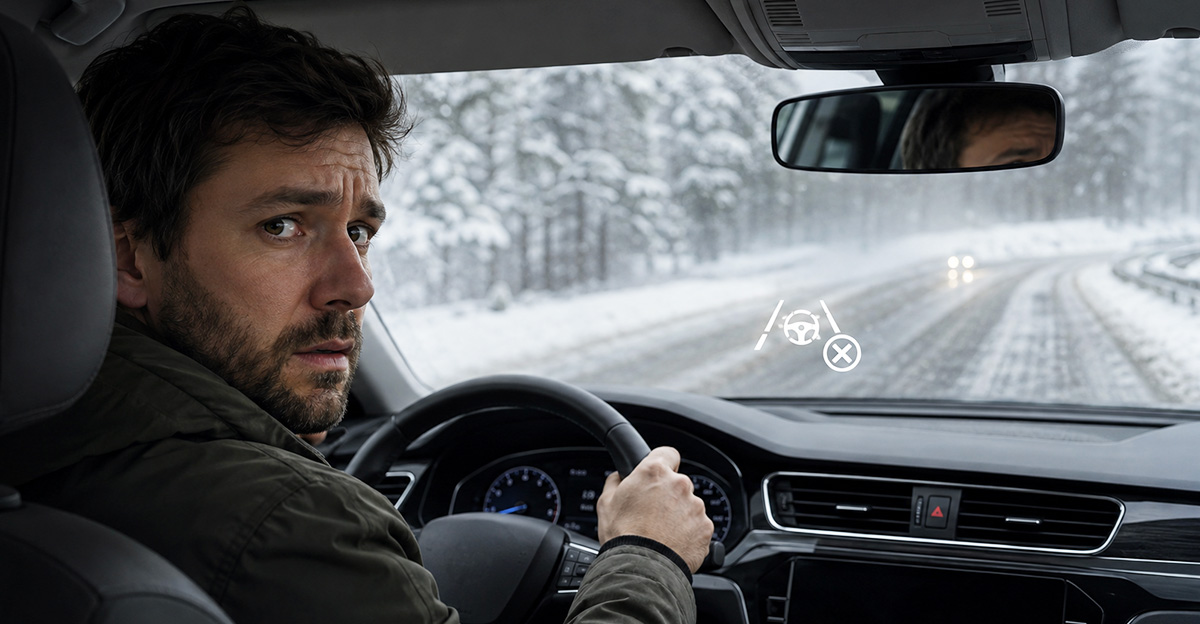
Modern cars love helping. Usually, that’s a good thing. But when snow covers lane markings and your steering wheel starts nudging you toward a slushy rut, lane-keeping assist can feel less like a helpful co-pilot and more like an annoying backseat driver. So, should you switch it off?
What Lane-Keeping Assist Actually Does
Lane-keeping systems use cameras, sensors, or both to watch road markings and figure out where your car belongs. If you begin drifting toward a line without signaling, the system may gently steer you back toward the center or vibrate the steering wheel to get your attention.
Winter Can Confuse The Cameras
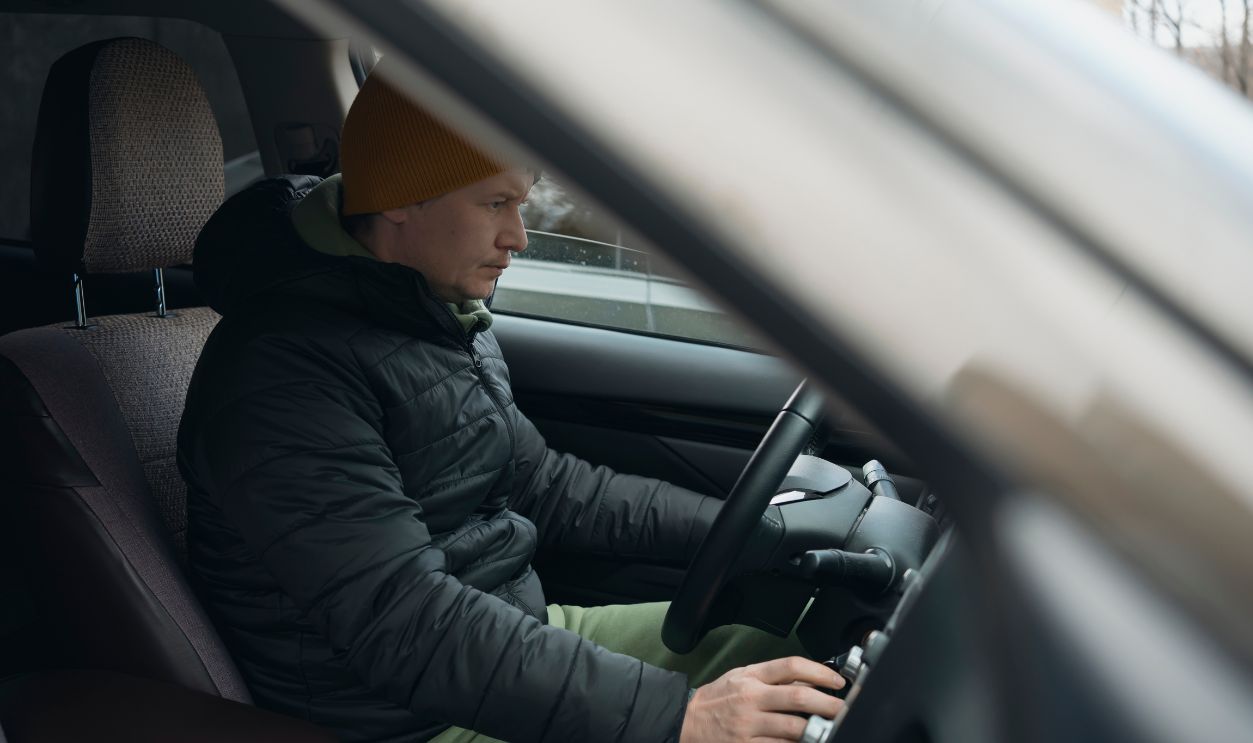
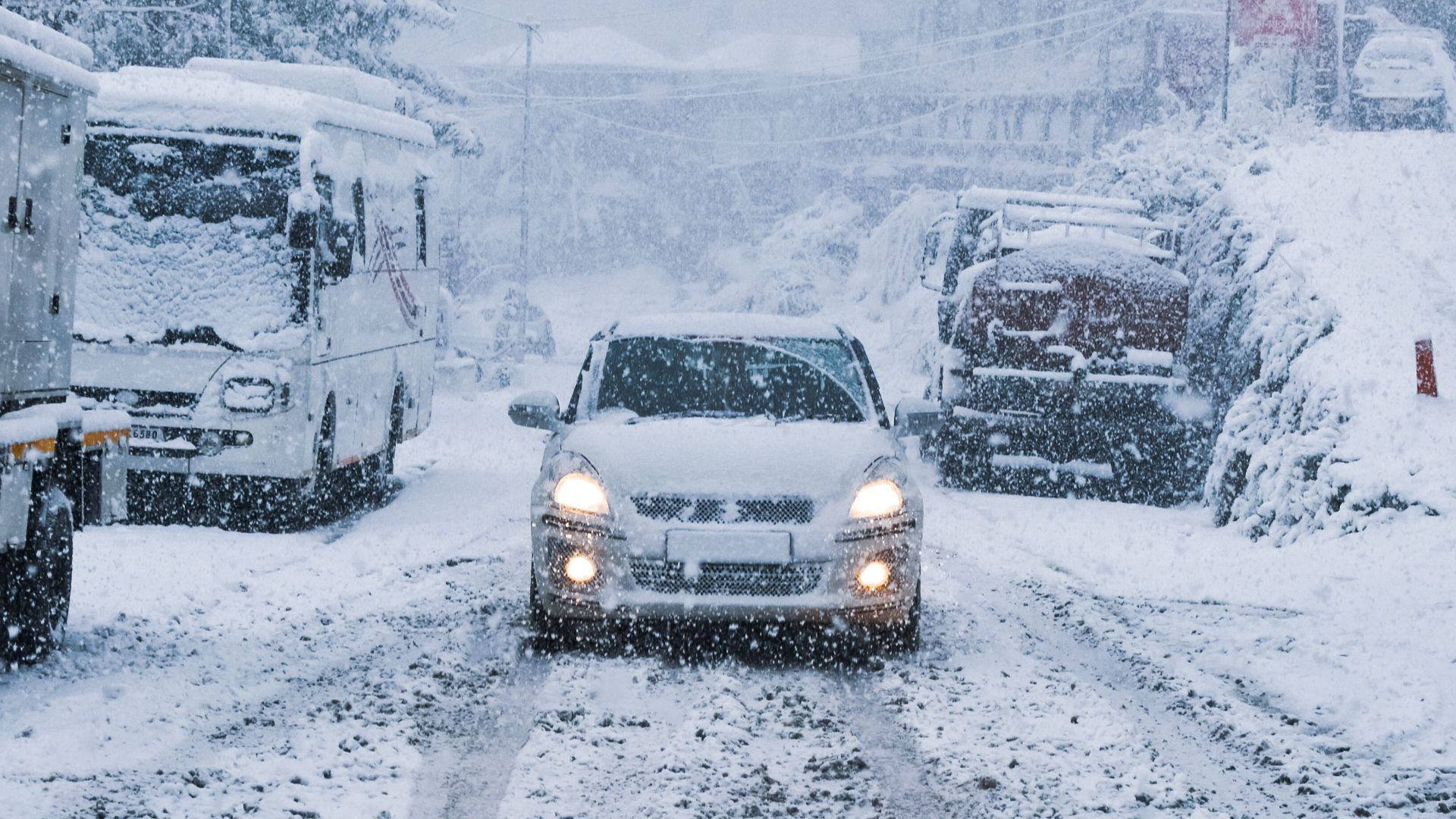
Here’s the problem: lane-keeping technology generally likes clearly painted roads. Snow, ice, salt, grime, and slush can hide those markings completely. Suddenly, the camera is trying to solve a puzzle with half the pieces missing, and its idea of the lane may not match yours.
Snow Creates Fake Lane Markings
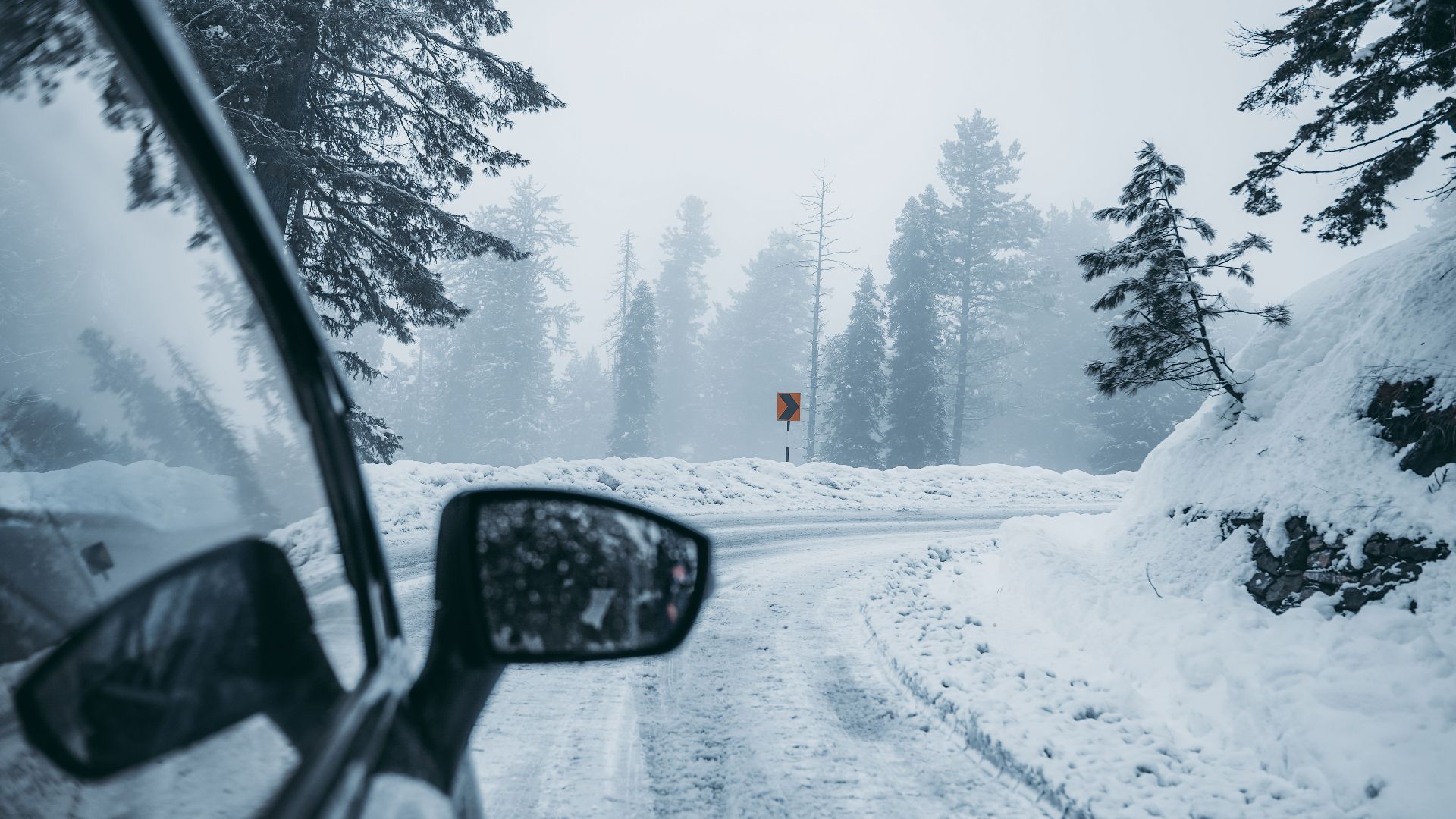
Winter roads are full of visual tricks. Tire tracks through snow can look like lane boundaries. A ridge of plowed snow may resemble a solid white line. Even patches of salt and ice can confuse cameras. Your car isn’t necessarily malfunctioning—it may simply be receiving terrible information.
You Might Need To Drive Off-Center
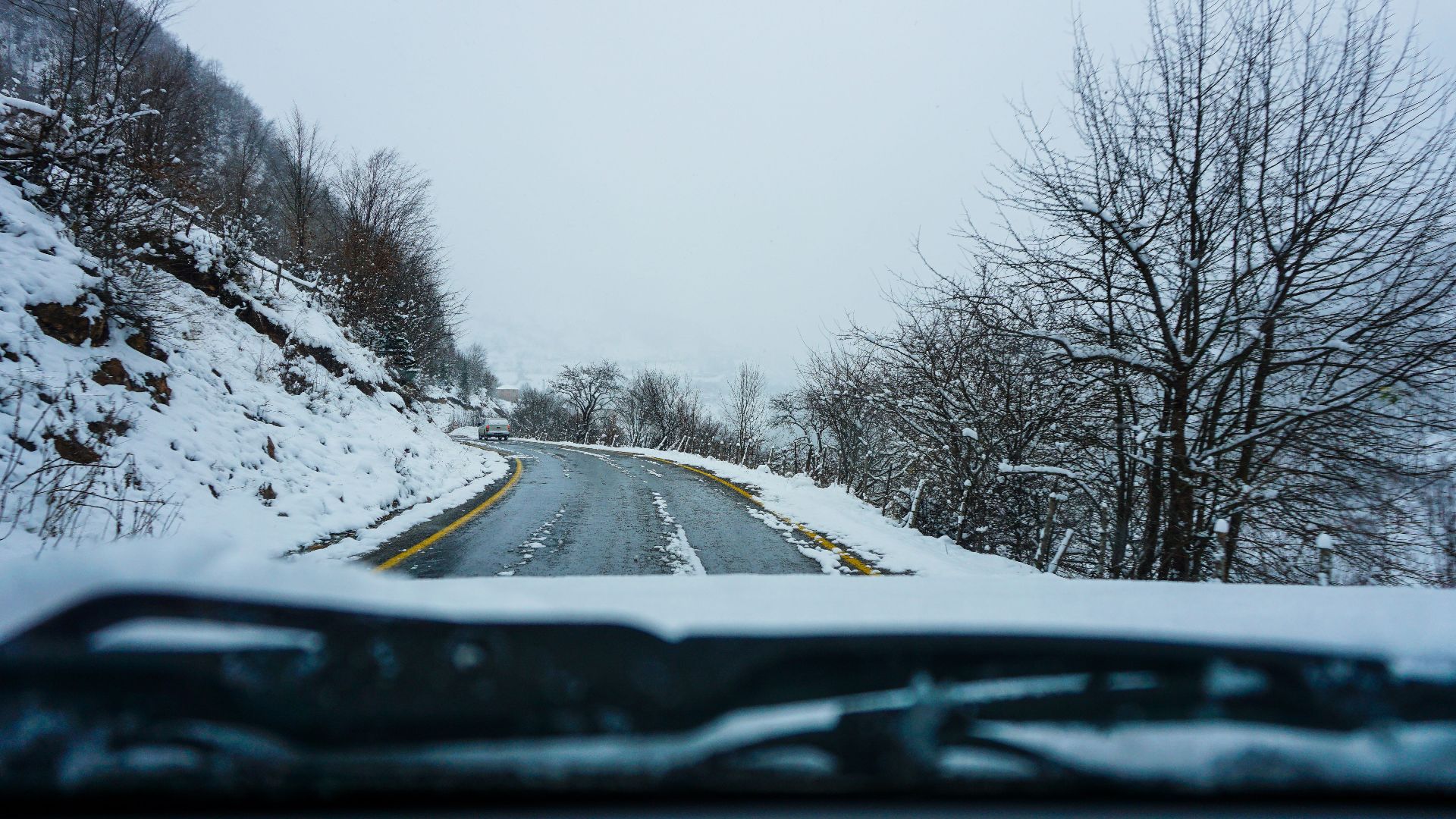
On a clear summer highway, staying perfectly centered makes sense. On a snowy road, the safest path might be slightly off-center because previous traffic has created two clear tracks. Lane-keeping assist may try to pull you away from those tracks, even when following them provides better traction.
That Steering Tug Can Be Unsettling
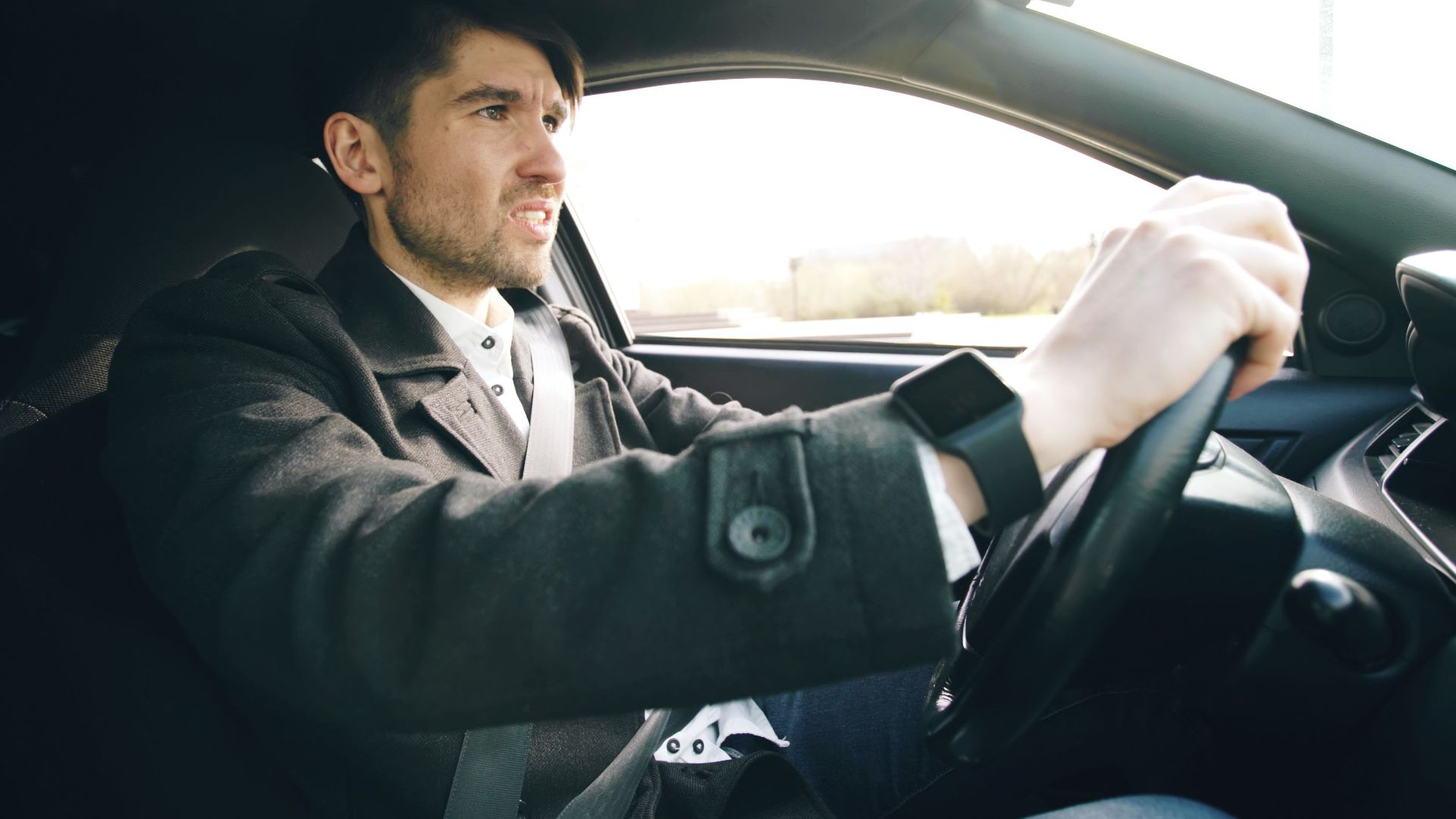
A gentle steering correction is barely noticeable on dry pavement. On snow or ice, however, even a small unexpected movement can feel dramatic. Drivers naturally want smooth, deliberate inputs in slippery conditions, so having the steering wheel suddenly push against your chosen path can be distracting.
Does That Mean You Should Turn It Off?
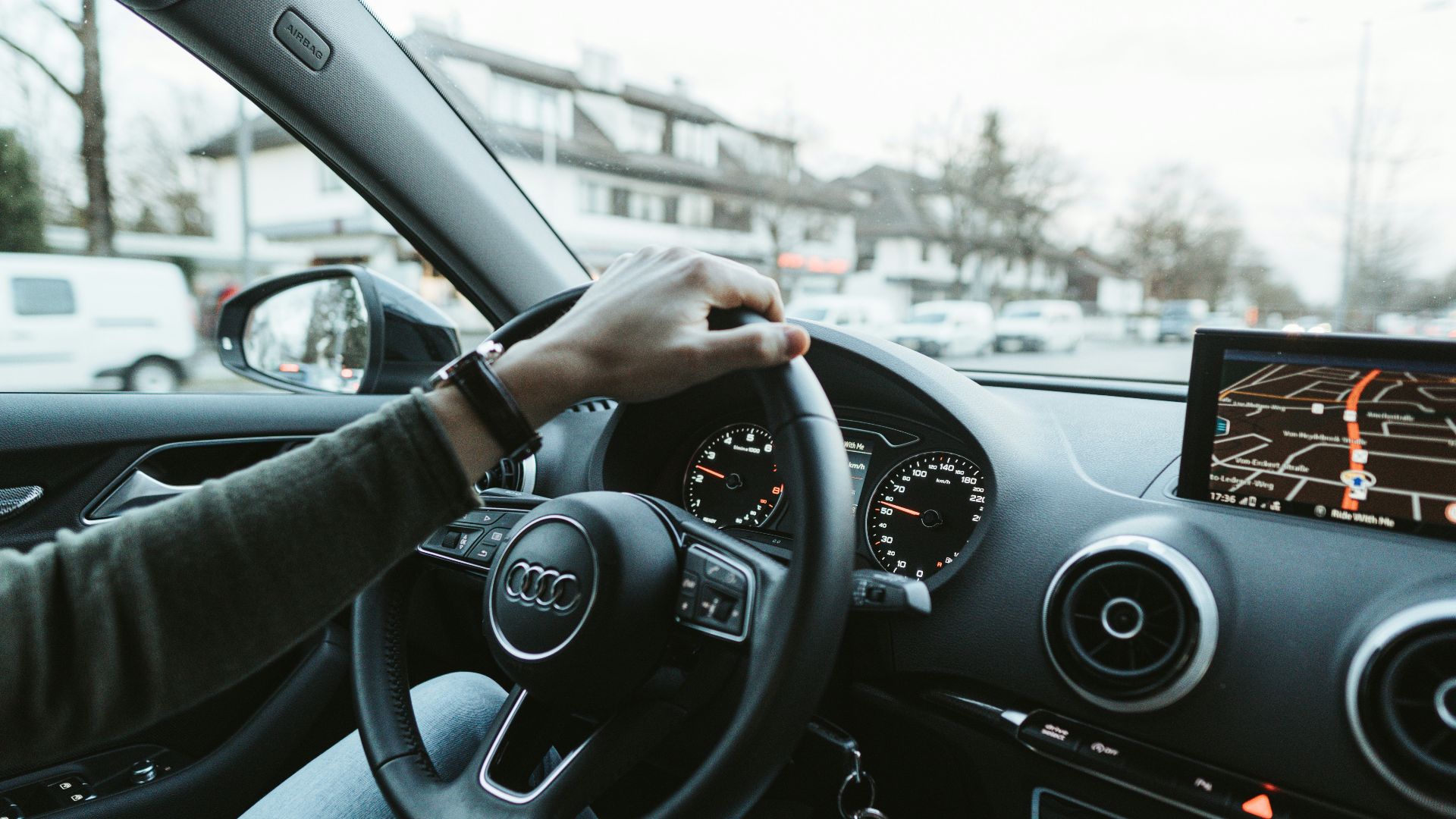
Sometimes, yes. If snow-covered markings are causing repeated incorrect steering corrections, temporarily switching off active lane-keeping assistance can be reasonable. You’re removing a system that currently lacks reliable information. But that doesn’t mean lane-keeping technology is useless whenever temperatures drop.

Know Which System You’re Disabling
Cars use confusingly similar names for very different features. Lane-departure warning might simply beep or vibrate. Lane-keeping assist can actually provide steering input. Lane-centering systems may continuously help position the vehicle. Before switching anything off, know exactly which feature that button controls.

Lane Departure Warning May Still Help
If your vehicle allows it, you might disable steering intervention while leaving lane-departure warnings active. That can be a useful compromise. The car can still alert you when it thinks you’re wandering without actively pushing the steering wheel in a direction you don’t want to go.

Check Your Owner’s Manual
This is one occasion when that thick book hiding in the glovebox is worth opening. Manufacturers explain when driver-assistance systems may become unreliable, including poor visibility and obscured markings. Your manual will also tell you exactly how your vehicle’s lane-assistance settings work.

A Dirty Camera Can Make Things Worse
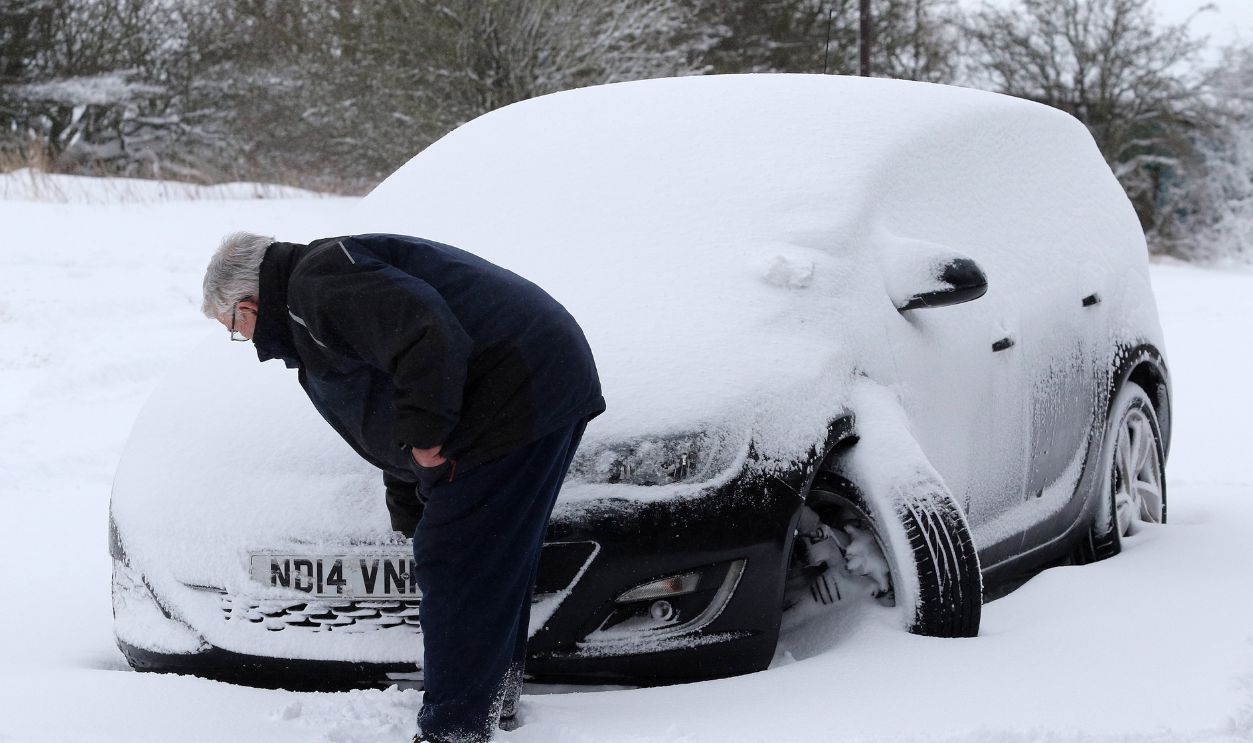
Before blaming the software, check the windshield. Many lane-keeping cameras sit near the rearview mirror and look through the glass. Frost, road salt, snow, condensation, or plain old dirt can interfere with their view. Clearing the windshield properly may immediately improve the system’s behavior.

Don’t Forget The Sensors
Some cars combine cameras with radar or other sensors positioned around the vehicle. Packed snow and ice can cover these areas after a messy drive. If your dashboard suddenly lights up with driver-assistance warnings, cleaning accumulated snow from the appropriate sensor areas may solve the problem.
Pay Attention To Dashboard Warnings
Modern vehicles often know when their assistance systems can’t see properly. You may receive a message saying a camera is blocked or lane assistance is unavailable. Don’t treat that as an invitation to keep pushing the technology. Consider it your car admitting, “You’re on your own here.”
Turning It Off Has A Trade-Off
Disabling lane-keeping assist removes unwanted steering corrections, but it also removes the protection the system provides when conditions improve. If you become distracted or unintentionally drift toward another lane, the electronic safety net won’t be there to intervene or warn you.

Don’t Confuse It With Stability Control
Lane assistance and electronic stability control are completely different things. Stability control can help prevent skids by automatically braking individual wheels and managing engine power. That technology is extremely valuable on slippery roads. Switching off lane keeping does not mean you should start disabling every electronic safety system.
Traction Control Is Your Friend Too
The same warning applies to traction control. Although there are limited situations where temporarily reducing traction-control intervention can help free a stuck vehicle, everyday winter driving is generally not one of them. Lane-keeping frustration shouldn’t turn into a button-pushing spree across the dashboard.

Slow Down Before Anything Else
If snow is confusing your lane-keeping system, that’s also a good clue that road conditions are poor. Whether the assistance remains active or not, your most important response is reducing speed. Slower driving gives you more time to recognize hazards and make smooth steering or braking adjustments.
Increase Your Following Distance
Winter driving isn’t just about keeping the car between imaginary lines. Snow and ice dramatically change how much room you may need to slow down. Give the vehicle ahead considerably more space than you would on dry pavement, especially when visibility and traction are both deteriorating.

Make Your Inputs Smooth
Abrupt steering and slippery roads are terrible dance partners. If lane assist is switched off, concentrate on making gradual steering corrections yourself. Be gentle with the accelerator and brakes too. The goal is to avoid asking your tires for more grip than the surface can provide.

Keep Your Hands On The Wheel
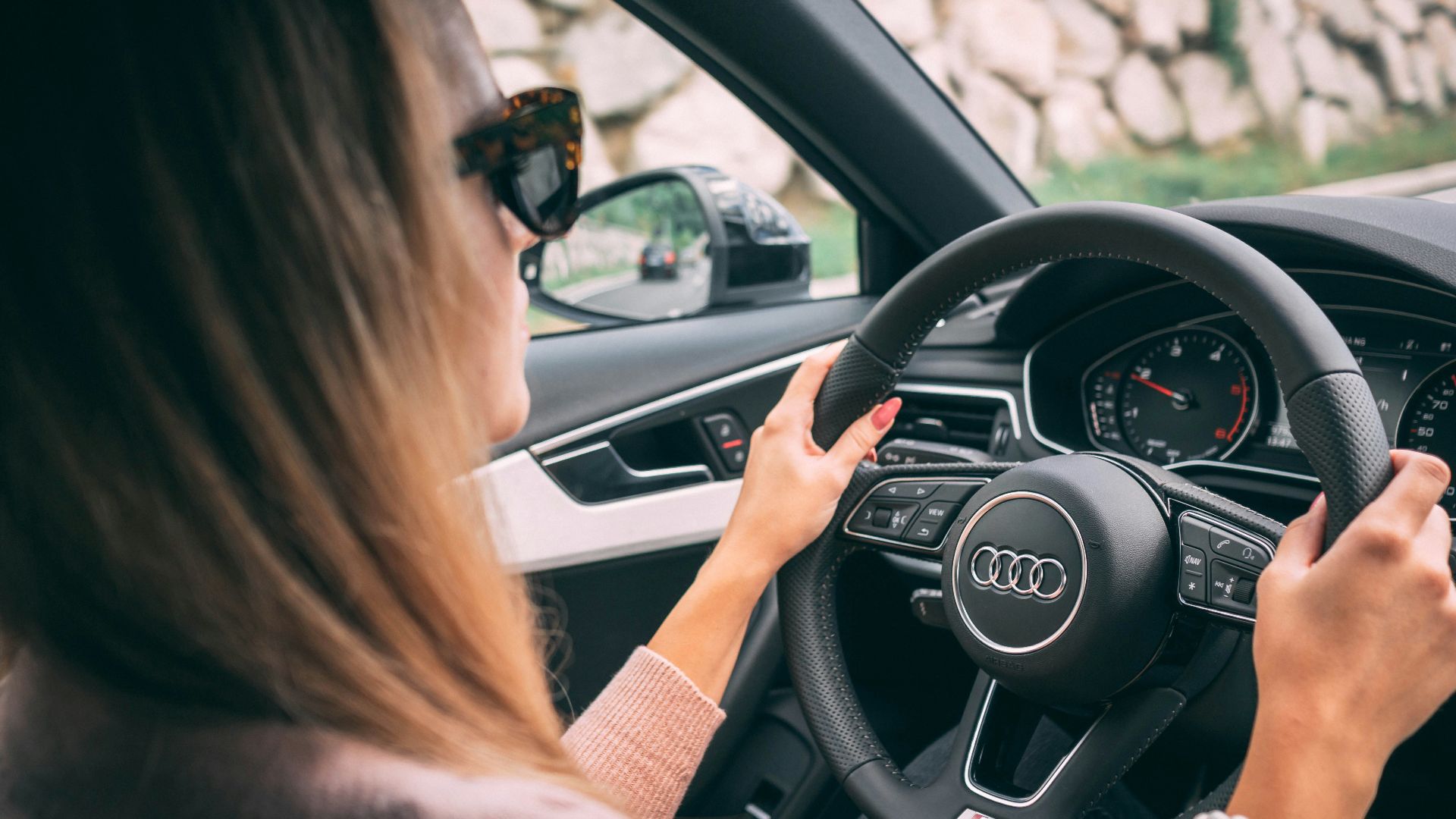
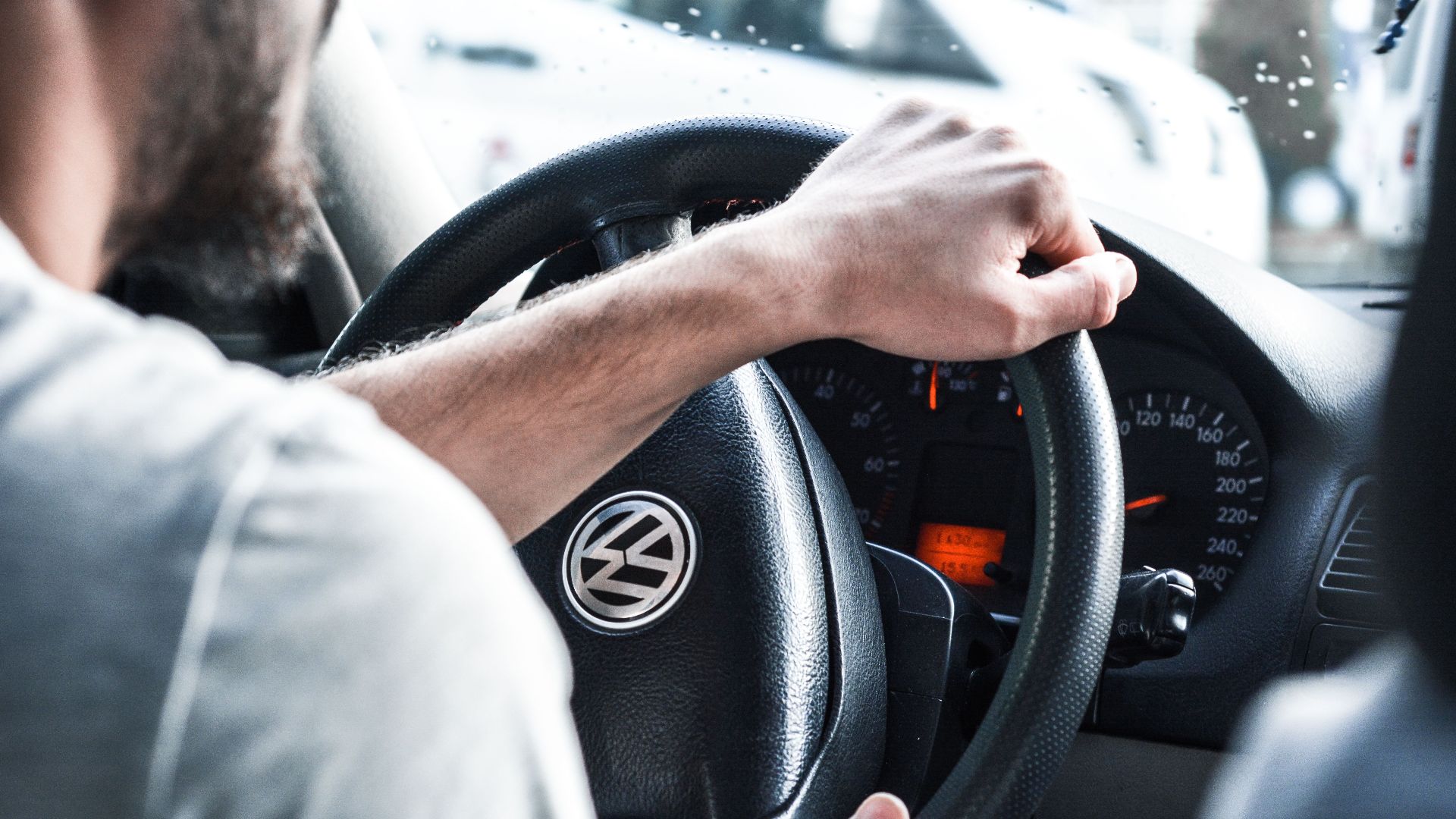
Lane-keeping technology was never supposed to replace an attentive driver. Even sophisticated lane-centering systems generally require supervision. Winter weather makes that responsibility even more important. Keep both hands ready, watch where the vehicle is actually going, and don’t assume the electronics understand the conditions.

Look Farther Down The Road
One advantage humans still have is context. You can see snowbanks, tire tracks, curves, stopped vehicles, and changing road surfaces well ahead. Looking farther down the road helps you plan smooth movements instead of reacting suddenly when the steering system—or the road itself—throws you a surprise.

Winter Tires Matter More
If you’re worried about winter safety, your tires deserve more attention than lane-keeping assist. Driver-assistance technology cannot create grip where none exists. Proper winter tires can dramatically improve traction in cold, snowy conditions, giving both you and the vehicle’s electronic safety systems more to work with.
Turn The System Back On Later
If you disable lane-keeping assist during a snowstorm, don’t automatically leave it off until spring. Once the road is clear and markings are visible again, the feature can return to doing what it was designed for: helping catch accidental lane departures during ordinary driving.
Some Cars Remember Your Choice
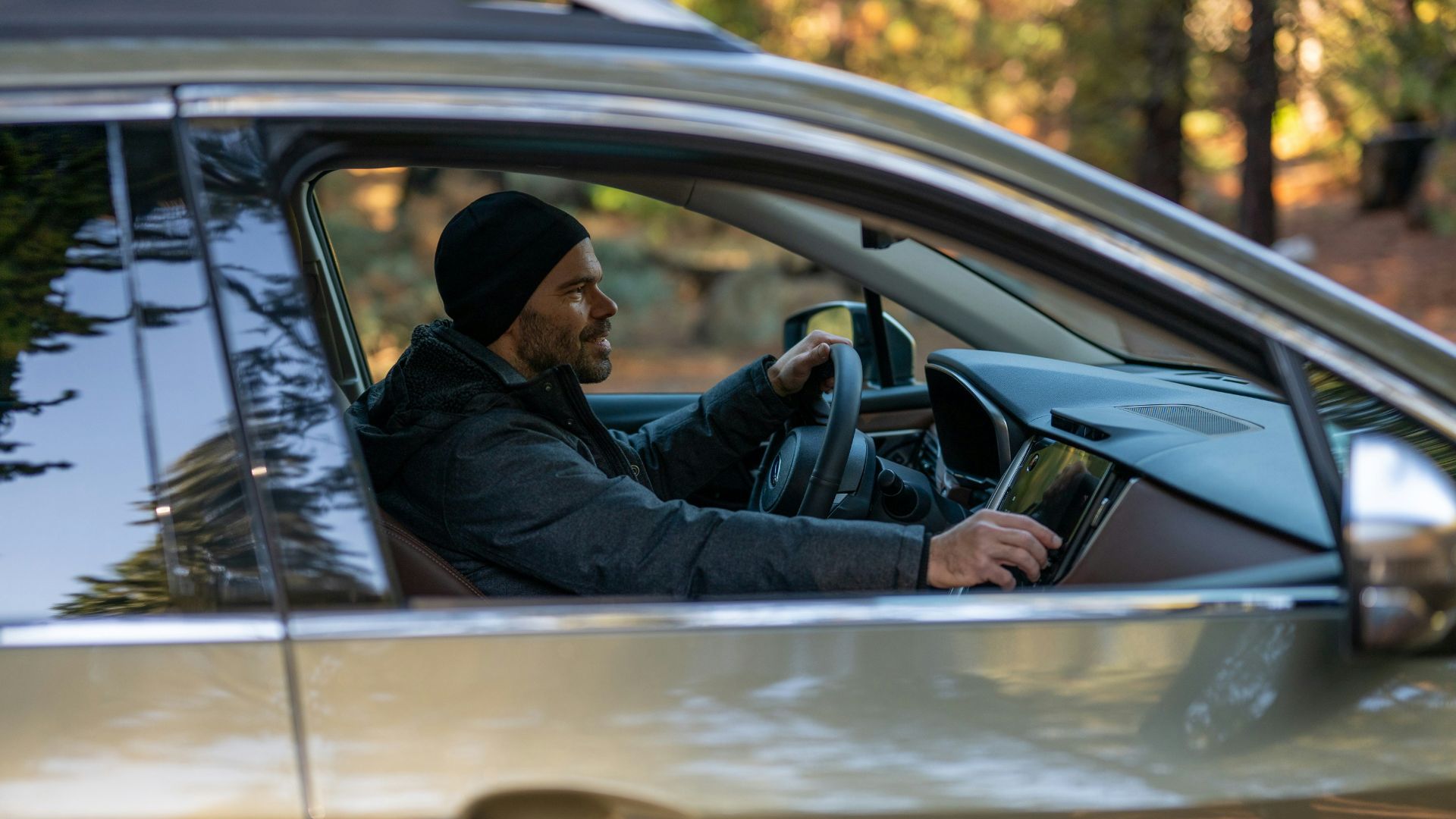
Depending on the vehicle, lane assistance may automatically reactivate every time you start the engine, while other cars remember your previous setting. Learn how yours behaves. Otherwise, you may think the system is disabled only to discover its familiar steering-wheel tug halfway through tomorrow morning’s commute.

Technology Has Limits
Driver-assistance systems are impressive, but they aren’t magical. Cameras can’t reliably interpret markings they cannot see, and software cannot understand every messy winter road. Recognizing those limitations isn’t rejecting technology. It’s using the technology intelligently rather than assuming every feature works perfectly everywhere.

When In Doubt, Take Control
If the system repeatedly makes steering inputs that feel inappropriate for the road, prioritize maintaining safe control of the vehicle. Reduce speed, increase space, and disable the problematic assistance feature if necessary. If the behavior continues on clean, clearly marked roads, have the system inspected for a possible fault.

The Best Driver Is Still You
So, is turning off lane-keeping assist in winter less safe? Not automatically. When snow makes the system unreliable, temporarily disabling steering intervention can make driving more predictable. Just remember what you’re giving up. Drive cautiously, keep other safety systems active, and switch lane assistance back on when conditions improve.

You May Also Like:
Everyday Cars That Secretly Became Collectible While Nobody Was Paying Attention
Once-Affordable Classics That Used To Be Everywhere And Are Suddenly Hard To Find