The Scary Warning Every Older Car Owner Hears
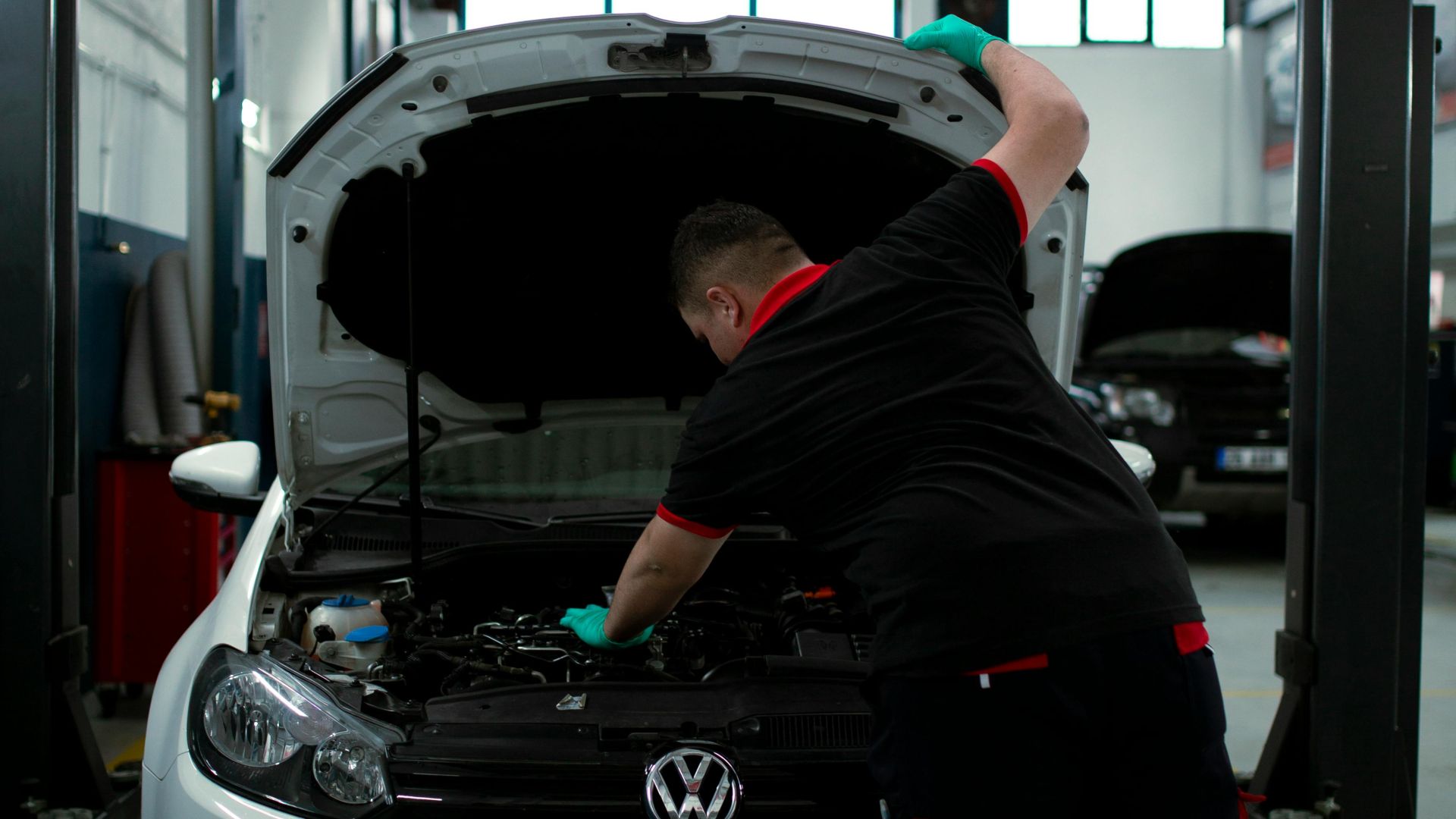
If you own an older car, you may have heard a mechanic say that changing the transmission fluid could finish off the transmission. It sounds backward. Fresh fluid is supposed to help parts last longer, not kill them. The truth is more complicated, and it comes down to what kind of service is being done, how worn the transmission already is, and what the manufacturer recommends.

Why This Advice Won’t Go Away
This warning has been around for years because people sometimes link a fluid change to a transmission failure that happens soon after. In some cases, the transmission was already badly worn, and the service just happened close to the end of its life. Consumer Reports notes that many newer vehicles have long service intervals or fluids said to last 100,000 miles or more, but that does not mean fluid condition stops mattering on older cars.

What Transmission Fluid Actually Does
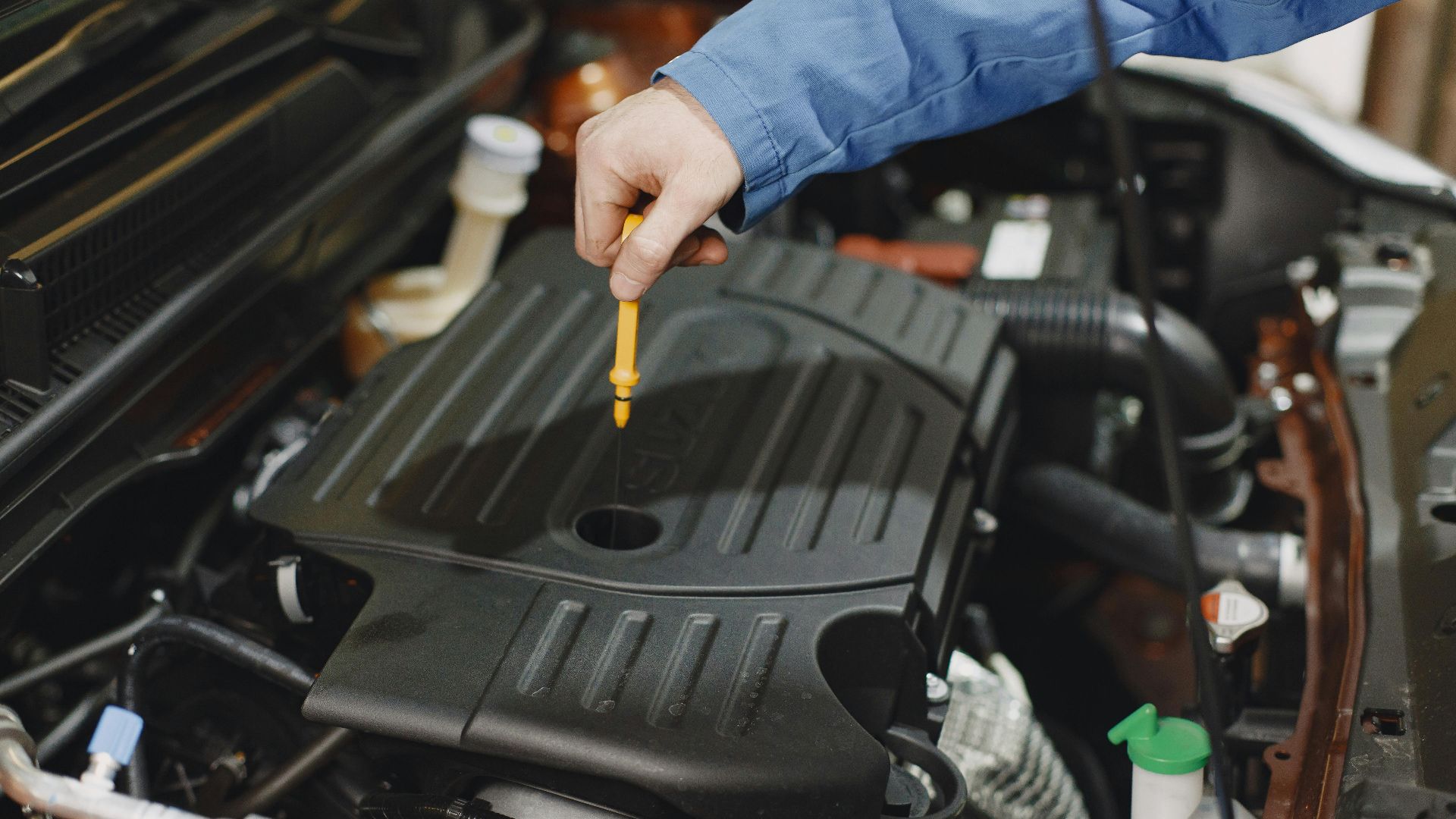
Automatic transmission fluid does more than lubricate. It helps cool the transmission, carries hydraulic pressure, protects against wear, and keeps internal parts clean. Valvoline explains that over time the fluid breaks down, oxidizes, and gets contaminated, which cuts down its ability to protect the transmission.
Why Old Fluid Can Cover Up Bigger Problems
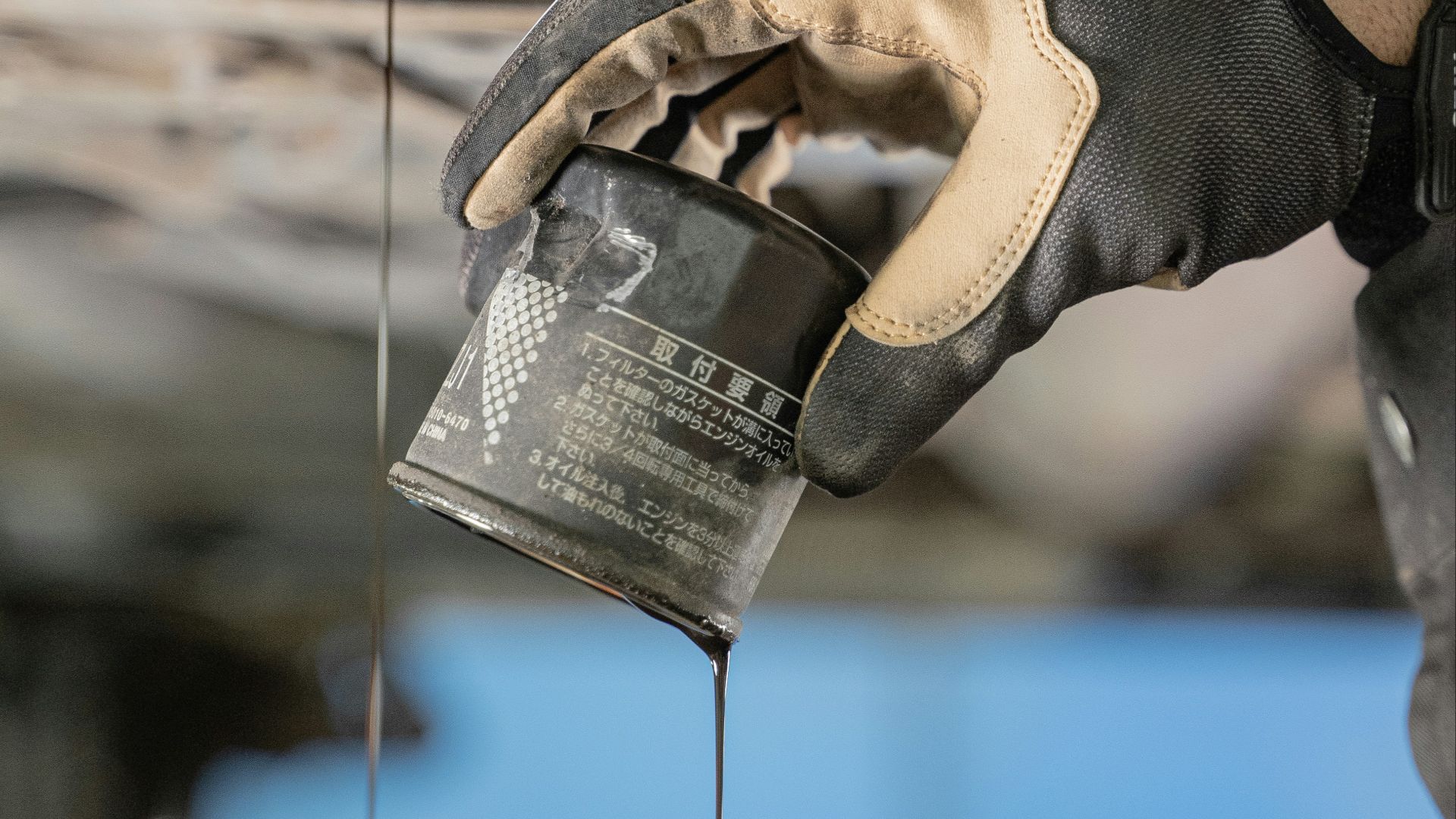
When a transmission is heavily worn, old fluid may contain clutch material and other debris from internal wear. Some drivers and technicians believe that this worn material can briefly help a slipping transmission hold on just enough to keep moving. If the transmission is already close to failure, replacing the old fluid will not save it, and the owner may blame the new fluid for exposing a problem that was already there.
What Mechanics Usually Mean By Make Things Worse
Most of the time, a mechanic is not saying that new fluid is somehow bad for an old transmission. They usually mean the transmission may already be damaged, and servicing it could be followed by obvious slipping, harsh shifts, or full failure. In other words, the service may reveal existing wear rather than create a brand-new problem.
There Is A Big Difference Between A Drain And Fill And A Flush
This is where the story changes. A simple drain and fill replaces only part of the fluid in many automatic transmissions, while a machine flush may exchange much more of it, sometimes with detergents or under pressure depending on the equipment used. Family Handyman specifically warns that a flush on a high-mileage transmission can loosen debris and cause problems, while a drain and fill is usually the safer choice.

Why The Flush Got A Bad Reputation
The flush became the villain because it can be more aggressive than routine service. Family Handyman says flushing can move sludge and debris into narrow transmission passages, especially in neglected units with heavy internal buildup. That does not mean every flush destroys a transmission, but it helps explain why many experienced technicians are careful about using one on a very old, poorly maintained gearbox.
What Car Care Experts Say About Maintenance Timing
AAA says transmission fluid should be checked and changed at the intervals recommended by the manufacturer because the fluid breaks down with use and heat. That is the key point many old-car horror stories miss. Preventive maintenance done on schedule is very different from a first-ever service on a neglected transmission with 150,000 or 200,000 miles on the original fluid.

The Manufacturer Schedule Matters More Than Shop Lore
When there is a clash between folklore and the owner’s manual, the manual should usually win. Automakers publish service intervals based on testing, and those intervals vary widely by model, year, and use. Consumer Reports advises owners to check the maintenance schedule because some vehicles need more frequent service under severe driving conditions like towing, stop-and-go traffic, or mountain driving.

So Is The Warning A Myth
Partly. Fresh fluid itself is not poison for an older transmission. The real issue is that changing fluid in a severely worn, neglected transmission may not help and may be followed by failure that was already on the way.
And Is It Also Real
Yes, in a limited sense. If a transmission is already slipping, shuddering, slow to engage, or shedding large amounts of clutch material, servicing it can line up with the moment the problem becomes impossible to ignore. That makes the warning feel very real to owners, even though the service may not be the root cause.
 Jose Ricardo Barraza Morachis, Pexels
What Valvoline Says About Dirty Fluid
Valvoline notes that transmission fluid gets worse over time and that dirty or degraded fluid can lead to rough shifting, slipping, and overheating. Those are not small annoyances because heat is one of the biggest enemies of automatic transmission life. Leaving old fluid in place forever is not a protective strategy. It is often a gamble.

What AAA Says To Watch For
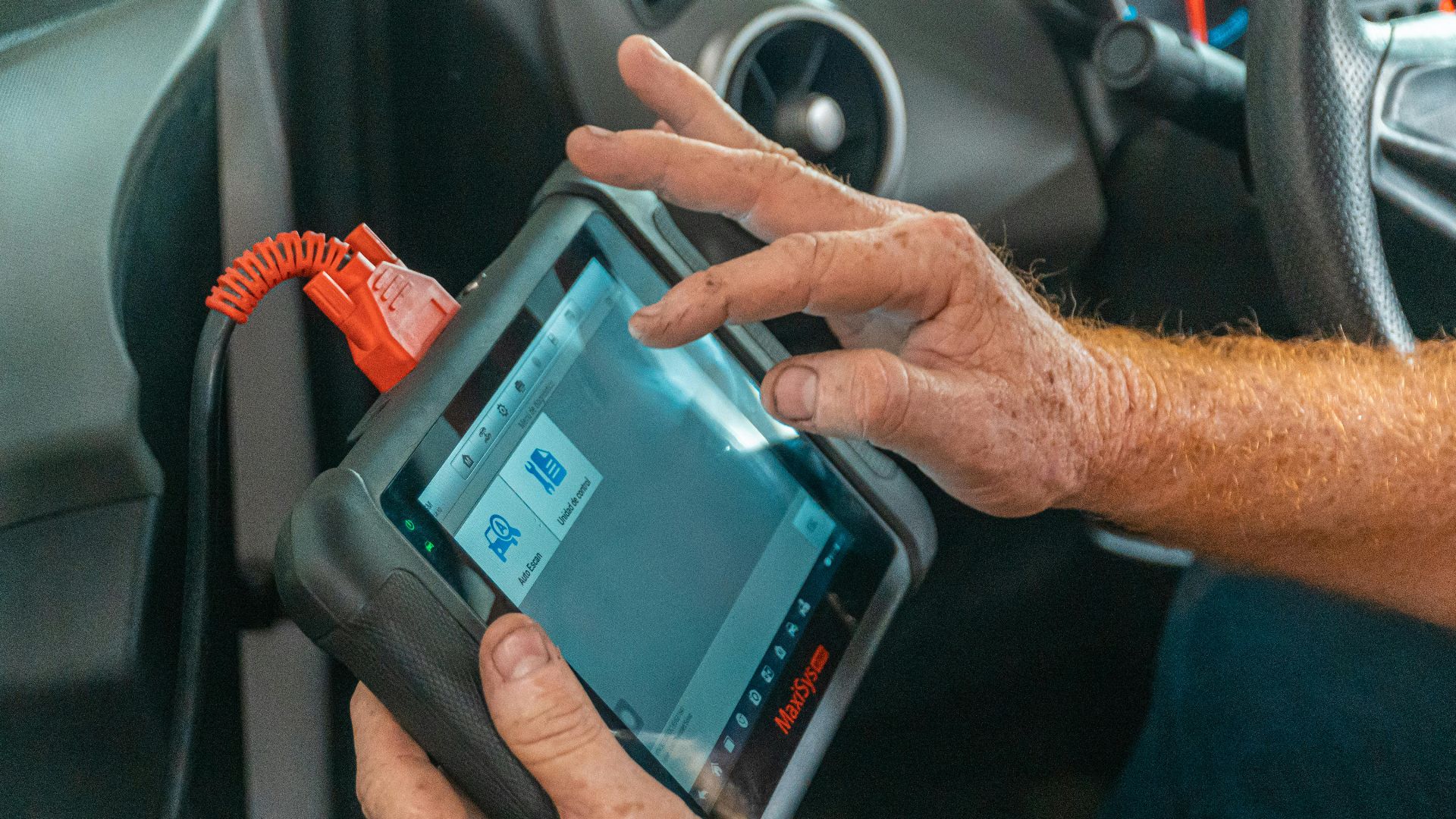
AAA lists warning signs of transmission trouble such as delayed engagement, slipping, leakage, and unusual noises. If those symptoms are already present, a fluid service is maintenance, not a miracle cure. That matters because many disappointed owners expect new fluid to undo years of wear.
 Jose Ricardo Barraza Morachis, Pexels
What Consumer Reports Adds To The Story
Consumer Reports points out that some cars are sold with so-called lifetime transmission fluid, but many experts still recommend checking fluid condition and following the service schedule for your vehicle and driving conditions. Long-life fluid is not immortal fluid. Heat, age, contamination, and hard use still affect how well it works.

Why Heat Is The Real Villain
Too much heat breaks down transmission fluid and shortens transmission life. Towing, heavy loads, steep hills, and stop-and-go driving can all raise temperatures higher than normal. That is one reason an older car that spent years creeping through traffic may need more careful service decisions than a gently used highway cruiser.
When A Drain And Fill Makes Sense
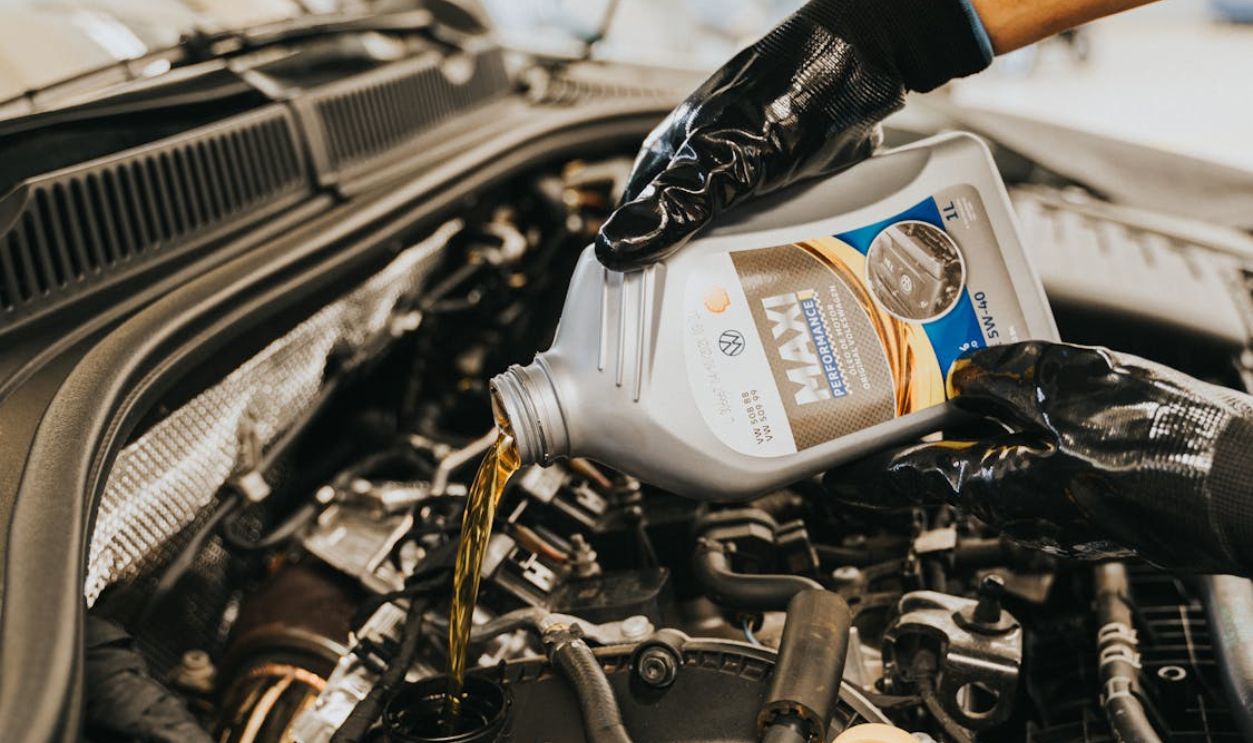
If the transmission is working normally and you are simply overdue for service, many technicians prefer a basic drain and fill with the correct spec fluid. This approach refreshes part of the fluid without the more aggressive process tied to some flush services. It is especially common on high-mileage vehicles with no major symptoms.
When A Flush May Be A Bad Bet
If the vehicle has very high mileage, an unknown maintenance history, dark burned fluid, or existing shifting problems, many shops will avoid a flush. Family Handyman says that trying to force out old debris in a neglected unit can create more problems than it solves. That is why the word flush often triggers those warnings at the service counter.
Color And Smell Can Tell You A Lot
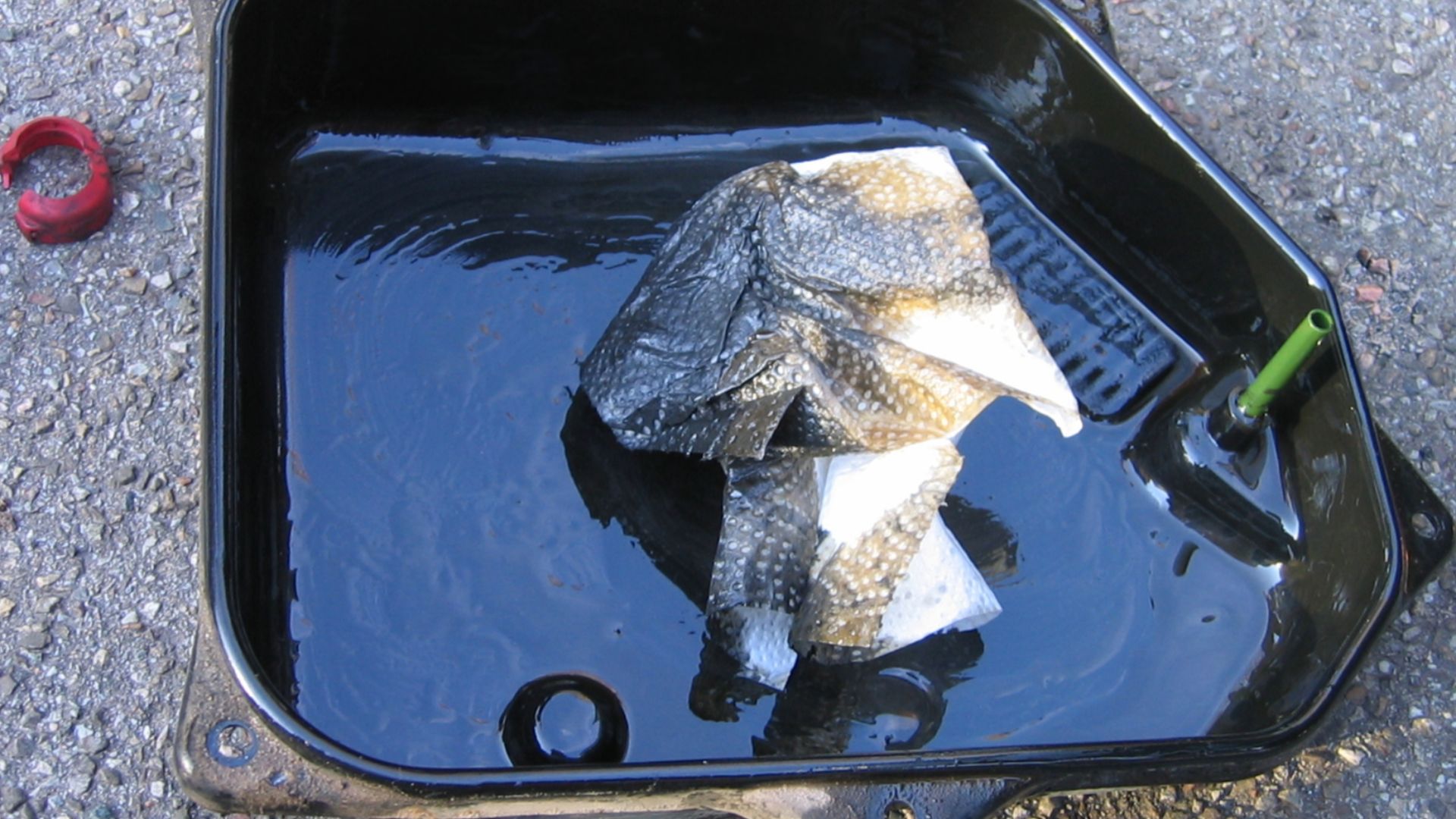
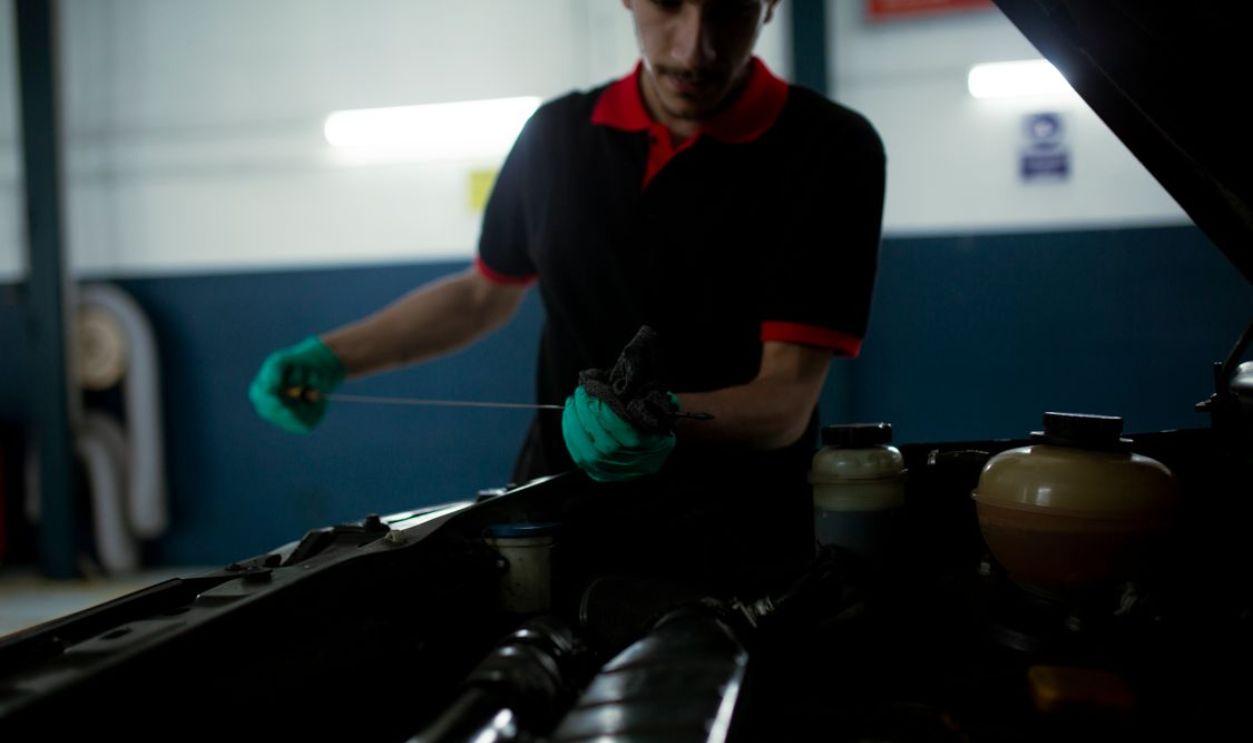
Healthy transmission fluid is generally bright red or pinkish depending on the type, while old fluid may turn brown and smell burnt. A burnt odor points to overheating and fluid breakdown, not just age. If your fluid looks or smells bad, that is a sign to diagnose the transmission carefully instead of assuming any service will be harmless.

Symptoms Matter More Than Mileage Alone
A car with 180,000 miles and smooth shifts may respond well to sensible maintenance. Another car with 90,000 miles, delayed engagement, and shuddering may already have serious internal wear. Mileage is useful context, but the transmission’s actual behavior tells the bigger story.

Maintenance History Changes The Answer
If a transmission has had regular fluid changes throughout its life, continuing that routine is usually far less risky than suddenly servicing a neglected unit late in life. Consistent maintenance helps prevent the heavy contamination and varnish buildup that make owners and technicians nervous. Put simply, the best time to change transmission fluid is before anyone has to wonder whether it is too late.

The Right Fluid Is Nonnegotiable
Using the wrong automatic transmission fluid can cause shift problems and wear, even if the service was done at the right time. Modern transmissions are sensitive to fluid chemistry and friction properties. Always use the exact fluid specification listed by the manufacturer, not a guess based on color or brand alone.

Sealed Does Not Mean Ignore It Forever
Many newer and late-model vehicles have sealed transmissions with no traditional dipstick. That led some drivers to assume the fluid never needs attention. Consumer Reports makes clear that sealed transmissions can still require service according to the maintenance schedule, and checking condition may require a professional procedure.
If It Is Already Slipping, Be Realistic
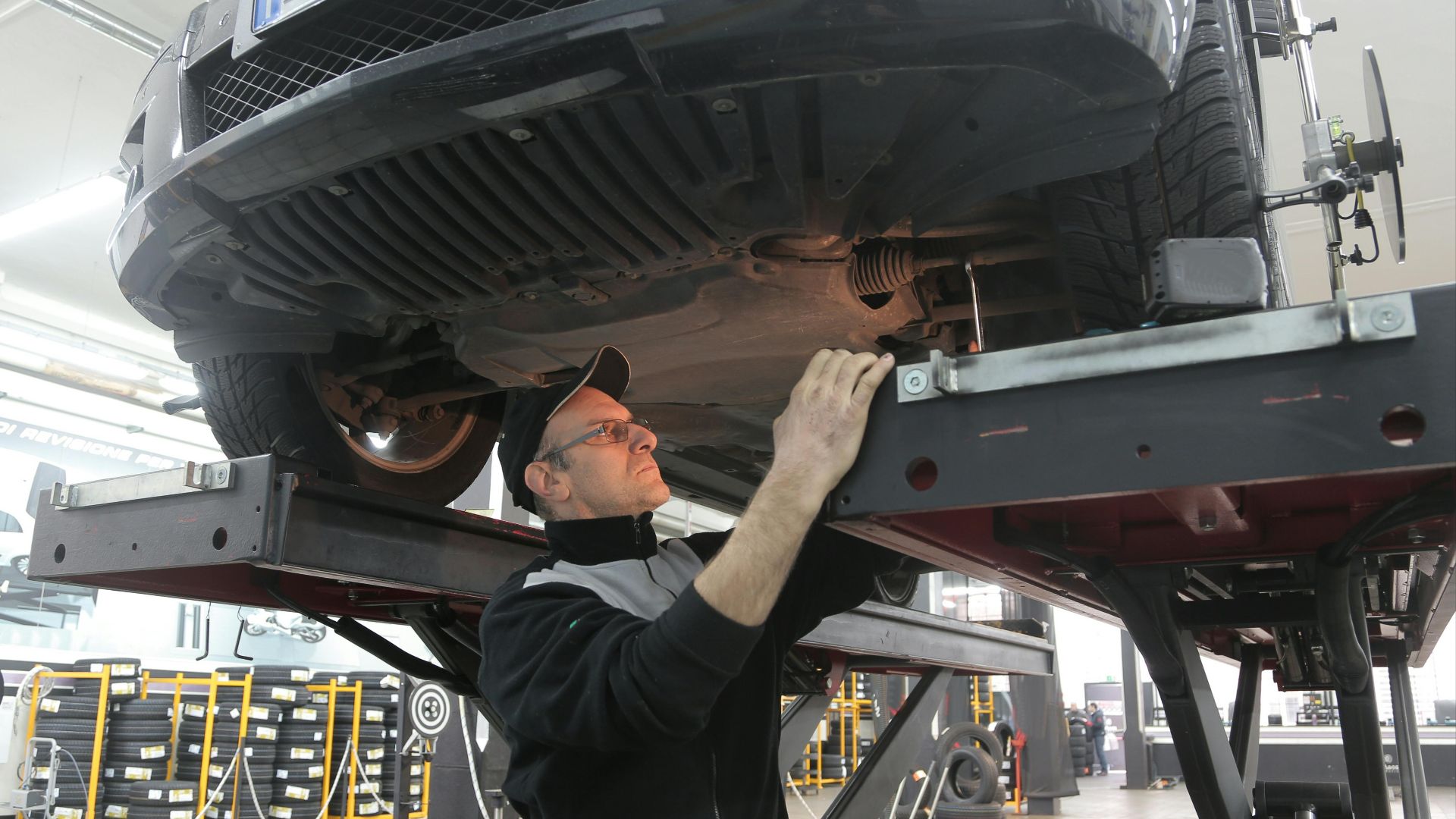
Once an automatic transmission is slipping badly, fresh fluid is unlikely to restore worn clutches or damaged hard parts. At that point, the choice is usually between careful diagnosis, limited service if appropriate, or planning for repair or replacement. A good mechanic is not dodging the issue when they say a fluid change could make things worse. They may be warning that the unit is already on borrowed time.
How To Talk To Your Mechanic About It
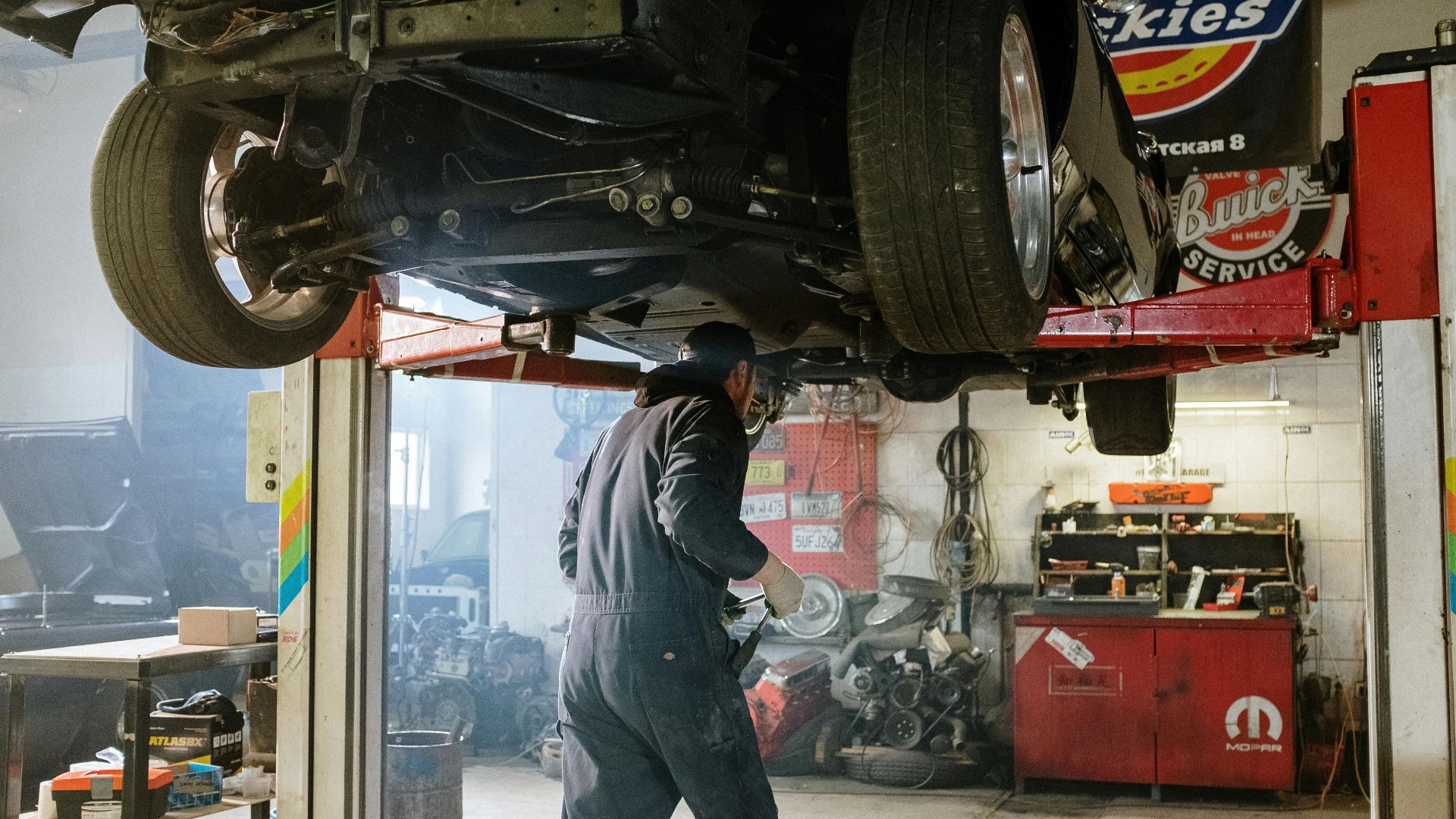
Ask whether they are recommending a drain and fill or a flush, and why. Ask what the fluid looks and smells like, whether there are metal particles in the pan, and whether the transmission is showing symptoms now. A trustworthy shop should be able to explain the risk in plain language instead of leaning on old myths.
 Butterflystring, Wikimedia Commons
The Best Strategy For Owners Of Older Cars
If your older car still shifts well, follow the factory maintenance schedule and do not wait until the fluid is obviously burned. If the history is unknown, a conservative service approach is often smarter than an aggressive flush. The goal is not to shock an aging transmission. It is to support it without pretending maintenance can erase severe wear.

The Bottom Line On Myth Versus Reality
The claim that changing transmission fluid on an older car automatically ruins the transmission is a myth. The reality is that a neglected, worn transmission can fail soon after service, especially after an aggressive flush, because the damage was already there. Fresh fluid is generally helpful when the right service is done at the right time with the right fluid, but on a sick transmission, it is not magic and it is not risk-free.