My Car Runs Great, But The Mileage Makes Me Nervous
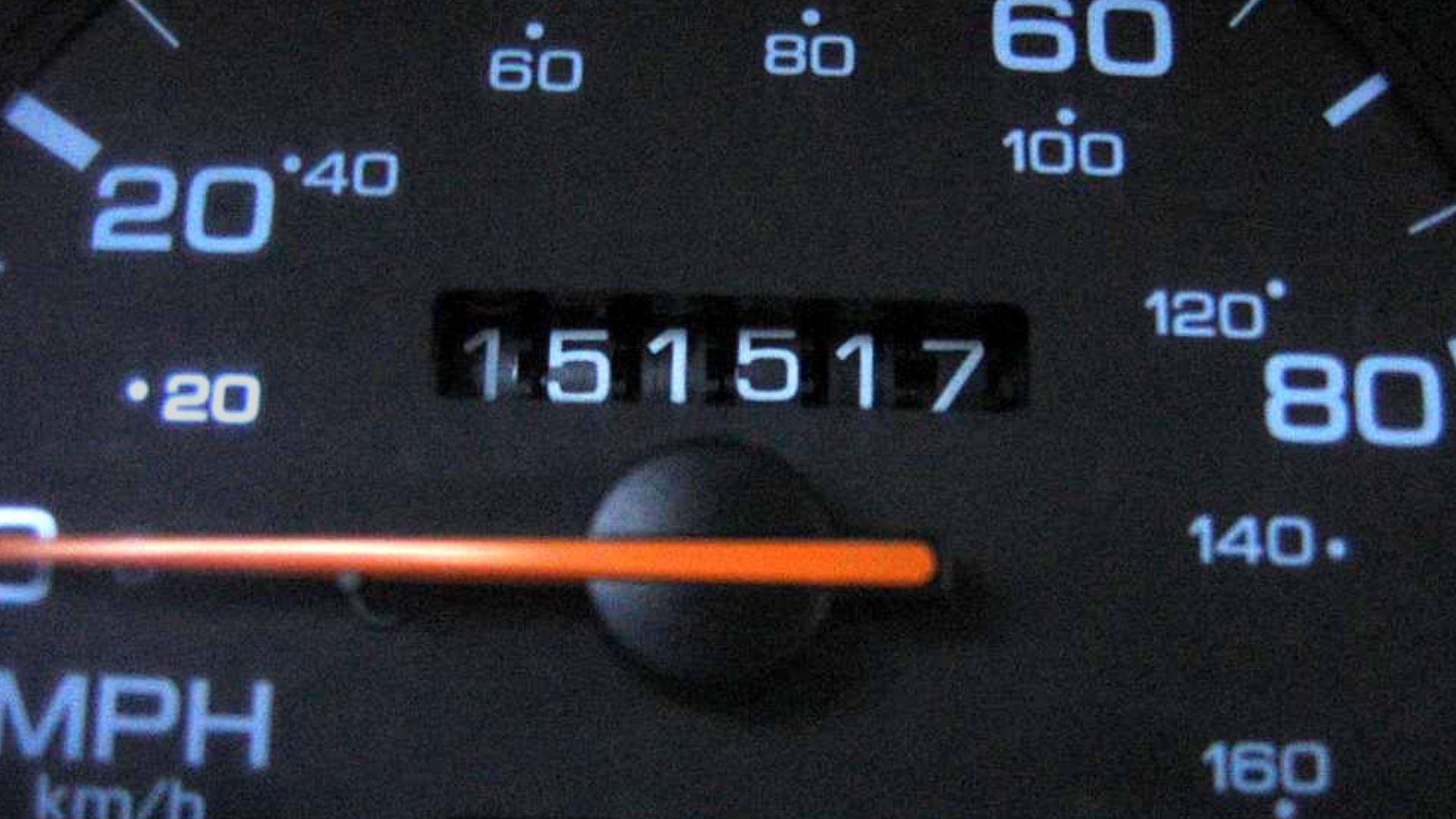
My car has 150,000 miles on the odometer, yet it starts every morning, drives smoothly, and hasn't given me a serious reason to complain. Still, I can't shake the feeling that something expensive might be waiting around the corner. Should I sell while everything works, or keep driving until there's an actual problem? The answer depends less on the mileage itself and more on what the car's condition, maintenance history, and replacement costs reveal.

Is 150,000 Miles Really That Much Anymore?
There was a time when reaching 100,000 miles meant a car was approaching retirement. Modern vehicles have changed that expectation considerably, with Consumer Reports noting that properly maintained cars can regularly reach 200,000 miles or more. Some models have earned especially strong reputations for surviving high mileage. That means 150,000 miles is worth paying attention to, but it isn't automatically a reason to sell.
 Interiot~commonswiki, Wikimedia Commons
The Odometer Doesn't Tell The Whole Story
Two cars showing 150,000 miles can have completely different mechanical conditions. One might have received regular servicing and careful driving, while the other endured neglected maintenance and repeated overheating. Consumer Reports emphasizes that a vehicle's maintenance history and specific model matter when evaluating longevity. Before deciding anything, I need to consider how my car accumulated those miles.
Maintenance Records Matter More Than Guesswork
A thick folder of service receipts can be more reassuring than a surprisingly low odometer reading. Regular oil changes, timely fluid replacement, and scheduled inspections all contribute to keeping a vehicle operating reliably. Consumer Reports recommends following the manufacturer's maintenance schedule when trying to reach 200,000 miles. If my records show consistent care, that's a meaningful reason to feel more confident about keeping the car.

Some Cars Are Simply Built To Last Longer
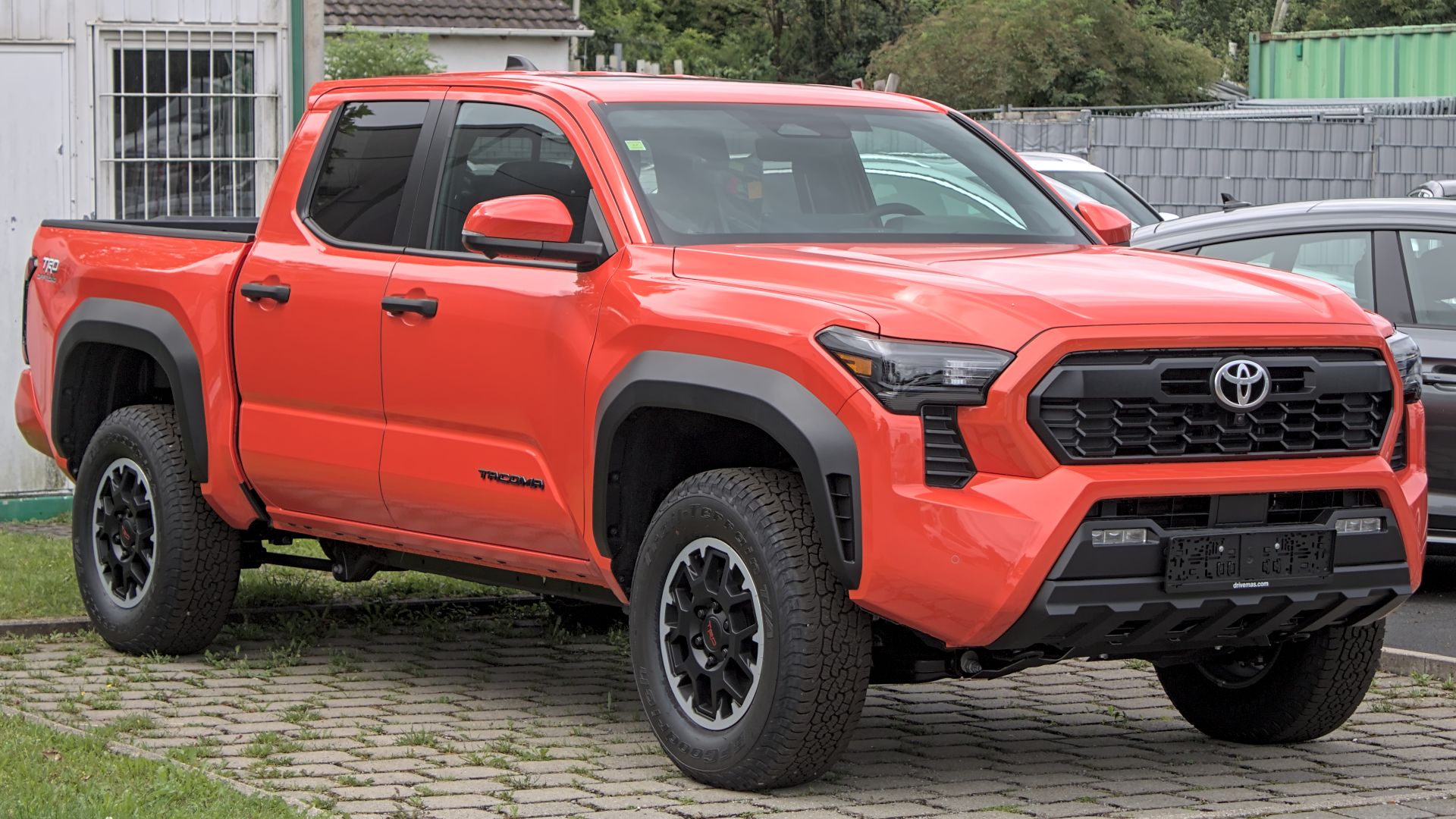
Not every vehicle has the same reputation for long-term durability. Consumer Reports identifies models such as the Toyota Tacoma, Toyota 4Runner, and Lexus GX as examples of vehicles that can retain substantial value even with more than 160,000 miles. Their reputations for longevity help explain why buyers remain interested in high-mileage examples. Checking the reliability history of my exact model is more useful than assuming all cars wear out at the same rate.
 Alexander-93, Wikimedia Commons
The Real Question Is What Could Break Next
At 150,000 miles, I'm less concerned about ordinary maintenance than a repair bill that catches me completely unprepared. Expensive mechanical problems can involve major engine components, transmissions, or other systems that require substantial labor. AAA recommends evaluating the cost of keeping a vehicle running safely before deciding whether replacement makes sense. A thorough inspection can help identify existing problems instead of relying on worst-case scenarios.
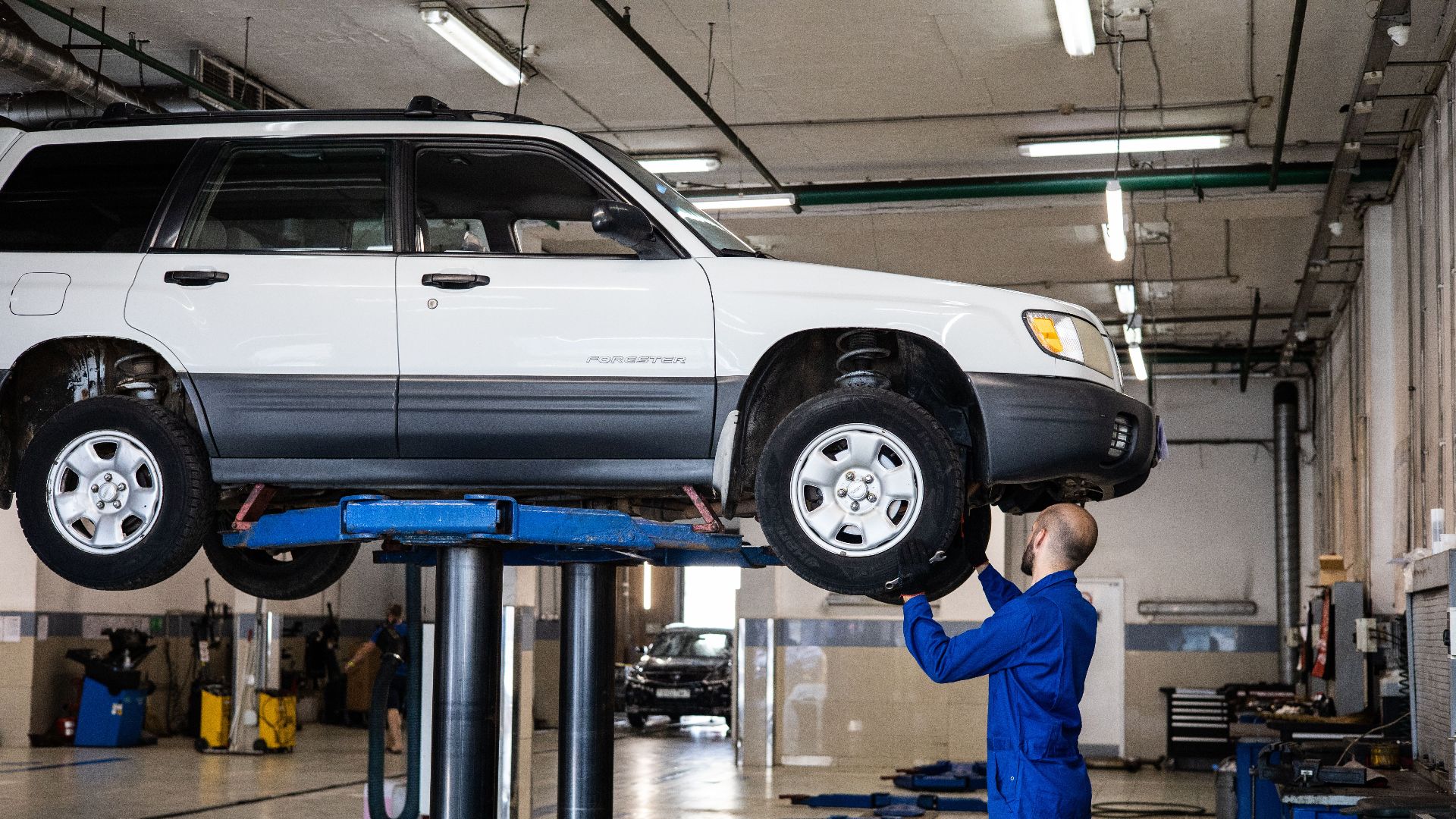
A Mechanic Can Tell Me What The Dashboard Can't
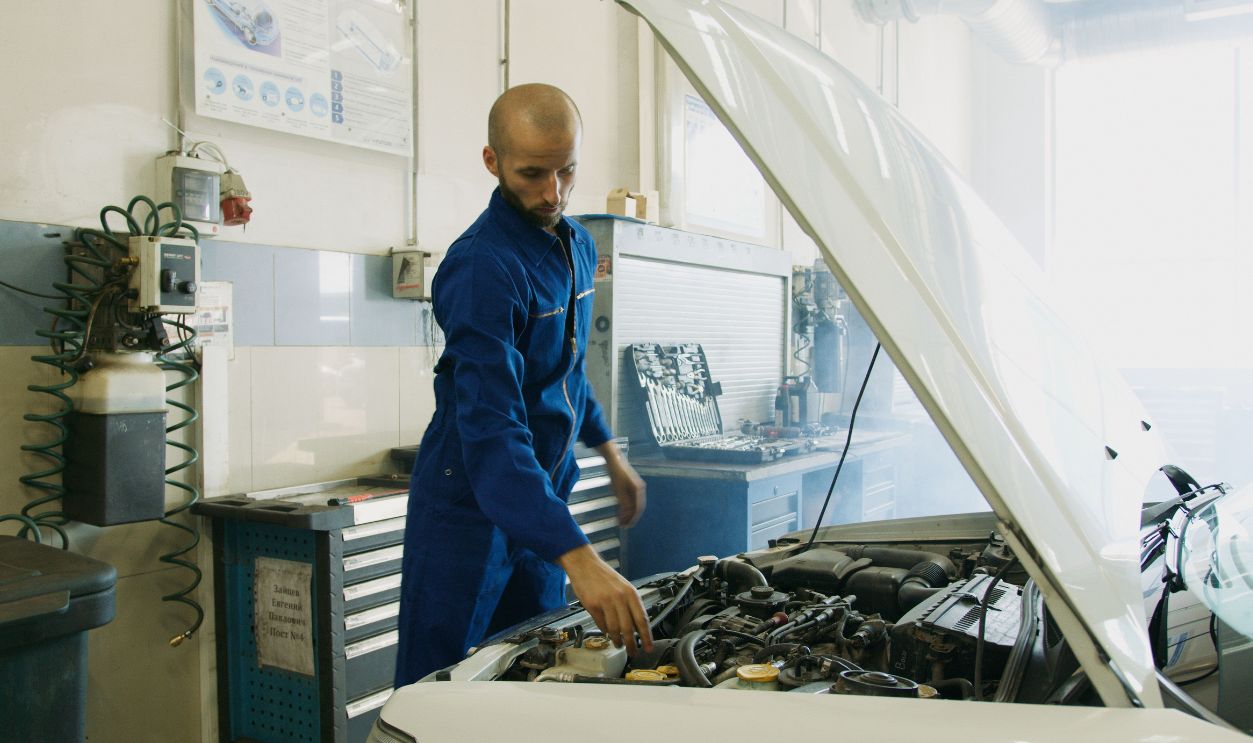
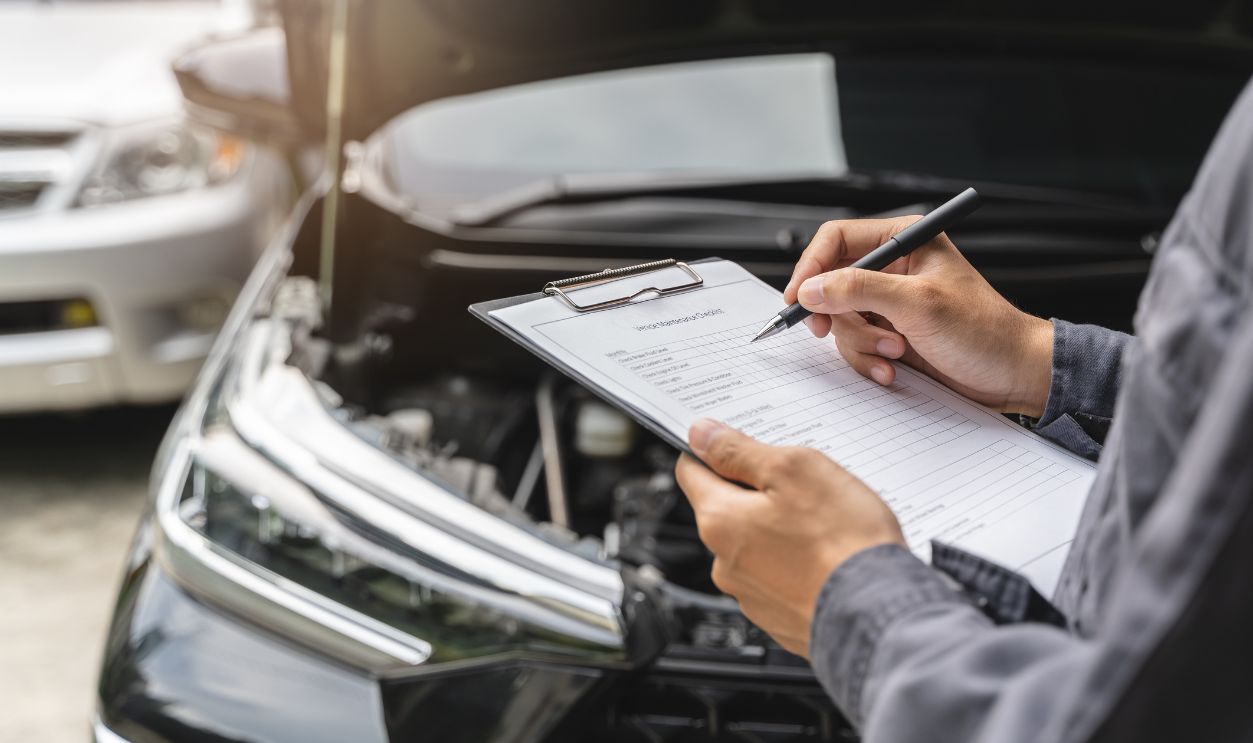
A car can feel perfectly normal while still having worn components that deserve attention. Having a trusted mechanic inspect the engine, transmission, suspension, brakes, cooling system, and underbody can provide a clearer picture of its condition. AAA recommends obtaining a professional repair estimate when deciding whether to keep an aging vehicle. That information gives me something more useful than an arbitrary mileage cutoff.
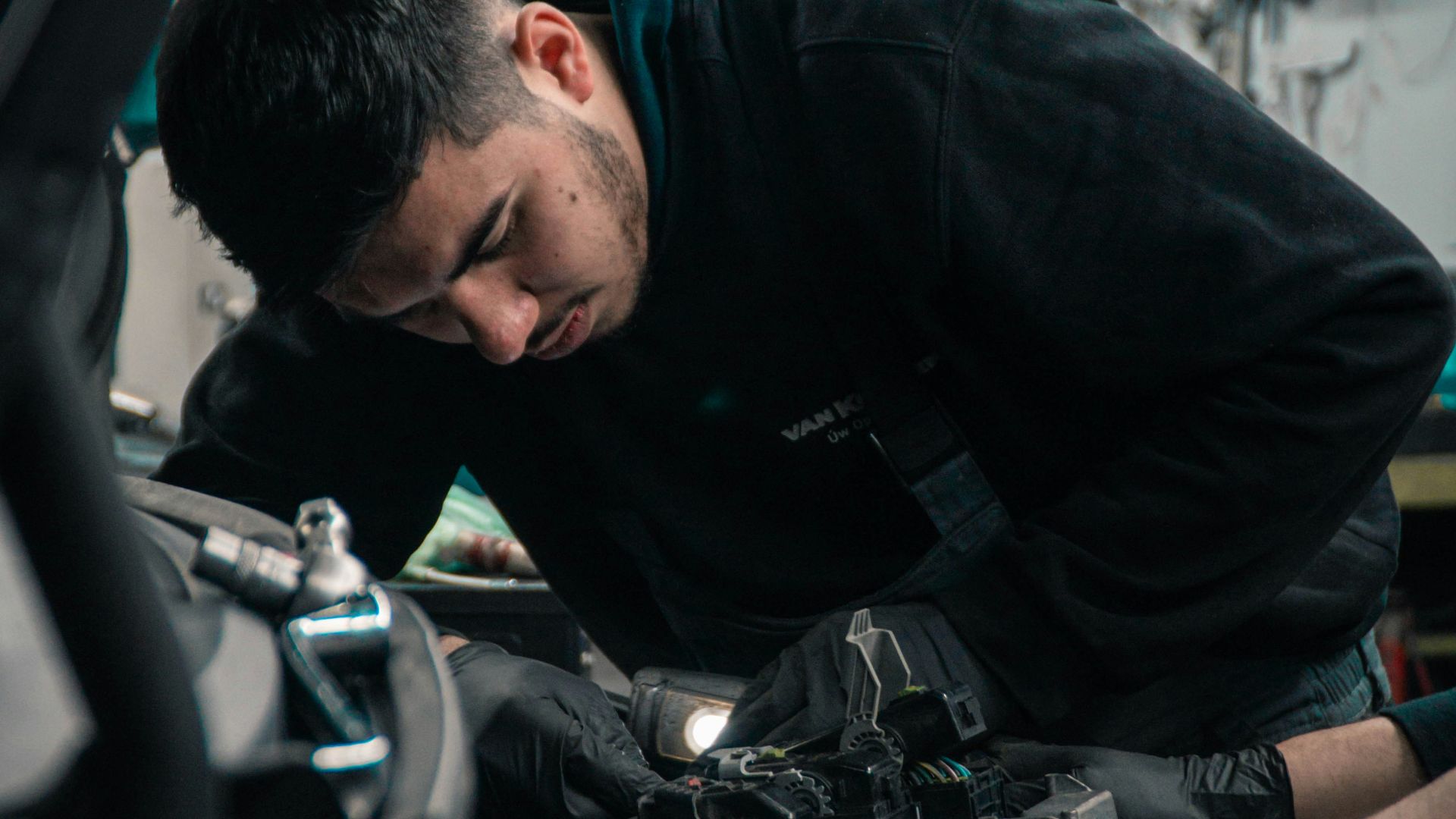
Small Warning Signs Deserve Attention
Unusual noises, warning lights, fluid leaks, and changes in how a vehicle drives shouldn't be dismissed just because the car still moves. AAA advises responding promptly to warning signs because catching problems early can prevent larger repair bills. At higher mileage, I would rather investigate a small issue than wait for it to become an emergency. The absence of warning signs is encouraging, but it doesn't replace proper inspections.
 Wikiuser100000, Wikimedia Commons
The Transmission Deserves A Closer Look
A major transmission problem can make the decision to keep an older car considerably more complicated. During an inspection, a technician can check for fluid leaks, unusual shifting behavior, and other signs that further diagnosis may be necessary. The manufacturer's service recommendations also matter because transmission maintenance requirements vary by vehicle. If my transmission operates properly and has been maintained appropriately, there's no reason to assume failure is imminent simply because of the mileage.
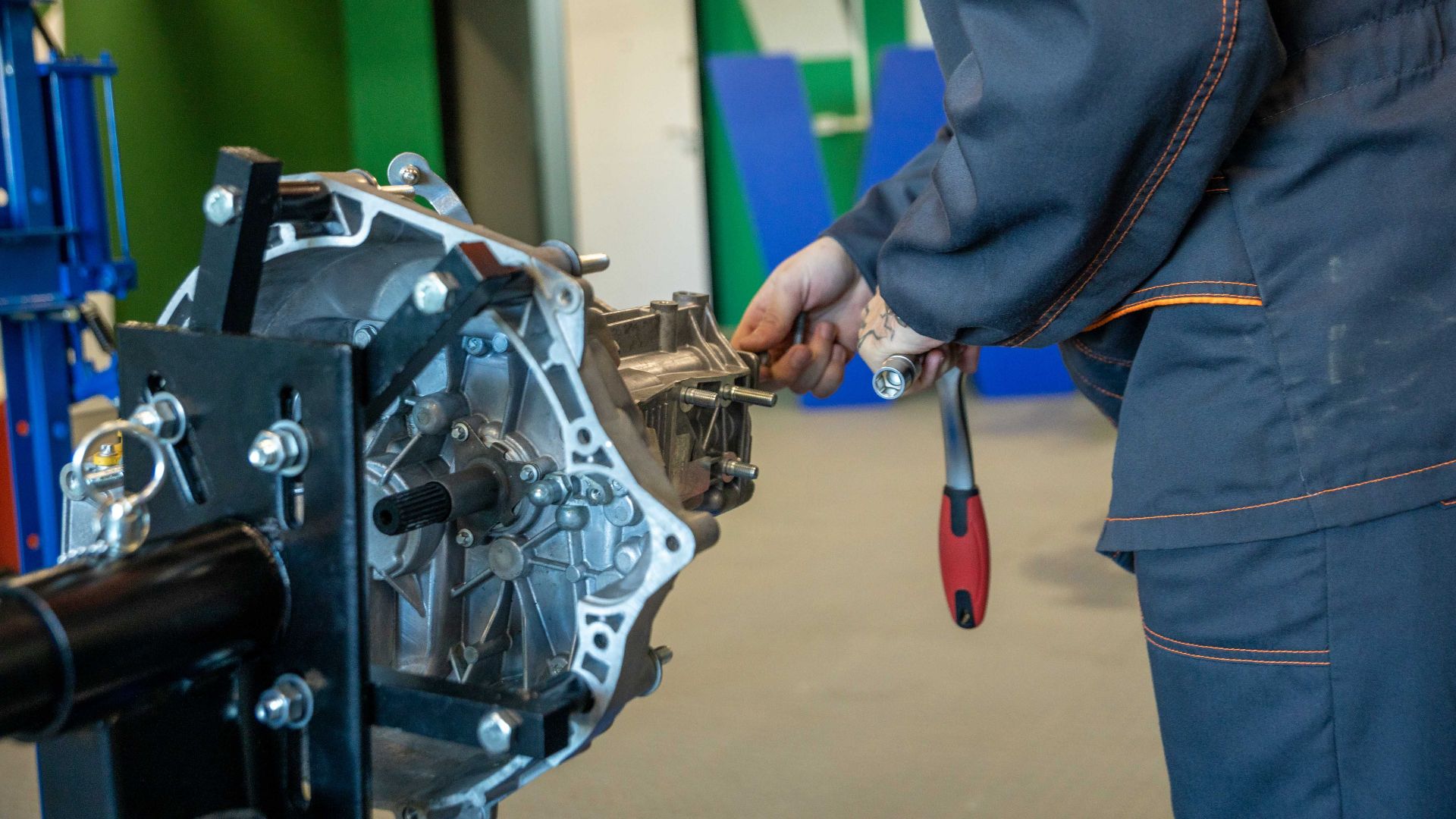
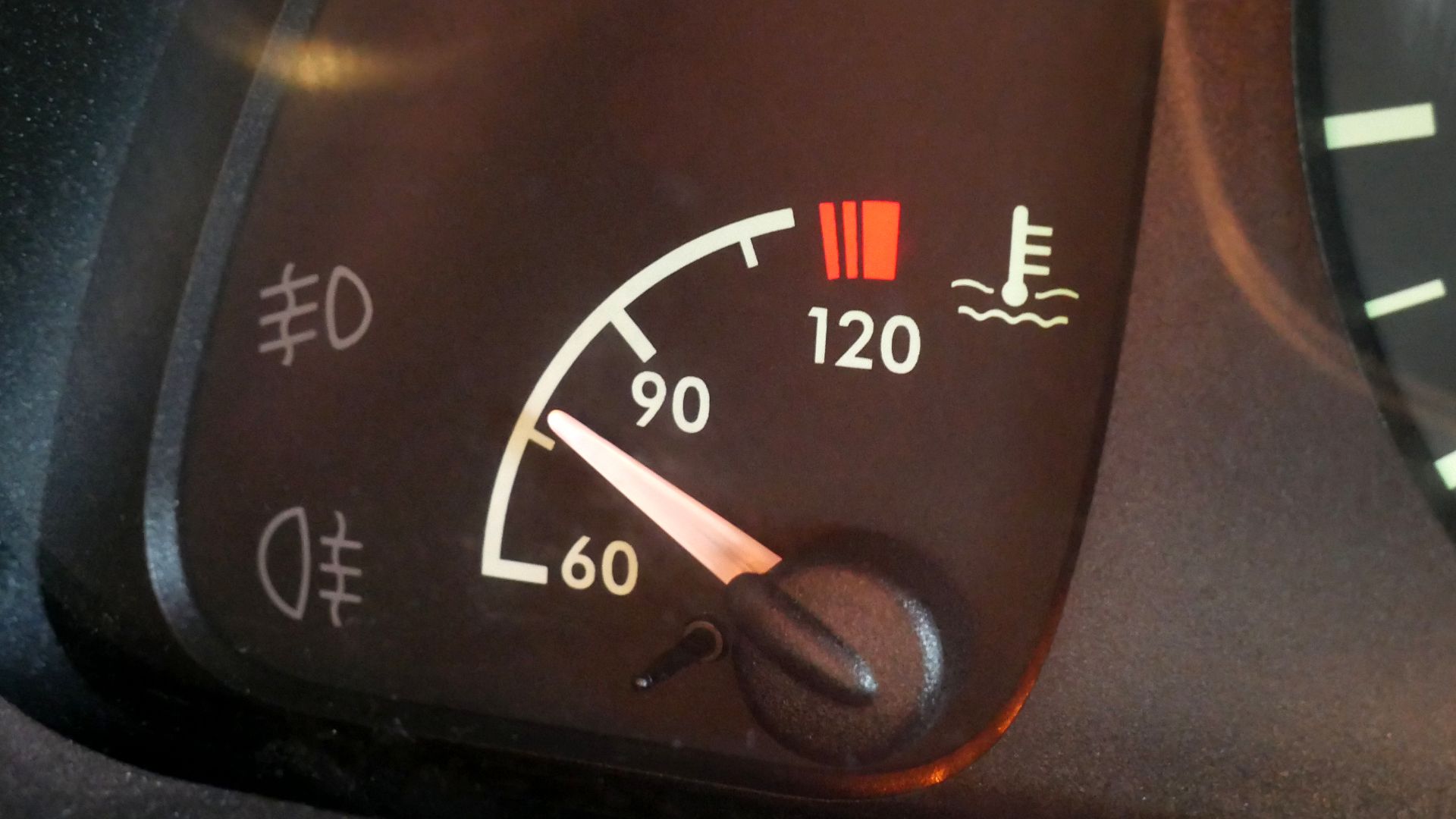
The Cooling System Could Change Everything
An engine that overheats can develop damage far more serious than the original cooling-system problem. That's why the radiator, hoses, coolant condition, water pump, and related components deserve attention as a vehicle ages. Regular cooling-system maintenance is part of the broader preventive-care approach recommended by automotive maintenance experts. I'd rather replace a deteriorating component on schedule than discover a problem during a long drive.
 Santeri Viinamaki, Wikimedia Commons
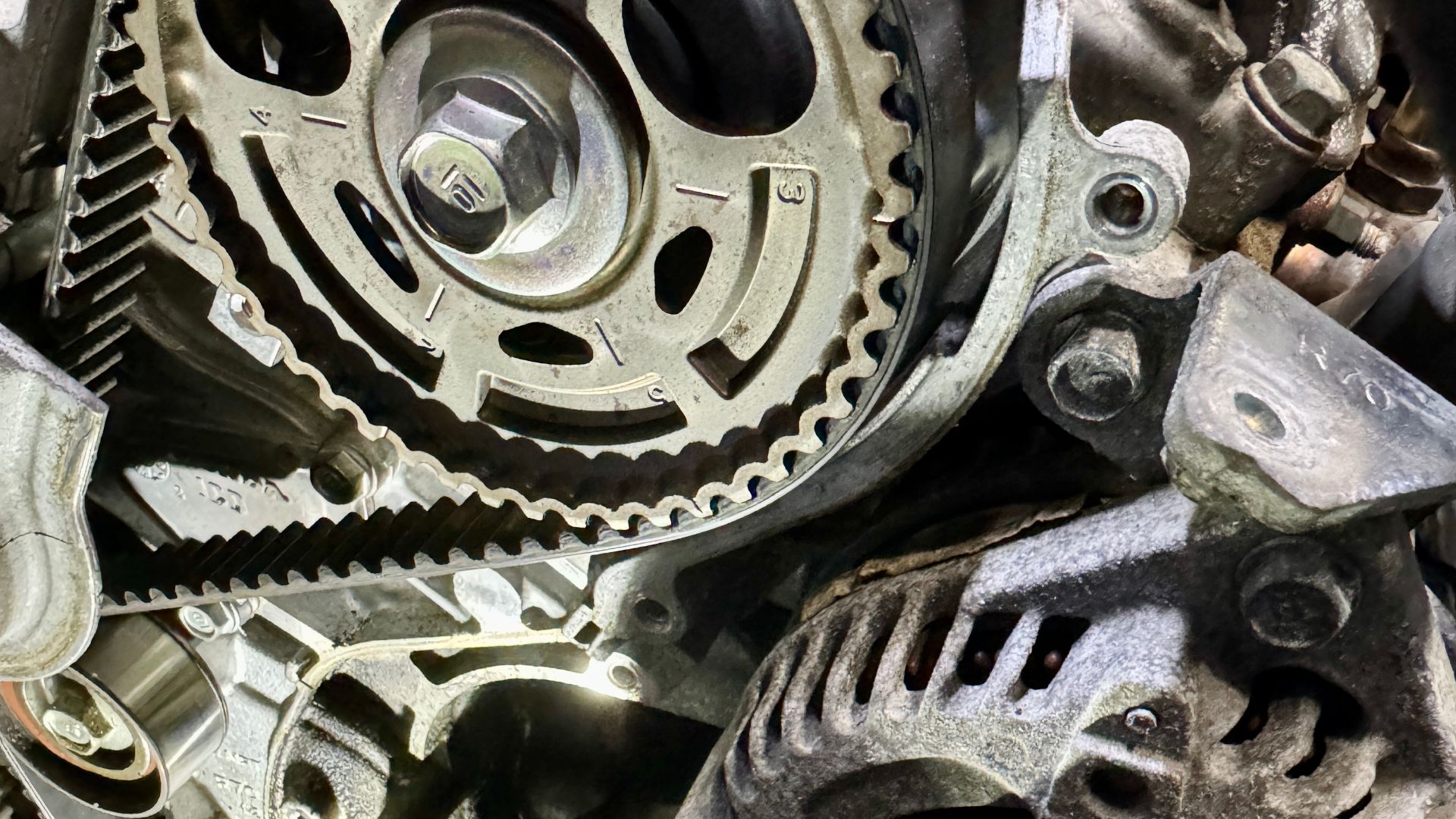
Timing Belts Can Be A Major Maintenance Milestone
Some engines use timing belts that require replacement at manufacturer-specified intervals, while others use timing chains with different maintenance requirements. Missing a required timing-belt replacement can lead to severe engine damage on certain engine designs. At 150,000 miles, I should verify whether my vehicle has a belt and whether its scheduled replacement has already been completed. This is one maintenance detail that could significantly affect my decision.
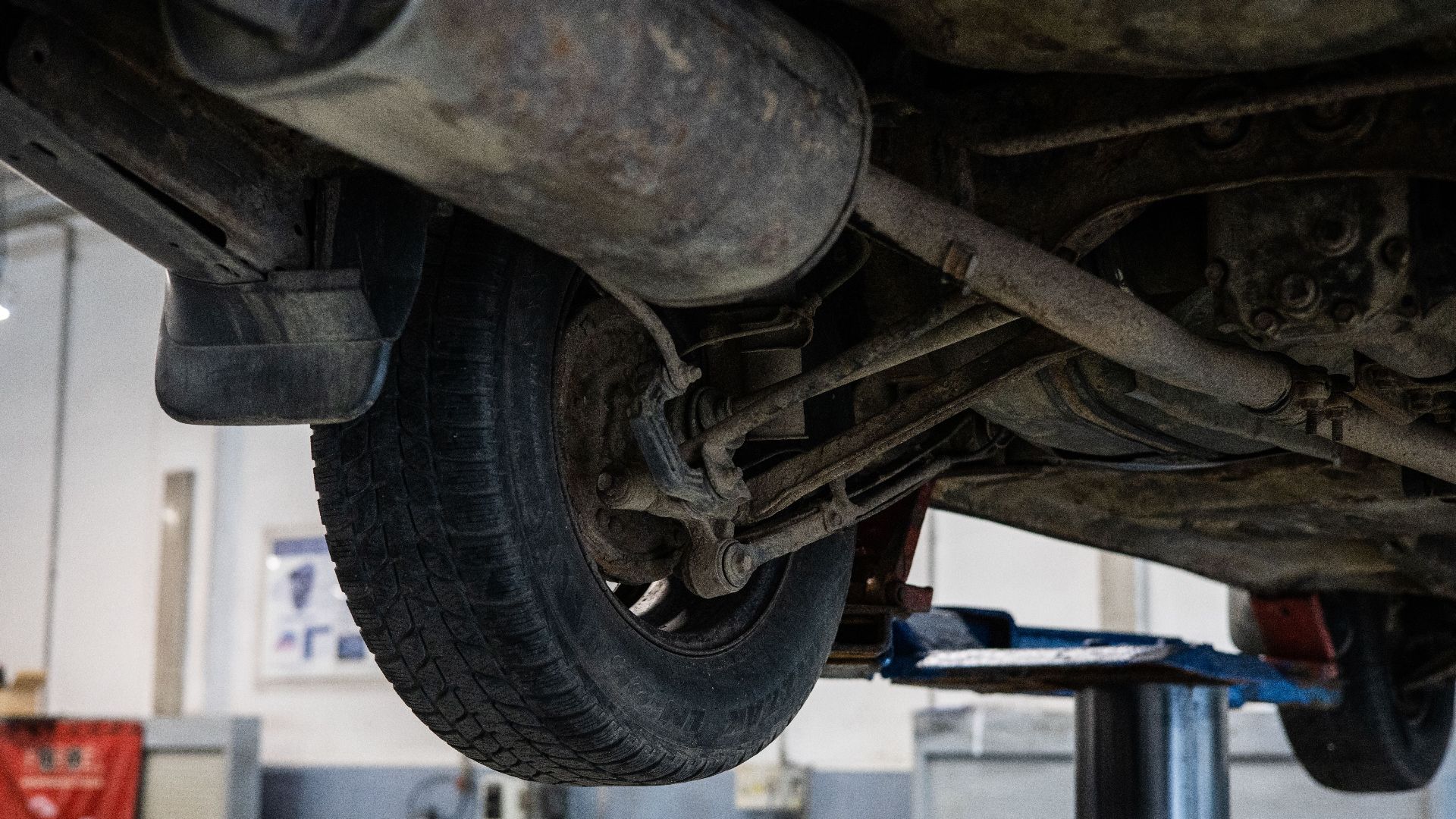
Suspension Wear Doesn't Mean The Car Is Finished
Shocks, struts, bushings, and other suspension components can wear as mileage accumulates. Their deterioration may affect ride quality, handling, and tire wear even when the engine continues running beautifully. Replacing worn suspension parts can restore some of the driving characteristics I've become accustomed to. The important question is whether the necessary work is reasonable compared with the vehicle's condition and value.
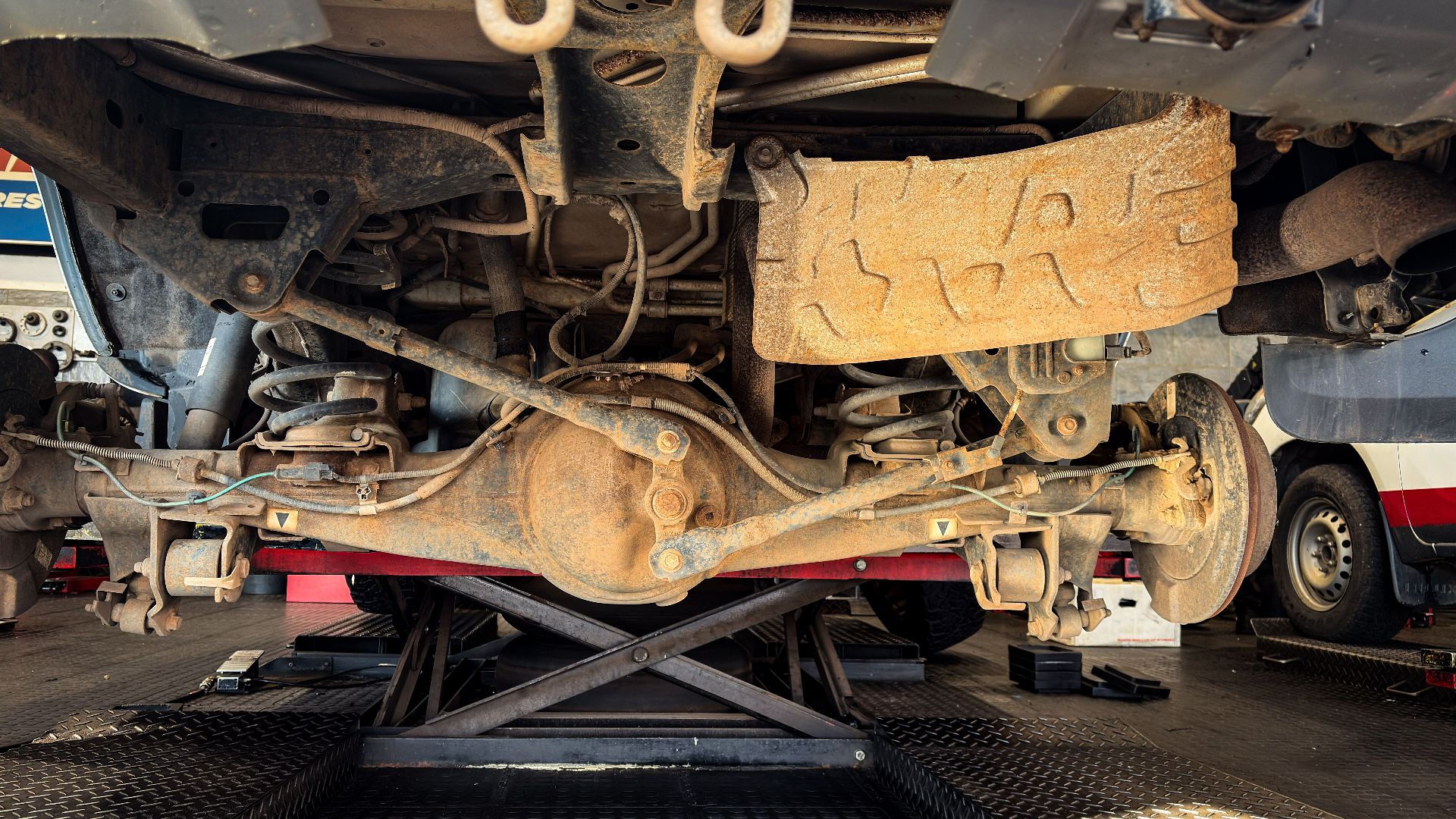
Rust Might Be A Bigger Problem Than Mileage
A well-running engine doesn't guarantee that the rest of the vehicle is structurally sound. Corrosion affecting critical structural areas, brake lines, or suspension mounting points can create serious safety concerns. That's particularly relevant for vehicles exposed to winter road salt. If an inspection reveals extensive structural corrosion, selling or replacing the car may become a more sensible option than continuing to invest in mechanical repairs.
A Big Repair Bill Isn't Automatically A Disaster
Imagine my mechanic recommends a $1,500 repair on a car worth $5,000. My first reaction might be that spending so much on an older vehicle is unreasonable, but that isn't necessarily true. AAA advises comparing repair expenses with the vehicle's value and the financial implications of replacing it. If the repair makes the car dependable for substantially longer, paying for it could still be the less expensive choice.

Buying Another Car Comes With Hidden Costs
Replacing my current vehicle means spending more than the advertised purchase price. Taxes, registration, insurance, financing, and depreciation can all contribute to the true cost of ownership. AAA's 2026 analysis estimates that owning and operating a new vehicle costs an average of $12,863 annually in the United States. That figure makes keeping a reliable older car look considerably more attractive, although individual expenses vary widely.

Depreciation Is The Expense I Rarely Notice
My current car has already experienced much of the depreciation that comes with getting older. A newer replacement would introduce another round of value loss, even if it never needed a major repair. AAA identifies depreciation as one of the largest expenses associated with new-vehicle ownership. Avoiding that expense can make driving an older vehicle financially rewarding.

A Car Payment Changes The Entire Calculation
If my current car is paid off, I'm enjoying something that many newer-car owners don't have: transportation without a monthly loan payment. Financing a replacement would introduce a regular financial obligation regardless of whether the vehicle needed repairs. AAA includes finance charges when calculating total ownership costs because borrowing money adds to the purchase expense. Before trading my car, I should consider how much that monthly commitment would affect my budget.
 R Photography Background, Shutterstock
What If I Saved My Car Payment Instead?
Rather than buying another vehicle immediately, I could start setting aside the amount I would otherwise spend on a car payment. For example, saving $350 monthly would build a $4,200 reserve after one year. That money could cover repairs or eventually become a down payment on a replacement. AAA recommends establishing a maintenance and repair budget to prepare for unexpected vehicle expenses.
 https://kaboompics.com/, Pexels
Repair Costs Need Some Perspective
Spending $2,000 on repairs sounds unpleasant until I compare it with the cost of replacing the entire vehicle. If that repair allows another year of dependable driving, it works out to about $167 per month before ordinary operating expenses. That could be substantially less than financing a replacement, although future repairs remain uncertain. The comparison becomes more meaningful when I estimate the total cost of each option rather than focusing on one repair bill.

But Repeated Repairs Are A Different Story
One significant repair doesn't necessarily mean my car is finished, but a steady stream of expensive problems deserves closer attention. AAA recommends examining the cost of repairs alongside the vehicle's value and replacement alternatives. If my mechanic identifies several major problems likely to require attention, the financial argument for keeping the car becomes weaker. At some point, unpredictable expenses and lost reliability can outweigh the savings from avoiding another purchase.
Reliability Is Worth More Than A Repair Estimate
A vehicle doesn't have to be completely broken to become inconvenient. Repeated breakdowns can interfere with work, appointments, family responsibilities, and travel plans. Even when repairs are technically affordable, the disruption can make replacement appealing. I need to consider whether my car remains dependable enough for the way I actually use it.
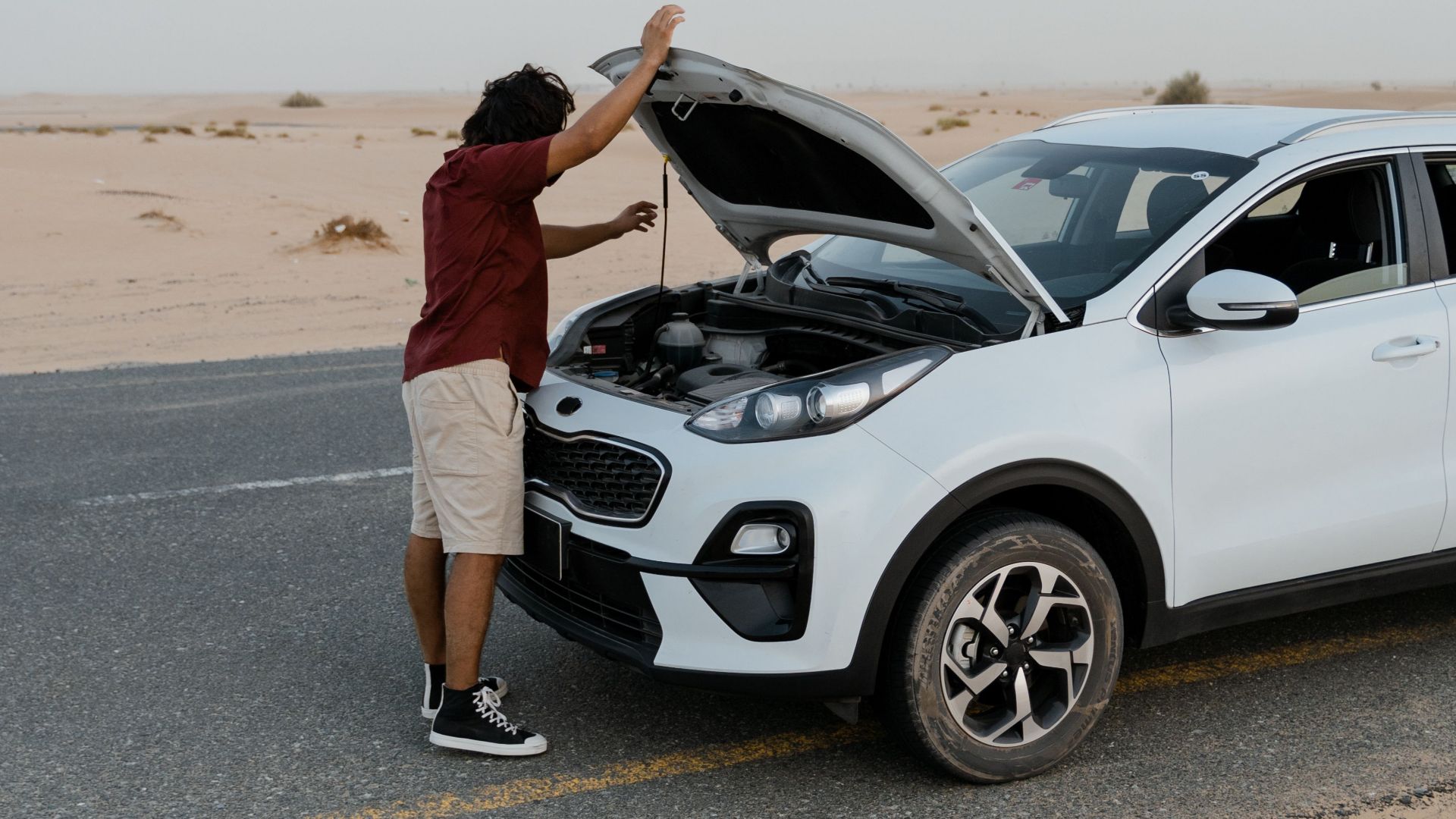
My Driving Habits Could Change The Answer
A driver who travels a few miles around town has different transportation needs from someone commuting long distances every day. AAA notes that annual mileage, driving conditions, and vehicle type all influence ownership costs. If I depend on my car for frequent highway trips, reliability may deserve greater weight in the decision. If I drive relatively little and have alternative transportation available, keeping an older vehicle may be easier to justify.

Insurance Could Be Another Reason To Keep It
Insurance is an important part of the ownership calculation, and premiums vary with the vehicle, driver, coverage, and location. Replacing an older car with a newer or more expensive model could change what I pay to insure it. AAA includes insurance expenses in its total-cost comparisons for precisely this reason. Getting an insurance quote before shopping would help me avoid an unpleasant surprise.

Selling Now Might Still Make Financial Sense
Keeping my car isn't automatically the smartest decision simply because it runs well today. If its resale value remains strong and an inspection reveals expensive work approaching, selling before those repairs become necessary could be reasonable. AAA recommends checking vehicle values through services such as Kelley Blue Book or Edmunds when weighing repair and replacement decisions. The important thing is comparing a realistic sale price with the actual cost of the replacement I would buy.

Safety Features Might Influence My Decision
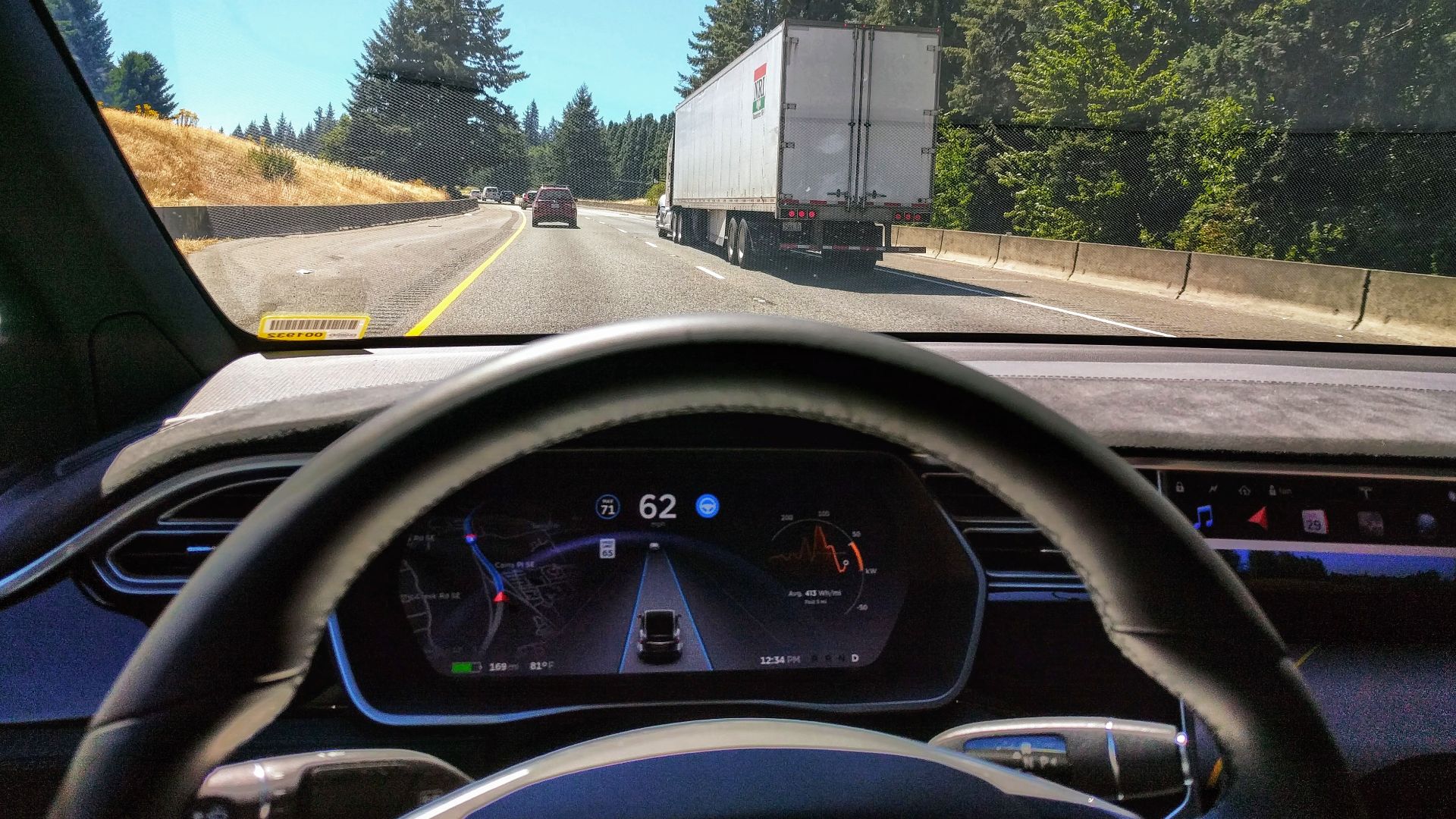
Financial considerations aren't the only reason to replace an aging vehicle. A newer model may offer driver-assistance technology and safety improvements that weren't available when my current car was built. However, I should compare specific vehicles rather than assume every newer model is automatically the better choice. Safety ratings, available equipment, and the condition of my existing vehicle all deserve consideration.
 Ian Maddox , Wikimedia Commons
I Should Check For Outstanding Recalls
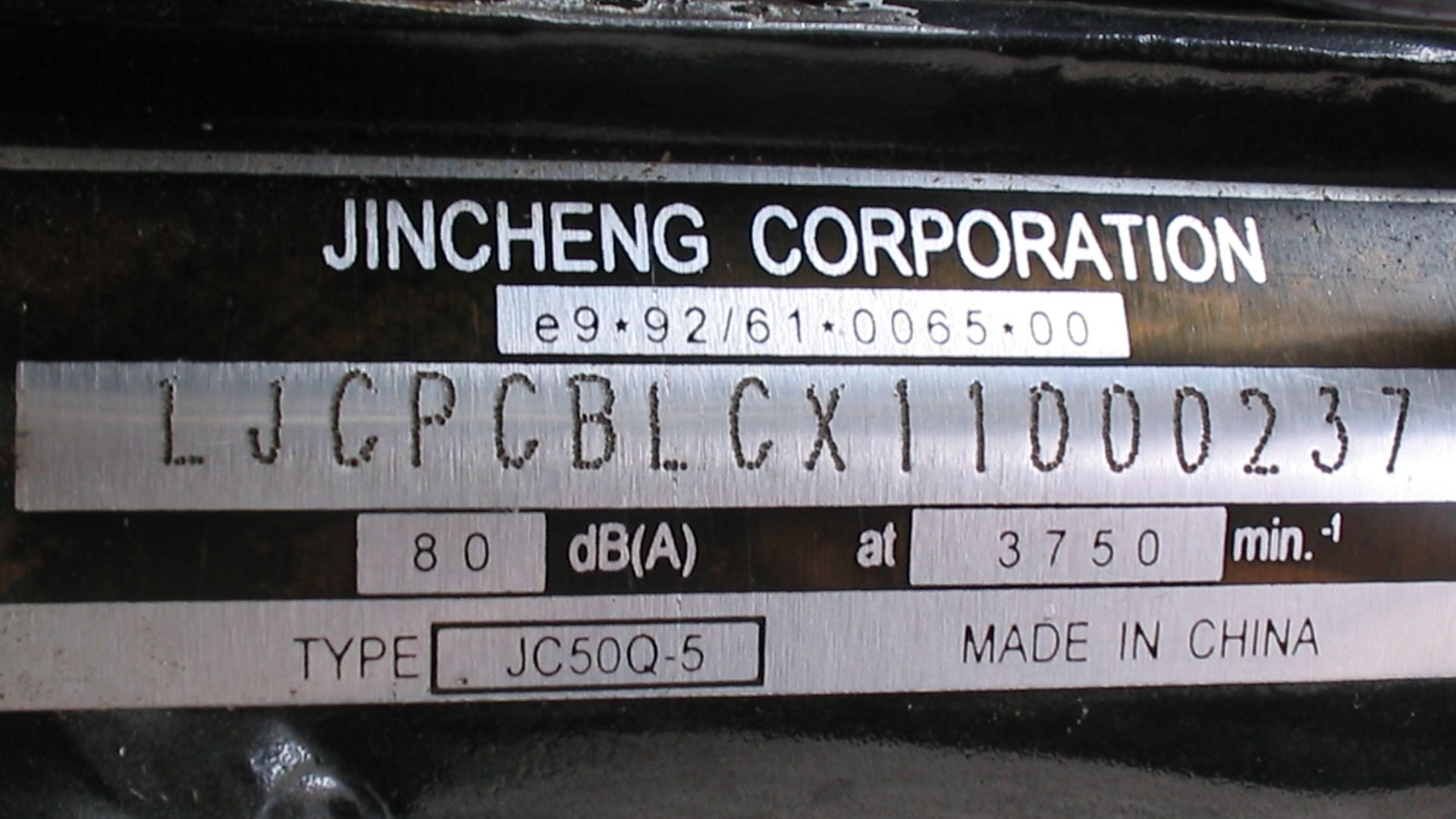
Before deciding that my car is too old to keep, I should make sure it doesn't have unresolved safety recalls. The National Highway Traffic Safety Administration provides a vehicle identification number lookup that can identify certain unrepaired recalls. Recall remedies are generally provided without charge for eligible vehicles, although age-related limitations can apply. Addressing a recall may improve safety without requiring me to replace the entire car.
 Michiel1972 at Dutch Wikipedia, Wikimedia Commons
A Replacement Fund Gives Me More Control
I don't need to wait until my car breaks down to start preparing for another one. Building a separate savings fund means an eventual replacement can become a planned purchase rather than an emergency decision. AAA's advice to budget for maintenance and unexpected repairs supports taking this kind of proactive approach. Every additional month of dependable driving gives me more time to save and compare alternatives.
 https://kaboompics.com/, Pexels
So Should I Sell My 150,000-Mile Car?
If my car runs properly, has a strong maintenance history, and passes a thorough inspection, I wouldn't rush to sell simply because it has reached 150,000 miles. Consumer Reports considers 200,000 miles a realistic goal for many well-maintained modern vehicles, although no particular car is guaranteed to reach it. I'd keep up with maintenance, monitor repair expenses, and build savings for the eventual replacement. Selling becomes more compelling when major problems, serious corrosion, declining reliability, or changing transportation needs outweigh the financial benefits of keeping it.

You May Also Like:
I Always Warm Up My Car Before Driving In Winter. Am I Actually Helping It?
Classic Truck Features That Drivers Miss Now That Pickups Have Gone Luxury