That Winter Ritual Feels Like Common Sense
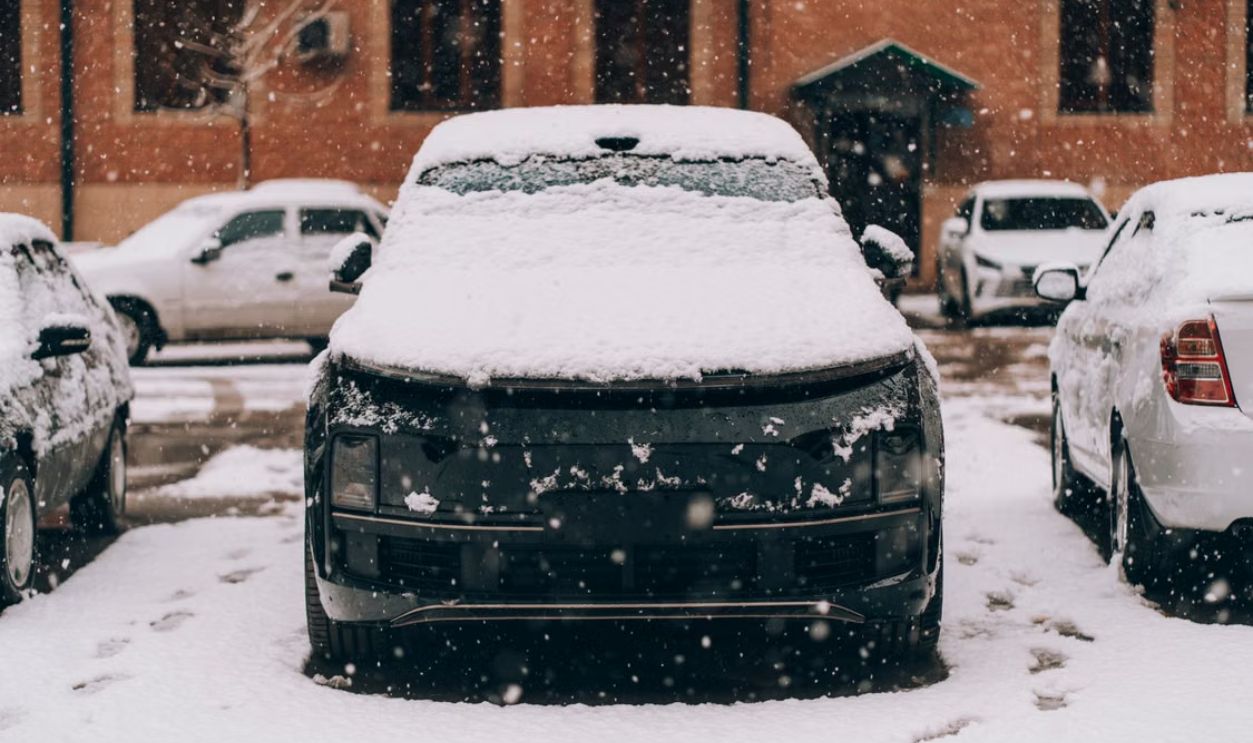
On a freezing morning, starting the car and letting it sit for several minutes can feel like basic mechanical sympathy. Many drivers learned the habit from parents who insisted a cold engine needed time before going anywhere. That advice once made more sense than it does for most modern vehicles. Today, the better routine is usually much shorter. Factinate Ltd
Your Car Does Need A Moment
Starting the engine and immediately flooring the accelerator is not the alternative. Oil needs to circulate through the engine, and AAA recommends letting the engine idle briefly while you buckle your seat belt and adjust your mirrors. Natural Resources Canada similarly says that, in most cases, no more than about 60 seconds of idling is needed after a cold start in winter.

The Ten Minute Warm-Up Is Another Story
Leaving a modern gasoline car running in the driveway for 10 or 15 minutes generally does little for the vehicle that could not be accomplished more efficiently by driving. Natural Resources Canada says idling for more than 30 seconds provides no benefit to the vehicle under ordinary conditions. It recommends driving for a few minutes as the most efficient way to warm the engine, drivetrain, and passenger compartment.
Older Cars Created The Habit
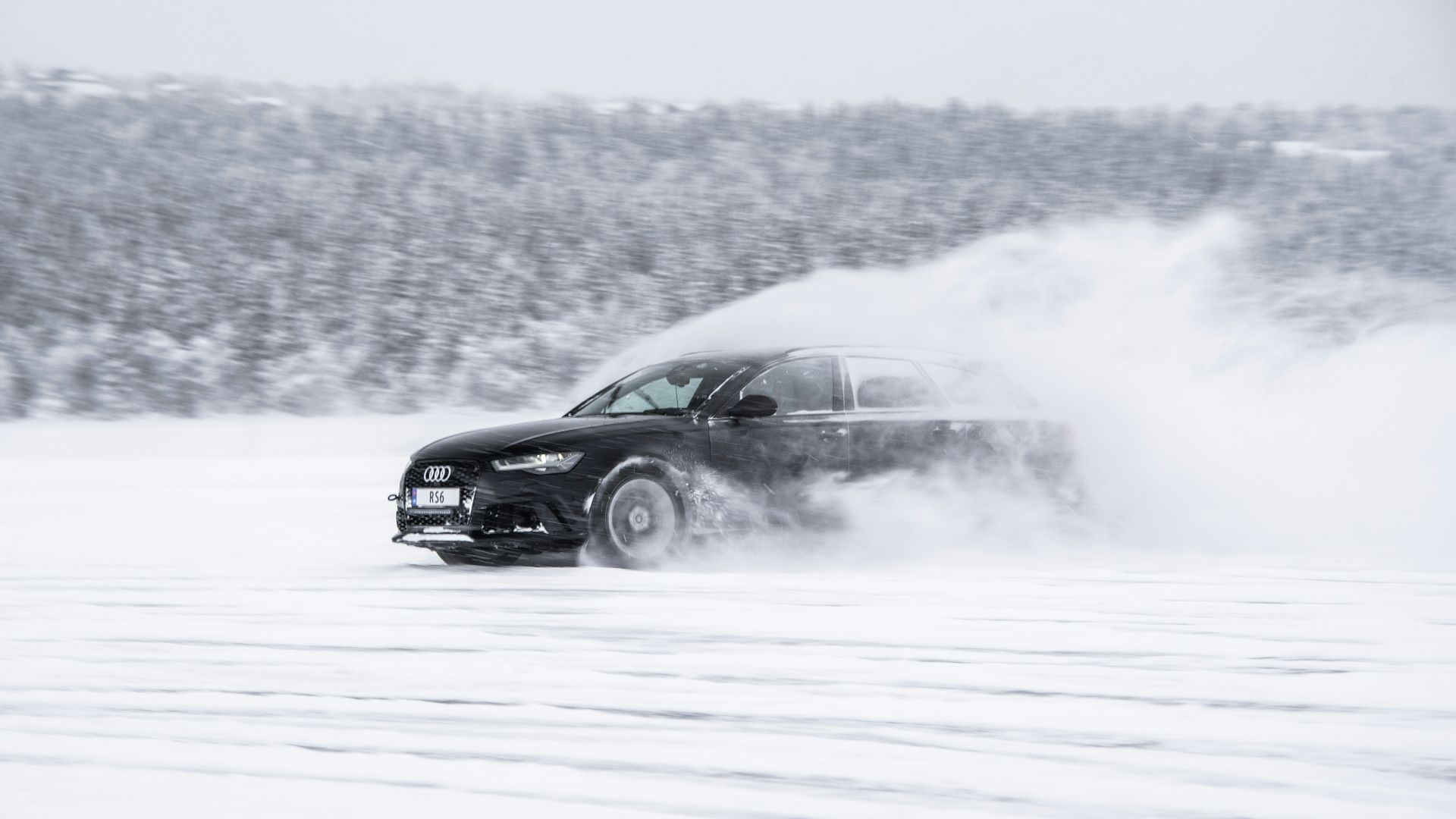
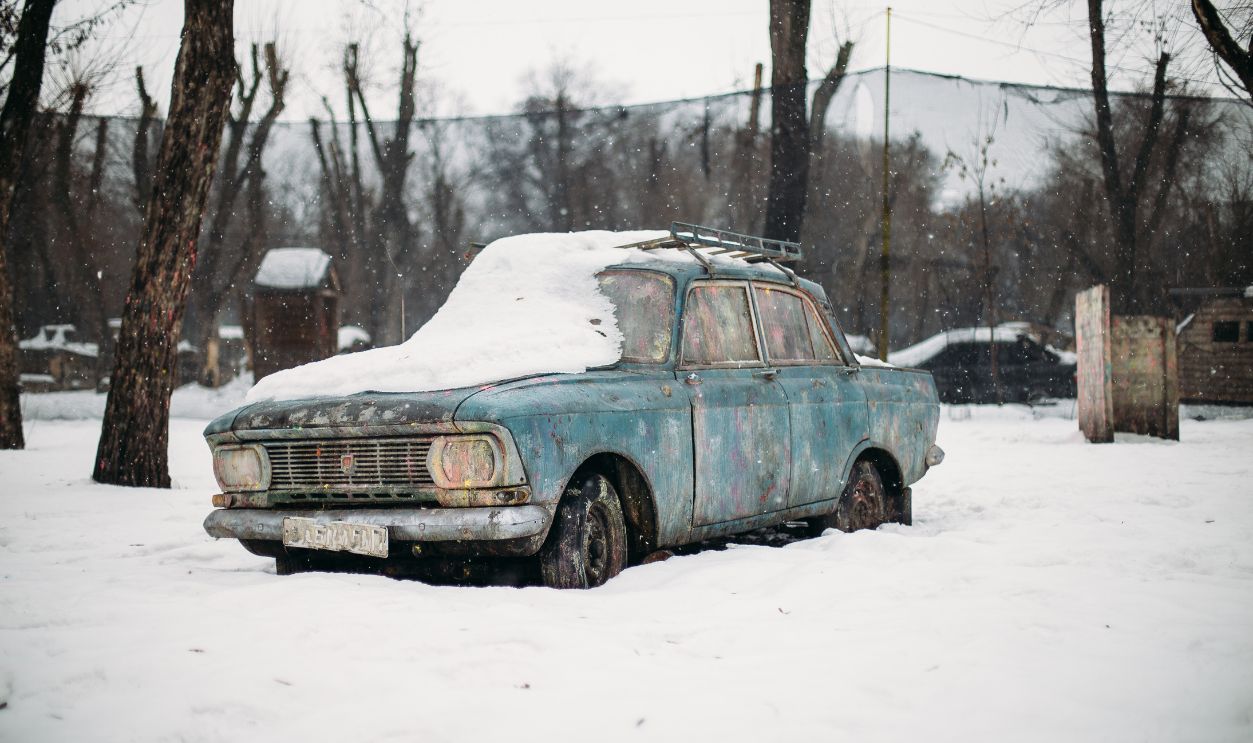
There is a reason generations of drivers learned to wait. Older vehicles equipped with carburetors could require extra warm-up time because cold conditions affected the fuel mixture and drivability. Modern electronic fuel injection and engine management systems handle cold starts far more effectively, which is one reason the old routine has largely outlived the technology that inspired it.
 ivanchenko_maxim, Shutterstock
Modern Engines Manage The Cold For You
A modern engine's computer can adjust fueling and idle speed according to operating conditions. Ford documentation, for example, notes that some gasoline engines automatically raise their idle speed when cold to help the catalytic converter heat quickly. The idle speed then falls as the system warms. You generally do not have to imitate this process by revving the engine yourself.

Oil Still Matters In Winter
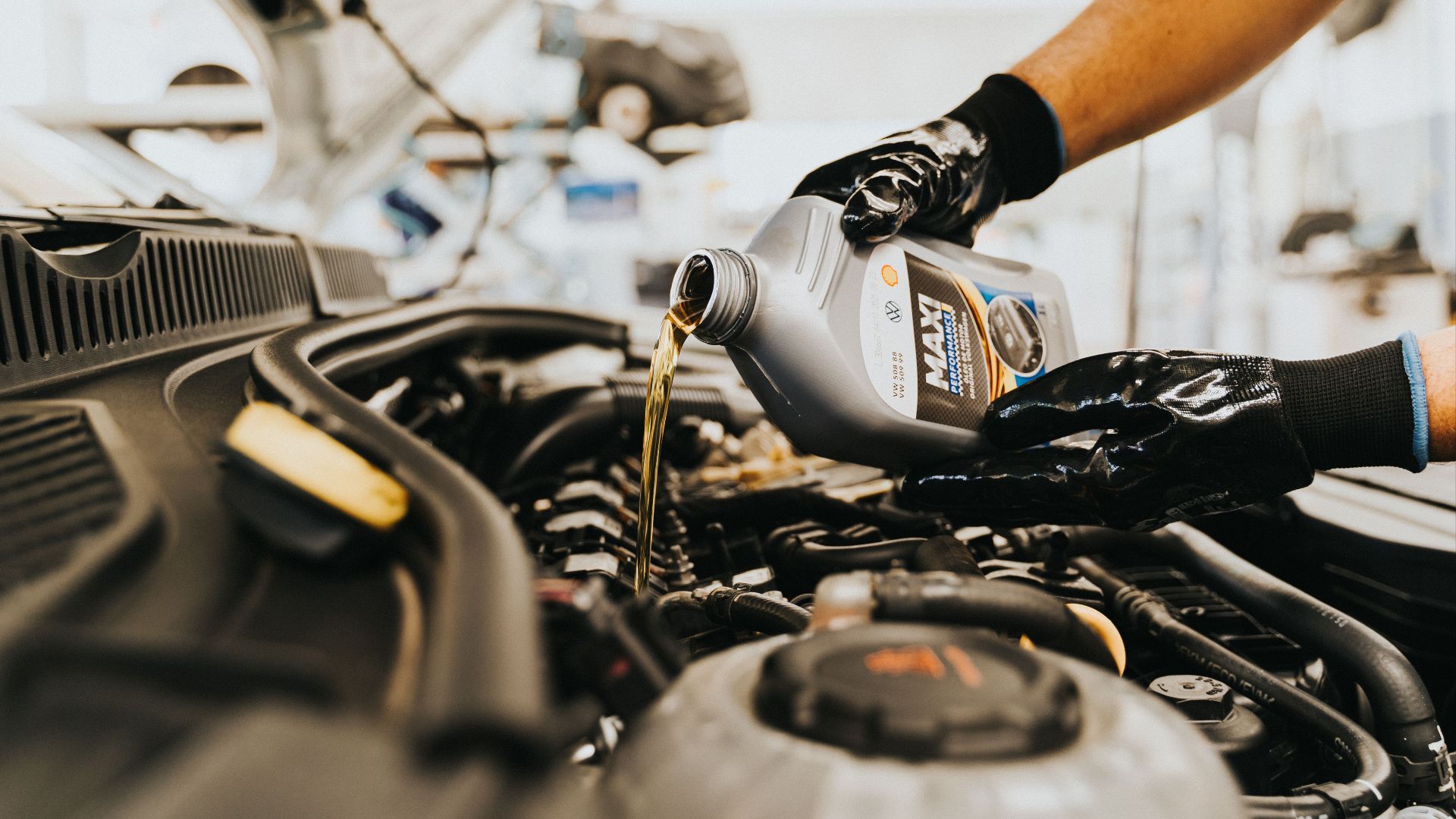
Cold temperatures make lubrication an important part of winter starting, which is why manufacturers specify appropriate engine-oil grades. Ford explicitly notes in some manuals that using the correct oil grade below freezing is essential for proper operation. The answer is not necessarily a long idle, however, because modern vehicles are engineered to circulate their specified lubricant after startup.
A Short Wait Is Enough For Most Cars
AAA says a modern vehicle generally needs only about as much stationary warm-up as it takes to fasten your seat belt and get ready to leave. Its guidance also says driving gently warms the vehicle more effectively. That makes the first minute less about reaching full operating temperature and more about letting everything settle before asking the car to work.

Gentle Driving Does The Real Warming
Once you pull away, resist the temptation to accelerate aggressively. AAA recommends driving normally while avoiding hard acceleration until the vehicle is fully warmed. This puts useful load on the engine while circulating oil and warming components that may stay relatively cold while the car sits stationary.
 Bordovski Yauheni, Shutterstock
The Transmission Is Cold Too
The engine is only one part of your powertrain dealing with a frigid morning. AAA notes that gentle driving helps warm the transmission and related components that remain cold during stationary idling. Natural Resources Canada likewise recommends driving because it warms the engine and drivetrain together.
Idling Can Be Surprisingly Thirsty
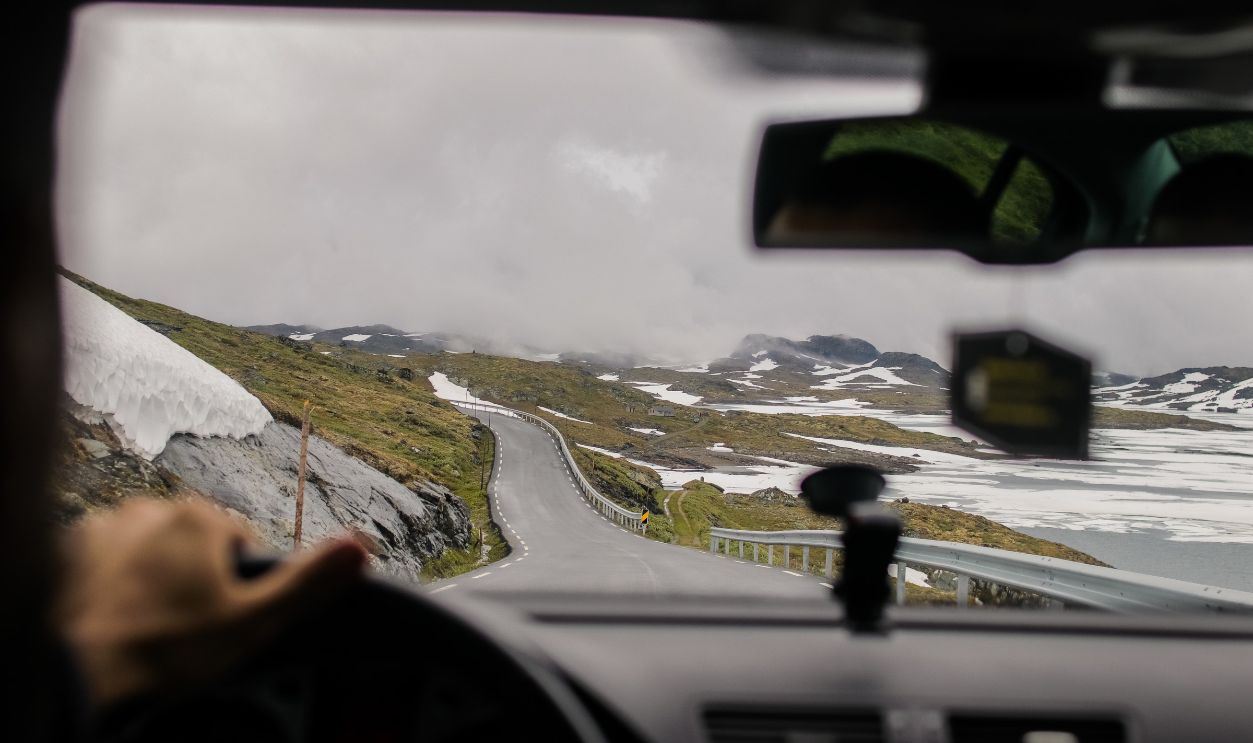
Those extra driveway minutes are not free. Natural Resources Canada estimates that 10 minutes of idling can consume roughly 0.25 to 0.50 litres of fuel, depending on the vehicle and conditions. Repeating that ritual every cold morning can therefore add unnecessary fuel consumption over an entire winter.
Winter Already Hurts Fuel Economy
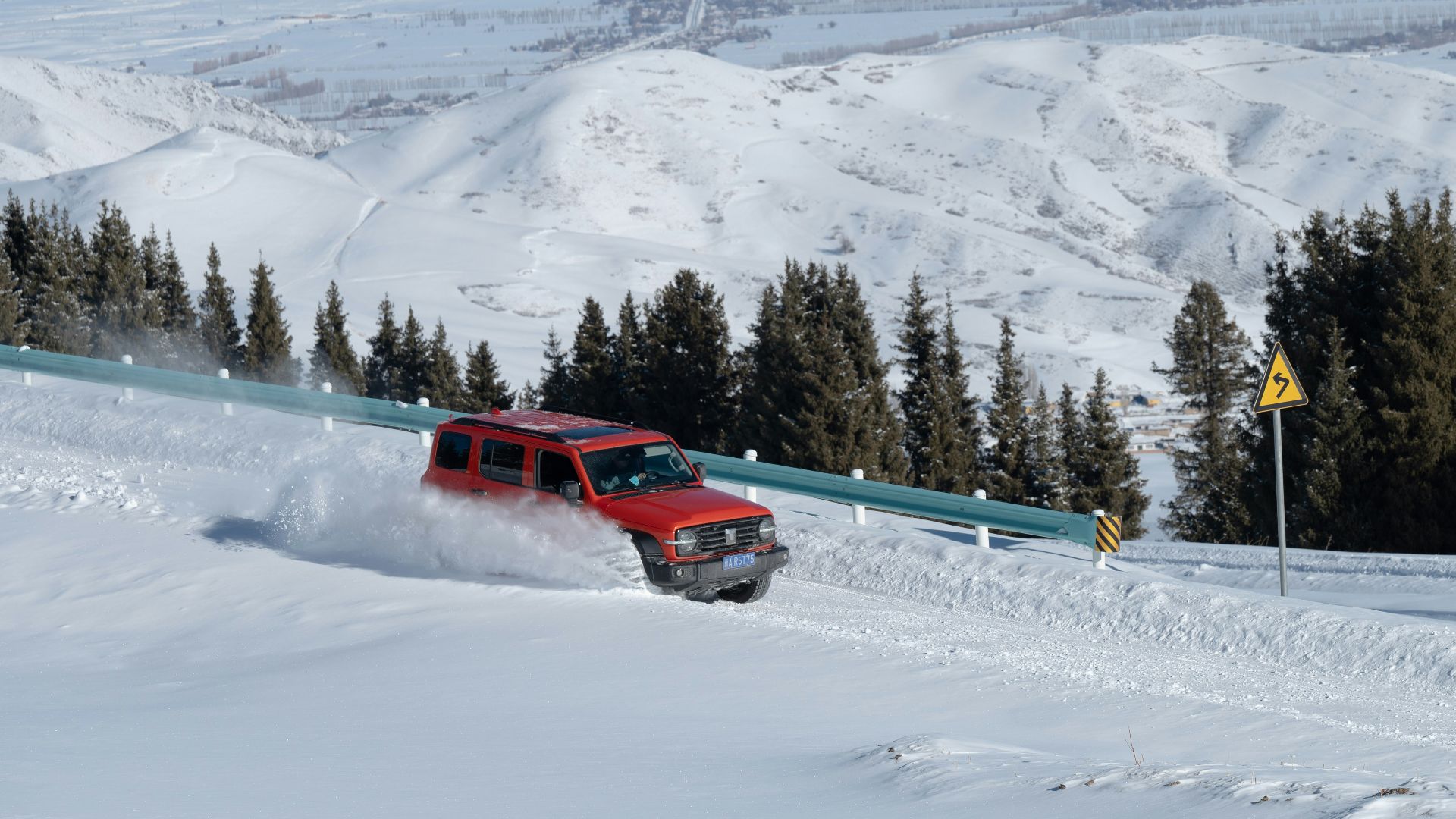
Your car has enough efficiency problems when temperatures drop without unnecessary idling. Natural Resources Canada says colder temperatures, winter fuel, increased aerodynamic resistance, difficult road conditions, and higher electrical loads can all increase energy consumption. Heating, defrosting, heated mirrors, lights, and other electrical equipment add to the demand.
 Elizaveta Galitckaia, Shutterstock
Cold Starts Are Dirty Starts
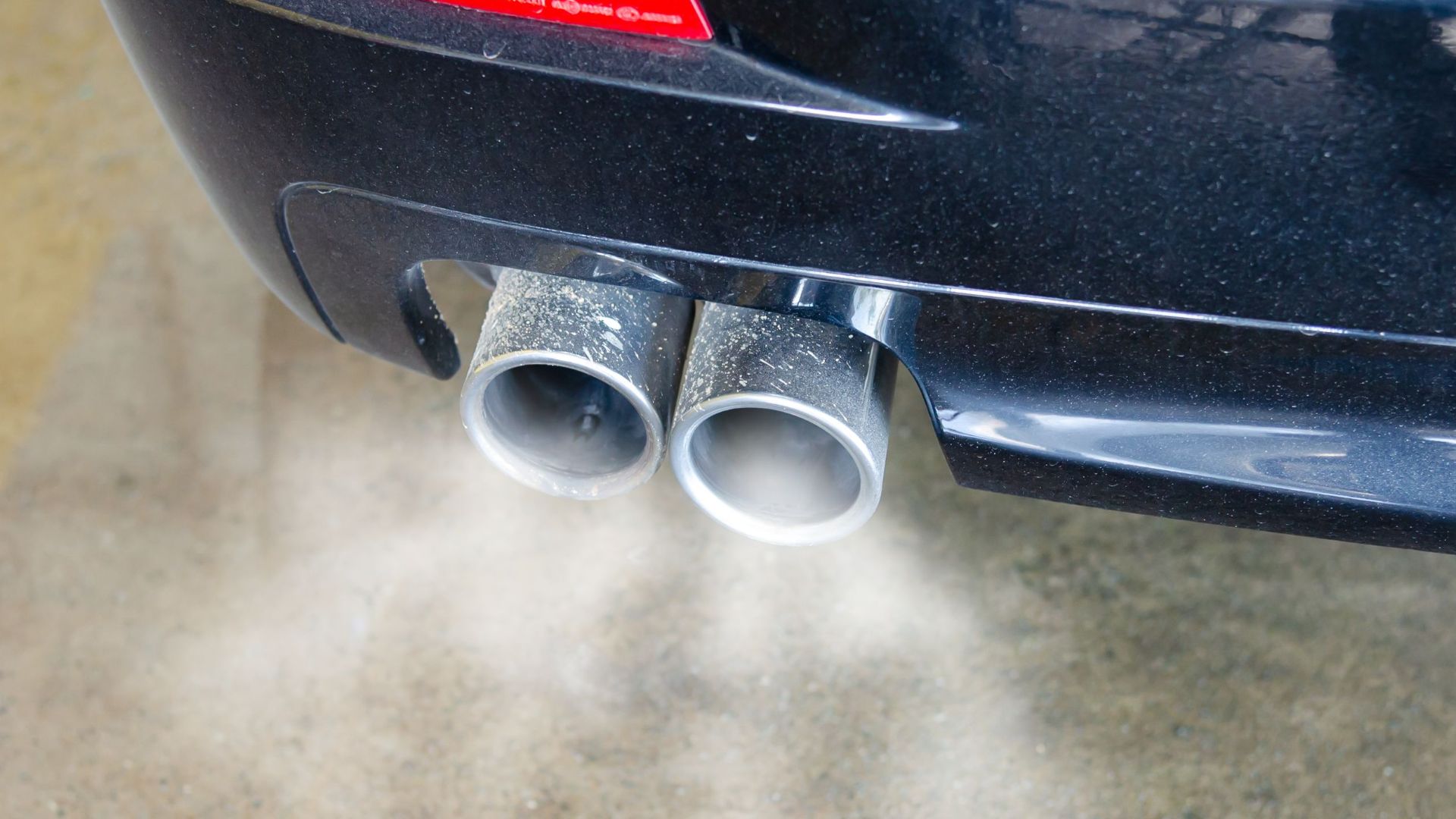
Emissions are another reason to shorten the warm-up ritual. The EPA says initial cold-engine operation is particularly sensitive to ambient temperature and that carbon monoxide emissions associated with starting tend to be higher in colder weather. Once the engine and catalyst reach operating temperature, the temperature outside has much less effect on emissions performance.
The c Wants Heat Too
A catalytic converter works most effectively after it becomes hot. Natural Resources Canada notes that catalytic converters reduce pollutants such as carbon monoxide and hydrocarbons most effectively once warmed. Because an engine generally warms faster while the vehicle is being driven, prolonged driveway idling is not necessarily helping the emissions system reach efficient operation as quickly as possible.
Clearing The Windshield Changes The Equation
Mechanical warm-up and safe visibility are two different questions. Even if your engine is ready to move, you should not drive until you can see properly through the windshield and other necessary windows. Natural Resources Canada specifically qualifies its short-idling recommendation by noting that the windows need to be defrosted before driving.

Comfort Is A Different Goal
Sometimes drivers say they are warming up the engine when they really want a warm cabin. Idling can eventually provide cabin heat in an internal-combustion vehicle, but that does not mean the engine mechanically requires the entire wait. If comfort is the goal, recognize it as a comfort choice rather than an engine-protection requirement.

Extreme Cold Deserves More Respect
There is an important limit to any blanket rule about idling. Some manufacturers give additional instructions when temperatures become exceptionally low. Certain Ford manuals, for example, recommend several minutes of idling around -26°C (-15°F) for particular engines, demonstrating why vehicle-specific guidance matters in severe conditions.
Your Owner's Manual Gets The Final Word
Not every engine, fuel system, lubricant specification, or cold-weather strategy is identical. Some vehicles have explicit starting procedures that activate only at very low temperatures. When your owner's manual gives a cold-start procedure, follow it rather than applying a universal rule from another vehicle.

Diesels Can Play By Different Rules
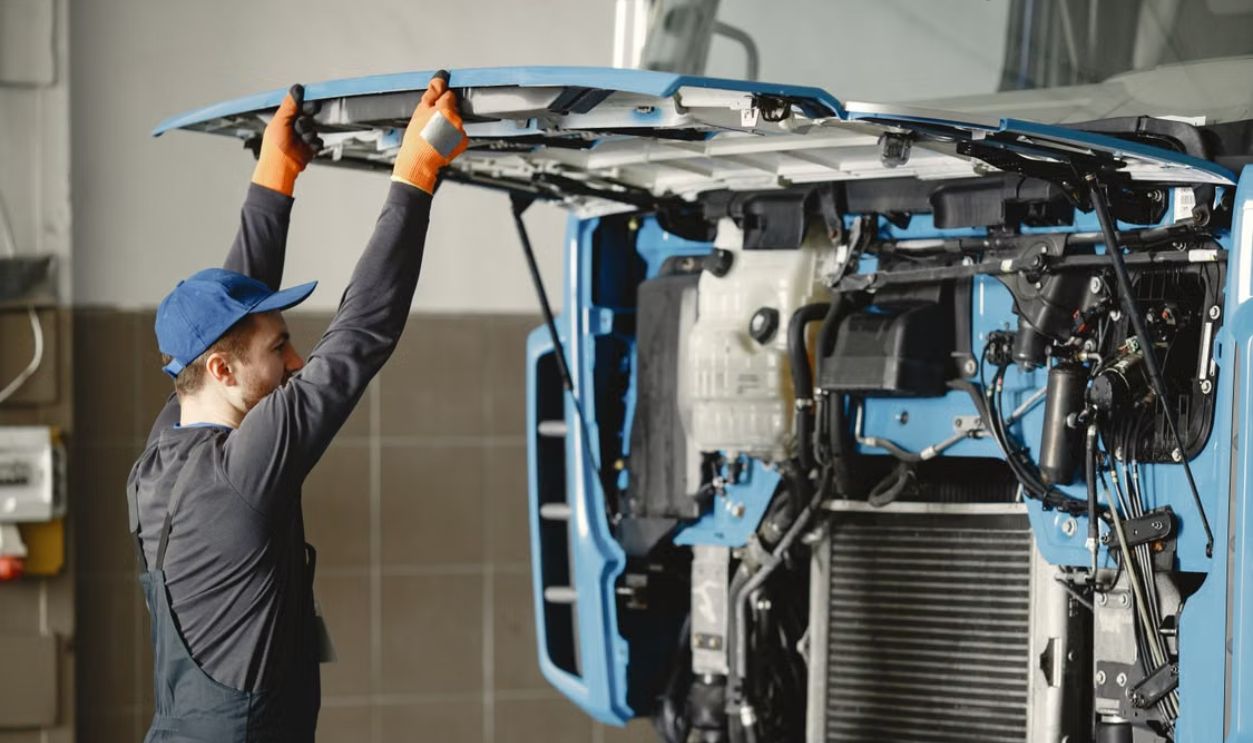
Diesel engines deserve particular attention because their cold-start procedures can differ substantially from those of gasoline engines. Some Ford diesel instructions call for waiting for the glow-plug indicator and briefly idling after startup, with additional warm-up recommendations in extreme cold. The same documentation also warns that long periods of cold idling can contribute to deposits on certain engines.
A Block Heater Is A Smarter Head Start
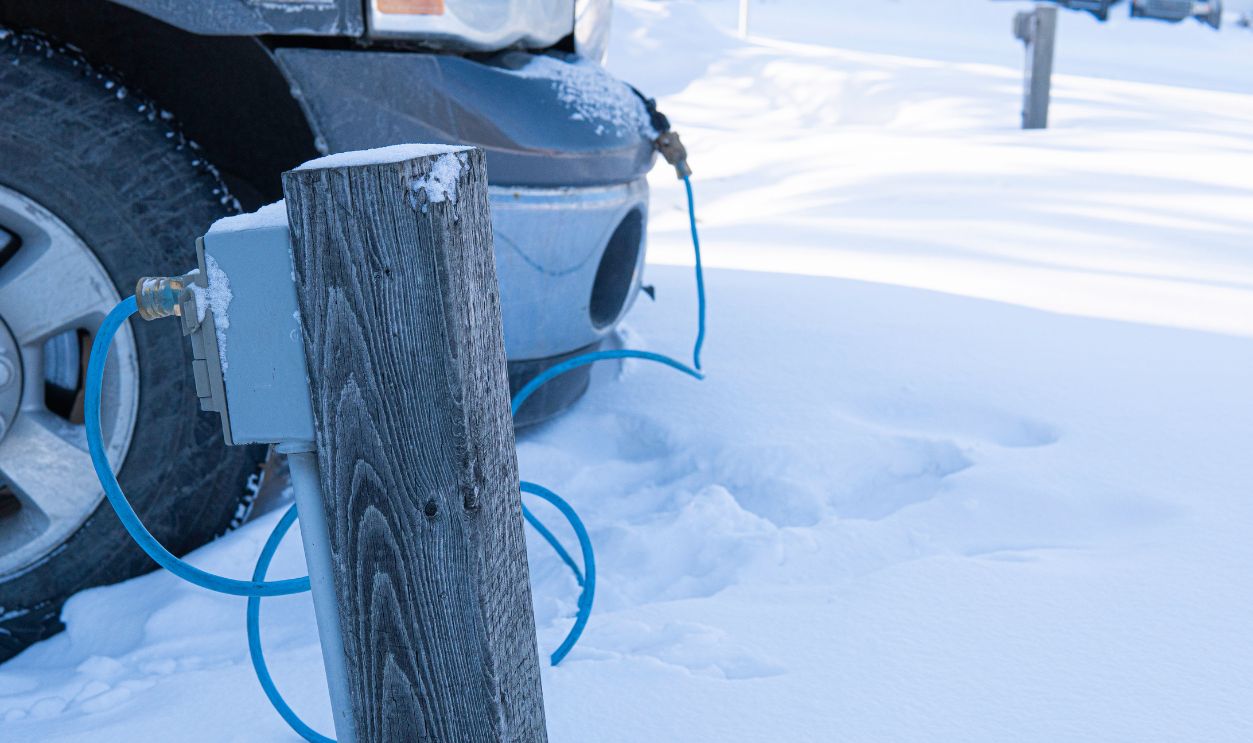
Drivers in genuinely cold climates have another option. Natural Resources Canada recommends a block heater because preheating the engine can help it start more easily and reach operating temperature sooner. It recommends using a timer and generally turning the heater on no more than about two hours before starting the vehicle.
 Primestock Photography, Shutterstock
Your Battery May Be The Bigger Winter Concern
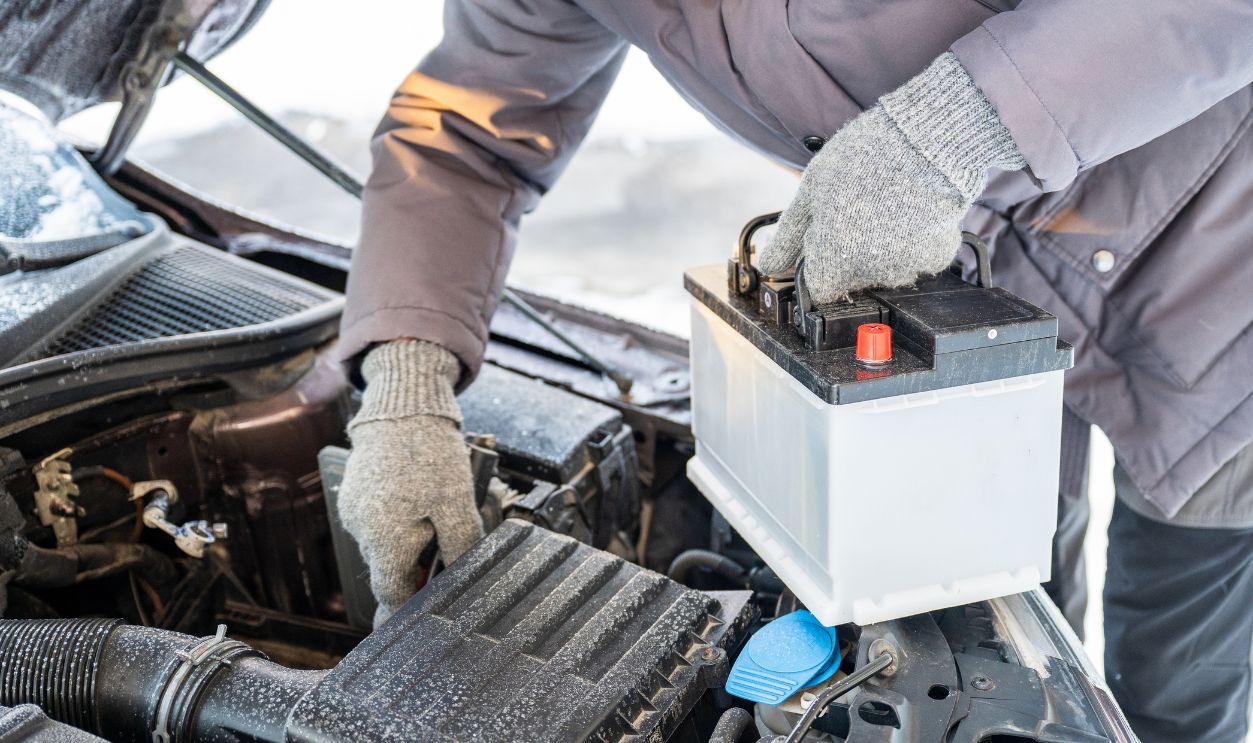
A sluggish winter start does not automatically mean the engine needed a longer warm-up. Cold weather reduces a conventional battery's available power at the same time the engine requires more energy to crank. AAA reports that at 0°F, a battery can provide only about half its rated capacity, making a marginal battery much more likely to reveal itself during a cold snap.
Idling Is Not A Great Battery Charger
Starting the car and leaving it parked is not necessarily the best strategy for restoring battery charge. AAA notes that idling does relatively little to recharge a battery compared with actually driving the vehicle. A proper drive gives the charging system a better opportunity to replenish energy used during the cold start.

Don't Rev A Freezing Engine
If idling for 10 minutes is unnecessary, revving the engine to hurry the process along is not the solution. Manufacturer guidance for cold engines can specifically warn against increasing engine speed before adequate lubrication or normal oil pressure has been established. A calm startup followed by gentle driving is a much more sensible approach.
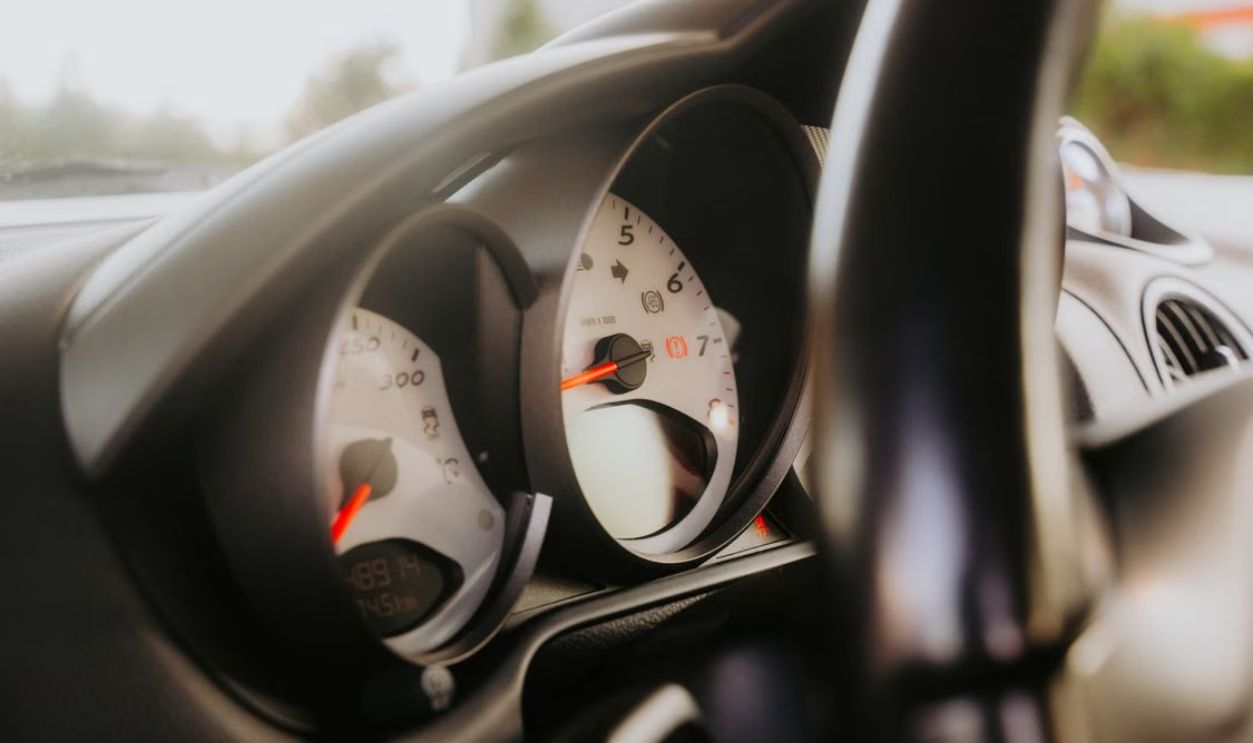
Never Warm It Up In An Attached Garage
This safety rule is much more important than shaving a few minutes off your warm-up routine. The CDC says never to run a car or truck inside a garage attached to a house, even if the garage door is open, because vehicle exhaust can contain carbon monoxide. An exhaust-system leak can also allow carbon monoxide to accumulate inside a vehicle.
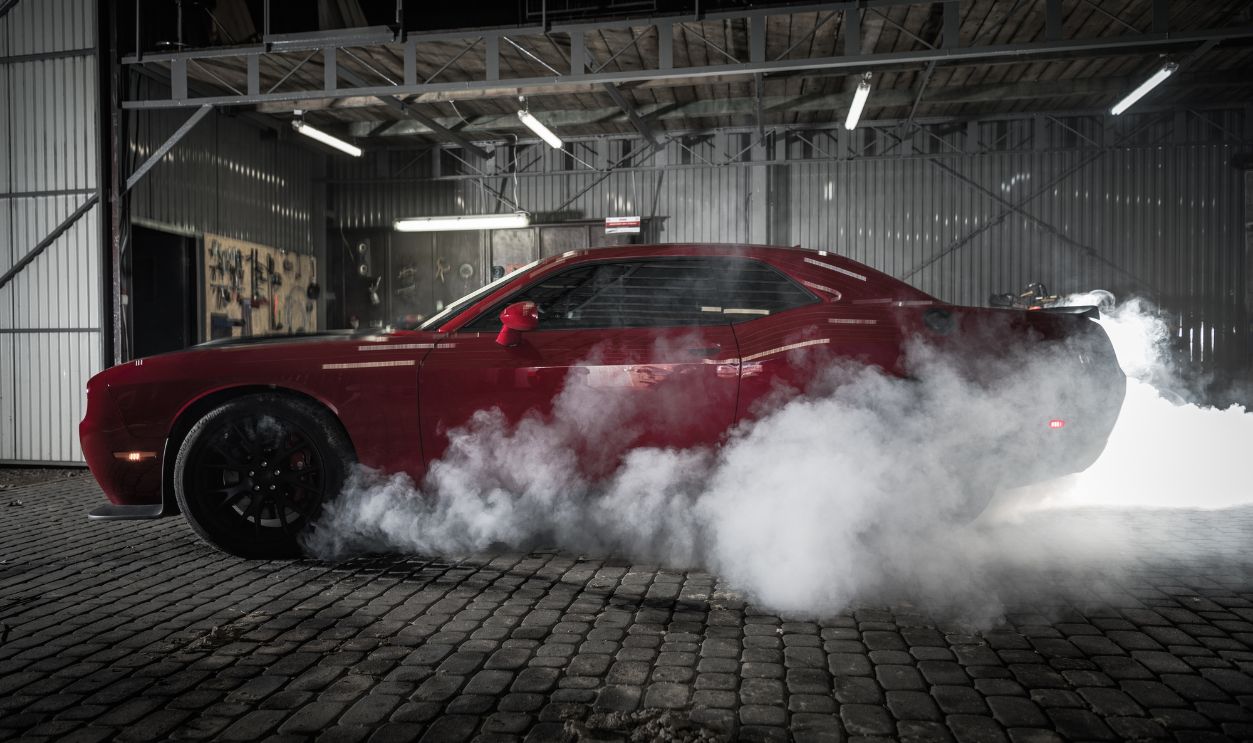
Snow Around The Exhaust Matters Too
If your vehicle becomes stuck or buried during a winter storm, check that snow has not blocked the exhaust pipe. NHTSA warns drivers about carbon monoxide poisoning in these situations and recommends running a stranded vehicle only intermittently for warmth. This is a different situation from an ordinary morning warm-up, but it highlights why exhaust flow should never be ignored.
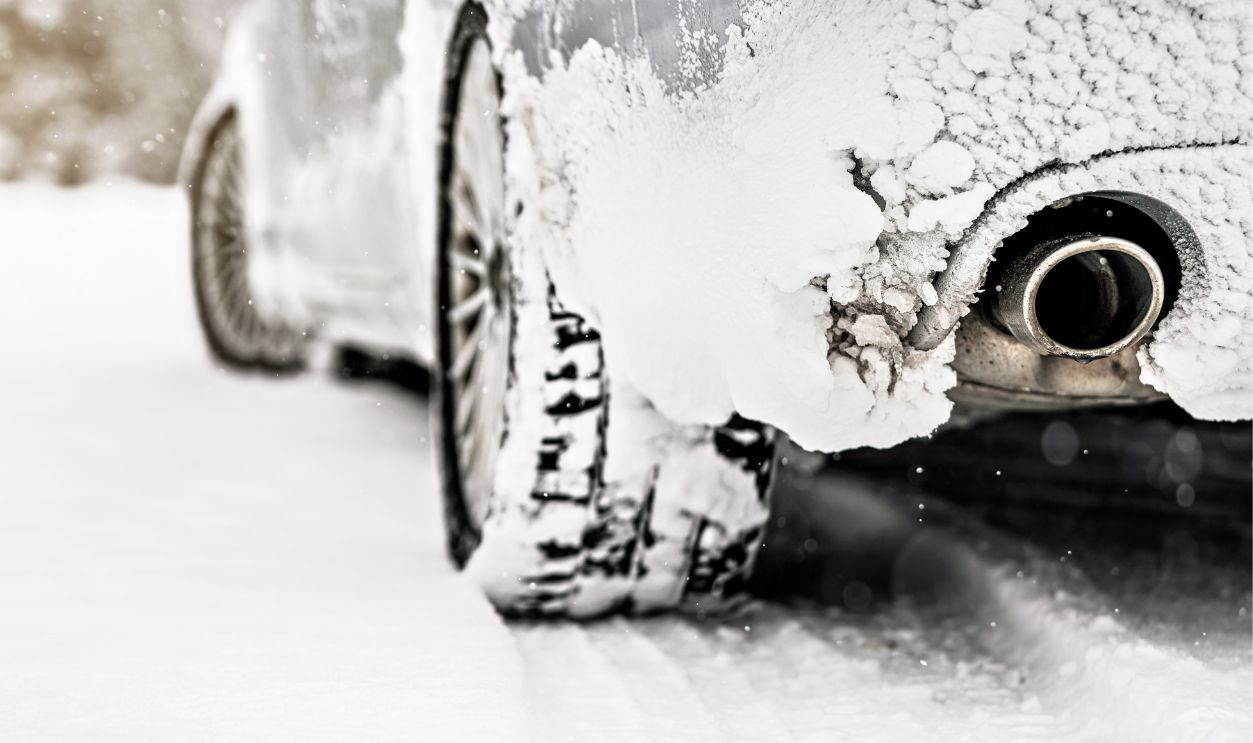
EVs Need A Different Kind Of Warm-Up
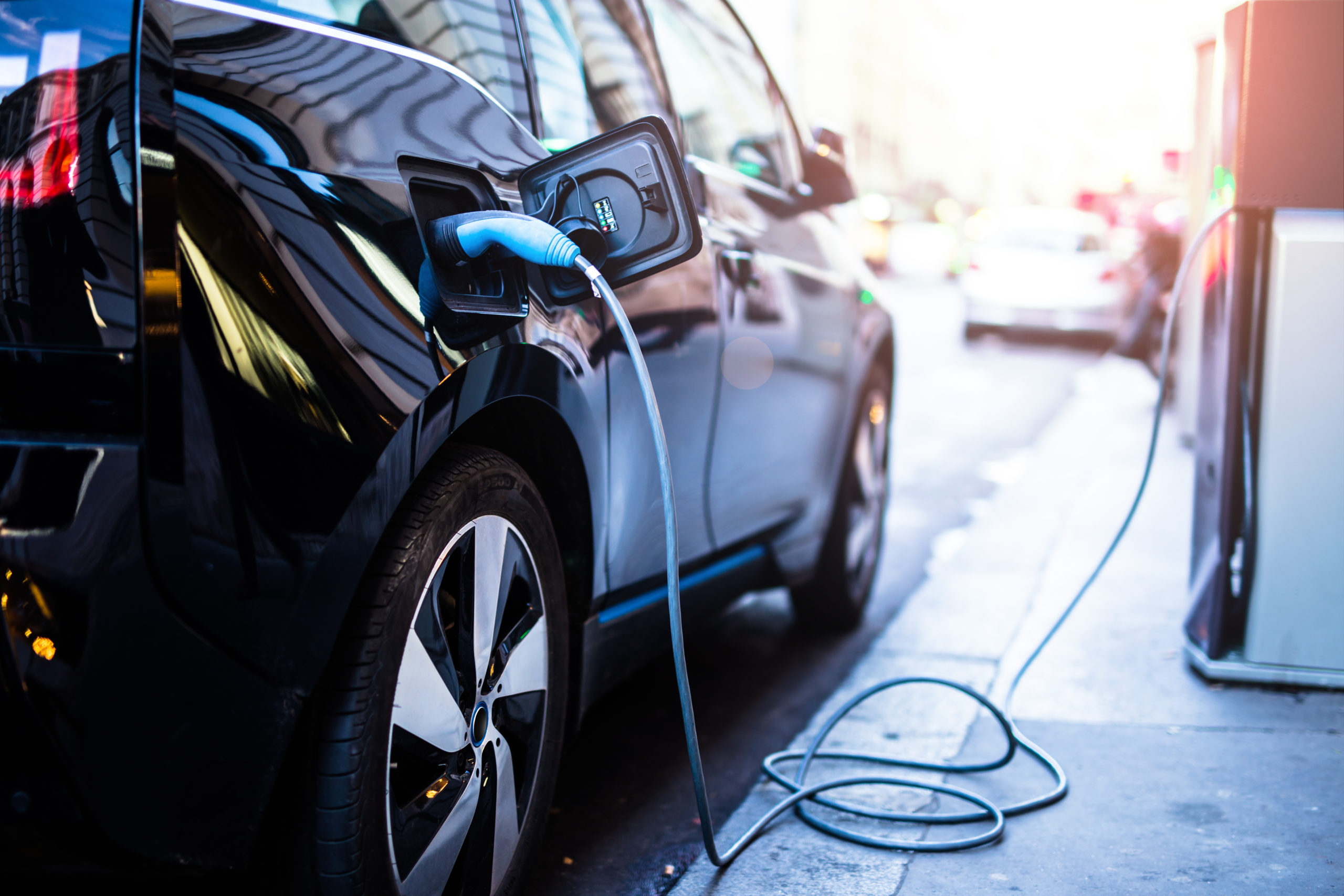
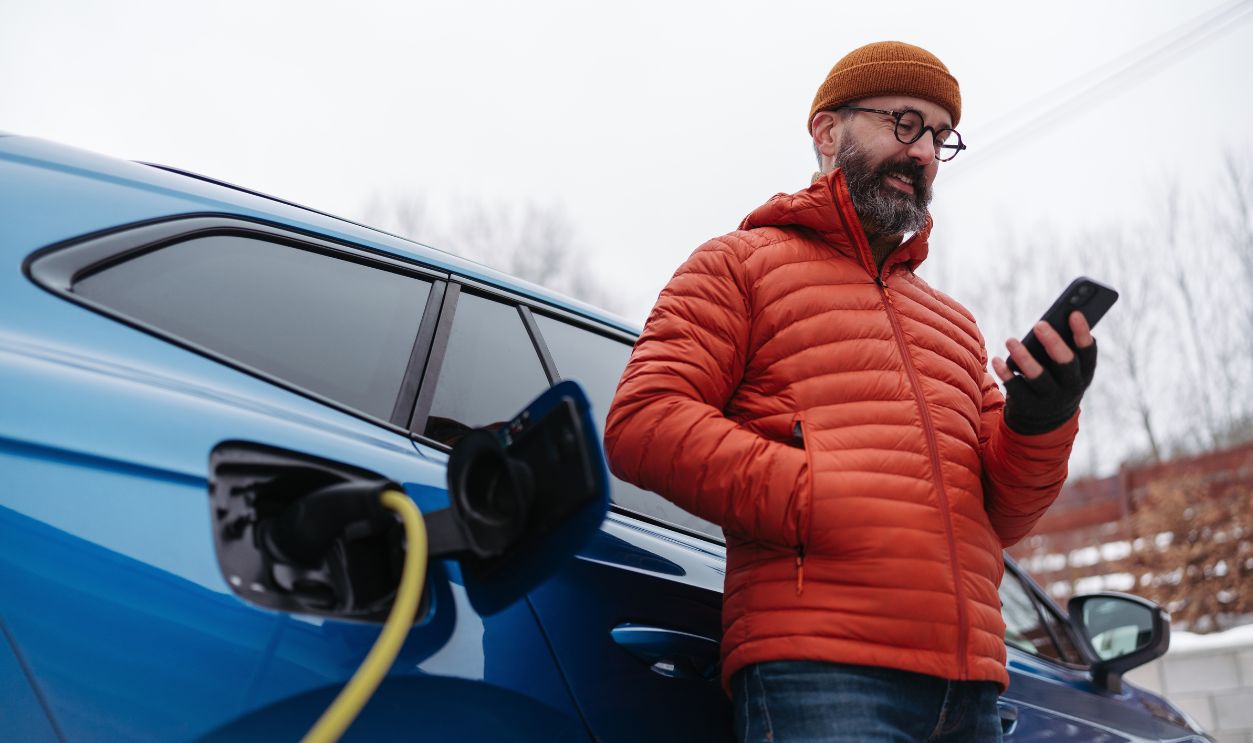
An electric vehicle has no gasoline engine waiting for oil and coolant to reach operating temperature. Cold can still affect its battery performance and driving range, however. The U.S. Department of Energy recommends preconditioning the cabin and battery before departure when the vehicle offers that feature.
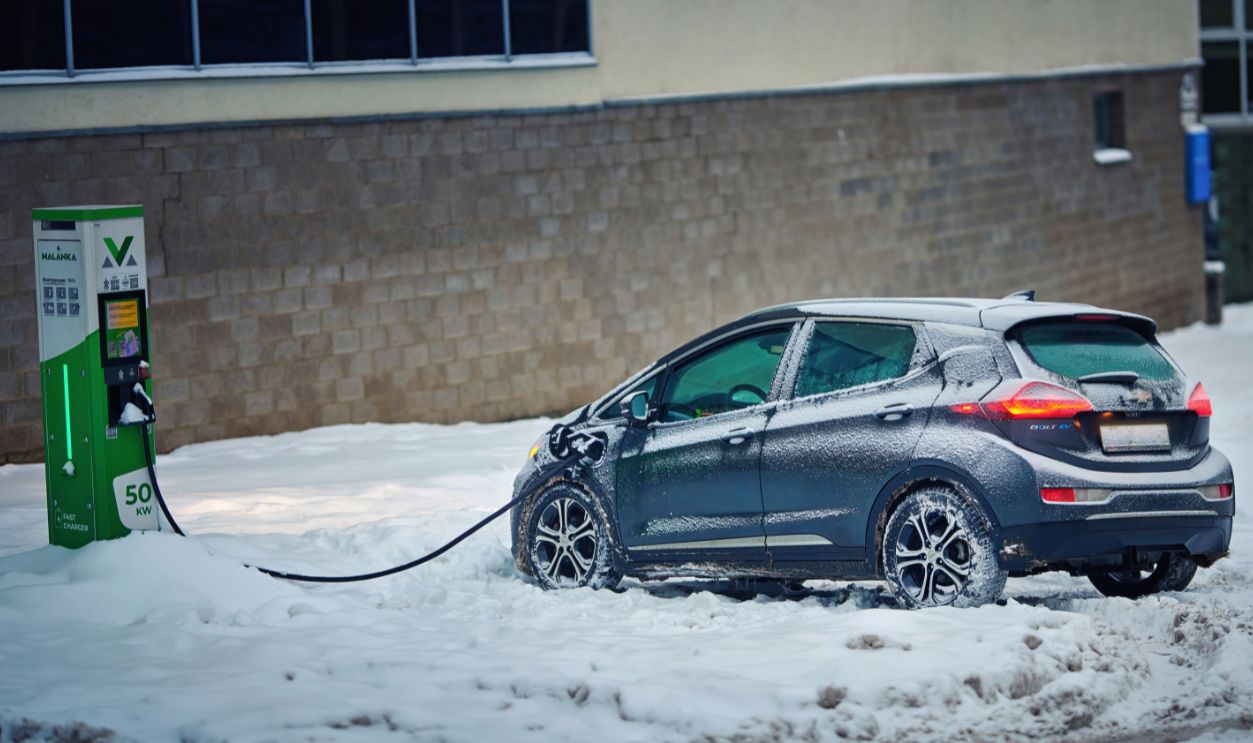
Plugged-In Preconditioning Makes Sense
For an EV, warming the vehicle while it remains connected to a charger can preserve more stored battery energy for the trip itself. Natural Resources Canada says many EVs can preheat the cabin and battery on external power and reports that doing so can help extend winter driving range. This is a much different strategy from burning gasoline while an internal-combustion vehicle sits in the driveway.
Don't Forget Your Tires
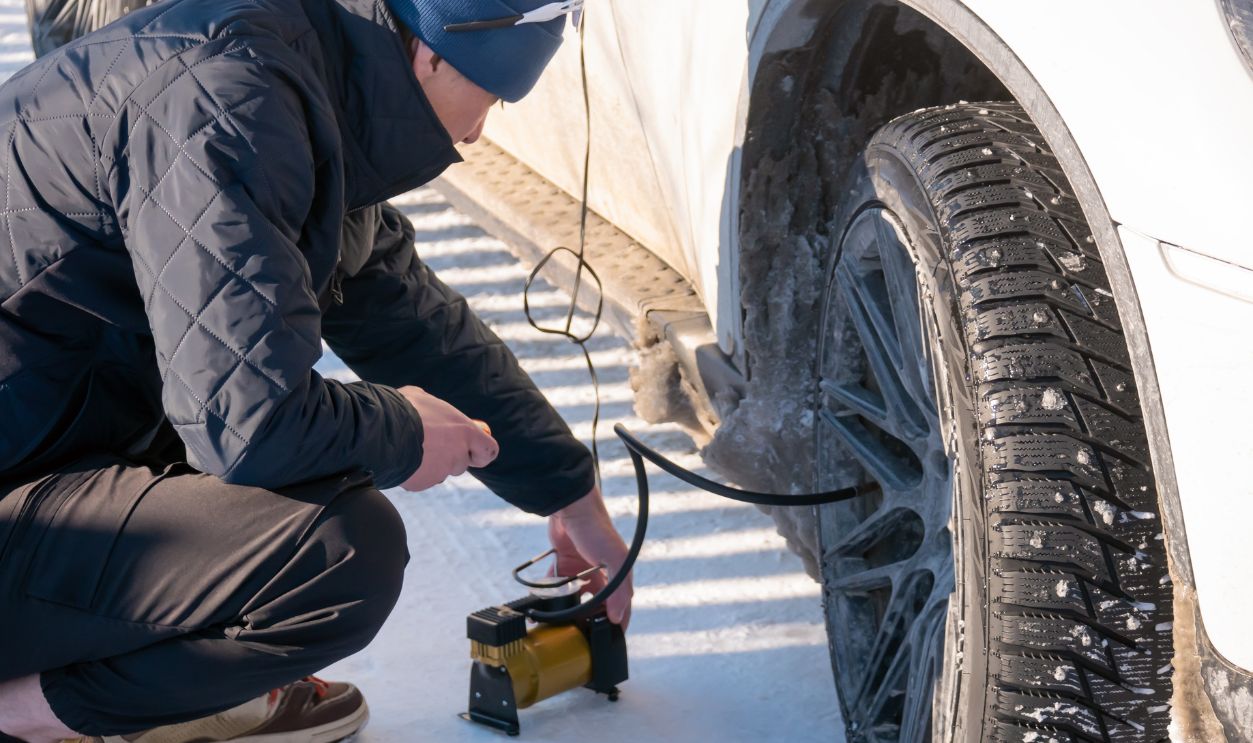
While thinking about winter warm-up, check the parts actually connecting the car to the road. NHTSA says tire inflation pressure falls as outside temperatures drop and recommends maintaining the pressure specified by the vehicle manufacturer. Tire pressure should be checked cold against the placard on the vehicle rather than an arbitrary number printed elsewhere.
A Better Winter Morning Routine
For most modern gasoline cars, start the engine, buckle up, adjust what you need, and make sure the glass is sufficiently clear for safe driving. Then pull away gently and avoid heavy acceleration until the vehicle reaches normal operating temperature. In extreme cold, with a diesel, or whenever the manufacturer gives special instructions, follow the owner's manual instead.

So, Are You Actually Helping Your Car?
A brief warm-up can help oil circulate and gives you time to prepare for a safe departure, but the traditional long driveway idle generally is not necessary for a modern gasoline vehicle. Driving gently usually brings the engine and drivetrain up to temperature more efficiently while avoiding needless fuel consumption and emissions. The old habit is not completely meaningless, but for most modern cars, the useful part lasts much less time than many drivers think.
You May Also Like:
Cars That Made Your Neighbors Think You Are Doing Better Than You Are