One Missed Payment, One Very Empty Driveway
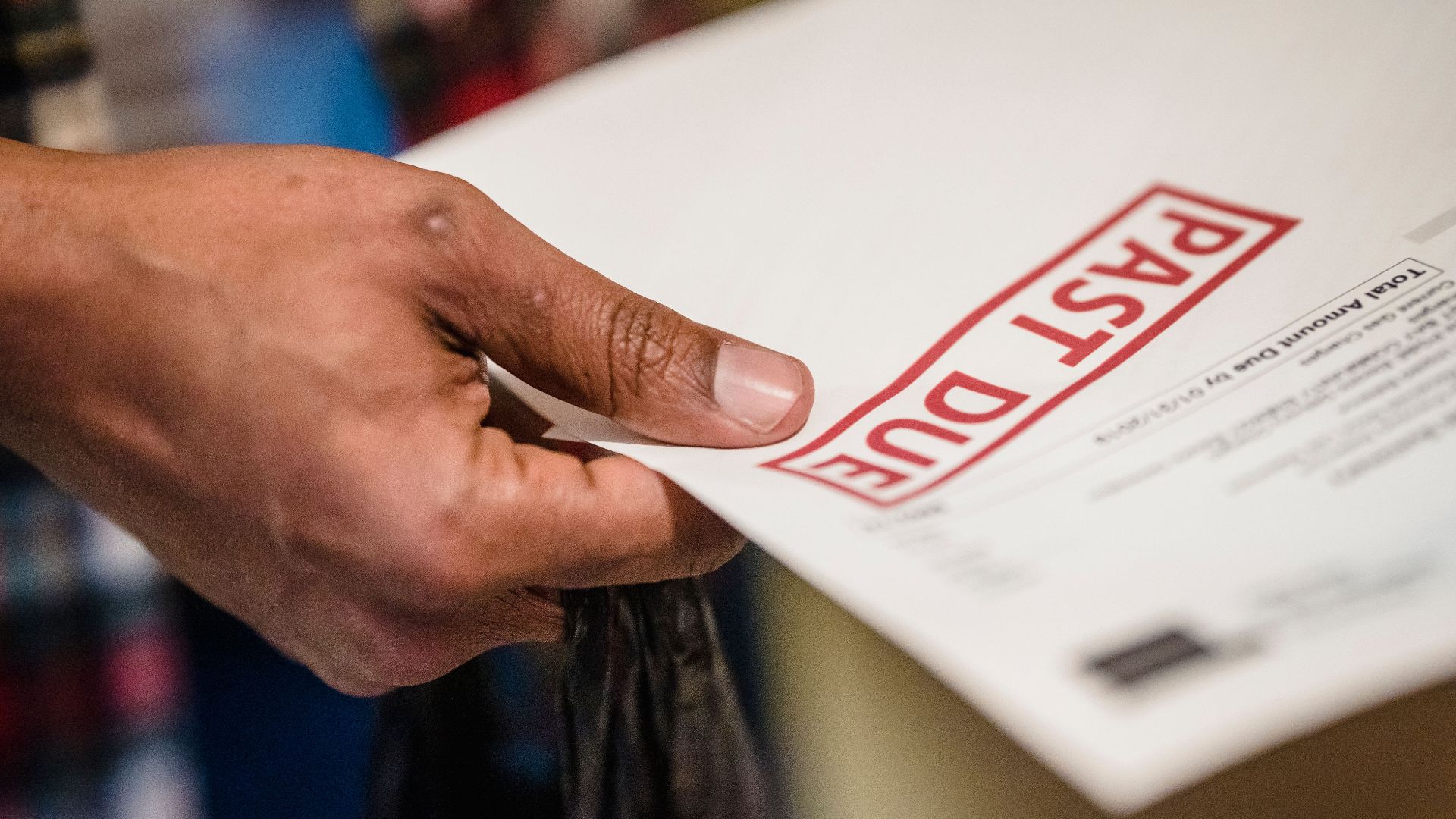
You missed one car payment. Maybe payday landed at the wrong time, an unexpected bill wiped out your budget, or the due date simply slipped past you. Then you walked outside and discovered something considerably worse: your car was gone. It seems extreme for a single missed payment, but depending on your loan agreement and where you live, a lender may have the legal right to repossess surprisingly quickly.

One Missed Payment Really Can Be Enough
In many U.S. states, lenders can repossess a vehicle once the borrower is considered in default. The FTC says failing to make a payment on time is a typical event that can constitute default, although the precise definition should be spelled out in your contract.

There's No Universal Three-Payment Rule
You've probably heard that lenders have to wait until you're two or three months behind. That's not a universal rule. Depending on the contract and state law, repossession can potentially happen much sooner.

Your Loan Contract Is Extremely Important
Pull out your financing agreement and find the section dealing with default. It should explain what circumstances allow the lender to consider the loan in default and what remedies the lender has afterward.

A Grace Period Isn't Guaranteed
Some auto loans provide several days after the due date before a late fee applies, while others operate differently. Grace periods and late fees generally depend on your contract and applicable state law.

A Late-Fee Grace Period Isn't Necessarily Repossession Protection
This distinction can cause confusion. Having several days before you're charged a late fee doesn't necessarily mean the lender must wait the same amount of time before treating the loan as being in default.

You Might Not Receive A Warning First
This is probably the most surprising part. The CFPB says that in many states, lenders can repossess a vehicle without warning or a court order after a missed payment. Other states require some form of notice before repossession.

State Law Can Change Everything
Repossession laws vary significantly across the country. Your state might require notices or provide opportunities to catch up that borrowers elsewhere don't receive, so a repossession that's lawful in one state isn't necessarily lawful in another.

The Repo Company Doesn't Have Unlimited Power
Even when the lender has a legal right to repossess the vehicle, there are restrictions on how it happens. Under the Uniform Commercial Code, secured creditors may take possession without judicial proceedings after default only if they can do so without breaching the peace.
They Generally Can't Just Break Into Your Garage
The FTC notes that what qualifies as a breach of the peace varies by state, but examples can include using or threatening physical force or removing a vehicle from a closed garage without permission.

Check Whether The Repossession Was Actually Correct
Mistakes happen. Confirm that the payment really was late, the lender didn't misapply a payment, and there wasn't a deferment, extension, modification, or other agreement on your account.

Wrongful Repossessions Are A Real Problem
This isn't purely hypothetical. CFPB examiners have previously found auto servicers wrongfully repossessing vehicles after borrowers had made payments or obtained extensions, deferments, or modifications that should have stopped repossession.

Call The Lender Immediately
Don't wait several days hoping the problem sorts itself out. Contact the lender or loan servicer and ask exactly why the vehicle was repossessed, how much you're considered past due, where the vehicle is being held, and what options exist for recovering it.

Ask About Reinstatement
Depending on state law and your agreement, you may have an opportunity to reinstate the loan. That generally means catching up on overdue payments and paying permitted repossession-related expenses rather than paying off the entire loan.

Redemption Is Another Possibility
You may also have a right to redeem the vehicle before it's sold. Redemption typically requires paying the entire remaining loan balance plus eligible repossession expenses, making it considerably more expensive than simply catching up.

Your Car May Be Headed For Sale
Repossession doesn't necessarily mean the lender plans to keep the vehicle. Lenders commonly sell repossessed cars, often through auctions, and use the proceeds toward the outstanding debt.

You Should Receive Information Before The Sale
The CFPB says borrowers have a right to notification before a repossessed vehicle is sold or retained to satisfy the debt. The exact notice depends partly on whether the lender plans a public or private sale.
 https://kaboompics.com/, Pexels
Losing The Car Doesn't Necessarily Erase The Loan
This is the nasty second surprise. Suppose you still owe $18,000 and the lender ultimately receives only $14,000 from selling the vehicle after applicable expenses. You could potentially remain responsible for a deficiency balance.

Repossession Can Affect Your Credit For Years
A repossession can remain on your credit reports for up to seven years, according to the CFPB. The missed payments leading up to it can hurt your credit as well.

Don't Forget Your Stuff Inside The Car
Your sunglasses, work equipment, children's belongings, garage remote, and other personal possessions don't suddenly become the lender's property simply because they're sitting inside the repossessed vehicle. Contact the lender or repossession company promptly about retrieving your belongings.

If Something Seems Wrong, Document Everything
Save bank statements, payment confirmations, emails, text messages, account screenshots, and records of conversations with the lender. If you had an agreement extending the payment deadline, get a copy of it.

Don't Pay A Stranger Who Promises To "Stop The Repo"
A stressful repossession can make borrowers vulnerable to scams. The FTC warns consumers about companies demanding upfront fees while claiming they can lower auto payments or prevent repossession. Work directly with your lender or servicer instead.

If You're Struggling Before Repossession, Call Early
If you haven't been repossessed yet but know you'll miss a payment, contacting the lender before things deteriorate can make a major difference. Depending on the lender, possible options can include changing the due date, arranging a payment plan, or temporarily pausing payments through forbearance.
Here's The Question That Really Matters
Did your contract and state law allow the lender to treat that single missed payment as a default that permitted repossession? The number of missed payments alone doesn't answer the question. Your contract, payment history, any arrangements with the lender, and state repossession laws all matter.

So... Is Repossession After One Missed Payment Normal?
It can legally happen, but one missed payment doesn't automatically make every repossession lawful. In many states, lenders can repossess once you're in default and may not have to warn you first. Other states provide additional protections, and your contract may provide rights beyond the legal minimum.

Don't Wait Around—Start Asking Questions Immediately
If your car disappeared after just one late payment, contact the lender immediately and request the account history, reason for repossession, repossession costs, and instructions for getting the vehicle back. If the numbers or timeline don't add up, your state attorney general or consumer-protection office and the CFPB are appropriate places to investigate further.

One Late Payment Can Get Expensive Very Quickly
The biggest lesson is not to assume a lender will wait for several missed payments before acting. If money gets tight, contacting the lender before the due date passes gives you a much better opportunity to discuss alternatives—and could save you from walking outside one morning to a very empty driveway.

You May Also Like: