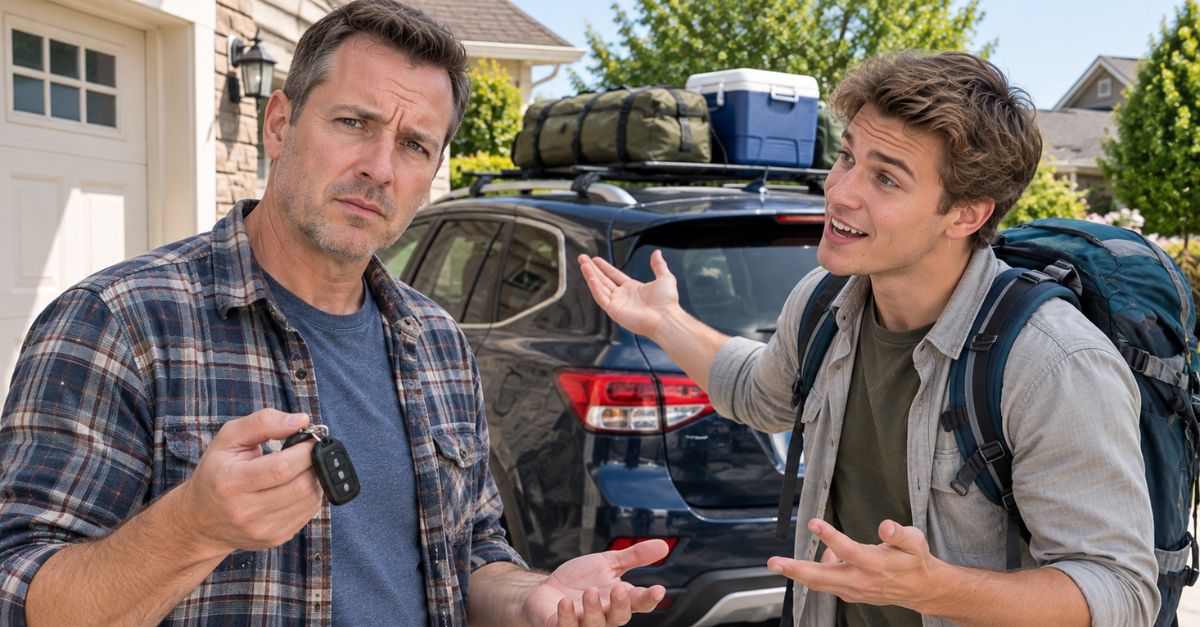
The Border Trip Gets Complicated Fast
Lending your brother your car for a trip across the border sounds simple until insurance gets involved. That is where things can change fast. Crossing into another country can affect what proof of insurance he needs, what your policy actually covers, and who ends up paying after a crash. Before you hand over the keys, take a minute to check the fine print.
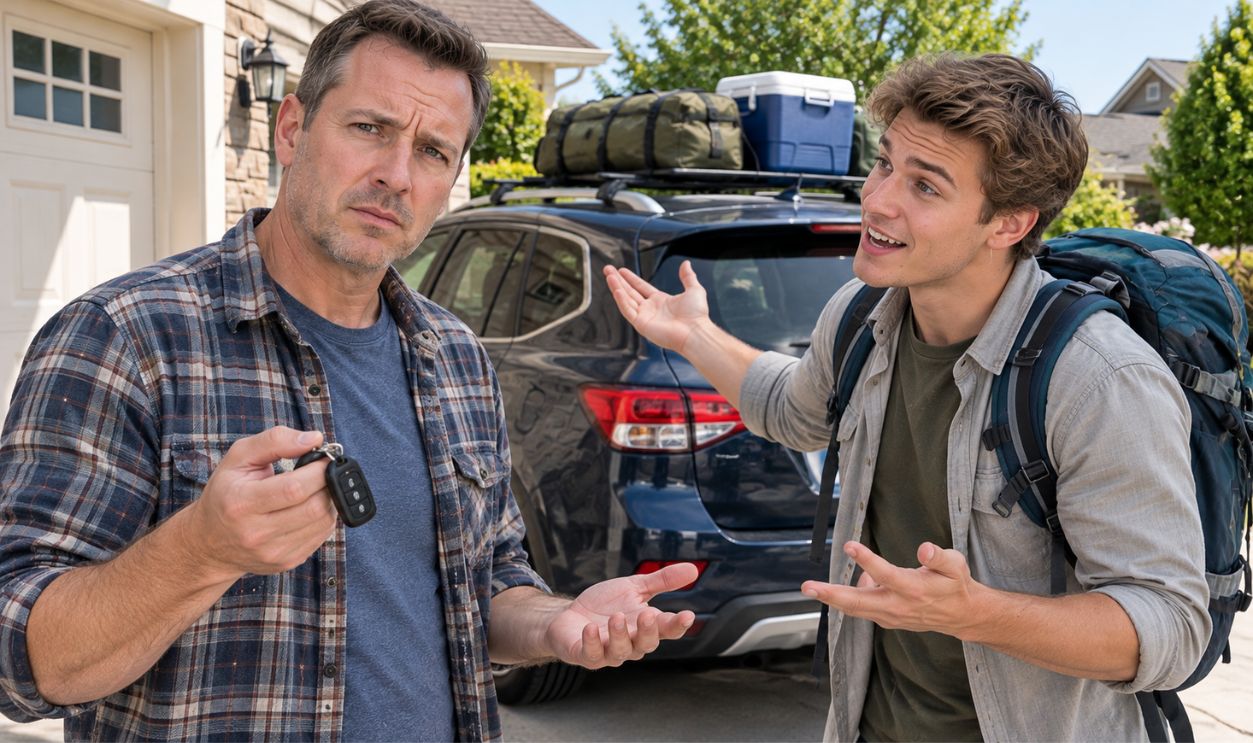
Start With The Basic Rule On Borrowed Cars
In the United States, car insurance usually follows the car, not the driver. So if you let someone use your vehicle, your policy is often the first one in line after an accident. The Insurance Information Institute says that when you lend your car, you are usually also lending your insurance.

Permission Matters More Than Most People Think
If your brother has clear permission to drive your car, many policies treat that as permissive use. That can be the difference between a covered claim and a fight with the insurer. If he takes the car without permission, or uses it in a way your policy does not allow, coverage can get messy in a hurry.

Do Not Assume Family Means Automatic Coverage
A lot of people think being related settles the issue, but insurers do not see it that way. Whether your brother is covered can depend on whether he lives with you, how often he drives your car, and whether the insurer expected him to be listed on the policy. That is one of the first things to check before the trip.

Household Drivers Can Cause A Bigger Problem
If your brother lives with you or drives your car a lot, some insurers expect him to be named on the policy. If he is not, that can cause trouble later if you need to file a claim. The National Association of Insurance Commissioners says drivers should know exactly who is and is not covered before lending out a vehicle.
Canada Is Usually The Easier Situation
If the trip is going into Canada, many standard U.S. auto policies extend at least some coverage there. But that does not mean everything works the same way, or that no extra paperwork is needed. Canadian officials and insurers still recommend carrying proof of insurance and checking with your insurer before you go.

The Canadian Insurance Card Can Matter
For travel into Canada, your insurer may give you a Canadian Non-Resident Inter-Province Motor Vehicle Liability Insurance Card. Most people just call it a Canadian insurance card. It helps show Canadian authorities that the car has the minimum liability coverage recognized for visitors.

Mexico Is Where People Usually Get Burned
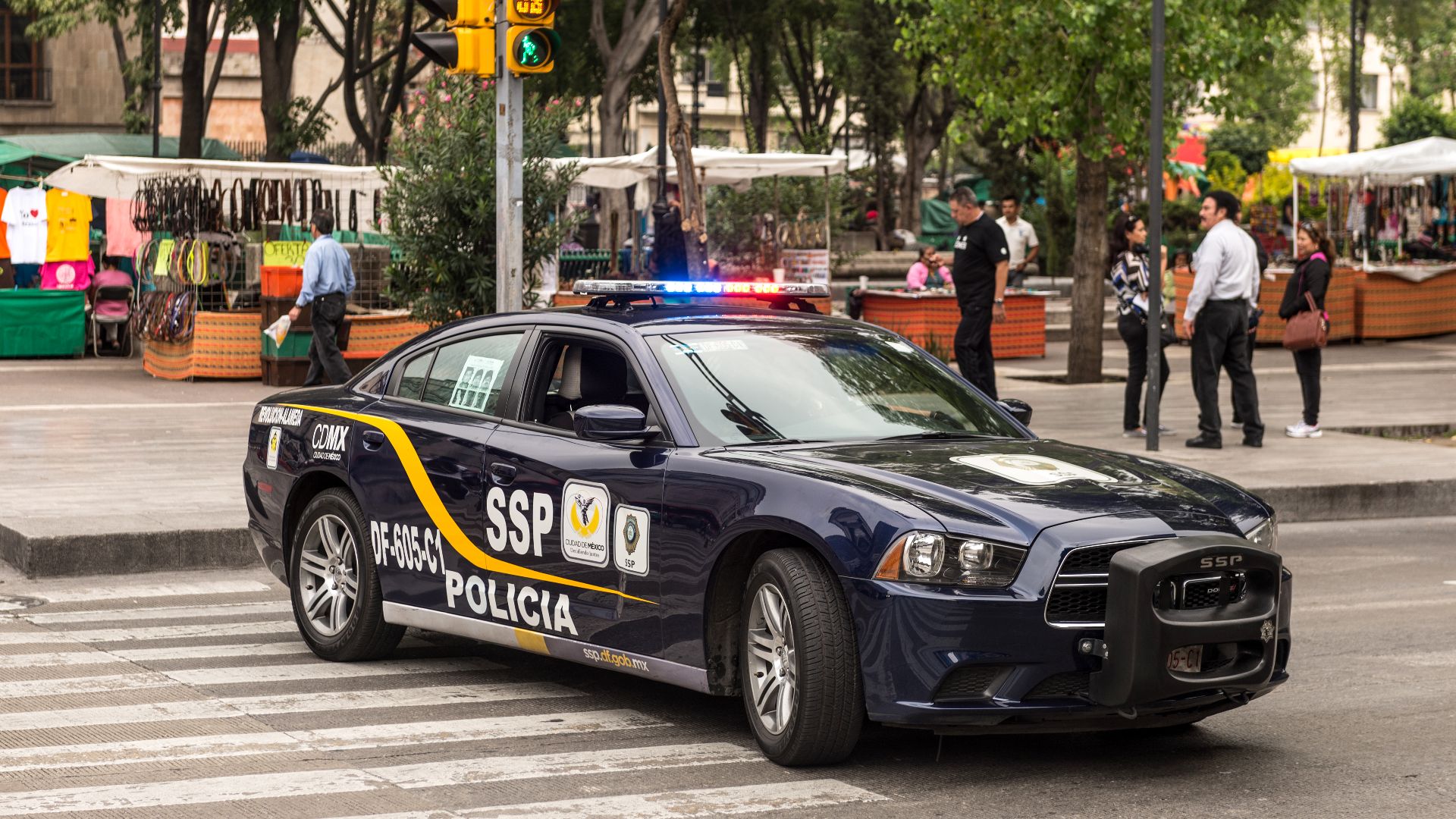
Mexico is where the real insurance trap usually shows up. U.S. auto policies generally do not meet Mexican legal requirements, even if your policy mentions some limited physical damage coverage near the border. The U.S. State Department says U.S. automobile liability insurance is not valid in Mexico and that Mexican insurance is required.

Why Mexico Changes Everything
In Mexico, liability insurance usually must come from a company authorized in Mexico. If your brother causes a crash there without proper Mexican liability coverage, it can turn into much more than an insurance problem. It can lead to legal trouble, towing problems, and out of pocket costs that are far bigger than the trip itself.
 Ralf Roletschek, Wikimedia Commons
Do Not Mix Up Liability And Damage Coverage
Some U.S. policies may offer very limited coverage for damage to your car while it is in Mexico, often only within a certain distance from the border and only under strict rules. That is not the same as having legally valid liability insurance in Mexico. It is one of the most important details to confirm before the car leaves your driveway.
 Amnaj Khetsamtip, Shutterstock
Ask Your Insurer These Questions Before You Say Yes
Call your insurer and ask whether your brother is covered as a permissive driver, whether the policy has territorial limits, and whether crossing into Canada or Mexico changes anything. Ask about liability, collision, comprehensive, roadside assistance, rental reimbursement, and any exclusions. If possible, get the answers in writing by email or in policy documents.
 peopleimages.com, Adobe Stock Images
Check For Any Limits On International Travel
Some policies work broadly in the United States and Canada but get much narrower elsewhere. Others offer no real protection once the vehicle enters Mexico unless you buy separate coverage. This is not the kind of issue you want to handle based on a fuzzy memory.

Look For A Border Distance Limit
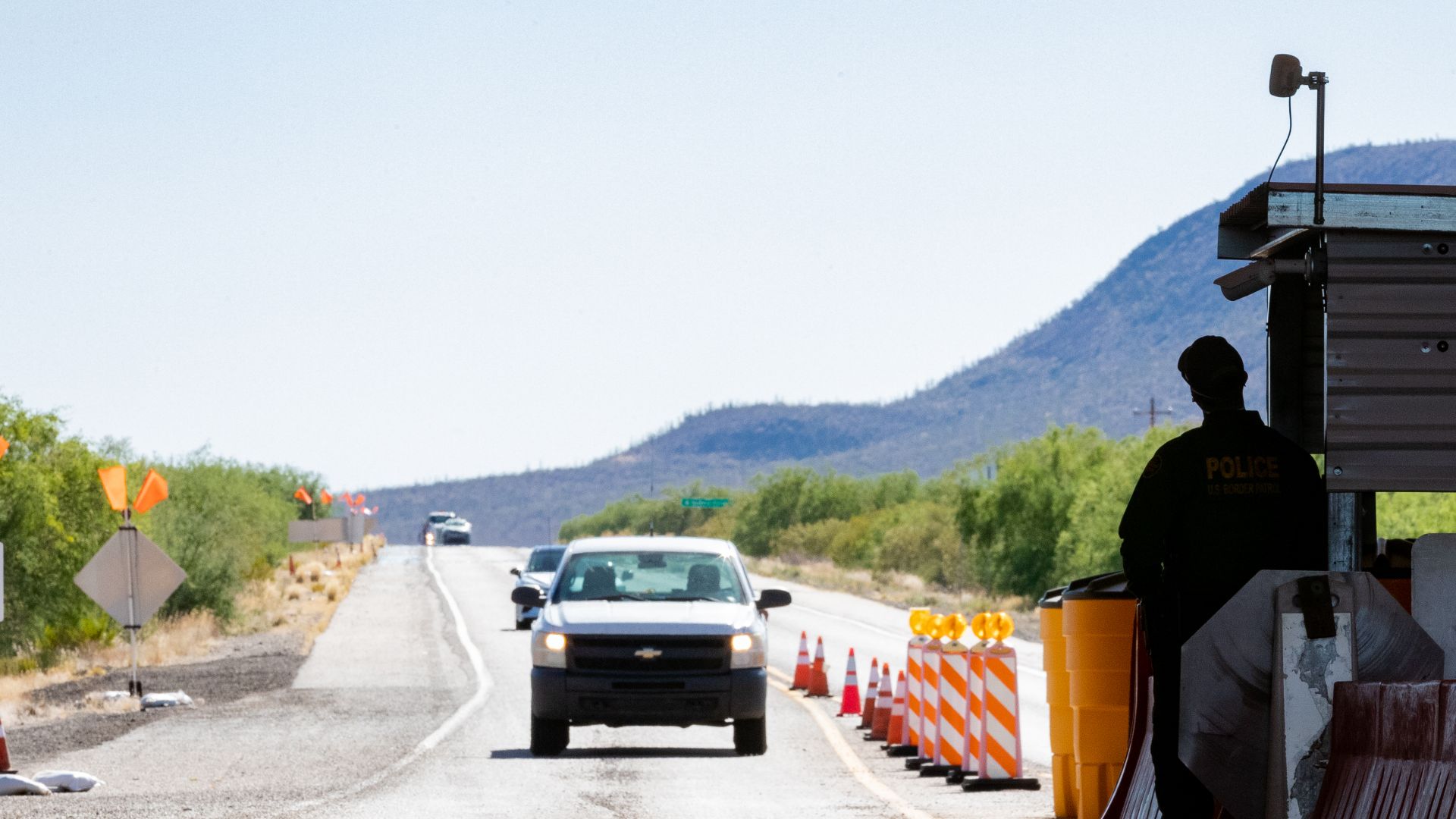
Some U.S. insurers mention limited Mexico coverage only within a certain number of miles from the border. That can be a huge detail if your brother plans to go far beyond a border town. Once the trip goes past that line, any assumption about coverage may fall apart.
 CBP Photography, Wikimedia Commons
Your Brother’s Own Insurance Can Still Matter
Even if your policy pays first, your brother’s own auto policy may offer secondary coverage in some situations. That can matter if the damages go beyond your liability limits. Ask him for proof of insurance and have him check whether his own carrier covers him while driving a borrowed car outside the United States.

Take A Hard Look At Your Liability Limits
If your liability limits are low, lending out your car for a long road trip raises the stakes. A serious crash could blow through your coverage and leave you facing lawsuits or out of pocket costs. Before the trip, compare your limits with what a major injury claim could cost and decide whether your coverage is really enough.

Your Deductible Is Still Your Problem
If your brother damages your car and your collision coverage applies, the deductible is usually still yours unless he agrees to pay you back. That can create family tension fast. It is better to talk about that before the trip than after a call from a tow lot late at night.
 Tualek Photographer, Shutterstock
Roadside Assistance May Not Go That Far
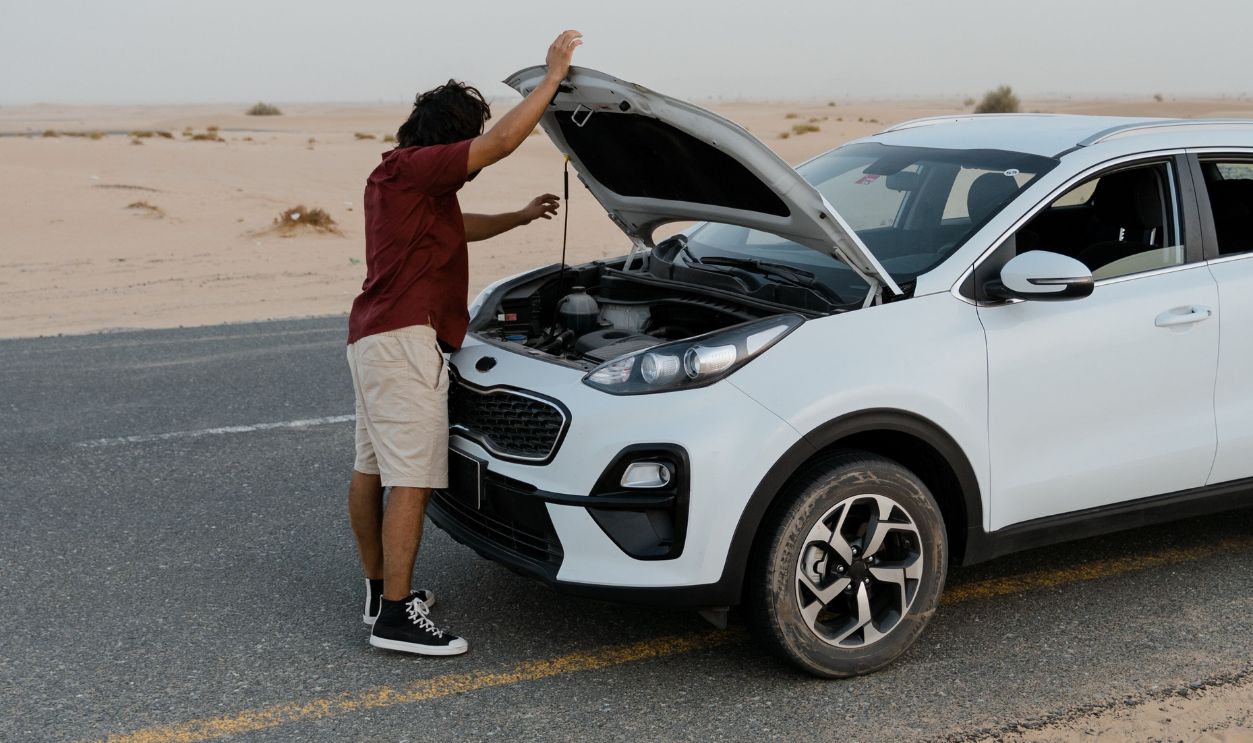
A lot of drivers assume roadside assistance and towing work everywhere the car goes. Often they do not. Those benefits may be limited by location, provider networks, or policy terms. If the car breaks down across the border, your brother could end up on his own.
If There Is A Loan On The Car, That Adds Another Layer
If you still owe money on the vehicle, your lender may require certain coverages to stay in place at all times. A long international trip can create real problems if the car is damaged, impounded, or totaled outside the country. That is another reason to know exactly what your insurance does before you agree to the trip.

Watch Out For Business Use
If the trip includes gig work, deliveries, or any other business use, coverage could change in a big way. Personal auto policies often exclude commercial activity. If your brother plans to make money with your car during the trip, do not assume a normal borrowed-car claim will be covered.
Paper Proof Still Matters
Digital insurance cards are useful, but border officials, police, and impound or rental offices may still ask for paper documents. In Canada, that may mean the Canadian insurance card from your insurer. In Mexico, it means carrying the policy documents from an authorized Mexican insurer.
 Motortion Films., Shutterstock
Send The Registration And Written Permission With The Car
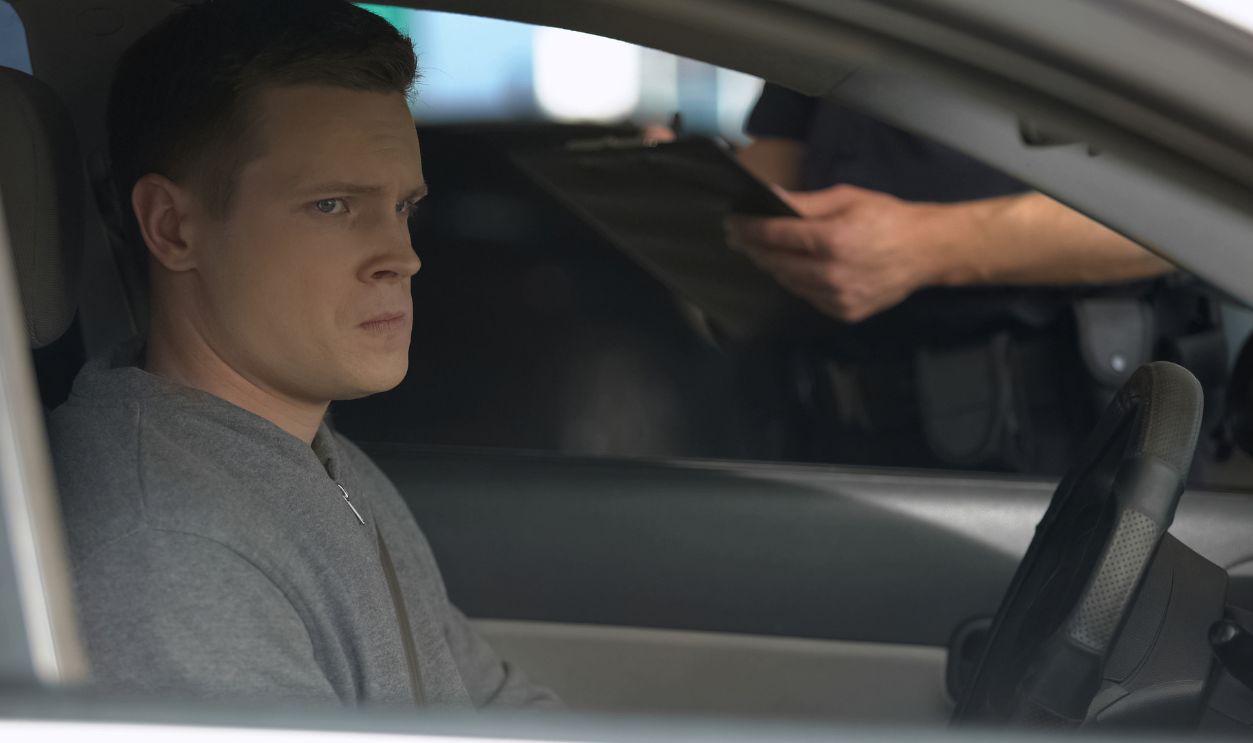
Your brother should carry the vehicle registration and a simple signed letter from you saying he has permission to drive the car across the border. That does not replace proper insurance, but it can help if authorities want to know why he is driving a car titled to someone else. Good paperwork can make a border stop a lot smoother.

Emergency Contacts Matter Too
Make sure your brother has your insurer’s claims number, your policy number, and clear instructions on what to do after a crash. If the trip includes Mexico, he should also have the Mexican insurer’s contact information. After an accident, timing matters, and a delayed report can make a claim harder.

Accidents In Mexico Can Get Serious Fast
The U.S. State Department warns that drivers involved in accidents in Mexico can face detention until fault is sorted out in some cases. That is one more reason proper Mexican liability coverage matters so much. It is not just about paying for damage. It is also about dealing with a different legal system after a crash.
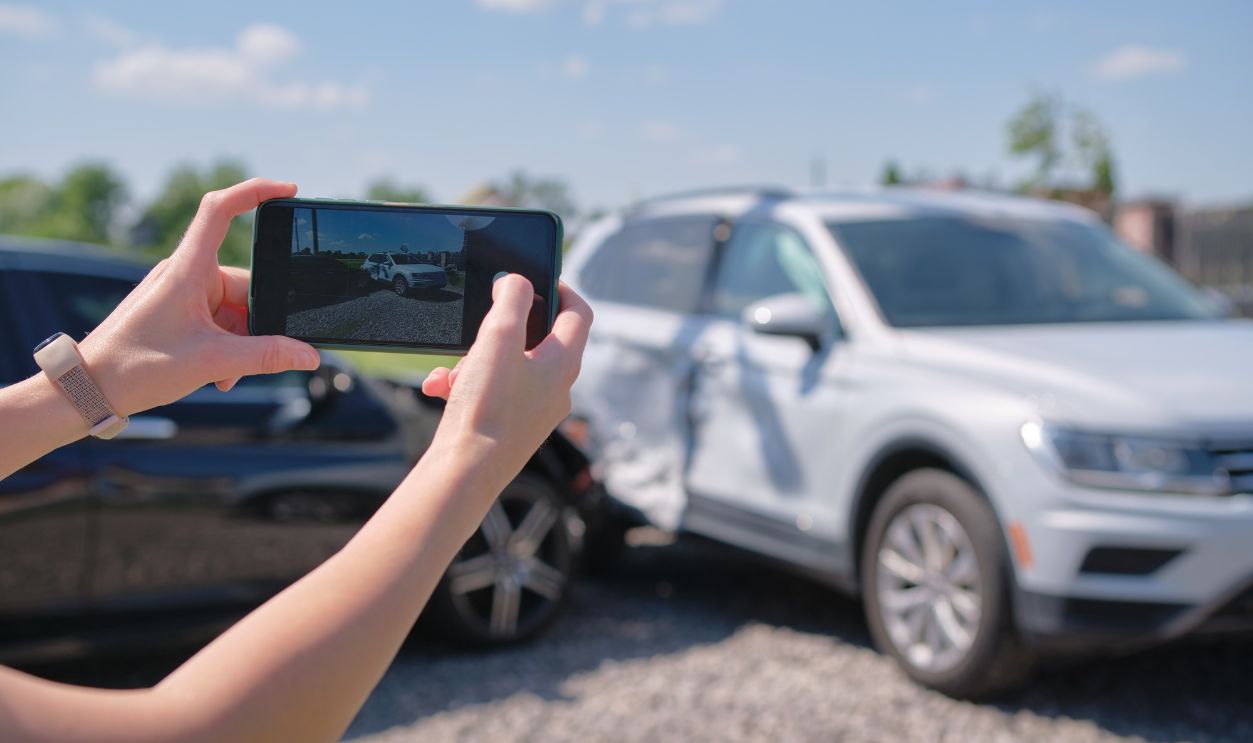
Canada Still Deserves A Quick Call
Canada is usually less dramatic for U.S. drivers, but you should still confirm your exact coverage before the trip. Provinces have their own insurance systems, and the practical rules can vary. One quick call can tell you whether your documents and limits are enough.

If Your Insurer Sounds Unclear, Keep Pushing
Insurance problems often start with phrases like “should be covered” or “probably fine.” For a cross-border trip, you want a clear answer about where coverage applies, which driver is covered, and what documents are needed. If the representative cannot explain it clearly, ask for a supervisor or written confirmation.

Family Can Make A Bad Claim Even Worse
A crash across the border is expensive enough without a family fight over deductibles, tickets, towing, or losses that are not covered. Set expectations before the trip about who pays for what if something goes wrong. That one conversation can protect both your wallet and your relationship.

Sometimes The Smart Answer Is No
If your insurer will not clearly cover your brother, if the trip is to Mexico and he will not buy proper Mexican insurance, or if your liability limits are too low, saying no may be the smartest move. Your car and your policy are on the line. A cheap road trip can turn into an expensive favor.

The Best Pre-Trip Checklist
Before you hand over the keys, confirm permissive use coverage, check the rules for Canada or Mexico, get proof of your brother’s insurance, review your liability limits, and gather the right documents. For Mexico, buy a policy from a Mexican insurer or from a provider authorized to issue valid Mexican coverage. A quick insurance check now can prevent a financial mess that lasts for years.