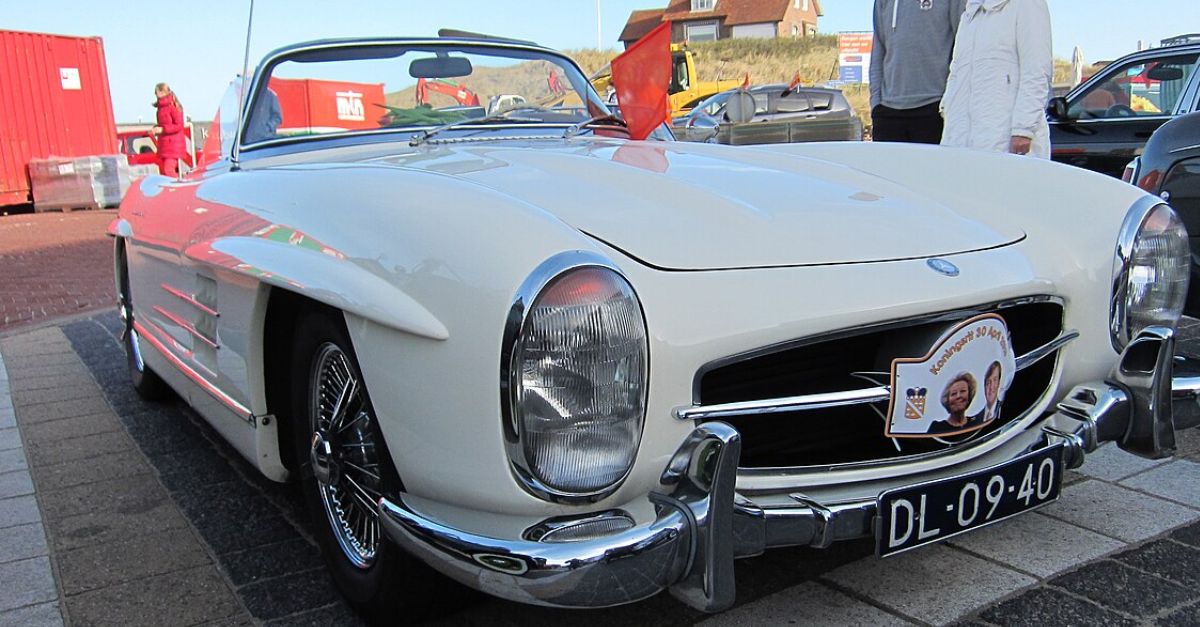
The Convertible Debate Comes Back Every Winter
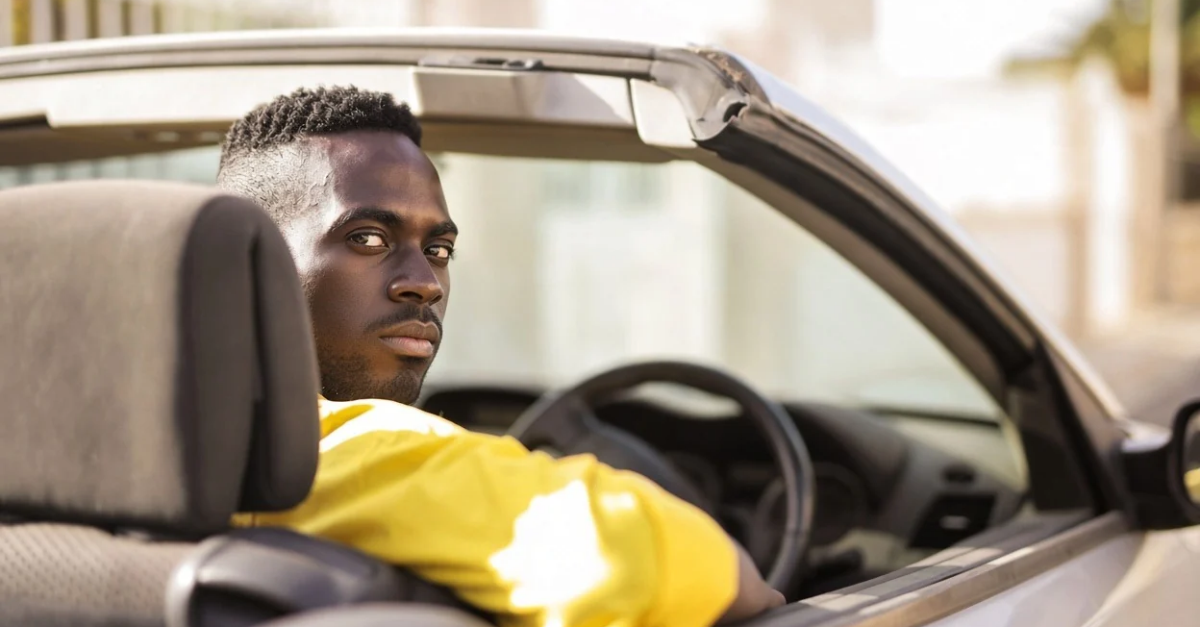
Every cold snap brings the same argument: convertibles are only for warm weather. But modern convertibles are a lot tougher than the drafty soft-tops many people still picture.
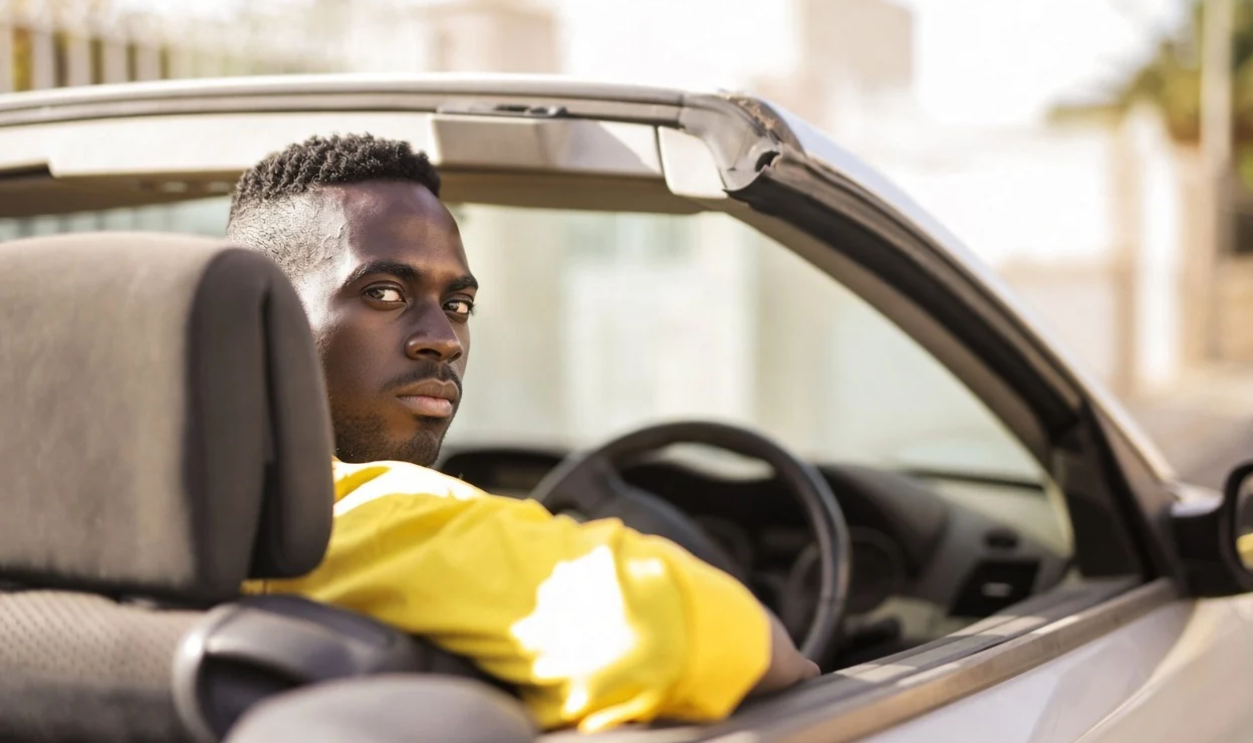 Andrea Piacquadio, Pexels, Modified
Why The Stereotype Stuck
The old reputation did not come from nowhere. Earlier convertibles often had thin roofs, weak heaters, noisy cabins, and seals that struggled with wind, rain, and snow. If someone is imagining a 1980s ragtop in a sleet storm, they are thinking of a very different kind of car.
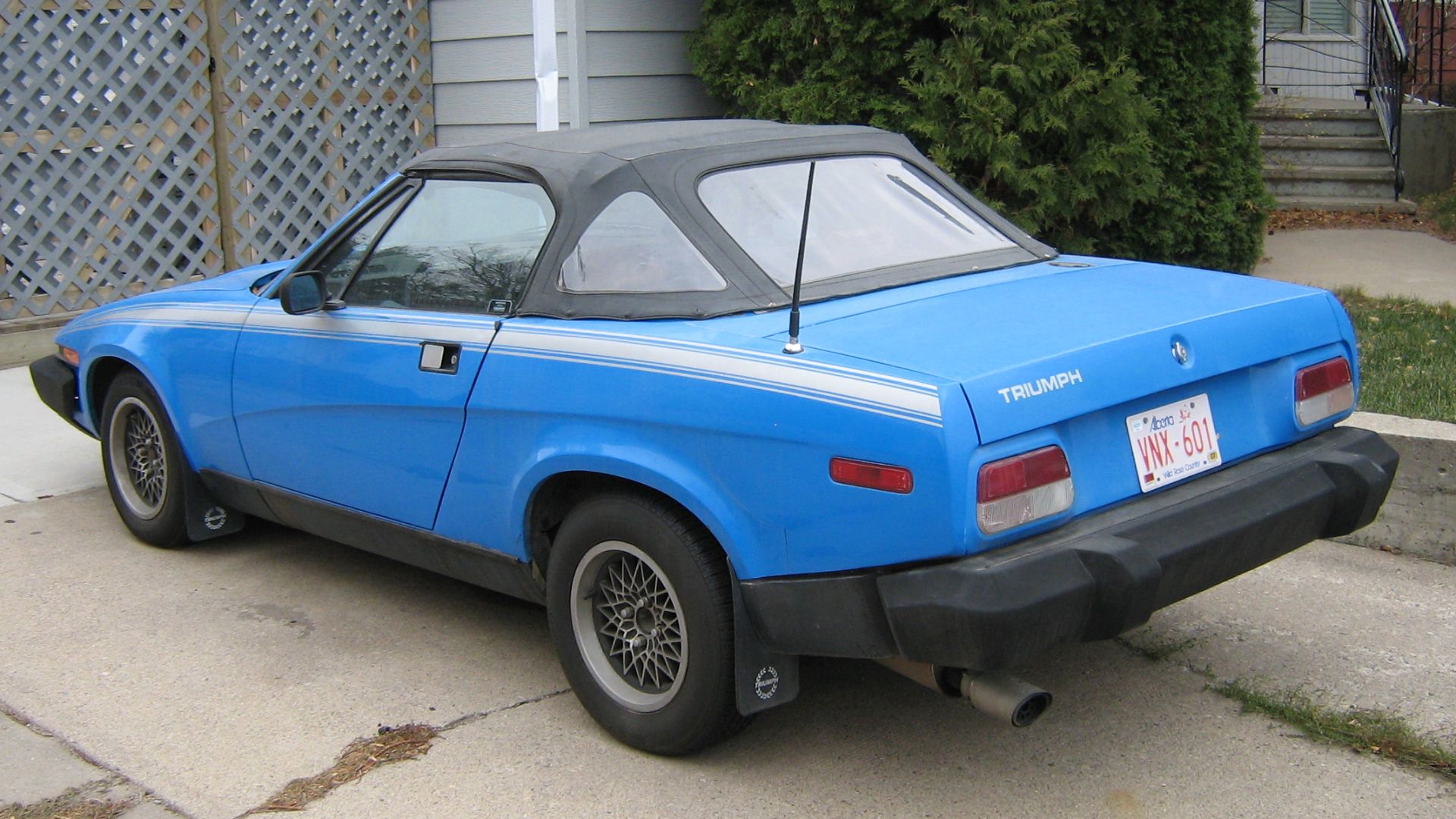 dave_7 from Lethbridge, Canada, Wikimedia Commons
Modern Tops Are Built Like Real Weather Systems
Today’s soft-tops are much more advanced. Many use multiple layers, insulated padding, tension bows, glass rear windows, and tighter seals. Haartz, a major supplier of convertible top materials, describes them more like acoustic and weather-resistant systems than simple cloth roofs. That is a big reason modern convertibles can now make sense all year in many cold places.
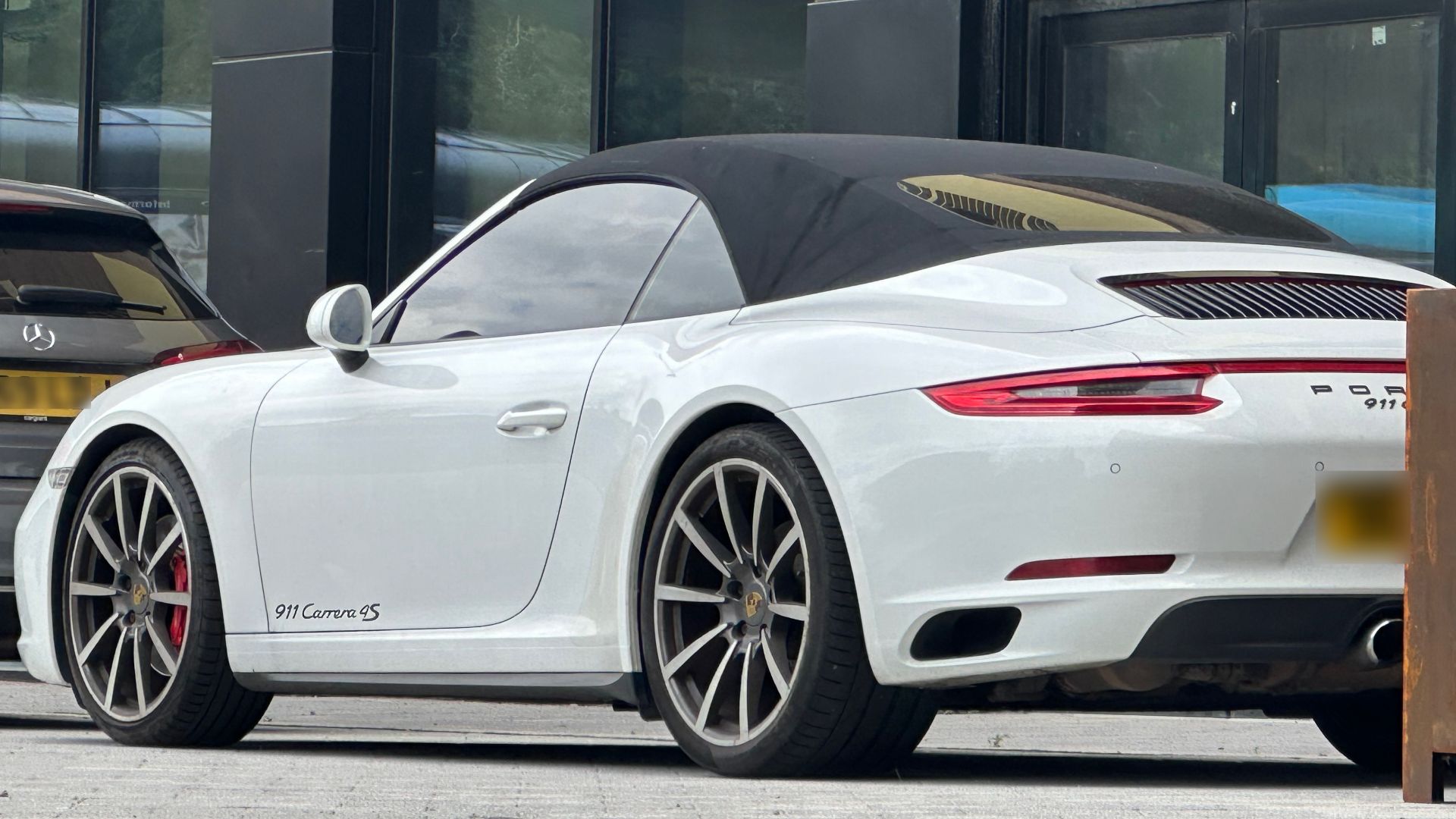
Three-Layer Roofs Made A Big Difference
One of the biggest changes was multi-layer roof construction. Instead of a single piece of fabric, many modern tops have an outer layer, insulation underneath, and a finished inner liner. That helps hold in heat and cut noise, which are usually the first things people notice in winter.
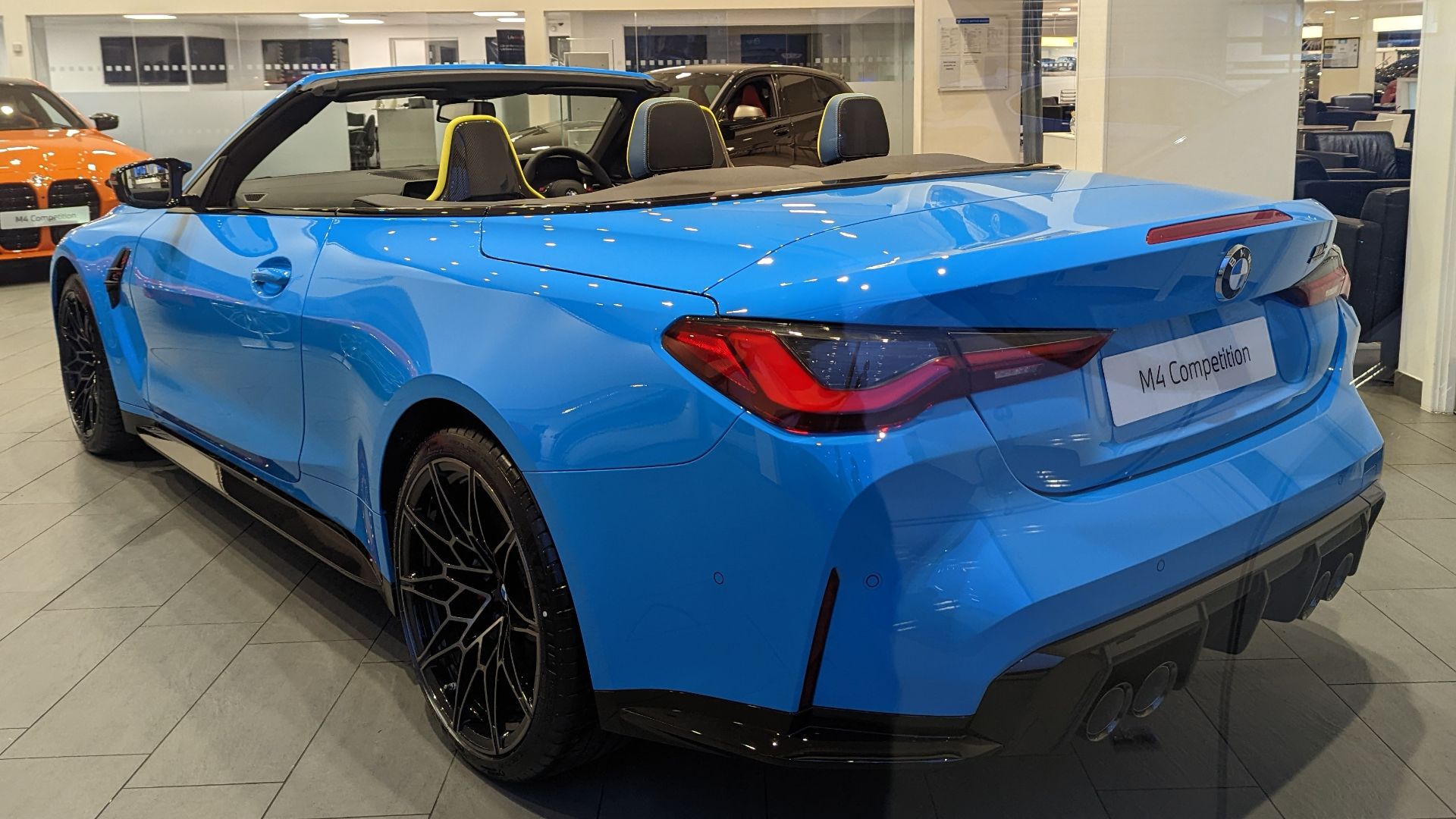
Rear Windows Finally Grew Up
Glass rear windows were another major upgrade. They hold up better than old plastic windows, which could get cloudy, crack, or scratch in cold weather. Many are also heated, which is a real help on frosty mornings.
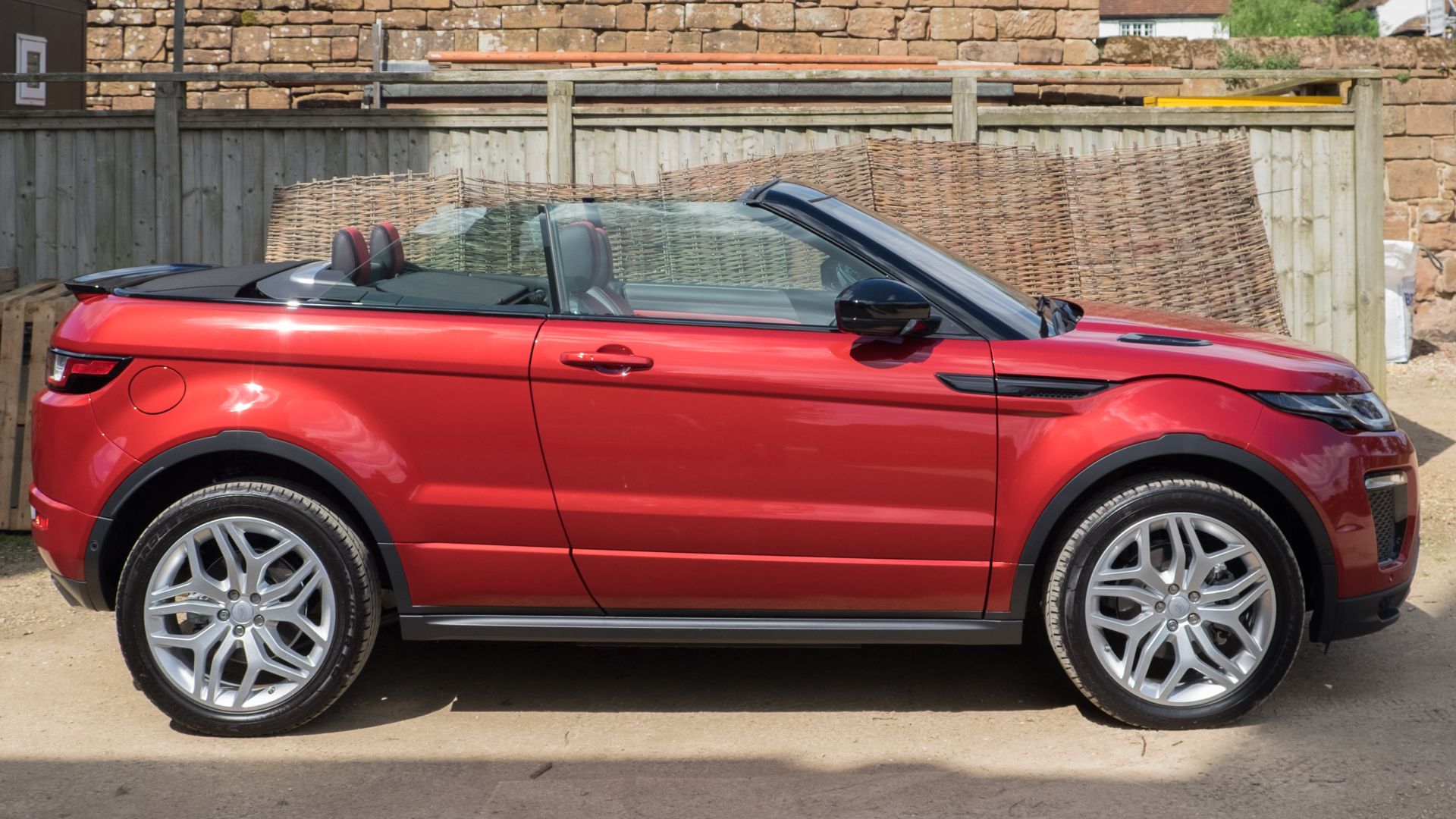
Seals Matter Even More Than The Roof
Cold-weather comfort often comes down to the weather seals, window alignment, and body rigidity. When those parts are in good shape, a modern convertible can feel surprisingly snug. When they are worn or out of adjustment, even a newer car can feel miserable in winter.
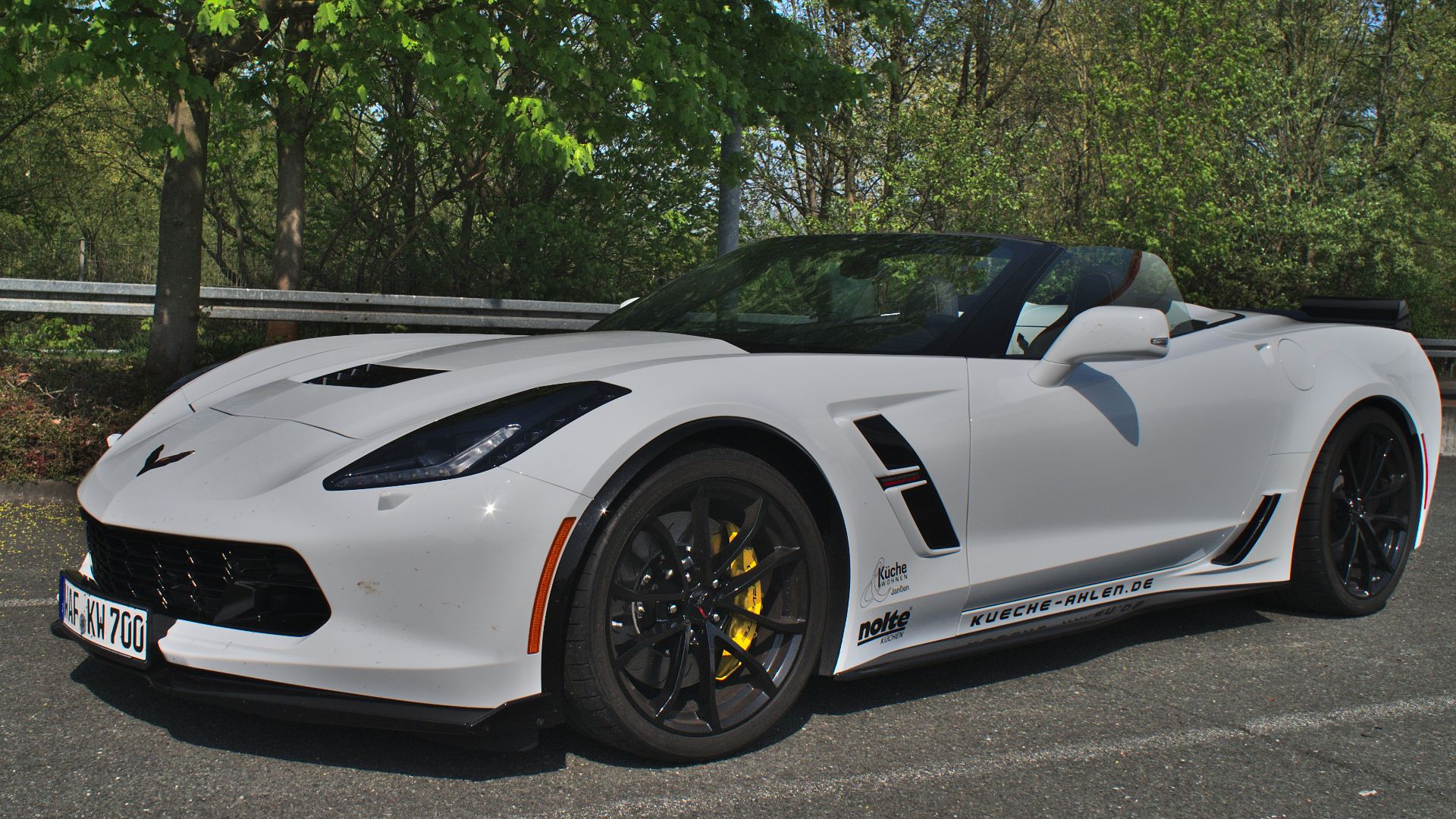 Thomas Vogt from Paderborn, Deutschland, Wikimedia Commons
Modern Heaters Do More Than People Expect
Climate control systems do a lot of the work in a convertible. Many newer models have automatic systems that can keep the cabin warm even when temperatures are near freezing. They may not feel exactly like a hard-roof sedan, but they can still be comfortable enough for daily driving.
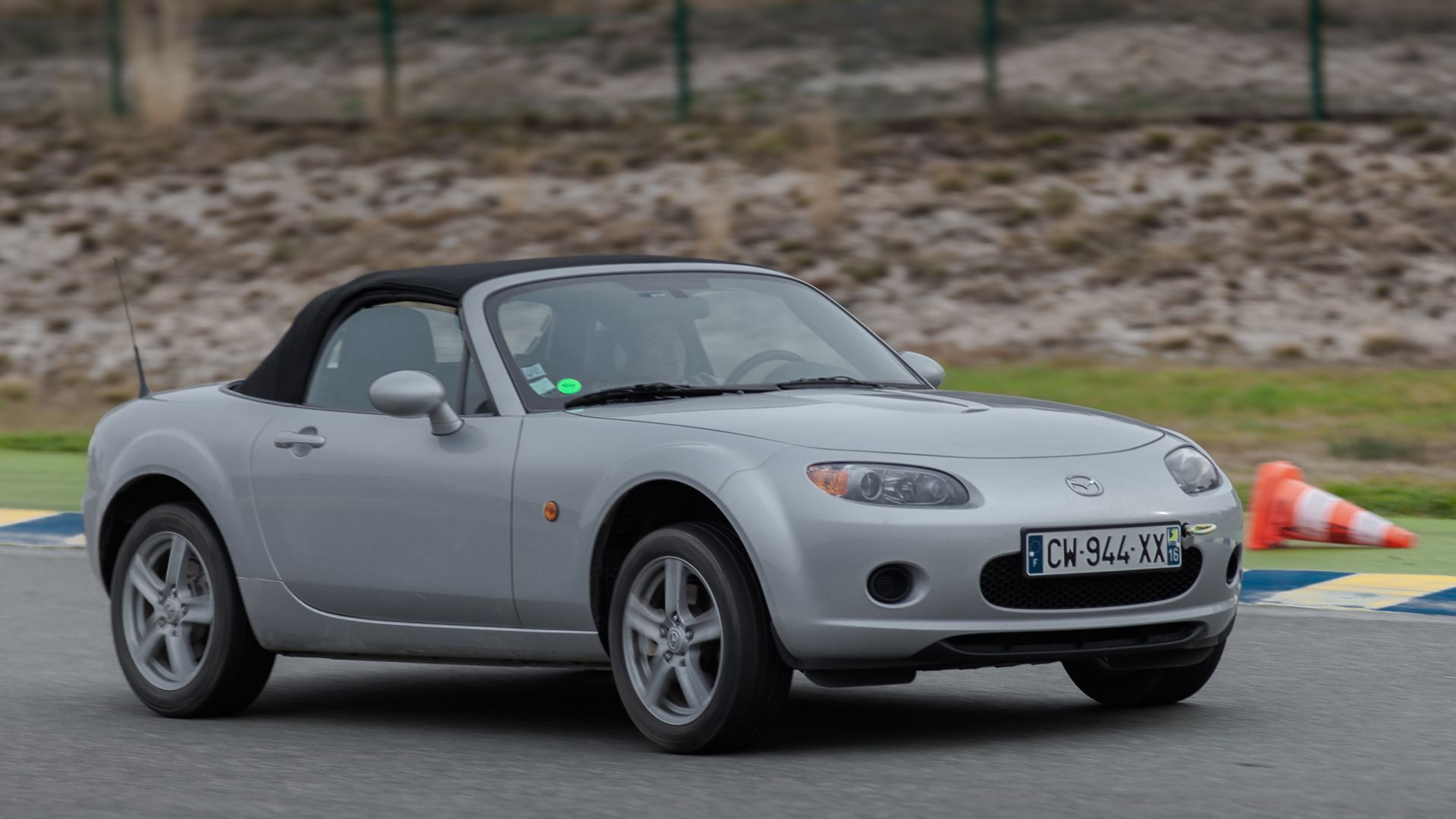 Grand Parc - Bordeaux, France from France, Wikimedia Commons
Heated Seats Changed Everything
Heated seats made cold-weather convertible driving much easier. They warm your body directly, so the car feels comfortable faster, even before the cabin fully heats up. In colder places, heated seats are less a luxury than a genuinely useful feature.
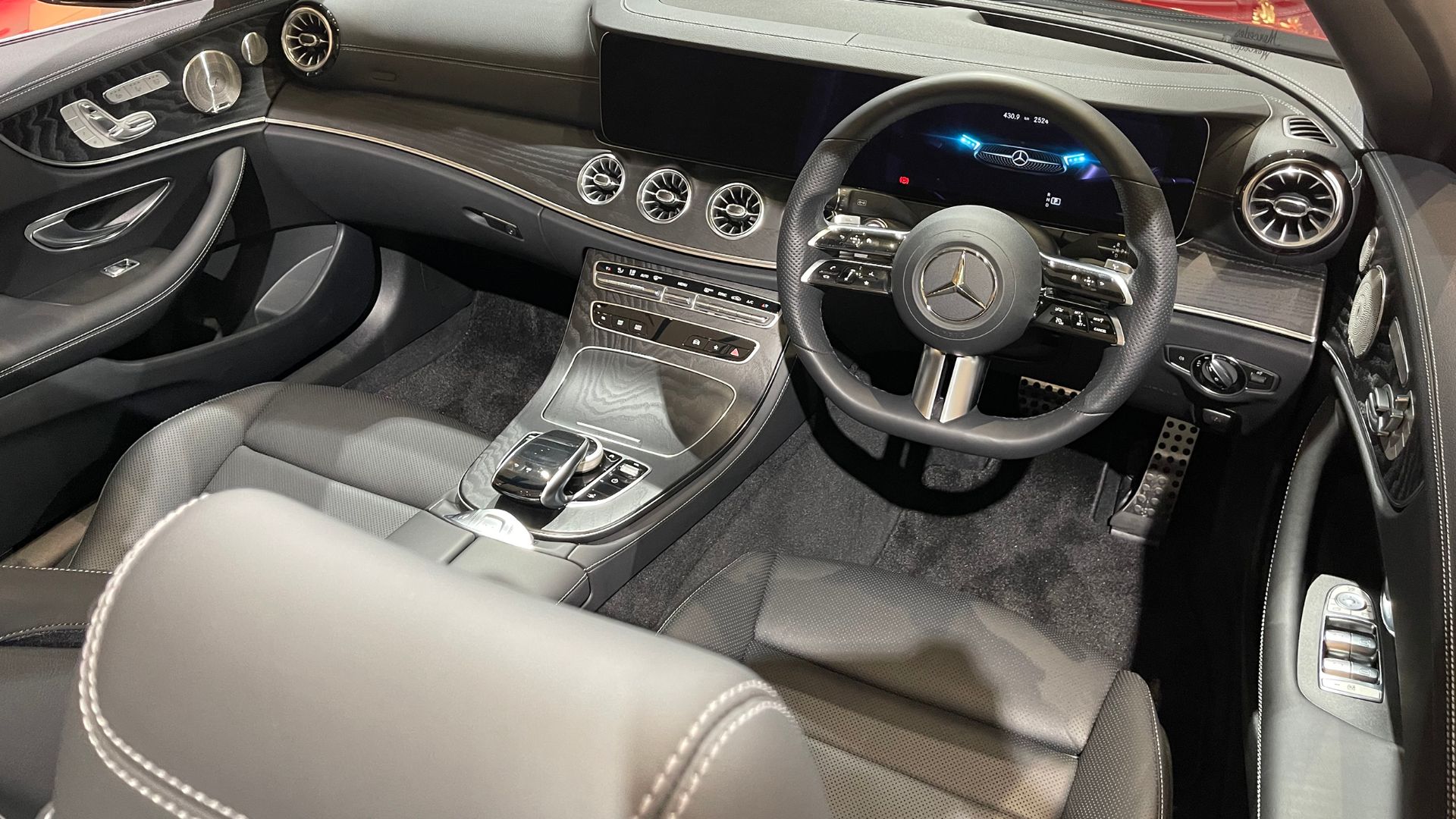 Tokumeigakarinoaoshima, Wikimedia Commons
Neck Warmers Sound Odd Until You Use One
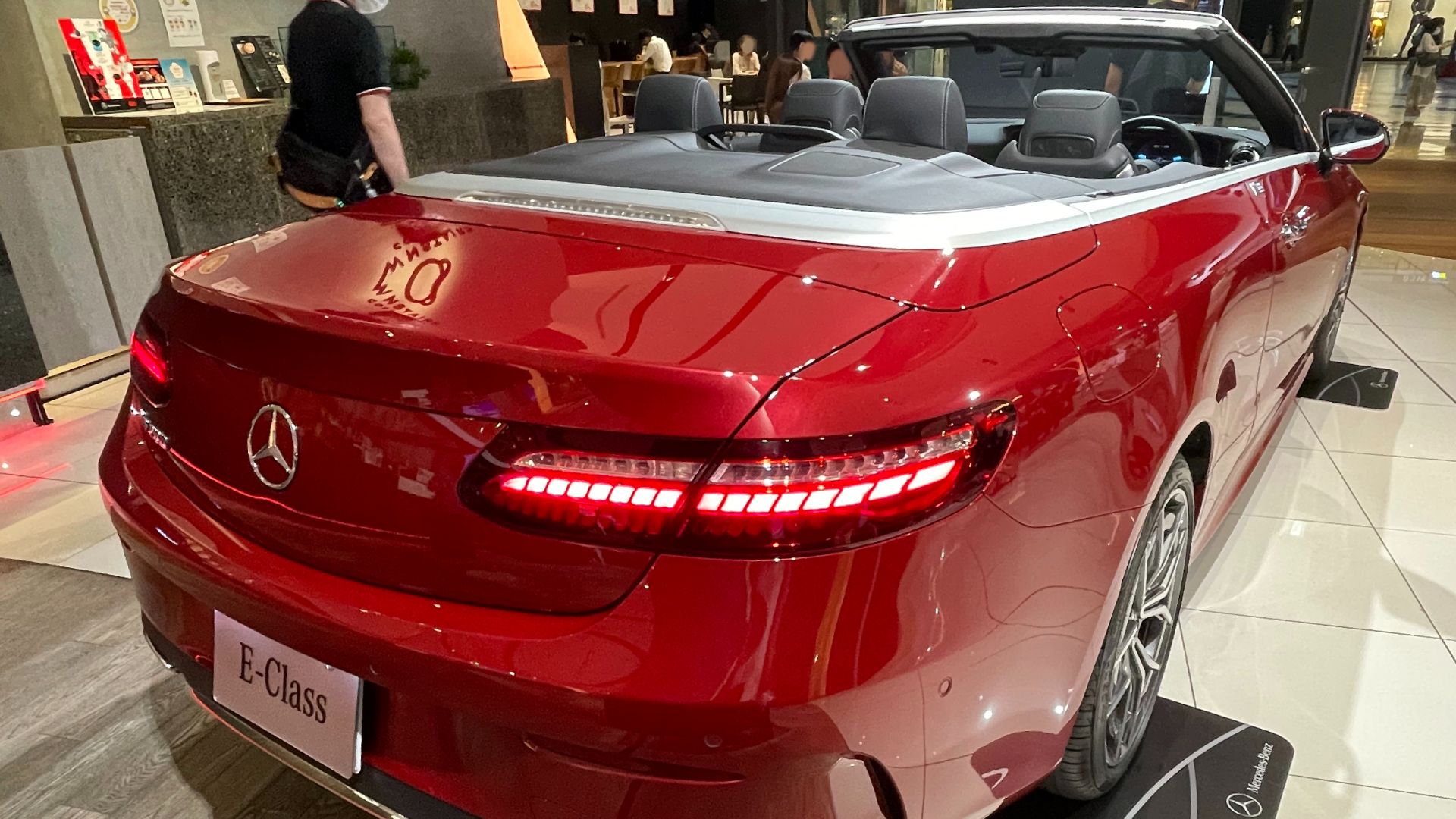
Some convertibles add neck-level heating, often called AIRSCARF by Mercedes-Benz. Mercedes has marketed it as a way to make top-down driving more comfortable in cooler weather. It may sound like a gimmick, but on a chilly fall drive it starts to make a lot of sense.
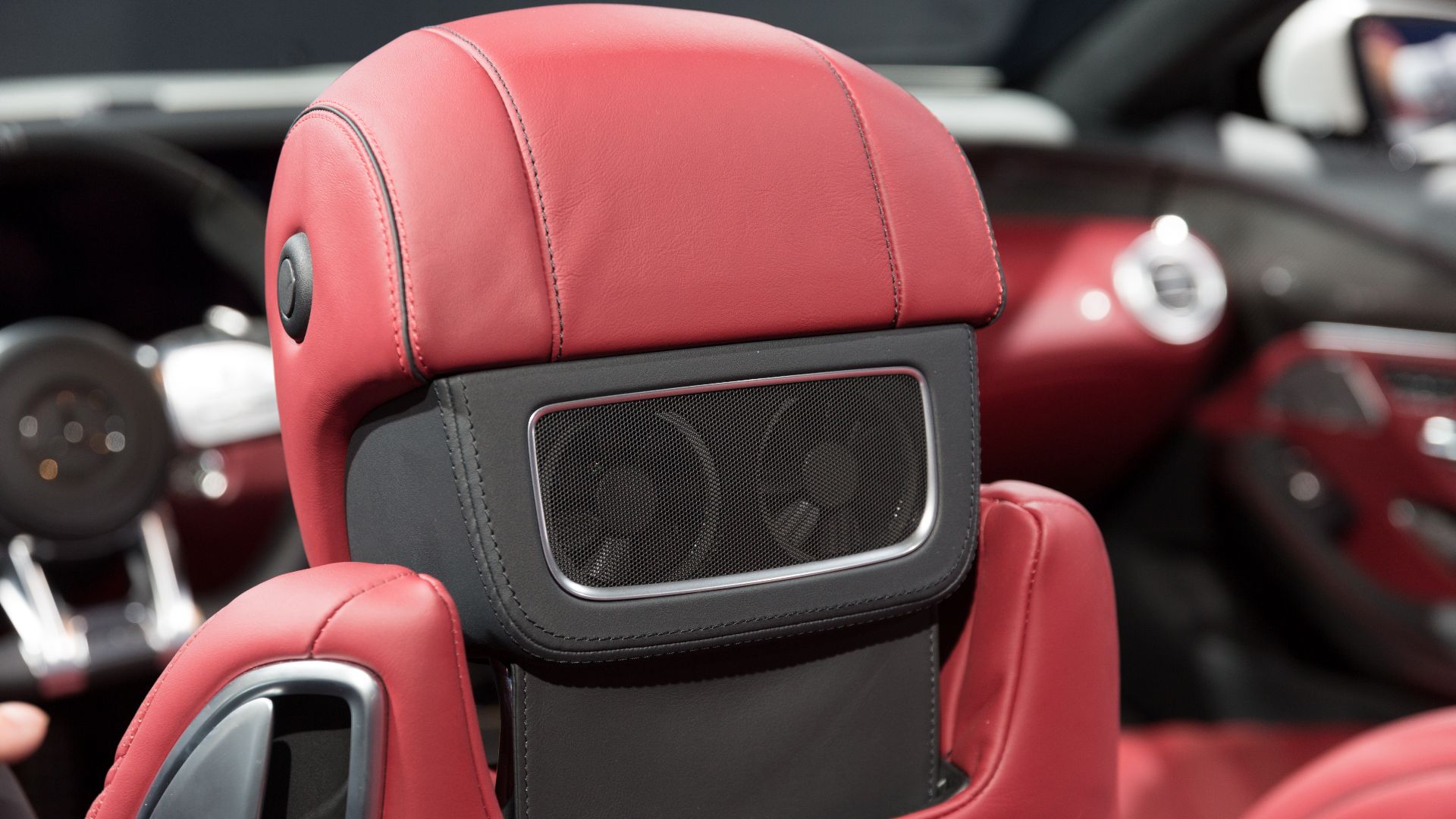 Matti Blume, Wikimedia Commons
Wind Control Got Much Better
Cold weather gets ugly fast when wind is bouncing around the cabin. That is why carmakers spent years improving windshield angle, side glass shape, cabin aerodynamics, and wind deflectors. Less turbulence means less heat loss and less fatigue, making top-down driving in cool weather far easier than it used to be.
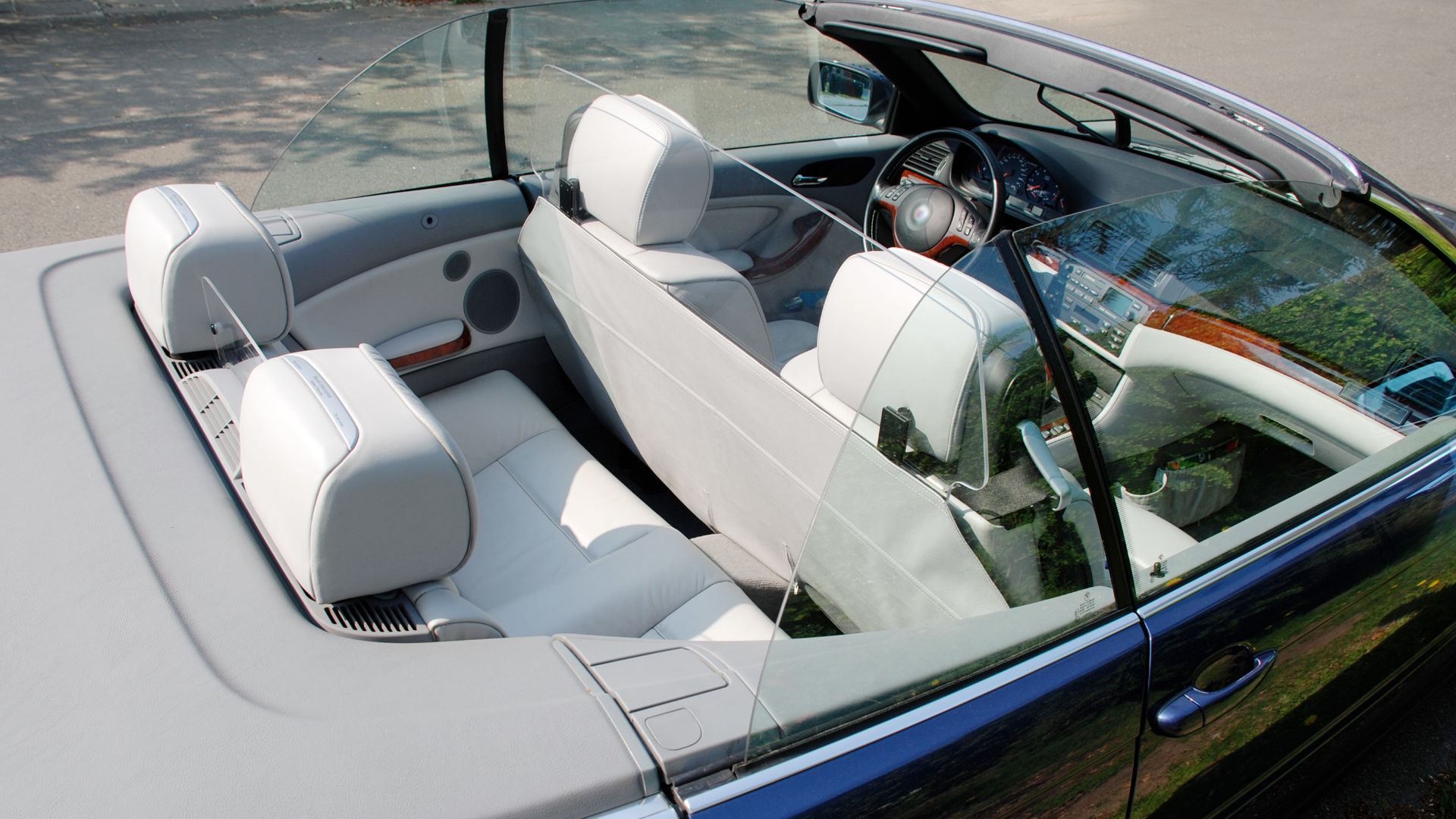 Dipl.Ing. Holger Baruschke i.Hs. auco auto-comfort GmbH, Wikimedia Commons
Hardtop Convertibles Had Their Moment
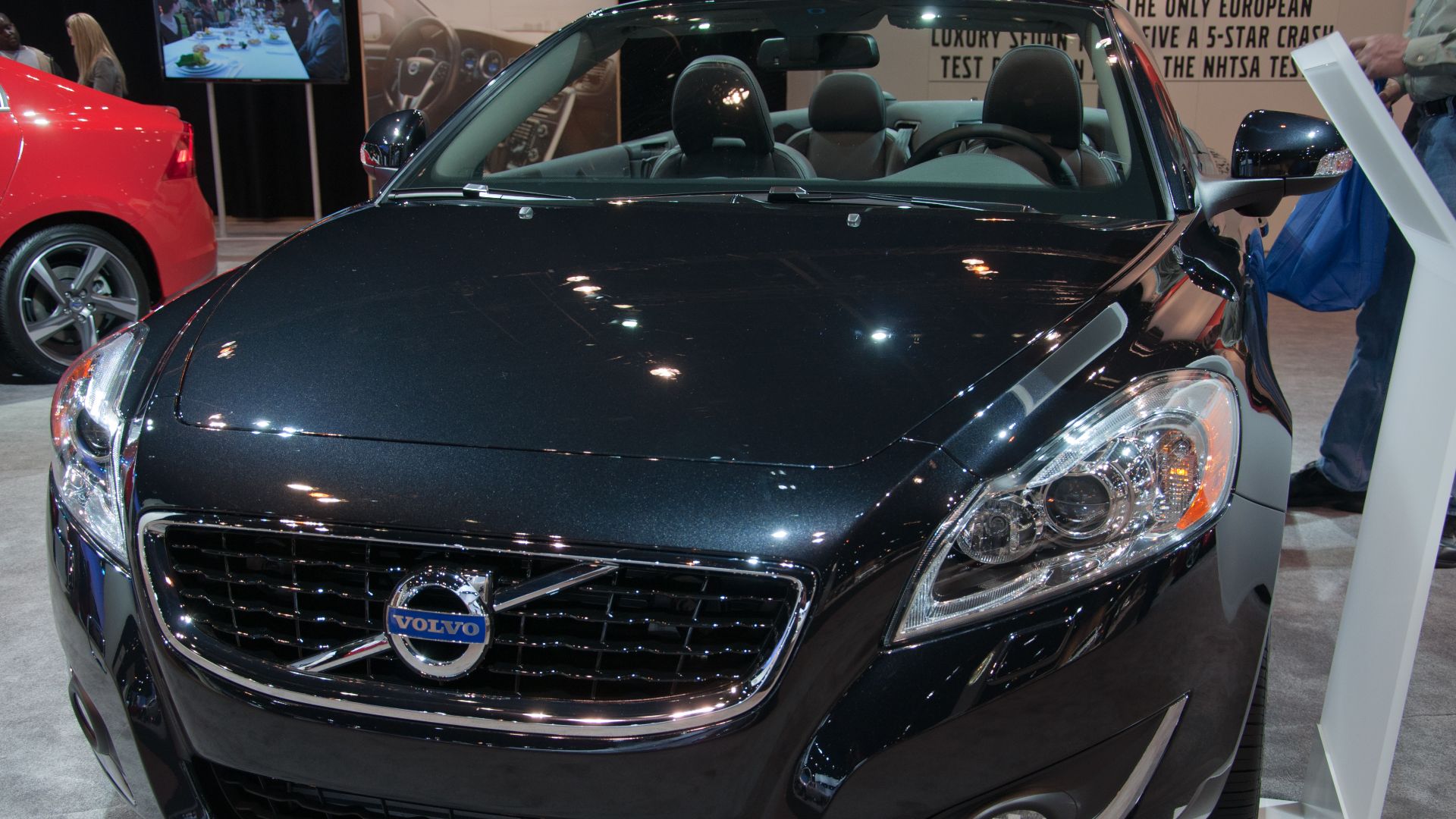
In the 2000s, many automakers pushed retractable hardtops as the perfect four-season answer. Models from brands like Volvo, BMW, and Mazda used folding metal roofs to offer coupe-like insulation when closed. But they also brought more weight, more complexity, and less trunk space, which is one reason many brands later went back to highly developed soft-tops.
Soft-Tops Became Quiet Enough To Compete
Testing from Car and Driver has shown how much modern soft-tops improved over time. Better insulation and tighter sealing narrowed the comfort gap between convertibles and coupes. They are still usually a bit louder than fixed-roof cars, but not in a way that automatically rules them out.
 Alexander-93, Wikimedia Commons
Snow Usually Is Not The Real Problem
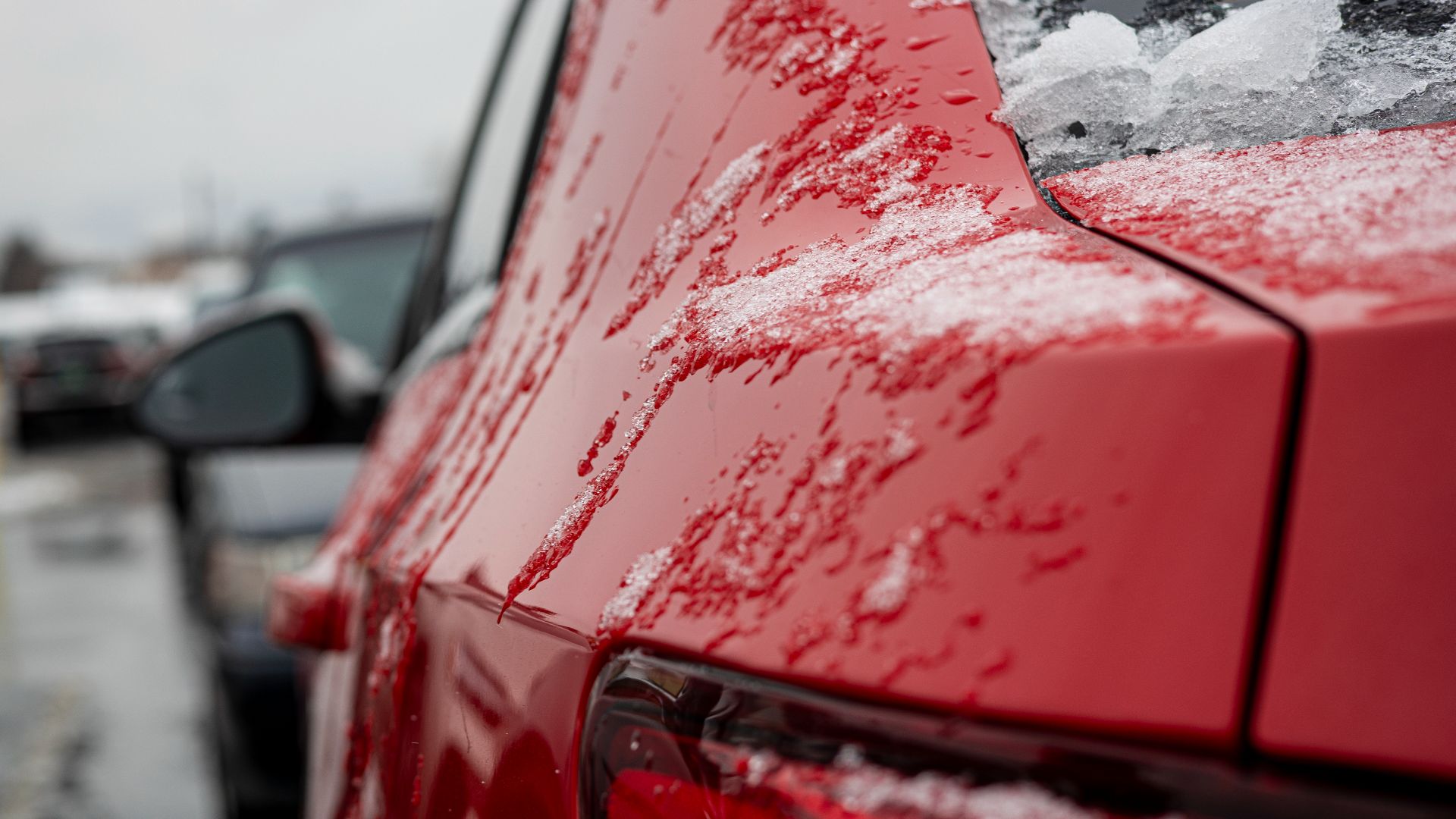
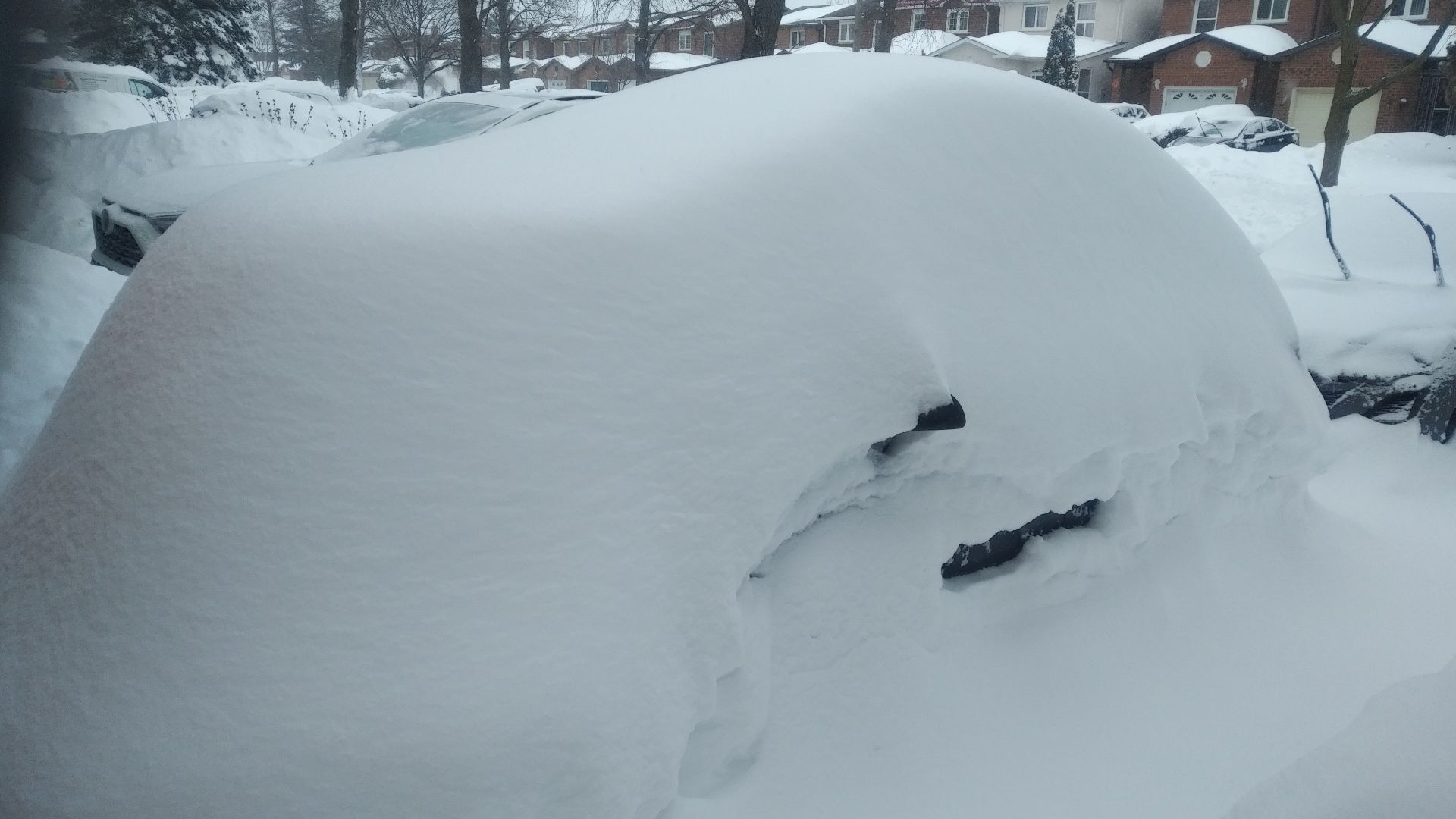
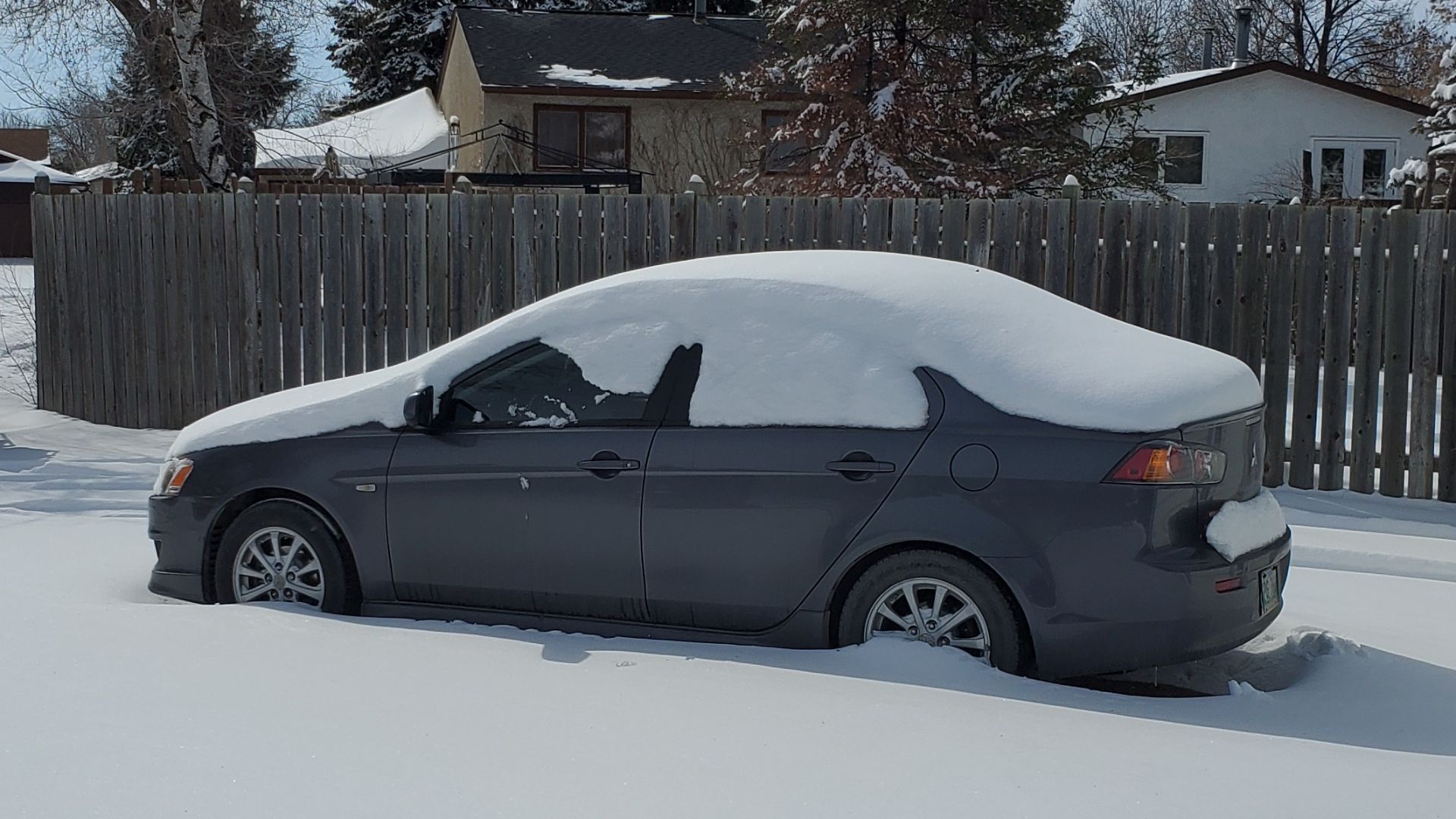
A well-kept modern convertible can usually sit through snowfall without much trouble. The bigger issue is what repeated freezing and thawing can do to rubber seals, drains, and moving parts. Winter itself is manageable. Neglect is what gets expensive.
Drains Are One Of The Hidden Trouble Spots
Convertibles have drains around the roof and body to move water away from the cabin. If those drains get clogged with leaves or debris, melting snow and rain can back up into places they should not. That is not only a cold-weather problem, but winter moisture can make it a bigger one.
 Tokumeigakarinoaoshima, Wikimedia Commons
Heavy Snow Still Calls For Common Sense
Most modern roofs can handle normal weather, but a convertible is still not the best place to leave heavy wet snow sitting for days. Brushing it off quickly is just smart. The issue is less about sudden failure and more about protecting the fabric, seals, and roof mechanism over time.
 Gregory Karastergios, Wikimedia Commons
Tires Matter More Than The Roof Ever Will
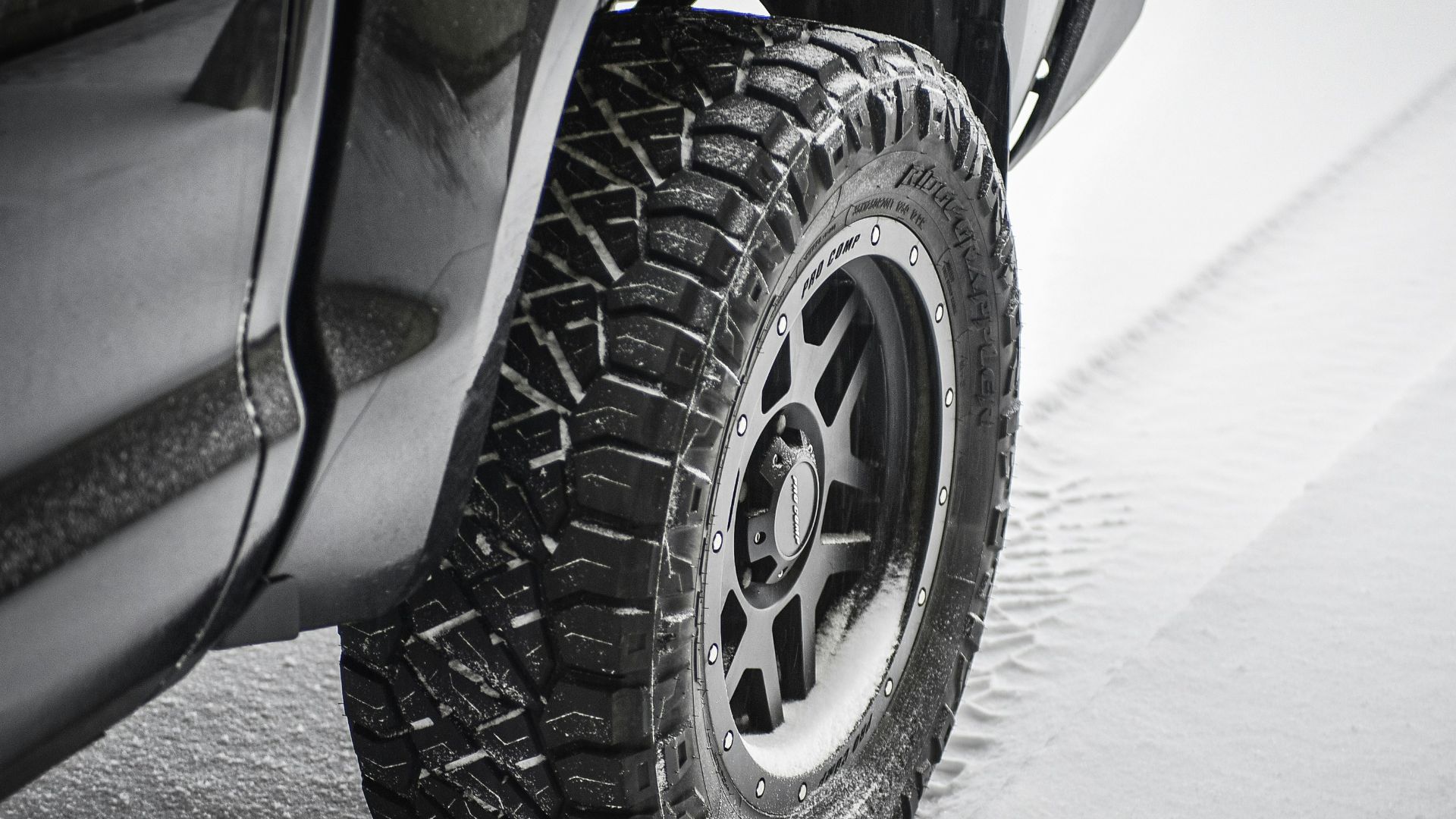
If the question is year-round usability, start with the tires. A rear-wheel-drive convertible on summer tires is a bad winter setup. That same car on good winter tires can be surprisingly usable. For safety, tire choice matters far more than whether the roof is fabric or metal.
All-Wheel Drive Changed The Picture
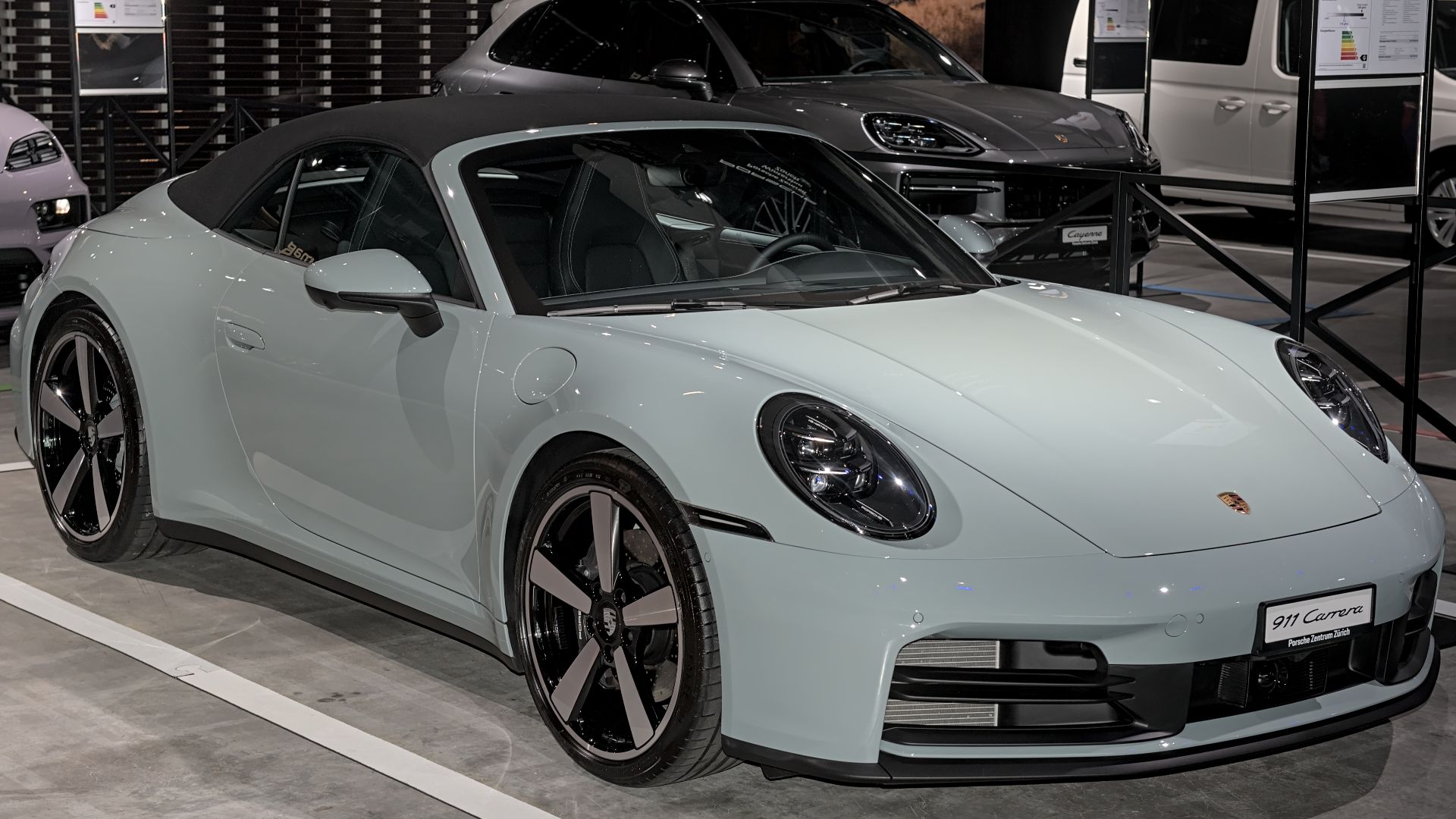
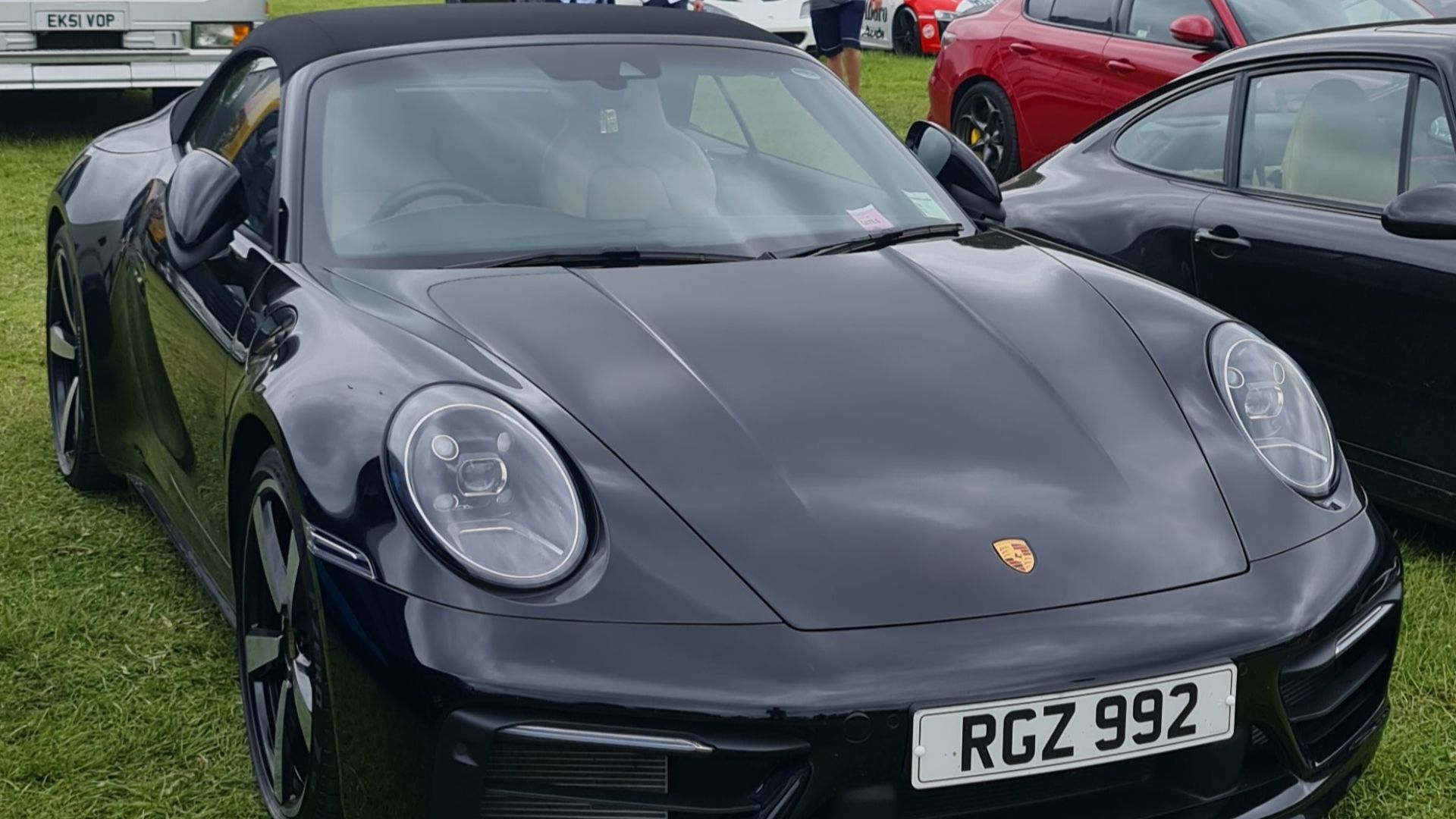
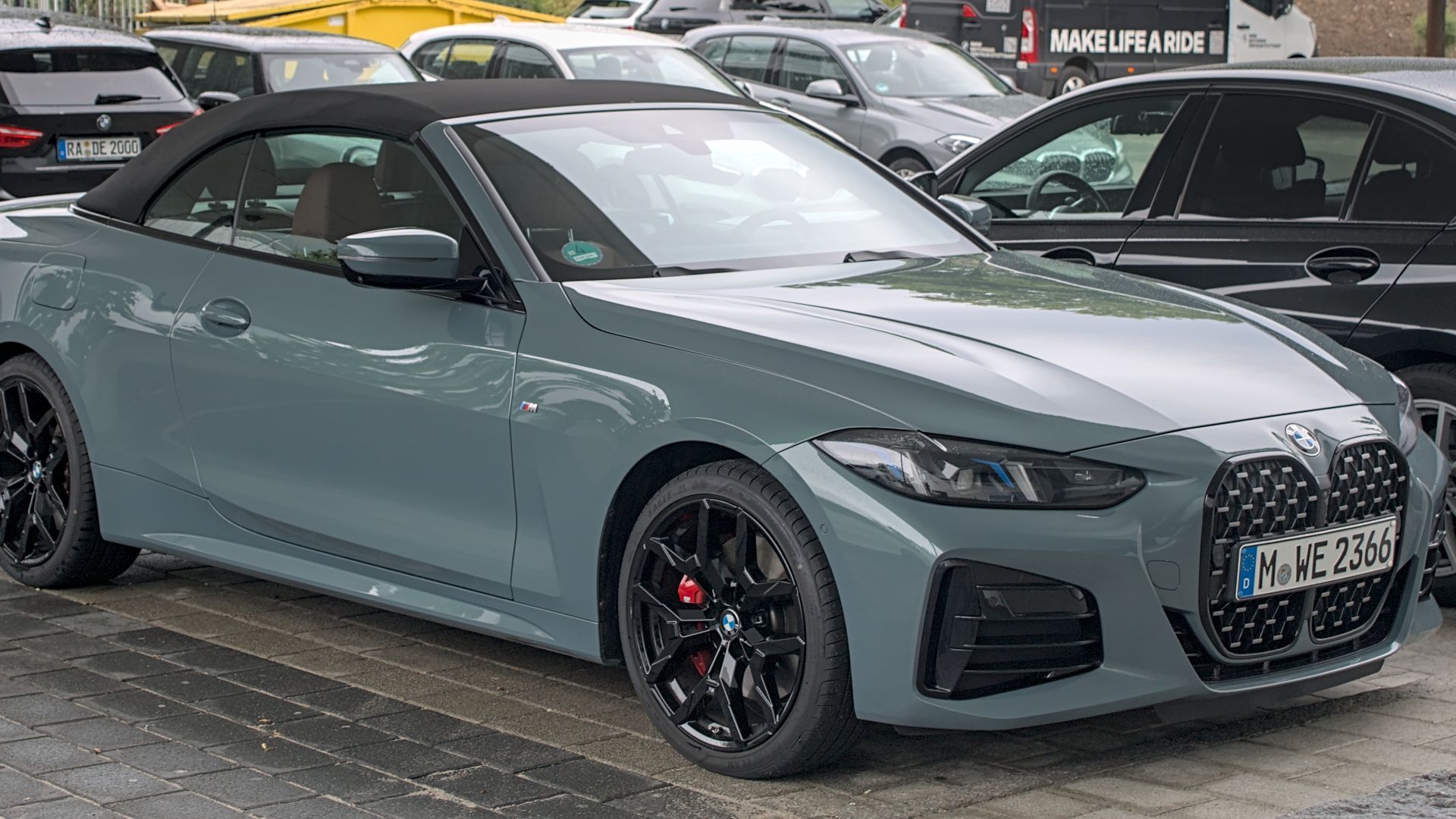
Some modern convertibles offer all-wheel drive, which makes cold-weather driving much easier. The Porsche 911 Cabriolet and some BMW and Mercedes-Benz convertibles have offered AWD in recent years. It does not replace winter tires, but it can make snowy commutes and slippery starts much less stressful.
Defrosters And Defoggers Pull Their Weight
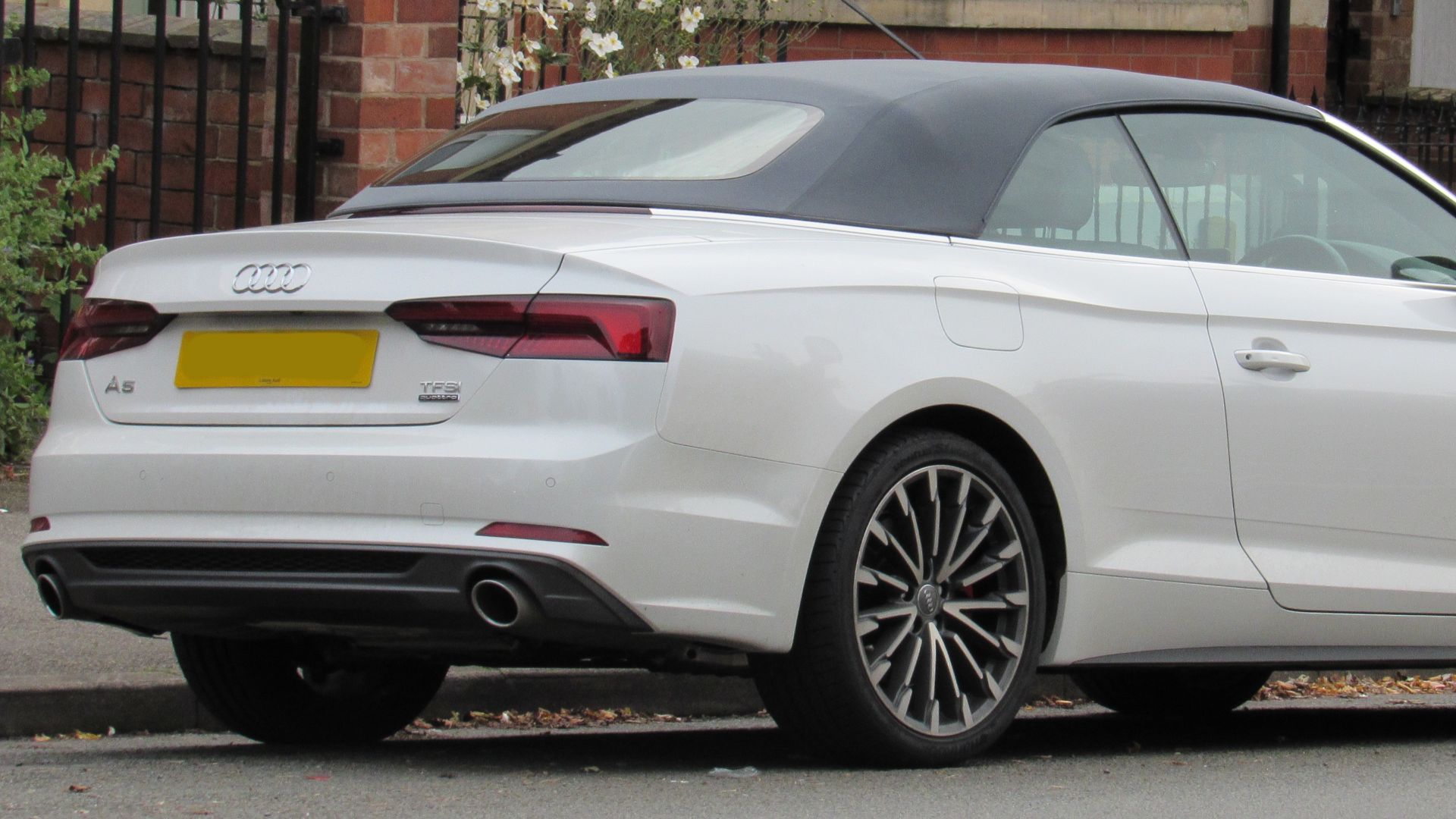
Winter driving is also about visibility. Heated glass rear windows and strong defrosters make modern convertibles much easier to live with than older cars that fogged up as soon as the temperature changed. On a freezing morning, clear glass matters as much as anything else.
Security Is A Different Issue
Some people mix up winter practicality with soft-top security. A fabric roof can be easier to cut than a steel one, and that is a real concern in some places. But it has little to do with cold weather, even if it does affect overall practicality.
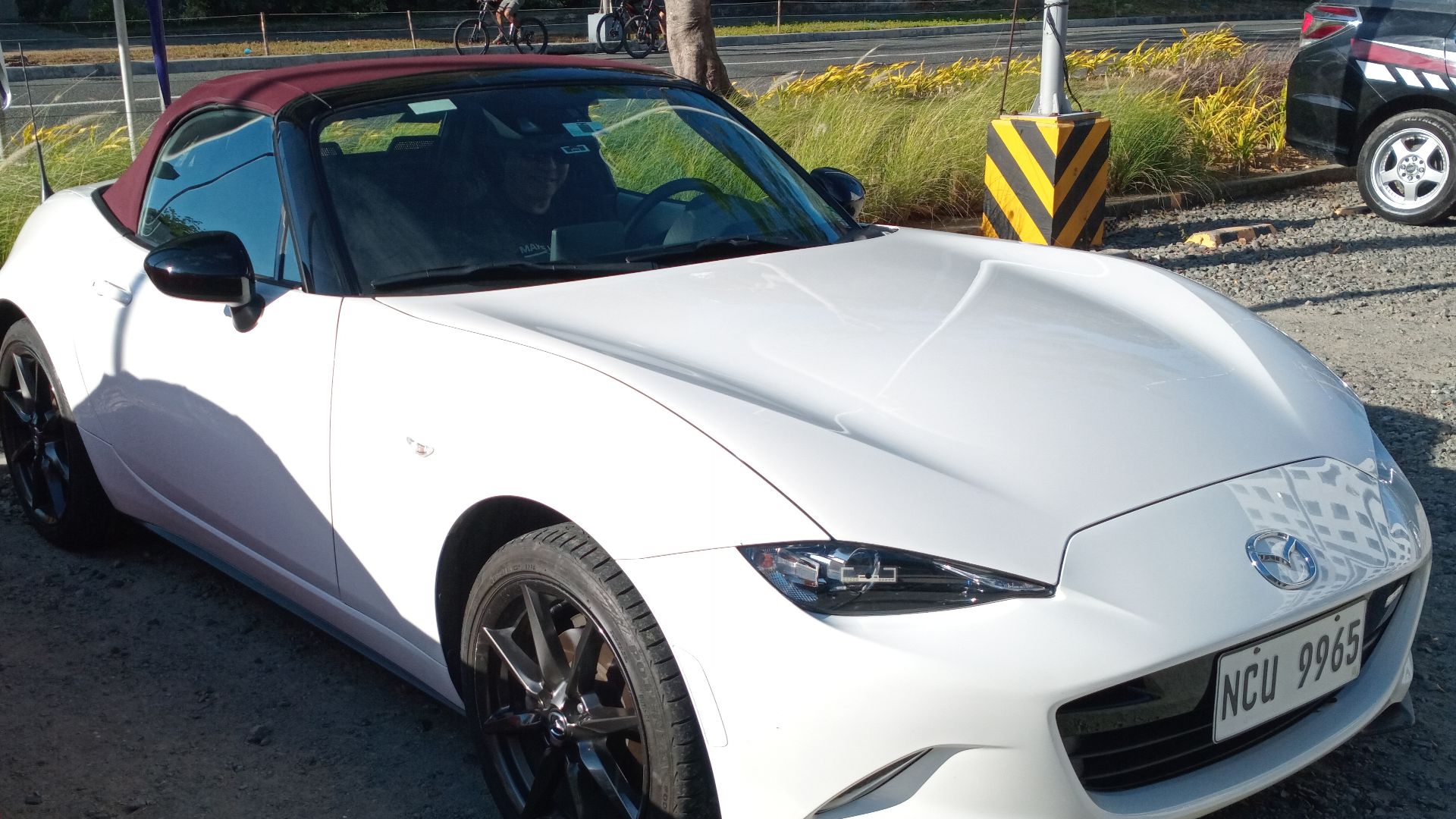 Ethan Llamas, Wikimedia Commons
Yes, Maintenance Usually Costs More
Convertibles usually have more seals, more moving parts, and more reinforcement than similar coupes or sedans. Consumer Reports has long warned buyers to think about the extra complexity and possible repair costs of power top systems. A modern convertible can be practical year-round, but it is rarely the cheapest way to do it.
Body Stiffness Still Comes With Tradeoffs
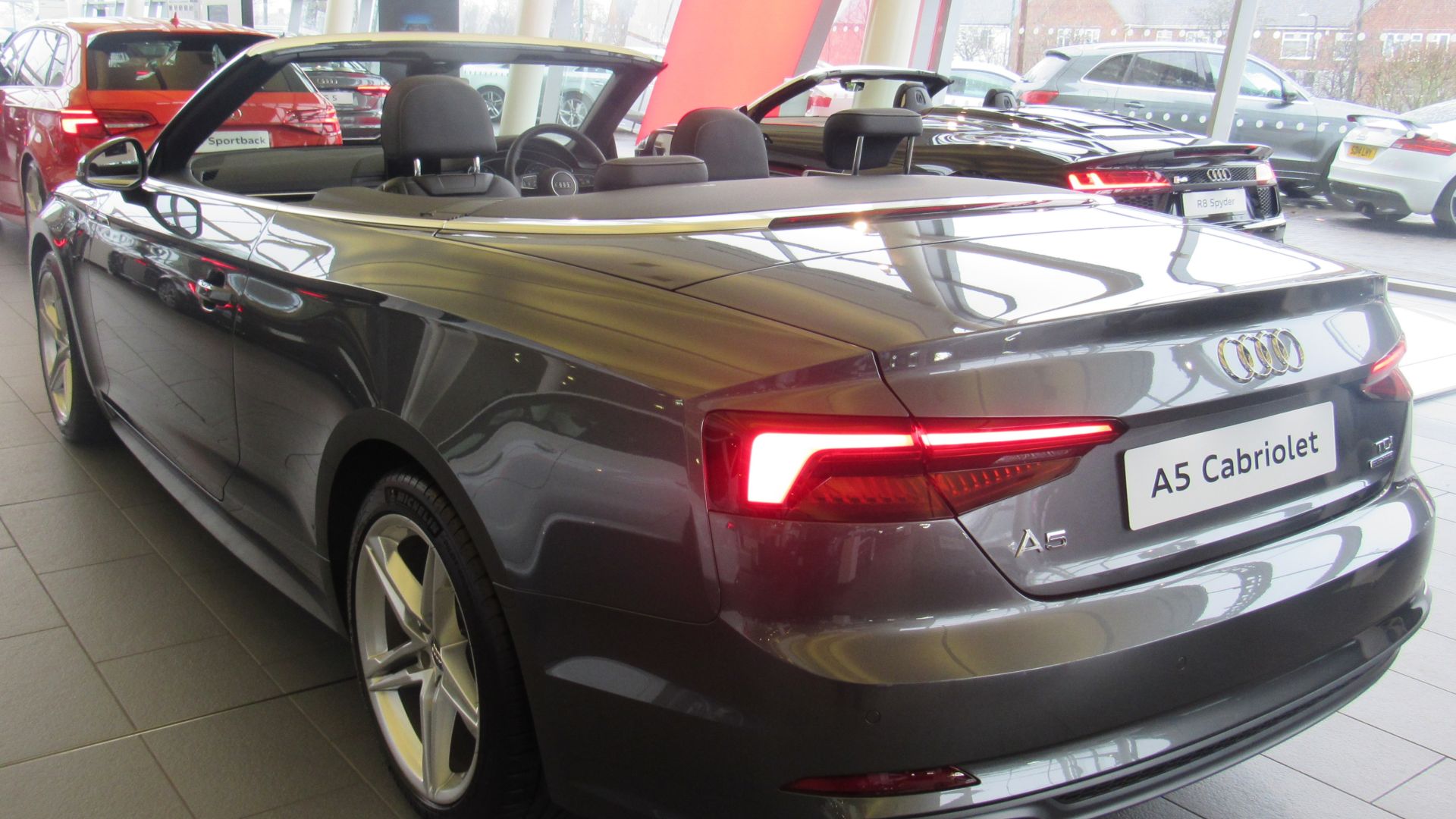
Take away a fixed roof and engineers have to add strength somewhere else. That usually means extra reinforcement and extra weight, and sometimes a small difference in ride or handling compared with a coupe version. The gap is often smaller than it used to be, but the tradeoff is still there.
Cold Starts Are Fine, But Short Trips Are Tougher
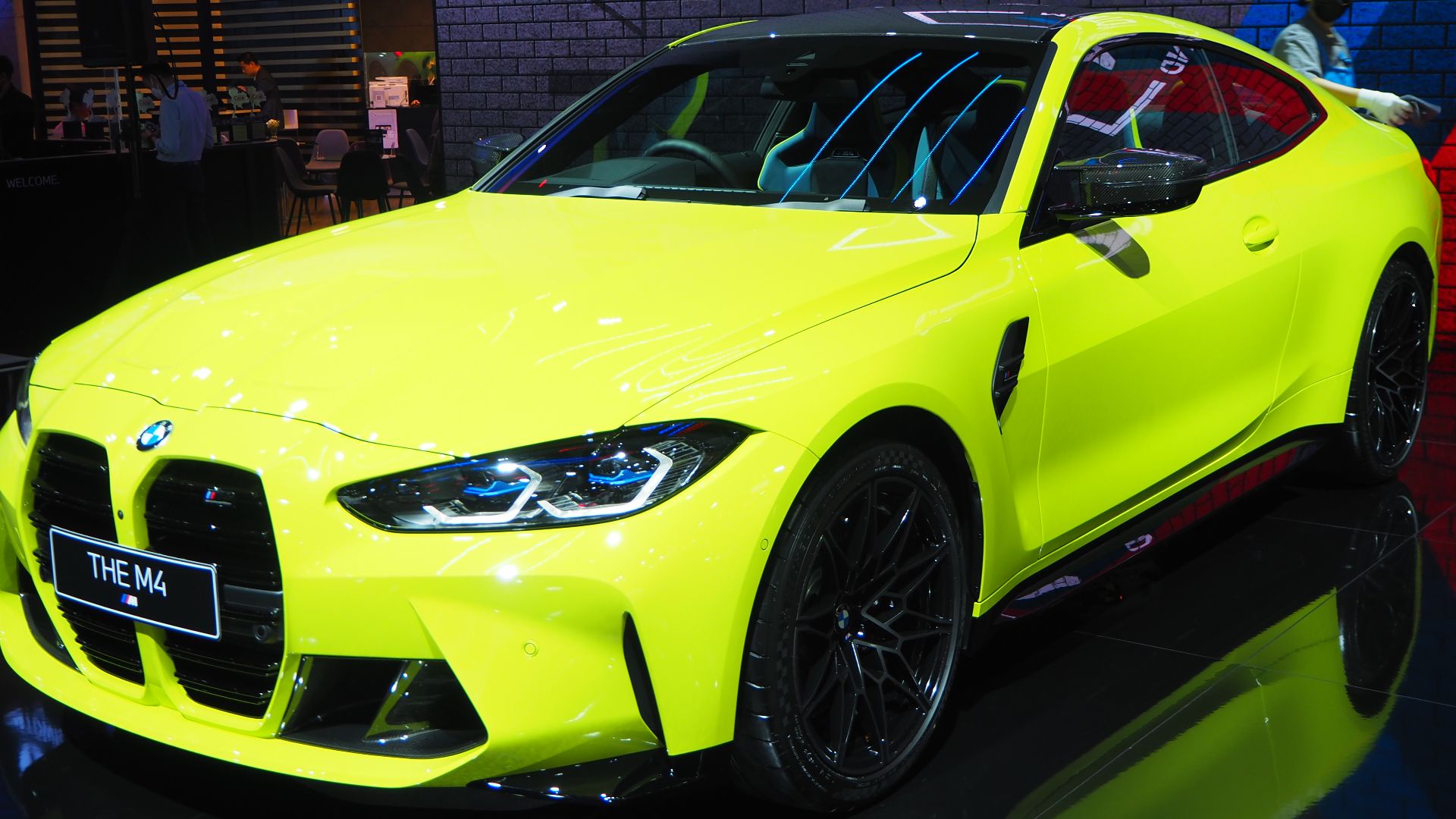
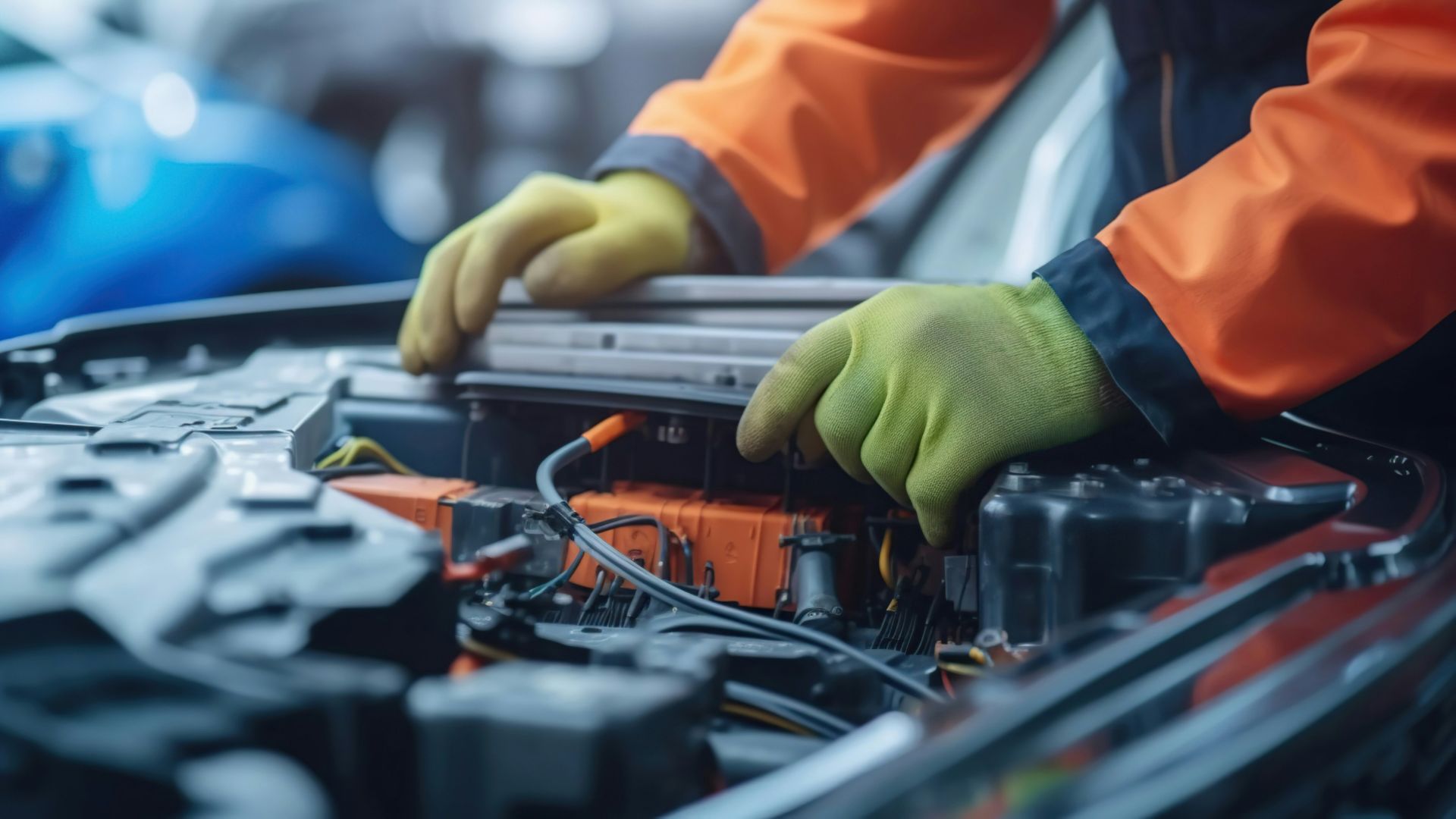
Modern engines start and run in winter much like they do in any other body style, as long as the battery and fluids are in good shape. The bigger issue is that many convertibles are second cars, driven only now and then for short trips. In cold weather, that kind of use can be harder on batteries and seals than regular daily driving.
Garage Parking Helps A Lot
A garage is not required, but it makes life with a convertible easier in colder places. It cuts down on snow buildup, helps prevent seals from freezing, and makes roof operation less stressful on bitter mornings. If the car lives outside year-round, upkeep matters even more.
 Peter Broomfield peterbroomfield, Wikimedia Commons
Be Careful With The Roof In Freezing Weather
Many owner’s manuals warn against using the roof when the material is extremely cold or when snow and ice are still on it. Stiff fabric, frozen seals, and packed snow can all strain the mechanism. Owning a convertible through winter partly means knowing when not to press the button.
 Rohan.wankar, Wikimedia Commons
Winter Comfort Depends On The Car
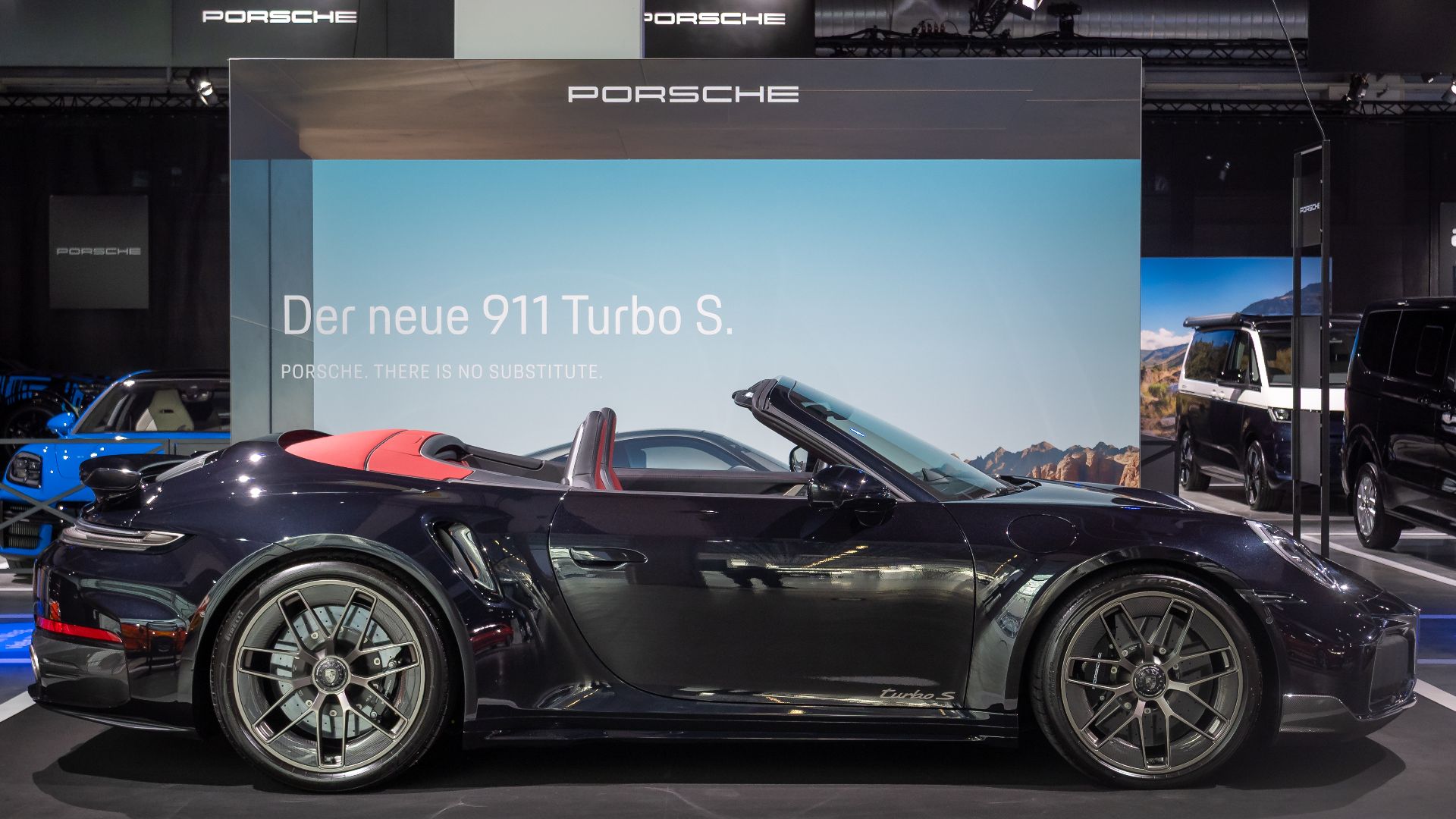
A premium grand touring convertible with insulation, heated seats, neck heating, and excellent sealing is a very different winter car from a lightweight roadster. That is why broad claims miss the point. Modern convertibles vary a lot, and some are genuinely easy to live with in all four seasons.
 Matti Blume, Wikimedia Commons
Who Should Probably Pass
If you need maximum cargo space, the lowest ownership costs, easy outdoor parking, and as little maintenance hassle as possible, a convertible probably is not the best cold-climate choice. The same goes if you deal with deep snow for months and cannot run winter tires. In that case, the anti-convertible argument gets a lot stronger.
 Alexander Migl, Wikimedia Commons
Who Can Happily Drive One All Year
If you have realistic expectations, good tires, proper maintenance, and ideally covered parking, a modern convertible can absolutely work year-round. Plenty of owners in northern states and colder parts of Europe do exactly that. And the reward is hard to ignore: even a dull winter commute can sometimes come with open sky and a little sun.
The Bottom Line
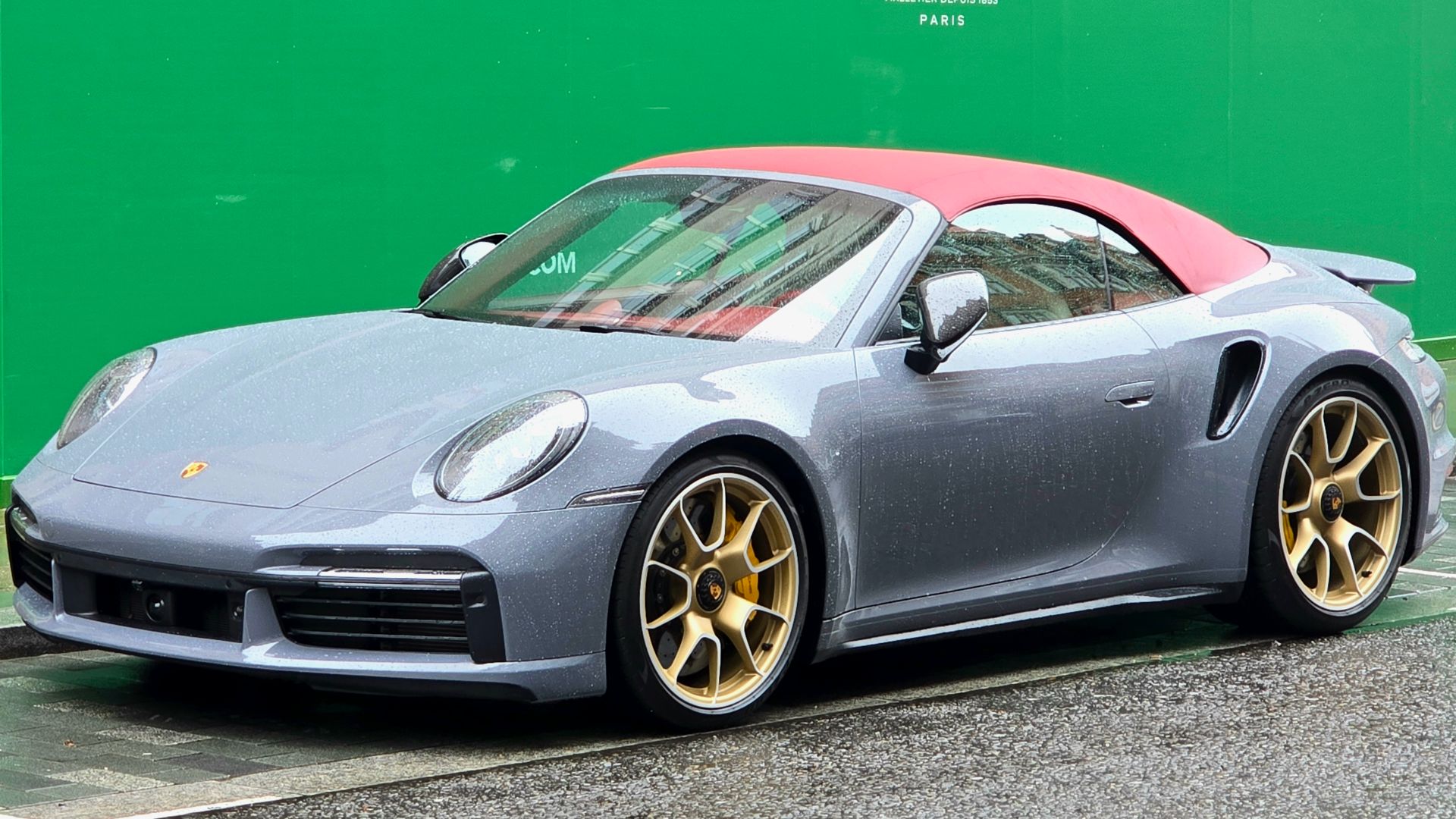
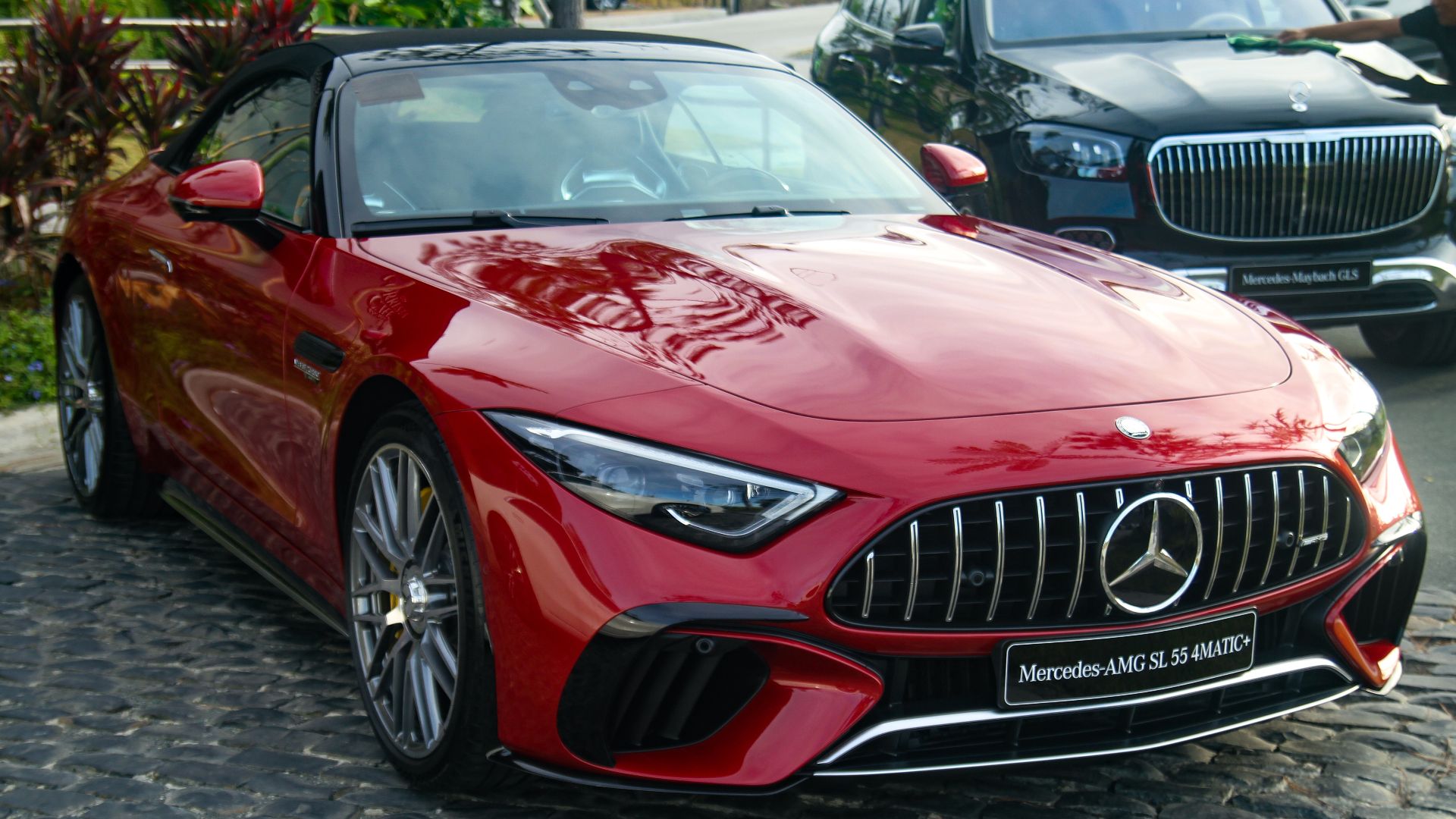
Are modern convertibles practical year-round in cold climates? Often, yes. But practical does not mean the same as a hard-roof car. They need better tires, a little more care, and smarter maintenance, yet the best modern examples are far from a bad idea.
 Ethan Llamas, Wikimedia Commons