The Weekend Guest Who Plugged In
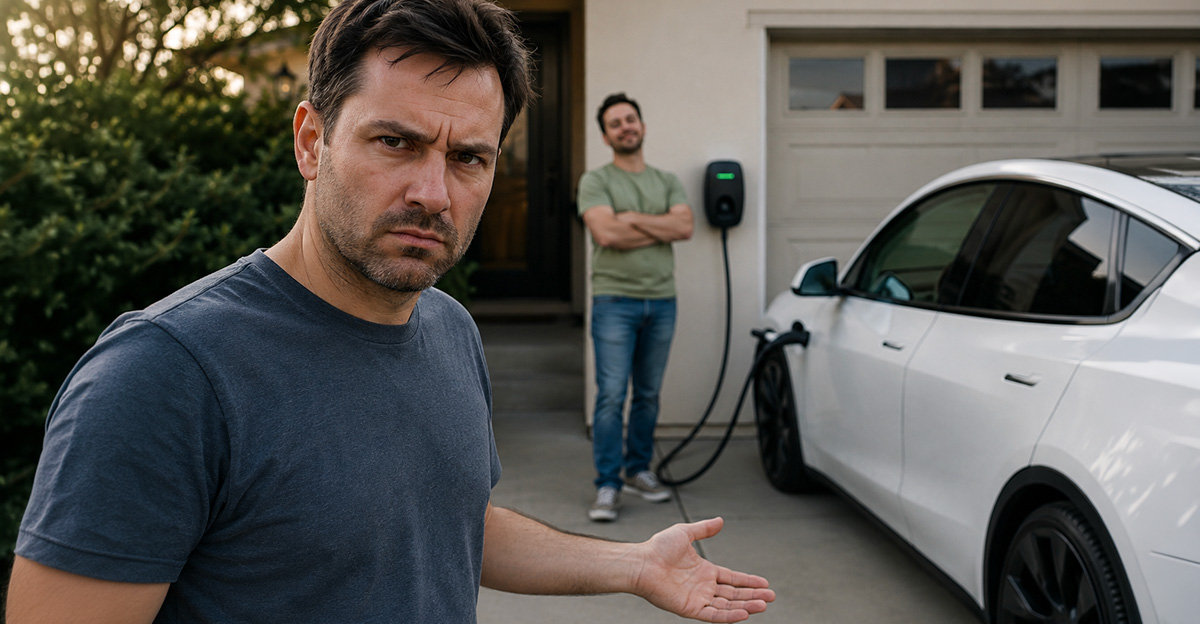
Having family stay over usually means buying extra groceries, finding clean sheets, and surrendering your favorite parking spot. But when your brother arrives in an electric vehicle and spends the whole weekend plugged into your house, hosting can suddenly come with another expense: a noticeably larger electricity bill.
Then The Power Bill Arrives
At first, you might not think much about that charging cable running into the garage. Then the utility bill shows up. If your power usage is significantly higher than normal, it is only natural to wonder how much of that increase came from your brother’s EV.

Yes, Charging An EV Costs Money
Electric cars may eliminate trips to the gas station, but they certainly do not run for free. Every kilowatt-hour going into that battery appears somewhere on an electricity bill. When the charging happens at your house, that somewhere happens to be your monthly statement.
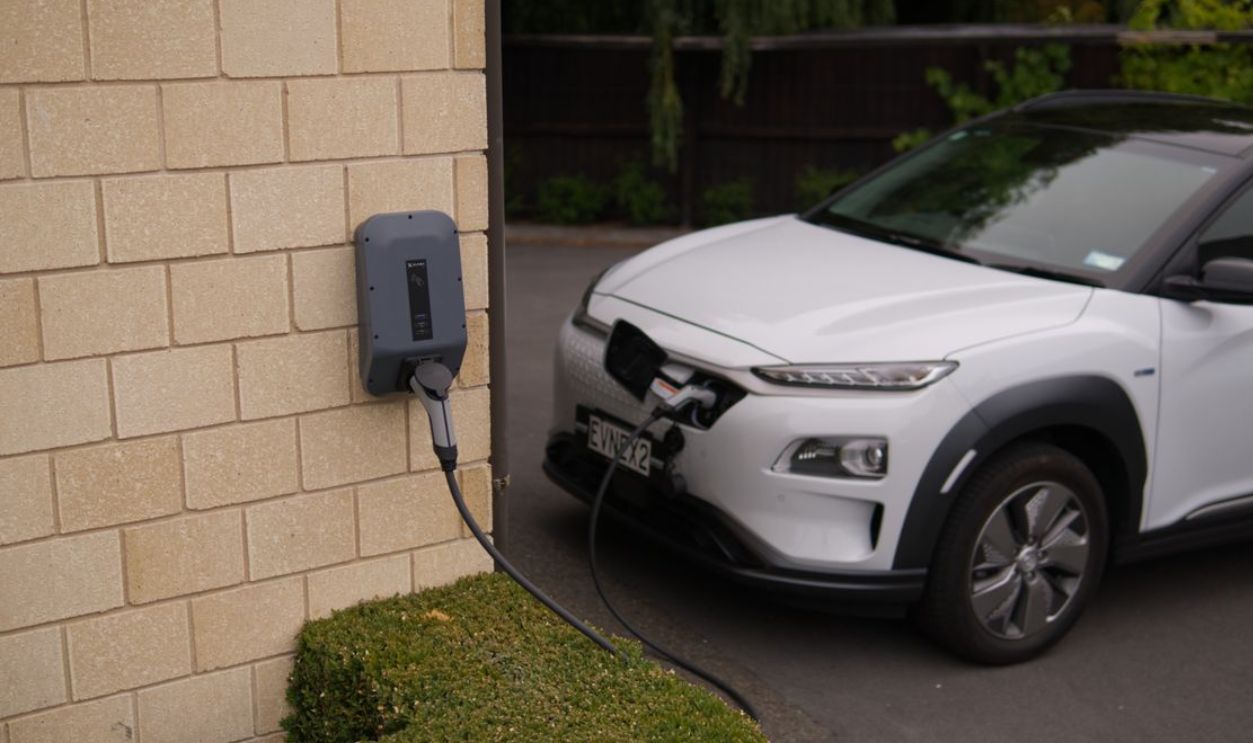
One Charge Probably Won't Break You
Charging an EV once usually is not going to cause financial ruin. Depending on the vehicle, battery level, and local electricity rate, a charging session might cost roughly as much as a meal or two. Still, several charging sessions over an entire weekend can add up.
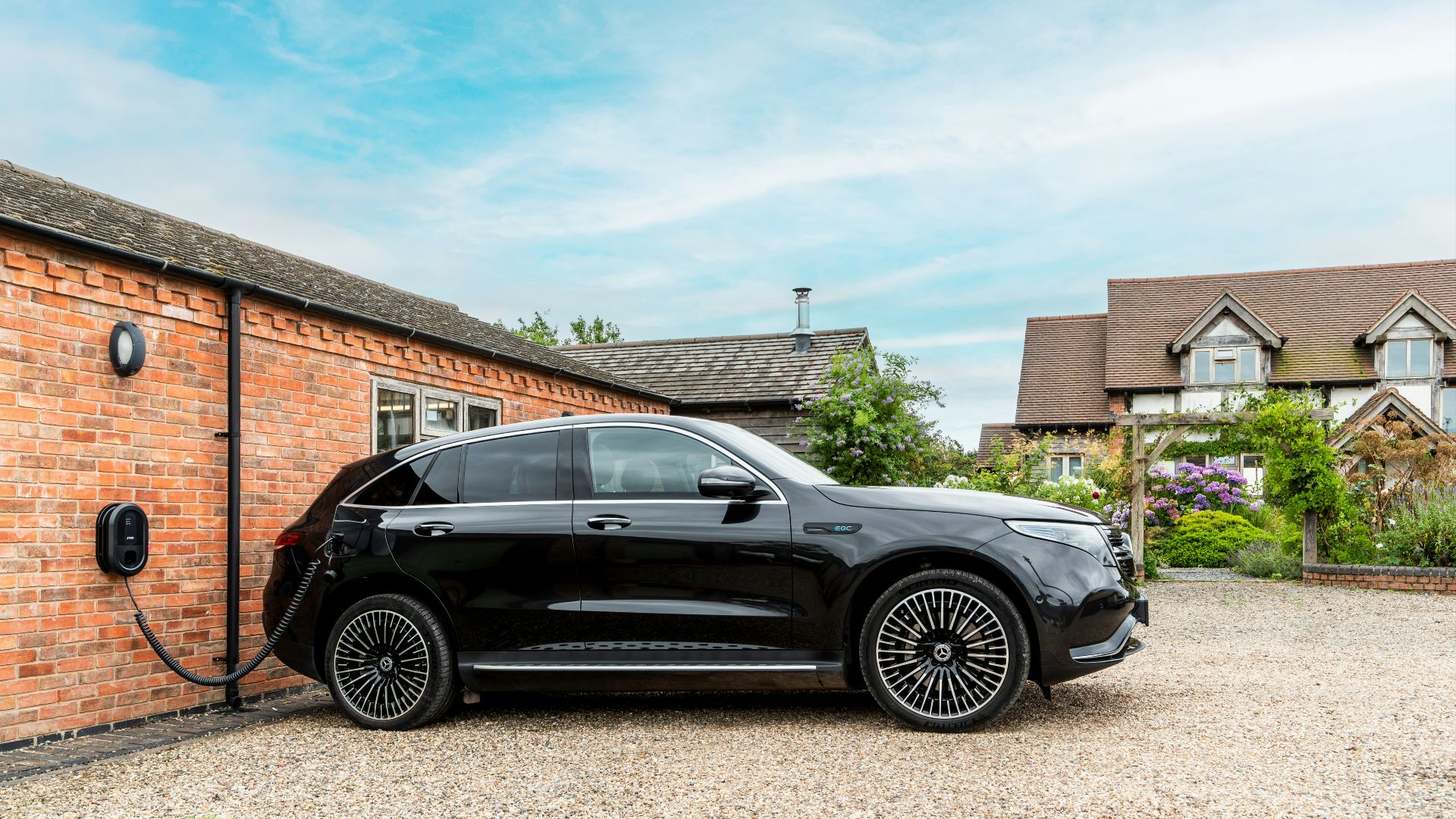
Battery Size Makes A Big Difference
Not every EV uses the same amount of electricity. A small commuter car may have a relatively modest battery, while a large electric pickup or SUV can carry a battery pack well above 100 kWh. Filling that larger battery can obviously cost considerably more.
He Probably Saved Money
Here is the awkward part: charging at your house may have saved your brother money. Public fast chargers can cost more than home electricity, depending on the network and location. From his perspective, plugging into your garage may have been wonderfully convenient—and suspiciously inexpensive.
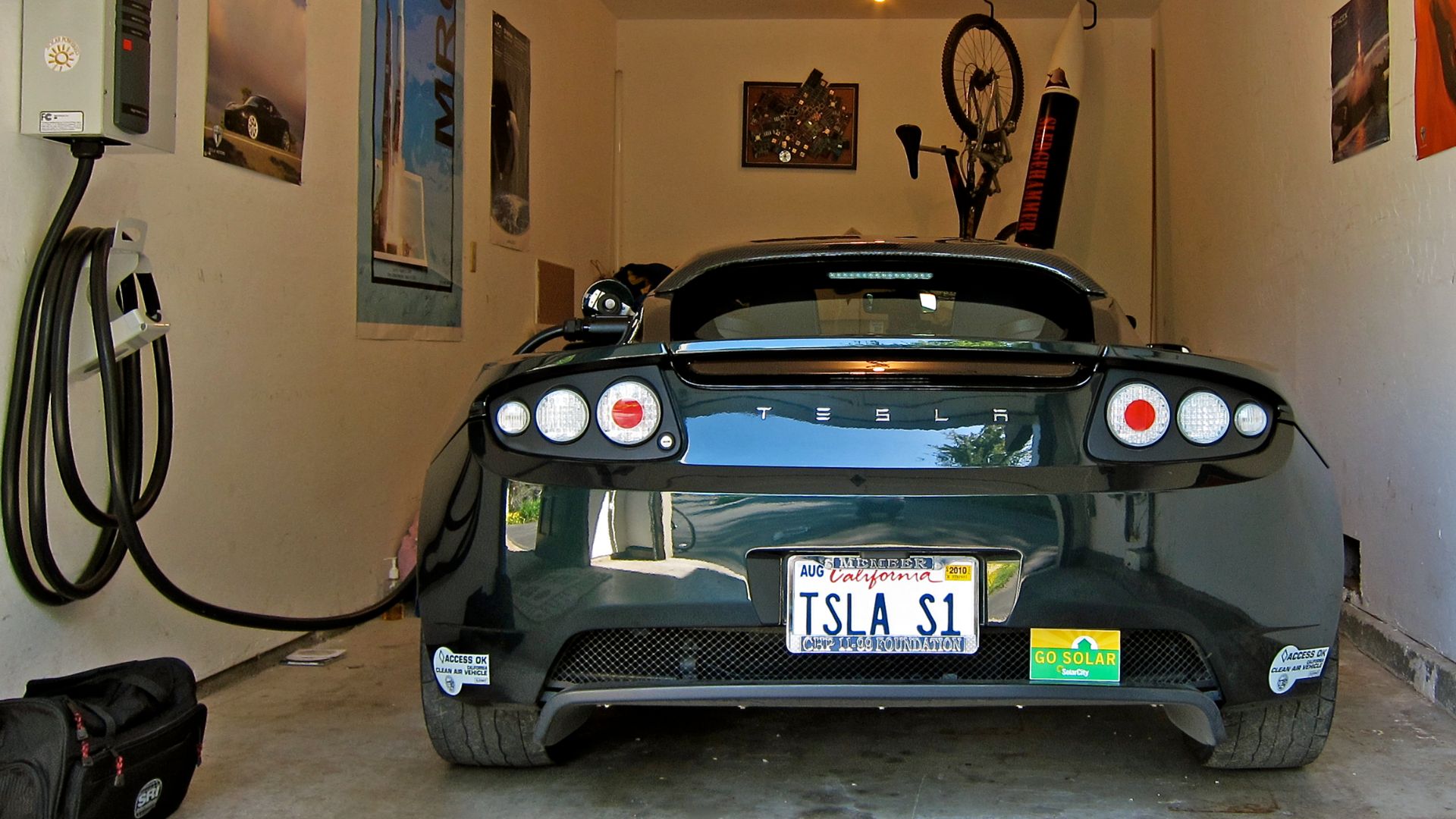 TSLA_S1.jpg: jurvetson (Steve Jurvetson)
derivative work: Mariordo, Wikimedia Commons
TSLA_S1.jpg: jurvetson (Steve Jurvetson)
derivative work: Mariordo, Wikimedia Commons
The Real Issue Is Permission
The bigger question is not whether electricity costs five dollars, fifteen dollars, or considerably more. It is whether your brother asked. Plugging into someone’s house without discussing the cost first is a little like filling your gas tank using a fuel pump attached to their wallet.
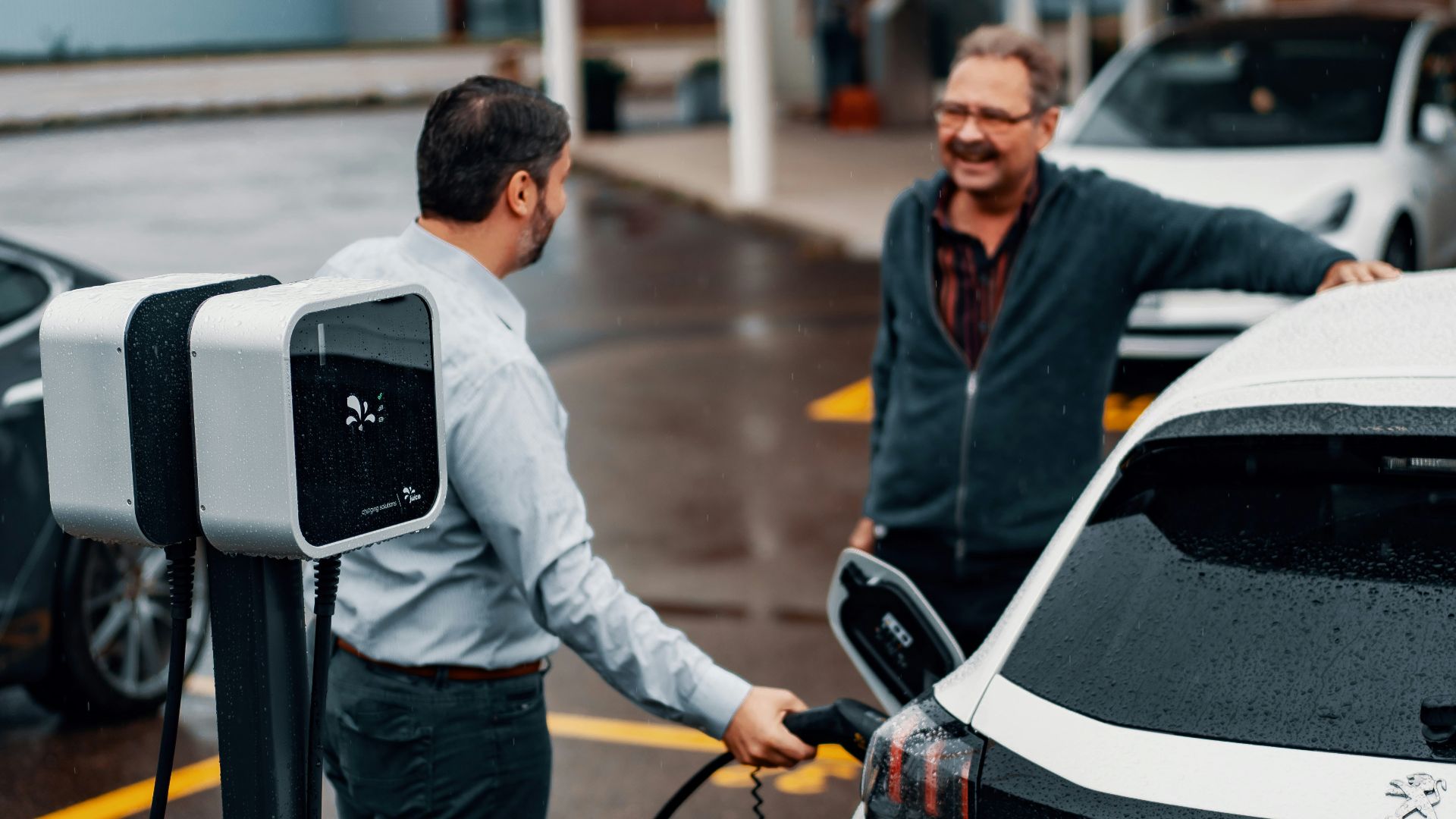
Hospitality Has Reasonable Limits
Guests use electricity all the time. They charge phones, watch television, take showers, and adjust the thermostat. Nobody sends Grandma an invoice for charging her iPad. An electric car, however, can consume considerably more energy than the average collection of phones and laptops.
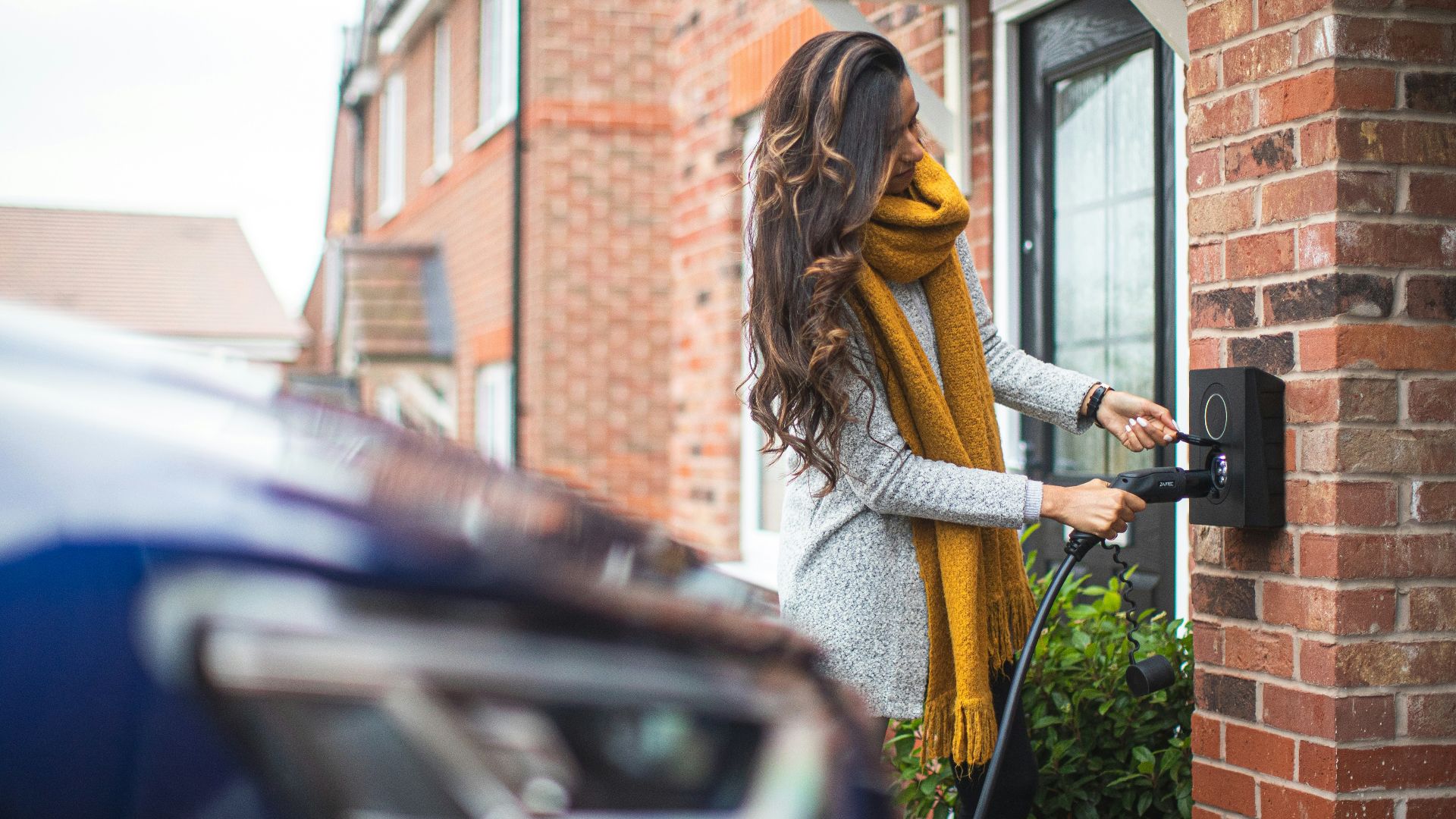
Think Of It Like Borrowing Gas
Imagine your brother borrowed your gasoline-powered car for the weekend, drove several hundred miles, and returned it nearly empty. You would probably expect him to replace the fuel. Charging his EV using your electricity is not exactly identical, but the principle is pretty similar.
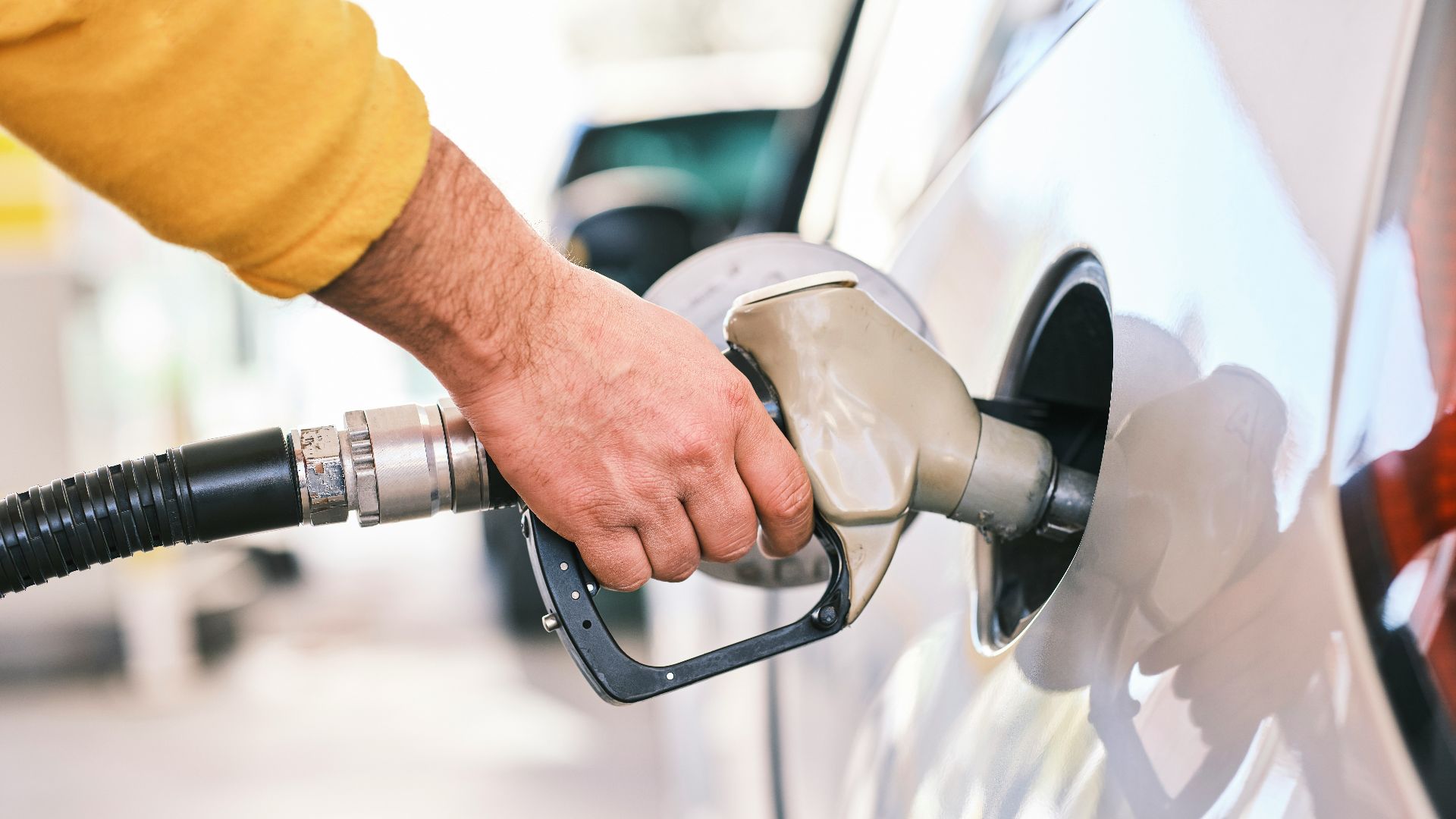
But Don't Turn Into The Utility Company
There is also no need to greet your brother with a professionally printed invoice detailing taxes, transmission fees, and three decimal places of electricity usage. Unless the cost was substantial, turning a family weekend into a utility-accounting exercise could create more drama than the money is worth.

Estimate The Actual Cost First
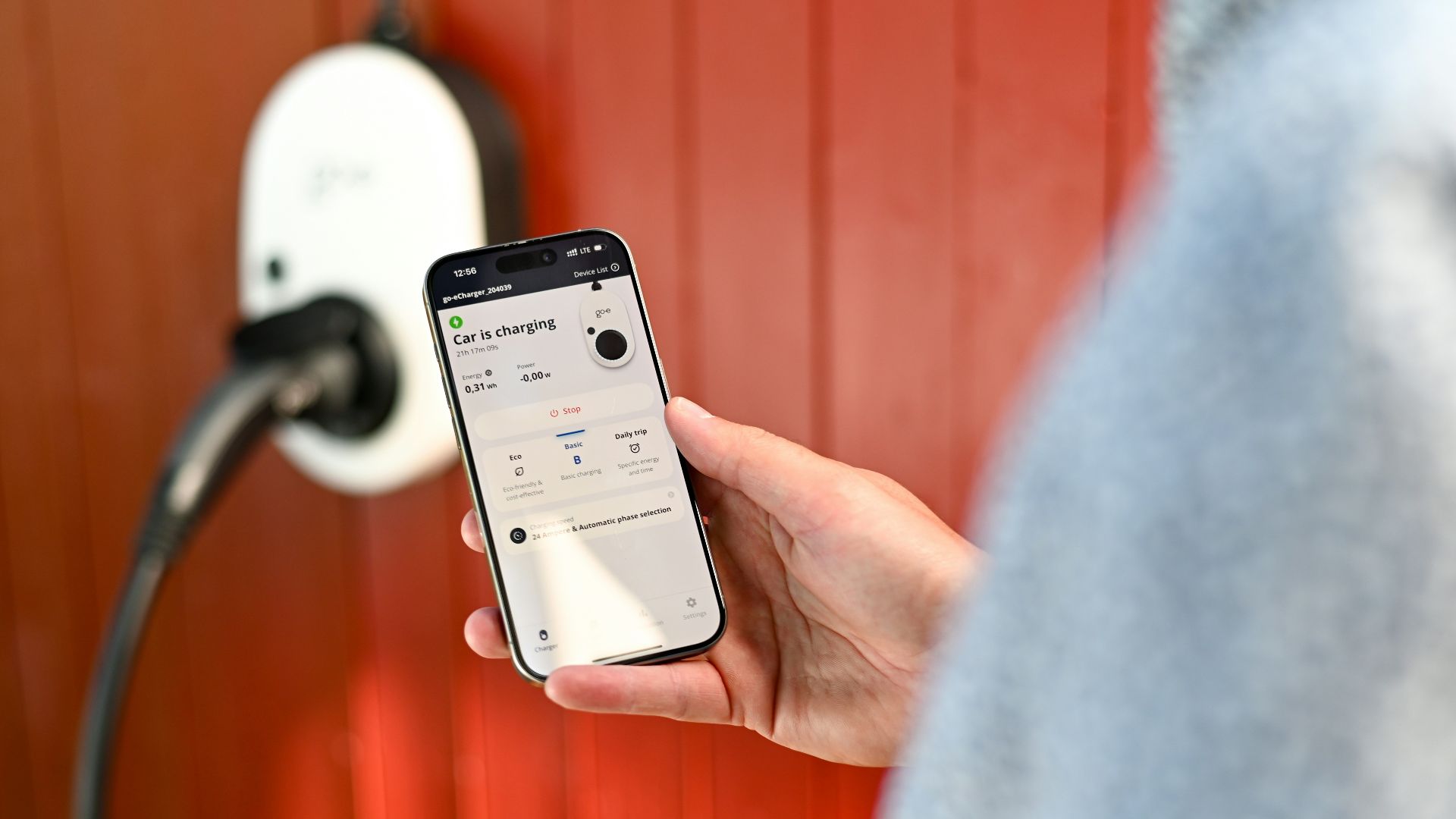
Before starting an argument, figure out roughly what the charging actually cost. Check your electricity rate and, if possible, ask how much energy his car added during the weekend. Many EVs and charging apps provide charging information that can make the calculation surprisingly easy.
Don't Blame Everything On The Car
A higher utility bill does not automatically mean the EV caused the entire increase. Air conditioning, electric heating, laundry, cooking, water heating, and changing electricity rates can all affect the total. Compare your actual electricity usage instead of focusing only on the final dollar amount.

Charging Losses Exist Too
The electricity coming from the wall does not all end up stored inside the battery. Some energy is lost during charging. That means a vehicle gaining a certain amount of battery energy may pull somewhat more electricity from your house than the battery itself actually receives.
Level 1 Charging Is Slow
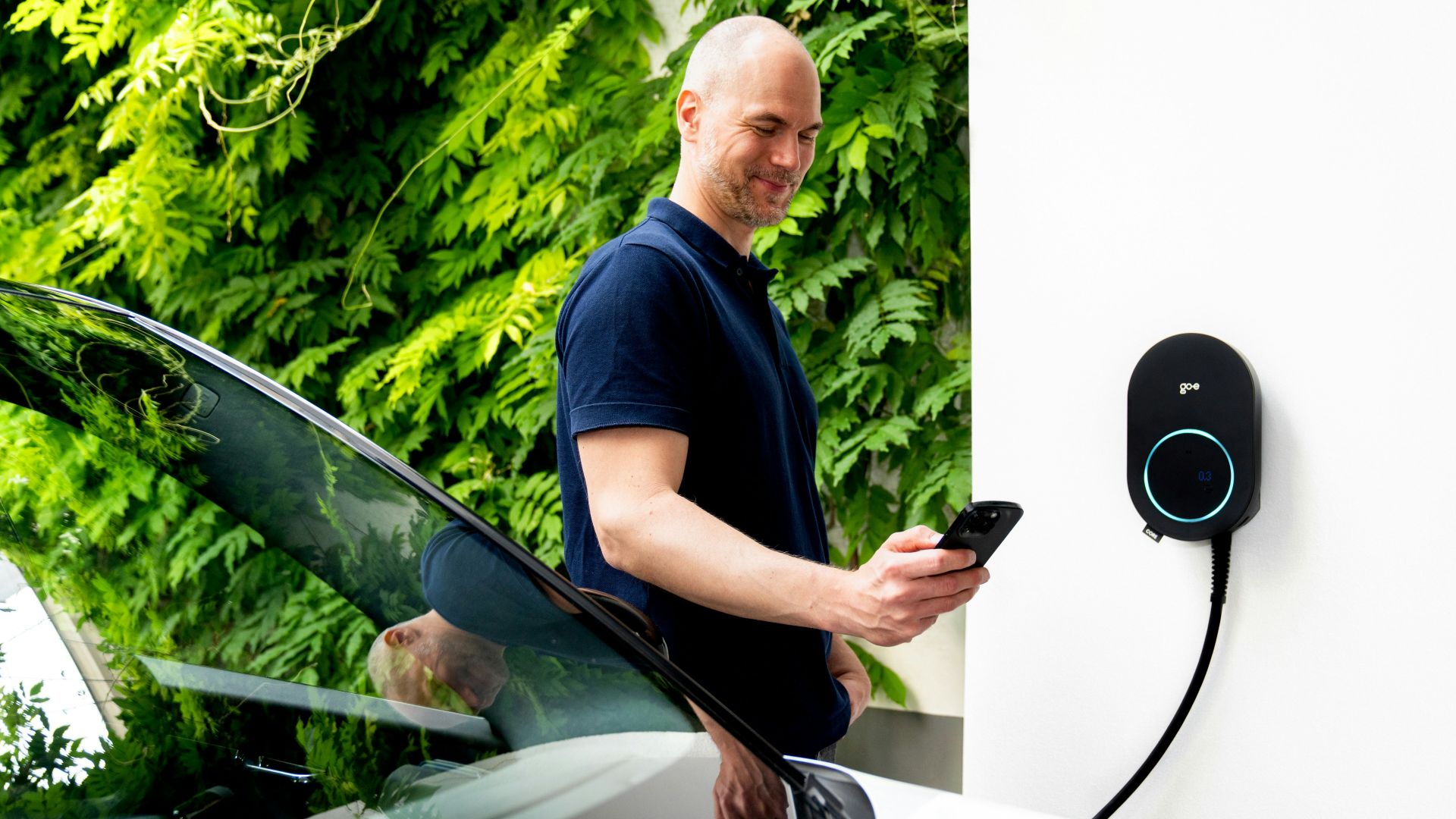
If your brother used a normal household outlet, he was probably Level 1 charging. It is slow, often adding only a few miles of range each hour. Over an entire weekend, though, that ordinary outlet can keep drawing electricity for many hours without attracting much attention.
Level 2 Can Use Much More
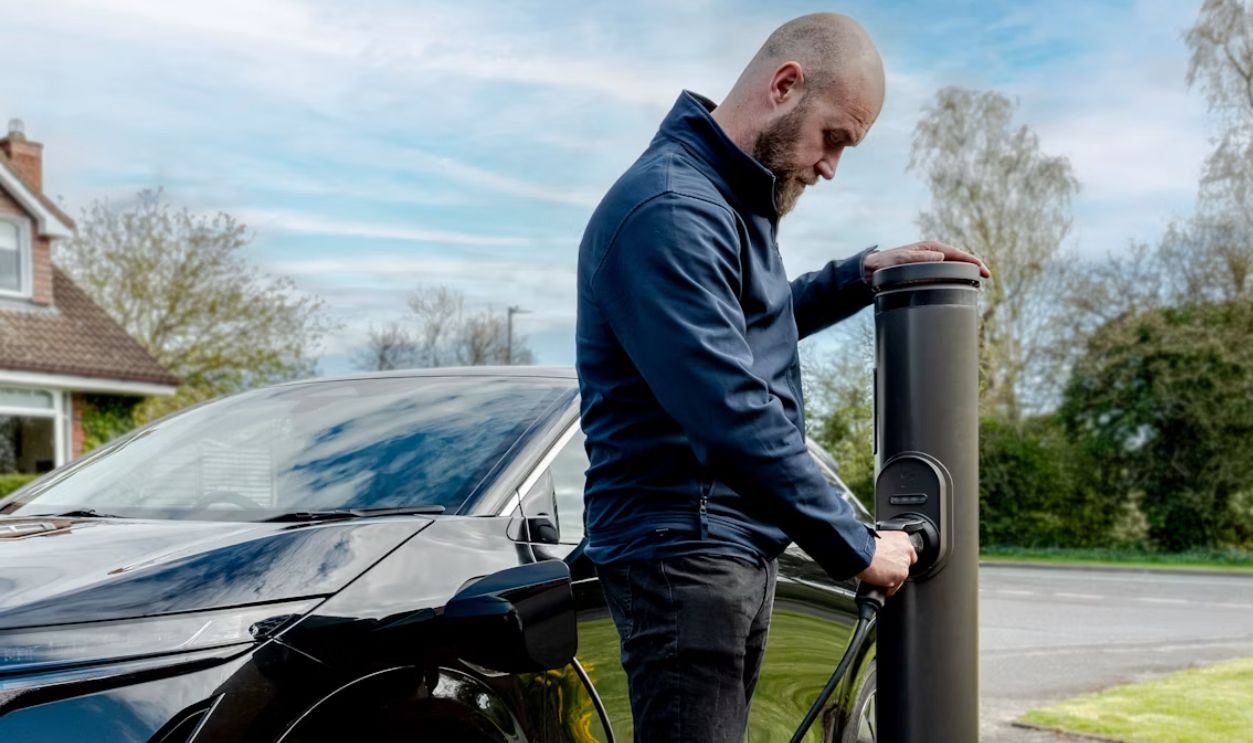
A Level 2 home charger works far faster and can deliver substantially more power. If you already have one installed and your brother repeatedly topped up his vehicle, he could have transferred a meaningful amount of energy over the weekend—especially if he arrived with a low battery.
Time-Of-Use Rates Matter
Some electricity plans charge different rates depending on the time of day. Overnight charging may be relatively cheap, while charging during peak evening hours can cost significantly more. So two identical EV charging sessions could have very different impacts on the homeowner’s bill.
Solar Panels Change The Equation
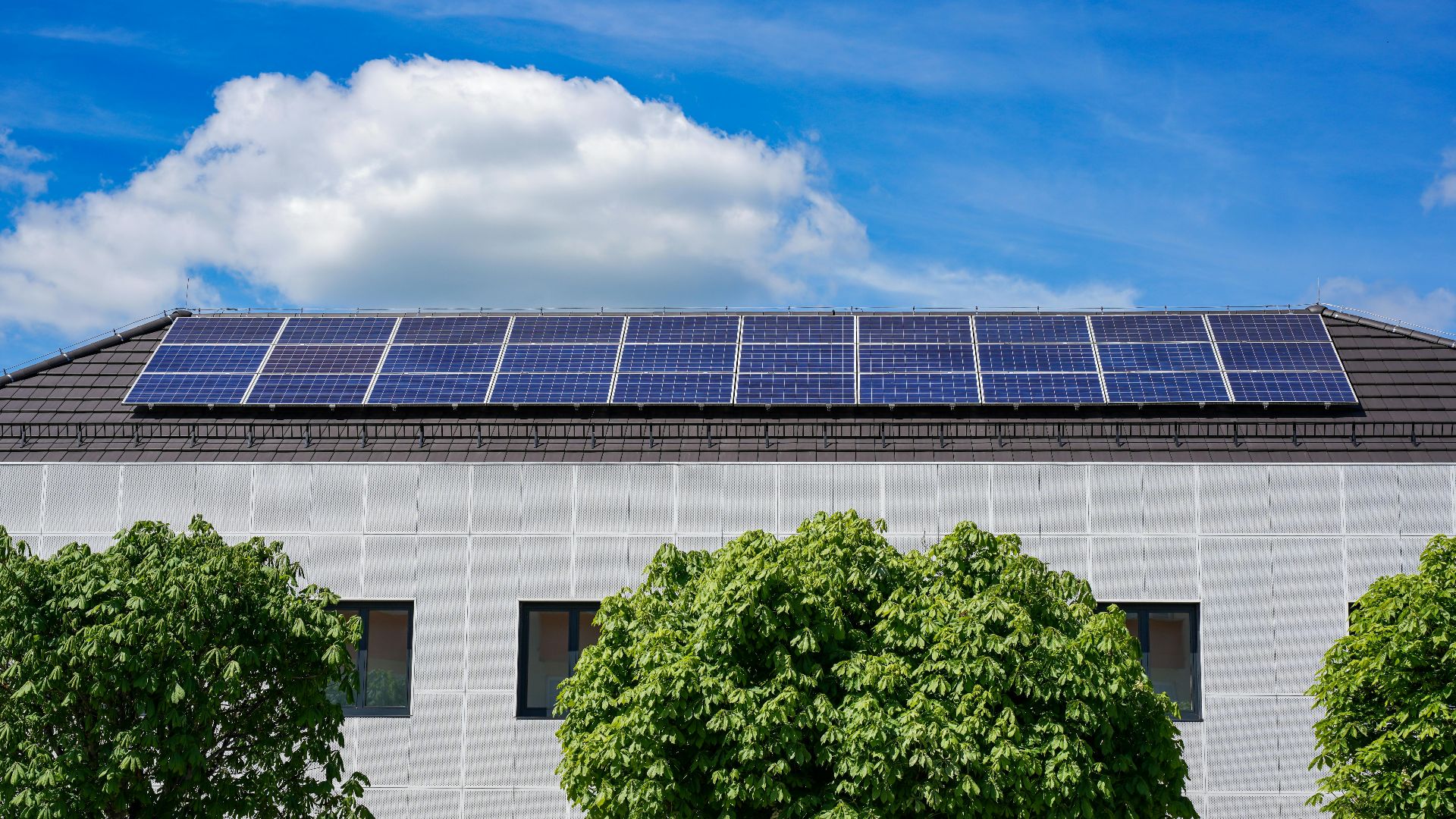
If your house has solar panels, things become more complicated. Charging during sunny hours might use electricity your panels are producing. But that energy still has value because it could potentially have powered your home or, depending on your utility arrangement, been exported to the grid.
Family Rules Are Usually Informal
Most families do not establish written EV charging policies before Thanksgiving dinner. That is understandable. Electric vehicles are still introducing new etiquette questions. People generally know they should replace borrowed gasoline, but home charging can feel less obvious because there is no visible pump displaying a price.

Your Brother May Not Have Realized
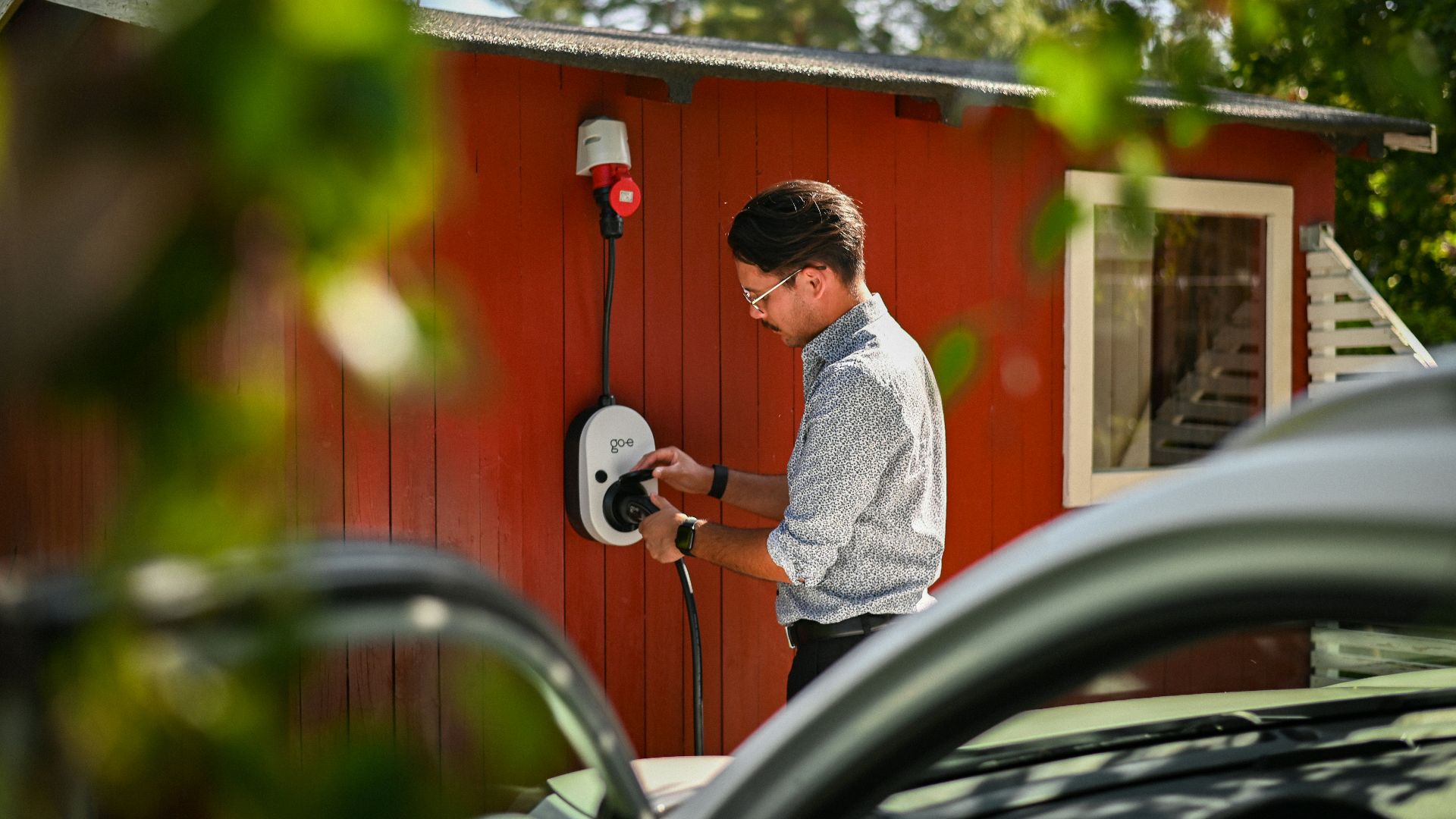
There is a decent chance your brother genuinely did not think about the cost. EV owners who regularly charge at home can become accustomed to plugging in automatically. If he was visiting family, he may have viewed your outlet as simply another household convenience.
That Doesn't Mean It's Free
Forgetting that electricity costs money does not make it free. If your brother added a substantial amount of energy to his car, expecting him to contribute is perfectly reasonable. The key is approaching the conversation as a practical expense rather than evidence of a terrible character flaw.

Start With A Normal Conversation
You probably do not need a dramatic family meeting. Try something simple: mention that your electricity usage jumped after the weekend and ask how much charging the car did. That gives your brother a chance to offer payment without immediately making the situation confrontational.

A Few Dollars Might Not Be Worth Fighting Over
If the calculation reveals that he used seven dollars of electricity, you may decide preserving family peace is worth considerably more. You can still mention it and establish expectations for next time without demanding immediate reimbursement for every electron that entered his battery.

A Bigger Bill Is Different
If he arrived nearly empty, charged a large EV multiple times, and added a noticeable amount to your electricity costs, asking for repayment becomes much more reasonable. Hospitality does not automatically mean providing someone with unlimited transportation energy for an entire weekend.
Set The Rule Before His Next Visit
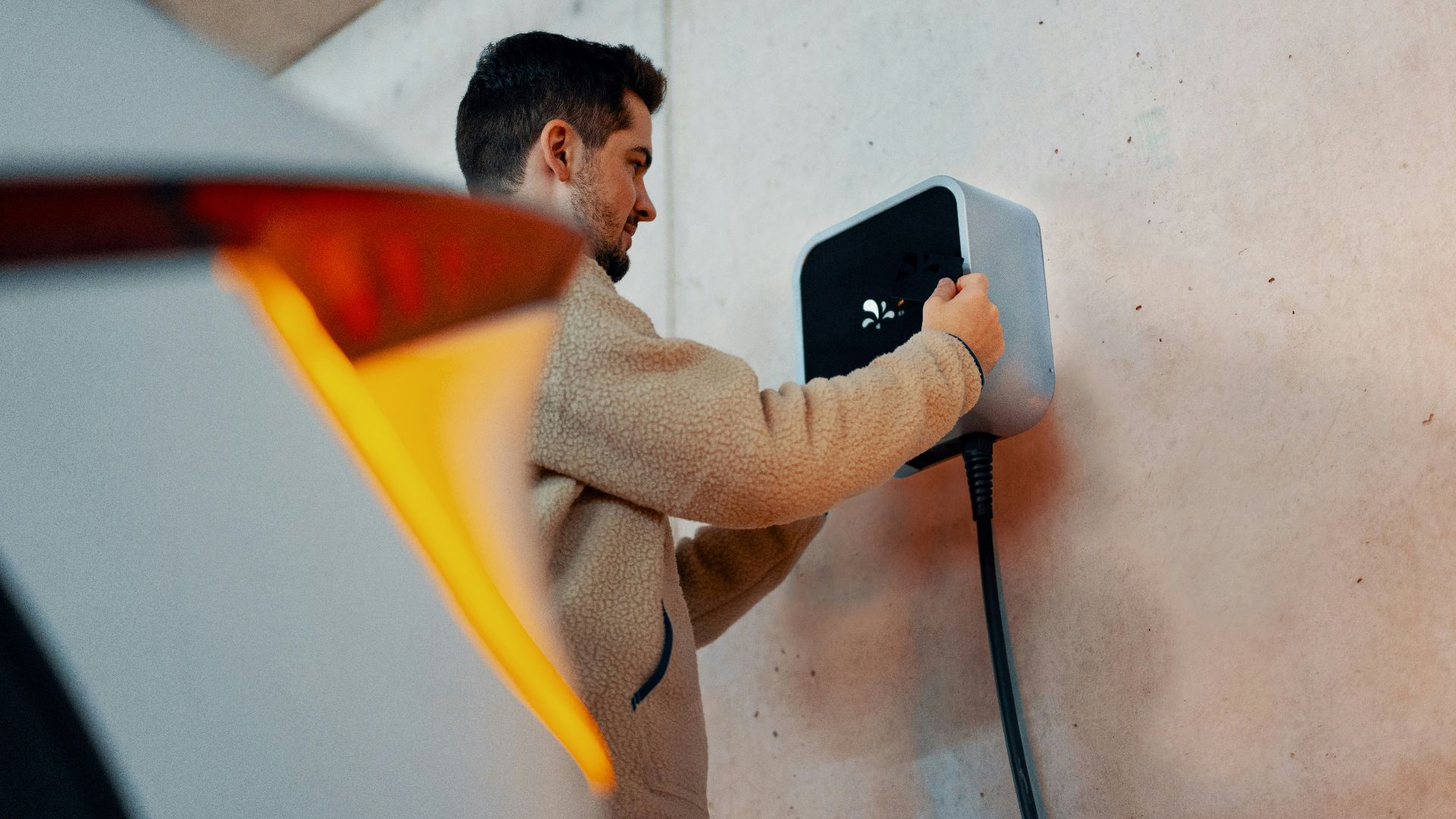
The easiest solution is agreeing on expectations before the charging cable comes out again. Tell him he is welcome to charge but ask him to cover the electricity he uses. Alternatively, agree that occasional charging is simply part of hosting family.

Technology Can Make Splitting Easy
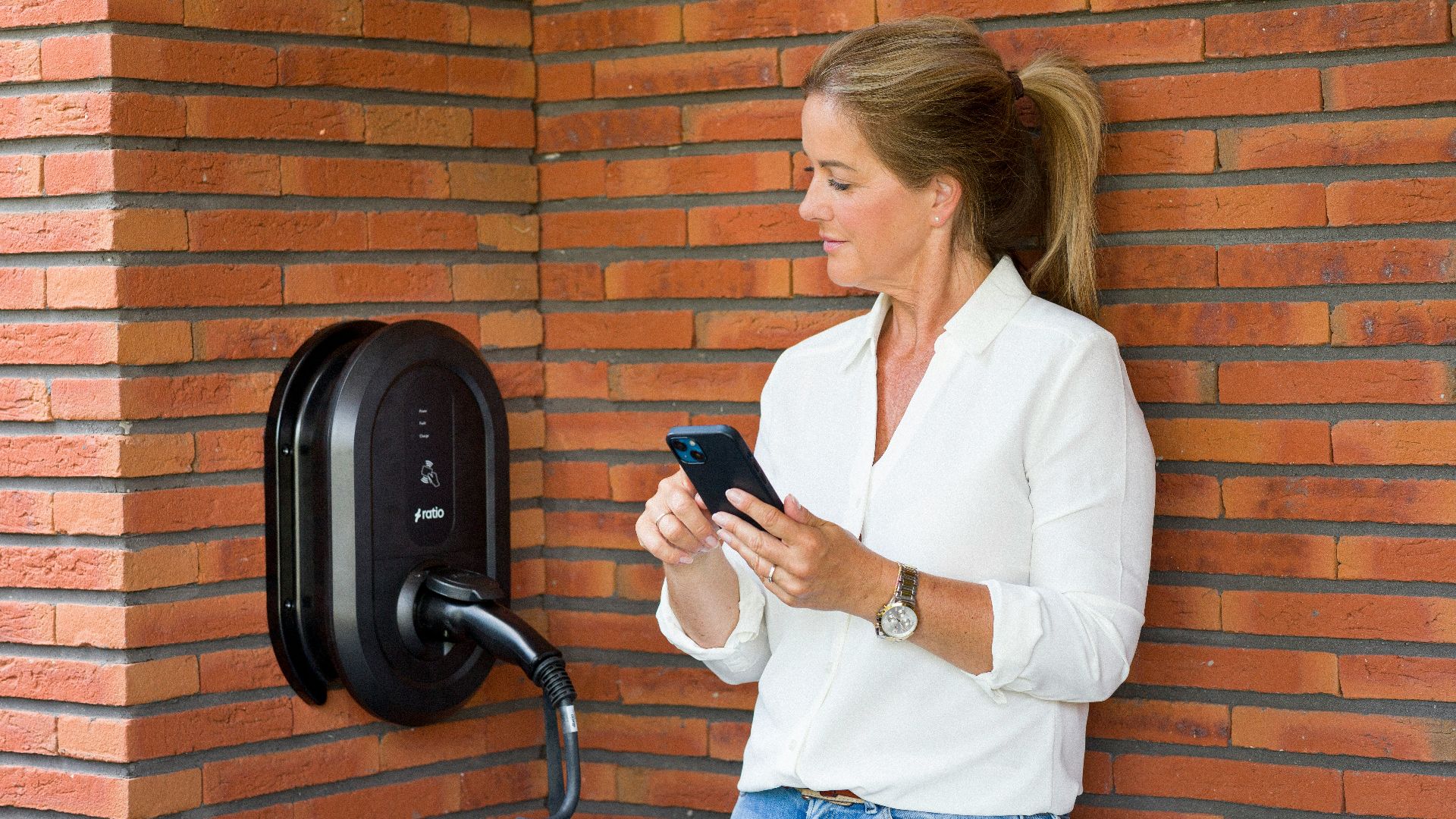
Many smart EV chargers track exactly how much electricity each charging session uses. Some vehicles also provide energy-added information through their apps. If family charging becomes a regular occurrence, technology can remove the guesswork and prevent arguments over who used what.
EV Etiquette Is Still Developing
Electric cars are changing more than what we drive. They are changing the etiquette surrounding fuel. Asking someone to use their charger may eventually become as ordinary as asking where the nearest gas station is—but homeowners should still get to decide who uses their electricity.
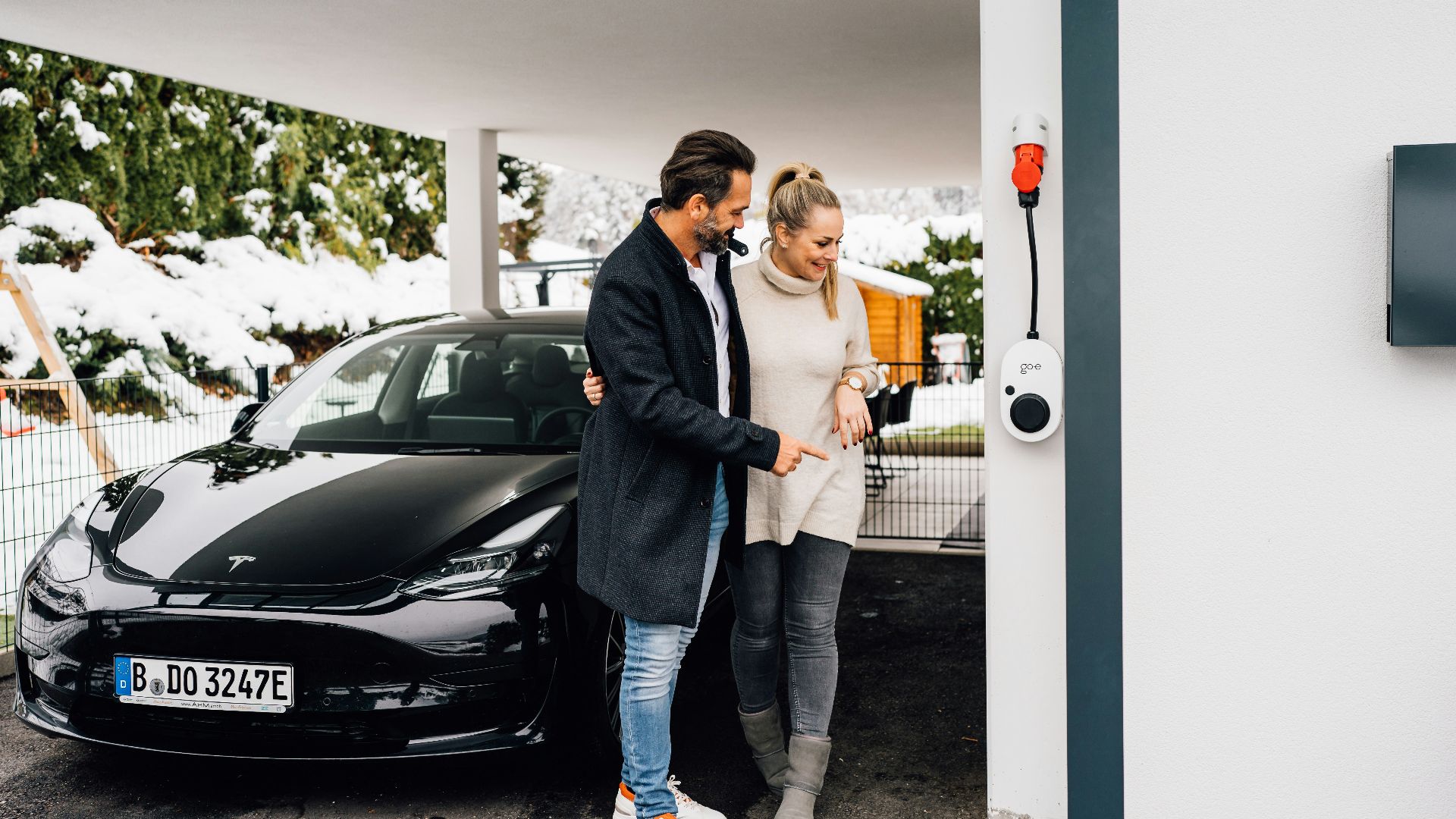
So, Should Your Brother Pay?
No, you are not unreasonable for thinking your brother should contribute, especially if his charging noticeably increased your electricity usage. Calculate the actual cost, keep the conversation proportional, and establish a rule for next time. Family hospitality is generous—but it does not have to include unlimited free fuel.

You May Also Like:
Affordable Cars From The 1990s That Were Way Better Than People Remember