Some Cars Never Leave You.
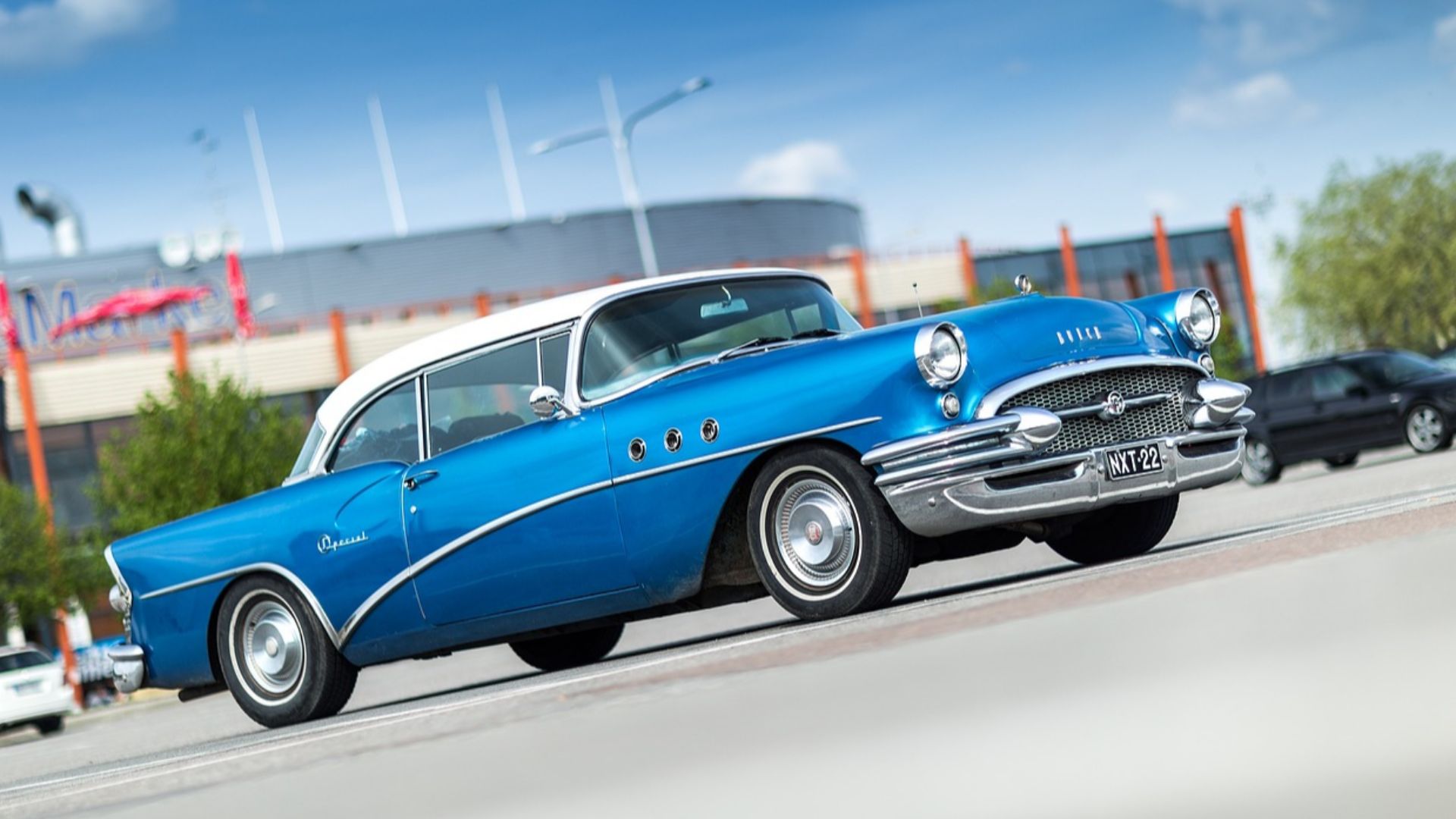
The model taped inside your high-school locker may still trigger an emotional response that no sensible crossover can match. Nostalgia is not a bad reason to buy a car, but it becomes a dangerous one when it replaces a budget, an inspection, and an honest conversation at home.
Nostalgia Is A Real Part Of The Appeal
Collector cars are rarely purchased only because they provide efficient transportation. Buyers often want a connection to a period, a personal memory, or a car they could not afford when it was new. That emotional value is legitimate, provided you recognize that you are buying an experience as well as a machine.

Your Memory Preserved The Best Parts
The car in your imagination probably starts immediately, sounds perfect, and glides down an empty road. It may not include leaking seals, outdated air conditioning, tired suspension parts, or the smell of old upholstery. A test drive is valuable because it replaces a polished memory with the reality of operating the car today.

The Dream Car May Have Changed
A model that looked exotic when you were sixteen may feel cramped, noisy, or slow by current standards. Your body, commute, family needs, and expectations have probably changed since high school. Before buying, make sure you still love driving the actual car rather than merely recognizing its shape.
Ridiculous Is Not The Same As Wrong
A bright color, enormous spoiler, tiny cabin, or outdated dashboard may seem absurd to your spouse. Those traits can also be exactly what makes the car enjoyable to you. A discretionary purchase does not need to be practical in every respect, but it should fit comfortably within the household’s financial and logistical limits.

Call It What It Really Is
If the vehicle will not reliably handle commuting, school runs, winter weather, or family trips, it is probably a hobby car. Describing it that way produces a more honest discussion about what it will cost and how often it will be used. Problems begin when an emotional purchase is presented as a necessary transportation expense.

The Purchase Price Is Only The Entrance Fee
AAA calculates vehicle ownership costs using more than the amount paid at the dealership. Its methodology includes depreciation, financing, fuel, insurance, registration, taxes, maintenance, repairs, and tires. An older enthusiast car may depreciate differently from a new vehicle, but it still creates several costs beyond the advertised price.

Build A Complete First-Year Budget
Add sales tax, registration, transportation, insurance, inspection fees, immediate repairs, storage, and basic maintenance to the purchase price. Older cars commonly need fluids, belts, hoses, tires, brakes, or batteries even when they appear presentable. A healthy reserve fund can prevent the first unexpected repair from turning the dream into a household argument.

The Monthly Payment Can Hide The Damage
The Consumer Financial Protection Bureau advises borrowers to consider the total cost of an auto loan, not merely the monthly payment. Stretching the term may make an expensive dream car appear affordable while increasing the interest paid over time. It can also leave you owing more than the vehicle is worth.

Cash Does Not Make It Free
Buying without a loan eliminates interest, but the money still comes from somewhere. Spending a large portion of savings can reduce the household’s protection against emergencies, job changes, or major repairs. The better question is whether the purchase leaves your broader financial plans intact.

Your Spouse May Be Protecting Shared Goals
Objections may have less to do with the specific car than with retirement savings, debt, housing costs, childcare, or travel plans. A dream purchase affects both partners when money, garage space, or weekend time is shared. Listening for the concern beneath the word “ridiculous” can prevent the discussion from becoming a contest between passion and practicality.

Agree On The Boundaries First
Set a maximum purchase price, repair reserve, storage plan, and annual operating budget before shopping seriously. Decide whether household savings, a trade-in, or separate discretionary funds will pay for the car. A clear agreement is more useful than seeking reluctant approval after finding a specific vehicle.

Do Not Shop While Emotionally Cornered
A rare color or unusually clean listing can create pressure to act immediately. Collector-car markets still experience periods of rising, falling, and uneven values, so a listing is not automatically a once-in-a-lifetime opportunity. Walking away remains one of the buyer’s strongest protections.
Market Value Is Not Personal Value
The car may be worth more to you because it represents adolescence, freedom, or a family memory. The next buyer will not necessarily share that attachment. Pay attention to comparable sales and condition so personal meaning does not become an excuse to dramatically overpay.

It Is Not A Guaranteed Investment
Hagerty’s market reporting shows that collector-car values do not all move in the same direction. Some segments rise while others flatten or decline, and broader market conditions can change. Buy the car because ownership is worth the expense to you, not because appreciation is required to justify the decision.
Condition Matters More Than The Badge
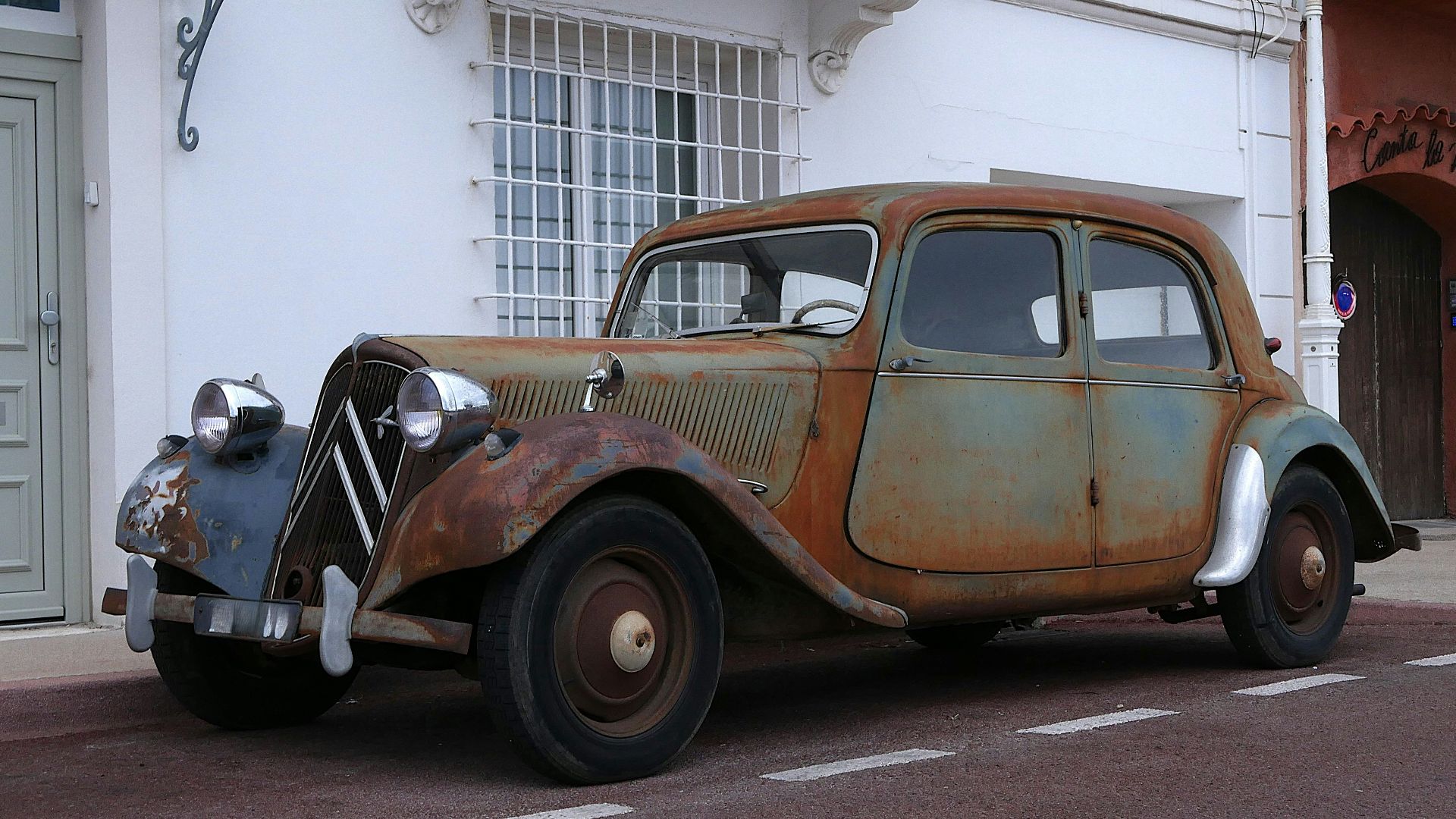
A cheap example of the correct model can become far more expensive than a better car purchased at a higher price. Corrosion, accident repairs, incomplete restorations, neglected mechanical systems, and missing trim can consume large amounts of money. The badge on the hood cannot compensate for a structurally poor vehicle.
Pay For An Independent Inspection
The Federal Trade Commission recommends having a used vehicle inspected by an independent mechanic before purchase. Hagerty similarly advises buyers of collector cars to use a marque expert who understands the model’s common problems. The inspection should be performed for you, not merely accepted from the seller.
Find The Rust Before It Finds Your Wallet
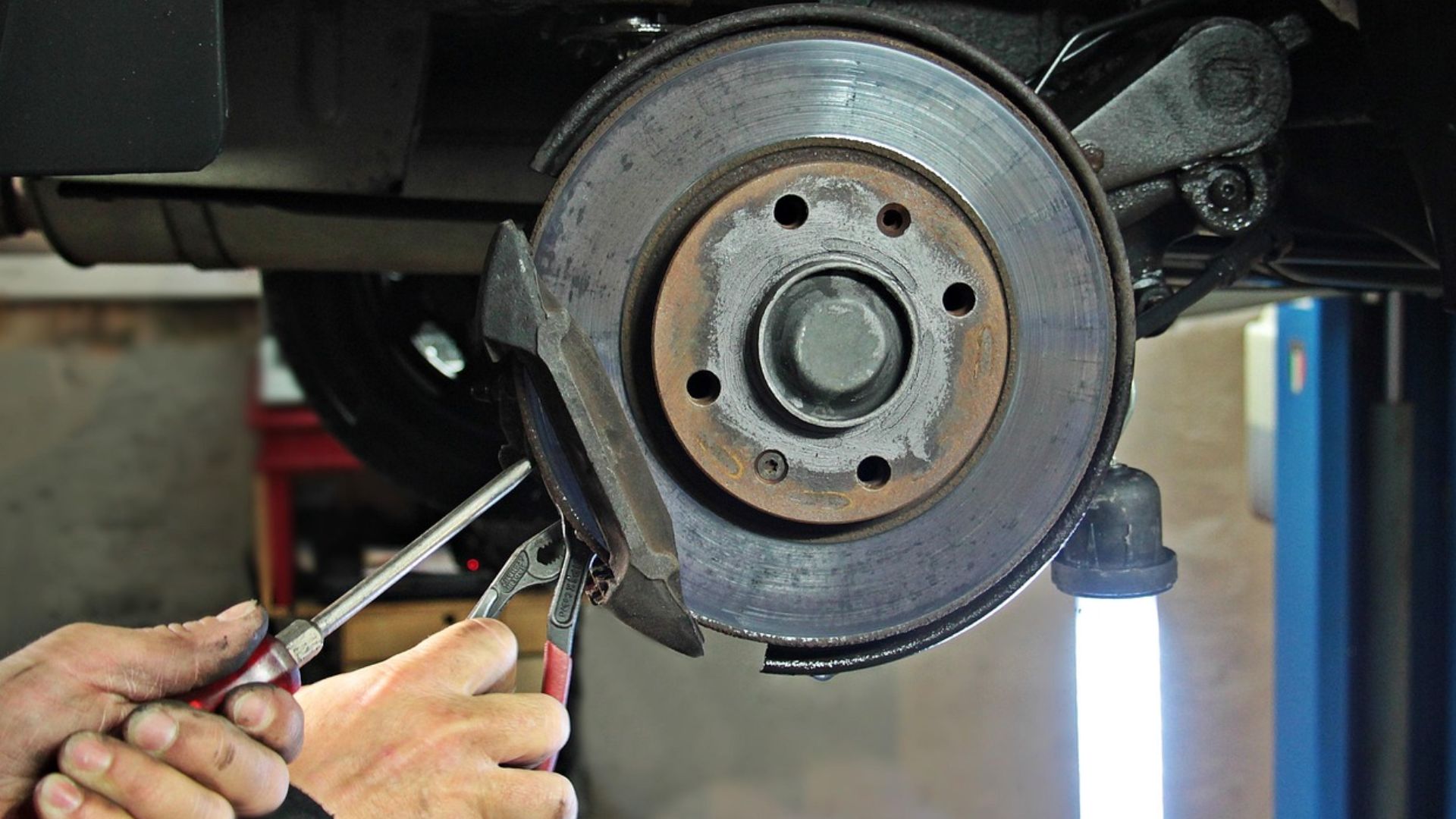
Corrosion can hide beneath carpeting, trim, undercoating, body filler, and fresh paint. Hagerty’s buying guidance repeatedly identifies rust as one of the most expensive risks on older vehicles because proper repairs can involve extensive disassembly and fabrication. A shiny exterior is not evidence of a healthy structure.
Verify The Paperwork
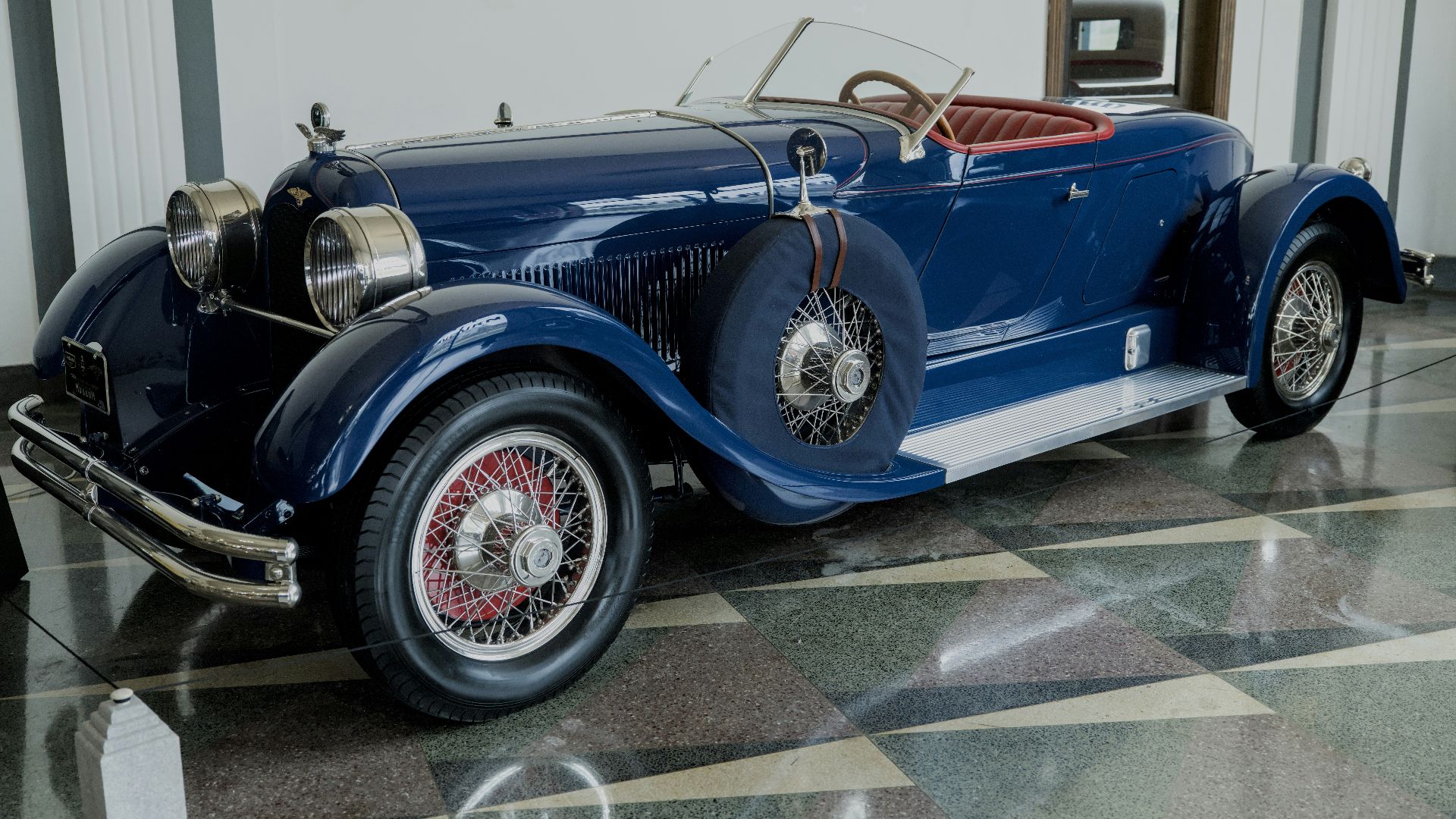
Confirm that the seller has a valid title and that the vehicle identification number matches the paperwork and the car. Obtain a vehicle-history report where appropriate, but do not treat it as a substitute for physical inspection. The FTC also advises buyers to get promises and warranty terms in writing.

Check For Unfinished Recalls
NHTSA allows owners and shoppers to search for open safety recalls using a vehicle identification number or license plate. Recall repairs are generally completed without charge through the manufacturer’s dealer network. Parts support may be more complicated for very old or discontinued models, so investigate the remedy before completing the purchase.

Parts Availability Can Change Everything
Some popular classics have strong aftermarket support, active clubs, and several specialist suppliers. Other vehicles depend on scarce used components or aging original parts that are difficult to rebuild. Hagerty has reported shortages of high-quality replacement parts for certain collectible European cars, which can increase both downtime and repair expense.
Find A Mechanic Before The Car
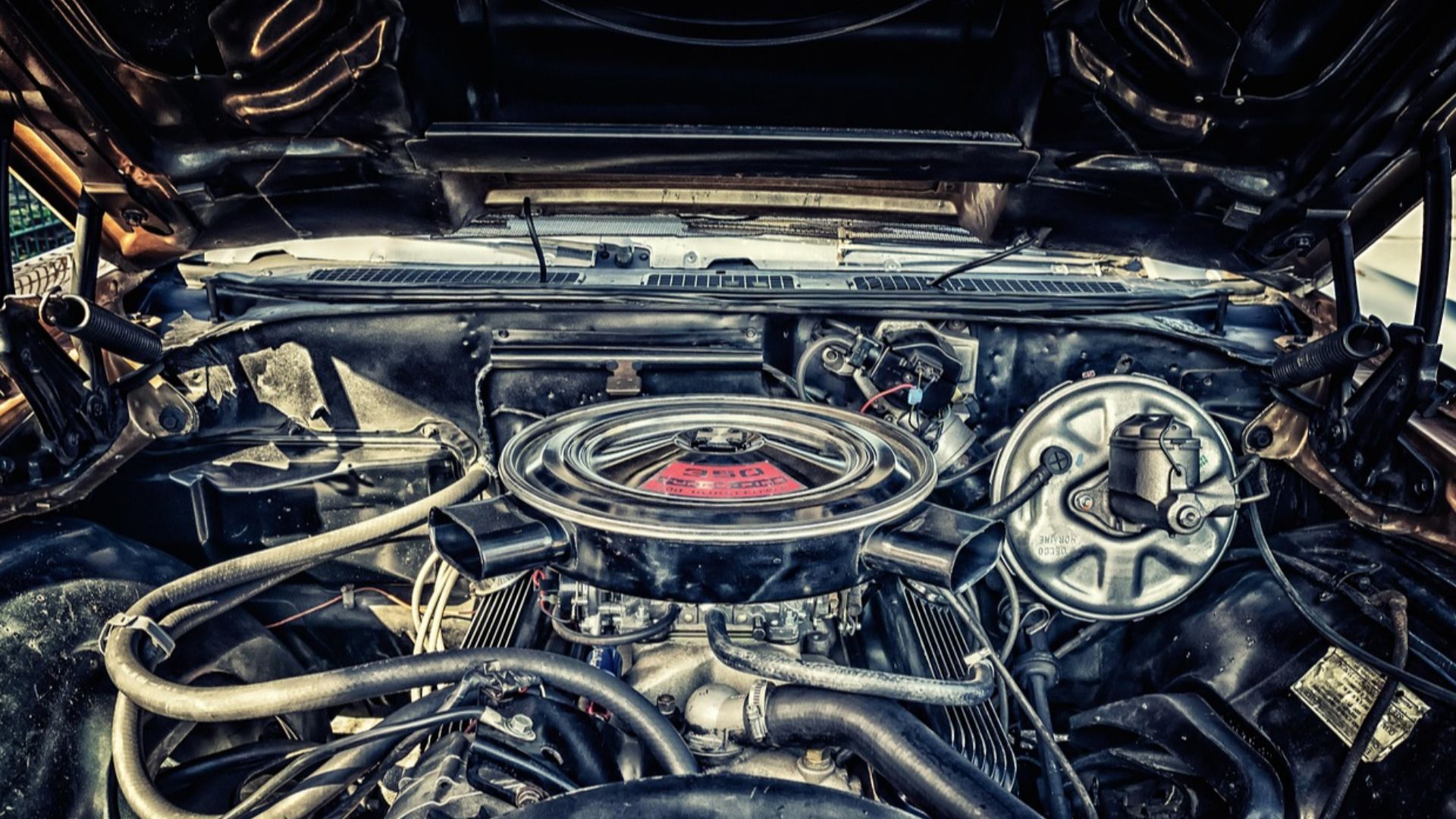
A specialist who understands the model may be more important than the nearest general repair shop. Ask about labor rates, waiting times, diagnostic equipment, parts sources, and whether the shop accepts new customers. Owning an unusual car becomes much harder when every repair requires transporting it several hours away.

Insurance Needs Its Own Research
Collector-car insurance can use an agreed value established for the vehicle rather than relying only on ordinary depreciated cash value. Specialty policies may also place conditions on usage, storage, driver eligibility, and access to another regular-use vehicle. Get a firm quotation before buying because the car and your intended use must qualify.

Daily Driving May Change The Policy
Some collector policies allow pleasure driving, tours, exhibitions, and club events but do not permit the vehicle to serve as the household’s daily driver. Hagerty’s eligibility guidance also discusses secure storage and access to a regular-use vehicle. A cheap specialty quote is not useful when your actual driving pattern violates the policy terms.

The Car Needs Somewhere To Live
A weather-protected garage can reduce exposure to theft, hail, ultraviolet damage, moisture, and temperature extremes. Storage can also determine whether a collector vehicle qualifies for certain insurance programs. If the dream car displaces a practical vehicle into the driveway, that inconvenience belongs in the family discussion.
Older Cars Require A Different Routine
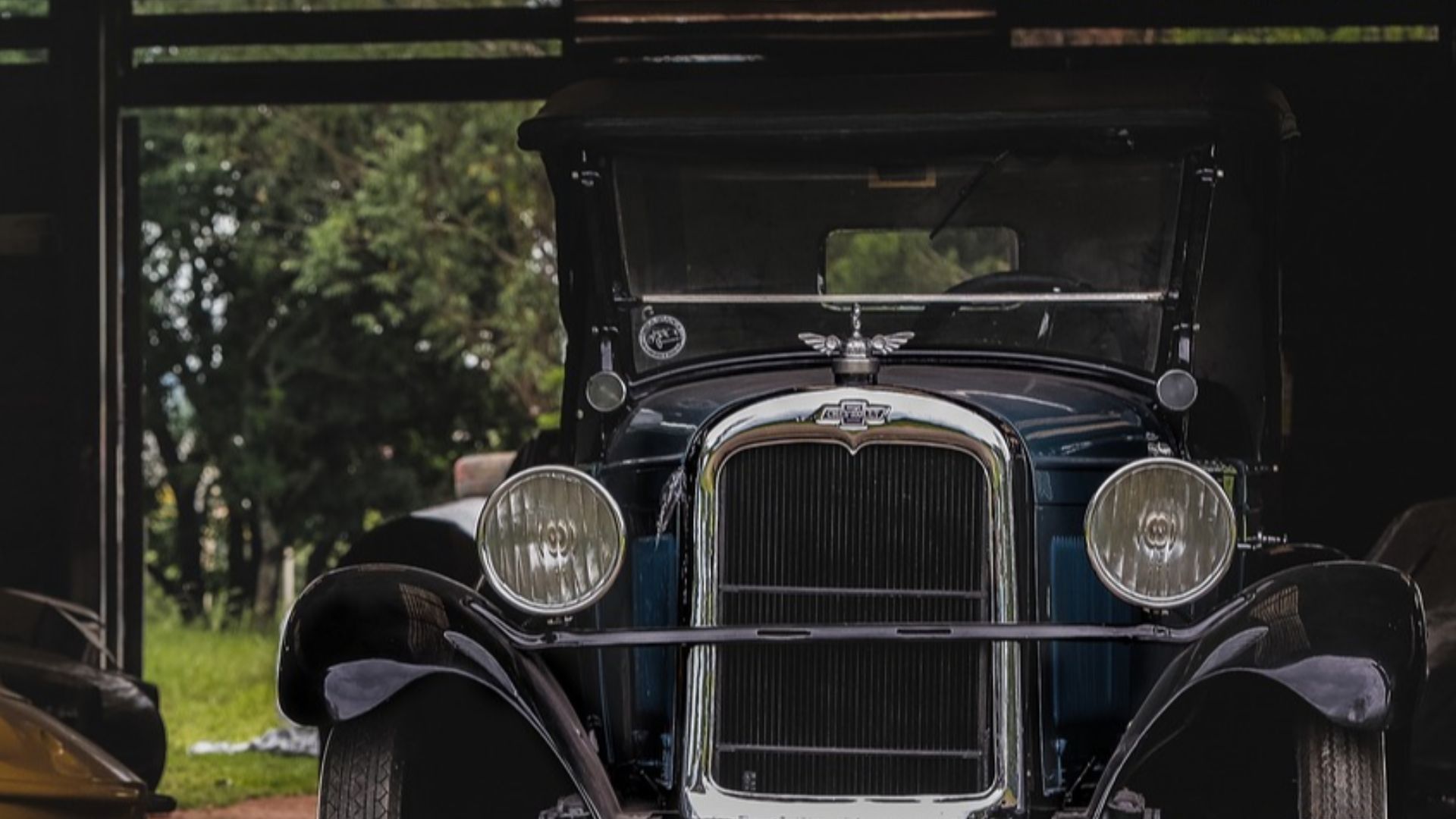
Vintage vehicles may sit for long periods, which can create problems with batteries, tires, fuel, fluids, and seals. Hagerty recommends checking key items before driving a car that has spent time parked. Ownership becomes more satisfying when routine inspection is treated as part of the hobby rather than an unfair burden.
You Could Try Before You Buy
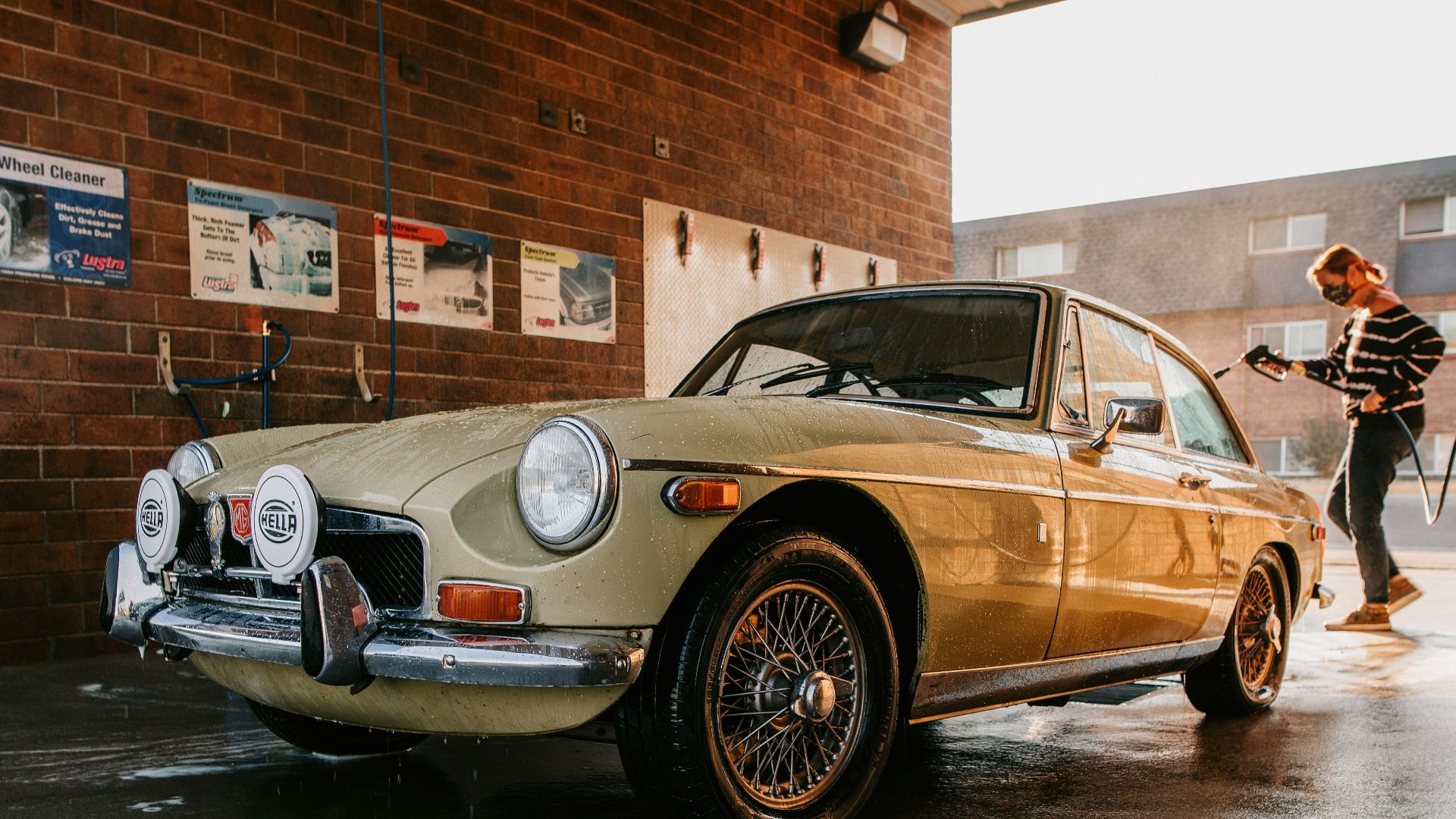
Renting a similar model, joining an owners’ club, attending events, or arranging a longer test drive can reveal whether the fantasy survives real use. Spending time around current owners can also expose common repair issues and typical operating costs. A small trial expense may prevent a very large purchasing mistake.

The Right Answer Can Be Yes
Nostalgia is a perfectly reasonable reason to own a discretionary car when the purchase is affordable, inspected, insured, and openly agreed upon. It is a poor reason when the car threatens essential savings, depends on unrealistic resale assumptions, or forces your spouse to absorb the consequences. Buy the dream only after giving the practical objections enough respect to make ownership enjoyable for both of you.