When A Maintenance “Win” Turns Into A Repair Bill
At first, it sounds like one of the best perks of owning a hybrid: your brakes barely wear down because the car uses regenerative braking so much of the time. Then the surprise comes during an inspection. The pads still look fine, but the rotors are rusty, the calipers are sticking, or the mechanic says the brakes need work anyway.
Suddenly, the system that was supposed to save you money feels like it created a different problem.

Regenerative Braking Changes The Routine
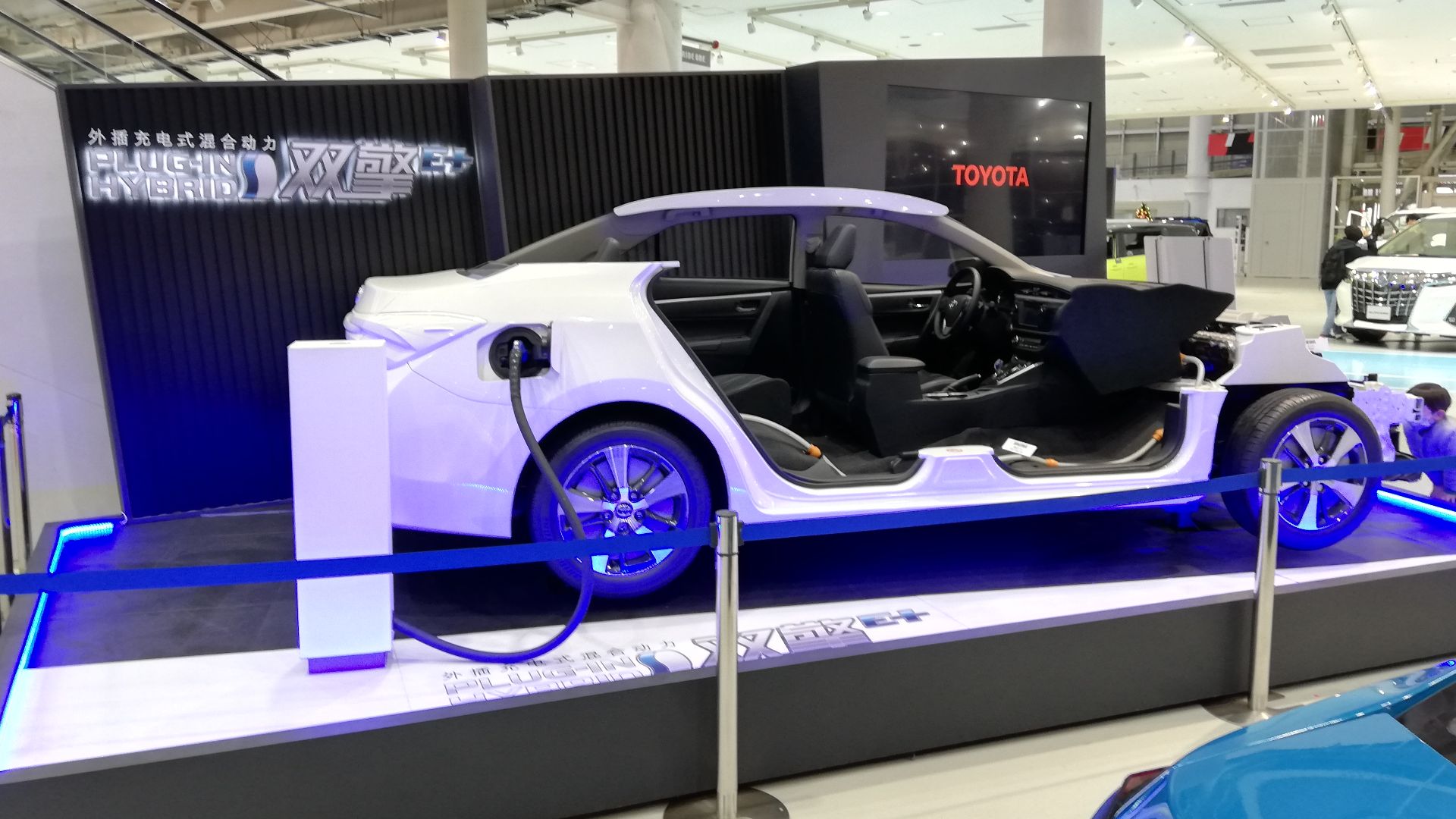
In a regular gas car, most stopping is handled by friction brakes. In a hybrid, regenerative braking lets the electric motor help slow the vehicle and send energy back to the battery. That means the pads and rotors may do less daily work, especially during gentle city driving.
 Beginning with the simplest steps, Wikimedia Commons
Less Wear Does Not Mean No Maintenance
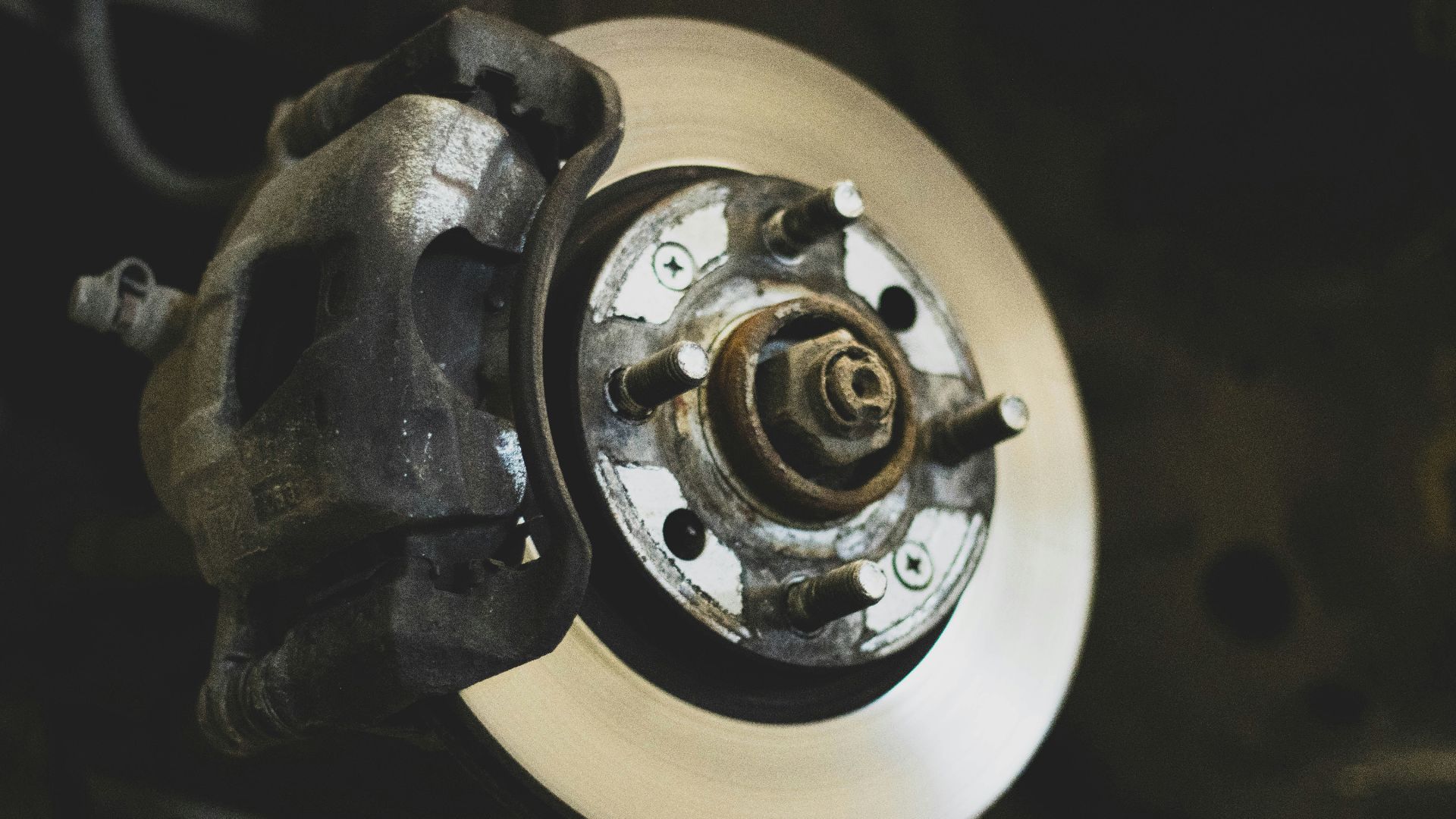
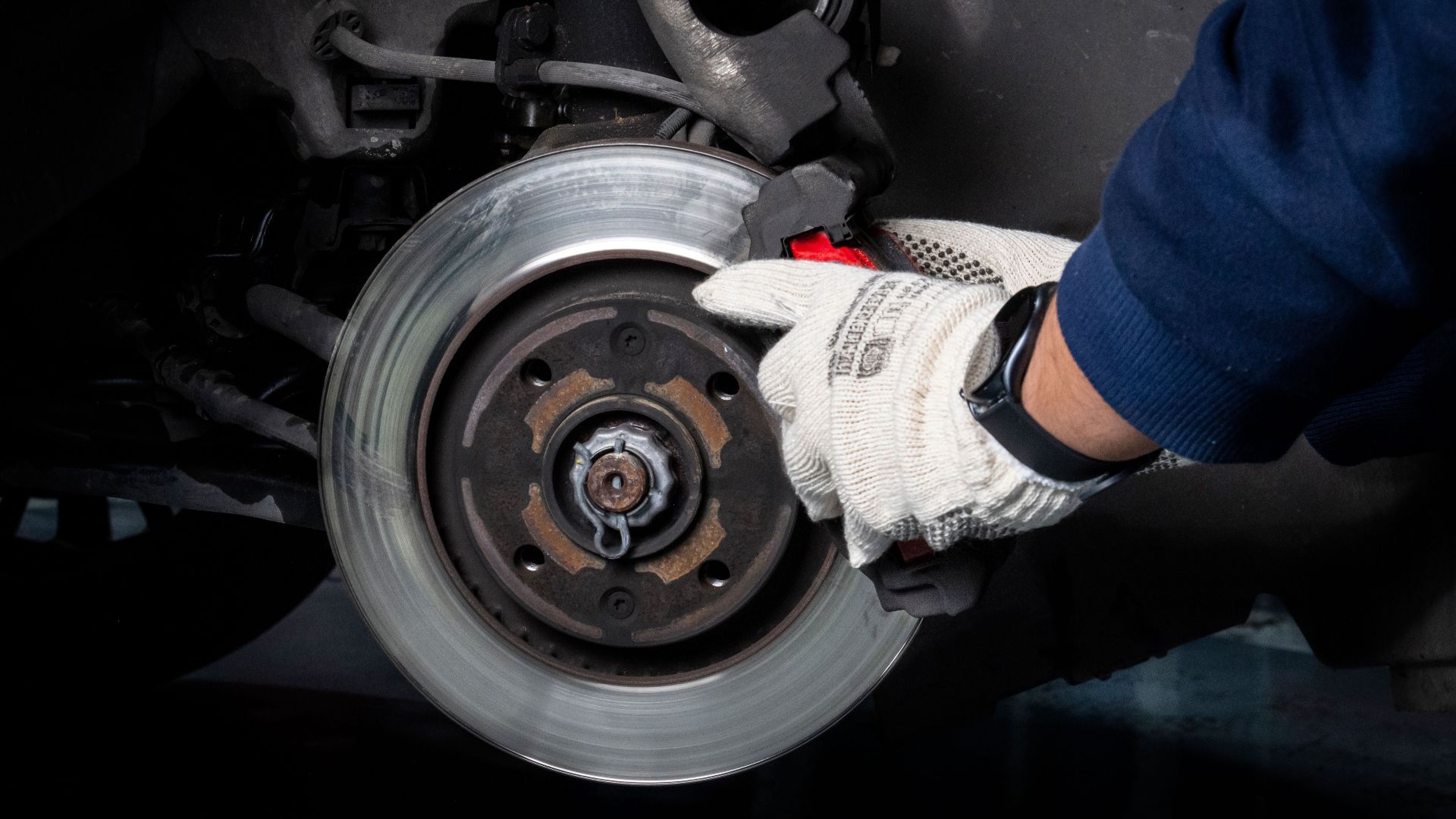
Longer-lasting brake pads sound like a win, but brakes still live in harsh conditions. Rotors face moisture, road salt, grit, temperature swings, and long periods of sitting. If the friction brakes are not used firmly very often, surface rust may not get scrubbed away as regularly as it would on a gas-only vehicle.
Corrosion Can Sneak Up Slowly
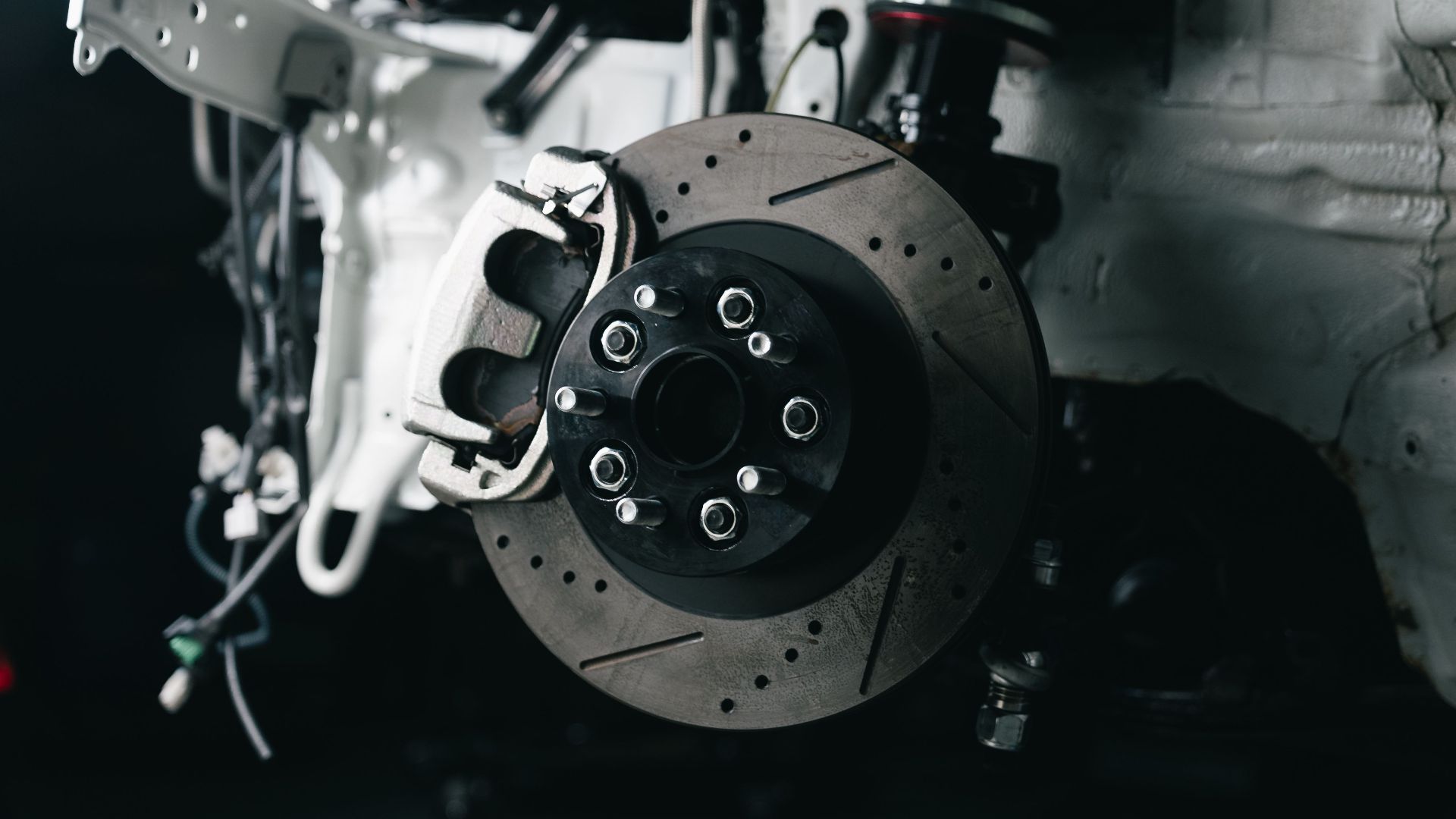
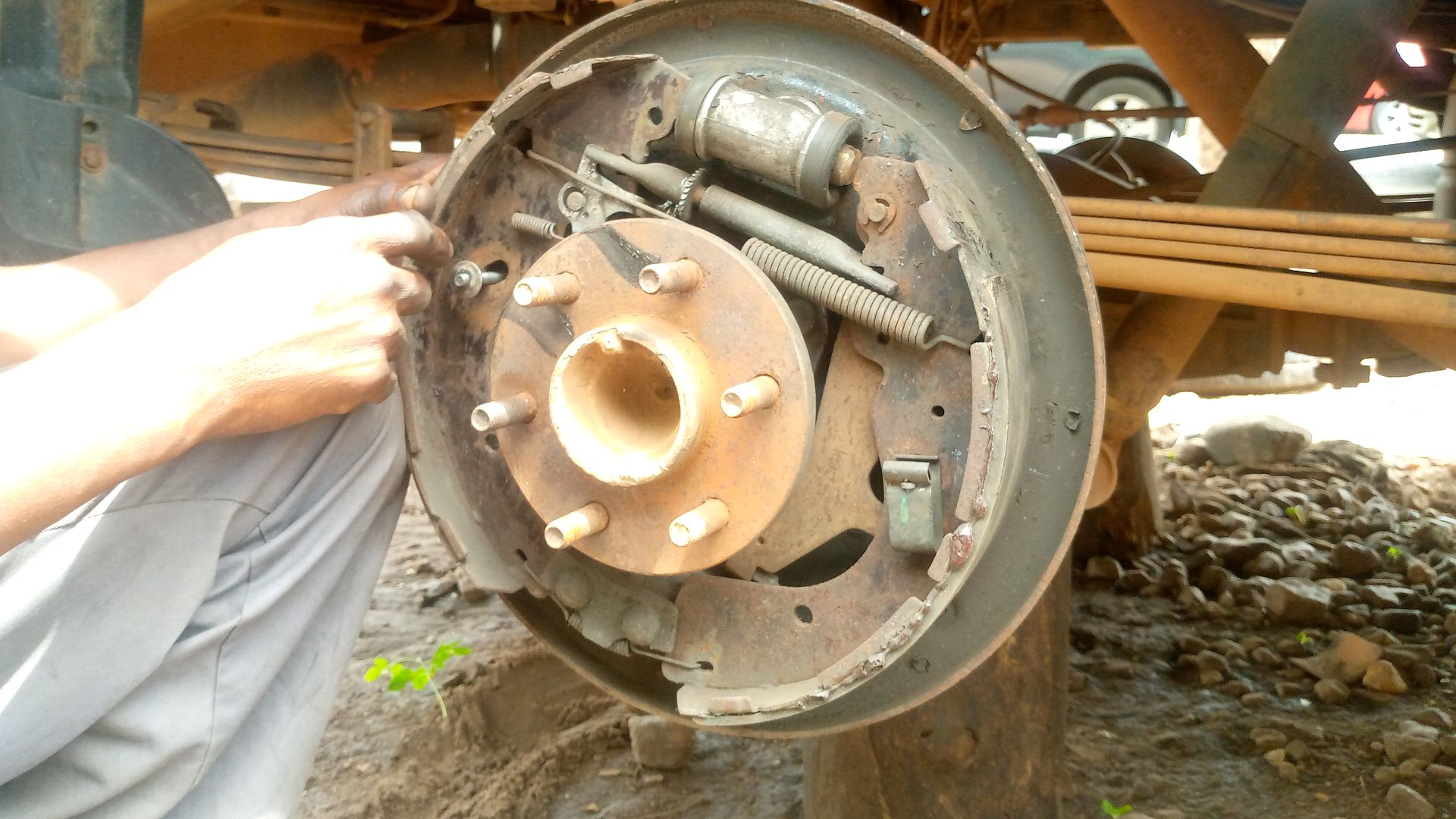
Brake corrosion does not always announce itself right away. You might notice grinding, pulsing, squeaking, reduced smoothness, or a rough feel after the car sits. Sometimes the vehicle still stops normally, but an inspection reveals pitted rotors, sticking hardware, or uneven pad contact caused by rust buildup.
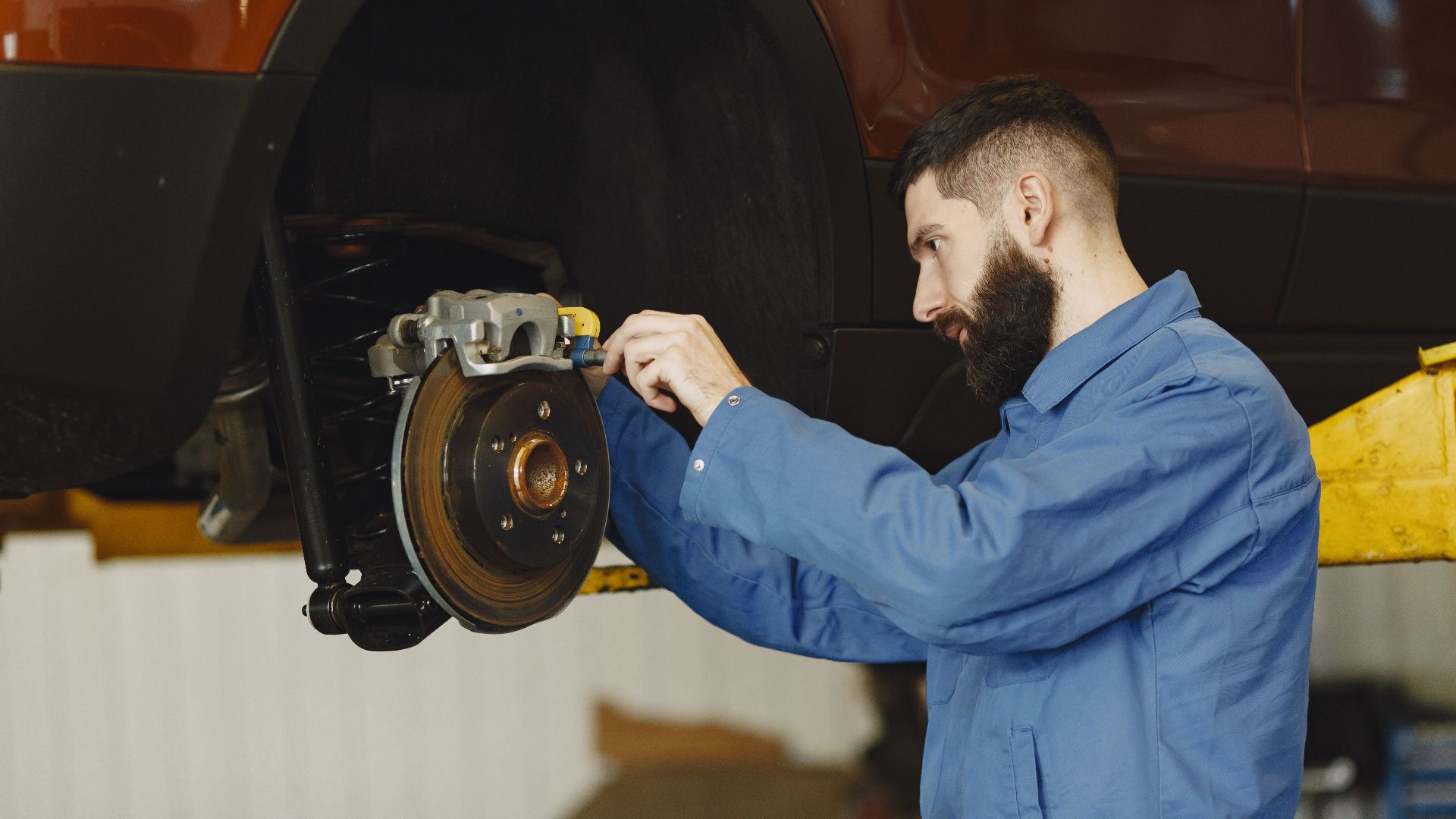
Rear Brakes Can Be Especially Vulnerable
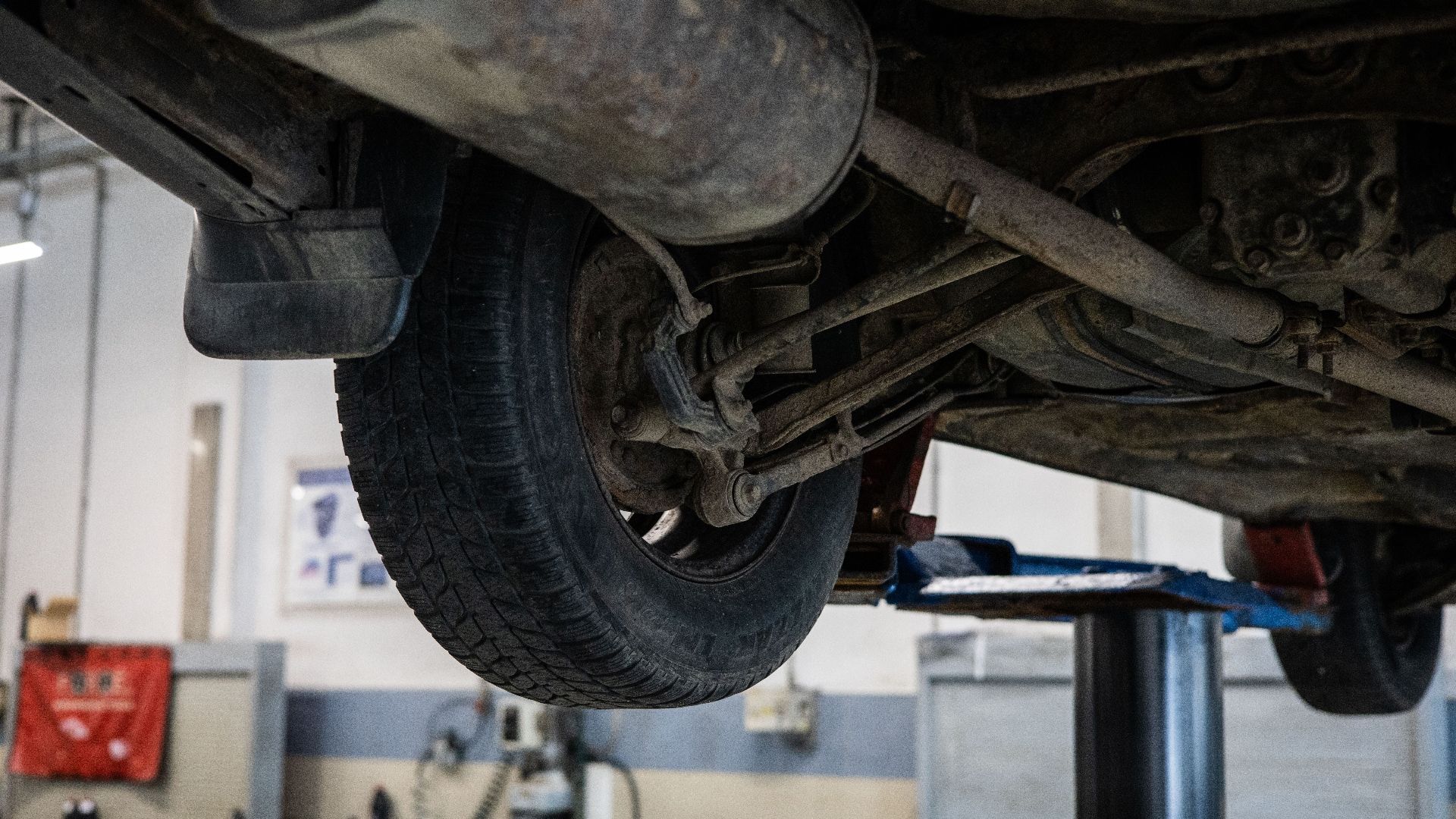
Rear brakes often do less work than front brakes, and hybrids may reduce friction-brake use even more during light braking. That can leave rear rotors and components more exposed to corrosion. Some hybrid and electric-vehicle owners discover that the brakes look barely worn but still need attention.
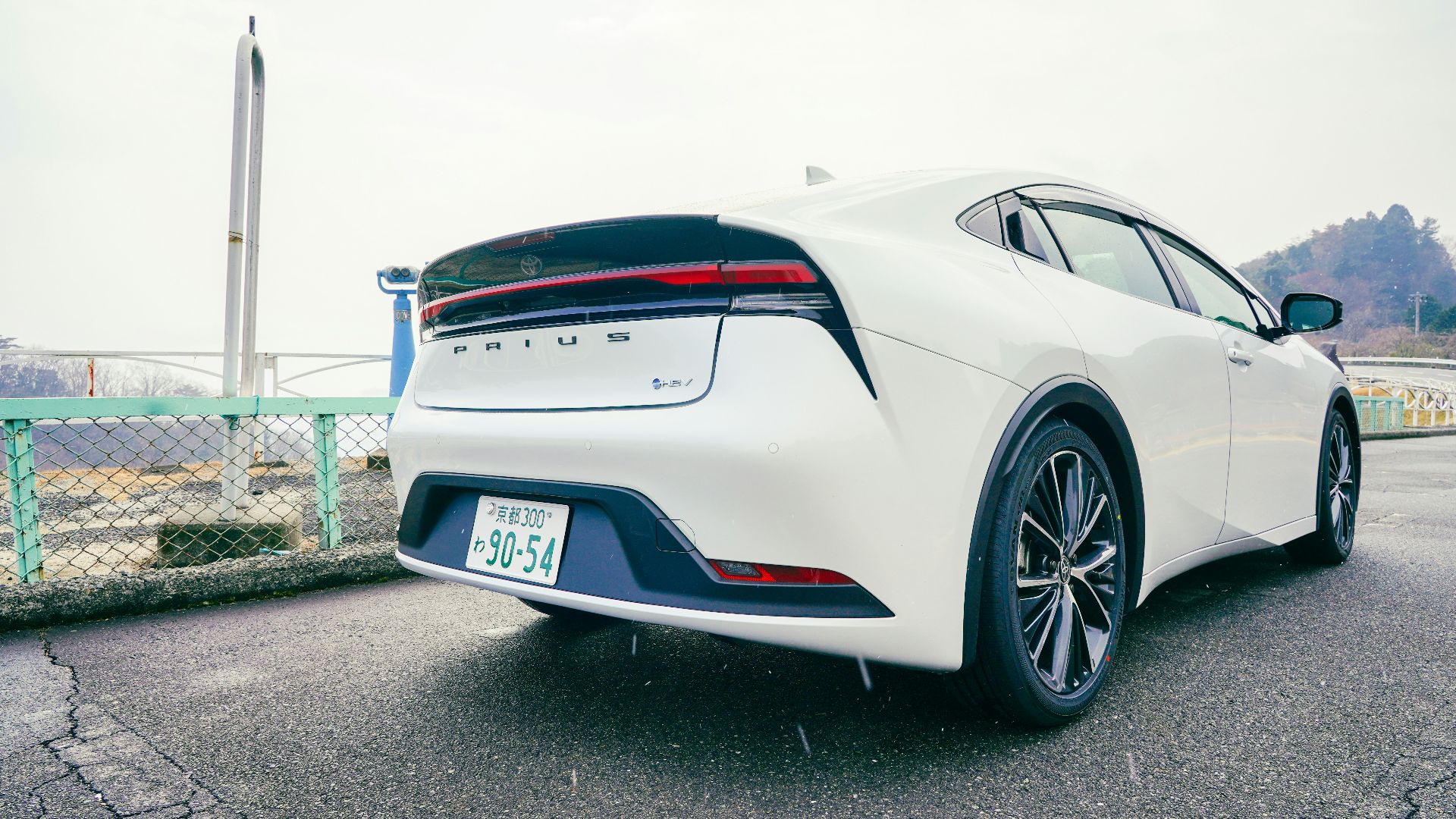
Salt And Moisture Make Everything Worse
Drivers in snowy climates may face the worst combination: regenerative braking, wet roads, and road salt. Even a well-designed braking system can corrode faster when exposed to salty slush and then left parked. If the car mostly does short trips, the brakes may not warm up enough to dry themselves fully.

Hybrids Still Have Normal Brake Parts
A hybrid may feel futuristic, but it still has brake pads, rotors, calipers, brake fluid, hoses, and hardware. The regenerative system reduces some workload, but it does not eliminate the friction braking system. That means regular brake inspections still matter, even if the pads look like they have years left.

Brake Fluid Still Ages
Brake fluid can absorb moisture over time, and that can affect braking performance and internal corrosion. Even if a hybrid’s brake pads last longer than expected, the fluid still needs attention on the schedule recommended by the manufacturer. Low brake wear should not trick owners into ignoring brake service entirely.
The Hybrid Battery Is A Separate Concern
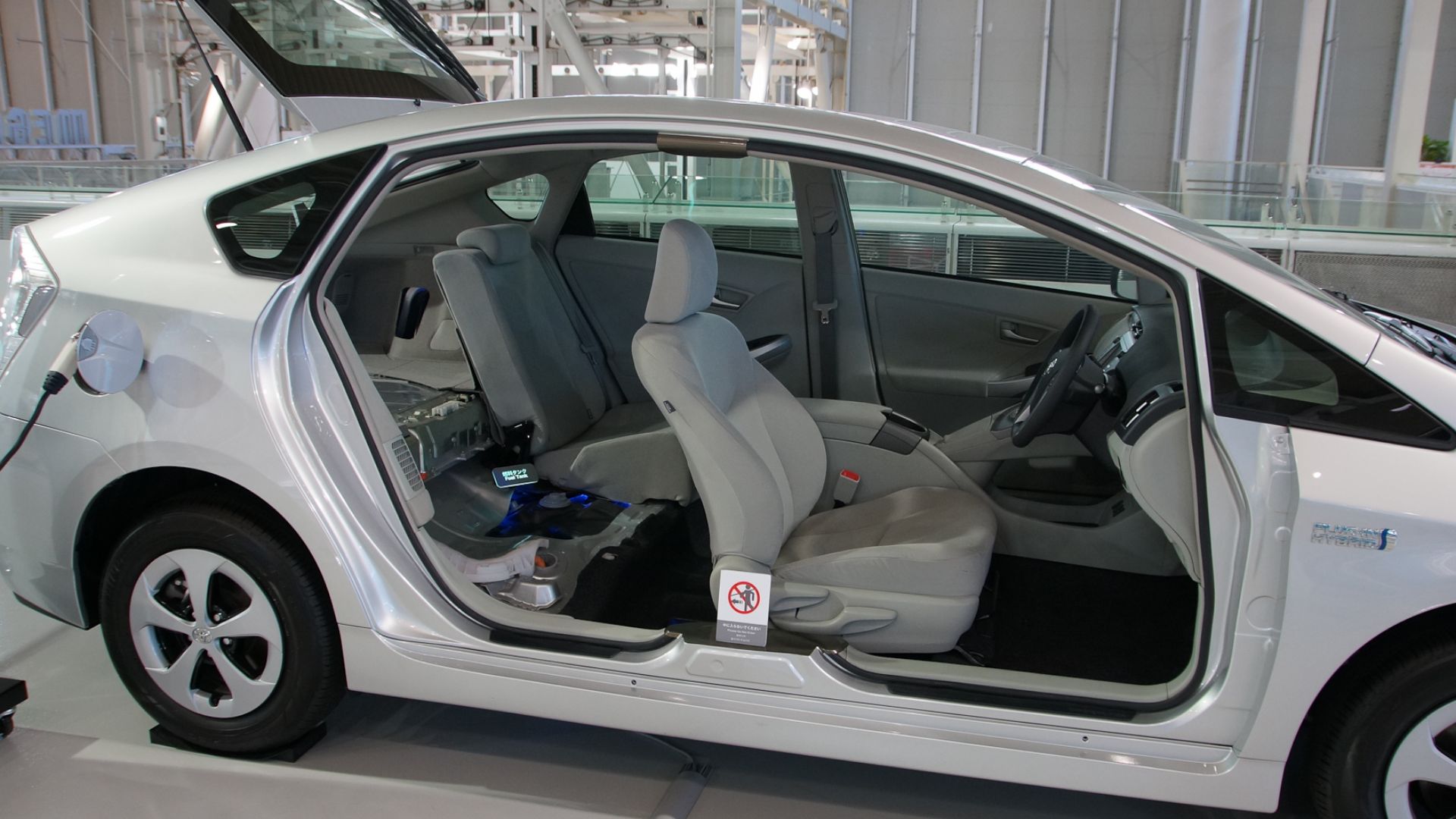
When people worry about hybrid engine systems, they often jump straight to the high-voltage battery. That battery can be expensive if it fails, but many hybrid batteries are designed to last a long time. For many owners, the more realistic issue is understanding which routine maintenance items are simply different.
Cooling Systems Can Add Complexity
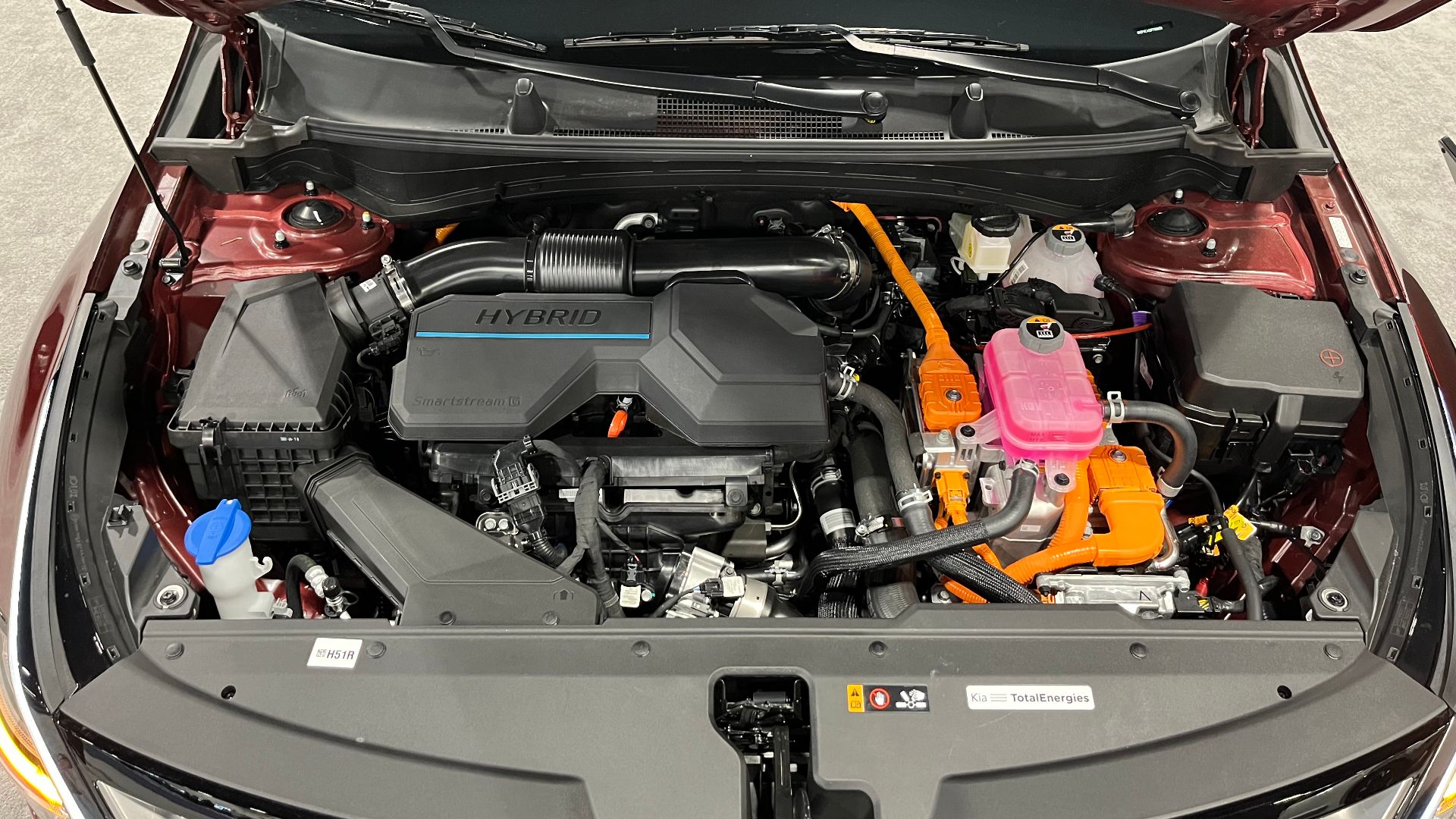
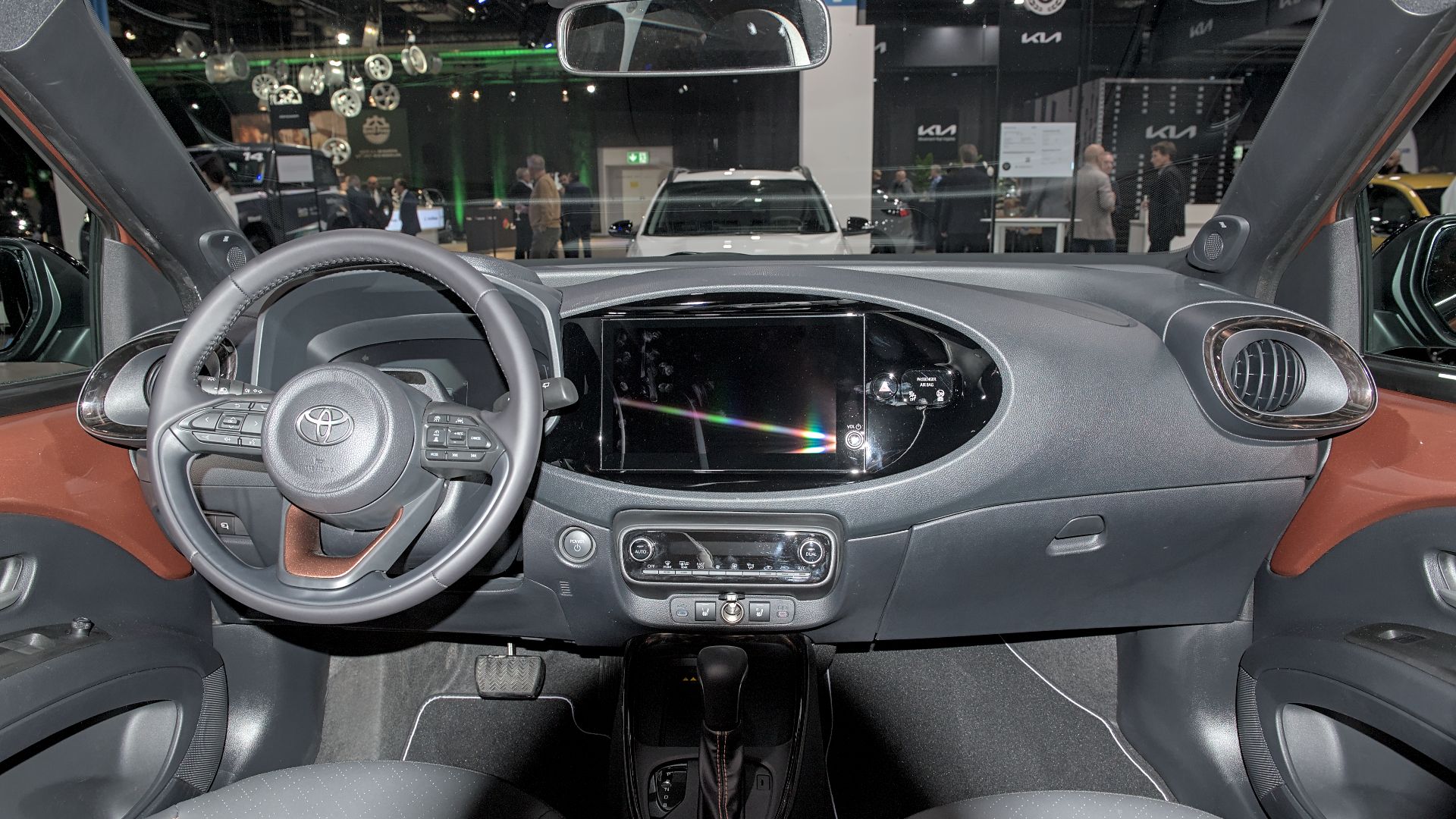
Some hybrids have additional cooling needs for the battery, power electronics, or electric motor components. That may mean extra coolant loops, filters, fans, or service checks. These systems are not automatically trouble-prone, but they are parts a gas-only vehicle may not have in the same way.
The Gas Engine May Work Differently
Hybrid gas engines often shut off and restart frequently. They may run at different loads than a conventional engine, and some use designs optimized for efficiency rather than traditional performance. That does not make them fragile, but it does mean maintenance should follow the hybrid-specific owner’s manual.
 Alexander Migl, Wikimedia Commons
Short Trips Can Create Mixed Effects
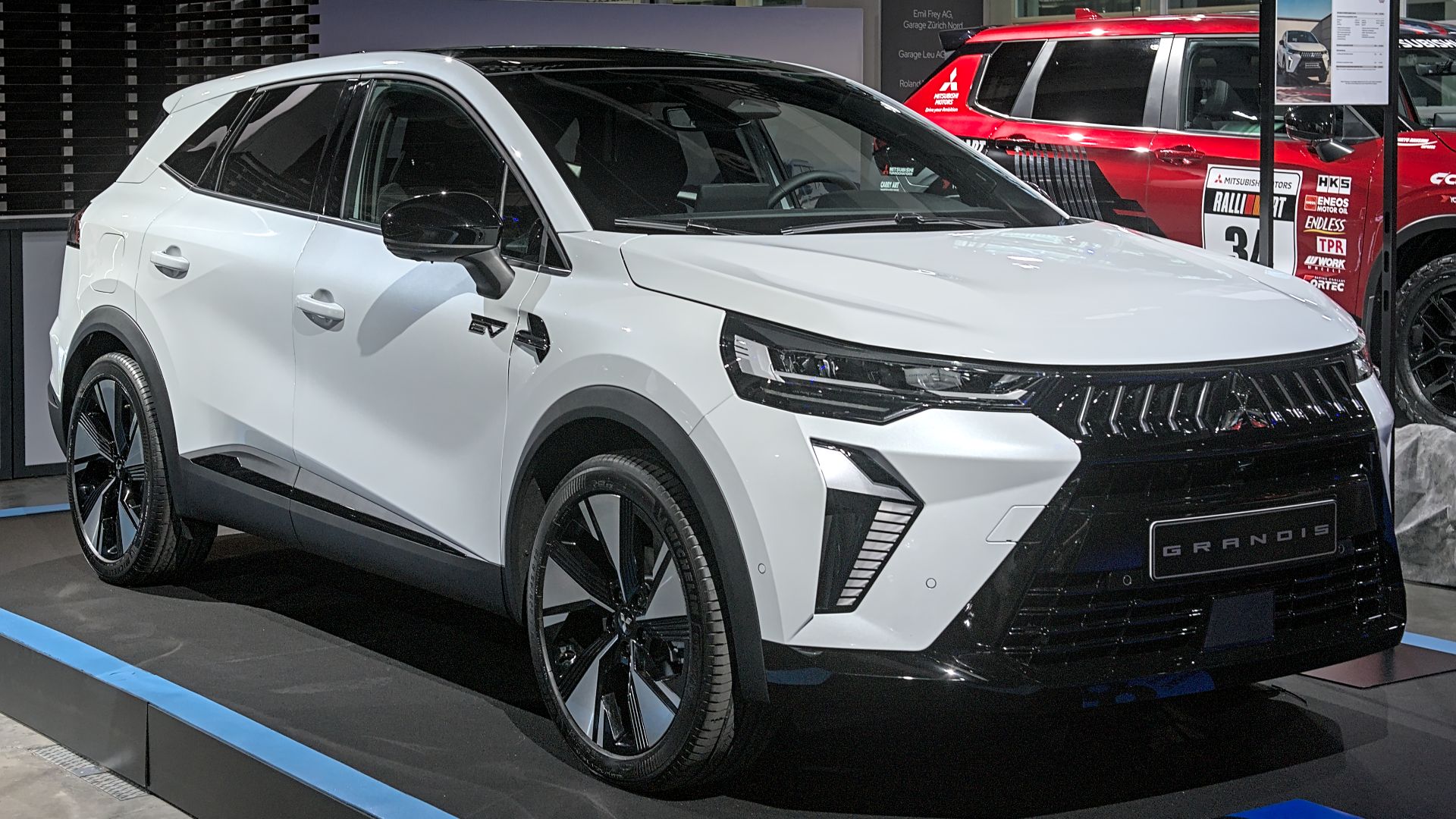
Hybrids can be excellent for short city trips because regenerative braking and electric assist shine in stop-and-go traffic. But short trips can also mean condensation, brake moisture, and limited warm-up time. A hybrid can save fuel in that routine while still needing attention to brakes, fluids, and corrosion.
Tires May Wear Differently
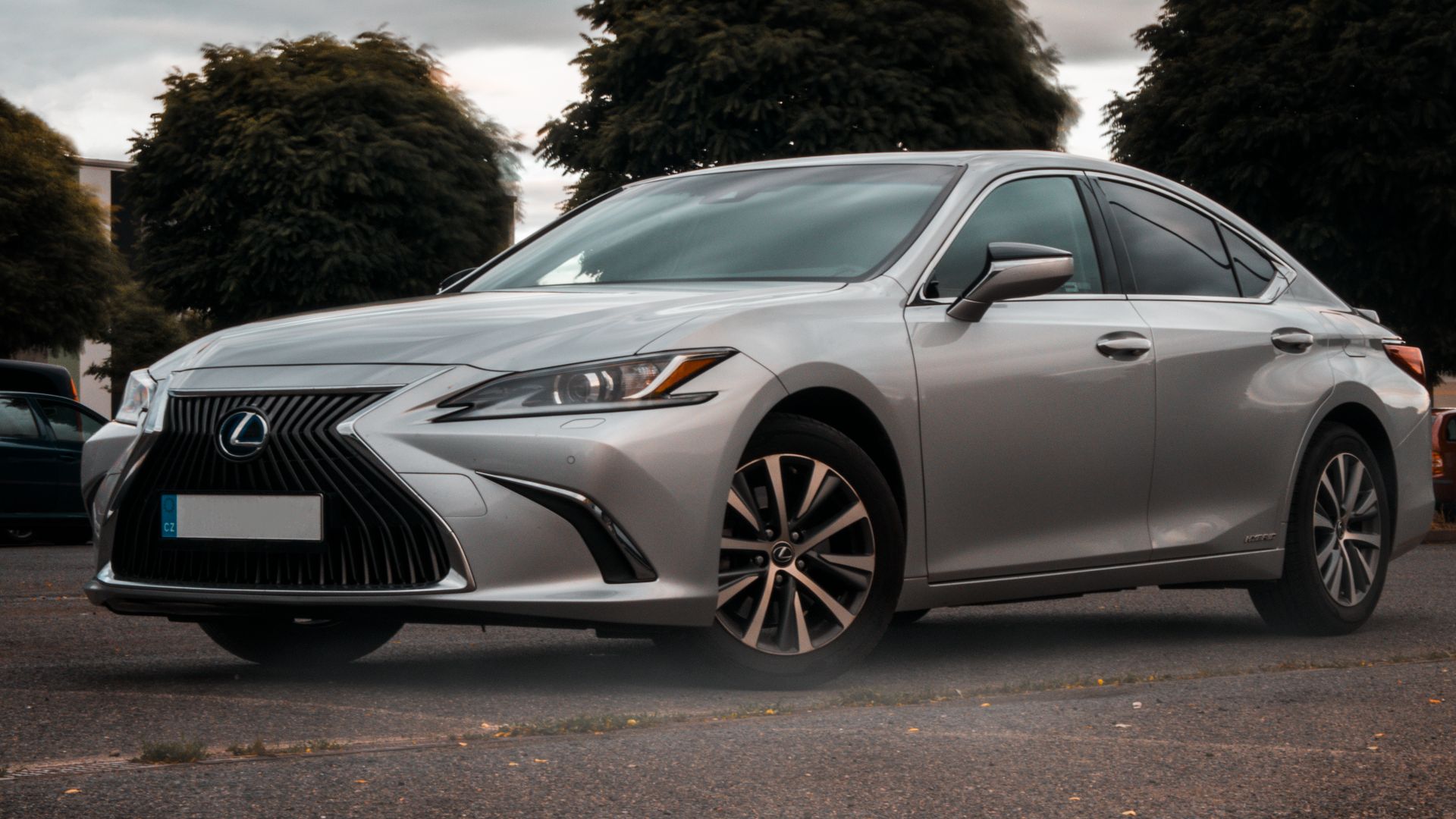
Some hybrids are heavier than comparable gas vehicles because of battery and electrical components. Many also deliver smooth instant torque from the electric motor. Depending on the model, tires, alignment, and driving style, tire wear can become a maintenance item worth watching closely.
Electronics Can Be Expensive To Diagnose
Modern hybrids depend on sensors, control modules, inverters, battery management systems, and software. When everything works, the experience feels seamless. When a warning light appears, diagnosis may require specialized scan tools and technicians familiar with the system.
 Alexander Migl, Wikimedia Commons
Reliability Depends Heavily On The Model
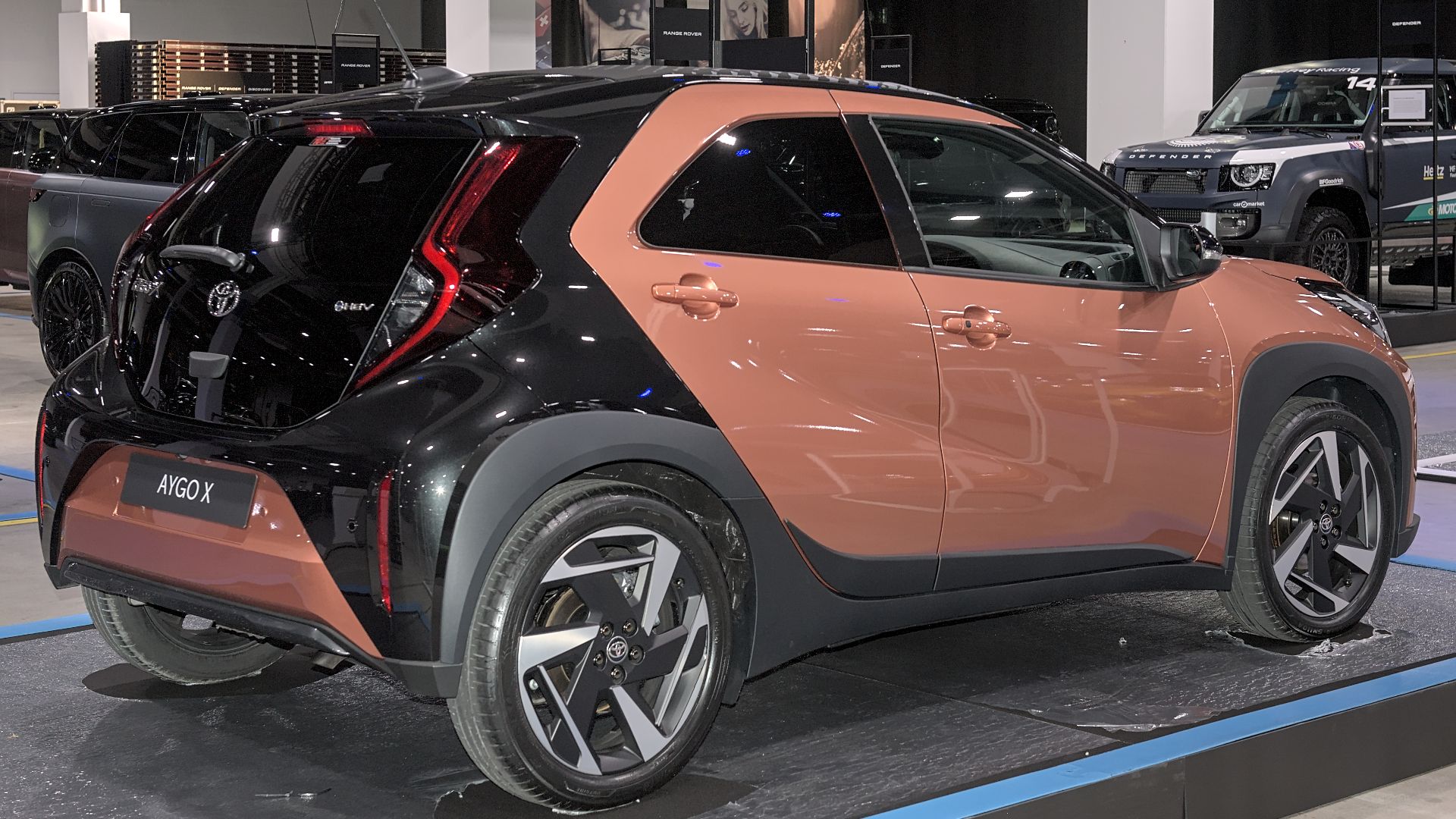
It is too simple to say hybrids are always more troublesome than gas cars. Some hybrids have excellent reputations, while others have model-specific issues. Reliability data is helpful because the brand, model, age, maintenance history, and driving conditions often matter more than the word “hybrid".
 Alexander Migl, Wikimedia Commons
Maintenance Savings Can Still Be Real
Hybrids can reduce fuel use, brake-pad wear, and some engine strain. For many owners, those savings are real. The catch is that low wear should not be confused with zero inspection. A hybrid may need fewer brake pad replacements but still need careful checks for rust, sticking parts, and fluid condition.
The Best Prevention Is Occasional Brake Use
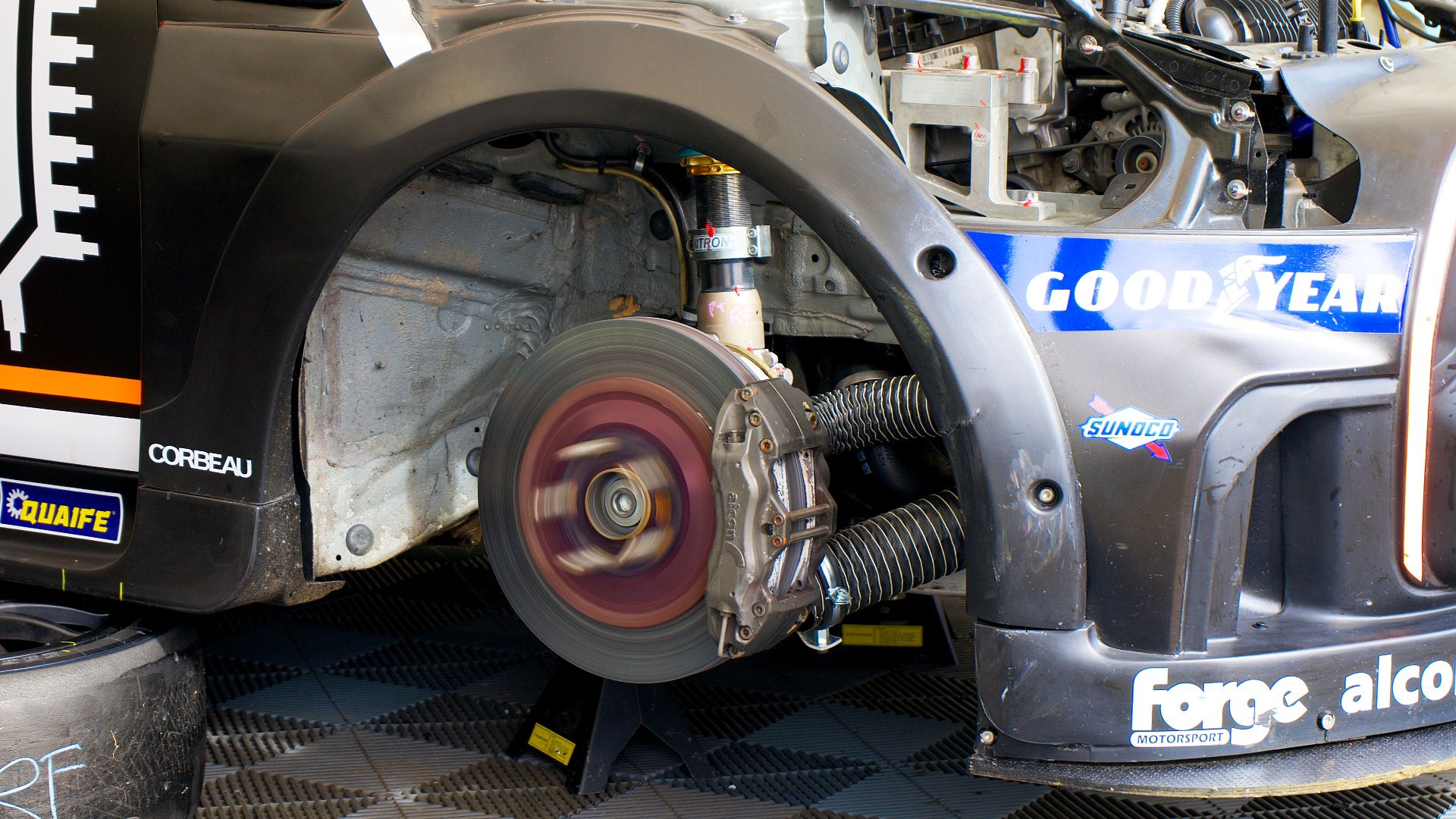
Some mechanics recommend occasionally using the friction brakes more firmly when it is safe to do so, especially after wet or salty driving. The goal is not aggressive driving. It is simply giving the brakes a chance to clean the rotor surfaces and move the hardware through its normal range.
Regular Inspections Matter More Than Mileage
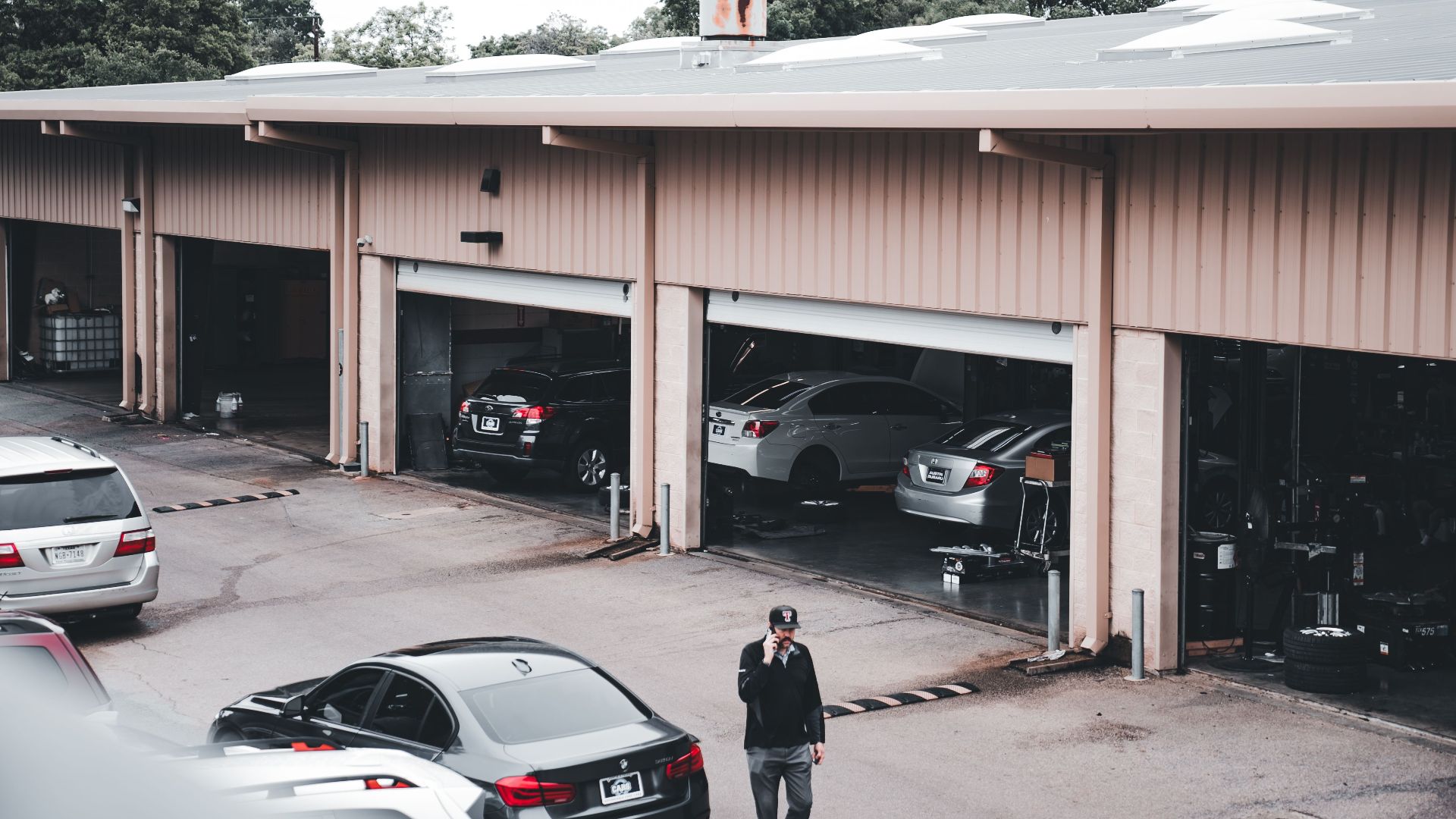
Because hybrid brake pads may last so long, mileage alone can be misleading. A car with plenty of pad material left may still have rusty rotors or sticking hardware. Seasonal inspections can catch corrosion before it becomes a bigger repair, especially in climates with winter salt or long wet seasons.
Do Not Ignore Brake Noises
A little rust after sitting can be normal, but persistent grinding, scraping, vibration, or pulling should be checked. Hybrids can mask some brake issues because regenerative braking does so much of the work. If the friction brakes feel rough only when they finally engage, that is still worth investigating.
So, Are Hybrids More Expensive To Fix?
Sometimes, but not automatically. Hybrids have extra systems that can raise diagnostic or component costs, yet they may also reduce fuel spending and brake-pad wear. The better question is whether the specific model is reliable and whether corrosion-prone parts are inspected before problems grow.

You May Also Like:
DIY Car Maintenance: Simple Tasks to Keep Your Vehicle Running Smoothly
How Much Electric Car Range Do You Need?