Welcome To The Turbo Debate
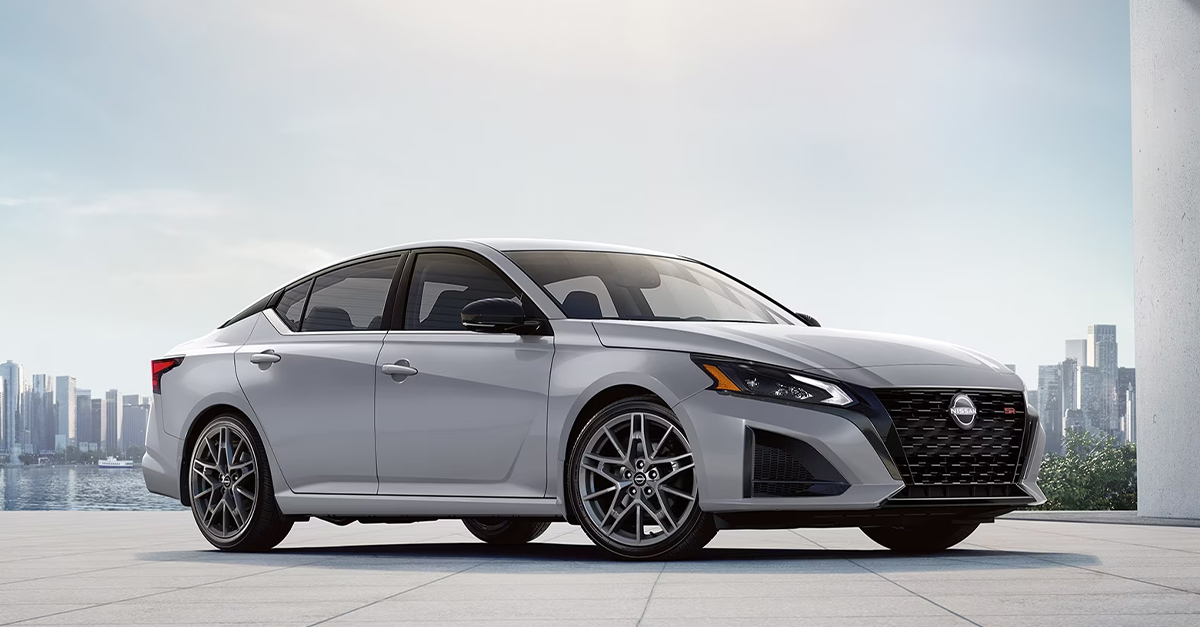
You’ve probably heard it before: “Just slap a turbo on it, and it’ll be fast.” Your friend says it, car forums shout it, and YouTube thumbnails scream it in all caps. But is bolting on a turbocharger really the golden ticket to speed, or just an expensive way to make cool noises? Let's break it down.

What A Turbocharger Actually Does
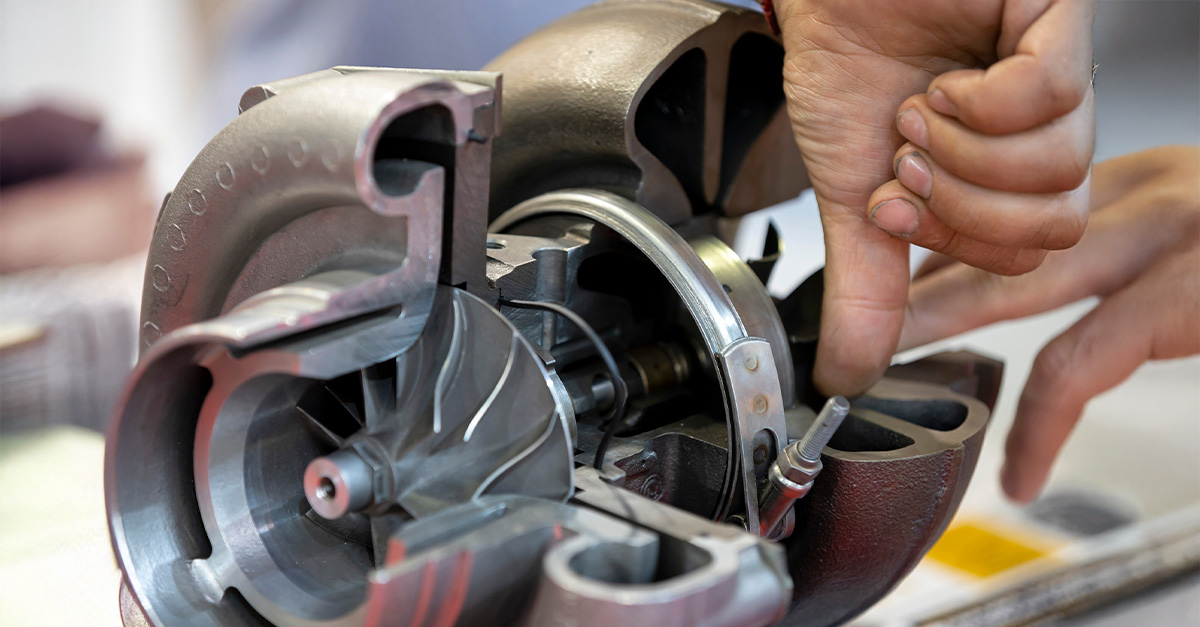
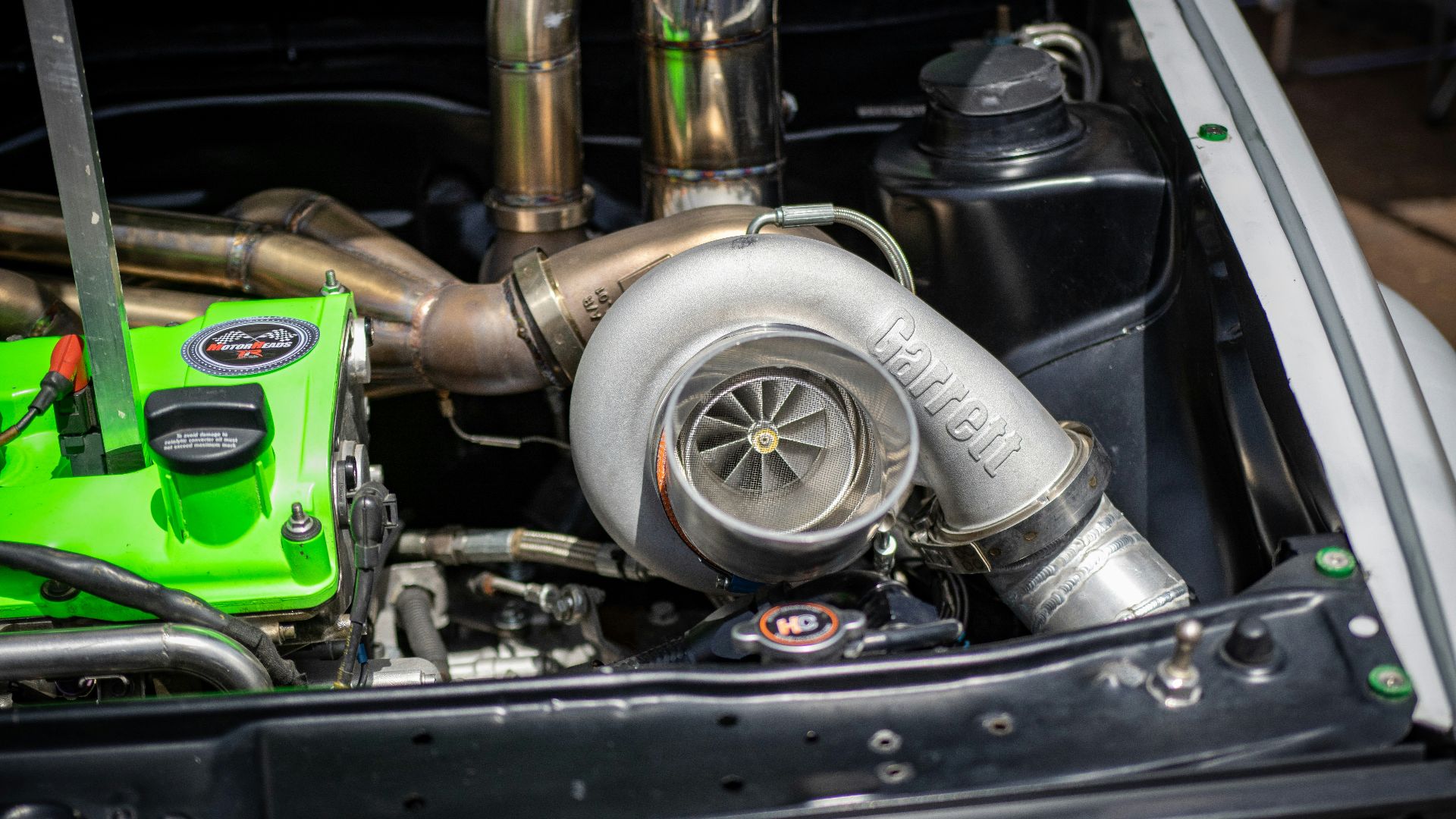
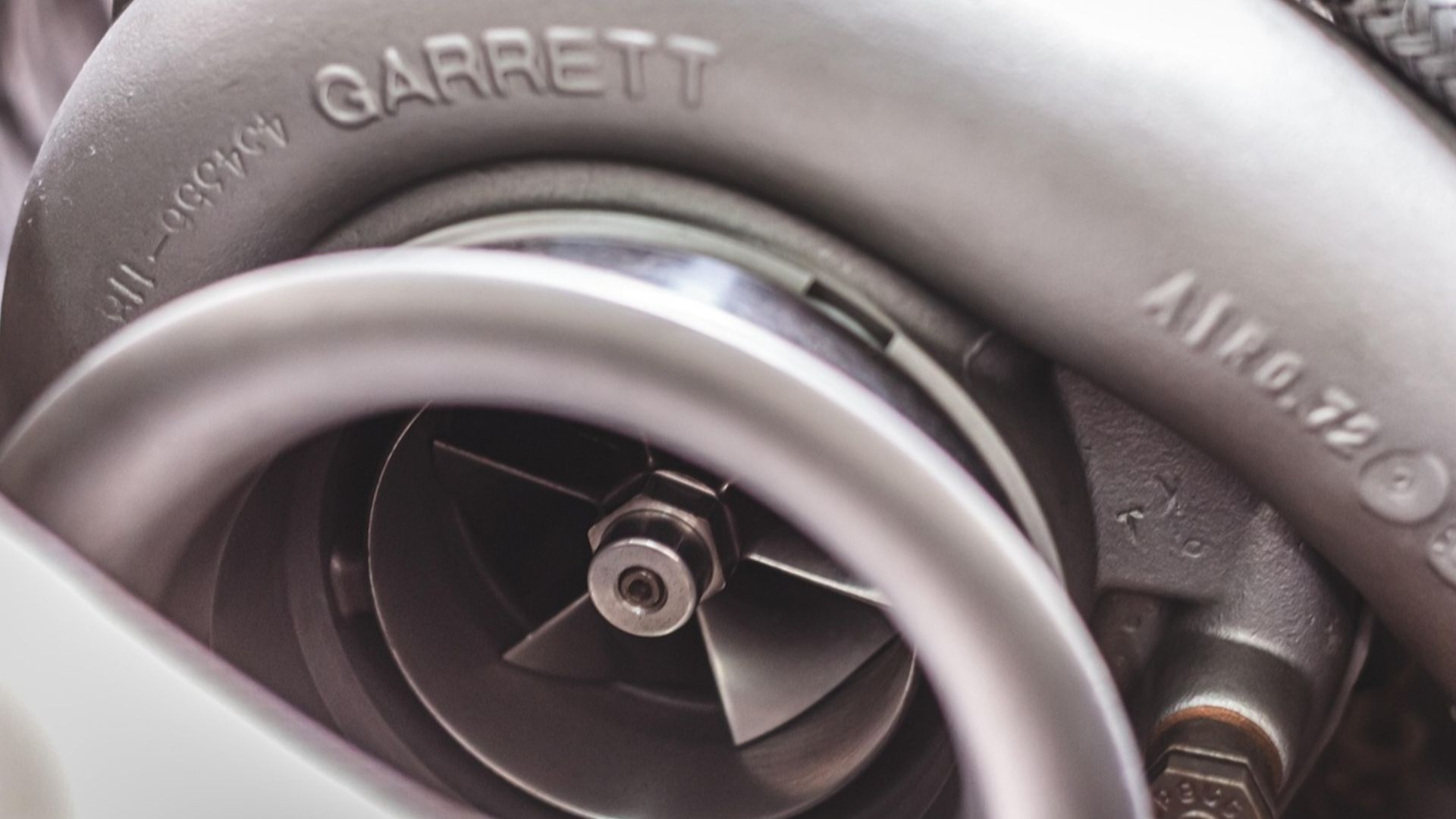
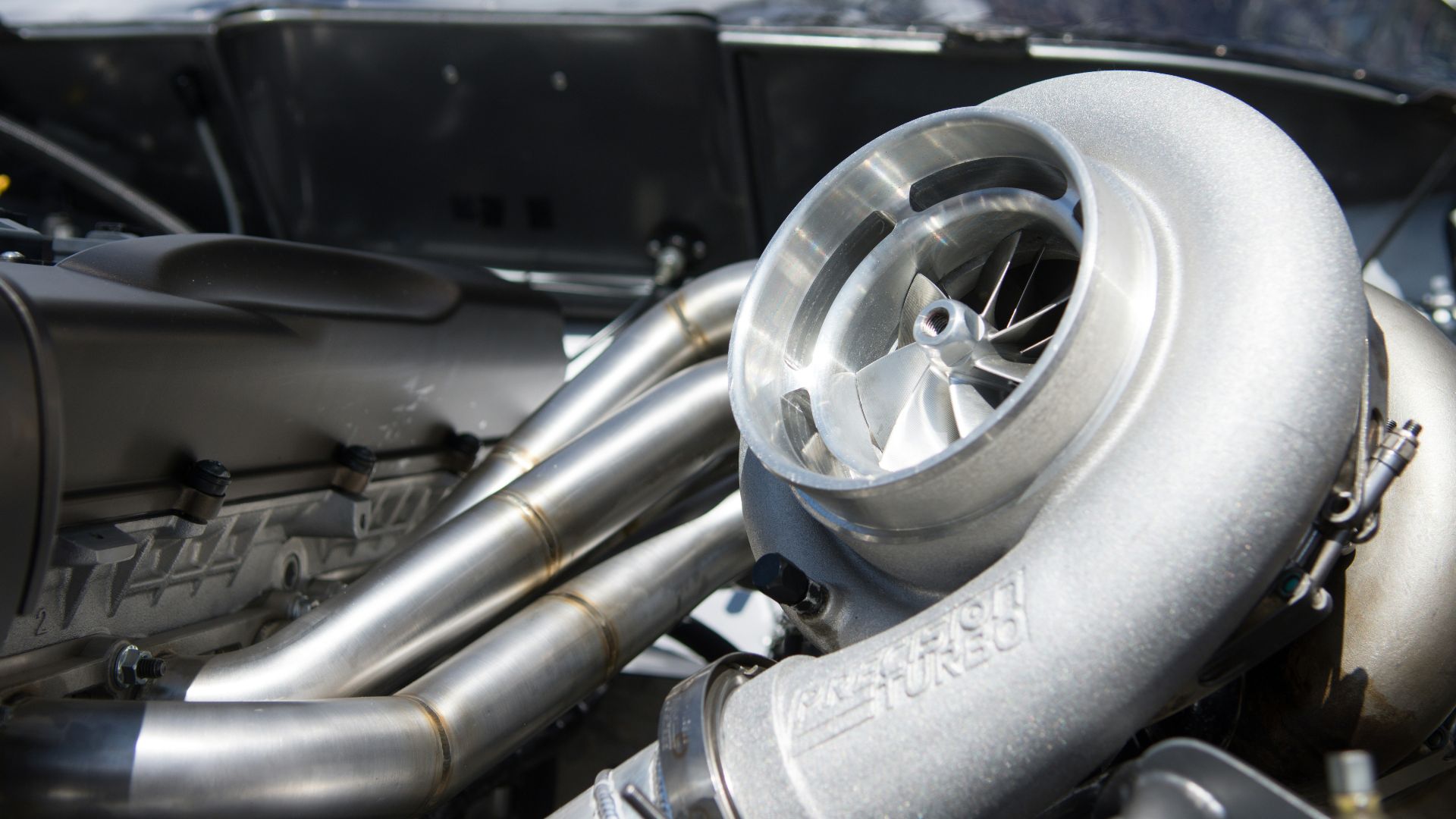
At its core, a turbocharger forces more air into your engine. More air means you can burn more fuel, and burning more fuel (in a controlled way) means more power. Turbos use exhaust gases—energy that would otherwise be wasted—to spin a turbine that compresses incoming air. Clever, right?
Why More Air Means More Speed
Engines are basically air pumps. The more air they move, the more power they can make. A turbo crams extra oxygen into the cylinders, allowing a bigger bang with each combustion cycle. That extra bang translates into more horsepower, more torque, and yes—more speed.
Is Your Friend Technically Right?
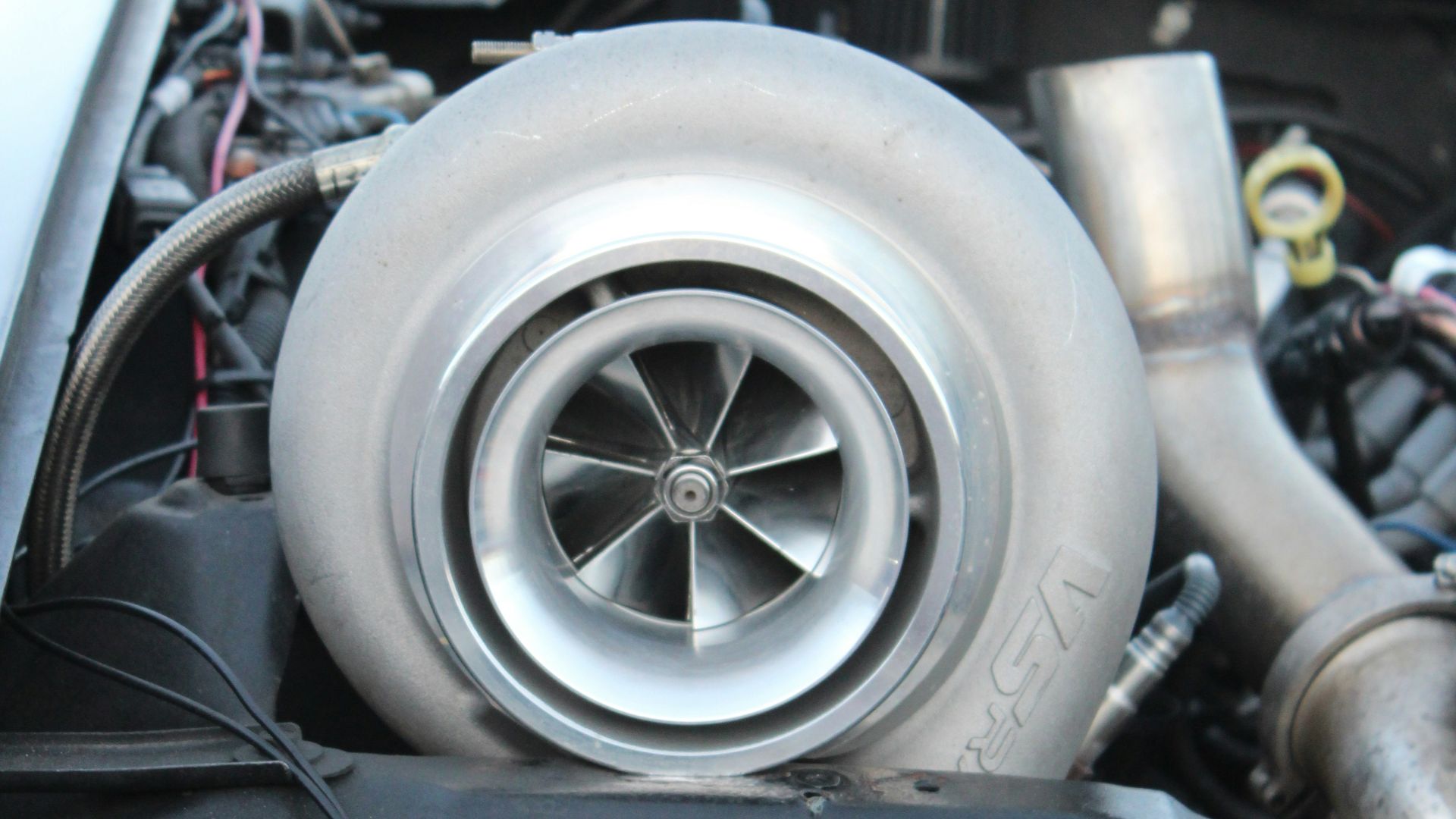
Short answer: yes, your friend isn’t wrong. A properly installed and tuned turbocharger can dramatically increase a car’s performance. In some cases, power gains of 30–50% aren’t unrealistic. But that’s only part of the story, and definitely not the whole bill.
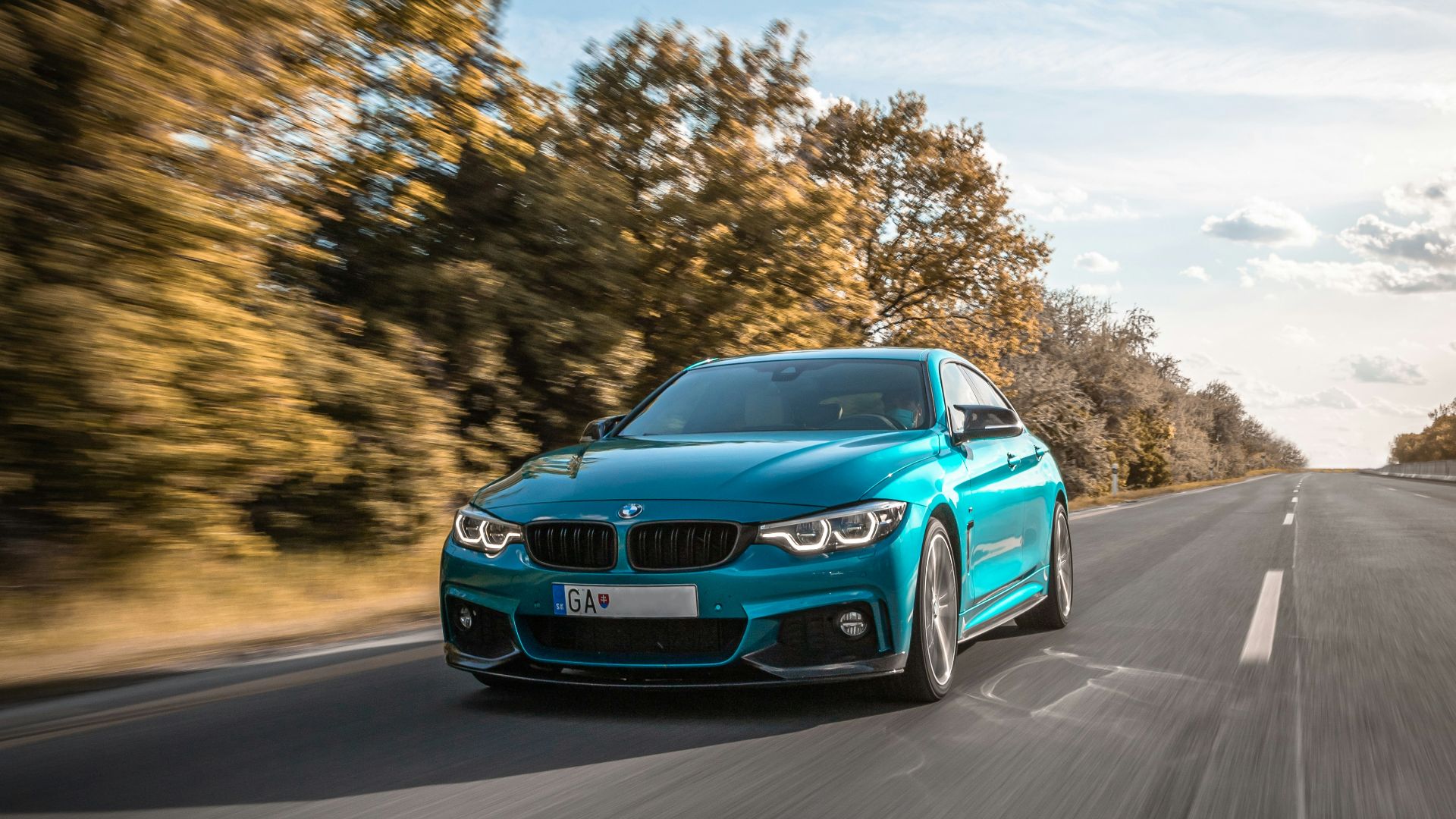
Factory Turbo Vs Aftermarket Turbo
Cars designed with turbos from the factory are built to handle extra pressure, heat, and stress. Adding an aftermarket turbo to a naturally aspirated engine is a different beast. It can work brilliantly—but only if the rest of the car is ready for it.
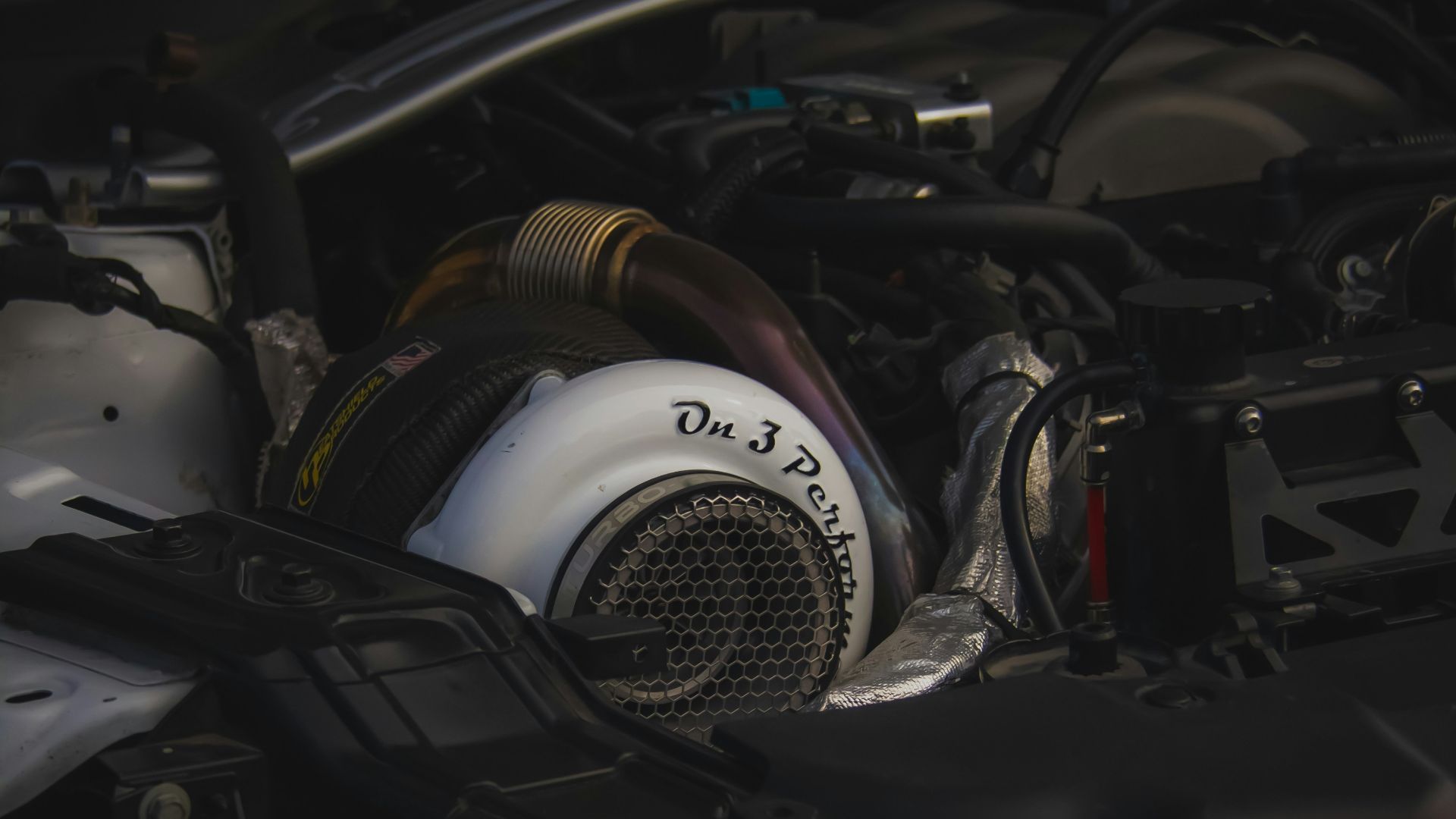
Not All Engines Love Boost
Some engines are turbo-friendly. Others? Not so much. High compression engines, weak internals, or older designs may struggle under boost. Without upgrades, a turbo can turn your engine into a very expensive paperweight.
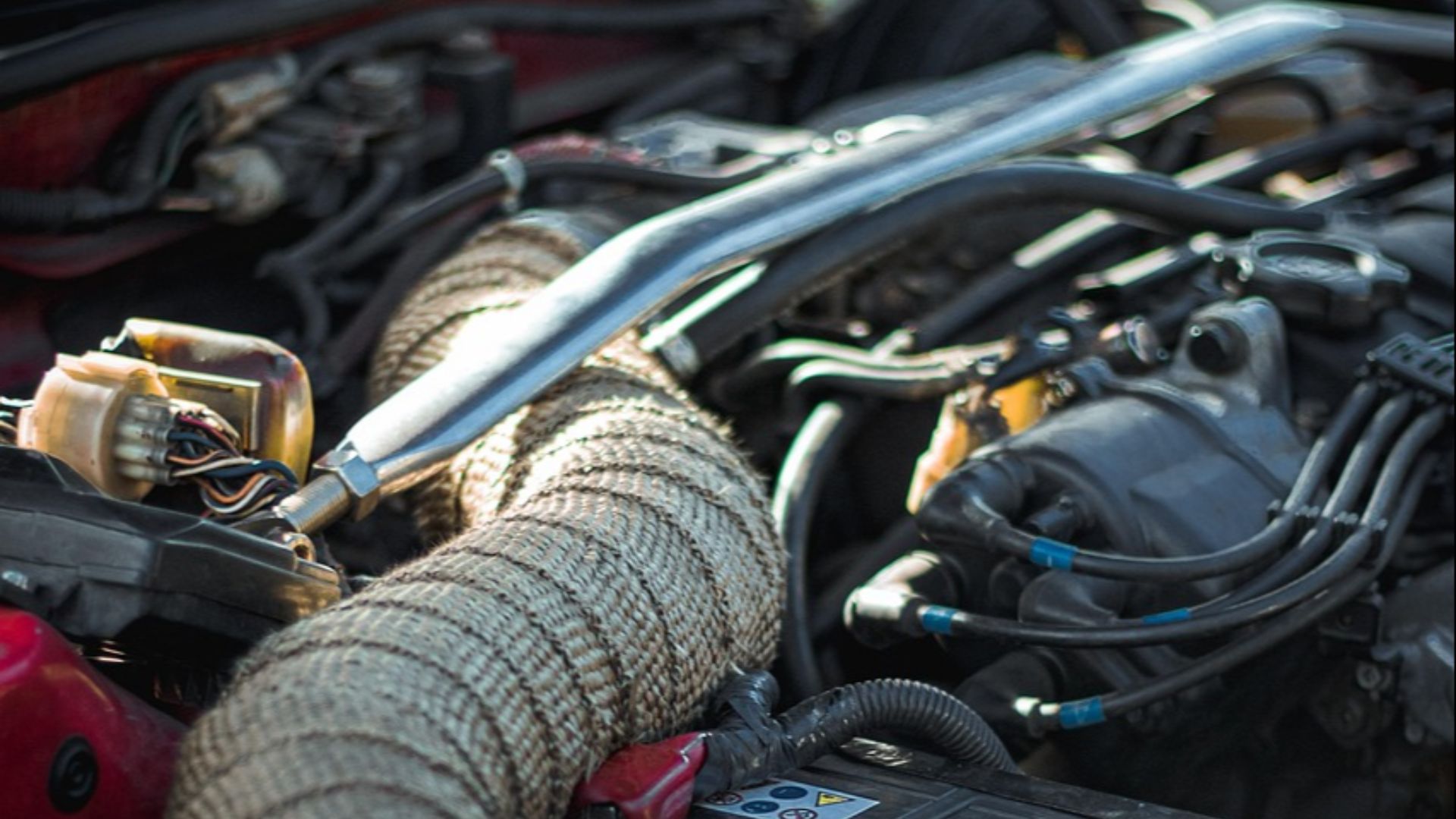
The Hidden Supporting Mods
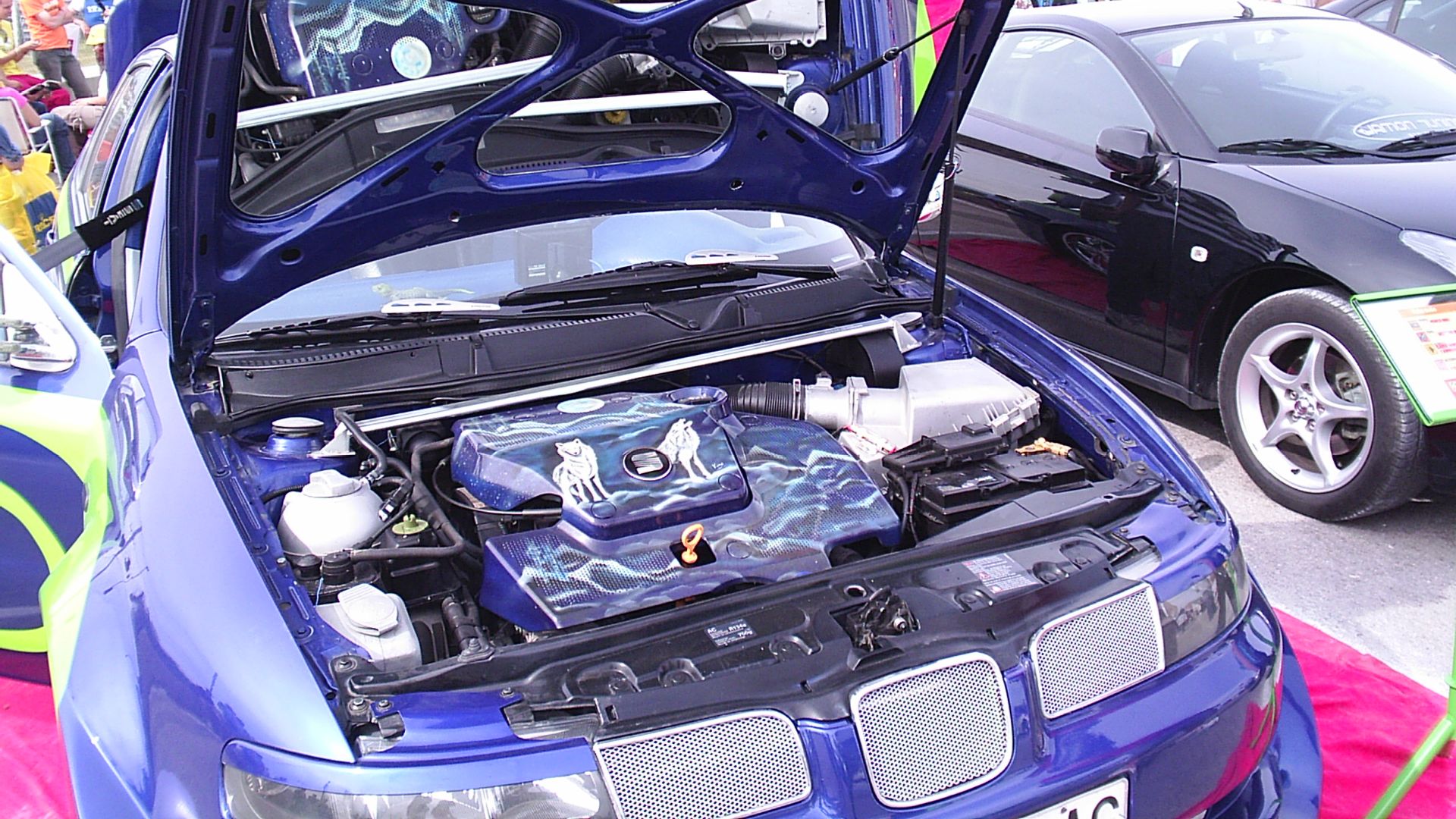
A turbo rarely works alone. You may need a stronger clutch, upgraded fuel injectors, a better fuel pump, improved cooling, and stronger engine internals. Suddenly, that “simple turbo kit” looks a lot more complicated—and pricey.
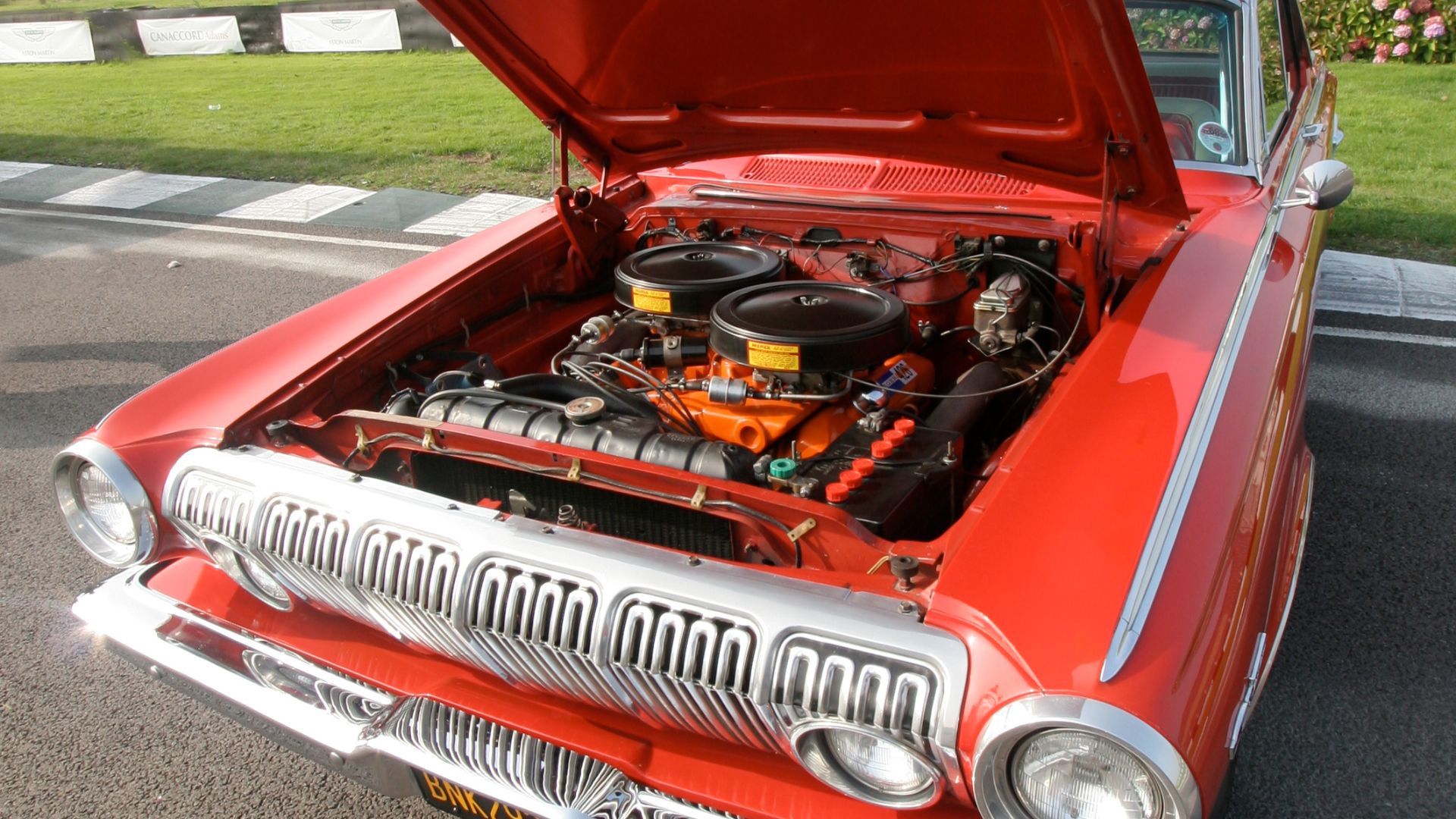 Brian Snelson from Hockley, Essex, England, Wikimedia Commons
Tuning Is Not Optional
Slapping on a turbo without proper engine tuning is like running a marathon in flip-flops. A professional tune ensures the air-fuel ratio, ignition timing, and boost levels are safe. Skip this step, and engine damage is almost guaranteed.
 Carlos Delgado, Wikimedia Commons
Turbo Lag And Daily Driving
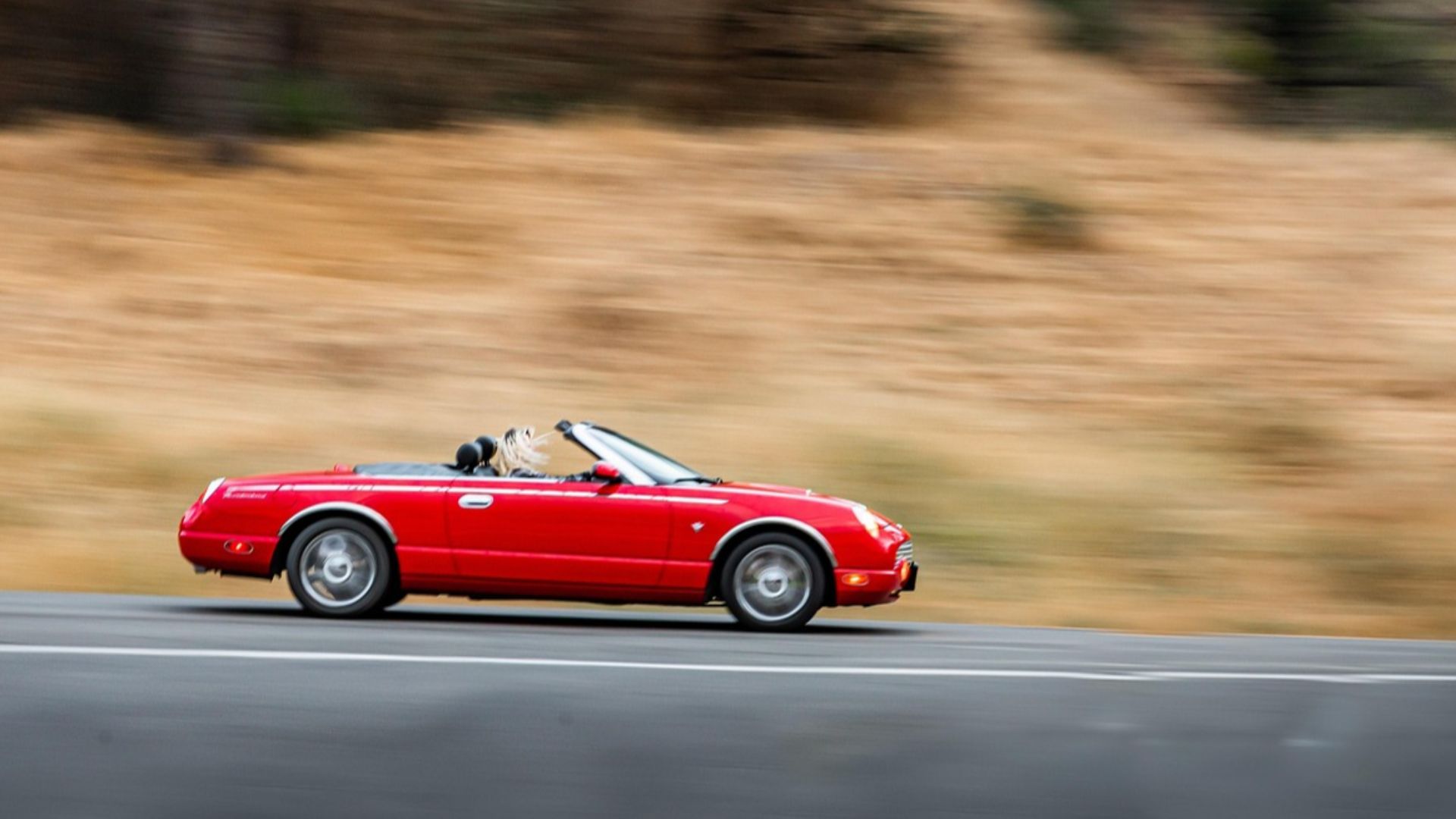
Turbo lag is the delay between pressing the gas and feeling the boost kick in. Modern turbos are much better than old-school setups, but lag still exists. For daily driving, this can mean less predictable throttle response, especially at low speeds.
Fuel Economy: Surprise Twist
Here’s a curveball: turbos can improve fuel efficiency when driven gently. Smaller turbo engines often replace larger ones for this reason. But once you start enjoying that boost? Expect your fuel consumption to climb fast.

Reliability And Long-Term Wear
More power equals more stress. Turbocharged engines run hotter and work harder. With proper maintenance, reliability can be solid—but oil changes, cooling system care, and quality parts become non-negotiable.
The Cost Reality Check
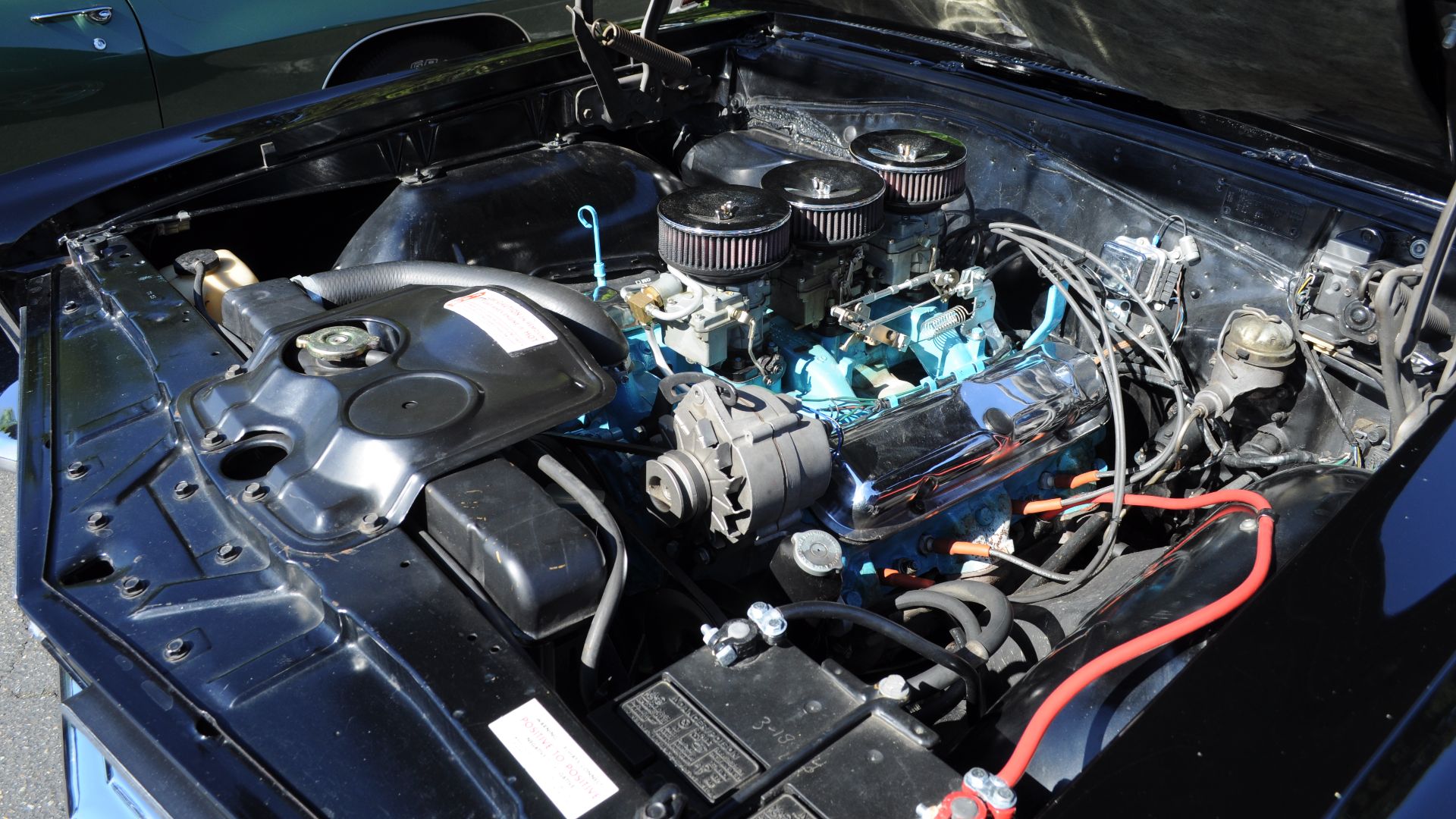
Turbo kits range from affordable to eye-watering. Add installation, tuning, and supporting mods, and the total can easily climb into the thousands. For some cars, that money might buy more speed elsewhere.

Turbo Sounds And Smiles
Let’s be honest—turbos sound awesome. The whistle, the whoosh, the blow-off valve sneeze—it’s all part of the fun. For many enthusiasts, that emotional payoff alone makes the upgrade worth it.
Insurance And Legal Considerations
A turbo upgrade can affect insurance premiums and may even be illegal in some regions without proper emissions compliance. Always check local laws before boosting your car into trouble.

Beginner Mistakes To Avoid
Going cheap, skipping tuning, ignoring maintenance, or pushing too much boost too soon are classic errors. Turbos reward patience and planning—and punish shortcuts.
Turbocharging Vs Other Performance Mods
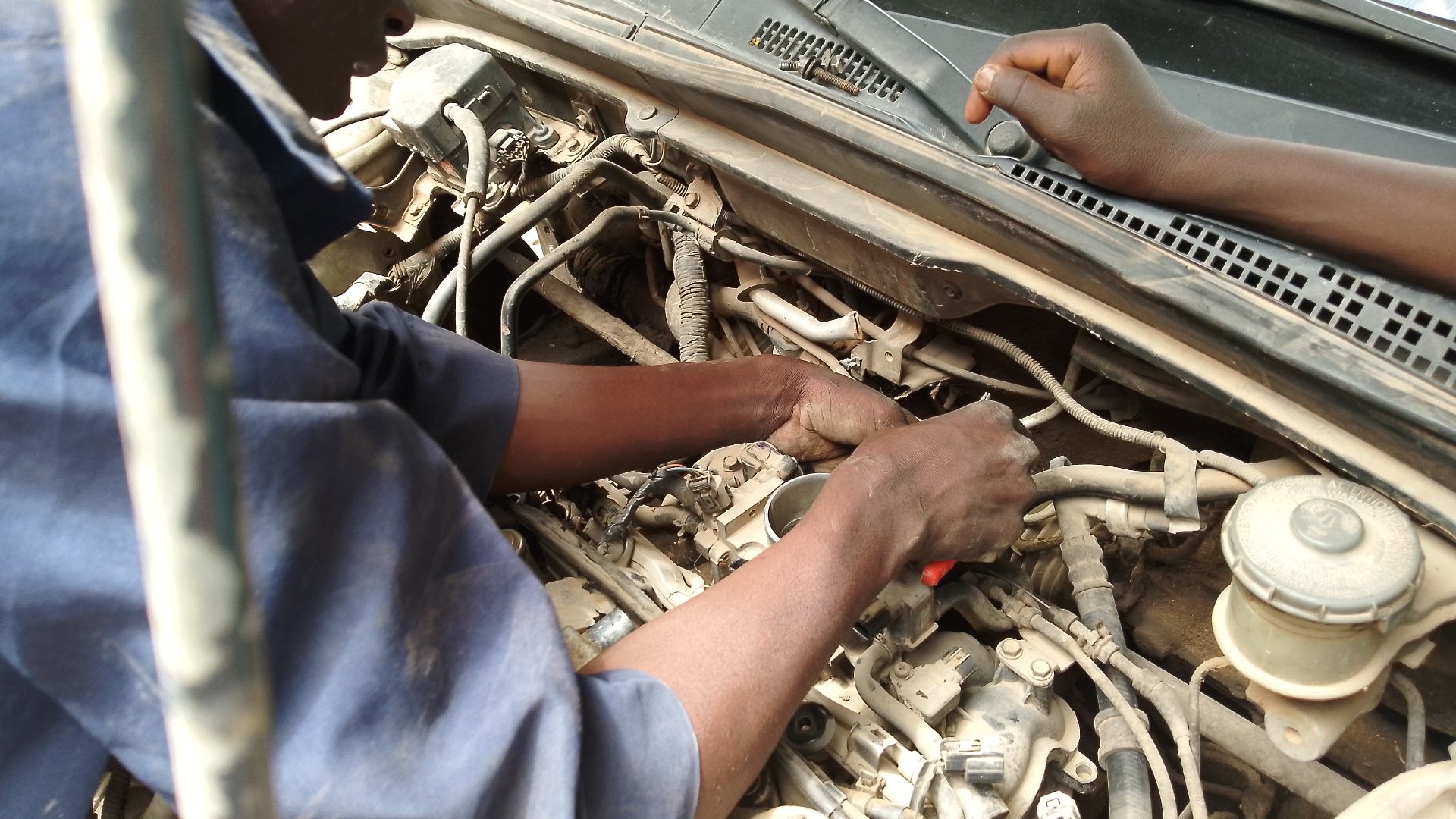
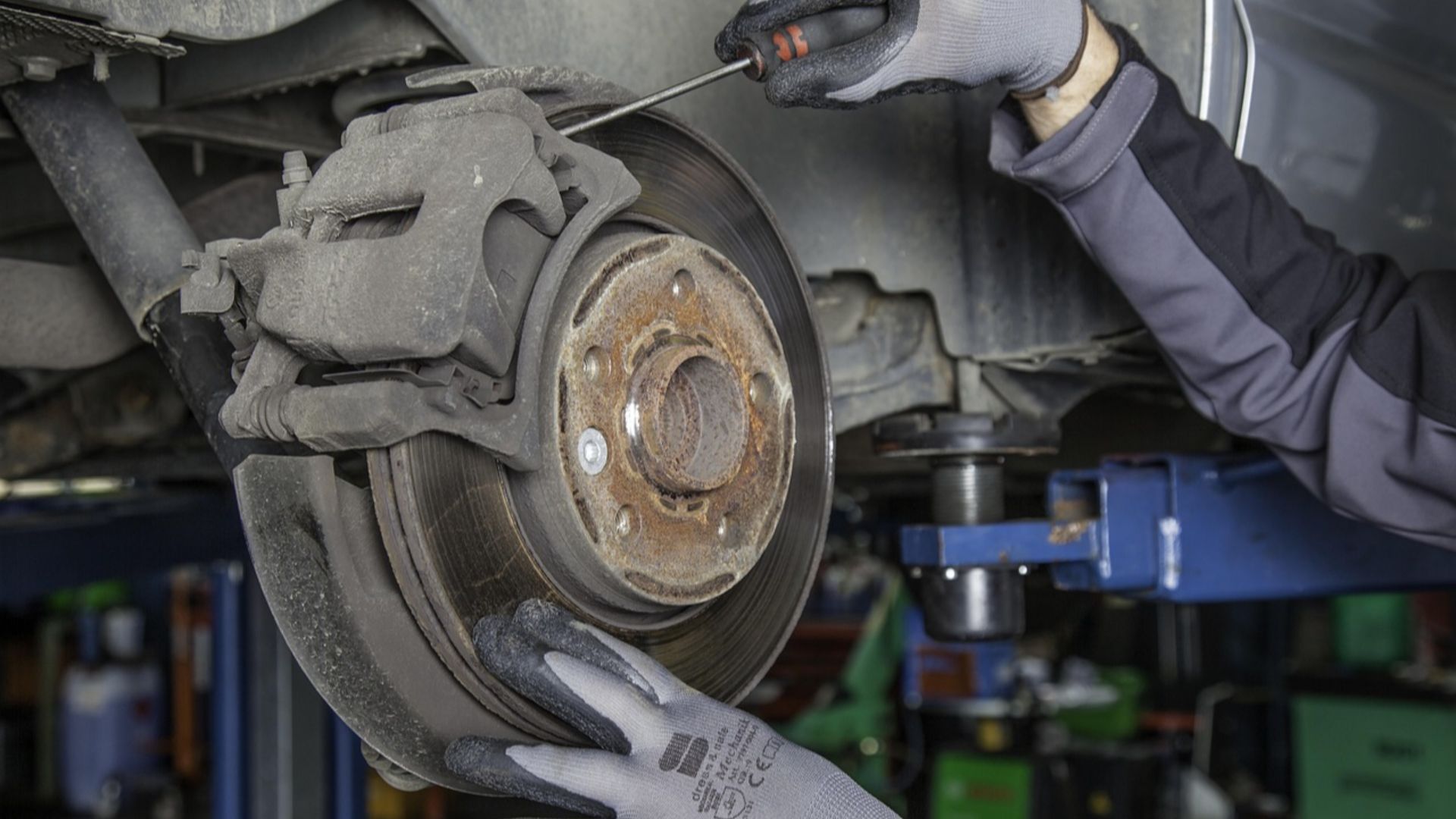
For the same money, you could improve handling, braking, or even buy a faster car outright. Turbos deliver big power, but they’re not always the smartest first modification.
Front-Wheel Drive And Boost
Adding lots of turbo power to a front-wheel-drive car can lead to wheel spin and torque steer. It’s fun, but also chaotic. Sometimes traction, not power, is the real limiting factor.

Manual Vs Automatic With A Turbo
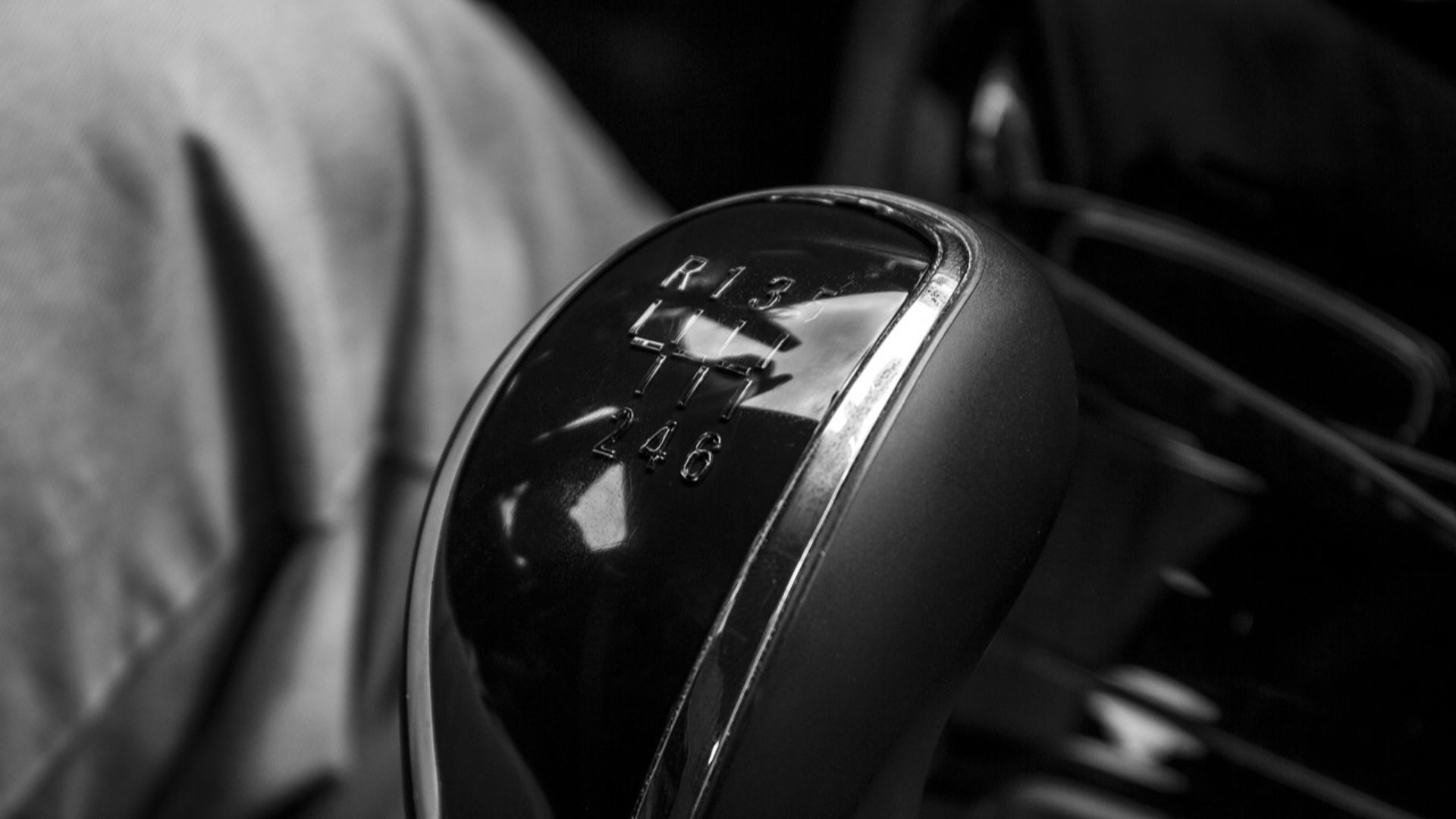
Manual transmissions give you more control over boost, while automatics can struggle if not designed for extra torque. Transmission strength is often overlooked—and often regretted.
Heat Is The Silent Enemy
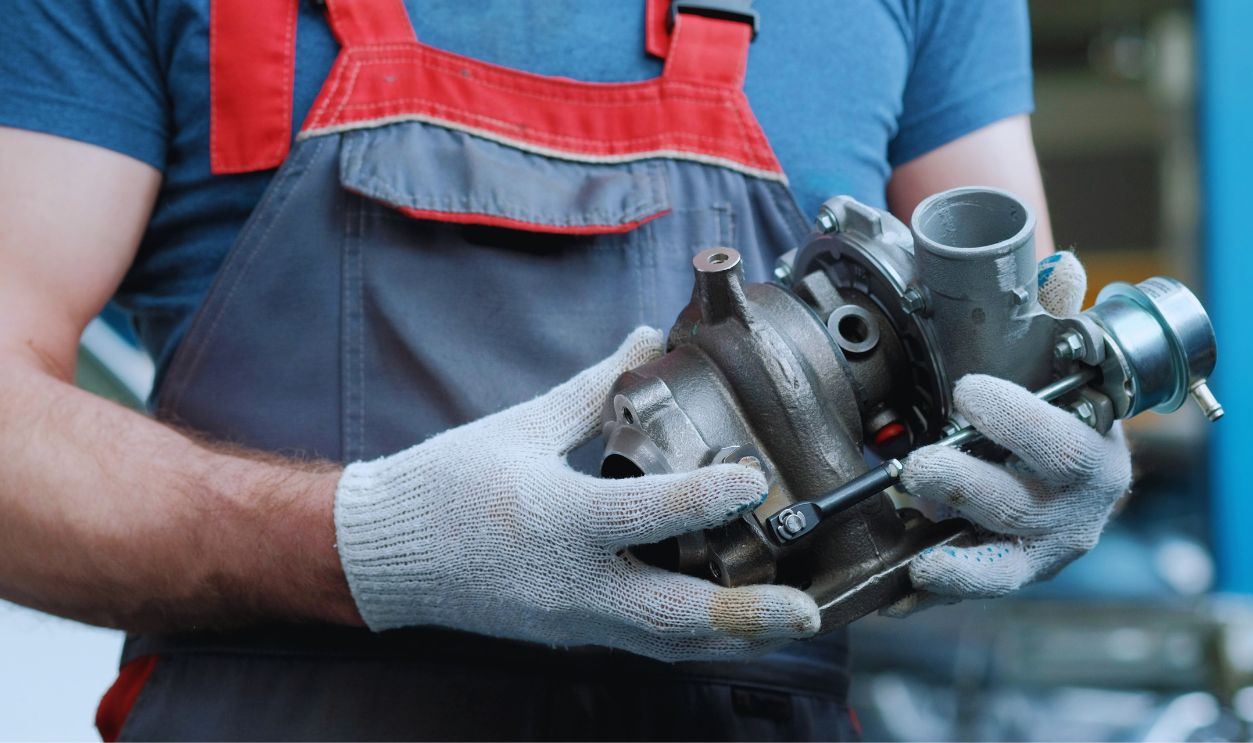
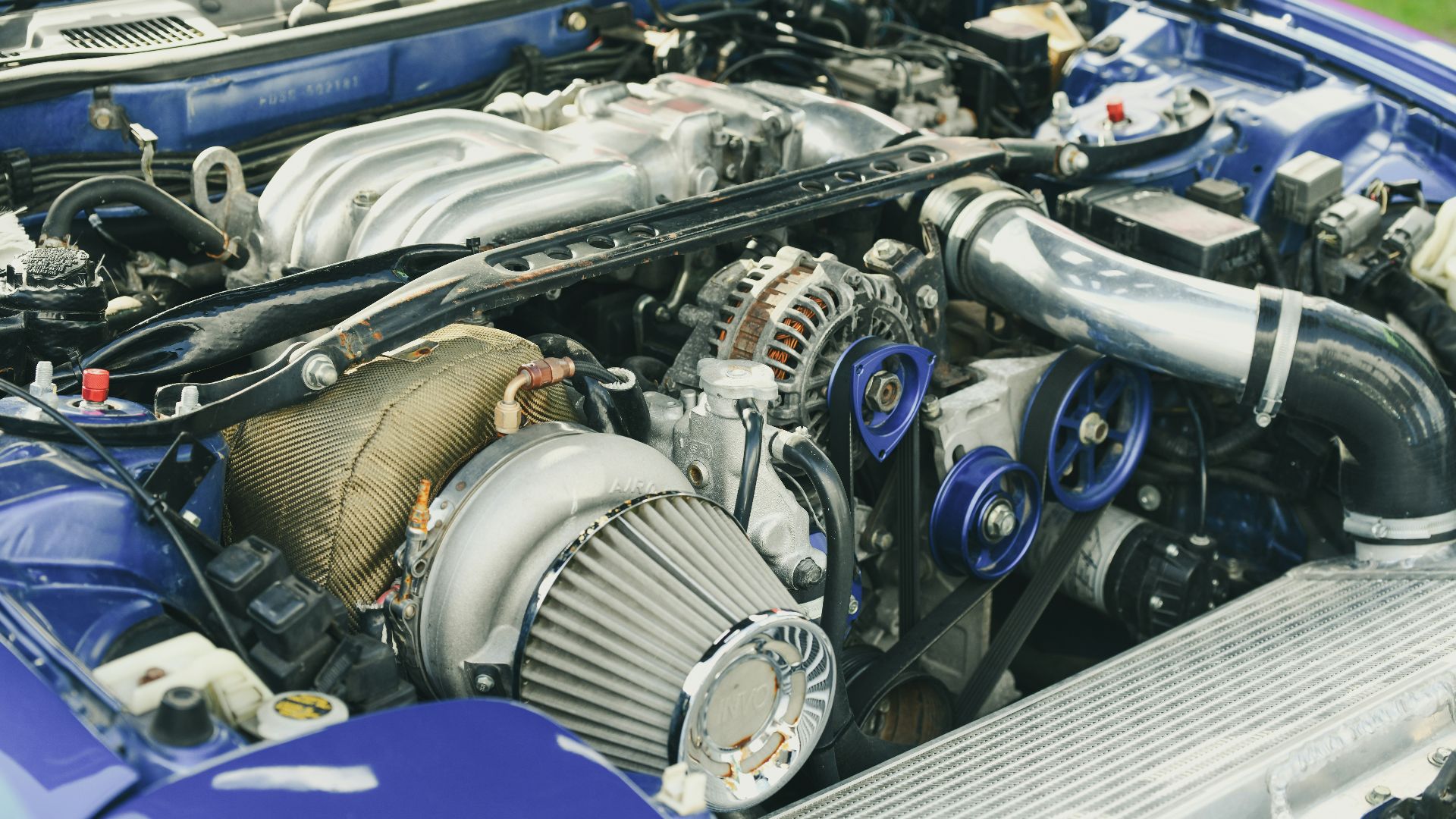
Turbochargers generate serious heat. Without proper cooling and heat management, nearby components suffer. Heat shields, intercoolers, and quality oil become essential, not optional.
 Palitsyn Evgenii, Shutterstock
When A Turbo Is Absolutely Worth It
If your engine is boost-ready, your budget is realistic, and your expectations are grounded, a turbo can transform your car. Few mods offer such dramatic gains when done correctly.
When A Turbo Is A Bad Idea
If you rely on your car daily, have a tight budget, or aren’t prepared for maintenance, a turbo may bring more stress than smiles. Sometimes restraint is the smartest mod of all.

Learning Opportunity For Young Enthusiasts
For younger drivers, turbo projects can be incredible learning experiences. They teach mechanical sympathy, planning, and respect for engineering. Just make sure learning doesn’t happen the hard way.
The Emotional Side Of Boost
Driving a turbocharged car feels special. The surge of power, the anticipation, the grin—it’s addictive. That emotional connection is something spreadsheets can’t measure.

Questions To Ask Before Buying A Turbo
Is my engine suitable? Can I afford the full setup? Who will tune it? What’s my end goal? Honest answers here can save you thousands and a lot of heartbreak.
Advice You’d Hear From A Real Mechanic
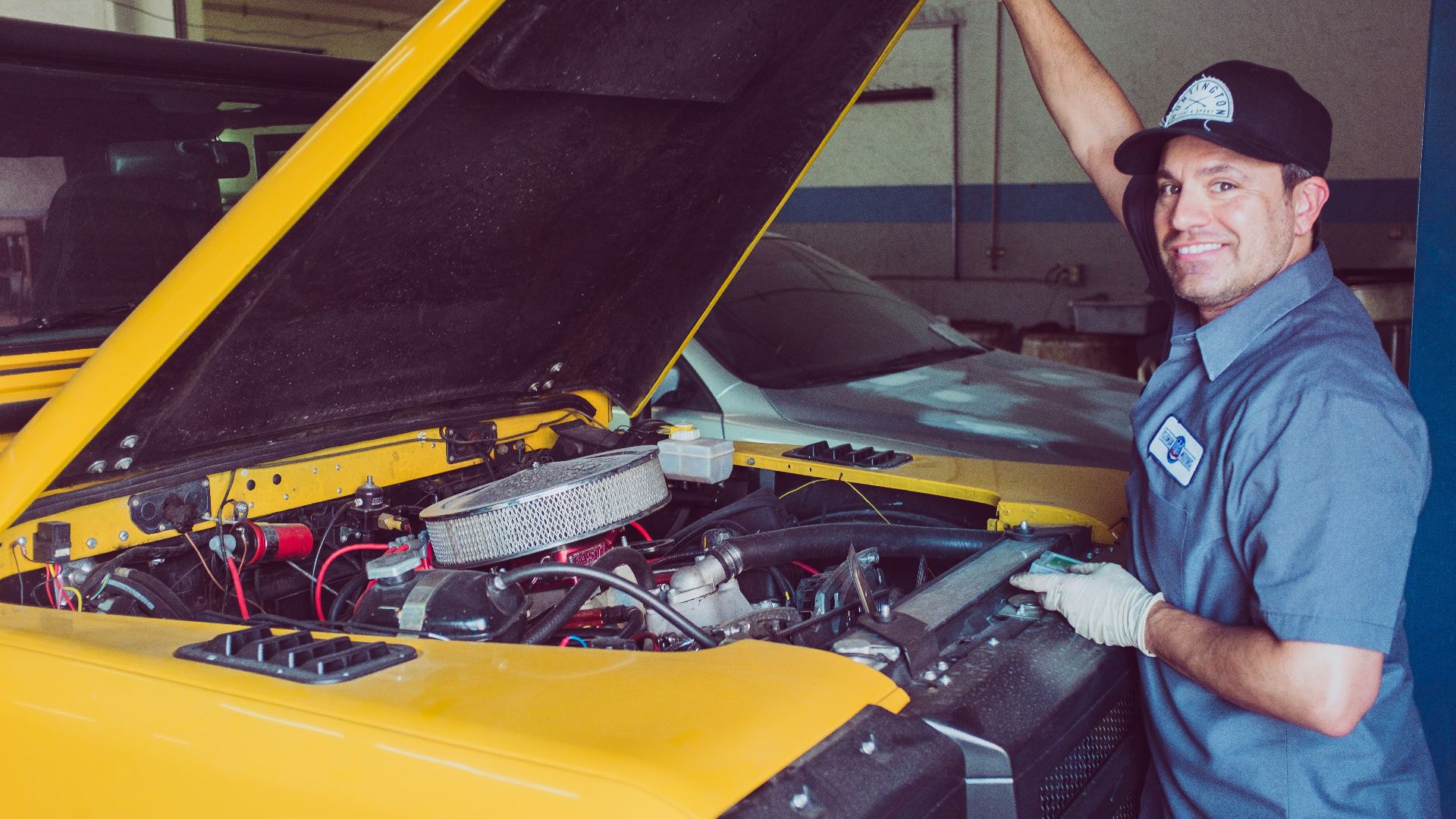
A good mechanic won’t say “don’t turbo it.” They’ll say “do it properly or don’t do it at all.” That advice alone is worth more than most turbo kits.

So, Are They A Waste Of Money Or Worth It?
So, is your friend right? Yes—turbos do make cars faster. But they’re not magic, and they’re not cheap shortcuts. When done right, a turbocharger can be one of the most thrilling upgrades you’ll ever experience. When done wrong, it’s a fast track to regret. Choose wisely, boost responsibly, and remember: speed is fun, but smart speed is better.
You May Also Like:
I was approved for financing, then the terms changed at signing. Is that normal?
The Latest In Helmet Safety Science Could Be The Push You Need To Buy That Bike