Why Does It Keep Stopping?
You buy a brand-new truck, pull up to your first red light, and suddenly the engine dies. Nothing is wrong. Automatic start-stop deliberately shuts down the engine while you are stationary, then restarts it when you release the brake. The idea makes engineering sense, but plenty of drivers hate the experience.
It Is Not New
Automatic start-stop seems like a recent invention, but Toyota began developing an Engine Automatic Stop and Start System in 1971. It offered the technology on certain Toyota Crown models in Tokyo in 1974, specifically to reduce fuel consumption and pollution created while vehicles sat idling.
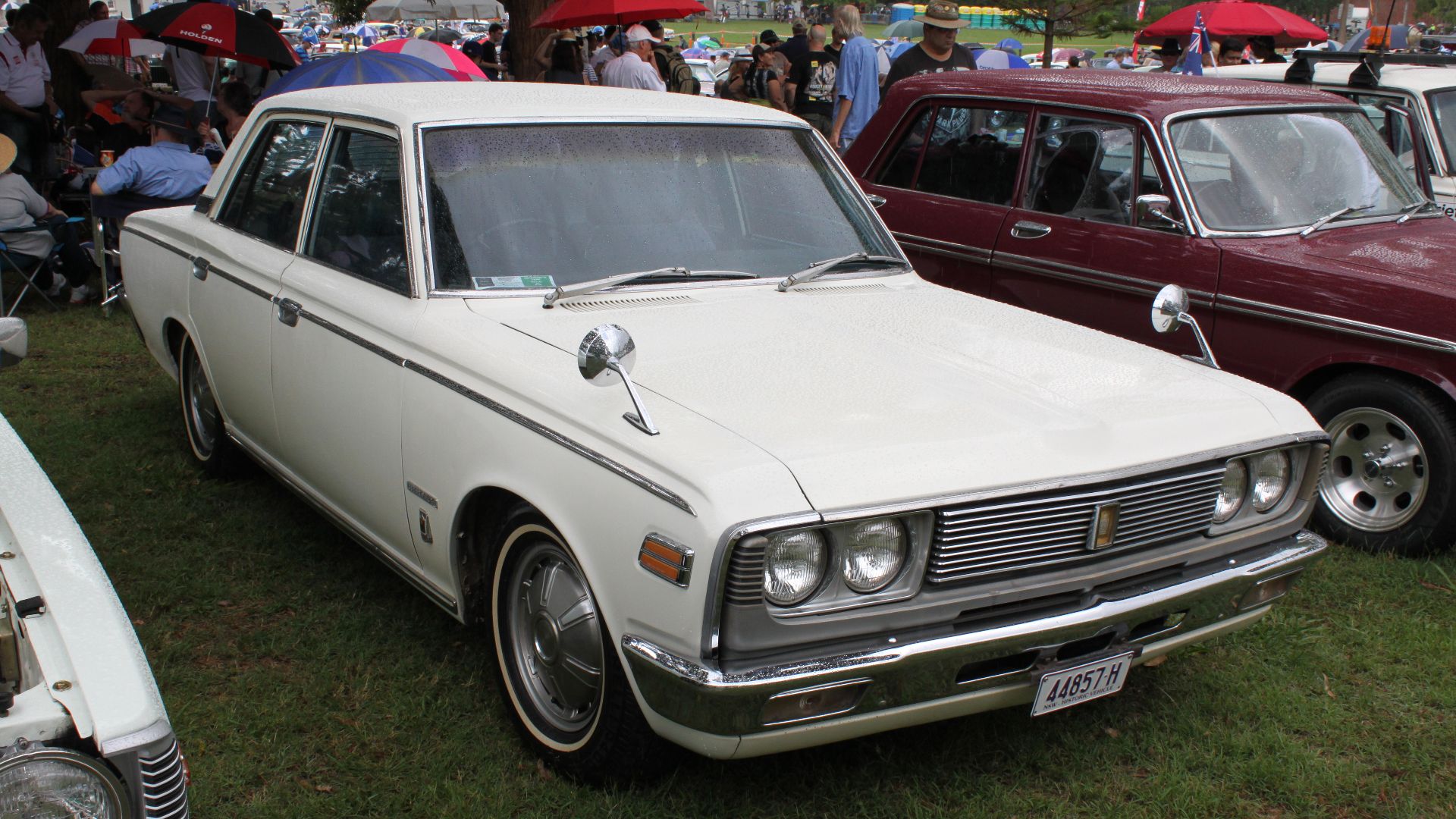 Jeremy from Sydney, Australia, Wikimedia Commons
The Idea Was Simple
Toyota's original system automatically stopped the engine after the vehicle had remained stationary for roughly 1.5 seconds. Contemporary testing in downtown Tokyo reportedly produced fuel savings of 10 to 15 percent, although Toyota later acknowledged that the technology did not prove especially popular with drivers.

Why It Returned
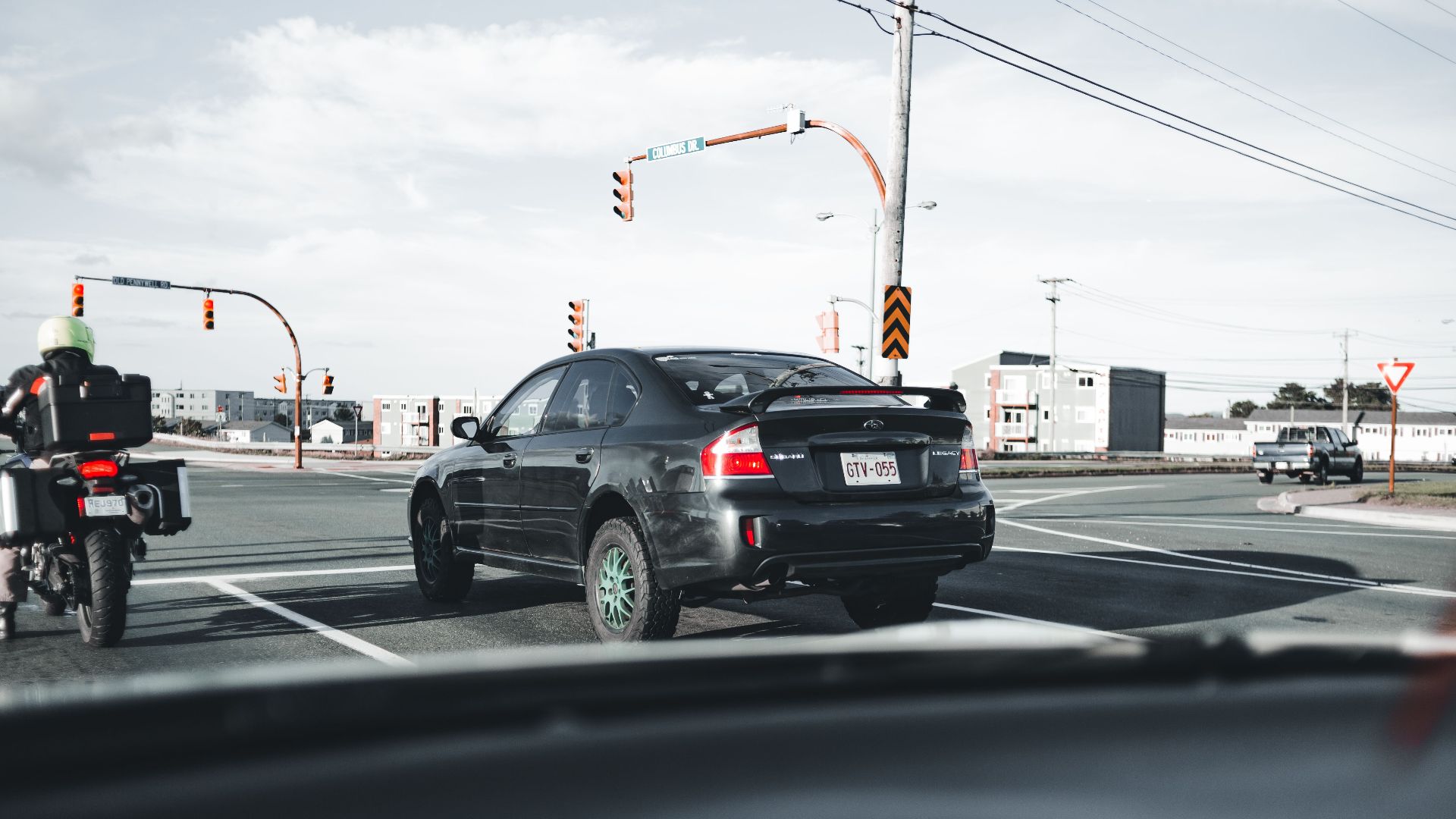
Start-stop became increasingly attractive as manufacturers searched for relatively inexpensive ways to squeeze additional efficiency from gasoline vehicles. Instead of completely redesigning an engine, engineers could eliminate some of the fuel it burned doing absolutely nothing while sitting at traffic lights, railroad crossings, and congested intersections.
How Much Fuel?
EPA says start-stop technology can improve fuel economy by approximately 4 to 5 percent, with the greatest benefit occurring during stop-and-go driving. AAA testing has previously demonstrated even larger gains under certain urban conditions, meaning your individual savings depend heavily on where and how you drive.
Nobody Is Stalling
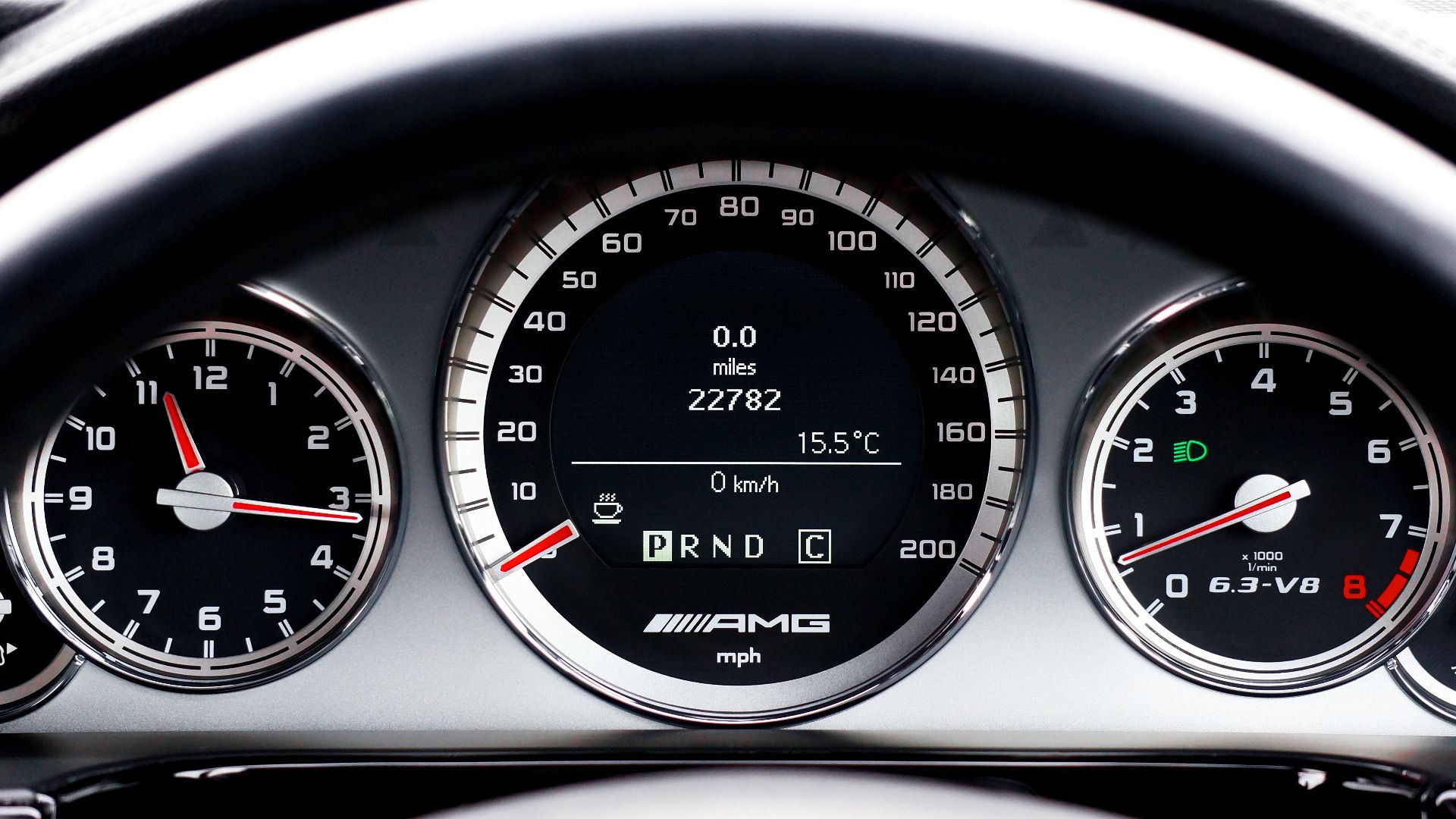
That unnerving silence does not mean your truck has stalled. Sensors and the engine control system determine when conditions permit shutdown. When you release the brake, the engine automatically restarts, usually before you have finished moving your foot to the accelerator. Some systems operate more smoothly than others.
Drivers Still Hate It
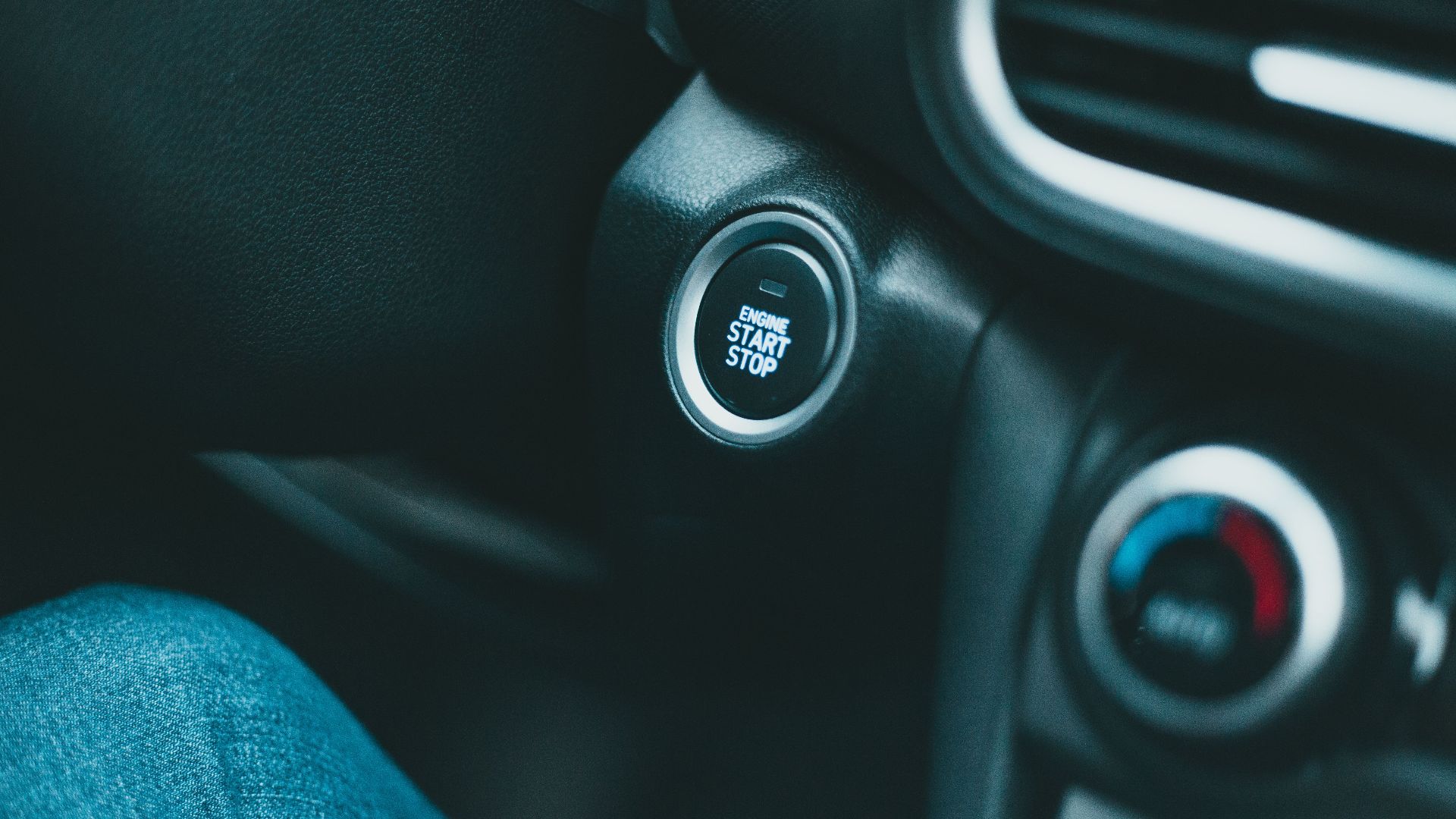
The complaints are remarkably consistent. Drivers dislike the vibration and sound of repeated restarts, the momentary feeling that their vehicle has died, and the perceived hesitation when pulling into traffic. Reddit discussions routinely feature owners describing the button that disables start-stop as something they press immediately after starting the vehicle.

The Starter Question
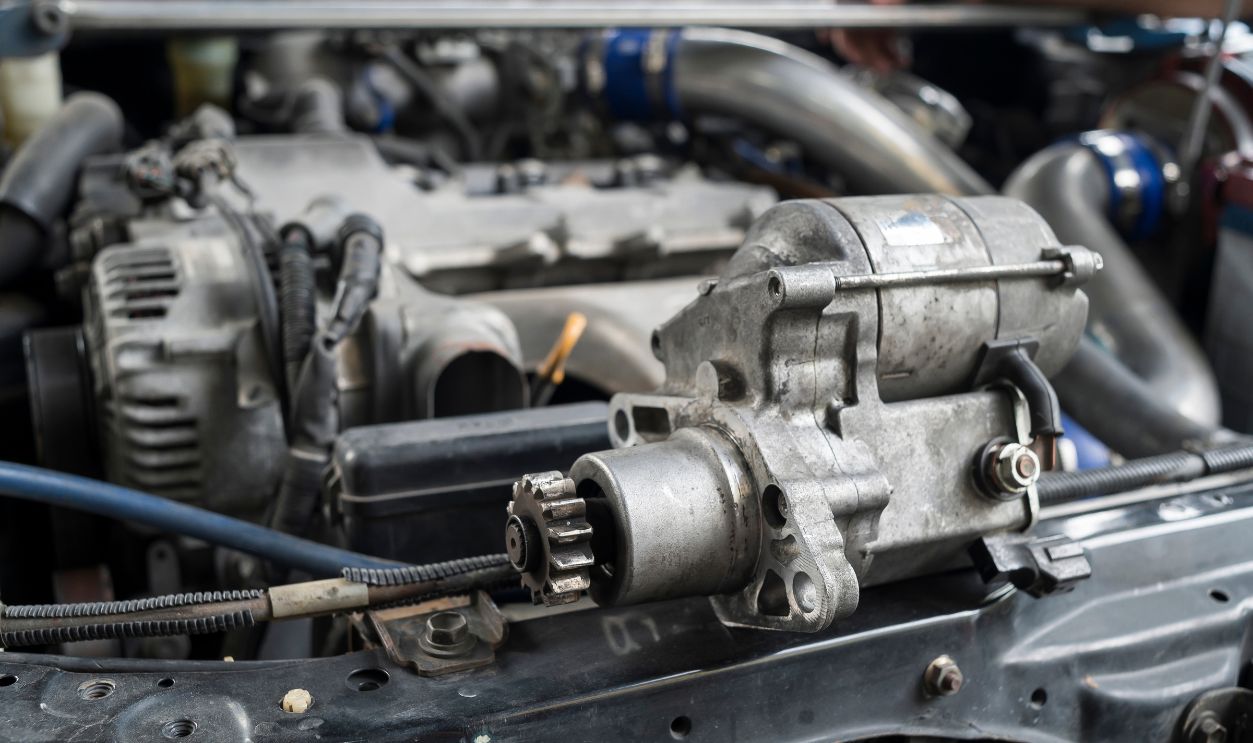
One obvious concern is starter-motor life. A traditional vehicle might engage its starter only a handful of times each day, whereas start-stop can restart an engine repeatedly in traffic. However, vehicles equipped with the technology generally use starters specifically engineered to withstand substantially more starting cycles.
Batteries Work Harder Too
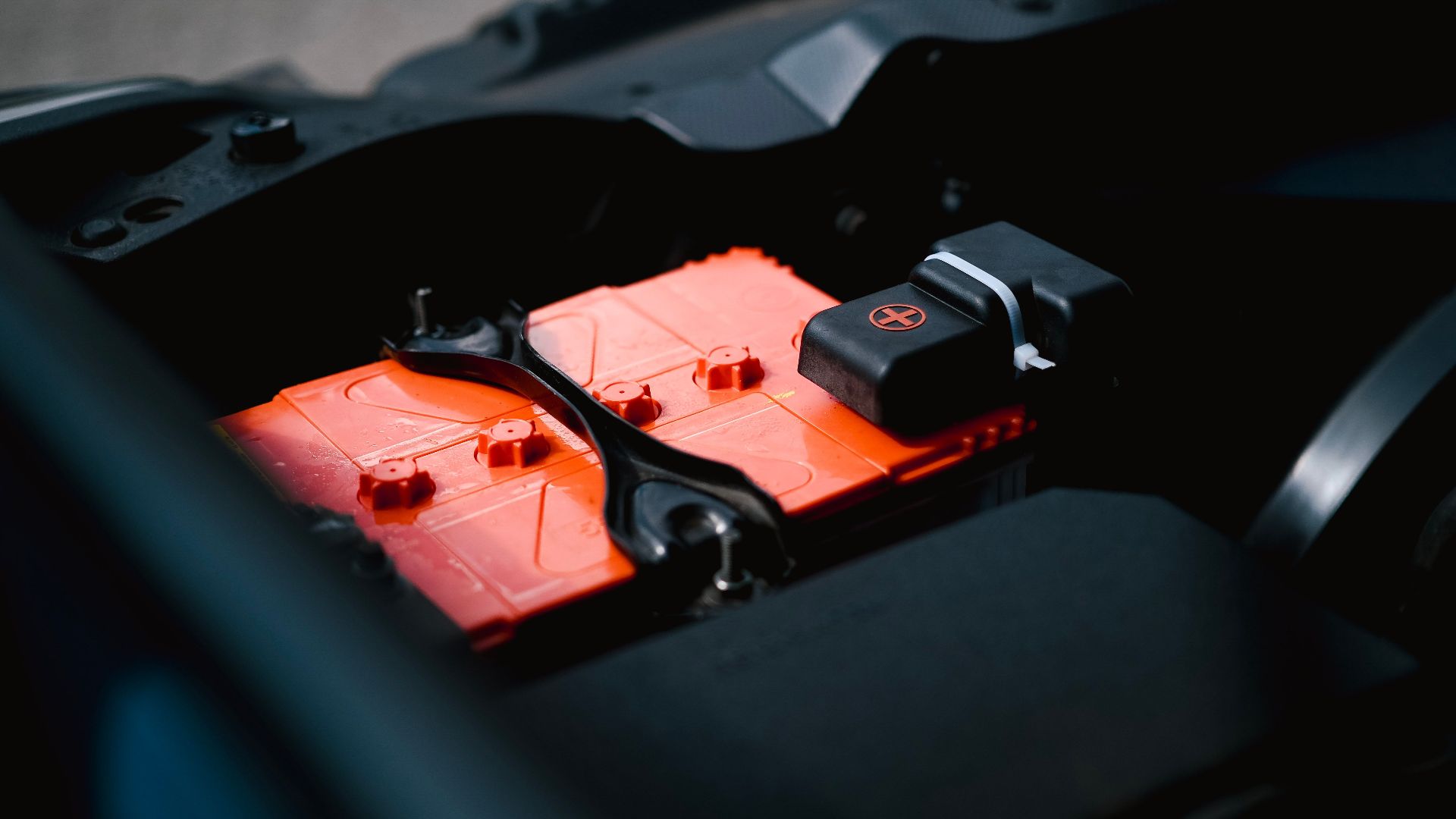
The battery also faces additional demands because lights, electronics, infotainment, and other equipment still require electricity when the engine stops. Start-stop vehicles therefore typically use higher-capacity batteries designed for this workload. The downside comes when replacement time arrives, because these specialized batteries can cost considerably more than conventional ones.
Sometimes It Stays Running
You may notice start-stop does not activate every time you stop. That can be intentional. Depending upon the vehicle, the system may keep the engine running because the battery needs charging, the engine has not reached operating temperature, or the climate-control system requires additional power.
Why Automakers Used It
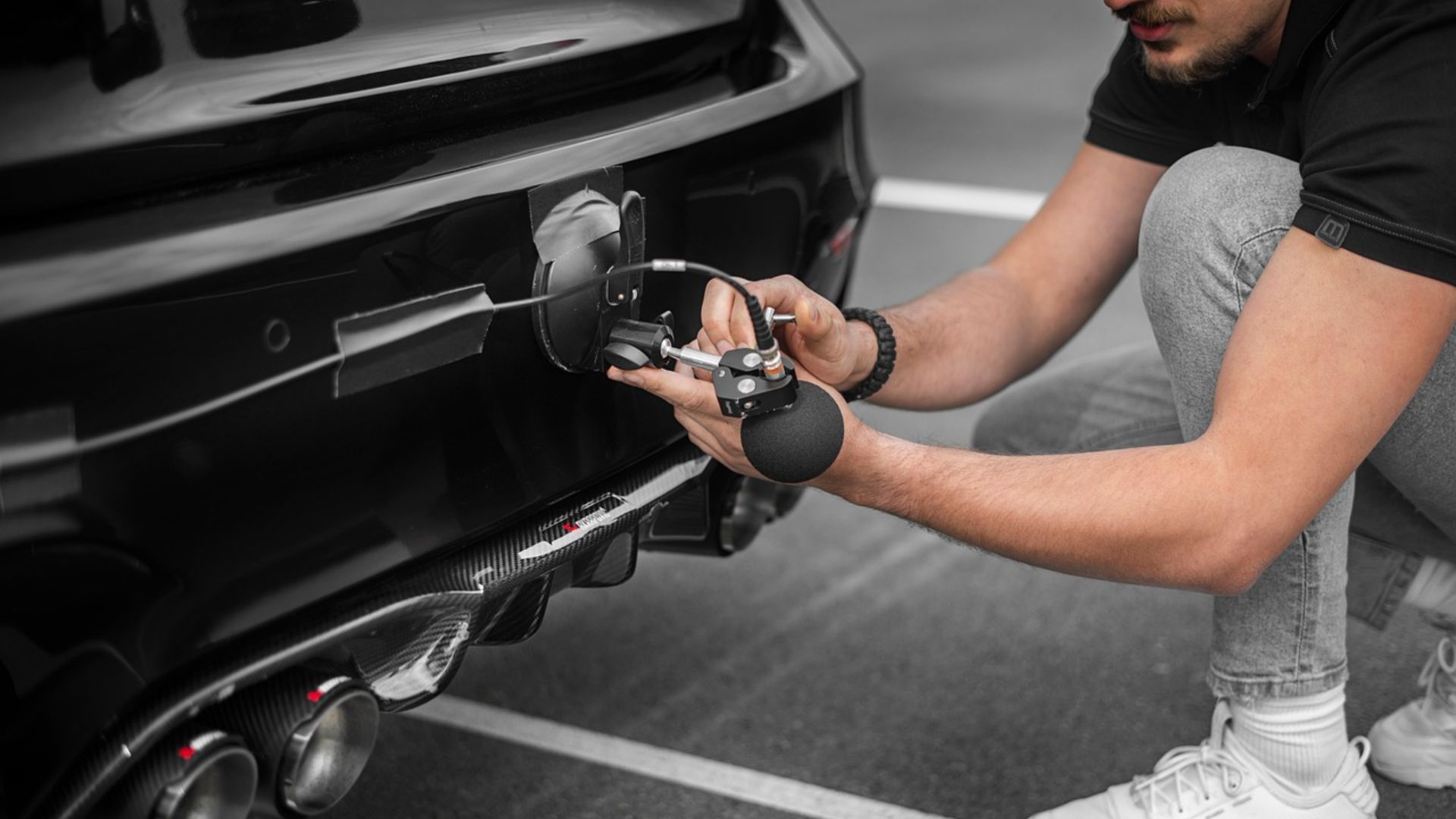
For years, start-stop offered automakers something valuable beyond the gasoline saved by individual owners. Federal emissions regulations included off-cycle credits for technologies that reduced greenhouse-gas emissions in ways not fully captured by standard laboratory testing. That provided manufacturers another incentive to install start-stop systems across their fleets.
The Rules Just Changed
The federal picture changed dramatically in February 2026. EPA eliminated federal vehicle greenhouse-gas standards and associated off-cycle credits, including the credit connected with start-stop technology. Consequently, the regulatory incentive that helped encourage widespread American adoption of start-stop no longer exists in its previous form.
 USEPA Environmental-Protection-Agency, Wikimedia Commons
It Was Never Mandatory
This distinction matters: the federal government did not simply order manufacturers to put start-stop in every new truck. Rather, previous emissions rules created incentives for technologies that improved fleet efficiency and reduced emissions. Automakers decided which combination of technologies they would employ to achieve regulatory and engineering goals.

Can You Disable It?
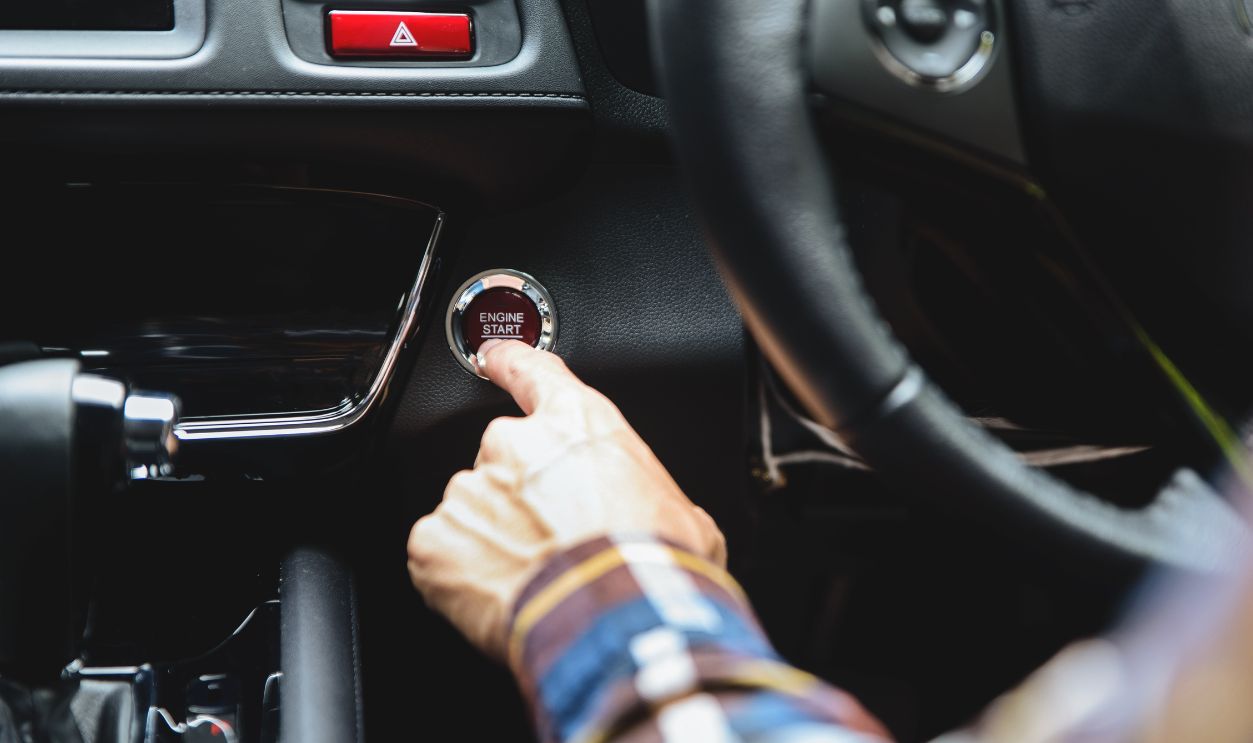
Usually, yes, although exactly how depends on the vehicle. Many models provide a dashboard button that disables automatic start-stop. The irritating part is that some systems reactivate after the vehicle is switched off and restarted, requiring you to push that button again on your next trip.
Permanent Workarounds Get Tricky
Aftermarket devices and software modifications exist for some vehicles, but think carefully before permanently defeating a factory system. Modifications can create warranty, diagnostic, emissions, electrical, or resale complications. Before altering anything, check your owner's manual and warranty and determine exactly what the modification changes besides start-stop operation.
Learn Its Behavior First
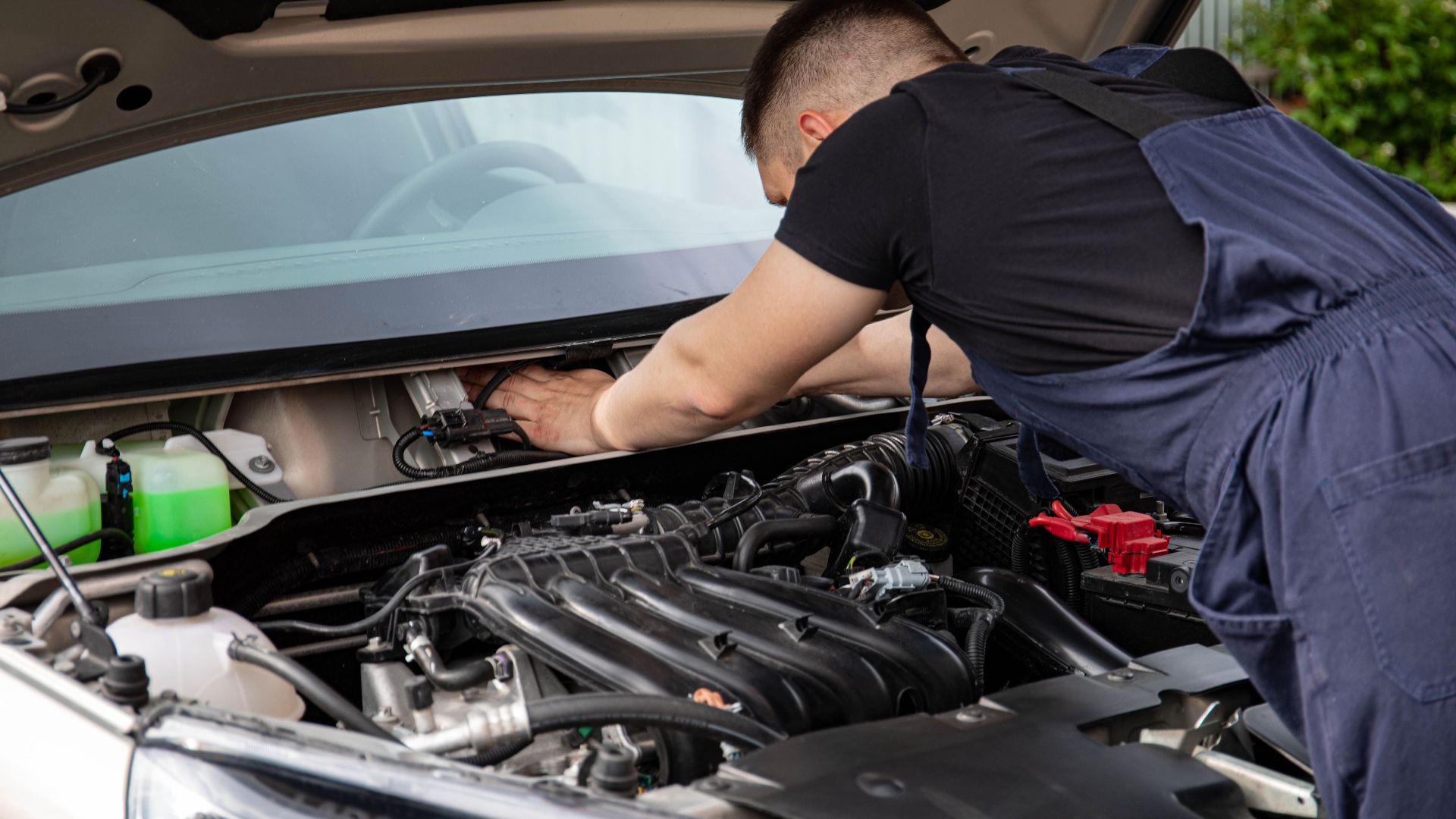
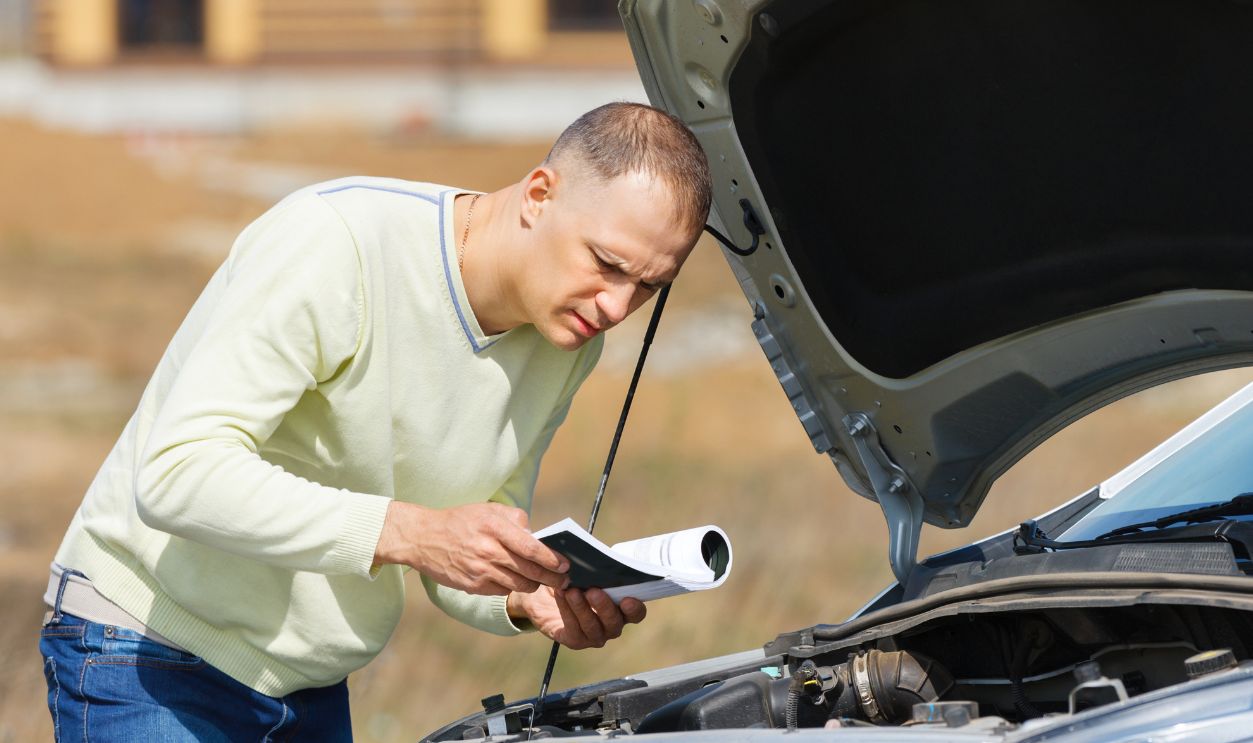
Before spending money defeating the system, experiment with your truck. Some start-stop systems respond differently depending upon brake pressure, climate-control demands, drive mode, battery charge, or other conditions. Your owner's manual should explain when the system activates and how the factory-provided disable function operates.
Start-Stop Is Not Alone
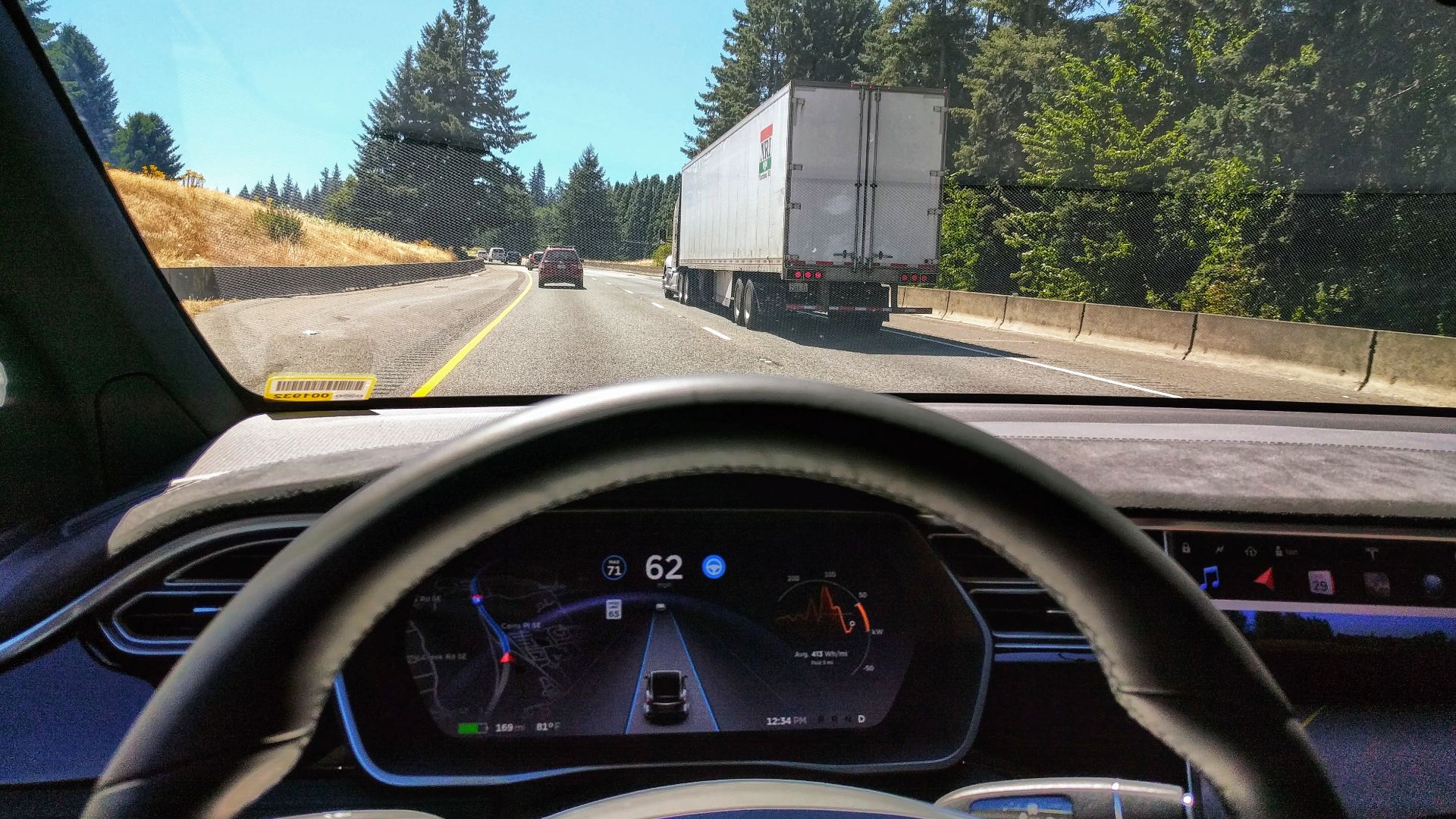
Start-stop represents a broader source of frustration with modern vehicles: technology that automatically intervenes in driving. Lane-departure warnings and lane-keeping assistance can beep, vibrate, or steer when drivers deliberately approach lane markings, and Consumer Reports has found lower satisfaction with these systems than several other driver-assistance technologies.
 Ian Maddox , Wikimedia Commons
Touchscreens Draw Complaints
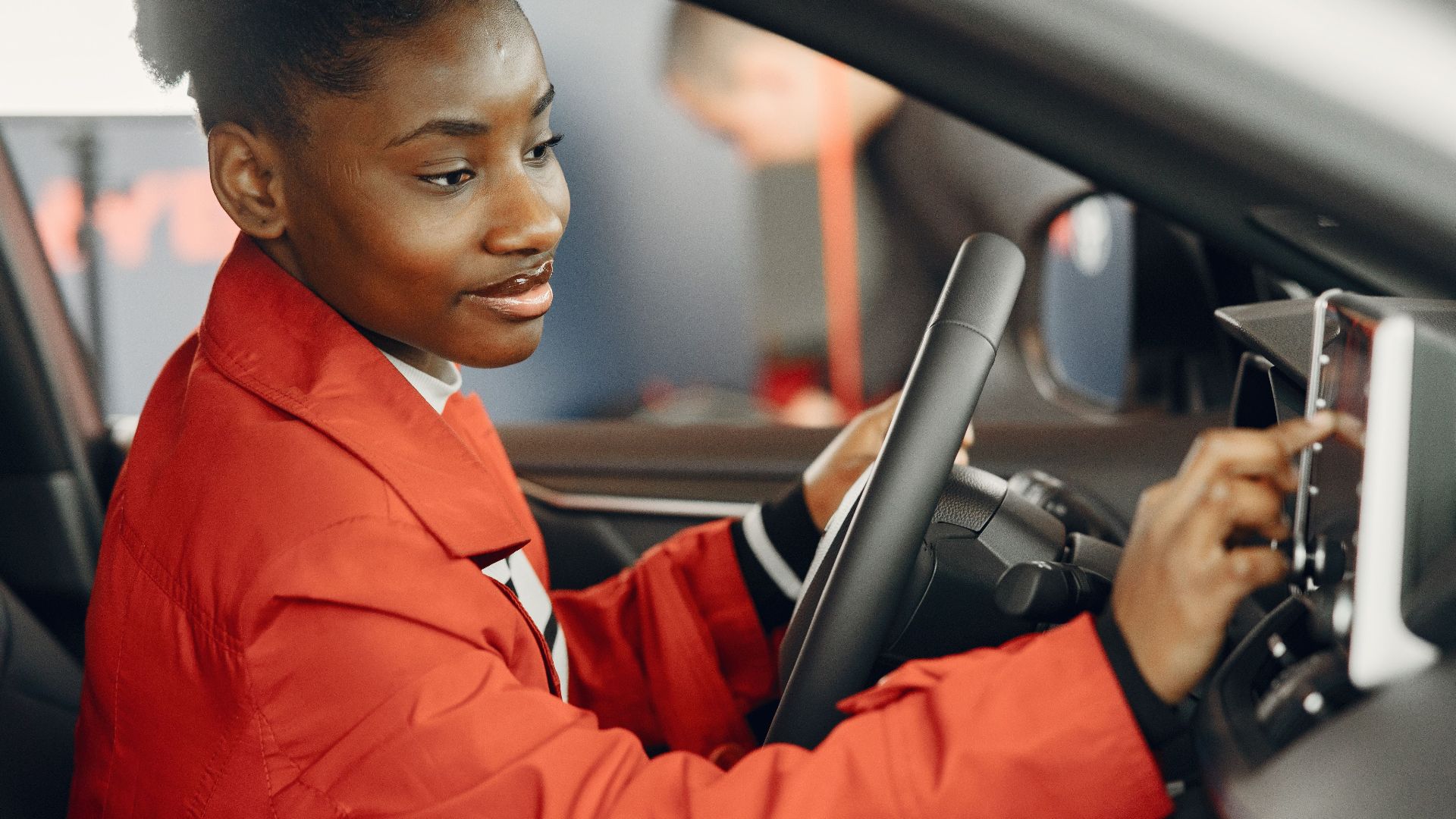
Physical knobs and buttons have also disappeared from many dashboards. Basic climate and audio functions can now require touchscreen menus. Consumer Reports notes that physical controls can be operated more easily by feel, while touchscreens require drivers to visually locate and accurately touch a control.

Some Tech Is Mandatory
Not every increasingly common feature is simply an automaker's choice. NHTSA finalized a rule requiring automatic emergency braking, including pedestrian detection, on new passenger cars and light trucks beginning by September 2029. NHTSA estimates the requirement could eventually prevent at least 24,000 injuries annually.

Annoying Can Still Help
The challenge is separating irritating implementation from useful technology. Drivers report high satisfaction with features including blind-spot warnings, rear cross-traffic warnings, adaptive cruise control, and automatic emergency braking. A feature does not necessarily become useless simply because another electronic intervention drives you crazy.

Vote With Your Wallet
If start-stop genuinely ruins your driving experience, treat it like towing capacity, seat comfort, or infotainment usability when shopping. Test-drive the exact model and trim, determine whether start-stop can be switched off easily, and check how frequently other driver-assistance features require reconfiguration after every ignition cycle.

You Still Have Choices
Your truck is not shutting down at red lights because engineers inexplicably decided drivers needed more irritation. Start-stop was designed to reduce wasted fuel and emissions, while previous regulations encouraged its adoption. You can dislike the execution while understanding the logic, and increasingly, ease of disabling intrusive technology may become a selling point itself.

You May Also Like:
My new vehicle’s automatic start-stop system annoys me every day. Is turning it off bad for the car?